So – here we go. Found this truly wonderful publication serving the good people of Michigan, and their clearly totally derailed connection to nature and all that lives within her.
Calls itself the “Michigan Enjoyer” (?????). Your average nutcases’ daily publication.
Far be it from us to give this filth a forum here, we think we need to show what happens out there in remote uncivilised corners of the North-American continent – the better to understand why it is the US is such a great, internationally respected leader of the free world ….
https://enjoyer.com/category/man-v-nature/
Right – tell you what’s cool: seeing these guys hang head down from a tree with a small fire underneath .. if they’re so keen on the Wilds, and bygone times of “Adventure” and all that “strong men” shit, bring back the scalpers and skinners of the white invader! Clearly it’s been too long …
And as if that wasn’t enough from lovely Michigan, here’s more:
(Nuisance???)
https://wkfr.com/nuisance-canada-geese-michigan/

A new lethal and legal way to deal with nuisance geese will be implemented in Michigan this year. As annoying and bullish as these Canada geese may be, I still don’t feel very good about this new method to remove them. Here’s what we know so far:
According to a report from MLive Michigan is moving forward with the new pilot goose removal program– despite pushback. While the state isn’t exactly encouraging the gassing of nuisance Canada geese it will be permitted in certain circumstances.
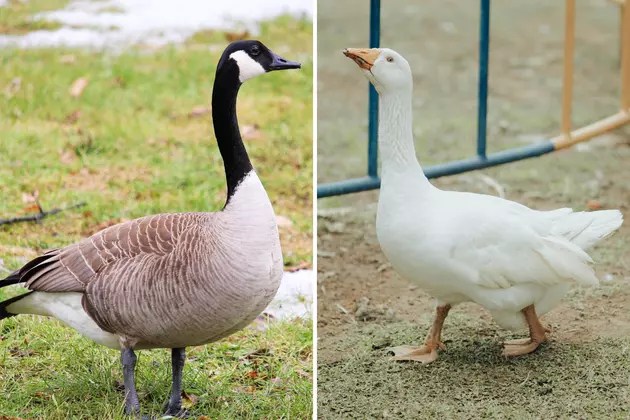
Canadian Geese v. Canada Geese
There is a difference. I, like many, have referred to the black and brown geese spotted all throughout Michigan as “Canadian geese” in the past however that’s not quite accurate. The term Canada goose refers to a particular species, Branta canadensis, while grammatically, the phrase Canadian goose could refer to any goose from Canada. Get it?
The Michigan DNR has long offered help and relocation services to private landowners and has even adapted hunting regulations when it comes to Canada geese in particular, but what are landowners, businesses, and golf courses supposed to do when they exhausted every option? DNR Wildlife Biologist and Acting Waterfowl Specialist Kaitlyn Barnes told MLive,
The Michigan DNR has long offered help and relocation services to private landowners and has even adapted hunting regulations when it comes to Canada geese in particular, but what are landowners, businesses, and golf courses supposed to do when they exhausted every option? DNR Wildlife Biologist and Acting Waterfowl Specialist Kaitlyn Barnes told MLive,
Why is This Necessary?
Not only is the highly contagious bird flu a factor but think about all the nuisance geese that pester children and families at parks, loiter outside nursing homes, and leave so many droppings that beaches are forced to close due to E.coli. I hadn’t even considered this, but MLive mentions goose feathers and feces can clog pipes at local wastewater treatment plants.
Again, I understand why this would all be necessary but I really don’t think it’s fair to the geese and their young. I’m not for the killing of innocent animals and that’s exactly what they are!
********************
Update: More Animals Added to Michigan’s Year-Round Hunting List
The Michigan DNR has added the following animals to the state’s year-round hunting list. Land owners may kill these animals on their property with no special permits required.
Gallery Credit: Lauren Gordon

FOX SQUIRREL
According to the Michigan DNR nearly 70% of the state’s Fox Squirrel population can be found in southern Lower Peninsula of Michigan. You’ll see them everywhere from forest to farmlands to city parks– and everywhere in between.
GRAY SQUIRREL
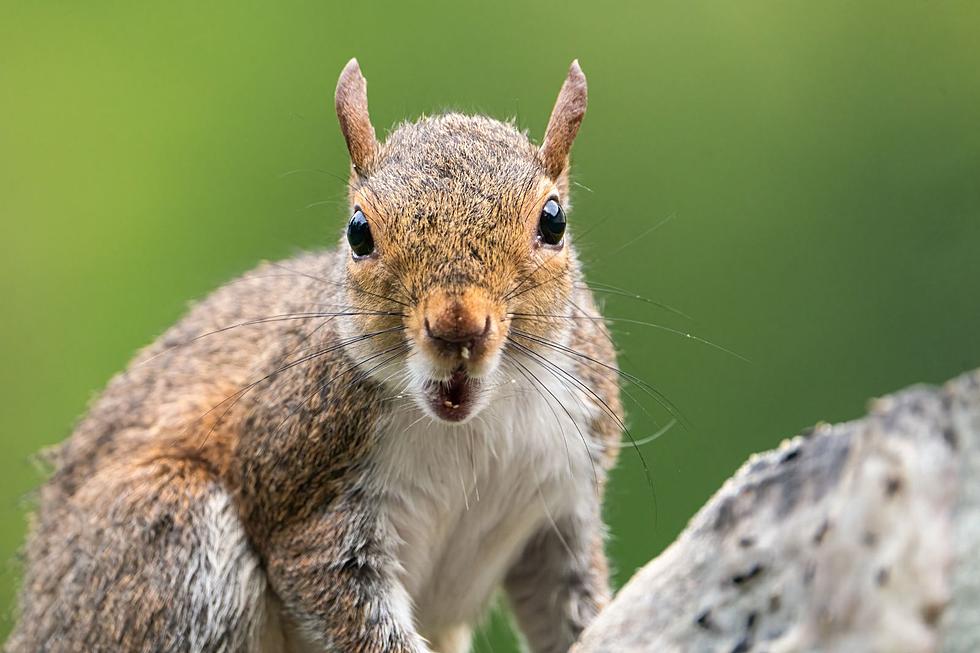
Also called the Eastern Gray Squirrel, these critters typically nest and live the majority of their life within a single nest tree and is the least social of Michigan’s six squirrel species.

BEAVER
The majestic beaver was added to Michigan’s year-round kill list as their dams can cause flooding and block culverts.
MUSKRAT
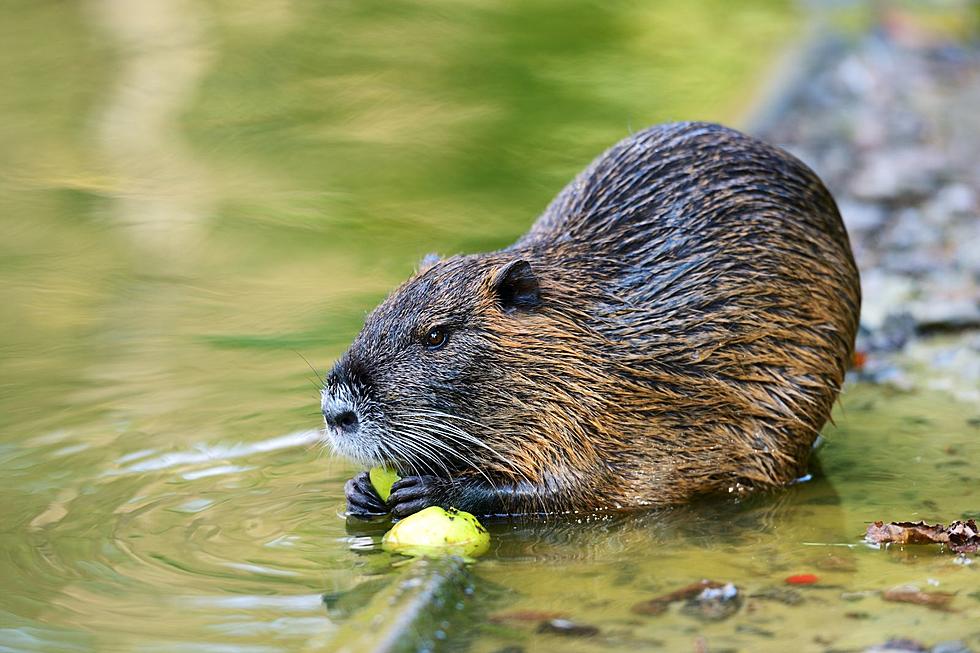
It’s hard to tell a beaver from a muskrat, but the difference is in the tail! The Michigan DNR warns that muskrat burrows can weaken shorelines, dikes, and riverbanks.

COTTONTAIL RABBIT
Poor, Peter Cottontail. Much like squirrels, these rabbits are known to chew through structure or equipment wires.
Animals You Can Hunt All Year in Michigan
Gallery Credit: Maitlynn Mossolle
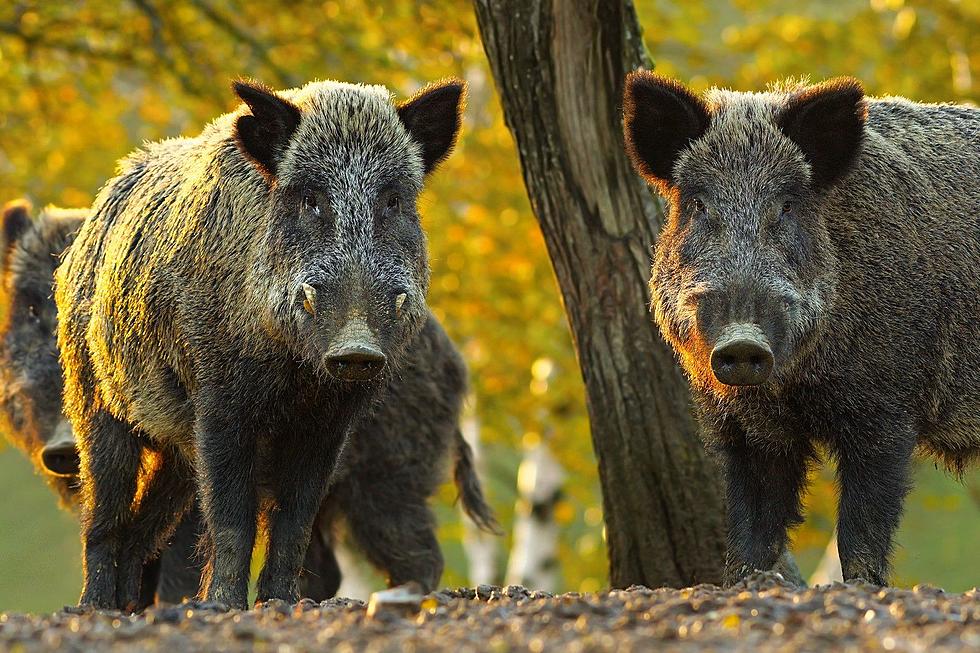
RUSSIAN BOAR
Uh…yeah…did you know these even exist here in Michigan because we sure didn’t until we saw the DNR say you can freely hunt these all year! According to Michigan.gov these are a highly invasive species that were only introduced either by “Intentional release” or “escape from captivity.” They are particularly dangerous which is why you are welcome to hunt them and encouraged to report when you do see them.
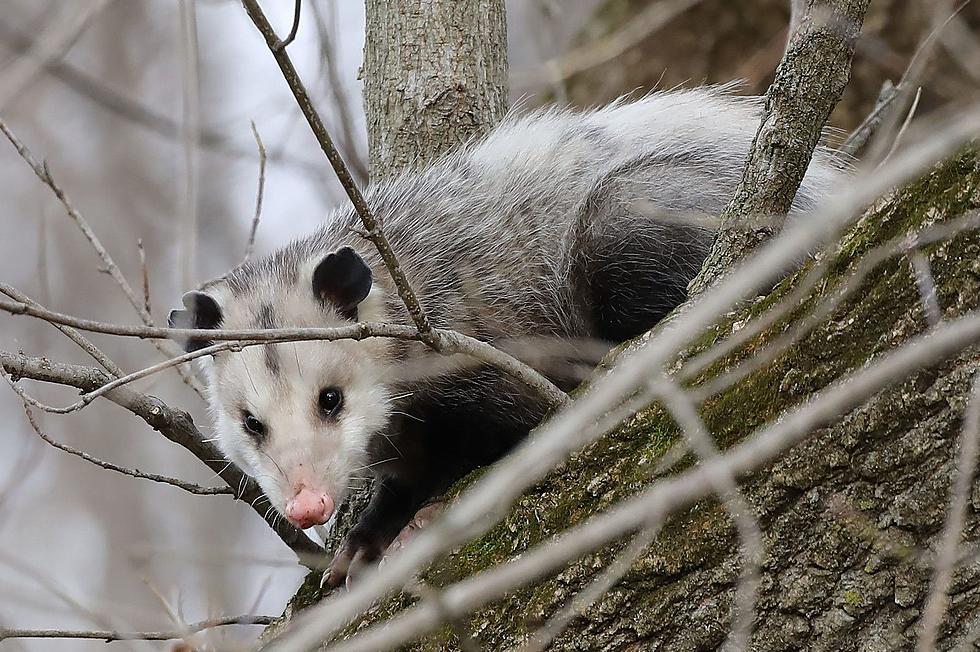
OPPOSSUM
While some may think these critters are pretty cute, they are also commonly known to be pests. That’s why, though people may not actively hunt these for their meat or for the “thrill of the hunt” but if you happen to kill one that’s been rummaging your trash, harassing your pets, etc. you are welcome to kill them as well.
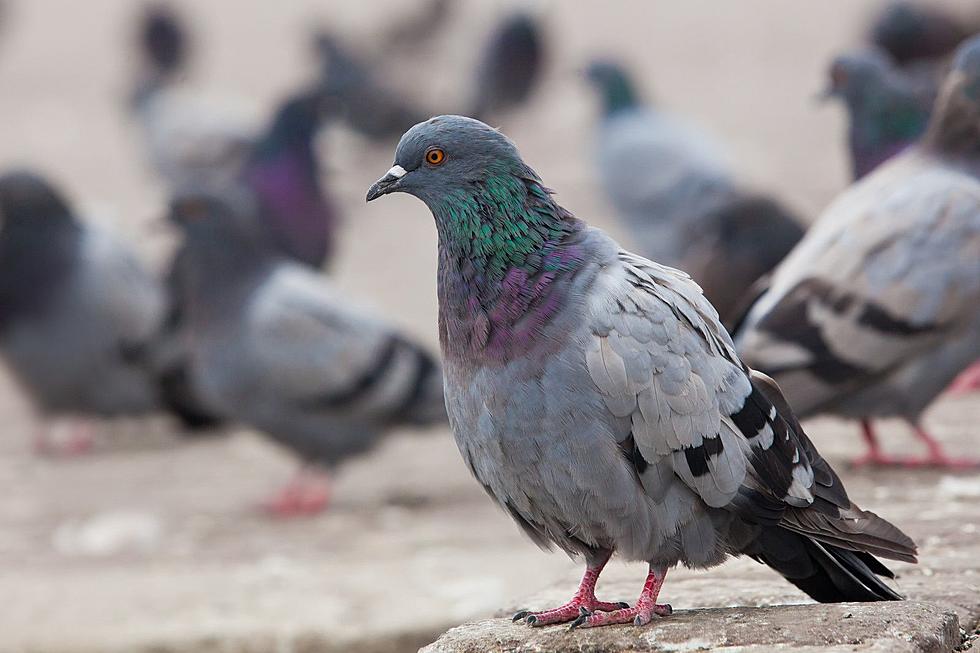
FERAL PIGEONS
Now we’re not entirely sure what the difference is between regular pigeons and “feral” ones but the Michigan DNR says you can hunt the feral ones as you please. We assume there are some people keep for pets for some reason?

RED SQUIRRELS
Now, regular squirrels are pretty cute and pretty harmless (for the most part) but RED SQUIRRELS…well, they were put on this Earth for one purpose: Chaos. They get into everything, chew on electrical wires and just really do not know their place other than to ruin everything. The Michigan DNR says you are welcome to kill them as much as the day is long.
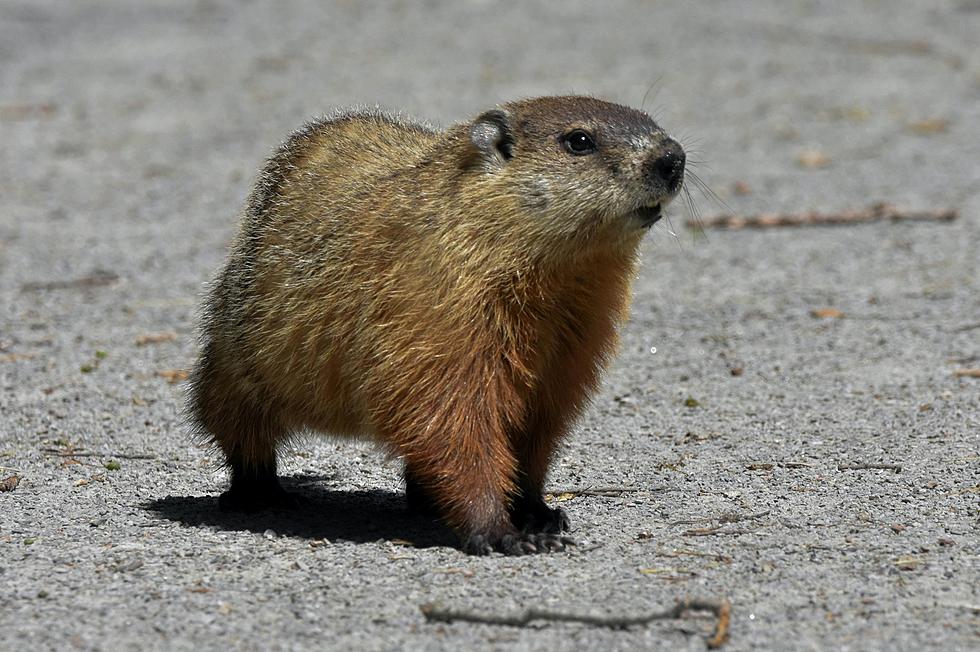
WOODCHUCK
“How much wood could a woodchuck chuck if a woodchuck, could chuck…” Yeah, these critters may have inspired a fun little rhyme but at the end of the day, MSU Extension’s Fisheries and Wildlife division says you can kill them if they are causing damage to private property. And boy, can it be extensive.

HOUSE SPARROW
Now these birds may look all teeny and cute, but MLive reports they are known for displaying behavior that can threaten the survival of other birds. You can CLICK HERE to read more but long story, short, these little guys are actually kind of a**holes. You are welcome to shoot them all year, though, it may be easier to find some way to trap them instead.
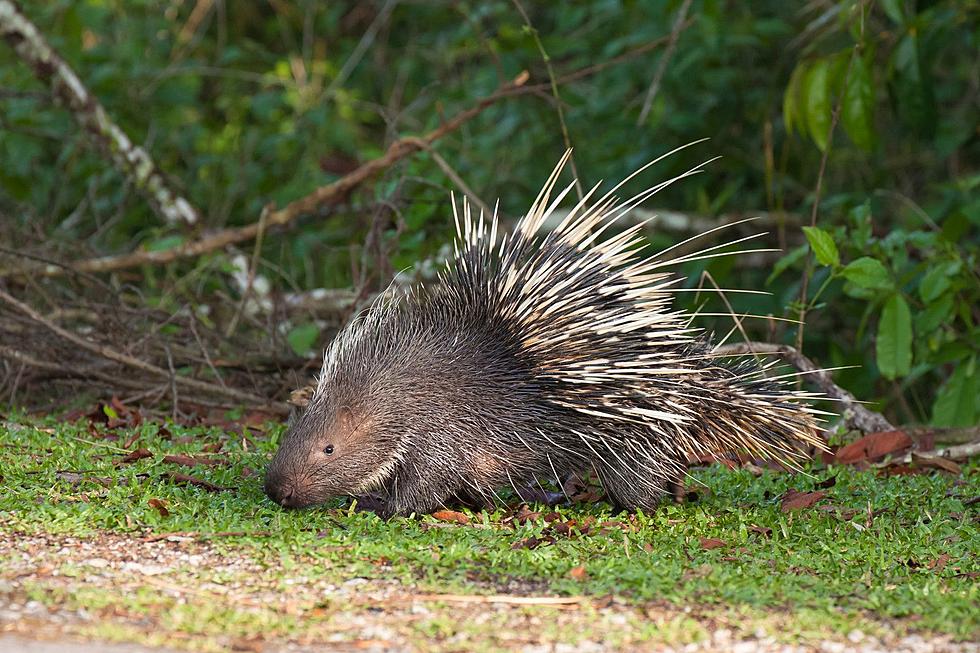
PORCUPINES
We probably don’t have to go into too much detail about what is wrong with these animals and why you are able to hunt them year-round…however, a point we would like to make is that people had pet hedgehogs forever and they’re basically just mini porcupines, no?
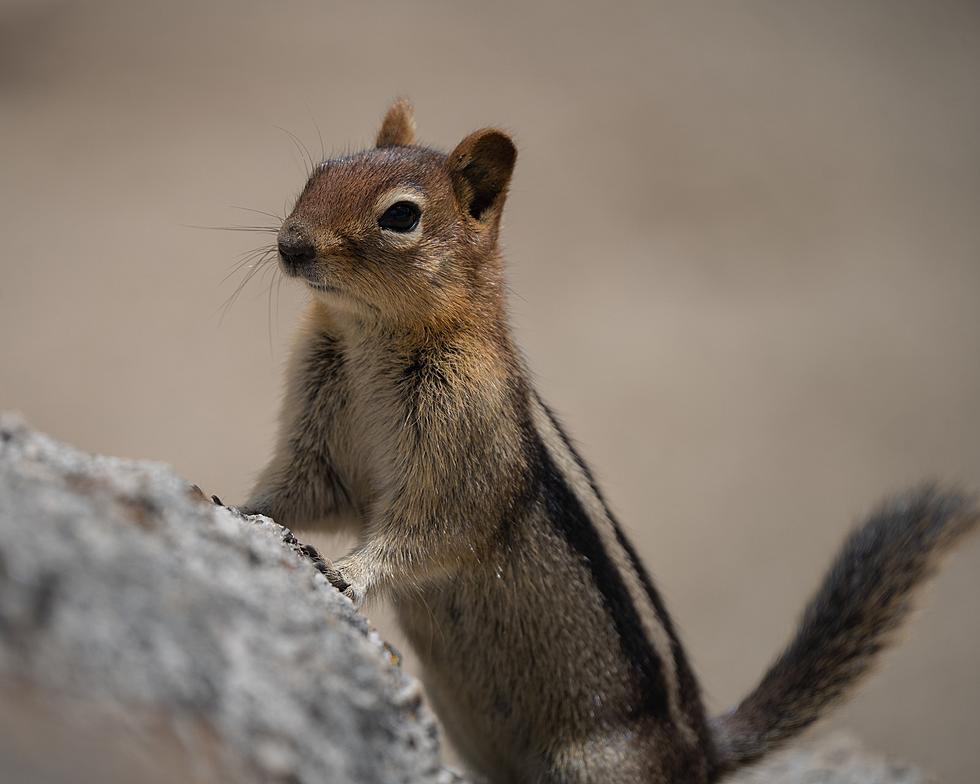
GROUND SQUIRRELS
Am I missing something here, these are what we commonly refer to as “chipmunks” right? Has our entire lives been a lie? Should it really be “Alvin and the Ground Squirrels”? Anyways, here is yet another animal that probably needs no explanation as to why you can kill it year round with no interference from the Michigan DNR…just don’t get ridiculous with it…that could mean you have some deeper issues.
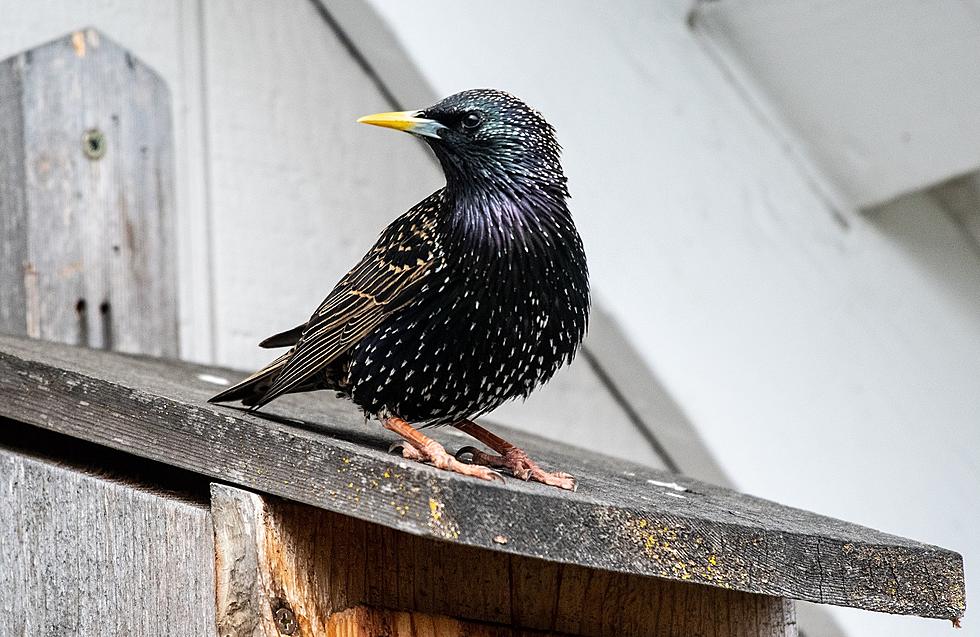
STARLING
Much like the house sparrows, Starlings also pose a threat to other native bird species. Michigan.gov says, “English sparrows, feral pigeons, and starlings may be taken by hunting statewide, year around except within state park and recreation areas from April 1 to September 14.”

WEASELS
While like other animals on this list, weasels are cute, but they are considered pests here in Michigan. Of course, with our state’s history in the fur trade it’s not all that surprising, yet it still somehow is. According to Michigan.gov, “Opossums, porcupines, weasels, red squirrels, skunks, ground squirrels, woodchucks, and feral swine may be harvested year-round, statewide with a valid Michigan hunting license. There is no bag limit for these species.”

SKUNKS
As mentioned with the previous critter, skunk is still part of Michigan’s fur trade which means you are open to kill them. However, I have to wonder, are they like stink bugs where if you kill them, it releases the stench? Someone please explain.
. and so forth …
It truly does make you wonder about the clearly highly disturbed mental health of the people of Michigan, or certainly a large portion. What, one cannot but wonder, do they do with themselves, if they do not go out and kill wildlife???





 World Animals Voice