Category: General News

England: It started With The Witnessing of a Sheep Transporter.

Y’ know, ever since I was a little boy, I had something inside of me in which wanted to help animals and their welfare.

When I was 8 years old I was out on my bike one Sunday and saw a 3 tier livestock transporter loaded to the max with sheep, heading down to the Kent ports and a Channel cross where they would be slaughtered in Europe (something I did not know at the time). 

https://www.google.co.uk/search?hl=en&site=imghp&tbm=isch&source=hp&biw=1276&bih=543&q=kent+england&oq=kent+england&gs_l=img.3..0l7j0i5l3.5391.9629.0.15898.12.12.0.0.0.0.67.621.12.12.0….0…1ac.1.30.img..0.12.621.2HMLYuXgprU

It was raining, it was cold, and I could see all the sheep were suffering a lot; there was little space for them and they were unable to move around. 

There and then that day; I made a pledge with myself that when I grew up; if I could, I would do something to try and stop the suffering of those innocent, sentient beings.

Decades and decades later I am still fighting the fight against live animal transport.  I became very involved when I was around 17 to follow up that pledge I had set myself earlier to do something – over the years I worked as a volunteer with several animal organisations; doing legal work, investigation work, and becoming the EU rep associated with live transport for one organisation.  It became an obsession really, crazy busy; and only after 35 + years of campaigning have we now stopped all live animal shipments to Europe for either slaughter or further fattening.  The little kid made the pledge when he was 8 and only now has the dream become fruition and worked for better for hundreds of thousands of farm animals. 

My (proper) work took me to many places – as I say

“I had a bloody good time doing military fast jets for 24 years; ‘down and dirty’ with the best – ‘RAF Tornado’. 

.. but to be honest, the animal rights / welfare person in me has always been just as strong as the ‘proper’ day job Marky ever since I was 15 or 16 years old, and the creation of SAV and WAV is a kind of ultimate destination for me really; there is nothing quite like the satisfaction to be gained by anyone, anywhere, helping to save the lives of, and improving the welfare of animals in need; no matter how big or small their dedication, contribution or effort; everyone simply does what they can to make things better – and slowly they win !

– I am delighted to be an animals voice; one of many, in this crazy, cruel, (and unfortunately) money-driven world”

Today, nothing has changed – the animal rights / welfare person in me has never drifted.  I say that because I know the bloke quite well !

In 2005 I set up ‘Serbian Animals Voice’  to try and fight for the stray animals against the government of Serbia; and the rest of the Balkans.  You can visit the site here to see what was taken on:

About Serbian Animals  About Serbian Animals. | Serbian Animals Voice (SAV)
The biggest win was for Serbian animals in the fur trade rather than strays which we fought for.  Working with buddy Mark Glover at ‘Respect for Animals’ here in England, we finally achieved the aim of getting Serbia to impose a fur ban which commenced on 1st January 2019 – check it out:  serbia | Search Results | Respect for Animals

Home  Serbian Animals Voice (SAV) | a voice for the voiceless

And here is a link which tells you a bit more about me and my campaigning.

About Us. | Serbian Animals Voice (SAV)

If you are a bit of a fast jet head like me then there are several good videos of the military.

Oh yeah, we managed to stop the baby seal slaughter in Russia many years ago – check it out via this ‘about us’ link also.

I have full respect for, and like animals immensely; it is most humans that I don’t really want to be associated with – many humans humans are dangerous, as current global situations clearly show !

If you feel that you are right, and something is worth fighting for, then get out there and do it !

Time Out – I have to finish with some Wild Fly !

Regards Mark

(Hope the links work !)

USA: Victory !: Historic New Law Passes to Protect Wild Horses in Colorado!


Victory: Historic New Law Passes to Protect Wild Horses in Colorado!

In a stunning bi-partisan victory for wild horses, the Colorado General Assembly passed unprecedented and groundbreaking legislation known as the Colorado Wild Horse Project that was signed into law by Colorado Gov. Jared Polis during a special ceremony on May 20, 2023. The bill was created when legislators, advocates, and other stakeholders came together to provide protections from brutal roundups and removals for Colorado’s wild horses. LEARN MORE IDA - FacebookIDA - Twitter  

The bill’s primary sponsors were Sens. Joann Ginal (D) and Perry Will (R), House Majority Leader Rep. Monica Duran (D), and House Minority Leader Rep. Mike Lynch (R). These sponsors secured bipartisan support in both chambers of the General Assembly, where the bill was passed by an overwhelming majority after expert testimonies by advocates, including In Defense of Animals’ Senior Campaigner for Wild Horses and Burros, Ginger Fedak.

This new state law is necessary because nationally, the US Congress has struggled to pass laws favorable to America’s wild horses and burros for years. No wild horse and burro-friendly progress has been made on the national front since the 1971 Wild Free-Roaming Horses and Burros Act was passed!

Gov. Polis and First Gentleman Marlon Reis have been staunch supporters of America’s wild horses and burros and have spoken out to halt the roundups in the state. However, the national government is solely responsible for “managing” wild equids, so there was little that could be done at the state level. The new law is the culmination of several years of work to allow the state to be part of the stewardship process.

The bill signing ceremony occurred in the Little Book Cliffs Herd Management Area (HMA) in the western part of the state near Grand Junction. Gov. Polis said they could see nine wild horses from where they stood. Before signing, Gov. Polis delivered some encouraging remarks. With the new law, he said, “We can ensure that our wild horse herds have a humane and sustainable future in western Colorado. We also want to highlight that this will set a national example. It’s a first-of-its-kind partnership for how the state, ranchers, advocates, local communities, conservationists, and federal land managers can come together to achieve the best outcome to successfully manage these majestic animals that are synonymous with the American West.”

State Senator Perry Will, one of the bill’s four original bipartisan sponsors, was also at the signing ceremony. He said, “I’m real excited about this bill. It’s a collaborative effort, and I think it’s really going to set the stage for management of our wild horses into the future. I see this as a win/win for everyone involved, and the big win is for the wild horses because that’s the whole purpose.”

SB23-275 prioritizes retaining healthy wild horse herds in Colorado’s four HMAs, thereby reducing costly and destructive roundups that have proven ineffective in the national plan. Thank you, Colorado!

For more on how to get involved in supporting efforts like this, visit our Wild Horses campaign.

Regards Mark

England: May Photos From Pauline – and A Quick Trip Round Our Home County (Kent).

26/5/23 – here are the latest photos sent over by animal buddy Pauline.  Enjoy !

All photos taken in our home county of Kent:

Water Vole

Avocet

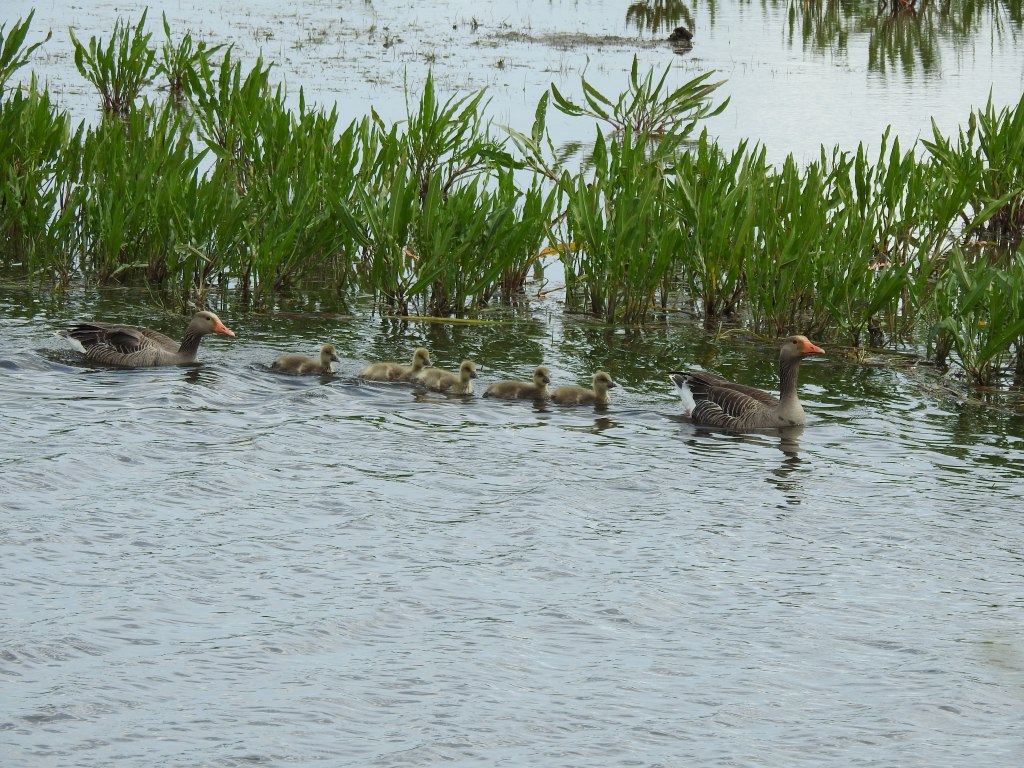
Greylag Geese

Cows

(Eddie) Lizard

Marsh Frog

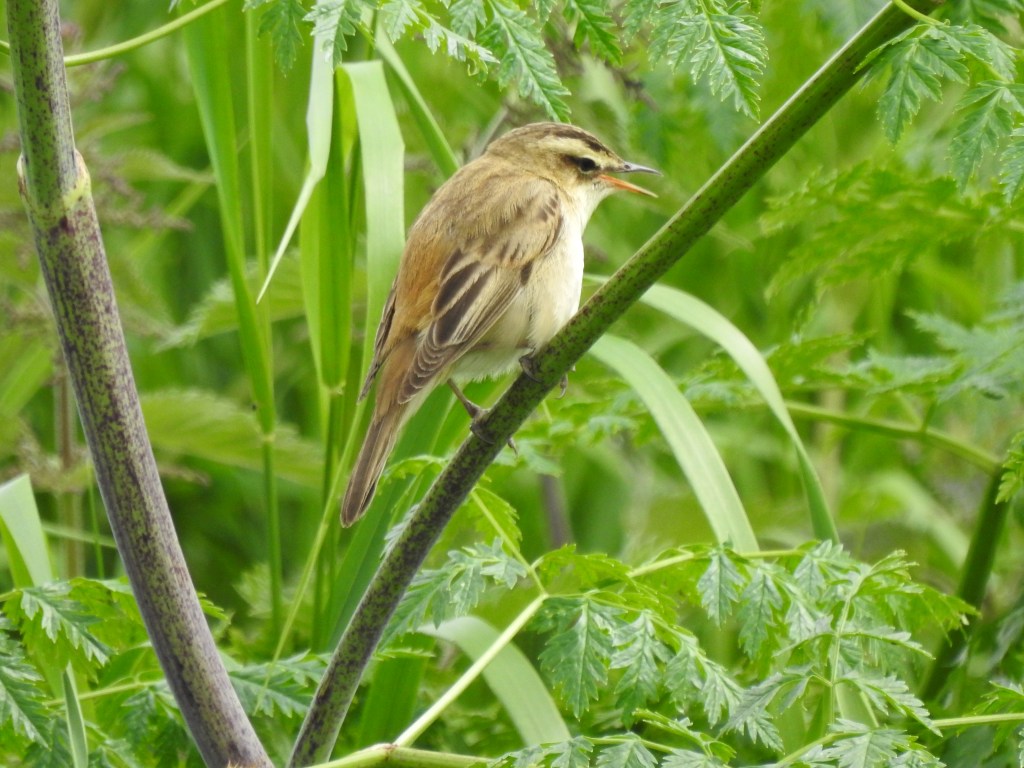
Sedge Warbler

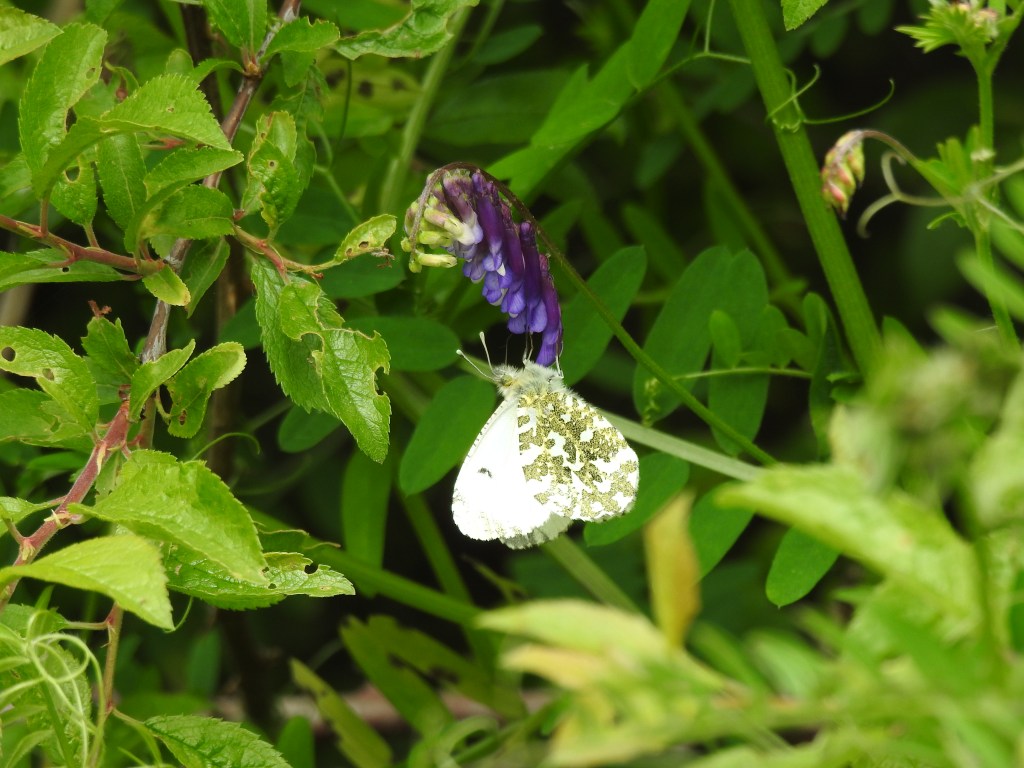
Female Orange Tipped Butterfly

Young Blue Tit

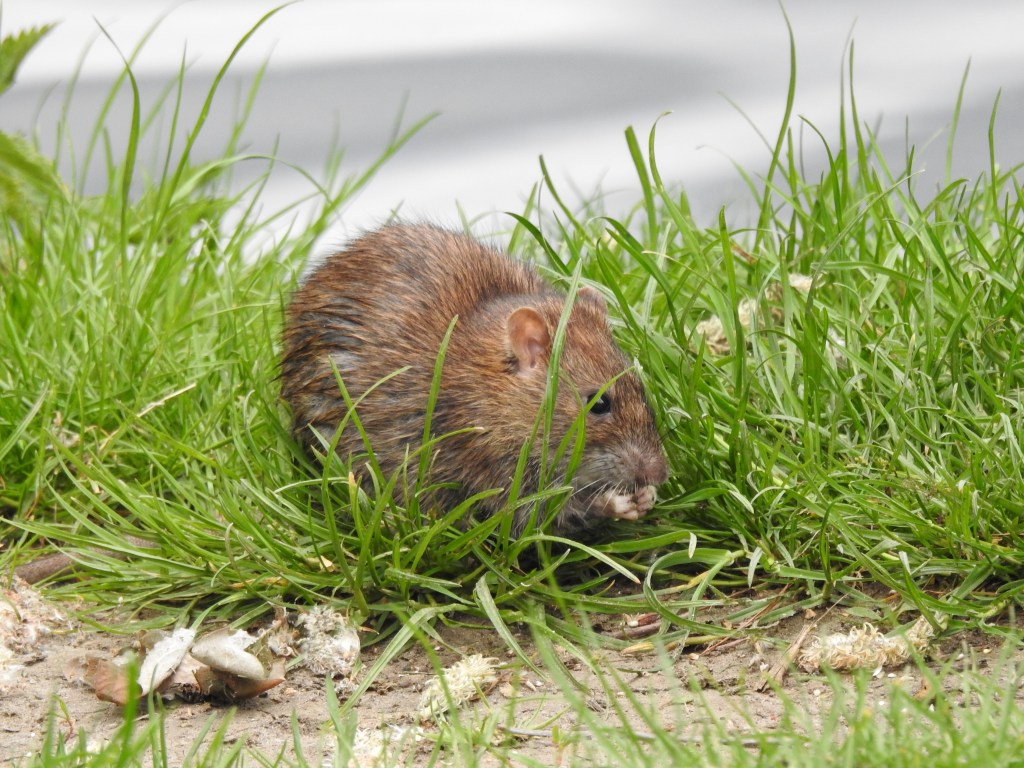
Ratty

Regards Pauline and Mark

Cobham is about 4 miles up the road – check out the secret hidden college:

USA: Animal rights group says chickens were abused, but Tyson Foods cut ties with the farm on its own.

Animal rights group says chickens were abused, but Tyson Foods cut ties with the farm on its own

An animal rights group said Wednesday that a Virginia farm that raised chickens for Tyson Foods mistreated the animals, allowing some of them to go without feed and water at times.

But Tyson says it cut ties with the farm in January after it uncovered animal welfare issues there on its own.

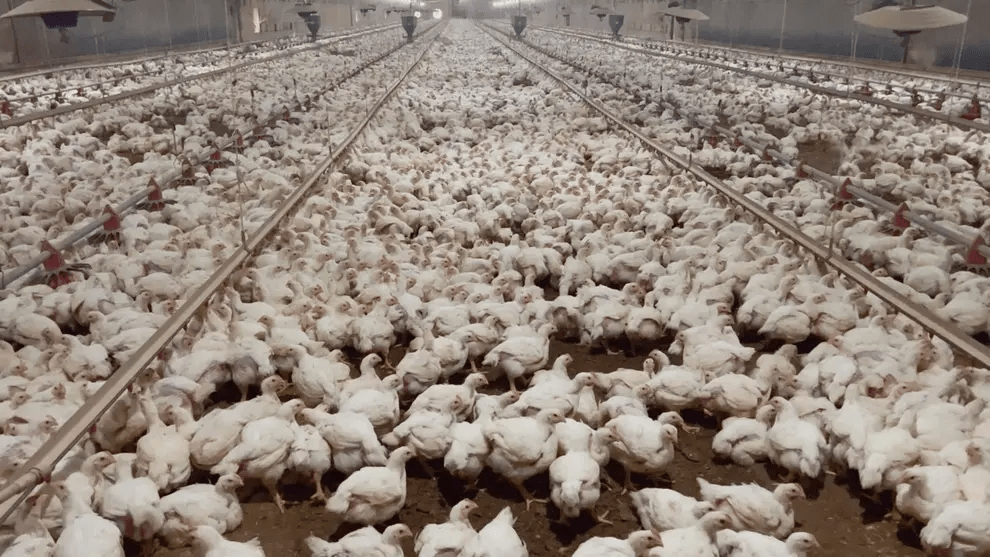
The group, Animal Outlook, said it had an investigator working undercover at Jannat Farm from August to November of last year observing as 150,000 birds were raised from chicks until they were ready for slaughter. In addition to seeing chickens go without feed for up to 52 hours, the group said it documented instances of physical abuse and filthy conditions at the farm.

The Associated Press could not immediately locate a contact at the farm itself. A spokesman for Springdale, Arkansas-based Tyson, which processes 20% of U.S. beef, chicken and pork, denounced the conditions Animal Outlook documented in video and pictures shot at the farm and said the company ended its contract with the farm because it wasn’t meeting Tyson’s animal welfare standards.

“Since January 2023, no Tyson Foods birds have been placed on this farm and the farmer no longer has a contract to grow for Tyson Foods,” spokesman Derek Burleson said. “We have a longstanding commitment to the welfare, proper handling, and humane treatment and care of animals in our supply chain.”

Animal Outlook’s Executive Director Cheryl Leahy said Tyson should have known about the abuse sooner because the farm had been raising chickens for the meat producer for at least seven years, and the company had a manager overseeing operations there. Plus, Tyson was responsible for delivering the feed chickens went without for more than two days. Video shot by the group’s investigator also shows chickens being thrown and kicked by farm workers and in at least one case a worker ripped off the head of a chicken.

“There is absolutely no excuse,” Leahy said. “The day-to-day suffering of these birds is palpable in each of the videos. Still, Tyson delivered birds, year after year.”

Leahy said she believes Tyson’s decision to end its contract with this farm may have been related more to its decision to shut down a processing plant in the area this spring — not animal welfare concerns.

“It’s very clear that Tyson is an important part of the puzzle here, and the cruelty that we see in this investigation is systemic,” said Leahy, who cited two previous investigations her group has done at farms affiliated with Tyson.

The group filed a complaint with the local district attorney asking for a criminal investigation into the way the chickens were treated that was forwarded on to the state attorney general’s office.

In addition to the abuse Animal Outlook found, the group said this farm failed to follow good biosecurity practices to limit the spread of disease despite the ongoing bird flu outbreak that has prompted officials to slaughter nearly 59 million chickens and turkeys to limit the spread of that virus.

Animal Outlook said workers failed to sanitize their boots in bleach before they entered barns, and some of the buildings had openings that could allow wild animals to get inside. Experts believe bird flu is primarily spread by the droppings of wild birds as they migrate past farms.

The animal rights group said its investigator also found instances of bugs in some of the chicken feed and rats in the barns where the chickens were housed.

Animal rights group says chickens were abused, but Tyson Foods cut ties with the farm on its own | The Independent

Regards Mark

Spain: Animal rights activists in Madrid protest against plans for a large-scale octopus farm.

Animal rights activists in Madrid protest against plans for a large-scale octopus farm

The Spanish activists said there are no regulations to guarantee the welfare of the captivated octopuses

Animal rights activists gathered Sunday in Madrid to protest plans for the construction of an octopus farm in Spain, saying there are no respective laws in the country and the European Union to guarantee the welfare of the animals in captivity.

The proposed farm, which aims to breed octopuses on a large scale in captivity, is scheduled to be built next year in the Canary Islands, a Spanish archipelago located in the Atlantic Ocean.

A few dozen people showed up to express their concerns regarding a project that plans to confine 3 million octopuses in pools, despite these creatures being solitary predators in their natural habitat.

“It is similar to imprisoning tigers together. They will prey on one another and will also attempt to escape due to their high intelligence and adeptness,” said Jaime Posada, a spokesperson for the protest called by various animal welfare organizations.

Octopuses grown in captivity will behave differently from those in the wild, said Nova Pescanova, the seafood company promoting this farm. Since 2018, the company has run a pilot project in a research facility in northern Spain, where they have succeeded in breeding five captivity-born generations of the cephalopod.

“It is not possible to grow any (animal) species in the European Union without respecting their welfare conditions. It is the standard, and our group does nothing but comply with guidelines and legislations,” said Roberto Romero, the multinational’s aquaculture director.

Since the demand for octopus consumption has been on the rise, farming octopuses is being regarded as a first step towards ensuring sustainable food production.

Octopus is a staple in the Mediterranean diet, particularly popular in Spain and Italy, although both of them import most of the octopus they consume. Recently, the global demand for this delicacy has expanded, with countries like the United States witnessing a 23% increase in imports and China experiencing a 73% surge between 2016 and 2018, according to the U.N. Food and Agriculture Organization.

Animal rights activists in Madrid protest against plans for a large-scale octopus farm | Fox News

Regards Mark

EU: New EFSA Scientific Opinions: first glimpse of scientific basis for improved welfare of dairy cows, ducks, geese, and quail.

New EFSA Scientific Opinions: first glimpse of scientific basis for improved welfare of dairy cows, ducks, geese, and quail

24 May 2023

Eurogroup welcome EFSA’s new Scientific Opinions and recommendations on dairy cows, quail, duck and geese welfare, all of whom lack species-specific protection despite millions of these animals being farmed in the EU.

The new EFSA (European Food Safety Authority) Scientific Opinions on dairy cows and ducks, geese and quail will form the basis of species-specific provisions in the EU’s upcoming revised animal welfare legislation, providing much needed protection for these overlooked species.

Welfare of ducks, geese and quail on farm

Best practices for the farming of these species are not widely disseminated yet and a common understanding of high welfare standards is lacking, hence the importance of outlining the current practices, available science and drawing recommendations for improved animal welfare outcomes. The opinion is composed of 3 parts: (1) description of husbandry systems currently used in the EU, (2) analysis of the main animal welfare consequences (restriction of movement, injuries, group stress and inability to perform comfort behaviour related to these husbandry systems) and (3) recommendations to prevent the negative welfare consequences listed in point (2).

EFSA is clear on the need to step away from cages for all farmed species, including both individual and group systems. The mandate didn’t cover force-feeding for foie gras, but EFSA still highlighted that all husbandry systems used in foie gras production should be avoided due to their severe impact on animal welfare. Space allowance should be increased and there must be possibilities for water bathing, a need all waterfowl have strongly pronounced. Outdoor access is strongly advised and if not possible, birds should have at least a covered veranda. A range of additional enrichment measures are also recommended, including enough nesting material to build nests and perches when relevant according to the needs of the species.

EFSA recognises there is still a large knowledge gap in the available scientific literature for these species. We regret that a clear recommendation on the need to have access to outdoor areas is not present in the opinion, however, we still consider the document a positive development in the journey towards better protection for ducks, geese and quail – species that have so far received insufficient attention. We are looking forward to progressive legislation that takes into account the needs of ducks, geese and quails and prioritises their welfare. 

Read EFSA’s Scientific Opinion on “Welfare of ducks, geese and quail on farm“.

Welfare of dairy cows

This Scientific Opinion is composed of 3 parts: (1) mapping and assessment of dairy farm housing systems in the EU, (2) analysis of the main animal welfare consequences (lameness, mastitis, restriction of movement, resting and comfort behaviours and metabolic diseases) and (3) assessment of possible indicators to identify potentially risky farms in term of animal welfare level.

Through the opinion the severe animal welfare consequences of tethered systems are exposed. From restriction of movement to restriction of the performance of comfort and social behaviours, this type of housing is deemed unsuitable and the necessity to end it is stated. 

Pasture access is featured as having a positive impact on movement and expression of natural behaviours as well as improving hoof health. Nevertheless, the report shows these systems have severely declined in number across the EU in the last years. We regret that there isn’t a clear statement in the report highlighting pasture based systems as the best for animal welfare (when comparing well managed systems).

We also welcome the recommendation for 9 or more m2/ per cow in indoor systems, and the need to further assess and use animal based indicators to detect potential risk farms in terms of animal welfare. 

It is time for the European Commission to take a stance for dairy cows and provide them with a good quality of life, through the revision of the animal welfare legislation. 

Read EFSA’s Scientific Opinion on “Welfare of dairy cows“.

Regards Mark

Italy: EA Expose Animal Conditions Caused By Recent Floods.

Photos from EA.

We here in Europe have all seen the terrible floods recently in some parts of Italy; here is the animal news:

Floods in Emilia-Romagna: new photos expose dead and abandoned animals on farms

28 May 2023

Essere Animali

Essere Animali documented the situation in Italy’s Emilia-Romagna region as flooding continues to impact the lives of people and animals. They discovered thousands of animals trapped and waiting for rescue.

On 19, 20 and 21 May, the Essere Animali investigation team visited farms affected by the floods in the provinces of Ravenna and Forlì-Cesena, in order to document the conditions of the animals confined in factory farms of the region. 

Emilia-Romagna is – together with Lombardy, Veneto and Piedmont – one of the regions of Italy with the largest number of reared animals and intensive structures, with more than 20 million poultry and over 1 million pigs reared per month.

The situation was dramatic and the most striking case was that of Bertinoro, where a farm with thousands of pigs was still partially flooded, with no operation underway to feed and rescue the animals. 

Piles of dead pigs – in particular one with more than 100 animals – and operations to move the dead animals outside the farm were documented.

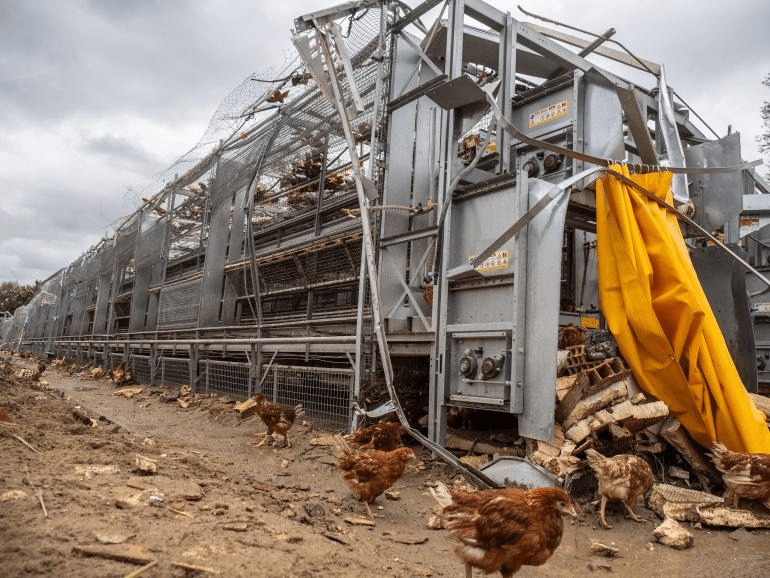
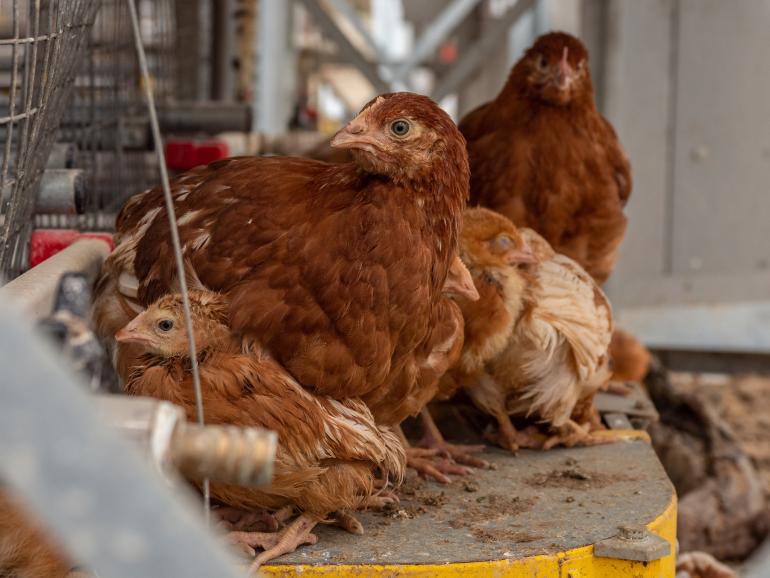
In San Lorenzo, three sheds were found to be flooded and more than 60,000 hens had died.

Essere Animali expresses solidarity with all the people affected by this tragedy, and highlights how Italy is once again fragile and unprepared for the emergency, which affects people and animals such as those bred and confined inside factory farms, where very often there is no evacuation plan for emergencies.

Regards Mark

EU: Are better broiler standards around the corner? Animal Equality’s petition to be discussed at the PETI Committee.

Are better broiler standards around the corner? Animal Equality’s petition to be discussed at the PETI Committee

23 May 2023

Animal Equality

Animal Equality has succeeded in submitting a petition in the PETI Committee of the European Parliament to outlaw fast-growing broiler breeds on the basis of incompatibility with EU law. The committee meeting will take place on May 24, and it’s critical that MEPs attend to vouch for the welfare of these innocent birds.

Across the EU, billions of broiler chickens (chickens bred for meat) are suffering. To support high levels of production on factory farms, they’re bred to grow extremely quickly, which leads to a range of severe health problems, including lameness and heart diseases.

Breeding these birds to grow this quickly is a direct threat to their welfare – and is an issue the EU must address. Fortunately, a great opportunity has been presented to do just that through the efforts of our member, Animal Equality, who has managed to get a petition in the PETI Committee of the European Parliament to ban the farming of fast-growing broilers across Europe. This could be a critical turning point for their future, so it’s vital that policymakers attend the meeting on May 24 to speak up for their welfare.

We’ve signed an open letter asking MEPs to show up for broiler chickens

For the petition to be taken seriously, MEPs must attend the committee meeting and support its goals. That’s why we – along with many NGOs including LAV, GAIA and AnimaNaturalis – have signed an open letter calling on them to take heed of this critical animal welfare issue. 

You can read it here.

This petition could make history for broiler chickens, and we hope that policymakers mobilise to change their future for the better. We look forward to the results.

Regards Mark

UK: The (UK) Government Plans to Extend the Ivory Act 2018 to Include Bans On Imports From Several More Species. Positive News.

UK ivory ban list to be extended to include five more species including hippos

Trading ivory from a hippopotamus, walrus, narwhal, killer whale and sperm whale will soon be made illegal, the Government has said.

The Ivory Act 2018 came into force last June to protect elephants and ban the import, export and dealing of their tusks.

But it will now be extended to cover five more species after it was revealed they are most at risk of ivory exploitation.

Hippos, walruses and sperm whales are all classed as vulnerable on the International Union for the Conservation of Nature’s red list.

Read more:

UK ivory ban list to be extended to include five more species | UK News | Metro News

Hippos and killer whales among five more species to be added to ivory ban list | UK News | Sky News

The sale of ivory from the tusks and teeth of five more species will be banned under government plans.

The import, export and dealing of elephant ivory was banned in the UK last year. The animals that could join the list are killer whales, hippos, walruses, narwhals, and sperm whales.

The creatures are hunted and killed for their ivory which is often used in decorative carvings.

The government plans to extend the Ivory Act 2018 to include them.

People found to be breaking the law can be given unlimited fines or be jailed for five years.

Parliament must vote on the extension of the Act before it can come into force.

Ivory ban to extend to hippos and killer whales – BBC News

Ivory ban to be extended to five new species (msn.com)

Regards Mark

India’s top court defends bull-fighting as part of nation’s ‘cultural heritage’ – waffle just like Spain !

India’s top court defends bull-fighting as part of nation’s ‘cultural heritage’ (msn.com)

India’s top court defends bull-fighting as part of nation’s ‘cultural heritage’

India’s Supreme Court has upheld the constitutional validity of state laws allowing traditional bull taming sports of Jallikattu and Kambala, and bullock-cart racing.

On Thursday, a five-judge bench of the court, including justices KM Joseph, Ajay Rastogi, Aniruddha Bose, Hrishikesh Roy and CT Ravikumar upheld the amendments made to the Prevention of Cruelty to Animals Act, 1960, by the states of Tamil Nadu, Karnataka, and Maharashtra where these sports are traditionally held.

The court was hearing a batch of petitions challenging the constitutionality of the amendments.

The court held that the amendments did not violate its 2014 order banning Jallikattu.

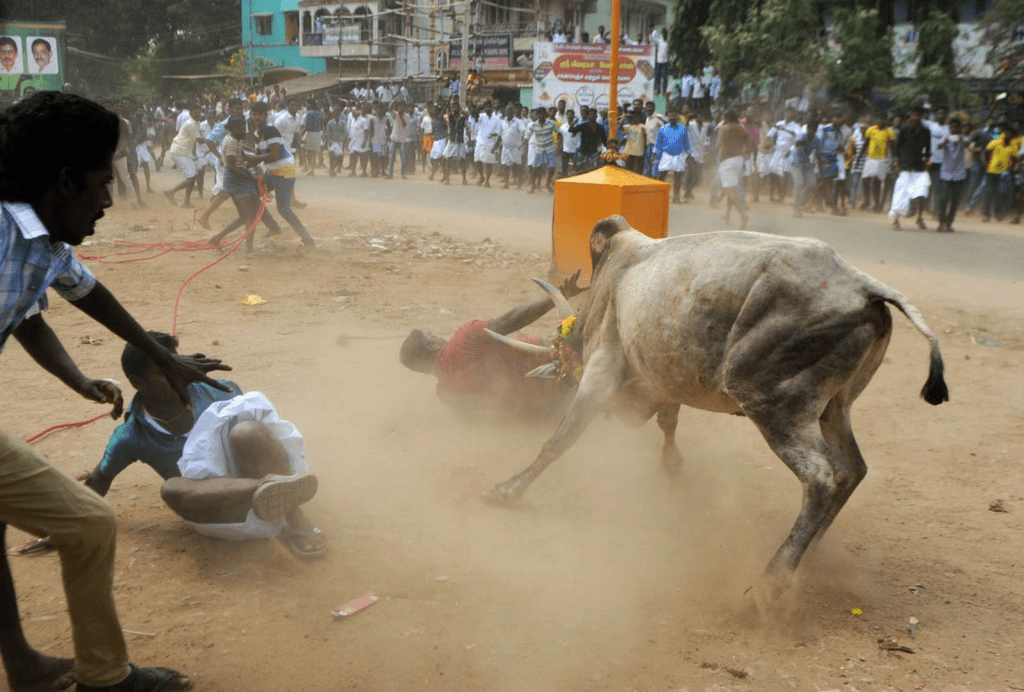
The centuries-old sport of Jallikattu is extremely popular in Tamil Nadu during the four-day Pongal harvest festival in January in which hundreds of bull vaulters compete in a carnival-like atmosphere.

On Thursday, the top court said that these laws remedy the defects pointed out by the judgment in 2014 and the effect of the laws is to minimise the pain and suffering caused to animals, reported legal news portal LiveLaw.

“In A Nagaraja [2014 judgment] the sport was held to attract the restrictions under the Prevention of Cruelty to Animals Act, because of the manner in which it was practiced. The amendment Act and rules substantially minimises pain and suffering to animals…”, Justice Aniruddha Bose was quoted as saying by the outlet.

The bench added: “We are satisfied on materials that Jallikattu is going on in Tamil Nadu for last one century.

“Whether this is integral part of Tamil culture requires greater detail, which exercise judiciary cannot undertake… When the legislature has declared that Jallikattu is part of the cultural heritage of Tamil Nadu state, the judiciary cannot take a different view. Legislature is best suited to decide that.”

The court added that its judgment would also apply to laws on Kambala and bull-cart racing in Maharashtra and Karnataka and directed that these laws be followed strictly.

The court order, however, has been criticised by animal rights activists.

“Since 2017, at least 104 men and children and 33 bulls have died. More deaths will occur,” Poorvi Joshipura, a spokesperson for PETA (People for the Ethical Treatment of Animals) India was quoted as saying to the Associated Press.

The global animal rights organisation was a complainant in the case in the country’s apex court.

Two years after the top court held that Jallikattu violated the rights of the animals and the Prevention of Cruelty to Animals Act, the federal government carved out an exception for Jallikattu and bullock cart races from the scope of the law.

The move was challenged by animal rights organisations in the Supreme Court.

While the matter was pending, the Prevention of Cruelty to Animals (Tamil Nadu Amendment) Act, 2017, was passed. Similar amendments were passed by Maharashtra and Karnataka.

The apex court’s order has upheld the constitutionality of the federal government’s action as well as the amendments passed by the states.

Regards Mark