Category: General News

UK: We Have Values, and Being Part of a Trade In Endangered Species Body Parts Is Not Part of Those Values.

This is about the values that we in Britain have, that we do not want to be part of a trade in endangered species’ body parts.

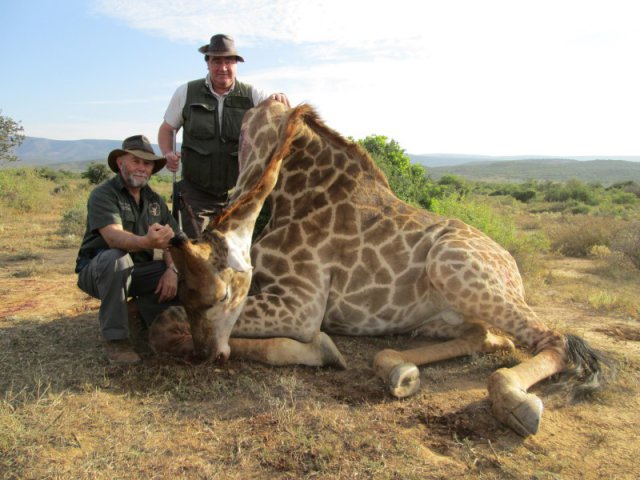
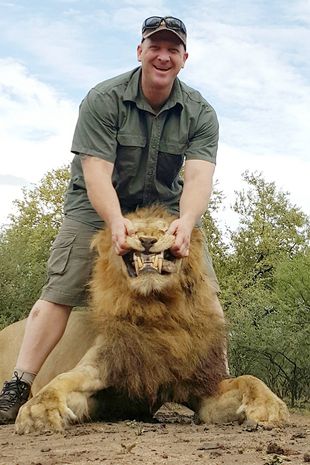
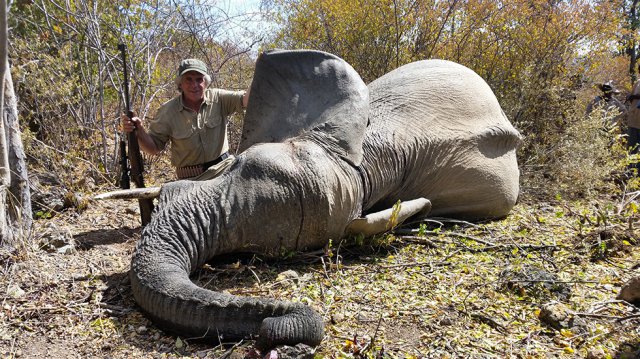
On Thursday 16/3/22, the UK Parliament in London voted (un opposed) and passed the ‘trophy hunting law’; which will now (once passed into law / legislation very soon) stop trophy hunting ‘items’, including hunted animals heads, the skins and tusks of murdered animals etc from being imported into the UK by the sadistic blood lust killers who pay highly financially to travel to Africa in order to undertake their murdering ‘sport’ (as they see it).

Many organisations, celebrities and good ol normal people here in the UK have campaigned about getting this legislation for years.

As expected, ‘pro hunt ‘conservation groups’ (??) have come out of Africa and expressed their concerns – you can read more here:

UK parliament passes trophy hunting law – Digital Journal

Saying things like ‘it is another way of re-colonising Africa’; But we here in England were ‘colonised’ by the Romans when they invaded us in 55BC; we were also invaded a lot by the Vikings; but hey, that is what happens and is called history; I may have been bummed off as an Englishman in 55BC; but throughout history, times and things change; and for me, this ban is very much to the positive; not really a move to re-colonise Africa !! – get a grip please, most of the world detests hunting animals for ‘sport’; and so they will work to oppose it.

Further reading:

UK parliament passes trophy hunting law (ibtimes.co.uk)

Bill banning import of hunting trophies into UK passed by MPs | Hunting | The Guardian

Bill banning import of hunting trophies into UK passed by MPs | Evening Standard

Cecil the lion did not die ‘in vain’, minister says as trophy-hunting ban passed (kentonline.co.uk)

Regards Mark

Check out all our old trophy hunt posts at:

Search Results for “trophy hunting” – World Animals Voice

England: CIWF – Uncovering the horrific reality of octopus farming.

Uncovering the horrific reality of octopus farming

16 March 2023

CIWF

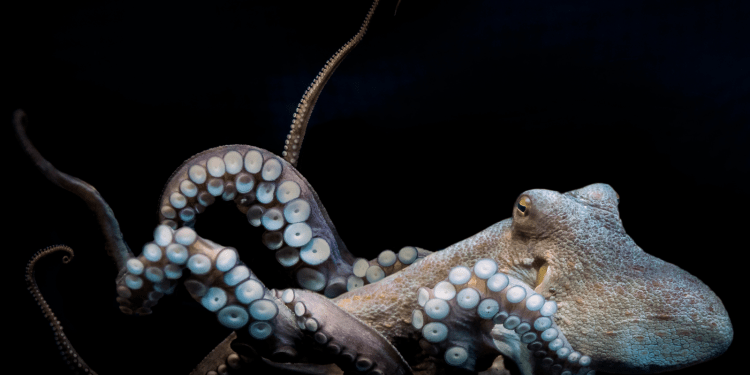
Eurogroup for Animals and Compassion in World Farming are calling for the world’s first commercial octopus farm to be scrapped, after plans obtained for its development revealed the animal cruelty and environmental consequences it would cause. Furthermore, they are calling on the EU not to use public funds to support octopus farming developments, or any other new industrial animal-based farming in the light of significant and growing scientific evidence that it is killing our planet.

The plans, submitted to the General Directorate of Fishing of the Government of the Canary Islands by the company Nueva Pescanova, and uncovered by Eurogroup for Animals, have raised serious concerns. These include the use of a cruel slaughter method, the confinement of octopuses in small barren tanks, and practices that contribute to the overexploitation of wild fish populations. The campaigners’ concerns over the plans are outlined in the new report Uncovering the horrific reality of octopus farming and confirmed by scientists in the field. 

They reveal that around one million octopuses will be reared at the proposed farm in the Port of Las Palmas in Gran Canaria, Spain, producing some 3,000 tonnes of octopus each year. 

They also confirm the campaigners’ fears that a number of extremely concerning practices would be implemented, including that octopuses would be:

Slaughtered using cruel ice slurry: a highly aversive and inhumane method scientifically proven to cause considerable pain, fear and suffering as well as a prolonged death. 

Confined in crowded, barren underwater tanks that will result in poor welfare and risk aggression, territorialism and even cannibalism due to the octopuses’ naturally solitary nature. 

Exposed to round-the-clock unnatural light to increase reproduction, which will cause undue stress given the aversion these animals have to light.

Fed with commercial feeds containing fishmeal and fish oil as main ingredients, which is unsustainable and contributes to the overfishing of wild populations. 

Raised within a land-based aquaculture system relating to higher risk of mass mortality due to the overcrowded conditions required for their profitability as well as negative environmental impacts stemming from the excessive use of energy.

In 2021, Compassion in World Farming released the report Octopus Factory Farming: A Recipe for Disaster, arguing that octopus farming is cruel and would cause environmental damage to our oceans. According to the report, experimental trials to farm octopuses suggest that the mortality rate in these systems would be around 20%, meaning that 1 in 5 individuals would not survive the entire production cycle.

Although, if approved, the Canary Islands farm would be the world’s first industrial octopus farm, there are attempts to establish similar octopus farms in other parts of the world such as Mexico and Japan. In February, Washington State in the US signalled a move toward banning octopus farming, which would be the first of its kind. This followed the recent closure of the only active octopus farm in the US, the “Kanaloa Octopus Farm” based in Hawaii, in response to Compassion in World Farming’s campaign. 

Octopus has become an increasingly popular food in recent decades, particularly in Spain. As a result, wild octopus numbers are dwindling. In 2015, the number of octopuses caught around the world reached a high of 400,000 tonnes – 10 times more than in 1950.

Blindly establishing a new farming system without consideration of the ethical and environmental implications is a step in all the wrong directions and flies in the face of the EU’s plans for a sustainable food transformation. With the current revision of the animal welfare legislation, the European Commission now has the real opportunity to avoid the terrible suffering of millions of animals. We cannot afford to leave aquatic animals behind. We’re calling on the EU to include a ban on octopus farming before it ever sees the light of day, in order to avoid plunging more sentient beings into a living hell.

Reineke Hameleers, CEO, Eurogroup for Animals

We implore the Canary Islands authorities to reject Nueva Pescanova’s plans and we urge the EU to ban octopus farming as part of its current legislative review. It will inflict unnecessary suffering on these intelligent, sentient and fascinating creatures, which need to explore and engage with the environment as part of their natural behaviour. Their carnivorous diets require huge quantities of animal protein to sustain, contributing to overfishing at a time when fish stocks are already under immense pressure. Factory farming is the biggest single cause of animal cruelty on the planet, and it’s literally destroying our planet. We should be ending factory farming, not finding new species to confine in underwater factory farms. We must end octopus farming now.

Elena Lara, Research Manager at Compassion in World Farming

Uncovering the horrific reality of octopus farming

BROWSE TO THIS PUBLICATION

Regards Mark

Spain: Press Release – Animal welfare NGOs expose bull’s mistreatment: transport company fined.

Animal welfare NGOs expose bull’s mistreatment: transport company fined

15 March 2023

AWF

Press Release

In 2020, the young bull Ferdinand was supposed to be loaded onto a substandard livestock vessel at the port of Cartagena, Spain. However, he was unfit for travel, unable to move and heavily mistreated. Workers subjected him to prolonged electric shocks and kicking. Animal Welfare Foundation (AWF) filed a complaint against the transport company and veterinarian authorities, based on evidence collected together with Animals International and Welfarm. The investigation that followed the complaint revealed further violations. The export company in charge is one of the largest in Spain and has now been fined 4,500 Euros.

AWF filed an administrative complaint in 2020, and the case was classified as two serious administrative offences with major infringements of the transport regulation. The infringements were secondary and rather formal findings and are not directly related to animal abuse. They include lacking coordination between the different stages of the transport and a lack of communication which made it impossible to properly inspect all the animals.

In July 2020, Animal Welfare Foundation, Animals International and Welfarm witnessed and filmed how young bulls from different European countries were loaded from trucks onto a livestock vessel that exported them from Cartagena to Benghazi, Libya. One of them, a French bull who was named Ferdinand by the investigators, was injured and too weak to walk. At this point, he should have been euthanised on the spot. However, although clearly unfit for travel, workers forced him out of the truck by dragging him with a rope. Later, he was forced inside again because he was unable to walk through the vessel ramp. 

After the stressful procedure, the driver left the port and parked the truck at a petrol station nearby, with Ferdinand inside in the blazing sun, to take a prolonged lunch break. At this point, the NGOs called the police, who were not able to identify violations immediately and had to let the driver proceed.

Animal welfare NGOs call for ban of live exports and stronger penalties for violators

Ferdinand’s case is only one out of many, and highlights the systematic failure of animal welfare during transport. The organiser did not coordinate the arrival of the trucks properly and veterinarians had no chance to control the process correctly. A few months after the incident, the vessel (ABEER K, formerly ETAB) was detained in Raša, Croatia, due to severe deficiencies. Some of those can affect animal welfare onboard, such as the water conditions, structural conditions and fire safety.

The importance of animal welfare in livestock transport was once again underscored recently in an audit report on Spain’s livestock transport industry. The audit found that many sea transporters follow generic contingency plans that are unlikely to protect the welfare of animals during emergencies. Additionally, there is an insufficient number of official staff during loading, and delays in loading can create risks for the welfare of the animals, as they lack proper facilities to rest, feed, and water animals. New legislation will not be able to solve the defective nature of live transports.

“The suffering of the bull was obvious, but not even mentioned in the administrative verdict file. The procedure was carried out with clear opacity and lack of coordination by the competent body. We do not know whether the investigative measures we requested were carried out”, says Maria BoadaSaña, Project Manager at Animal Welfare Foundation. “I hope that the ruling in the Ferdinand case will encourage stronger penalties for those who violate the regulations. We have been making this point for years. There is a notable lack of controls by veterinarian authorities, and examining one violation will often lead to other findings.”

Gabriel Paun, EU Director at Animals International, adds that “Ferdinand’s injuries were so severe that he was unable to walk, and yet he was still subjected to prolonged electric shocks and kicking. He was then pulled by a tractor on a rope to get him back into the truck. After that, he melted in pain and heat at a petrol station in bright sun while the driver enjoyed his lunch. This is not just a violation of regulations; it is a moral and ethical issue that needs to be addressed.”

Adrienne Bonnet, Head of Campaign, Advocacy and Legal Department at Welfarm, states: “It is sad to see a French animal end up in such a situation. The member states of the European Union need to address animal welfare issues in a joint effort. From the approval of transport vehicles to slaughter methods in third countries, such situations can only be prevented if live transports of long duration within and from the EU are stopped.”

Without the intervention of the three NGOs, the case would not have been exposed at all. This leaves transport companies with the impression of an acceptable risk: The sanctions for bad practices are not strong enough to act better in the future, even if they are considered major infringements.

NGOs call for a ban of live exports altogether. Many member states of the European Union use Spain as a loophole to send their animals from industries that would otherwise not be as profitable to third countries.

Regards Mark
Italy: Live Footage From Cages Shows the Reality of Italian Factory Farms.

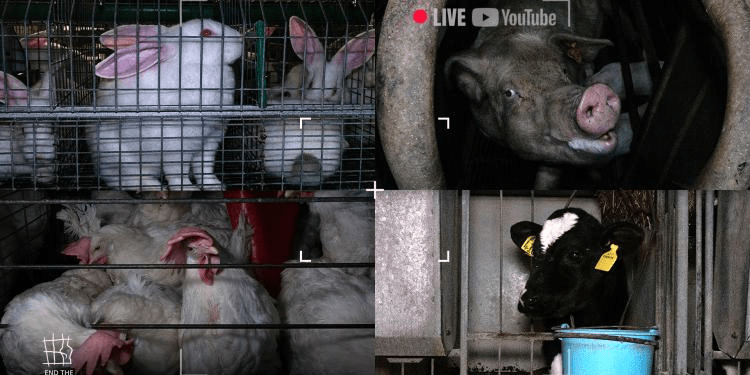
24h LIVE footage from factory cages: dive into the heartbreaking reality of confined animals on Italian factory farms

11 March 2023

Essere Animali

Essere Animali has launched a 24h live broadcast from four different intensive breeding farms in Italy, to illustrate the sad fate of caged animals first-hand.

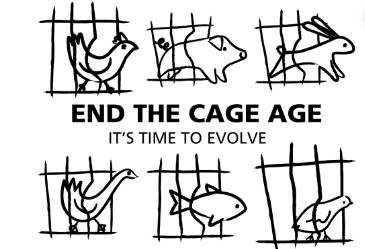
Conducted for End the Cage Age, the coalition that aims to end the use of cages for animals bred for food, the project consists of a real live broadcast from rabbit, calf, sow and chicken farms.

From 10 p.m. on Friday 10 March until 10 p.m. on Saturday 11 March, the everyday life of these animals – who are forced to live in cages in extreme confinement, and with no possibilities to express their natural behaviours – will be shown.

You can access the livestream below, or via this link.

The End the Cage Age initiative has collected more than 1.4 million signatures validated throughout Europe, and has achieved success so far with the European Commission’s commitment to work for a ban in the EU on cage farming. Cage farming is also considered by the scientific community as being in stark contrast to the animal welfare standards the farming sector should meet, and has further been criticised by the European Food Safety Authority.

But there is still a lot of work to be done. In Italy, more than 40 million animals are still bred in these conditions, and it is essential that the government and relevant companies work together to phase out this practice.

It’s what the animals desperately need, and what EU citizens clearly want. In fact, according to a poll by YouGov Plc (2020), 84% of Italian citizens believe that the use of cages is cruel to animals, and 83% call for agricultural funds to be used to incentivise the transition to cage-free farming. It’s time to answer the public’s calls for change and put an end to animals living behind bars.

footage from factory cages: dive into the heartbreaking reality of confined animals on Italian factory farms.

Regards Mark
USA: US Military Tests On Animals for ‘Havana Syndrome’.

The US military has been carrying out and funding testing on various animals.

The testing is aimed at seeing if radio frequency waves cause the mysterious sickness known as “Havana Syndrome.”

US intelligence determined last week that the ailment is likely not caused by a foreign adversary or weapon.

The US military has been carrying out experiments on animals in an effort to replicate the symptoms caused by the mysterious “Havana Syndrome,” according to a new report. 

The Pentagon has been exposing primates to pulsed radio frequency waves to see if that could be the cause of the unexplained ailment that has sickened scores of US government personnel over the past few years, Politico reported on Thursday. The new report comes days after the outlet reported that the Department of Defense was continuing to test weapon systems in an attempt to recreate Havana Syndrome symptoms after an intelligence community dismissed the theory that a foreign adversary or energy weapon was to blame.

Continue reading at:

The US military has been testing pulsed energy on animals trying to recreate the mysterious ‘Havana Syndrome’ symptoms: report (msn.com)

Regards Mark
Malaysia: Animal Rights Group Lodge Police Report Over Baby Macaques Being Tortured and Offered For Sale.

PETALING JAYA: A local animal rights group has lodged a police report over videos of baby long-tailed macaques being tortured that are being offered for sale on a Telegram group.

The report was filed by Hak Asasi Hidupan Liar Malaysia (Hidup) at the Shah Alam district police headquarters following a tip-off from US-based animal welfare group Lady Freethinker and UK’s Action for Primates,

The videos are being sold in a Telegram group called “Monkey Haters”.

“It is such a brutal form of torture that should be investigated immediately by the police,” Hidup’s Dr Kartini Farah Abdul Rahim was quoted as saying by news portal Free Malaysia Today on Friday (Jan 20).

The footage depicted many despicable forms of torture, which includes, dismembering, mutilation, burning, boiling and skinning of monkeys while still alive.

“The monkeys were shrieking and screaming. During the process, the perpetrators take pictures and videos and post them on Telegram,” lawyer Rajesh Nagarajan was quoted as saying.

Read more at:

Animal rights group lodges police report over monkey ‘torture porn’ | The Star

Regards Mark
England: New March (2023) Photographs From Pauline.

Here are the latest photographs which have been sent through by fellow animal buddy Pauline taken in and around South London.

You can see all of her past excellent images by clicking on https://worldanimalsvoice.com/?s=pauline

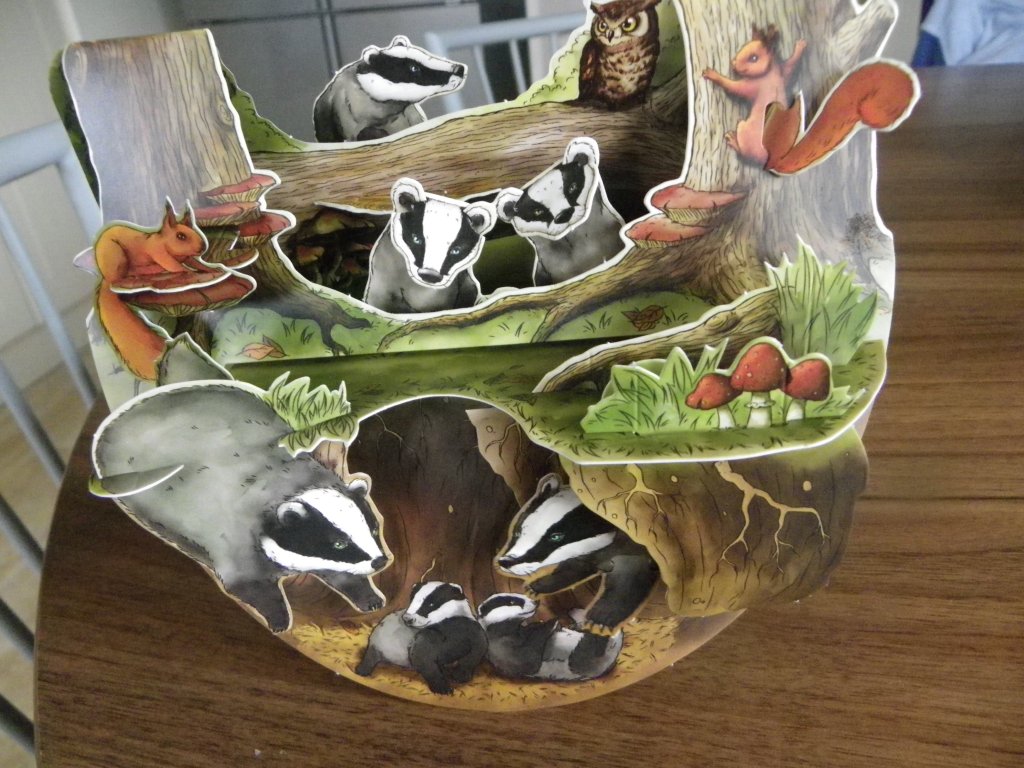
Finally, I want to thank her for my fabulous birthday card relating to Badgers – we are both Badger people; doing our best to speak up for and look after this iconic chunk of British wildlife. I have scanned in the basic card here for you to see, but on the real card all the heads and other wildlife move – super cool !

My super cool Badger birthday card from Pauline:

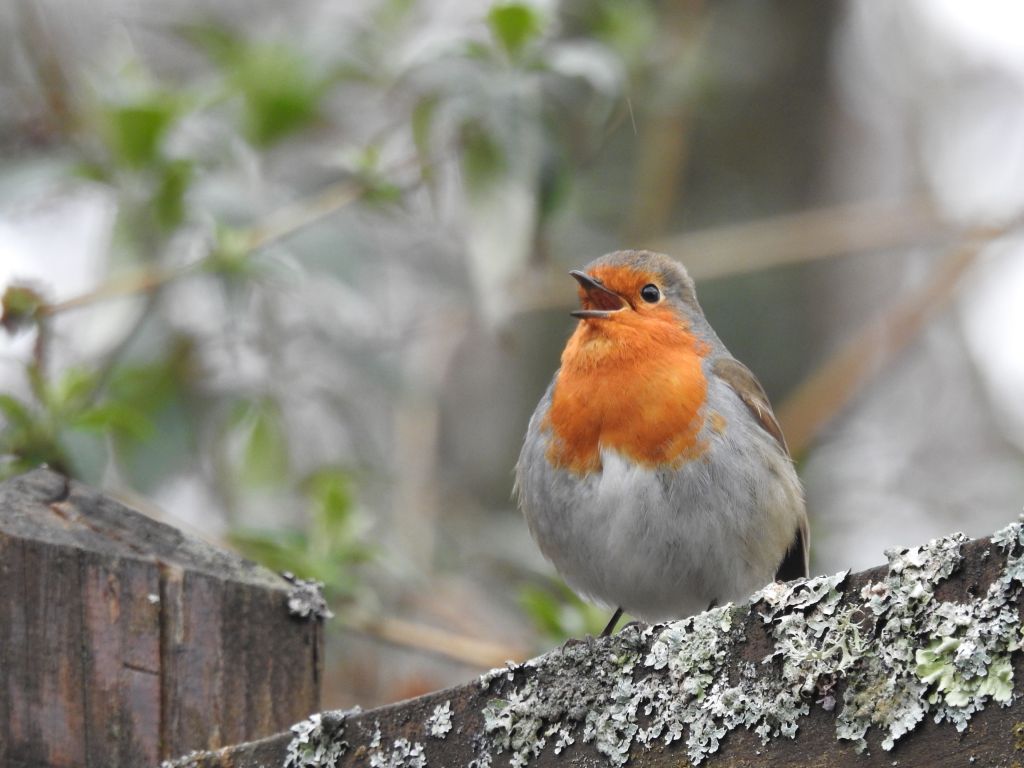
Singing Robin:

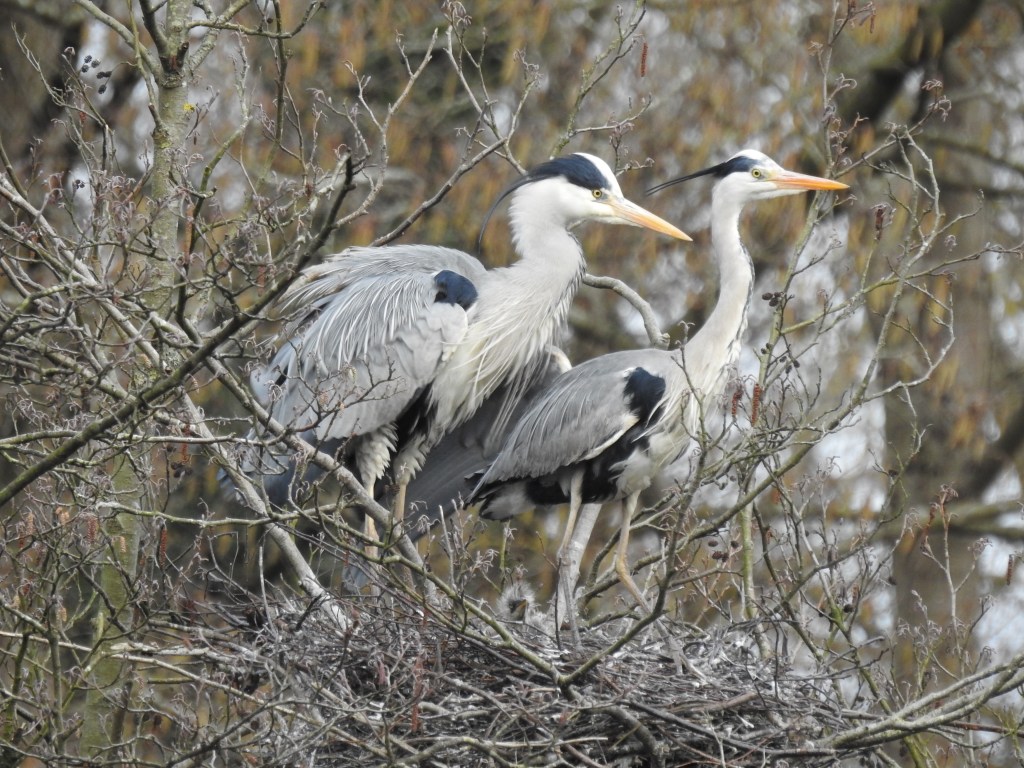
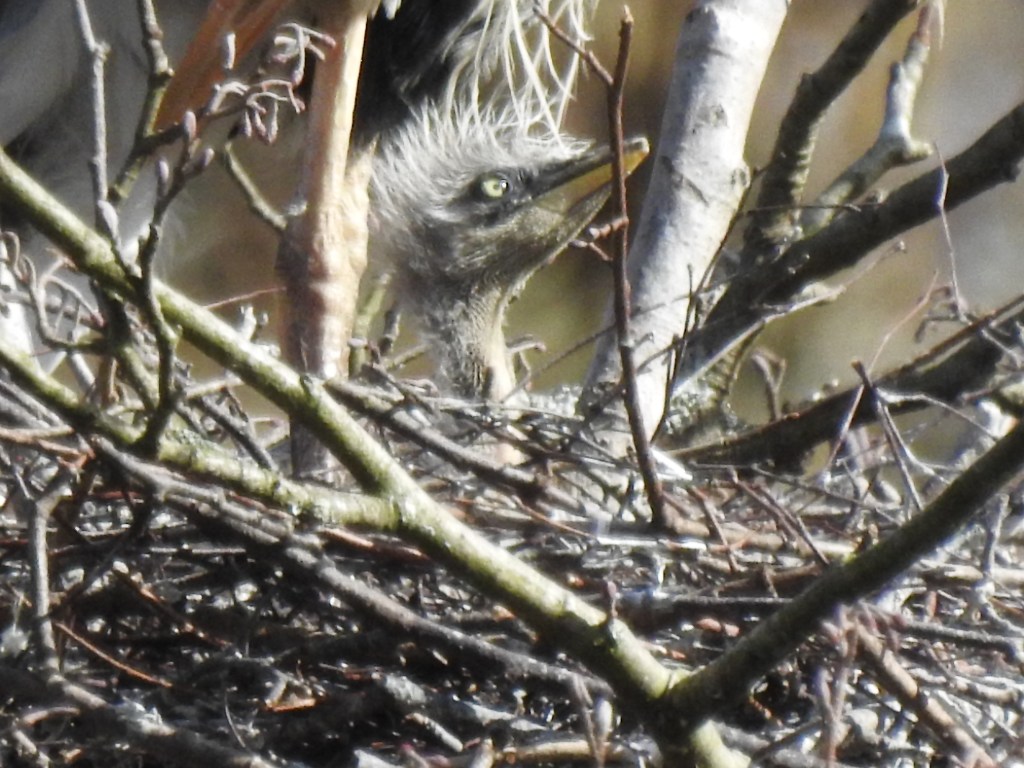
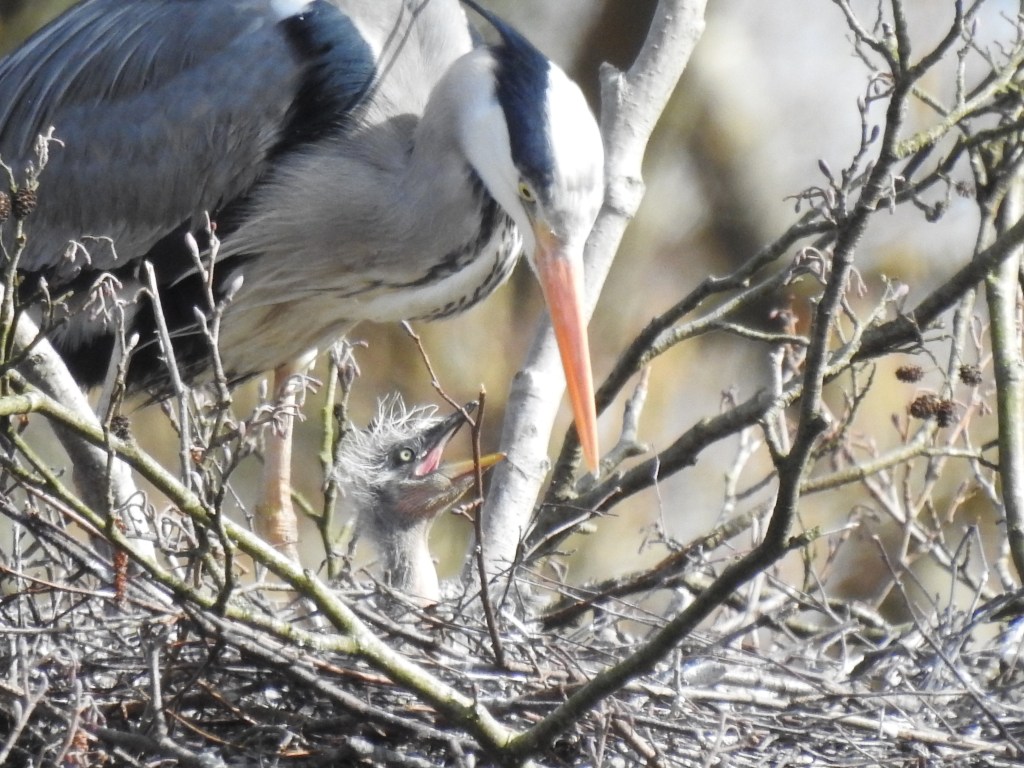
Above – Adult Herons with baby – see below.

Below – Dunnock.

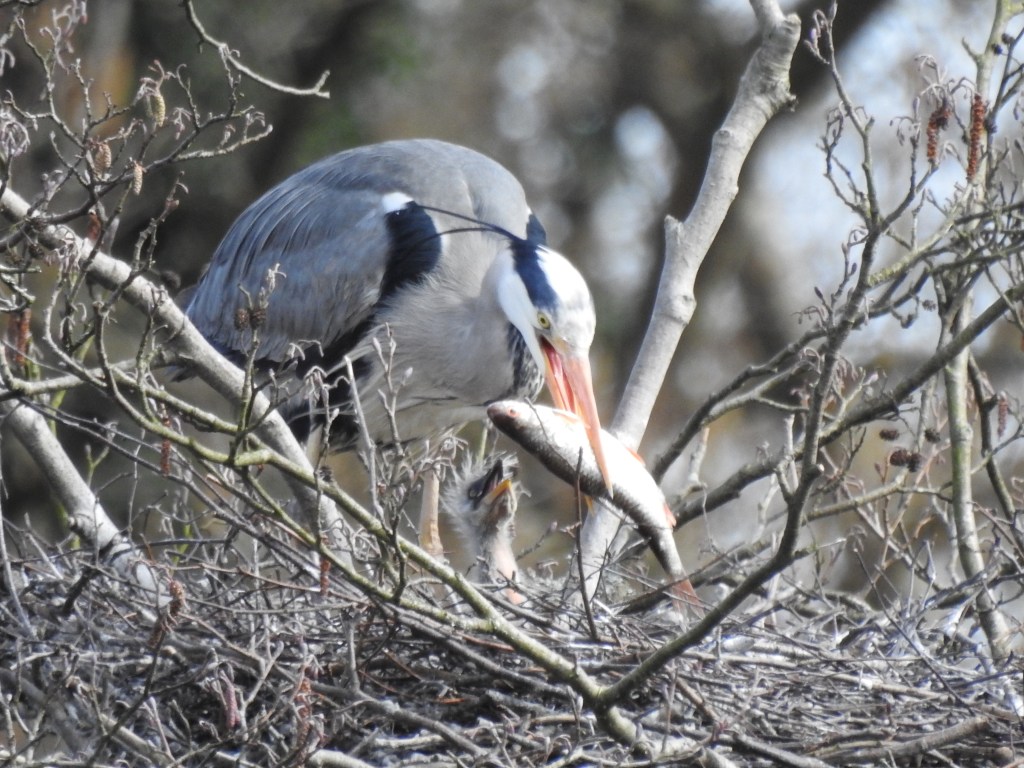
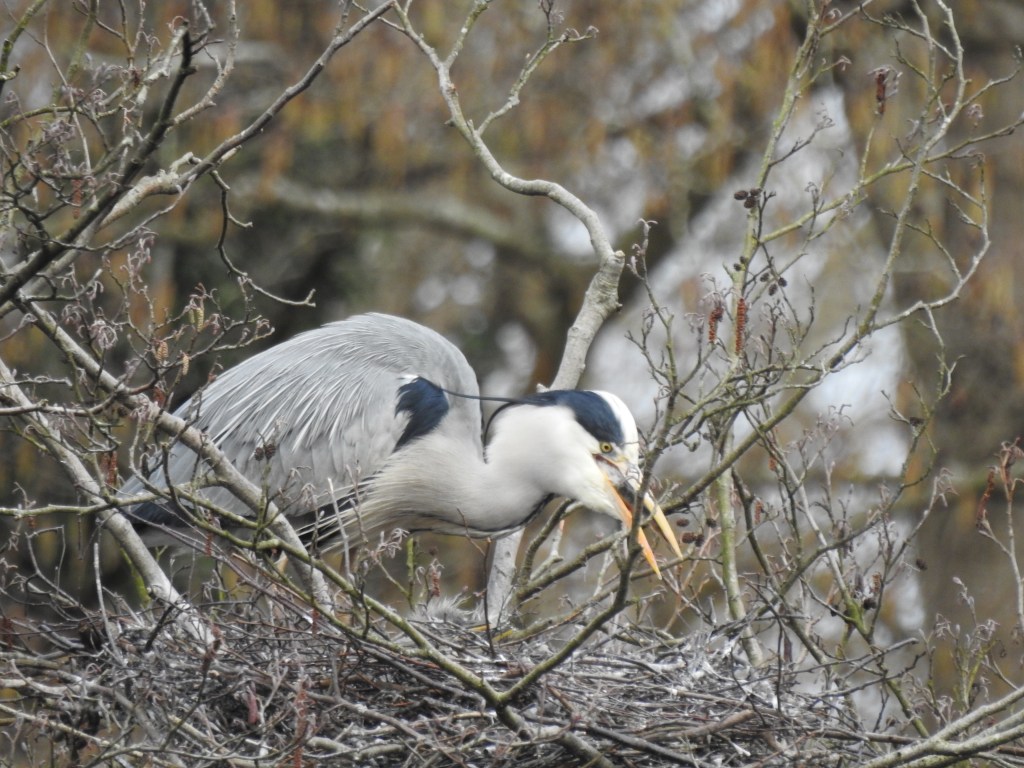
Below – Heron gathers fish to feed its baby.

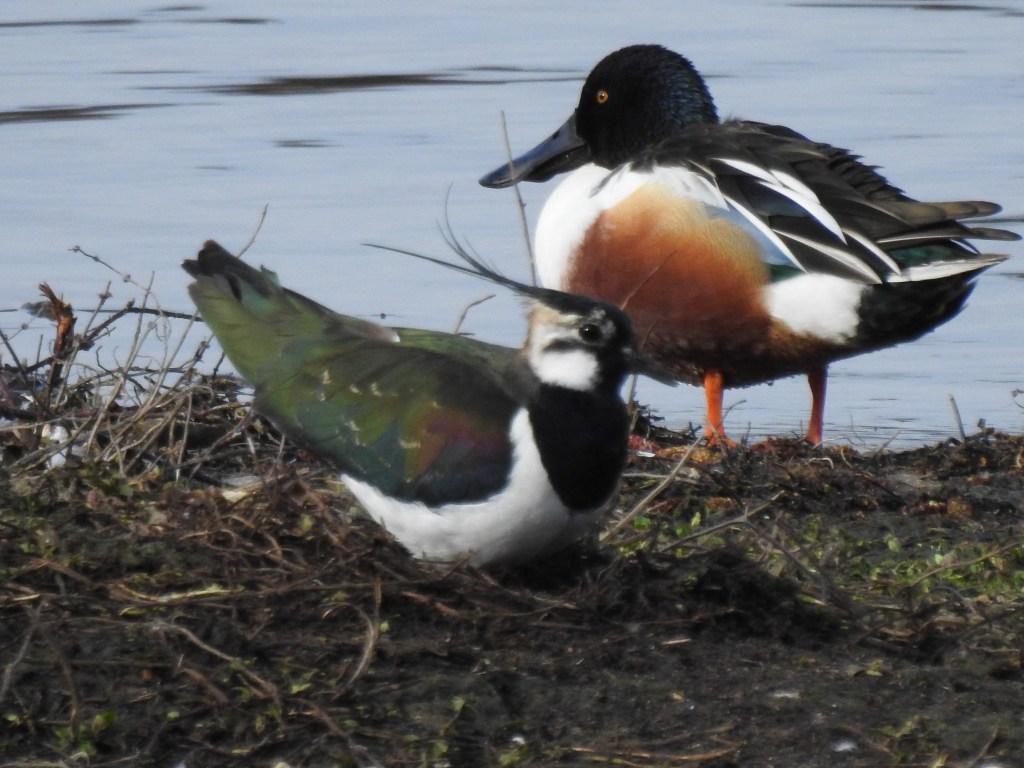
Below – Lapwing and Shovelar Duck.

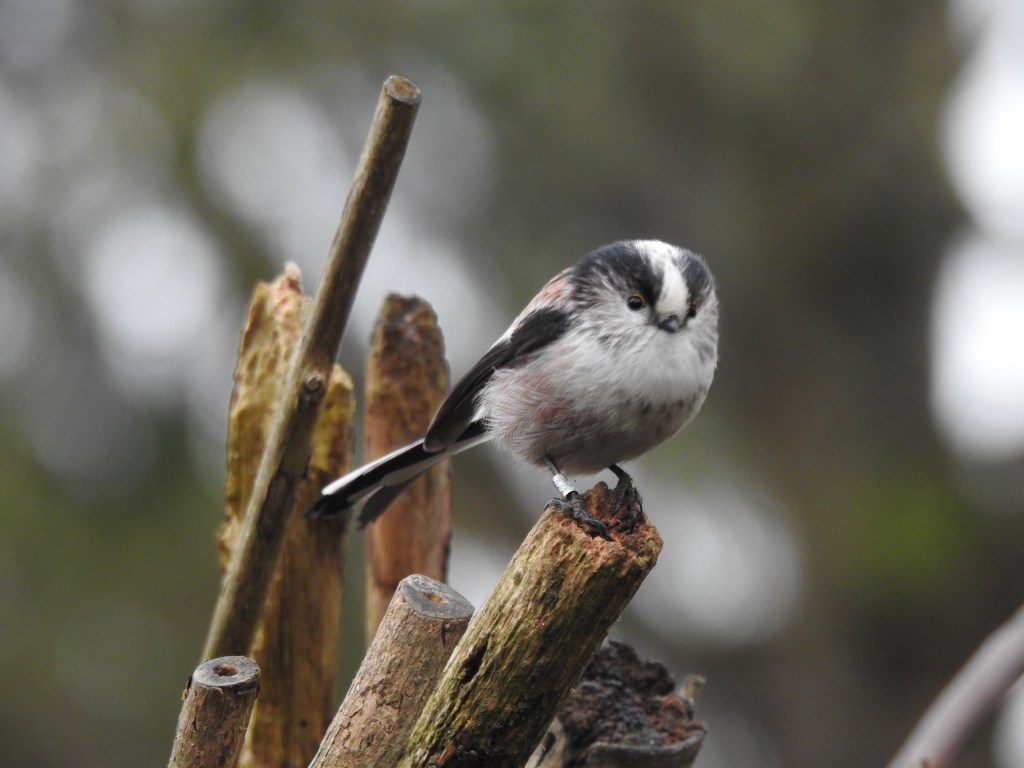
Below – Long Tailed Tit.

Below – Raindrops on the pond.

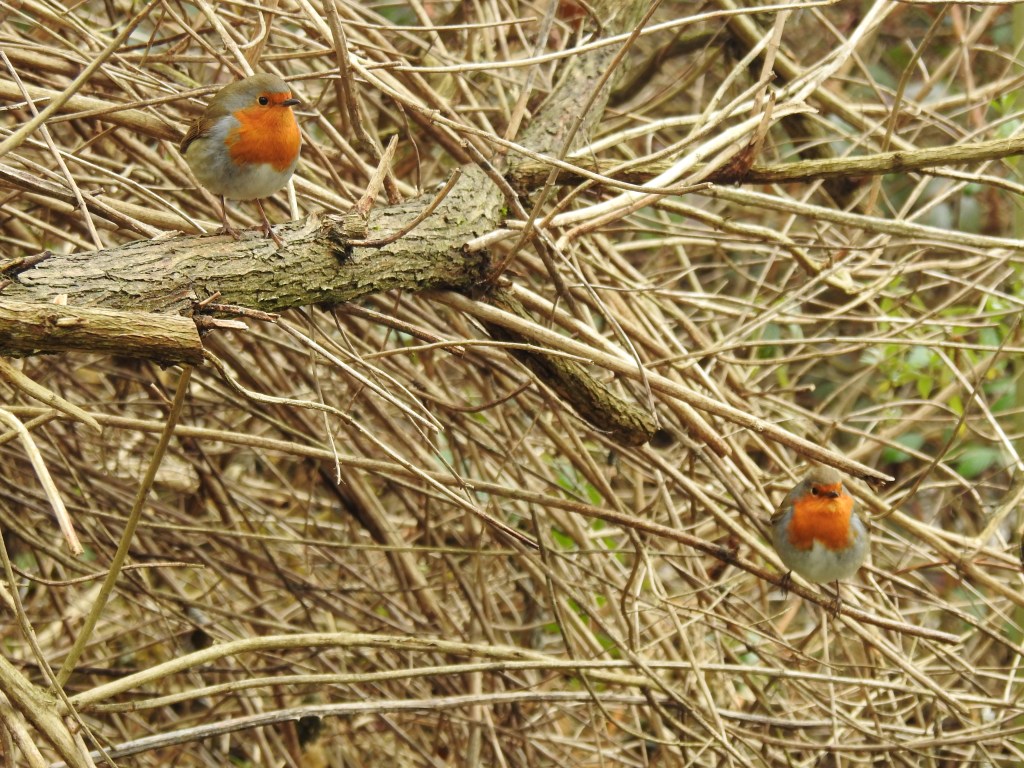
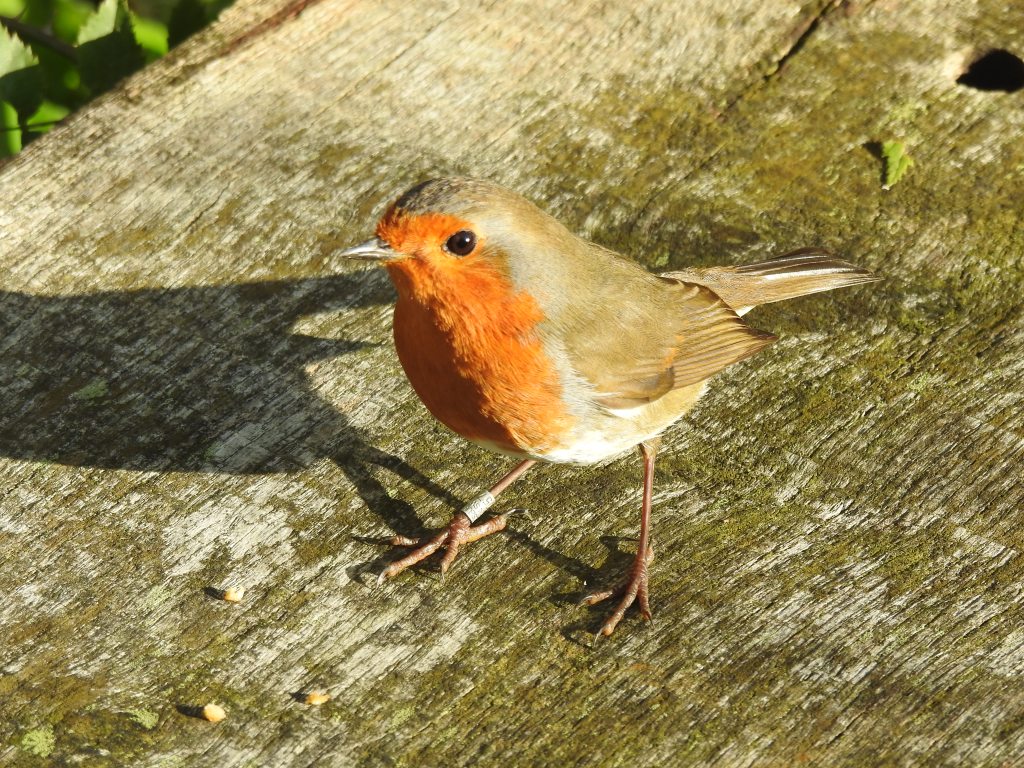
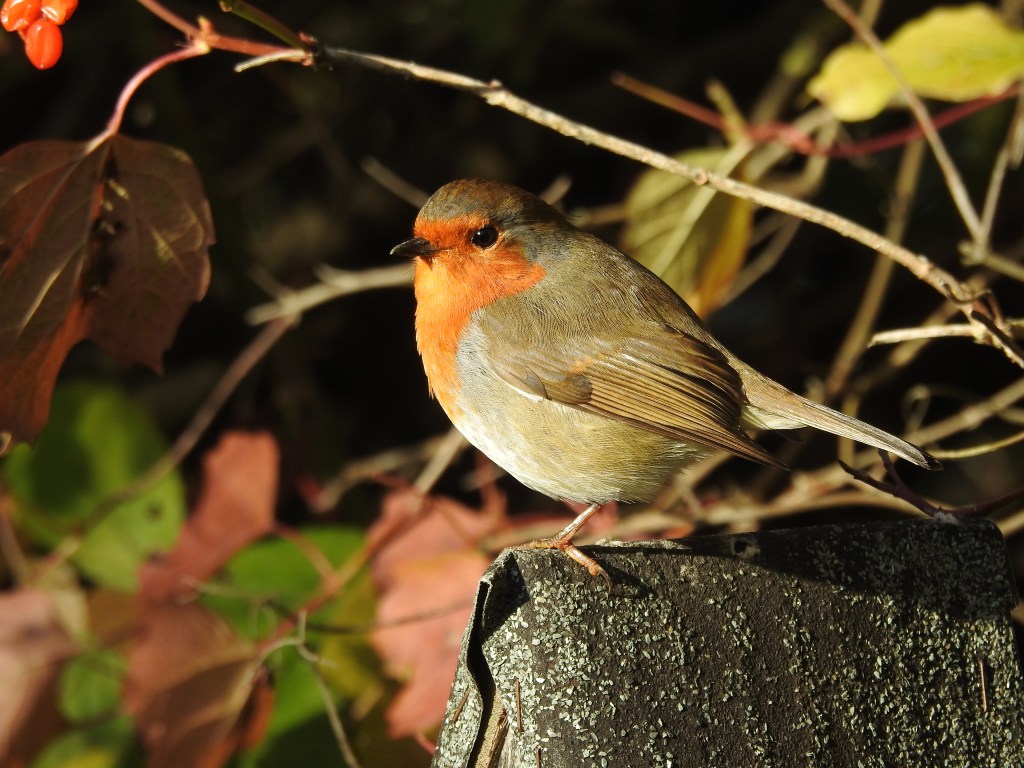
Below – Two Robins – a bit unusual to see 2 together.

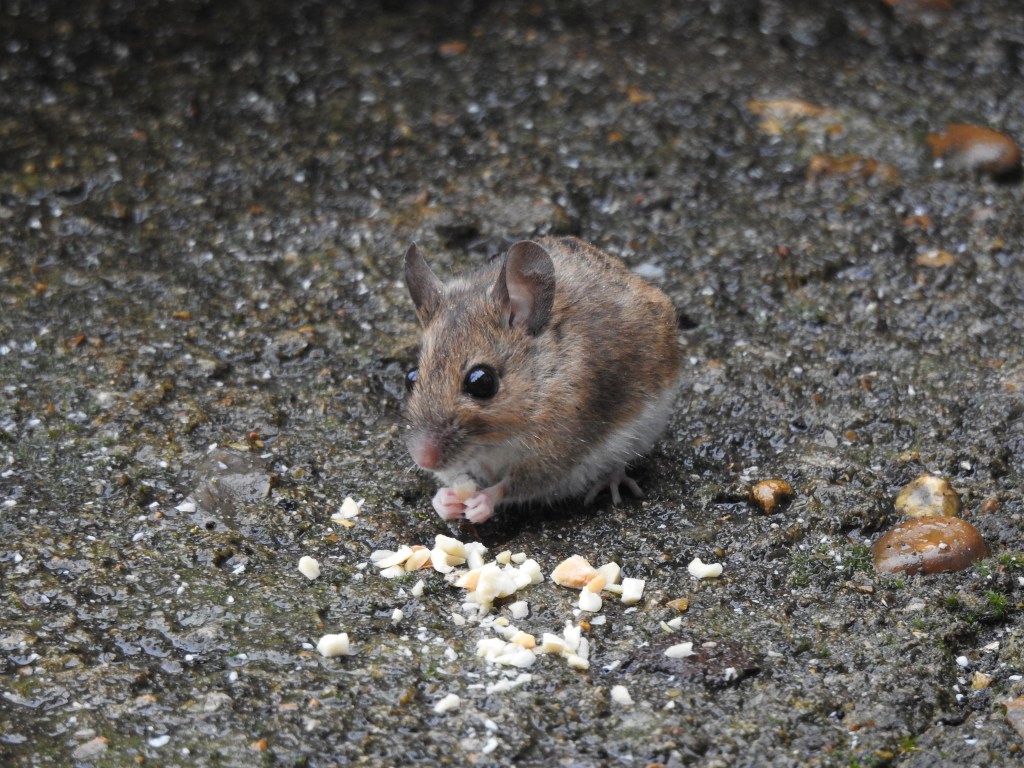
Pauline’s dad has made friends with a little mouse – you can see him enjoying some scoff here:

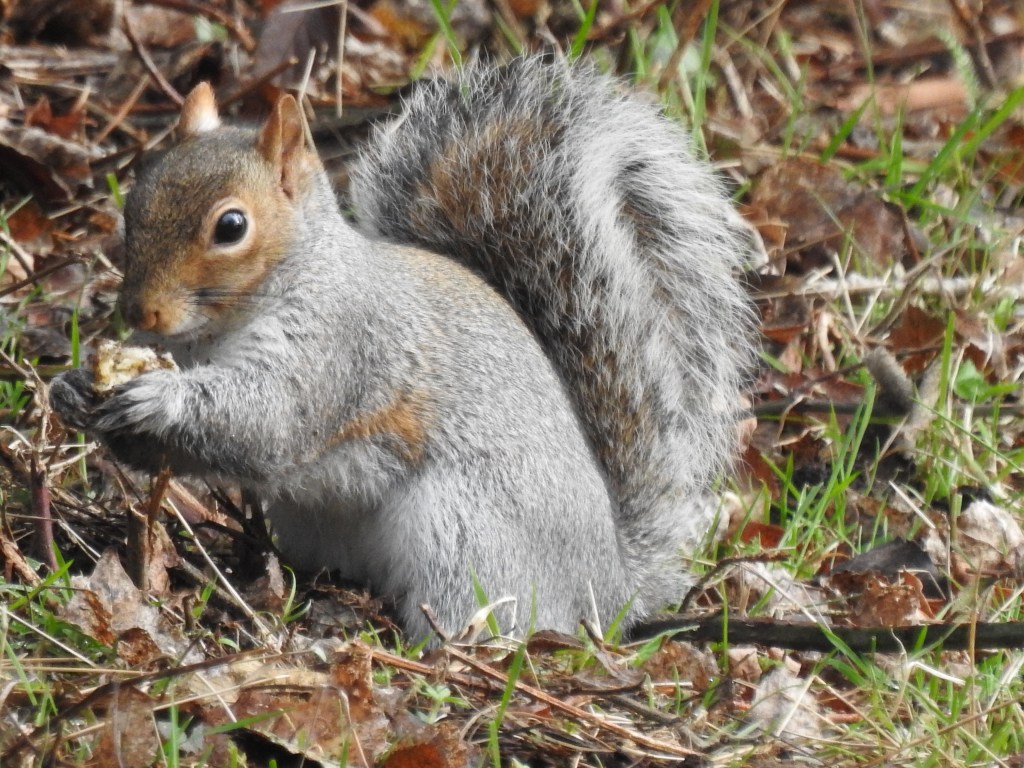
Grey Squirrel.

.. and finally more Robin:

My garden Badger thinks they are all pictures to smile at: he comes round each night for some food treats.

Be good to wildlife no matter what shape and form it comes in – they are all there for a reason;

Regards Pauline and Mark

Chernobyl leaves legacy of mutant dogs with genetics modified by nuclear disaster.

Dog in abandoned amusement park in ghost town Prypiat in Chernobyl exclusion zone© GETTY

Stray dogs living in the toxic ruins of the Chernobyl nuclear disaster are suffering from genetic variation and irradiation, a new study has found. Depending on their proximity to the nuclear accident, the report showed that the canines exhibited varying degrees of irradiation, with those closest to Chernobyl 200 times more likely to bear traces of cesium-137, though this disparity did not preclude procreation between them.

Continue reading the full article at:

Chernobyl leaves legacy of mutant dogs with genetics modified by nuclear disaster (msn.com)

Regards Mark

Belgium: GAIA calls on Flemish Animal Welfare Minister to do his damned duty for caged hens.

10 March 2023

GAIA (Belgium)

In his own words, Flemish Animal Welfare Minister Ben Weyts said, “It is our damned duty to avoid animal suffering”. With new investigative footage, GAIA is calling on the Minister to turn his words into actions and ban enriched cages in Flanders for more than 3,000,000 laying hens currently confined to the space of an A4 piece of paper.

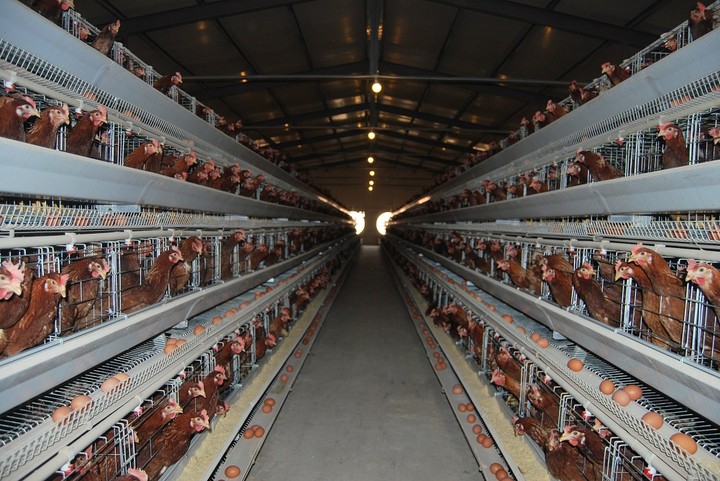
There are currently more than 3 million laying hens in cages in Flanders. The hens are locked up there for the duration of their lives – 13 months – in which time they have to produce as many eggs as possible. 

Footage released by GAIA from a laying hen farm in Sint-Gillis-Waas clearly demonstrates the problem of caged hens. Countless chickens are housed in unhygienic metal grid cages stacked on top of each other, too restricted to spread their wings properly.

The sanitary condition of the farm is deplorable and the metal grids cause a lot of injuries and suffering. The footage shows that the plumage of many chickens is damaged, and many chickens do not survive – carcasses are seen everywhere. 

Wallonia, the French-speaking region of southern Belgium, already banned cages for laying hens in 2018. 

Almost three-quarters of Flemish people (72%) agree that keeping chickens in cages should be banned, according to a 2022 study by Ipsos. 

At the end of February, the European Food Safety Authority (EFSA) published their opinions on the welfare of laying hens and broilers. They clearly indicated that poultry should not be kept in cages and advise better living conditions, such as aviaries with covered outdoor areas or “winter gardens”, which are already used in some farms in Flanders.

Chickens are welfare-sensitive animals and deserve a better life, Mr. Minister. You know that yourself and it is your damned duty to avoid avoidable animal suffering, as you so aptly put it. We count on you to really get to work on this now, to take your role as Animal Minister to heart and to abolish the cages, starting with all cages for laying hens.

Ann De Greef, Director of GAIA

Read more at source

GAIA

End The Cage Age

Regards Mark
EU: Civil society denounces opacity and lack of democratic debate on EU-Mercosur agreement.

9 March 2023

As Europe’s trade ministers gather on 9 March for an informal trade Council, environmental, animal protection and trade groups denounce the Commission’s closed-door negotiations with Mercosur countries that aim to push through a controversial Free Trade Agreement (FTA), that has been the subject of public outrage and been rejected by national parliaments across the EU.

The lack of democratic debate and transparency around the protocol further damages the legitimacy of the EU and risks weakening European and national parliaments’ ability to comprehensively debate the consequences of the trade agreement.

The EU-Mercosur FTA has been dormant since the European Parliament and some Member States have refused to ratify it “as it stands” following massive civil society mobilisations from across the EU and South America denouncing the FTA as a bad deal for people, animals and the planet, that prioritises corporate profits at the expense of planetary boundaries.

Yet again the Commission is showing its anti-democratic face by pushing the toxic EU-Mercosur deal across the finishing line. Despite public opposition from both sides of the Atlantic, the EU’s negotiators are still discussing the annex in complete secrecy. Parliaments and civil society play a crucial role in scrutinising trade agreements as they are being negotiated, not once when they are ratified and it’s too late to reverse the impacts it will have.

Audrey Changoe, trade campaigner at Friends of the Earth Europe

Now, the European Commission is seeking to revive stalled discussions with an “additional instrument” – or annex – that is being presented this week to Mercosur countries, despite proof of the rampant devastation of the Amazon.

The European Union’s push for ratification of the EU-Mercosur deal is not supported by public opinion. Three-quarters of Europeans want the deal to be scrapped if it leads to deforestation and environmental damage. Despite public concerns, the Commission refuses to share the content of the additional document and is discussing it behind closed doors.

European and South American civil society groups reiterate their calls to stop the deal and reject these additional annexes and protocols and call for a different kind of relationship between the continents. 

No greenwashed protocols or annexes can fix an inherently bad deal whose aim is to promote trade in products driving deforestation, land grabbing, massive pesticide use, carbon emissions and human rights violations. The good news is that an alternative model exists, which could both strengthen ties with the countries and populations of the Mercosur while basing our relations on sustainability and cooperation.

Leah Sullivan, Seattle to Brussels Network

The recent EU legislation on imported deforestation does not make the FTA acceptable, first and foremost because it cannot offset all the deforestation: it ignores many ecosystems that, just like the Amazon rainforest, are also destroyed by intensive animal agriculture. The scope of products it covers is very limited, as it does not include animal products derived from animals fed by soy on intensive farms. In addition, the EU still does not have any new import requirements related to animal welfare standards.

Stéphanie Ghislain, Political Affairs Manager at Eurogroup for Animals

Regards Mark