Dutch veterinarians and animal welfare organisations call for emergency action: Don’t buy a flat-faced dog
5 September 2022
Act 4 Pets
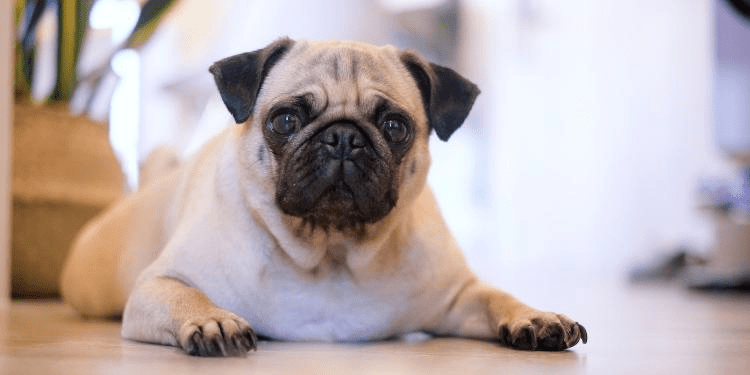
Flat-faced dog breeds, such as the pug and the French bulldog, have been overbred to such an extent that they face lifelong suffering caused by a myriad of physical and genetic conditions. Many of these animals are chronically short of breath, suffer from eye diseases, inflammation of the skin, and hernias. Often their owners have been ill-informed and are presented with unexpected high bills for medical treatments. Veterinarians and animal welfare organisation warn in the strongest terms: don’t buy a flat-faced dog!
For a number of weeks, in large cities and along highways, posters are being placed with the slogan: A flat-face is a disgrace (platte neus zieke keus) and A flat-face comes at a price (een korte snuit komt met een prijs). The campaign will be posted on Facebook, Instagram and Twitter as well, in order to reach as many people as possible, urging them to not buy these dogs.
Veterinarians still see many disformed animals
Flat-faced dogs are very popular, but in The Netherlands it is prohibited by law to breed these dogs. However, the trade and the import are still legal.
It is fantastic that in The Netherlands there is a law against the breeding of these deformed animals. Unfortunately, in our practice we still see many snoring puppies struggling to breathe as a result of blocked nostrils and flattened noses. These puppies are from abroad or have been illegally bred in The Netherlands.
Veterinarians Janneke Moedt, Caring Vets
A flat-face comes at a price
Owners of flat-faced dogs are often shocked by the immense costs of medical treatments.
The purchase price of a flat-faced dog is in the range of about 1,500 to 2,500 euros. Often the new owner is unaware of the various operations the dog requires, such as operations on the air ways, treatment of hernias, operation on the eyes, corrections of the nose fold, and so on. The costs can quickly add up to about four times the purchase costs. The biggest price though is paid by the animal – with a lifetime of suffering!
Kelly Kessen, Veterinarian, Dier&Recht
Stop the suffering of these dogs and join the campaign
Veterinarians, animal clinics, grooming salons, dog schools, and other organisations who wish to support the campaign can sign up on the campaign website, and receive an information package for the waiting room, or a door/window poster for a shop or practice.
Progress on an EU Positive List: ENVI Committee adopts CITES Regulation
9 September 2022
8 September saw a vote on a draft motion for resolution on “Key objectives to the CITES CoP19 meeting in Panama”. CITES stands for the Convention on International Trade in Endangered Species of Wild Fauna and Flora.
The draft motion was adopted by the European Parliament’s Committee on the Environment, Public Health and Food Safety with a strong majority. The final motion is now to be voted upon and adopted at the October Plenary session, and will hopefully send a strong message to the Commission, which acts as the CITES Management Authority for the EU to support decisions at the Cop19 to strengthen protection to endangered animals.
Critically, the Committee pushes for the much awaited revision of the Action Plan against Wildlife Trafficking to be ambitious and published without delay, and should have adequate resources to ensure its full implementation.
Of particular interest, the motion highlights the concern that the market for exotic pets and the range of affected species are growing both within the EU and internationally, a call for a science-based EU-wide positive list of animals allowed as pets was included in the adoption draft. This means that we are one step closer to the Parliament showing support for better regulation of the pet trade under appropriate welfare conditions, without harm to populations in the wild and to European biodiversity. Additionally, the draft motion stresses the need for a Commission study to facilitate the adoption of this list which shall be based, amongst others, on existing experiences of Member States and lessons learned.
There were a number of encouraging amendments voted on which reiterated Parliament’s call for the full and immediate ban at European level of commercial trade, export or re-export within the EU and to destinations outside the EU of ivory, including ‘pre-convention’ ivory. In addition it emphasises the important role that CITES should play in preventing future pandemics as the international wildlife trade regulator and calls for better funding and implementation of CITES Decisions. Regarding species, the draft motion calls on EU Member States to support proposals to CoP19 to list or uplist species that are put forward or supported by range countries. This would increase their protection against overexploitation through trade.
Eurogroup for Animals is also pleased to see that the motion urges the EU to promote and support initiatives to significantly increase wildlife rescue and rehabilitation capacity through resources, funding, training and importantly establishment of a network of responsible and accredited rescue facilities and sanctuaries and national action plans for the management of confiscated live animals.
The next stage is to ensure that this strong draft motion is adopted in Plenary by the European Parliament, to ensure the European position at the CITES is good for the welfare and conservation of animals.
Civil Society Organisations from South America call on the European Commission to include animal welfare as a key component of the EU-Mercosur agreement
12 September 2022
On 9 September, 65 civil society organisations from South America sent a joint letter to Executive Vice President of the European Commission V. Dombrovskis and to European Commissioner S. Kyriakides explaining why the EU-Mercosur trade agreement as it stands is a bad deal for animals and the planet.
In the wake of the war in Ukraine, and with the possibilities of a new government in Brazil after the elections to be held next month, the ratification of the EU-Mercosur agreement has reappeared on the EU’s political agenda. Following strong pressure from civil society, several Member States – like Austria, France, Belgium and Luxembourg – and from the European Parliament, the process has been on hold since July 2020. Yet, the European Commission is now rushing into technical talks with Mercosur countries to possibly wrap up the discussions about a potential additional protocol to the agreement.
In this political context, a coalition of South American Civil Society Organisations sent a letter to the European Commission listing proposals made during an event held on 29 April in Brazil and supported by Eurogroup for Animals. During the event experts representing environment, human rights and animal welfare organisations unanimously found that improving animal welfare standards in the Mercosur countries will effectively contribute to fight deforestation, the spread of zoonoses and the surge in antimicrobial resistance.
Now, the coalition of South American Civil Society Organisations is calling on political leaders from the EU to consider their suggestions.
Measures to promote animal welfare, sanitary improvements and transparency in the farmed animals industry in Mercosur countries will have a profound impact on fighting climate change. We are open to presenting these measures in detail to the European Commission to help them prevent a catastrophe
The EU-Mercosur agreement will lead to an increase and an intensification of livestock farming in Mercosur countries at a time where this sector is already driving deforestation, climate change and biodiversity loss. At times where the EU promotes the Green Deal, such an agreement should in no way impede the improvement of animal welfare, rather it should encourage it.
EFSA scientific opinions on the welfare of animals during transport
7 September 2022
The European Food Safety Authority publishes its recommendations to improve animal welfare during transport. Eurogroup for Animals welcomes the new research but we would have hoped for stronger recommendations given that the evidence of animal suffering is there.
Terrestrial animals (pigs, cattle, domestic birds, small ruminants and rabbits)
We welcome EFSA’s opinion on the welfare during transport of pigs, cattle, domestic birds, small ruminants and rabbits. The research confirms and enumerates the many hazards associated with the loading/unloading, transport by road, rail or sea and handling for several species: group stress, handling stress, heat stress, injuries, motion stress, prolonged hunger, prolonged thirst, respiratory disorders, restriction of movement, resting problems and sensory overstimulation, and the list continues.
Although for the different species there is clear evidence that negative mental states such as pain, fear, fatigue, boredom, discomfort and stress are present from the beginning of the transport and only get worse as the duration of the journey increases, EFSA doesn’t recommend shorter journeys for the majority of the species, stating, for example that rabbits and domestic birds can be transported for up to 12 hours. Moreover, EFSA provides recommendations to mitigate the risk related to high stocking densities. In the majority of the species, these recommendations do not even allow animals to lie down comfortably during the journey.
EFSA concludes that sea transport adds even more hazards to animal welfare than other types of transport for all the species analysed. Nevertheless, the opinion doesn’t take any conclusion regarding this topic, even suggesting that more evidence is needed. During the past decades we witnessed continuous failures of sea live exports, which provided plenty of evidence. The European Commission (EC) should not need more evidence, nor tragedies, to support a ban on live exports.
On the specific case of unweaned calves, although there is clear evidence that there are higher risks for these animals, EFSA doesn’t recommend a ban, taking a weaker stance and recommending that they can be transported after 4 weeks of age.
Although we are disappointed that the EC has not gathered the latest scientific knowledge on the welfare of fish and other aquatic animals in these EFSA opinions, we are reassured by Commissioner Kyriakides recent written response to MEPs confirming that the EC will mandate EFSA to gather this knowledge in support of provisions to be introduced through delegated acts.
Finally, we welcome EFSA’s recommendation to transport fertilised eggs and support on-farm hatching in order to reduce the transport and handling stress of day-old chicks.
Although the EFSA opinions regarding the welfare of pigs, cattle, small ruminants and domestic birds during transport demonstrate the continued suffering of these animals, they lack stronger conclusions to protect their welfare. Animals experience several negative affective states, such as hunger, stress, pain and discomfort, from the very beginning of the journey. Their condition increases in severity with the journey duration. Over the years, practical experience, scientific evidence and experts’ opinions have demonstrated that there is no possible mitigation for the hazards that long journeys over rail, road or sea pose to animal welfare. There is an urgent need to reduce maximum journey times overall, and to introduce a ban on live exports and on the transport of certain types of animals such as unweaned calves. Ultimately, the solution is to replace live animal transport with a meat and carcasses trade
Reineke Hameleers, Eurogroup for Animals CEO
Equids
Eurogroup for Animals welcomes EFSA’s scientific opinion on the Welfare of equids during transport. The new research confirms that transport is a critical stressor with high implications for their welfare, and corroborates the need for stricter legislation on the transport of horses, donkeys and their hybrids.
EFSA’s recommendations align with Eurogroup for Animals’ proposals on the training requirements for transporters and handlers and confirm the need to develop protocols to assess the welfare of horses during transport. We also acknowledge and support EFSA’s suggestion to use technological tools and systems to ensure and monitor microclimatic and animals’ conditions.
Although we acknowledge EFSA’s recommendation to maintain journey duration to a minimum, we note with concern the absence of clear recommendations on species-specific maximum journey times. Evidence analysed by EFSA clearly demonstrates the need to set limits on journey times at 8 hours, including for equines destined for slaughter. With the abundance of research on the topic, we urge the European Commission not to further delay action.
We support the conclusions of EFSA on the transport conditions of equines destined for slaughter, highlighting that these animals are often transported over long journeys and in poor conditions, because they are considered of lower value and often suffer from health issues prior to their final journey. Along with EFSA, we also encourage further research on whether control posts really address animal welfare concerns during long journeys and support EFSA’s recommended period of minimum 12-hour rest for equines at a control post, including loading and unloading.
While EFSA mentions that there are no agreed scientific guidelines on fitness for transport, World Horse Welfare, Eurogroup for Animals and other organisations contributed to the Practical guidelines to assess fitness for transport of Equidae (horses, donkeys and their hybrids) supported by the European Commission and WOAH.
EFSA’s scientific opinion on the welfare of equidae during transport clearly demonstrates the need to set maximum journey times. The evidence is there, it is now time for the European Commission to act. The new research reminds us that transport conditions affect the welfare of all equines, calling for stricter rules for all these animals, regardless of their destination.
Reineke Hameleers, Eurogroup for Animals CEO
All the scientific opinions can be found on EFSA’s website.
Regards Mark
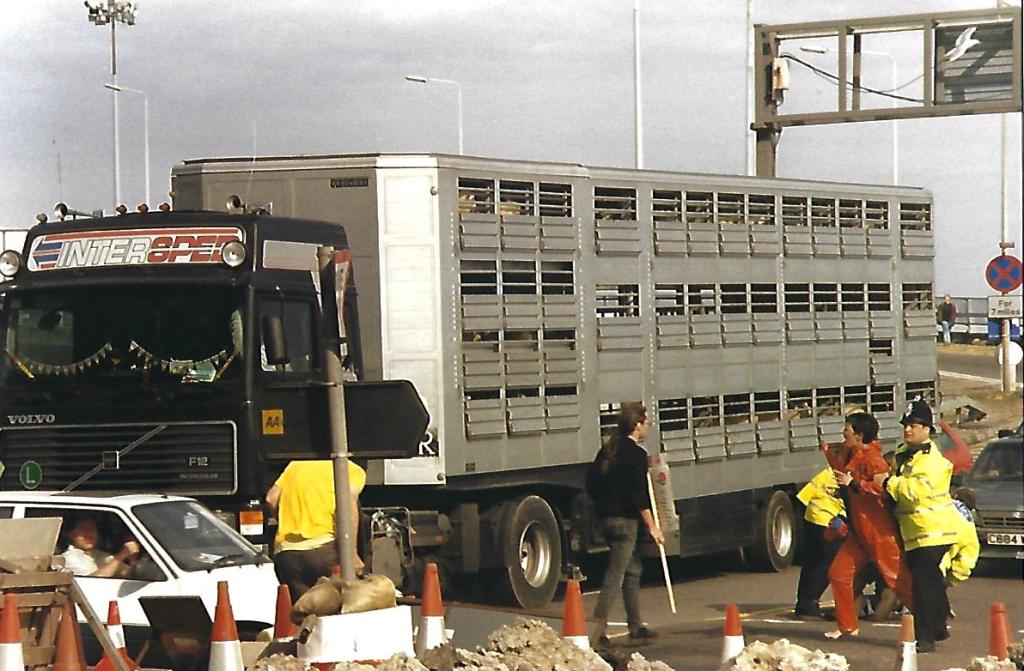
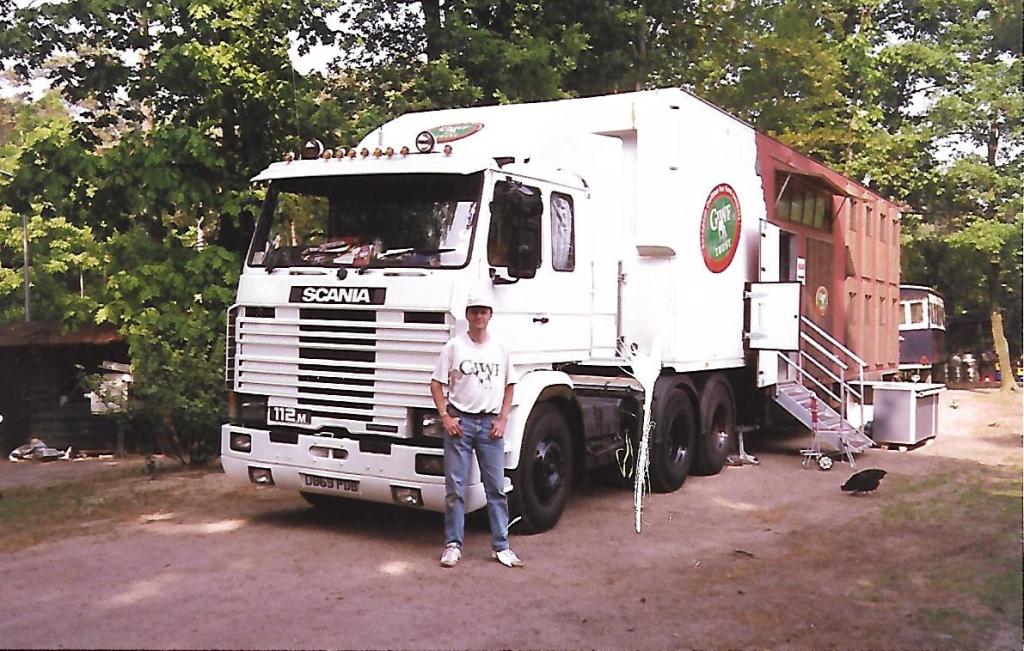
In the past – livestock hauliers run the guantlet at Dover, England.
New documentary SLAY exposes the cruel use of animals in fashion
8 September 2022
Premiering today, the new documentary SLAY follows filmmaker Rebecca Cappelli as she exposes the fur, wool and leather fashion industry for its greenwashing and cruel treatment of animals. Produced by Keegan Kuhn (known for his work on What the Health and Cowspiracy), the film asks an important question: is it ever acceptable to kill animals for fashion?
From Europe to China, SLAY spans 5 continents as it uncovers the unethical practices of the fashion industry on a global scale, emphasising the horrific ways the animals are kept and killed, all in the name of fashion and profit. The documentary features interviews with animal welfare and sustainability experts, as well as representatives from the fur industry itself.
Cappelli spent the last 3 years investigating animal skins in fashion, examining the devastating impact on people, the environment and animals.
If someone would have told me even half of what I discovered doing this film, I wouldn’t have believed it.
Rebecca Cappelli
The fur industry
The documentary is bold in debunking the argument that fur is a sustainable product, and also stresses workers rights, but the real emphasis is keeping the cruel treatment of animals in focus. SLAY shares behind the scenes footage of the animals kept in confined spaces, unable to stand or move around. The film depicts the abhorrent ways that the animals are killed, with the priority given to the protection of the quality of fur, rather than the welfare of the animal.
The documentary also shines a light on the scale of mis-labelled fur products on the market, including within the EU. Although often seen as a luxury item, fur has often been uncovered on the high street on low cost garments and accessories. Consumers are often unaware that they are purchasing fur products when they buy items such as bobble hats and fur trimmed hooded coats. Due to the mis-labelling of fur, many consumers are not given a choice and are unwittingly supporting the fur industry.
The fashion industry has been keeping animals out of people’s minds for too long, together we can change that.
Rebecca Cappelli
SLAY breaks outside of echo chambers and aims to make a real difference for the animals, for the planet, and the people who live at the mercy of the fashion industry.
From 8th September, the film will be available to watch on WaterBear Network. The free streaming platform is dedicated to sustainability, activism, and conservation.
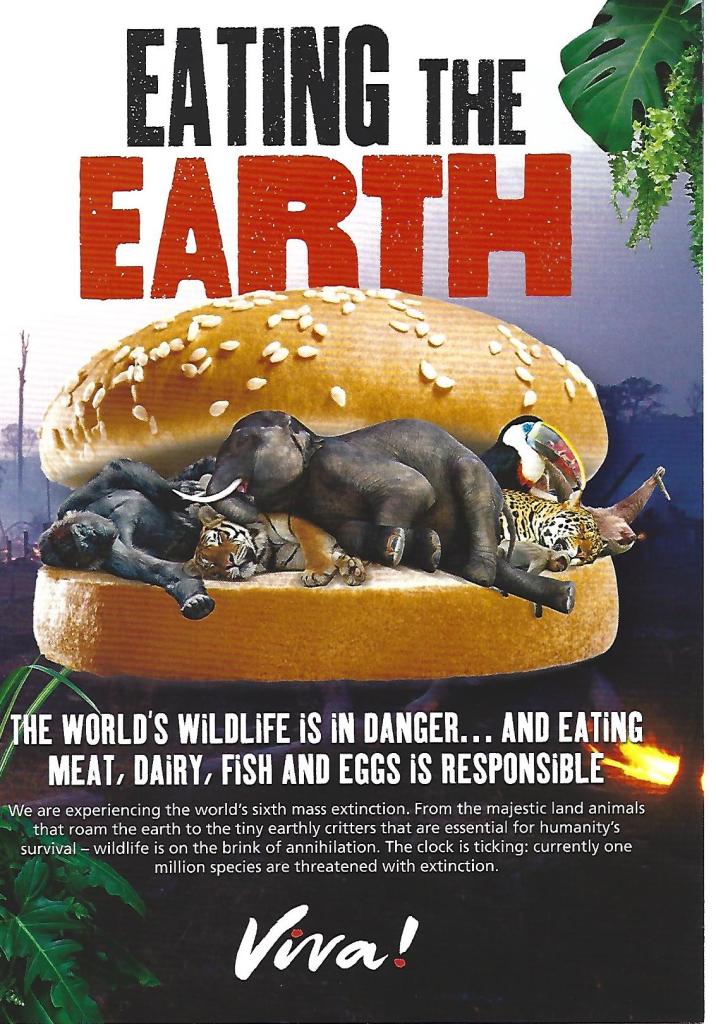
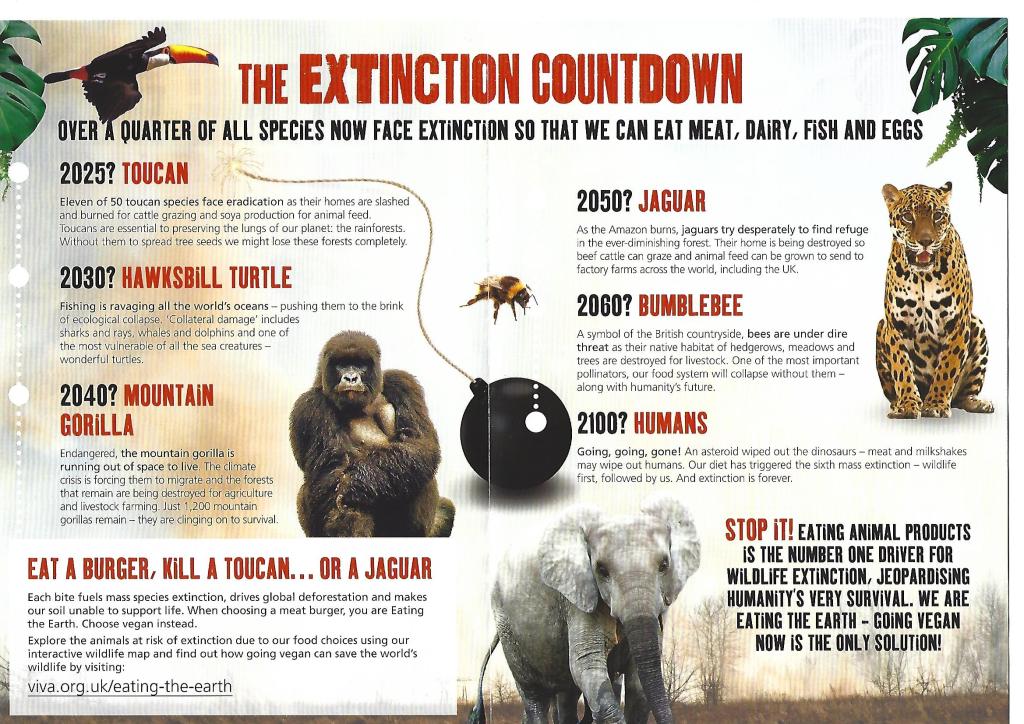
The world’s wildlife is rapidly disappearing, and with it the foundations of humanity’s survival.
We are experiencing the world’s sixth mass extinction. From the tiny earthly critters that underpin essential biological functioning, to majestic land animals that roam the Earth – worldwide wildlife is on the brink of annihilation. The clock is ticking: currently one million species are threatened with extinction.
At the heart of this problem is our demand for meat, dairy, fish and eggs. It is the number one driver for wildlife species loss world-wide.
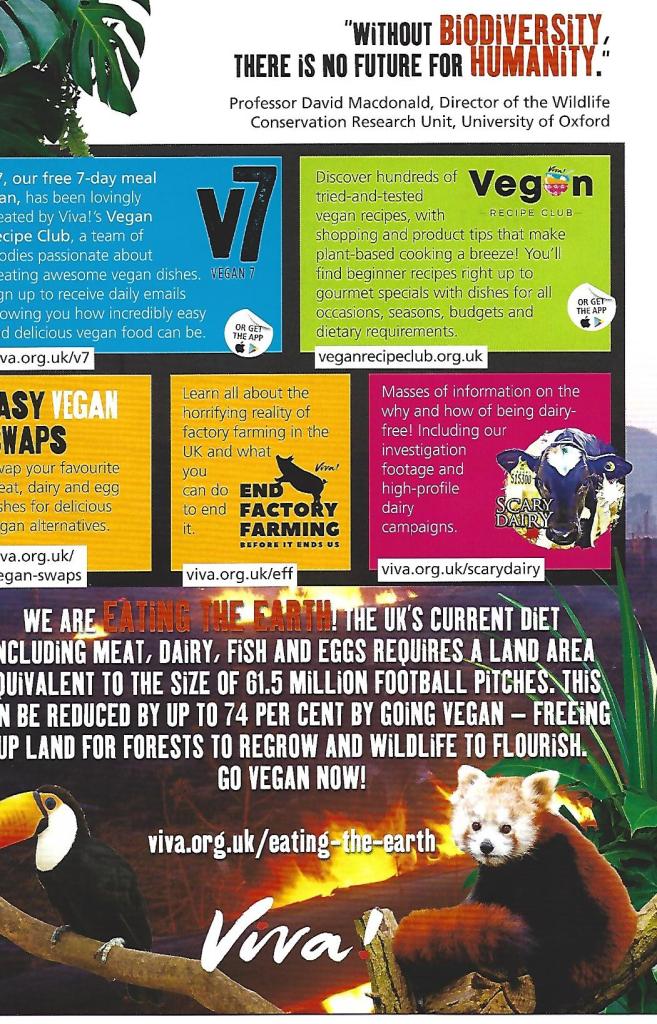
The time left to act is dwindling, but there is still a narrow window to make a difference. Going Vegan Now!is the only way we can save the world’s wildlife and ensure our own survival.
WAV Comment – as Di says, we (her and I) have worked together on many animal issues in Germany and the UK for years. Di has saved many heavy horses from going into the meat trade, and being slaughtered in the past, and now sadly, Same, her own horse, has to be found a new home. Di provides details below for you. We need to get Same re homed within the next few weeks if at all possible.
Please use the contact link Contact – World Animals Voice if you need to follow up; and I will assure that all requests are forwarded over.
Regards Mark
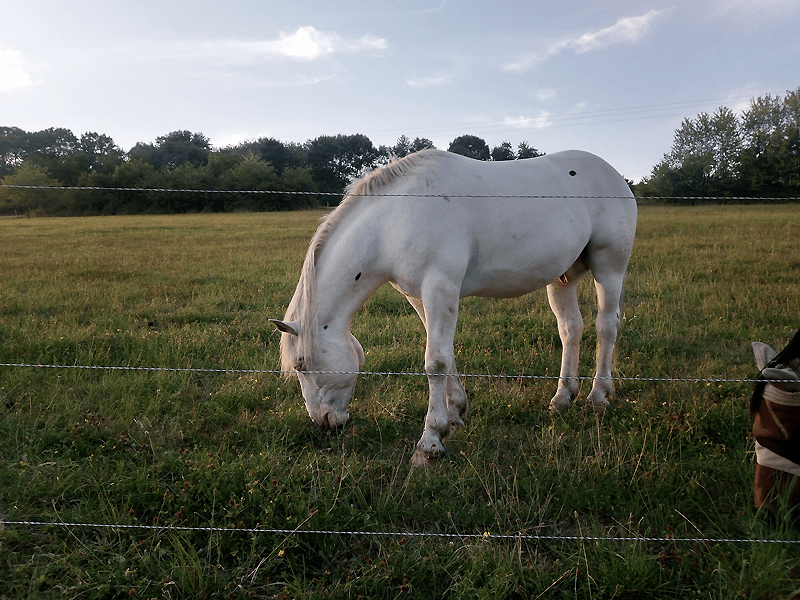
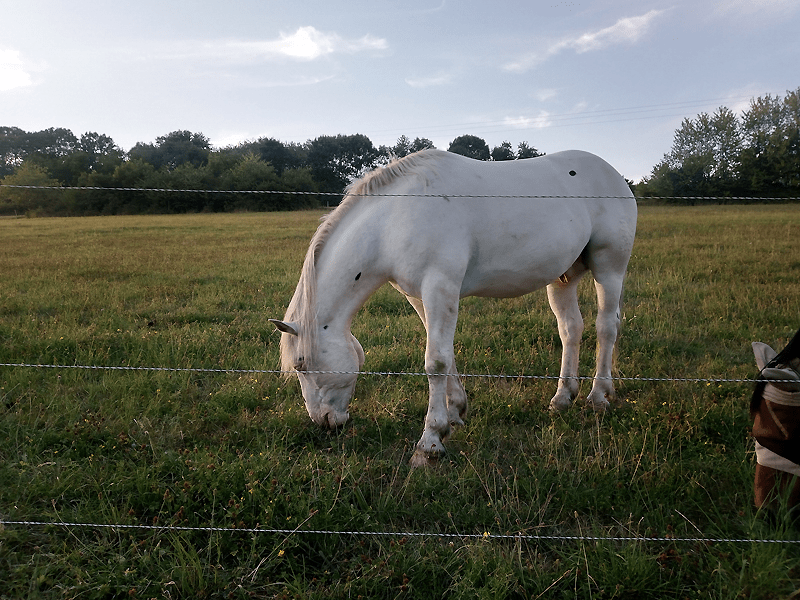
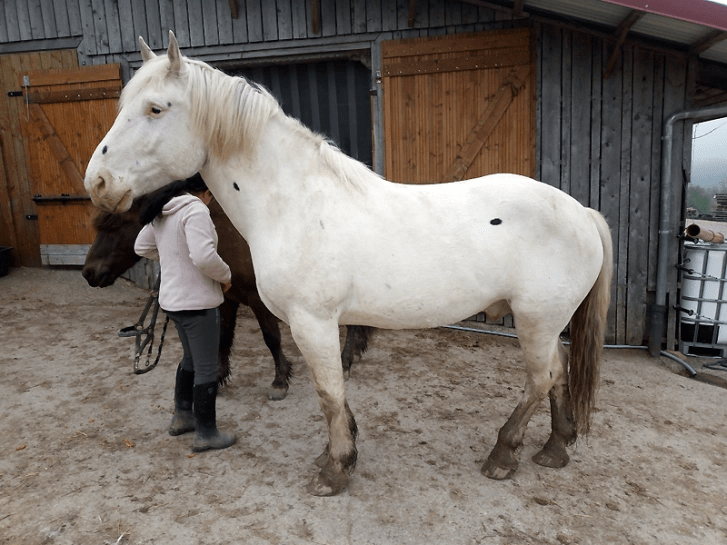
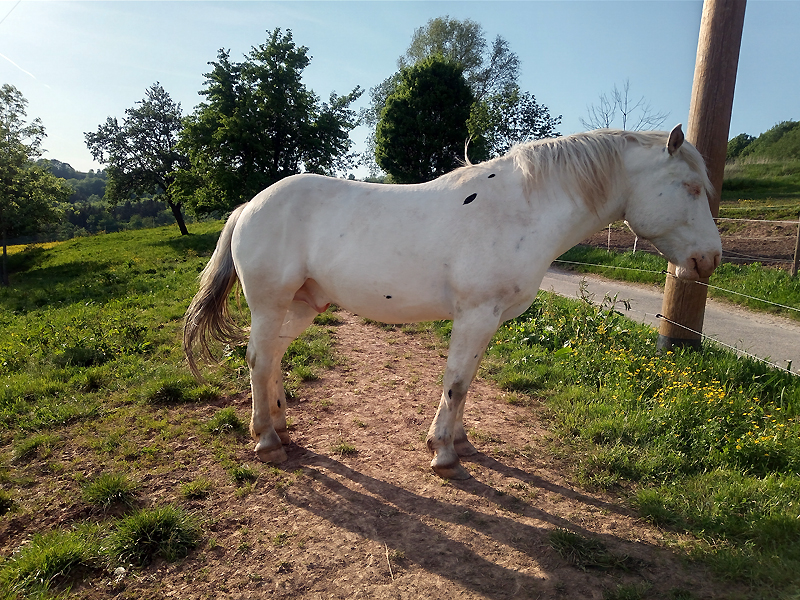
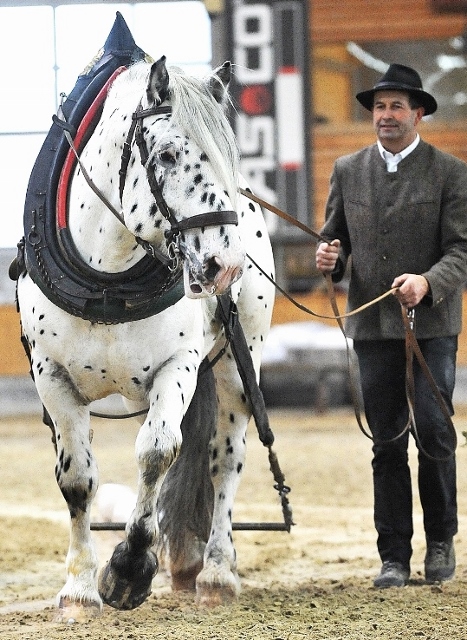
‘Same’ currently lives in the Greater Stuttgart Area, North; Germany.
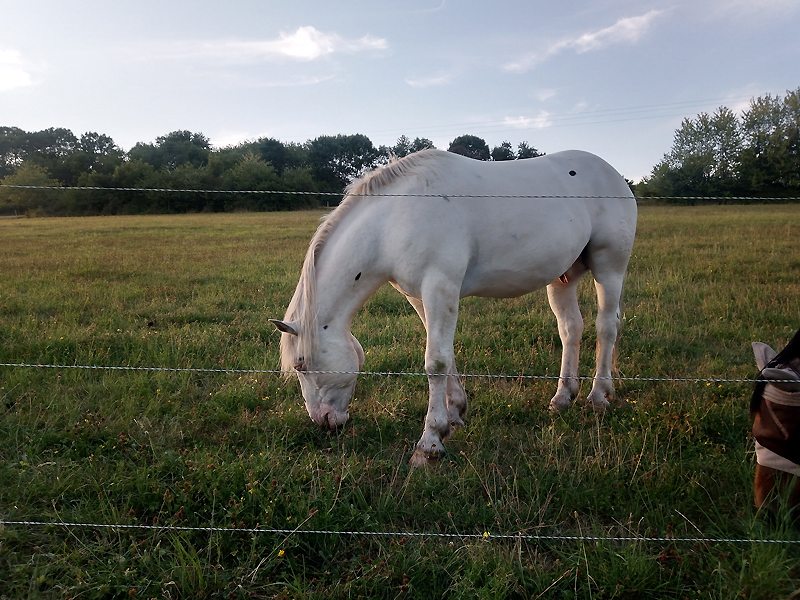
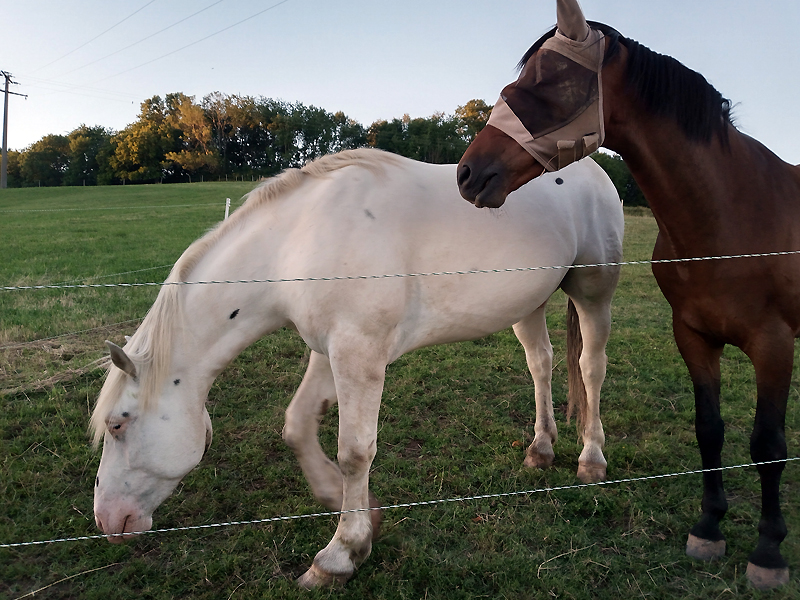
Baby ‘Same’
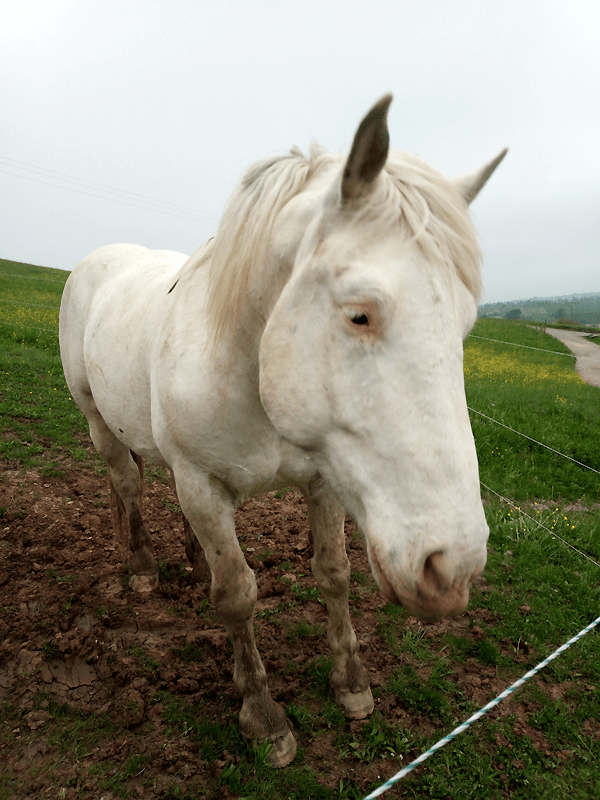
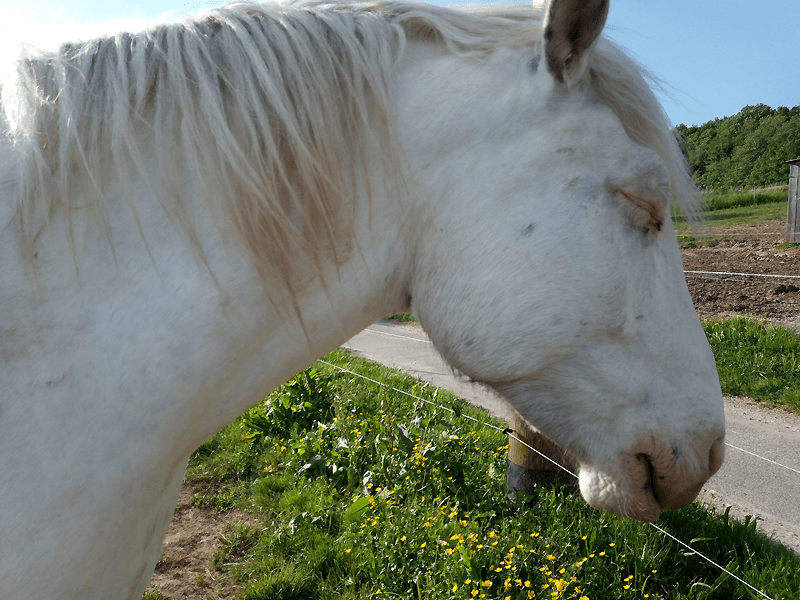
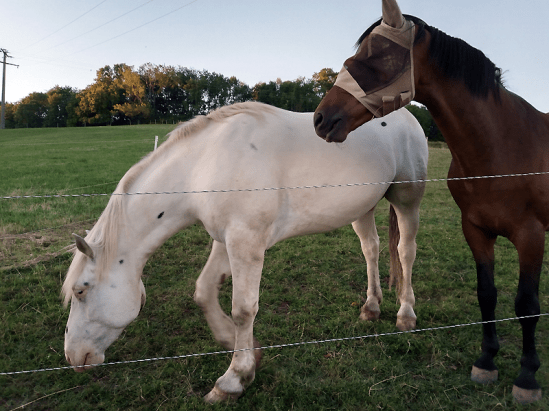
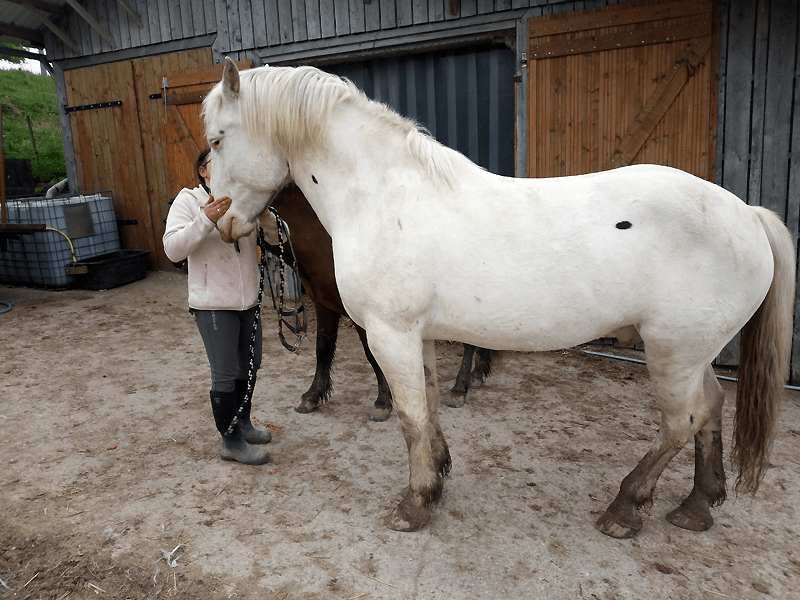
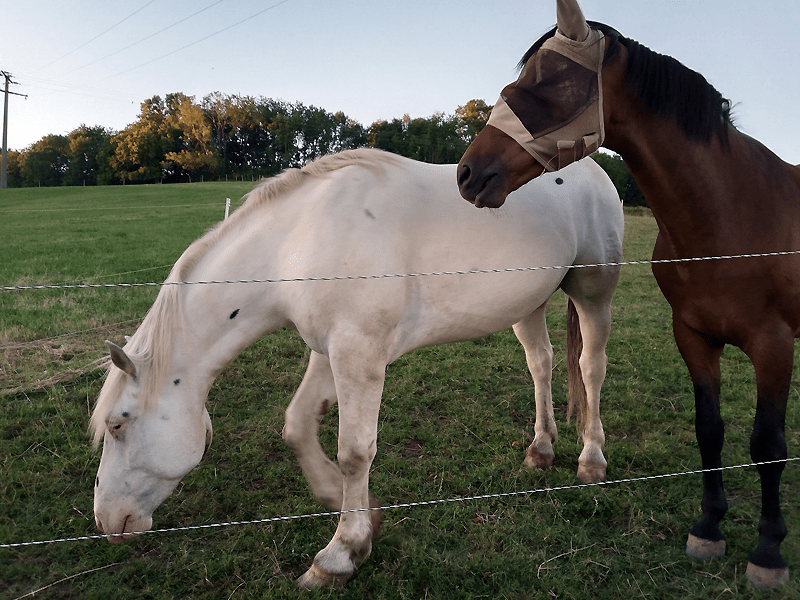
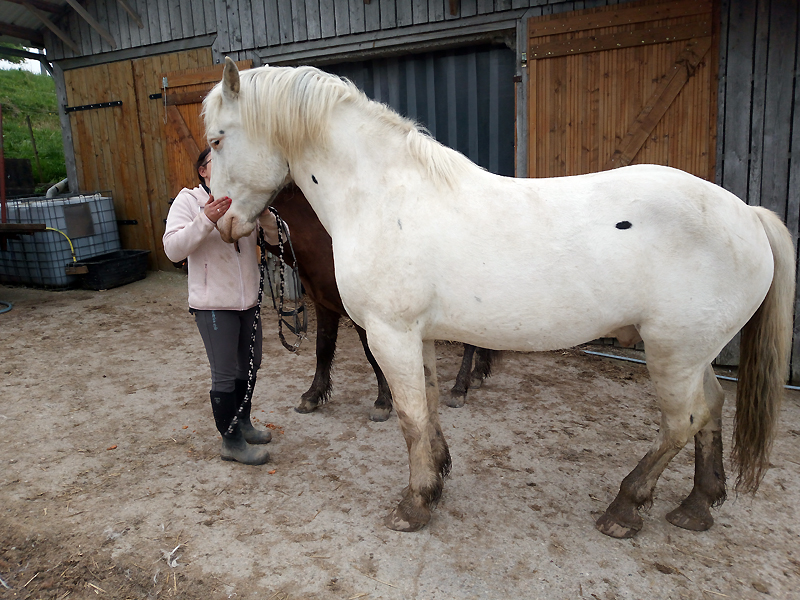
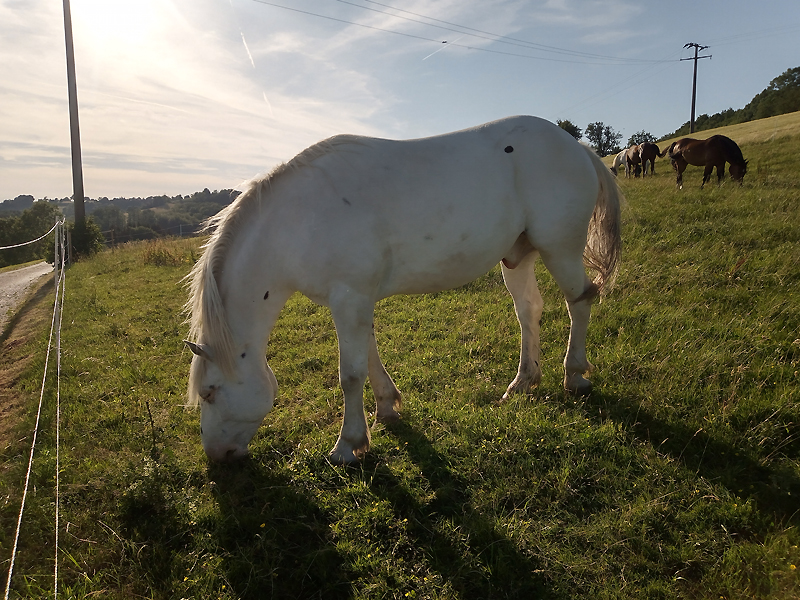
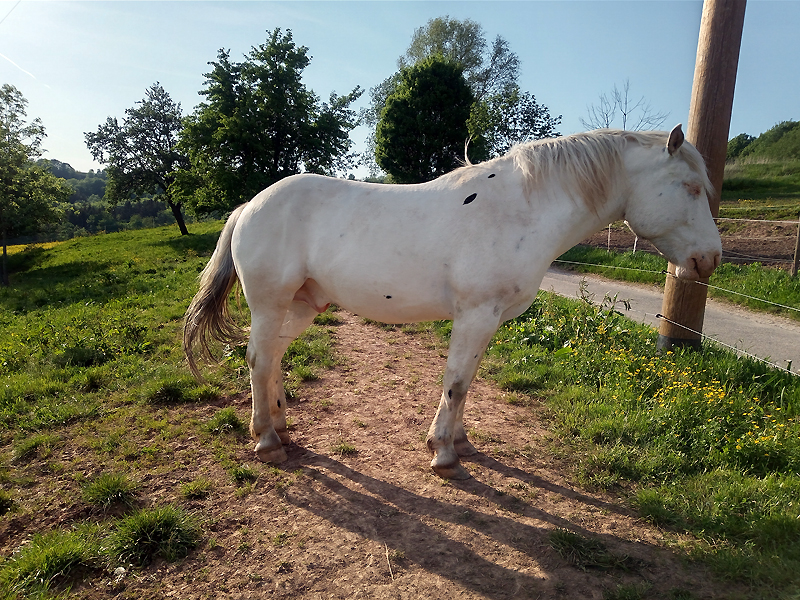
Samme now.
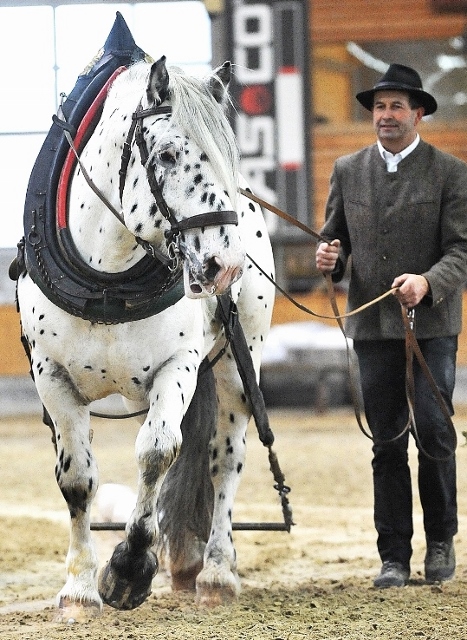
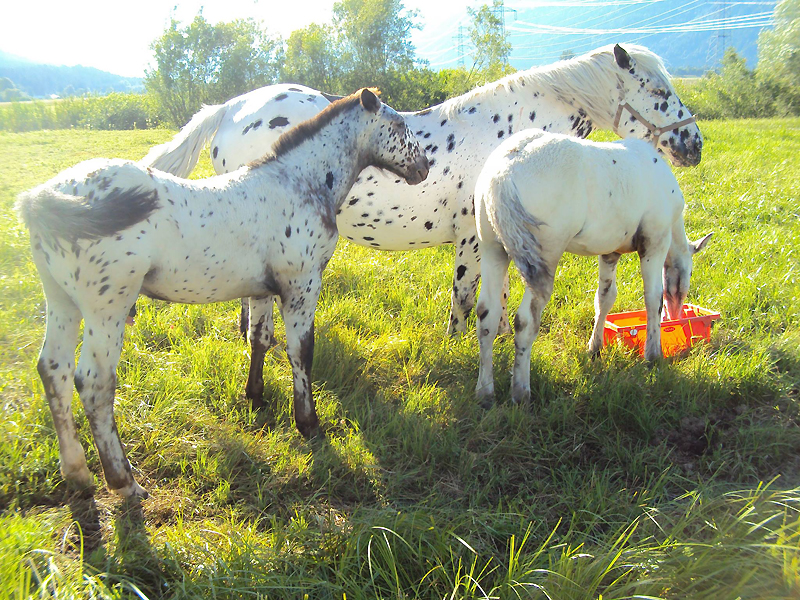
I seek a new home for my 6-year old Noriker gelding “Same Silver Elmar” due to, sadly, financial difficulties after repeated job loss. “Same” has been with me since he was a foal, coming from Kaernten, in Austria, in 2016 – that is, directly from the breeder near Jenig (“Leopard” only breeder).
He is not yet trained, but knows a little groundwork, likes going for walks. Hooves, leading, transporting are no problem. He is a good-natured, inquisitive, non-aggressive, human-oriented and very willing. Much like a big dog, who follows his Human around and is willing to please 🙂
Same
I would like, for him, the right person, a friend and partner for life. Someone who can devote time and love into his careful training, and the building of a lasting friendship with him. He deserves no less.
Unfortunately, I am under pressure timewise (end of September – stable notice), after various parties abandoning their “very keen interest in that beautiful horse” recently, and hence I am stuck for options. I want to find the right place and people for him, as he is such a sweet guy, and handing him on to a trader will simply not do.
I have been involved with animal welfare, like Mark here, for many years, and “Same” is my 10th horse, saved from slaughter. I had hoped to be able to keep him, at least, but sadly that is not an option anymore.
The pot. price is a matter of discussion if the right offer comes along. I am also, of course, interested in other options, if someone can offer to help.
Thank you very much.
Diana H.
We are looking for a safe forever home for Same – please pass this link
Animal Rebellion activists drill lorry tyres at Somerset Müller site as part of protests
It comes after eight people were arrested in protests at the factory in Stonehouse, Gloucestershire
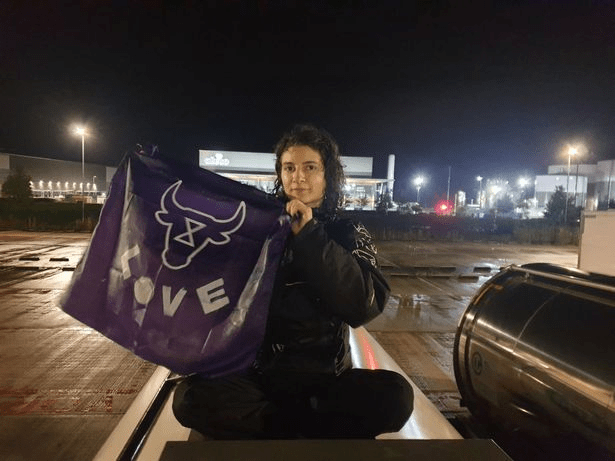
Animal Rebellion protesters broke onto the site of the Müller facility in Bridgwater overnight, drilling holes in truck tyres to disrupt the company’s distribution. The acts come amid a weekend of protests at dairy production areas across England, with eight people arrested after similar protests at the Müller plant in Stonehouse.
Animal rights protestors have targeted dairy distribution sites for the second time in 24 hours after trespassing onto critical dairy distribution facilities and drilling holes in lorry tyres and filling outlet houses with expanding foam.
The nonviolent actions taken by Animal Rebellion on both the morning of September 4, as well as in the early hours of this morning (September 5), were intended to seriously disable the ability of the facilities to process and distribute milk.
As well as Müller Bridgwater, activists entered sites at Arla Aylesbury, and Müller Droitwich – breaking a High Court injunction by doing so.
Today’s action is an escalation in Animal Rebellion’s campaign, which the group has stated will continue until the British Government enters negotiations for its two demands:
Government supports farmers and fishing communities to move away from animal farming and fishing as part of an urgent and immediate transition to a plant-based food system.
Government commits to rewild the freed-up land and ocean as part of a broader programme of wildlife restoration and carbon drawdown.
Theresa Higginson, 24, a retail worker from Biggleswade, one of those at Aylesbury, said: “What you have seen today are actions taken out of love for, and a need to protect, all life. Every individual here is united by a common goal, a better and more just world.
“I stand by all of our actions. We have no alternative. The government had the chance to respond but failed to do so.
Protesters also targeted sites at Arla Aylesbury and Müller Droitwich (Image: Animal Rebellion)
“We have had a leadership contest where the climate crisis has barely had a mention, and we have massive corporations that are able to operate with impunity despite the cost of their businesses on the planet. This Tory leadership election has exposed the need for massive political change, and that starts with the immediate transition to a plant-based food system that supports British farmers into a plant-based future.”
Rachel Steele, 46, a graphic designer from Blackpool, one of those involved at Aylesbury, said: “I came here not because I wanted to cause damage but because I am terrified about the future of the planet and all its inhabitants – human and non-human. We need a political system built on love and compassion. We need massive, fair and rapid system change.
“We cannot allow the government to greenwash and pretend that they can carry on business as usual, while the planet suffers ever more devastation, causing death and misery to millions. The only way to avert this is by massive governmental support for farmers to transition to a plant-based food system”
The latest update from Gloucestershire Constabulary, released yesterday evening, said all protestors had been removed and that the site is fully operational, with a total of eight people having been arrested.
The weekend’s action comes as part of Animal Rebellion’s demands for a plant-based future, which were announced back in May (Monday 23). The animal and climate group is calling for wholesale governmental support for farmers and fishing communities to transition to a plant-based food system and programme of rewilding that will secure a future for generations to come.