Russia has confirmed the first case of a bird flu strain being passed to humans.
Officials say seven workers at a poultry plant have contracted the H5N8 variant of the virus.
‘Possible mutations’
According to the BBC, head of Russia’s consumer health watchdog Anna Popova said all the workers are now ‘feeling well’. She also said that ‘adequate measures had been quickly taken’ to stop the disease from spreading.
Popova added: “The discovery of these mutations when the virus has not still acquired an ability to transmit from human to human gives us all, the entire world, time to prepare for possible mutations and react in an adequate and timely fashion.”
Bird flu strain
Last year, the UK government ordered all birds to be kept inside ‘to eradicate’ avian flu.
The measures came into force on December 14, following multiple outbreaks of bird flu on UK farms. One outbreak was discovered on a farm in North Yorkshire, where a confirmed case of the H5N8 virus saw 10,000 turkeys be killed.
A joint statement from Great Britain’s three Chief Veterinary Officers said: “We have taken swift action to limit the spread of the disease and are now planning to introduce a legal requirement for all poultry and captive bird keepers to keep their birds housed or otherwise separate from wild birds.
“Whether you keep just a few birds or thousands, from 14 December onwards you will be legally required to keep your birds indoors, or take appropriate steps to keep them separate from wild birds. We have not taken this decision lightly, but it is the best way to protect your birds from this highly infectious disease.”
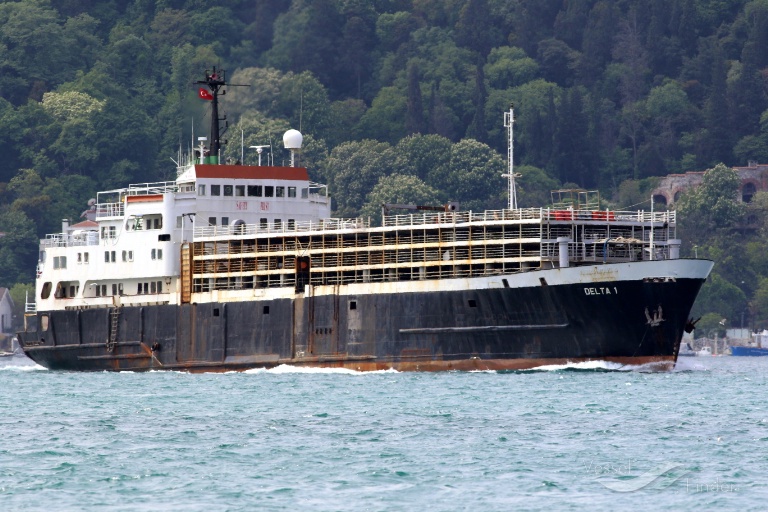
Thousands of cattle remain stranded at sea on two livestock ships that left Spain in mid-December, as campaigners desperately seek veterinary support for the animals.
The two vessels were bound for Libya but owing to an onboard outbreak of the bovine disease bluetongue were refused entry at multiple ports, said Maria Boada Saña, a vet with Animal Welfare Foundation (AWF), which has been tracking the ships via maritime websites.
On 19 February the website myshiptracking.com showed one of the ships, the Elbeik, anchored off the coast of Cyprus, and the other, Karim Allah, off the coast of Sardinia. The vessels left the Spanish ports of Tarragona and Cartagena on 18 December respectively.
A spokesperson for Spain’s Ministry of Agriculture, Fisheries and Food said the ships’ situation had “nothing to do with the actions of the Spanish administration” and had left the country with health certificates and had come from areas free of bluetongue.
They added that officials were monitoring the vessels’ movements and were in contact with the World Organisation for Animal Health (OIE) and the European commission “to find a solution to the situation”. A spokesperson for the commission said the Spanish authorities were willing to receive both ships back.
Boada Saña said marine traffic websites indicated that the Elbeik had about 1,700 cattle on board and the Karim Allah almost 900. The Spanish authorities did not respond to questions about animal numbers.
Given the Karim Allah’s proximity to Italy, Manuela Giacomini, a Genoa-based lawyer who works with AWF, said she filed a request with the Italian health ministry asking it to perform an urgent veterinary inspection of the ship in collaboration with Sardinia’s port state authority in Cagliari.
Olga Kikou, the head of Compassion in World Farming EU, lodged a similar request that asked the Cypriot authorities to arrange an urgent inspection of the Elbeik.
Cyprus’s chief veterinary officer said the Elbeik was being monitored, adding that when the vessel approached Cypriot waters, the country’s authorities would “proceed accordingly with checking this case”.
Kikou, who is in Greece, said the most immediate priority was that veterinary services boarded the ships to “check the animals and euthanatise any that are suffering. The conditions inside the ship cannot be good after two months. And then a solution needs to be found between the different authorities to determine next steps for any animals that can be saved.”
An email from the the International Maritime Organization said its seafarer crisis action team was aware of the situation and that it was concerned for the “wellbeing of seafarers and the safety of navigation [and] in this case also the livestock”.
Asked for comment on the two ships, the OIE said in an email that it was “in contact with the concerned member countries and also with our regional offices” to “minimise negative impact on animal welfare during transport operations and emphasise the joint responsibility of all people involved in the different stages of the transport”.
Tilly Metz, the Luxembourg MEP who chairs the European parliament’s animal transport inquiry committee, said this was “yet another live animal transport scandal involving ships. After the 2019 tragedy of the [Queen Hind] ship, which capsized with 14,000 sheep on board, now allegedly over 2,600 bovines [are] stuck on two vessels wandering from port to port in search of help. How can it be that there is no contingency plan in case of diseases or other unforeseen events?”
Metz said a key animal transport problem was that time spent on the ship was considered “resting time” and not “transport time”.
“This means there is no limit as to how many hours animals can be on these ships: days, weeks, even months. Many consider this to be a legal anomaly and a loophole in the rules on the protection of animals during transport,” she added.
This case, she said, “proves again a ship is not a floating stable. It is an unnatural, often stressful, overloaded and understaffed environment, with inherent risks such as disease outbreaks, feed shortages and refusals to unload”.
Attempts to contact the ships owners and operators by phone were unsuccessful.
The EU Commission is suing Germany before the European Court of Justice for violations of current nature conservation law for years.
One infringement proceeding remained unsuccessful.
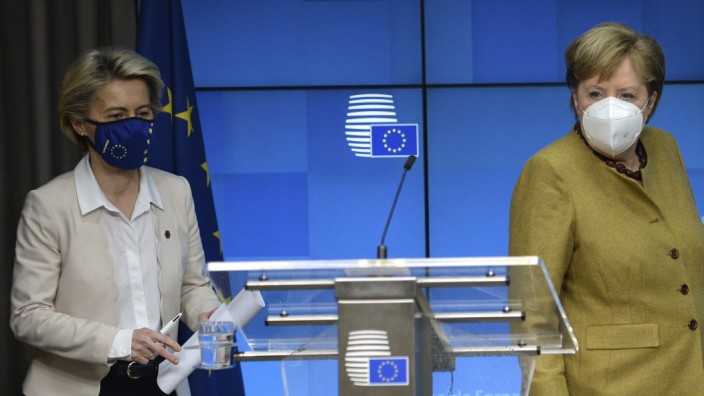
The EU Commission, chaired by Ursula von der Leyen (left), sees deficiencies in the implementation of the nature conservation directive and the European arrest warrant by the German government of Chancellor Angela Merkel. (Photo: Johanna Geron / AP)
Among other things, Germany has “still not designated a significant number of areas as special protection areas,” the Brussels authority announced on Thursday.
It is about the implementation of the Flora-Fauna-Habitat (FFH) Directive for the conservation of natural habitats and the protection of wild animals and plants.
The core is the designation of protected areas in the EU states.
These include so-called conservation goals to protect or restore the population of species.
The EU Commission had already initiated what is known as infringement proceedings against Germany in 2015, but Berlin has not dispelled the concerns over the years.
The “deadline for completing the necessary measures for all areas in Germany” expired in some cases more than ten years ago, the EU Commission announced on Thursday.
The authority complained, among other things, that “the conservation goals set for the individual areas in Germany are not sufficiently quantified and measurable”.
The EU Commission is assuming that it was the practice in all federal states and at the federal level not to set sufficiently detailed and quantified conservation goals for all 4606 areas of Community importance.
This has “significant effects on the quality and effectiveness” of the measures.
But the EU has to have a little understanding for Germany. After all, Germany only had 20 years to implement the directive!!
Only 6 years have passed since criminal proceedings were initiated.
It can be assumed that any failure to achieve the self-set goals will simply be sent to the next over time because the game with the time factor has still worked so far.
And speaking of the EU, by the way: it was the EU that ensured that the form of agriculture that is common in our country, i.e. one that is absolutely hostile to nature, was carried to all EU countries, to those countries that were previously Had nature, like Slovenia, Croatia, Poland or Romania.
Devastating!!
Dairy calves are usually separated from their mothers… Credit: Animal Equality
Februdairy: A Desperate Attempt To Promote The Declining Dairy Industry
Demand for cow’s milk is declining and plant-alternatives sales have surged…
As public opinion continues to shift, increasing numbers of people are falling out of love with dairy products. Enter Februdairy…
Recent years have seen a significant shift in consumer attitude towards dairy, as more people understand the environmental, health and animal welfare issues associated with the industry.
The UK’s leading vegan campaigning charity, Viva!, has investigated countless British dairy farms and exposed the brutal reality of the industry – helping many people make the switch to dairy-free.
An increasing number of dairy-alternatives are widely available including cheeses, yogurts, milks, and chocolates. Most supermarkets have their own ranges of vegan food – proving these products are big business.
Although the milk market is much bigger, valued at over £3 billion, demand for cow’s milk is declining and plant-alternative sales have surged 10 percent over the past two years.
It’s undeniable, dairy-free sales are booming and show no signs of slowing down. Considering these factors, it comes as no surprise that the dairy industry is desperately trying to claw its way back into public favor.
So what on earth is Februdairy?
Februdairy is a social media campaign created by the dairy industry in a desperate attempt to boost sales and portray dairy in a more favorable light. This is the industry’s fourth annual campaign and is pitched as a direct response to Veganuary.
This year Veganuary announced a record number of sign-ups with a whopping 400,000 people going vegan for a month. Milk producers, pro-dairy consumers, and industry experts, are encouraged to create and share pro-dairy content during the month of February on social media using the hashtag #Februdairy.
Social media Vs Februdairy
When the campaign launched in February 2017, the vegan community commandeered the hashtag to highlight the darker side of the dairy industry, where pain and suffering is an everyday occurrence.
Social media has played an instrumental role in the rise of veganism. It’s clear vegans are well versed in using it as a platform to educate and inform others.
A slew of animal rights advocates and groups such as Viva!, Animal Equality, and Animal Aid, use Februdairy as an opportunity to expose the cold-hard facts surrounding dairy production .
This doesn’t go down well with the dairy industry….
10 February 2021, CAS International (Comité Anti Stierenvechten)
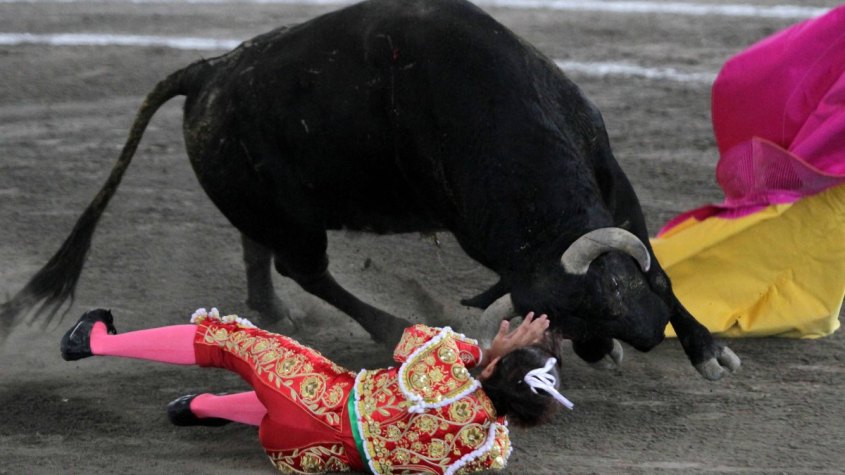
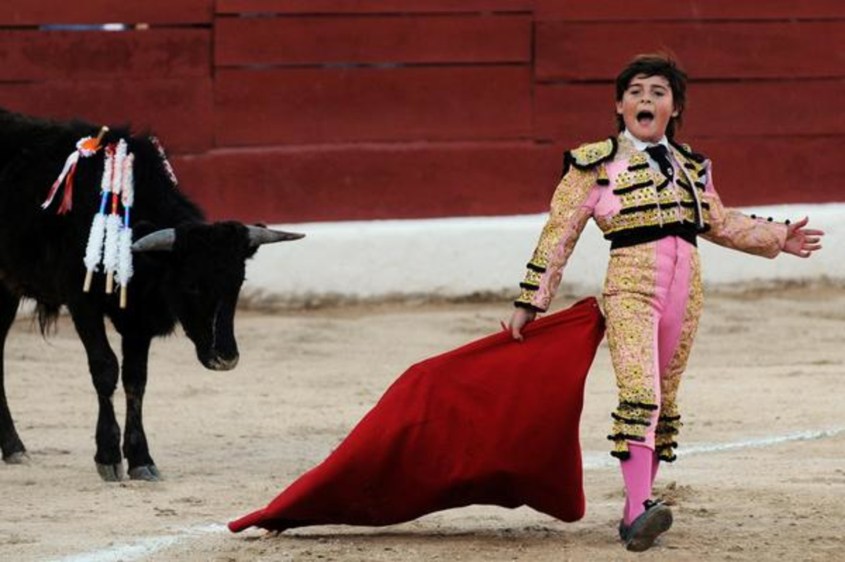
Mexican state Sinaloa prohibits bullfighting
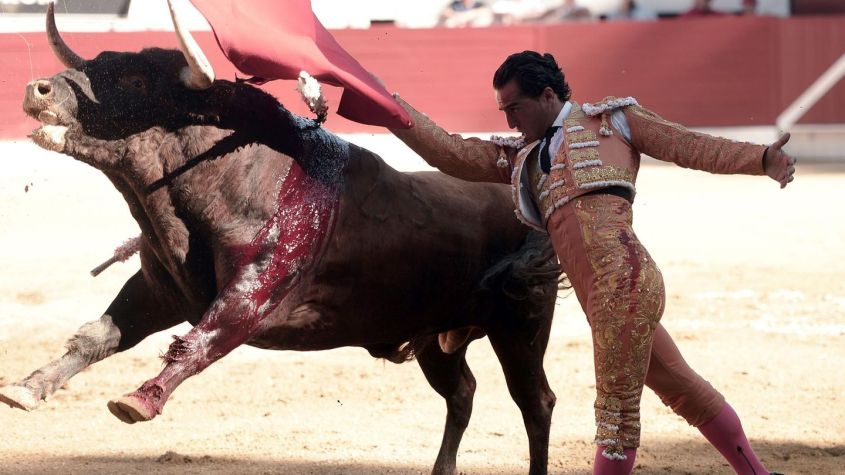
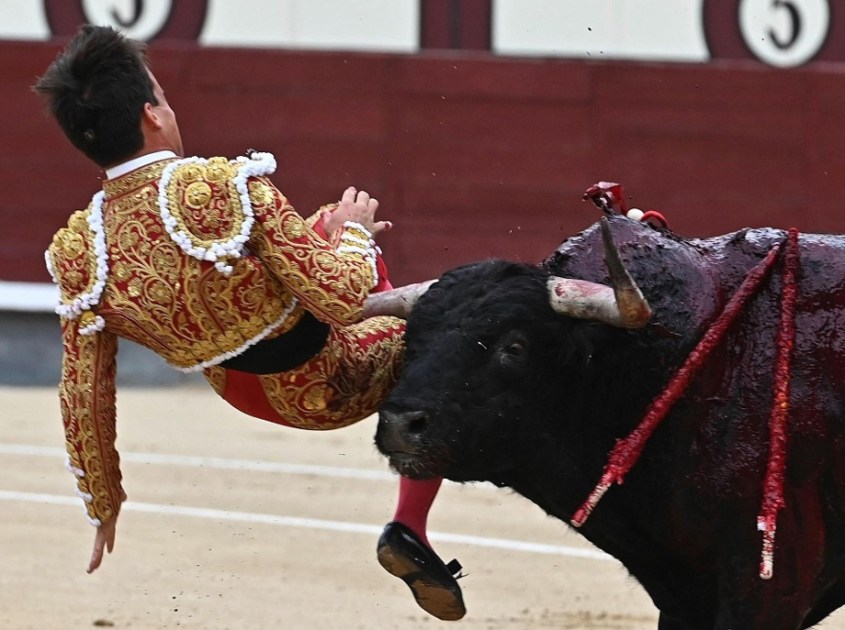
The government of the Mexican state of Sinaloahas agreed to prohibit bullfighting. Sinaloa is the fifth state in Mexico with a recent ban on bullfighting, after Sonora, Guerrero, Coahuila, and Quintana Roo. Dog fights are also prohibited.
In parliament, a unanimous vote was taken in favor of an extension of the current animal protection law. In addition to the ban on bull and dog fights, wild animals must be better protected. Unfortunately, cockfights are yet allowed to take place in Sinaloa.
Bullfights
Bullfights take place in the city of Mazatlán every year, during Carnival.
This is the only town in Sinaloa where bullfights are held. Mexico is one of the most violent countries in the world and within society, there is increasing support for a ban on bloody spectacles with animals because they would stop a development towards a peaceful society.
Animal suffering is also an important argument to prohibit this type of cruel event. 7 out of 10 Mexicans are in favor of a ban on bullfighting.
Animal Protection Law
Some other new points have been included in the amended animal protection law.
For example, the exclusion of long-term care of animals is punishable from now on. It is also prohibited to abandon animals on public roads or in a place far from their natural habitat. In addition, it is no longer allowed to have sex with animals.
Furthermore, dogs and cats will no longer be euthanized to prevent overpopulation. And the law promotes the improvement of the care of animals in shelters.
CAS International is very pleased with this news and hopes that more states will prohibit bullfighting like Sinaloa just did. CAS has been working with Mexican organizations for years to end bullfighting in Mexico.
In November 2018 and March 2019, CAS traveled to Mexico for the international summit against bullfighting (organized by the International network against bullfighting), a national summit, and for lobby activities. Our political influence contributed to the ban in Sinaloa.
18/2/21 – well this is sort of an update; with no update !
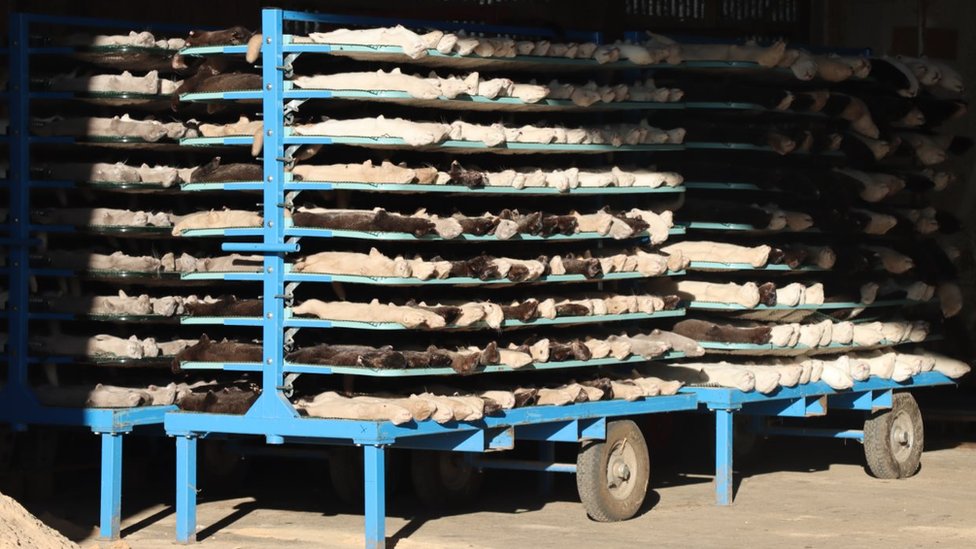
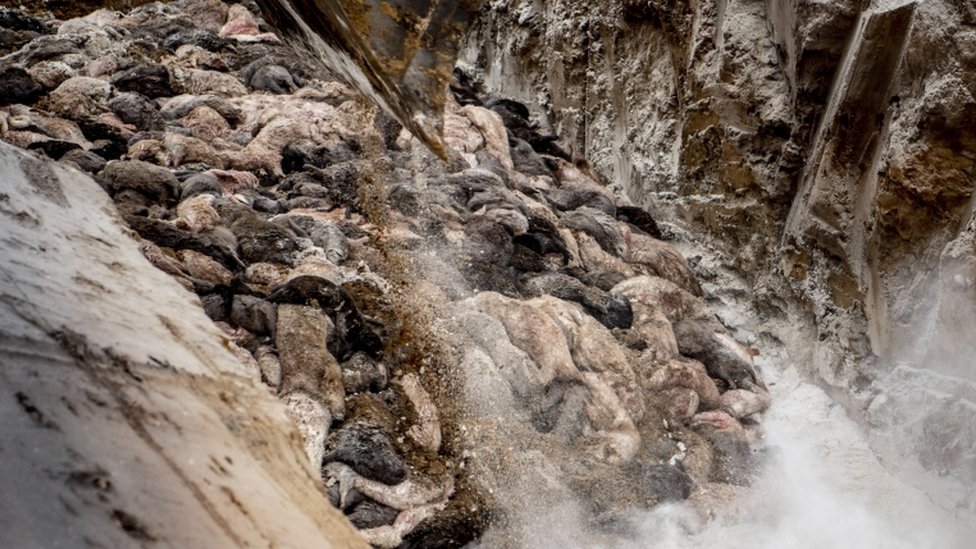
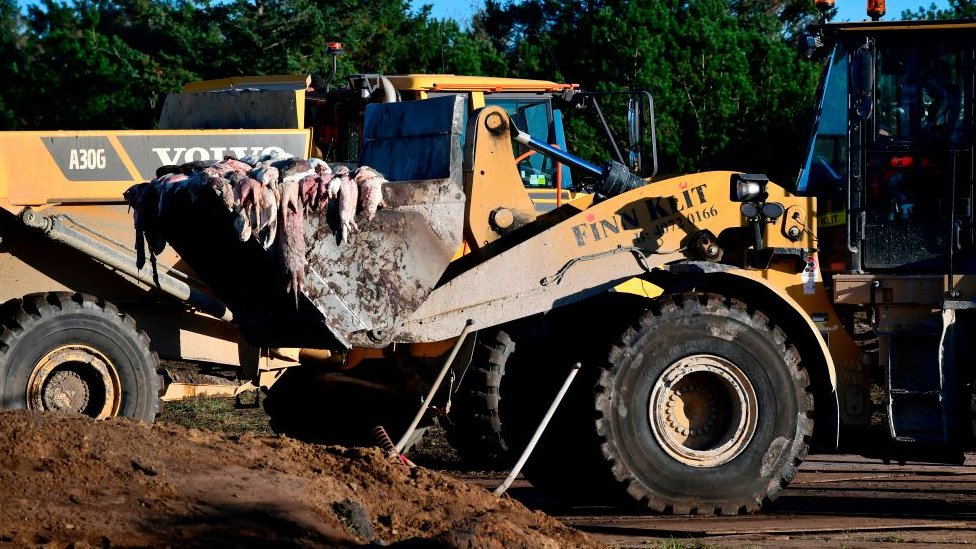
You may remember that back on 12 November 2020, we wrote to the Danish Ambassador in London regarding the mass Mink killings which were taking place in Denmark at the time.
Well, just to let you know; that as of today; 18/2/21, we have still not had anything back from the Danish Embassy, London; regarding our original letter. I went to London rather than write to Denmark, as from past experiences I have with embassies; they have to make contact with ‘home’ to inform them of what is being asked in different locations around the world.
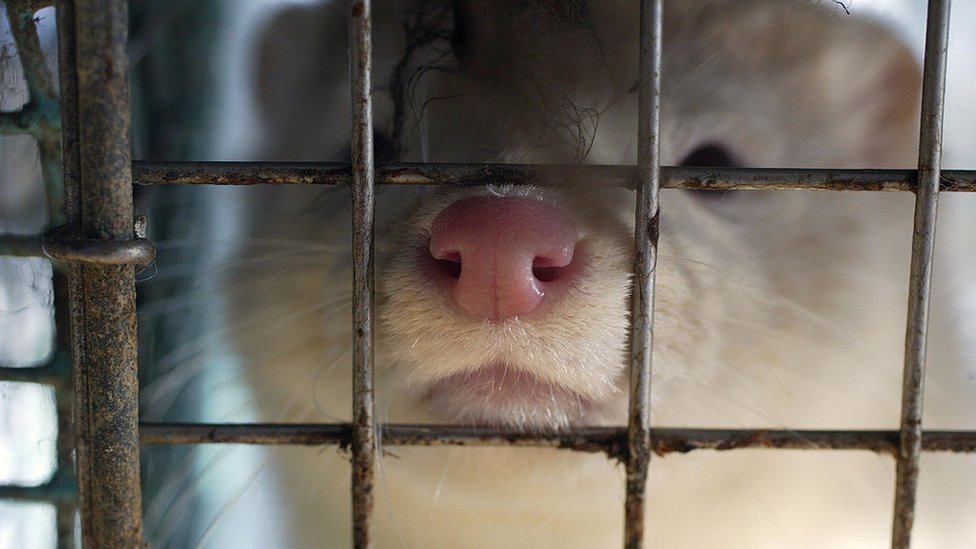
The fur industry mink murder has been a huge issue for Denmark.
If you wish to check out all that we have posted on the Danish Mink issue then please go to the following and select the different posts.
Help the elephants! Public consultation on new EU measures to ban trade in ivory
16 February 2021
On January 28th the European Commission published draft measures aimed to effectively ban EU trade in ivory.
The draft Commission regulation and guidance are now open for final public feedback before being adopted by the Commission. The period of public feedback will last until 25 February 2021.
Across Europe, ivory continues to be traded online, in auction houses and markets. The EU and Japan are among the last countries with large, legal domestic ivory markets, while other major markets in the USA, China and the UK are now closed or in the process of closing.
Luckily, there is wide support in the EU for the closure of domestic elephant ivory markets, from the EU Council to the European Parliament, and among EU citizens and civil society.
The European Commission has the mandate to introduce comprehensive measures aimed at closing the EU domestic ivory market, thereby showing global leadership. Only by so doing, the EU will remove any financial value from ivory, reduce the opportunity for new ivory to be laundered through legal markets, and send a clear message to the rest of the world that the EU no longer considers ivory a commodity.
We therefore welcome the European Commission’s draft measures to ban the ivory trade in the European Union (EU) and urge the EU and its Member States to support and implement them without further delays.
We would nevertheless like to highlight the following recommendations for the European Commission’s public consultation:
We strongly recommend that the EC assess within the next few years the real effectiveness of both the implementing Regulation and the Guidance.
We ask that the changes made to the guidance document on the EU regime governing trade in ivory is integrated into the EU Commission Regulation, in order to ensure that the guidance becomes legally binding and a consistent language in both the Guidance and the proposed Regulation is used.
We fully support the proposed measures which provide that antique worked ivory may only be traded within the EU with a certificate. However, only independent approved/recognised experts should be authorised to assess whether an item has been legally acquired or not in order to avoid conflict of interests.
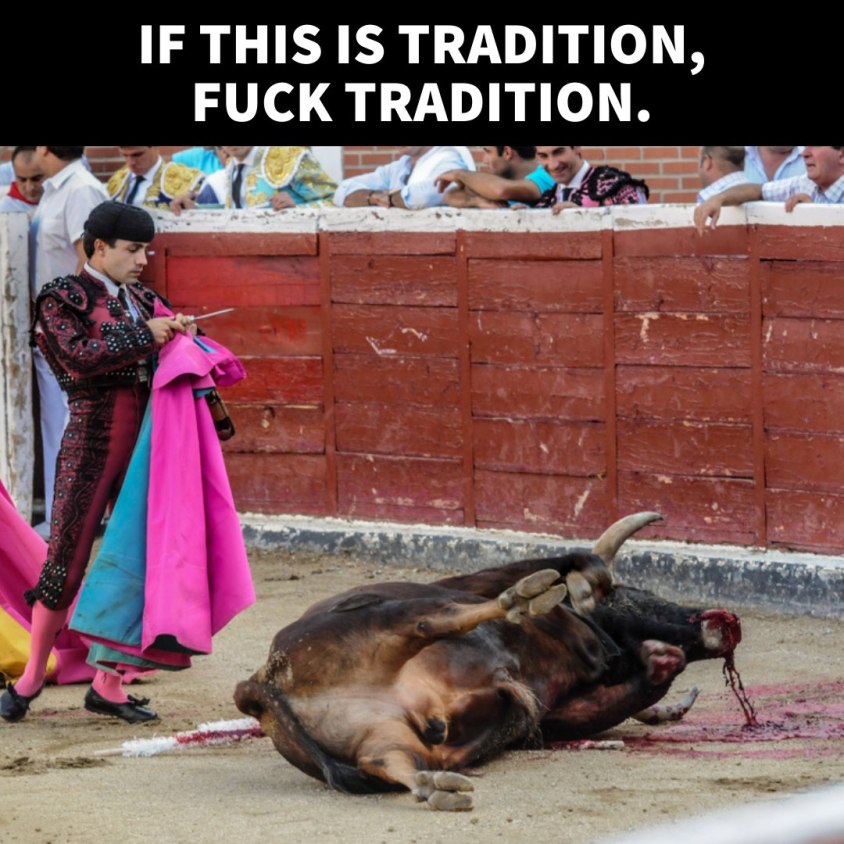
don’t follow everything blindly
just because tradition dictates it for generations…
some traditions have expired
and above all those that involve violence and human supremacy