There are new government regulations in force now that UP TO 6 people maximum are allowed to meet – the ‘rule of 6’ coronavirus law.
12/9 is known in the UK as the ‘glorius Twelth’ by hunters; as it is the day each year that they can start thier abuse towards animals by having hunting parties to shoot game birds. Anyone else (under the 6 rules) would not be allowed to meet in groups of more than 6 people. But as always, the Conservative Party has given in and made ‘exemptions’ which allow MORE than 6 people to blast game birds out of the sky. How very typical.
Bloodsports exempt from ‘rule of six’ coronavirus laws
Shooting and hunting groups have been exempted from the UK Government’s new ‘rule of six’ coronavirus laws.
The government has made it illegal to “mingle” under the new law enabling the enforcement of the rule in England, which came into force on Monday. But regulations published on Sunday include a number of exemptions, which including shooting and hunting, with both listed under the physical activities people can continue with in groups of more than six.
A statement on the British Association for Shooting and Conservation says: “Shooting has been added to a list of sports that are exempt from the latest COVID-19 restrictions in England. The ‘rule of six’ restrictions brought in today in England could have disrupted game shooting which usually includes eight or more people.
However, the exemption will allow shooting to operate under COVID-safe guidance.”
Ian Bell, BASC’s chief executive, said the decision to allow shooting to continue was “the right one”. “Like other team sports, shooting is able to operate under social distancing guidance, and its benefits to the rural economy and well-being makes its inclusion significant,” he said.
A Cabinet Office COVID-19 Operations ministerial committee scheduled a meeting on Saturday with an agenda item titled: “Exemption: hunting and shooting”, according to the Huffington Post. The meeting was cancelled just hours beforehand and insiders told the publication that the meeting was axed to avoid ministers raising objections.
Former minister Tracey Crouch told the Huffington Post: “Many will find this topsy-turvy prioritisation from government.
I’ve had queries about choirs, community bands, addiction therapy groups, all of whom would be worthy of an exemption and instead we are scrabbling around prioritising shooting animals. It’s bonkers.”
Sent to us today by contact: we repeat it unchanged.
———————————————–
Name: Lisa Barca
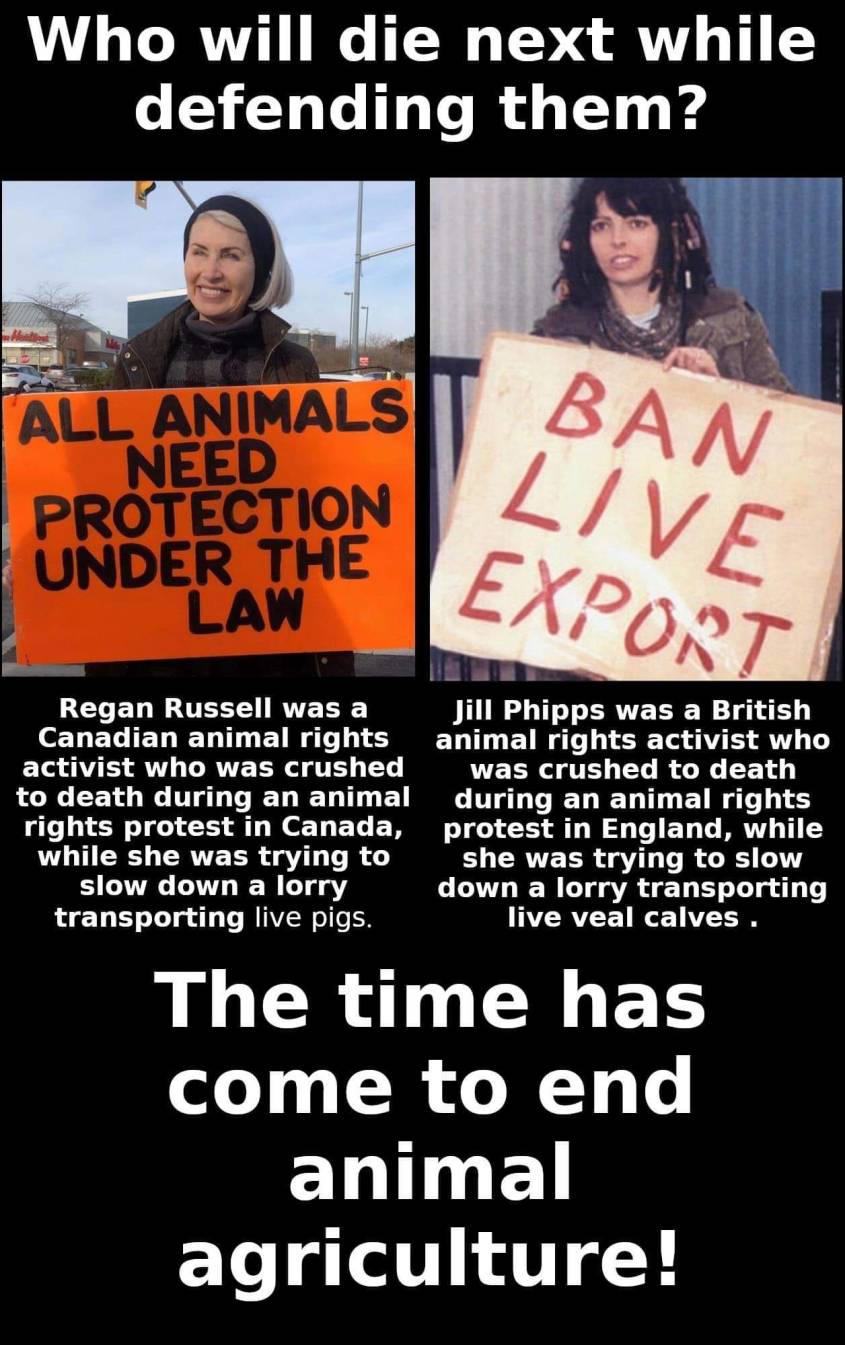
Comment: New Music Video by Vegan Band Scarlet Rescue Debuting September 17th Honors Slain Animal Rights Activist Regan Russell.
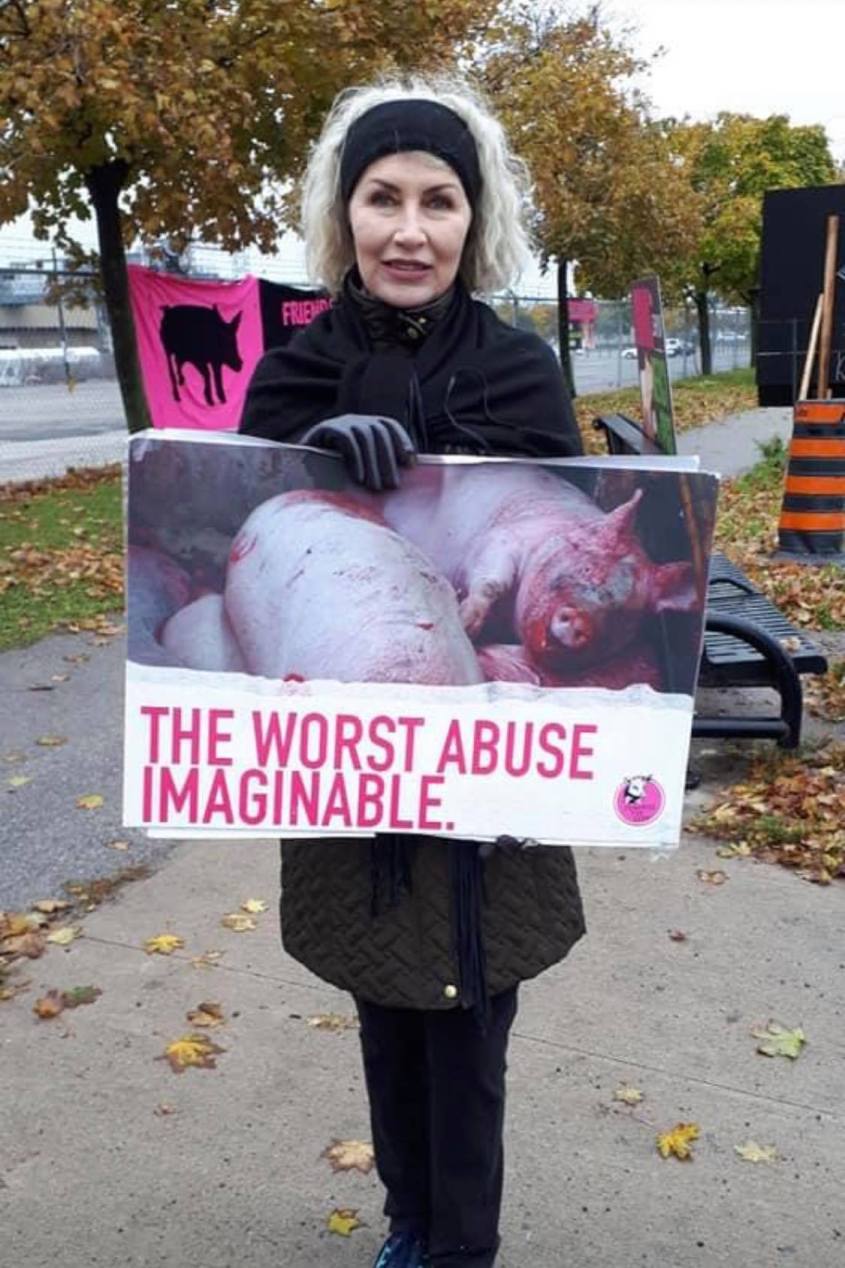
“Regan’s Song” marks the three-month anniversary of her death when she was struck by a pig transport truck while protesting outside of a slaughterhouse.
PHOENIX, AZ – September 10, 2020 – “I was devastated by Regan’s death, and when Jane called me to propose working on “Regan’s Song” together, I immediately realized what an important contribution the song would be to keeping Regan’s memory alive, telling her story, and motivating others to fight in her name by speaking out for animals,” said Lisa Barca, frontwoman of all-vegan punk band Scarlet Rescue.
The song was co-written by Lisa Barca and Jane Velez-Mitchell, television and social media journalist and author. Velez-Mitchell is the founder of #JaneUnChained, a digital news network for animal rights and the vegan lifestyle. “I felt compelled to write the song because social justice movements need music to become a cultural phenomenon. And, this martyr deserves a tribute that will remind people that she made the ultimate sacrifice. As the song says, she gave her life to spare them the knife,” said Velez-Mitchell.
“Regan’s Song” is a professionally filmed and recorded video shot in studio and includes footage of Regan Russell’s activism with Toronto Pig Save and the Save Movement’s work around the world.
Anita Krajnc, co-founder of Toronto Pig Save, said, “Regan’s Song” is an anthem song that represents a vindication for all the exploited and suffering animals Regan stood up for her entire life. In the best tradition of protest songs, the chorus is an inspiring call to action. Audiences will sing along and go vegan to ensure Regan lives on and did not die in vain.”
A sample of the lyrics from the song:
Go vegan for Regan She didn’t die in vain She gave her life To spare them the knife
Go vegan with Regan We will fight in her name Run down and killed Her blood was spilled
Video embargoed: Not to be released before September 17th.
Scarlet Rescue is: Lisa Barca (lead vocals, guitar, mandolin), Nathaniel Burns (drums), Stephen Davis (piano), and Dillon Pape (bass)
https://www.scarletrescue.com/ Facebook: @scarlet.rescue.music Instagram: @scarletrescue YouTube: Contact for video link
The BBC aired a television programme last evening; called ‘Extinction’.
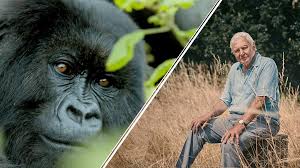
It involved animal campaigner and naturalist David Attenborough, and lasted for 1 hour.
Basically, the programme was based around the destruction of the environment, and the destruction of the biodiversity – the animals (big and small) which all interact to keep things as they should be.
It showed the ravages that humankind is having on the environment and the abuse and destruction of animal species.
More than anything, it was a warning to mankind and the governments who are turning the other way – the ‘ignorants’. The message was simple, clear; get your act together very soon or face the consequences for all mankind.
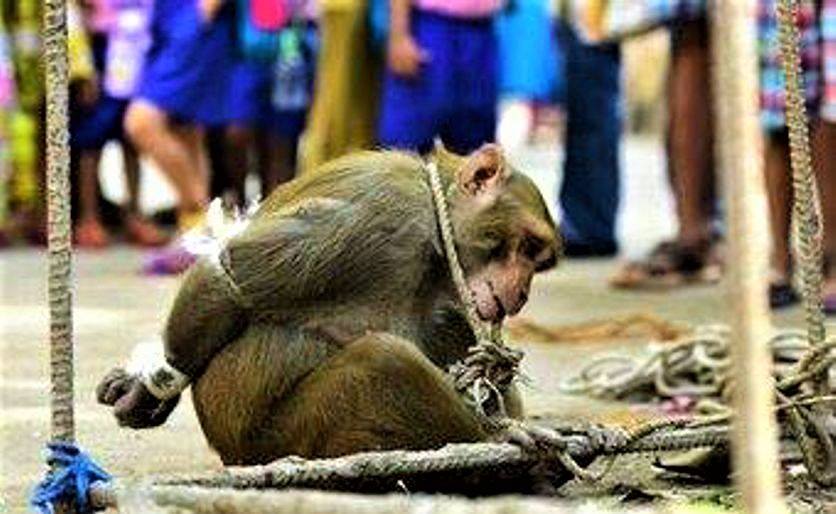
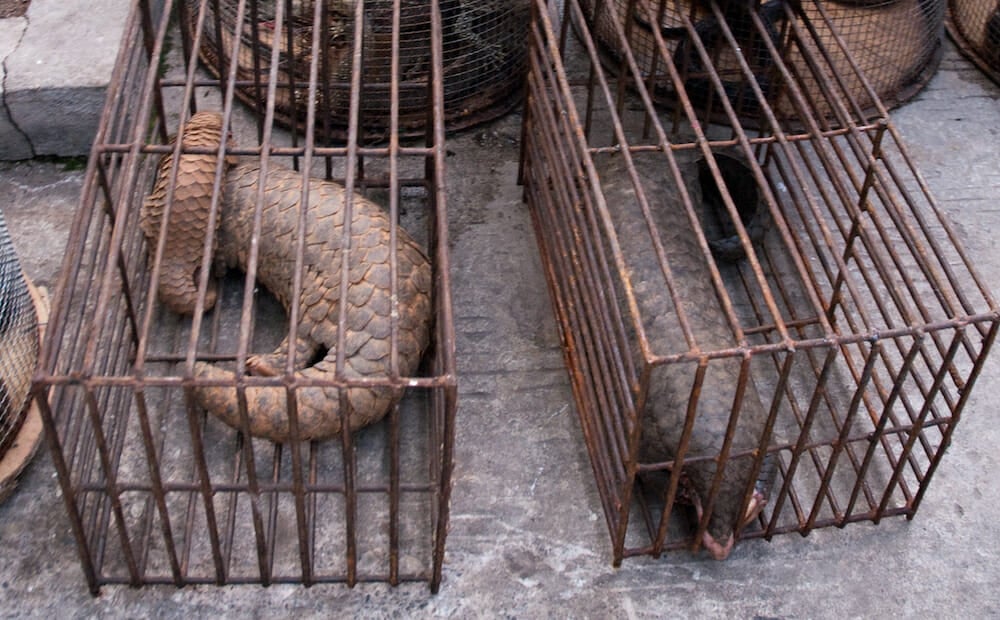
As a campaigner, I was personally pleased that the programme (sadly, the BBC usually keeps it clean and politically polite) decided to push the envelope a bit, by showing footage of caged animals at Wuhan wet markets, destruction of the Amazon rain forest, Bats, Pangolins, White Rhino; interviews with rangers in Africa, and importantly; Covid 19 overview; asking if this was the last virus we would see. The campaigner experts who contributed to the programme gave the message that things are bad, very bad; but we still can sort many of the problems if only the mass dickhead governments woke up to what people are asking; and what they want – IMPROVEMENTS. Is the Amazon destruction not just one prime example ?
This morning; the next morning, there are a couple of reviews by the UK national press which I copy below.
I do not know if the programme can be seen on Youtube, or if it will happen. UK citizens can re watch or first time watch the programme using the iplayer (catch up) system which is only available in the UK.
Wherever you are in the world; this programme must be seen at some time. As I say it is simply called ‘Extinction’. See it as soon as you can.
Here are the newspaper reviews from this morning – no doubt there will be more soon and I may add as extra posts as necessary.
Regards Mark
The ‘Guardian’ – an excellent newspaper which covers masses of environmental issues:
Extinction: The Facts review – a heartbreaking warning from David Attenborough
With an eighth of the planet’s species at risk of dying out, this documentary offered a stark look at the devastation that humans have wreaked, and are wreaking, on the natural world.
It is hard to absolutely, positively look forward to an hour-long programme about the many varied, catastrophic ways we have ruined the world around us. David Attenborough’s Extinction: The Facts (BBC One) was as upsetting as you might expect. If his earlier Planet Earth series delivered joyous portraits of nature at its most spectacular, here we had beautifully shot footage of monkeys desperately leaping into a river to escape a forest fire, a baby bear looking lost in a ransacked, smoking landscape, and the corpses of killer whales, tangled in fishing nets, rotting on the shore.
It was unbearably painful to watch.
People who make programmes about the environment are constantly searching for new ways to force us to pay attention, to make sure we resist the temptation to change channel in search of less distressing content. This time they tried making the theme of extinction feel urgent by filtering it through the prism of the coronavirus pandemic. But there is something depressing about this need to persuade people to focus on the imminent extinction of 1m different species by appealing to our self-interest, highlighting how humans will ultimately suffer as a result of the devastation we have brought upon ourselves.
“This year, we have been shown we have gone one step too far. Scientists have linked out destructive relationship with nature to the emergence of Covid-19,” a mournful Attenborough said. It’s sad that both the scientists and the film-makers sense the problem of extinction has to be shown to hurt us (in the form of triggering global pandemics that cut a swathe through humanity) before we really care enough to engage.
Because, actually, once you had steeled yourself to absorb the stream of images of the tragedy unfolding around us, this was an immensely powerful film on its own terms, and not simply in the context of the extra disruption that Covid-19 has caused over the past six months.
Attenborough’s regretful delivery of the facts only made them worse to hear. There were a few flashes of a youthful, more carefree version of him, laughing as he filmed endangered mountain gorillas in Rwanda in the 70s, but his tone has become stricken, acknowledging the failures of his and current generations to tackle the challenge.
He was joined by a chorus of aghast scientists, offering a bald summary of the accelerating state of decline. One million species out of 8m on earth are now threatened with extinction, they reminded us. Since 1970, vertebrate populations – birds, mammals, amphibians and reptiles – have declined by 60%. While extinction is a natural process, it is the current rapid rate that is the problem. Studies suggest that extinction is now happening hundreds of times faster than the natural evolutionary rate and it is accelerating.
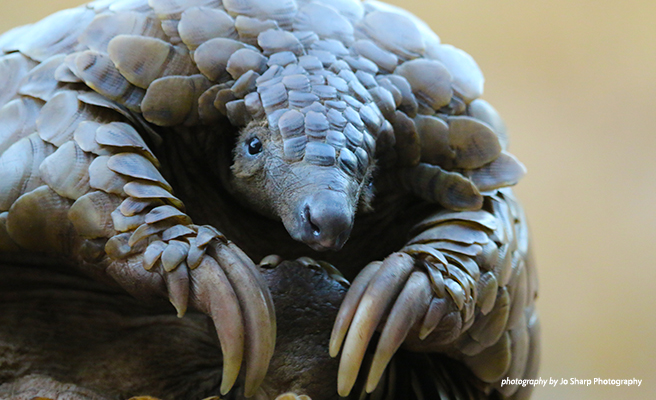
As you would expect from an Attenborough film, we learned much about some of the world’s most extraordinary animals, but touching footage of the giant anteater (who carries its pup lovingly draped over its back) was there only to illustrate the rapidly dwindling area of its remaining habitat in Brazil. Endearing shots of the nocturnal pangolin, which can consume 70m ants a year, was included only because it has become the most trafficked animal in the world, as a result of specious claims about the medicinal properties of its scales.
All this was set against the unforgiving soundtrack of a whirring electric chainsaw, cutting into the thick trunks of ancient trees, and the crunching of industrial machinery crashing through the forests.
The only polar bears and tigers that featured were the decapitated hunting trophies stored in customs warehouses, next to grinning crocodile heads and confiscated snakeskin boots.
There is a formula that makers of this documentary genre struggle to get right. They need the correct balance between displaying current levels of devastation and instilling a sense of urgency, while simultaneously offering an optimistic promise that it still isn’t quite too late for things to change. Contemplating his own mortality, Attenborough did his best. “I do truly believe that, together, we can make a better future. I might not be here to see it, but if we make the right decisions at this critical moment, we can safeguard our planet’s ecosystem.”
He showed how careful work by Rwandan conservationists has ensured that the mountain gorillas he filmed in the 70s have survived.
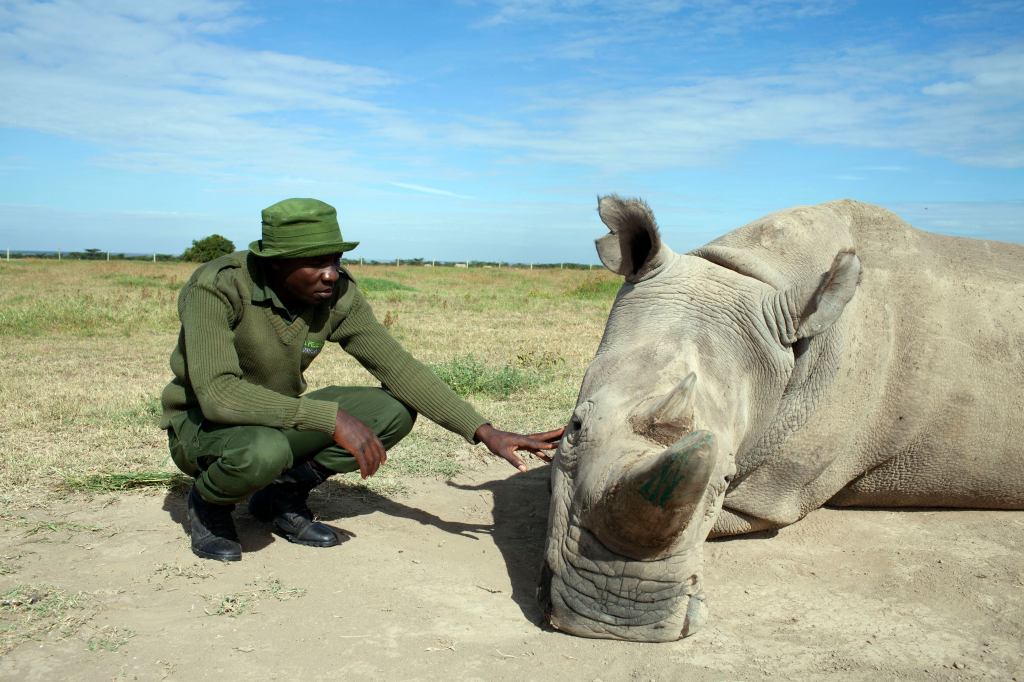
But this offered only a faint glimmer of hope. Images of the planet’s last two remaining white rhinos were the starkest illustration of how badly things have gone wrong. (see photo below)
“We betrayed them,” the Kenyan conservationist James Mwenda said.
A heartbreaking hour, but essential television.
The ‘Independent’ is non politically biased; and again reports on some outstanding environmental and natural issues:
The BBC documentary points out that there is no earthly reason why a new virus won’t one day wipe out the very species that has been trying to kill the planet for the past few centuries – us lot
You might have thought a pandemic that has taken half a million lives, inflicted pain and suffering on many millions more, and cost us trillions would make us think twice about the way we humans interact with nature. It seems not. The poor old pangolin and blameless bats are still being flogged and slaughtered in various so-called wet markets, even though it is widely believed that the coronavirus emerged through the close proximity of humans to these usually harmless wild animals.
As Extinction: The Facts makes clear, however, many deadly viruses – Sars, Ebola, Aids – have infected us via still-thriving wildlife markets and the intrusion of humans into natural habitats to rear cattle or grow soya (for animal feed) or produce palm oil (for processed food and fuel); places we don’t really belong. So, as the impressive collection of environmental talking heads assembled for this latest message from Sir David Attenborough depressingly points out, even when the climate crisis and mass extinctions are a clear and present danger, and coronavirus is taking our loved ones, humanity is still incapable of changing its voracious ways.
The documentary points out that there is no earthly reason why some new virus will not one day appear that is even more infectious and deadly than this coronavirus, and could wipe out the very species that has been trying to kill the planet for the past few centuries – us lot.
You could call it a revenge attack.
Still, it’s always nice to see nature’s survivors on film, and Attenborough is certainly one of them. If it’s possible to be a youthful 94-year-old, then that is what he is, his passion undimmed. He made his earliest TV appearance back in 1954, chasing giant anteaters around scrublands. These days, his knees probably aren’t up to that sort of lark, so his contributions are limited to impassioned pieces to camera, linking the archive footage of cute creatures, breathtaking panoramas and the controlled explosions of anger from thoughtful environmentalists. He also wouldn’t find it so easy to run around with anteaters now because there are fewer about; they too are losing out to land needed for cattle, to feed humans’ insatiable taste for a juicy burger.
Indeed, much of the show is basically a parade of animals that are on their way out – the last killer whale pod around Scotland (rendered infertile by pollution), the last two northern white rhinos (poaching), and of course the beleaguered pangolin (bogus “medicinal” usages for its scales, which are just keratin, the same as your fingernails).
Attenborough and his peers try to offer a little hope with the enviro-doom, because otherwise you’d just wipe away a tear, shrug and help yourself to another Big Mac, seeing as there is sod all anyone’s going to do about anything. Or you could join Extinction Rebellion and glue yourself to a train.
Thus it was genuinely moving to learn that the mountain gorillas Attenborough famously befriended four decades ago, then on the brink of extinction, have actually staged a recovery. That intimate encounter from his landmark series Life on Earth (1979) has lost none of its power, and seeing Sir David so young adds some poignancy. Now, an enlightened scheme taking money from tourists and, basically, using it to pay the local community to protect them, has seen the great apes population rise to more sustainable levels.
The wider message is that the planet too can be saved, if only we ease up on our consumption and waste.
Covid, said one expert, is a “moment” when we can reconsider how we live our lives. That’s true, but the inconvenient fact is that we all know we won’t, and we too are on our way to extinction.
The viruses may inherit the Earth.
Possibly a copy should be viewed by this person who blames everyone else for the issues:
Text: Association against animal factories (VgT), Switzerland
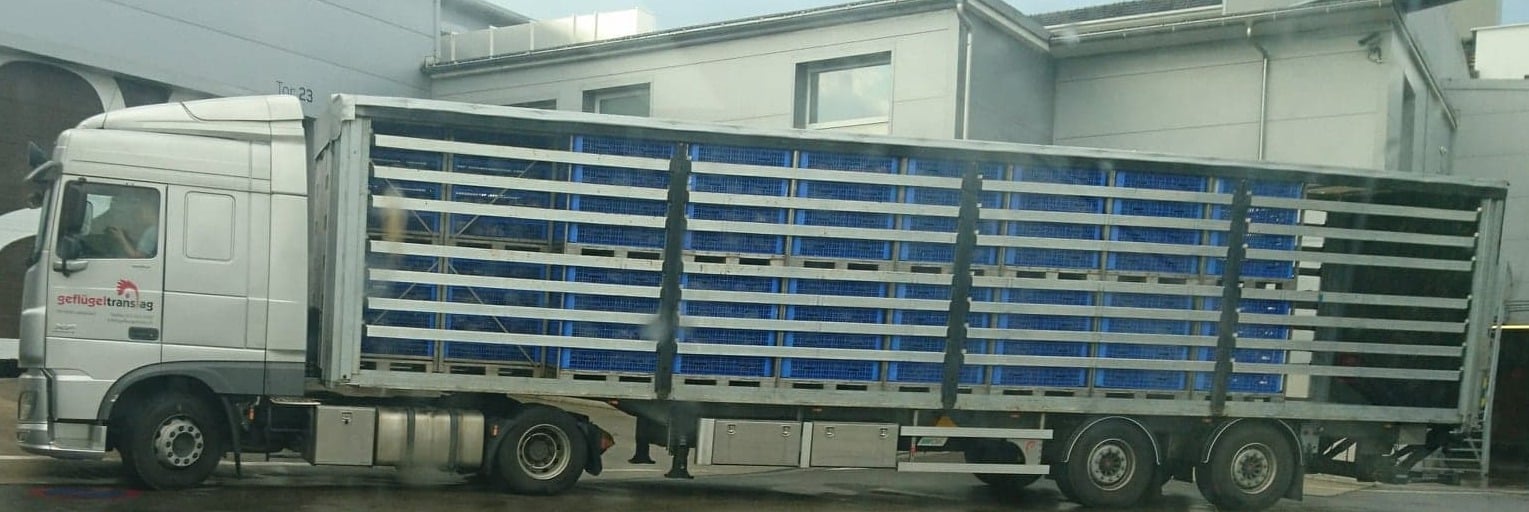
A truck loaded with chickens drives towards Märwil in the canton of Thurgau, to one of the largest chicken slaughterhouses in Switzerland.
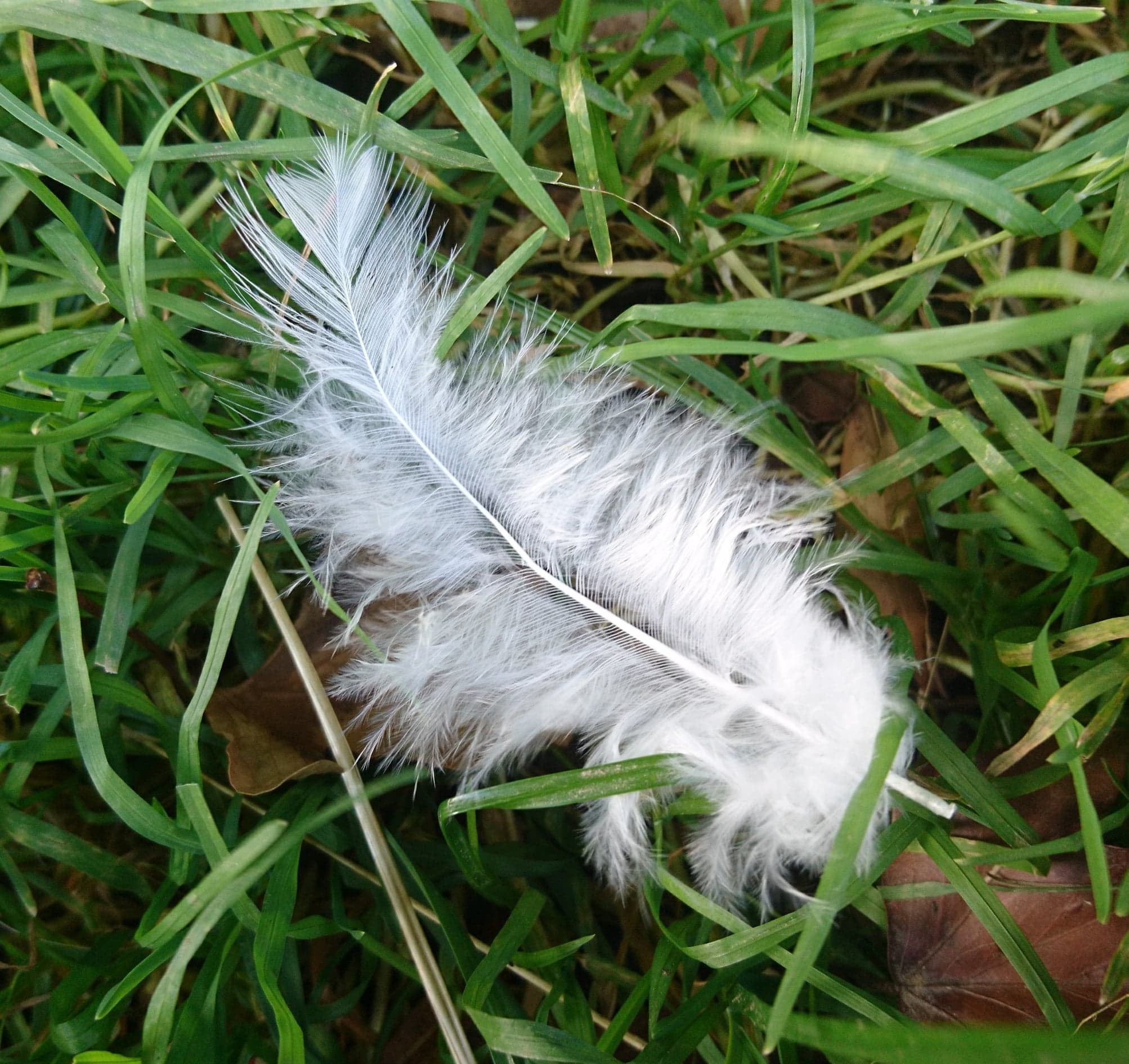
White feathers swirl in the wind.
Birds breathe fresh air for the first time in their last hours of life.
But they can’t enjoy it. Terrified to death, they have to hold out in tight blue boxes with other fellow sufferers until they are all killed when they arrive at their destination.
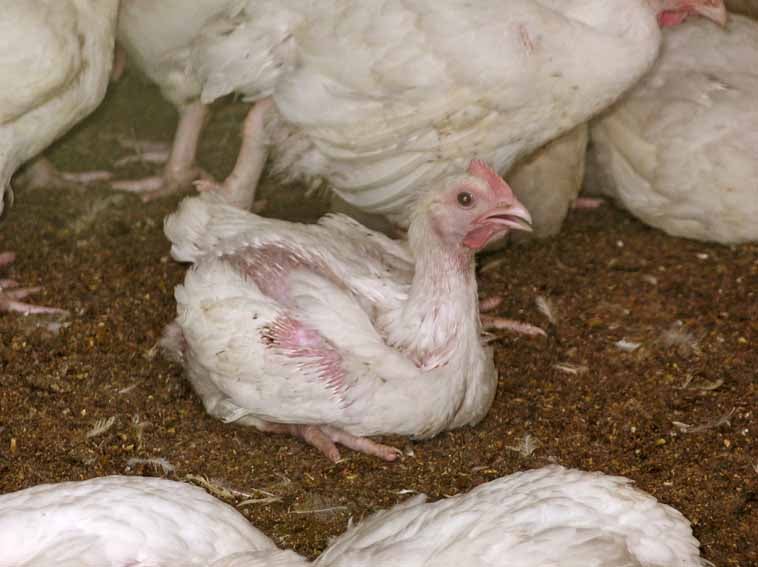
But that is only a small part of a painful existence. Recently hatched in a sterile room, they were never allowed to experience what it means to feel the warmth of a loving mother.
Within just 5 weeks, they grew from 40 grams to over a kilogram of body weight. Everything hurts because the child’s skeleton cannot keep up with rapid growth.
Actually, they are still chicks – in a body that is much too large, which was only bred to reach slaughter weight as quickly as possible.
Two hours ago your white feathers were blowing in the wind across our windshield.
Now you are already dead. Miserably suffocated in the gas chamber, dismantled and already processed into a chicken.
You would have loved to have just lived happily as we did, according to your nature and your needs. But you didn’t get the slightest chance.
A feather got stuck in the grass by the roadside. We stopped and took her.
Representing the millions of victims who are killed every year in Switzerland after a sad and painful life. For a short treat for the palate.
Don’t lose courage, get up again, wipe away your tears, and keep fighting so that this horror comes to an end at some point. But sometimes, like today, it’s incredibly difficult …..
And I mean…Those who fight against violence, slavery, and torture of animals have to expect long sleepless nights.
But we still have to go on.
The animals only have us
Whether you are an activist, animal liberator, or an active member of an organization … every voice that is raised against the daily holocaust of animals takes us and those we fight for a few steps further.
The news outlet penned a feature on how a slew of companies are aiming to ‘tap into’ the Chinese market – but warned it could be ‘challenging’ due to the cost of plant-based meat.
The article follows an announcement from Beyond Meat who says it has ‘pushed forward’ plans to set up production in China – whilst Impossible Foods says it’s awaiting regulatory approval to enter the Chinese market.
Recently, Swiss conglomerate Nestlé also announced plans to build a plant-based food facility in Tianjin as part of a $103.58 million investment
COVID-19
Whilst China still consumes more meat than any other country, it has seen a spiked interest in plant-based alternatives triggered by the coronavirus pandemic.
This follows wet markets – where live animals are freshly slaughtered and kept in close proximity to humans and dead animals – being identified as a possible source of the virus spread.
Founder of Bits x Bites, China’s first food tech venture capital group, Matilda Ho told Fox Business: “Although people are now returning back to the normal routine after Covid-19, consumers are concerned about the potential link between meat products and the virus. Some are reducing their meat intake as a result.”
More plant-based meat
As China’s lockdown started to ease and restaurants began opening, more plant-based meat popped up on menus, the BBC reported.
Eateries offering vegan options are KFC, Starbucks, and Pizza Hut – all of which partnered with Beyond Meat to offer meat-free options.
Since 2005, I’ve created a performance and film project – Fire Sculpture – to bring urgent attention to Rainforest issues. To protest against the continuing destruction, I’ve been publicly burning my totemic sculptures. These burning sculptures symbolize the degradation of nature and the annihilation of indigenous cultures that depend on the forest for their survival. Read more at:
Slavery was once LEGAL.
Burning witches was once LEGAL.
Persecution of Jews was once LEGAL.
Killing animals is LEGAL !!!
What is legal is a construct of the greedy powerful, not justice and compassion …
Animals suffer because rights are on the side of the perpetrators. And almost all people are perpetrators.
Fight injustice.
Stand up for those who cannot defend themselves
PETITION TARGET: U.S. Fish and Wildlife Service Director Aurelia Skipwith
As the world’s most trafficked mammal, pangolins suffer immensely as poachers chop down and burn their treetop homes, throw the defenseless animals into bags, and transport them on nightmarish journeys before beating them to near-death and boiling the pangolins alive for “medicine.”
This repulsive trade impacts people, too; the new coronavirus may have been first transmitted to humans by a pangolin.
Sadly, the United States market is helping feed this ruthless trade — but there is new hope. Following a lawsuit from multiple activist groups, the U.S. Fish and Wildlife Service must decide by June, 2021 whether all pangolins will be protected under the Endangered Species Act, which would fully ban the horrific trade in the United States.
From 2004 to 2013 in the U.S, authorities confiscated 26,000 imports of pangolin products, the Center for Biological Diversity reported. And pangolin parts have been found in “medicinal” products in the U.S., according to a 2015 Humane Society International report.
Despite an international ban on pangolin trafficking in 2017, this brutal practice hasn’t stopped.
We must defend these innocent creatures from the brutal violence they endure in the wildlife trade and help prevent future zoonotic disease outbreaks by banning pangolin trafficking completely.
Sign this petition urging U.S. Fish and Wildlife Service Director Aurelia Skipwith to protect pangolins under the Endangered Species Act, ending a bloody, illegal trade that harms both animals and people.
People power stops new live export business in its tracks
A plan to begin exporting live animals from Namibia to Kuwait has been quashed thanks to a united, global effort drawing attention to the suffering caused by the trade.
The idea that when one door closes another opens, is mostly reassuring. But when it comes to the global live export trade, this universal truth is the reason we need to remain ever vigilant. You see, as countries have become clued-up to the cruelty inherent to live export — and widespread opposition to it — live exporters have found it harder to shore up business.
When Australia restricted sheep exports during the dangerous northern summer months, exporters knocked on Romania’s door. And Animals Australia was there. When Romania began questioning the trade, they went to South Africa. Again, we were already there. When South Africa’s NSPCA took the battle to stop the trade all the way to the High Court, it was abundantly clear: this global trade in animal cruelty is well and truly matched by a global effort to stop it.
From Australia to New Zealand to Brazil to South Africa and to dozens of countries throughout Europe — there is a powerful, international collaboration of groups and individuals working together to save animals from this ruthless industry.
And it’s a compassionate effort that has just paid off in Namibia, with new plans to begin live export from the Southern African nation put on hold indefinitely.
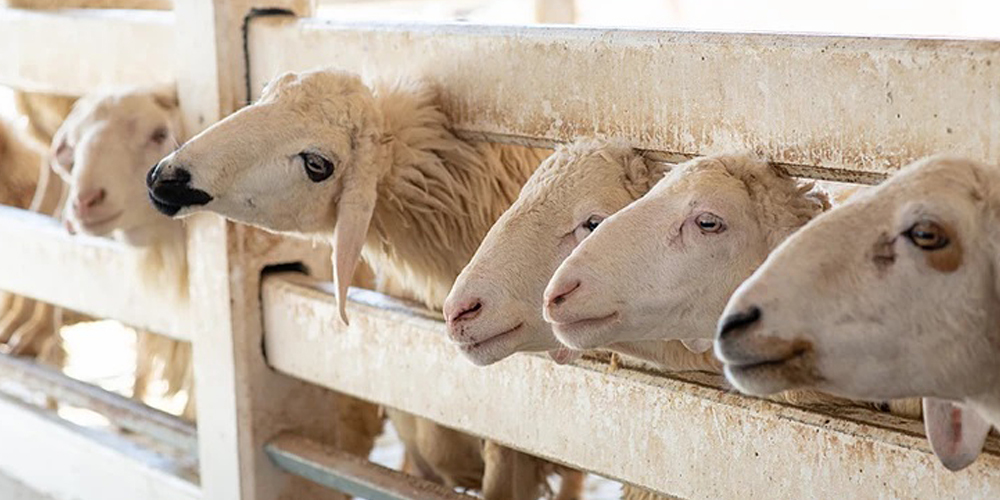
The business plan put forward by Tradeport Namibia proposed to import 70,000 live sheep, 50,000 goats and 5,000 cattle from South Africa and Botswana for live export from Namibia to Kuwait.
As exposé after exposé has revealed — it’s a sea journey fraught with risk for the animals who would be confined in cramped and stressful conditions for weeks before facing terrifying fully conscious slaughter upon arrival.
A rapid-fire public and media education campaign was launched in Namibia to highlight the reality of live export for the animals. In its submission objecting to the business plan, Namibia’s SPCA noted that the trade undermines Namibian laws and standards and that allowing live export would:
…effectively endorse an archaic trade that is struggling to maintain a social license to operate in this day and age.
Former live export vet and whistleblower, Dr Lynn Simpson detailed for the Namibian media the animal suffering and deaths witnessed during her 57 voyages from Australia, warning:
I would caution any country approached by exporters to avoid getting caught in this trade of unnecessary cruelty and death.
And the warnings have been heeded. In announcing that plans to export live animals would be ‘put on ice’, Tradeport Namibia noted the strong opposition, locally and internationally, to the export of live animals and that the company did not want to be involved in a business that will attract widespread outrage.
A united global front is turning the tide on live export. We don’t always win, but we are always there. And every action you take to support these efforts takes us another step towards shutting the door on this industry, for good.
Ending live export
For as long as this cruel trade in living beings exists — we remain as committed as ever to sparing animals from falling victim to it. Will you join us?
Please spare 1 minute now to lend your voice to the animals — and help create a world free from the horror of live export.