Food safety in Malta’s abattoir hampered by lack of Maltese-speaking staff
Staff shortages weakening controls on animal slaughter bolsters need for international staff and better wages for vets
Several animal carcasses with faecal contamination were accepted for cutting in a slaughterhouse in which veterinary officials failed to “correct the deficiency”, an audit by the European Commission’s Food Veterinary Directorate on the meat industry revealed.
Members of the audit team who witnessed the event had to intervene, requesting the trimming of the affected areas, with the task being swiftly carried out by the available personnel.
In their reply to the audit, the Maltese authorities informed the EC that their veterinary support officers had been trained to check and identify, and remove faecal contamination from carcasses.
The audit on abattoirs, carried out between February and March, found that Maltese veterinary authorities at all levels were “seriously understaffed”. This weakened the effectiveness of official controls on matters like traceability of red meat and poultry meat, the verification of cleanliness in establishments, and microbiological testing of carcasses at slaughterhouses.
In documents dating to 2006, government officials predicted that a pandemic would threaten critical businesses and warned them to prepare. Meatpacking companies largely ignored them, and now nearly every one of the predictions has come true.
At the end of June, with hundreds of his workers already infected with COVID-19 and several dead, Kenneth Sullivan, the CEO of Smithfield Foods, the world’s largest pork producer, sent a pointed letter to two U.S. senators who had launched an investigation into outbreaks in meatpacking plants and industry warnings of an impending food shortage.
In blunt, unapologetic terms, Sullivan chastised critics for suggesting Smithfield had acted too slowly to prevent the disease from spreading among its workers and surrounding communities. These “revisionist historians,” he wrote, refused to be “bound to reality” by saying meatpackers could have spaced workers out, slowed processing lines or stockpiled face masks.
COLOMBIA WILL BAN ALL COSMETIC ANIMAL TESTING BY 2024
Colombia has banned the use of animal testing for cosmetics. The new law takes effect in 2024.
The ban prohibits the use of animals for testing cosmetics products and ingredients. It applies to imported or manufactured products.
The bill was introduced to the nation’s Congress in 2018 by House Representative Juan Carlos Losada. Colombia is the first nation in South America to enact such a ban.
“This humane and historic new law will spare the suffering of countless animals in needless cosmetics tests,” Jan Creamer said in a statement. Creamer is the president of the nonprofit animal welfare organization, Animal Defenders International (ADI).
Creamer continued: “Thank you, Colombia, for leading the way in Latin America. We hope to see other nations take similar action.”
Losada believes that Colombia’s move away from animal testing could also improve its business standing in the international market. “The main purpose of the bill is to stop animal suffering in the cosmetics industry. [But it can also] enable Colombian companies to enter the European market, a region that has for years rejected such tests,” he said.
Is Animal Testing Necessary?
Across the globe, the public perception of cosmetic animal testing is changing.
In September 2018, the California Cruelty Free Cosmetics Act (SB1249) passed in California. This made California the first state to ban the sale of most animal-tested cosmetics. The law took effect in January 2020. Similar laws took effect this year in Nevada and Illinois, too.
Conscious consumers are largely driving the wave of change. Shoppers are increasingly opting for cruelty-free products. One survey found that almost half of women support a cosmetics animal testing ban. Additionally, UK-based beauty and cosmetics company The Body Shop gathered eight million signatures for their campaign to “end animal testing in cosmetics forever.” The campaign is said to be the largest in history for the cause.
Besides concerns surrounding animal health, evidence suggests that testing products on animals is not an effective method of risk assessment. An article by Forbes pointed out that animal testing—which is also notoriously expensive—accurately predicts human reactions to cosmetics only 40 to 60 percent of the time.
Outside of the beauty industry, animal testing for disease research can also be inaccurate. The animal rights organization People for the Ethical Treatment of Animals noted that 90 percent of National Institutes of Health animal experiments fail. Ninety-five percent of pharmaceutical drugs test safely on animals, but then show different results in human trials.
We received these pics showing the newly decorated Syntech office in Guildfordand the owner of the companies house. Simon Orbellis the man who has a million-pound contract for the tracking devices used by badger killers in the senseless Badger cull which is being paid from taxpayers’ money.
Apparently, neighbors and surrounding businesses were educated into what this guy is involved in and people are not happy.
Simon and Lucy– We sticker bombed your neighborhood. Every Lampost, for sale sign, and the road sign has stickers of badgers on.
Your neighbors will be reminded that they have killers in their community every road they turn down. Unless you take them down promptly as we noticed you did the paint job on your driveway.
Ashamed of the truth?
Not content with a simple stickering we hopped into your garden and gave a nice wake-up blast at 2 am for you. We’ve been having a nice snoop around your home and getting to know you both very well.
See you tomorrow!
whether your neighbor is a good father, goes to church, donates to your city’s football club, but still does dirty business with the suffering and death of defenseless animals.
Today reliable information is more expensive than money, therefore we will continue to inform
An action by the radical environmental movement Extinction Rebellion (XR) causes trouble in Great Britain. Now the government wants to take action against the group.
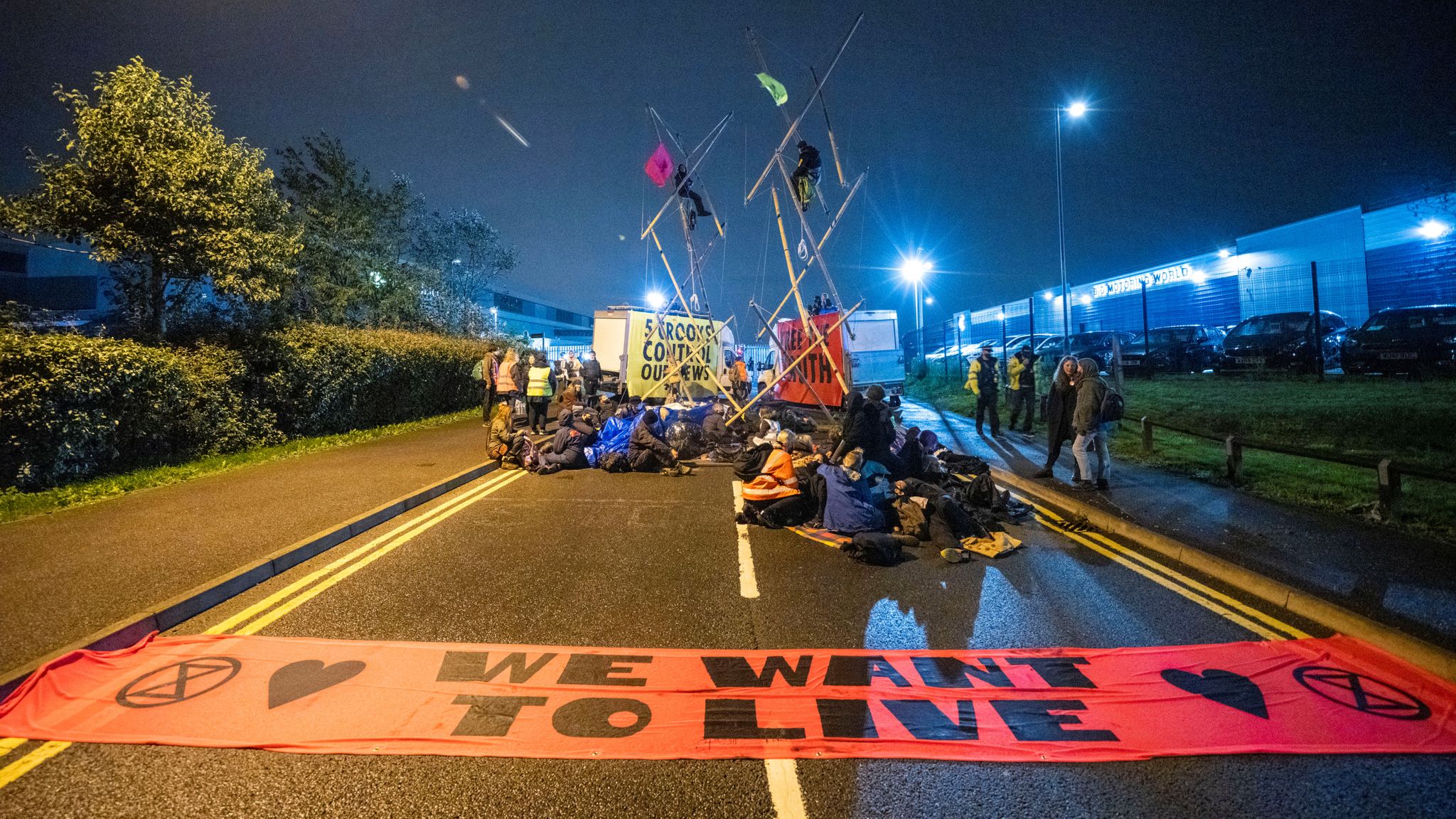
Activists ( more than 100 XR demonstrators) blocked two printing plants belonging to the Rupert Murdoch group (“The Sun”, “The Times”) on Saturday, which is why many British people did not get a daily newspaper.
“It is totally unacceptable to restrict public access to news in this way,”Johnson tweeted on Saturday.
The newspaper “The Telegraph”, which was itself affected by the blockade, now reports, citing government circles, that one of the considerations is to classify Extinction Rebellion as a criminal organization(!!).
Prime Minister Boris Johnson and Home Secretary Priti Patel have asked their officials to take a “fresh look” at how this group should be classified by law.
Responding to criticism from Ms. Patel that their actions were an “attack on our free press” (!!!), XR said: “Our free press, society, and democracy is under attack – from a failing government that lies to us consistently, is becoming increasingly authoritarian, and is leading us towards four degrees of warming.”
Extinction Rebellion activist Gully Bujak, 27, said: “You cannot have a functioning democracy with a mainstream media that is ruled by a small, unrepresentative sect of society, who are in bed with politicians and the fossil fuel industry.
“The climate emergency is an existential threat to humanity. Instead of publishing this on the front page every day as it deserves, much of our media ignores the issue and some actively sow seeds of climate denial.
“They thrive off of polarization and division. They sow hatred in order to distract us, actively profiting from this division.
“To these papers, we say this: you will not come between us anymore. For a night we’re going to filter out the lies and take the power back. For a night we’re going to show the world that you are vulnerable, just like us.”
The demonstrations prevented the distribution of millions of papers. Pic: XR
Statement from the organization XR UK about its action
5 Billionaires control over 70% of the British Media. Last night Extinction Rebellion groups blockaded the printing presses of The Sun, The Times, The Sun on Sunday, The Sunday Times, The Telegraph, The Sunday Telegraph, as well as The Daily Mail, Mail on Sunday, and The London Evening Standard.
These people and their corporations have purposefully failed to accurately report on the climate & ecological emergency. Their consistent manipulatIon of the truth to suit their own personal and political agendas must be stopped.
We’re not moving forward at the speed we need to turn the climate and ecological emergency around. We’re trapped somewhere between acceptance and the reality of just how bad the situation is.
The right-wing media is a barrier to the truth, failing to reflect the scale and urgency of the crisis and hold governments to account. Coverage in many of the newspapers printed here is polluting national debate on climate change, immigration policy, the rights and treatment of minority groups, and on dozens of other issues.
They distract us with hate to maintain their own power and wealth, profiting from our division. We can’t move forward until this barrier falls.
On my part … bravo #Extinction Rebellion! excellent work!
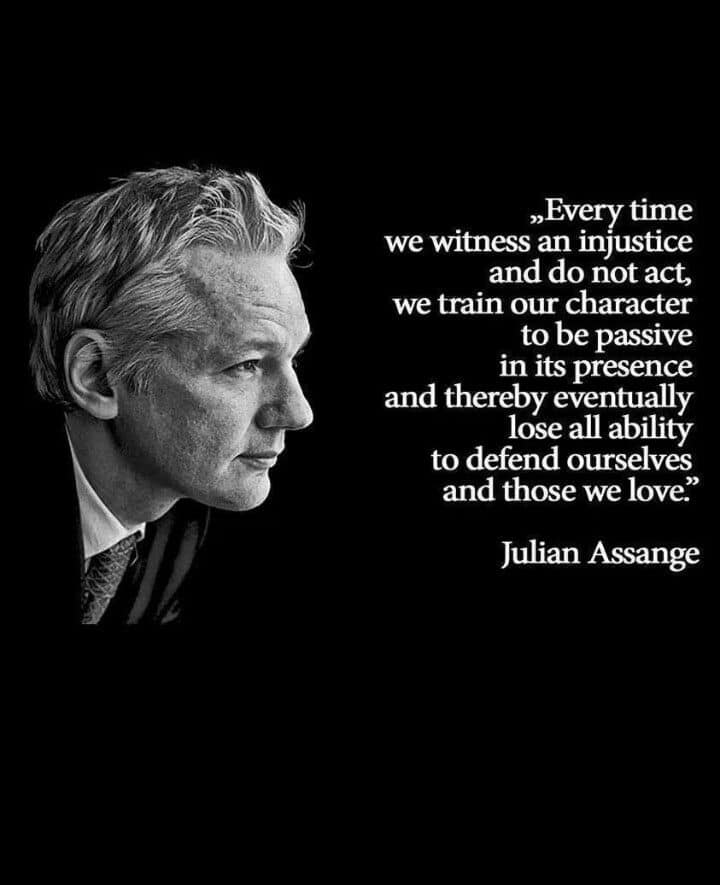
And Prime Minister Boris Johnson, actually a faithful copy of Trump, must release Julian Assange if he wants to prove to us that he is a supporter of the free press.
Because Assange, as a fair journalist, did nothing else than bring the truth to light.
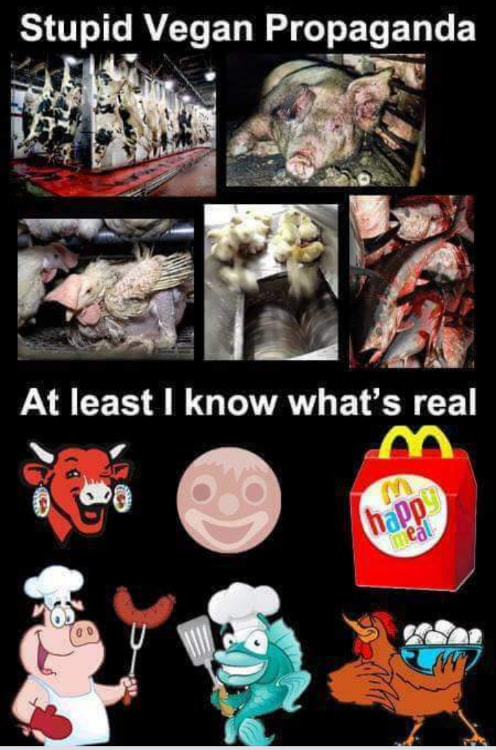
Propaganda for meat consumption must be made popular
It is successful when it has reached the lowest level of intelligence for which is actually planned for
The Devon and Somerset Staghounds met three times a week before the coronavirus lockdown(iStock)
WAV Comment – I think we can speak for the majority of UK citizens who will be very bummed off when they hear about this. Ex hard working older folk around the country cannot afford to pay a TV license; and yet government money is handed out like sweets to hunt scum. There is something wrong big time ! – and its called ‘a government’.
Stag hunt handed taxpayer-backed £50,000 coronavirus loan and £10,000 grant
Exclusive: Numerous hunts around UK believed to have used government lending schemes during pandemic
A stag hunt has been handed a £10,000 grant and a £50,000 loan from taxpayer-backed schemes that help struggling businesses survive the coronavirus pandemic.
The Devon and Somerset Staghounds is understood to be one of a number of hunts that have won grants or taken out loans through government programmes during the Covid-19 crisis.
During lockdown, hunts have been unable to carry out their usual fundraising activities such as point-to-point horseracing, which pays for expenses such as hound kennels and staff wages.
The Devon and Somerset pack – which rides on horseback to chase and shoot deer – earlier this year applied to its local district council for £10,000 of public cash, which it was awarded, a hunt report revealed.
The hunt, which already had £40,000 in bank accounts, does not have to repay the grant.
Local authorities administer emergency grants for businesses in England, through the small business grant fund and the discretionary grant fund, set up to try to keep traders afloat as economic activity crashed.
The Devon and Somerset Staghounds also used the government “bounce back” loan scheme to borrow £50,000.
The scheme is aimed at businesses that are losing income because of the Covid-19 outbreak. The borrower does not have to make any repayments for the first 12 months, during which the loan is interest-free.
The pack said its income from April to June had been down by 34 per cent on the same period last year but that some of its lost income had been replaced by the £10,000 grant from Somerset West and Taunton district council.
The report by the masters states: “The hunt has taken advantage of a government-backed unsecured Bounce Back loan of £50,000, which is free money for 12 months. This money will be paid back before the interest-free 12-month period ends.
“The money will sit as a form of overdraft facility should it be needed during the next year. Excluding this loan, the hunt has £30,000 in the bank plus a further £10,000 sitting in the Hunt Club account.”
about:blank about:blank javascript:void(0) The League Against Cruel Sports says it understands that hunting groups have encouraged packs to apply for government support to to recover lost income during the pandemic, and that they have widely been accepted.
“Most hunts trade as companies or commercial organisations that make a profit,” said spokeswoman Emma Judd.
Somerset Wildlife Crime, a group that monitors and reports hunts, illegal badger persecution, trapping, snaring and poaching on Exmoor, told supporters: “Bet you’re all delighted to know your council tax is propping up the stag hunts.”
Although the Hunting Act 2004 outlawed the hunting of wild mammals with dogs, it allows hunters to use up to two dogs to hunt wild animals for “observation and study”.
The Devon and Somerset uses this legal exemption to chase deer across Exmoor and the Quantock Hills, helped by supporters in vehicles, before shooting them, insisting it is not illegally hunting for sport.
The group, which usually meets three times a week in season, says it has the support of farmers and landowners in managing the large deer herd on Exmoor.
Dozens of social-media users were outraged at the grant and loan.
One Facebook user commented: “Money should go into public services – never right.”
Others argued residents should withhold some of their council tax.
One said: “Outrageous when we have so many people needing help at this time.”
The Independent has asked the Devon and Somerset Staghounds to comment on the grant and the loan, and has asked the Countryside Alliance to clarify how many hunts in the UK have been given coronavirus support loans.
The Independent also asked Somerset West and Taunton district council on what basis the £10,000 grant was awarded.
None of the three groups had responded before publication.
Australia’s environment department gave permission for 232 birds to be exported to Germany, including threatened species such as Carnaby’s black cockatoos. Photograph: blickwinkel/Alamy.
Australia’s environment minister orders investigation into export of hundreds of endangered parrots
Sussan Ley announces audit after Guardian Australia revealed her department allowed the birds to be exported to Germany
The environment minister, Sussan Ley, has appointed an auditor to investigate her own department over the export of hundreds of native and endangered parrots to Germany over a three-year period.
Guardian Australia revealed in 2018 that the Australian government permitted the export of hundreds of birds to a German organisation despite concerns they were being offered for sale rather than exhibited.
The Berlin-based Association for theConservation of Threatened Parrots (ACTP) received permission to receive 232 birds between 2015 and November 2018. It was more than 80% of all the live native birds legally exported from Australia in the same period.
Australia gave endangered birds to secretive German ‘zoo’, ignoring warnings
The exports included threatened species such as Carnaby’s and Baudin’s black cockatoos, worth tens of thousands of dollars each.
Ley said on Wednesday she had asked the secretary of the department of agriculture, water and environment, Andrew Metcalfe, to launch an independent investigation into all decisions by officials relating to the export of native and exotic birds, specifically those that went to the ACTP. Financial services firm KPMG is conducting the audit.
She said Australians needed to be able to have faith that the system was protecting wildlife. “I am disgusted by suggestions of native animals being sold overseas for exhibition, and then actually being used for profit,” Ley said.
The review will examine management of native bird exports, the circumstances in which permits were issued allowing exports to ACTP, and the department’s capacity to regulate the system.
Guardian Australia’s investigation revealed the environment department approved the transfer of more than 200 birds to Berlin over three years on the grounds they would be used for a zoo exhibition despite the organisation having no facilities that were freely open to the public.
Private messages on social media showed native Australian birds apparently from ACTP had been offered for sale for hundreds of thousands of dollars. The German federal agency for nature conservation said at the time it was aware of those offers. With respect to advertisements for a pair of glossy black cockatoos imported from Australia by ACTP it said it had looked into the offers and found the birds had been legally imported and bred, and there were no limits on trade.
Both Australia and Germany are signatories to the convention on international trade in endangered species (Cites), which governs the importing and exporting of rare and endangered birds.
Australian law says no native species can be exported for commercial purposes.
‘A legitimate zoo?’ How an obscure German group cornered global trade in endangered parrots
The parrots in this case were purchased legally from local breeders and birdkeepers, and exported after the environment department recognised ACTP as a zoo.
The species exported included glossy black cockatoos, yellow-tailed black cockatoos, and a variety of lorikeets.
Multiple emails from the Australian environment department to ACTP, obtained by Guardian Australia under freedom of information laws, revealed concerns that exported birds, or their offspring, would be sold.
They showed department officials repeatedly relied on statements written by Cites officials at the German federal agency for nature conservation, and by ACTP itself, to verify the nature of the organisation.
Departmental correspondence noted that the Australian aviculture industry had expressed concerns about the number of birds sent to ACTP. A briefing addressing these concerns was sent to the then environment minister, Josh Frydenberg, in October 2017.
Responding to the previous investigation the head of ACTP said the organisation was “extremely careful to follow all the rules and regulations set by both our German authorities and those of the other countries whom we deal with”. He accused Guardian Australia of harassing ACTP associates and fabricating stories about the organisation
The environment department told Guardian Australia in May that its inquiries had not uncovered any evidence of breaches of permit conditions or international environmental law.
Ley said on Wednesday that she did not know whether there had been breaches, but there had been “too much conjecture for too long”.
“We need to put a line under it once and for all,” she said. “If there are lessons to be learned, we need to learn them. Ultimately, I want people to have confidence in the process.”
The Queensland Coalition MP Warren Entsch, who raised concerns about the issue as early as 2017 and has repeatedly called for an independent investigation, welcomed Ley’s decision and said an audit was long overdue.
“What I want to come out of this review is that we return integrity to the process of zoo to zoo transfers,” Entsch said. “And I want the officers that facilitated this process to be held accountable.”