Is that enough to understand that animals feel?
Regards and a good night from Venus
Is that enough to understand that animals feel?
Regards and a good night from Venus
The Pata Zoo is located above a shopping center in Bangkok, Thailand and is one of the saddest places in the world.

PETA Asia’s latest investigation shows that the caged animals are in bare, dark cages. Enrichment, e.g. through employment material, there is little or no. The animals are obviously doing badly – such as the orangutan (www.peta.de/orang-utan-sandra-…)
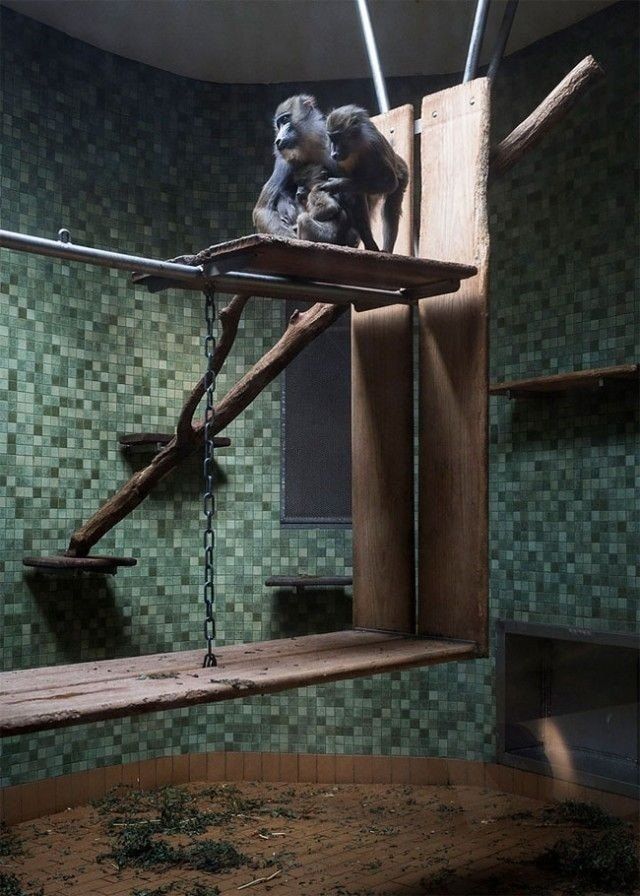
Kat, who has almost nothing available for mental stimulation and who is never even close enough can move.
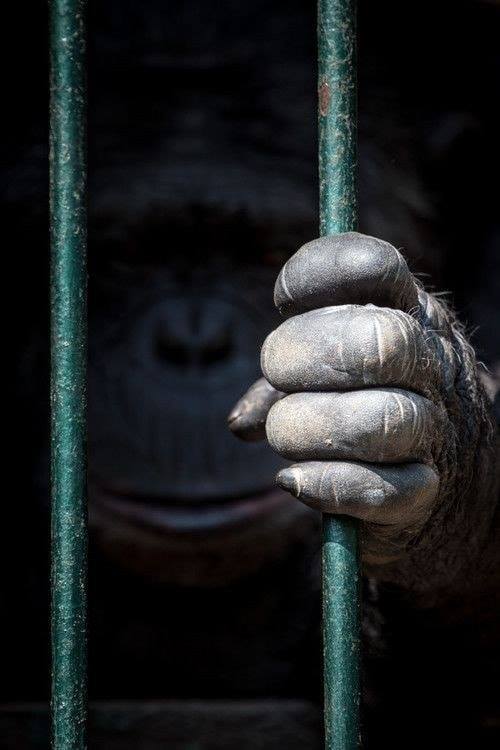
Or Bua Noi, a gorilla lady who is all alone and has been behind bars since 1983.
In November 2019, activists from PETA Asia held a colorful protest (www.petaasia.com/news/colorful…) in front of the shopping center.
This led to a meeting with the owner of the zoo to discuss the conditions in the zoo and the possibility of taking the animals to a recognized sanctuary.
PETA Asia has offered to transfer all animals to a sanctuary, where they would have trees to climb, grass to roll, and many other animals to play with.
Although the owner has promised open communication to further discuss this matter, PETA Asia has received no response since then. …
Please sign the petition: https://www.peta.de/pata-zoo-bangkok
My comment: Even under the best of circumstances at the best of zoos, captivity cannot begin to replicate wild animals’ habitats.
Animals are often prevented from doing most of the things that are natural and important to them, like running, roaming, flying, climbing, foraging, choosing a partner, and being with others of their own kind.
Zoos teach people that it is acceptable to interfere with animals and keep them locked up in captivity, where they are bored, cramped, lonely, deprived of all control over their lives, and far from their natural homes.
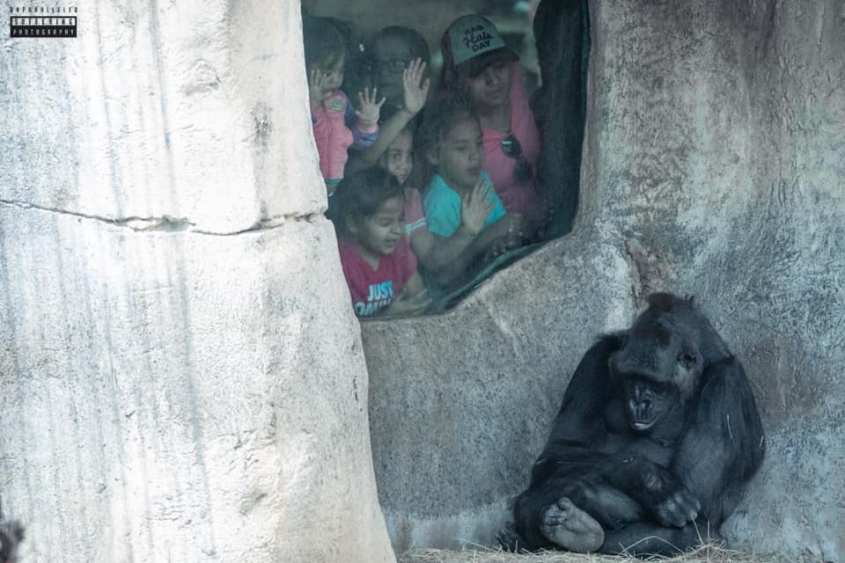
Zoos often kill the animals when there are “too many” of a particular species.
There are hundreds of cases where animals are starved to near death. Zoo animals are treated like prisoners.
Zoo use animals to make some money out of it.

It is an ugly lie to tell people zoos are educational for the kids or any age person.
We can learn everything about any animal online, we can watch videos, read articles, books and so.
Just like we all know much about dinosaurs even if we never seen them in real.
There is no need to make animals suffer in the name of education or any other reason.
The best education is to teach your kids never to visit a zoo.
My best regards to all, Venus

The EU Commission with its 27 members (after Brexit) is a supranational body and has the executive’s tasks in the political system.
In other words: it is the “police” of the EU area.
It is called the “guardian of the treaties” and makes sure that all EU countries abide by the law.
As soon as a violation in animal transport is sufficiently proven (and there are not only sufficient videos of it, but also shocking), it can turn the EU Court of Justice against a member state.
This means that the Commission must intervene in the event of suspected violations of European law.
One thing has to be said about this: the members of the EU Commission are not elected by the EU citizens, but by the EU Parliament.
The same applies to the head of the EU Commission, Ursula von der Leyen.
Of course, the majority of the EU Parliament is necessary for the EU Commission election (members and presidents), but if we take into account that EU is = Germany, we know who is voting for whom!
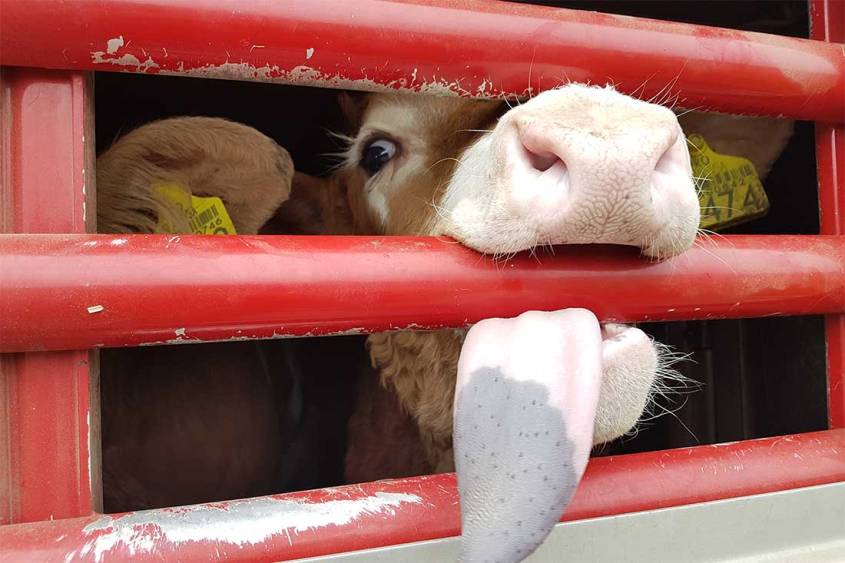
The EU tolerates constant breaches of contract, and one of them is their shameless inaction against the video-documented manure stands during animal transport.
And not only!
– The EU Commission finally dropped the 8hours campaign (under the then health commissioner John Dalli, who was removed due to corruption), despite the 1.2 million signatures.
-The EU Commission refuses to ban animal transports to third world countries.
-To date, the EU Commission has ignored the end the cage age campaign with 1.1 million votes. In Portugal and Spain, the alternative forms of keeping hardly play a role. Cage systems dominate there with over 90% of hens. Poland also primarily relies on cage systems (88.5%)
– About 13 million pigs end up in animal carcass annually because they die on the farm or have to be killed. Germany’s Agriculture Minister Julia Klöckner has extended the (illegal) pig box for another 17 years.
– Every year around 7 billion male chicks are killed-gassed or ground- as soon as they hatch just because they are male. The German parliament decided in 2016 not to ban the practice. It was feared that a ban would weaken German agriculture.
The EU Commission is not taking any action.
All of this, and is just a few examples, takes place with the subsidies and support of the largest agricultural lobby, the EU Commission.
The animal rights activists, but also the enlightened citizens of Europe are fed up with the fact that in Brussels a caste of oligarchs, shamelessly and without respect for agreed laws, acts practically against the animals.
Eurogroup for Animals writes: “We trust that the Commission’s assessment – and the accompanying consultation – will lead to concrete measures aimed at improving existing legislation and introducing new legislation to adequately protect other species”.
It takes a great deal of naivety to speak of “trust” if we have only experienced ignorance, inaction and indifference from the EU Commission in the past.
My best regards to all, Venus

With thanks to Stacey at ‘Our Compass’ for sending this data over – Mark.
https://our-compass.org/2020/05/18/happy-cows-and-humane-dairy-ruled-unacceptable/
We, the complainants (Fairbrother, Kemp, others) welcome the decision made by the Advertising Regulatory Board (ARB) Appeal Committee regarding the ruling Fair Cape Dairies vs Kemp, Fairbrother, others on 30 April 2020.
The conclusion in the appeal decision makes the order:
22.1 The use of the phrases/words “#HappyCows” and “humane” by Fair
Cape in its advertising is in breach of clause 4.1 and 4.2.1 of the Code [of Advertising Practice].
22.2 Fair Cape is instructed to withdraw the phrases/words “#HappyCows” and “humane” from its advertising in accordance with clause 15.3 and 15.5 of the Procedural Guide.
We are in agreement with the statement by the ARB Appeal Committee that
”In our view, humane treatment means more than freedom from violence, pain and disease; it means treatment characterised by tenderness, compassion, and sympathy. It does not include many of the practices complained of, such as the forced impregnation of cows, the forced separation of calves from their mothers immediately after birth, and the slaughter of male calves thereafter.
It follows then, in our view, that the cows cannot be described as happy, or as humanely treated.”
We would like to thank the Advertising Regulator Board for their commitment to fairness and transparency during the course of our complaint and appeal. We also applaud their commitment to responsible and honest advertising. In addition, we would like to thank Animal Law Reform South Africa for their assistance with this matter, including the provision of research, compilation of information and points of issue and review of the Code and documents submitted.
Consumers care about their food choices and many care deeply about animals. For these reasons consumers are increasingly demanding transparency from these industries. To meet these demands it is unfortunate that green-washing and humane-washing advertising techniques are extremely common and heavily on the increase. These advertising techniques are designed to purposely manipulate and exploit the good faith of well meaning consumers.
Fair Cape Dairies has a history of misleading consumers with so-called ‘free-range’ claims and their use of the terms ‘humane’ and ‘#happycows’ in their advertising is no exception. Fair Cape Dairies do not only directly misinform consumers, but they actively conceal many of their practices while creating an illusion of transparency.
Unfortunately, the majority of people in South Africa are not aware of the many horrific standard practices in the dairy industry. The dairy industry thrives in obfuscation. They have an interest in omitting and obscuring the facts about dairy, and it is done through ‘omission and silence and in the presentation of an incomplete and idealised picture’ (¹).
We encourage all those who value truth and justice and who abhor cruelty to animals to investigate the dairy industry and to inform yourselves. This cruelty is not an anomaly, but is standard practice inherent in the industry. To be informed, is to be empowered. When we are informed we can make consumer choices that are authentic and genuinely in line with our values.
We believe we have extensively covered many of these standard practices in our appeal (Section d. Facts and Research). In our appeal we also address many of the claims made by Fair Cape Dairies, we provide multiple facts on the dairy industry, and we provide information on consumer awareness of dairy practices in in South Africa.
While our original complaint was dismissed by the ARB, we felt confident that the ruling had grounds to be challenged and we subsequently submitted an appeal. Our complaint then found itself in front of the ARB Appeals Committee which ruled in our favour.
In our commitment to transparency we have provided all documents relating to the initial complaint, appeal, supporting documents and final rulings, ordered by date below.
Written by Joanne Fairbrother on behalf of the com
———————————————————————
Click HERE to go Dairy-Free
Take the Dairy-Free Challenge HERE
Order a FREE vegan kit: http://www.peta.org/living/food/free-vegan-starter-kit/
Take PETA’s Cruelty-Free Shopping Guide along with you next time you head to the store! The handy guide will help you find humane products at a glance. Order a FREE copy HERE
Searching for Cruelty-Free Cosmetics, Personal-Care Products, Vegan Products, or more?
Click HERE to search.
Click HERE to find out How to Wear Vegan!
Want to do more than go vegan? Help others to do so! Click below for nominal, or no, fees to vegan literature that you can use to convince others that veganism is the only compassionate route to being an animal friend:
PETA: https://www.petaliterature.com/
Vegan Outreach: https://veganoutreach.org/order-form/
Get your FREE Activist Kit from PETA, including stickers, leaflets, and guide HERE
Have questions? Click HERE

We don’t want another strategy. We want meaningful change for animals
9 April 2020
EurogroupforAnimals
News
The European Commission has called on citizens and organisations to take part in an online consultation to gather information and views on the EU Animal Welfare Strategy 2012-2015.
The consultation goes hand-in-hand with the Commission’s evaluation on the strategy, which will assess the extent to which it delivered on its objectives, and whether they are relevant and consistent today. It will also look at efficiency and whether the strategy usefully complements national efforts in this field. This has to be done before any new actions are brought forward.
This evaluation of the Animal Welfare Strategy will inform the actions that come after, so it’s vital that the animal movement contributes its opinion to the consultation with a unified voice, even though we may want to stress different aspects of policy or different priorities.
However, we can all agree on some things. The Animal Welfare Strategy resulted in no demonstrable overall improvement for the welfare of animals. Instead of meaningful progress for animals on the ground, we are left with no ‘foundation’ on which to build, and eight years have passed by in the meantime.
The strategy should serve as a lesson: strategies in themselves don’t lead to anything. We need actions, not words, and we hope that this new Commission will deliver real improvements to the lives of animals through the revision of existing legislation as well as the introduction of new law to adequately protect all species.
We trust that the Commission’s evaluation – and the accompanying consultation – will lead to concrete actions focused on the improvement of existing legislation, as well as the introduction of new laws to adequately protect other species.

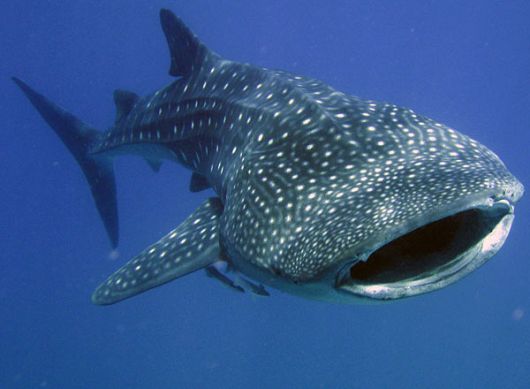 Photo – Aquarium of the Pacific.
The whale shark has been added to the nation’s list of protected species, the Ocean Affairs Council said on Tuesday, adding that offenders face fines and imprisonment.
The whale shark, along with the giant oceanic manta ray and the reef manta ray, were on Tuesday last week added to the list, making the disturbance, abuse, slaughter or capture of any of the three species punishable by up to five years in prison, and a fine of NT$300,000 to NT$1.5 million (US$10,033 to US$50,164), the council said.
Whale sharks have been sighted in waters near Hualien for a few years now, and in March this year a roughly 6m whale shark swam into the Port of Hualien looking for food, it said.
The capture of the three species has long been prohibited by stipulations in the Fisheries Act (漁業法), which require fishers to return the animals to the sea if accidentally caught, alive or dead, Hualien County Bureau of Agriculture Director Lo Wen-lung (羅文龍) said, but changes were made to enhance protection of the species by increasing the severity of punishments for offenders.
People who have whale sharks or manta rays in their care, or possess products made from any of the three species before Tuesday last week, must register them with the county government between June 1 and Aug. 31, according to Article 31 of the Wildlife Conservation Act (野生動物保育法) or face a fine of between NT$10,000 and NT$50,000, Lo said.
The three species are popular pets among fish enthusiasts due to their gentle temperament, Lo said. Whale sharks in particular are an oddity among sharks as they swim slowly, and feed on small fish and plankton, he said.
https://www.taipeitimes.com/News/taiwan/archives/2020/05/09/2003736089

A woman who was jailed for illegal trade in wildlife in Vietnam had her prison sentence increased from two to five years this week.
Pham Thi Thuan, 58, was given more jail time following a hearing by an appeals court on 12 May in the central province of Quang Nam.
She had originally been sentenced to two years and a fine of 60m Vietnamese Dong ($2,560 USD). However prosecutors pushed for a harsher sentence.
Ms Thuan was found in possession of 13 king cobras, eight Bengal monitor lizards, nearly 300 turtles and other rare species without any documentation at her home in August 2018. The home was registered as a wildlife breeding facility, according to Vietnam Plus. The 58-year-old had been subject to administrative sanctions twice before in 2011 and 2013 for the unlawful possession of wildlife, the site reported.
The case was first reported by the Education for Nature Vietnam (ENV), a non-governmental organisation which has tackled the illegal wildlife trade in Vietnam for the past 20 years.
ENV Deputy Director Bui Thi Ha commended the investigation while urging authorities to revoke Ms Thuan’s wildlife breeding licence.
The conservation group also reported that on 13 May, Tran Quy, director of company Hai Dang Ltd, received 13 years in prison and a 100m VND ($4,283USD) fine by the Provincial People’s Court of Ca Mau for operating a pangolin trafficking network through the ruse of an ecotourism business. Several accomplices also received jail time.
A recent report by the Environmental Investigation Agency (EIA) found that Vietnam faces a huge wildlife trafficking problem ”with large-scale consignments of ivory and pangolin scales from Nigeria and other countries continuing to enter the country and vast quantities of tiger products available for sale”.
The country is taking steps to address the illegal wildlife trade.
In 2018, penalties were increased for trafficking in endangered species. Criminals now face up to 15 years in prison and fines up to US$660,000, WildAid reported.
Vietnam’s Prime Minister Nguyen Xuan Phuc has ordered a directive on banning wildlife trade and consumption in the wake of the coronavirus pandemic.
‘It’s horrible killing cows when you see how they do it,’ admits slaughterhouse worker
‘You see the blood, and they go from being alive to being in pieces’.
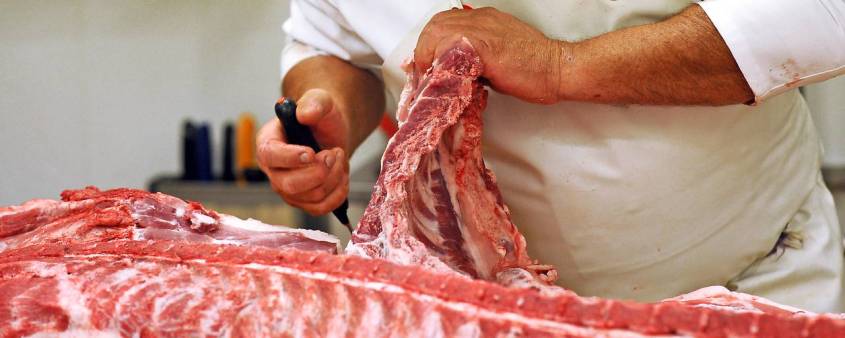
A slaughterhouse worker has admitted that killing cows is ‘horrible when you see how they do it’.
The worker made the admission to the “Guardian”, who changed his name to Florin in a bid to retain his anonymity.
He was speaking to the outlet for a report about how meat industry workers in Ireland are seeing high rates of COVID-19 infections.
The report follows news that U.S. slaughterhouses are ‘hotspots’ for outbreaks.
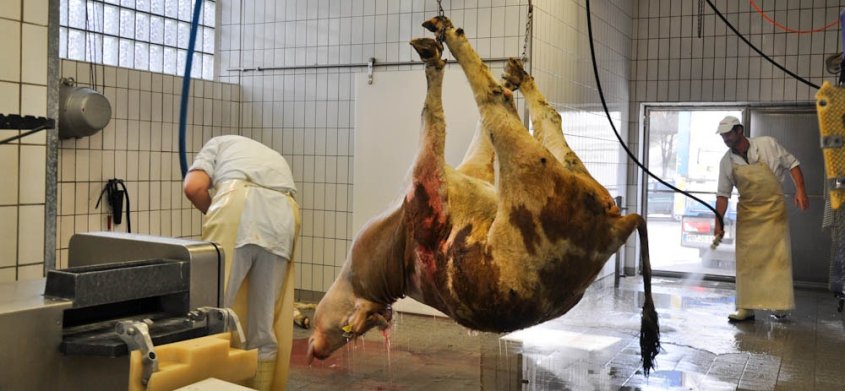
Horrible!
“It’s horrible killing cows, when you see how they do it,” he said.
“They kill it – shoot it, cut the neck, cut the legs. I don’t like it. The cow is slow, an emotional thing. And you see the blood, and they go from being alive to being in pieces. That’s the way. When you see the conditions – it’s a dirty and nasty place, nobody is happy.”
The “Guardian” adds that the ‘ job is repetitive and tough; workers take painkillers to get through their shifts’ and the temperature are kept very low (4°C) to ‘keep the meat free of microbes’.

Slaughterhouse work
Many animal advocates have spoken out about the horrors of working in slaughterhouses.
A piece published in January this year by vegan charity PETA discussed the work.
It said: “Animals are tortured and butchered in slaughterhouses, but they’re not the only ones who suffer. While it may be hard for kind people to feel sympathy for someone who is paid to kill animals, many slaughterhouse employees become mentally unwell, even suicidal, not long after working at the ghastly places”.
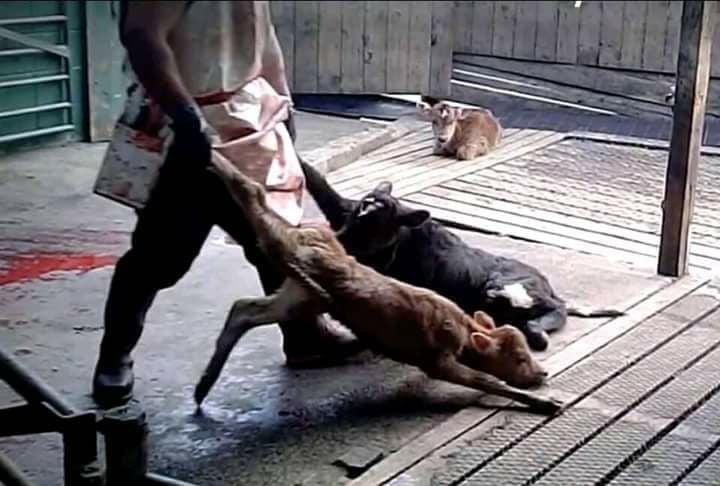
And workers often become sick or are injured because of the unsafe and unsanitary working conditions of these gruesome facilities. Occupational Safety and Health Administration (OSHA) records show that about 17 ‘severe’ accidents occur each month in U.S. slaughterhouses.
“Approximately two slaughterhouse workers have a limb cut off by slaughterhouse machinery each week. It’s not uncommon to hear of workers losing an eye, fracturing their fingers, or suffering from head trauma.”
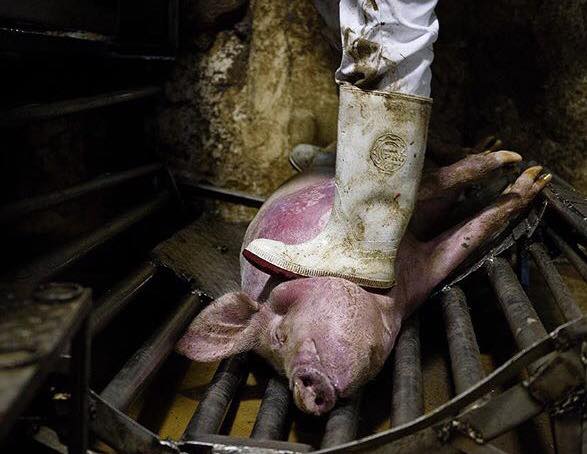
https://www.plantbasednews.org/culture/horrible-killing-cows-admits-slaughterhouse-worker
And I mean…Did I understand it correctly, that we should keep the slaughterhouses alive so that some people can continue to process living “things” into pieces?
Do slaughterhouse workers expect us to feel sorry for those who, unlike animals, have a way of avoiding exploitation and poor working conditions because they can look for another job?
Should we also feel sorry for a matador losing an egg or an eye during bullfighting?
It is the case with such professions that they always have a risk.
We are for animal rights and animals have no unions or associations to defend them.
We wonder what is the purpose of this article.
If it is intended that the “horror” conditions for slaughterhouse workers have priority and should be improved urgently, so that torture and murder in slaughterhouses continue as before, then we can realize a well-known media propaganda for a system that is the most cruel of human history.
Best regards to all, Venus
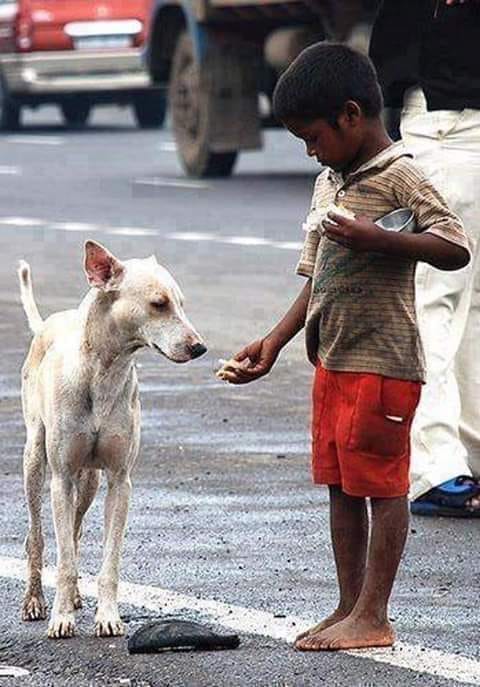
Compassion for “others” is the most beautiful foundation of a character.
Regards and a good night from Venus
EU report reveals abuses in animal exports by ship.

In view of a current report by the EU Commission on the implementation of animal transports by ship, the German Animal Welfare Association – together with the European umbrella organization Eurogroup for Animals – is once again calling for an end to live animal transport to countries outside Europe.
The report of the Directorate General for Health and Food Safety (DG Sante) of the EU Commission documents various grievances in transport: from loading in trucks and in the port to shipping and arrival in the destination country.

“The documented massive grievances show once again that animal welfare requirements cannot be met during animal transport to countries outside Europe.
As a consequence, this must mean an immediate exit from these transports.
We call on the EU Commission: End these inhuman conditions! It is about the well-being of fellow creatures, not goods or goods, ”said Thomas Schröder, President of the German Animal Welfare Association.
Continue reading “EU Commission: the pencil-pushers of Brussels”

