Category: General News

Italy: The Disgusting Suffering On Innocent Sentients To Produce An Easter Roast.

Photo – EA.

This is the disgusting suffering to produce an Easter roast.

I am publishing this post as you know, getting a ban on live animal transport has been a personal goal of mine for the last 35 years.

It was sent to me by our campaigner friends at Essere Animali; who are based in Italy.

I wish to help them as much as possible by asking you please to support their petition – the link is provided in this article.

Also, please watch the investigation video provided in their first link below.

This is the disgusting suffering to produce an Easter roast.

Regards Mark

Click here to access all of our Live transport posts:

Search Results for “live animal transport” – World Animals Voice

You can see more about animals carried by sea in our post:

——————————–

From Essere Animali

Lamb transports: we have documented more suffering and violations

Watch the investigation video be clicking here:

Sign for a revision of the legislation on animal transport (essereanimali.org)

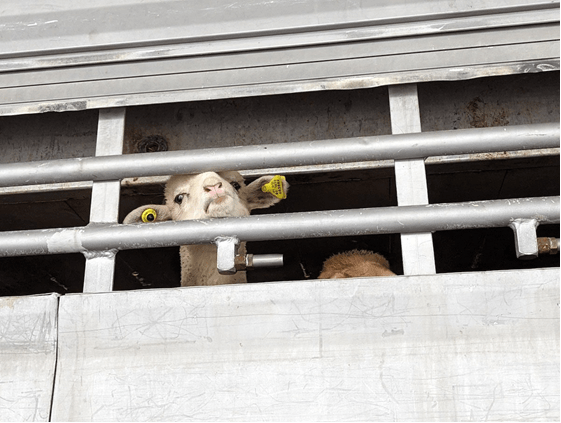
As has been customary for some years now, a few days before Easter, our investigative team returned to the motorways on the border between Italy and Slovenia to monitor trucks loaded with lambs arriving from Eastern Europe, heading to slaughterhouses in Tuscany, Lazio and Puglia.

On the monitored vehicles, coming from Hungary, Romania, Slovakia and Poland, several problems and violations of the rules were once again found: overcrowding, presence of unweaned animals on vehicles not suitable to feed them and transported for a longer period than that required by the regulations, ventilation and watering systems not working, inadequate or unreachable drinking bottles for all lambs, insufficient space above the animals’ heads to be able to travel in a natural position.

And all this for long and exhausting journeys, which can last up to 30 hours.

This activity was carried out in collaboration with Animals’ Angels, Enpa and the Animal Welfare Foundation. 

Of the 20 trucks targeted by the associations, 8 were checked by the police and 4 received fines of thousands of euros.

Already on the first day, a truck was fined €6,500 due to malfunctioning ventilation and drinking system and document irregularities. The situation was such that the truck was not fit to continue its journey.

OUR REQUESTS

The revision of Council Regulation (EC) No 1/2005 of 22 December 2004 “on the protection of animals during transport and related operations” is a unique opportunity for the European Commission and the EU co-legislators to ensure greater and better protection of animals and to take action on the most serious issues in order to spare animals avoidable suffering.

That is why we ask:

an immediate ban on the export of live farmed animals to third countries;

limiting travel times for the transport of live animals to a maximum of eight hours and 4 hours for poultry and rabbits (which must be transported in specific containers);

the prohibition of the transport of animals:
• unweaned;
• in an advanced state of pregnancy (who have exceeded 40% of the gestation state);
• at the end of their productive life;

the prohibition of the transport of live animals if the expected outside temperatures are below 5°C or above 25°C, subject to clear definition of the following parameters:
• specific species – and categories – conditions for the suitability of animals for transport;
• minimum and maximum outdoor temperatures;
• availability of space;
• availability and method of administration of food and water;

to limit intra-EU maritime transport as much as possible and to allow it only where it is strictly necessary, with the suitability of the vessels approved by an EU Authority that verifies compliance with strict technical and mandatory requirements;

to develop a clear definition of ‘journey time’, which is to be understood as the time that elapses from the ‘start of the journey’ to the ‘end of the journey’, including the loading and unloading of animals. In the case of sea transport, the “journey time” includes the time that the animals spend along the road journey from the farm to the port and from the port to the “final destination”, as well as the time that the animals spend on the boats and during embarkation and disembarkation operations;

the reduction and replacement of the transport of live animals with that of meat and carcasses, and seeds and embryos, as also recommended by FVE, OIE, and EFSA.

We also call for stricter enforcement of EU legislation, which must also be accompanied by more controls and inspections and strict penalties for infringements.

Continue reading at:

Sign for a revision of the legislation on animal transport (essereanimali.org)

Inside another truck there was a lamb unable to stand on its legs, which was entrusted to the associations. The lamb is now under the care of a veterinarian. Again, the truck was not fit to continue its journey.

In December 2023, the European Commission published a proposal to revise the legislation on the transport of live animals. The European elections in June are a unique opportunity to continue the work: it is crucial that the new Parliament and the new Commission commit to better regulation and controls.

It is equally important that the Ministry of Health in Italy is ready to give precise indications that make controls more efficient throughout the country and that our government works with other member states to improve legislation at European level.

And this umpteenth investigation, with the sanctions that have arisen and the great media attention it is generating, is one more tool to make the problem visible and bring it once again to the tables of the institutions!

Ps: this transport monitoring activity has once again brought to light a very serious situation for animals. A serious reform of this practice by the EU is urgently needed. Ask yourself:

➡️ SIGN THE PETITION

From all of us; thank you for your support.

EU adopts revised Environmental Crime Directive: what are the advances for animals?

Image – Act4Wildlife

28 March 2024

On 26 March the Council of the EU endorsed the revised Environmental Crime Directive, strengthening penalties for behaviour negatively impacting the environment and wild animals. The Directive provides welcomed improvements to the current legal framework, but calls for stronger and more specific measures to be adopted by Member States when transposing the legislation.

Clarification of offences regarding animals

While the previous Directive addressed poaching and illegal trade of wild animals as offences, the new legislation provides additional information on their scope. Online trade is now expressly covered. The legislation also gives additional information on the species covered, detailing the lists of threatened species that should be considered. In line with the previous Directive, the law provides an exemption when the conduct concerns “a negligible quantity of specimens”. However, the new text specifies that elements must be taken into account when assessing this condition, including the conservation status of the species. We therefore ask Member States to enforce strict sanctions for offences concerning species threatened by wildlife trade or other circumstances affecting their populations, even when such offences concern only one or a few individuals.

Introduction of specific sanctions

The previous Directive provides minimal guidance on the penalties that should sanction the offences listed, providing that they must be “effective, proportionate and dissuasive”. The revised Directive is more specific, introducing sanctions for both natural and legal persons. In practice, Member States will have to ensure that the maximum sanctions for offences related to poaching and trading of animals are no less than three years imprisonment for natural persons and a fine corresponding to 3% of the total worldwide turnover for legal persons. These sanctions remain insufficient in light of the negative impact such behaviour has on biodiversity, conservation and animal welfare, but it is a significant step forward.

Management of confiscated animals

Although not legally binding, one recital of the legislation provides that Member States should ensure that frozen and confiscated proceeds and instrumentalities are appropriately managed, in line with their nature. In other words, Member States are encouraged to adopt further provisions to guarantee the welfare of confiscated animals. We call on Member States to further consider confiscated assets to cover the costs for the maintenance of these animals in appropriate conditions, at minimum during the proceedings.

Besides these improvements, we highlight the ambitions of the new Directive to tackle offences related to the environment as a whole. We hope that this revised framework will significantly deter harmful behaviour resulting in reduced degradation, improved environmental health and better living conditions for wild animals.

Regards Mark

Eyes In The Sky: Why Drones Are ‘Beyond Effective’ For Animal Rights Campaigners Around The World.

We are not permitted to reproduce articles from the Guardian; as they have threatened legal action before; even when we reproduce unchanged articles and always give the article link ! – so all I can do now is supply the link and leave it with you to do the rest if you wish.

Eyes in the sky: why drones are ‘beyond effective’ for animal rights campaigners around the world

https://www.theguardian.com/environment/2024/mar/26/drones-beyond-effective-for-animal-rights-campaigners-around-the-world

Regards Mark

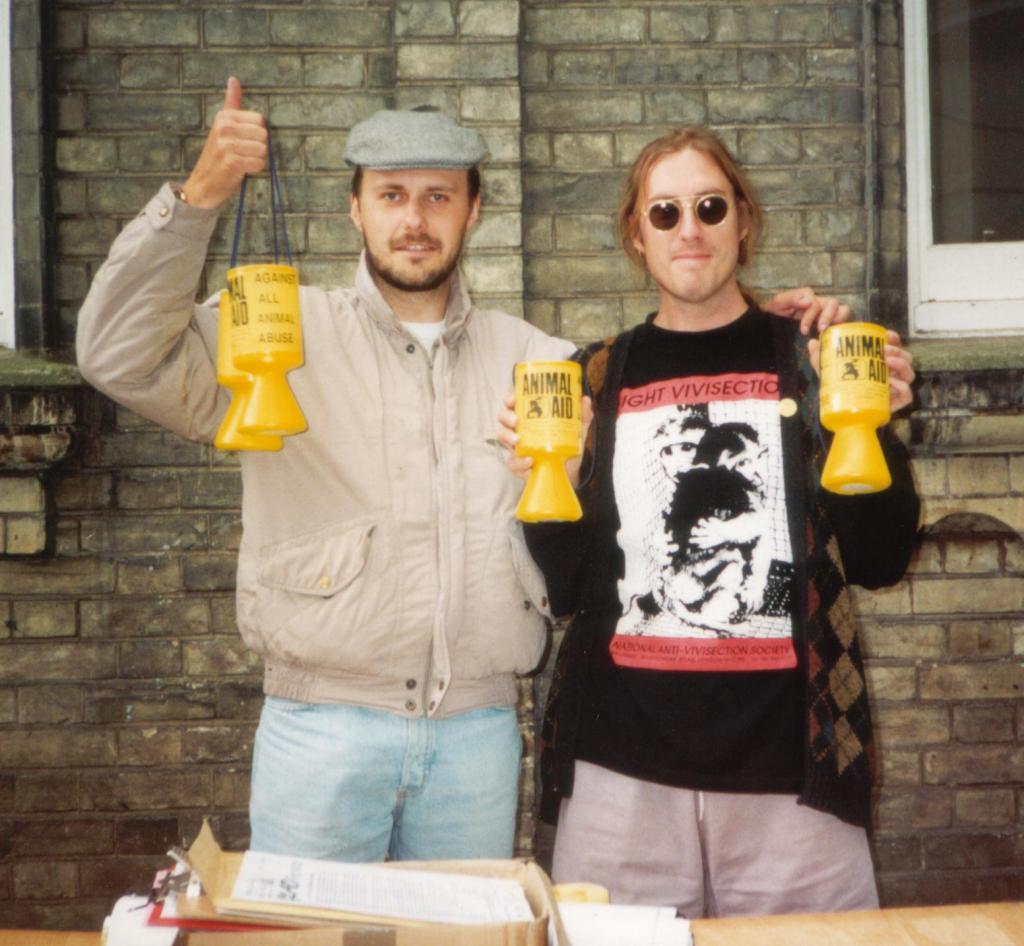
Above – Me and Trev – old days campaigning on the streets !

EU: Seven EU Citizens Who Started The ECI — Launch A Ground-Breaking Legal Action Against The European Commission For Failing To Act For Caged Animals. 

Despite a clear commitment from the European Commission in 2021 to deliver proposals to ban caged animal farming by the end of 2023, it has failed to deliver on its promise.

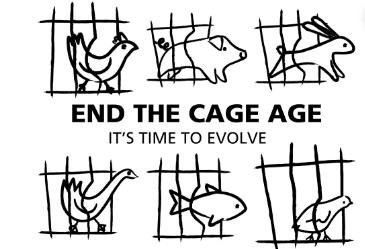
As a result, last week, the End the Cage Age Citizens’ Committee — a group of seven EU citizens who started the ECI — launched a ground-breaking legal action against the European Commission for failing to act. 

Funded by Compassion in World Farming, this historic case could result in the Commission being compelled by the court to set out a clear timescale for the legislation. 

It is the first legal action to hold the Commission to account over its failure to act on an ECI — an important test case for both animal welfare and democracy.

Despite overwhelming support, animals continue to suffer

Back in 2021, Compassion in World Farming, along with millions of European citizens, celebrated the news of the European Commission’s clear commitment. 

It followed the first ever successful European Citizens’ Initiative (ECI) to ‘End the Cage Age’, which was signed by an overwhelming 1.4 million EU citizens and supported by a coalition of 170 NGOs led by Compassion. 

ECIs were introduced with the specific purpose of giving citizens more influence over EU decision making and the tool is described by the European Commission as “a way for you and other Europeans to take an active part in EU policy-making”.

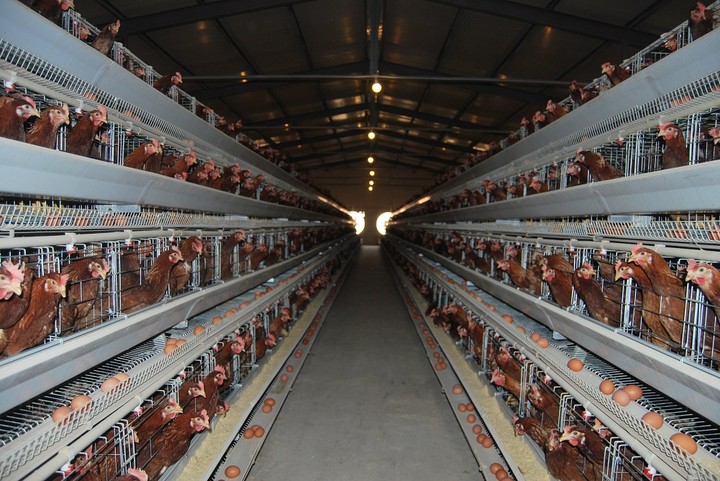
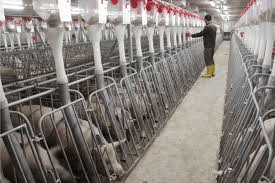
Pregnant sows are forced to nurse their piglets in crates so small they can’t even turn around; chickens can’t spread their wings, and along with countless rabbits and quail will spend all their lives in barren cages.

In October last year, the European Commission’s own Eurobarometer survey revealed that an overwhelming nine out of ten, or 89% of EU citizens — around 400 million people — believe animals should not be farmed in individual cages. 

The Commission’s own scientific advisers, the European Food Safety Authority, have also backed the phasing out of cages on welfare grounds for pigs, dairy calves, laying hens, ducks, quail and rabbits.

Meanwhile, more than 300 million pigs, hens, rabbits, ducks, quail and geese continue to suffer confinement and misery in cages across the EU each year.

Pregnant sows are forced to nurse their piglets in crates so small they can’t even turn around; chickens can’t spread their wings, and along with countless rabbits and quail will spend all their lives in barren cages. 

Ducks and geese are caged for force-feeding to produce foie gras.

How did the ban get derailed?

In September, we hoped to hear European Commission President Ursula von der Leyen set out the plans to deliver the ban in her State of the Union speech. 

Instead, what we heard were words that echoed the letter she received from the farming federation Copa Cogeca. It seems she caved into pressure from the agriculture lobby to put the ban on hold.

Together with my colleagues in End the Cage Age Citizens’ Committee, we have made repeated requests to meet with the president on behalf of the millions of EU citizens who support the cages ban, without success. 

The cages ban — part of the Commission’s excellent Farm to Fork strategy to meet climate and nature obligations — also has the chance to provide wider environmental and socio-economic benefits.

Yet, last October, an investigation from Lighthouse Reports revealed that “an increasingly assertive meat industry helped derail a historic democratic demand to improve animal welfare standards in the EU”.

We simply cannot allow the powerful farming lobby to have preferential access to decision-makers to influence them to backtrack on promises they have made to citizens. 

This is particularly unjust when those citizens have followed the very process designed to give them more influence over EU decision-making. As a result of this injustice, both animal welfare and democracy are now at stake.

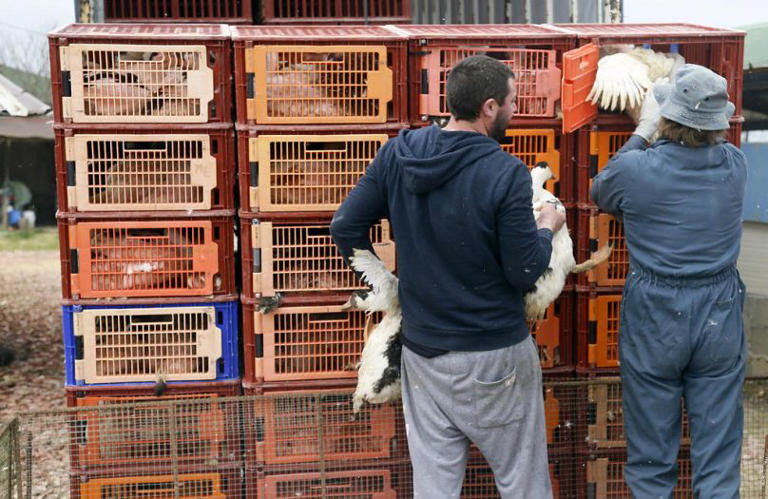
Above – Duck breeders load ducks into a truck to bring them to a slaughterhouse at a poultry farm in Saint Aubin, May 2017 AP Photo/Bob Edme© Provided by Euronews (English)

Above – walk past a truck with live chickens on sale in an informal market in central Athens, May 2012 Thanassis Stavrakis/AP© Provided by Euronews (English)

We can’t wait any longer

There is simply no justification for any further delay. All the appropriate preparation, assessments and consultations have already been carried out by Commission officials and the proposals make strong provision for financial support to help farmers transition to cage-free systems during a phase-out. 

This measure is backed by the animal welfare movement who believe public subsidies should be redirected to reward farmers for transitioning to high welfare and nature-positive systems that benefit society.

Pursuing legal action is not a choice we have taken lightly, but we cannot allow the European Commission to break its promises to citizens, making a mockery of democracy in the process.

The cages ban — part of the Commission’s excellent Farm to Fork strategy to meet climate and nature obligations — also has the chance to provide wider environmental and socio-economic benefits. 

A report from the Institute for European Environmental Policy found that the ban would have greater sustainability benefits. 

These art installations reveal the sad truth about keeping animals in cages

European Parliament overwhelmingly backs ban on caged animal farming

In addition, it concluded that the current discrepancy between legislation in member states was leading to uneven market conditions across the EU, and that a level playing field should be created.

Democracy is not to be mocked

Pursuing legal action is not a choice we have taken lightly, but we cannot allow the European Commission to break its promises to citizens, making a mockery of democracy in the process. 

Most importantly, we cannot stand by silently while millions of animals continue to suffer in cages. Caving into the big agriculture lobby and continuing to use taxpayer funds to prop up this damaging sector is not helping citizens, or the majority of small-to-medium-scale farmers.

The hope is that this ground-breaking legal action — launched on behalf of millions of supportive EU citizens as well as the voiceless 300 million animals still suffering every day in cages — will speed up the ban and ensure that every cage is an empty cage.

We will not rest until we end the Cage Age.

Olga Kikou is Head of Compassion in World Farming EU, the leading farm animal welfare organisation dedicated to ending factory farming and achieving humane and sustainable food production.

Full article and pictures at:

To protect caged animals, we are suing the European Commission (msn.com)

We are 110% behind the actions now taken;

Regards Mark

More reading https://www.ciwf.org.uk/our-campaigns/end-the-cage-age/

England: Fox-Hunting: Tension on the Trail is Worse Than Ever.

21 March 2024

A hunt in East Yorkshire and the volunteers who monitor it say tension between the two groups is at an all-time high.

Fox-hunting was banned in 2004 but the Holderness Hunt, like many hunts across the country, mimics the traditional countryside sport with the legal activity of trail-hunting. This involves laying an animal-based scent trail for their hounds to chase.

A spokesman for a group called Hull Wildlife Protectors claims trail-hunting is a “smokescreen” to mask the killing of wild animals with dogs. A spokesman for the Holderness Hunt, based near Beverley, says “accidents will happen” during trail-hunting, which can lead to the death of wildlife.

Humberside Police has been approached for comment.

‘It can make you quite anxious’

Leo from Hull Wildlife Protectors did not want to give his full name. He said “it is a necessity” that members watch and record the Holderness Hunt every time they meet “to monitor for any wildlife crimes”.

The volunteer said his group has reported three incidents of wildlife crime to Humberside Police this year and that two are still being investigated.

According to the Holderness Hunt, none of its members has been charged with any wildlife crimes this year.

Tom Wright, huntsman for the Holderness Hunt, said the monitoring group’s behaviour amounts to trespass and harassment.

He described how masked strangers sit in cars outside the kennels where he works, sometimes at 03.30 GMT.

“It can make you quite anxious,” said Mr Wright. “You never know who is behind the mask.”

Hull Wildlife Protectors admit they watch the kennels but said they have to because Holderness Hunt refuses to share details of when its trail-hunting events start.

A spokesperson for the group said only a minority of its members wear masks to conceal their identities.

Leo from Hull Wildlife Protectors said it is a non-violent group

Leo said intimidation goes both ways. He says members of the hunt have told him that “they know who I am, my name, where I live”.

A spokesperson for Holderness Hunt agrees that tension between the two groups is growing.

‘Insufficient evidence’

The BBC has seen footage of wild animals being killed during trail-hunts.

In an incident from 2023 Holderness Hunt’s hounds clearly kill a fox that diverted their attention from the pre-laid scent trail.

The BBC has seen an email from Humberside Police confirming that it investigated the incident but that “no further action” would be taken.

In the email Humberside Police explains that this is because of “insufficient evidence” that the kill was “intentional”.

Leo said this left the group “deflated” and the “lacklustre” law has “many loopholes” that need closing.

Last year a senior police officer said the law on fox-hunting was not working.

Ch Supt Matt Longman, the National Police Chiefs’ Council lead on fox-hunting, also labelled trail-hunting a “smokescreen” for the illegal persecution of animals.

He was speaking at the launch of a coalition against illegal hunting led by the League Against Cruel Sports and backed by more than 30 charities including the RSPCA.

William Bethell, master of the Holderness Hunt, said hunting is “stronger than the church” for some in the countryside. He said it is important that it continues because many rural jobs rely on it.

Reproduced from BBC article – click here:

Fox-hunting: Trail hunt tension hits new levels in East Yorkshire – BBC News

Regards Mark

Just a nip to the neck by the hounds‘ – this IS foxhunting in its reality – Photo Mark WAV.

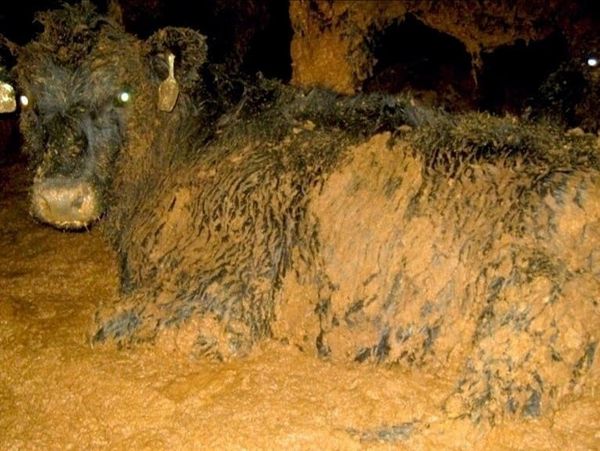
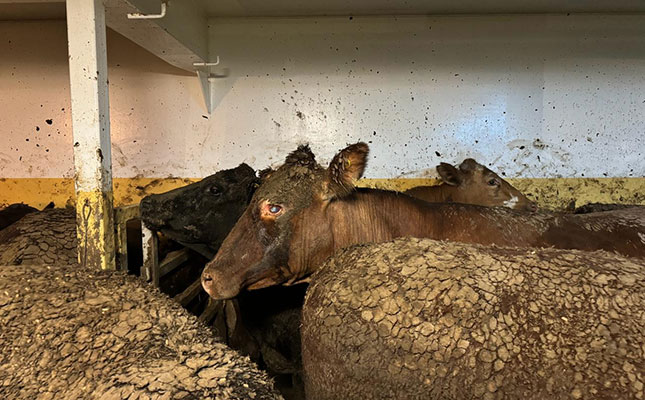
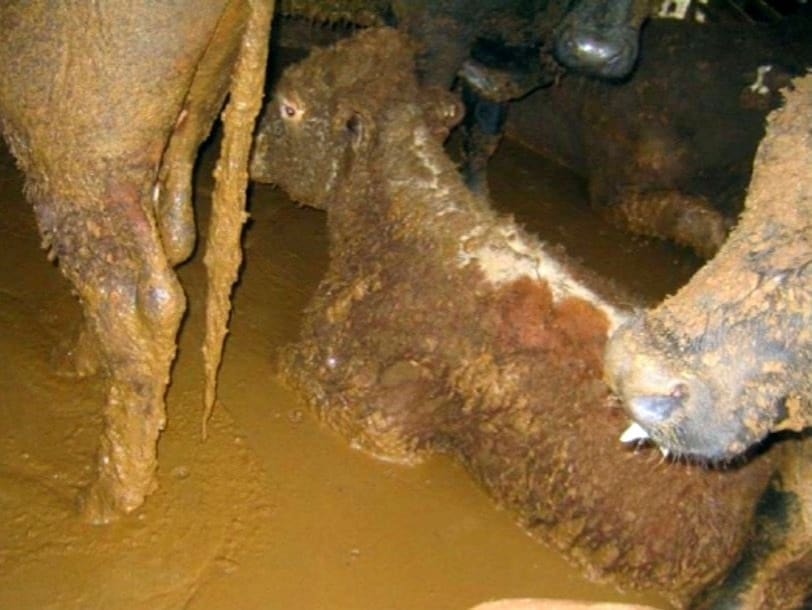
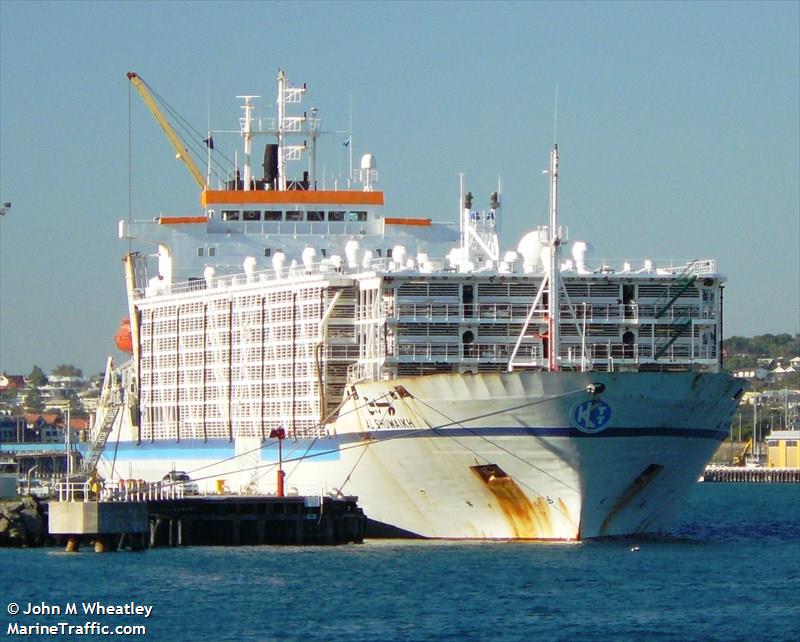
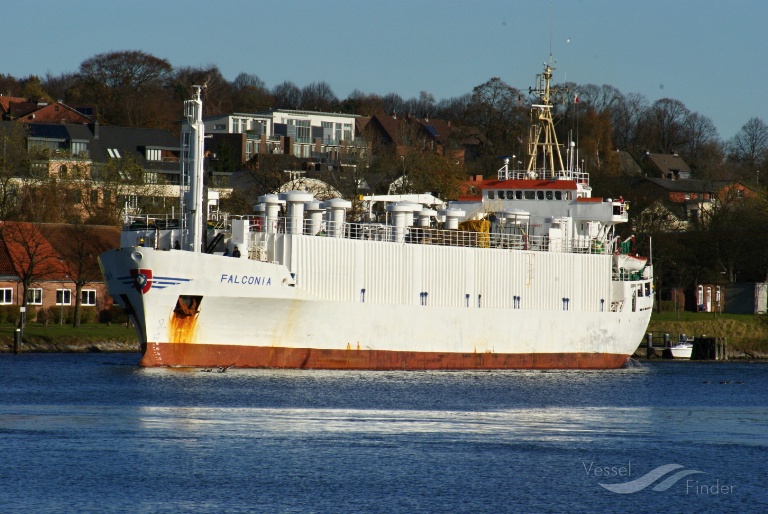
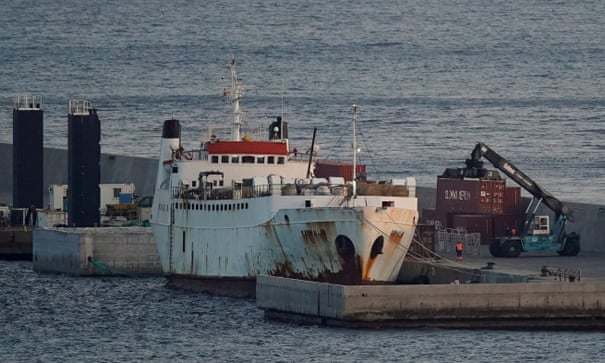
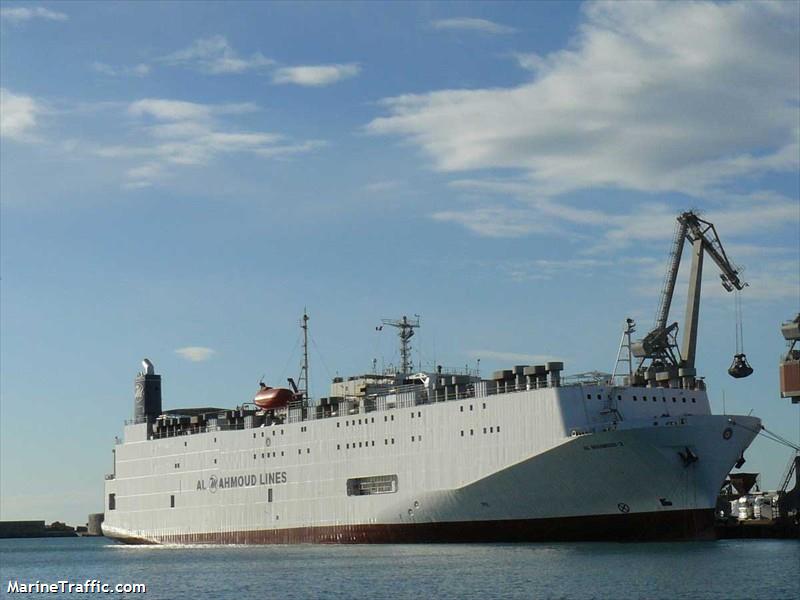
Vast Majority Of Animal Transport Ships Deemed Unseaworthy. Ancient Rust Bucket Bathtubs As We (WAV) Call Them.

All photos – WAV Archive.

26 March 2024

AWF

64 animal transport vessels are allowed to cross European waters, but only 6 of them meet international safety standards.

Former ferry or cargo vessels that had their security clearances revoked are commonly used to transport live animals, meaning the average animal transport vessel in the EU is several decades old, and very unsafe to operate.

Animal Welfare Foundation, together with the French environmental organisation Robin Des Bois, published a comprehensive report on the true state of these sea vessels, concluding that urgent measures must be taken to stop their use.

Sea vessels for animal transport are far from welfare-friendly

Among the 64 animal transport vessels approved for use in the EU currently,  only 4 vessels were originally built for the purpose of transporting animals. All other vessels were retrofitted after around 30 years at sea. 

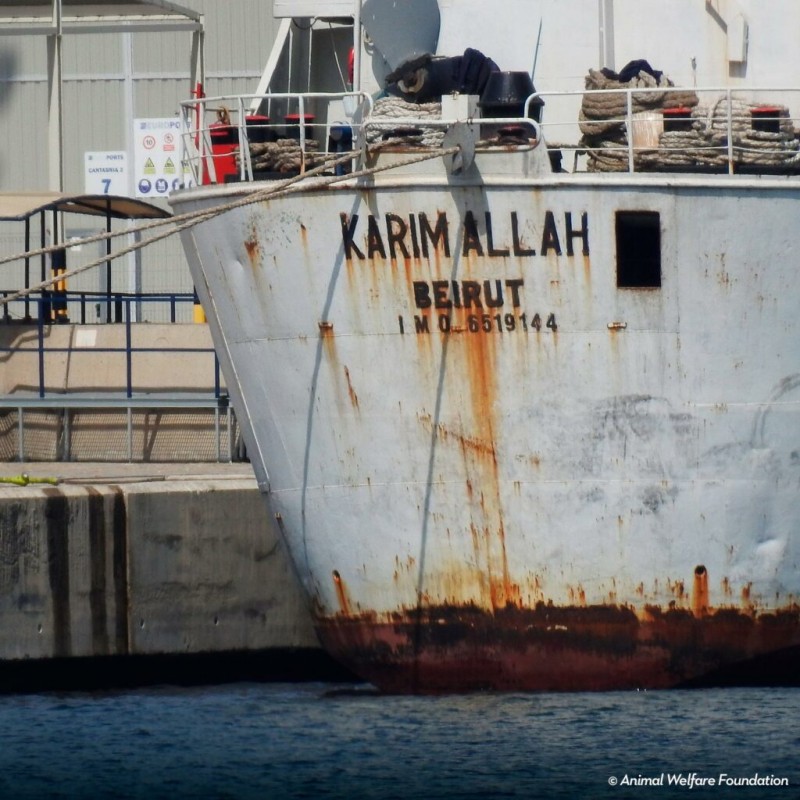
As this film documents, these vessels are filled with hazards, from sharp edges to rust and defective struts, creating a very high level of risk for both the animals and crew onboard.

With the majority of vessels being in such a dilapidated state, it’s not surprising that there have been a string of disasters during live animal transport by sea over the past years, such as in the case of the Karim Allah and Elbaik

Thousands of animals are spending weeks in these unseaworthy ships, where they are forced to stand knee-deep in their own excrement and are exposed to high temperatures, rough seas, crowded quarters, disease and more.

Nearly half of the EU’s live animal sea vessels are flying the black flag

AWF and RDB’s research also reveals that nearly half of the animal transport vessels approved in the EU flew the flag of a country marked by the Paris Memorandum of Understanding as a black flag (for example Togo, Sierra Leone or Tanzania). 

This flag indicates these vessels pose a high risk to maritime traffic, as well as to the animals, crew and environment. 

The fact these vessels continue to be used show there is a clear lack of concern for animal and human welfare within this transport sector. Three years ago, 17 vessels were identified as highly dangerous for use in transporting animals, but 15 of them are still operational today. 

Action must be taken to improve live animal transport at sea

Three years ago, the European Commission received an initial joint report by AWF and RDB on 78 animal transport vessels approved in the EU. This year’s report shows there has been continued inaction in regards to establishing the safety of these vessels and the welfare of animals in this industry, even against the recommendation of the Commission’s very own inquiry committees

If these vessels that are falling apart continue to be used, more transport disasters are inevitable. 

If the industry is not stopped entirely, sea vessels must at least fly the white flag and be IACS-standardised and fully functional, accommodating basic safety measures for the animals and personnel on board. Further, black and grey flags must be prohibited. Strict limits to journey times by sea must be included in the revised Transport Regulation, to mitigate the suffering of animals while they are transported across water.

EU legislation must finally confront the brutal reality of live animal transport by sea and take action. No animal belongs on a ship, [and the sector] cannot and must not continue like this.

Iris Baumgärtner, Animal Welfare Foundation Project Lead

Regards Mark

More reading – https://www.ciwf.org.uk/news/2024/03/governments-urged-to-end-live-exports-now

https://www.ciwf.org/resources/reports-position-papers-briefings/a-data-dump-of-eu-transport-suffering-exposed/?_gl=11otft50_gaNTQ0MTUzNzkyLjE3MTE1NDY1MTA._ga_RMC05PGGT7*MTcxMTU2NTg3Ny4yLjEuMTcxMTU2NjA1OS41My4wLjA.

EU: Opinion – Why MEPs and Spitzencandidaten should sign the Vote for Animals pledge.

25 March 2024

Opinion

Written by Reineke Hameleers

Read more content from this author

Having lived close to three European borders, between the Netherlands, Germany and Belgium, for most of my life, I consider myself a true European. Others might not feel the same. To a certain extent, this is understandable because European politics has so far failed to address some of the most pressing concerns of its citizens in crucial areas, such as animal welfare.

The upcoming EU elections present an opportunity to re-establish a much-needed connection between our citizens and the EU institutions, which many still perceive as abstract entities, far away from their everyday lives. Despite this, the past five years have seen unprecedented participation of European citizens in the democratic process, as shown by the enormous success of three European Citizens’ Initiatives (ECIs) on animal welfare, recently further confirmed by the results of the 2023 special Eurobarometer. Yet, despite all the promises the closing political term held, there has been no substantive progress on an issue that is so dear to citizens.

I feel proud whenever I remind myself that the EU recognised animals as sentient beings in the Treaty on the Functioning of the European Union (TFEU) since 1997. Animal sentience refers to the ability of animals to feel and experience emotions such as joy, pleasure, pain and fear. It is the animals’ capacity to feel both positive and negative states that drives the animal welfare movement. It is also the reason why animal protection laws exist. Such recognition should offer enormous legislative scope to create a Europe that truly recognises and values animals for what they are.  However, EU law continues to treat them as mere commodities, goods, and products. To all effect, EU policies are in stark contradiction to the TFEU as regards the treatment of animals.

This glaring discrepancy between the EU’s highest legislation and the reality on the ground is a political failure as it falls short of the expectations of European citizens. This message resonated loud and clear in the cross-party interventions during the recent European Parliament debate calling on the Commission to fulfil its promises and live up to its commitments on animal welfare. 

Will the candidate MEPs and the Spitzenkandidaten use the elections to genuinely listen to citizens and renew their commitment to improving the animal condition? Undeniably, discontent among farmers has been a significant hurdle to progress in this area. However, the causes of this discontent are rooted in our distorted food system and have little to do with animal welfare rules. 

We must dispel the notion that increased animal welfare measures will make farmers more vulnerable. On the contrary, higher animal welfare standards can prove immensely beneficial for creating new market opportunities in the European Union and driving higher standards globally while responding to societal expectations, as echoed by the recent debate in the European Parliament on this topic.

As the elections approach, we find ourselves at a critical juncture. The conditions of farm animals, animals used in science, traded wildlife, and pets demand immediate attention. While some initial steps were taken during the previous term, they are insufficient to meet European citizens’ expectations, not to mention their inadequacy in light of the most recent scientific evidence. 

For this reason, we created a pledge with ten points, which should guide public policy for the next political term, ensuring that European animal welfare legislation will look significantly different by 2029. 

See the pledges:

https://www.eurogroupforanimals.org/vote-animals-pledges

I am a firm believer in the European project, but I am often questioned by our member organisations and their supporters about my faith in the European institutions. Indeed, these are critical times. It is easy to lose hope when faced with indisputable evidence of a lack of political courage. Yet, the EU can and must rise to its fullest potential and continue building a sustainable and kinder future for all. 

Dear candidates, please consider the transformative impact you could achieve by signing our Vote for Animals pledge. This pledge embodies our collective aspiration for a Europe that respects and values animals as sentient beings. By signing it, you will send a clear message to European citizens confirming the European Commission’s commitment to improving the welfare of all animals and ensuring that the relevant legislation will look much different by 2029. 

Together, we can pave the way for a more compassionate Europe. 

Regards Mark

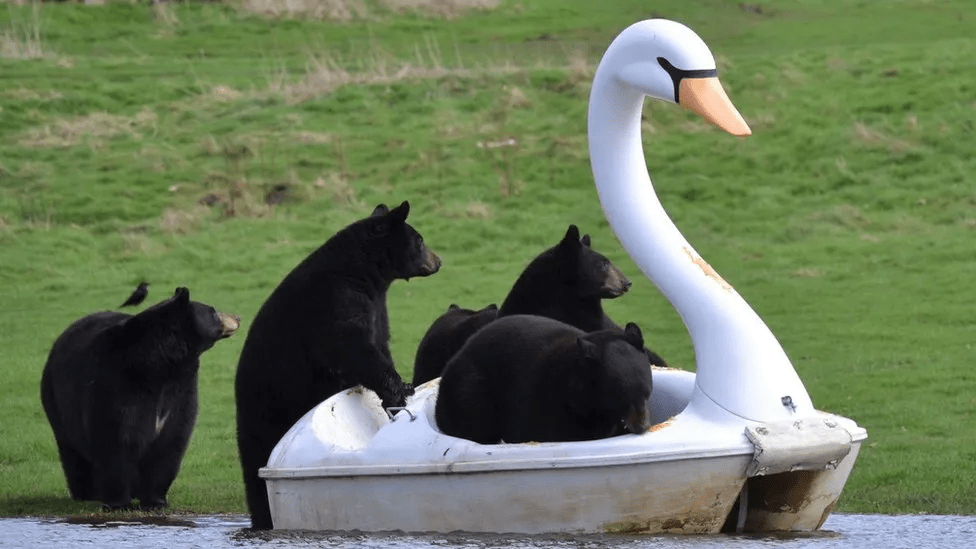
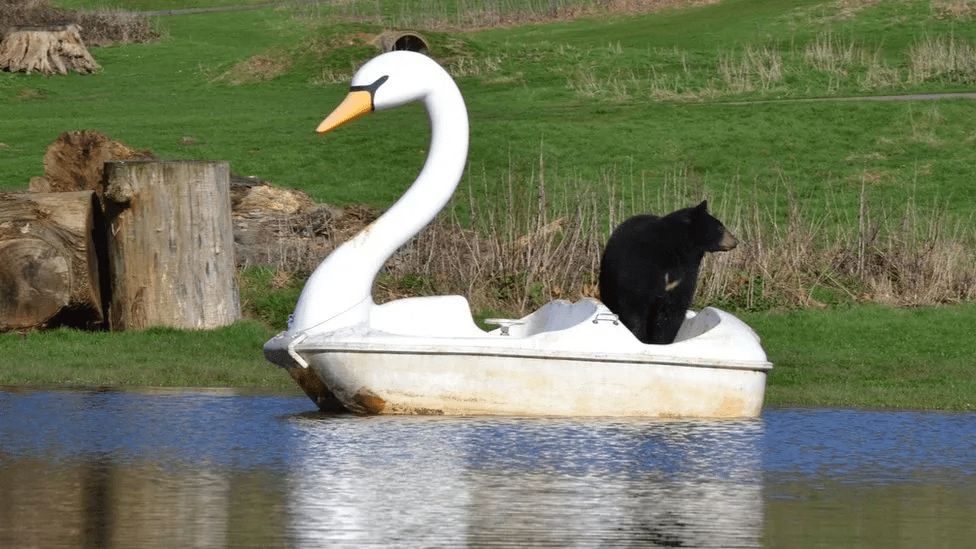
UK: We Have Had Lots Of Rain – So Bears Take Advantage On Naturally Formed Pond By Being Given Their Own Swan Pedalo Boat.

Pictures – Woburn Safari Park

UK – It has really rained a lot over the last few months; we are used to lots of rain but this is a bit more !

So, these black bears wasted no time clambering on to a swan pedalo when it appeared in their enclosure at Woburn Safari Park in Bedfordshire.

Keeper Tommy Babbington added the quirky paddle boat to keep the animals entertained after a large pool of water formed at the site during the recent wet weather.

Read the full story at:

Bears take a ride on swan pedalo at Woburn Safari Park – BBC News

Regards Mark

Animal Protection Denmark: No Animal Should Suffer For Beauty: New Campaign Exposes Impacts Of Extreme Breeding.

Photos – Animal Protection Denmark

No animal should suffer for beauty: new campaign exposes impacts of extreme breeding

20 March 2024

Animal Protection Denmark

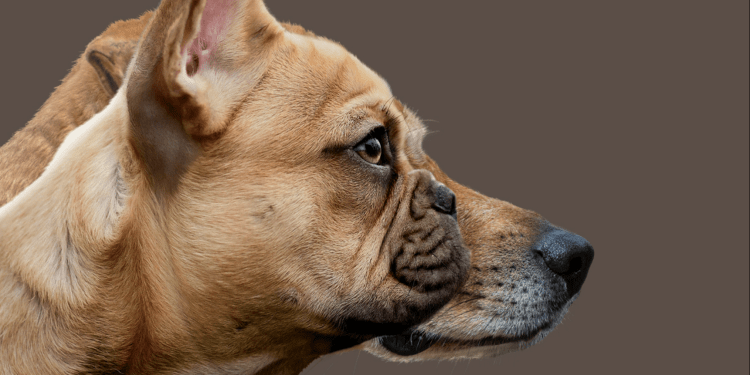
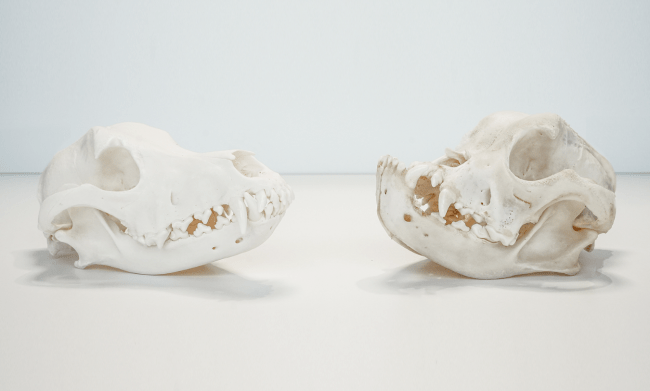
The demand for traits such as short muzzles, large eyes and excessive skin folds have resulted in extreme and unhealthy breeding.

A new campaign hopes to raise awareness and reduce demand for unhealthy dogs.

Dogs with extreme traits suffer from difficulty in breathing and regulating body temperature, eye problems, jaw and dental problems. Excessive skin folds cause skin infection and mobility problems. 

A new campaign by Animal Protection Denmark hopes to reduce the demand for extreme breeds, shedding light on the consequences that unethical breeding has on dog’s health.

No dog owner wants their animal to suffer, but we find that many people who acquire new dogs are not aware of the many health challenges that flat-nosed dog breeds often have.

Jens Jokumsen, Animal Protection Denmark

Lack of EU-wide legislation 

Animal Protection Denmark has disseminated adverts for a fake plastic surgery clinic for animals, through which the organisation aims to start a conversation about extreme breeding. In Denmark, it is illegal to perform operations on animals if the intention is solely to change the animal’s appearance. On the other hand, there is no legislation that protects animals from breeding that deliberately produces an extreme appearance that is harmful to their welfare. 

The campaign informs potential owners on what they should consider before getting a dog, whilst demanding legislation that can help push breeding in the right direction.

Extreme breeding has become a widespread problem in Europe, with severe impacts on animals and emotional distress for owners and veterinarians. Countries like Belgium, the Netherlands and Austria have taken the first step to ban certain extreme breeds, but the legislation needs further reinforcement. 

The European Commission’s new proposed legislation for cats and dogs, despite its many positive aspects, does not address extreme breeding. Eurogroup for Animals calls for an EU-wide ban on extreme breeding, an ownership ban, as well as a ban on the use of extreme featured breeds in the media and in exhibitions and competitions.

Extreme breeding in Europe – click here to access reports and information:

Extreme breeding in Europe | Eurogroup for Animals

Regards Mark

Animal Protection Denmark aims to help animals in need, stop animal abuse and fight for a respectful and sustainable relationship between animals, humans and nature. They engage at national, European and international levels for animal welfare, biodiversity and climate. Their work includes rescue and care for animals at local level across Denmark.

Link

Visit the Animal Protection Denmark website

Enjoy – a song that means a lot !