WAV Comment: Big Wow ! – congratulations to President elect Joe Biden, Deb Haarland, and Michael Regan on the award of their new positions which will overturn all the environmental destruction caused by loser Trump over recent years. It is especially wonderful to see Deb Haarland; a Native American, to serve with such an important position in the cabinet; with her department’s jurisdiction covering tribal lands and vast tracts of protected American wilderness, including jewels such as Yellowstone and Yosemite national parks.
Mr. Regan will be a leading member of the new, expanded Biden team focusing on reversing Trump’s environmental rollbacks and address the climate crisis with a plan for bringing the US economy to net-zero greenhouse gas emissions by 2050.
Super choices for an America and its wildlife that very much needs protection from the bad muppets that we have seen from Trump and ‘his mates’ over the past years.
We at WAV very much welcome these appointments; as do the vast eco warrior tribes of the world. Haarland, a lady who originated from peoples who loved and protected the environment. We hope she will right all the Trump wrongs in the coming years.
Superb news !
———————————
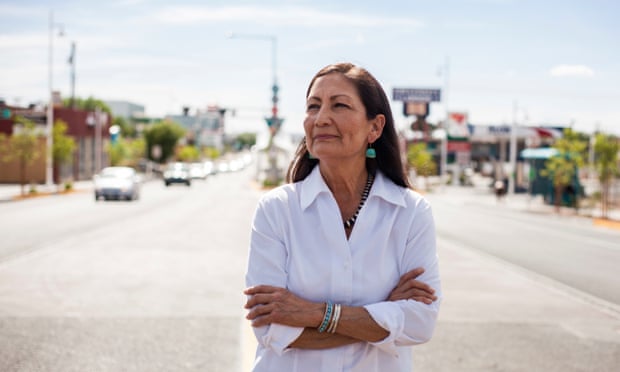
Biden picks Deb Haaland as first Native American interior secretary | Biden administration | The Guardian Deb Haaland would be the first Native American cabinet secretary. Photograph: Juan Labreche/AP
Biden picks Deb Haaland as first Native American interior secretary
President-elect will also nominate regulator Michael Regan to head Environmental Protection Agency
Joe Biden has chosen the US lawmaker Deb Haaland as interior secretary and will nominate the North Carolina official Michael Regan to head the Environmental Protection Agency, in two diverse and influential picks to handle crucial issues such as public lands, pollution and the climate crisis.
Haaland, a progressive Democratic congresswoman from New Mexico since 2019, would be the first Native American cabinet secretary and one of the first Native Americans ever to serve in a US cabinet. The department’s jurisdiction covers tribal lands and vast tracts of protected American wilderness, including jewels such as Yellowstone and Yosemite national parks.
In a tweet on Thursday evening, Haaland said she was “honored and ready to serve” as interior secretary.
“A voice like mine has never been a cabinet secretary or at the head of the Department of Interior,” she added.
Haaland is a member of Pueblo of Laguna and would become the first descendant of the original people to populate North America to run the interior department, which has often had a difficult relationship with the 574 federally recognized tribes in the US, the Washington Post reported.
And she has told the Reuters news agency she would seek to usher in an expansion of renewable energy production on federal land to contribute to the fight against climate change, and undo Donald Trump’s regressive focus on bolstering fossil fuels output.
Progressives hailed the selection of Haaland as “perfect choice” and a “fierce ally” of the environmental movement.
“Rep Deb Haaland’s appointment as secretary of the interior is a historic moment for every Native American and the Green New Deal movement,” said Varshini Prakash, the executive director of the youth-led Sunrise Movement.
She added: “With a progressive leader at the helm, we can make real progress on stopping climate change and ensure sovereignty and dignity for all Native people and justice for all.”
Climate activists, joined by progressive members of Congress, tribal leaders and Hollywood celebrities, had mounted a public campaign in support of Haaland. The interior secretary will be critical to enacting Biden’s ambitious climate plan as well as playing an important role leading discussions between the federal government and tribal nations.
The House speaker, Nancy Pelosi, had issued a statement on Wednesday saying: “Congresswoman Haaland knows the territory, and if she is the president-elect’s choice for interior secretary, then he will have made an excellent choice.”
The retiring New Mexico senator Tom Udall, a Democrat who was also reportedly under consideration for the role, was among the first politicians to congratulate Haaland, calling her appointment a “watershed moment for Native communities, and for our nation”.
In a statement, Udall praised her as someone who would use the position to “undo the damage of the Trump administration, restore the department’s workforce and expertise, uphold our obligations to Native communities, and take the bold action needed to tackle the accelerating climate and nature crises.”
“I am confident that she will be both a historic interior secretary and an excellent one,” he added.
Theresa Pierno, the president and CEO for the National Parks Conservation Association, said Haaland would be ready for the job “on day one” and was a congressional “champion” who had helped hold the line on conservation.
“Amid a global pandemic and climate crisis, we need a department of interior secretary who is ready to address 21st-century challenges with bold solutions … to protect our national parks and public lands for the benefit of all Americans,” she said.
Meanwhile, Biden plans to nominate Regan, North Carolina’s top environmental regulator, to head the EPA, according to Reuters.
If confirmed by the US Senate, Regan would become the second Black person to run the EPA, after Lisa Jackson, who served during Barack Obama’s presidency. He would be a leading member of the new, expanded Biden team focusing on reversing Trump’s environmental rollbacks and address the climate crisis with a plan for bringing the US economy to net-zero greenhouse gas emissions by 2050.
Regan brings years of experience dealing with fossil fuel industries in his home state, including overseeing a roughly $9bn settlement agreement with utility Duke Energy for the nation’s largest clean-up of coal ash. Regan has also previously worked at the EPA and worked on climate change and pollution initiatives for the Environmental Defense Fund, a green advocacy group.
“Regan understands that tough environmental goals tempered with economic and technological reality produce the best approach on everything from climate change to more local problems,” said Scott Segal, an attorney for the law firm Bracewell, which has petroleum companies as clients.
Jim Marston, the former head of the Environmental Defense Fund state initiatives program, said: “He could talk with, work with industry. And his own personal history allows him to really relate … to working-class folks who are the workers in plants that need to be regulated,” Marston said.
Democrats have a very narrow majority in the House, so losing Haaland to the cabinet is a risk, making three Democratic members of the House that will be leaving the chamber to join the new administration.
Marcia Fudgewill be nominated to lead the Department of Housing and Urban Development, and Cedric Richmondwill serve as the director of the White House Office of Public Engagement.
https://www.theguardian.com/us-news/2020/dec/17/deb-haaland-joe-biden-interior-secretary
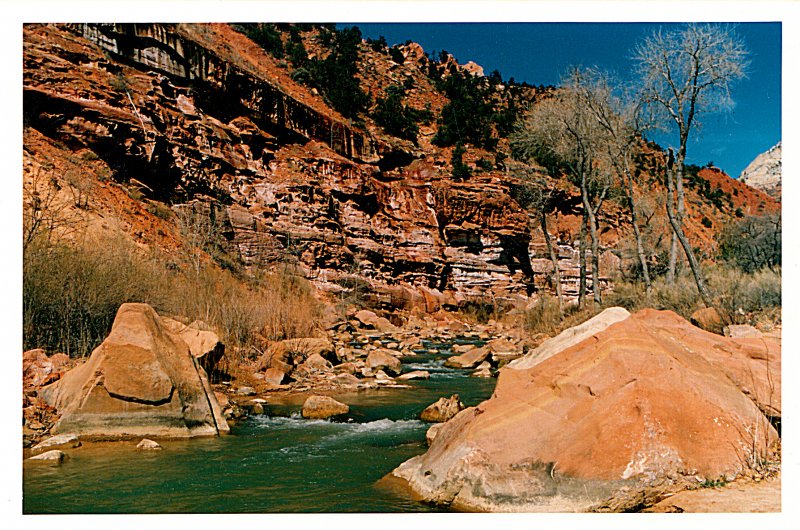
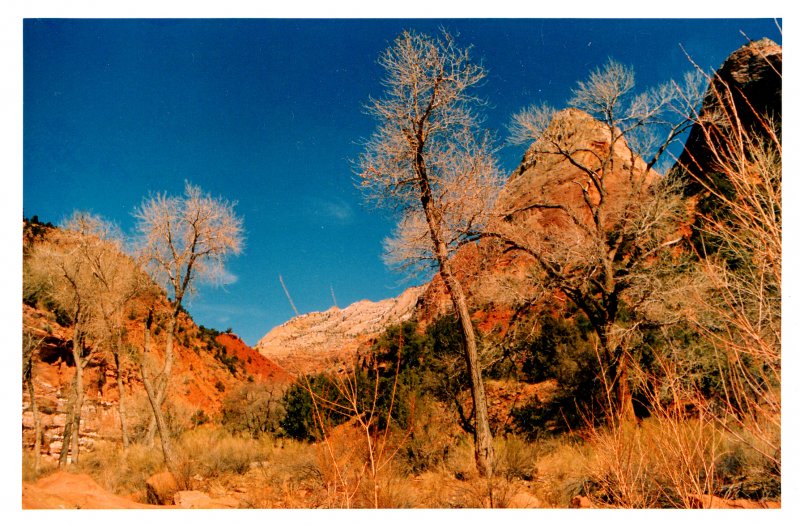
Keep the Environment tops in the USA – a few pictures I took on one of my trips in the USA many moons ago.
Once it has gone, you can never bring it back – so dont let it go in the first place ! – Mark



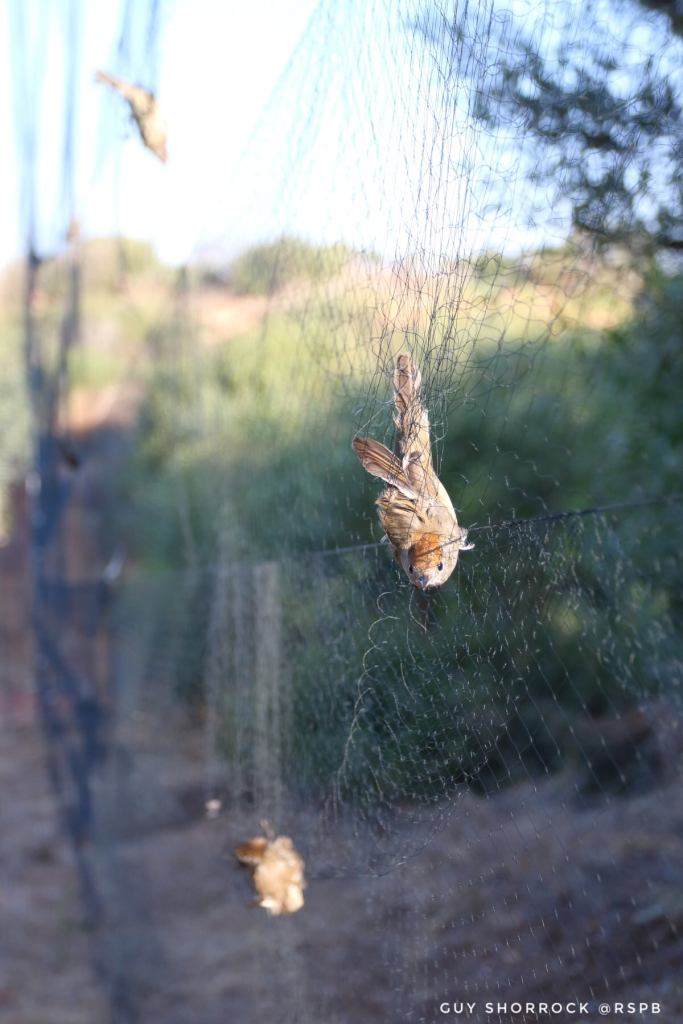
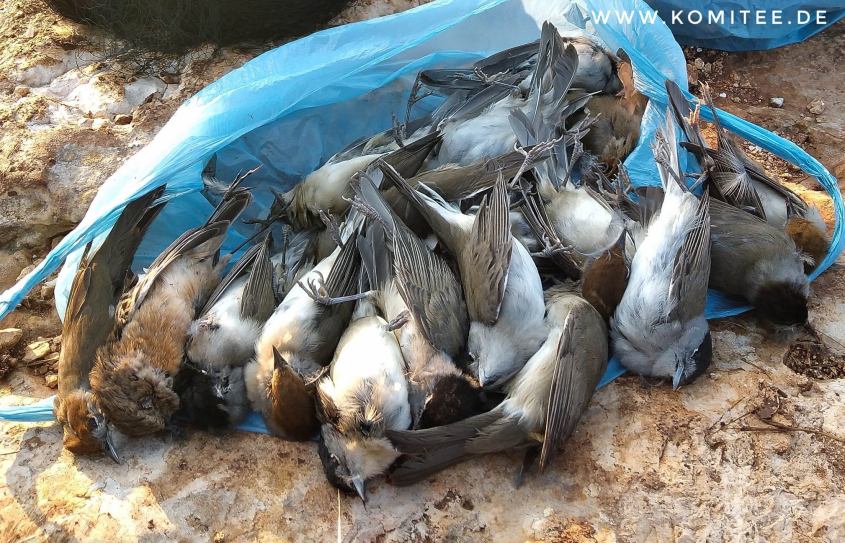
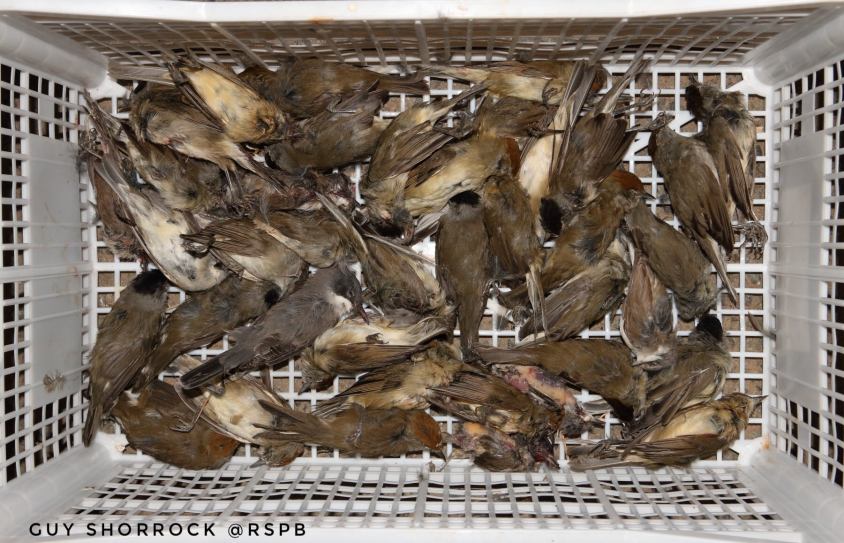
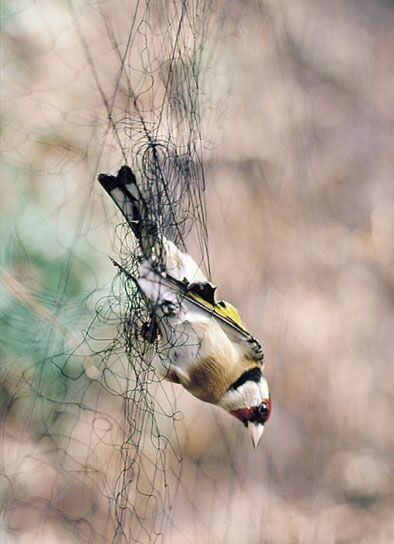
 The specialty of the island:“ambelopoulia”








 The Borneo earless monitor lizard is traded for 8,000 euros per pair. Olexandr Topchylo / wikimedia.org

