Predators were once virtually extinct in Europe, but thanks to conservation efforts their numbers have rebounded
Wolves face being hunted in greater numbers after the European Union voted to downgrade their protected status.
The European Commission’s proposal, backed by a qualified majority of EU ambassadors, would allow greater flexibility in organising hunts by downgrading the wolf from “strictly protected” to “protected”.
Ministers will meet to formally vote on the proposal on Thursday, with only Ireland and Spain expected to vote against it, diplomatic sources said. Other member states are expected to abstain.
Wolves were virtually extinct in Europe a century ago but, thanks in part to EU conservation efforts, numbers have rebounded, with more than 1,000 of the predators in some countries.
Amid a backlash against the burden of EU green rules triggered by the cost of living crisis, farmers have complained that rising numbers of the predators are endangering their livestock.
However, conservationists have criticised the “outrageous move” to ease the hunting restrictions.
Hunting of problem wolves is already allowed under exceptions to the EU protections. Limited legal wolf hunting is carried out in Finland, Norway, Lithuania, Latvia, Estonia, Bulgaria, Romania and Slovakia, but it could now become more widespread.
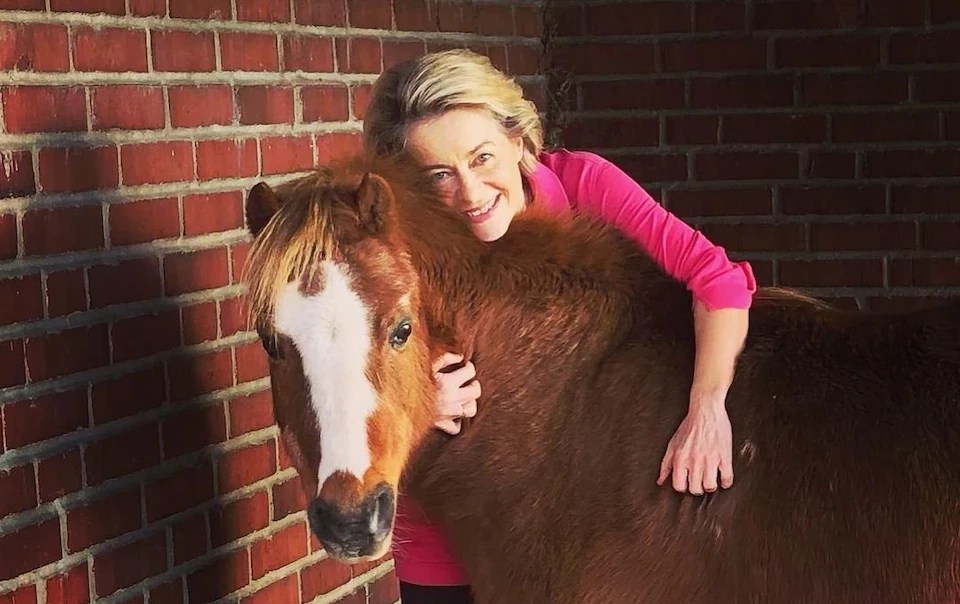
The vote comes after European Commission president Ursula von der Leyen’s favourite horse, Dolly, was killed by a wolf in September 2022 at her home in Germany.
Ursula Von Der Leyen with her pony ‘Dolly’ who was killed by a wolf Credit: Instagram
The keen equestrian and mother-of-seven said her family was “horribly distressed” by the loss of the 30-year-old horse at the lower Saxony compound.
The culprit was identified through DNA evidence as a wolf known as GW950m. But a permit to kill it expired before it could be hunted down, meaning it could still be at large.
The keen equestrian and mother-of-seven said her family was “horribly distressed” by the loss of the 30-year-old horse at the lower Saxony compound.
The culprit was identified through DNA evidence as a wolf known as GW950m. But a permit to kill it expired before it could be hunted down, meaning it could still be at large.
Brussels was forced to deny that Mrs von der Leyen had intervened in the permit process to take revenge for the death of Dolly. The permit was applied for before the horse was killed.
The Eurogroup for Animals said wolf populations had increased but had not reached “favourable” conservation status, as it decried a move that “seriously jeopardises the conservation efforts of the past decade and prioritises politics over science”.
‘Long-overdue’
“Wolves are our allies, not our enemies and it is crucial to protect them,” said Léa Badoz, of the Eurogroup for Animals. More than 300,000 EU citizens had signed a petition to stop wolf hunting.
“This is a very outrageous move and shows that member states are ignoring their citizens’ calls and science,” she said. “We urge the other parties to the Bern Convention to reject this proposal.”
Centre-Right MEPs from Mrs von der Leyen’s European People’s Party (EPP), which campaigned to loosen the protections before June’s EU-wide elections, said the decision was the start of a “long-overdue process” to bring wolf populations under control.
“As these populations grow, their conservation status must evolve too,” said Alexander Bernhuber, an EPP member of the European Parliament’s environment committee.
Italy was among the most vocal countries demanding protections be weakened. The wolf was pushed to the verge of extinction in Italy by the 1970s, when the population dipped to just 100 individuals. Numbers are now estimated to be about 3,300.
“It is a step forward that fills us with satisfaction,” Paolo Borchia, an Italian MEP from the Right-wing League party, said on Wednesday. “It is unacceptable that it took years to come to terms with a situation that is clear for everyone to see.”
(It was only a matter of time when the backlash would come …)
The Springwatch host saw no issue being likened to St Francis of Assisi, making his holier-than-thou attitude worse than ever this week
Vanity is a bewitching drug for some of the BBC’s biggest stars. Jostling for most luminous position in the media firmament this week, next to Gary Lineker (who completely by mistake, and in the knowledge that the media watches his every social media move, managed to post to Instagram the suggestion that Jews were rats) was Chris Packham. …..
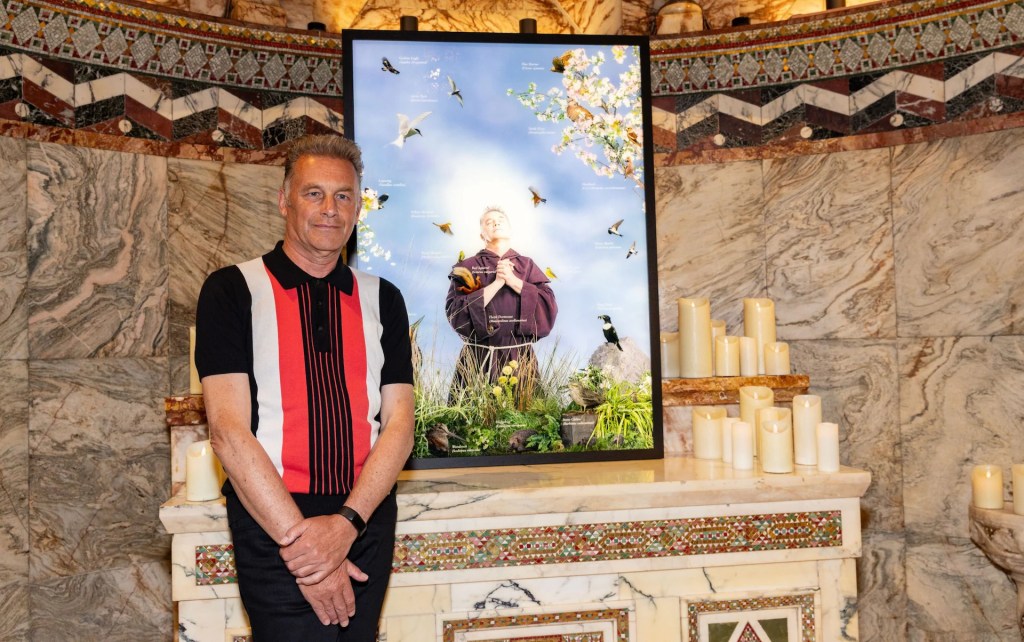
Chris Packham with his portrait, which it is said depicts him as “a living saint”, in the Fitzrovia Chapel Credit: Richard Ansett/Radio Times
Chris Packham has posed as St Francis of Assisi in a portrait celebrating him as a “living saint”.
The portrait of the presenter and environmental campaigner is now on show on the altar of the Fitzrovia Chapel, central London.
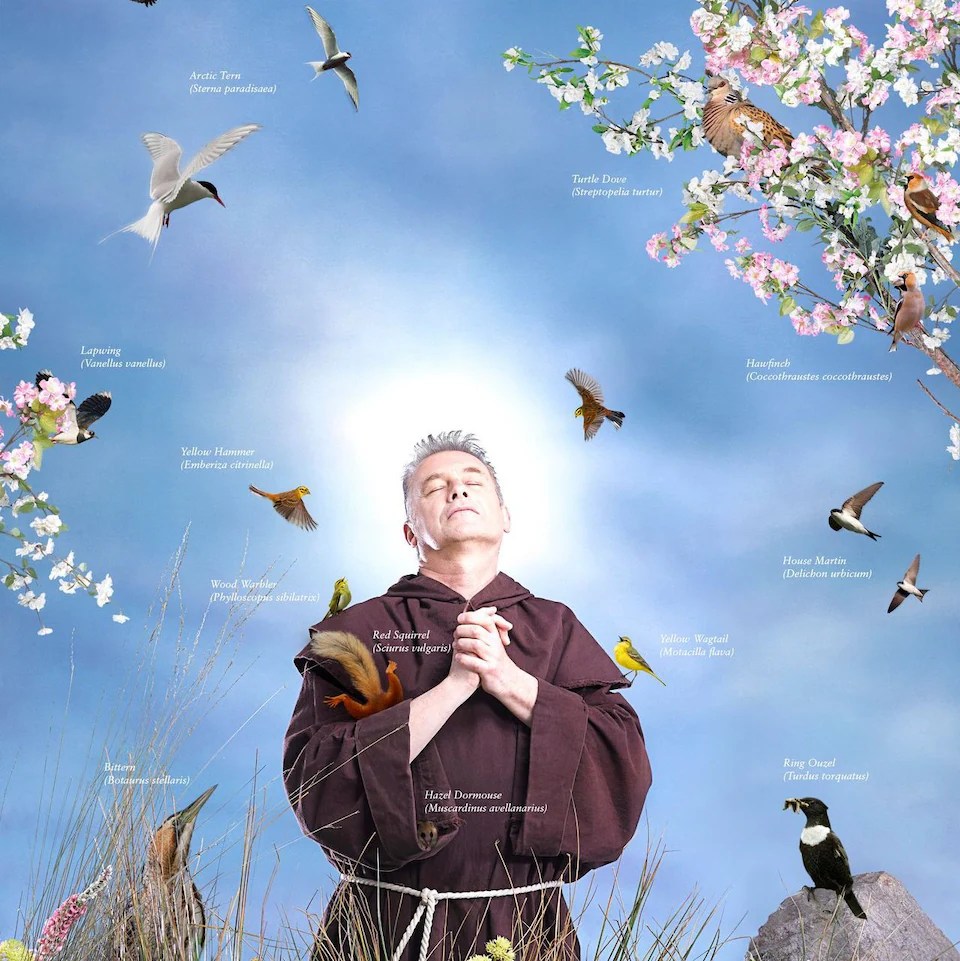
Originally commissioned by Radio Times magazine to mark Earth Day, it is the work of photographic artist Richard Ansett.
Packham is surrounded by images of some of the UK’s most endangered species. Mr Ansett said it also made reference to Packham’s neurodiversity – the presenter was diagnosed with autism in his 40s.
“I hope that every pixel of this portrait offers a safe space for anyone challenged by neurodiversity. Packham’s remarkable connection to the natural world drives him relentlessly to save us from ourselves,” Mr Ansett said.
The portrait of Packham is available to view until May 21 at the former chapel, where it is described as a work “elevating him to the status of living saint”.
Chris Packham is surrounded by some of the UK’s most endangered species in the artwork Credit: Richard Ansett/Radio Times
Packham said: “This photo is about a fundamental level of engagement, an engagement of equals. It conveys the importance of nature to heal us, provide us with a sanctuary in times of terrible trouble.
“But the species featured are also rare or declining so it serves to remind us that our one and only home, our Earth, is on a brink too many are refusing to see and act to protect and repair.
“This is a photograph about love, a love of life, all life.”
The featured species include the red squirrel, the house martin, the woodcock and the hedgehog.
Mr Ansett, an award-winning photographer whose previous works include Sir Grayson Perry in the style of the Madonna and Child, added that the Packham portrait “recognises the difficulties that he has prevailed over to become a success in his career and a positive light for so many people”.
It is “a personal tribute to Packham’s humanity in challenging the worst parts of ours, in our ambivalence to the destruction created in the wake of our own needs”, the photographer said.
Firstly, we wish to welcome all our international visitors to the site https://clustrmaps.com/site/1a9kn – we hope that you find our posts interesting and informative; and trust you can use the data to act as a supplement to your personal campaigning. Regards, Diana and Mark.
As MEP’s, or Members of the European Parliament, prepare to vote on the landmark regulations for the welfare of both dogs and cats, animal protection organisations are sounding the alarm – proposed amendments and exemptions could undermine the regulation, thus leaving millions of cats and dogs unprotected.
In December 2023 the European Commission (EC) unveiled the first ever regulation on the welfare of dogs and cats – a move which was greatly applauded by welfare organisations and EU citizens alike.
It is now concerning however that a solid proposal from the commission; strengthened by the EU Council, is now at risk of being significantly weakener by some political groups with the European Parliament. MEPs now have a chance to step up their reputation and their game by upholding a regulation that delivers for all companion animals.
Welfare organisations are particularly concerned about:
The possibility for cats to be exempted from identification and registration (I and R) and breeding requirements. Without mandatory I and R authorities cannot trace ownership, fight illegal breeding or manage disease outbreaks. In addition to protecting cat welfare, mandatory I and R could reduce costs to public authorities by up to 25 billion Euros EU wide.
A proposed amendment to exempt small and household breeders from registration and other responsibilities. One unregulated household breeder can be responsible for up to 100 pups or kittens in an animals lifetime. Without controls, this could lead to breeding in areas which are both unsanitary and unethical (puppy mills), an exponential increase in the number of strays, which in turn leads to an increase in pressure on the numbers of excellent shelters which ARE ALREADY OPERATING AT MAXIMUM CAPACITY around the EU.
Leaving out Hunting and Military dogs, despite them having the same behavioral and health needs of any other dog. Allowing mutilations and other painful practices under the guise of ‘preserving health’ is known to cause significant suffering and trauma to these types of dogs.
Watering down of breeding practices, with a possibility of lowering the breeding age of female dogs to 12 months, and allowing for artificial insemination in most cases. Breeding from animals which are unable to mate naturally often perpetulates hereditary problema and poor welfare outcomes.
Other companion animals left unprotected. Animal welfare organisations call for the proposal to offer a legislative opening to the future for other companion animals to be protected, through the production of an EU wide positive list which would be a tool stipulating which animals would be allowed as pets. This will address the current inconsistent Member State rules, enforcement gaps and loopholes which are currently undermining international welfare.
Crazy ? – NO – ASK EU POLITICIANS FOR THEIR VIEWS.
Chris Packham; known to all of us in the UK for his environmental knowledge and especially as a television wildlife campaigner; narrates a video for ‘Animal Aid’, of which he is a Patron, called ‘Killing Our Countryside’.
The film reveals the damage done to the British countryside and wildlife by the shooting industry’s mass release of tens of millions of pheasants and partridges for shooting ever year.
The film, and accompanying campaign, make the argument for a ban on the production and release of birds for shooting.
The film also reveals what many people have not seen; the method of raising these birds which are bred to die – simple as that !
Kruger Park rangers on the poisoning scene. (Photo: EWT)
08 May 2025
Eighty-four vultures have been rescued after a mass poisoning event in the Kruger National Park, one of the largest incidents of its kind recorded in southern Africa.
An elephant carcass, laced with poison and surrounded by more than 100 dead vultures, marked one of the most devastating wildlife poisoning events yet seen in the Kruger National Park. Remote sensing triggered a scramble to save birds that were still alive.
In a coordinated emergency operation spanning helicopters, ambulances and nearly 24 hours of intensive care, 84 poisoned vultures were pulled back from the brink.
The operation this week was undertaken by a combined team of South African National Parks rangers and Endangered Wildlife Trust (EWT) officials in the park’s Mahlangeni Section, where the elephant carcass was found.
According to Gareth Tate, head of EWT’s Birds of Prey Programme, the organisation’s wildlife poisoning detection system triggered an alarm, flagging suspicious activity.
“The following morning, SANParks rangers conducted surveillance and uncovered a mass poisoning event involving more than 120 dead birds,” Tate said. “It was a shocking, gruesome scene.”
By 8.20am the joint team had arrived on site. They discovered 122 dead vultures, including 102 white-backed vultures, 20 Cape vultures and one lappet-faced vulture – all species listed as endangered or critically endangered. Several vultures were found alive but severely affected.
Tate described the rescue as a “world-class operation” involving two ground teams, helicopters, 12 vehicles and the EWT’s specialised Vulture Ambulance. Emergency treatment was administered in the field, including atropine to reverse the effects of the poison on the birds’ nervous systems, activated charcoal to bind toxins, fluid therapy and a procedure to flush and milk the vultures’ crops to remove ingested poison.
“We’ve developed a strict protocol over the years and we’ve achieved about a 98% success rate for birds found alive,” Tate explained. “Those first 24 hours are critical. If we can get them through that, they have a good chance of survival.”
Vultures were being deliberately targeted both to conceal illegal activities and to harvest body parts for the illegal wildlife trade and traditional medicine markets.
A total of 84 vultures were rescued alive. Of these, 45 were transported in the EWT’s mobile vulture ambulance and 39 were taken by helicopter to care facilities. Five of the rescued birds died despite treatment, but 83 remained alive as of the following morning, representing a 96% survival rate.
SANParks Pilot Bradford Grafton with one of the rescued vultures. (Photo: SANParks)
Eighty-four vultures have been rescued by a joint team of SANParks rangers and Endangered Wildlife Trust (EWT) following a devastating poisoning incident in the Kruger National Park. (Photo: EWT)
Reinforcements were swiftly deployed. Support teams from the Moholoholo Wildlife Rehabilitation Centre, Briner Veterinary Services and Wildscapes Veterinary Services were mobilised within hours and worked through the night to stabilise each bird and keep them alive.
“This was one of the largest and most coordinated vulture rescues ever conducted in the region,” Tate said. “The collaboration between SANParks, vets, NGOs and rangers was remarkable.”
This is intentional genocide of vultures. It’s absolutely malicious and a silent killer.
The poisoning involved agricultural toxins placed on an elephant carcass, a method increasingly used by poachers to kill vultures that might otherwise alert rangers to poaching sites by circling overhead. Tate said vultures were being deliberately targeted both to conceal illegal activities and to harvest body parts for the illegal wildlife trade and traditional medicine markets.
“Vultures are being systematically removed from the landscape,” Tate warned. “This is intentional genocide of vultures. It’s absolutely malicious and a silent killer.”
“They’re targeting vultures for their brains, heads and feet,” Tate said. “There’s even evidence that poisoned vulture parts are ending up in muti markets, meaning that toxic substances are being sold to unsuspecting users.”
Broader crisis
This incident forms part of a broader crisis facing vultures across southern Africa. The birds play a key role in ecosystems by consuming carcasses and reducing the spread of disease. Their absence leads to carcasses lingering longer in the environment, increasing the risk of disease transmission to other wildlife and humans.
The decline of vultures has been linked to knock-on effects seen in other regions: in India, the collapse of vulture populations due to veterinary drug poisoning led to a boom in feral dog numbers and a corresponding rise in rabies cases.
Kruger hosts at least five regular vulture species: the white-backed vulture (Gyps africanus), the most common; the Cape vulture (Gyps coprotheres), mainly found in the park’s north; the lappet-faced vulture (Torgos tracheliotos); the hooded vulture (Necrosyrtes monachus) and the rarely seen white-headed vulture (Trigonoceps occipitalis). Each species occupies a niche at carcasses, forming an efficient clean-up system.
Each adult vulture killed is not just an immediate loss – it’s a loss of future generations.
However, their numbers are declining due to a number of pressures. Many species breed slowly, raising only one chick per year. Their nesting habitats are shrinking as large trees along rivers are lost, often from increased elephant activity. Without sufficient nesting sites, reproductive success drops. Poisoning events exacerbate these losses, wiping out breeding adults and chicks alike.
Poisoning incidents targeting vultures have increased. Poachers use pesticides like carbofuran, a highly toxic agricultural chemical, to lace carcasses. Vultures that feed on the poisoned remains are removed as natural sentinels from the ecosystem. Other scavengers, including jackals, lions, hyena and ground hornbills, also fall victim.
“Unlike targeted poaching of individual animals, poisoning takes out entire species indiscriminately,” Tate said. “Each adult vulture killed is not just an immediate loss – it’s a loss of future generations.”
Efforts to address the issue include increased patrols, training poison response teams and establishing artificial feeding sites to provide uncontaminated food. Conservationists stress that long-term solutions will require stronger regulation of agricultural poisons, improved enforcement against wildlife crime and engagement with communities living near protected areas.
Community outreach initiatives by the Kruger Park have begun, aiming to reduce demand for vulture parts in belief-based practices and build support for conservation. However, scaling these measures to meet the size of the problem remains a challenge.
Tate emphasised the need for stricter penalties for those responsible. “These individuals need to be caught and the penalties must reflect the seriousness of the crime – they’re killing critically endangered animals.”
Natural waste disposers
The rescued vultures continue to recover under veterinary care and will be released once they are fit to return to the wild. “Some of them are so strong that we’re planning to release them this Saturday,” Tate said.
Conservationists hope the surviving birds will resume their vital ecological role as natural waste disposers, limiting the spread of disease in the ecosystem. The poisoning incident highlights the vulnerability of vultures to deliberate targeting, the ecological consequences of their decline and the urgent need for interventions.
“Without vultures, carcasses take longer to decompose, leading to increased risks of disease,” Tate said. “Their loss disrupts a delicate balance. We need to act now to protect them.”
As the surviving vultures recover, conservationists warn that the battle to save these birds is ongoing. Preventing future poisonings, preserving nesting habitats and raising awareness about their ecological importance will be essential to ensure that vultures remain part of Kruger’s skies. Each circling silhouette is a sign that the clean-up crew is still at work, maintaining the health of the ecosystem for wildlife and humans alike.
So – here we go. Found this truly wonderful publication serving the good people of Michigan, and their clearly totally derailed connection to nature and all that lives within her. Calls itself the “Michigan Enjoyer” (?????). Your average nutcases’ daily publication.
Far be it from us to give this filth a forum here, we think we need to show what happens out there in remote uncivilised corners of the North-American continent – the better to understand why it is the US is such a great, internationally respected leader of the free world ….
Right – tell you what’s cool: seeing these guys hang head down from a tree with a small fire underneath .. if they’re so keen on the Wilds, and bygone times of “Adventure” and all that “strong men” shit, bring back the scalpers and skinners of the white invader! Clearly it’s been too long …
And as if that wasn’t enough from lovely Michigan, here’s more: (Nuisance???)
A new lethal and legal way to deal with nuisance geese will be implemented in Michigan this year. As annoying and bullish as these Canada geese may be, I still don’t feel very good about this new method to remove them. Here’s what we know so far:
According to a report from MLiveMichigan is moving forward with the new pilot goose removal program– despite pushback. While the state isn’t exactly encouraging the gassing of nuisance Canada geese it will be permitted in certain circumstances.
Canadian Geese v. Canada Geese
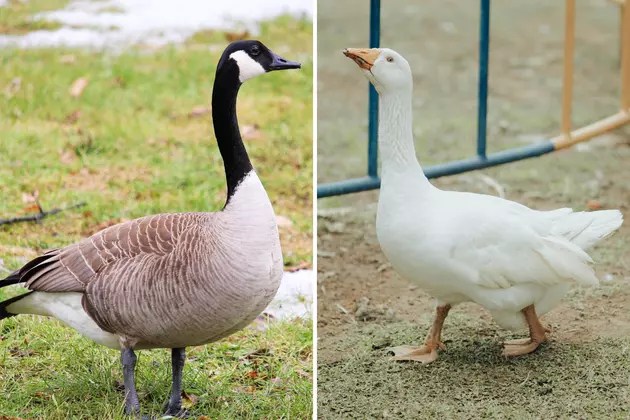
There is a difference. I, like many, have referred to the black and brown geese spotted all throughout Michigan as “Canadian geese” in the past however that’s not quite accurate. The term Canada goose refers to a particular species, Branta canadensis, while grammatically, the phrase Canadian goose could refer to any goose from Canada. Get it?
The Michigan DNR has long offered help and relocation services to private landowners and has even adapted hunting regulations when it comes to Canada geese in particular, but what are landowners, businesses, and golf courses supposed to do when they exhausted every option? DNR Wildlife Biologist and Acting Waterfowl Specialist Kaitlyn Barnes told MLive,
The Michigan DNR has long offered help and relocation services to private landowners and has even adapted hunting regulations when it comes to Canada geese in particular, but what are landowners, businesses, and golf courses supposed to do when they exhausted every option? DNR Wildlife Biologist and Acting Waterfowl Specialist Kaitlyn Barnes told MLive,
Why is This Necessary?
Not only is the highly contagious bird flu a factor but think about all the nuisance geese that pester children and families at parks, loiter outside nursing homes, and leave so many droppings that beaches are forced to close due to E.coli. I hadn’t even considered this, but MLive mentions goose feathers and feces can clog pipes at local wastewater treatment plants.
Again, I understand why this would all be necessary but I really don’t think it’s fair to the geese and their young. I’m not for the killing of innocent animals and that’s exactly what they are!
********************
Update: More Animals Added to Michigan’s Year-Round Hunting List
The Michigan DNR has added the following animals to the state’s year-round hunting list. Land owners may kill these animals on their property with no special permits required.
Gallery Credit: Lauren Gordon
FOX SQUIRREL
According to the Michigan DNR nearly 70% of the state’s Fox Squirrel population can be found in southern Lower Peninsula of Michigan. You’ll see them everywhere from forest to farmlands to city parks– and everywhere in between.
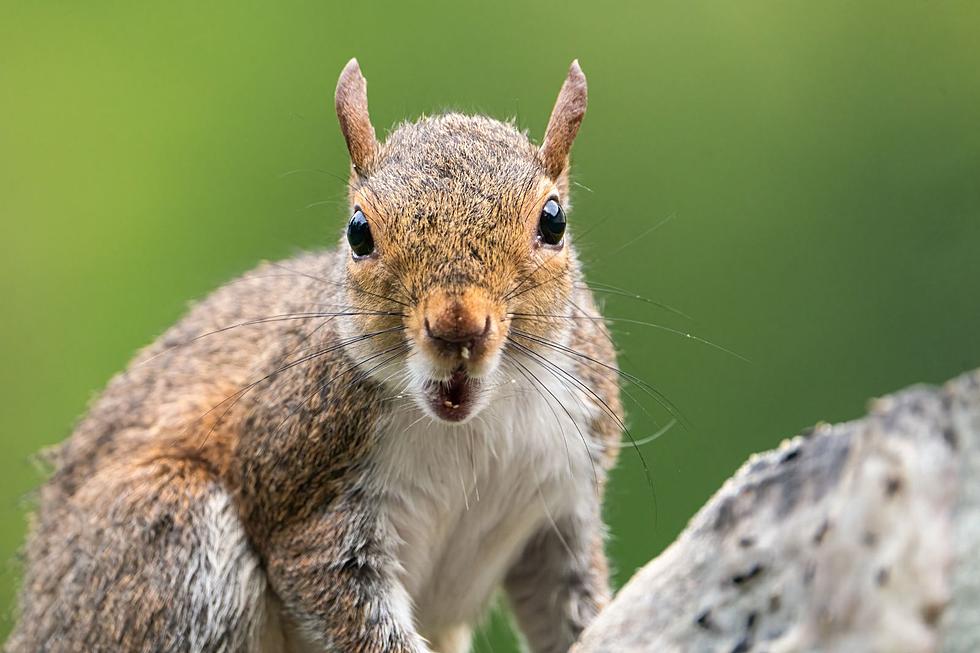
GRAY SQUIRREL
Also called the Eastern Gray Squirrel, these critters typically nest and live the majority of their life within a single nest tree and is the least social of Michigan’s six squirrel species.
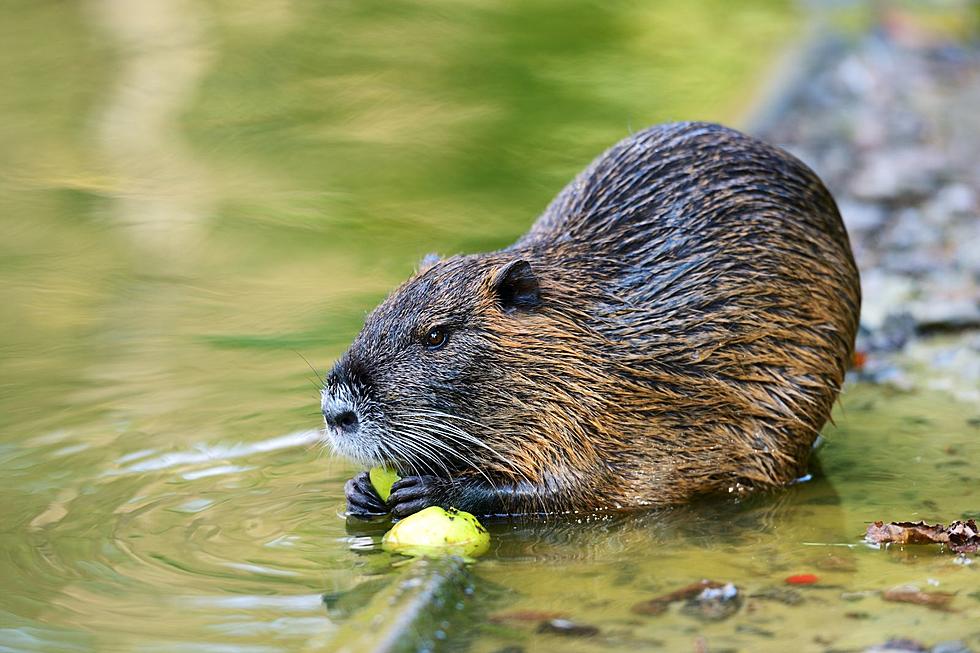
BEAVER
The majestic beaver was added to Michigan’s year-round kill list as their dams can cause flooding and block culverts.
MUSKRAT
It’s hard to tell a beaver from a muskrat, but the difference is in the tail! The Michigan DNR warns that muskrat burrows can weaken shorelines, dikes, and riverbanks.
COTTONTAIL RABBIT
Poor, Peter Cottontail. Much like squirrels, these rabbits are known to chew through structure or equipment wires.
Animals You Can Hunt All Year in Michigan
Gallery Credit: Maitlynn Mossolle
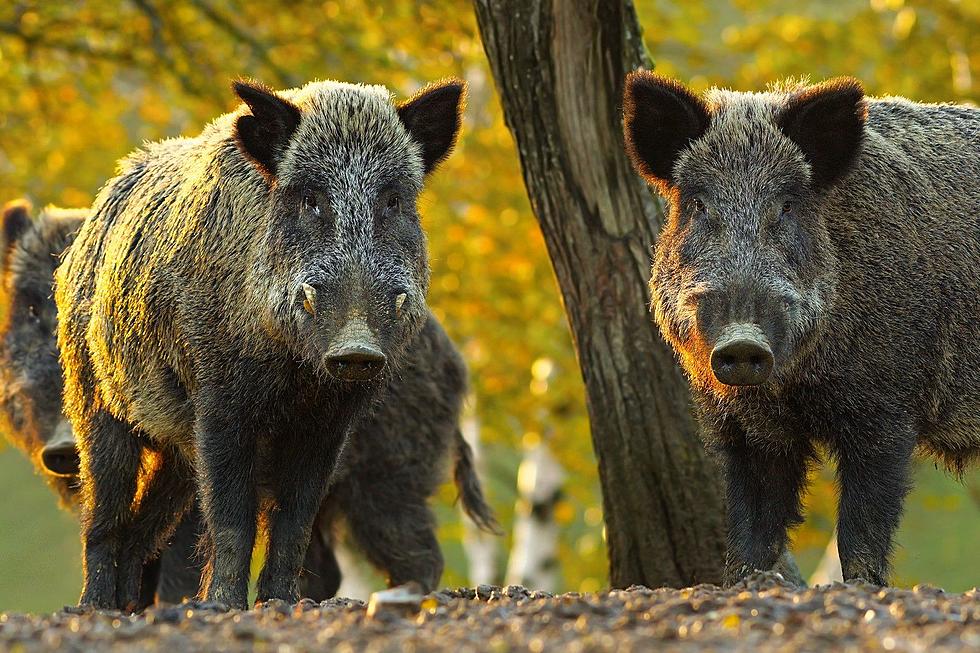
RUSSIAN BOAR
Uh…yeah…did you know these even exist here in Michigan because we sure didn’t until we saw the DNR say you can freely hunt these all year! According to Michigan.gov these are a highly invasive species that were only introduced either by “Intentional release” or “escape from captivity.” They are particularly dangerous which is why you are welcome to hunt them and encouraged to report when you do see them.
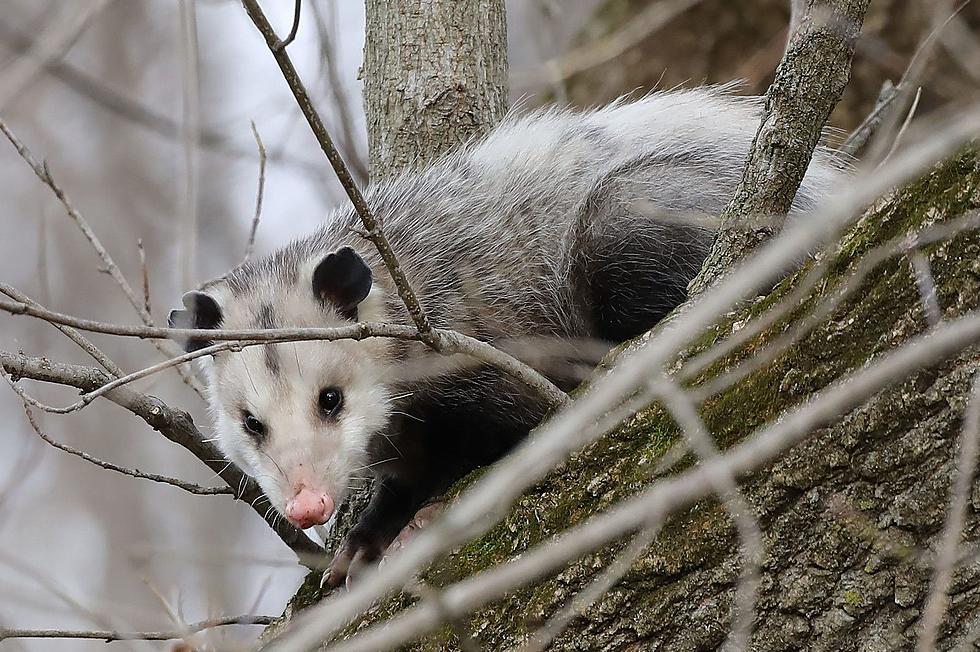
OPPOSSUM
While some may think these critters are pretty cute, they are also commonly known to be pests. That’s why, though people may not actively hunt these for their meat or for the “thrill of the hunt” but if you happen to kill one that’s been rummaging your trash, harassing your pets, etc. you are welcome to kill them as well.
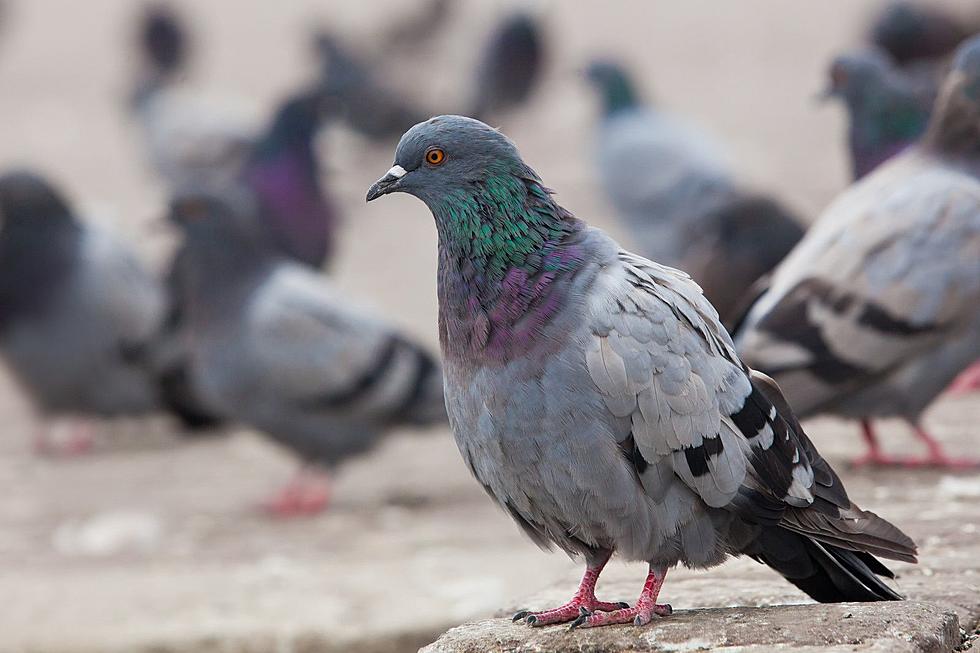
FERAL PIGEONS
Now we’re not entirely sure what the difference is between regular pigeons and “feral” ones but the Michigan DNR says you can hunt the feral ones as you please. We assume there are some people keep for pets for some reason?
RED SQUIRRELS
Now, regular squirrels are pretty cute and pretty harmless (for the most part) but RED SQUIRRELS…well, they were put on this Earth for one purpose: Chaos. They get into everything, chew on electrical wires and just really do not know their place other than to ruin everything. The Michigan DNR says you are welcome to kill them as much as the day is long.
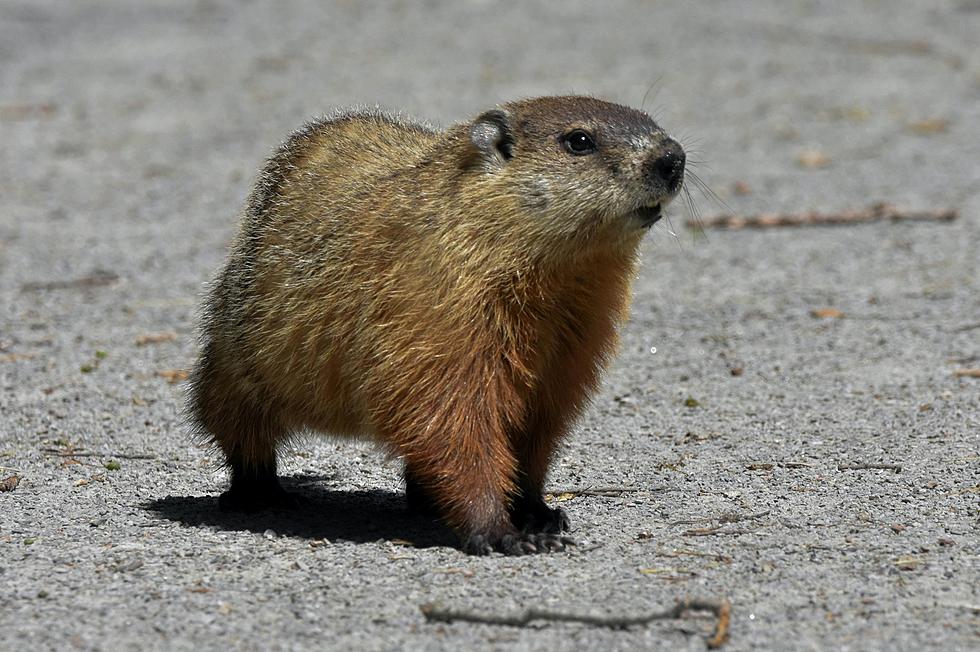
WOODCHUCK “How much wood could a woodchuck chuck if a woodchuck, could chuck…” Yeah, these critters may have inspired a fun little rhyme but at the end of the day, MSU Extension’s Fisheries and Wildlife division says you can kill them if they are causing damage to private property. And boy, can it be extensive.
HOUSE SPARROW
Now these birds may look all teeny and cute, but MLive reports they are known for displaying behavior that can threaten the survival of other birds. You can CLICK HERE to read more but long story, short, these little guys are actually kind of a**holes. You are welcome to shoot them all year, though, it may be easier to find some way to trap them instead.
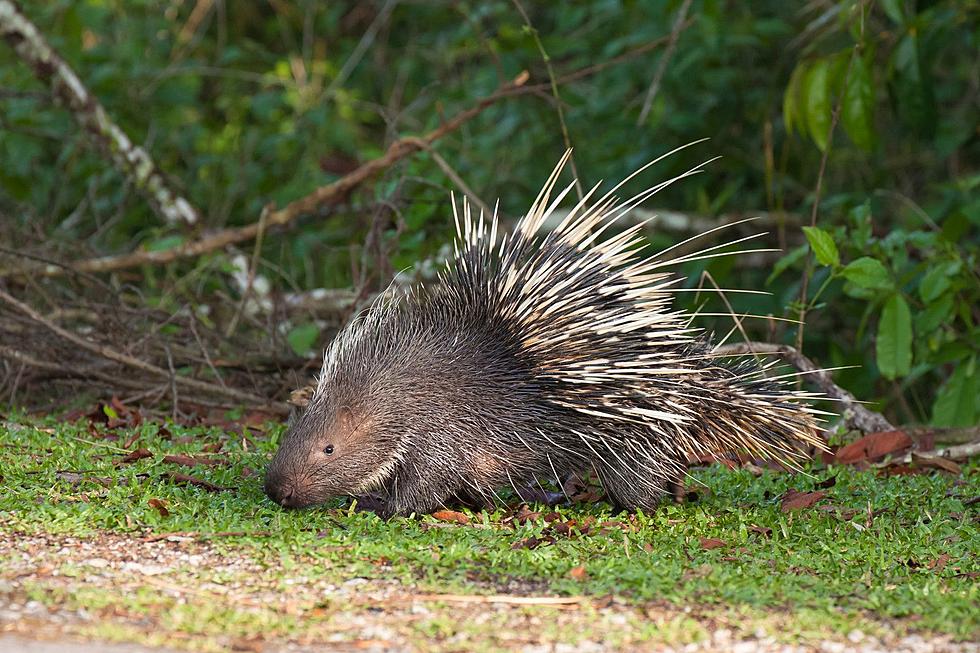
PORCUPINES
We probably don’t have to go into too much detail about what is wrong with these animals and why you are able to hunt them year-round…however, a point we would like to make is that people had pet hedgehogs forever and they’re basically just mini porcupines, no?
GROUND SQUIRRELS
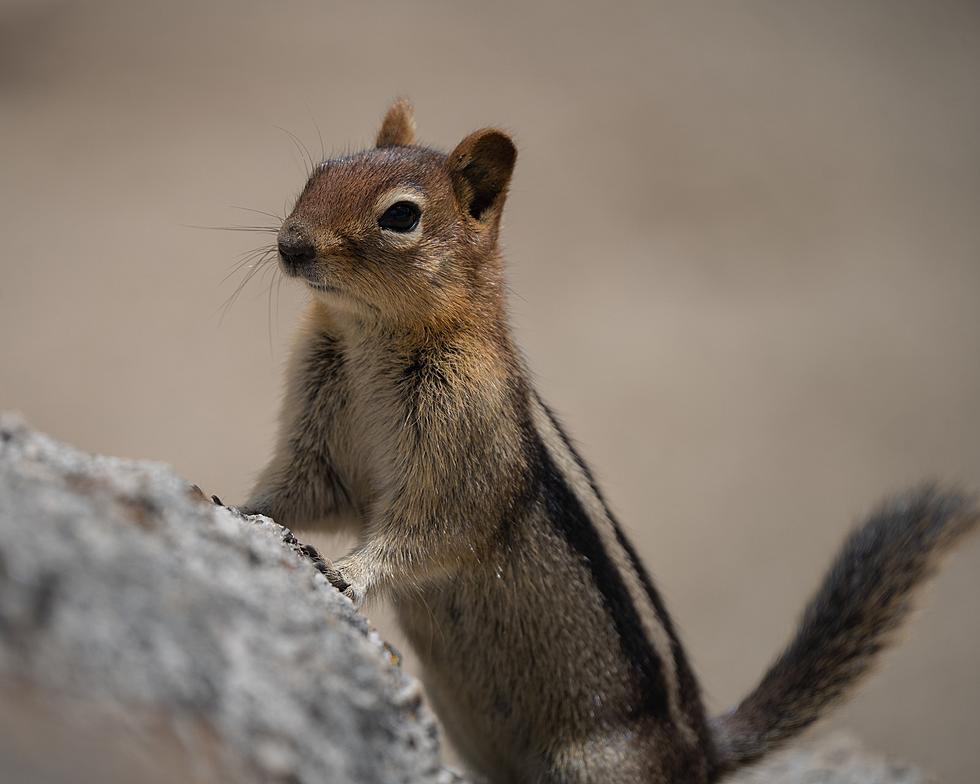
Am I missing something here, these are what we commonly refer to as “chipmunks” right? Has our entire lives been a lie? Should it really be “Alvin and the Ground Squirrels”? Anyways, here is yet another animal that probably needs no explanation as to why you can kill it year round with no interference from the Michigan DNR…just don’t get ridiculous with it…that could mean you have some deeper issues.
STARLING
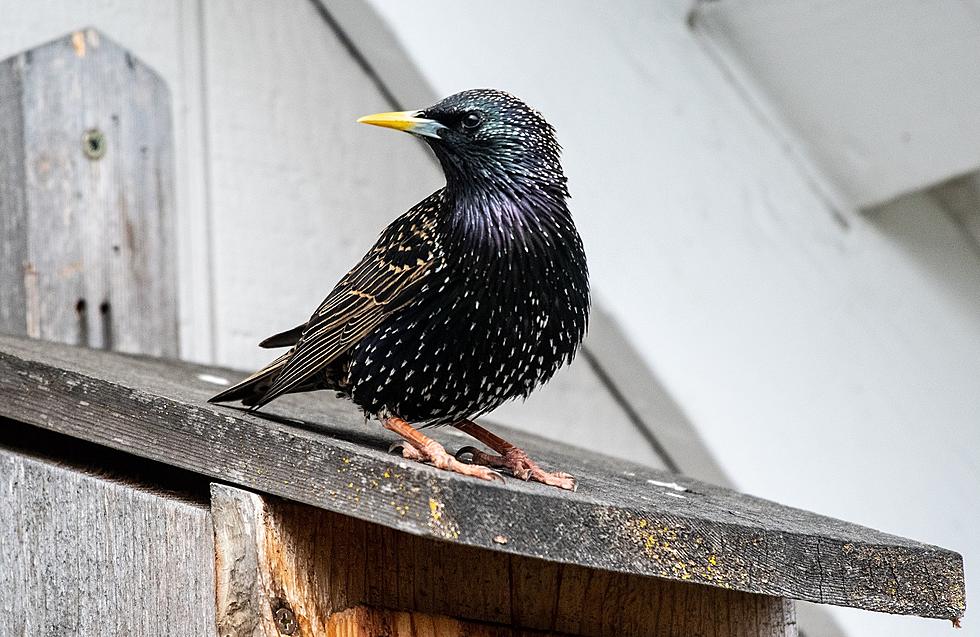
Much like the house sparrows, Starlings also pose a threat to other native bird species. Michigan.gov says, “English sparrows, feral pigeons, and starlings may be taken by hunting statewide, year around except within state park and recreation areas from April 1 to September 14.”
WEASELS
While like other animals on this list, weasels are cute, but they are considered pests here in Michigan. Of course, with our state’s history in the fur trade it’s not all that surprising, yet it still somehow is. According to Michigan.gov, “Opossums, porcupines, weasels, red squirrels, skunks, ground squirrels, woodchucks, and feral swine may be harvested year-round, statewide with a valid Michigan hunting license. There is no bag limit for these species.”
SKUNKS
As mentioned with the previous critter, skunk is still part of Michigan’s fur trade which means you are open to kill them. However, I have to wonder, are they like stink bugs where if you kill them, it releases the stench? Someone please explain.
. and so forth …
It truly does make you wonder about the clearly highly disturbed mental health of the people of Michigan, or certainly a large portion. What, one cannot but wonder, do they do with themselves, if they do not go out and kill wildlife???