I came across this fantastic program / series yesterday. It is a fantastic documentary about a man who decides to convert some waste land into a naturally wild garden. So sit back and enjoy – Mark.
So, what is coppicing ? An technique undertaken in Kent and a few other SE counties singe Roman times – I think it best to refer you to wikipedia and Forest Research to give you very detailed information:
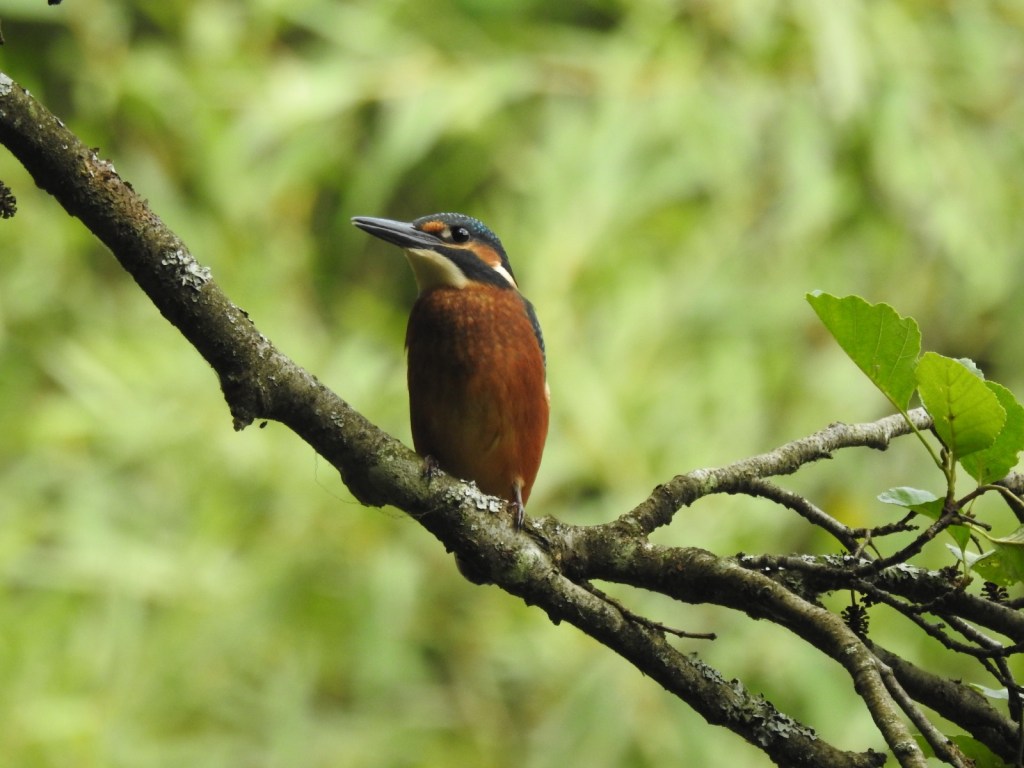
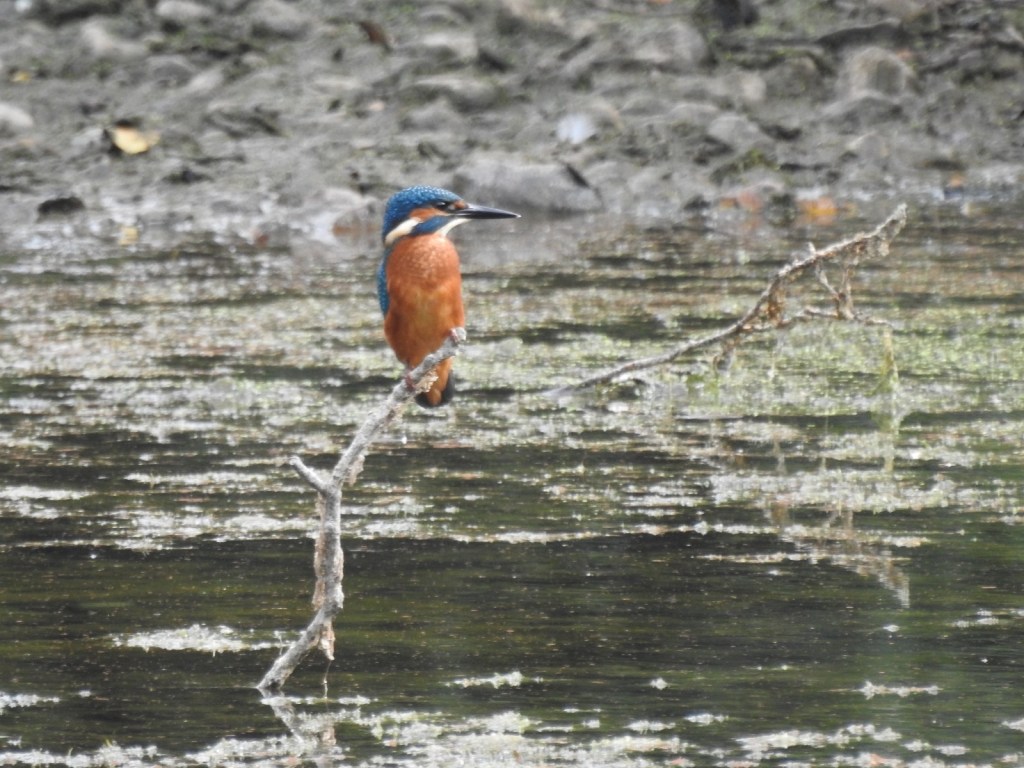
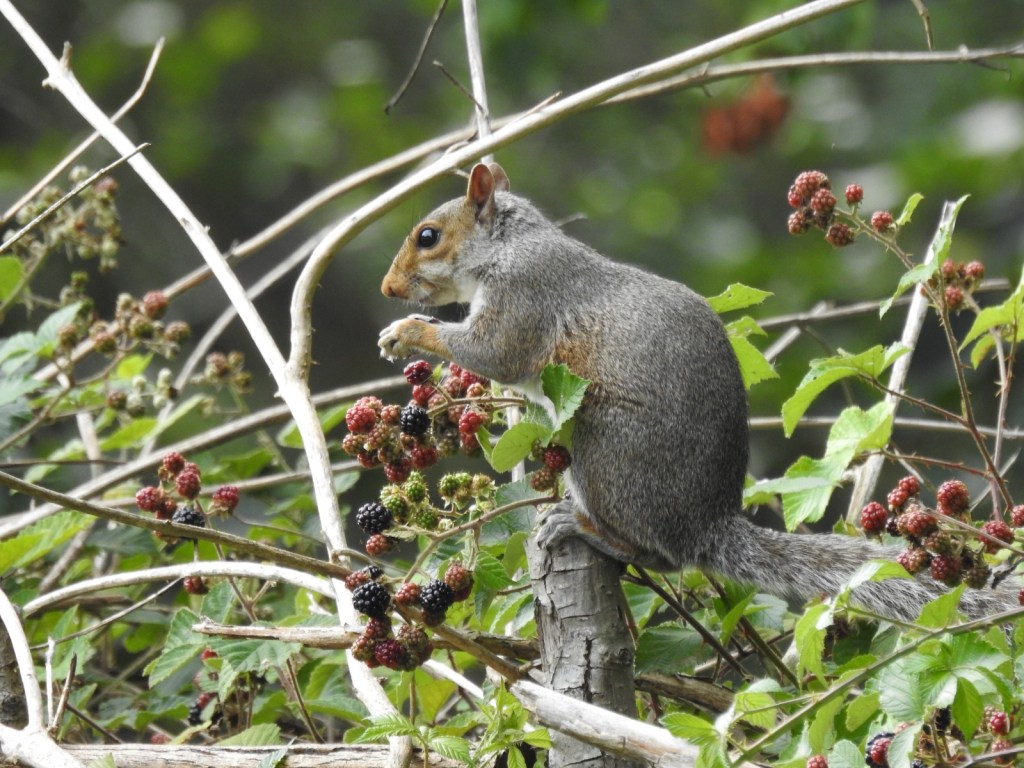
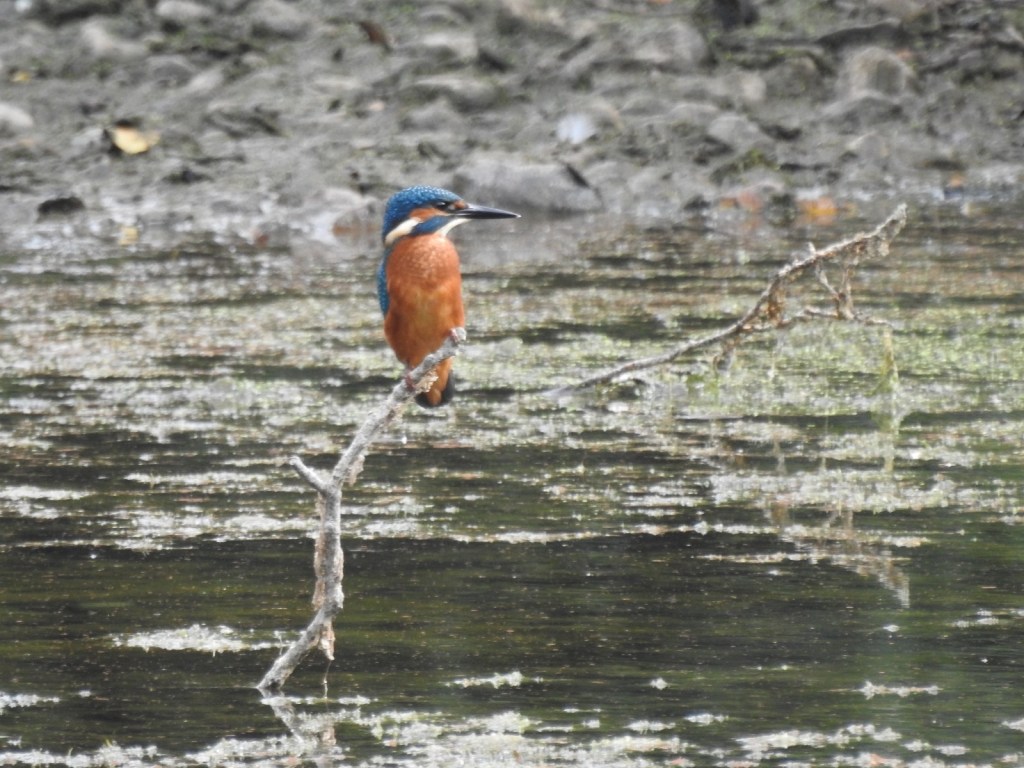
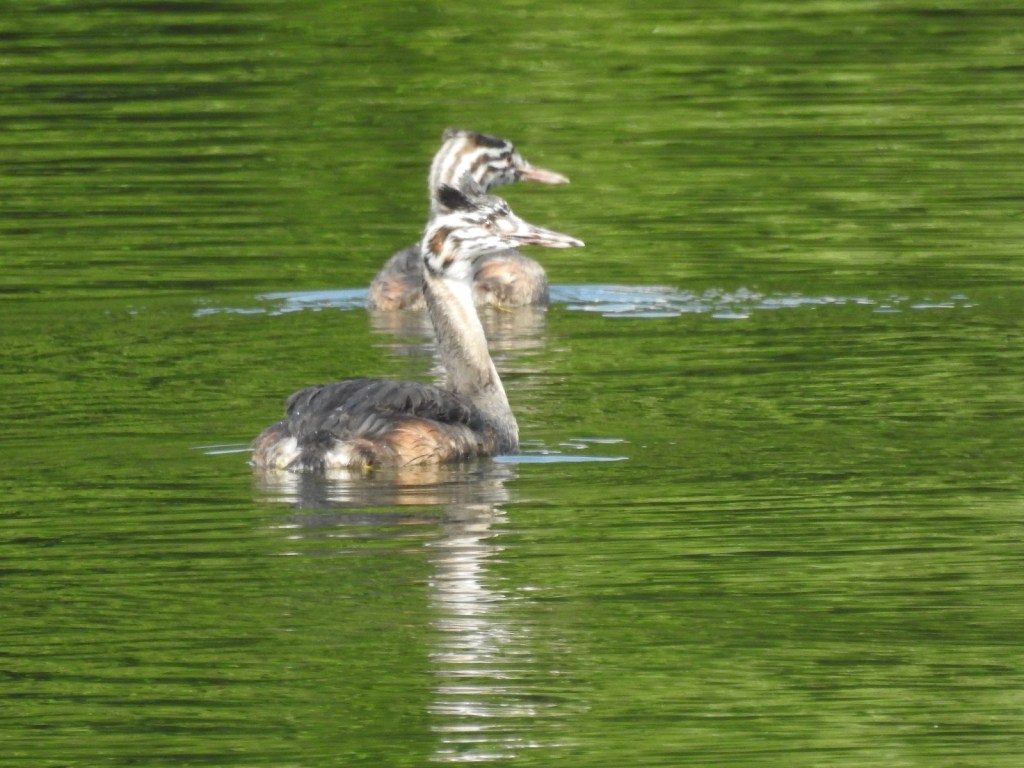
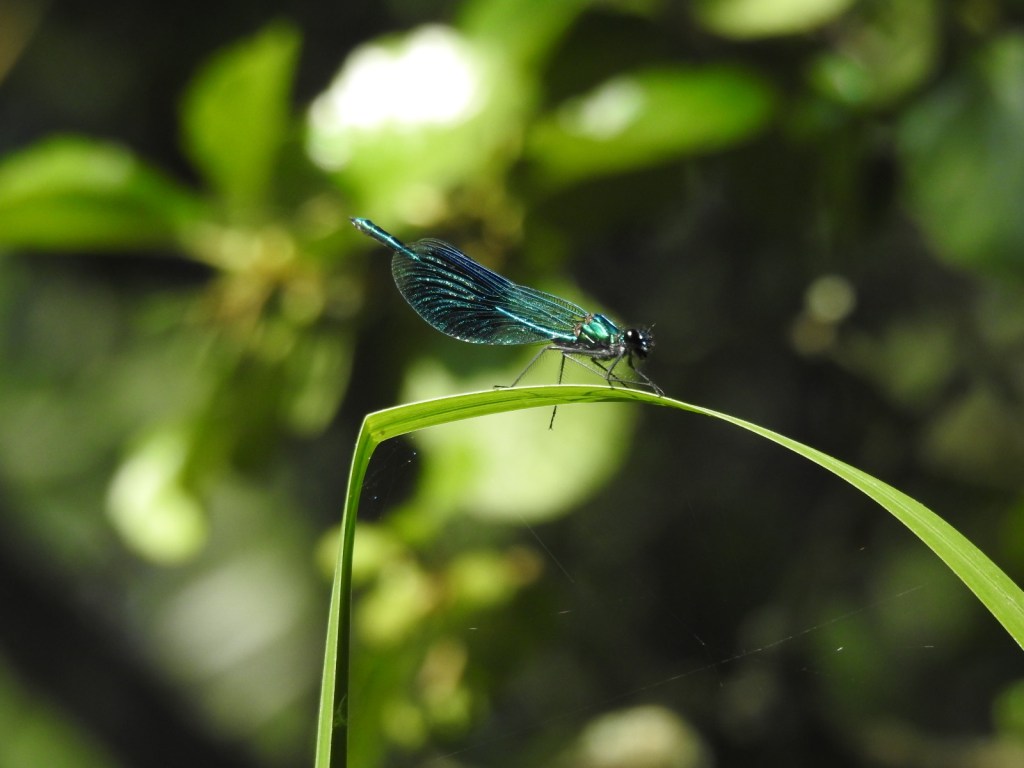
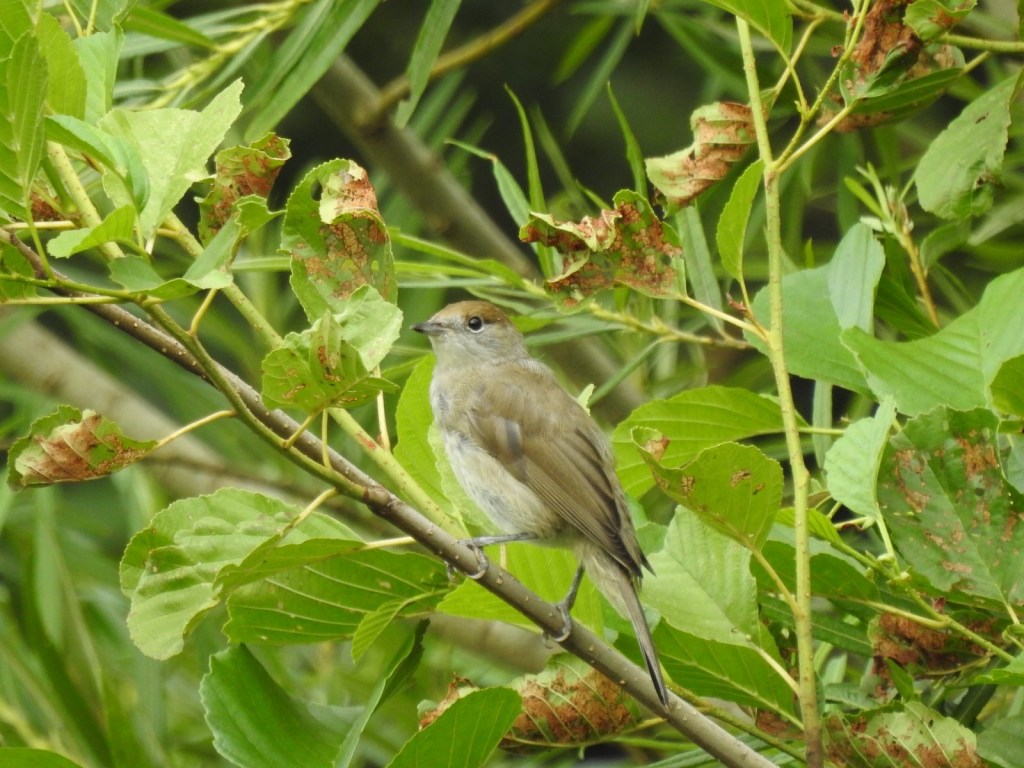
Coppicing is a special technique used by specially trained persons. Branches are cut back at special angles almost to the original tree stump, but the regrowth which then happens provides more control of the woodland. Coppicing is undertaken at regular intervals and from the WAV side of things, that being animals, the coppiced fencing techniques are used as borders around small fields (not huge endless areas as seen in some other nations) in the UK, which in turn then provide encouragement for lots of wildlife to live – including birds, badgers, foxes, rabbit and hares, deer and especially butterflies, moths and bees which are sadly in decline.
Coppicing is a dying trade performed by specialists. It retains beautiful woodland, whilst encouraging a huge range of wildlife animals. It needs encouragement to retain this technique – it must never be allowed to die out – Regards Mark.
28 environmental charities have served a spoof planning notice to MPs, warning that the Planning & Infrastructure Bill is an application to demolish wildlife
The coalition is calling on Government to urgently fix the Bill with amendments to uphold wildlife protections and help nature recover at the same time as supporting sustainable development—to make the planning system ‘Wilder By Design’.
Writing to charities a year ago, the Deputy Prime Minister said the Government “will not legislate” to amend key nature laws if it would weaken them. In the opinion of the Government’s own nature watchdog, the current bill breaks that promise.
Nature loss in the constituencies of Ministers proposing the reforms is also highlighted today.
MPs have today been served spoof planning notices warning that the Government’s proposed Planning and Infrastructure Bill will ‘bulldoze environmental protections and demolish nature and local greenspaces’ unless crucial changes are made. Conservationists are also highlighting examples of nature loss in the constituencies of key ministers, drawing attention to the wildlife losses that could be worsened by the Bill.
Charities met the Secretary of State, Steve Reed, last week (Thurs 15 May) where they warned that the Bill as it stands would break Government nature commitments. Following this, 28 charities, including the RSPB, the National Trust, The Wildlife Trusts, the Mammal Society, People’s Trust for Endangered Species, and Wildlife and Countryside Link have mailed the spoof notices to all English MPs and Ministers, including the Prime Minister and Secretaries of State, Steve Reed, and Angela Rayner. Environmentalists are calling for MPs to support amendments that will deliver a planning system which works for nature, communities and sustainable development for generations to come.
In July 2024, the Deputy Prime Minister wrote to nature charities to say that the Government would not legislate to amend nature protections in a way that would weaken environmental law. According to the Office for Environmental Protection, environmental lawyers, and nature experts, the Government is now breaking that promise with the current version of the Bill and it must be amended.
England is currently facing a nature crisis, with 1 in 6 British species at risk of extinction, a 32% decrease in wildlife populations since 1970 and the UK among the worst 10% globally for nature loss, alongside 40% less greenspace in new developments compared to older housing. That crisis is being played out across the country. From Steve Reed’s Streatham and Croydon constituency seeing notable losses of butterflies and common birds like the blue tit, to Angela Rayner’s constituency in Greater Manchester seeing a 90% decline in recorded insect species, charities warn that the Bill risks speeding up the loss of nature and disappearance of community greenspaces.
In Chancellor Rachel Reeves’ Leeds West and Pudsey constituency just 1 out of 7 SSSIs in the area is in favourable condition. 1 in 5 species across Yorkshire have declined by more than 25% in the last 30 years: including swifts declining by 50% and red squirrels by 69%.
In Secretary of State Steve Reed’s constituency of Streatham and Croydon North, has seen records of Small Tortoiseshell Butterflies (Aglais urticae) drop to just 10 a year, compared to over 200 a year during the 1990s, and common bird species like Blue Tits (Cyanistes caeruleus) are down more than 10% in the last 20 years. Water voles have largely disappeared from this area and other London constituencies, with just a handful of river sites where they can be found.
In the Ashton-under-Lyne constituency of Angela Rayner, Secretary of State for Housing, Communities and Local Government: records of Great Spotted Woodpeckers (Dendrocopos major) have decreased by 68% since 2007 and Song Thrush (Turdus philomelos) by 68% since 2008. The last inspection of the Hollinwood Branch Canal SSSI protected nature sites found they were in a declining condition. The Huddersfield Narrow Canal SSSI was also found to be in an unfavourable condition.
Richard Benwell, CEO of Wildlife & Countryside Link, said: “As it stands, the Planning Bill is set to demolish legal protection for nature and pave the way for destruction of wildlife. So far, the proposals are a mile away from the Government’s aim for a win-win for nature and development. Even the Government’s nature watchdog agrees that it would damage environmental protection.
“It’s disappointing that Government rejected constructive amendments that could put the Bill back on firm foundations for nature protection and greener development. But we heard Ministers acknowledge the case for change and now we urge them to follow up with quick and decisive fixes for the Bill’s serious flaws. Without major improvements, Parliament should reject these damaging proposals.”
Beccy Speight, RSPB chief executive, said: “This should have been a once in a generation opportunity to create a planning system that helps restore nature at scale while delivering for communities and the economy. Instead, promises from the UK Government have been kicked into the long grass and we’ve been left with a Bill that as currently drafted risks species extinction, irreversible habitat loss and threatens legally binding Environment Act targets. Handing developers a license to destroy precious habitats and species for a fee is not what was promised, and certainly not what our natural world and the people of this country need and deserve. If the UK Government is to maintain a shred of credibility on the environment we must see substantial amends to part three of this Bill without delay.”
Hilary McGrady, Director-General of the National Trust, said: “With the right planning laws in place, we can restore our dwindling wildlife, increase the green spaces near where people live and build much-needed new homes surrounded by great nature. But as it currently stands, the Bill risks doing the very reverse, as the Government’s own nature watchdog has pointed out.
“The question for the Chancellor and the Prime Minister is do they want to be remembered as the Government that brought nature back into millions of people’s lives? Or do they want to further deprive current and future generations of this essential, universal need?”
James Cooper, Head of External Affairs at Woodland Trust, said: “The Government’s Planning and Infrastructure Bill risks taking an axe to our natural environment. In its current form, it could fatally undermine decades-old protections, including those of ancient trees and woods, which are already in need of better protection.
“Public outrage over the felling of treasured trees like the Sycamore Gap and Whitewebbs Oak shows just how important green spaces are to people. Nature is a necessity – not a blocker to be dealt with. The Government urgently needs to rethink its bill and put woods, trees and wildlife at the heart of its reforms, delivering the win-win it promised. This means embedding nature in planning so that everyone can benefit from it – regardless of where they live.”
Craig Macadam, Buglife Director of Conservation, said, “The current Planning Bill could be disastrous for invertebrates and accelerate their already precipitous decline. For years we have seen important invertebrate sites lost to ill-thought-out developments and these proposals would only exacerbate the situation. It is more important than ever that we take crucial steps to help nature recover and deliver our existing commitments to protect and restore vital habitats. A Bill that sacrifices hard fought for environmental protections simply won’t deliver for wildlife or people.”
The warning comes as the Planning Bill moves to Report Stage, a final opportunity for MPs to amend the bill before it progresses to the House of Lords. The coalition fears that the Bill in its current form would severely weaken existing environmental protections and lead to the decline or destruction of UK wildlife, wild places and green spaces in communities, with no guarantee of local environmental improvements in return for new development.
In their notice, the coalition reiterated their warning that the Government’s proposals would leave essential protection for wildlife and local neighbourhoods without the scientific safeguards, the delivery guarantees, or the positive plans for nature recovery that could justify such serious risks. Essential safeguards like the Habitats Regulations could be critically weakened. The Government’s own advisors, the Office for Environmental Protection recently concluded that the Bill constitutes regression on environmental legal protections.
In April, the coalition wrote to Secretary of State Steve Reed and Minister Mathew Pennycook warning of the urgent changes needed to the Government’s Planning and Infrastructure Bill to avoid complete extinction of species and destruction of the natural spaces that millions of people depend on for their health and wellbeing.
The organisations want to see the government commit to supporting amendments which will ensure that the Bill does not leave nature. This includes a commitment to:
Guarantee results: The current law demands a high level of legal and scientific certainty for environmental outcomes. However the Bill only requires outcomes to be “likely”. Government must ensure benefits are delivered and clearly outweigh harm.
Avoid harm: Existing rules require developers to avoid damage to protected wildlife. The Bill drops this in favour of a “pay to pollute” model. Future planning rules must ensure that harm must be avoided wherever possible.
Follow the science: Environmental Delivery Plans should only apply to new protected features where there’s solid scientific evidence they work.
Make planning Wilder By Design: We need a legal duty for Councils to help meet climate and nature targets, strong national and marine plans, and low-cost, nature-friendly design like bee and bird bricks in new developments.
We live in a world where we share our homes with some species, eat others, and exploit still more in myriad ways, depending on what we’ve been taught about how we should see and treat different species, and whether we should consider ourselves superior to them. Unfortunately, the misguided belief that some species are worth our moral consideration and protection and others aren’t is known as speciesism, and it’s causing immeasurable harm.
What is Speciesism?
Speciesism is a form of discrimination that considers one species superior to others. This mindset is based on the belief that humans have the right to dominate, use, and kill non-human animals for their own benefit.
The term “speciesism” was coined in the 1970s by British psychologist and animal rights activist Richard Ryder, who introduced it in a pamphlet distributed as part of a campaign against animal experimentation in Oxford, England.
Why Is Speciesism a Form of Discrimination?
Like racism, sexism, homophobia, and all forms of discrimination against certain groups, speciesism devalues individuals based on arbitrary characteristics — and in the case of animals, their level of intelligence, their appearance, and if they have fur, feathers, and fins, or whether they walk on four legs instead of two.
This perspective perpetuates the idea that we have the right to use, exploit, and kill other animals simply because they’re different from us.
What Does Speciesism Look Like?
Speciesism is often the first form of discrimination we’re taught, and it manifests in two ways. The first is the belief in the supremacy of the human species over all other species. The second is viewing only certain species — such as animal companions and some wild animals — as worthy of care and protection, with some even considered part of our families. In contrast, most other animals are disregarded, and many are enslaved, tortured, and treated as commodities for food, entertainment, fashion, research, transportation, and much more.
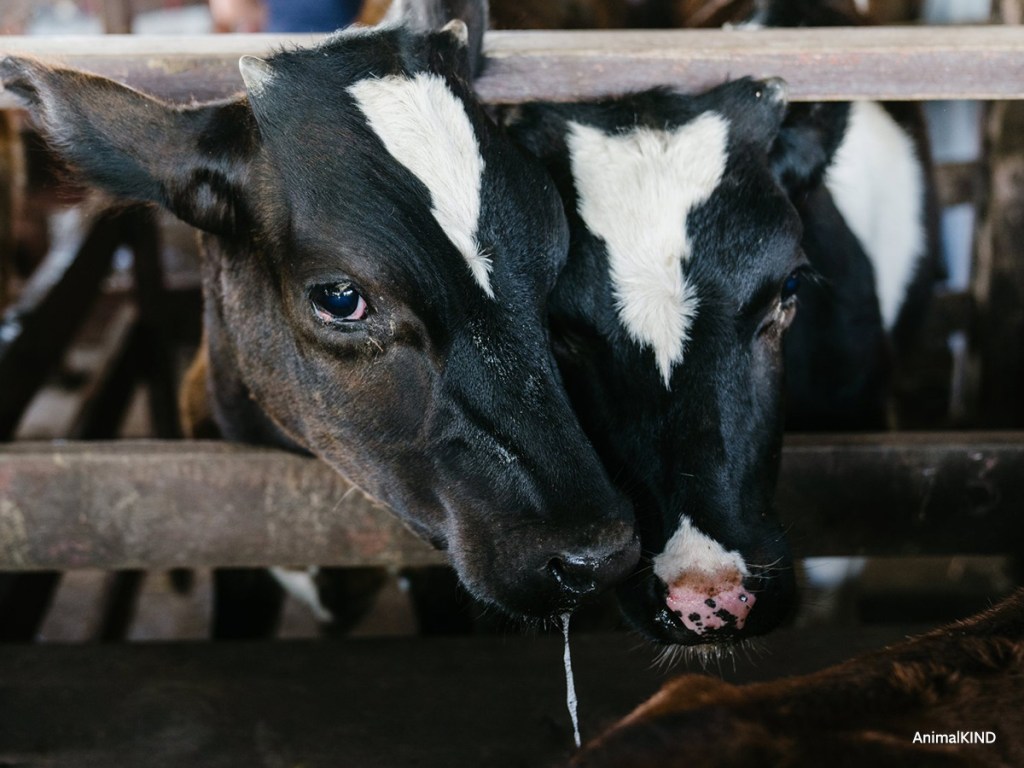
Farmed animals are often depicted in marketing for food products as trivial, cartoonish characters, which strips them of their dignity and status as feeling individuals with their own personalities and preferences. Small family farms tend to be romanticized as wholesome places where animals live happy lives and are cared for by farmers. In reality, the basis of all animal farming is the exploitation and killing of sentient beings. Still, humans have compartmentalized their ethical views, allowing us to rationalize the cruelty and violence inflicted on animals we might otherwise be fascinated by and care about, all for our pleasure, convenience, advancement, habits, traditions, and tastes. Although it has been scientifically proven that humans can survive and thrive on a plant-based diet, most continue to consume the flesh, milk, and eggs of animals because we’ve been conditioned to believe that it’s “normal, natural, and necessary.”
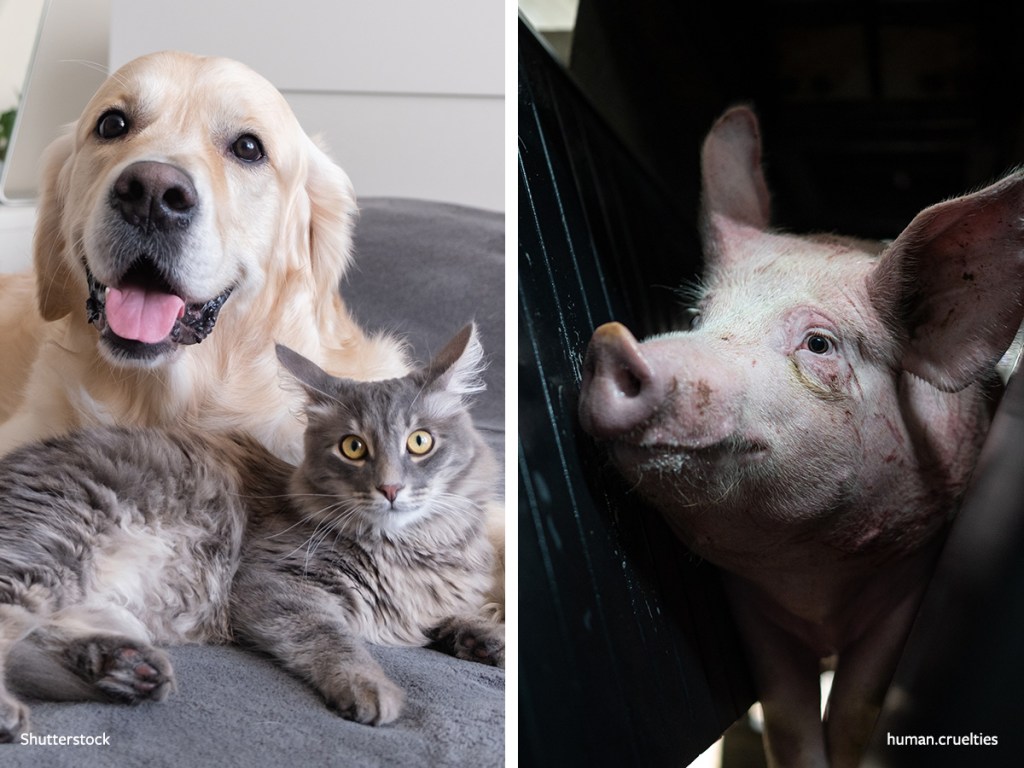
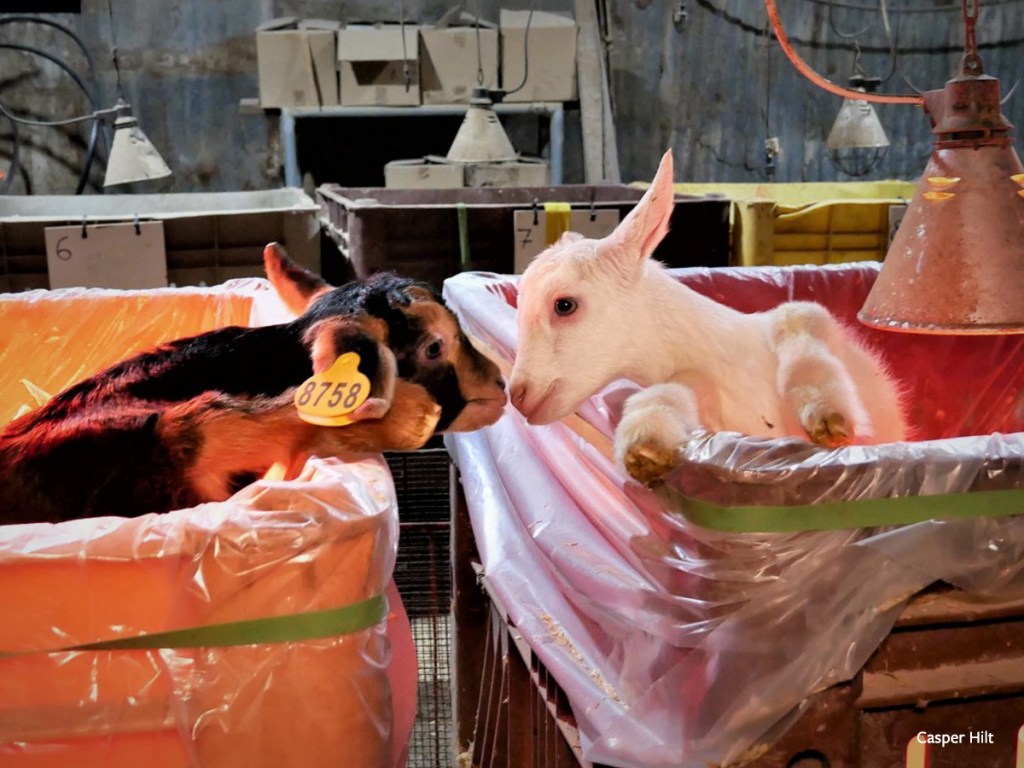
Animal companions and certain wild species are granted some legal protections, while all other animals are not. Cruel practices and mutilations without anesthesia, such as castration, tail docking, burning off horns, and extreme confinement, are inflicted on farmed animals like pigs, cows, chickens, goats, sheep, and turkeys, yet would be considered horrific abuse by most in Western culture if done to dogs or cats.
If we would never subject a dog or cat to these practices, nor send them to a slaughterhouse to end their life, we must recognize that no animal deserves to be used or enslaved by us, nor to have such pain and terror inflicted upon them. Even the desire to keep some animals as companions has led to their exploitation through breeding and selling, prioritizing profit over their well-being, which inevitably results in neglect, abuse, and often death. Beagle dogs and rabbits, usually seen as ‘pets,’ are also tormented and killed in research labs.
How is Speciesism Justified?
Humans often try to justify their oppression of animals by saying that humans are the most intelligent species. Yet many animal species possess sensory and physical abilities that humans do not have.
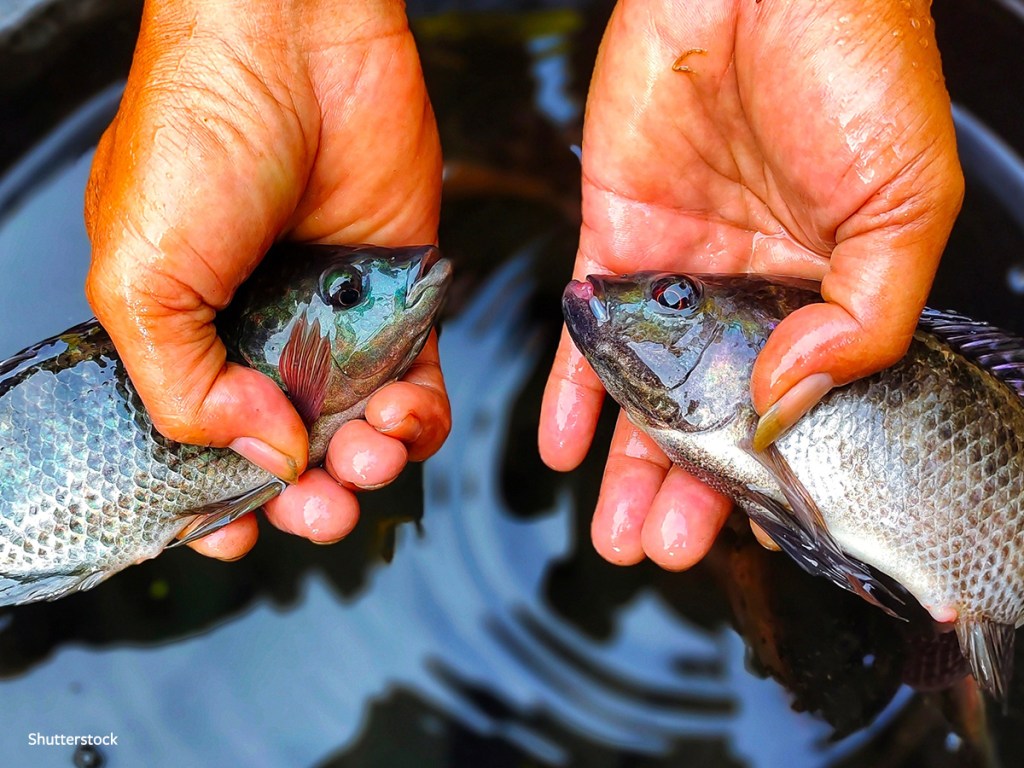
For example, bats use echolocation — the ability to use sound waves to navigate and find objects — to navigate in complete darkness. Tiny wrasse fish can recognize themselves and others in a mirror, joining chimpanzees and dolphins in this rare skill. Octopuses excel at problem-solving and camouflage, altering the texture and color of their skin to blend into their surroundings. Birds like the Arctic tern navigate thousands of miles using environmental cues, including the stars and the Earth’s magnetic field.
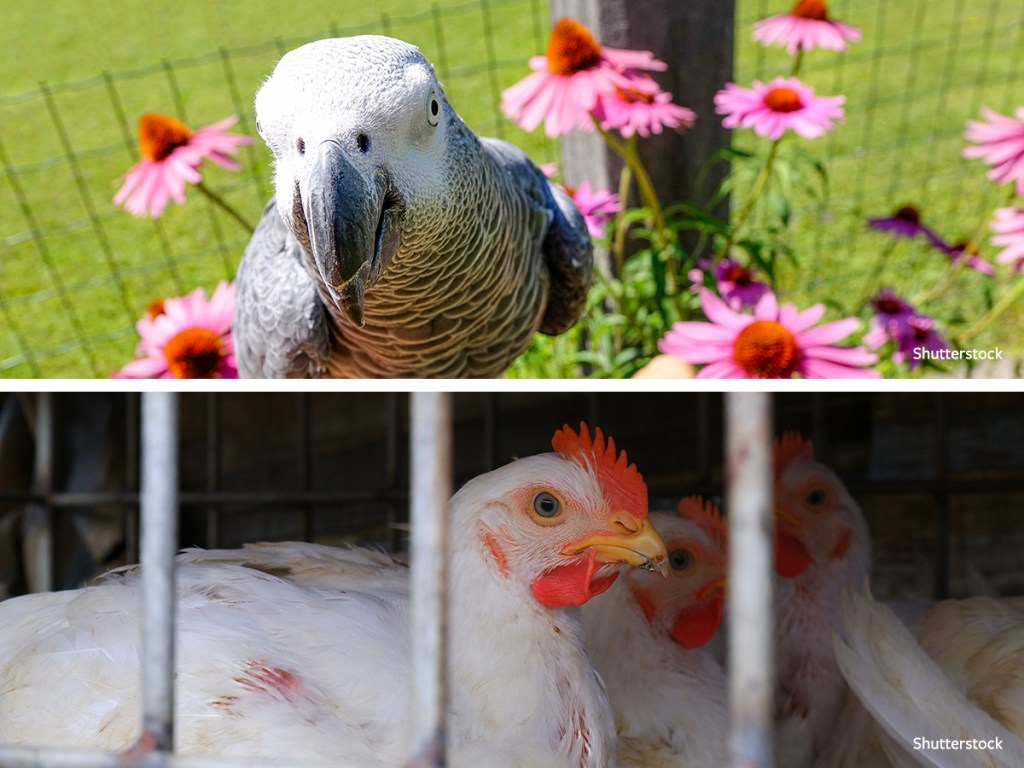
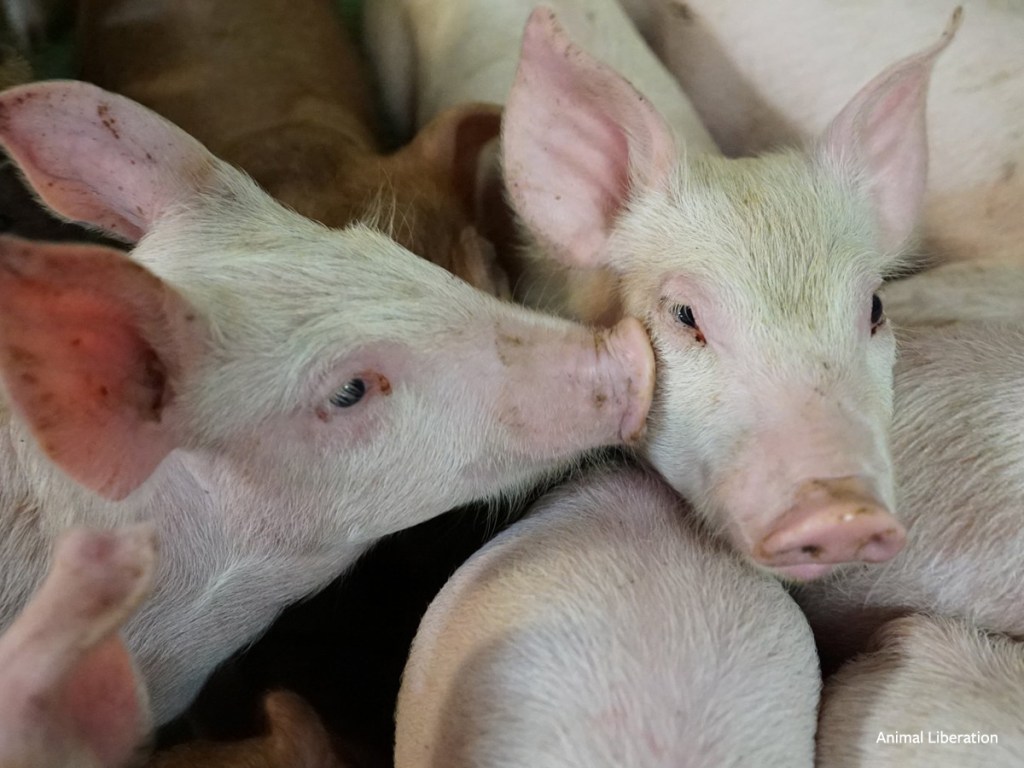
Chickens can recognize faces, form social bonds, and have memory and problem-solving skills on par with many other birds and mammals. Cows demonstrate empathy and many other complex emotions and can also solve puzzles. Pigs can navigate mazes and exhibit emotions and intelligence equivalent to a 3-year-old child.
Regardless, is intelligence truly the measure of whether someone deserves to be protected from harm by others? Some cognitively impaired humans are less intelligent than many animals. Does that mean we can also use and kill them? Of course not. No individual should be required to justify their right to safety and protection from human harm based on their cognitive or physical abilities.
How Can You Be Anti-Speciesist?
Whether human or non-human, each individual thinks and feels and has their own subjective experience of life, deserving the right to share this planet with us without being dominated by us. Unlike all forms of discrimination that focus on our differences, we must focus on what all species have in common — our will and desire to live and be free, and our capacity for pain, suffering, and joy.
If we would not tolerate discrimination and harm based on race, gender, or other differences, we must apply the same reasoning to speciesism and view it as equally unjust.
To embrace liberation, justice, and compassion for all Earthlings, live vegan—the principle that calls on humans to live without exploiting any other animals.
***********
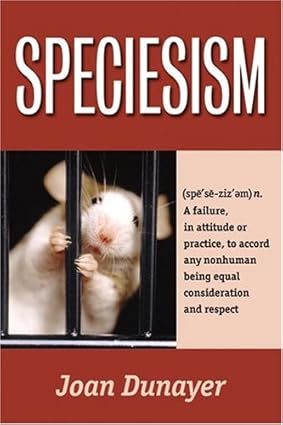
Excellent book on the subject, for more in-depth study:
Defining speciesism as “a failure, in attitude or practice, to accord any nonhuman being equal consideration and respect,” this brilliant work critiques speciesism both outside and within the animal rights movement. The author demonstrates that much of the moral philosophy, legal theory, and animal advocacy aimed at advancing nonhuman emancipation actually perpetuate speciesism. Speciesism examines philosophy, law, and activism in terms of three categories: “old speciesism,” “new speciesism,” and species equality.Old-speciesists limit rights to humans. Speciesism refutes their standard arguments against nonhuman rights. Current law is old-speciesist — legally, nonhumans have no rights. Dunayer shows that “animal laws” such as the Humane Slaughter Act afford nonhumans no meaningful protection. She also explains why welfarist campaigns are old-speciesist.
Instead of opposing the abuse or killing of nonhuman beings, such campaigns seek only to make abuse or killing less cruel; they propose alternative ways of violating nonhumans’ moral rights. Many organizations that consider themselves animal rights advocates engage in old-speciesist campaigns, which reinforce the property status of nonhumans rather than promoting their emancipation.New-speciesists espouse rights for only some nonhumans, those whose minds seem most like those of humans. In addition to devaluing most animals, new-speciesists give greater moral consideration and stronger basic rights to humans than they do to any nonhumans. They see animalkind as a hierarchy, with humans at the top.
Dunayer explains why she categorizes such theorists as Peter Singer, Tom Regan, and Steven Wise as new-speciesists.Nonspeciesists advocaterights for every sentient being. Speciesism makes the case that every creature with a nervous system should be regarded as sentient. The book provides compelling evidence of consciousness in animals often dismissed as insentient — such as fishes, insects, spiders, and snails. Dunayer argues that every sentient being should possess basic legal rights, including rights to life and liberty. Radically egalitarian, Speciesism envisions nonspeciesist thought, law, and action.
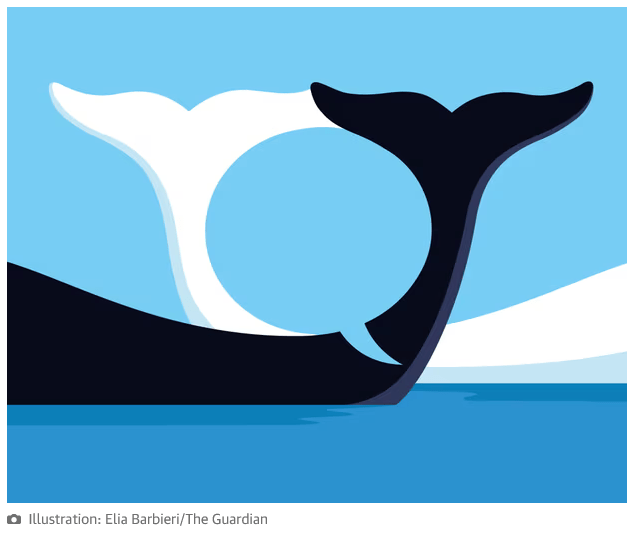
AI may soon be able to decode whalespeak, among other forms of communication – but what nature has to say may not be a surprise
harles Darwin suggested that humans learned to speak by mimicking birdsong: our ancestors’ first words may have been a kind of interspecies exchange. Perhaps it won’t be long before we join the conversation once again.
The race to translate what animals are saying is heating up, with riches as well as a place in history at stake. The Jeremy Coller Foundation has promised $10m to whichever researchers can crack the code. This is a race fuelled by generative AI; large language models can sort through millions of recorded animal vocalisations to find their hidden grammars. Most projects focus on cetaceans because, like us, they learn through vocal imitation and, also like us, they communicate via complex arrangements of sound that appear to have structure and hierarchy.
A new point in history has been reached, entomologists say, as climate-led species’ collapse moves up the food chain even in supposedly protected regions free of pesticides
Daniel Janzen only began watching the insects – truly watching them – when his ribcage was shattered. Nearly half a century ago, the young ecologist had been out documenting fruit crops in a dense stretch of Costa Rican forest when he fell in a ravine, landing on his back. The long lens of his camera punched up through three ribs, snapping the bones into his thorax.











 World Animals Voice