
Miyoko Schinner speaks out on Bhutan slaughterhouse plan

Please get as many as possible to support this petition – thank you.
Petition · Prevent Bhutan from establishing its first slaughterhouse – United States · Change.org
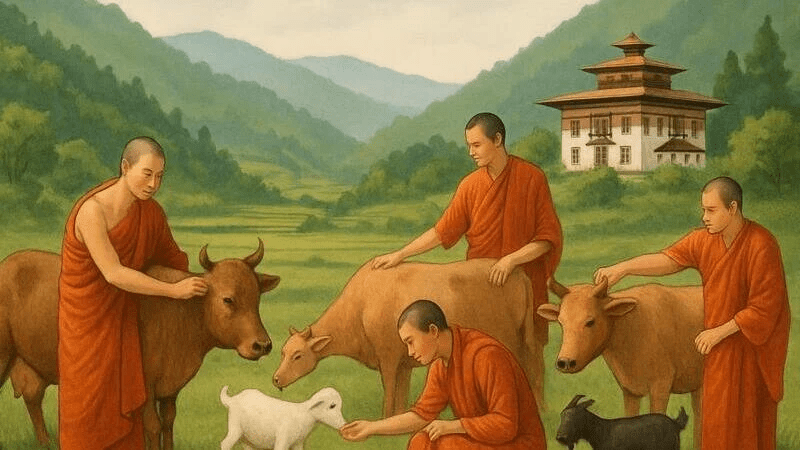

Please get as many as possible to support this petition – thank you.
Petition · Prevent Bhutan from establishing its first slaughterhouse – United States · Change.org

https://music.youtube.com/watch?v=Ts0XSyWpMnU
Hi everyone, just a quick update. As many of you will know, I have suffered from Multiple Sclerosis MS since being involved with aerospace ground engineering in the Balkans conflict around 1999.
With MS, it is a condition of personal ups and down, severe pain – bed rest being the only ‘help’. So currently I have spent the entire year 2026 in bed attempting to battle through this current relapse.
Anything and everything related to WAV, which has not been a lot, has operated from the bedroom for the last week or more. Today, 8th, i am starting to feel little body signs that tell me there is some positive movement.
Boy o boy do I want to get back to working for the animals – tomorrow I am being allowed to get up for 5 hours, so some progress.
This is a thing that all of us with the condition regularly experience.
So that is my own personal experience at the moment. Things will improve over coming weeks, but trust me there is loads in the ‘Archive’ section on the left which covers past posts on a monthly basis. See you all soon, regards Mark.


It is just me, but this is the first recording I play every January 1st.
I would like to send everyone and their loved ones very best wishes for the New Year 2026. Something tells me that 2026 is going to be a positive year for the AR movement. I promise you I intend to play a very small part in that. Regards Mark.

https://en.wikipedia.org/wiki/Solidarity_%28Polish_trade_union%29
https://clustrmaps.com/site/1a9kn

Solidarnosc – Mark


The promotion of a bullfight in Palma, Majorca, with children’s tickets being sold for just 9 Euros has re-opened social wounds in the Balearic Islands. Animal rights groups, left wing parties and experts condemn exposure to that they call ‘Institutionalized Violence’ while bullfighting supporters defend their right to transmit tradition.


Read the full article from anima naturalis by clicking on the following link:

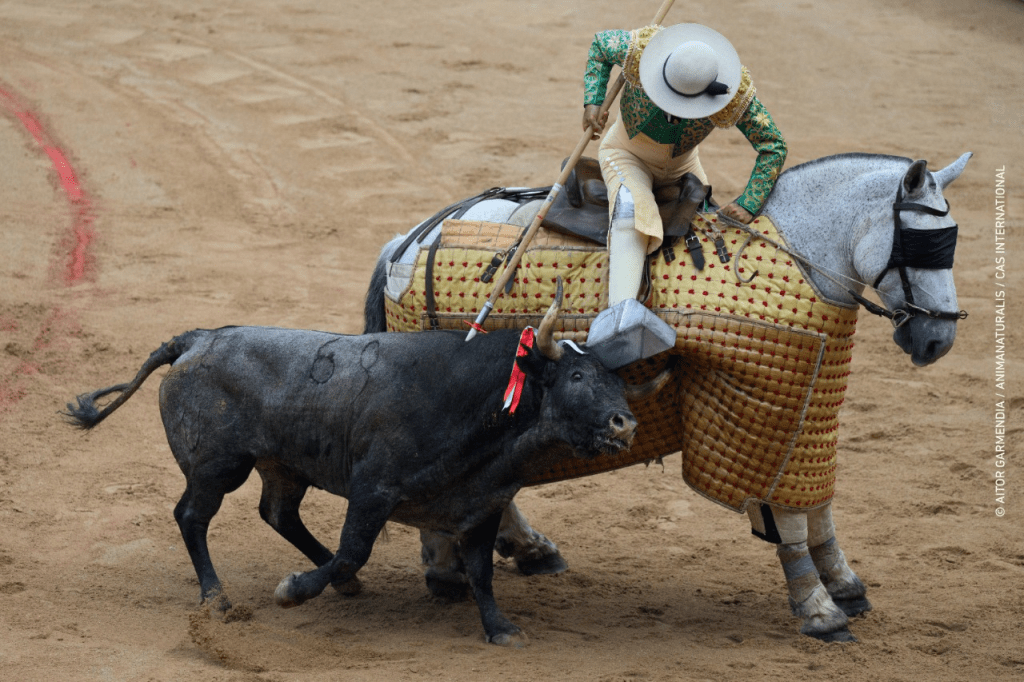
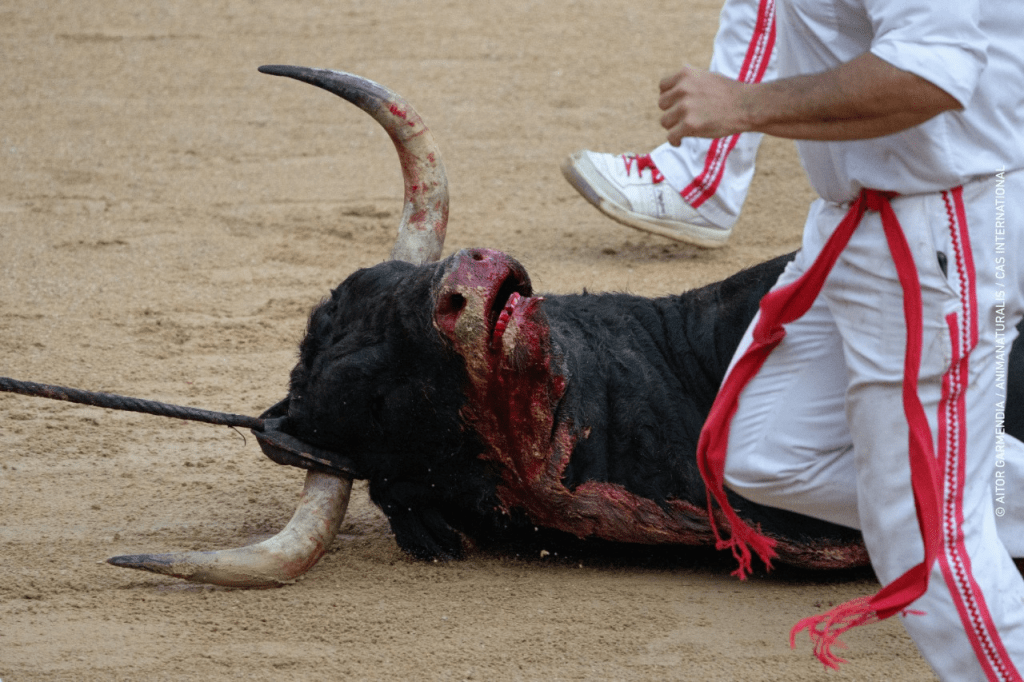
Blood Fiestas https://www.bloodfiestas.org/en?referer=https%3A%2F%2Fwww.animanaturalis.org%2F

We are not religious, here, but reading the news every day we can’t help but wonder where this is headed. Developments are accelerating in an worrying way, and man – the initiator – is not the only one who pays the price.
It makes one hope that there is some justice out there meted out to the most innocent of all, in the end …
However, there is still Light in the gathering Dark, and we had this lovely reply from Jill Robinson, of Animals Asia, recently. As long as there are Heroines for the cause of the animals like her, not all is lost, and we must remind ourselves, daily, that the night is darkest before the sunrise.

Hope, Love, Courage …

European consumers quite rightly, are a fairy switched on bunch when it comes to knowing what goes into the food that they eat. Yes or no ?
But, as animal campaigners; we question what we consider to be ‘adequate’ information relating to certain issues re animals and the food chain.
Lets take the humble egg as an example. There are more than 350 million laying hens in the EU. All these hens combined produce close to 6.7 MILLION TONNES of eggs each and every year.
The EU is rather good when it comes to standards and labelling for eggs purchased withing the EU (and still including the UK even after Brexit); of course; the UK was once an EU member state; so labelling was a regulatory requirement.
With EU / UK egg labelling; there is a Regulation – https://eur-lex.europa.eu/legal-content/EN/TXT/?uri=celex%3A32008R0589 which defines the regulations for standards in egg production. Organic production methods; Free Range; Barn or Cage – the labelling system clearly provides the consumer at the supermarket with full details of their eggs – what system was used in their production – so that THE CONSUMER IS FULLY INFORMED AND CAN MAKE A CLEAR CHOICE of whet they are purchasing.
There is no confusion; to the point that every single egg is stamp marked as shown below to include the production method used; the country of origin; and a unique ‘farm ID’ in case of any specific issues relating to the production farm.
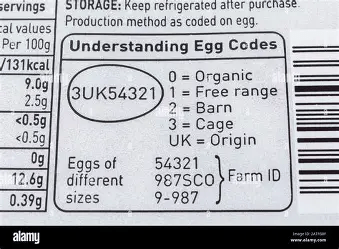
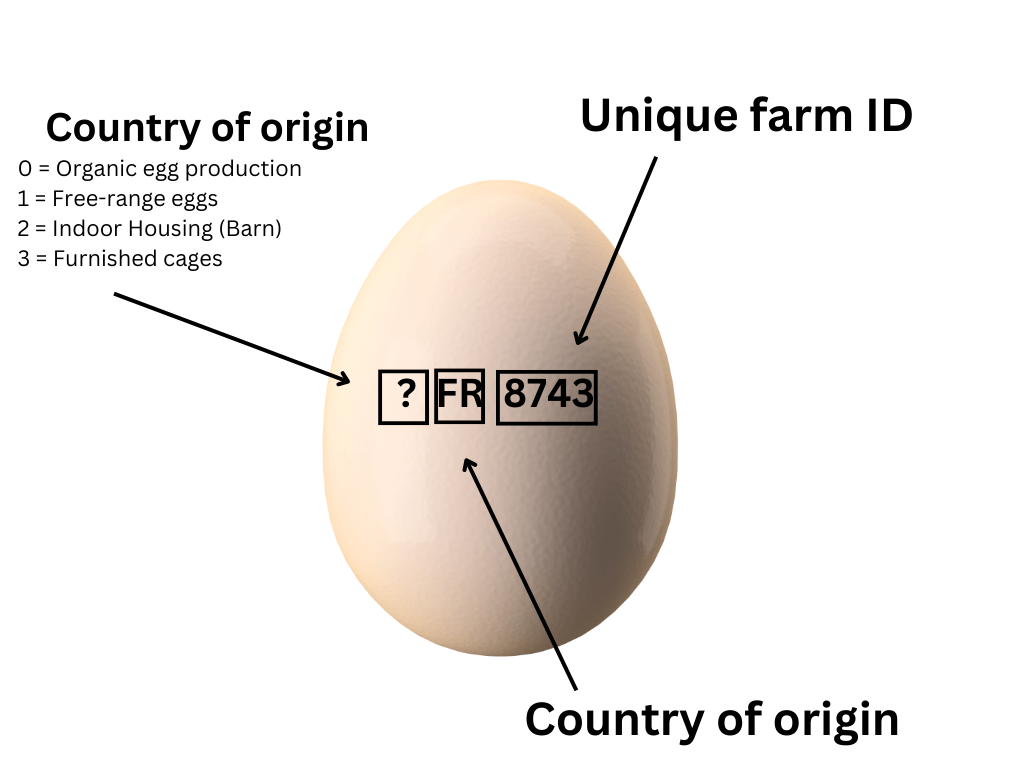
Pretty good well monitored and consumer informed system throughout the EU; which we as animal welfare campaigners fully support. The consumer is informed and they make their individual purchases accordingly.
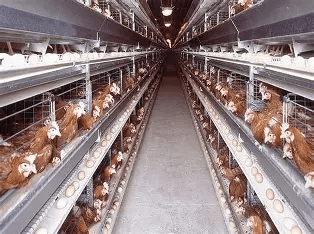
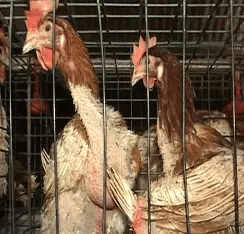
Above – Caged Hens – NO
Below – Free Range – YES.
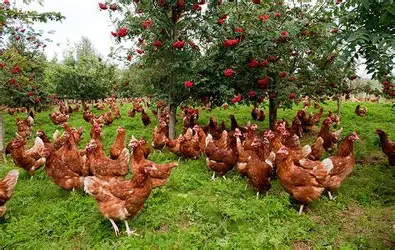
As welfare campaigners we say there is only one way for consumers to purchase their eggs – if they want to eat eggs – GO FREE RANGE. Compare the free range hens plumage above to that of battery hens below – is that image simply not enough alone to make egg eaters buy NON CAGED eggs.
So ok; there you basically have it – Consumer clear labelling relating to egg production, which allows them to make their independent clear choices.
So for this post; the heading basically says ‘when it comes to meat products, is the EU really telling the consumer what they would like to know?’. We don’t think so; if the labelling system is good for eggs; why the shortfalls for meat products in labelling ?
Cards on the table; I [Mark] have been a non-meat eater for 35+ years. Anything ‘that ever had a face’ is not part of my diet; but I accept there are still lots of carnivores out there. One question though I would ask them is simply; if EU legislation attempts to provide you with accurate labelling on your eggs, and how they were produced; then why not clear and precise labelling on how your meat was reared; AND ESPECIALLY HOW IT WAS KILLED !
Many EU and British citizens; when asked, simply abhor the thought of live animals being ritually slaughtered. But, unlike the ‘egg labelling system’; are EU consumers being led up the garden path when it comes to specific meat labelling?. There are two main methods of ritual slaughter which does not involve pre-stunning an animal before its death; – Shechita (Kosher) – the Jewish method; and Halal which is the Muslim method. Here is more reading from the UK Government about this:

Above – Kosher method Beef Slaughter
Below – Halal method Chicken Slaughter
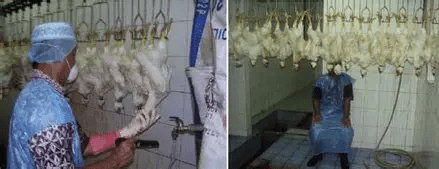
EU law requires that all animals being slaughters for the food chain are stunned and made unconscious prior to killing so that death should be ‘painless’; – hmm; ‘painless’ ? – we say ask the animals going through the process !
But within the EU there are exceptions for religious slaughter as detailed above. Jews and Muslims represent around 6% of the EU population.
Data from Ireland; an EU Member State (MS) showed that around 2010, showed that with just a 1% Muslim population; 6% of cattle, and 34% of sheep were slaughter without stunning. In a 2006/7 survey, it was seen that in France, another MS; 40% of Calves; 25% of Bovine cattle; and no less than 54% of Sheep were slaughtered without stunning.
The EU market for Kosher meat was worth around 5 Billion Euros in 2008.
THE REAL EU MEAT LABELLING ISSUE.
The following is very informative reading for reasons why there is NO standard legislation throughout the entire EU member states when it comes to meat produced by pre-stunning or religious specific methods. We especially suggest looking at the the data on ANNEX 7 – The Practice of Religious Slaughter In Every EU Member State.
Then we can unfortunately understand the EU reluctance, or refusal, to publish concise EU consumer – wide labelling about meat and meat products. When you enter an EU supermarket and are opposed to ritual animal slaughter; does the ‘EU labelling system’ express YOUR animal welfare concerns as a consumer ? – WE WOULD SUGGEST A BIG ‘NO’ !!
But then after all; religion never caused any wars; did it ?
And who in their right mind would want the EU to end up with Egg on its face ?

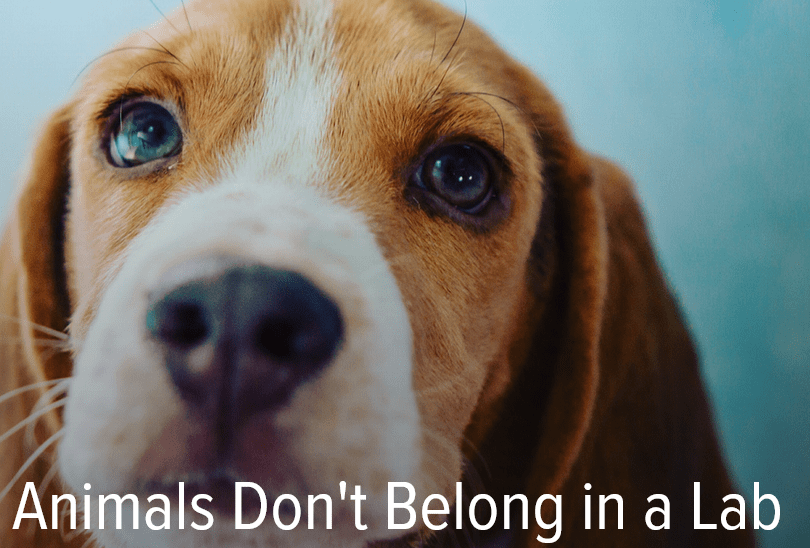
Sometimes a single picture says it all.
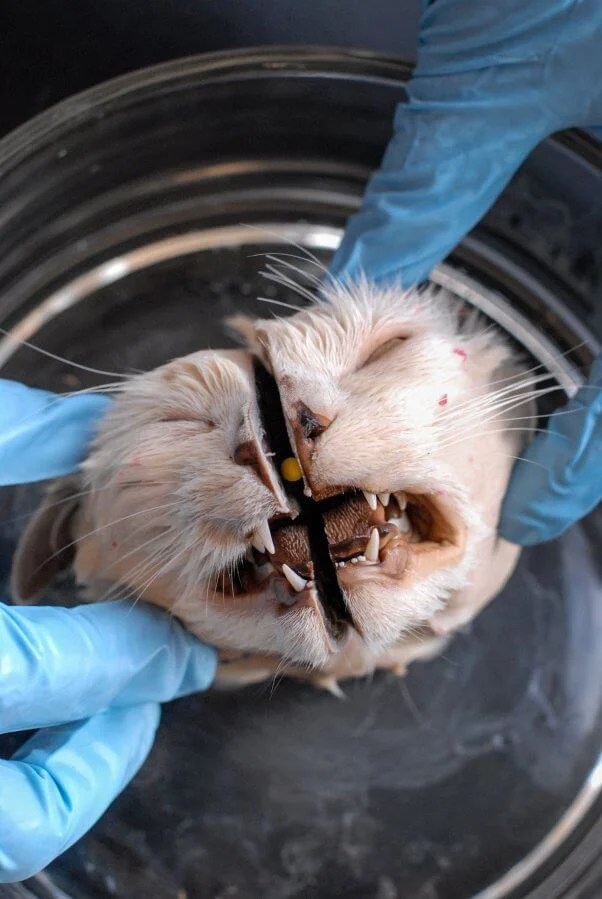
Source: PETA
***************
***************
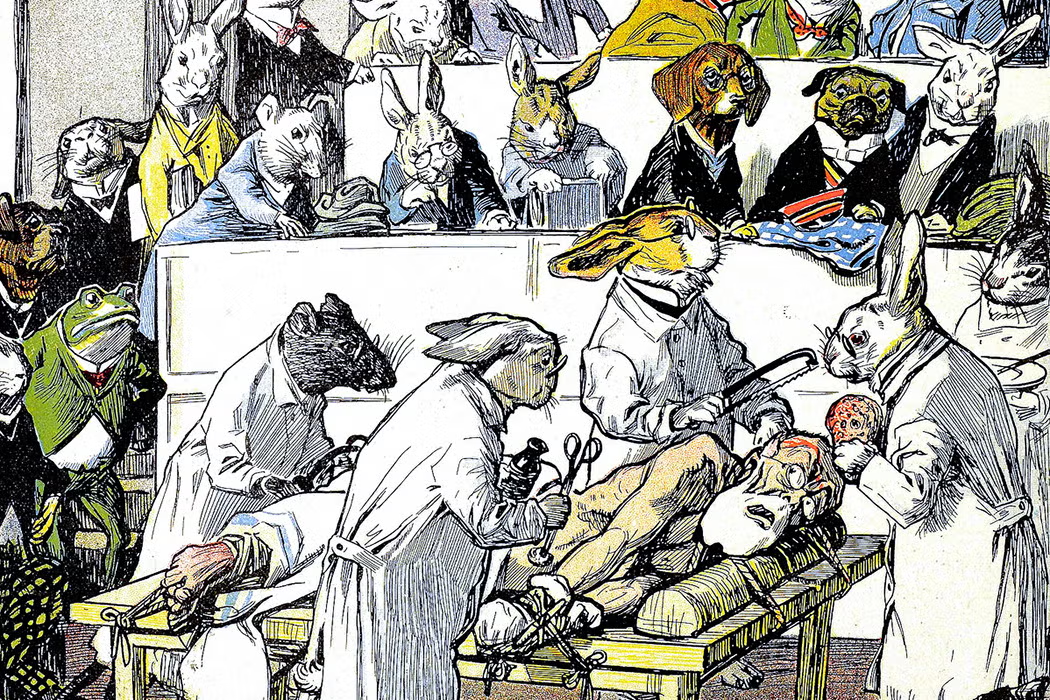
Nineteenth-century opponents of vivisection warned that the practice could make researchers and physicians callous toward all living creatures.
https://daily.jstor.org/the-dangers-of-animal-experimentation-for-doctors/
May 13, 2024
When we worry about cruelty to animals, we’re often thinking not only of their suffering but also of the potential dangers to human society posed by animal abusers. As A. W. H. Bates, a coroner’s pathologist and scholar of animal ethics, writes, this was particularly true in nineteenth-century England, when some people were horrified at the notion that the doctors who cared for their families might also torture dogs.
Bates writes that efforts to address animal cruelty in British Parliament began in the first years of the nineteenth century. The growing London elite found the treatment of livestock disturbing. They also viewed the poor condition of these animals as signs of unfeelingness or active cruelty among the working class. Lawmakers debated whether viciousness toward animals led to violence against humans. But, at first, these concerns were directed only against the poor.
In 1824, scientific vivisection became the subject of similar scrutiny. That year, French physiologist François Magendie gave a public demonstration of cutting apart a live greyhound, which he allegedly nailed to a table, at an anatomy school in London. While British doctors also performed vivisections at that time, they were more popular among continental Europeans. Magendie’s actions stirred up an outcry based partly on anti-French sentiments.
British doctors generally decried Magendie’s demonstration as unnecessary and therefore cruel—and also as a damaging stain on their profession. But they still defended vivisection as acceptable if the experiments yielded valuable results.
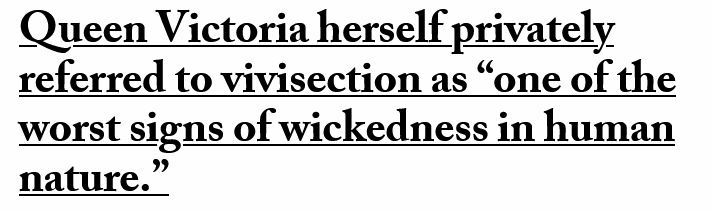
Bates writes that concerns about vivisection grew over the decades. Opponents warned that the practice could make researchers and physicians callous toward all living creatures. In 1844, the Protestant Magazine printed a “caution to parents” to avoid any doctor who practiced it. And Queen Victoria herself privately referred to vivisection as “one of the worst signs of wickedness in human nature.”
The National Anti-Vivisection Society (NAVS), formed in 1875, blamed vivisection for an apparently increasing interest among scientists in experimenting on human beings, including condemned criminals and paupers.
Bates argues that the debate over vivisection reflected a continuing interest within the world of medicine in Aristotelian virtue ethics. While British society at this time was generally more attuned to utilitarian or deontological ethics, which focus on whether an action is right or wrong, the medical field concerned itself with the moral character of individual practitioners. This meant balancing qualities such as tenderness and resolution, for the purpose of carrying out difficult but necessary procedures without becoming inured to suffering.
Following this logic, some physiologists presented their work as an act of sacrifice, in one case writing that the process sometimes “so shatters them, that it requires all their power of will to carry the process through to the accomplishment of the aim.”
Ultimately, the battle over vivisection faded from public awareness largely because of shifting professional norms. Toward the end of the nineteenth century, animal experimentation increasingly became a specialization of dedicated physiologists rather than practicing doctors, freeing patients and parents from worries about their own physicians’ moral bearings.
**
Vivisection, Virtue Ethics,and the Law in 19th-Century Britain
By: A. W. H. Bates
Journal of Animal Ethics, Vol. 4, No. 2 (Fall 2014), pp. 30–44
University of Illinois Press in partnership with the Ferrater Mora Oxford Centre for Animal Ethics
https://www.idausa.org/campaign/farmed-animal/speciesism-the-root-of-animal-oppression/
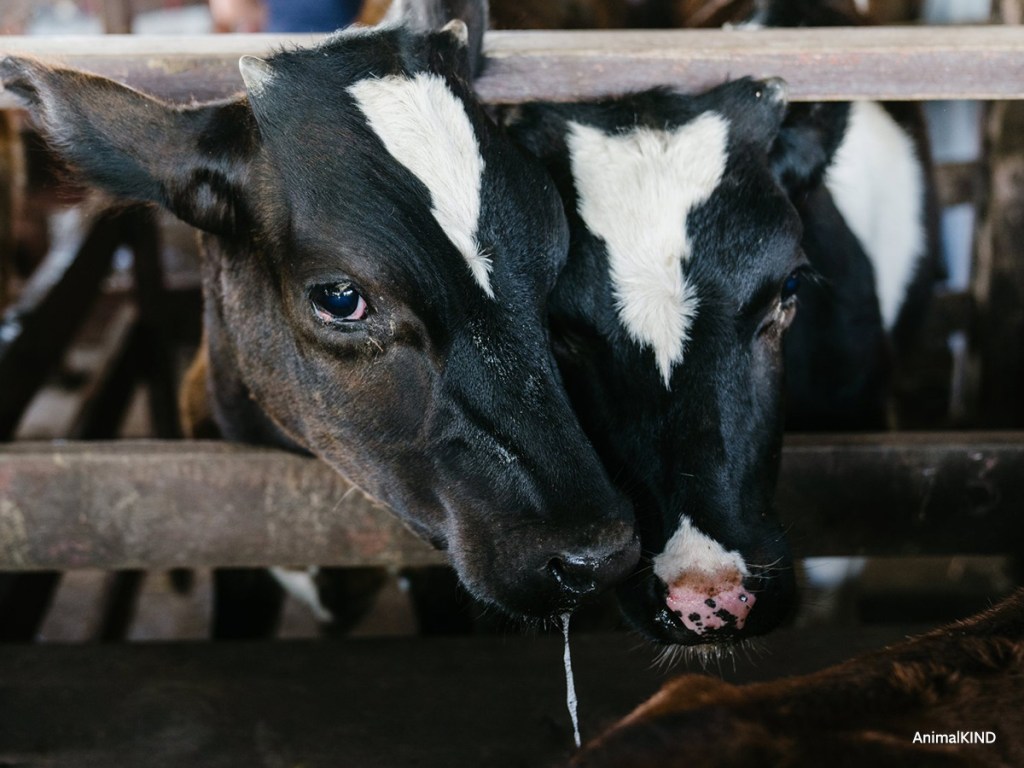
We live in a world where we share our homes with some species, eat others, and exploit still more in myriad ways, depending on what we’ve been taught about how we should see and treat different species, and whether we should consider ourselves superior to them. Unfortunately, the misguided belief that some species are worth our moral consideration and protection and others aren’t is known as speciesism, and it’s causing immeasurable harm.
Speciesism is a form of discrimination that considers one species superior to others. This mindset is based on the belief that humans have the right to dominate, use, and kill non-human animals for their own benefit.
The term “speciesism” was coined in the 1970s by British psychologist and animal rights activist Richard Ryder, who introduced it in a pamphlet distributed as part of a campaign against animal experimentation in Oxford, England.
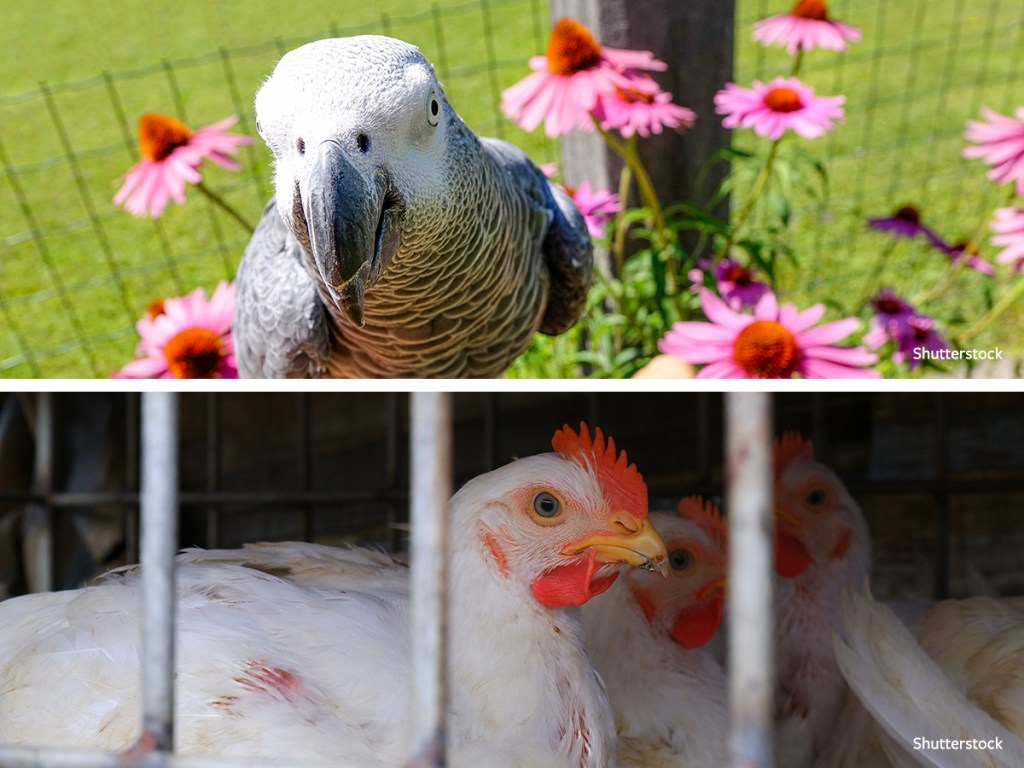
Like racism, sexism, homophobia, and all forms of discrimination against certain groups, speciesism devalues individuals based on arbitrary characteristics — and in the case of animals, their level of intelligence, their appearance, and if they have fur, feathers, and fins, or whether they walk on four legs instead of two.
This perspective perpetuates the idea that we have the right to use, exploit, and kill other animals simply because they’re different from us.
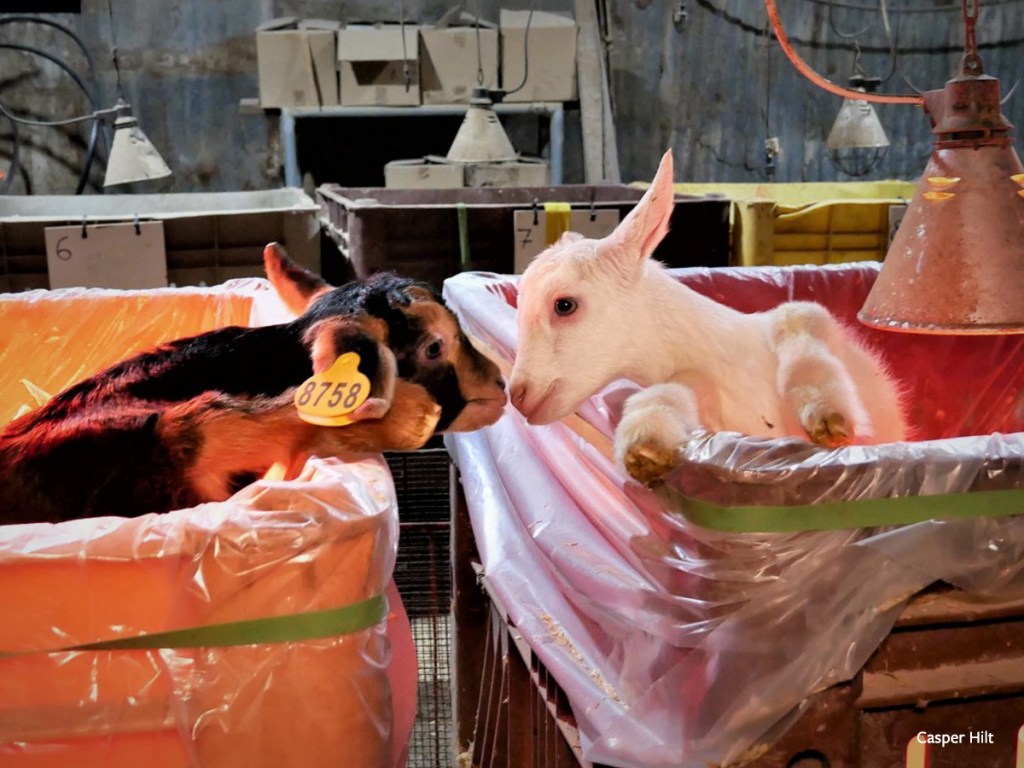
Speciesism is often the first form of discrimination we’re taught, and it manifests in two ways. The first is the belief in the supremacy of the human species over all other species. The second is viewing only certain species — such as animal companions and some wild animals — as worthy of care and protection, with some even considered part of our families. In contrast, most other animals are disregarded, and many are enslaved, tortured, and treated as commodities for food, entertainment, fashion, research, transportation, and much more.
Farmed animals are often depicted in marketing for food products as trivial, cartoonish characters, which strips them of their dignity and status as feeling individuals with their own personalities and preferences. Small family farms tend to be romanticized as wholesome places where animals live happy lives and are cared for by farmers. In reality, the basis of all animal farming is the exploitation and killing of sentient beings. Still, humans have compartmentalized their ethical views, allowing us to rationalize the cruelty and violence inflicted on animals we might otherwise be fascinated by and care about, all for our pleasure, convenience, advancement, habits, traditions, and tastes. Although it has been scientifically proven that humans can survive and thrive on a plant-based diet, most continue to consume the flesh, milk, and eggs of animals because we’ve been conditioned to believe that it’s “normal, natural, and necessary.”
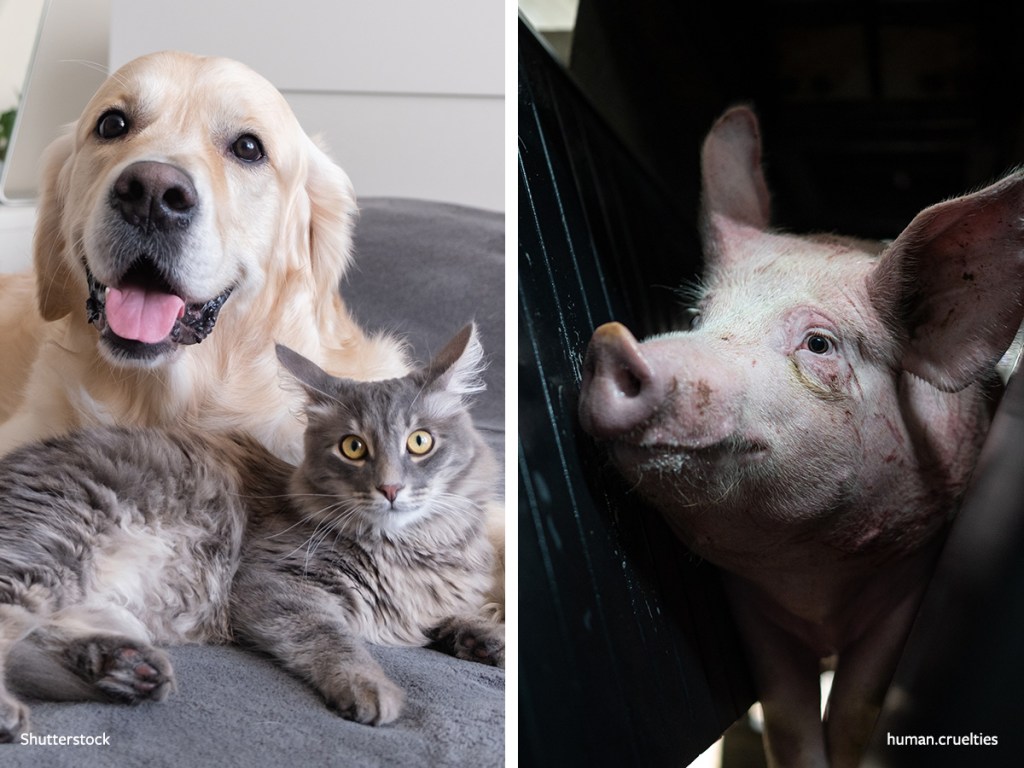
Animal companions and certain wild species are granted some legal protections, while all other animals are not. Cruel practices and mutilations without anesthesia, such as castration, tail docking, burning off horns, and extreme confinement, are inflicted on farmed animals like pigs, cows, chickens, goats, sheep, and turkeys, yet would be considered horrific abuse by most in Western culture if done to dogs or cats.
If we would never subject a dog or cat to these practices, nor send them to a slaughterhouse to end their life, we must recognize that no animal deserves to be used or enslaved by us, nor to have such pain and terror inflicted upon them. Even the desire to keep some animals as companions has led to their exploitation through breeding and selling, prioritizing profit over their well-being, which inevitably results in neglect, abuse, and often death. Beagle dogs and rabbits, usually seen as ‘pets,’ are also tormented and killed in research labs.
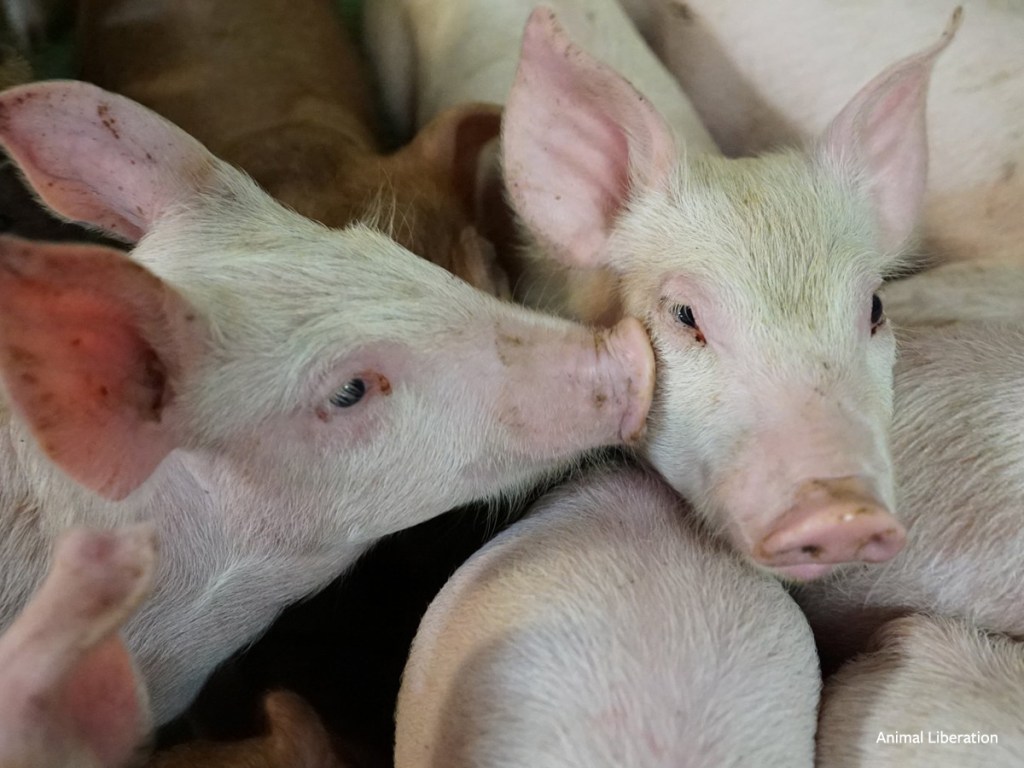
Humans often try to justify their oppression of animals by saying that humans are the most intelligent species. Yet many animal species possess sensory and physical abilities that humans do not have.
For example, bats use echolocation — the ability to use sound waves to navigate and find objects — to navigate in complete darkness. Tiny wrasse fish can recognize themselves and others in a mirror, joining chimpanzees and dolphins in this rare skill. Octopuses excel at problem-solving and camouflage, altering the texture and color of their skin to blend into their surroundings. Birds like the Arctic tern navigate thousands of miles using environmental cues, including the stars and the Earth’s magnetic field.
Chickens can recognize faces, form social bonds, and have memory and problem-solving skills on par with many other birds and mammals. Cows demonstrate empathy and many other complex emotions and can also solve puzzles. Pigs can navigate mazes and exhibit emotions and intelligence equivalent to a 3-year-old child.
Regardless, is intelligence truly the measure of whether someone deserves to be protected from harm by others? Some cognitively impaired humans are less intelligent than many animals. Does that mean we can also use and kill them? Of course not. No individual should be required to justify their right to safety and protection from human harm based on their cognitive or physical abilities.
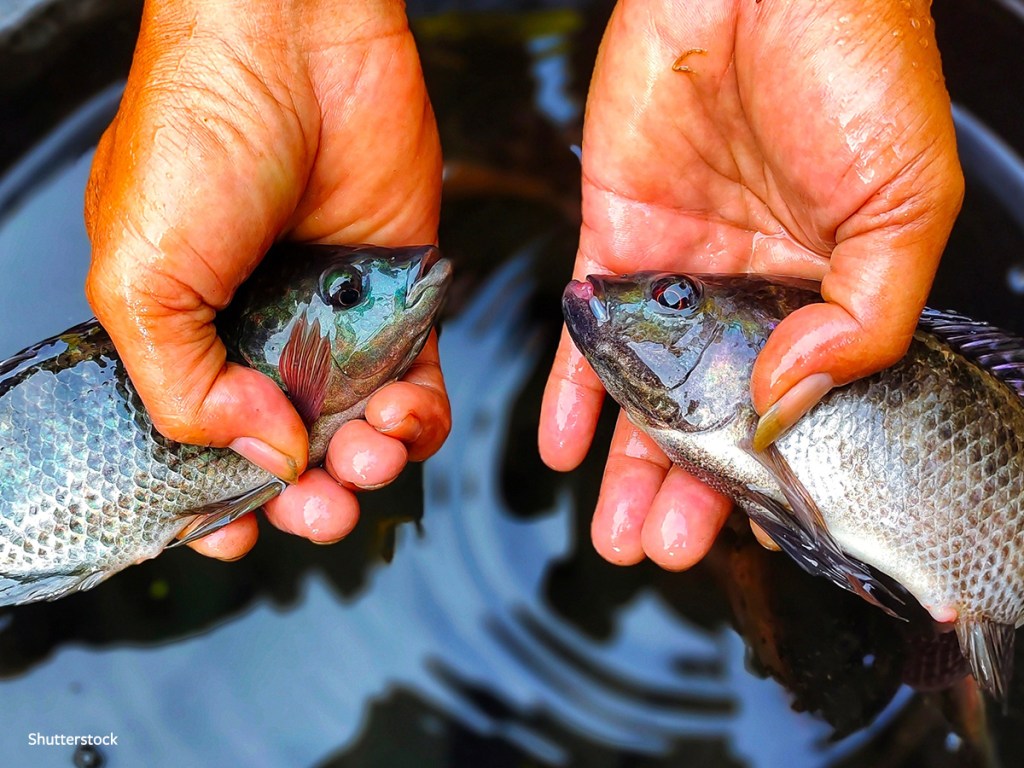
Whether human or non-human, each individual thinks and feels and has their own subjective experience of life, deserving the right to share this planet with us without being dominated by us. Unlike all forms of discrimination that focus on our differences, we must focus on what all species have in common — our will and desire to live and be free, and our capacity for pain, suffering, and joy.
If we would not tolerate discrimination and harm based on race, gender, or other differences, we must apply the same reasoning to speciesism and view it as equally unjust.
To embrace liberation, justice, and compassion for all Earthlings, live vegan—the principle that calls on humans to live without exploiting any other animals.
***********
Excellent book on the subject, for more in-depth study:
https://www.amazon.com/Speciesism-Joan-Dunayer/dp/0970647565
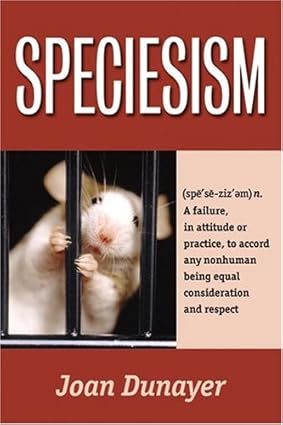
Ryce Pub., 2004 – 204 Pages
Defining speciesism as “a failure, in attitude or practice, to accord any nonhuman being equal consideration and respect,” this brilliant work critiques speciesism both outside and within the animal rights movement. The author demonstrates that much of the moral philosophy, legal theory, and animal advocacy aimed at advancing nonhuman emancipation actually perpetuate speciesism. Speciesism examines philosophy, law, and activism in terms of three categories: “old speciesism,” “new speciesism,” and species equality.Old-speciesists limit rights to humans. Speciesism refutes their standard arguments against nonhuman rights. Current law is old-speciesist — legally, nonhumans have no rights. Dunayer shows that “animal laws” such as the Humane Slaughter Act afford nonhumans no meaningful protection. She also explains why welfarist campaigns are old-speciesist.
Instead of opposing the abuse or killing of nonhuman beings, such campaigns seek only to make abuse or killing less cruel; they propose alternative ways of violating nonhumans’ moral rights. Many organizations that consider themselves animal rights advocates engage in old-speciesist campaigns, which reinforce the property status of nonhumans rather than promoting their emancipation.New-speciesists espouse rights for only some nonhumans, those whose minds seem most like those of humans. In addition to devaluing most animals, new-speciesists give greater moral consideration and stronger basic rights to humans than they do to any nonhumans. They see animalkind as a hierarchy, with humans at the top.
Dunayer explains why she categorizes such theorists as Peter Singer, Tom Regan, and Steven Wise as new-speciesists.Nonspeciesists advocaterights for every sentient being. Speciesism makes the case that every creature with a nervous system should be regarded as sentient. The book provides compelling evidence of consciousness in animals often dismissed as insentient — such as fishes, insects, spiders, and snails. Dunayer argues that every sentient being should possess basic legal rights, including rights to life and liberty. Radically egalitarian, Speciesism envisions nonspeciesist thought, law, and action.


 World Animals Voice