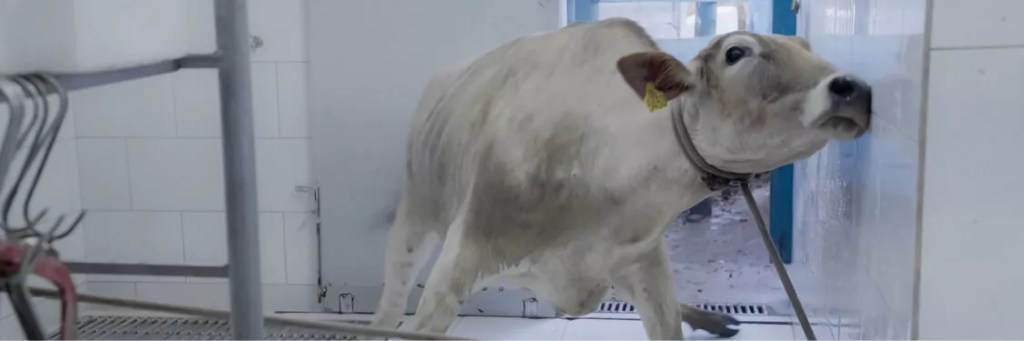
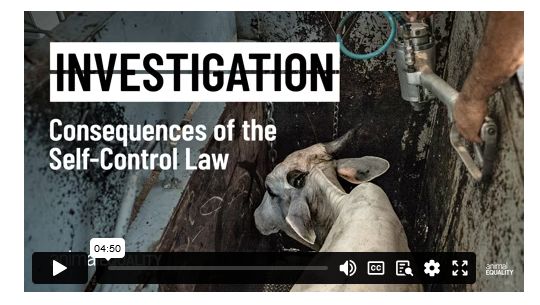
In 2024, Animal Equality found major violations in São Paulo slaughterhouses, where cows and chickens were mistreated under Brazil’s Self-Control Law.
In 2022, an earlier investigation revealed cruelty at pig and cow slaughterhouses in Minas Gerais and Pará, warning about the dangers of the Self-Control Bill.
Workers were seen twisting animals’ tails, kicking them, and using electric shocks on sensitive areas like the head and genitals.
Some animals were skinned and dismembered while still alive.
These findings point to a global problem as U.S. slaughterhouses speed up production lines, increasing risks for animal cruelty.
Animal Equality’s investigation reveals the impact of Brazil’s 2022 Self-Control Law, which reduced government oversight of slaughterhouses. The findings uncover rampant cruelty and violations, with profits prioritized over animals, public health, and transparency.
The latest investigation, featuring never-before-seen footage, uncovers significant failures in cow and chicken slaughterhouses in rural São Paulo.
These facilities were already following a state-level version of the Self-Control Law before it was implemented across the country. Investigators found widespread violations of handling and slaughter rules set by Brazil’s Ministry of Agriculture and Livestock.
2022 investigation: Early warnings ignored
In 2022, Animal Equality issued an urgent warning about the risks of the Self-Control Bill. Investigating pig and cow slaughterhouses in the states of Minas Gerais and Pará, the team uncovered a critical shortage of government inspectors.
Without proper oversight, workers were left to enforce safety and animal protection rules on their own, resulting in widespread violations. Despite these findings, the bill became law.
Between the 2022 and 2024 investigations, Animal Equality documented:
Intentional cruelty:
Tail twisting and kicking animals in the face.
Use of high-frequency electric shocks on prohibited areas, including the head, tail, genitals, and anus.
Stunning failures:
Animals were tied with ropes instead of being secured in proper stunning boxes, making effective stunning nearly impossible.
Captive bolt pistols were used incorrectly, leading to failed attempts to stun animals.
Broken stunning tools were not fixed, forcing some animals to endure up to seven failed stunning attempts.
No staff were assigned to ensure stunning was effective. When animals showed signs of consciousness–such as eye movement or lifting their heads–workers often did not repeat the stunning unless the animal became too agitated to manage.
Delayed slaughter:
Stunned animals were left for over two minutes before slaughter, exceeding legal limits meant to prevent them from regaining consciousness:
Non-penetrating captive bolt pistols deliver a blunt impact to the head, causing a concussion without breaking the skull. Animals must be slaughtered within 30 seconds, as this method loses effectiveness quickly.
Penetrating captive bolt pistols use a bolt to penetrate the skull, causing deeper and longer-lasting unconsciousness. This method allows up to 60 seconds before slaughter must take place.
Delays beyond these limits caused animals to regain consciousness, leading to extreme suffering.
Mutilations while conscious:
Workers did not wait the required three minutes after slaughter to ensure animals were dead before mutilating them. This resulted in animals being skinned and dismembered while alive.
Poor facility conditions:
Overcrowded pens with more animals than recommended.
Animals left in extreme heat without shade or water.
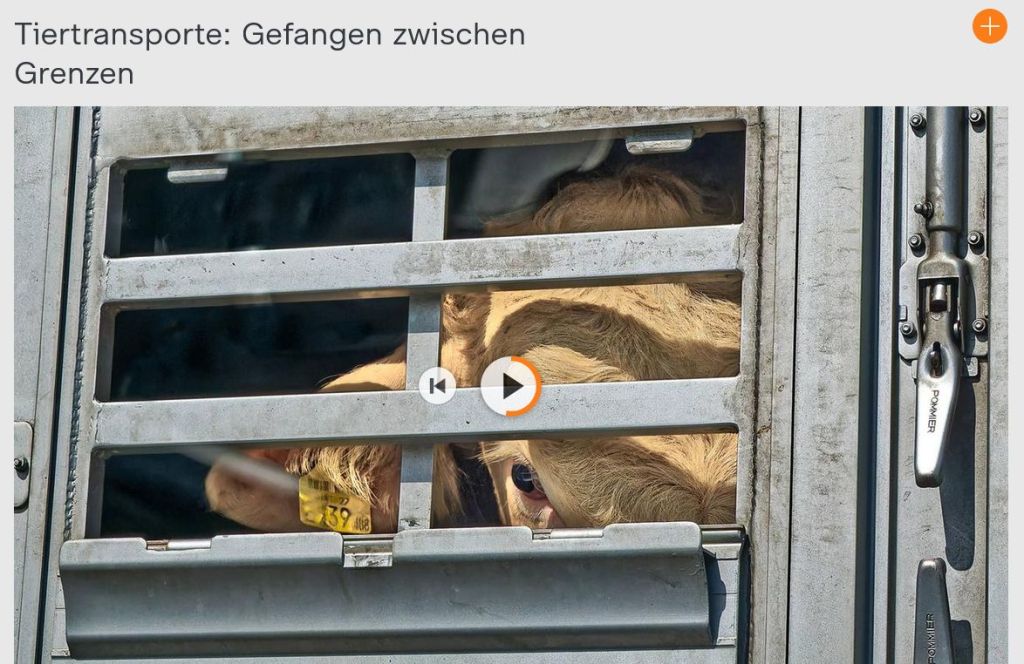
Two transport vehicles carrying heavily pregnant heifers left Germany on September 12 and reached the Turkish border at Kapikule four days later, on September 16, where they were held for a month. The German authorities were aware of the acute emergency situation since September 23 but did not intervene. Between September 23 and October 2, the animals were briefly unloaded, provided with water and feed, and housed in a makeshift shelter. On October 2, they were loaded back onto the transport vehicles. The exact reasons for this decision remain unclear. However, there are rumors that unsanitary conditions, intense odors, and a fly infestation prompted this action. The German authorities took action when the animals were reloaded onto the trucks, but the measures taken were completely inadequate.
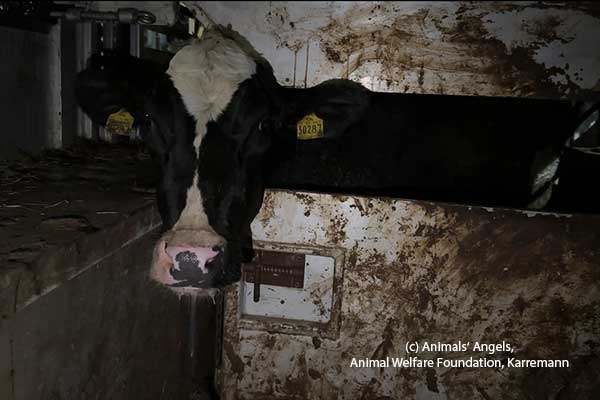
The conditions for the animals on the transports deteriorated with each passing day. Although they were fed and watered, the care provided was insufficient due to their advanced stages of pregnancy. Moreover, the transport vehicles were not cleaned, causing the cows to stand ankle-deep in their own excrement. During this time, and under these appalling conditions, several calves were born, none of which had a chance of survival. The first report of a dead animal was received on October 6.
On October 11, the state of Brandenburg, from which the animals originally came, issued a euthanasia order that mandated the slaughter of the cows by October 13. On the evening of October 14, the animals were transported to a slaughterhouse near the border in Edirne. Many heifers and newborn calves had already died on the transport vehicles. On October 15, the animals were slaughtered without anesthesia. The calves suffocated painfully inside their dying mothers. There is a much more humane method of euthanasia called placentally accessible euthanasia, which allows the unborn calves to be euthanized alongside their mothers.
The bodies of those animals that had already died before arriving at the slaughterhouse were left on the trucks to be dumped in a landfill later. As the teams from Animals’ Angels and Animal Welfare Foundation left the slaughterhouse, they were alerted by the loud mooing of an animal that had been left alive on the truck, which was now to be unloaded alongside the dead animals. We were able to arrange for an emergency slaughter of the animal on-site.
Urgent Call for a Transport Ban
Since 2010, Animals’ Angels and the Animal Welfare Foundation have called for an immediate end to animal transports to Turkey. The conditions at the Turkish border of Kapikule and the cruel death of the animals once again demonstrate that these transports are incompatible with animal welfare requirements, as stated in Article 3 of Regulation (EC) No. 1/2005: “No one shall carry out or arrange for the transport of animals if it is likely to cause them injury or unnecessary suffering.”
This case starkly highlights the urgent need for an immediate halt to such exports.
We will continue to remain on-site and work with a Turkish lawyer to initiate legal action. We demand clear and enforceable measures from the German government and the European Union to end the suffering of these animals.
VIDEO in German (from German TV Programme, “37 Grad”)
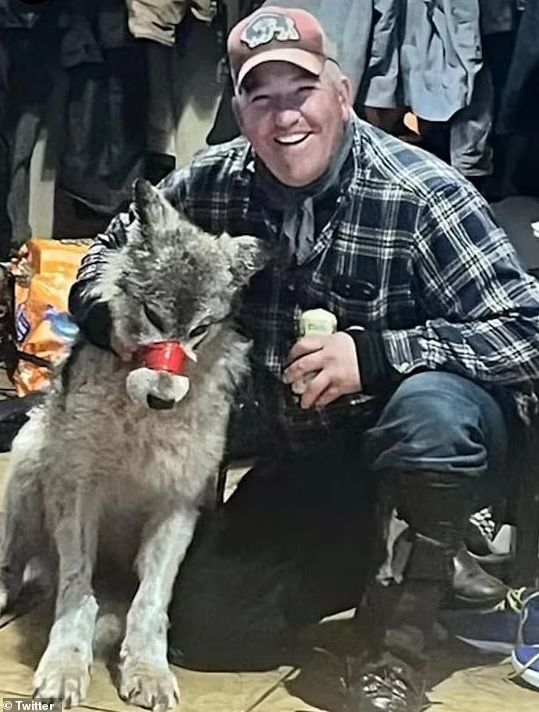
(US) Laughing Wyoming man is branded ‘evil’ over video of him kissing dying wolf after running it over with snowmobile ‘then torturing the animal to death’
Animal Equality Mexico’s investigation revealed the cruel treatment and slaughter of lambs and sheep in illegal slaughterhouses in states with high populations of these animals.
November 5, 2019 Updated: February 22, 2024
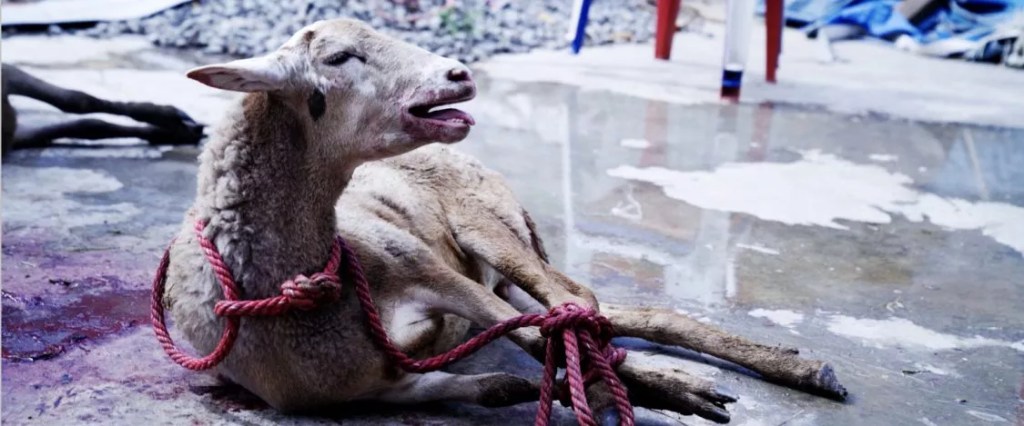
Animal Equality in Mexico has released its second investigation of 2019, focusing on the country’s illegal slaughterhouses and bringing to light the cruel treatment and slaughter of lambs and sheep within states that have the largest number of these animals in the country.
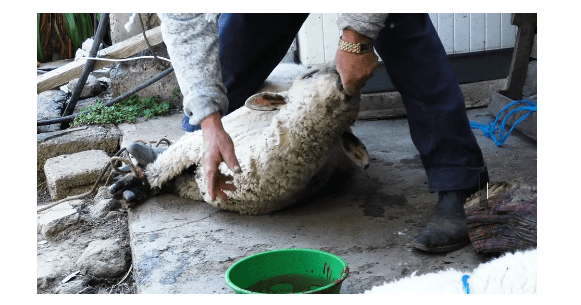
Released through the renowned news outlet Aristegui Noticias, Animal Equality investigators documented the horrible killings of lambs and sheep in backyard pens and underground slaughterhouses in the States of Hidalgo and Mexico, where the animals were destined to be used for the popular barbecue dish Barbacoa de Borrego. Our footage shows the brutality with which these sensitive animals are killed, and documented:
Animals dragged by their limbs and violently slaughtered
Lambs are fully conscious as they are tied up and decapitated
Workers violently transporting lambs
Workers killing more than three lambs at the same time, one next to the other
Minors witnessing the killings and, in some cases, carrying out the slaughter of the animals
The animals were mortally injured and left to bleed to death.
No veterinarian present
Through the evidence our team gathered, the investigation documents numerous violations of Mexican Official Standards and reveals systematic violence in the handling of animals killed for Barbacoa de Borrego. The footage also shows the failure to abide by the methods of animal slaughter set forth by the government, as well as the guidelines for humane treatment during the animals’ transport.
In response, we have launched a petition to demand that Mexican officials act on our complaints, while also asking lawmakers to strengthen penalties and consider the non‑compliance of welfare standards in the country an animal cruelty crime. We have also filed a complaint with Mexican authorities. We will continue to encourage legislation in Mexico so that these acts are considered punishable crimes of animal cruelty, as we have previously done with Jalisco State Reform.
To ensure this cruelty becomes a thing of the past, please join us in leaving animals off your plate. Plant‑based options replacing animal products are readily available, taste great, and ensure living beings are not suffering for your meal. Sharing this post can help us spread the word about these terrible abuses.
2 people arrested after 10 cats tortured, killed in ‘horrible’ animal cruelty case: Winnipeg police
Police believe some of the cats were bought through social media for torture videos posted to dark web
CBC News · Posted: Oct 11, 2024 12:43 PM EDT | Last Updated: October 12
WARNING: This story contains disturbing details.
A 40-year-old man and a 55-year-old woman have been arrested and charged with torturing and killing 10 cats, Winnipeg police say.
They allege the two posted videos and photos of animal torture content on the dark web, after some of the cats were bought through social media.
The content was viewed by a citizen and turned in to the provincial veterinarian, who sent the content to police in August 2024, police said at a news conference Friday. The animal torture content was posted online between May and August.
That led to an investigation during which a search warrant was executed in the Lord Roberts area of south Winnipeg. The two people were arrested and evidence was seized, police said at a Friday news conference.
Police said they found evidence of animal cruelty in the home, and located 10 cats and a rabbit during their investigation, but no animals found were alive.
“Investigators told me that this is the worst case that they’ve dealt with — a very, very horrible case involving animal cruelty,” Winnipeg Police Service spokesperson Const. Stephen Spencer said.
He said that when people are involved in crimes against animals, that violent behaviour can escalate and involve humans, but there is currently no evidence to suggest intent to harm people in this case.
Spencer also said while police have received reports of cats being found dead in the Point Douglas area, it’s not believed at this point the two cases are related. The police service’s major crimes unit is still investigating the Point Douglas reports, as well as the Lord Roberts case, he said.
The two Winnipeggers who were arrested were known to police. They are in police custody and charged with:
Killing or injuring animals.
Causing unnecessary suffering to an animal.
Failing to provide adequate medical attention for an animal when it is wounded or ill.
Inflicting acute suffering, serious injury or harm upon an animal, or extreme anxiety or distress that significantly impairs its health or well-being.
Don’t support social media sellers: Humane Society
Andrew Clarke, director of investigation and emergency response for the Winnipeg Humane Society and a former police officer, says about two-thirds of the thousands of calls his department gets are related to some form of animal mistreatment or abuse, but that a case like this is very rare.
“It is disturbing,” Clarke said during an interview on CBC Radio’s Up to Speed. “These are serious charges that [police have] laid, and they obviously feel confident they got, unfortunately, the evidence to back them up.”
Clarke said that while the number of calls has remained consistent over the last couple years, animal removals in the city have gone up in 2024, adding that it might be in part due to people no longer being able to take care of their pets because of economic headwinds.
This case highlights why people should not support sellers advertising pets on social media, he said, urging prospective pet owners to instead visit reputable rescues in the city.
Winnipeg police said anyone with concerns about the welfare of animals can contact the provincial animal care line at 204-945-8000.
People can also contact the Winnipeg Police Service regarding criminal incidents involving animals, or make a report anonymously to Crime Stoppers at 204-786-8477 (TIPS) or winnipegcrimestoppers.org.
Unfortunately what we see here is all too familiar – we’ve seen it before in China, and the “Cat Torture Ring” here discussed also (please search for “Cat Torture Ring” on this site). And it is as we feared – “inspiration” has clearly been taken from that example, and is spreading globally.
With the only difference in this case, that people have been arrested on charges, and will be taken to court and sentenced. With China, we are a long way away from that.
“Italian” tomato purees sold by several UK supermarkets appear to contain tomatoes grown and picked in China using forced labour, the BBC has found.
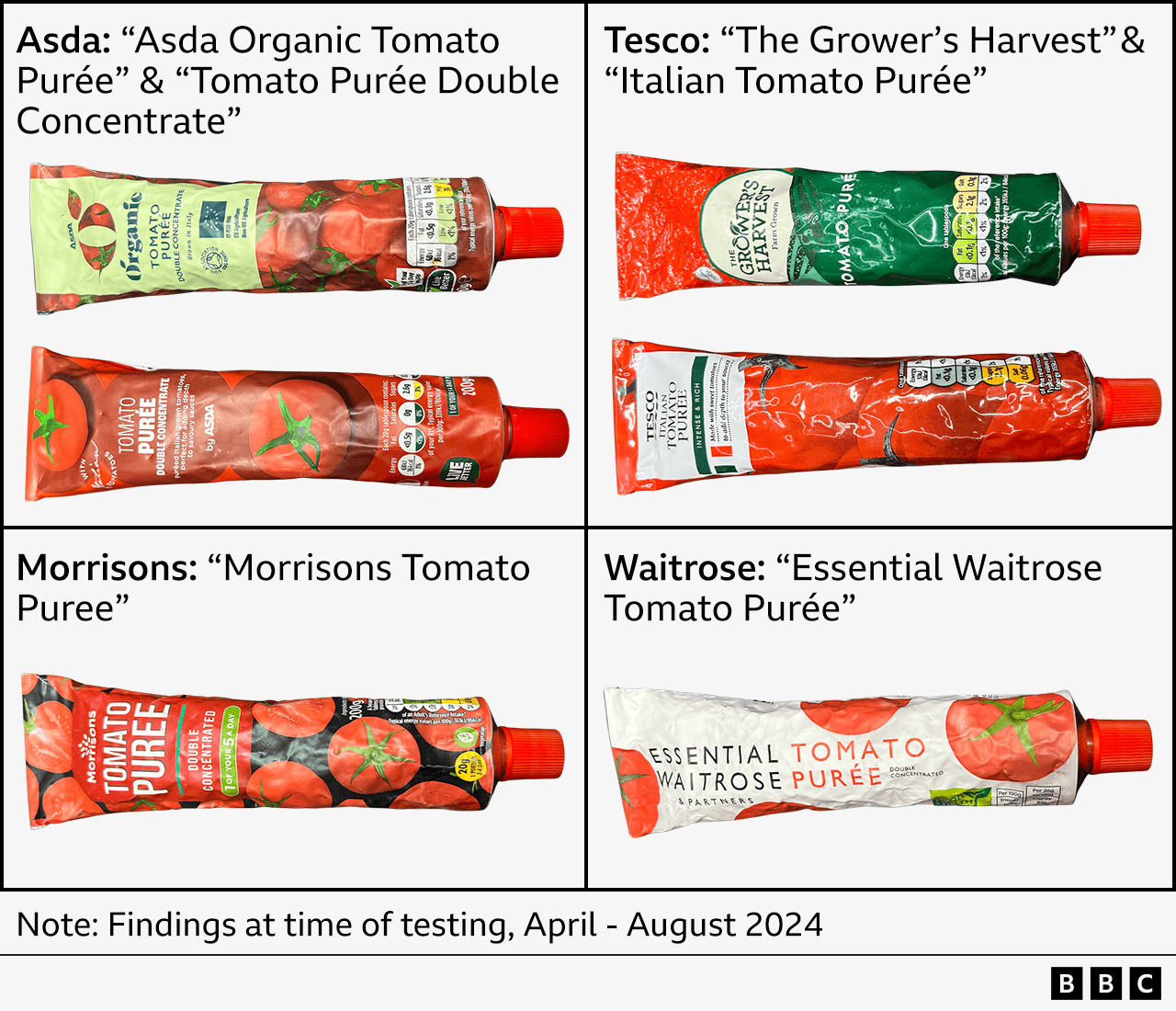
Some have “Italian” in their name such as Tesco’s “Italian Tomato Purée”. Others have “Italian” in their description, such as Asda’s double concentrate which says it contains “Puréed Italian grown tomatoes” – and Waitrose’s “Essential Tomato Purée”, describing itself as “Italian tomato puree”.
A total of 17 products, most of them own-brands sold in UK and German retailers, are likely to contain Chinese tomatoes – testing commissioned by the BBC World Service shows.
Most Chinese tomatoes come from the Xinjiang region, where their production is linked to forced labour by Uyghur and other largely Muslim minorities. The UN accuses the Chinese state – which views these minorities as a security risk – of torture and abuse. China denies it forces people to work in the tomato industry and says workers’ rights are protected by law. It says the UN report is based on “disinformation and lies”.
All the supermarkets whose products we tested dispute our findings.
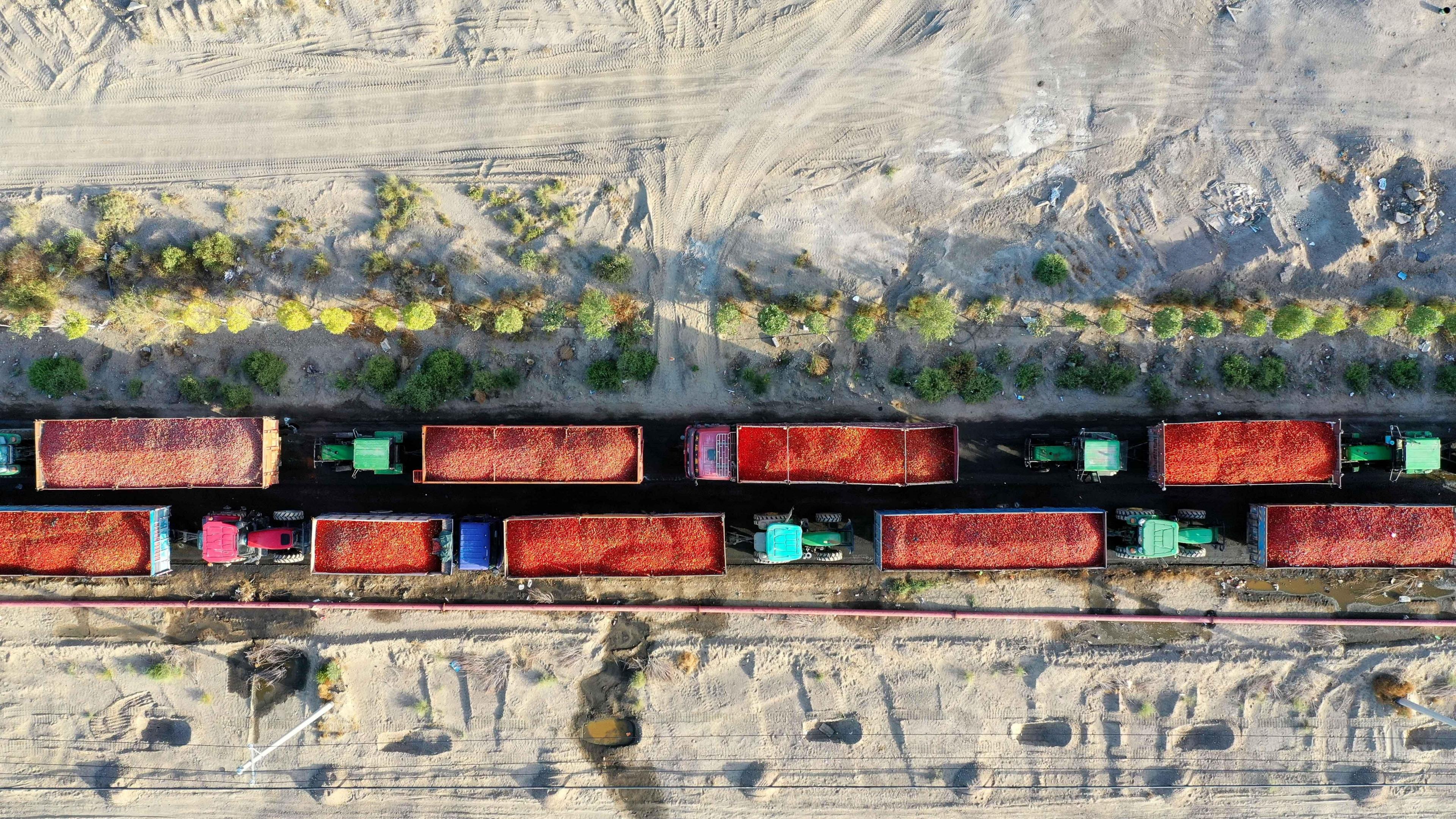
Image caption,China grows most of its tomatoes in the Xinjiang region
China grows about a third of the world’s tomatoes. The north-western region of Xinjiang has the perfect climate for growing the fruit.
It is also where China began a programme of mass detentions in 2017. Human rights groups allege more than a million Uyghurs have been detained in hundreds of facilities, which China has termed “re-education camps”.
The BBC has spoken to 14 people who say they endured or witnessed forced labour in Xinjiang’s tomato fields over the past 16 years. “[The prison authorities] told us the tomatoes would be exported overseas,” Ahmed (not his real name) said, adding that if the workers did not meet the quotas – as much as 650kg a day – they would be shocked with electric prods.
Mamutjan, a Uyghur teacher who was imprisoned in 2015 for an irregularity in his travel documentation, says he was beaten for failing to meet the high tomato quotas expected of him.
“In a dark prison cell, there were chains hanging from the ceiling. They hung me up there and said ‘Why can’t you finish the job?’ They beat my buttocks really hard, hit me in the ribs. I still have marks.”
Image caption,Mamutjan, who picked tomatoes in detention, says he was hung from the ceiling of his cell as punishment for not picking enough of the fruit
It is hard to verify these accounts, but they are consistent, and echo evidence in a 2022 UN report, external which reported torture and forced labour in detention centres in Xinjiang.
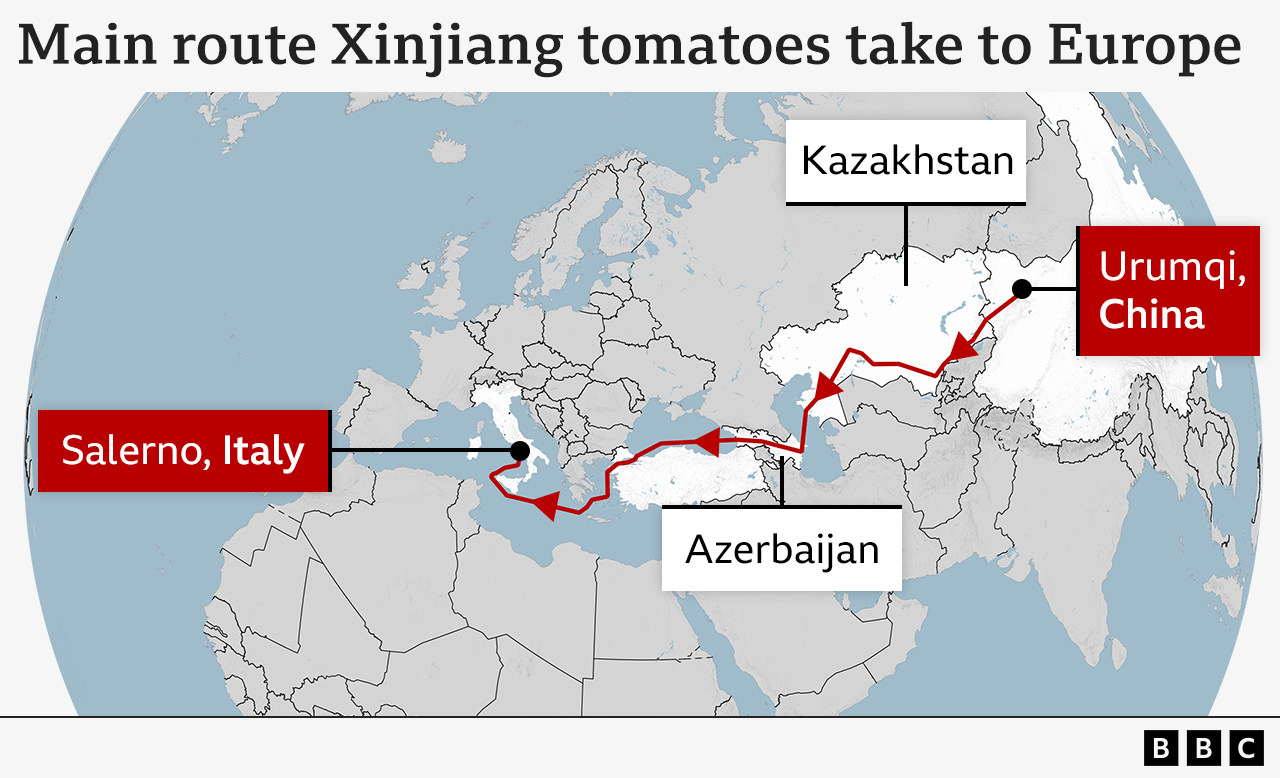
By piecing together shipping data from around the world, the BBC discovered how most Xinjiang tomatoes are transported into Europe – by train through Kazakhstan, Azerbaijan and into Georgia, from where they are shipped onwards to Italy.
One company name repeatedly appeared as a recipient in the data. This was Antonio Petti, part of a group of major tomato-processing firms in Italy. It received more than 36 million kg of tomato paste from the company Xinjiang Guannong and its subsidiaries between 2020 and 2023, the data showed.
The Petti group produces tomato goods under its own name, but also supplies others to supermarkets across Europe who sell them as their own branded products.
Our investigation tested 64 different tomato purees sold in the UK, Germany and the US – comparing them in a lab to samples from China and Italy. They included top Italian brands and supermarket own-brands, and many were produced by Petti.
We asked Source Certain, a world-renowned origin verification firm based in Australia, to investigate whether the origin claims on the purees’ labels were accurate. The company began by building what its CEO Cameron Scadding calls a “fingerprint” which is unique to a country of origin – analysing the trace elements which the tomatoes absorb from local water and rocks.
“The first objective for us was to establish what the underlying trace element profile would look like for China, and [what] a likely profile would look like for Italy. We found they were very distinct,” he said.
Source Certain then compared those country profiles with the 64 tomato purees we wanted to test – the majority of which claimed to contain Italian tomatoes or gave the impression they did – and a few which did not make any origin claim.
The lab results suggested many of these products did indeed contain Italian tomatoes – including all those sold in the US, top Italian brands including Mutti and Napolina, and some German and UK supermarket own-brands, including those sold by Sainsbury’s and Marks & Spencer.
But 17 appeared to contain Chinese tomatoes, 10 of which are made by Petti – the Italian company we found listed repeatedly in international shipping records.
Of those 10 made by Petti, these were for sale in UK supermarkets at the time of testing from April-August 2024:
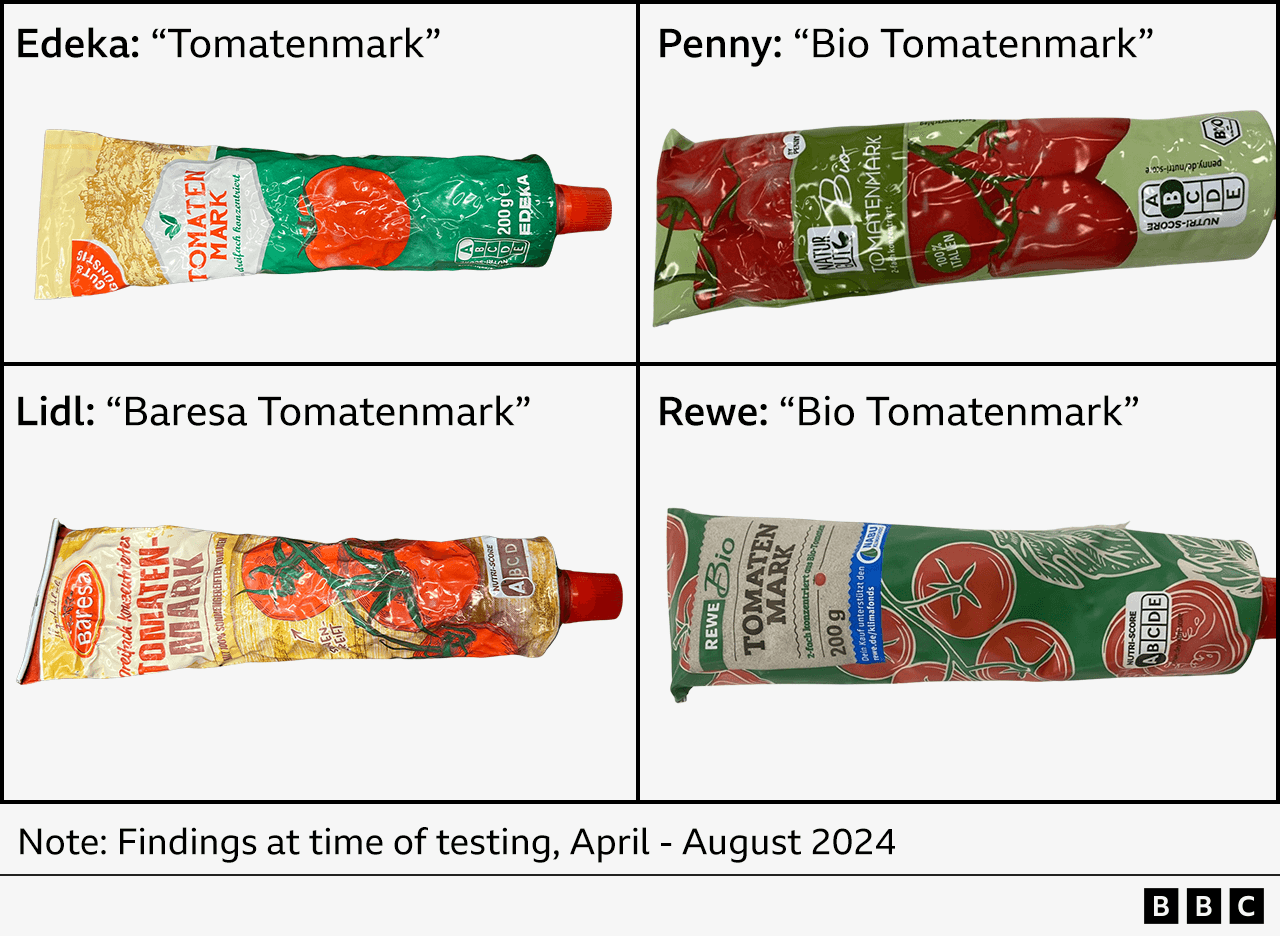
These were for sale in German supermarkets, during our testing period:
In response, all the supermarkets said they took these allegations very seriously and have carried out internal investigations which found no evidence of Chinese tomatoes. Many have also disputed the testing methodology used by our experts. Tesco suspended supply and Rewe immediately withdrew the products. Waitrose, Morrisons, Edeka and Rewe said they had run their own tests, and that the results contradicted ours and did not show the presence of Chinese tomatoes in the products.
But one major retailer has admitted to using Chinese tomatoes. Lidl told us they were in another version of its Baresa Tomatenmark – made by the Italian supplier Giaguaro – sold in Germany last year “for a short time” because of supply problems and that they are investigating this. Giaguaro said all its suppliers respected workers’ rights and it is currently not using Chinese tomatoes in Lidl products. The BBC understands the tomatoes were supplied by the Xinjiang company Cofco Tunhe, which the US sanctioned in December last year for forced labour.
In 2021, one of the Petti group’s factories was raided by the Italian military police on suspicion of fraud – it was reported by the Italian press that Chinese and other foreign tomatoes were passed off as Italian.
But a year after the raid, the case was settled out of court. Petti denied the allegations about Chinese tomatoes and the issue was dropped.
As part of our investigation into Petti, a BBC undercover reporter posed as a businessman wanting to place a large order with the firm. Invited to tour a company factory in Tuscany by Pasquale Petti, the General Manager of Italian Food, part of the Petti group, our reporter asked him if Petti used Chinese tomatoes.
“Yes… In Europe no-one wants Chinese tomatoes. But if for you it’s OK, we will find a way to produce the best price possible, even using Chinese tomatoes,” he said.
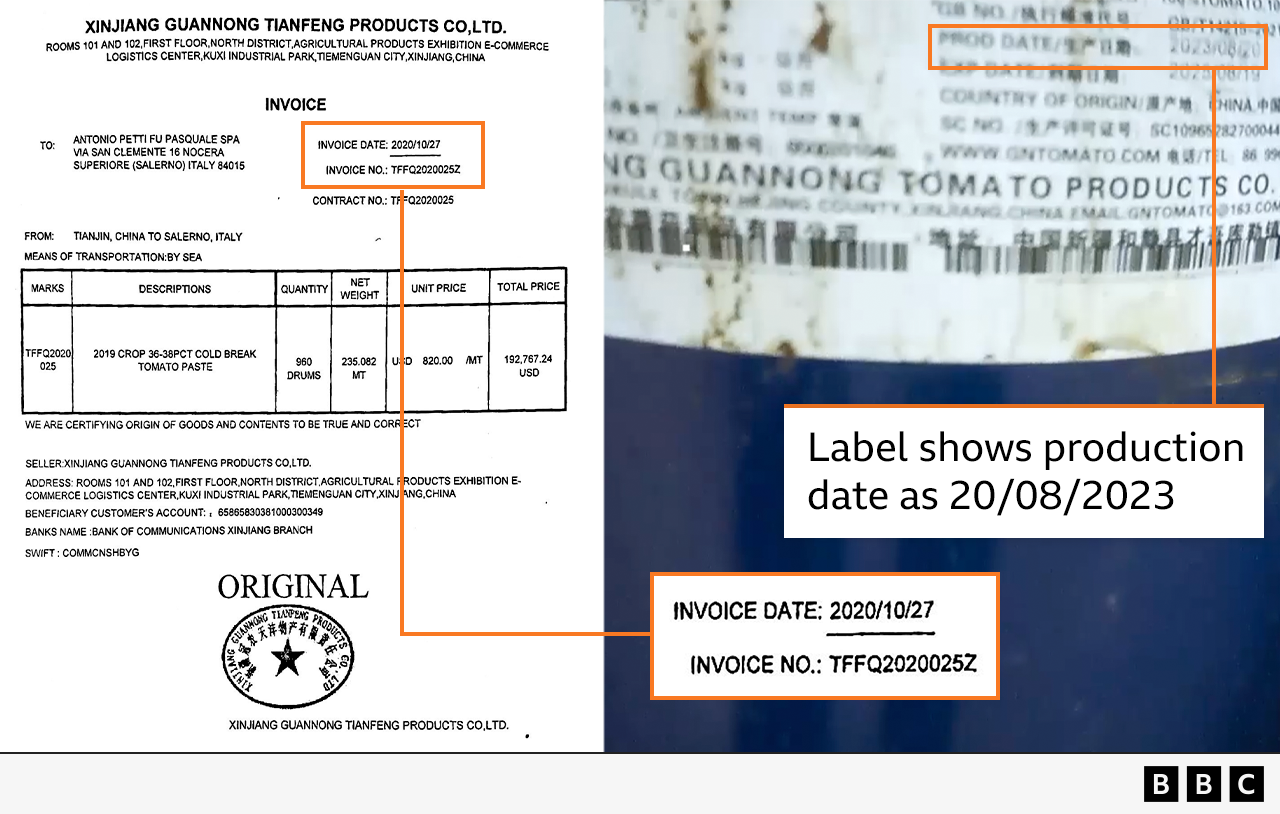
Image caption,Petti sent us what it said was its last invoice from Xinjiang Guannong (l) dated October 2020, but our undercover reporter spotted a label on a barrel sent to Petti dated August 2023
The reporter’s undercover camera also captured a crucial detail – a dozen blue barrels of tomato paste lined up inside the factory. A label visible on one of them read: “Xinjiang Guannong Tomato Products Co Ltd, prod date 2023-08-20.”
In its response to our investigation, the Petti group told us it had not bought from Xinjiang Guannong since that company was sanctioned by the US for using forced labour in 2020, but did say that it had regularly purchased tomato paste from a Chinese company called Bazhou Red Fruit.
This firm “did not engage in forced labour”, Petti told us. However our investigation has found that Bazhou Red Fruit shares a phone number with Xinjiang Guannong, and other evidence, including shipping data analysis, suggests that Bazhou is its shell company.
Petti added that: “In future we will not import tomato products from China and will enhance our monitoring of suppliers to ensure compliance with human and workers’ rights.”
While the US has introduced strict legislation to ban all Xinjiang exports, Europe and the UK take a softer approach, allowing companies simply to self-regulate to ensure forced labour is not used in supply chains.
This is now set to change in the EU, which has committed to stronger laws, says Chloe Cranston, from the NGO Anti-Slavery International. But she warns this will make it even more likely that the UK will become “a dumping ground” for forced labour products.
Panorama: What’s on Your Supermarket Shelves? The Dark Side of the Tomato Trade
Tomatoes are a store cupboard staple for many of us, but can we trust what we’re eating? The BBC investigates what’s in the tomato purees we buy to make pizzas, pasta sauces and much more besides.
“The UK Modern Slavery Act, sadly, is utterly not fit for purpose,” she says.
A spokesperson for the UK Department for Business and Trade told us: “We are clear that no company in the UK should have forced labour in its supply chain… We keep our approach to how the UK can best tackle forced labour and environmental harms in supply chains under continual review and work internationally to enhance global labour standards.”
The issue was brought up in the UK Parliament on Monday, where the Parliamentary Under-Secretary of State for Environment, Food and Rural Affairs (Defra) said it was “extremely concerning”.
Baroness Hayman of Ullock told the House of Lords that the department was “looking at labelling as a way to better inform consumers”.
Dario Dongo, journalist and food lawyer, says the findings expose a wider problem – “the true cost of food”.
“So when we see [a] low price we have to question ourselves. What is behind that? What is the true cost of this product? Who is paying for that?”











 World Animals Voice