Category: Uncategorized

(CN) They are hung, they are bludgeoned, they are microwaved …

CHINA Allows It

Please take action by supporting the petitions; thank you. Things (not always pleasant) are getting through to us now, that maybe the perverted abusers are now starting to feel the heat a bit more; we must keep on with the pressure regardless until the Chinese authorities take action to close these networks down.

This afternoon, 1515hrs GMT (15/4/24) , 16,097 people have signed the UK petition. 9,624 have signed the German petition. That is around 25,000 people who have supported.

Also, same time and date – there have been 143,315 Views of the UK petition, and it has been further shared and passed on by 12,790 people. Thus, just with the UK petition alone, around 145,000 people have now been informed, and are briefed on the cat abuses going on via the Chinese network sites.

The petitions continue;

Thank You.

PETITIONS:

https://www.change.org/p/chinese-cat-torture-time-for-action-to-stop-it

https://www.change.org/p/china-katzen-folter-ring-cat-torture-ring


England: Gang Convicted Of Training And Fighting Dogs Across Europe.

Gang convicted of training and fighting dogs across Europe (msn.com)

Gang convicted of training and fighting dogs across Europe

Story by Stephanie Wareham

Aman who had a “goldmine” of evidence on his phone of his involvement in a brutal dog fighting ring was one of four people convicted for training and fighting dogs across Europe.

Phillip Harris Ali, 67, who was known as “Dr Death” in the dog fighting world, came to the attention of the RSPCA after concerns were raised about the welfare of a dog at his home in ChigwellEssex, in August 2021 – and investigators soon uncovered evidence that he was involved in organising fights.

Officers saw four dogs at the property – a pet inside the house and three dogs being kept in kennels in the garden, one of which had scars and scratches on her face – and found a portable kennel and two dog running machines.

It prompted an investigation by the RSPCA’s Special Operations Unit, a taskforce which investigates serious and organised animal crime.

When Ali’s home was raided on March 14, 2022, two dogs were seized by the Metropolitan Police and placed into RSPCA care, while dog-fighting paraphernalia, including a slat mill, two treadmills, four break sticks and two flirt poles, were recovered.

A DIY vet kit containing items such as skin staplers, an IV kit, bandages, needles, steroids, antibiotics and painkillers were also found, while a seized mobile phone showed Ali had recorded hours of WhatsApp voice notes describing planning for fights.

Deleted videos on the phone showed graphic dog fights and injuries, while the phone also revealed match reports following organised fights, information relating to travel plans for fights, as well as messages planning fights, talking about training regimes, and discussing injuries dogs had suffered.

The investigation led to warrants being executed at other addresses, including that of Billy and Amy Leadley, aged 38 and 39, in Bambers Green, Takeley, Essex, and Stephen Brown, 56, of Burrow Road, Chigwell, and at a third address in Merseyside.

Sixteen dogs were seized from the Leadleys’ address, including bull breeds thought to have been used for fighting, many being kept in poor conditions in a garage, plus two smaller breeds who were removed on welfare grounds from the house.

One dog was seized from the property in Merseyside.

A slat mill, vet kit and books about dog fighting were all recovered from Brown’s address, while a flirt pole, two slat mills, weighted collars and other weight training equipment, plus four break sticks, were seized from the Leadleys’ property, which also had a dog fighting pit.

The three men and one woman were all convicted by a jury on Wednesday of a string of offences following a four-week trial at Chelmsford Crown Court, which started on March 4.

Ali, of Manford Way in Chigwell, was found guilty of 10 offences under the Animal Welfare Act 2006, including four of keeping and/or training a dog for use in a fight, and two of causing a fight.

Billy Leadley, who was also known as GSK or Green Street Kennels, entered a guilty plea part-way through the trial to one offence of causing unnecessary suffering to a dog by failing to provide veterinary treatment for an injury.

The jury also found him guilty of a further nine offences under the Animal Welfare Act 2006, including keeping a premises for use in fighting, taking part in a fight by refereeing, and keeping and/or training a dog for use in a fight.

His wife Amy Leadley was found guilty of three offences under the Animal Welfare Act 2006, including keeping a premises for use in fighting.

Brown was found guilty of five offences, including three of keeping and/or training a dog for use in an fight.

At the end of the trial, Amy Leadley entered a guilty plea to one offence of failing to meet the needs of seven dogs in their house, while Billy Leadley entered guilty pleas to two additional charges, one of failing to meet the needs of nine dogs being kept outside, and owning a prohibited type of dog.

Speaking outside court following the verdicts, RSPCA Special Operations Unit investigator chief inspector Ian Muttitt, who gave evidence during the trial, said: “The mobile phone was a goldmine of information and evidence.

“It contained graphic videos and images of brutal dog fights, match reports following organised fights, information relating to some of the men’s travel plans and accommodation for specific fights, as well as messages between a number of the defendants planning fights, talking about training regimes, and discussing the injuries dogs had suffered.

“The information on the phone linked most of the defendants together and we could see that they’d been involved in at least four dog fights; one held in Essex, at the Leadleys’; one in Ireland; and one in France, for which they flew into Bordeaux. The other fight was held at an unknown location in England.”

Mr Muttitt said one of the gruesome match reports showed a dog named Bonnie, who was never located, lost a fight within 25 minutes and suffered two possible broken legs in the brawl.

Another fight, which took place between February 25 and 27, 2022 in Ireland, resulted in the death of a dog named Olivia from her injuries.

Mr Muttitt added that another fight involving two dogs named Dotti and Oscar was planned for the weekend of March 25 and 26, 2022, but it did not go ahead as the dogs were seized by police beforehand.

In a voice message sent by Ali and recovered from a phone, he said he intended to reschedule the fights if he got the dogs back from the RSPCA.

Another voice note, sent by Ali to Brown, said both Oscar and Dotti had been matched for fights later in the year, with prize pots of £3,000 and £5,000 respectively.

Amy and Billy Leadley, Ali and Brown will face Chelmsford Crown Court on June 3 for sentencing.

Regards Mark

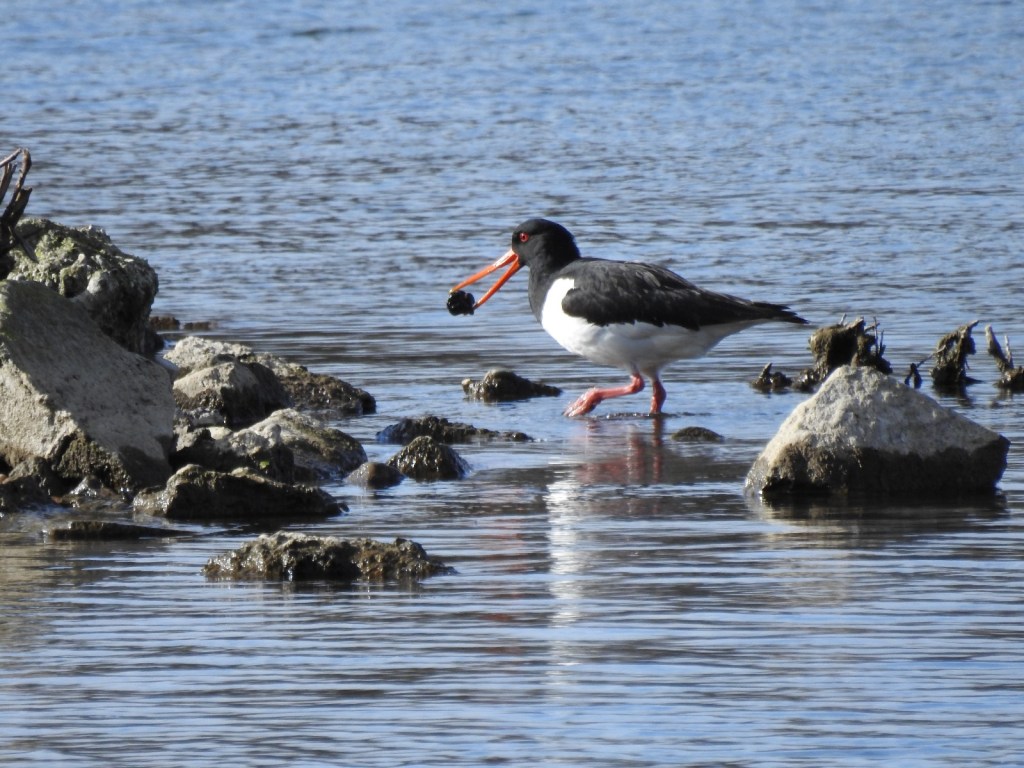
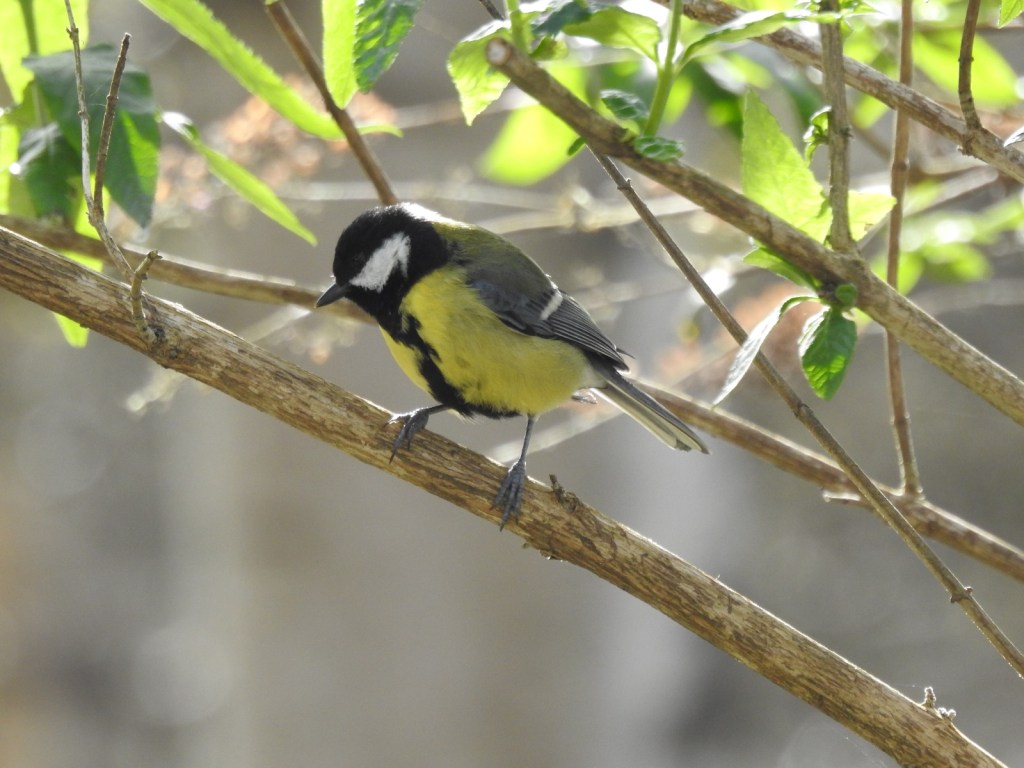
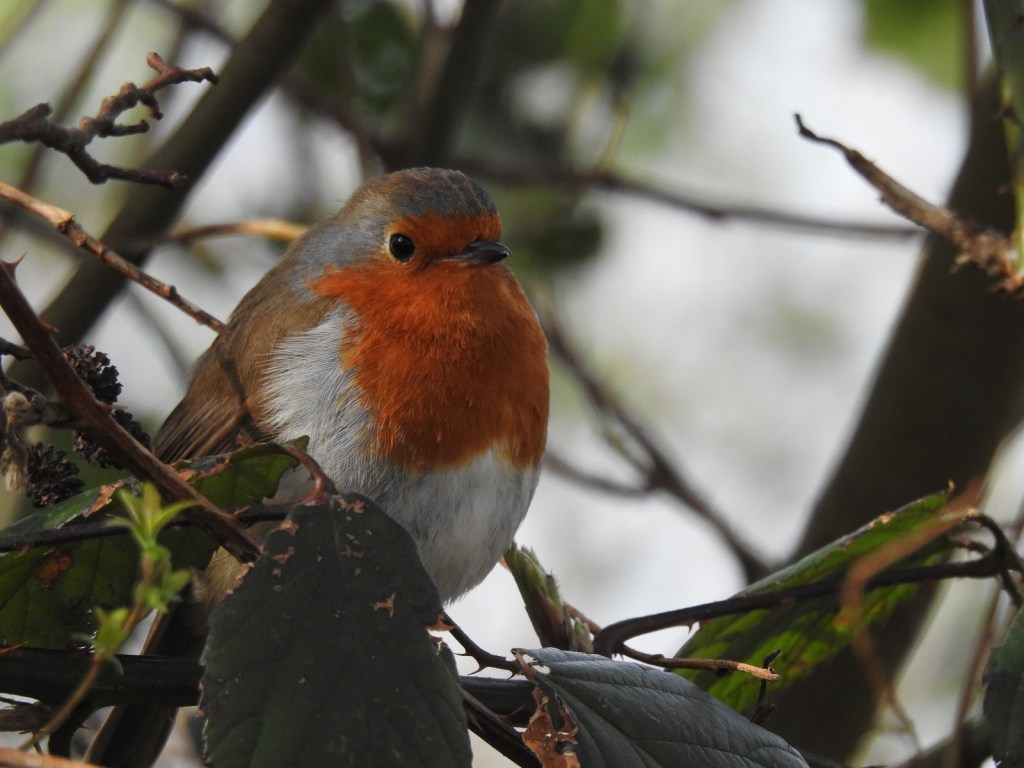
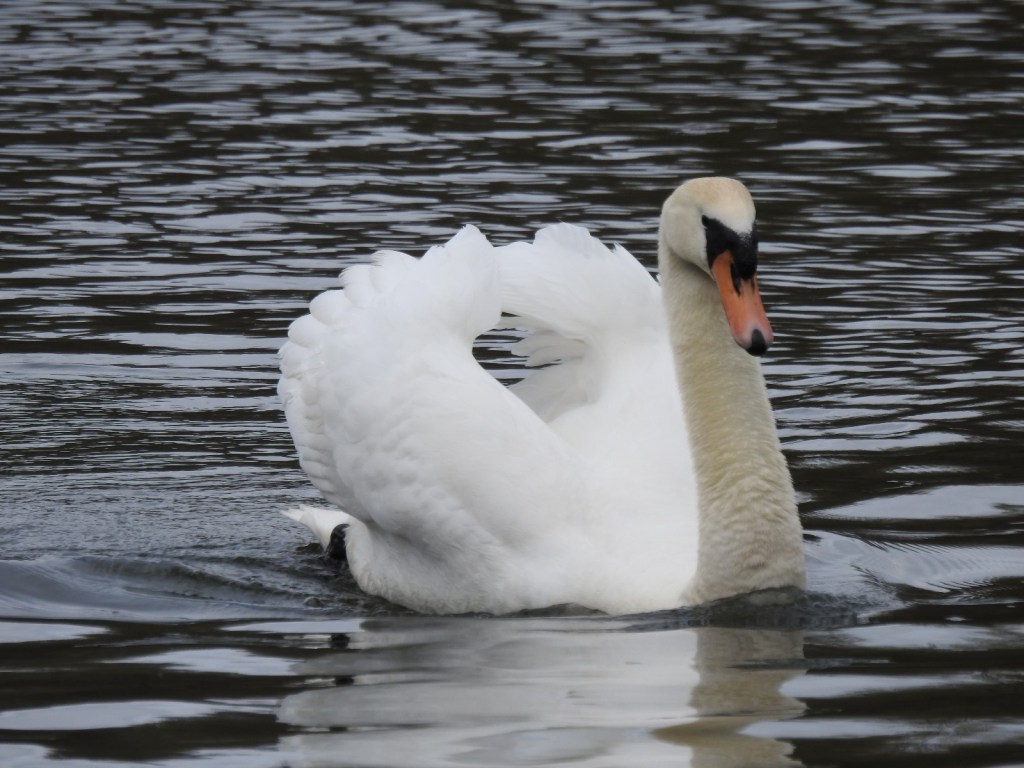
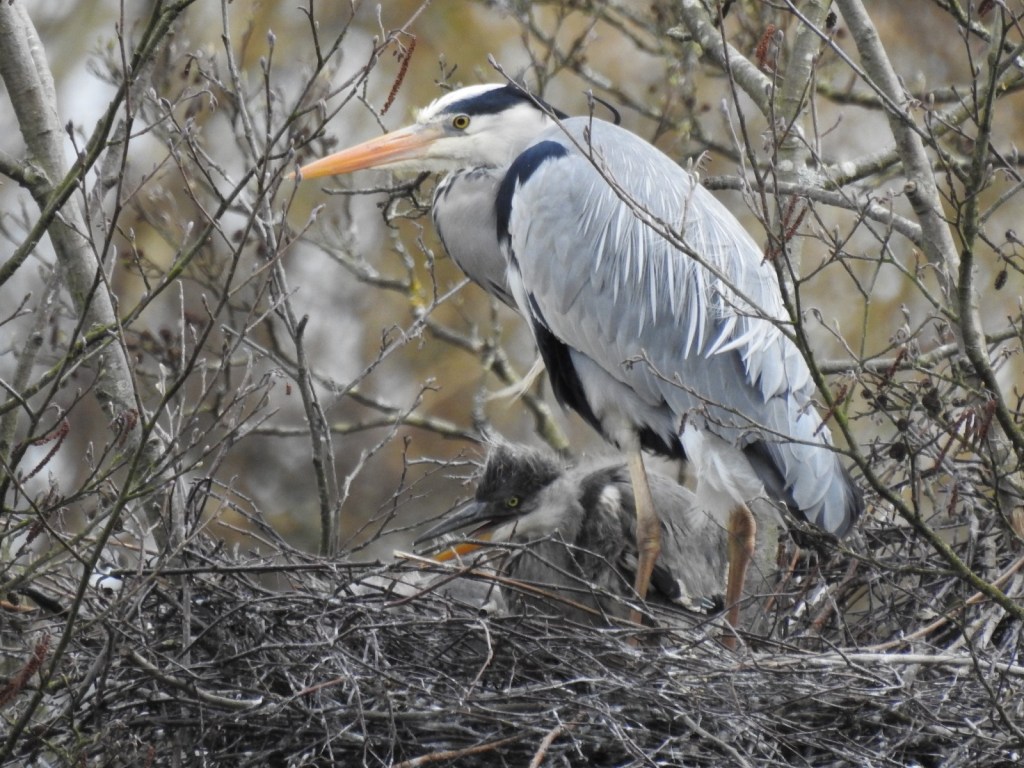
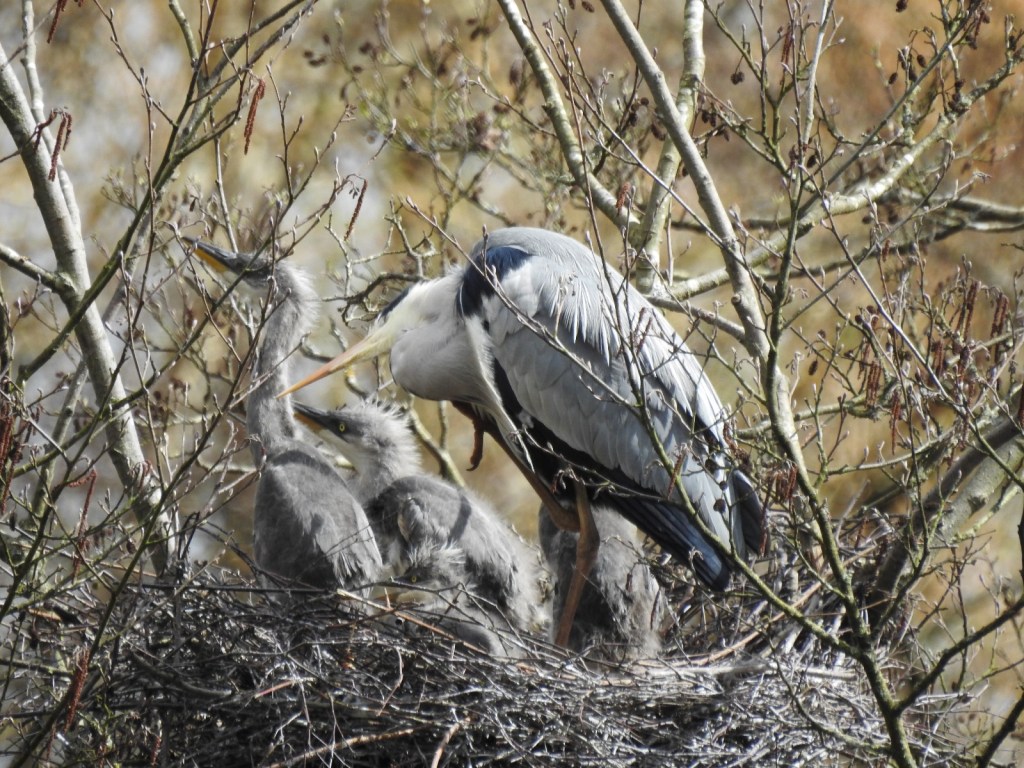
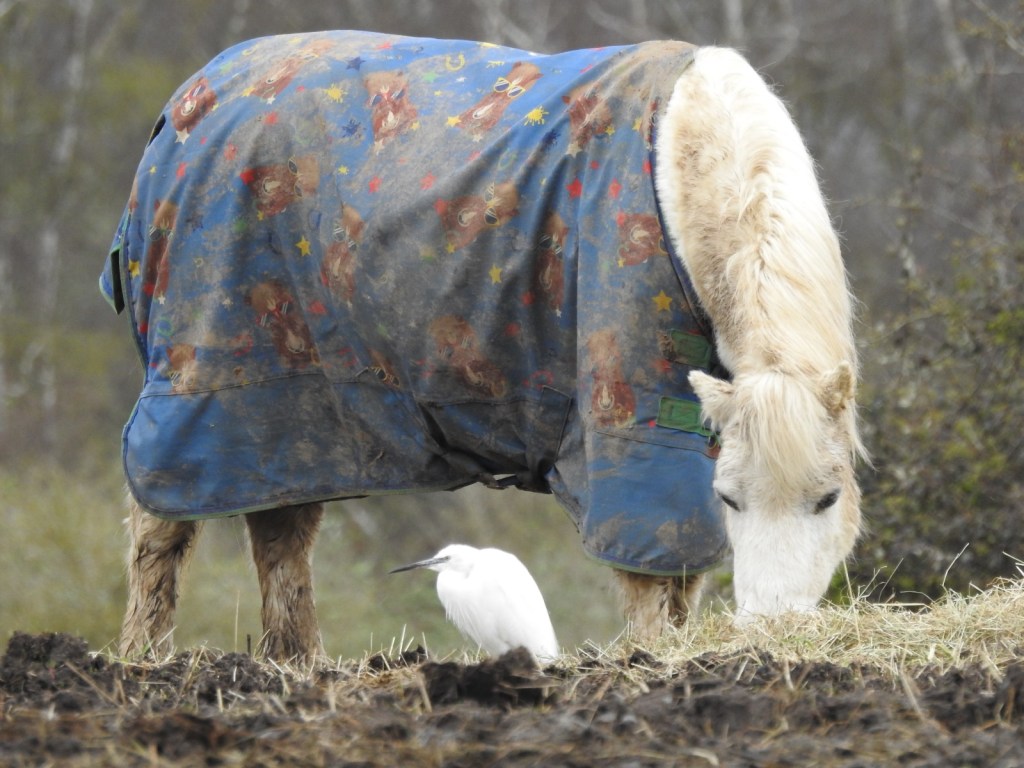
England: Pauline April 2024 Photos.

Above – Oyster Catcher

Below – Great Tit

Below – Robin

Above – Mute Swan

Below – Grey Heron, and also babies growing fast !

Below – Egret with horse friend

I left it too long to publish the last set, so here are the latest with you within 24 hours.

Think Robin and the beautiful Swan are my favorites.

Regards Pauline and Mark

See all Pauline’s other photos at https://worldanimalsvoice.com/?s=pauline

Nepal: Nepal’s animal rights activists protest death of three tigers in cage at Parsa National Park

Animal rights activists in Nepal staged a protest in front of the World Wildlife Fund (WWF) office here on Tuesday to express their concern over the recent death of three tigers kept in a cage at the Parsa National Park.

The protesters led by activist Sneha Shrestha carried placards and banners with messages such as ‘Stop all forms of animal cruelty’ and ‘Tigers belong to the wild; not to captivity, Why triple tiger population, just to cage them?’ at the WWF office in Baluwatar.

Two male tigers and one female tiger were rescued from Chitwan National Park and Thori of Parsa succumbed to ill health within a few weeks of being placed inside a narrow cage at the Parsa National Park.

The tigers in captivity were meant for display to visitors at Parsa National Park without proper ventilation and enough space.

The national park officials said the tigers might have died due to illness as they were kept in a single cage that could barely accommodate two tigers.

“Today’s protest drew over 100 concerned individuals, united in their call for accountability and the cessation of practices that threaten the welfare of captive animals,” remarked animal rights activist Sneha Shrestha.

Nepal is home to 355 Royal Bengal tigers as the Himalayan nation succeeded in more than doubling the tiger population within 12 years.

Nepal’s animal rights activists protest death of three tigers in cage at Parsa National Park | Science-Environment (devdiscourse.com)

Regards Mark

Coming Soon – the Story of Tiger Trapa and The Ex Dancing Bears.

Coming Soon – the Story of Tiger Trapa and the ex Dancing Bears.

Back in 2005 I was heavily involved in starting an organisation which focused on the Stray (Street) Dogs and Cats of Serbia.  I set up SAV as a platform for them to get a voice – you can still visit it now at https://serbiananimalsvoice.com/ to see all the work we were involved with as well as our ‘fights for strays’ with the Serbian government.

It was here that Diana first made contact with me; and as well as fighting for strays in Serbia, we decided to take on the challenge of fighting the hunt(ers) in Germany; exposing their underbellies and how hunter killed wildlife was being disposed of. 

Diana still works with me and together we have produced a lot of info and data on the dark web system that operates out of China regarding cat torture and killings.

During SAV operations relating to Serbia, I made many wonderful friends involved with helping animals.  Two of them are Branka and Pavel; who are devoted to rescuing dancing bears; and providing sanctuary; as well as their story relating to the rescue of Tiger Trapa; which at the start was a very young Tiger being used by a Circus for photographs  After just a few months the baby tiger had grown large and so the Circus Director decided there was no way he needed the animal; and so it could be destroyed.

This is where friends Braka and Pavel immediately stepped in to rescue the young tiger from certain death.

So, there are several stories to tell here; and over the last month or so I have been communicating with Branka and Pavel to do a lot more about Tiger Trapa and the ex dancing bears rescues.  We are still working together to ‘make stories’ of these issues which we hope you will enjoy reading about in the near future.

In the meantime here a few photographs and a video link relating to the rescue of such beautiful animals by such very good people.

More to come soon;

Regards Mark

Branka with Tiger Trapa after rescue –

Ex Dancing bear Sanctuary video featuring Pavel and Branka) – note the size of the claws ! –

https://reuters.screenocean.com/record/494573

… and enjoying their Easter eggs.

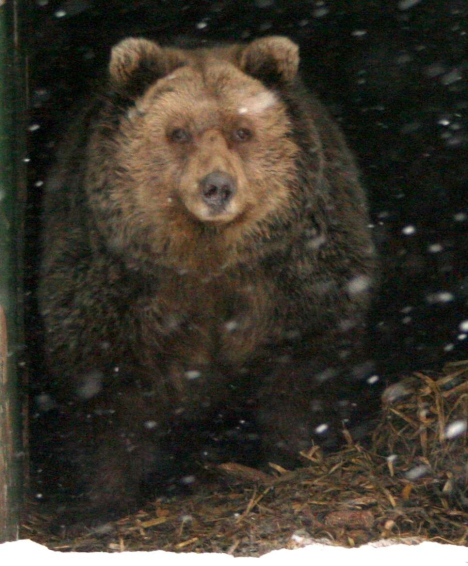
Waking up from hibernation –

UK: Society Is Getting Sicker All The Time – Children Using Catapults To Kill And Torture Animals Before Sharing ‘Sick’ Images On WhatsApp.

One link from our own site – https://worldanimalsvoice.com/2024/03/08/cn-cat-torture-groups-many-participants-are-shown-to-be-minors-disturbing/

It is getting worrying now – animals killers go on to kill humans. FACT.

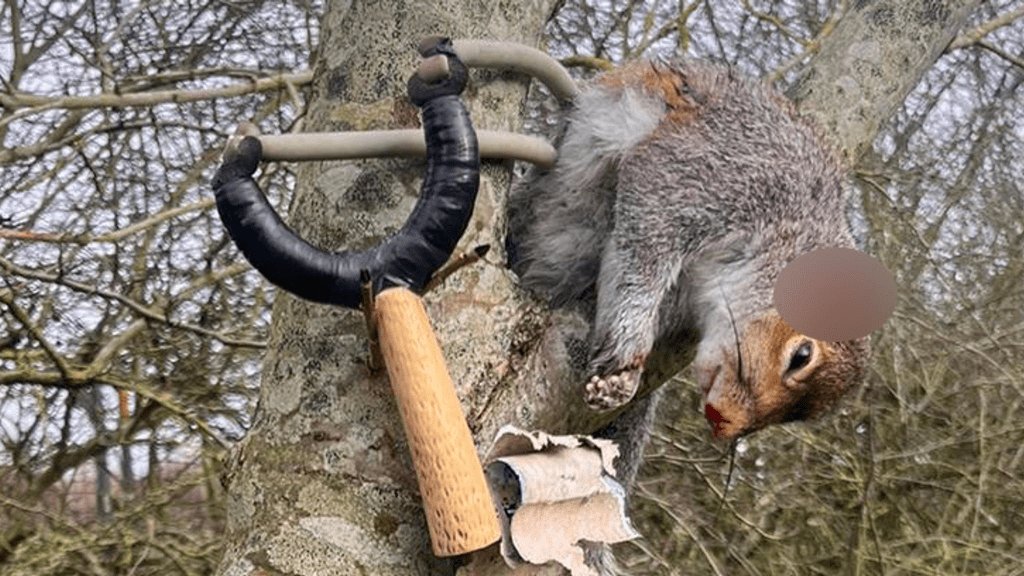
A photo of a catapult and a knife was shared in one of the WhatsApp groups

Children using catapults to kill and torture animals before sharing ‘sick’ images on WhatsApp

A Sky News investigation finds hundreds of members of catapult groups on WhatsApp, where pictures and videos of animals killed or injured with the weapons are shared.

Children are filming themselves using catapults to kill and torture animals in a UK-wide network on WhatsApp, Sky News can reveal.

Warning: This story contains images and descriptions readers may find distressing

The youngsters – including some of primary school age – have been sharing footage and photos of their kills in groups on the messaging app.

In some videos, injured animals are shown dying slowly after being shot with hand-held catapults.

In others, young people kick and abuse the animals after shooting them – as well as pose holding their dead bodies.

Sky News has discovered nearly 500 members of catapult groups on WhatsApp, in which more than 350 photos and videos have been shared of animals that have been killed or wounded with the weapons.

The RSPCA described the material in the groups as “horrendous” and said it was an “emerging trend”.

The “sick” attacks have prompted calls for a change in the law as catapults are not classed as an illegal weapon and can be bought and carried legally.

The animals targeted include pigs, deer, pigeons, foxes, squirrels, pheasants, rabbits, geese and ducks – with one charity saying it had seen an “exponential” rise in birds with catapult injuries.

The Swan Sanctuary, which rescues swans and other waterfowl in Shepperton, has around 20 birds in its care with catapult injuries.

Volunteer Danni Rogers says the “devastating” wounds are mostly to the birds’ heads and necks as a result of “pure kill shots”.

X-ray images show ball bearings lodged in the birds, as well as shattered bones from the impact of catapult shots.

Describing the “life-changing, death-causing” injuries, Mr Rogers said he had seen “fractures to facial areas, eyes exploding and windpipes bursting”.

“I get emotional about seeing animals in distress,” he told Sky News.

“(They’re) being targeted for no other reason than just pure evil fun.”

In one incident, Mr Rogers said he was rescuing a swan with catapult injuries when he was made aware that children with catapults were shooting in the area.

He later discovered a dead pigeon – freshly killed by a catapult – next to his vehicle, which had been left as a “trophy”.

Sky News has discovered 489 members – including young children, teenagers and some young adults – across 11 catapult groups on WhatsApp.

In one video shared on a group, a deer lies twitching on the ground, severely injured with a head wound, having just been shot with a catapult by a child.

The young person who attacked the deer then stands over the animal while bringing a hand-held catapult in front of the camera for viewers to see.

Watching it on the floor, the child then kicks the deer, causing it to writhe around in visible distress.

In another video, two teenagers have shot a fox, with one heard saying: “Okay boys… steel shot in the head.” The catapult is then held up to the camera, showing the weapon used to kill the animal.

In one video, a teenager holds up a catapult while filming a Canada goose drowning, having shot it from across a pond. While filming the severely injured bird, the attacker is heard celebrating.

“One up for the new catapult, big Canadian goose, dead as a dodo. Get up!” he says.

 Separate footage shows a child of primary school age filming themselves picking up a heavily bleeding squirrel while saying: “Look at that boys, it’s a ball bearing for ya… have that you prick.”

The material in the WhatsApp groups also includes voice notes where children are heard describing their kills.

One boy says in a voice note: “Shot him straight in the head boys, smack bang in the skull, not one bit of kick, nothing, no little flinch before he died.”

In another voice note, a boy says: “Goes straight through the rabbit’s head.”

In a separate voice note, one boy says: “I killed 16 things today lads.”

Geoff Edmond, the RSPCA’s lead wildlife officer, said the catapult killings were an “emerging trend” and children involved were “deliberately and intentionally targeting” animals “for sport”.

“We’re seeing more and more injured animals being reported to us that are being hit by catapults,” he said.

 Police in London and Essex were also aware of increasing numbers of incidents, Mr Edmond added.

While it is not illegal to buy or carry a catapult, when it comes to shooting with one, the law has a number of different pieces of legislation protecting animals.

The first is the Animal Welfare Act 2006, which says that causing an animal unnecessary suffering is an offence.

In the material shared on WhatsApp, a number of the animals are abused while still alive, which again is illegal under the Animal Welfare Act.

Another piece of relevant legislation is the Wildlife and Countryside Act 1981, which protects wild birds and some animals in England and Wales.

This act lists weapons that a person must not use to kill an animal, but catapults are not included in that list.

Henry Smith, the vice chair of the All Party Parliamentary Group for Animal Welfare, says parliament urgently needs to look at changing the legislation.

The MP believes the government should look at ensuring there is a “criminal sanction” for “those who use catapults as a weapon to inflict injury and suffering” and look at restricting sales to under-18s.

Catapults are readily available to buy online, including on websites like eBay and Amazon.

In the catapult groups, young people also trade, sell and even make them by hand, while some people even promote knives.

Regards Mark

The same article with photos:

https://news.sky.com/story/children-using-catapults-to-kill-and-torture-animals-before-sharing-sick-images-on-whatsapp-13089025

Please sign, support and crosspost this petition.

SIGN: Stop Horrifying Trend of ‘Catapult’ Animal Killing on WhatsApp (ladyfreethinker.org)

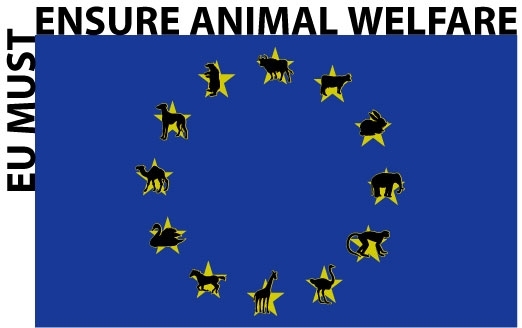
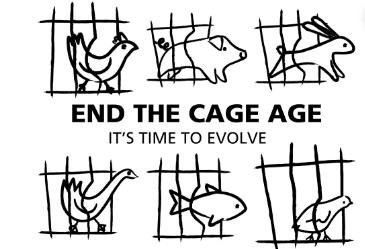
EU: Seven EU Citizens Who Started The ECI — Launch A Ground-Breaking Legal Action Against The European Commission For Failing To Act For Caged Animals. 

Despite a clear commitment from the European Commission in 2021 to deliver proposals to ban caged animal farming by the end of 2023, it has failed to deliver on its promise.

As a result, last week, the End the Cage Age Citizens’ Committee — a group of seven EU citizens who started the ECI — launched a ground-breaking legal action against the European Commission for failing to act. 

Funded by Compassion in World Farming, this historic case could result in the Commission being compelled by the court to set out a clear timescale for the legislation. 

It is the first legal action to hold the Commission to account over its failure to act on an ECI — an important test case for both animal welfare and democracy.

Despite overwhelming support, animals continue to suffer

Back in 2021, Compassion in World Farming, along with millions of European citizens, celebrated the news of the European Commission’s clear commitment. 

It followed the first ever successful European Citizens’ Initiative (ECI) to ‘End the Cage Age’, which was signed by an overwhelming 1.4 million EU citizens and supported by a coalition of 170 NGOs led by Compassion. 

ECIs were introduced with the specific purpose of giving citizens more influence over EU decision making and the tool is described by the European Commission as “a way for you and other Europeans to take an active part in EU policy-making”.

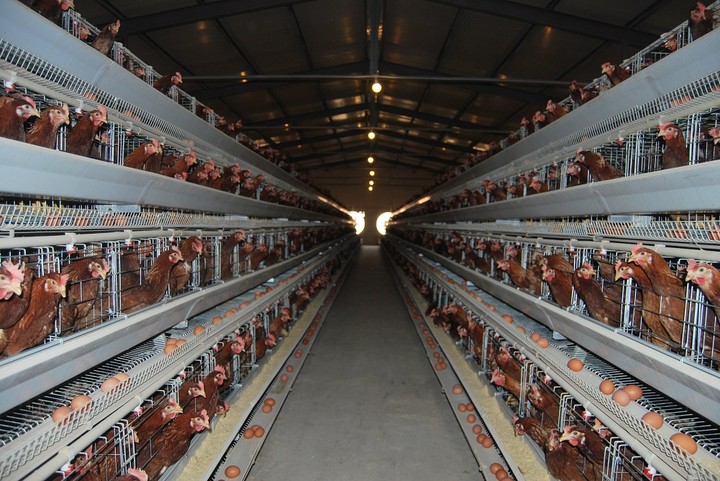
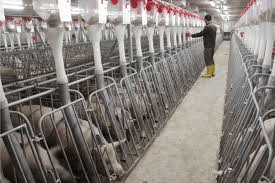
Pregnant sows are forced to nurse their piglets in crates so small they can’t even turn around; chickens can’t spread their wings, and along with countless rabbits and quail will spend all their lives in barren cages.

In October last year, the European Commission’s own Eurobarometer survey revealed that an overwhelming nine out of ten, or 89% of EU citizens — around 400 million people — believe animals should not be farmed in individual cages. 

The Commission’s own scientific advisers, the European Food Safety Authority, have also backed the phasing out of cages on welfare grounds for pigs, dairy calves, laying hens, ducks, quail and rabbits.

Meanwhile, more than 300 million pigs, hens, rabbits, ducks, quail and geese continue to suffer confinement and misery in cages across the EU each year.

Pregnant sows are forced to nurse their piglets in crates so small they can’t even turn around; chickens can’t spread their wings, and along with countless rabbits and quail will spend all their lives in barren cages. 

Ducks and geese are caged for force-feeding to produce foie gras.

How did the ban get derailed?

In September, we hoped to hear European Commission President Ursula von der Leyen set out the plans to deliver the ban in her State of the Union speech. 

Instead, what we heard were words that echoed the letter she received from the farming federation Copa Cogeca. It seems she caved into pressure from the agriculture lobby to put the ban on hold.

Together with my colleagues in End the Cage Age Citizens’ Committee, we have made repeated requests to meet with the president on behalf of the millions of EU citizens who support the cages ban, without success. 

The cages ban — part of the Commission’s excellent Farm to Fork strategy to meet climate and nature obligations — also has the chance to provide wider environmental and socio-economic benefits.

Yet, last October, an investigation from Lighthouse Reports revealed that “an increasingly assertive meat industry helped derail a historic democratic demand to improve animal welfare standards in the EU”.

We simply cannot allow the powerful farming lobby to have preferential access to decision-makers to influence them to backtrack on promises they have made to citizens. 

This is particularly unjust when those citizens have followed the very process designed to give them more influence over EU decision-making. As a result of this injustice, both animal welfare and democracy are now at stake.

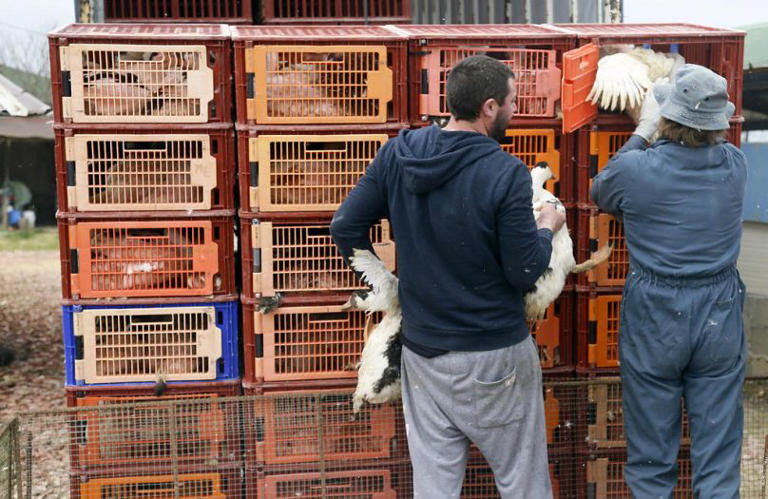
Above – Duck breeders load ducks into a truck to bring them to a slaughterhouse at a poultry farm in Saint Aubin, May 2017 AP Photo/Bob Edme© Provided by Euronews (English)

Above – walk past a truck with live chickens on sale in an informal market in central Athens, May 2012 Thanassis Stavrakis/AP© Provided by Euronews (English)

We can’t wait any longer

There is simply no justification for any further delay. All the appropriate preparation, assessments and consultations have already been carried out by Commission officials and the proposals make strong provision for financial support to help farmers transition to cage-free systems during a phase-out. 

This measure is backed by the animal welfare movement who believe public subsidies should be redirected to reward farmers for transitioning to high welfare and nature-positive systems that benefit society.

Pursuing legal action is not a choice we have taken lightly, but we cannot allow the European Commission to break its promises to citizens, making a mockery of democracy in the process.

The cages ban — part of the Commission’s excellent Farm to Fork strategy to meet climate and nature obligations — also has the chance to provide wider environmental and socio-economic benefits. 

A report from the Institute for European Environmental Policy found that the ban would have greater sustainability benefits. 

These art installations reveal the sad truth about keeping animals in cages

European Parliament overwhelmingly backs ban on caged animal farming

In addition, it concluded that the current discrepancy between legislation in member states was leading to uneven market conditions across the EU, and that a level playing field should be created.

Democracy is not to be mocked

Pursuing legal action is not a choice we have taken lightly, but we cannot allow the European Commission to break its promises to citizens, making a mockery of democracy in the process. 

Most importantly, we cannot stand by silently while millions of animals continue to suffer in cages. Caving into the big agriculture lobby and continuing to use taxpayer funds to prop up this damaging sector is not helping citizens, or the majority of small-to-medium-scale farmers.

The hope is that this ground-breaking legal action — launched on behalf of millions of supportive EU citizens as well as the voiceless 300 million animals still suffering every day in cages — will speed up the ban and ensure that every cage is an empty cage.

We will not rest until we end the Cage Age.

Olga Kikou is Head of Compassion in World Farming EU, the leading farm animal welfare organisation dedicated to ending factory farming and achieving humane and sustainable food production.

Full article and pictures at:

To protect caged animals, we are suing the European Commission (msn.com)

We are 110% behind the actions now taken;

Regards Mark

More reading https://www.ciwf.org.uk/our-campaigns/end-the-cage-age/

EU: Opinion – Why MEPs and Spitzencandidaten should sign the Vote for Animals pledge.

25 March 2024

Opinion

Written by Reineke Hameleers

Read more content from this author

Having lived close to three European borders, between the Netherlands, Germany and Belgium, for most of my life, I consider myself a true European. Others might not feel the same. To a certain extent, this is understandable because European politics has so far failed to address some of the most pressing concerns of its citizens in crucial areas, such as animal welfare.

The upcoming EU elections present an opportunity to re-establish a much-needed connection between our citizens and the EU institutions, which many still perceive as abstract entities, far away from their everyday lives. Despite this, the past five years have seen unprecedented participation of European citizens in the democratic process, as shown by the enormous success of three European Citizens’ Initiatives (ECIs) on animal welfare, recently further confirmed by the results of the 2023 special Eurobarometer. Yet, despite all the promises the closing political term held, there has been no substantive progress on an issue that is so dear to citizens.

I feel proud whenever I remind myself that the EU recognised animals as sentient beings in the Treaty on the Functioning of the European Union (TFEU) since 1997. Animal sentience refers to the ability of animals to feel and experience emotions such as joy, pleasure, pain and fear. It is the animals’ capacity to feel both positive and negative states that drives the animal welfare movement. It is also the reason why animal protection laws exist. Such recognition should offer enormous legislative scope to create a Europe that truly recognises and values animals for what they are.  However, EU law continues to treat them as mere commodities, goods, and products. To all effect, EU policies are in stark contradiction to the TFEU as regards the treatment of animals.

This glaring discrepancy between the EU’s highest legislation and the reality on the ground is a political failure as it falls short of the expectations of European citizens. This message resonated loud and clear in the cross-party interventions during the recent European Parliament debate calling on the Commission to fulfil its promises and live up to its commitments on animal welfare. 

Will the candidate MEPs and the Spitzenkandidaten use the elections to genuinely listen to citizens and renew their commitment to improving the animal condition? Undeniably, discontent among farmers has been a significant hurdle to progress in this area. However, the causes of this discontent are rooted in our distorted food system and have little to do with animal welfare rules. 

We must dispel the notion that increased animal welfare measures will make farmers more vulnerable. On the contrary, higher animal welfare standards can prove immensely beneficial for creating new market opportunities in the European Union and driving higher standards globally while responding to societal expectations, as echoed by the recent debate in the European Parliament on this topic.

As the elections approach, we find ourselves at a critical juncture. The conditions of farm animals, animals used in science, traded wildlife, and pets demand immediate attention. While some initial steps were taken during the previous term, they are insufficient to meet European citizens’ expectations, not to mention their inadequacy in light of the most recent scientific evidence. 

For this reason, we created a pledge with ten points, which should guide public policy for the next political term, ensuring that European animal welfare legislation will look significantly different by 2029. 

See the pledges:

https://www.eurogroupforanimals.org/vote-animals-pledges

I am a firm believer in the European project, but I am often questioned by our member organisations and their supporters about my faith in the European institutions. Indeed, these are critical times. It is easy to lose hope when faced with indisputable evidence of a lack of political courage. Yet, the EU can and must rise to its fullest potential and continue building a sustainable and kinder future for all. 

Dear candidates, please consider the transformative impact you could achieve by signing our Vote for Animals pledge. This pledge embodies our collective aspiration for a Europe that respects and values animals as sentient beings. By signing it, you will send a clear message to European citizens confirming the European Commission’s commitment to improving the welfare of all animals and ensuring that the relevant legislation will look much different by 2029. 

Together, we can pave the way for a more compassionate Europe. 

Regards Mark

UK: We Have Had Lots Of Rain – So Bears Take Advantage On Naturally Formed Pond By Being Given Their Own Swan Pedalo Boat.

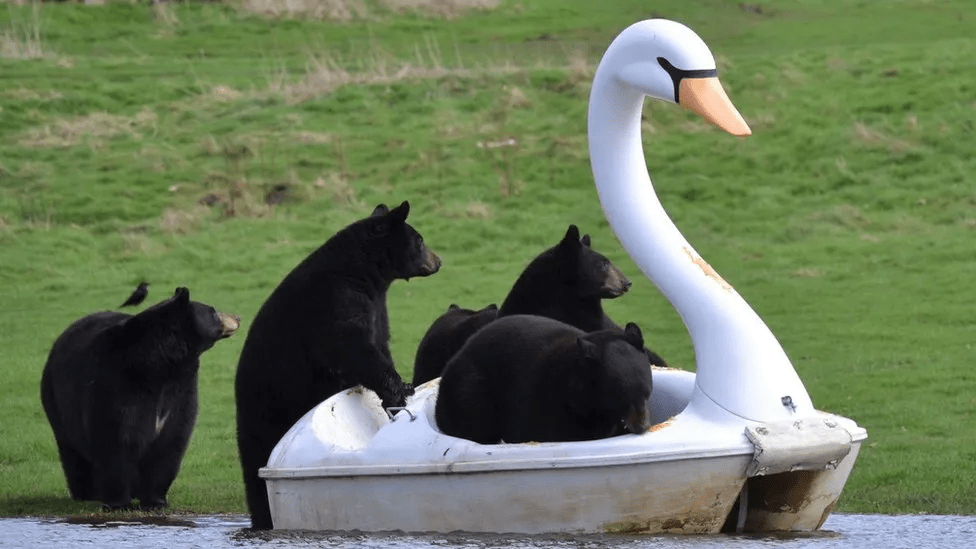
Pictures – Woburn Safari Park

UK – It has really rained a lot over the last few months; we are used to lots of rain but this is a bit more !

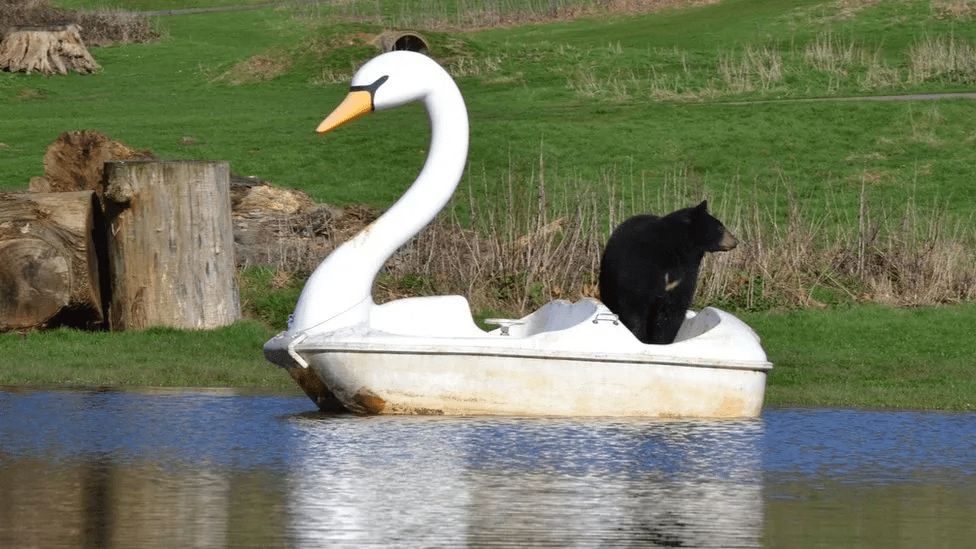
So, these black bears wasted no time clambering on to a swan pedalo when it appeared in their enclosure at Woburn Safari Park in Bedfordshire.

Keeper Tommy Babbington added the quirky paddle boat to keep the animals entertained after a large pool of water formed at the site during the recent wet weather.

Read the full story at:

Bears take a ride on swan pedalo at Woburn Safari Park – BBC News

Regards Mark

Animal Protection Denmark: No Animal Should Suffer For Beauty: New Campaign Exposes Impacts Of Extreme Breeding.

Photos – Animal Protection Denmark

No animal should suffer for beauty: new campaign exposes impacts of extreme breeding

20 March 2024

Animal Protection Denmark

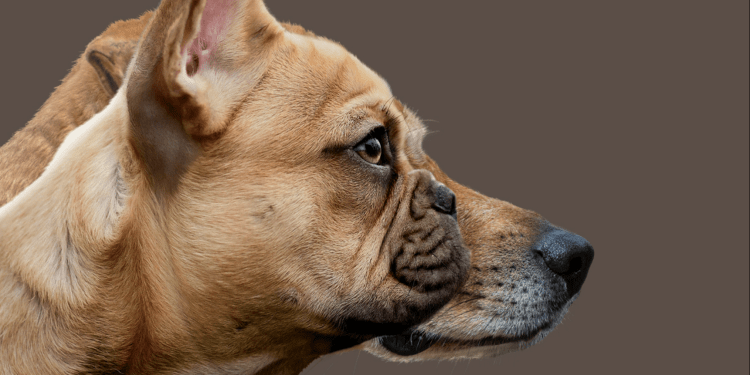
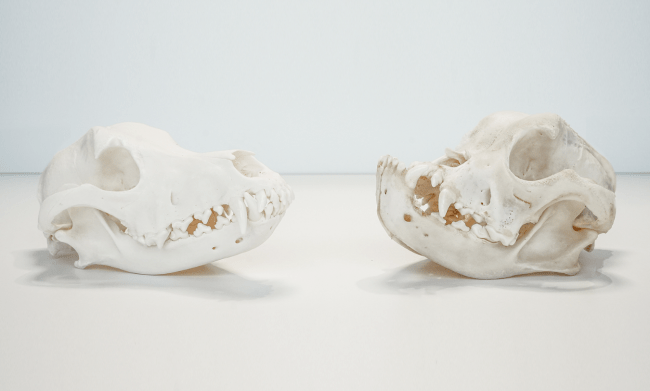
The demand for traits such as short muzzles, large eyes and excessive skin folds have resulted in extreme and unhealthy breeding.

A new campaign hopes to raise awareness and reduce demand for unhealthy dogs.

Dogs with extreme traits suffer from difficulty in breathing and regulating body temperature, eye problems, jaw and dental problems. Excessive skin folds cause skin infection and mobility problems. 

A new campaign by Animal Protection Denmark hopes to reduce the demand for extreme breeds, shedding light on the consequences that unethical breeding has on dog’s health.

No dog owner wants their animal to suffer, but we find that many people who acquire new dogs are not aware of the many health challenges that flat-nosed dog breeds often have.

Jens Jokumsen, Animal Protection Denmark

Lack of EU-wide legislation 

Animal Protection Denmark has disseminated adverts for a fake plastic surgery clinic for animals, through which the organisation aims to start a conversation about extreme breeding. In Denmark, it is illegal to perform operations on animals if the intention is solely to change the animal’s appearance. On the other hand, there is no legislation that protects animals from breeding that deliberately produces an extreme appearance that is harmful to their welfare. 

The campaign informs potential owners on what they should consider before getting a dog, whilst demanding legislation that can help push breeding in the right direction.

Extreme breeding has become a widespread problem in Europe, with severe impacts on animals and emotional distress for owners and veterinarians. Countries like Belgium, the Netherlands and Austria have taken the first step to ban certain extreme breeds, but the legislation needs further reinforcement. 

The European Commission’s new proposed legislation for cats and dogs, despite its many positive aspects, does not address extreme breeding. Eurogroup for Animals calls for an EU-wide ban on extreme breeding, an ownership ban, as well as a ban on the use of extreme featured breeds in the media and in exhibitions and competitions.

Extreme breeding in Europe – click here to access reports and information:

Extreme breeding in Europe | Eurogroup for Animals

Regards Mark

Animal Protection Denmark aims to help animals in need, stop animal abuse and fight for a respectful and sustainable relationship between animals, humans and nature. They engage at national, European and international levels for animal welfare, biodiversity and climate. Their work includes rescue and care for animals at local level across Denmark.

Link

Visit the Animal Protection Denmark website

Enjoy – a song that means a lot !