Incidents of public demonstrations and protests from animal rights activist groups are climbing. In 2022, extremist groups glued themselves to Starbucks countertops and chained their wrists to basketball hoops during televised games in hopes of channeling public attention to their campaigns.
While these radical tactics may seem like the primary danger is out in the open, a greater looming threat to animal agriculture is emerging from the courtroom: the rise of animal law.
Horizon Europe: unlocking the full potential of non-animal technologies to tackle human diseases
24 February 2023
In response to the public consultation on the past, present and future of the European research and innovation framework programmes, Eurogroup for Animals highlighted the need for further focus on human-based approaches to better manage health and disease, and for more transparency regarding animal-based research funded by EU public funds.
The European Commission recently closed the largest public consultation ever held on the past, present and future of the EU’s Horizon research and innovation programmes 2014-2027. Under the current Framework Programme, Horizon Europe, the cluster health aims to advance new knowledge, improve our understanding of health and disease, and develop innovative solutions to prevent, diagnose, monitor, treat and cure diseases. However, it is not clear that these objectives are being pursued in line with the best scientific evidence, the EU’s commitment to move away from animal testing, and the repeated calls from EU citizens to transition to non-animal science.
“What we do not understand, we cannot address effectively”.
The report on Horizon Europe’s Mission on Cancer stresses that understanding the human biological processes is crucial for developing effective treatments. Preclinical animal studies, which are costly and time-consuming, are of questionable relevance to study human cancers and rarely lead to successful treatments due to physiological, anatomical, and psychological differences between animals and humans. Conversely, advanced human-based approaches can improve our understanding of disease mechanisms, including cancer, provide new insights into drug discovery, and deliver more effective personalised treatments. However, their validation, standardisation and implementation remain slow, partly because these processes are expensive, laborious and often inadequately funded. In its reply to the EP Resolution to accelerate the transition to innovation without the use of animals in science, the European Commission stated that it has been a strong supporter of the development of non-animal methods over the past two decades. Yet, as the Commission pointed out, the annual budget for non-animal approaches has remained unchanged over the last 14 years at a figure of about 48 million euro per year.
In our response to the public consultation, Eurogroup for Animals emphasised that:
Non-animal approaches are game-changing technologies that have the potential to significantly improve our understanding of human diseases by producing data based on human biology, leading to considerable benefits for public health in terms of preventing and curing diseases.
The Mission on Cancer provides a great opportunity to support and promote innovative non-animal technologies to better understand cancer, and deliver new treatments to address the alarming growth of cancer cases.
Strong national and international collaborations across all sectors and with different stakeholders (e.g. regulators, academia, industry) are key to unlocking the full potential of advanced non-animal solutions, and allow for a continuous interaction and exchange of experience and best practices.
Sharing and disseminating the latest human-relevant scientific knowledge through education and training activities is an effective way to inspire the next generation of scientists and encourage a change in attitudes and priorities.
Horizon Europe should strive to collect and share information in a simple way to understand where animals continue to be used, and where investment in non-animal approaches is most needed.
Significant funding must be made available for the validation and implementation of advanced human-based methods in order to fully unlock and exploit new tools, technologies and digital solutions to tackle and manage human diseases.
The EU has now the opportunity to become a world leader in advancing non-animal science, but this can only be achieved by replacing animal-based methods with next-generation non-animal technologies. Joining forces across Europe to better promote and fund these technologies will help achieve the objectives of Horizon Europe and the Commission’s commitment to fully replace animals in scientific procedures, but also to improve the successful translational outcomes to humans.
One year of war in Ukraine: what has been done for animals?
24 February 2023
Djurskyddet Sverige
Written by Valentyna Vozna
Please click on any of the words in Purple to get more information – WAV.
A year ago we were counting at first the hours, then the days that it would take the Russian army to take over Kyiv. Today, we are still counting, and sadly it is already the one year anniversary of the war. Even though protracted war means more suffering for both people and animals, we would like to showcase the successes of our collective work to help the animals of Ukraine.
Today, we celebrate one year of tireless work of the international community, who did not hesitate to come to the rescue of animals a year ago; people from all over the world showed an unprecedented unity and willingness to make a contribution to someone else’s fight for freedom.
We also celebrate the hard work of all the animal volunteers who chose to stay in the country in order to take care of the animals, risking and often giving up their lives to help animals over the past year.
In the early days of Russia’s invasion of Ukraine, Eurogroup for Animals and its members convened a Taskforce to help address the plight of Ukrainian companion animals. The members are still determined to help the animals in Ukraine, regardless of the effort and resources it requires.
Over the past year, the Taskforce members have had numerous meetings to share information and decide on their strategy. They developed a network of trusted partners, and implemented varied projects such as providing pet food to animals, including in the most dangerous zones. They have supported local veterinarians, animal shelters and clinics, sterilisation and vaccination projects, and sent generators and mobile clinics in order to help animals in Ukraine, as well as receiving refugees with pets in the EU, providing them with all the necessary assistance.
Djurskyddet Sverige launched a sterilisation project in Zhytomyr with the support of Animal Help ZT, sterilising and vaccinating animals of refugees and even animals brought by soldiers from front lines;
FOUR PAWS launched Kishka project – a sterilisation project aimed to sterilise 10,000 cats all over Ukraine; prepared a Shelter Adoption Program in the Ukrainian language; cooperated with USAVA in order to provide veterinary care for pets and strays; conducted sterilisation and vaccination against rabies project in 20 municipalities with a mobile clinic and a catching team; helped launch UPAW platform; helped rescue several bears and admitted them to their sanctuary Domazhyr, including from front lines such as Bakhmut;
IFAW partnered with Mykolaiv Red Cross and Nova Ukraine in order to provide food and veterinary care to animals; launched free vaccination, sterilisation and microchipping project called Protect your pet with USAVA; cooperated with Save Pets of Ukraine initiative, founded by the Ukrainian manufacturer of food for cats and dogs Kormotech, in order to provide food to shelters in Kyiv, Kharkiv, Dnipro, Lviv, Zhytomyr and Odesa regions; brought five big cat cubs rescued from the exotic pet trade in war-torn Ukraine to a permanent home;
Save the Dogs and Other Animals cooperated with 400 volunteers in Ukraine channelling food to abandoned animals; created an animal aid camp at Isaccea border point in Romania to assist refugees with pets;
Worldwide Vets carried out frontline animal sterilisations and treatments, provided horse food grants, rescued 9 lions from Odesa who now reside in America, and fundraised for a mobile clinic equipped to sterilise, vaccinate and treat cats and dogs;
The members have collectively supported UPAW by sending pet food and making financial donations.
The needs of animals in Ukraine today?
Food
Veterinary care, including rabies vaccinations
Sterilisation
The foremost need of animals today is access to food, which is especially acute in times of cold winter conditions in Ukraine. The Ukraine Taskforce members have been providing food to their partners in Ukraine, who then redistribute it to those most in need. The situation is the most challenging at the front lines: there are many abandoned animals left to fend for themselves. Increased numbers of free-roaming animals are driven by abandoned unsterilised animals, since sterilisation of owned animals has never been widely practised in Ukraine even before the war. It is impossible to count these animals, but we are talking about hundreds of thousands if not millions of animals in need of food.
We realise that, unfortunately, the provision of food to animals in Ukraine will be a never ending need, which is why the Taskforce also focuses on a more systemic approach: the sterilisation of both owned and free-roaming animals. This is the only way to humanely manage the population and reduce their suffering. The Taskforce members partner with local veterinarians, some of whom have mobile clinics on the ground, while others have their teams in Ukraine who sterilise animals.
We coordinate our efforts in order to cover as many regions as possible. Last, but not least, animals are in constant need of veterinary care. Many are injured on front lines during military activity, but also in car accidents in more peaceful areas.
What lessons can we draw from this year?
Animals are part of the family or have economic value for people. We saw thousands of pictures of Ukrainians evacuating with their animals. We know about thousands of stories of people who left their animals locked in their homes, expecting that the war would be over in just a few days and they would come back home; instead they found themselves having to re-enter dangerous zones days later in order to evacuate their pets. Meanwhile, people such as managers of animal shelters, animal guardians in zoos and farmers refused to evacuate even from the front lines if the animals could not be evacuated with them. Humans are bonded to their animals and this influences human evacuation behaviour.
Local communities were the first responders to the plight of animals in Ukraine. Whilst this will be the case in any disaster, the direct involvement of private persons is not always safe. Ideally volunteer activity on the ground should be coordinated by the government and the NGOs who have special procedures for animal rescue, evacuation or first aid. It can be dangerous for untrained people to try and manage animals under stress, as not all free-roaming animals are social. Volunteer activity by private individuals could be encouraged since they are the first responders on the ground, but they need to comply with the minimum safety procedures and they should not operate in silos.
There is a lack of coordination among international and local animal welfare NGOs involved in Ukraine. Everyone chooses their own way to support: directly helping individuals financially, investing into the reconstruction of veterinary clinics and shelters, or sending in-kind donations. Unfortunately, there is a lack of communication among all the stakeholders, which may lead to duplication of efforts and hamper the ability to reach those most in need. Eurogroup for Animals’ Ukraine Taskforce urges everyone involved in Ukraine to join us. We are happy to share information about our projects and our expertise.
The faster we reach our goal, the more dogs and cats we can save. With your help, the animals have a chance. They need you now.
It’s very important. Animals are dying without the X-ray machine.
If you help today, we can reach our goal and send an X-ray machine to our friends at Lucky Paws in Mongolia.
Fleur Dawes Communications Director In Defense of Animals
P.S. There’s no time to waste — we must reach our X-ray goal a.s.a.p.! It takes just a moment to donate, and your gift will have a huge impact where these animals need it most. Thank you for acting fast and giving whatever you can right now.
There is an animal overpopulation and neglect crisis happening in Mongolia. Animals are dumped in dumpsters and abandoned. Homeless animals are abused in the streets or hit by cars.
Each year around 750 dogs and cats die or live on with agonizing long-term effects after suffering injuries that require an X-ray to deliver a critical diagnosis. Mongolia is a primarily a rural developing country and there is only 1 veterinary X-ray machine available for 3 million people!
In the capital city of Ulaanbaatar, where over 500,000 cats and dogs live, there are only 15 veterinary clinics specialized in treating animal companions. But only one clinic in the entire city has an X-ray machine that can diagnose injuries and diseases!
Please do not let animals continue to die simply because they cannot be diagnosed for lack of equipment. We urgently need to raise $30,000 to buy an X-ray machine so that no more innocent dogs and cats die without diagnosis!
Every animal unlucky enough to suffer a painful broken bone deserves use of this simple yet life-giving apparatus. Please make this a reality today.
With your help today we can reach our goal to supply an X-ray to our partner, Lucky Paws in Mongolia.
Demonstrators paint the road outside the Russian embassy in London with the colours of the Ukrainian flag, in a show of solidarity with the country as the world marks one year since Russia’s full scale invasion of Ukraine.
We understand that the paint used was non toxic and could easily be washed off any vehicle.
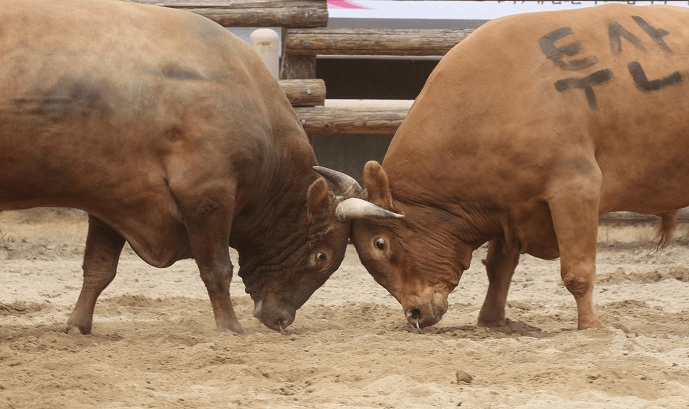
Animal Rights Groups Urge Suspension of Traditional Bullfighting
Groups like the Korean Animal Welfare Association on Monday held a press conference in front of the National Assembly, urging politicians to remove exceptions for bullfighting in the Animal Protection Act.
“Cows are herbivores that do not fight in the wild. It amounts to animal abuse if humans force them to fight for mere amusement,” the groups said.
The Animal Protection Act stipulates in Article 8 that inflicting an injury upon an animal for gambling, advertising, amusement or entertainment amounts to animal abuse.
There is an exception, however, in cases specified by the Ordinance of the Ministry of Agriculture, Food and Rural Affairs, such as folk games, exempting bullfights held in 11 provinces located across the country from punishment.
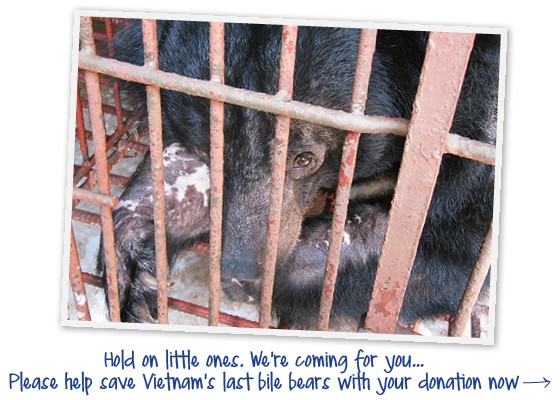
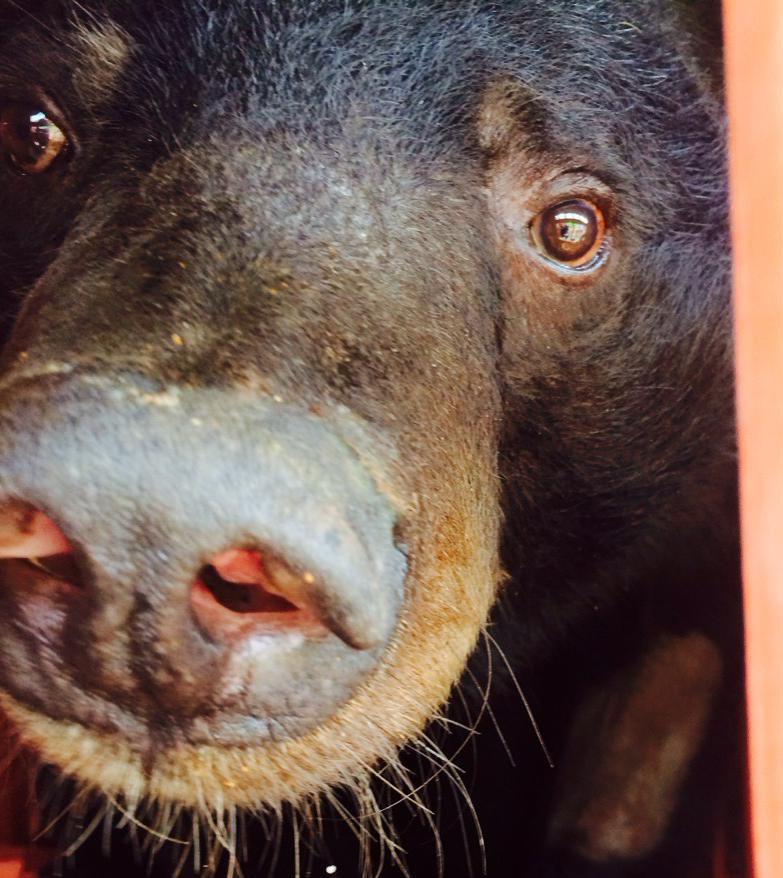
We’ve received a call from the Forest Protection Department in Vietnam alerting us to five bears who need rescuing immediately.
Will you join our Bear Rescue Team and help bring them home to safety?
Between these five bears there has been over 100 years of torturous bile extraction, without a second of freedom.
Right now, that’s all we know about them.
Two decades of abuse will have taken an enormous toll on their minds and bodies. It’s crucial we reach them as soon as possible. Please, will you help?
Welcoming these bears home to our sanctuary in Tam Dao, Vietnam means we’re now at full capacity. But you must know, this will not stand in the way of us rescuing them. Nothing will.
Please will you donate today? Your gift could help rescue five desperate bears and prepare our second sanctuary for the arrival of the hundreds more still waiting.
And I promise, with you by our side, nothing will stop us from saving more bears who desperately need us. Will you send an urgent donation today and help bring them home? We can’t do this vital work without you.
Every single second counts for the bears waiting to be saved from these terrible farms.
I’m beyond grateful for your support and dedication to the bears. Thank you for ensuring that no bear is left behind.
Jill Robinson MBE, Dr med vet hc, Hon LLD Founder and CEO
PS I’ll be joining the team on the rescue so I promise to keep you updated as much as I can but in the meantime, it would mean the world if you could donate to these precious bears.
Feral cattle terrorising hikers to be taken out by helicopter gunmen
Snipers in helicopters will this week shoot down up to 150 feral cattle that have terrorised hikers in New Mexico.
The US National Forest is stepping in amid complaints from environmentalists that the beasts are wreaking havoc in the Gila National Forest, a 2.7million acre wilderness in the southwest of the US.
A helicopter carrying a shooter will fly over the forest, with the operation due to start on Thursday.
The herd’s territory is close to wilderness trails popular with hikers and the lack of a mobile phone signal in the wilderness means it would be difficult to summon help if somebody was injured in a stampede.
Hikers have reported being charged by wild bulls, which can weigh up to 2,000 pounds (907kg), officials said.
The Forest Service service said the cattle also posed a “significant” danger to natural resources.
“This has been a difficult decision, but the lethal removal of feral cattle from the Gila Wilderness is necessary to protect public safety, threatened and endangered species habitats, water quality, and the natural character of the Gila Wilderness,” said Camille Howes, Gila National Forest Supervisor.
“The feral cattle in the Gila Wilderness have been aggressive towards wilderness visitors, graze year-round, and trample stream banks and springs, causing erosion and sedimentation. This action will help restore the wilderness character of the Gila Wilderness enjoyed by visitors from across the country.”
An array of federally protected animals have been under threat from the cattle, including narrow-headed garter snake, Gila trout, loach minnow, spikedace, Mexican spotted owl, southwest willow flycatcher, and Mexican grey wolf.
Environmental groups had complained that the cattle were damaging streams and rivers.
“They are part of a herd of at least 150 that’s ripping up this monument and scaring the heck out of folks who cross paths with them,” Terry Anderson, a board member of the Society for the Conservation of Bighorn Sheep told the LA Times
“They also can transmit disease to native bighorn sheep. So, they need to be removed — and I’m all for lethal removal. They don’t belong here.”
Jack Thompson, desert regional director of the adjacent Whitewater Preserve added: “It’s Jurassic Park just a two-hour drive east of downtown Los Angeles.”
According to the US Department of Agriculture, the problems date back to the 1970s when cattle were abandoned by a rancher.
“Having been born in the wild and never domesticated, they are extremely hard to catch and survive in the rough backcountry that is difficult to access,” it said in a memo.
Not everyone was so enthusiastic about the cull on social media.
Marina Bolotnikova, a journalist and campaigner against factory farming wrote on Twitter: “Feral cows should be celebrated as refugees from the meat industry and given sanctuary, not gunned down from the sky.”
Ranchers have also condemned the move as cruel and were opposed to leaving the carcases to rot.
The New Mexico Cattle Growers’ Association has voiced doubts about the tactics. Tom Paterson, chair of the association’s wildlife committee, called for a solution which did not require the cattle to be shot.
“Our society should be better than this. We can be more creative and do it a better way where you’re not wasting an economic resource,” he said. However, the service said the culling was “the most efficient and humane” way to carry out the cull.
Feral cattle are not unique to the Gila National Forest.
London transport: Puppy rescued from busy railway by man in middle of train driving lesson
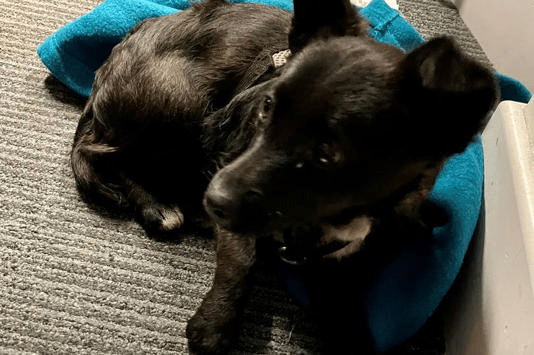
A lucky puppy was rescued from the tracks of a busy London railway by a trainee driver who was in the middle of a train driving lesson. Stefan Hug, from East London, who only started learning to drive a train in January, was dramatically forced to stop a Southern service from Beckenham Junction to London Bridge on Wednesday morning when he saw the small black puppy running alongside the train.
Stefan, 32, who was accompanied by his driving instructor Kevin Timmins, said dogs are a rare sight on the railway track but the skills he learned in the classroom quickly “kicked in” as he completed his first rescue mission on the job. He said: “I think because you talk about it so many times the procedure just kicks in and you just know you need to bring the train to a stand, take a deep breath and think logically the next thing to do.”
He added: “Of course, that was contacting the signaller to get permission and authorisation to do anything before we step outside and try to retrieve the puppy.”
The trainee and his teacher quickly rescued the puppy from the tracks who was thankfully uninjured. They brought her on to a nearby platform and fed her ham.
Stefan was pictured cradling the small puppy in his arms, while safely stood on the railway platform. Recalling the incident he said: “We had just left South Bermondsey. That was our last stop before London Bridge.
Driving instructor Kevin, 54, from Kent, was pictured standing next to his mentee stroking the puppy after the rescue. He said: “We have an area next to the running rail called the cess, which is the area between the running tracks and the railway boundaries. It was running in that area, which is where we first spotted the puppy.”
Kevin praised the trainee for his composure throughout the incident. He said: “Stefan alerted me that he’d seen a puppy running next to the front of the train. He immediately put it into the correct braking procedure to bring the train to a stand. It was really good to see Stefan do those procedures correctly, and I’m really proud of him.”
He added that he hopes that the incident serves as a reminder to dog owners to keep their pets safe on railway platforms. He said: “It just reinforces the point of making sure if people have dogs on the platforms, they should be on the leash all the time and to keep pets near to you.
“It’s so easy for dogs to run off and run on the rails and it’s very hard to get them back. It does put a lot of people in danger and it’s a big operation to get them off the tracks.
“Hopefully, this is a good wake-up call to keep all of your animals close to you on leashes whilst you’re on railway property.”
Authorities are now searching for the puppy’s owner.











 World Animals Voice