Federal officials making unannounced inspections this summer of a large beagle-breeding facility in Virginia found dozens of animal welfare violations: records indicating that hundreds of puppies had died of “unknown causes” over a span of months; dogs’ food dispensers teeming with insects;and reeking kennels with piles of feces, urine and food underneath them.
Based on the routine inspections conducted in July, officials from the U.S. Department of Agriculture cited Envigo — an Indianapolis-based firm that breeds dogs and sells them as research animals to the pharmaceutical and biotechnology industries — for mistreatment of beagles and poor conditions at the facility in Cumberland, Va., about 50 miles west of Richmond.
Officials said records at the facility showed that in a seven-month period, more than 300 puppies died of “unknown causes.”
There were incomplete records on the deaths.
According to inspection reports posted online on Nov. 15, authorities found more than 500 puppies and dogs kept inside a building and experiencing “discomfort, lethargy or stress” because the temperature was above 85 degrees for at least five hours, and there was no air conditioning.
The officials from the USDA’s Animal and Plant Health Inspection Service also raised concerns about infrequent cleaning in areas where dogs nursing puppies could face possible disease and sickness. Flies, beetles and ants were found on self-feeders in some of the kennels.
At least a dozen dogs had problems including eye conditions, “severe dental disease” and inflamed paws, according to the inspection reports.
An Envigo spokesman said the company has been working with the USDA to correct the issues it outlined and added, “The highest quality of animal welfare is a core value of our company.” (!!)
Envigo said the use of animals for research is “essential for developing lifesaving medicines, medical devices and biologics, such as vaccines.”
Its animals, the company said, have “an integral role in the development of advanced pacemakers for heart patients” and in “critical research into Parkinson’s disease and multiple sclerosis.”
Institutions and universities often spend thousands of dollars to do medical research on animals.
Beagles are bred for use in research because they are small and docile, according to animal welfare experts.
The Cumberland facility has been in operation since the 1960s and was previously run by another company called Covance. Envigo took over some of Covance’s operations in 2019.
USDA inspectors found other issues that violated the Animal Welfare Act at Envigo’s facility in Virginia:
-71 beagles were injured after dogs in adjoining kennels were able to bite their ears or tails through the wall. Those dogs were subsequently euthanized, “however substantial or minor” the injuries were, officials found.
-Food was withheld for 42 hours from roughly a dozen female dogs that were nursing 78 pups.
When it comes to exploiting animals, Elon Musk is a true leader.
The Time 2021 Person of the Year—who has a long history of harming animals by shooting squid, mice, and tardigrades (aka “water bears”) into space as well as implanting a computer chip into a monkey’s skull and coin-size computer chips into pigs’ brains—has a new proposal: to send a “Noah’s Ark” of animals to Mars.
“[T]he next really big thing is to build a self-sustaining city on Mars and bring the animals and creatures of Earth there. Sort of like a futuristic Noah’s ark. We’ll bring more than two, though—it’s a little weird if there’s only two,” he said.
Any more than zero would be more than a little weird—it’d be cruel.
Musk should focus on humans, who can choose to participate, and stop exploiting animals in curiosity-driven experiments.
Another exploitative and pointless endeavor of Musk’s involves SpaceX—of which Musk is the founder, CEO, and chief engineer—and 128 baby glow-in-the-dark bobtail squid as well as 5,000 tardigrades. These animals were sent to the International Space Station, where they were to be experimented on in the name of “research.”
News of the squid’s and tardigrades’ doomed trip followed a similar December 2020 stunt, in which mice—some of whom had first been injected with drugs at The Jackson Laboratory, causing their muscle mass to double unnaturally—were launched aboard a SpaceXrocket.
These experiments and the slew mentioned below are cruel wastes of time, with no relevance to astronauts or other humans.
In a separate experiment, Musk implanted a computer chip in a monkey’s skull, apparently to see if the animal could “play video games using his mind.”
He claimed that the monkey“looks totally happy,” but he’s no primatologist.
If he were, he’d never suggest that an animal strapped to a chair with a metal device implanted in his skull and forced to watch video games all day would be anything but miserable.
This monkey is not the only victim of cruel experiments carried out by Neuralink, another of Musk’s companies.
In August 2020, Musk introduced Gertrude—one of several pigs used—during a webcast demonstration.
The experiment involved implanting coin-sized computer chips in pigs’ brains in order to attempt to demonstrate that brainwaves can be tracked.
One clip showed a pig forced to trot on a treadmill. Giant notches had been cut in her ears, just as is done to pigs on filthy farms without painkillers.
Aware that there would be backlash against his use of pigs, Musk used a PR reel to claim that he and his staff care about animals.
But no amount of “humane washing” can cover up the cruelty, speciesism, and bad science that underlie all such experiments.
PETA challenges Musk to behave like a true pioneer and have the implants put into his own brain instead.
Action for Primates is joining other animal protection groups across Europe in a Week of Action against the trade in long-tailed macaques for research from Mauritius.
During 6th-11th December, more than a dozen European animal groups are raising awareness by holding events and taking part in a social media campaign that will focus attention on the Mauritius government, embassies and tourism offices across Europe, calling for an end to the Mauritius trade in monkeys for research.
Below, you will find numerous actions you can take to help the monkeys from Mauritius. Please try to do all and ask others to join in this important campaign.
Mauritius, famous for its beaches, tropical climate, heritage sites and wildlife, is a popular destination for European holidaymakers.
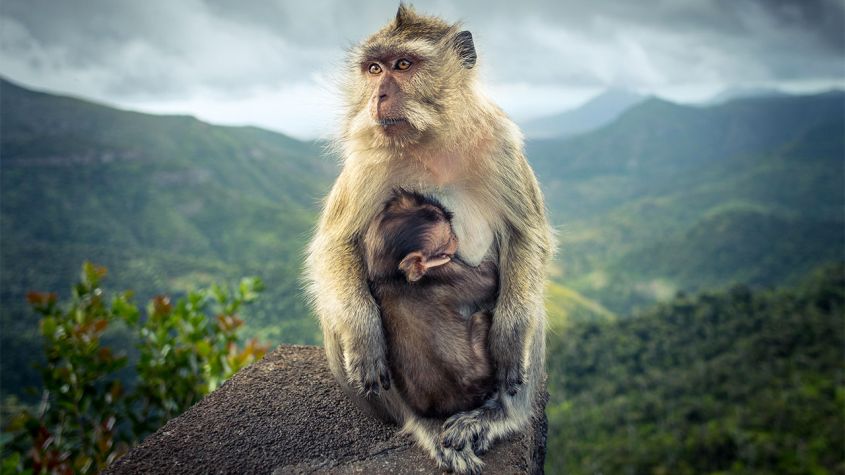
HPGJCT Monkeys at the Gorges viewpoint. Black River Gorges national park. Mauritius.
The country’s promotion as a “paradise island”, however, is tarnished by a dark side of which most holidaymakers are totally unaware: the country’s cruel persecution of the wild monkeys who share the island with the human residents.
Mauritius is one of the world’s largest exporters of long-tailed macaques for the global research and toxicity testing industry and the main supplier to Europe, exporting thousands every year.
There has been a significant increase in the number of monkeys exported during 2021. Between January and September, 10,810 individuals were sent overseas to laboratories, including 1,913 (Spain),758 (France), 642 (UK), 109 (Netherlands), 112 (Canada) and 7,276 (USA).
This represents an increase of over 58% for the same period during 2020. Supply companies – Camarney SL in Spain and Silabe (Simian Laboratory Europe) in France – are known to regularly import many of these monkeys for breeding or for sale to laboratories in Europe.
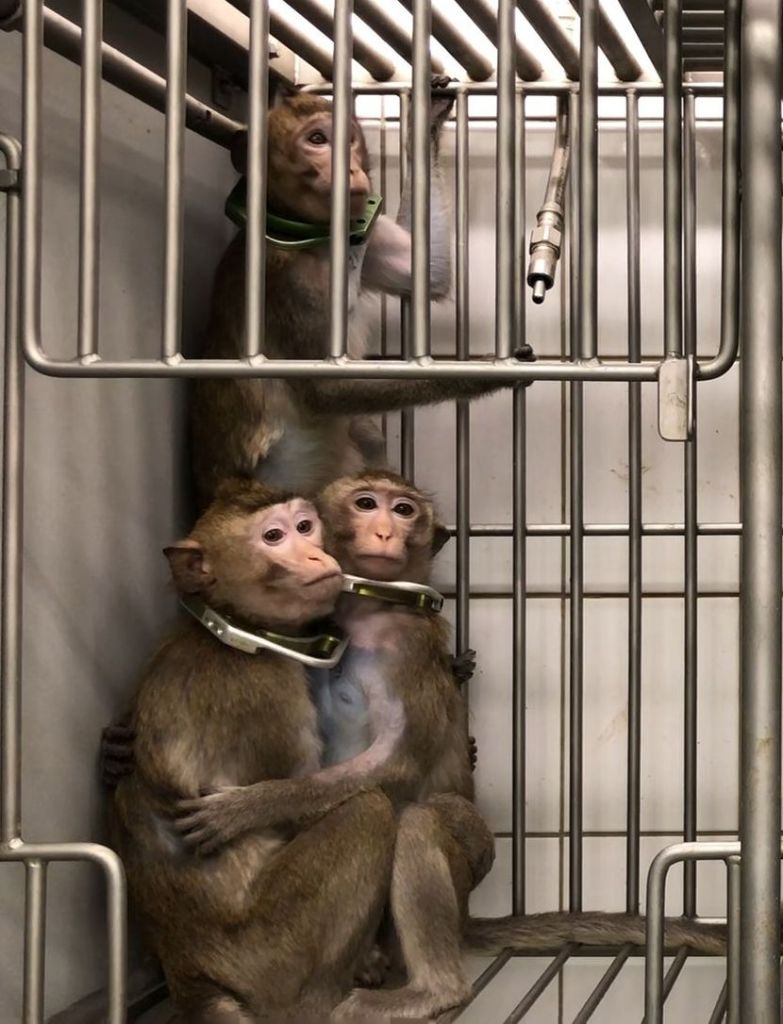
The monkeys are packed into small transit crates and transported from Mauritius as cargo by air. Air France is the main airline known to be involved in transporting monkeys from Mauritius to Europe.
Other airlines that fly monkeys out of Mauritius to other destinations include Safe Air (Kenya-based) and Wamos Air (Spanish-based).
After France and Great Britain,Germany is the largest European “ape consumer”.
This year marks the 50-year anniversary since then-President Richard Nixondeclared a “war on cancer,” flinging open the floodgates to billions of American taxpayer dollars, which poured into research aimed at defeating this deadly disease.
A half-century later, there is still no cure for cancer. Cancer rates remain unchanged, while cancer prevention resources are limited.
What went wrong? How could such a technologically advanced country fail so spectacularly to find a cure for this disease, despite five decades of nearly unwavering focus from expert scientific minds? Simple: animal experimentation.
Cancer has won the war on cancer
In 1971, when Nixon signed the National Cancer Act, which launched the war on cancer, the disease was the second leading cause of death in the U.S.
Fifty years later, cancer is STILL the second leading cause of death in the U.S.
Officials estimate that cancer killed 606,520 Americans in 2020. About 39% of people in the nation can expect a cancer diagnosis at some point in their lives, and despite significant investment in research for cancer therapies, only 67.7% of them will survive for longer than five years after that diagnosis.
All this after 50 years of ineffective, cruel and deadly animal experimentation costing billions of dollars of taxpayer money.
Prevention, not animals, has brought down cancer rates
The most significant victories in the war on cancer don’t come from a lab. They’re personal preventive measures: quitting cigarette smoking, skipping red and processed meat in favor of a plant-based diet, and having regular checkups for screening. These measures have brought cancer rates down 27% over the past two decades.
17 November 2021: Monkeys destined for US labs die on board Wamos Air flight
Animal Protection groups are calling on the Spanish holiday charter airline, Wamos Air, to immediately stop transporting monkeys for research laboratories following the tragic deaths this week of several monkeys on board its flight from Cambodia to the US.
According to a tip-off received by a concerned person in Madrid, Wamos Air transported 720 long-tailed macaques as cargo on Flight EB998 from Cambodia (PNH) to Houston (IAH) (AWB 46090129060).
The ordeal suffered by these monkeys included confinement inside small transit crates for 24 hours of flying time, with an additional six hour stop-over in Tbilisi, Georgia, which included a three hour delay.
In addition, many hours would have been spent in transit to and from the airports.
In recent months, animal protection groups Action for Primates (UK), One Voice (France) and Stop Camarles (Spain), have spearheaded a campaign across Europe calling on Wamos Air to stop transporting monkeys after discovering the Madrid-based airline was flying thousands of monkeys to the US for research.
Sarah Kite, Co-founder of Action for Primates, stated: “This tragedy exposes the shocking reality of the suffering inherent in the transportation of these intelligent and sentient beings. It is simply not possible to confine non-human primates to small crates, away from familiar surroundings, and transport them on long journeys across the world without causing considerable distress, physical and psychological suffering.
We know that deaths occur on airlines flying monkeys for research, but details are rarely publicised. This shocking and heartbreaking incident on board a Wamos Air flight is a stark reminder of the very real suffering involved in the global trade and transportation in non-human primates for research.”
The long-tailed macaque (Macaca fascicularis) is the most heavily traded non-human primate species for the global research and testing industry, with the US being one of the world’s largest importers and users of non-human primates for research.
In 2020, imports of long-tailed macaques from Cambodia by the US increased by 82.8% – from 8,571 in 2019 to 15,664 in 2020 (!!!)
Wamos Air, formerly Pullmantur Air, primarily operates passenger charter flights to holiday destinations, including in the Caribbean. It is a subsidiary of the Miami-based Royal Caribbean Group (formerly Royal Caribbean Cruises Ltd), the world’s second-largest cruise line entity, which operates Royal Caribbean International, Celebrity Cruises and Silversea Cruises.
During transportation, monkeys are held in small transit crates and travel as cargo.
In addition to the cramped conditions, they may be forced to endure inadequate ventilation, unfamiliar and loud noises, temperature and humidity fluctuations and delays en-route.
Monkeys may become ill or die in transit, as happened in this case.
For others, anxiety and stress can lead to infections and the onset of disease which may remain latent until the animals reach their destination.
Please share this post and join Action for Primates, One Voice and Stop Camarles, in speaking out for these monkeys and calling on Wamos Air and Royal Caribbean Cruises to stop flying monkeys to laboratories.
Even if you have written before, please do so again. The companies need to know that their involvement in this immoral trade is not acceptable:
And I mean…It should be noted that an important part of these monkeys are not used as laboratory instruments because they do not meet certain parameters. These are thrown away, which means, under abuse and cruelty, to be killed.
Today’s animal experiments seem to be very similar to the human experiments in Nazi concentration camps in Hitler’s time.
These crimes against people were the subject of the Nuremberg Doctors’ Trial.
But to date no laboratory doctor has appeared in court for his crimes against non-human animals.
Although we can never know if we will be successful every time, we can be sure that failure to act is failure.
So please sign now if you haven’t signed yet
WAV Comment: Lets see the EU now put its money where its mouth is; and act !
A European Commissioner for Animal Welfare? 70% of Europeans want it
15 November 2021
GAIA – Belgium
Press Release
The numbers are clear: 70% of EU Citizens want to appoint a European Commissioner for animal welfare, as shown in an international survey conducted in June 2021. Now, Members of the European Parliament have started the process to support the proposal with the signatures collection for an oral question.
Back in June 2021 IPSOS asked 3,500 European adults between 18 and 65 years old whether they think there should be a European Commissioner for Animal Welfare. The study was conducted in the ten largest EU countries, covering 81% of the EU population: France, Germany, Poland, Spain, Italy, Belgium, Netherlands, Romania, Hungary and Sweden. In all these countries 7 out of 10 citizens think there should be a European Commissioner for Animal Welfare.
Currently there is no European Commissioner for Animal Welfare and the responsibility is attributed to the Commissioner for Health and Food Safety. However, some countries, like Belgium, appointed a minister explicitly in charge of this domain.
This decision triggered important effects: a clear responsibility in the government for all legislation related to animal welfare, more transparency, and the allocation of adequate human and financial resources to provide concrete responses on this important topic.
In March 2021, Eurogroup for Animals member GAIA, based in Belgium, launched the campaign #EUforAnimals with the support of over forty other animal rights and welfare organisations across Europe, asking the European institutions to finally give animal welfare the attention it deserves, by integrating it explicitly in the job title of the relevant EU Commissioner.
The #EUforAnimals campaign has already received the support of over 130,000 citizens and 133 Members of the European Parliament (MEPs).
Twelve MEPs have also launched the signature collection to table a cross-party oral question supporting the demand. The process was initiated by the Niels Fuglsang MEP (S&D, Denmark) and is co-promoted by Sylwia Spurek (Greens/EFA, Poland), Petras Auštrevičius (Renew, Lithuania), Manuel Bompard (GUE/NGL, France), Michal Wiezik (EPP, Slovak Republic), Emmanouíl Fragkos (ECR, Greece), Anja Hazekamp (GUE/NGL, the Netherlands), Johan Van Overtveldt (ECR, Belgium), Emma Wiesner (Renew, Sweden), Sirpa Pietikäinen (EPP, Finland), Maria Noichl (S&D, Denmark) and Francisco Guerreiro (Greens/EFA, Portugal).
Members of the European Parliament have often well represented the EU citizens’ will to improve the way animals are treated in Europe. It is my hope and the hope of the other MEPs who are co-promoting this oral question, that many colleagues will join us and that the European Commission will respond positively to our proposal, to see as soon as possible Ms Kyriakides’ title changed into EU Commissioner for “Health, Food Safety and Animal Welfare”
Niels Fuglsang MEP
The survey clearly shows that the campaign’s demand is supported by a great majority of EU citizens. The EU Commission should not delay giving a positive answer to a proposal that can bring great and lasting benefits to animal welfare both at the continental level and beyond. We hope that Commissioner Kyriakides will decide to support #EUforAnimals and become the first EU Commissioner for Animal Welfare.
Will Young Handcuffs Himself To Puppy Breeding Facility To Protest Animal Testing
The facility breeds around 2,000 beagle puppies a year for animal testing purposes
Yesterday (November 16), musician Will Young handcuffed himself to the gates of a puppy breeding facility in a protest against animal testing.
The British entertainer locked himself to the steel gates of the Marshall Bioresources (MBR) Acres research site in Huntingdon, Cambridgeshire.
There, thousands of beagle puppies are bred for biomedical research. MBR says these experiments help produce “life-saving” treatments for humans. It has been running such operations for more than 80 years.
Raising awareness
But not everyone agrees that the testing is justified. Campaigners say the puppies, who are sent to animal testing laboratories at around 16 weeks old, suffer tremendously during the experiments.
Grassroots anti-animal testing campaign Camp Beagle calls the industry “barbaric.”
“These beagle puppies will be used in the most horrific and unnecessary experiments for toxicology testing, in which tubes will be rammed down their throats and masks forced over their faces to ingest and inhale lethal doses of toxins,” the group writes online.
“They will be given no pain relief, blood will be taken out of their tiny veins every hour, they will vomit, blood, excessively drool, shiver from changes in body temperature, and cower at the back of the cages.”
Many of the puppies are killed at six months old.
Young joined Camp Beagle protesters at the MBR facility. He was photographed alongside the protesters with a sign that read: “Cambridgeshire. Famous for beagle torture. Thanks to MBR.”
The 42-year-old posted about the issue online. “I spent today at the gates of MBR Acres in protest of their testing on beagles. I wanted to raise awareness of animal testing and the fact that this is a puppy farm that farms over 2,000 beagle puppies a year to be sent out to their inevitable torture and death,” Young wrote.
“People do not know about it in this country and that is why I’ve handcuffed myself to the gates.”
Ricky Gervais Calls For Ban On ‘Terrifying’ Animal Testing In The UK
Ricky Gervais has criticized animal testing on dogs, calling the practice ‘terrifying’
Ricky Gervais is calling on the government to help protect lab animals, especially beagles. The British comedian slammed animal experiments and launched a campaign to ban all animal testing in the UK.
Gervais – who often speaks about various animal rights issues – urged the government to include animals used for testing in the Animal Welfare Act. The Animal Welfare Act outlaws activities that cause ‘unnecessary suffering’ to an animal.
Animal testing on dogs
The campaign aligns with a protest held at Marshall BioResources (MBR) Acres in Cambridgeshire last month. MBR breeds around 2,000 puppies a year. They are sold at 16 weeks old for toxicology tests.
Protestors are demanding that the facility releases the dogs it is holding.
According to The Independent, toxicology testing typically involves force-feeding animals chemicals or making them inhale pesticides. This can occur every day for up to 90 days without pain relief. Eventually, the dogs are killed.
The publication points to data from the government, outlining that dogs were used in 4,340 procedures in the UK last year. A majority (4,270) of tests were on beagles, marking a 5.3 percent increase from the year prior.
Activists have monitored the breeding site for more than a year, claiming to have witnessed ‘harrowing’ scenes. They said they saw workers grabbing dogs by their necks and loading them into crowded trolleys. Dogs cried ‘pitifully’ from crates.
Ricky Gervais speaks out
Gervais commented: “I’m deeply shocked to learn that thousands of beautiful beagles are intensively bred, right here in the peace of the British countryside, for painful and terrifying toxicity experiments that are also now proven to entirely fail the search for human treatments and cures.”
Actor Peter Egan joins Gervais in the campaign. Egan shared a video online about the cause and urged the public to sign a petition. So far the petition has garnered more than 50,000 signatures. The government must respond to a petition that gets 10,00 signatures.
In the video, Gervais said: “A dog, they’re amazing. They’re magical. It’s the closest I get to spirituality, just watching a dog.”
“They’re beautiful, they’ve got soul. They’re amazing, they’re brilliant. I couldn’t invent a better thing. A dog – it’s 15 years of joy. What an amazing companion a dog is.”
Is animal testing effective?
MBR addressed the controversy, claiming that the animals are ‘raised to be healthy, content, and comfortable in a lab environment’. The company added it is ‘proud’ of the work it does.
“We can comment that there is no such thing as an ‘animal experimentation industry’ as such experiments form a small but crucial part of a wide range of applications from ecology work to investigations into human and animal diseases including those that led directly to the vaccines and treatments for COVID-19, cancer drugs, pet medicines and products labelled as safe for pets,” it said.
But research suggests animal testing is not always effective.
In 2006, Health and Human Services Secretary Mike Leavitt said: “Currently, nine out of ten experimental drugs fail in clinical studies because we cannot accurately predict how they will behave in people based on laboratory and animal studies.”
Dr Ray Greek is the president of Americans and Europeans for Medical Advancement. Speaking to Gervais, Greek confirmed the statistic. “Yes, that’s exactly right. The drugs that we have that work really, really well today, we got those despite animal testing.”
Gervais responded: “It will be the greatest scientific discovery in the world, that animal testing doesn’t work. Let’s stop it and put all this money into something that works better. This seems to be a no brainer.”
We’ve long known that animal experimenters are still living in the dark ages—after all, they imprison our fellow animals in laboratories and subject them to cruel, useless experiments before killing them.
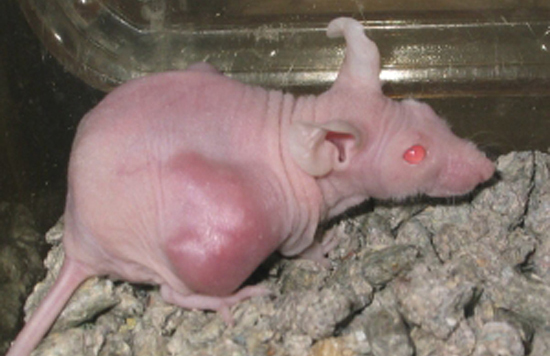
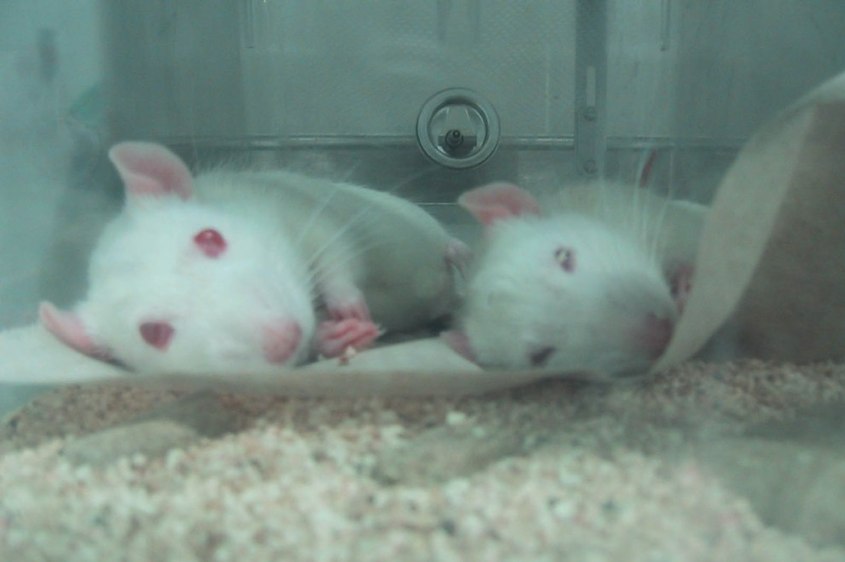
In one egregious example, experimenters have been using genetically manipulated mice as “models” for autistic humans.
In a recent major clinical study, a hormone tested on mice, which was thought to promote social bonding, was found to have “no meaningful impact” on autistic children.
The study was called a “major setback,” but it was doomed to fail from the start—children are not mice.
Autism refers to a broad range of characteristics, including differences in social skills and a tendency to exhibit repetitive behavior.
More than a decade of experiments on animals has shown that mice cannot replicate the unique aspects of autism in humans, and the scientific community is well aware that using them in experiments will not advance our understanding in this area.
It shouldn’t take countless failed clinical trials to prove that experimenting on mice will not produce anything of value for autistic humans. Using mice in experiments to “cure” aspects of autism is speciesist and ableist.
In their failed attempts to replicate autism in mice, experimenters genetically modify the animals, inject them with chemicals, damage their brains, or manipulate the bacteria in their stomach, causing them to have fewer social interactions and produce unusual vocalizations.
Even though these genetically and experimentally modified mice aren’t autistic and mice are poor models for humans in general, some companies—such as Charles River Laboratories and The Jackson Laboratory—sell these animals to be tormented in pointless experiments often intended to “treat” specific characteristics of autism.
https://t.co/YUPDYcgPomOh dear. Some errors in this document about using drugs to ‘cure’ us of autism. (Well, allegedly cure mice, of alleged autism, but I can understand they’re struggling to tell the difference) I’ve helped fix their PR paper. pic.twitter.com/GrQy3f4pGM
— Ann Memmott PGC🌈 (@AnnMemmott) January 15, 2019
These experiments aren’t just cruel to mice, who have meaningful relationships, complex emotions, and interests of their own. They also harm neurodivergent humans by treating autism like a problem to solve.
Human-Relevant research is the answer for understanding human health
Mice and other animals aren’t ours to experiment on, and there are plenty of modern, non-animal research methods that can actually help autistic individuals.
For example, many human clinical trials have led to advances in early diagnosis, uncovering and addressing health disparities in autistic patients and understanding how autism affects adults.
PETA has been saying it since the beginning: It’s time to replace archaic experiments on animals with modern, human-relevant research.
PETA’s Research Modernization Deal is just the solution we need to revitalize laboratory research.
Help PETA replace cruel experiments on animals with human-relevant research by asking your legislators to support our plan:
And I mean…Animal experiments usually have no practical relevance.
The so-called “researchers” know it too.
But they also know that a lot of other interest groups are involved in this business, for example: universities that get millions in research funding, pharmaceutical and chemical industries, contract laboratories, laboratory animal breeders, companies that manufacture laboratory accessories … all of which have an economic interest in keeping animal experiments going .
It has long been clear that the pharmaceutical industry relies on animal testing for reasons other than human welfare.
They sell animal experiments as an alibi function: they have tested on animals, so the consumers automatically get a feeling of security and have confidence that the effect is guaranteed.
The German Research Foundation (DGF), which finances animal experiments in higher education to a large extent, had a budget of 3.3 billion euros (!!!) from the state treasury in 2019.
This is our money.
We give them huge sums of money so that they can discover why we are dying from cancer in terrifying numbers, and with our money they buy countless mice that they torture and kill for free in their research hells.
If these “researchers” still want to convince us that it makes sense to experiment with mice to solve the problem of autism, nothing can convince us that they have a useful mind.
Based on PETA’s evidence, a team of U.S. Department of Agriculture(USDA) officials conducted a multiday inspection of the mill.
The dogshad no beds, no toys, no stimulation—no real lives.
For more than 50 years, various companies have bred them at this dog factory farm to sell to laboratories for experimentation.
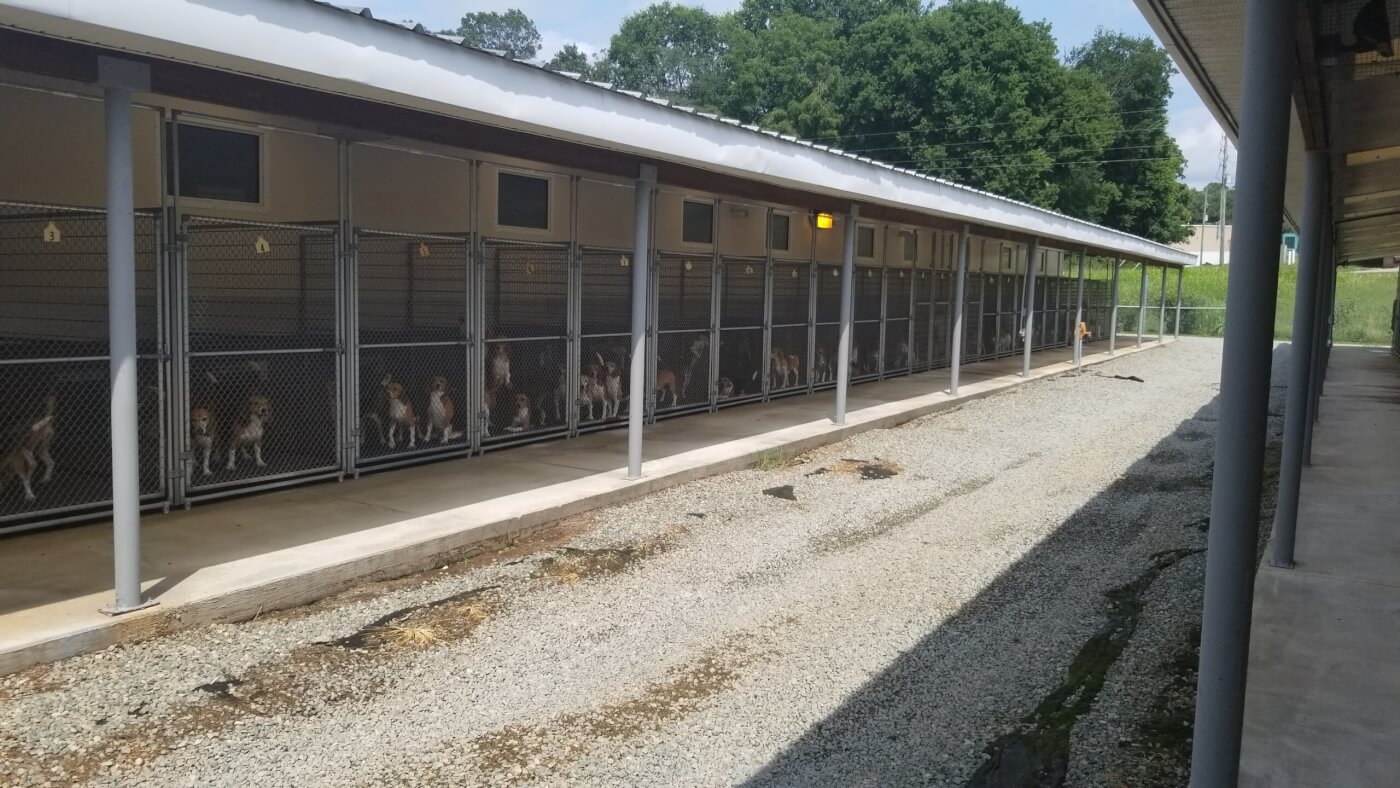
The dogs were kept in sheds that stretched as long as a football field and were deafeningly loud when hundreds of them barked at once.
The noise level reached over 117 decibels—louder than a rock concert—and of course, the dogs have no way to escape from the virtually constant noise.
Dogs’ hearing is much more sensitive than humans’—they hear sounds that we cannot and from much farther away.
The crowded and stressful conditions cause the animals to fight, often resulting in injuries, especially to their ears.
Female dogs are bred repeatedly for years.
Many gave birth to puppies on the hard floor.
A supervisor found one pregnant dog afflicted with a fever. The next day, a worker found her “dead—like stiff as a board,” with “two puppies in her and … they had torn through her uterus [and] were just kind of floating around in her abdomen. So all like … the afterbirth … was all … in her stomach. And I think that just led to a massive infection.”
Dead and Dying Puppies: An Almost Daily Occurrence
Over the course of the investigation, PETA’s eyewitness found more than 350 puppies dead among their live littermates and mothers.
Some puppies had been inadvertently crushed to death by their mothers inside the cramped cages, while others suffered from hydrocephalus (in which fluid builds up inside the skull and puts pressure on the brain), were eviscerated, or just couldn’t survive the harsh conditions.
This is what we call true progress: With the pioneering international approval of a unique test method for chemicals, countless animals are spared great suffering in the test laboratory – because the new method does not require a single animal.
It combines various animal-free tests in a formal, predetermined approach to testing chemicals for their potential to cause allergic skin reactions.
The approach can replace the animal experiments currently used for skin allergy testing.
Because in these cruel experiments, animals are shaved off and a chemical is applied directly to their skin.
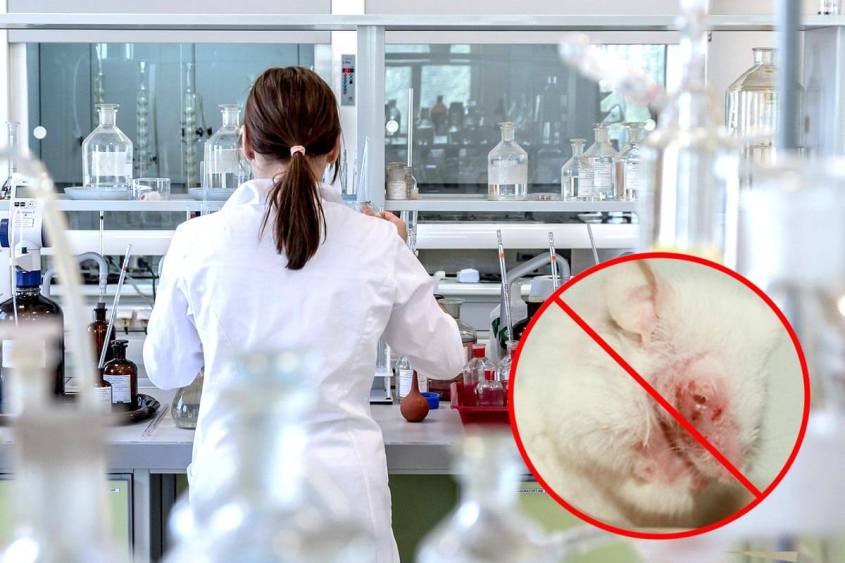
Allergic dermatitis in a dog – how terrible it must be when the whole body is itchy. (Photo: Wikimedia Commons, Kalumet, CC BY 2.0)
Now that the Organization for Economic Co-operation and Development(OECD) has approved the method, they must accept all 38 member states of the Organization for Mandatory Chemical Toxicity Testing.
The EU, USA and Great Britain, among others, are members of the OECD.
That means there is an imminent global move away from animal abuse in skin allergy testing.
Skin allergy tests and animal suffering worldwide
Skin allergy tests lead to various side effects in the animals – for example swelling, blistering and inflammation. After the experiments, the animals are killed and dissected.
In Great Britain alone, hundreds, and in some years even thousands, of animals are abused for skin allergy tests. Across the EU, there were over 47,000 animals in a single year.
But the new approach doesn’t just replace these cruel tests.
A 2018 study also showed that it delivers results that are more easily transferable to humans than previous animal experiments.
A win-win situation for animals and humans!
PETA’s science team has hosted several webinars on using higher quality animal-free methods of skin allergy testing.
Sign the Petition for a Europe without animal testing
Make yourself strong for the animals with your voice!
Sign our European citizens’ initiative to end all animal testing for cosmetics. (Unfortunately only for European citizens)
And I mean…Animal experiments always have faces…
Mainly rodents, especially mice and rats, are used for the excruciating experiments, but rabbits, dogs and cats also have to sacrifice their lives for what we believe to be completely useless and ethically reprehensible tests.
In the skin allergy test, the test substance is injected into the skin of guinea pigs in order to sensitize the immune system to the substance. If repeated contact with the chemical triggers an allergic reaction, painful inflammation and peeling of the skin are the result.
We welcome the decision to use this animal-free test procedure.
These procedures are not only cheaper, they also take medicine much further.
Animal testing only slows medical advancement because of its false results.
More and more advanced testing procedures will become common practice. The aim of all efforts is to achieve a worldwide ban on animal testing.
One thing is certain, however: the fate of laboratory animals as a whole will only change through the active and tireless commitment of animal welfare organizations, animal rights activists and supporters.
Together we can completely abolish cruel and useless animal experiments and achieve humane, effective research.

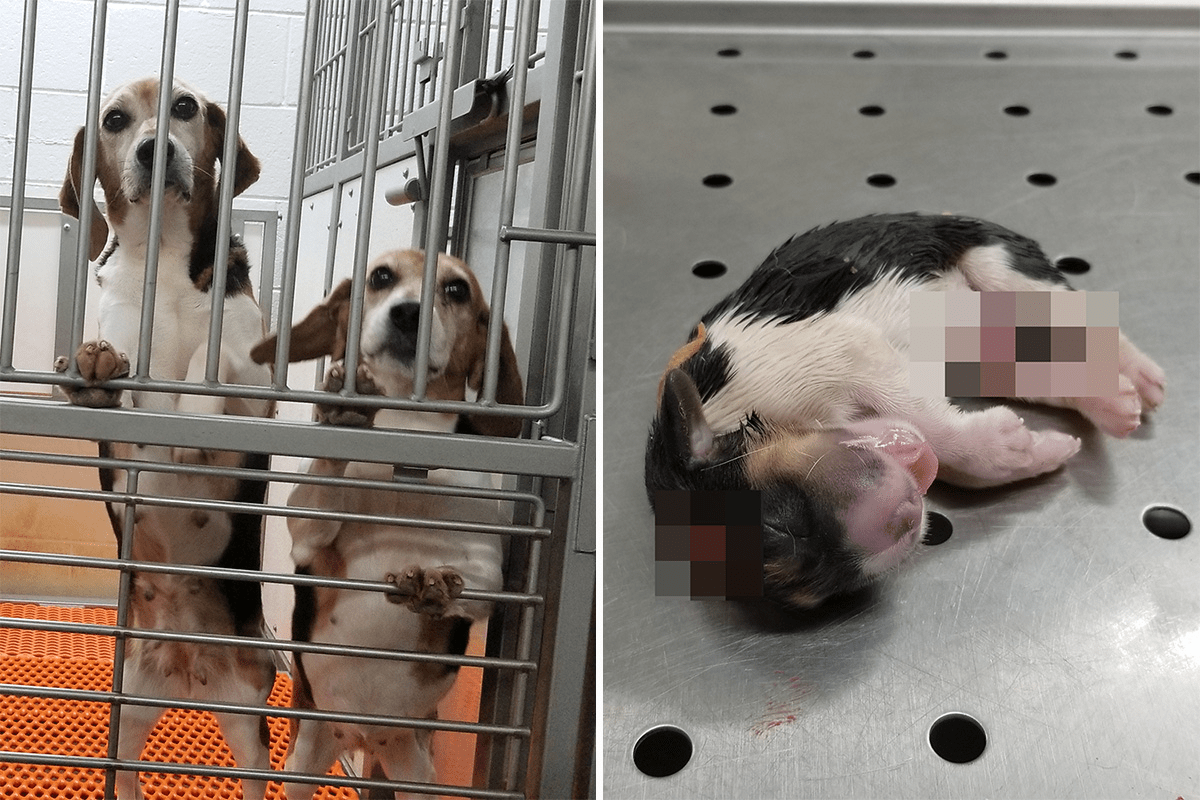 Envigo said the use of animals for research is “essential for developing lifesaving medicines, medical devices and biologics, such as vaccines.”


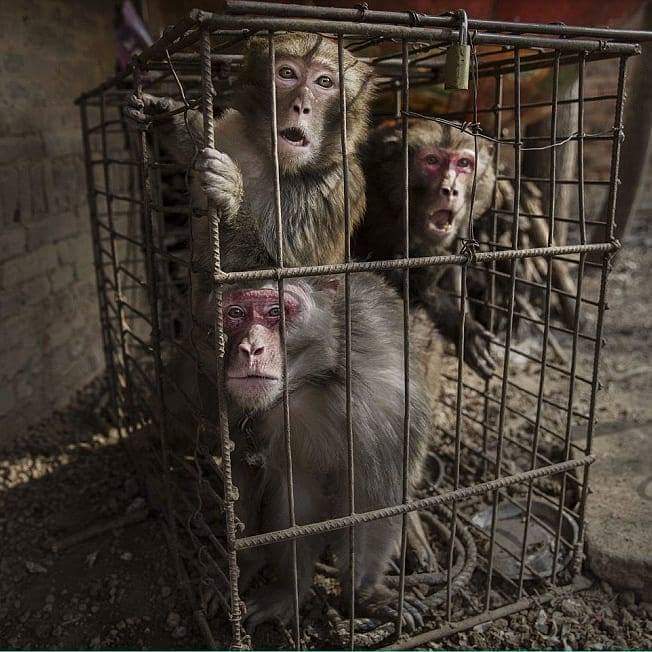
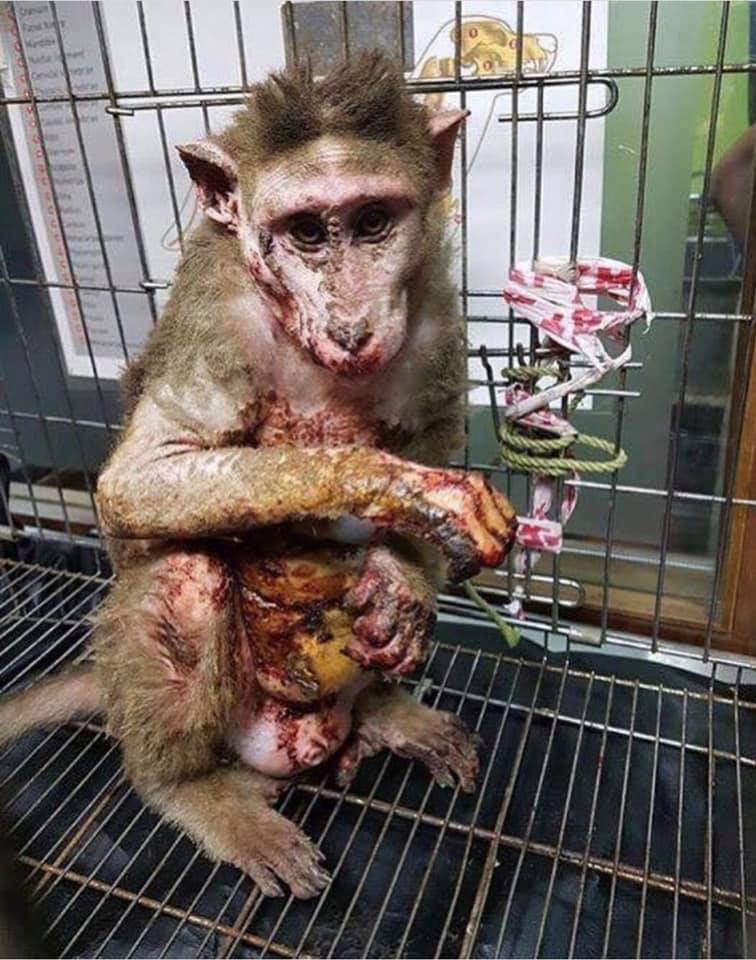

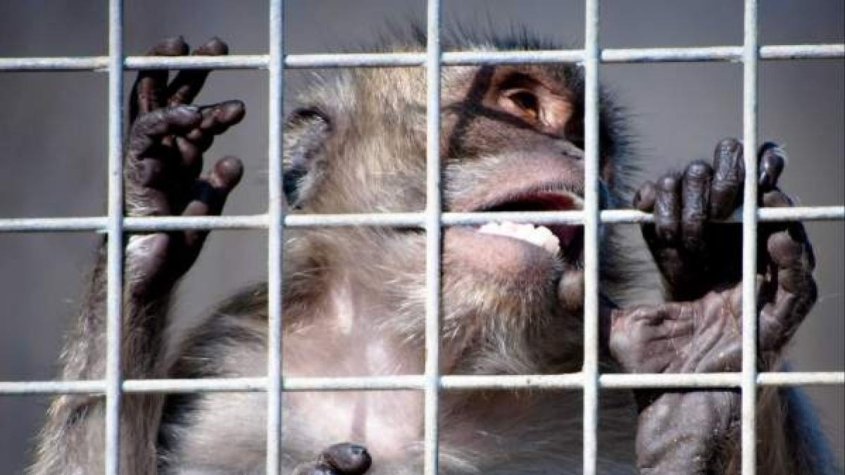
 (Photo; long-tailed macaques on breeding farm, Cambodia, credit Cruelty Free International)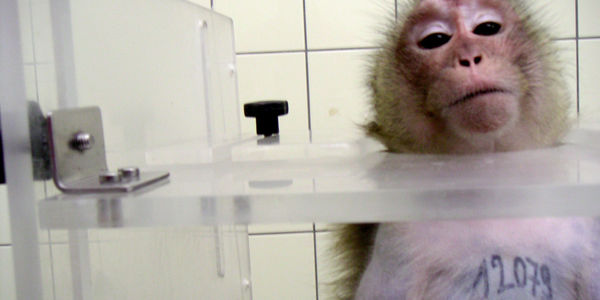






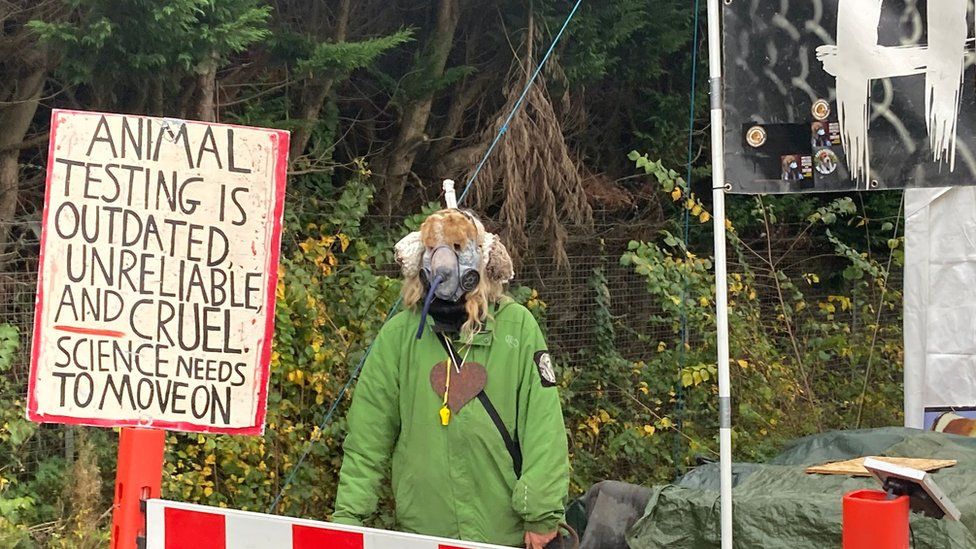

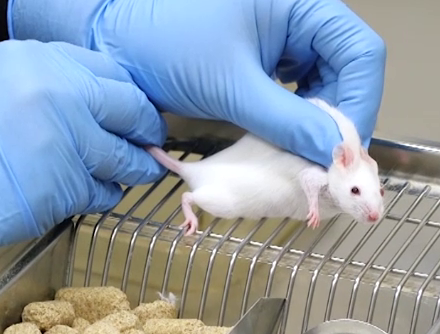 In one egregious example, experimenters have been using genetically manipulated mice as “models” for autistic humans.
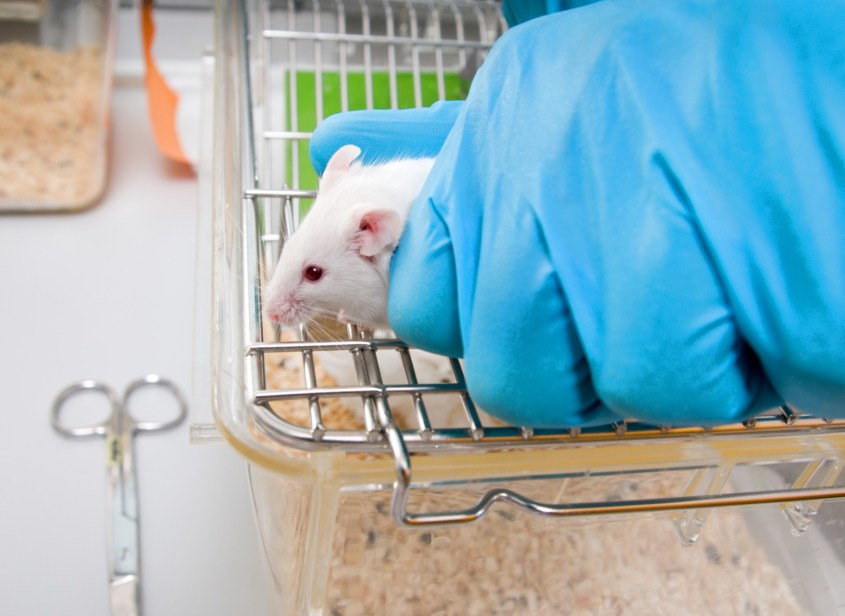 In their failed attempts to replicate autism in mice, experimenters genetically modify the animals, inject them with chemicals, damage their brains, or manipulate the bacteria in their stomach, causing them to have fewer social interactions and produce unusual vocalizations.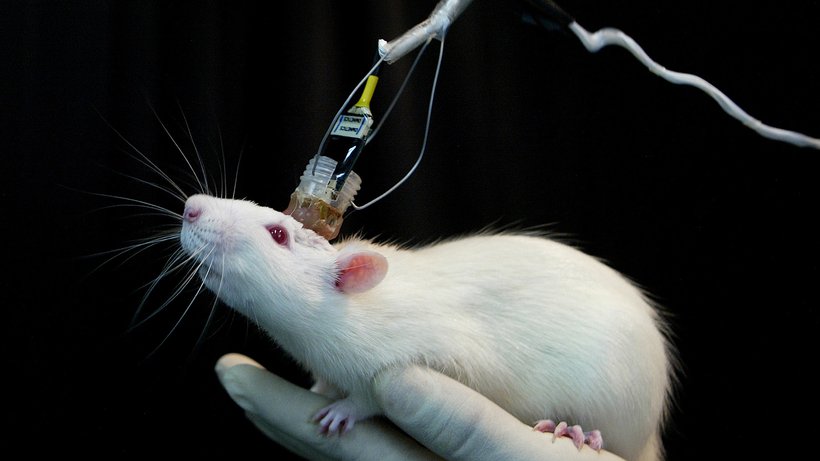
 The dogs were kept in sheds that stretched as long as a football field and were deafeningly loud when hundreds of them barked at once.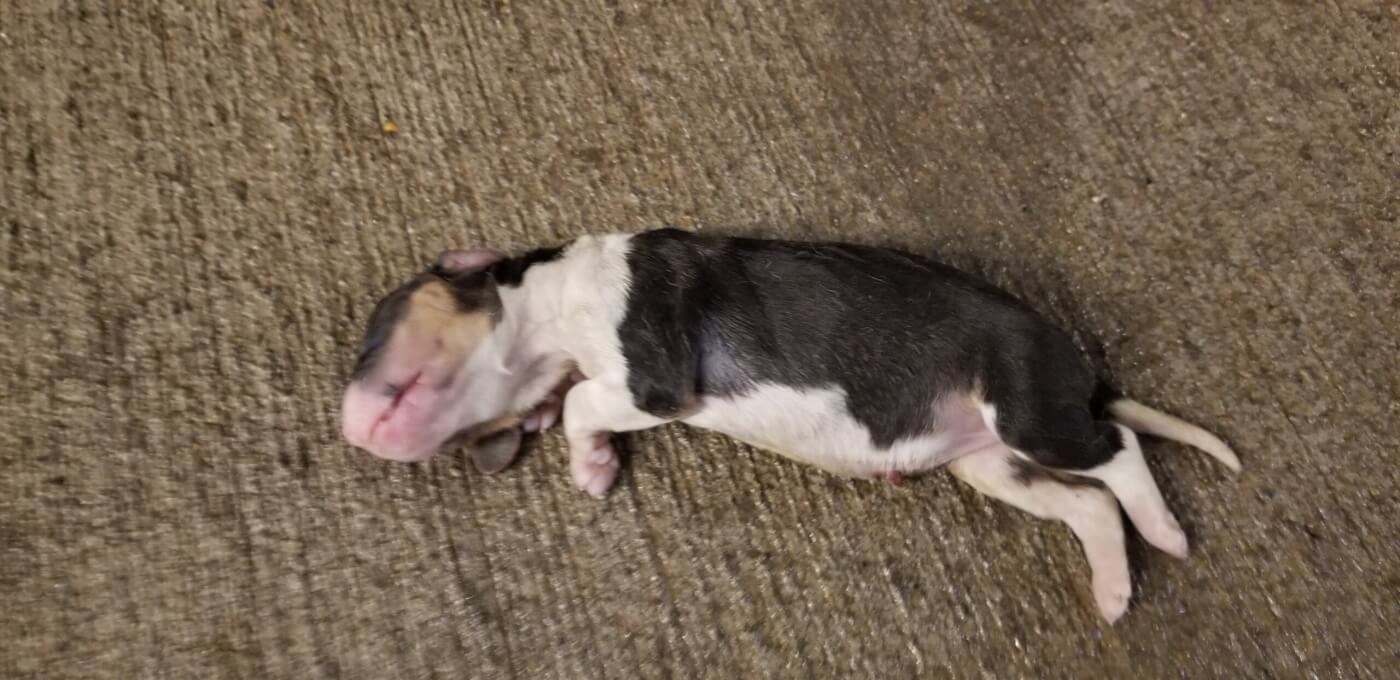
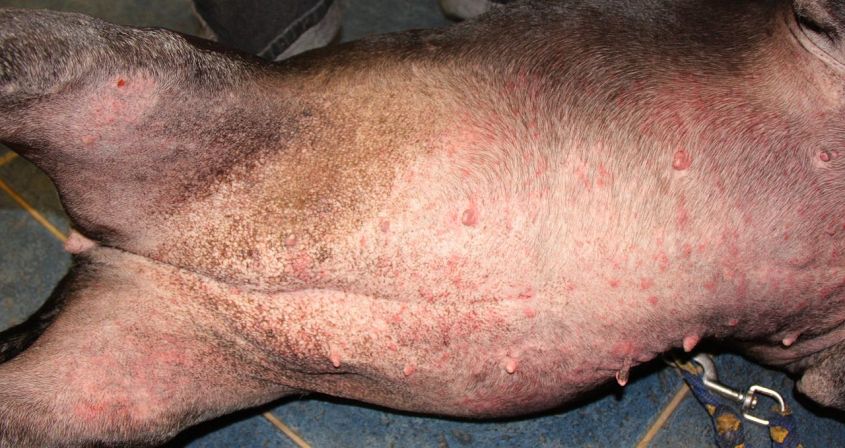 Allergic dermatitis in a dog – how terrible it must be when the whole body is itchy. (Photo: Wikimedia Commons, Kalumet, CC BY 2.0)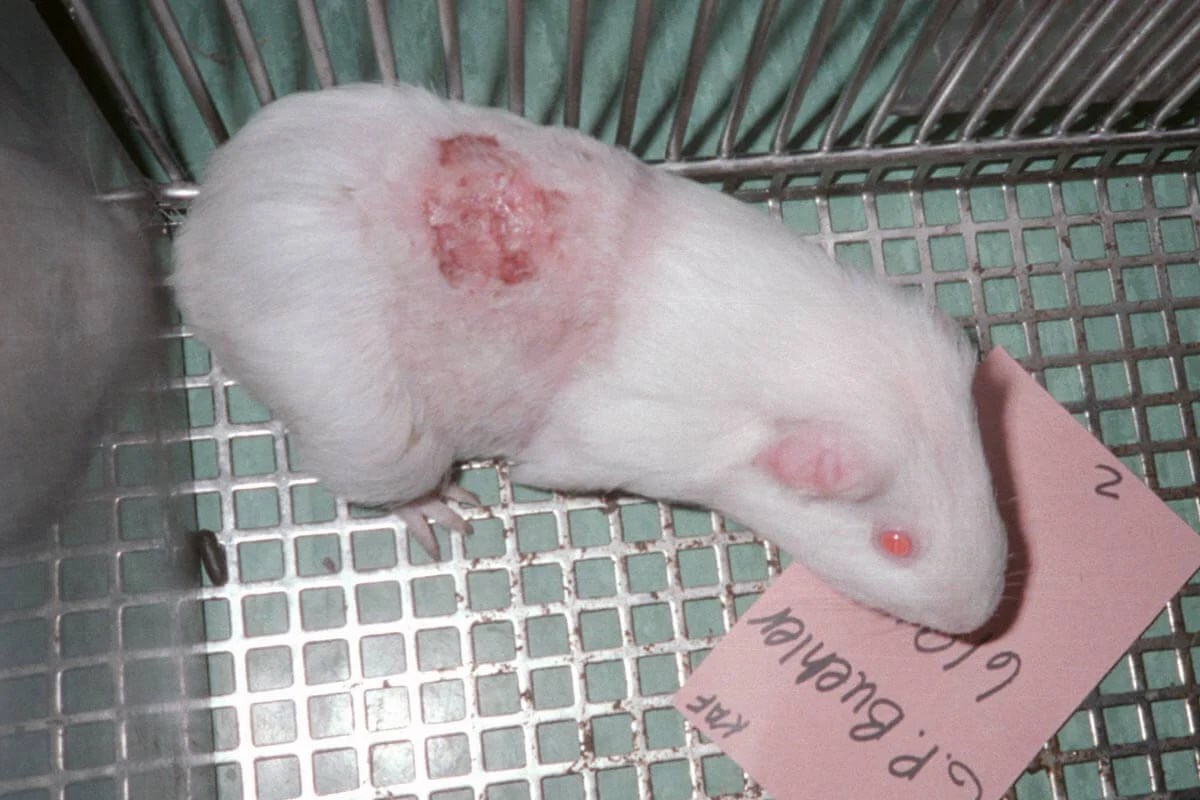
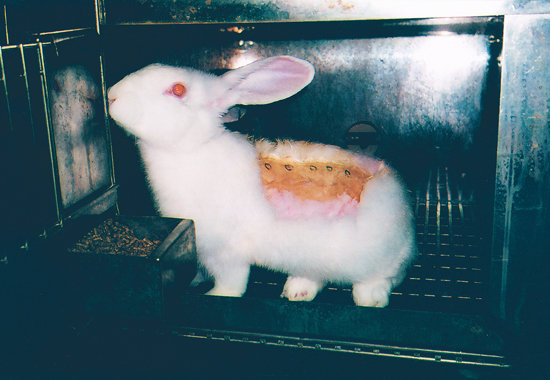
 One thing is certain, however: the fate of laboratory animals as a whole will only change through the active and tireless commitment of animal welfare organizations, animal rights activists and supporters.
