Category: Vivisection

WAMOS AIR – stop flying monkeys to laboratories!

Call on Spanish airline — WAMOS AIR — to stop flying monkeys to laboratories

Wamos Air, the Spanish airline that operates holiday charter flights, is also involved in transporting many hundreds of monkeys to research laboratories in the USA.
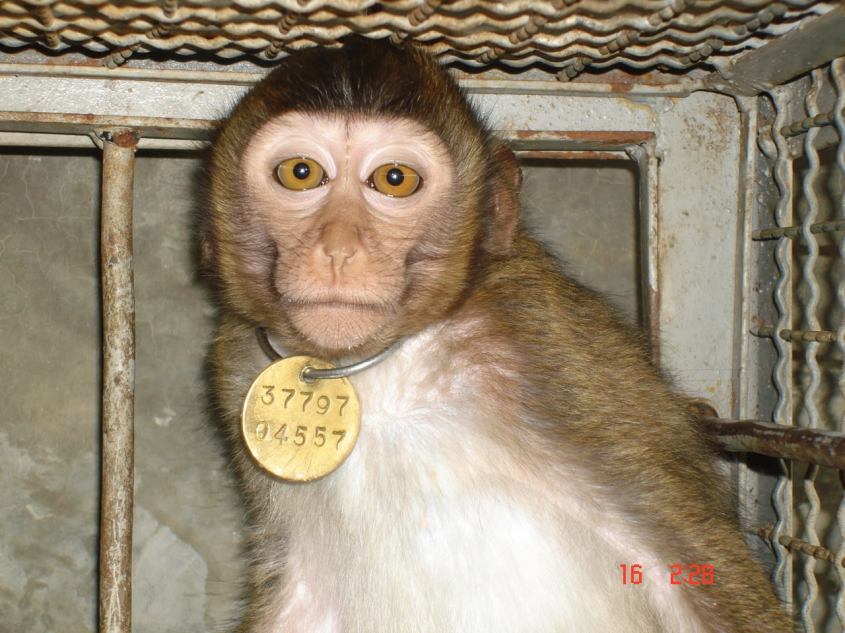
Wamos Air is a subsidiary of the Royal Caribbean Group (formerly Royal Caribbean Cruises Ltd), the world’s second-largest cruise line entity.

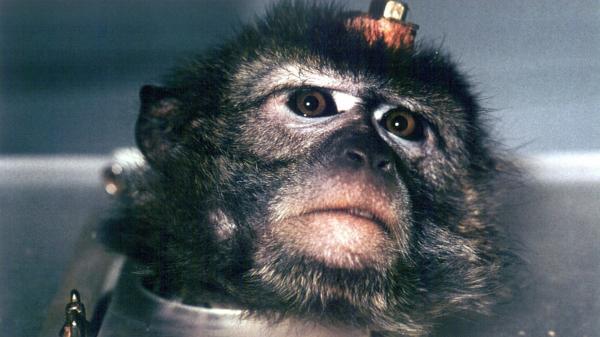
Torn from their family and social groups, monkeys are imprisoned on their own in small transit crates and travel on Wamos Air as cargo.

The journeys are extremely long, including about 24 hours of flying time and many hours in transit to and from the airports and layovers at Madrid airport.

We appeal to Wamos Air and the Royal Caribbean Group to discontinue their direct or indirect association with the cruel global trade in monkeys.’ [Action for Primates : https://actionforprimates.org/%5D

(This petition to Wamos Air and Royal Caribbean Cruises has been launched by Stop Camarles, Action for Primates and One Voice and is written in Spanish, English and French).
Please see below.

(Spanish) Llamamiento a la aerolínea española — WAMOS AIR — para que cese el transporte de macacos destinados a la experimentación

Wamos Air, la aerolínea española que opera vuelos chárter de vacaciones, también está involucrada en el transporte de cientos de monos destinados a laboratorios de experimentación en EEUU, Wamos Air es filial de Royal Caribbean Group (anteriormente Royal Caribbean Cruises Ltd), la segunda compañía de cruceros más grande del mundo.

Apartados de su familia y su grupo social, son enjaulados en su cajas de transporte y viajan con Wamos Air como mercancía. Los vuelos son extremadamente largos, alrededor de 24 horas, y muchas horas en tránsito entre aeropuertos y escalas en el aeropuerto de Madrid.

Reclamamos a Wamos Air y a Royal Caribbean Group que paren su asociación, directa o indirecta, con el cruel comercio global de monos. [Stop Camarles : @Scamarles]

(French) Appel à la compagnie aérienne espagnole WAMOS AIR pour qu’elle cesse de transporter des singes vers les laboratoires

Wamos Air, la compagnie aérienne espagnole qui exploite des vols charters pour vacanciers, assure également le transport de plusieurs centaines de singes vers des laboratoires aux États-Unis.

Wamos Air est une filiale de Royal Caribbean (anciennement Royal Caribbean Cruises Ltd), deuxième plus grande compagnie de croisières au monde.
Arrachés à leur famille, enfermés seuls dans de petites caisses, ils effectuent le trajet en tant que fret.

Les trajets sont extrêmement longs, comprenant environ vingt-quatre heures de vol, de nombreuses heures de transit en direction et en provenance des aéroports, ainsi que des escales à l’aéroport de Madrid.

Nous demandons à Wamos Air et Royal Caribbean de ne plus participer directement ou indirectement à la barbarie que représente le commerce mondial de singes. [One Voice :https://one-voice.fr%5D

https://www.thepetitionsite.com/de/takeaction/776/007/311/
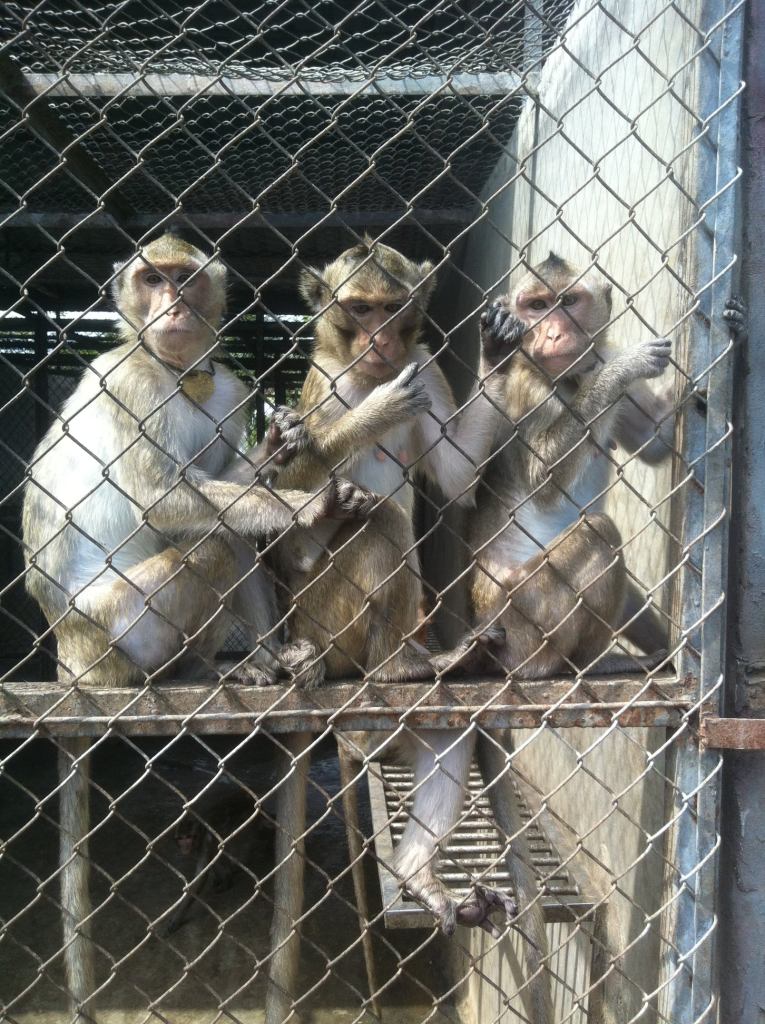
And I mean…On 21st August, Wamos Air flew monkeys from Cambodia, via Madrid, to the US.

“Action for Primates” Organisation has been informed through contact in Europe, that the shipment comprised 720 individuals, destined for Envigo.
The suffering these intelligent and sensitive individuals experienced during their traumatic ordeal, packed into small crates and travelling as cargo for over 24 hours with many hours in transit to and from the airports and a layover at Madrid airport, is unimaginable.

It is simply not possible to confine non-human primates to small crates, away from familiar surroundings, and transport them on long journeys across the world without causing considerable distress, physical and psychological suffering.

The transportation and resulting suffering of these sensitive and highly intelligent animals is unacceptable.

What lies ahead for these individuals in the laboratories is unthinkable.
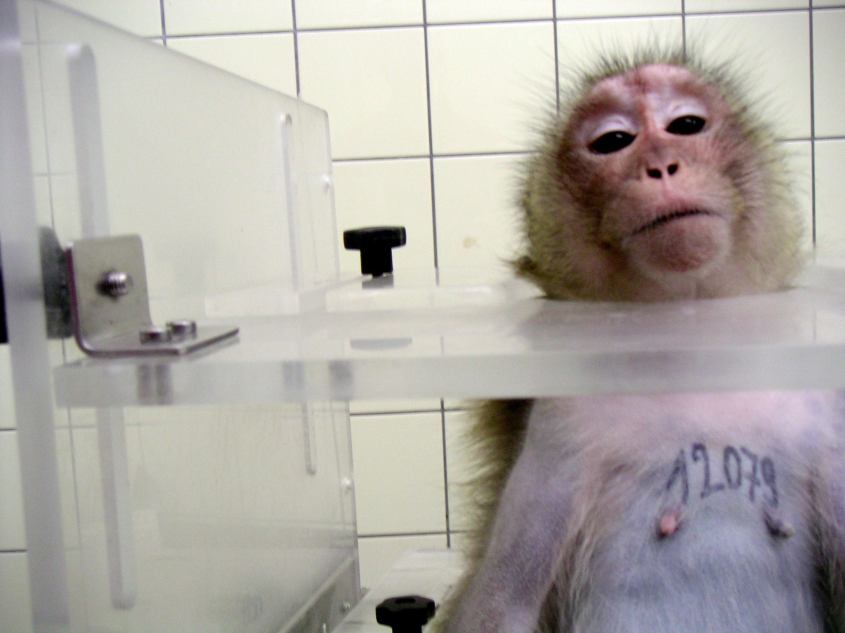
Envigo is a global contract research company that uses various species of animals, including monkeys, to carry out tests on behalf of other companies.
It was formed in 2015, following the merging of Huntingdon Life Sciences (HLS) and Harlan Laboratories.

Neither Wamos Air or Royal Caribbean Cruises, one of the parent companies of the Spanish airline, has responded to the appeal of Action for Primates Organisation to end their involvement in this cruel trade.

Please take action and ask others to do likewise. It is important to show Wamos Air and Royal Caribbean Cruises the strength of public feeling on this issue.
Without our resistance, animal abusers will do their work much more easily

My best regards to all, Venus

Animal testing: the blackest of all black crimes

Text: “Doctors Against Animal Experiments”

Frequently asked questions about #Animal Experiments:
-Aren’t all the important medical findings of the past based on animal experiments?

➡ It used to be the same: From experiments on animals you can only learn something about the respective animals. Transmission to humans is speculation.

➡ It is more than questionable whether the knowledge gained from experiments has actually contributed to the progress of medicine. Often their importance is overrated and human-based research in the same direction is underestimated.

➡ Examples are functional #Magnetic resonance tomography and #Deep brain stimulation (#brain pacemaker), which – as is often claimed – have not been developed through animal experiments. In both cases, the research time before the first animal experiments is hushed up by the proponents.

➡ You have to look at past animal experiments like a history book describing wars and atrocities. They are facts that happened. You can’t turn back the clock. To justify current or even future animal experiments with allegedly successful animal experiments in the past is an illogical conclusion.

➡ It is not known how medicine would have developed had animal experiments been banned 100 or 50 years ago.

We are convinced that medicine would be much further ahead if the billions in taxpayers’ money and the whole spirit of research had not been put into misguided research for decades and incorrect animal test results had not stopped progress. Ultimately, however, this is speculation.

It is also speculation that we would not have this or that achievement without animal testing.

➡The animals that have suffered and died in past experiments cannot be brought back to life, but we can learn from past mistakes. However, animal research takes the stand that everything that was good yesterday is good today and tomorrow.

Animal research is a relic that lingers on bygone times instead of making room for modern science.
Further information: Timeline – Achievements in medicine without animal testing
http://www.aerzte-gegen-tierversuche.de/…/geschichte/273

ℹ You can find more answers to frequently asked questions about animal experiments here:
http://www.aerzte-gegen-tierversuche.de/faq

And I mean…Let us be aware of this: a direct relationship between experimenting with animals and saving a person does not exist.
It is wrong to believe that new remedies and healing processes for sick people can be produced by tortured and killed animals.
The inaccurate results from animal experiments can endanger us humans and are therefore a waste of taxpayers’ money.

Cancer is a typical example of the chronic ineffectiveness of animal research.
Hundreds of thousands of substances have been (and still are) painfully tested on millions of “cancer mice.”
We’ve been curing mouse cancer for decades, but it hasn’t worked in humans.

Of course, some types of cancer have some treatment success.
But when you consider the immense animal suffering and the billions in research funds, the overall balance is more than frustrating and gloomy

The pharmaceutical industry is sticking to animal testing of new chemical and pharmaceutical products for other reasons.
In the case of consumers, animal experiments are supposed to create a feeling of security, a guarantee of efficacy and trust that in reality does not exist.

And hence the false belief in society that research without animal testing is unscientific

In addition, we must not forget: experimenters, universities, pharmaceutical and chemical industries, contract laboratories, test animal dealers, companies that manufacture cages and other accessories – a wide network of a powerful industry benefits from animal experiments.

The animal testing machinery is one of the most powerful in the world.
It is like a gigantic “perpetuum mobile” that uses intimidation tactics to create the conditions under which it can exist.
Once started it is very difficult to stop

My best regards to all, Venus

EU: It’s Time to Take Action for Animals in Laboratories.

It’s time to take action for animals in laboratories | Eurogroup for Animals

It’s time to take action for animals in laboratories

23 August 2021

Across Europe, millions of animals are used in education and science each year in experiments that frequently inflict suffering, which can be severe, but seldom deliver on their main promise, which is better health for humans. They include mice, fish, rats, guinea pigs, rabbits, cats, dogs and monkeys. We need your help to end this suffering – for the animals and for better medicine, better product safety and better environmental protection.

We want to see humane, human-relevant, animal-free science properly funded and fully utilised. That’s why we need you to join us and sign the European Citizens’ Initiative (ECI) calling on the European Commission to:

  • Protect and strengthen the cosmetics animal testing ban
  • Transform EU Chemicals Regulation
  • Put forward a concrete plan to transition to non-animal science

Did you know that Europe’s longstanding ban on animal testing for cosmetics is under threat?

Tests on animals for cosmetics products and their ingredients have been banned in the EU since 2009, and a ban on the sale within the EU of animal-tested cosmetics products and ingredients was fully implemented in March 2013. These bans – contained within the Cosmetics Regulation – were designed to ensure that animals do not suffer for the purpose of developing or marketing cosmetics and their ingredients, and that science without animal testing is used to assure safety.

Despite the bans, the European Chemicals Agency (ECHA), supported by the European Commission and the ECHA Board of Appeal, continues to demand new tests on animals for chemicals used as cosmetics ingredients under the Registration, Evaluation, Authorisation and Restriction of Chemicals (REACH) Regulation. This policy – which they now apply even to chemicals used exclusively in cosmetics – erodes the bans and goes against the intention of legislators in creating them: that animals no longer suffer and die for the sake of cosmetics.

ECHA, the Commission and the ECHA Board of Appeal argue that the animal tests are needed to protect workers and our environment because the Cosmetics Regulation only covers consumer safety. This position places an artificial divide between consumers and workers, disregards a long history of safe use for many of these ingredients, violates the legal requirement to use non-animal methods instead of tests on animals wherever possible and forces cosmetics regulators to disregard the animal test results to avoid triggering the bans.

This is the moment to speak with one voice. We’re proud to be standing with other animal protection groups, Dove and The Body Shop to urgently mobilise 1 million consumers to sign a European Citizens’ Initiative.

Many companies have been cruelty free for decades thanks to modern, human-relevant, non-animal scientific methods. Help us protect and strengthen the cosmetics animal testing bans by signing the ECI Save Cruelty Free Cosmetics – Commit to a Europe without Animal Testing.

Did you know that the EU’s new Chemicals Strategy for Sustainability could mean millions more tests on animals?

With the new EU chemicals strategy, the EU and its member states are seeking to support innovation to design safer products; restrict toxic chemicals and to limit people’s exposure to chemicals that are harmful to our health. Sadly, the approach being taken now by the Commission and the European Chemicals Agency (ECHA) to new chemicals laws could mean millions more animals suffering. And whilst we support the aims of the strategy, more animal testing will not help to protect human health or the environment.

This ECI calls on the European Commission to transform chemicals regulation so that it ensures the protection of human health and the environment by managing chemicals without new animal testing requirements. This means that the European Union should be using modern approaches to ensure an efficient, human-relevant and cost-effective approach to assessing and managing the potential toxicity of chemicals. Better protection is achieved by applying new science to more effectively and efficiently understand and regulate the potential of chemicals to cause harm. The Chemicals Strategy should be an opportunity to future-proof regulations to enable rapid adaptation to technical progress and the immediate adoption of existing and new emerging animal-free technologies. There is also a need for urgent investment in next generation, animal-free approaches that will also improve our ability to characterise and regulate chemicals. Help us transform European chemicals regulation by signing the ECI Save Cruelty Free Cosmetics – Commit to a Europe without Animal Testing.

Did you know that EU legislation has the final goal of fully replacing the use of animals in education, research, and testing, but the number of experiments on animals has not changed by much over the past decade?

Eleven years on from the adoption of Directive 2010/63/EU on animal experimentation, which raised hopes that scientific research in the European Union would transition towards non-animal methods, official statistics demonstrate that progress towards this goal is extremely slow. The number of experiments on animals has remained relatively stagnant- from 11.4 million in 2015, to 11.2 million in 2016, 10.9 million in 2017 and now 10.6 million in 2018 (the inclusion of Norway in these figures for the first time elevates that number to 12.3 million).

The rapid emergence of advanced non-animal models such as organs-on-a-chip, pathway-based approaches and computer models today offers the potential for increasing momentum and optimism towards the replacement of animals in research and testing. The EU’s own Joint Research Centre has produced key reports and undertaken activities to promote the use of non-animal models and methods in a range of research areas, but much more needs to be done by everyone involved. The EU still does not have a comprehensive strategy to coordinate and drive the phase out and replacement of animal experiments, encompassing the objectives of existing EU legislation and funding instruments. We believe that an Action Plan is urgently needed to turn the stated ambition of replacing animals in scientific procedures into reality. As animal protection groups, we provide a voice for animals and want to see animal suffering end as soon as possible.

In all sorts of other important policy areas that citizens care about – climate emissions, for example – the EU has set bold and ambitious targets to drive change. That’s what animals need too. We need to build on the EU’s stated ultimate goal of the replacement of animal experiments and make sure that we can unite all stakeholders behind more and urgent action – putting a strategic, ambitious action plan in place with milestones will be a huge step forward. Help us modernise science in the EU to phase out animal experiments by signing the ECI Save Cruelty Free Cosmetics – Commit to a Europe without Animal Testing.


It’s time to take action for animals in laboratories | Eurogroup for Animals

Related news

It’s time to take action for animals in laboratories

Latest EU statistics on animals used in science reveal ‘severe’ suffering occurring despite availability of alternative methods, and the pressing need for a ‘phase out’ strategy

MEPs say now is the time for a comprehensive plan to end European animal experiments and transition to human-relevant science

Regards Mark

US-Vanderbilt University: Elite institution has an obsession with animal testing

Published August 12, 2021 by Danny Prater.

Vanderbilt University is seen as a prestigious academic institution.

But now, PETA has unearthed documents revealing appalling violations, misery, and death.

This dark side of Vanderbilt is kept hidden from the public as well as most students and faculty. The Vanderbilt University Medical Center and the school itself are the largest hotbeds for crude, painful, and useless experimentation on animals in Tennessee. In fact, Vandy ranks among the most prolific tormentors of animals in laboratories anywhere in the country.

Recent reports that document violations of federal animal welfare regulations and guidelines paint a grim picture of animal suffering at Vanderbilt.

Earlier this year, the university was cited by the U.S. Department of Agriculture (USDA) after four guinea pigs died painfully and in distress while being used in experiments in which a tube was forced down their windpipes. The lead experimenter didn’t even have a veterinarian present, as required, and it was later determined that the guinea pigs had not been fully anesthetized—they likely felt it all.

The experimenter attempted to hide these issues but was found out.

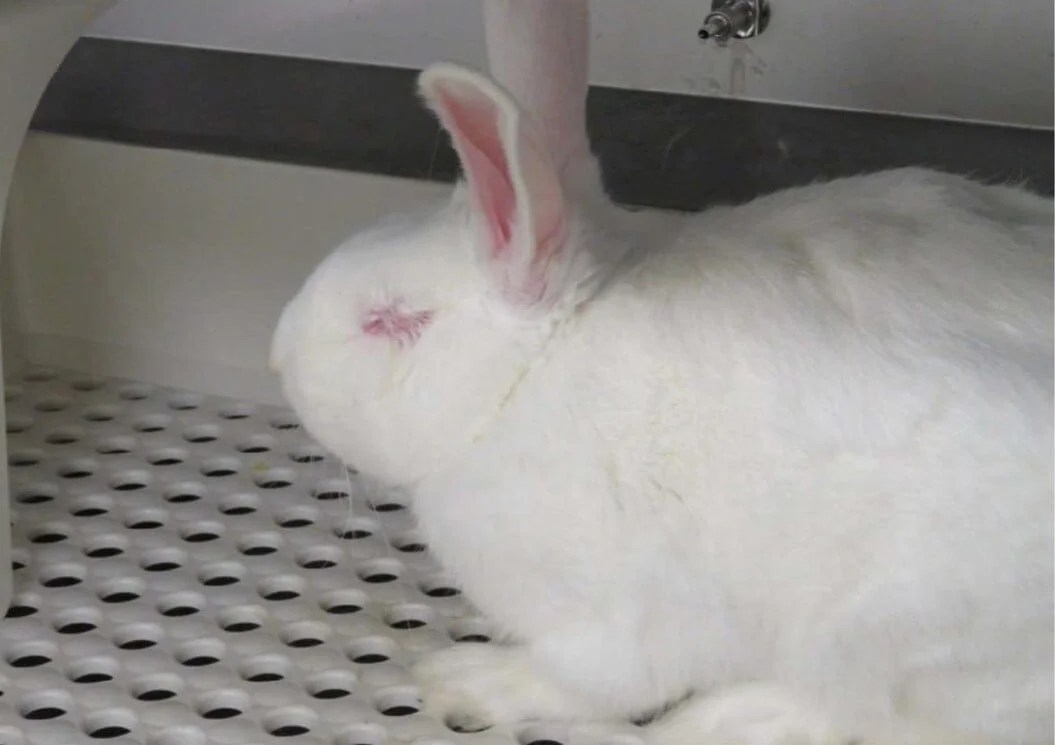
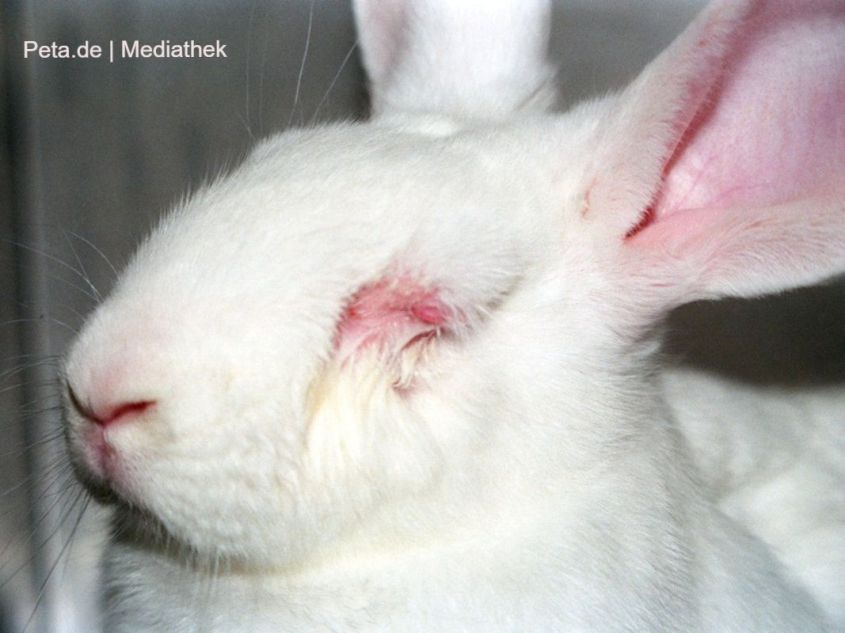
Last year, the USDA cited Vanderbilt after six rabbits were found to be suffering and in pain after an experimenter injected a test drug into their eyes. The rabbits’ were red and swollen, and some of the animals couldn’t even open them.

Previous violations at Vandy include these.

Multiple experimenters failed to obtain approval from the school’s animal experimentation oversight committee before carrying out invasive and painful experiments on animals.

In one case, an experimenter deviated from the approved protocol for pain relief for gerbils—resulting in the death of multiple animals.
In another, an experimenter used more pigs in an experiment than had been approved.

Continue reading “US-Vanderbilt University: Elite institution has an obsession with animal testing”

UK: Government Responses To 2 Petitions – ‘Change the law to include laboratory animals in the Animal Welfare Act’. And ‘End the Cage Age for all farmed animals’.


Petition 1 –  63,755 signatures

 Petition Wording:

Change the law to include laboratory animals in the Animal Welfare Act.

The Government needs to change the law so laboratory animals are included in the Animal Welfare Act. Laboratory animals are currently not protected by the Act and are therefore victims of ‘unnecessary suffering’ (see section 4 of the Act: https://www.legislation.gov.uk/ukpga/2006/45/section/4).

A recent exposé showed harrowing footage of the factory farming of laboratory dogs in the UK. Experiments on such dogs, and other animals, are today widely reported to be entirely failing the search for human treatments and cures.

Current science from multiple fields proves that animal-based research and testing is not viable. The Government should therefore change the law to include laboratory animals under the protection of the Animal Welfare Act, to prevent their unnecessary suffering.

Government responded:

The Government believes animal use for research remains important and The Animals (Scientific Procedures) Act 1986 (ASPA) provides specific protection for these animals..

There is an explicit exclusion under the Animal Welfare Act 2006 (AWA), to provide for the legitimate conduct of procedures on ‘protected animals’ for scientific or educational purposes that may cause pain, suffering, distress or lasting harm. The use of animals in scientific research remains a vital tool in improving our understanding of how biological systems work both in health and disease. Such use is crucial for the development of new medicines and cutting-edge medical technologies for both humans and animals, and for the protection of our environment.

The Animals (Scientific Procedures) Act 1986 (ASPA) is the specific piece of legislation which provides protection for these animals:
https://www.gov.uk/government/publications/consolidated-version-of-aspa-1986

No animals may be used under ASPA if there is a validated non-animal alternative that would achieve the scientific outcomes sought. The protections for animals under ASPA include the need for three levels of licence for such procedures to occur, welfare standards which need to be met, and activities including inspection which assure compliance with ASPA. The Home Office is the department responsible for regulating the use of animals under ASPA. If any activity is found to be in breach of what is permitted under ASPA, then the AWA will apply.

Details of how these regulations are administered and operationalised are set out in the Guidance on the operation of the Animals (Scientific Procedures) Act 1986 (ASPA) available at:
https://www.gov.uk/guidance/guidance-on-the-operation-of-the-animals-scientific-procedures-act-1986.

Details of the code of practice for housing and accommodation of animals regulated under ASPA approved by Parliament which form a core pillar of compliance assurance activities under ASPA are available at:
Code of practice for the housing and care of animals bred, supplied or used for scientific purposes – GOV.UK (www.gov.uk).

Animal testing is required by all global medicines regulators, including the UK’s Medicines and Healthcare products Regulatory Agency (MHRA), to protect human health and safety. Without the testing of potential medicines on animals the development, registration and marketing of new, safe, and effective medicines would not be possible. The animal species for animal testing of potential medicines are specifically chosen to give as much human relevant information as possible and to avoid species specific reactions which would not predict human effects. Many products which would not be safe or effective in humans are detected through animal testing thus avoiding harm to humans. Potential medicines fail in development for many reasons but the fact that medicines are stopped in development for reasons other than unsatisfactory animal testing does not mean that the testing is not essential.

Continue reading on page 2

Animal testing

“The usefulness of animal experiments – real or supposed – is not an ethical argument at all: there are many things that would be useful but are nonetheless immoral and forbidden, for example human experiments.” (Helmut F. Kaplan- Austrian animal ethicist)

Yes! we agree

Regards, Venus

U.S- Brown University: heads should roll for animal welfare incompetence

PETAUpdate: July 6, 2021
If Brown University is vying for the title of “Worst School for Animals Imprisoned in Labs,” it’s well on its way to glory.

PETA has obtained federal reports proving that the school still can’t manage to feed and give water to all the animals in its laboratories, euthanize them when their suffering becomes unbearable, or prevent its experimenters from going rogue.

Petition · Brown University Stop Cruel Animal Testing · Change.org

Here are just some of the atrocities that recently took place:

– Workers’ negligence resulted in the deaths of eight mice by starvation and another 12 mice by dehydration.
– Experimenters failed to euthanize animals in a timely manner—resulting in exacerbated suffering. In one case, after experimenters ignored a veterinary technician’s directive to euthanize a mouse, the animal was found in what was described as a “moribund state”—likely with labored breathing, sunken eyes, and the inability to reach food or water.
– Experimenters failed to monitor animals after they’d been used in surgeries, and one failed to provide “thermal support” to help relieve the animals’ pain. In a separate incident, an experimenter injected a substance into mice’s feet without first securing approval.
The mice developed footpad swelling so severe that they had to be euthanized.
– After a mouse was gassed with carbon dioxide, workers failed to ensure that the animal was dead. Other workers found that mouse still alive in a refrigerator intended for dead animals.
– Seven mice escaped from their cage as a result of a missing grommet. Four mice were recovered, one of whom had to be euthanized. Three mice were never found.

And the list goes on.

Continue reading “U.S- Brown University: heads should roll for animal welfare incompetence”

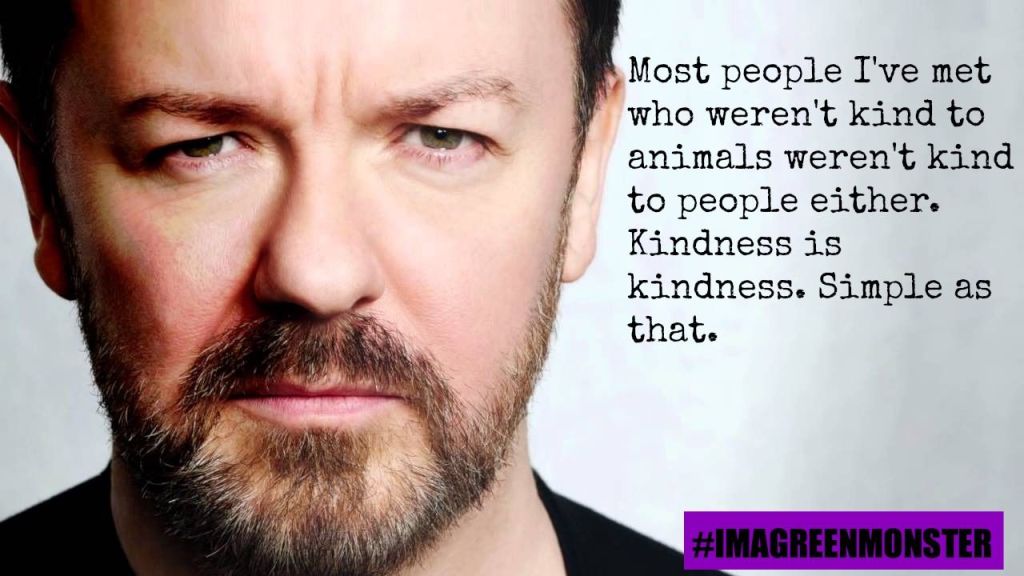
England: Actors Ricky Gervais and Peter Egan Call For A Ban On All Animal Experiments and A Breeding Centre To Close.

WAV Comment – Here we go, MBR also sorting out Covid 19 – everyone is on this bandwagon to justify their actions.

I (Mark – WAV co founder) have lived with Multiple Sclerosis (MS) for the last 22 years; and around 15 years ago I was told by the MS Society / Neurologists that it (the cure) would all be sorted within 5 years. 10 years after the ‘closing date’ and I still have MS; like many other sufferers, waiting for the day.

Talking of good ‘Cure’ – here is one of my favourite English bands – ‘The Cure’ live at ‘Pinkpop’ in the Netherlands:

Worthy of note – Animals DO NOT suffer from MS, which is an illness where your immune system wrongly attacks the nerves of your body, instead of protecting them. It is called ‘demyelination’. So why artificially make animals have MS (when they naturally dont) and then use them to find a ‘cure’ for humans ? – it makes no sense, never has and never will. For me, positive research would find out why animals dont get MS and humans do get the illness. Even as a sufferer who wants a cure, I will NEVER support the use of any animals in any medical research to find that golden fleece cure. Medical cures will only come through non animal research; the last 15 years of bullshit about a MS cure have told me that animals suffer in research for nothing. Big Pharma keeps the bucks rolling in with the promise, but never really delivers. You could say that they have got it all wrong and are making big bucks by thrashing out false promises to us all.

I have and take NO medication for my MS. I control things by living a vegan diet, well away from meat and dairy. I think it works – I think I can still do things on WAV !

Regards Mark.

Ricky

Ricky Gervais lobbies for ban on all animal experiments after calls for breeding centre to close

Fellow actor Peter Egan calls for inflicting suffering on laboratory animals to be made illegal

Animal rights campaigners set up a protest camp at a “factory farm” that breeds puppies for laboratory experiments after comedy actor Ricky Gervais launched a campaign to ban all tests on animals in the UK.

The protesters said they wanted to close down the site in Cambridgeshire, which breeds beagles that are sold when they are 16 weeks old for chemicals and drugs testing.

The centre denied claims that it trains the puppies to be “laboratory-ready”, including offering a paw for injections and accepting paper cups on their faces, ready for wearing gas masks.

Animal rights campaigners set up a protest camp at a “factory farm” that breeds puppies for laboratory experiments after comedy actor Ricky Gervais launched a campaign to ban all tests on animals in the UK.

The protesters said they wanted to close down the site in Cambridgeshire, which breeds beagles that are sold when they are 16 weeks old for chemicals and drugs testing.

The centre denied claims that it trains the puppies to be “laboratory-ready”, including offering a paw for injections and accepting paper cups on their faces, ready for wearing gas masks.

Gervais and fellow actor Peter Egan are lobbying against all animal experimentation and calling for laboratory animals to be included in the Animal Welfare Act, which outlaws causing animal suffering.

Activists who monitored the breeding site at Huntingdon for more than a year described “harrowing” scenes.

They said they saw workers grabbing dogs by the scruff of the neck and piling them into overcrowded trolleys, and dogs in crates cried “pitifully” as they were loaded onto a lorry.

The site, called MBR Acres, owned by US company Marshall BioResources, breeds up to 2,000 puppies every year, most of which are sent for toxicology tests at UK laboratories.

Toxicology testing often involves force-feeding animals with chemicals or making them inhale pesticides.

Critics say this can be done every day for up to 90 days with no pain relief or anaesthetic, before the dogs are killed.

But the company says most experiments are mild, such as taking a blood test, and the results are used to develop vaccines, such as the Covid-19 jab.

He is patron of a group called For Life on Earth (Floe), which wants the government to launch a pioneering “public scientific hearing” on whether animal experiments can predict responses in human patients, with independent scientific experts as judges.

Renowned primatologist Jane Goodall has backed the idea, and SNP MP Lisa Cameron has tabled an Early Day Motion calling for the hearing.

Louise Owen, founder of Floe, told The Independent that if the science hearing took place, animal experiments would end “because the government would recognise they were out of step with current scientific knowledge and harmful to human patients”.

She pointed out that the government’s new Animal Sentience Bill enshrines in law the ability of animals to feel joy, suffering and pain.

Gervais said: “I’m deeply shocked to learn that thousands of beautiful beagles are intensively bred, right here in the peace of the British countryside, for painful and terrifying toxicity experiments that are also now proven to entirely fail the search for human treatments and cures.”

Mel Broughton, of the Free the MBR Beagles campaign, said: “Increasingly, there is scientific opinion that these experiments are not valid in terms of finding cures for human diseases, and these dogs suffer greatly in toxicity tests. They’re poisoned to death slowly.”

A spokeswoman for MBR said the company bred animals raised to be healthy, content and comfortable in laboratories, adding: “It does not undertake regulatory toxicology or other experiments and has only animal care staff working on its sites.

Peter and Ricky

See the short video with Ricky and Dr Ray Greek here:

Ricky Gervais campaigns for ban on all animal experiments in UK after calls for puppy-breeding centre to close | The Independent

25/7 – a comment from Celia:

Animal experiment are utterly useless and cruel.

Signed by a person who became a life member of the Lord Dowding Fund for Humane Research and the National Anti-Vivisection Society in 1972′. = Celia – Woking, Surrey, UK

Animal experiments are a crime

True words by Peter Singer (born July 6, 1946 in Melbourne, Australia), Australian philosopher and ethicist.

“Either the animal is not like us, then there is no need to do the experiment;
or / but the animal is like us and in this case we should not carry out an experiment with the animal that would make us indignant if it were carried out on one of us”. (Peter Singer)

Nothing, absolutely nothing, justifies abusing, torturing and killing animals for diabolical animal experiments.
By now it should be well known globally that animal experiments are never and will never be 1: 1 transferable to humans.
Then why this ordeal of innocent beings?

There are numerous alternatives to the ungodly experiments on breathing creatures.
But the profit and the unholy research mania of many scientists prevent their widespread use.

Whether for the medicine and pharmaceutical industry, for the tobacco and food industry, the cosmetics industry or whatever: Animal experiments are wrong.

No medication, no vaccine, no cigarette, no short culinary pleasure and not even the latest make-up justify letting animals enjoy this hell on earth.
And here, too, the consumer has it in their hands by doing without blood and pain-stained animal torture products and only buying goods that are free from animal testing.

There are alternatives for almost everything, you just have to find out more and, above all, you have to want to.

NO TO BARBARIAN ANIMAL TESTING!
THE FIGHT CONTINUES UNTIL EVERY CAGE IS EMPTY IN ALL THE TEST LABS !!!

Text: Together for the animals

And I mean…Wherever people take the right to enslave suffering-capable animals as research tools, to torture them and finally to let them die miserably, we speak not only of an injustice, but of a crime.
In suffering, the animals are our equals but despite this hard fact the abnormal experimenters continue their senseless tyranny

My best regards to all, Venus