Category: Wildlife

Speciesism: The Root of Animal Oppression

https://www.idausa.org/campaign/farmed-animal/speciesism-the-root-of-animal-oppression/

We live in a world where we share our homes with some species, eat others, and exploit still more in myriad ways, depending on what we’ve been taught about how we should see and treat different species, and whether we should consider ourselves superior to them. Unfortunately, the misguided belief that some species are worth our moral consideration and protection and others aren’t is known as speciesism, and it’s causing immeasurable harm.
Speciesism is a form of discrimination that considers one species superior to others. This mindset is based on the belief that humans have the right to dominate, use, and kill non-human animals for their own benefit. 

The term “speciesism” was coined in the 1970s by British psychologist and animal rights activist Richard Ryder, who introduced it in a pamphlet distributed as part of a campaign against animal experimentation in Oxford, England.
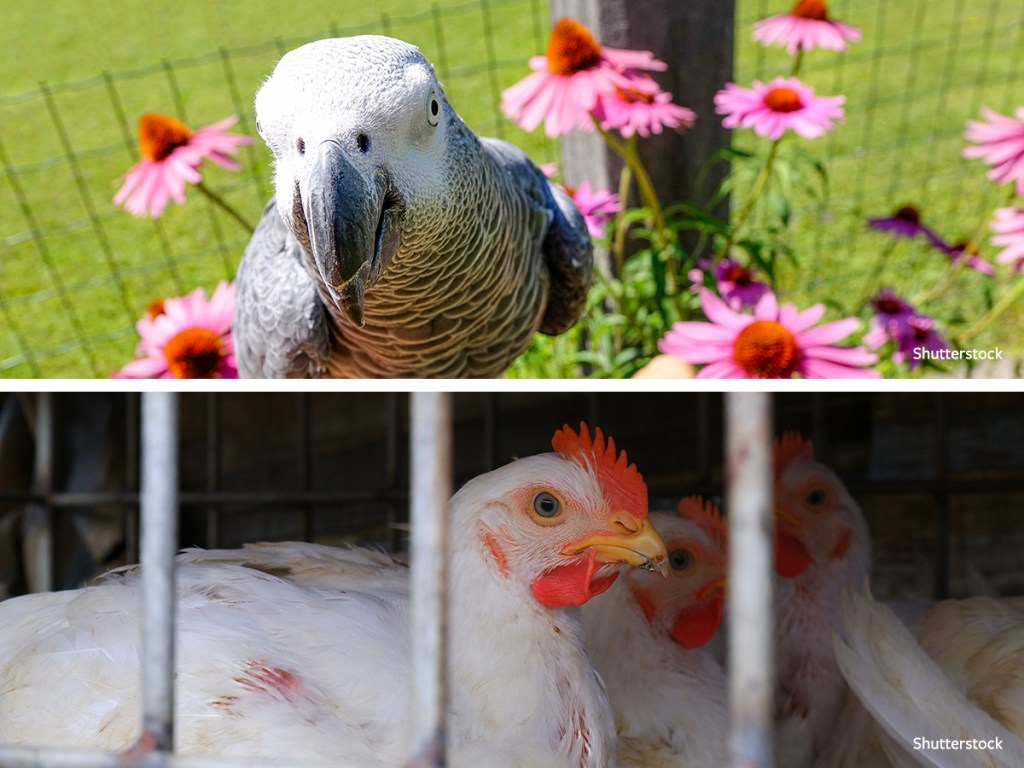
Like racism, sexism, homophobia, and all forms of discrimination against certain groups, speciesism devalues individuals based on arbitrary characteristics — and in the case of animals, their level of intelligence, their appearance, and if they have fur, feathers, and fins, or whether they walk on four legs instead of two. 

This perspective perpetuates the idea that we have the right to use, exploit, and kill other animals simply because they’re different from us. 
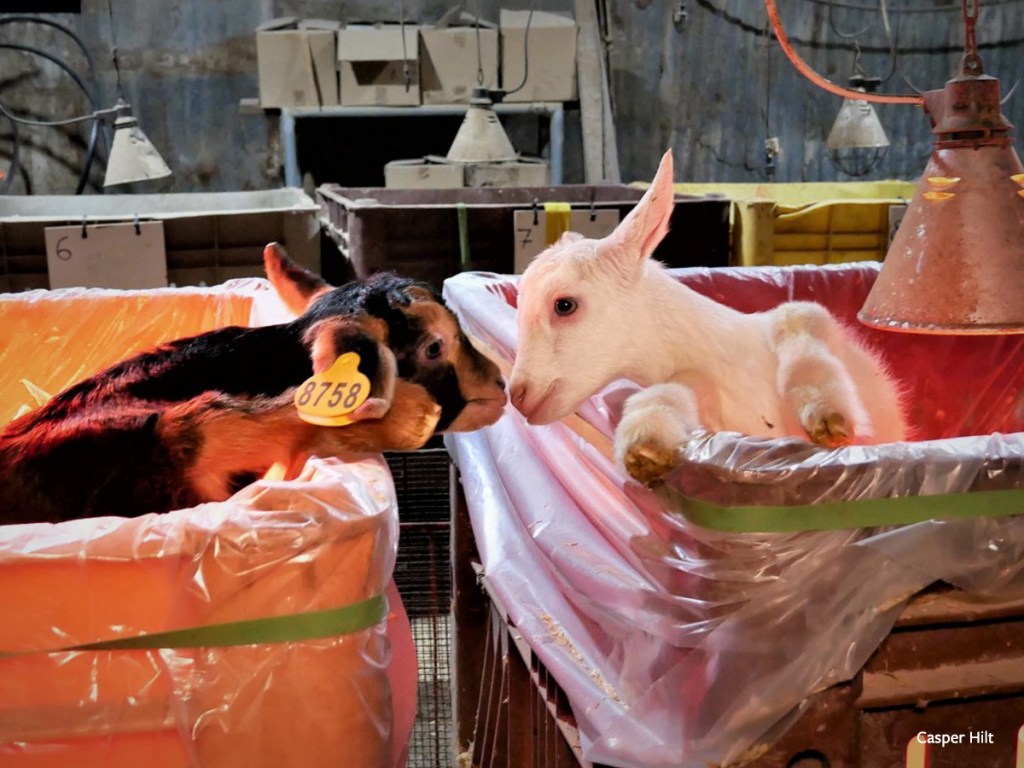
Speciesism is often the first form of discrimination we’re taught, and it manifests in two ways. The first is the belief in the supremacy of the human species over all other species. The second is viewing only certain species — such as animal companions and some wild animals — as worthy of care and protection, with some even considered part of our families. In contrast, most other animals are disregarded, and many are enslaved, tortured, and treated as commodities for food, entertainment, fashion, research, transportation, and much more.

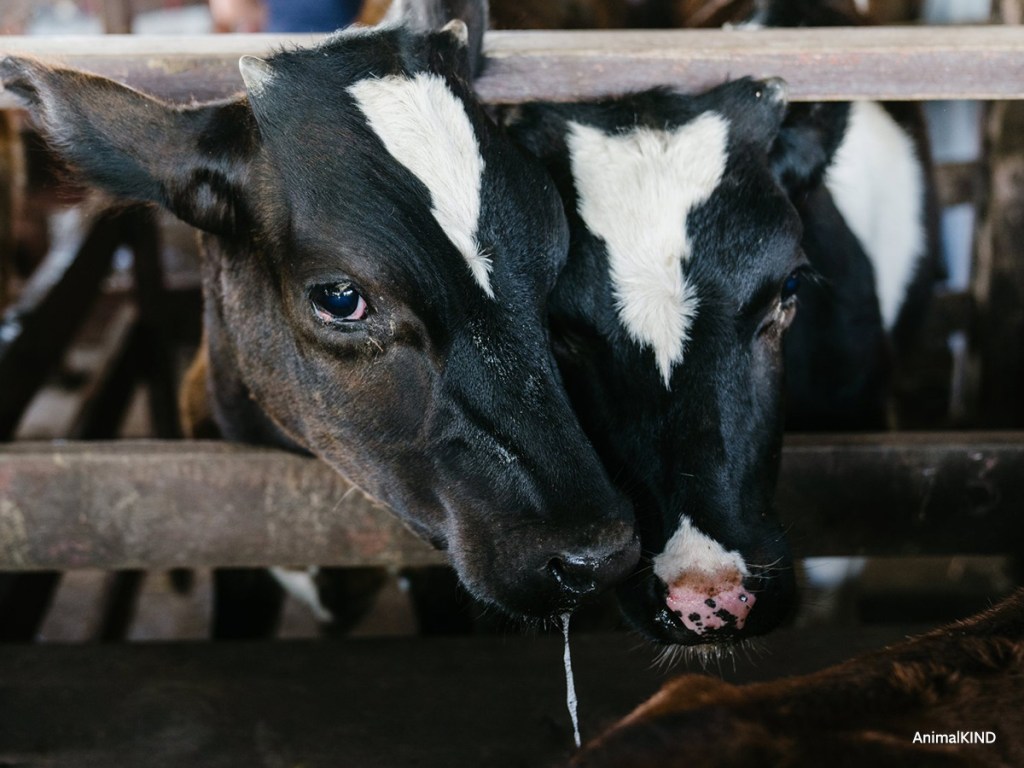
Farmed animals are often depicted in marketing for food products as trivial, cartoonish characters, which strips them of their dignity and status as feeling individuals with their own personalities and preferences. Small family farms tend to be romanticized as wholesome places where animals live happy lives and are cared for by farmers. In reality, the basis of all animal farming is the exploitation and killing of sentient beings. Still, humans have compartmentalized their ethical views, allowing us to rationalize the cruelty and violence inflicted on animals we might otherwise be fascinated by and care about, all for our pleasure, convenience, advancement, habits, traditions, and tastes. Although it has been scientifically proven that humans can survive and thrive on a plant-based diet, most continue to consume the flesh, milk, and eggs of animals because we’ve been conditioned to believe that it’s “normal, natural, and necessary.”

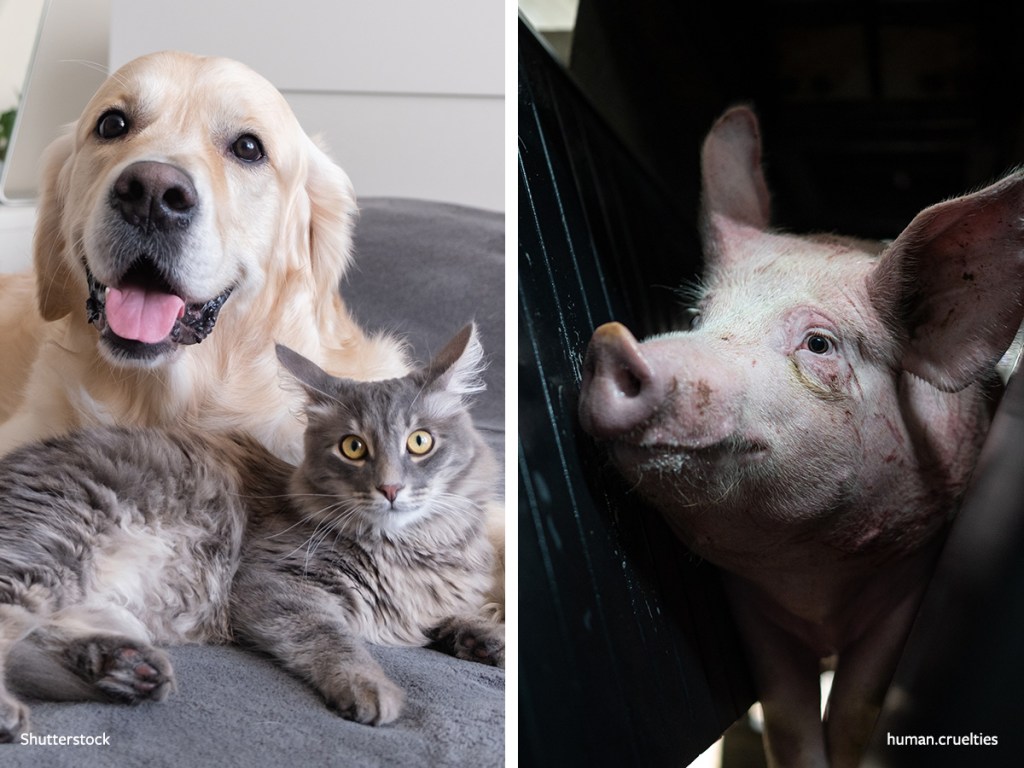
Animal companions and certain wild species are granted some legal protections, while all other animals are not. Cruel practices and mutilations without anesthesia, such as castration, tail docking, burning off horns, and extreme confinement, are inflicted on farmed animals like pigs, cows, chickens, goats, sheep, and turkeys, yet would be considered horrific abuse by most in Western culture if done to dogs or cats.

If we would never subject a dog or cat to these practices, nor send them to a slaughterhouse to end their life, we must recognize that no animal deserves to be used or enslaved by us, nor to have such pain and terror inflicted upon them. Even the desire to keep some animals as companions has led to their exploitation through breeding and selling, prioritizing profit over their well-being, which inevitably results in neglect, abuse, and often death. Beagle dogs and rabbits, usually seen as ‘pets,’ are also tormented and killed in research labs.
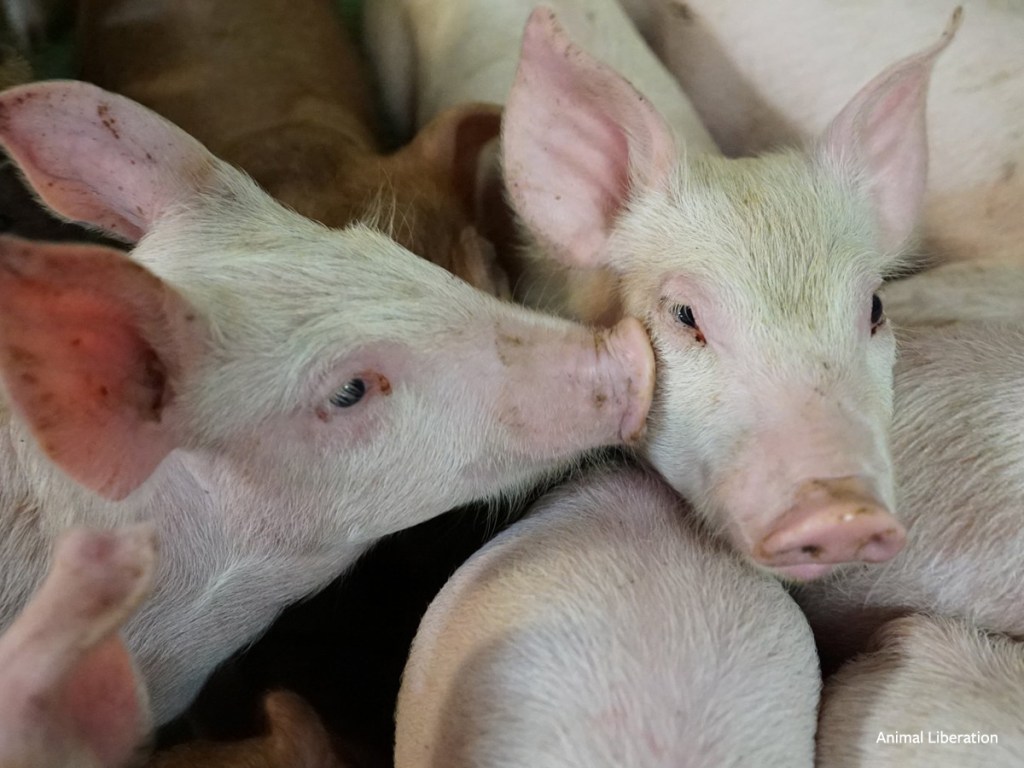
Humans often try to justify their oppression of animals by saying that humans are the most intelligent species. Yet many animal species possess sensory and physical abilities that humans do not have.

For example, bats use echolocation — the ability to use sound waves to navigate and find objects — to navigate in complete darkness. Tiny wrasse fish can recognize themselves and others in a mirror, joining chimpanzees and dolphins in this rare skill. Octopuses excel at problem-solving and camouflage, altering the texture and color of their skin to blend into their surroundings. Birds like the Arctic tern navigate thousands of miles using environmental cues, including the stars and the Earth’s magnetic field. 

Chickens can recognize faces, form social bonds, and have memory and problem-solving skills on par with many other birds and mammals. Cows demonstrate empathy and many other complex emotions and can also solve puzzles. Pigs can navigate mazes and exhibit emotions and intelligence equivalent to a 3-year-old child.

Regardless, is intelligence truly the measure of whether someone deserves to be protected from harm by others? Some cognitively impaired humans are less intelligent than many animals. Does that mean we can also use and kill them? Of course not. No individual should be required to justify their right to safety and protection from human harm based on their cognitive or physical abilities. 
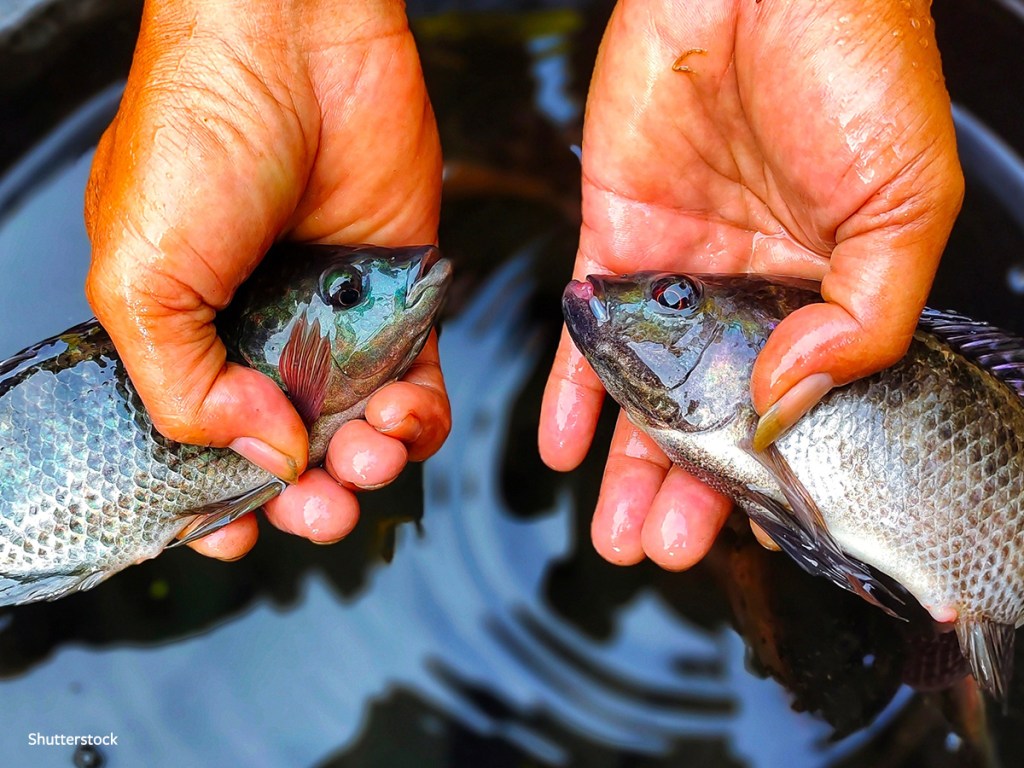
Whether human or non-human, each individual thinks and feels and has their own subjective experience of life, deserving the right to share this planet with us without being dominated by us. Unlike all forms of discrimination that focus on our differences, we must focus on what all species have in common — our will and desire to live and be free, and our capacity for pain, suffering, and joy. 

If we would not tolerate discrimination and harm based on race, gender, or other differences, we must apply the same reasoning to speciesism and view it as equally unjust. 

To embrace liberation, justice, and compassion for all Earthlings, live vegan—the principle that calls on humans to live without exploiting any other animals.
***********

Excellent book on the subject, for more in-depth study:

https://www.amazon.com/Speciesism-Joan-Dunayer/dp/0970647565
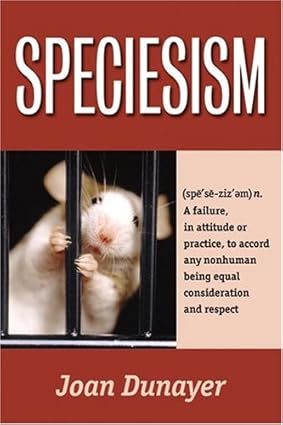
Ryce Pub., 2004 – 204 Pages

Defining speciesism as “a failure, in attitude or practice, to accord any nonhuman being equal consideration and respect,” this brilliant work critiques speciesism both outside and within the animal rights movement. The author demonstrates that much of the moral philosophy, legal theory, and animal advocacy aimed at advancing nonhuman emancipation actually perpetuate speciesism. Speciesism examines philosophy, law, and activism in terms of three categories: “old speciesism,” “new speciesism,” and species equality.Old-speciesists limit rights to humans. Speciesism refutes their standard arguments against nonhuman rights. Current law is old-speciesist — legally, nonhumans have no rights. Dunayer shows that “animal laws” such as the Humane Slaughter Act afford nonhumans no meaningful protection. She also explains why welfarist campaigns are old-speciesist.

Instead of opposing the abuse or killing of nonhuman beings, such campaigns seek only to make abuse or killing less cruel; they propose alternative ways of violating nonhumans’ moral rights. Many organizations that consider themselves animal rights advocates engage in old-speciesist campaigns, which reinforce the property status of nonhumans rather than promoting their emancipation.New-speciesists espouse rights for only some nonhumans, those whose minds seem most like those of humans. In addition to devaluing most animals, new-speciesists give greater moral consideration and stronger basic rights to humans than they do to any nonhumans. They see animalkind as a hierarchy, with humans at the top.

Dunayer explains why she categorizes such theorists as Peter Singer, Tom Regan, and Steven Wise as new-speciesists.Nonspeciesists advocaterights for every sentient being. Speciesism makes the case that every creature with a nervous system should be regarded as sentient. The book provides compelling evidence of consciousness in animals often dismissed as insentient — such as fishes, insects, spiders, and snails. Dunayer argues that every sentient being should possess basic legal rights, including rights to life and liberty. Radically egalitarian, Speciesism envisions nonspeciesist thought, law, and action.
(US) Feds Slap Valley Biosystems With Official Warning for Animal Welfare Violations Resulting in Strangulation Deaths of Monkeys: PETA Statement

https://www.peta.org/media/news-releases/feds-slap-valley-biosystems-with-official-warning-for-animal-welfare-violations-resulting-in-strangulation-deaths-of-monkeys-peta-statement/


June 5, 2025

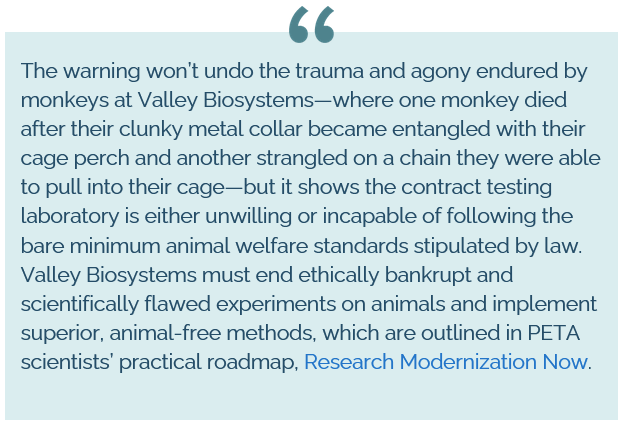
Sacramento – Please see the following statement from Amy Meyer, Associate Director of Primate Experimentation Campaigns at PETA, regarding a just-posted enforcement action taken by the U.S. Department of Agriculture against Valley Biosystems, a contract testing laboratory in West Sacramento. The facility, which used 371 monkeys in experiments and confined another 1,247 monkeys last year, has received an Official Warning, a rare occurrence reserved for the most egregious offenses. The agency’s action follows USDA’s earlier pair of critical violations of the federal Animal Welfare Act at the laboratory for incidents in which two monkeys died by strangulation in separate incidents:

(IT) Historic Win for Animals …

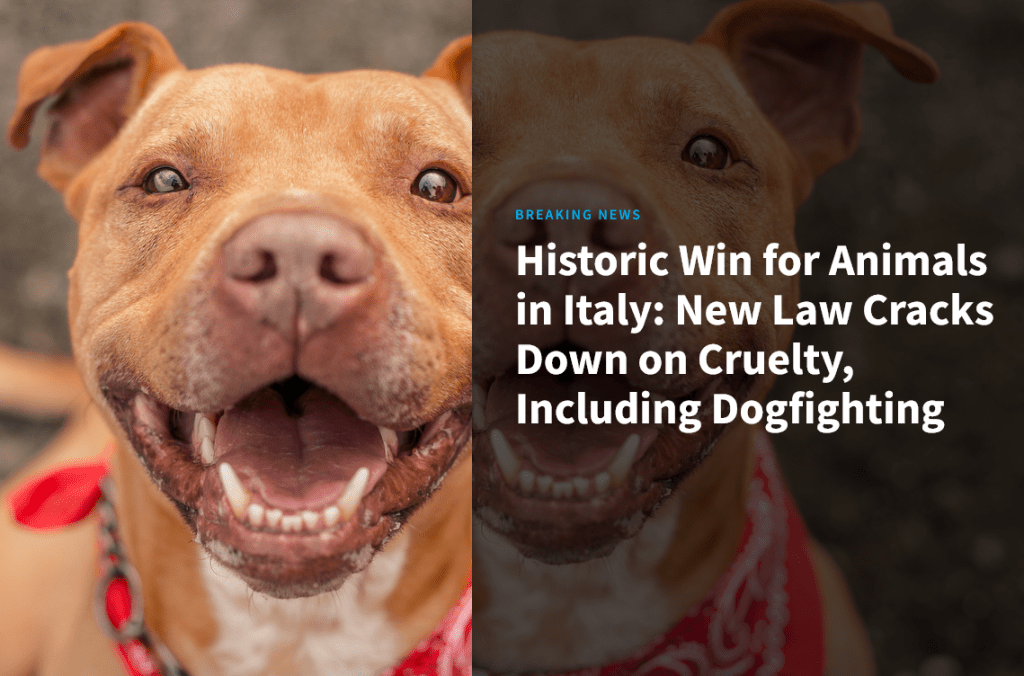
The Italian Senate has officially passed Bill AS 1308, a significant legislative advancement aimed at reinforcing animal protection across the country. The bill, previously approved by the Chamber under the name AC 30, introduces comprehensive amendments to the criminal code, criminal procedure code, and related provisions to address and deter crimes against animals, including the brutal practice of dogfighting.

One of the key aspects of the new law is the redefinition of the criminal code’s Title IX bis, replacing the outdated concept of “Crimes against the human sentiment toward animals” with the clearer and more progressive “Crimes against animals.” This change reinforces the idea that animals are deserving of legal protection in their own right, as sentient beings, not merely as subjects whose suffering might offend human sensitivity.

The bill also significantly increases penalties for acts of cruelty, including the killing of animals without necessity, mistreatment, and violations of the ban on unauthorized animal fighting or competitions. In particular, sentences for organizing or participating in animal fights have been increased, aiming to better deter those involved in these violent and illegal activities.

Additionally, the law introduces harsher penalties for crimes committed in aggravating circumstances, such as in the presence of minors or against multiple animals, as well as for the dissemination of videos or images of such acts via digital platforms. This is a critical step in tackling the spread of animal cruelty content online.

“The final approval of AS 1308 represents another important step in the protection of animals in Italy. We’ve made further progress towards the full recognition of non-human animals as sentient beings and victims of crimes, finally overcoming the outdated concept of exclusively protecting the ‘human sentiment’ towards them. We are pleased with the increase in penalties for dogfighting, a criminal activity that we have been combating for years through the ‘Io non combatto project,’ and the expansion of penalties to anyone participating in dogfighting in any capacity,” said Alessandro Fazzi, institutional relations consultant for Humane World for Animals Italy.

“We hope that it will soon be possible to intervene to offer even greater protection for minors, and also to introduce specific social rehabilitation programs for all those who commit crimes against animals, starting with those who participate in dog fights,” continued Fazzi. “By combining these requests with what has been approved today, our country will be able to take truly significant steps toward a more advanced legal civilization.”

A notable provision also addresses the management and recovery of animals seized in criminal proceedings. Under the new legislation, these animals can now be permanently assigned to certified organizations that can provide care and rehabilitation, helping to ensure they are not left in limbo during often-lengthy legal processes. The bill further includes a nationwide ban on keeping dogs chained, a practice often linked to dogfighting, except in strictly defined health or safety circumstances.

“The recently approved bill marks a significant step forward for all those who dedicate themselves every day to the protection of animals. It is a strong signal that strengthens the recognition of animals as sentient beings, deserving of direct protection. It also represents a concrete evolution on an operational level, particularly for the management of animals who are victims of crimes, taken from criminal circuits, and placed under judicial seizure,” said Federica Faiella, president of Fondazione Cave Canem, “I’m especially thinking of the dogs involved in fighting: this law finally recognizes their right to be immediately placed on a path of psychological and physical recovery and, where possible, welcomed into a family setting. This avoids the paradox of animals saved from abuse who remain trapped in the judicial system for years, confined to detention facilities.”

Although some proposed amendments, such as dedicated funding for law enforcement training or the ban on the import and export of hunting trophies from endangered species, were not included in the final version, the bill nonetheless marks a decisive move forward. It modernizes Italy’s approach to animal welfare by aligning legal language and enforcement practices with contemporary views on animal rights and ethical treatment.

By recognizing animals as victims of crime and ensuring stronger legal and institutional tools to protect them, this bill lays the groundwork for more robust animal welfare policies in the future. It sends a clear message that cruelty against animals will be met with serious consequences and that animal protection is a core part of a civilized, humane society.

Explosive-Loaded Animal Carcasses Used by Russians in Drone Attacks

https://militarnyi.com/en/news/explosive-loaded-animal-carcasses-used-by-russians-in-drone-attacks/

June 4, 2025

Russian troops have begun using wild animal carcasses as containers for explosives — they are dropped from drones.

The Para Pax Telegram channel published video and photos of this process.

According to the footage, a pre-assembled explosive charge is inserted into the carcass of a wild animal, then carefully concealed with fabric and the animal’s internal organs before being deployed via drone.

According to the post’s author, these “loaded” carcasses are later dropped from drones, both to mine areas and to carry out targeted strikes on specific positions.

The carcass of a hare with explosives. Photo credits: Para Pax

The use of animal carcasses as explosive devices significantly complicates their detection, posing an increased threat to personnel and potentially leading to unintended casualties.

An image of a drone already equipped with a prepared carcass, ready for transport and deployment, was also published.

It is worth noting that similar cases of booby-trapping objects and animal carcasses have been taking place since the beginning of Russia’s full-scale invasion of Ukraine.

In addition to using animal carcasses, the enemy has also booby-trapped the bodies of its own soldiers and abandoned equipment, aiming to inflict further losses on the Ukrainian Defense Forces.

The carcass of a hare with explosives. Photo credits: Para Pax

In addition to using animals as containers for explosives, Russian forces have also employed animals for logistics and the transportation of military equipment.

Militarnyi previously reported that certain Russian military units have begun receiving donkeys to be used as pack animals for transport purposes.

This may indicate that the donkeys have been assigned to frontline units to support logistics, both directly on the front line and in nearby areas.

Such a drastic measure is likely driven by a shortage of vehicles and unmanned ground platforms capable of performing logistical tasks.

Not all is well in .. GREECE

Some of you are perhaps planning their holiday …

https://www.ekathimerini.com/news/1247849/jackals-shot-and-hung/

Jackals shot and hung

06.09.2024 • 08:57

Police have launched an inquiry after the public outcry sparked by a video posted on social media showing three dead jackals hanging in two different places in the region of Messinia in southern Greece. 

According to a report on Skai TV, the jackals were shot and killed earlier in the week in the village of Xirochori in Mani by an unknown assailant or assailants.

One of the jackals was hung in the village square and two on signposts.

Another atrocity followed when a fox was also hanged in the area.

The incidents were the latest in a long string of reports of animal cruelty in different parts of the country.

In 2023 alone, there were more than 10,000 animal abuse complaints. 

************

https://www.ekathimerini.com/news/1250455/police-launch-manhunt-for-suspect-behind-gruesome-cat-killings-in-athens/

Authorities intensify hunt for suspect in Kypseli cat killings

08.10.2024 • 22:25

Authorities in the central Athens district of Kypseli are stepping up efforts to catch a suspect responsible for the gruesome decapitation of stray cats.

Reports suggest the perpetrator is targeting stray felines and leaving their bodies in various locations, sometimes accompanied by ominous notes.

Residents are growing increasingly alarmed, fearing more attacks. Despite reviewing surveillance footage from the crime scenes, police have yet to uncover any significant leads, but they continue to actively investigate the case.

Since December 14, 2023, five similar incidents have been reported, indicating a possible pattern that points to a single individual behind these heinous acts.

************

https://www.ekathimerini.com/news/1271570/man-arrested-for-killing-kitten/

Man arrested for torturing and killing kitten

03.06.2025 • 19:38

Police in Thessaloniki have arrested a 34-year-old man on suspicion of torturing and killing a kitten.

The incident came to light after a video surfaced online showing the man kicking a kitten – believed to have already been injured by traffic – onto the road before deliberately running it over with his car.

The Municipality of Kalamaria, where the alleged incident happened, issued a statement expressing its “anger and disgust,” saying the act “offends the culture of our city.”

************

https://www.ekathimerini.com/news/1263161/thessaloniki-police-investigate-stray-cat-poisonings/

Thessaloniki police investigate stray cat poisonings

04.03.2025 • 10:39

Police in Thessaloniki are investigating the mass poisoning of 16 stray cats in the Agia Marina district.

A local woman had been taking care of the cats and had given them food, but an unknown individual then added poison to the food, Vasilis Diamantakis, deputy mayor for the environment, told AMNA news agency.

The remains of the poisoned cats have been sent for an autopsy while a sample of the poisoned food has also been kept for examination.

“The police are conducting the necessary checks to identify the perpetrator and are investigating the case through the cameras in the surrounding area. We want the person responsible to be identified and punished so that people understand that there are consequences for such heinous acts,” Diamantakis said.

Press release: European Commission gives green light to reopen hunting season for Turtle‑dove

https://www.birdlife.org/news/2025/04/01/press-release-european-commission-gives-green-light-to-reopen-hunting-season-for-turtle-dove/

1 April 2025

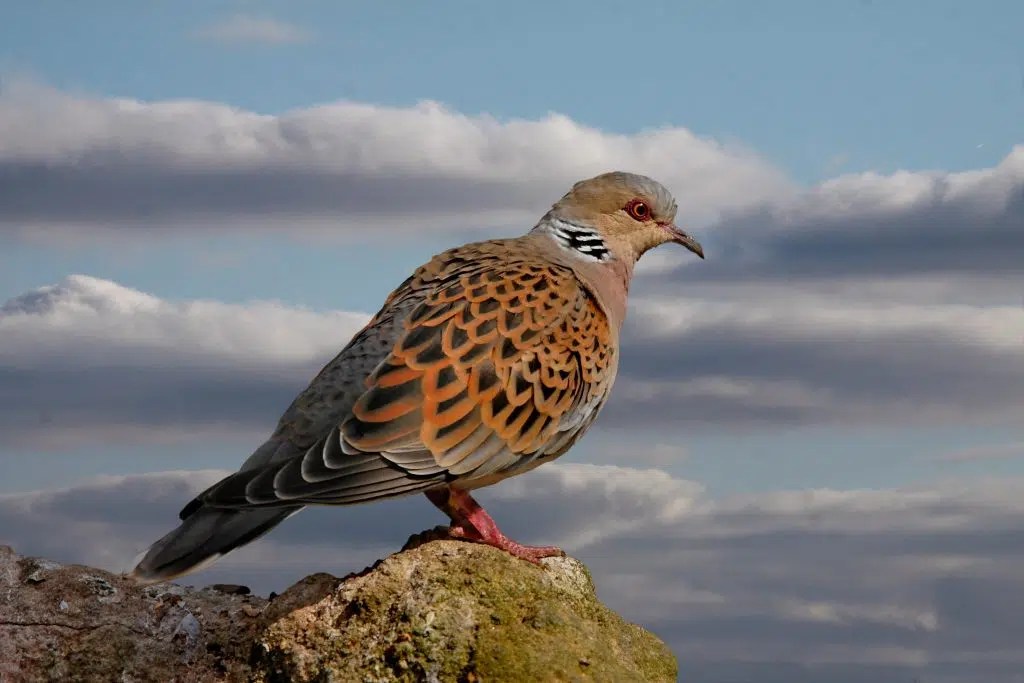
European Turtle-dove by: Tony Brindley/Shutterstock

The European Commission has announced EU countries may re-open the hunting season for the European Turtle-dove (Streptopelia turtur) in parts of Western Europe if they choose to do so. The reopening follows a three-year hunting pause despite the species’ ongoing decline and weak enforcement of hunting laws.

Hunting of iconic species paused since autumn 2021 will continue pushing species to brink.

European Turtle-dove (Streptopelia turtur) in parts of Western Europe if they choose to do so [1]. The reopening follows a three-year hunting pausedespite the species’ ongoing decline and weak enforcement of hunting laws. The moratorium, introduced in 2021, had halted hunting in Spain, France, Portugal, and northwest Italy (Western Flyway) and in 2022 for Austria, Bulgaria, Greece, Italy, Malta, Romania, and Cyprus (Central-Eastern Flyway). Hunting is a major driver of the species’ decline, yet instead of strengthening protections, the Commission is opening the door to more killing.

The hunting pause worked. Data shows that after years of decline, the Turtle-dove population in the Western Flyway has started to recover [2]. But in the Central-Eastern Flyway, where hunting bans have not been properly enforced, no recovery has been observed. The species continues to be classed as ‘Vulnerable’ on the IUCN Red List due to habitat loss and food shortages from intensive farming and pesticide use, and unsustainable hunting.

Despite these fragile gains, the European Commission has recommended resuming hunting in the Western Flyway for the 2025/2026 season, allowing hunters to kill up to 1.5% of the population. The Commission’s recommendation to end the moratorium was based on three conditions:

  1. A population increase for at least two consecutive years
  2. A rise in survival rates
  3. Effective monitoring, control, and enforcement systems

But one of these conditions has still not been met. While population numbers have improved, the enforcement systems remain weak and unreliable [3]. The Commission is relying on a 1.5% hunting quota, assuming it will be sustainable, but there is no way to ensure that hunters will stick to this limit. The risk is clear. Without proper controls, overhunting will resume, and the species will start declining again.

Barbara Herrero, Senior Nature Conservation Policy Officer at BirdLife Europe, said:
“The Turtle-dove did its part. Left alone, it started to recover. But governments failed to uphold their end of the deal. Instead of fixing weak enforcement and protecting habitats, they’re rushing to lift the ban. This is reckless and shortsighted. We know where this path leads – straight back to the brink. The European Commission should have stood firm and kept the moratorium.”

Meanwhile, in the Central-Eastern Flyway, illegal and unsustainable hunting continues unchecked. The Ionian Islands in Greece remain a hotspot for illegal killing during migration. Malta also continues its unlawful spring hunting of Turtle Doves. BirdLife Europe urges these countries to enforce the hunting ban before it’s too late.

The Turtle-dove is not safe. Without strong protections, we risk another devastating population crash. The European Commission must act responsibly and put nature before politics.

We’re close to translating animal languages – what happens then?

https://www.theguardian.com/world/2025/jun/01/were-close-to-translating-animal-languages-what-happens-then

AI may soon be able to decode whalespeak, among other forms of communication – but what nature has to say may not be a surprise

harles Darwin suggested that humans learned to speak by mimicking birdsong: our ancestors’ first words may have been a kind of interspecies exchange. Perhaps it won’t be long before we join the conversation once again.

The race to translate what animals are saying is heating up, with riches as well as a place in history at stake. The Jeremy Coller Foundation has promised $10m to whichever researchers can crack the code. This is a race fuelled by generative AI; large language models can sort through millions of recorded animal vocalisations to find their hidden grammars. Most projects focus on cetaceans because, like us, they learn through vocal imitation and, also like us, they communicate via complex arrangements of sound that appear to have structure and hierarchy.

Legal systems increasingly utilised to protect animals

https://www.ibanet.org/Legal-systems-increasingly-utilised-to-protect-animals

Joanne Harris – Monday 2 June 2025

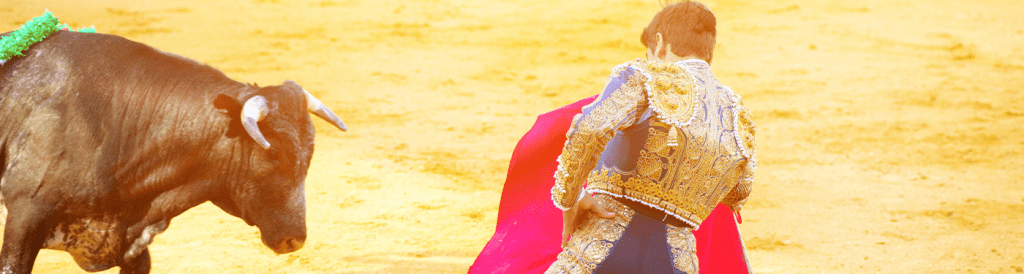
In April, Michoacán became the sixth Mexican state to ban bullfighting, while the previous month, legislators in Mexico City approved legislation to reform the sport. These reforms will ban ‘traditional’ bullfighting, limiting the length of contests and preventing matadors from killing their animal opponents – making the sport ‘bloodless’. Meanwhile in 2024, the Colombian President signed a bill that calls on the country’s government to completely ban bullfights by 2027.

These developments are part of a number of recent legislative and legal efforts around the world aimed at enhancing animal welfare. In New Zealand, the government plans to outlaw greyhound racing – a result, it says, of the significant number of injuries and deaths suffered by the dogs. It intends to introduce legislation later this year. Meanwhile, a growing number of non-profit organisations are seeking to protect animal rights through the courts. 

‘It’s unmistakeable that there’s a growing trend in favour of protecting animals through the legal system,’ says Christopher Berry, Executive Director of US-based organisation the Nonhuman Rights Project (NhRP). His organisation is now 30 years old, but Berry believes the use of the law to enhance animal welfare has taken strides forward in recent years.

‘We’re currently in the midst of a global change in society’s relationship with animals,’ Berry says, highlighting how science is delving deeper into their intelligence, emotions and communication. There’s reportedly a boom in such research, with an ever-increasing range of species observed using tools or playing for fun.

Helen Mitcheson, a director at non-profit legal organisation Cet Law – which focuses on advocating for the protection of whales, porpoises and dolphins – agrees science has been one of the factors in the growing regulation of facilities that house captive cetaceans in recent years. However, ‘there’s not one driver or one-size-fits-all movement to stop captivity or change practices in captivity and in a lot of cases it’s not even a legal driver. It’s driven by legislative, political and social actions,’ Mitcheson says. 

Looking back at the history of the anti-bullfighting movement in Mexico, Cecilia Stahlhut, Secretary of the IBA Healthcare and Life Sciences Committee, explains that the sport was suspended in Mexico City in 2022, but the ban was later overturned by the country’s Supreme Court in 2023. Since then, groups advocating both for and against bullfighting have been vocal on the subject.

The details of Mexico City’s reforms are still awaited. The city’s government has seven months to publish secondary regulations, detailing exactly how the changes will be brought about. ‘Most of the groups that support bullfights will wait until that moment to submit any claim against this amendment. That’s when the real legal fight will begin,’ says Stahlhut, who’s also a partner at Hogan Lovells in Mexico City.

While other states have already introduced regulations to prohibit bullfights – and also contests involving dogs – some are waiting to see how the situation in Mexico City develops, says Stahlhut. However, she adds that Mexico has strong regulations around animal protection. At the end of 2024, the Mexican Constitution was amended to explicitly protect animals from cruelty and to allow Congress to legislate in matters of their protection and welfare. 

At a federal level, these amendments to the Constitution enhanced the protection of animals in the country, and Stahlhut says the Mexico City proposals on bullfighting would bring its state legislation in line with federal laws. ‘It’s just to be consistent with what the government at a state and federal level has been working on. You can’t criminalise certain acts against animals and not other ones,’ she says. 

However, legislation protecting animals can lead to complex knock-on effects. In 2021, France banned whale and dolphin displays at aquariums – a move that has, according to park managers, directly led to the closure of facilities such as Marineland in Antibes, which shut its doors in January. Mitcheson says the park is still responsible for the care of the dolphins it had in captivity, and questions remain about where they should be sent. 

Similar questions arise in the case of Happy the elephant, who has been in captivity in the Bronx Zoo since 1977. NhRP brought a case to the New York courts arguing that Happy was entitled to the right of habeas corpus – which would allow a challenge to the elephant’s detention. The New York Court of Appeals rejected the case in 2022, but two judges wrote dissenting opinions saying Happy did have a right to freedom – even if that involved merely moving to a more spacious sanctuary. Bronx Zoo operator the Wildlife Conservation Society maintains its elephants are well cared for. 

Efforts to give animals legal rights are growing worldwide. In 2024, Polynesian Indigenous leaders signed the He Whakaputanga Moana – or Declaration for the Ocean – granting whales legal personhood. That move was followed by a pro bono initiative involving the UK’s Simmons & Simmons, marine law firm Ocean Vision Legal and the Pacific Whale Fund, to draft proposed legislation called ‘Te Mana o Te Tohorā’ (‘the enduring power of whales’), which would offer nations a pathway to adopt similar laws. ‘Legal personhood for environmental bodies is a real topic,’ says Mitcheson. ‘It’s very academic at the moment because the difficulty of it is implementation.’

Cultural barriers will probably also remain a challenge when it comes to implementing legislation protecting animals, and there are significant differences in the ways jurisdictions look at these issues – what may be permitted in one country could be banned in another. 

But recent trends certainly show a move towards enhanced animal welfare protection through legislation, regulation and the courts. ‘There’s a lot of energy and there is a lot of progress being made,’ says Berry. ‘It’s incremental and it’s frustrating and there’s a lot of obstacles in our way, but I’m very positive about the way this is headed in the long term. How fast it spreads and how quickly remains to be seen, but the trend line is for more protection and higher legal status for animals.’

‘Half the tree of life’: ecologists’ horror as nature reserves are emptied of insects

https://www.theguardian.com/environment/2025/jun/03/climate-species-collapse-ecology-insects-nature-reserves-aoe

3 Jun 2025 09.00 CEST

A new point in history has been reached, entomologists say, as climate-led species’ collapse moves up the food chain even in supposedly protected regions free of pesticides

Daniel Janzen only began watching the insects – truly watching them – when his ribcage was shattered. Nearly half a century ago, the young ecologist had been out documenting fruit crops in a dense stretch of Costa Rican forest when he fell in a ravine, landing on his back. The long lens of his camera punched up through three ribs, snapping the bones into his thorax.

…..