Category: Wildlife

Not all is well in .. GREECE

Some of you are perhaps planning their holiday …

https://www.ekathimerini.com/news/1247849/jackals-shot-and-hung/

Jackals shot and hung

06.09.2024 • 08:57

Police have launched an inquiry after the public outcry sparked by a video posted on social media showing three dead jackals hanging in two different places in the region of Messinia in southern Greece. 

According to a report on Skai TV, the jackals were shot and killed earlier in the week in the village of Xirochori in Mani by an unknown assailant or assailants.

One of the jackals was hung in the village square and two on signposts.

Another atrocity followed when a fox was also hanged in the area.

The incidents were the latest in a long string of reports of animal cruelty in different parts of the country.

In 2023 alone, there were more than 10,000 animal abuse complaints. 

************

https://www.ekathimerini.com/news/1250455/police-launch-manhunt-for-suspect-behind-gruesome-cat-killings-in-athens/

Authorities intensify hunt for suspect in Kypseli cat killings

08.10.2024 • 22:25

Authorities in the central Athens district of Kypseli are stepping up efforts to catch a suspect responsible for the gruesome decapitation of stray cats.

Reports suggest the perpetrator is targeting stray felines and leaving their bodies in various locations, sometimes accompanied by ominous notes.

Residents are growing increasingly alarmed, fearing more attacks. Despite reviewing surveillance footage from the crime scenes, police have yet to uncover any significant leads, but they continue to actively investigate the case.

Since December 14, 2023, five similar incidents have been reported, indicating a possible pattern that points to a single individual behind these heinous acts.

************

https://www.ekathimerini.com/news/1271570/man-arrested-for-killing-kitten/

Man arrested for torturing and killing kitten

03.06.2025 • 19:38

Police in Thessaloniki have arrested a 34-year-old man on suspicion of torturing and killing a kitten.

The incident came to light after a video surfaced online showing the man kicking a kitten – believed to have already been injured by traffic – onto the road before deliberately running it over with his car.

The Municipality of Kalamaria, where the alleged incident happened, issued a statement expressing its “anger and disgust,” saying the act “offends the culture of our city.”

************

https://www.ekathimerini.com/news/1263161/thessaloniki-police-investigate-stray-cat-poisonings/

Thessaloniki police investigate stray cat poisonings

04.03.2025 • 10:39

Police in Thessaloniki are investigating the mass poisoning of 16 stray cats in the Agia Marina district.

A local woman had been taking care of the cats and had given them food, but an unknown individual then added poison to the food, Vasilis Diamantakis, deputy mayor for the environment, told AMNA news agency.

The remains of the poisoned cats have been sent for an autopsy while a sample of the poisoned food has also been kept for examination.

“The police are conducting the necessary checks to identify the perpetrator and are investigating the case through the cameras in the surrounding area. We want the person responsible to be identified and punished so that people understand that there are consequences for such heinous acts,” Diamantakis said.

Press release: European Commission gives green light to reopen hunting season for Turtle‑dove

https://www.birdlife.org/news/2025/04/01/press-release-european-commission-gives-green-light-to-reopen-hunting-season-for-turtle-dove/

1 April 2025

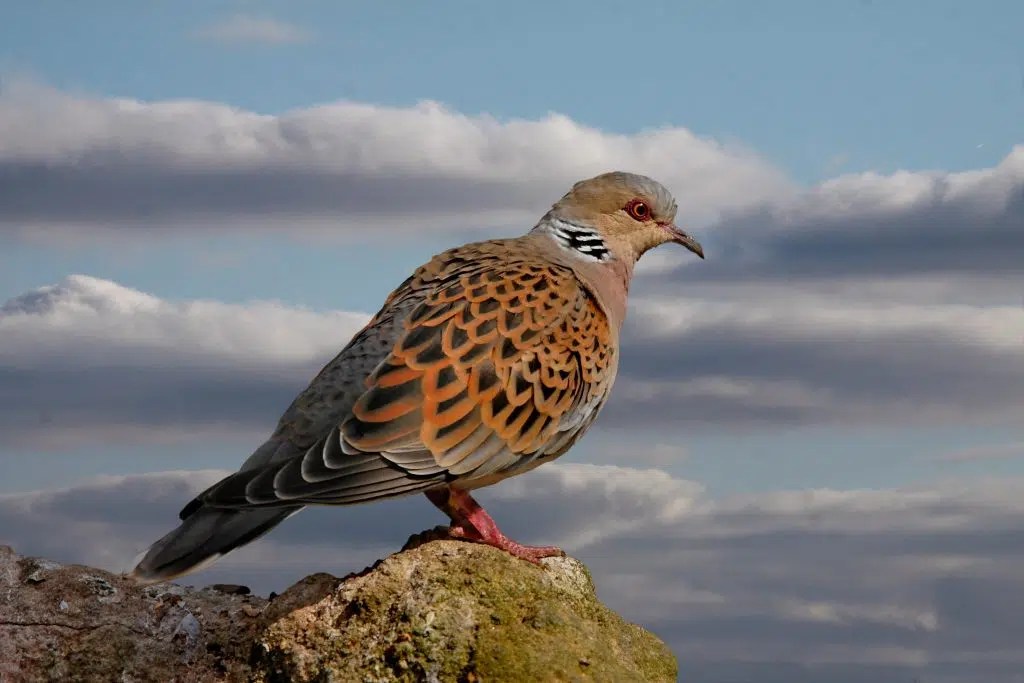
European Turtle-dove by: Tony Brindley/Shutterstock

The European Commission has announced EU countries may re-open the hunting season for the European Turtle-dove (Streptopelia turtur) in parts of Western Europe if they choose to do so. The reopening follows a three-year hunting pause despite the species’ ongoing decline and weak enforcement of hunting laws.

Hunting of iconic species paused since autumn 2021 will continue pushing species to brink.

European Turtle-dove (Streptopelia turtur) in parts of Western Europe if they choose to do so [1]. The reopening follows a three-year hunting pausedespite the species’ ongoing decline and weak enforcement of hunting laws. The moratorium, introduced in 2021, had halted hunting in Spain, France, Portugal, and northwest Italy (Western Flyway) and in 2022 for Austria, Bulgaria, Greece, Italy, Malta, Romania, and Cyprus (Central-Eastern Flyway). Hunting is a major driver of the species’ decline, yet instead of strengthening protections, the Commission is opening the door to more killing.

The hunting pause worked. Data shows that after years of decline, the Turtle-dove population in the Western Flyway has started to recover [2]. But in the Central-Eastern Flyway, where hunting bans have not been properly enforced, no recovery has been observed. The species continues to be classed as ‘Vulnerable’ on the IUCN Red List due to habitat loss and food shortages from intensive farming and pesticide use, and unsustainable hunting.

Despite these fragile gains, the European Commission has recommended resuming hunting in the Western Flyway for the 2025/2026 season, allowing hunters to kill up to 1.5% of the population. The Commission’s recommendation to end the moratorium was based on three conditions:

  1. A population increase for at least two consecutive years
  2. A rise in survival rates
  3. Effective monitoring, control, and enforcement systems

But one of these conditions has still not been met. While population numbers have improved, the enforcement systems remain weak and unreliable [3]. The Commission is relying on a 1.5% hunting quota, assuming it will be sustainable, but there is no way to ensure that hunters will stick to this limit. The risk is clear. Without proper controls, overhunting will resume, and the species will start declining again.

Barbara Herrero, Senior Nature Conservation Policy Officer at BirdLife Europe, said:
“The Turtle-dove did its part. Left alone, it started to recover. But governments failed to uphold their end of the deal. Instead of fixing weak enforcement and protecting habitats, they’re rushing to lift the ban. This is reckless and shortsighted. We know where this path leads – straight back to the brink. The European Commission should have stood firm and kept the moratorium.”

Meanwhile, in the Central-Eastern Flyway, illegal and unsustainable hunting continues unchecked. The Ionian Islands in Greece remain a hotspot for illegal killing during migration. Malta also continues its unlawful spring hunting of Turtle Doves. BirdLife Europe urges these countries to enforce the hunting ban before it’s too late.

The Turtle-dove is not safe. Without strong protections, we risk another devastating population crash. The European Commission must act responsibly and put nature before politics.

We’re close to translating animal languages – what happens then?

https://www.theguardian.com/world/2025/jun/01/were-close-to-translating-animal-languages-what-happens-then

AI may soon be able to decode whalespeak, among other forms of communication – but what nature has to say may not be a surprise

harles Darwin suggested that humans learned to speak by mimicking birdsong: our ancestors’ first words may have been a kind of interspecies exchange. Perhaps it won’t be long before we join the conversation once again.

The race to translate what animals are saying is heating up, with riches as well as a place in history at stake. The Jeremy Coller Foundation has promised $10m to whichever researchers can crack the code. This is a race fuelled by generative AI; large language models can sort through millions of recorded animal vocalisations to find their hidden grammars. Most projects focus on cetaceans because, like us, they learn through vocal imitation and, also like us, they communicate via complex arrangements of sound that appear to have structure and hierarchy.

Legal systems increasingly utilised to protect animals

https://www.ibanet.org/Legal-systems-increasingly-utilised-to-protect-animals

Joanne Harris – Monday 2 June 2025

In April, Michoacán became the sixth Mexican state to ban bullfighting, while the previous month, legislators in Mexico City approved legislation to reform the sport. These reforms will ban ‘traditional’ bullfighting, limiting the length of contests and preventing matadors from killing their animal opponents – making the sport ‘bloodless’. Meanwhile in 2024, the Colombian President signed a bill that calls on the country’s government to completely ban bullfights by 2027.

These developments are part of a number of recent legislative and legal efforts around the world aimed at enhancing animal welfare. In New Zealand, the government plans to outlaw greyhound racing – a result, it says, of the significant number of injuries and deaths suffered by the dogs. It intends to introduce legislation later this year. Meanwhile, a growing number of non-profit organisations are seeking to protect animal rights through the courts. 

‘It’s unmistakeable that there’s a growing trend in favour of protecting animals through the legal system,’ says Christopher Berry, Executive Director of US-based organisation the Nonhuman Rights Project (NhRP). His organisation is now 30 years old, but Berry believes the use of the law to enhance animal welfare has taken strides forward in recent years.

‘We’re currently in the midst of a global change in society’s relationship with animals,’ Berry says, highlighting how science is delving deeper into their intelligence, emotions and communication. There’s reportedly a boom in such research, with an ever-increasing range of species observed using tools or playing for fun.

Helen Mitcheson, a director at non-profit legal organisation Cet Law – which focuses on advocating for the protection of whales, porpoises and dolphins – agrees science has been one of the factors in the growing regulation of facilities that house captive cetaceans in recent years. However, ‘there’s not one driver or one-size-fits-all movement to stop captivity or change practices in captivity and in a lot of cases it’s not even a legal driver. It’s driven by legislative, political and social actions,’ Mitcheson says. 

Looking back at the history of the anti-bullfighting movement in Mexico, Cecilia Stahlhut, Secretary of the IBA Healthcare and Life Sciences Committee, explains that the sport was suspended in Mexico City in 2022, but the ban was later overturned by the country’s Supreme Court in 2023. Since then, groups advocating both for and against bullfighting have been vocal on the subject.

The details of Mexico City’s reforms are still awaited. The city’s government has seven months to publish secondary regulations, detailing exactly how the changes will be brought about. ‘Most of the groups that support bullfights will wait until that moment to submit any claim against this amendment. That’s when the real legal fight will begin,’ says Stahlhut, who’s also a partner at Hogan Lovells in Mexico City.

While other states have already introduced regulations to prohibit bullfights – and also contests involving dogs – some are waiting to see how the situation in Mexico City develops, says Stahlhut. However, she adds that Mexico has strong regulations around animal protection. At the end of 2024, the Mexican Constitution was amended to explicitly protect animals from cruelty and to allow Congress to legislate in matters of their protection and welfare. 

At a federal level, these amendments to the Constitution enhanced the protection of animals in the country, and Stahlhut says the Mexico City proposals on bullfighting would bring its state legislation in line with federal laws. ‘It’s just to be consistent with what the government at a state and federal level has been working on. You can’t criminalise certain acts against animals and not other ones,’ she says. 

However, legislation protecting animals can lead to complex knock-on effects. In 2021, France banned whale and dolphin displays at aquariums – a move that has, according to park managers, directly led to the closure of facilities such as Marineland in Antibes, which shut its doors in January. Mitcheson says the park is still responsible for the care of the dolphins it had in captivity, and questions remain about where they should be sent. 

Similar questions arise in the case of Happy the elephant, who has been in captivity in the Bronx Zoo since 1977. NhRP brought a case to the New York courts arguing that Happy was entitled to the right of habeas corpus – which would allow a challenge to the elephant’s detention. The New York Court of Appeals rejected the case in 2022, but two judges wrote dissenting opinions saying Happy did have a right to freedom – even if that involved merely moving to a more spacious sanctuary. Bronx Zoo operator the Wildlife Conservation Society maintains its elephants are well cared for. 

Efforts to give animals legal rights are growing worldwide. In 2024, Polynesian Indigenous leaders signed the He Whakaputanga Moana – or Declaration for the Ocean – granting whales legal personhood. That move was followed by a pro bono initiative involving the UK’s Simmons & Simmons, marine law firm Ocean Vision Legal and the Pacific Whale Fund, to draft proposed legislation called ‘Te Mana o Te Tohorā’ (‘the enduring power of whales’), which would offer nations a pathway to adopt similar laws. ‘Legal personhood for environmental bodies is a real topic,’ says Mitcheson. ‘It’s very academic at the moment because the difficulty of it is implementation.’

Cultural barriers will probably also remain a challenge when it comes to implementing legislation protecting animals, and there are significant differences in the ways jurisdictions look at these issues – what may be permitted in one country could be banned in another. 

But recent trends certainly show a move towards enhanced animal welfare protection through legislation, regulation and the courts. ‘There’s a lot of energy and there is a lot of progress being made,’ says Berry. ‘It’s incremental and it’s frustrating and there’s a lot of obstacles in our way, but I’m very positive about the way this is headed in the long term. How fast it spreads and how quickly remains to be seen, but the trend line is for more protection and higher legal status for animals.’

‘Half the tree of life’: ecologists’ horror as nature reserves are emptied of insects

https://www.theguardian.com/environment/2025/jun/03/climate-species-collapse-ecology-insects-nature-reserves-aoe

3 Jun 2025 09.00 CEST

A new point in history has been reached, entomologists say, as climate-led species’ collapse moves up the food chain even in supposedly protected regions free of pesticides

Daniel Janzen only began watching the insects – truly watching them – when his ribcage was shattered. Nearly half a century ago, the young ecologist had been out documenting fruit crops in a dense stretch of Costa Rican forest when he fell in a ravine, landing on his back. The long lens of his camera punched up through three ribs, snapping the bones into his thorax.

…..

(CH) SENTIENCE – Politics For Animals / Campaign “Invisible Animals”

https://sentience.ch/en/

************

Campaign, “Invisible Animals”

https://sentience.ch/en/invisible-animals/

Invisible Animals

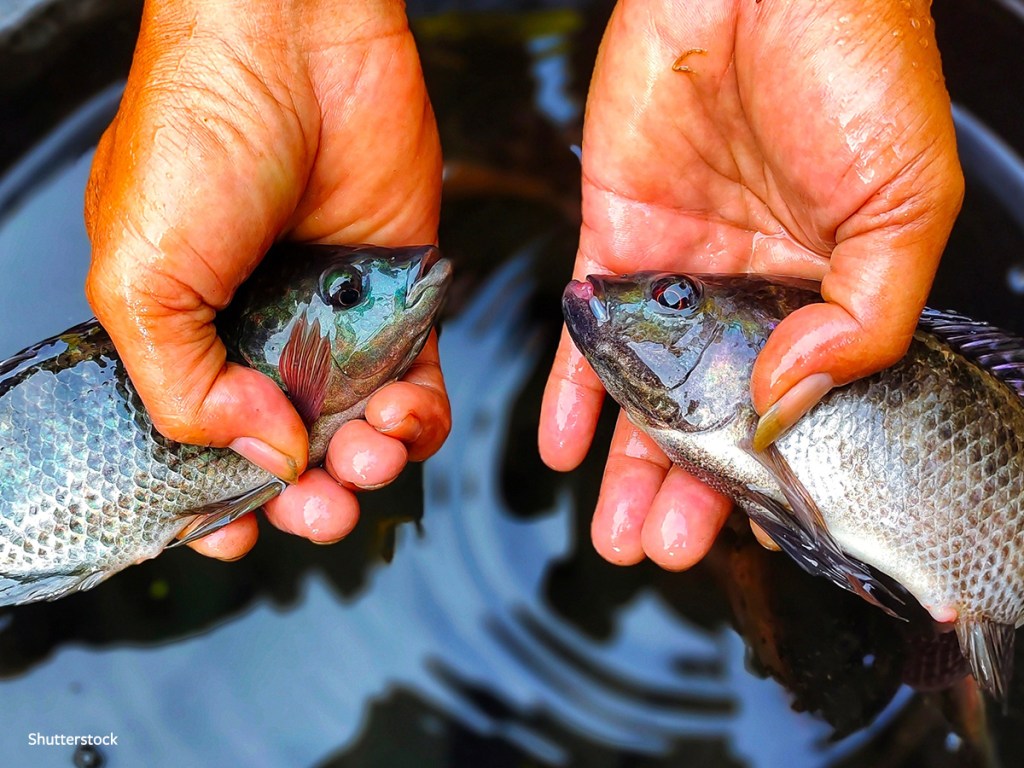
In Switzerland, animal welfare issues are mainly discussed with regard to wildlife, companion animals and so-called “farmed animals”. In doing so, we forget about the individual whose interests we neglect the most and who are hardly – if at all – protected by the law. We are talking about the “invisible” animals – pigeons, rats, bees and fish.

These animals are subjected to immense daily suffering. Pesticides strip bees of their navigational abilities; rats face an agonising death from rodenticides; sick pigeons lie lifeless on the streets of our cities; and fish are confined in aquaculture basins under conditions that would be deemed unacceptable even in factory farming.

Considering the capacity for suffering as a crucial moral criterion is the core concern of Sentience. Therefore, we believe that all these animals deserve more attention, consideration, and protection. To eradicate today’s injustices, we must, together with you, sharpen public awareness and advocate for animals’ interests in politics.

Even small changes – such as banning certain rodenticides or pesticides, maintaining pigeon lofts, and improving water quality in aquaculture – can improve the well-being of billions of animals. By signing our petitions today, you help bring political attention to the “invisible” animals.

(UK) Snails and slugs are not pests, nor are other animals

https://www.surgeactivism.org/articles/snails-and-slugs-are-not-pests-nor-are-other-animals-rhs

The Royal Horticultural Society, arguably the UK’s foremost gardening charity, has had a change of heart when it comes to our garden gastropods and whether we should be poisoning them. But what about other animals deemed pests, or those who simply don’t have a convenient role or value in our human lives? Claire Hamlett discusses.

Whenever it rains and snails dot the wet pavements, I watch my step, often pausing on walks to move snails to a place of greater safety. But not everyone takes such care over the slow-moving molluscs. Indeed, snails and their bare-backed cousins, slugs, have long been considered the bain of a gardener’s life. If you search for them on the internet, many of the results are about how to kill them or get rid of them. Garden centres are full of poison with which to dispatch them (and any other creature that mistakenly ingests it). But the Royal Horticultural Society (RHS) is now trying to redeem its image by no longer classing them as pests.

The RHS wants gardeners to see the ecological role that slugs and snails play, including eating decomposing matter and being a source of food for animals including birds and hedgehogs. This change of heart is part of the RHS’s broader campaign for ‘Planet-Friendly Gardening’, which it launched last year. While it’s good that an influential organisation like RHS is moving towards a more compassionate outlook, it also feels rather like it is having to do damage control for the prejudice that it has helped to create against these creatures. The current RHS page on snails, which will hopefully get an update soon, leads with an accusation that they “can cause a lot of damage in the garden” and has a whole section on controlling their numbers, including with pesticides. 

I do wonder why it took the RHS so long to start thinking about how it demonises species given that the serious trouble the UK’s wildlife is in has been known for many years. Now it has seen the light on slugs and snails, hopefully, it will soon also update its thinking or many other species it currently classes as pests, and work instead to educate people about their role in the ecosystem and how to keep a balance of species in gardens without resorting to chemicals.

Unfortunately, the murderous mindset that categorises some species as ‘pests’ does not end in people’s back gardens or with molluscs.  

Foxes are not only hunted illegally across the countryside but are persecuted for living their lives in and around the grounds of schools and businesses, as well as in the parks and on the streets of our cities. Fox cubs orphaned after their mother was killed were also shot at a school in North London last year for pooping in the playground and supposedly posing a risk to pupils’ health. There have been fox culls in London, where urban foxes are a common sight, especially after the Christmas period when there is more rubbish left out on the streets for longer. One ‘pest-controller’ interviewed by the Evening Standard said he had shot and killed thousands of foxes over his 30-year career.

But with public pushback, sometimes foxes’ lives are spared. A cull of foxes on a London golf course was halted in 2020 after campaigners including Animal Aid urged the golf club to choose an alternative humane solution. In 2021, hunt saboteurs raised the alarm about a planned fox cull on the grounds of Coca-Cola’s factory in Sidcup. The soft drink giant apologised for the upset and promised to use a humane alternative.

Rats and mice are among the prime ‘villains’ of the animal world in the minds of many people. While it’s understandable to not want rodents living in your house (though I did cohabit with a mouse for many months without any problems), these creatures are subjected to some particularly gruesome methods of ‘control’. Traps set with bait snap their spines. Poison can cause internal bleeding or death by dehydration. Some kill the animals slowly over days. There are humane, no-kill alternatives, but poison and traps sadly seem to be the most popular methods.

Sometimes an animal comes to be considered a pest simply because it disturbs the neat and tidy aesthetic that people prefer. One recent story I found particularly disturbing was a Guardian feature on a man called Jason Bullard in North Carolina, US, who kills armadillos for money. Driven north by climate change from their native habitat in South America, people in North Carolina were so “perturbed at their lawns being torn up by the newly arrived mammals” that they started paying Bullard to hunt and shoot them.

All too often animals are demonised for simply existing and trying to live their lives. Animal behaviour expert Marc Bekoff argues that calling these animals ‘pests’ “devalue[s] them as if they’re non-sentient objects.” Animals often find themselves in urban contexts because humans have taken over so much of what was once their habitat. Sometimes they benefit from living near us, such as by being more easily able to access food and shelter. As Bekoff writes, what we need is a “culture of coexistence”, in which killing is no longer the go-to option for resolving our conflicts with other species. With advocacy from organisations like the RHS, perhaps hearts and minds can finally start to change.

Against human exceptionalism

https://aeon.co/essays/human-exceptionalism-is-a-danger-to-all-human-and-nonhuman

This January, a 57-year-old man in Baltimore received a heart transplant from a pig. Xenotransplantation involves using nonhuman animals as sources of organs for humans. While the idea of using nonhuman animals for this purpose might seem troubling, many humans think that the sacrifice is worth it, provided that we can improve the technology (the man died two months later). As the bioethicists Arthur Caplan and Brendan Parent put it last year: ‘Animal welfare certainly counts, but human lives carry more ethical weight.’

Of course, xenotransplantation is not the only practice through which humans impose burdens on other animals to derive benefits for ourselves. We kill more than 100 billion captive animals per year for food, clothing, research and other purposes, and we likely kill more than 1 trillion wild animals per year for similar purposes. We might not bother to defend these practices frequently. But when we do, we offer the same defence: Human lives carry more ethical weight.

But is this true?

Most humans take this idea of human exceptionalism for granted. …..

(India) Mob kills Royal Bengal tiger in India’s Assam state

23.05.2025 – BBC News, Mumbay

Shrinking tiger habitat has led to man-animal conflict in Assam state

A Royal Bengal tiger was killed and dismembered by a mob in India’s north eastern state of Assam, a forest official has said.

Angry residents from a village in the Golaghat district reportedly took the step because the tiger had killed livestock in the area and posed a threat to their lives.

The state’s forest department has registered a case.

Instances of man-animal conflict are not new to Assam. This is the third tiger killing that has been reported this year.

Top forest official Gunadeep Das told Times of India newspaper that the tiger had died from sharp wounds and not gunshots.

The carcass was later recovered in the presence of a magistrate, reports say.

Mr Das told a local newspaper that “around a thousand people had gathered to kill the tiger” and that some of them attacked the tiger with machetes. He added that the tiger’s carcass had been sent for an autopsy.

Mrinal Saikia, a lawmaker from Assam state condemned the killing on X. He shared a video that showed the purported dead body of the tiger with parts of its skin, face and legs missing.

The BBC has not independently verified the video.

“This is a very painful act. The Earth is not only for humans, it is for animals as well,” he said in the post, adding that strict action will be taken against those involved in the killing.

Another forest official, Sonali Ghosh told local media that the origins of the tiger were unclear. According to reports, the animal was killed about 20km (12 miles) away from the Kaziranga National Park.

Latest data by Assam’s forest department shows the population of tigers in the state has steadily increased from just 70 in 2006 to 190 in 2019 due to various conservation efforts.

However, instances of tigers being killed due to conflict with villagers have been often reported in the media, which could be because of shrinking habitat and lack of protection of tiger corridors between different national parks in the state.

Tigers are a protected species under India’s Wildlife Protection Act (1972), which prohibits poaching, hunting and trade of tiger parts.