Starting Saturday With Good News !

FUR


Dear Mark,

I hope this e-mail finds you well.

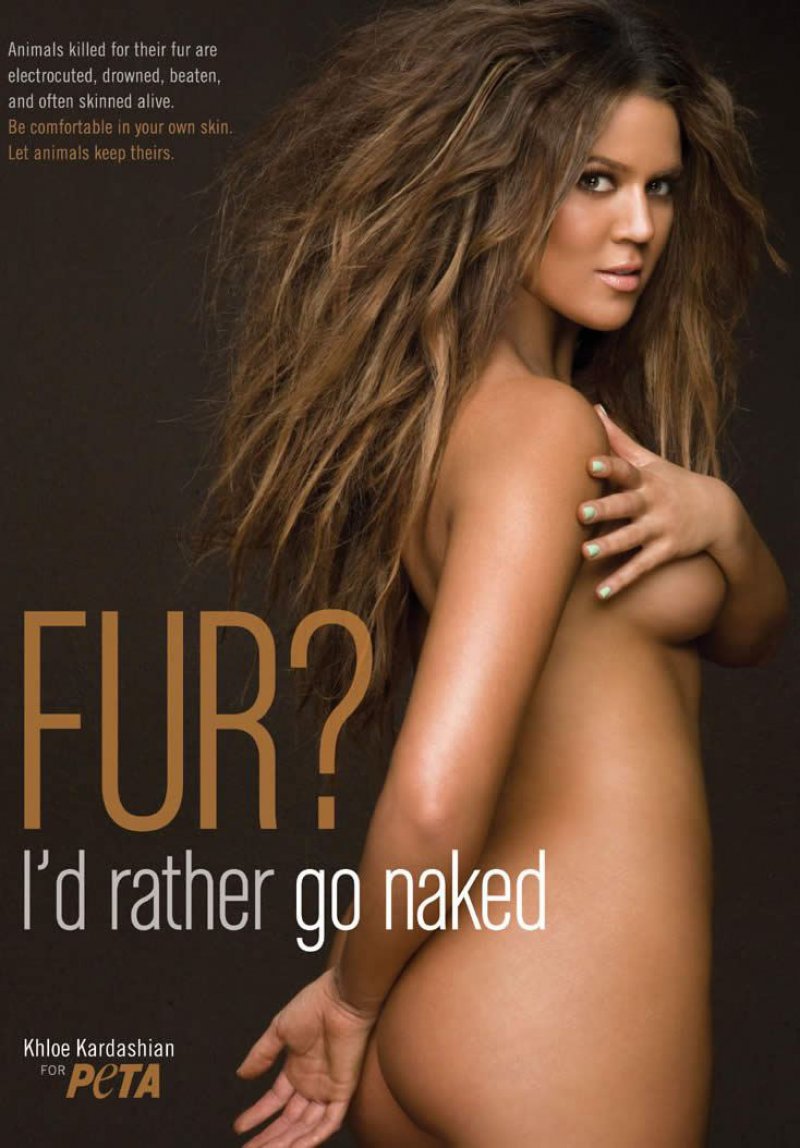
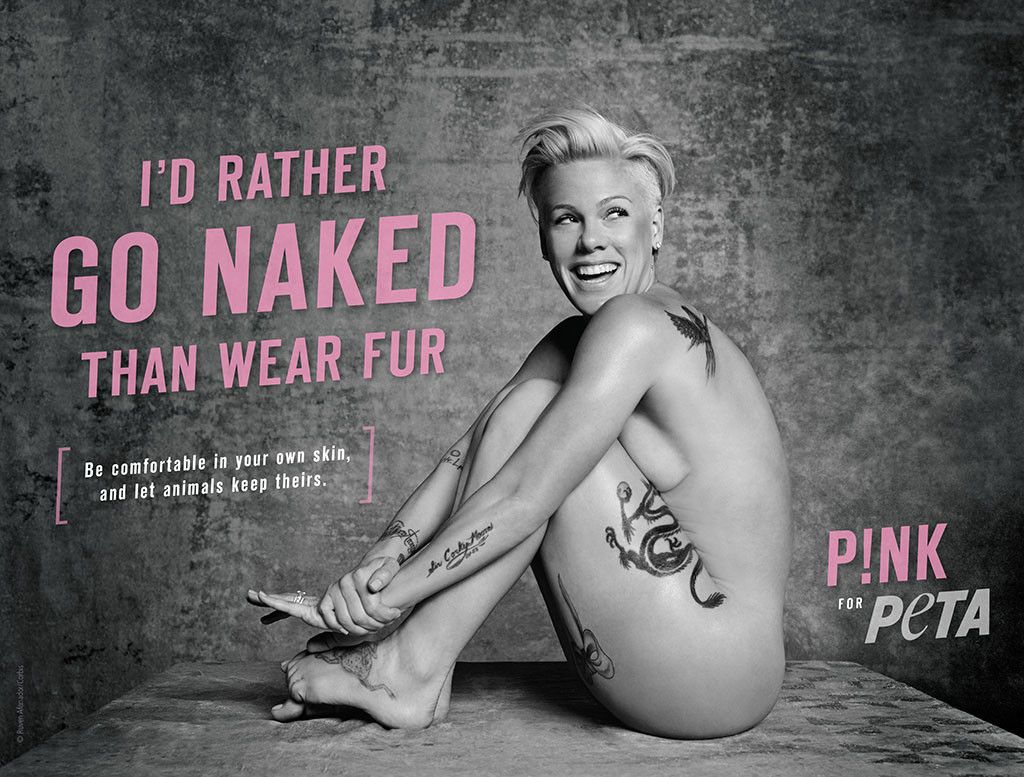
This year marks three decades of the iconic, world-famous “I’d Rather Go Naked Than Wear Fur” campaign, in which celebrities have taken it all off! Today – after dozens of ads, hundreds of protests, and yearly demonstrations at international fashion weeks – the majority of retailers and designers are rejecting fur, including, most recently, the giant Global Brands Group, which owns Frye and Aquatalia. Cities and shopping centres are banning fur left and right, compassionate consumers everywhere are shunning it, and even Queen Elizabeth II has renounced it.


Image result for id rather go naked


PETA’s tremendous progress for animals in the fur industry couldn’t have come about without the determined support of kind people like you – or mega-stars like Tyra Banks, Pamela Anderson, and P!nk, who’ve rejected animal fur by posing in the buff for this eye-catching campaign coordinated by PETA and our international affiliates. Gillian Anderson, star of television’s popular The X-Files, made a powerful statement for feminism as well as animal rights when she launched her “I’d Rather Go Naked Than Wear Fur” ad on International Women’s Day two years ago.


Image result for id rather go naked


The world hasn’t seen the end of PETA’s effective, headline-grabbing advertisements and demonstrations featuring nude celebrities or activists. But since the fur industry is now in a downward spiral, we’re marking this modern, compassionate era of fashion by retiring “I’d Rather Go Naked” anti-fur ads and expanding our focus on other areas in which animals still need a great deal of help – including the hideous leather, wool, and exotic skins trades.

PETA and our international affiliates are the only major animal rights groups with campaigns against the use of all animal skins, not just the dying fur trade, and this far-reaching activism recently led to a big win for fascinating and widely abused exotic animals.

After hearing from PETA UK and amid growing concern over the devastating Australian bushfires, iconic British fashion label Paul Smith has announced a ban on exotic skins, including kangaroo leather, in all its future collections. This move will protect kangaroos from being shot and decapitated in their shrinking natural habitat, alligators from being hacked open and impaled with metal rods, and young ostriches from being suspended upside down before their throats are slit.

After similar exotic skins bans from household names like Chanel and Victoria Beckham, we now hope giants like Hermès and Prada will soon join the growing list.

Thank you for helping us grab the public’s attention, push companies to make kind decisions, and work to end animal suffering in the fur trade and other abusive industries.

Very truly yours,

Ingrid E Newkirk
Founder

————————————————–


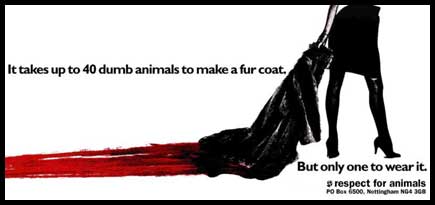
Below – the brilliant anti fur campaign by ‘Respect for Animals’; England.


dumb animals fur coat


That`s love!


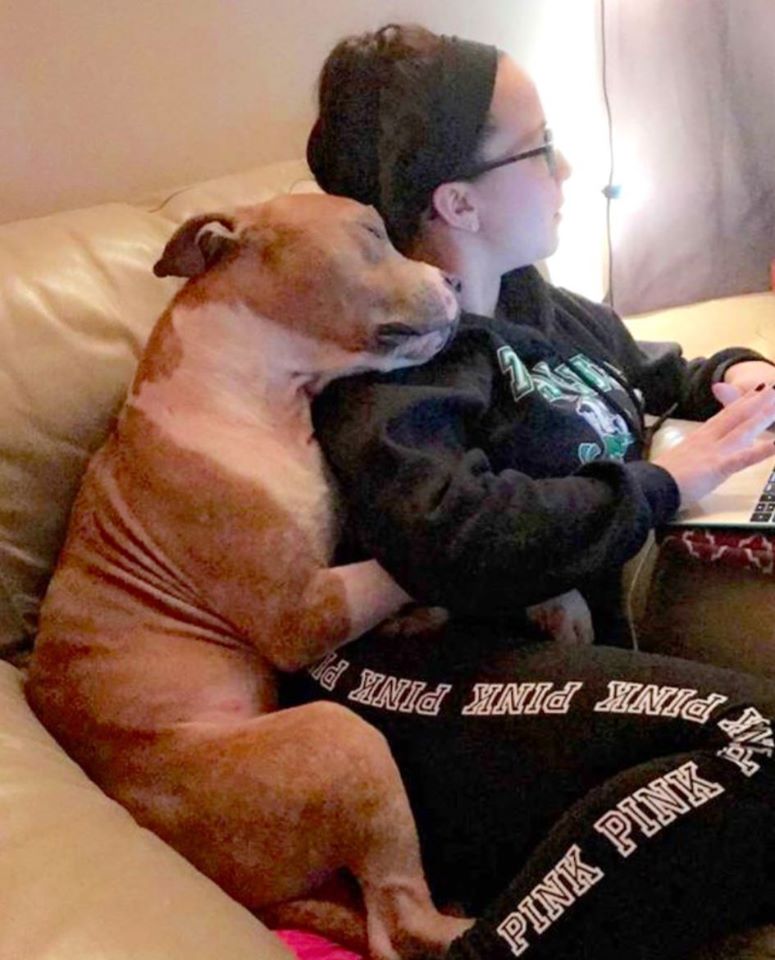
hund im schoß seiner besitzerin

 There are just no words to truly describe the sweetness in this photo.
The gratitude of the animals you give them a home is so limitless.
They are full of love that they generously give you, and those of us who are lucky enough to be on the reception side learn a lot from real feelings.

We hope this photo will inspire more people to visit an animal shelter and choose a loving, loyal, and devoted creature to live with.
❤️ Save a Life – Adopt a creature today that wants to live with you so much❤️

https://www.thedodo.com/pit-bull-hugging-new-mom-2248239878.html

Regards and a good night from Venus

Kenya: No more torture for Ejiao

SUCCESS: Kenya bans donkey killing for Ejiao after PETA pressure!!

kenia-pg
After almost two years of pressure from PETA, Cabinet Secretary of the Kenyan Department of Agriculture, Peter Munya, has finally banned donkey slaughterhouses in the country. The ban should come into force in March 2020.

ejiao chinag

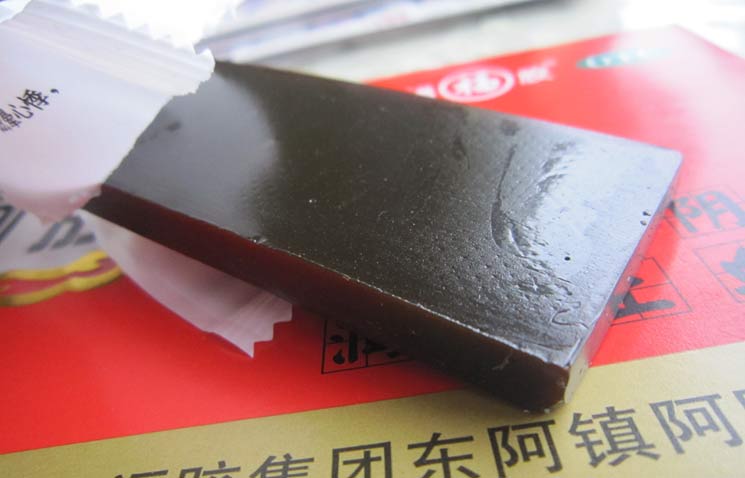
So far, at least 1,000 donkeys have been slaughtered in Kenya every day to be exported to China. There their skin is boiled down to Ejiao, an ingredient for medicines, cosmetics and sweets. Many thanks to the over 10,000 supporters who signed our online petition.

Original article:

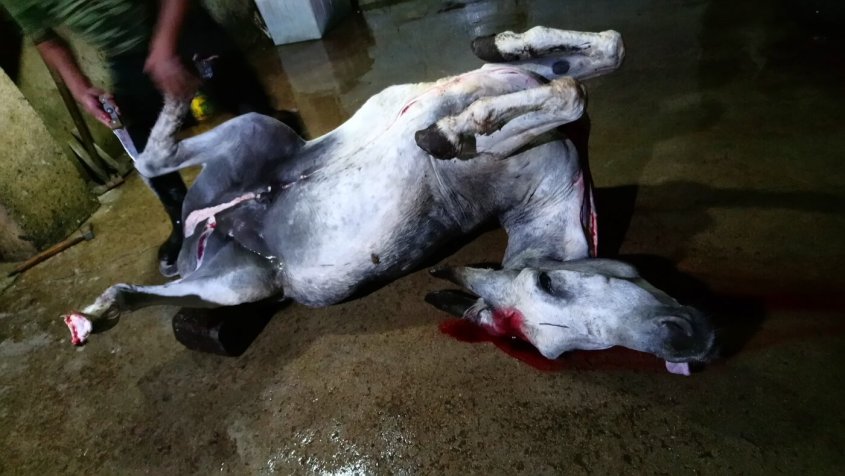
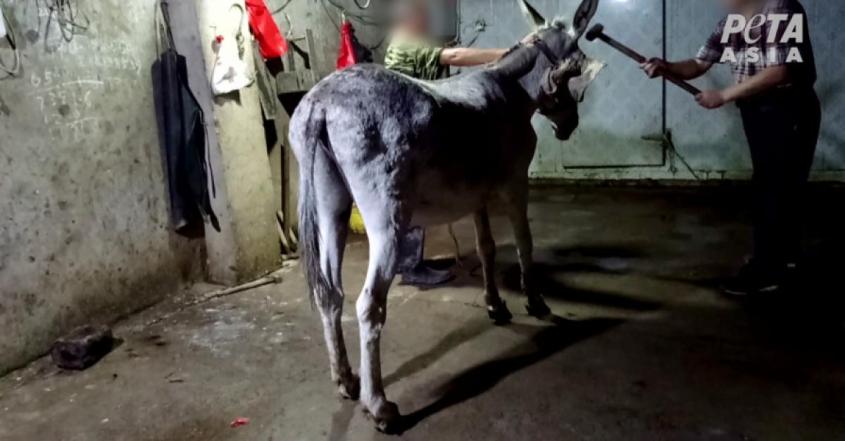
In 2017, a PETA investigation revealed massive animal cruelty on Chinese donkey farms. As the pictures showed, workers hit the donkeys on the head with a sledgehammer, then they cut the animals’ throats with a knife.
The background to this cruelty to animals is the production of “Ejiao”, a traditional Chinese “medicine” in which the donkey skin is boiled down to gelatin.

Ejiao-Gelatinejpg

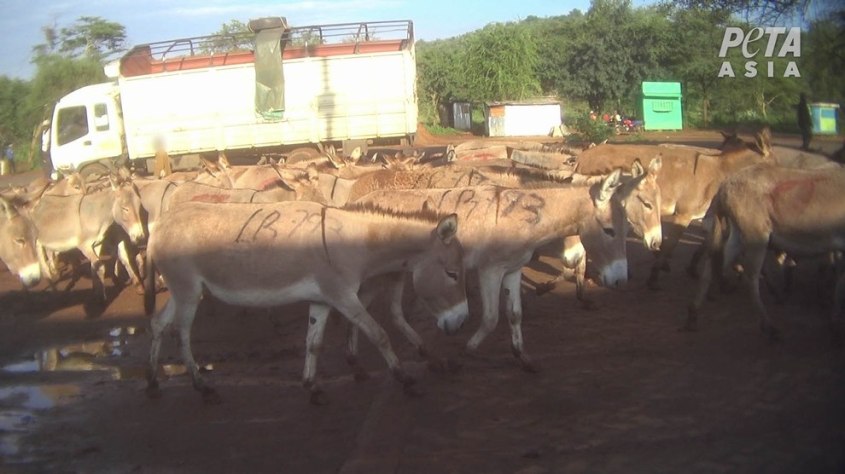
Now, a new PETA video reveal has revealed unspeakable cruelty in donkey slaughter in Kenya. The animals are also being killed there to meet Chinese demand for Ejiao. The photos show workers beating asses that are completely scared. The cruelty to animals occurred in state-approved slaughterhouses.

esel-china

Transport for days to the slaughterhouse
Kenya has opened three donkey slaughterhouses in the past three years. The animals are transported in trucks from neighboring countries to Kenya, because in many African countries, including Ethiopia, Tanzania and Uganda, the cruel slaughter is already prohibited by law. The painful journey to the slaughterhouse in Kenya can take several days.

Injuries and deaths during transportation

Esel-Schlachtung-Kenia-2-c-PETA-Asia

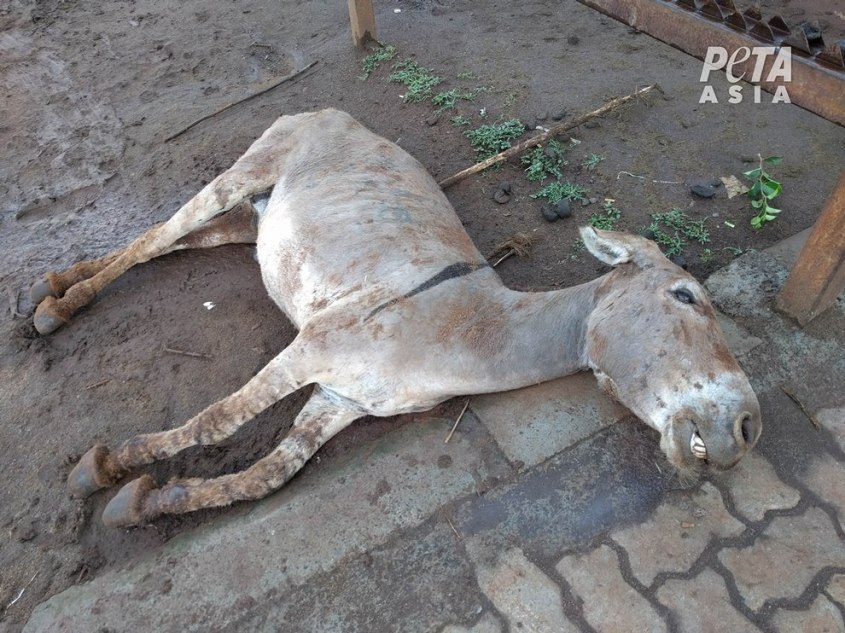
Eyewitnesses came across dead donkeys that had not survived the painful transport. The animals were simply dumped in front of the slaughterhouse. The eyewitnesses also saw a donkey who was apparently injured and could not get up. Workers dragged him out of the truck and left him at the front gate. Apparently the animal did not receive any medical treatment – they just left it to its suffering.

Esel-Schlachtung-Kenia-PETA-Asia

Kenya must ban this cruel practice

Many African countries have already banned the export of donkey skins or closed Chinese-owned slaughterhouses, including Botswana, Burkina Faso, Mali, Niger, Senegal, Tanzania and Uganda. Even the official Chinese National Health and Family Planning Commission warns that donkey skin gelatin is really nothing more than “overcooked donkey skin”.

However, donkeys are still being slaughtered in countries like Kenya to meet Chinese demand for Ejiao.

There is no law against animal abuse in farms or slaughterhouses in Kenya. From a legal point of view, therefore, not one of the acts seen in the recordings is punishable.

PETA and PETA’s international partner organizations have contacted numerous authorities, companies and consumers worldwide and asked them not to support this cruel industry. There are several alternatives to Ejiao, for example modern medicines or herbal substances, which in contrast to Ejiao are really effective and do not cause animal suffering.


https://www.peta.de/eselhaut-kenia


My comment:  Ejiao is considered an extremely popular medication for a variety of complaints in China and is used in particular as a blood tonic: Ejiao is said to heal skin aging, infertility and impotence (!!!)
The demand from China is high.
According to Chinese media, the price is $ 780 per kilo. Animal welfare organization The Donkey Sanctuary estimates that the Ejiao industry needs five million donkey skins each year.
China’s own donkey population has shrunk from 11 million animals in 1992 to 4.6 million animals in 2018, according to the UN. Therefore, African donkeys must now serve.
That is why China buys donkey skin from African countries.

But Kenya has finally realized that this miserable business must end.
It was no accident that in September and at the Africa Animal Welfare Conference in Ethiopia’s capital, Addis Ababa, there was sharp criticism of Kenya for the mass slaughter of donkeys.

And now the new “ivory” is over!
The Chinese should look for herbal remedies for their potency.
And make sure they don’t overdo it, because the more the potency increases, the more damage is done to the planet.
And that applies not only to the Chinese, but to global growth.

My best regards to all, Venus

England: ‘Hogwood’ – A Modern Horror Story – Film Launch In House of Commons (London) 26th March 2020. Watch the Sneek Preview Here.

gemalt-england-flagge-5d


Other Viva ! videos:

https://www.youtube.com/watch?v=59RoRtg00h4

https://www.youtube.com/watch?v=G9KfTXxeUjQ


Hi Mark

Back in September, you helped us reach our crowdfund target for the production of our vital documentary which follows the story of Hogwood Farm and exposes the concerted efforts to silence us.

We’ve been working tirelessly over the past few months producing the documentary and are excited to announce that HOGWOOD: a modern horror story is set to launch on 26 March with an exclusive screening at the House of Commons.

The Launch

The launch will be attended by politicians, journalists and supporters — as well as Jerome Flynn and the producers of the documentary, who will be taking part in a Q&A following the screening.


Narrated by Game of Thrones star, Jerome Flynn, the documentary takes you beyond the factory farm walls and sheds new light on the truth behind the labels.


Here’s a sneak peek of the official trailer:


https://www.youtube.com/watch?v=v_kHNUwm3Yw&utm_source=Viva%21+Vegan+Charity+-+Email+List&utm_campaign=130e3f81cf-hogwood-doc-launch-email-1-donors&utm_medium=email&utm_term=0_dc176d21d2-130e3f81cf-50196206&mc_cid=130e3f81cf&mc_eid=26c03356b8


Worth every Donation Penny !

Regards Mark (WAV)


Australia: Nothing Changes Despite the Promises. Officials in Victoria filed a new round of cruelty-to-animals charges, and a shearer has pleaded Guilty. Wool – Watch the Video, and See the Abuse.

Australian flag painted by brush hand paints. Art Aussie flag. Watercolor flag. Australia art vector flag.


Dear Mark,

Back in 2014, PETA exposed extreme cruelty to sheep in Australia, and six shearers pleaded guilty. The wool industry called that case a “wake-up call” that had forever changed it. But just days before those claims of reforms, another eyewitness was inside the sheds seeing exactly the same abuse as before. In December 2017, the wool industry again condemned such cruelty, and again, it vowed that it and the shearers would do better.

But nothing changed.


In late 2017, another eyewitness went inside 16 shearing sheds in South Australia and Victoria, documenting the same sickening cruelty that PETA has exposed again and again.

Workers still struck petrified sheep in the face with sharp metal clippers.

They still cut them and stitched up their gaping wounds without any pain relief. And they still threw them out of the sheds.

Based on this evidence, officials in Victoria filed a new round of cruelty-to-animals charges and a shearer has pleaded guilty.

Does this look better to you?

Does it look like the industry has changed one bit?


Are you still wearing wool? If you are, please stop. Now is the time to rid your home of wool. What more do you need to see before you stop wearing wool?

No matter where it comes from or what assurances companies give you—even if Eddie Bauer and Eileen Fisher, which sell dozens of items made of wool, do tout their commitment to the Responsible Wool Standard—cruelty to sheep is rampant in the wool industry.

Please, join us in urging Eddie Bauer and Eileen Fisher to drop the charade—and wool—in favour of animal-friendly materials.

Sincerely,

Daniel Paden
Vice President of Evidence Analysis
Cruelty Investigations Department
PETA


Dog and Cat Meat Trade Linked to Increased Risk of Rabies and Coronavirus, New Report Shows.

Dog and Cat Meat Trade Linked to Increased Risk of Rabies and Coronavirus, New Report Shows


Each year in Vietnam, Cambodia and Indonesia, an estimated 10 million cats and dogs are killed for their meat — a practice that has serious implications for both animal welfare and human health, according to a shocking new report.


Animal welfare group Four Paws’ report highlights the significant threat of the dog and cat meat trade on the health of consumers, including an increased risk of spreading rabies and other zoonotic viruses, such as coronavirus, because the slaughtered animals are frequently bought and sold at unhygienic live animal markets.

This is in addition to the horrendous suffering these poor creatures are forced to endure. People who trade dogs and cats to meat markets often capture strays or steal pets from their guardians. Butchers then slaughter them by hanging, stabbing, drowning or burning them alive.

“The traders steal pets as well as stray animals and transport them all over the country – even across national borders,” explains Dr. Katherine Polak, veterinarian and head of Four Paws Stray Animal Care in Southeast Asia. “No one knows if the animals are infected with rabies or other diseases. The keeping and slaughtering of the dogs and cats, mostly in live animal markets or backyards, is not only extremely brutal, but also fails to meet minimum hygienic standards. This creates the perfect breeding ground for novel and deadly zoonotic viruses, such as the coronavirus.”

“Although most local people in Southeast Asia oppose dog and cat meat, the trade … has continued to serve as a niche business,” she adds. “The governments in Southeast Asia must act quickly to protect both animals and humans.”

The brutal slaughter of millions of cats and dogs for human consumption is horrific enough, and the added threat to human health provides even more reason to ban this inhumane industry.


Lady Freethinker’s petition to stop Vietnam’s horrific dog and cat meat trade has gathered over 27,240 signatures. If you haven’t signed yet, please add your name to help these innocent animals escape a terrible death.


SIGN: Stop Vietnam’s Horrific Dog And Cat Meat Trade


Petition link – https://ladyfreethinker.org/sign-ban-the-horrific-dog-and-cat-meat-trade-in-vietnam/

We won! Who is “we”?


tatu pire und slogan

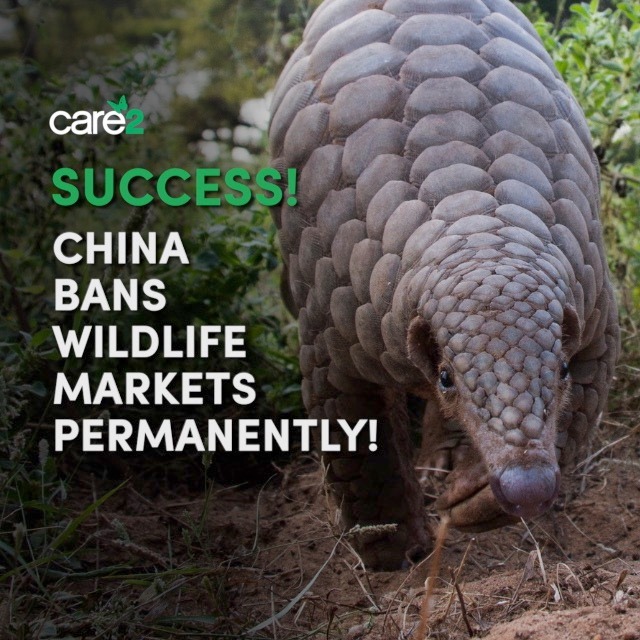
WE WON!!  (???) Thanks to over 80,000 of you Care2 activists signing the petition!


china-flag-

After finding that the deadly coronavirus most likely made the leap from animal to human in the illegal wildlife market of Wuhan, China, the country has declared a total ban on the trafficking and consumption of wild animals, effective immediately!

But the terrifying virus has not stayed within China’s borders, and neither should this important ban.

Tell Asia’s governments to follow China’s example in the fight against Coronavirus and BAN all wildlife markets!

https://bit.ly/2HWxxYj

https://www.thepetitionsite.com/de/takeaction/906/819/294


And I mean…It would be ridiculous if it wasn’t that life-threatening, the Oscar-nominated corona virus.

It is the topic of the day.
We have currently put aside our old enemies Iran, Turkey, Syria, Refugees… and are intensively dealing with a lousy virus called “SARS-CoV-2” – which is classified as the top terrorist for human health.

The war against China has been planned for a long time: China is developing into a world power, so that didn’t like Trump ( and many others )  and came up with another kind of “punishment” for the cheeky Chinese.

Corona Virus came to his aid, or was perhaps even generated.
So … war started against China from all media, petitions, horror videos, press reports, animal rights activists, pet owners … … all participated and the virus caused enormous economic losses for China. The pharmaceutical industry is also involved in the success with several billion profits, after all, some animals are already being massacred in laboratories to “save” humanity from a corona epidemic, wich is not one at all!

The animal rights activists are currently declining the dog and cat consumption protests against China, and they are concerned with the consumption of wild animals, because the media have said that this is the cause of the development of the corona.
Who wants to research here and search for the truth, we rely on the media, is more convenient and easier.

In two or three months the vaccine will be on the market, the virus will be defeated and the files will be closed.
Europe will continue to export around 1.2 million tonnes of fresh / frozen pork (as in 2018) to China, and the animal transports to third countries will also return to normal.

Perhaps we should instruct China to talk to the EU Commission about the petition end the cage age. China is obviously quicker to respond to petitions than our unsuitable commission.

My best regards to all, Venus

China: Very Positive News for Animals During the Virus Situation – Well Done Everyone Involved !

china


Abandoned dog imagines his owner returning to take him off into the sunset.


WAV Comment – wherever you stick your pin on the global map; there are always animal people who are more than willing to step up to the plate and do whatever they can to help animals in need. It is so encouraging to see action by people, local groups, celebrities and the media; as well as national stores; who have gone way to the top in doing their bit to help animals with supplies of food, information and contact lines. We salute them and thank them all for their endless work to help animals get through this current crisis.

As always, hats off to Jill and the crew at AA for showing the world that even in the event of such a terrible time for both humans and animals; tenacity and the love and compassion for animals always wins through.

Please help support AA with a donation to help animals in need if you can.


https://help.animalsasia.org/page/40527/donate/1?locale=en-GB&supporter.country=GB&transaction.paycurrency=GBP&transaction.donationAmt=

Suki Deng Animals Asia’s Cat and Dog Welfare Senior Manager said:


“In spite of the danger of this outbreak, individuals, organisations, companies and government officials have been working overtime together to make sure that companion animals are protected from harm as well as humans. The love that people have shown towards cats and dogs during this difficult time has been a beacon of hope and love. I’d like to pay special tribute to all of the amazing local organisations and volunteers who are doing heroic work every single day.”

Regards Mark


Source – https://www.animalsasia.org/uk/media/news/news-archive/cartoon-encouraging-responsible-companion-animal-guardianship-watched-over-35,000-times-in-a-day.html

Cartoon encouraging responsible companion animal guardianship watched over 35,000 times in a day.

21 February 2020

Animals Asia has released a new film called “Waiting for The Game to End” to encourage empathy and responsible companion animal guardianship. Within a day of its release online it was watched over 35,000 times on Chinese social media networks Weibo and Wechat. The cartoon tells a sad story of an adorable dog abandoned by his guardian. He is convinced that he’s just playing a game of “hide-and-seek” and that his guardian and best friend will come to pick him up soon….


The film is especially timely as there have been many stories of cats and dogs left stranded in empty apartments due to the CoVid19 coronavirus crisis. In many cases the animals’ guardians are simply unable to return to their homes due to travel and quarantine restrictions. In some cases misinformation has spread about domestic animals’ ability to transmit the virus.

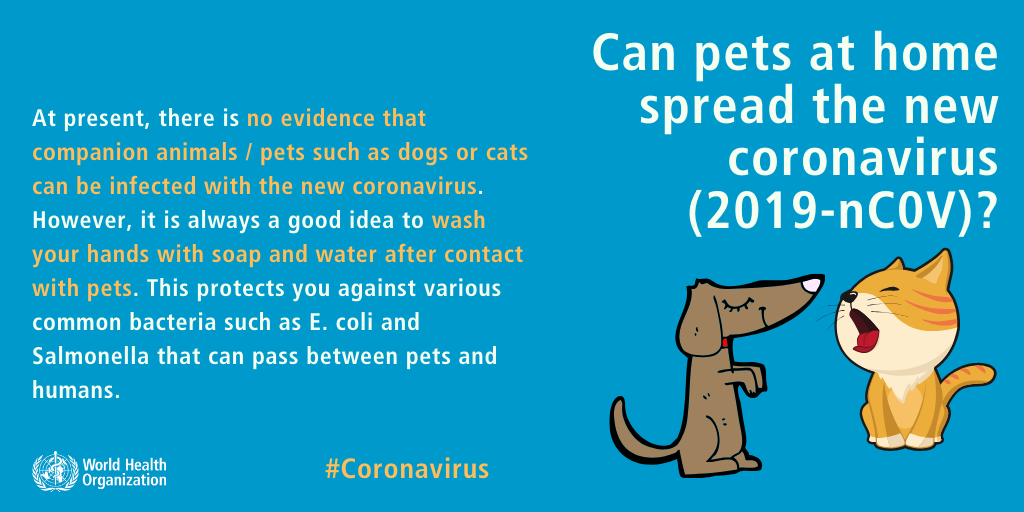
In addition to creating and sharing the animated film, Animals Asia has been helping to combat misinformation by widely sharing the World Health Organisation’s advice which says: “there is no evidence that companion animals/pets such as dogs or cats can be infected with the new coronavirus.”


World Health Organisation guidance on coronavirus


On the ground Animals Asia has been providing practical support to local organisations who are organising volunteers to ensure the safety of companion animals who have no one to look after them, including stray dogs and cats.

Many local groups are working together with the help of mainstream media and celebrities providing a voice for animals and many companies are coming on board to offer their support.

Heroic local groups that are exhibiting incredible  #BraveryInAction include Wuhan Small Animal Protection Association (SAPA), Zhejiang SAPA, Hefei SAPA, Ping’an Afu, Xi’an SAPA, Chongqing SAPA, Nanchang SAPA and more!

China’s largest online shopping platform Taobao has collected 10 tons of dog food to support stray animal groups in the country and Liushi Town in east China’s Zhejiang Province has opened a hotline for citizens who need help for their stay-at-home animals. Volunteer teams have been set up, not only to help the stay-at-home animals whose guardian’s can’t reach them, but also to provide food and water for stray animals, to help them survive.

Popular media outlets like People’s Daily and CCTV as well as celebrities such Han Hong, Yao Chen and Li Yifeng posted on Chinese social media network Weibo to speak up for the people and animals impacted by the crisis. They helped to spread information and dispel myth as well as encouraging people not to hurt and abandon companion animals.

According to Wuhan Small Animal Protection Association they have helped in excess of 5,000 companion animals and received nearly nine tons of cat and dog food from cat and dog food companies free of charge, as well as other items such as disinfection products and cat litter.

Suki Deng Animals Asia’s Cat and Dog Welfare Senior Manager said:
“In spite of the danger of this outbreak, individuals, organisations, companies and government officials have been working overtime together to make sure that companion animals are protected from harm as well as humans. The love that people have shown towards cats and dogs during this difficult time has been a beacon of hope and love. I’d like to pay special tribute to all of the amazing local organisations and volunteers who are doing heroic work every single day.”

As reported earlier Animals Asia has also purchased 5,000 kilos (5 tons) of dog food for the stranded pets of Wuhan and continues to provide support to cat and dog shelters around the country. The film “Waiting for The Game to End” will also be screened on advertising screens in Chengdu Metro stations throughout the coming month.

As ever Animals Asia is working hard forging partnership with other organisations, companies and authorities to improve the lives of vulnerable animals. The courage and tenacity of everyone engaged in this work in the face of this health emergency is truly inspiring. We are doing everything we can to support them and we hope you will stand with them too, until the crisis ends.

USA: Previously Banned Beef Products from Brazil will now be Approved for Export to the U.S.

american-flag-120402148


It is not for us (WAV) to declare what is wrong or what is right. We simply gather evidence from a variety of different valid sources, and then present it to you; our friends and fellow campaigners; with the hope that you will have more information with which to make choices about issues.

We also provide historical information on some issues; which you may be able to use during some of ‘those’ discussions that we have all experienced at different times. Remember; information is knowledge; and as President Harry S Truman once said:

“I never gave anybody hell, I just told the truth and they thought it was hell”

This has also been my animal policy for a long time; and so far; having never had any legal problems acting against me; I am quite happy that just telling the truth and exposing the ‘hells’ for animals is the correct way to approach it.

We try to provide information; but the final actions and choices remain with others as well;

We wish to inform that according to info below; the US Food Safety and Inspection Service (FSIS) audit team inspected only eight of the 28 plants. So, is a policy of inspecting just 8 of 28 facilities a guarantee that there is still no corruption going on ? – you decide. Why not inspect 20 out of 28 ?, or even all of them ? – after all; is it not ensuring the health of US beef eating citizens that needs to protected ?

Regards Mark.
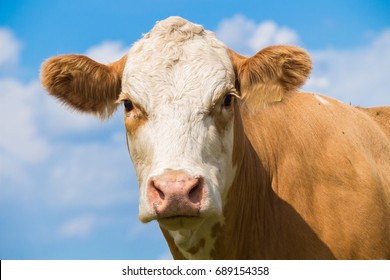
 

Image result for beef cattle face


25th February 2020.

The U.S. Department of Agriculture (USDA FSIS) has announced that previously banned beef products from Brazil will now be approved for export to the U.S.

Upon completion of an audit of Brazil’s inspection system for beef slaughter and further processing, USDA’s Food Safety and Inspection Service determined that raw intact beef from Brazil IS eligible for export to the U.S. from cattle slaughtered on and after February 21, 2020, the date that the Department lifted the suspension. However, raw intact beef products derived from cattle slaughtered in Brazil and certified as slaughtered before February 21, 2020, are not eligible for entry into the United States. 

In early 2017, Brazil’s meat safety practices came under fire when inspectors were accused of taking bribes to allow the sale of expired, Salmonella-tainted meat. At the time, reports indicated that police found meat that had been treated with water and manioc flour in an effort to disguise the spoiled meat’s discoloration and foul odor. As a result, Brazil’s meat products were temporarily banned in Chile, the EU, and South Korea. Initially, beef imports from Brazil were still allowed into the U.S. because it was believed at the time that food safety checks and balances were strong enough to weed out and detect any problems like contamination.

Two months later, in June 2017, USDA suspended imports of all raw intact beef from Brazil due to “recurring concerns about safety of the products intended for the American market,” Specific concerns were centred around “public health concerns, sanitary conditions, and animal health issues.”

Nearly 2 years passed before the U.S. announced plans to audit Brazil’s beef and pork inspections. The audit was meant to verify that Brazil’s products meet American sanitation requirements.

Brazil is one of the world’s largest exporters of beef. In August 2016, the U.S. finally began allowing beef imports from Brazil after a 13-year ban due to multiple complications with foreign beef producers.
https://www.foodsafetymagazine.com/news/us-welcomes-imports-of-previously-banned-brazilian-beef/


U.S. market is again open to raw intact beef from Brazil

By Dan Flynn on February 25, 2020

Raw intact beef from Brazil is again eligible for export to the United States beginning with cattle slaughtered on or after Feb. 21, 2020.

U.S. Secretary of Agriculture Sonny Perdue had suspended all imports of fresh beef from Brazil because of “recurring concerns about the safety of the products intended for the American market.”

That USDA ban on Brazilian raw intact beef was imposed on June 22, 2017, and was ultimately USDA’s answer to the widespread bribery of Brazilian meat inspectors. That scandal put Brazilian food safety checks in doubt.

The USDA’s Food Safety and Inspection Service (FSIS) sent its auditors to Brazil June 10-28, 2019, and again just last month, Jan. 13-24, 2020.

The most recent visit was to verify that Brazil’s “central competent authority” took corrective actions regarding the 2019 audit findings. It was also to determine whether Brazil’s food safety inspection system is governing raw and processed meat equivalent to that of the United States, with the ability to export products that are safe, wholesome, unadulterated, and correctly labeled and packaged.”

The FSIS audit confirmed that Brazil had fully implemented the corrective actions from the prior audit findings. The FSIS audit team inspected eight of the 28 plants that may now export fresh, intact beef to the U.S.

The inspections confirmed the application of written guidelines that prescribe the body temperature at which livestock are to be condemned during antemortem inspection; and the implementation of post-mortem inspection procedures, which ensure that only wholesome carcasses, free of contamination and defects, receive the mark of inspection signifying approval.

Also, the FSIS auditors confirmed Brazil’s control of specified risk materials (SRM) and the verification of proper operation and maintenance of retorts.

During the raw intact beef ban, Brazil was able to export processed beef and pork and raw intact pork to the United States. With $7.3 billion in fresh and processed beef exports last year, Brazil is happy to see the end of the ban.

Brazilian Agriculture Minister Tereza Cristina Dias announced the U.S. market was opening on Friday in Brasilia. The USDA confirmed it on Monday in a short FSIS Notice.

In the weeks prior to the beginning of the USDA ban, Brazilian Police charged 63 people in a corruption scheme that involved the country’s Ministry of Agriculture.  Federal auditors at meat processing facilities were accused of having taken bribes for years in exchange for fraudulent sanitary permits.

The scheme reportedly also included selling spoiled meat and injecting water into poultry in order to sell it at high prices. Police also found chemical ingredients being used to make rotting meat spell better.

At the time, the U.S. had only been accepting fresh beef from Brazil since 2016 and the volume was small. None of the plants targeted by Brazilian police had shipped meat to the U.S.

Last October, Brazil’s BRF SA admitted to bribing food inspectors with cash and health benefits. This included payments of nearly $5 million through 2017. BRF SA reached a “leniency agreement”  with the government. The European Union banned 12 BRF SA plants from selling in its member countries.

Police also said 39 of the 60 bribed inspectors remained on the job. About 2,500  food inspectors are employed by the Agriculture Ministry.

Before the USDA ban on Brazilian beef, FSIS was reinspecting all Brazilian meat entering the U.S.

https://www.foodsafetynews.com/2020/02/u-s-market-is-again-open-to-raw-intact-beef-from-brazil/


More Information:


The United States is the largest producer of beef in the world followed by Brazil & the European Union. The United States, Brazil and the European Union produce roughly 47% of the world’s beef. The United States produces nearly 20% of the world’s beef.


According to records from the USDA Economic Research Service, the U.S. imported 140.9 million pounds of beef from Brazil last year. … The most recent data shows imports of beef from Brazil in January 2019 were up 39 percent by volume compared to January 2018 (11.5 million pounds vs. 8.3 million pounds, respectively).29 Mar 2019


Approximately 80 percent of beef produced in Brazil is consumed domestically. Almost 50 percent of export volumes head to China, where demand for Brazilian beef rose by 50 percent last year. In 2016, the last full year before the ban was imposed, the United States imported roughly 70,000 tons of beef from Brazil.4  Apr 2019


Reuters 2017

https://it.reuters.com/article/idUSKBN19D2VE