When people go to a soccer game, they don’t expect to see a distressed bald eagle struggling to break free from a handler as fireworks explode around him, but that’s exactly what happened at a U.S. Women’s National Team match in Washington, D.C. The bald eagle, Clark, was hauled from a facility in Missouri just for this spectacle, and the U.S. Soccer Federation must prevent animals from suffering like this again.
Roxy the red panda kit died due to stress caused by fireworks.
According to NBC News, the Royal Zoological Society of Scotland (RZSS), a wildlife conservation charity which operates the Edinburgh Zoo, announced Roxy’s death, followed closely by what they believe the cause was. The RZSS further revealed that the 3-month-old had “died due to stress caused by fireworks being let off across the city center.”
We all wish for people to enjoy some fireworks at an organised one off night event only; but here in UK now things have gotten way out of control. Fireworks are now sold for weeks in advance of the 5th, and the aim by producers now appears to be making biggest band and most disturbing. Pets do not just have this for one night now, but instead spread out over weeks. Fireworks frighten them; and can result in death as seen here.
Fireworks need to be limited to organised displays for just one night / or a weekend night nearest to the 5th. They should not be sold over the counter weeks in advanced and we call to a scheme to license organised display personnel only to be purchasers.
Animal deaths such as Roxy are a much bigger price to pay – it needs to be controlled 100% better !!
The Israeli authorities are advancing a bill that would prohibit displaying the Palestinian flag at universities and institutions funded by Israel.
If passed, the law would apply to any institution funded by the state budget, including universities, and would impose fines of up to 10,000 shekels ($2,700) and prison sentences of up to one year.
According to the Israeli media authorities, the Knesset’s Ministerial Committee for Legislation is set to discuss the bill during its next session on Sunday.
The proposed legislation, submitted by Likud Party member Nissim Vaturi, aims to ban the display of flags from “hostile states,” including the Palestinian flag, at publicly funded or state-financed institutions.
The bill stipulates that gatherings involving Palestinian flags could be dispersed, and demonstrators waving them could face up to a year in prison and a fine of no less than 10,000 shekels.
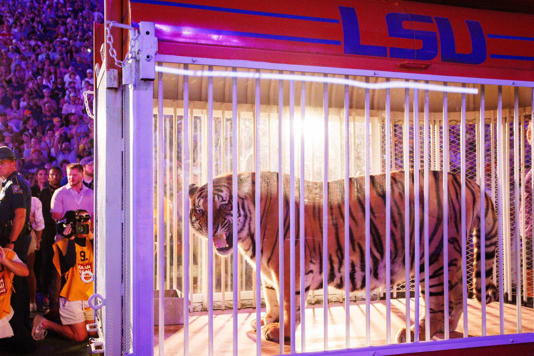
Baton Rouge, Louisiana – The animal rights group PETA has filed a complaint with Louisiana state authorities after a caged Bengal tiger was wheeled onto a Louisiana State University football field before a game, the group said Saturday.
A Republican, Naturally !!
Media outlets reported that Louisiana’s Republican Governor Jeff Landry had pushed for the return of a tiger at Saturday’s game.
The monkeys that science has experimented on for over a century.
“The U.S. Army and NASA have rhesus macaques too,” wrote the book’s author, Dario Maestripieri, a behavioural scientist at the University of Chicago, “and for years they trained them to play computer video games to see whether the monkeys could learn to pilot planes and launch missiles.”
Well, where did it all start with me and that wonderful world of animals; defending and speaking for their rights; Veggie and veganism, and yes, the darker world of cruelty investigation work.
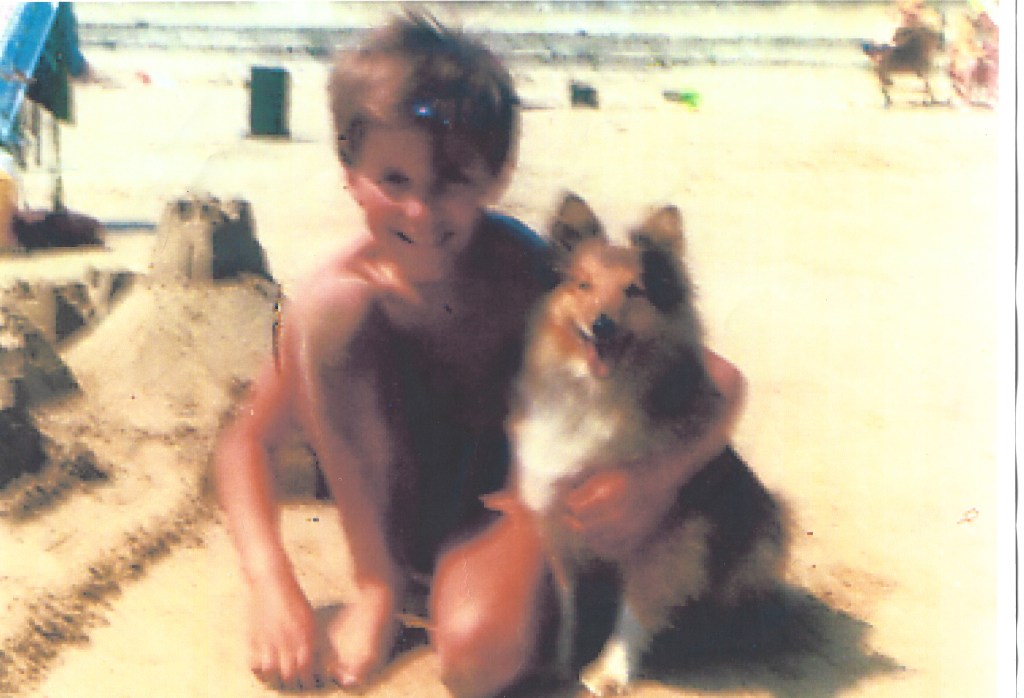
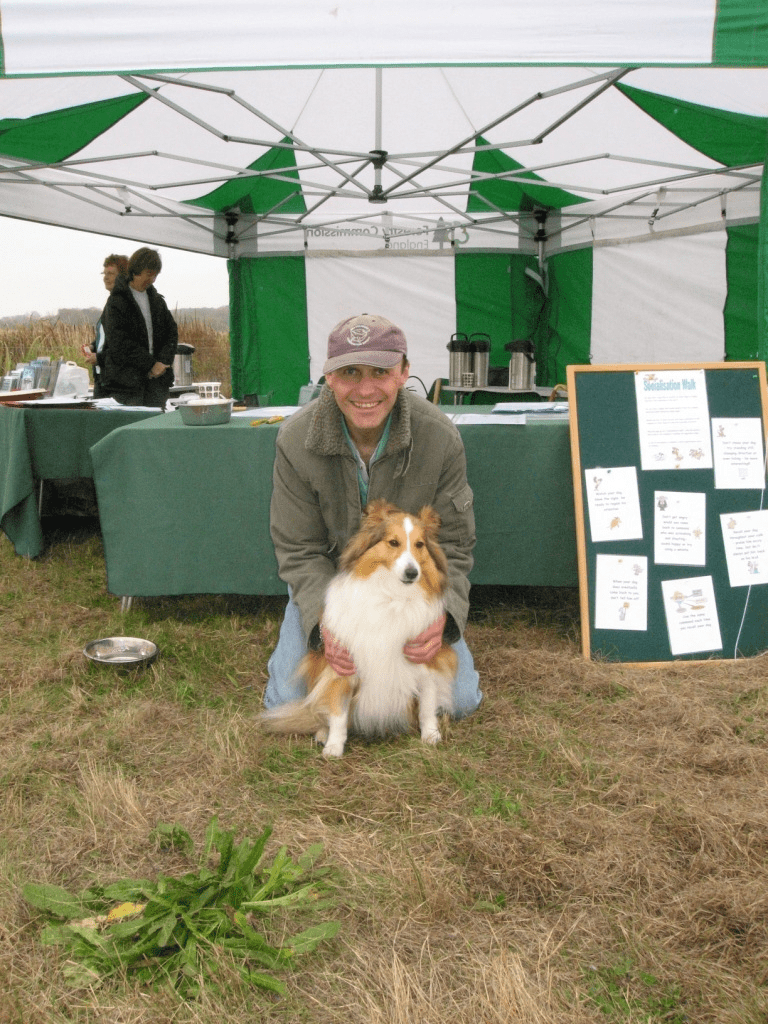
When I was a young lad; aged 8 years, I had owned my own dog for about 3 years – a beautiful Shetland Sheepdog (see picture) named ‘Sheba’. She was a gift from my parents; and having her taught me primarily respect for other living things, as well as taking responsibility for ensuring she was at her best at all times, fed, kept safe and illness free, and loved incredibly.
I was also a bit of a Deisel head even at that age – trucks were my thing, and every weekend I was out on my bike witnessing all the heavy freight heading down to Dover (a major port in SE England) ready for their mass departure from Calais (France) at Sunday midnight which allowed the start of another working week for British hauliers in mainland Europe. In France in those days (70’s), they were banned from roads at weekends; unlike the UK.
I lived near to a major road route down to the Kent Channel ports; and for a young boy, it was heaven; trucks from all over the UK heading down to Dover all day every Sunday. Then, one Sunday ‘it’ happened. My world changed and has never been the same since.
In those days, Transport Ministry inspectors often secured a lay by near to my home, where they (with the police) would pull over heavy freight to ensure they were compliant with paperwork, road taxes and all the necessary for their trip across the Channel and a new working week in Europe.
As I say, I was 8 years old, but I spent many hours up close and dirty as the heavy freight was pulled over by the police so that the Ministry men could undertake their checks. Scania’s were, and still are, my favourite; https://youtu.be/1lBoP0Qwaeg – that sound !!
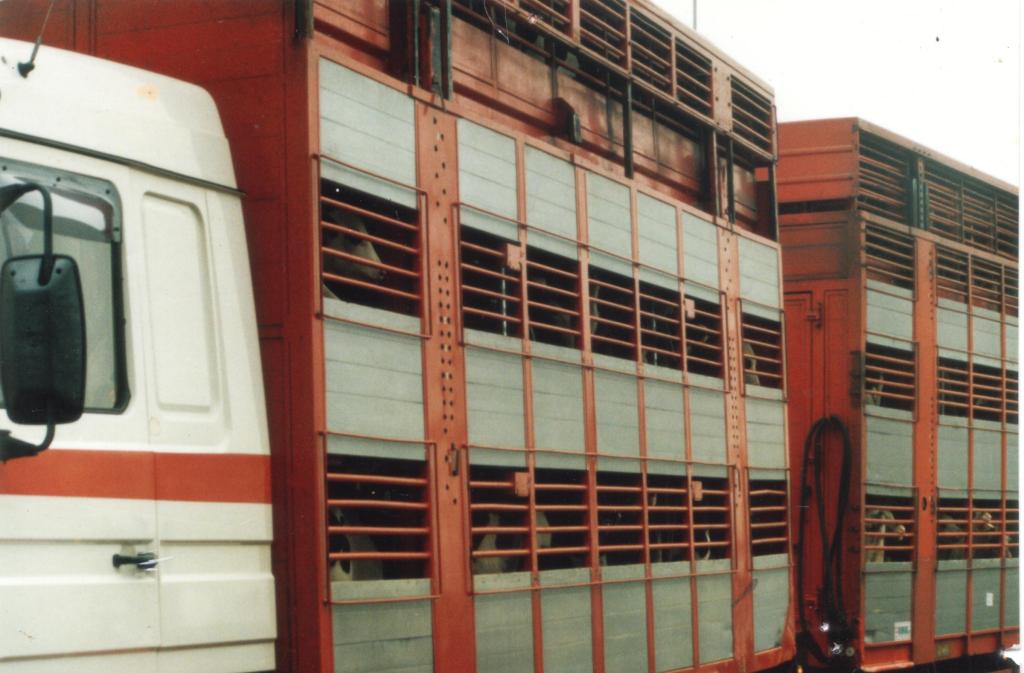
Anyway, one Sunday it was raining a bit, but I was still out; (school all week so you needed something interesting !) watching the big rigs get pulled over. I watched a lot, and enjoyed massively; friendly truckers always willing to give me a wave, or better still, a blast from their air horns. And then; out of the blue, the police decided to pull over something which I had never experienced before – a livestock transporter.
I went over towards it as it stayed at the checkpoint; but immediately there was something different. It was stacked high with live sheep. In those days, it was legal for livestock trailers to not have to be fitted with an upper deck roof; hence the poor unfortunates on the top deck continually suffered throughout the journey in the wind and full exposure to any driving rain. I could also see through lower deck slats at those cramped together and suffering at lower levels; packed in like sardines in a tin. I knew immediately that what I was witnessing was wrong; simple; animals should not suffer or be suffering as they did. After a while the transporter must have been given the all clear, and it lumbered back onto the highway destined for the port (Dover) and a final destination somewhere in Europe where ‘something would be done’ to the sheep. I knew nothing about it or them, but I knew that it (what I had witnessed) was wrong. No ‘if’s’ or ‘buts’.
So that Sunday afternoon, saddened and shocked that this was being allowed; I headed back home on my bike; but, that same afternoon I made myself a simple promise; that if and when I got older to a point that someday I would be a voice for those suffering animals and all others being transported; then I would be !
Cut to Summer 2024; finally my dream of ‘that kid’ aged 8 years, of doing something; and the resultant live export ban on all British farm animals from the UK to overseas destinations became a reality. But, there had been a great deal of work in between.
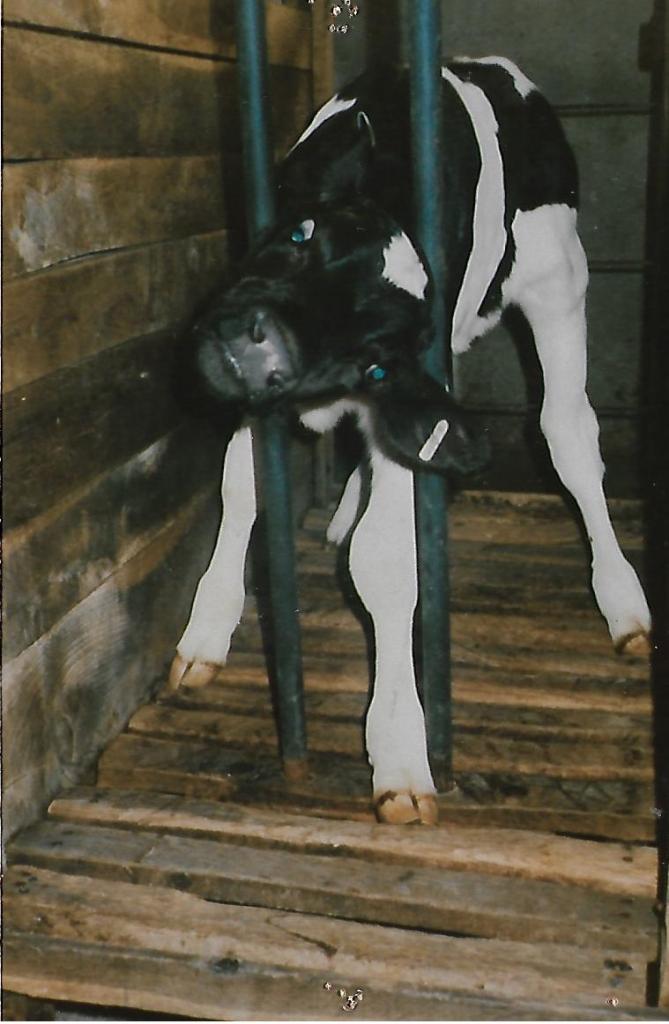
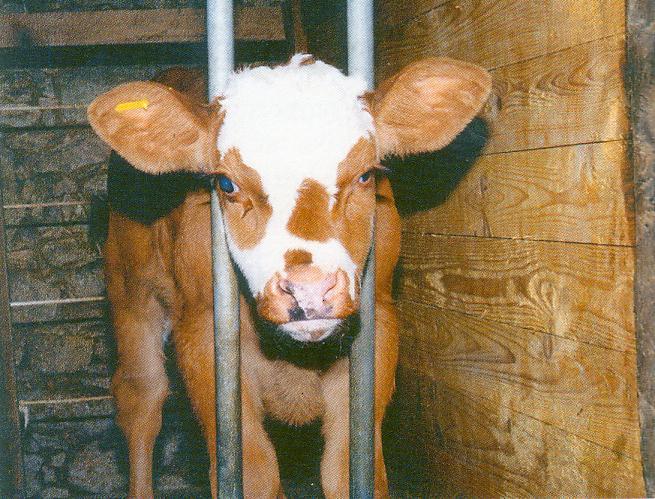
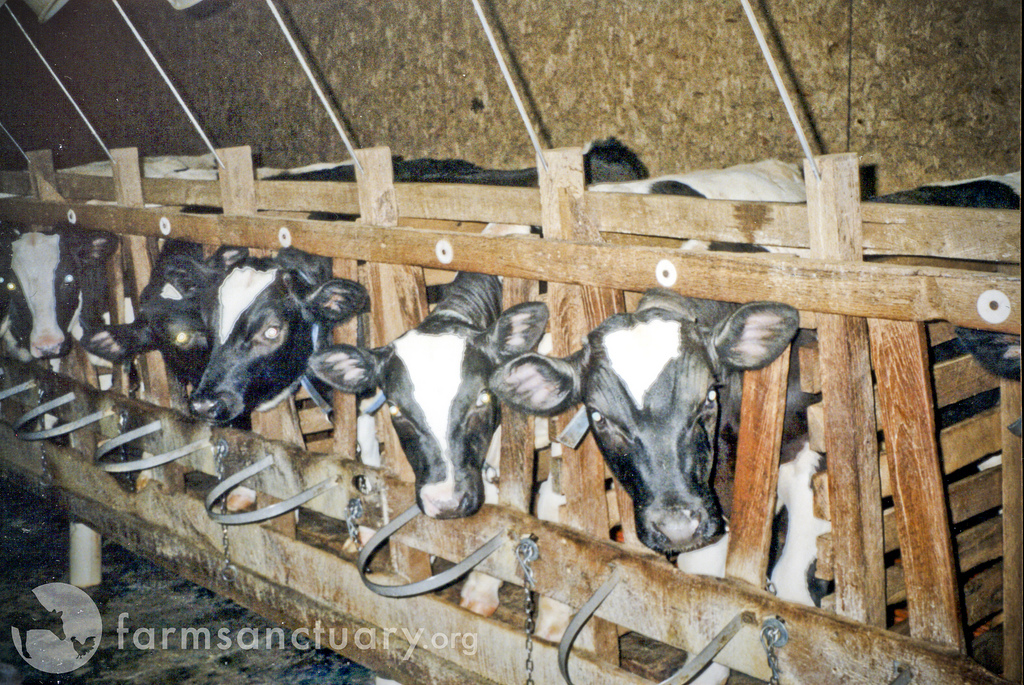
I really got deeply involved again when I was around 18 years old; I could drive, had my own car and had started a pretty stable job working as a trainee Technical Author in Military Aerospace Flight Controls; Autopilots and all that jazz. Every day whilst on my drive to work; using ‘that’ same highway, I continued to witness, pass, shout, and give the finger to livestock drivers headed down to the ports. Their cargoes were always the same; the silence of the lambs and sheep, the quietness from the intelligent pigs, and what got to me most of all, the bellowing of the baby calves. Mere babies themselves in need, but deprived of, the milk from the mothers they would never see again. In my days at the ports protesting against the trade; you could always hear the calf transporters before you saw them; it was heartbreaking because you knew what they were going to – even worse at that time, you could really do little about it.
Anyone who sees or finds a monkey is asked to call 911, the Yemassee Police Department said.
“Just don’t try to take these things home or pet them,” Yemassee Police Chief Gregory Alexander said, per the Post and Courier. “We’re getting a lot of that on our social media. That’s a felony because they don’t belong to you.”
Alpha Genesis conducts research trials using the monkeys, and prides itself on being “one of the largest and most comprehensive nonhuman primate facilities, designed specifically for monkeys, in the United States.” According to federal data, the facility houses more than 6,000 monkeys.
The sheriff’s department did not confirm which species of monkey escaped the lab, but Alpha Genesis’s website says it primarily works with capuchin and macaques.
It’s unclear if the monkeys were part of an ongoing clinical trial, and if so, what kind of testing they had undergone before escaping.
Alpha Genesis maintains a colony of 3,500 monkeys on Morgan Island, in South Carolina — which has since been called Monkey Island — where it breeds monkeys for research purposes.
This isn’t the first time monkeys have escaped into Beaufort County, South Carolina; the region’s newspaper, the Post and Courier, reported that there have been several other escapes, including an incident in 2016 when 19 monkeys spent six hours on the run.
In addition to Alpha Genesis’s Monkey Island in South Carolina, there are at least three species of monkeys with breeding populations living in Florida — none native — including rhesus macaques that were intended to be a part of a tourist attraction in the 1930s. The descendants of those monkeys will roam parts of Florida to this day.
From news to politics, travel to sport, culture to climate – The Independent has a host of free newsletters to suit your interests. To find the stories you want to read, and more, in your inbox, click here.
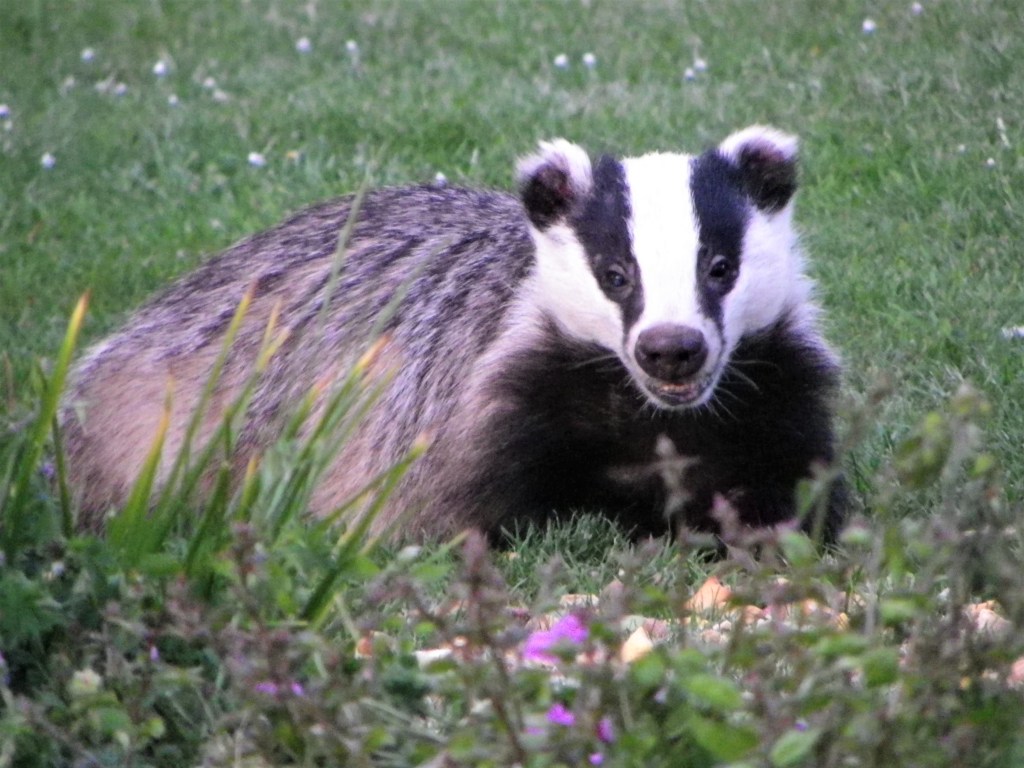
Badgers are a delight for me to see – I feed ‘mine’ every night with some extra treats. The cull is disgusting and the new Labour government needs to lower its head in shame for allowing continuation of the cull. So much for New Labour, New Life; as we all had it pumped into us in welfare many years ago !
The fight against the cull goes on;
(Sir) Brian May – ‘Queen’ guitarist https://youtu.be/VgCKs9qxO1Q investigates why badgers take the blame for something they do not spread; Bovine TB – learn a lot of VERY interesting facts here:
The facts are there for all to witness – STOP THE BLOODY CULL RIGHT NOW !
Regards Mark and one of his garden badger friends shown here;
Looking at the rabble we have allegedly running my country at the moment; I say ‘come back Guy Fawkes, all is forgiven’. This weekend is the nearest to November 5th when the British celebrate Bonfire night, which goes back to its origin in 1605. Mark
Guy Fawkes Night originates from the Gunpowder Plot of 1605, a failed conspiracy by a group of provincial English Catholics to assassinate the Protestant King James I of England and VI of Scotland and replace him with a Catholic head of state. In the immediate aftermath of the 5 November arrest of Guy Fawkes, caught guarding a cache of explosives placed beneath the House of Lords, James’s Council allowed the public to celebrate the king’s survival with bonfires, so long as they were “without any danger or disorder”. This made 1605 the first year the plot’s failure was celebrated. I think there is a different view today; many would welcome a new Guy Fawkes if it meant that the current shambles of an alleged democratic Parliament was dissolved.
Like all good plots; this one starts in a pub !
In a few days it will be the 5th on November – or as it better commonly known in the UK, ‘Bonfire Night’.
In 1604 a plot was made to blow up the houses of parliament, the King, and al those within
On 5th November 1605 at the very last stages of the gunpowder plot, Guido Fawkes, or Guy Fawkes as he is more commonly know, was an English explosive expert who had previously been fighting in Spain. He was captured with all the barrels of gunpowder under the House of Lords. He was tortured in the Tower of London – confessed the names of the other plotters under torture; who were quickly all caught and suffered terrible executions as you can see in one videos.
Bonfire night is still celebrated here today, many centuries later.
We have a poem which says:
Remember, remember, the 5th of November,
Gunpowder, treason and plot.
I see no reason
Why gunpowder treason
Should ever be forgot.
And it is not.
With the current political system here, many say we desperately need another Guy Fawkes.










 Storyful