I, Mark, totally agree with the welfare groups working on the streets that the Indian Supreme Court, or SC, directive is utterly ‘pie in the sky’ as we say here in England – I campaigned a lot over a ten year period to oppose very negative and threatening / intimidating Government actions to both us human campaigners and the cruelty against the stray dogs in Serbia, https://serbiananimalsvoice.com/about-serbian-animals/ and this article above (about Indian strays) is TOTALLY CORRECT when it says that ‘Removing community dogs creates territorial vacuums, leading to the re-entry of unvaccinated dogs, increasing human – dog conflict’.
One of the worst actions that can be taken is to remove stray dogs from ‘their patch’. As said above, it then creates a vacuum for new animals to enter that same void. New animals can bring with them new disease and illnesses not previously carried by the now removed old patch dogs.
This is where the new human – dog conflict surfaces. Rabies free in the past, maybe not be now or in the future, now the void has been filled by the new entries !!. The sterilise-vaccivate-return model is the only sustainable and compassionate method of controlling a stray dog populations on their ‘home’ patch. The sterilisation part further prevents new litters being born to a life of hardship and suffering. Vaccinating every animal thus reduces disease spread amongst the animals or transmission to humans. The return back to the local patch of local dogs prevents the ingress of migrants into the newly formed territorial vacuum. This was our proposal method for Serbia also – the Government ignored us and opted for a ‘catch and kill’ routine.
The issue here is that by killing, you do initially see a reduction in dog numbers, (Governments think), but within a relatively short time you may be back to even higher numbers than before because the absolutely critical ‘sterilisation’ has not been undertaken ! Stray dogs enjoy a good ‘bonk’ to produce new litters – simple as that !!! Can anyone blame them ??
I thus close my case in defence of all stray animals. The sterilise, vaccinate and then return method is the only way to reduce stray populations gradually over time; killing does not reduce numbers and it never solves the stray issue.
Like all the other groups, I know I will also be ignored with my proposal. I experienced it big time with the threatening Serbian politicians and authorities in the past. Lets see what stray numbers are in a years time.
Working donkeys and horses are the life blood of the local communities in Afghanistan and Kabul is by no means an exception.
Where old meets new in the city; many families will have access to motor transportation (so much so that Kabul was recently compared to Delhi as the most polluted city on earth) whilst many more, particularly those who inhabit the surrounding mountains, do not.
The working donkey or horse is vital to carry supplies (water, food and building materials) to the steep hillside communities; which make up most of Kabul’s surrounding urban areas nestled precariously on the side of the unforgiving mountain terrain.
The brick kilns of Kabul are literally ‘hell-holes’ for working animals as they are more often than not, over-worked and completely neglected. The poor animals are worked to death.
With little to no education, their owners have limited knowledge on the fundamental needs of their working animals which would lead to improving working conditions and improve their overall welfare.
Nowzad promotes healthy Afghan donkey ownership through an effective campaign targeting donkey and horse owners and muleteers (especially at the brick kilns of Kabul) explaining and teaching the importance of basic health checks for their animals along with feeding requirements and required vaccinations.
We employ a farrier to relieve animals of painful and uncomfortable hooves, a small gesture that makes a big difference to the working animals quality of life and where required hospitalise any donkey or horse as needed to allow them to recover from injury and illness. Importantly too, we employ a harness maker so that we can replace ill-fitting and injury causing harnesses.
We just cannot post some of the injuries we are sadly seeing. They are just too graphic. It breaks our heart but also makes us more determined with you by our side to be the difference for these working animals who have no choice but to be there.
All donkeys that we treat are recorded so that we can follow their progress. Our veterinarians are experienced in tending to any donkey or horse that is sick or injured and we often offer ‘roadside assistance’ or outpatient treatment to animals in distress.
In November 2023, Nowzad was thrilled to join the global Working Animal Alliance working group, working with other NGOs such as World Horse Welfare, academics, the private sector and international bodies across the sector to create a stronger voice for working animals, and recognise the role donkeys and horses have in achieving the global sustainable development goals.
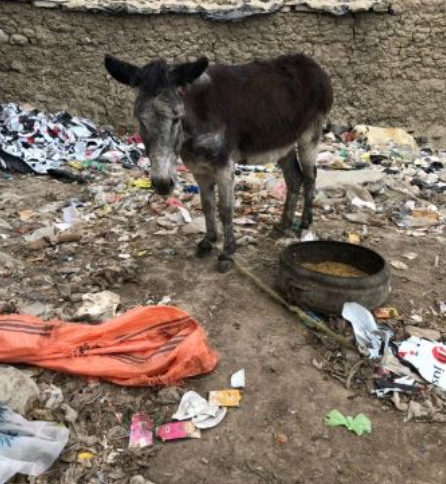
In 2017 Nowzad opened the FIRST EVER donkey/horse sanctuary in Afghanistan, a refuge for former working donkeys and horses who have been discarded like rubbish onto the streets when they are no longer able to carry the heavy loads demanded of them by their owners.
Be the difference today!
Please help us to continue making a difference for the working animals of Afghanistan by clicking here. You can watch Pen take on the ‘Walk a mile in a donkey’s shoes’ challenge here where he explains our work direct from the streets of Kabul.
We cannot carry the loads for them but we are going to do what we can to make their lives somewhat easier. Be the difference today please!
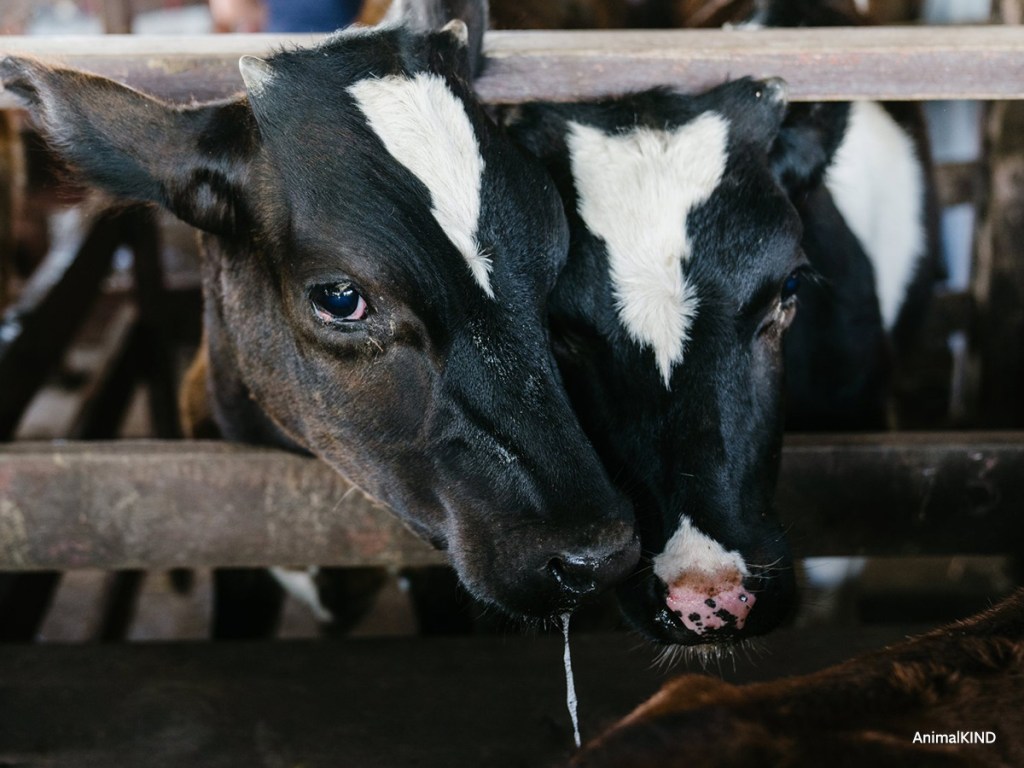
In 2023, UC Berkeley student and activist Zoe Rosenberg removed four severely ill chickens from a slaughterhouse truck in Petaluma, California, and brought them to an animal sanctuary. Now, she’s facing over five years in prison. Rosenberg’s trial is scheduled for later this year, and her allegations tell a story of horrific conditions at ostensibly “free-range” chicken farms, as well as the steep uphill battle activists face in convincing law enforcement to even investigate allegations of animal cruelty on factory farms.
Rosenberg is an activist with Direct Action Everywhere (DxE), a Bay Area-based animal rights organization. In addition to supporting ballot propositions and hosting conferences, DxE carries out undercover investigations of slaughterhouses and factory farms. In some cases, its activists rescue ill and imperiled animals from such facilities; this is what’s known as “open rescue,” a popular tactic among some animal rights activists.
The prospect of risking prison time for saving a few chickens, who are routinely sold for less than $20 apiece, may seem outlandish. But DxE activists like Rosenberg see it as a necessary risk to accomplish their ultimate goal: the complete abolition of slaughterhouses and factory farms.
“I think that if people don’t take action and don’t risk their freedom to create change, nothing will ever change,” Rosenberg, who’s currently wearing an ankle monitor while out on bail, tells Sentient. “We’ve seen time and time throughout history that it has been the sacrifices of the very few that have changed the world.”
Petaluma Poultry did not respond to Sentient’s request for comment on this story, but a company spokesperson denied DxE’s claims to the San Francisco Chronicle, characterizing the group as “extremist” and its efforts as “theft.”
What Is Open Rescue?
In essence, open rescue is the act of removing animals from dangerous or harmful environments without permission from the person, company or facility that oversees said animals. Those who carry out open rescues don’t hide what they are doing, and often publicize their actions. Animals that are removed via open rescue are typically provided with medical care and/or taken to animal sanctuaries.
The goal of open rescues, which date back to at least the early 1980s, is not only to provide relief for the animals in question, but also to highlight the conditions in which farm animals are held, and to normalize the act of rescuing them. But it’s a controversial practice, even among activists, and law enforcement officials generally treat open rescues as acts of theft, trespassing or other crimes.
This often leads to prosecution, but in the eyes of open rescue advocates, this isn’t entirely a bad thing. Prosecutions often bring media attention and publicity to both the topic in question and the relevant laws surrounding that topic. Rosenberg’s case, for instance, draws attention not only to the conditions of factory farms, but also to the fact that removing a few sick animals from a slaughterhouse can get you a half a decade in prison.
That said, Hsiung did recently spend 38 days in Sonoma County jail for an open rescue in which he participated, so it’s not unheard of for activists like Rosenberg to serve time for carrying out open rescues.
he Incident in Question
On June 13, 2023, Rosenberg entered a Petaluma Poultry slaughterhouse partially disguised as an employee. A truck delivering chickens to the facility was parked outside, and Rosenberg spotted four chickens in the back of the truck who she says were “covered in scratches and bruises.” She took them from the truck, left the slaughterhouse and both she and DxE publicized her actions on social media.
Rosenberg says that she intentionally took the chickens that “seemed like they most needed medical attention.” Subsequent examinations found that all four birds were infected with Coccidia parasites; one of them also had a respiratory infection and an injured toe, while a third had a foot infection.
Five months later, Rosenberg was arrested and charged with five felonies relating to the June 13 rescue. These charges were later reduced, and as of this writing, she faces one felony conspiracy charge, two forms of misdemeanor trespassing charges, one misdemeanor theft charge and one misdemeanor charge of tampering with a vehicle. Her trial is scheduled for September 15, 2025.
The chickens she rescued were all treated for their illnesses, and are now living at an animal sanctuary.
A History of Animal Neglect At Petaluma Poultry
Petaluma Poultry, a subsidiary of the chicken giant Perdue, presents itself as a humane operation where, in the words of its website, “chickens are free to be chickens.”
“Our houses are spacious, with room for birds to move about and exhibit normal behaviors in a low-stress environment open to fresh air,” the company’s website says. “Our outdoor spaces are at least half the size of the poultry house, and typically as big as the barn itself.”
But Petaluma Poultry’s advertising is a classic example of humane-washing, when companies try to appeal to animal welfare-minded consumers by depicting their products as more humanely produced than they actually are.
Petaluma Poultry and its contractors have been accused of criminal animal cruelty on a number of occasions, and footage filmed by undercover investigators in the company’s farms and slaughterhouse paints a much different picture than the company’s marketing.
In 2018, a whistleblower provided DxE with footage from McCoy’s Poultry, a factory farm contracted by Petaluma Poultry, that showed chickens collapsed on the ground, unable to stand or walk and surrounded by the corpses of other chickens. Shortly thereafter, Sonoma County Animal Services seized 15 chickens from McCoy’s Poultry; six were already dead, while the other nine were injured, malnourished, unable to stand and exhibited signs of distress, according to a subsequent medical report. The facility was later shut down.
In 2023, another activist who infiltrated Petaluma Poultry’s slaughterhouse said that she saw workers cutting into chickens while they were still alive, as well as evidence that chickens had been abused, tortured and boiled alive during the slaughter process. They also obtained documents showing that, on a single day in April, over 1,000 chickens were deemed unfit for human consumption after they were slaughtered due to suspicion that they had blood poisoning.
Prior to her arrest for the June incident, Rosenberg herself was involved in a separate DxE investigation of a Petaluma Poultry facility in 2023, where she recorded footage of more chickens suffering in the facility.
“I documented chickens who were collapsed on the floor of their factory farms, too weak to stand, unable to get to food and water, and slowly dying of starvation and dehydration,” Rosenberg says. She ended up rescuing two of those chickens as well, both of whom required extensive medical care.
It remains unclear whether authorities prosecuting or investigating these allegations of criminal animal cruelty? And if not, how come?
Rosenberg Raised Allegations of Animal Welfare Abuses
Poultry is the most widely consumed meat in the U.S. and the world, yet there are no federal laws that protect livestock chickens from mistreatment on the farm. The Humane Slaughter Act establishes some baseline requirements for the treatment of livestock, but it specifically exempts chickens from these protections.
In California, however, livestock chickens are protected under a number of different laws. In addition to Proposition 12, which requires poultry producers to give egg-laying hens a specific amount of living space, Section 597(b) of California’s penal code makes it a felony to subject an animal to “needless suffering” or deprive them of access to sufficient food or water, among other things.
This law would appear to be relevant in the context of Petaluma Poultry. If a chicken at a factory farm is physically unable to stand (let alone walk), they will be unable to reach the feeding trays and water, and will eventually die of thirst or starvation. If a chicken is boiled alive because they were improperly stunned beforehand, it has suffered needlessly.
The aforementioned investigations uncovered evidence of both of these things happening at Petaluma Poultry and its contracted facilities. Both DxE and Rosenberg claim they’ve presented multiple law enforcement agencies with this evidence, only to be rebuffed or ignored.
“The most common thing we’ve had is agencies directing us to another agency, directing us to another agency, directing us back to the place where we started, and just kind of sending us around in circles,” Rosenberg says. “We didn’t get any helpful response. No one took action.”
It was this inaction that led Rosenberg to take the four chickens from the back of the truck in June, she says. After doing so, she again presented her findings to law enforcement, specifically the Petaluma Police Department. This time, she got a response.
“They said they had a detective who wanted to have a call with me, and so I had like a 15-minute call with a detective from the Petaluma Police Department,” Rosenberg says. “She very much approached the call from an angle of, you know, ‘I’m concerned about the reports you are making.’ And so I told her about the animal cruelty that has been documented there.”
But Officer Corie Joerger, the detective in question, didn’t follow up with her after their call, Rosenberg claims, and ignored her subsequent attempts at communication. A couple of weeks later, Joerger handed Rosenberg a warrant for her arrest regarding the June rescue.
In the preliminary hearing for Rosenberg’s case, Joerger acknowledged that Rosenberg had made allegations of animal cruelty, but stated that she did not investigate the matter.
This inaction by law enforcement wasn’t an isolated incident. When the investigation at McCoy’s Poultry facility uncovered dead birds on the farm floor and others that were unable to move, Sonoma County Animal Services referred the matter to the county sheriff’s office for potential prosecution. But no prosecution followed then, either.
Sentient has reached out to the Sonoma County Sheriff’s Office, the Petaluma Police Department and Joerger for clarification on these reports, but as of this writing, none have offered any comments.
Petaluma Poultry Is More the Rule Than the Exception
The allegations against Petaluma Poultry might sound extreme. But in fact, many are par for the course on factory farms, and chicken farms in particular.
For instance, the USDA estimates that every year, around 825,000 chickens are boiled alive at slaughterhouses. This is not standard protocol, but rather, the result of standard protocol gone wrong.
At poultry slaughterhouses, chickens are typically hung upside down by their feet and pulled through an electrified pool of water, which is meant to stun them. After that, workers slit the chickens’ throats, and after they’ve bled out, they’re placed into boiling water. This is to soften the skin and make it easier to defeather them.
That’s how it’s supposed to work, at least. In actuality, though, one or both of those first two steps often fail; chickens are either inadequately stunned before their throats are cut, or their throats aren’t fully slit, or both. When both of these processes fail, the chicken is inadvertently boiled alive, and feels every bit of pain associated with this.
Similarly, the fact that those chickens at Petaluma Poultry couldn’t stand up or walk isn’t an accident. Over the decades, farmers have selectively bred chickens to be as fat as possible, as this maximizes the amount of meat they can sell. According to the National Chicken Council, farmed chickens now grow to be over twice as large as they were 100 years ago in less than half the time.
This unnatural rate of growth has wrought havoc on their internal biology, however, and farm chickens now routinely suffer from a number of illnesses and adverse health conditions as a result, including bone deformities, heart attacks, chronic hunger, ruptured tendons and, most relevantly to Petaluma Poultry, difficulty standing up or walking.
Finally, Petaluma Poultry is far from the only chicken producer to make questionable use of the “free-range” label, which is ostensibly regulated by the USDA. In 2023, undercover footage taken from a Tyson Foods-contracted chicken farm in Virginia depicted employees of both the factory and Tyson freely acknowledging that the “free range” label doesn’t actually mean anything, and that “free range” birds often “don’t go outside.”
Why Wasn’t Petaluma Poultry Investigated by Law Enforcement?
Though it’s unclear why local law enforcement hasn’t pursued any investigations into the allegations against Petaluma Poultry, DxE’s director of communications has some ideas.
“It would be a massive undertaking for any government agency, no matter how well-staffed they actually might be, to suddenly address the systemic animal cruelty that we know is happening in factory farms,” Cassie King, director of communications at DxE tells Sentient. “If they put their foot in the door and acknowledge that it’s their responsibility to address these crimes, then there’s a landslide of new cases they need to take on, and it’s just a huge amount of work.”
Although the city isn’t quite the egg powerhouse it once was, chickens are still big business in Petaluma. Though official estimates are difficult to come by, the city is home to at least seven chicken farms large enough to qualify as factory farms, and those facilities collectively house around 1.8 million chickens at any given time, according to a 2024 analysis by an activist group that opposes factory farms.
To be clear, there’s no evidence that the poultry industry’s strong presence in Petaluma has played any role in law enforcement’s response to allegations of cruelty at the city’s chicken farms. But the fact that the Petaluma Police Department publicly celebrates the city’s poultry industry, and participates in the annual Butter and Eggs Day festival in a non-law enforcement capacity, is not lost on DxE activists.
Rosenberg Awaiting Trial
For her part, Rosenberg maintains that her actions were legal. She cites the doctrine of necessity, a legal theory holding that it’s sometimes permissible to break a law if doing so prevents even greater harm from occurring.
“For example, if a kid is drowning in your neighbor’s pool and no one is helping that kid, you have the right to trespass into your neighbor’s yard to rescue the kid,” Rosenberg says.
“A few years of my freedom is worth significantly less than even one animal’s entire life, and certainly less than four animals’ entire lives,” Rosenberg says. “And so it’s absolutely worth it to me on that level.”
*************
An Animal Rights Activist Rescued Four Sick Chickens From a Slaughterhouse. Now She’s Facing Five Years in Prison.
RSPCA rescue animal, Spotty, is one of hundreds of pets under the Darwin shelter’s care. (ABC News: Jayden O’Neill)
Bernadette Relos and husband, Nathan Calverley, are self-described animal lovers who live in a bustling house in Darwin’s outskirts suburb of Berrimah.
They have two cats and a one-year-old puppy, which they recently adopted from a shelter.
The South Australian couple who moved to the Top End for work said their “fur babies” brought chaos and destruction, but much-needed colour to their lives.
“They bring life to the household … you can be lonely, and one of the cats will jump on you, and then you’re not lonely anymore,” Mr Calverley said.
“You could walk in the front door, and everyone doesn’t say a word, but the dog will come running … and start licking you and saying hello.”
Ms Relos said they decided to adopt because they wanted pets that would grow up with their young family.
But as some are choosing to bring furry friends into their forever homes, animal shelters are seeing the opposite.
Shelters being pushed to breaking point
Charles Giliam, the Northern Territory’s RSPCA operations manager, said there had been an increasing number of surrendered pets due to people experiencing financial difficulties.
He said most pets being dropped on shelter doorsteps were mixed breeds, weighing around 20 to 30 kilograms, with backyard breeding worsening the situation.
“[People] bring pets to us that are often in need of veterinary treatment … and say, ‘We just don’t have the money’,” he said.
The RSPCA estimates most dog owners spend an average of $25,000 on their pet during its lifetime, while cat owners spend $21,000 on average.
The charity says that within the first year of cat ownership, people could face up to $3,500 of expenses on food, desexing, grooming, bedding, toys and treats.
Mr Giliam said the influx of surrendered pets was creating significant challenges for shelters.
“We probably got about 15 to 20 people on our waiting list who are wanting to surrender … but we are chock-a-block full,” he said.
RSPCA national data showed around 81,000 pets were surrendered in the 2023/2024 financial year, with only 27,000 finding new homes.
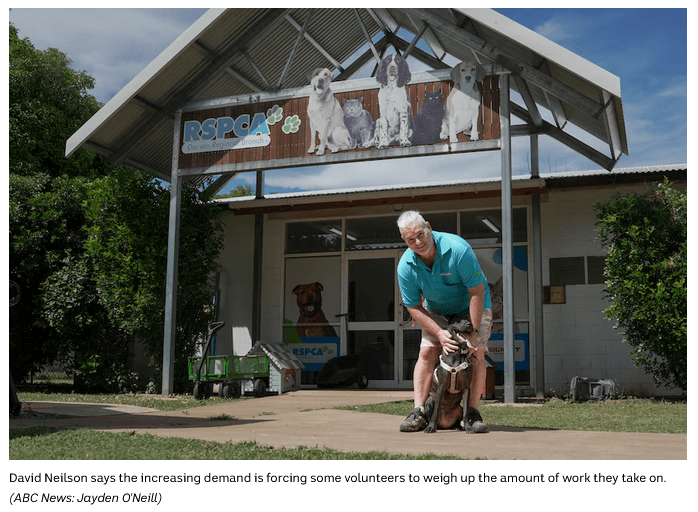
David Neilson, a volunteer at the Darwin RSPCA shelter, said the increasing demand was leaving some volunteers “overwhelmed”.
“There are so many volunteers that are here through the week to walk the dogs and sit with the cats and we are not getting through everything … it makes it difficult,” he said.
Industry voices want to see change
While many in the rescue sector are worried about the growing crisis, there are also concerns the NT’s animal rights laws are ineffective.
Unlike most other Australian jurisdictions, the NT does not have a formal dog breeder licensing scheme, however breeders are still expected to meet standards of care under the Animal Protection Act.
Melissa Purick, a licensed dachshund breeder, said it was “frustrating” to see people buy pets from unlicensed backyard breeders without considering the animal’s welfare.
“I would like to see that stopped to start with, where you can’t sell puppies at the markets or the side of the road,” she said.
Hannah Bohlin, an animal advocate, believes growing use of social media is glamorising pet ownership without highlighting its challenges.
She said if people adopted pets that were incompatible with their lifestyle, cost of living could become a “scapegoat” to surrender animals that were no longer valued.
She wants the NT to look at what other states and countries are doing to manage pet breeding and ownership.
“I would like to see a discussion around the possibility of introducing some kind of licence system [to own a pet],” she said.
“Some European countries do operate this kind of system to get a dog in the first place.”
The NT’s Agriculture and Fisheries Department, which oversees animal welfare, said a review of the Animal Protection Act was currently underway.
“The NT government takes animal welfare seriously and is committed to strengthening animal welfare laws,” a department spokesperson said.
One of 500 abandoned dogs at AID – SHIN in Mijas, ready for adoption. Credit: EWN
being of pets across the country but has ended up, in the eyes of many, worsening an already bad situation. Since its introduction, animal abandonment has only increased, and animal rights are worse than ever.
Local management challenges, lack of consultation with professionals, and a perceived ideological bent: with more than 30 million pets in Spain, it was inevitable that a one-size-fits-all approach wasn’t going to work for everyone. One in three households owns at least one companion animal, and not everyone can afford the changes. In Spain, an estimated 6 million pets remain unregistered, posing potential public health risks. In 2023, 285,000 dogs and cats were abandoned, highlighting the need for stricter regulations. But at what financial cost?
The new law sets standards for pet ownership and treatment, including a ban on leaving pets alone for more than 72 hours (24 hours for dogs) and prohibiting their habitual confinement in spaces like terraces, balconies, storage rooms, or vehicles. Sales of dogs, cats, and ferrets are now restricted to authorised, licensed breeders, excluding some intermediaries and private individuals.
Breeds classified as potentially dangerous, such as Rottweilers, remain subject to strict handling rules, including licences, short leashes, and muzzles. Notably, exemptions exist for working animals, like the Spanish Legion’s goat, which can still parade on October 12, or mules and oxen in living nativity scenes, unless their owners register them as pets in the new mandatory pet registry.
Despite its intentions, the law faces hurdles that hurt. Councils are tasked with collecting stray and abandoned animals and providing 24-hour veterinary services, but many lack the funds and resources to comply. As well, local governments must manage feral cat colonies, requiring trained volunteers or staff to capture, vaccinate, deworm, sterilise, and return the cats – a costly mandate that many areas struggle to meet.
If a pet owner now wants help, they have to go to a vet. For many who already owned a pet from before the introduction of the law, vet prices are not an option. According to Fabienne Paques of AID – SHIN, an animal rescue in the Malaga Region with 500 abandoned dogs and 150 cats, ‘A dog needs a chip, and it needs a rabies shot. Before you could go to a hardware shop for that. Now, it costs a lot to go to a vet. Before it was €20, and now it’s €80. To get some dogs castrated or sterilised (as per the new law), it can cost up to €500. The new law considered pets things, items, not animals.’ The shelter has recently had an inordinate amount of pets abandoned at their gates. ‘People don’t know what to do with them. The new law brought a lot of negativity. They say it’s not true, but it’s an absolute disaster.’
Dilemma under new animal rights law of what to do with existing pets?
A few kilometres away in the Miralmonte urbanisation, neighbours are up in arms about one of their neighbours who has several macaws and dogs which appear to be breeding amongst themselves. According to the neighbours, the animals make a terrible noise, and their droppings are attracting rats. The owner at the centre of the situation used to have a pet shop in nearby Coín but has been stopped from selling animals from the store she inherited from her parents. So, now, unable to afford to put them down, she keeps the animals at home. She cannot sell the animals by law, and the local police are reluctant to do anything as they can see both sides of the argument.
Critics of the law, including Professor Christian Gortázar, argue the law lacks scientific grounding and was driven by ideological motives, potentially threatening livestock industries by overly humanising pets. They also claim that there in no provision for pet owners with less resources to cope with the new rules.
José Luis López-Schümmer, president of the Artemisan Foundation, notes the law’s inconsistency with European legislation, which excludes wildlife from welfare regulations. The law also exempts animals raised for food, scientific experiments, bullfighting, or hunting, countering claims that it severely impacts the economy.
A year and a half after its enactment, the law’s limited consensus, even among its proposing parties, and incomplete framework have hindered its full application. Its true long-term impact – positive or negative – remains to be seen, as further data and regulatory clarity are needed to assess this polarising legislation. What is certain, in 2025, is that the situation with the welfare of animals is nowhere near being improved.
Now, unable to buy a dog from a pet shop, ACE – SHIN have a broad selection just looking for a home. Check out their website as they can arrange adoptions in may countries around Europe.
This course provides an introduction to the problem of wild animal suffering. It covers the situation of animals in the wild as individuals, including the many harms they suffer, and ways of improving their situation, including some of the ways this is already being done.
This is the opening video for the course. It gives an overview of the topics that will be addressed in the videos of the course.
Wild animal suffering: an overview of the course
Concern about the suffering of wild animals and the ways we can help them has increased a lot in the past decade. A growing number of people are now aware that the lives of animals in the wild are not idyllic, and that they face threats that dramatically impair their wellbeing. There is more awareness now that this affects not just a few animals, but large numbers of them. While in the past, concern for wild animals was mostly focused on their ecological roles or their conservation status, many people now are concerned about what happens to them as individuals, as sentient beings.
Some people may think that it is unfortunate that wild animal suffering occurs, but be unsure about how widespread or how serious it is. Others may think this is an important issue, but not know how tractable it is, or what we can do to address it.
This course sheds some light on these questions and helps give a more clear understanding of the reality of wild animal suffering and, what is more important, of what can be done about it. It is intended to provide an introduction to this question for anyone interested in it, and to be especially useful to those involved in animal advocacy who want to know what can be done to help wild animals. The course will also benefit people working in natural sciences with an interest in learning how their work can help animals.
The course will include three parts.
Part I has been completely published already. It explains the ways that wild animals suffer and how we can help them. Part II details the arguments about the moral consideration of animals, and Part III explores the scientific study of the situation of animals from the point of view of their wellbeing. This new field of study has been called welfare biology.
Each part will consist of a set of videos, around 10 minutes each, focused on some specific problems. The entire course contains 28 videos including this one, which you’ll see listed in the course table of contents.
The first part begins with a general presentation summarizing the question of wild animal suffering. Following this, we will clarify in more detail what the concept of “wild animal suffering” entails. The following videos will then explain the different ways in which animals suffer in the wild. We will see the impacts of harmful weather conditions, natural disasters, diseases, parasitism, hunger, psychological stress, conflicts between animals, and accidents. We will also see how the prevalent reproductive strategies significantly increase the proportion of suffering among wild animals. Then, we will see some of the ways to provide help to these animals, including rescues and vaccination programs. Finally, we will see the kinds of things that each of us can do to make a difference for wild animals.
Some people think that we shouldn’t worry about wild animals because we shouldn’t be concerned about what happens to animals at all. We will believe this if we think, for instance, that only humans matter. In order to asess this concern, and to understand better how we can argue for the moral consideration of animals, the second part of the course presents an overview of contemporary debates about ethics and animals. The part will begin by explaining the concepts of speciesism, as well as related concepts like moral consideration. We will next examine the main defenses of the idea that human interests matter more than equally strong interests of other animals. We will then see the main arguments against this view. After that, we’ll cover how the moral consideration of animals relates to different ethical theories. We will then examine the differences between the views defending the moral consideration of animals and those defending other criteria, such as the ones held by some positions in environmental ethics. In the last part of this part, we will see what sentience is, and consider some indicators of its presence in different animals, especially invertebrates.
Finally, the third part of the course will examine the ways to promote research in academia about how to best help wild animals. In the videos of this part, we will examine the concepts of wellbeing, animal welfare, and wild animal welfare. We will also discuss welfare biology, the study of the situation of animals with regard to their wellbeing. We will see how it is different from other fields that currently exist. We will then see reasons to promote academic research in welfare biology, and what some promising lines of research for this field are. We will see how welfare biology can benefit from work in other cross-disciplinary fields. In light of the work welfare biology could carry out, we will see responses to objections to helping wild animals.. Finally, we will share some ideas concerning the advance of this new field of research, and its importance, especially in the long term.
We hope this course will be interesting to you. Our intention is to help you become familiar with the issues discussed in it, and to share some tools that enable you to do further research on them. We provide information about how to take action in defense of wild animals and to help you make informed decisions about which efforts to support or promote.
If you want to learn more, you can visit our website, where you’ll find much more detailed information about many of the issues addressed in the course.
They don’t yell or protest. They don’t hold signs or march. But in Singapore, a chorus of concern is rising on their behalf. From living rooms to parliament, the country is facing hard questions about the way animals are seen, protected and valued.
In February, a 32-year-old Singaporean man was sentenced to 14 months in jail for abusing five community cats – a spree of violence that culminated in the horrific act of throwing two of them from high-rise public housing blocks in Ang Mo Kio.
Just three months later, in May, a 20-year-old man pleaded guilty to sexually abusing a neighbour’s cat in Bukit Panjang, an act captured on surveillance cameras.
These disturbing events, along with other recent high-profile cases, have triggered widespread public outrage and prompted a national reckoning over animal welfare. Campaigners warn that not only are abuse cases becoming more extreme, but they are also exposing gaps in Singapore’s animal protection laws – and underlining the need for a cultural shift in how animals are treated.
Animal cruelty reports reached a 12-year high last year, according to figures released in January by the Society for the Prevention of Cruelty to Animals (SPCA). The surge has galvanised Singaporeans, with some signing petitions and others submitting proposals to parliamentary representatives, demanding reforms and tougher enforcement.
Authorities have acknowledged the public concern. A legislative review is under way, examining the penalties for animal cruelty and the extent of current animal welfare laws.
Under current legislation, those convicted of animal cruelty in Singapore can face up to 18 months in jail, a fine of up to S$15,000 (US$11,700), or both. Repeat offenders risk three years’ imprisonment or a fine of up to S$30,000.
The Animals and Birds Act – the main legal framework governing animal protection – has been under review since at least 2022, according to a statement from the Animal and Veterinary Service on Friday. The act was last amended in 2014, and authorities say future revisions will incorporate feedback from stakeholder consultations held this year.
From 2017 to 2020, around 1,200 cases of alleged animal cruelty were investigated annually, according to Singapore broadcaster CNA. Between 2017 and 2021, 40 people were fined and 23 jailed for related offences.
In Jalan Besar, newly elected Member of Parliament Shawn Loh said many constituents had approached him with suggestions to strengthen animal protections in the wake of recent incidents.
Suggestions included stricter penalties for abusers, a registry barring convicted lawbreakers from pet ownership and improved community vigilance, Loh told This Week in Asia.
Shawn Loh, the newly elected member of parliament for Jalan Besar multi-seat constituency. Photo: Shawn Loh
“We therefore decided to hold an engagement session to hear all these views, so that I may appropriately engage the relevant agencies and effectively advocate for change,” he said, adding that the coming session had already reached full registration.
“Following our own discussions [with residents] at Jalan Besar GRC, I hope to put together a balanced list of practical recommendations for the government’s consideration and effectively advocate for change on behalf of our residents,” Loh added.
Fellow MP Lee Hui Ying, representing the Nee Soon Group Representation Constituency, made a similar call for stronger laws and enforcement – and better protection for animals – following a visit to the Springleaf Gardens estate on Tuesday following the death of a disembowelled cat.
Momentum is growing elsewhere as well. On May 31, Young PAP, the youth wing of the ruling People’s Action Party, hosted a focus group to discuss stronger animal cruelty laws.
“Cruelty is rising. Protection must keep pace,” the group wrote in a social media post about the event. “We must act now – let’s make animal cruelty a serious crime.”
Several online petitions have echoed that call. One petition, seeking harsher penalties, has garnered more than 12,000 signatures.
“Convicted animal abusers often receive punishment which can only be described as no more than a slap on the wrist,” said Dr Ryan Leong, co-founder of Pets Avenue Veterinary Clinic and Referrals.
“Such punishment will never deter the next person who is about to commit a similar crime.”
Shelby Doshi, 40, a former cat rescuer, said Singapore’s sophisticated surveillance infrastructure should make it easy to identify perpetrators – but that same urgency is lacking when the victims are animals.
Stray cats that were rounded up amid a government-run euthanasia programme in Singapore in 2003. Photo: AP
A person abusing someone in public in Singapore would likely be identified within a day with the help of video surveillance, she said. “Yet, when a similar or more drastic act happens to a community cat, the effort to apprehend [someone] is sorely lacking, simply because they are not viewed as important.”
“As a first-world country, we certainly can and should do better.”
Shef*, an adoption counsellor at Action for Singapore Dogs – a non-profit organisation focused on stray and abandoned dogs – said law enforcement agencies needed to be given “more teeth” to intervene when animals were in danger.
“Even if we see something, all we can do is tell the family we really need the dog back. But if the family says no, there’s only so much we can do as a non-profit,” said the 38-year-old, referring to cases of neglect involving adopted pets.
Public outrage tends to spike whenever a high-profile case of animal cruelty emerges, said Aarthi Sankar, executive director of the SPCA.
“They may urge the SPCA to intensify pressure on the authorities to implement stricter penalties and tighter enforcement of animal welfare laws, both of which the SPCA has been actively lobbying the government on,” she told This Week in Asia.
Sankar added that any legal reform must acknowledge not only the financial burden of animal abuse, but also the lasting trauma inflicted on sentient beings.
“They [animals] may physically recover from the abuse, but any traumatic experience will likely shape how they go on to perceive the world and their interactions with humans,” she said.
Kalai Vanan Balakrishnan, chief executive of Singapore’s Animal Concerns Research and Education Society (Acres), cautioned that legislative change alone would not be enough to stop abuse.
“I’ve been working here 15 years and I’ve seen multiple incidents where there is a high-profile case and uproar on social media. Then that dies down. Then it happens again,” Balakrishnan told This Week in Asia.
“There needs to be a push to get to the root of the problem. And it should involve a multi-agency effort.”
Such collaboration would allow organisations like Acres to share legal expertise and advocate for tougher penalties, he said.
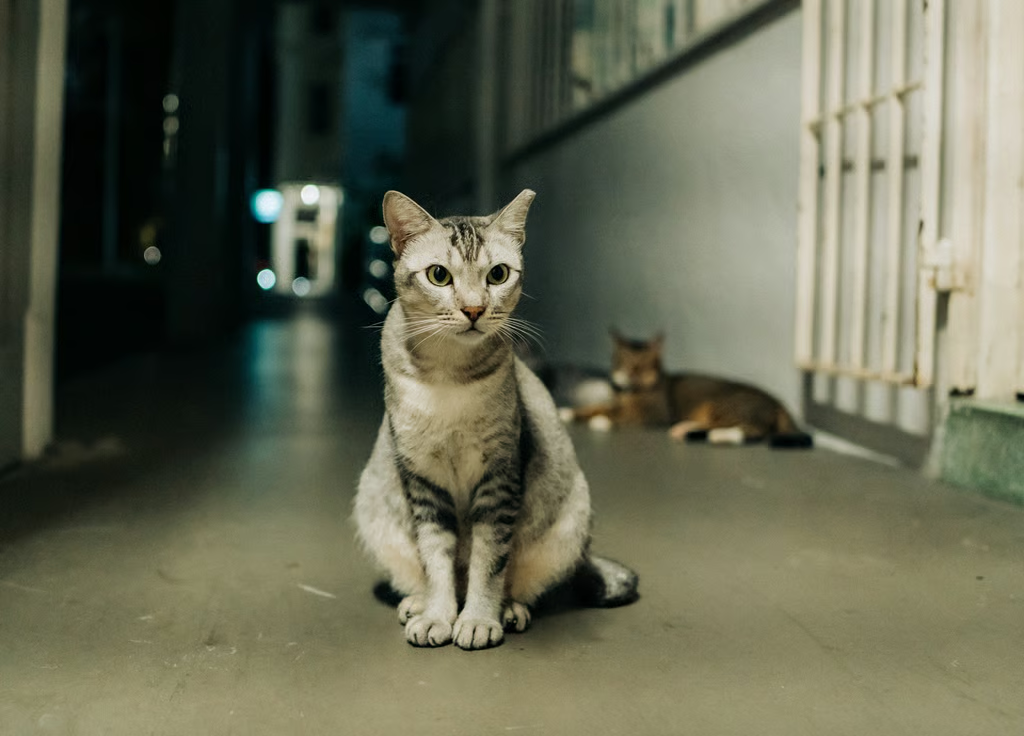
Two feral cats sit in front of a house in Singapore. Experts say cultivating compassion about animals’ pain can help reduce animal cruelty cases. Photo: Shutterstock
He also pointed to deeply ingrained misconceptions about animal sentience – some still believe that certain species, like snakes, do not feel pain. A 2023 case in which men were filmed killing a python with a cleaver highlighted this ignorance.
“If from a young age, we cultivate compassion in children so that they know animals do feel pain and they’re sentient beings, as they grow up, I think we will see less of such cases,” he said.
That view is shared by Dr Genevieve Zhang, a veterinarian at Pets Avenue Veterinary Clinic, who said long-term change would require a cultural shift rooted in empathy.
When more people openly share stories about the emotional bonds they form with pets, non-owners may better understand animals’ capacity to feel and connect, she said.
“They need to understand animals have feelings as well and are lives we need to protect, given that humans can easily overpower them,” Zhang said.
Yvonne Packer and her husband Chris are overwhelmed with rescues at their animal charity in South Auckland. LAWRENCE SMITH / Sunday Star-Times
nday Star-Times
The pair behind a small South Auckland animal charity are frustrated with abuse from the public, and say the SPCA needs to be doing more to help with a surge in roaming animals. Stewart Sowman-Lund reports.
unday Star-Times
The pair behind a small South Auckland animal charity are frustrated with abuse from the public, and say the SPCA needs to be doing more to help with a surge in roaming animals. Stewart Sowman-Lund reports.
The calls can come at any time of the day or night.
Whether it be a dog on the loose, a litter of unhoused kittens, or (on one occasion) some goats – Yvonne Packer will answer the phone.
But after two decades running the South Auckland Animal Rescue, at least half of that time as a registered charity, Yvonne and her husband Chris are growing increasingly frustrated by the level of abuse directed at them by disgruntled members of the public, and want the SPCA to start “doing their job”.
“It’s shocking,” says Yvonne of Auckland’s problem with roaming dogs.
“The amount of phone calls we get daily, and messages daily, asking us to take dogs because people can’t take them to their rentals, or they’re moving, or they’re going overseas, or somebody’s died, or it’s had puppies because they haven’t de-sexed.”
Yvonne Packer says Auckland’s roaming dog problem is out of control. LAWRENCE SMITH / Sunday Star-Times
South Auckland Animal Rescue is just one of a number of smaller outfits dealing with a growing problem. As Yvonne explains, anyone can start a rescue centre and you don’t have to be a registered charity.
The Sunday Star-Times has previously looked at Auckland’s out-of-control problem with roaming dogs and spent time with the team dealing with it on the frontline, the council’s animal management squad. They described how things got worse during Covid-19, as people stuck indoors decided they wanted a pet only to realise after lockdown lifted it was too much.
Yvonne agrees, and says there has been a boom in roaming animals, welfare issues and attacks since the pandemic. This week, a pair of dogs were seized in Glen Innes after eight cats were killed. Roaming dogs killed two of Yvonne’s cats during a spate of attacks last year.
As The Post reported, there were close to 600 dog attacks on people and animals in Auckland in 2024. A clampdown on unregistered dogs saw 5500 infringement notices issued earlier this year.
The surge in welfare issues and roaming animals has also resulted in more abuse directed at Yvonne and her small team of volunteers. People have dumped animals on her doorstep, or yelled at her down the phone. On another occasion, a dog was left tied up to her front gate. The police have even delivered animals to her house.
People think that since Yvonne and Chris run an animal rescue service, they can take in an unlimited number. What they might not realise is that their charity is run from a South Auckland home and relies on fosters willing to take in animals and get them ready for a new life.
“We can only do what we can do, and each rescue is doing their best,” says Yvonne.
Last month, a post was made on South Auckland Animal Rescue’s Facebook page that put it bluntly.
“The abuse being thrown at us is unbelievable,” the post read. “We are not the SPCA and receive no government funding like they do.”
It continued: “To get abuse hurled … threats made because people can’t or won’t take accountability for their own pets is getting beyond a joke.”
Yvonne says it was a volunteer that made the post, but with her consent. It was a bad day, she confesses, but the message needed to be heard.
While some rescues “take and take and take”, adds Chris, that’s not always possible for them – or the right thing to do for the animals.
Yvonne and Chris Packer want the SPCA to step up and help. LAWRENCE SMITH / Sunday Star-Times
“They’re just too full that they end up being an animal hoarder rather than a rescue. And the animals aren’t being helped,” he says.
“And we get abused because we don’t take animals – because if we can’t look after them, the dogs are no better off.”
Yvonne says she’s “disgruntled” with the SPCA and that the charity – which she describes as “the big name” in animal rescue – needs to “up their game”.
“You know, the amount of calls we get, ‘Oh, we rung the SPCA, they won’t help us.’ [Or] ‘We’ve rung the SPCA, they’re closed’,” says Yvonne.
“They’re just a corporate business now, gaining the revenue. But what are they doing with it? Because we’re doing their job.”
An impounded puppy rescued from a property in Wiri during a Sunday Star-Times outing in March. Stewart Sowman-Lund / Sunday Star-Times
In a statement, the SPCA’s general manager of animal services, Dr Corey Regnerus-Kell, rejects that criticism, telling the Star-Times that SPCA centres around the country are “fully funded” by donations, including through adoption fees, pet insurance and the network of op-shops.
An additional funding agreement covers approximately 80% of the operational costs for the SPCA Inspectorate Service.
Yvonne says if it’s a matter of resources, then the SPCA needs to get more staff on the ground and in the community.
“They have to pick up … they need to go back to the way they used to be, and actually do their job.”
But Regnerus-Kell says the SPCA does not have any powers under the Dog Control Act.
“As such, while roaming and stray dogs in communities are overtly managed by councils, SPCA support the proactive measures of providing community desexing opportunities as a reduced or free service for dogs to address the population issues,” he says.
Yvonne would like to see the SPCA share funding with smaller players. Providers like her charity are desperate for extra help.
At the moment, she has between 40 and 60 animals fostered out, and she’s always on the lookout for more people willing to take on an animal, short-term, so it can be rehomed.
“They might do a few [ads] on the TV with that grey kitten,” says Yvonne of the SPCA. “That cat must be just about dead by now. I mean, seriously, it’s been on there for years. ‘Sylvie, the cat. We feed it on Purina’ – yeah, have they not had any more cats since?”
Yvonne Packer says people need to take responsibility for their pets, and can’t rely on rescue centres for help. LAWRENCE SMITH / Sunday Star-Times
Regnerus-Kell says the SPCA does not provide any financial support to other animal welfare groups for operational needs, but offers access to funding to support desexing initiatives.
“We have now pulled this process back in-house, and charitable status will no longer be a requirement. We will restart the SPCA Desexing Grant process later this year.”
A new partnership with Auckland Council will help provide free desexing services in communities across the supercity. “We hope to develop more relationships like this with councils going forward,” says Regnerus-Kell.
Yvonne’s charity entirely relies on public donations, but even that’s not enough. She admits she regularly has to dip into her own pockets to keep the service afloat.
day Star-Times
Regnerus-Kell says the SPCA does not provide any financial support to other animal welfare groups for operational needs, but offers access to funding to support desexing initiatives.
“We have now pulled this process back in-house, and charitable status will no longer be a requirement. We will restart the SPCA Desexing Grant process later this year.”
A new partnership with Auckland Council will help provide free desexing services in communities across the supercity. “We hope to develop more relationships like this with councils going forward,” says Regnerus-Kell.
Yvonne’s charity entirely relies on public donations, but even that’s not enough. She admits she regularly has to dip into her own pockets to keep the service afloat.
“Our average vet bill a month is between $9,000 and 12,000,” she says.
No dog will leave the South Auckland Animal Rescue without being desexed, registered, microchipped and vaccinated – something she believes not all rescues are consistent with. It all adds up.
“We cover all their costs, vet bills, worming, flea treatment, anything they need,” she says.
“We’ve just had 11 pups desexed on Sunday, we had one go in yesterday. Last week, there were four that went in. So we’ve done a heap in this last sort of week. And that’s not cheap.”
And they go the extra mile. At the moment, she’s spending most nights on the North Shore helping to track down a dog that’s been on the run for six weeks.
Her message is simple, and it’s not just a call for more money. It’s to pet owners.
“Take responsibility for the animals that you have in your care,” she says.
“If you cannot afford to feed them, give them medical care, get them desexed: don’t get them. Get a stuffed toy.”
We live in a world where we share our homes with some species, eat others, and exploit still more in myriad ways, depending on what we’ve been taught about how we should see and treat different species, and whether we should consider ourselves superior to them. Unfortunately, the misguided belief that some species are worth our moral consideration and protection and others aren’t is known as speciesism, and it’s causing immeasurable harm.
What is Speciesism?
Speciesism is a form of discrimination that considers one species superior to others. This mindset is based on the belief that humans have the right to dominate, use, and kill non-human animals for their own benefit.
The term “speciesism” was coined in the 1970s by British psychologist and animal rights activist Richard Ryder, who introduced it in a pamphlet distributed as part of a campaign against animal experimentation in Oxford, England.
Why Is Speciesism a Form of Discrimination?
Like racism, sexism, homophobia, and all forms of discrimination against certain groups, speciesism devalues individuals based on arbitrary characteristics — and in the case of animals, their level of intelligence, their appearance, and if they have fur, feathers, and fins, or whether they walk on four legs instead of two.
This perspective perpetuates the idea that we have the right to use, exploit, and kill other animals simply because they’re different from us.
What Does Speciesism Look Like?
Speciesism is often the first form of discrimination we’re taught, and it manifests in two ways. The first is the belief in the supremacy of the human species over all other species. The second is viewing only certain species — such as animal companions and some wild animals — as worthy of care and protection, with some even considered part of our families. In contrast, most other animals are disregarded, and many are enslaved, tortured, and treated as commodities for food, entertainment, fashion, research, transportation, and much more.
Farmed animals are often depicted in marketing for food products as trivial, cartoonish characters, which strips them of their dignity and status as feeling individuals with their own personalities and preferences. Small family farms tend to be romanticized as wholesome places where animals live happy lives and are cared for by farmers. In reality, the basis of all animal farming is the exploitation and killing of sentient beings. Still, humans have compartmentalized their ethical views, allowing us to rationalize the cruelty and violence inflicted on animals we might otherwise be fascinated by and care about, all for our pleasure, convenience, advancement, habits, traditions, and tastes. Although it has been scientifically proven that humans can survive and thrive on a plant-based diet, most continue to consume the flesh, milk, and eggs of animals because we’ve been conditioned to believe that it’s “normal, natural, and necessary.”
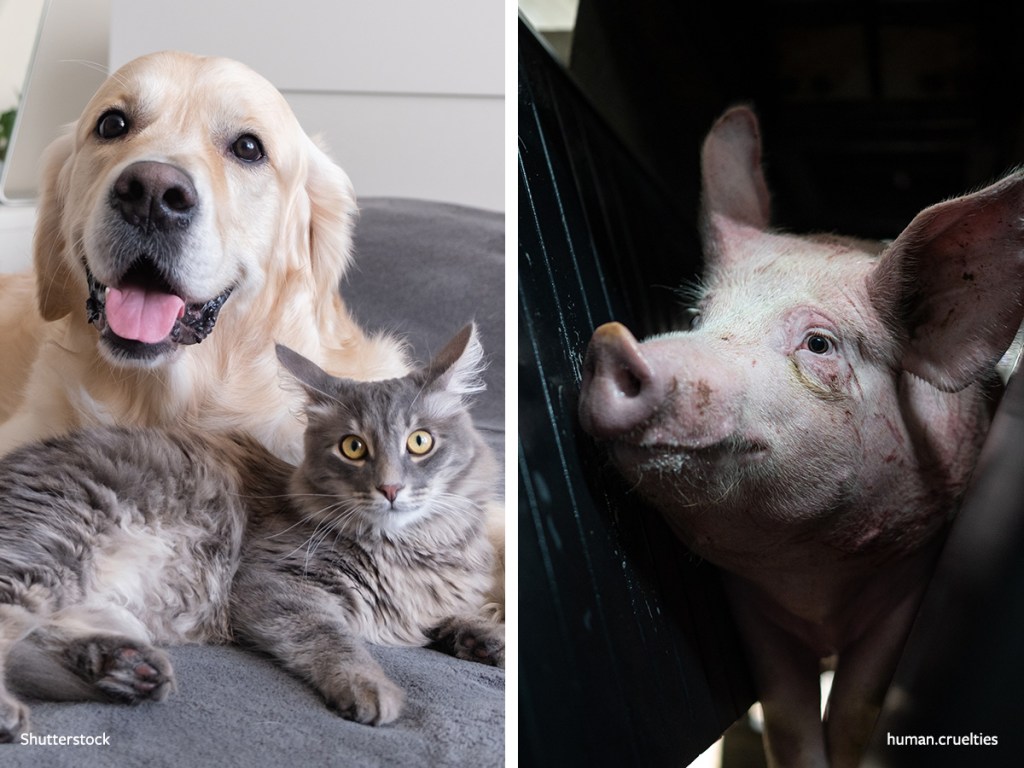
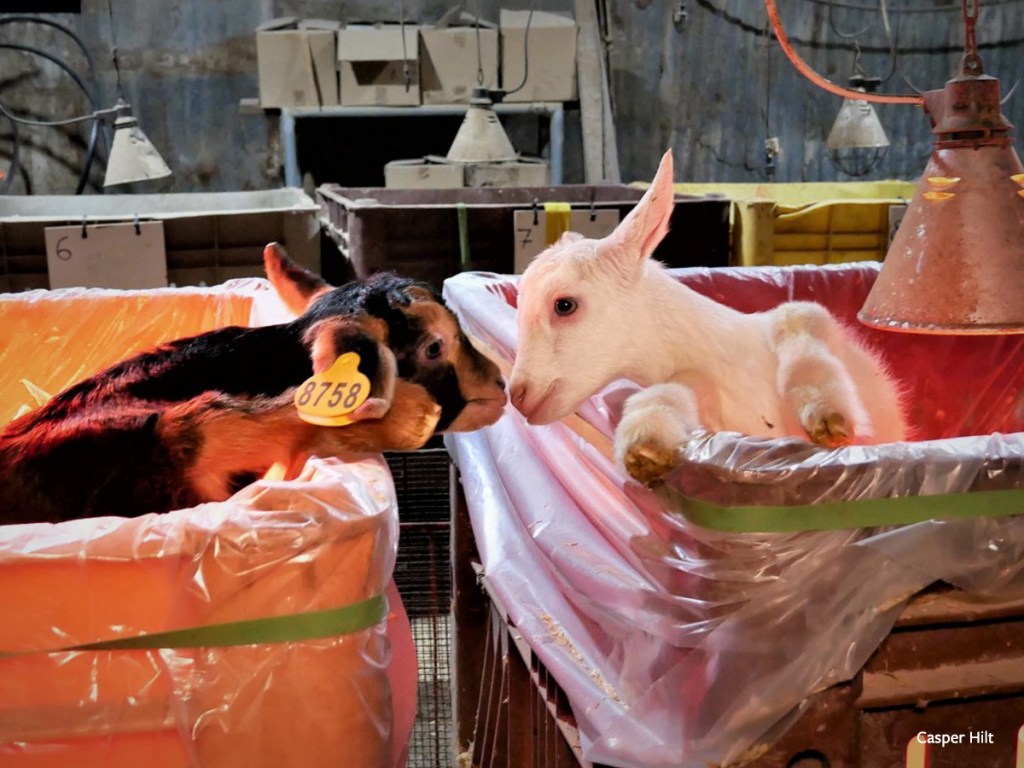
Animal companions and certain wild species are granted some legal protections, while all other animals are not. Cruel practices and mutilations without anesthesia, such as castration, tail docking, burning off horns, and extreme confinement, are inflicted on farmed animals like pigs, cows, chickens, goats, sheep, and turkeys, yet would be considered horrific abuse by most in Western culture if done to dogs or cats.
If we would never subject a dog or cat to these practices, nor send them to a slaughterhouse to end their life, we must recognize that no animal deserves to be used or enslaved by us, nor to have such pain and terror inflicted upon them. Even the desire to keep some animals as companions has led to their exploitation through breeding and selling, prioritizing profit over their well-being, which inevitably results in neglect, abuse, and often death. Beagle dogs and rabbits, usually seen as ‘pets,’ are also tormented and killed in research labs.
How is Speciesism Justified?
Humans often try to justify their oppression of animals by saying that humans are the most intelligent species. Yet many animal species possess sensory and physical abilities that humans do not have.
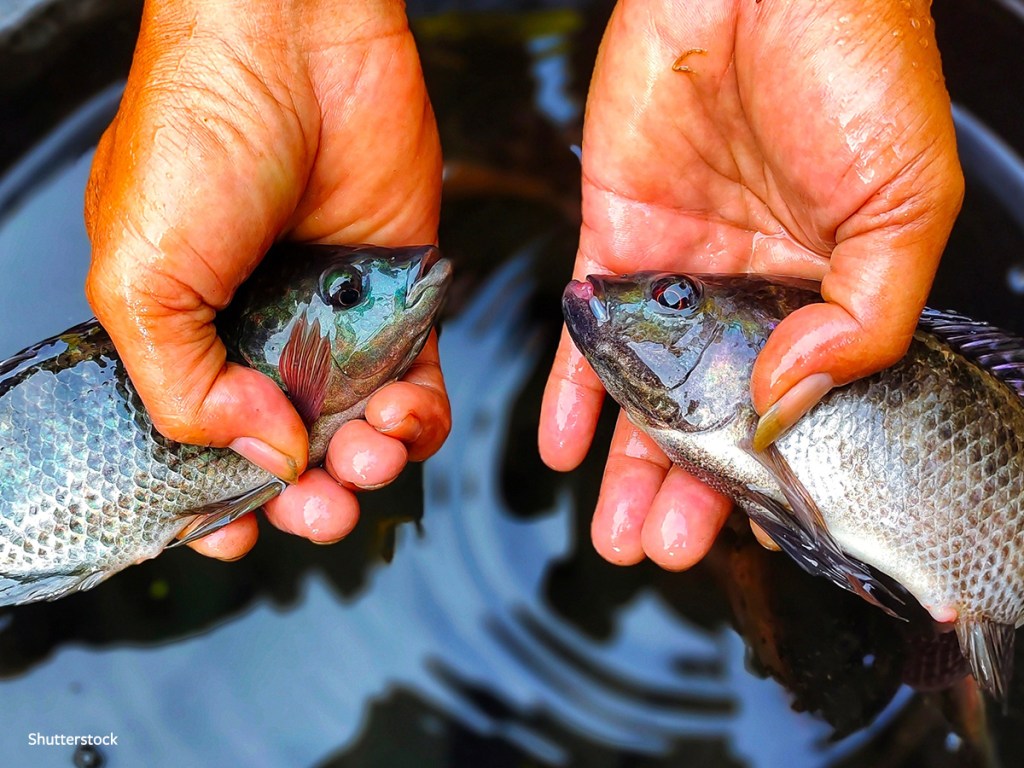
For example, bats use echolocation — the ability to use sound waves to navigate and find objects — to navigate in complete darkness. Tiny wrasse fish can recognize themselves and others in a mirror, joining chimpanzees and dolphins in this rare skill. Octopuses excel at problem-solving and camouflage, altering the texture and color of their skin to blend into their surroundings. Birds like the Arctic tern navigate thousands of miles using environmental cues, including the stars and the Earth’s magnetic field.
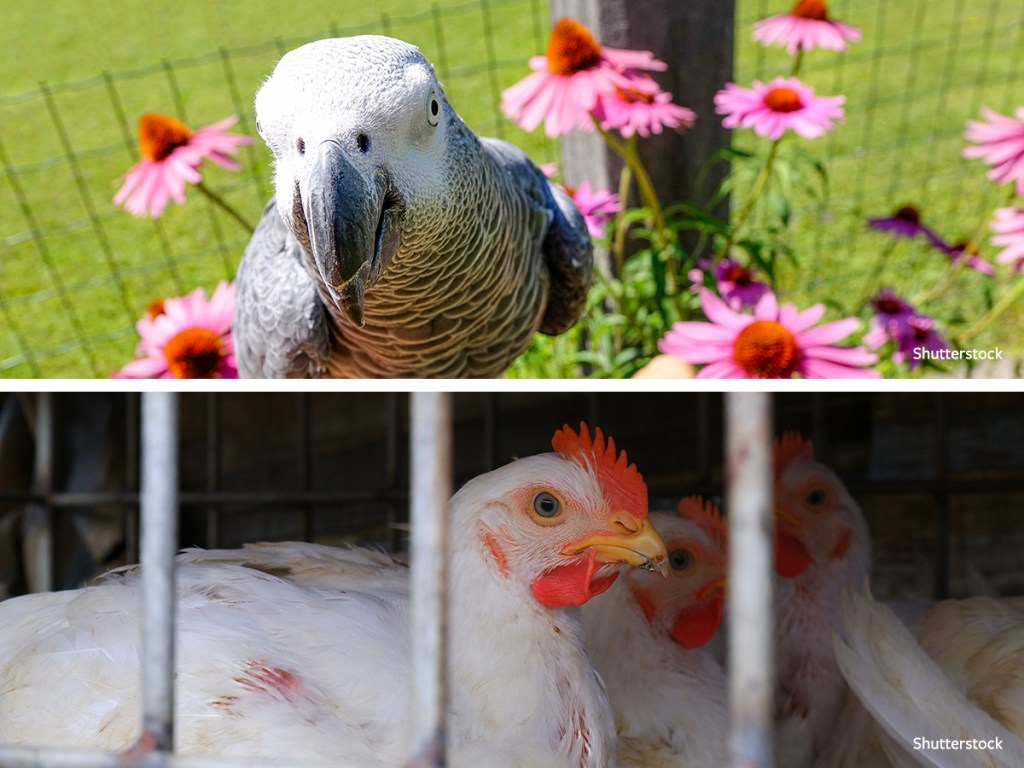
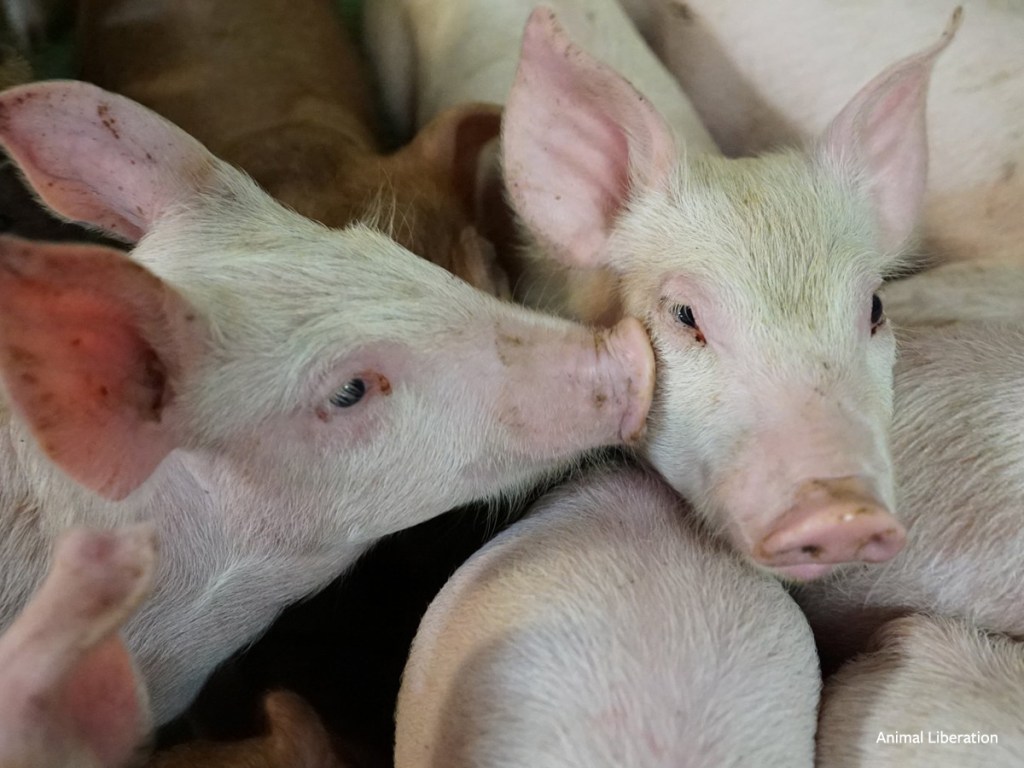
Chickens can recognize faces, form social bonds, and have memory and problem-solving skills on par with many other birds and mammals. Cows demonstrate empathy and many other complex emotions and can also solve puzzles. Pigs can navigate mazes and exhibit emotions and intelligence equivalent to a 3-year-old child.
Regardless, is intelligence truly the measure of whether someone deserves to be protected from harm by others? Some cognitively impaired humans are less intelligent than many animals. Does that mean we can also use and kill them? Of course not. No individual should be required to justify their right to safety and protection from human harm based on their cognitive or physical abilities.
How Can You Be Anti-Speciesist?
Whether human or non-human, each individual thinks and feels and has their own subjective experience of life, deserving the right to share this planet with us without being dominated by us. Unlike all forms of discrimination that focus on our differences, we must focus on what all species have in common — our will and desire to live and be free, and our capacity for pain, suffering, and joy.
If we would not tolerate discrimination and harm based on race, gender, or other differences, we must apply the same reasoning to speciesism and view it as equally unjust.
To embrace liberation, justice, and compassion for all Earthlings, live vegan—the principle that calls on humans to live without exploiting any other animals.
***********
Excellent book on the subject, for more in-depth study:
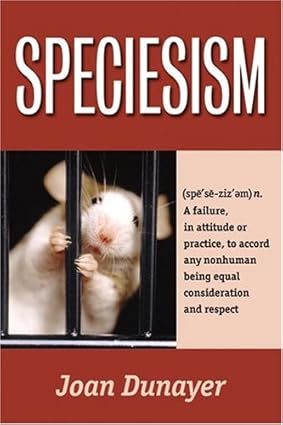
Defining speciesism as “a failure, in attitude or practice, to accord any nonhuman being equal consideration and respect,” this brilliant work critiques speciesism both outside and within the animal rights movement. The author demonstrates that much of the moral philosophy, legal theory, and animal advocacy aimed at advancing nonhuman emancipation actually perpetuate speciesism. Speciesism examines philosophy, law, and activism in terms of three categories: “old speciesism,” “new speciesism,” and species equality.Old-speciesists limit rights to humans. Speciesism refutes their standard arguments against nonhuman rights. Current law is old-speciesist — legally, nonhumans have no rights. Dunayer shows that “animal laws” such as the Humane Slaughter Act afford nonhumans no meaningful protection. She also explains why welfarist campaigns are old-speciesist.
Instead of opposing the abuse or killing of nonhuman beings, such campaigns seek only to make abuse or killing less cruel; they propose alternative ways of violating nonhumans’ moral rights. Many organizations that consider themselves animal rights advocates engage in old-speciesist campaigns, which reinforce the property status of nonhumans rather than promoting their emancipation.New-speciesists espouse rights for only some nonhumans, those whose minds seem most like those of humans. In addition to devaluing most animals, new-speciesists give greater moral consideration and stronger basic rights to humans than they do to any nonhumans. They see animalkind as a hierarchy, with humans at the top.
Dunayer explains why she categorizes such theorists as Peter Singer, Tom Regan, and Steven Wise as new-speciesists.Nonspeciesists advocaterights for every sentient being. Speciesism makes the case that every creature with a nervous system should be regarded as sentient. The book provides compelling evidence of consciousness in animals often dismissed as insentient — such as fishes, insects, spiders, and snails. Dunayer argues that every sentient being should possess basic legal rights, including rights to life and liberty. Radically egalitarian, Speciesism envisions nonspeciesist thought, law, and action.
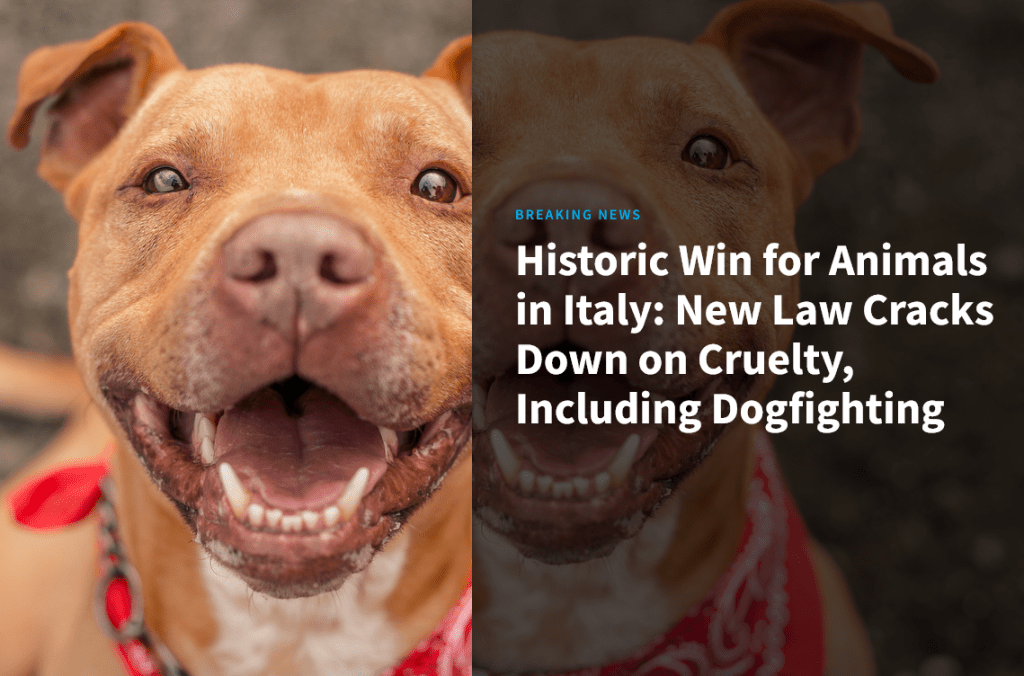
The Italian Senate has officially passed Bill AS 1308, a significant legislative advancement aimed at reinforcing animal protection across the country. The bill, previously approved by the Chamber under the name AC 30, introduces comprehensive amendments to the criminal code, criminal procedure code, and related provisions to address and deter crimes against animals, including the brutal practice of dogfighting.
One of the key aspects of the new law is the redefinition of the criminal code’s Title IX bis, replacing the outdated concept of “Crimes against the human sentiment toward animals” with the clearer and more progressive “Crimes against animals.” This change reinforces the idea that animals are deserving of legal protection in their own right, as sentient beings, not merely as subjects whose suffering might offend human sensitivity.
The bill also significantly increases penalties for acts of cruelty, including the killing of animals without necessity, mistreatment, and violations of the ban on unauthorized animal fighting or competitions. In particular, sentences for organizing or participating in animal fights have been increased, aiming to better deter those involved in these violent and illegal activities.
Additionally, the law introduces harsher penalties for crimes committed in aggravating circumstances, such as in the presence of minors or against multiple animals, as well as for the dissemination of videos or images of such acts via digital platforms. This is a critical step in tackling the spread of animal cruelty content online.
“The final approval of AS 1308 represents another important step in the protection of animals in Italy. We’ve made further progress towards the full recognition of non-human animals as sentient beings and victims of crimes, finally overcoming the outdated concept of exclusively protecting the ‘human sentiment’ towards them. We are pleased with the increase in penalties for dogfighting, a criminal activity that we have been combating for years through the ‘Io non combatto project,’ and the expansion of penalties to anyone participating in dogfighting in any capacity,” said Alessandro Fazzi, institutional relations consultant for Humane World for Animals Italy.
“We hope that it will soon be possible to intervene to offer even greater protection for minors, and also to introduce specific social rehabilitation programs for all those who commit crimes against animals, starting with those who participate in dog fights,” continued Fazzi. “By combining these requests with what has been approved today, our country will be able to take truly significant steps toward a more advanced legal civilization.”
A notable provision also addresses the management and recovery of animals seized in criminal proceedings. Under the new legislation, these animals can now be permanently assigned to certified organizations that can provide care and rehabilitation, helping to ensure they are not left in limbo during often-lengthy legal processes. The bill further includes a nationwide ban on keeping dogs chained, a practice often linked to dogfighting, except in strictly defined health or safety circumstances.
“The recently approved bill marks a significant step forward for all those who dedicate themselves every day to the protection of animals. It is a strong signal that strengthens the recognition of animals as sentient beings, deserving of direct protection. It also represents a concrete evolution on an operational level, particularly for the management of animals who are victims of crimes, taken from criminal circuits, and placed under judicial seizure,” said Federica Faiella, president of Fondazione Cave Canem, “I’m especially thinking of the dogs involved in fighting: this law finally recognizes their right to be immediately placed on a path of psychological and physical recovery and, where possible, welcomed into a family setting. This avoids the paradox of animals saved from abuse who remain trapped in the judicial system for years, confined to detention facilities.”
Although some proposed amendments, such as dedicated funding for law enforcement training or the ban on the import and export of hunting trophies from endangered species, were not included in the final version, the bill nonetheless marks a decisive move forward. It modernizes Italy’s approach to animal welfare by aligning legal language and enforcement practices with contemporary views on animal rights and ethical treatment.
By recognizing animals as victims of crime and ensuring stronger legal and institutional tools to protect them, this bill lays the groundwork for more robust animal welfare policies in the future. It sends a clear message that cruelty against animals will be met with serious consequences and that animal protection is a core part of a civilized, humane society.

















 World Animals Voice