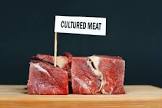
Cultivated meat is real meat but more beneficial for public health
24 February 2022
In a series of 5 videos, we will address and debunk the most important myths surrounding cultivated meat. In today’s video we explain why cultivated meat is real meat and why it is beneficial for public health.
Yes, cultivated meat is real meat.
As long as cultivated meat has the same characteristics and nutritional value as conventional meat it is real meat.
The name ‘meat’ is culturally and individually determined. In the past, meat used to be rather a general term for simply food. And, even today, asking consumers living in the same region whether certain products are meat or not, would provide a variety of answers. A steak is definitely meat, but nuggets and hybrid products could be a matter of debate. Some people do not even consider chicken meat as true meat.
On the question about cultivated meat, the American Meat Science Association (AMSA) came to the following conclusion:
Ultimately to be considered meat, in vitro meat must be originally sourced from an animal cell, be inspected and considered safe for consumption, and be comparable in composition and sensory characteristics to meat derived naturally from animals. In particular, the essential amino and fatty acid composition, macro- and micronutrient content and processing functionality should meet or exceed those of conventional meat.’
Yes, cultivated meat is beneficial for public health.
The cultivated meat production process has a great advantage over livestock: it is performed under sterile and closed conditions, so the risk of pathogens is far less. This is important because of the concerns about antibiotic resistance and infectious diseases.
After all, current meat production is by far the largest consumer of antimicrobial agents.
Moreover, industrial farming is a breeding ground for pathogens and COVID-19 has made very clear to the wide world that zoonoses pose an existential risk.
Studies in other sectors show that in sterile and closed conditions, the incidence of contaminations via bacteria and fungi is very low. This aspect is also important considering foodborne illness. Due to the lack of enteric food pathogens, the risk for foodborne diseases is much lower and it potentially increases shelf lives and reduces spoilage (which means less food wasting).
A final advantage of cultivated meat concerning public health is the absence of trace chemicals. Pesticides, antibiotics, veterinary drugs, heavy metals, among others, are a matter of concern for conventional meat.
These residues are unlikely to appear in cultivated meat.
Regards Mark

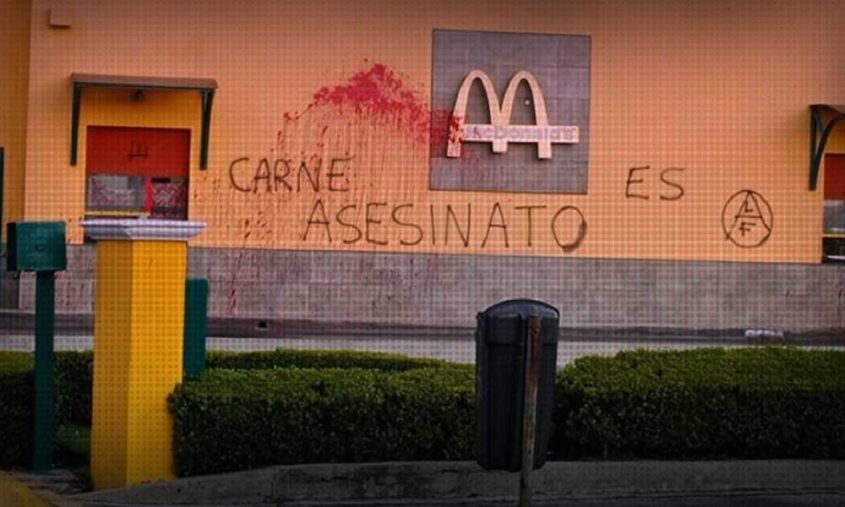
 Those individuals, violently born in this world with the only purpose of being a consumer product, or entertainment, or work, are never recognised for the key role they’ve played in the evolution of the human society. For that reason we believe this violence against animals cannot be analysed or combated without understanding it as systemic violence.
 Its political, economic and cultural connections to the wars add to the pillage and exploitation of nature, humans and animals in all the territories oppressed by imperialism.
 In the US, where there are no federal laws regulating chicken farming, much of this cruelty to animals is not only standard, but legal.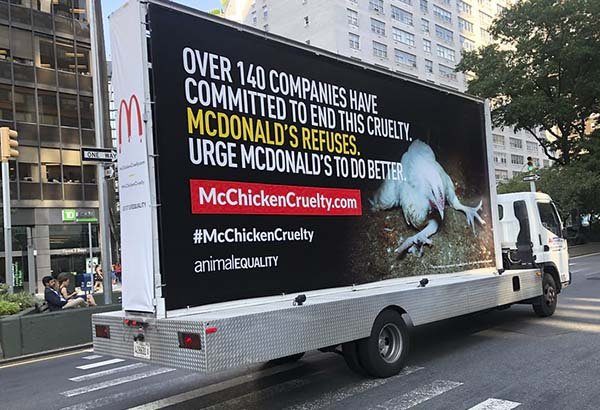
 According to the Luxembourg Minister of Agriculture Claude Haagen, the ban serves to improve animal welfare on the one hand, and on the other hand it also meets the expectations of the population and the agricultural sector itself.
 Luxembourg is sending an important signal, but a ban on animals for slaughter is absolutely not enough, because many animals are officially declared as breeding animals.
 We don’t judge politicians by what they say, but by what they do.


 The Dogs in Distress reporter spoke with Chantal Dostaler, a former dog-sled tour operator of a now-defunct kennel, who revealed that during the summer off-season, dogs were given only one hour per month off their chain.
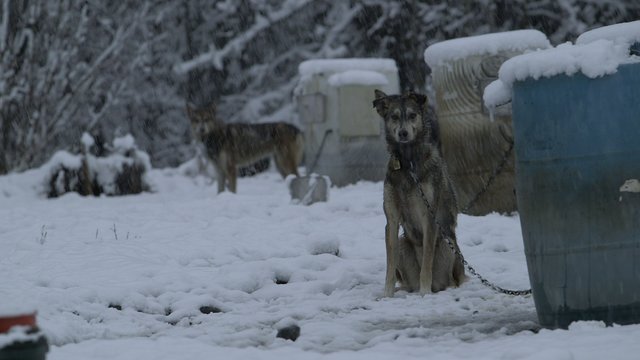 Dostaler added that to save money, she was instructed to feed the dogs as little as possible, to hide sick dogs away from public view, and that when money was too tight to hire the biannual hit person to shoot “surplus” dogs, the operators had staff kill the dogs themselves.
 This death toll doesn’t include dogs who were considered unsuitable for racing, became sick, or grew too weak to be of use to the industry and were killed—or those who died during the off-season while chained up outside, just as Dogs in Distress exposed.

 What is the ultimate justification for abusing animals?




 World Animals Voice