Month: May 2022

Canada: When it comes to animal rights, report finds Canada’s legal system needs improvement.

A new report from Humane Canada shows gaps remain when it comes to how animals are recognized in the law.

“All animals have a life worth living,” says Toolika Rastogi, the senior manager of policy and research at Humane Canada.

The organization’s vision is to have a society that not only embraces its responsibility for animals but also has legal accountability for them. (Humane Canada is a federation of SPCAs and human societies across the country.)

Their latest legal framework — titled The Legal Keystone Report — looks at 12 different indicators. Those indicators range from the the way laws are enforced and the way crime statistics for animal abuse are gathered and tracked to ethical questions like how animals are recognized in the law.

The report’s findings concluded: 

  1. In Canadian legislation, animal sentience is almost entirely unrecognized.
  2. A standardized animal welfare legislation across federal and provincial governments is needed for consistency.
  3. Policies for prosecution of animal welfare offences are absent and most provinces lack a formally-recognized Crown prosecutor who specializes in animal abuse.
  4. Across provinces, definition of offences, powers, and obligations can be inconsistent. Therefore, consistent and comprehensive approaches are needed in provincial legislation. 
  5. Except for bestiality cases tracked in the national sex offender registry, other crime reporting systems don’t incorporate cases of animal cruelty, or specifically identify them.
  6. Violence link is the relationship between violence toward humans, and violence toward animals, which should be addressed together. Few Canadian laws have started to address the violence link, but more provinces need to do so.
  7. Violence link training is being delivered to justice stakeholders through police organizations, non-governmental organizations, and provincial Crown association initiatives.
  8. The development of violence link training programs is crucial but so is the participation of justice stakeholders. 
  9. At the provincial level, there is little information about public allocation of funds for animal protection enforcement.
  10. Of the charges laid in animal abuse cases, there is little information on the number of cases where prosecution was pursued.
  11. Canada lacks an animal welfare advisory body that can support ethical decision-making that reflects Canadian values.
  12. Canada lacks a central body to coordinate on animal welfare issues, or ensure animal welfare and interests are considered.

Through its analysis, Humane Canada found that only one indicator ranked well, or was headed in the right direction: training of justice stakeholders, specifically in their knowledge of the violence link.

The violence link is the connection between interpersonal violence and violence against animals. 

“Many report that their animals are also impacted by that violence, so whether they are also being threatened or they are being harmed to essentially be used for coercion purposes by the perpetrator,” says Rastogi.

She also notes that one in two domestic abuse victims delayed leaving their abusive partners, and one in three women who are impacted by intimate partner violence considered returning to the violent situation for their animals.

“It’s a really important area of violence affecting all family members, whether the human or animal family members. Everybody is at risk in those kinds of violence situations,” she says.

There are some indicators that couldn’t be assessed due to a lack of information, she adds.

“There’s a need to prioritize this area more strongly. In areas that we care about where we want to ensure that we’re doing a good job, we’re tracking information,” says Rastogi.

“And where if there isn’t that interest or drive to ensure that something is working, then resources aren’t typically put into measuring. So, a lack of information in that context means it’s not being prioritized.”

A path to a more humane Canada

When the world shut down in 2020, many Canadians sought companion animals to get through the isolation periods. In fact, three million pets joined Canadian homes.

In B.C., people were more likely to get a dog than a cat.

Rastogi attributes the interest in animal rights to the pandemic pet boom.

“That really increased and resulted in people being a little bit more sensitive to how important animals are in our families and in our lives. They’re members of our families, and members of our community,” she says.

As Humane Canada continues the research project, exploring more than 40 indicators, Rastogi hopes that it will help people see where Canada could be improving on in regard to becoming a more humane Canadian society.

“There’s a great need for further work and in terms of becoming a humane country in terms of our legal system, being reflective of a humane Canada.”


Regards Mark

How humane is Canada towards animals? – Richmond News (richmond-news.com)

India: Animal rescue group endeavours to stop illegal sale of dogs in Dimapur.

Dimapur, May 4 (EMN): Society for Prevention of Cruelty to Animals (SPCA) Dimapur, an animal rescue group, along with the Dimapur Municipal Council (DMC), Veterinary department Dimapur and Dimapur Police conducted a surprise checking on illegal sale of dogs at Supermarket on Wednesday.

The first surprise checking was carried out in the presence of Gaon Bura Union (Sardar) president and general secretary.

The rescue team at Supermarket in Dimapur on Wednesday.

[Also read: Pet lovers in Nagaland campaign against animal cruelty]

A member of SPCA told Eastern Mirror that the exercise was planned a few days ago but most of the vendors, who used to openly sell dogs at Supermarket, were not around when the team visited on Wednesday.

“We supposed that they may have received the information on the checking as there were very few in the market with puppies,” said an animal rights activist.

As it was the first day of checking, the vendors were let off with stern warning against selling of dogs openly on the streets and within the market, said the animal rescue group, adding that most of the vendors were not aware of the Prevention of Cruelty to Animals Act, 1960 under Section 11(1), enacted to prevent cruelty to animals including stray dogs.

The vendors were made aware of the law; that if anyone is found openly selling dogs, cruelly tied up in sacks, they will be fined INR 500 or imprisoned for a period of three months and the dogs will be taken away to shelter home.

It may be mentioned that 90% of the dogs are sourced from Assam to the market in Nagaland especially in Dimapur and there are around minimum of 10 vendors selling the dogs at Supermarket unaware of the laws against it.

The rescue group said that although the fine amount was INR 500, which may be a lesser amount compared to the amount they may receive by selling a dog, the vendors may not risk to be imprisoned for three months.

It may be recalled that the DMC in coordination with the State Animal Welfare Advisory Board Nagaland (SAWAB-N) and Society for Prevention of Cruelty to Animals (SPCA) had cautioned any person dealing in any inhuman manner towards animals could be prosecuted as per the provision of the Act on April 21.

Also, the DMC administrator had notified all the concerned that the Prevention of Cruelty to Animal Act 1960 under Section 11 (1) protects all animals whether domestic or wild, which requires them to be treated in a humane way during transportation, rearing or even while being slaughtered for meat.

The SPCA informed that the surprise checking will be done at regular intervals and requested everyone to immediately inform them if they come across anybody selling dogs openly in the market in Dimapur through – 9774020656, 9884993292, 8837493971.

Animal rescue group endeavours to stop selling of dogs in Dimapur – Eastern Mirror (easternmirrornagaland.com)

Regards Mark

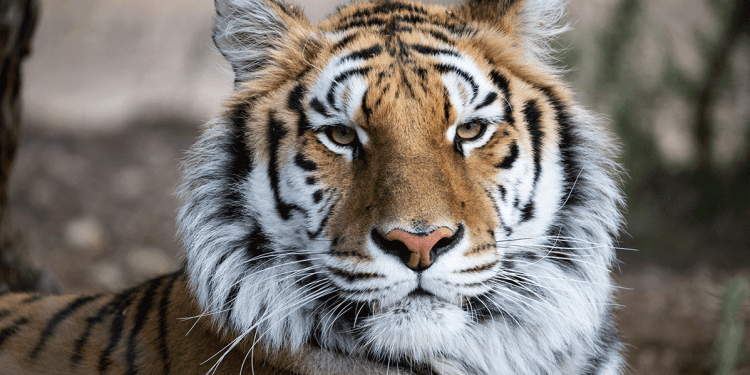
Italy: Investigation into the hidden trade of tigers in Italy.

Picture – LAV

6 May 2022

LAV

A new investigation from LAV has revealed that Italy is a leader in Europe in the trade and breeding of tigers, with an estimate of 85% of the existing big cats on the continent.

Tigers are severely endangered, currently reduced to about 12,000 individuals worldwide. Of these, only 3,900 are in their natural environment, while the remaining 8,100 are held in captivity.

Italy has no restriction on the reproduction of tigers and other big cats in captivity for sale, transfer, or rental.

The current regulatory system leaves circus and travelling entertainment companies free, or with very few prohibitions, to breed almost any type of animal, and to rent, sell, lend, hold them in cages and much more. However the draft law on wild and exotic animals, that was recently approved by the Italian Council of Ministers, must introduce a positive list of animals allowed to be kept as pets and strongly regulate the trade and keeping of these animals.

After discovering the plight of several tigers featured in the investigation, LAV immediately contacted AAP, which decided to start an animal recovery operation. AAP was able to move five tigers (Softi, Toph, Aqua, Merida, and Sanson) to their Primadomus rescue centre located in Villena, Spain. The tigers are fully recovering, thanks to the work of AAP’s dedicated staff.

Investigation into the hidden trade of tigers in Italy | Eurogroup for Animals

Regards Mark

England: 5/5 – Various Animal Photos From The South East.

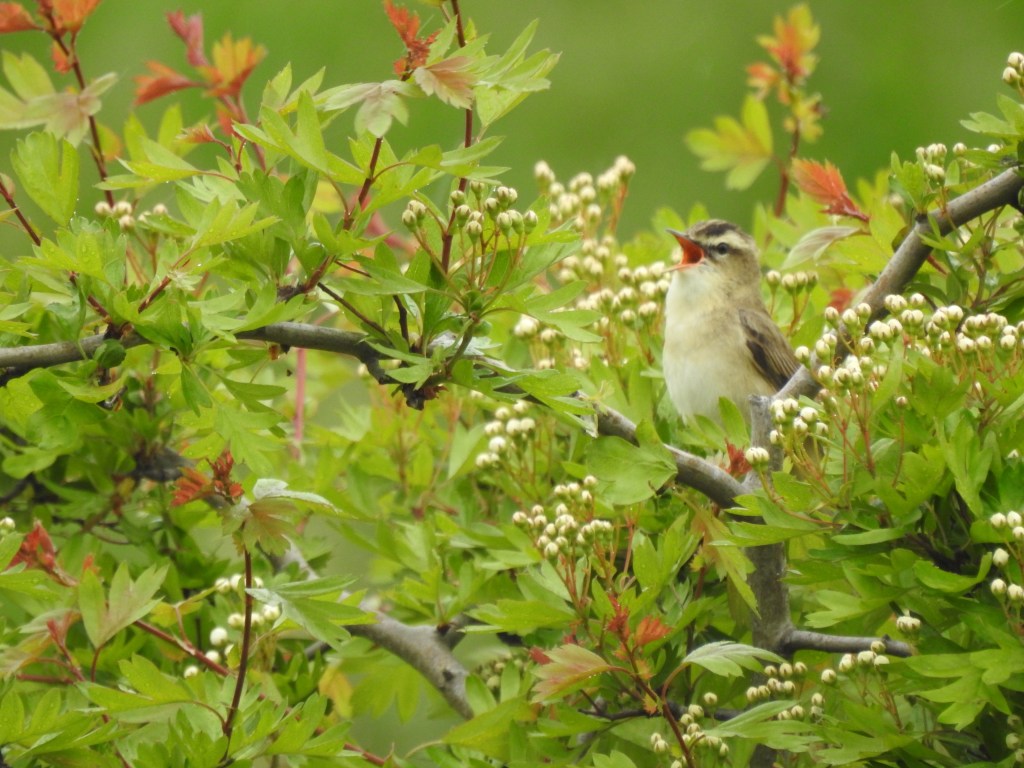
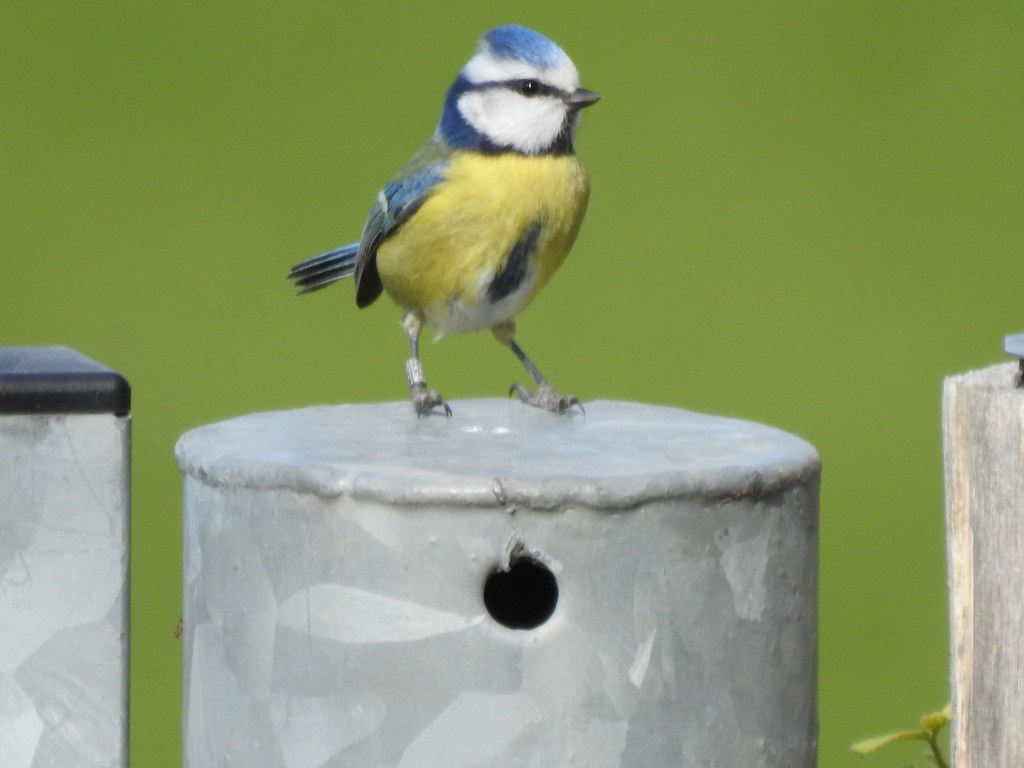
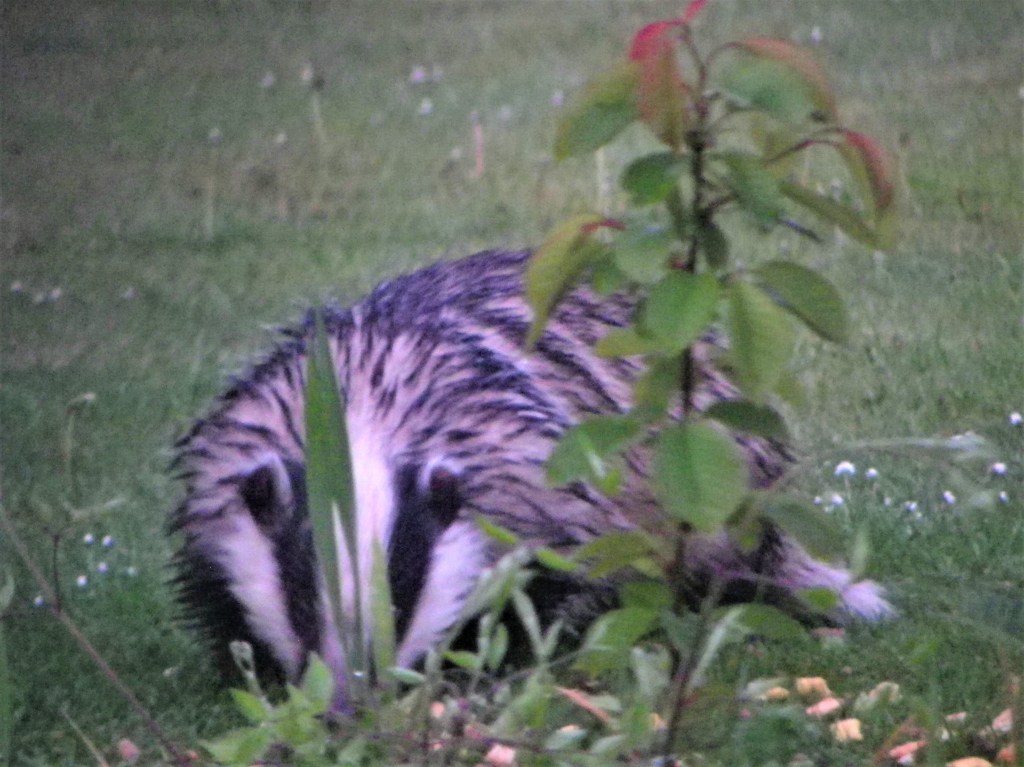
Hi all; lots of wildlife photos taken yesterday; from animal buddy and campaigner Pauline; and the badger in my own back garden. There is a Shoreham sheep – I may write about Shoreham live exports when I get time.

Regards Mark (and Pauline).

Photo – Sparrow in nest box – Pauline.
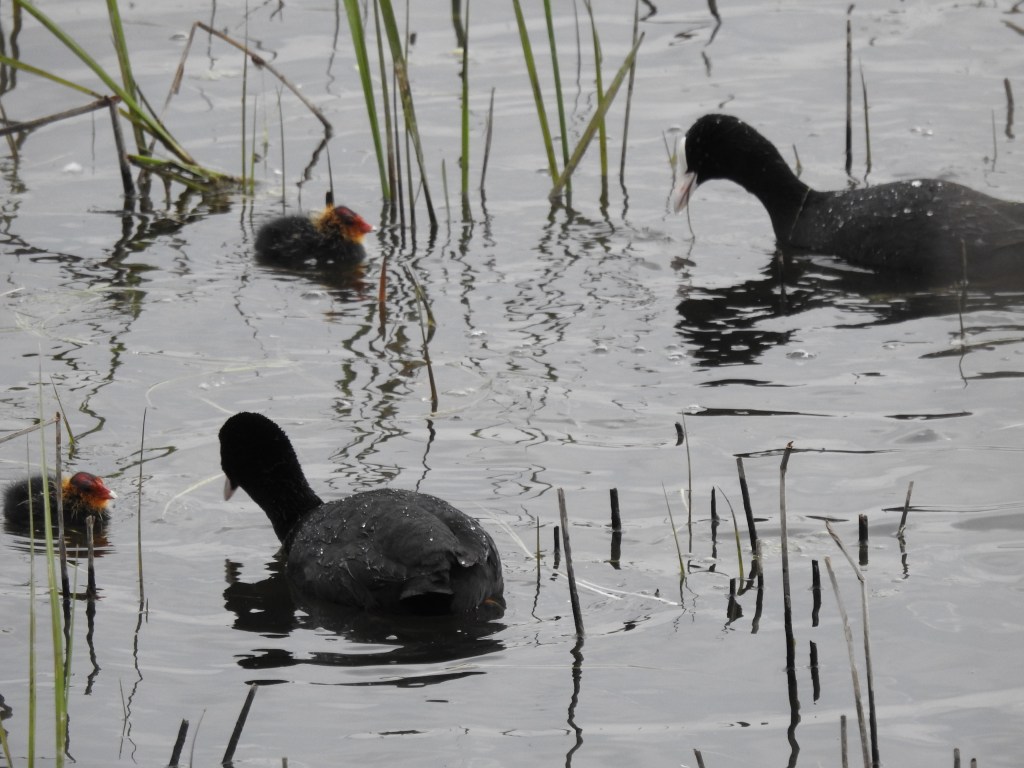
Photo – Female Coot Feeding Youngsters – Pauline
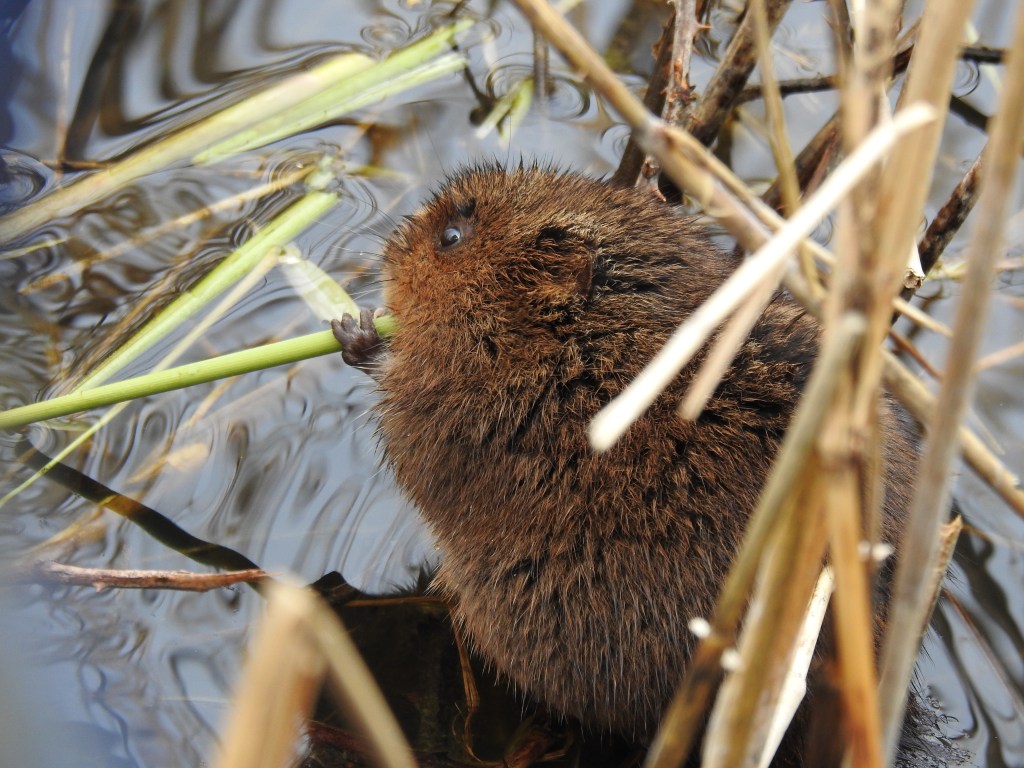
Photo – Water Vole – Pauline
Photo – Pauline
Photo – Water Vole – Pauline
Photo – Pauline – Sheep at Shoreham.
Photo – Pauline (who says note leg ring) – Blue Tit.

Rained on Badger enjoying nibbles in the garden – Photo – Mark

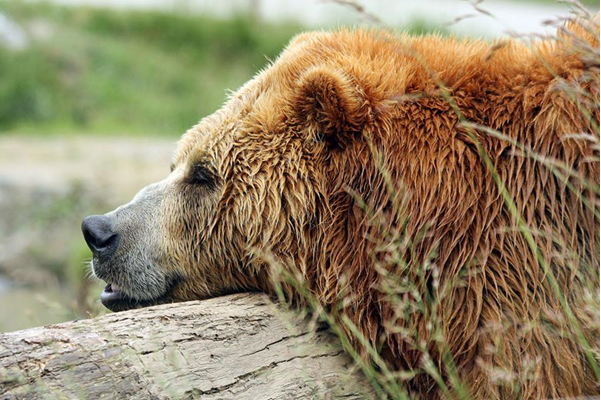
The heartbreaking story of Europe’s brown bears.

It is deeply sickening.

The way brown bears have been treated across the planet – over thousands of years – is one of the most damning examples of humanity’s disdain for the natural world.

Across the globe – and especially across Europe – their homes have been carved to pieces and their populations culled en masse. They’ve been baited, beaten and slammed into cages to spend their lives tortured and performing for grim human amusement.

A simple map of Europe paints the picture in gory detail. In the UK, Germany, Denmark, Portugal, Belgium, Ireland there is not a single surviving wild bear. Not one.

And every casualty behind each of those bloody extinctions was a creature who was truly, undeniably marvellous.

Brown bears are remarkably intelligent – cubs spend years with their mothers learning everything from fishing to finding the plant foods available in each season. They possess one of the most complex brains relative to their size and have more muscle than they know what to do with – allowing them to thrive in forests or steppes or tundra.

But that muscle was futile against human traps, guns and persecution. Almost every bear that wasn’t hidden in deep forests is now dead. The final few in Europe are clinging on in shrinking scraps of habitat and – without help – their chances of surviving this onslaught look slim.

If we want a natural world with brown bears – real bears free from metal cages – then we must help save them. We must not lose them from Europe.

Around a third are hidden away in Romania’s forests, and it’s here that turning their fate around is feasible. Despite centuries of devastation, we now have a realistic hope, with realistic plans. Local people are on board with our project, and we’ve got the expertise to protect the bears.

We just need to secure the forest.

And – through your donations today – we could help do that. We want to help purchase vital land and put up strategic fences to keep the forest and the people who live by it safe. That way we can protect these bears, and give them the safety they’ve needed for generations.

Humanity is irrefutably the villain of this centuries-old tragedy but – with the help of local communities and people like you – we have one last chance to change that, and be the heroes who come through at the end.

Please help save brown bears. If everyone reading this donates just £3, you could help end centuries of suffering and keep bears free and thriving in the wild. Thank you. 

Donation link – Please donate and help protect our planet’s species (fauna-flora.org)

UK: Animal Advocate Oldies, and Still Getting Stronger.

LEAGUE AGAINST CRUEL SPORTS (LACS).

The League Against Cruel Sports (LACS), formerly known as the League for the Prohibition of Cruel Sports, is a UK-based animal welfare charity which campaigns to stop blood sports such as fox hunting, hare and deer stalking; game bird shooting; and animal fighting. The charity helped bring about the Hunting Act 2004 and Protection of Wild Mammals (Scotland) Act 2002, which banned hunting with hounds in England, Wales and Scotland.

Thanks to our friends at Wikipedia:

  • 1924 – The League was founded by Henry B. Amos to oppose rabbit coursing[7] – he was successful in achieving a ban. This resulted in the organisation expanding its remit to include other blood sports – such as fox, hare and deer hunting.
  • In 1935, Amos was jailed briefly for throwing a copy of Henry Stephens Salt‘s Creed of Kinship through a stained glass window at Exeter Cathedral during evensong
  • He first became interested in vegetarianism in about 1886.
Henry Brown Amos (24 May 1869 – 22 October 1946) was a Scottish animal rights activist, humanitarian and vegetarian.
  • 1975 – A bill seeking to ban hare coursing, supported by the League, was passed through the House of Commons, but did not receive approval in the House of Lords.
  • 1978 – The League secured legal protection for otters, including a ban on hunting them. The aquatic mammal was up until that point hunted with packs of hounds, one of the reasons for their numbers declining.
  • 1992 – The League helped secure the Protection of Badgers Act, which expanded the protection of the mammals themselves to their setts. The homes of badgers are illegally targeted for several reasons, including being blocked by fox hunts to stop animals being pursued by hounds fleeing underground.
  • 2002 – Fox, hare and deer hunting and hare coursing was banned in Scotland under the Protection of Wild Mammals (Scotland) Act 2002, which was introduced by MSPs following campaigning by the League and other animal protection organisations.
  • 2004 – Fox, hare and deer hunting and hare coursing was banned in England and Wales under the Hunting Act 2004. The legislation was introduced by MPs following campaigning by the League and other animal protection organisations.
  • 2005 – The Hunting Act 2004 came into force – making fox, hare and deer hunting and coursing illegal across England and Wales.
  • 2005 – The Waterloo Cup hare coursing competition held its final meeting at Great Altcar in Lancashire, closing after 169 years following passage of the Hunting Act.
  • 2006 – A huntsman with the Exmoor Foxhounds was found guilty of illegally hunting foxes with dogs in a private prosecution brought by LACS, but the case was overturned on appeal.[8][9]
  • 2007 – Two members of the Quantock Staghounds were successfully prosecuted by the League following chasing a deer across Exmoor.[10]
  • 2008 – Two members of the Minehead Harriers pleaded guilty to chasing a fox with a pack of hounds in a private prosecution by LACS.[11]
  • 2009 – The League announced a new campaign against dog fighting, amidst news reports that there is an increase in dog fighting in London.
  • 2014 – The League celebrates 90 years of campaigning against cruelty to animals in the name of sport. Figures from the Ministry of Justice show that there have been 341 convictions under the Hunting Act 2004.
  • 2015 – Prime Minister David Cameron offered a free-vote on repealing the Hunting Act, backing down shortly afterwards following pressure form the League, MPs and other animal protection organisations.
  • 2015 – Cross-channel ferry companies stop shipping pheasants and partridges from French factory-farms to British shooting estates, following an investigation and lobbying by the League.
  • 2018 – Conservative Party drops its manifesto commitment to offer a free-vote on repealing the Hunting Act following pressure from the League, meaning no Westminster party any longer supports repealing the hunting ban.
  • 2018 – Scottish Government announces intention to strengthen the Protection of Wild Mammals (Scotland) Act 2002, which bans hunting with hounds in Scotland, following pressure from the League and other animal protection organisations.
  • 2018 – Welsh Government bans pheasant and partridge shooting on public land following campaigning and pressure from the League and Animal Aid.
  • 2018 – The Labour Party backs calls made by the League to strengthen the Hunting Act – including prison sentences for those who chase and kill wild mammals.
  • 2019 – University of Wales suspends pheasant shooting on its countryside campus at Gregynog Hall following campaigning by the League.
  • 2020 – In January 2020, an employment tribunal in Britain ruled that ethical veganism is a “philosophical belief” and therefore protected in law. This is the first time an employment tribunal in Britain ruled this. This case was in regards to vegan Jordi Casamitjana, who stated he was fired by the League due to his ethical veganism.[12

Web link: Home | League Against Cruel Sports

Photo – Mark (WAV) / East Kent Hunt Sabs.

ROYAL SOCIETY for the PROECTION of CRUELTY to ANIMALS (RSPCA)

The society was the first animal welfare charity to be founded in the world.

Founded on the 16th June 1824, by Richard Martin, William Wilberforce and the Reverend Arthur Broome, at the Old Slaughter’s Coffee House, near Trafalgar Square, London, who together agreed that the neglect, cruelty and abuse of animals was unacceptable.

William Wilberforce – One of the RSPCA founders and anti slavery staunch campaigner.

Now very close to its 200th anniversary; and going stronger than ever.

Wilberforce was an advocate and staunch campaigner for the abolition of the slave trade; which he achieved shortly before his death:

William Wilberforce – Wikipedia

This proves that animal welfare campaigners are also strong supporters of human welfare issues, as we show with our support for ‘Free Tibet’ who are based in London:


Search Results for “free tibet” – World Animals Voice

Read a lot more about the RSPCA history at:

Royal Society for the Prevention of Cruelty to Animals – Wikipedia

Web site link:  The Largest Animal Welfare Charity in the UK | RSPCA

Above are a few links to enable you to read and learn more about these wonderful animal advocate organisations;

Regards Mark.

Enjoy

Guns and Roses at London:

USA: Victory for Free Speech as U.S. Supreme Court Declines to Review Kansas Ag-Gag Law.


With thanks to Stacey at ‘Our Compass’ as always – very interesting.

Victory for Free Speech as U.S. Supreme Court Declines to Review Kansas Ag-Gag Law | Our Compass (our-compass.org)

Regards Mark

MAY 2, 2022

Imagine thinking this standard, normalized abuse, is “acceptable” while ignoring how animals feel having to literally experience it …

Source ALDF

The original title, which I took liberty to “modify”, was Victory for Animals and Free Speech as U.S. Supreme Court Declines to Review Kansas Ag-Gag Law

I changed it because, no, this isn’t a “victory” for animals as it doesn’t benefit animals who all suffer on farms (and labs, entertainment, fur farms, zoos, etcetcetc) regardless of a human court decision. A “victory” for animals would be a vegan world.

And it really wasn’t a “victory” for free speech either as ag-gag should NEVER have been considered much less implemented.

And to be fair, it really wasn’t a victory for “transparency” either, as “transparency” would be the actual anag industry publicizing the torture they inflict on animals versus aggressively trying to illegalize OTHER NON-ANAG PEOPLE from sharing undercover footage of the torture the anag industry effortlessly inflicts on animals.

(I’m not criticizing ALDF, they do excellent work, but many in the tiny minority of vegans who actually care about animals, often view even the meager crumbs of a SCOTUS decision upholding an already-legal-and-required constitutional right, as an “animal victory” in the face of global socially-accepted and celebrated normalized violence and suffering.)

But it’s pathetic how anag cheerleaders can’t get their stories straight, always inviting people to, “COME SEE THE FARMS!!!”, or, “HAVE YOU EVER EVEN VISITED A FARM???” while simultaneously relentlessly pursuing ag-gag to criminalize exposure of THEIR criminally inhuman, abusive acts perpetrated on defenseless, vulnerable animals. So much for “transparency”! (And by the way, I’ve never personally witnessed FGM, seeing someone mutilate a child in person, though, is not going to inspire me to change my mind and support FGM.)

But I wanted to share it anyway as it’s worth noting that a conservative SCOTUS has refused to reconsider a lower court’s decision that ag-gag is INDEED unconstitutional (while of course acknowledging that SCOTUS, along with billions of other humans, still don’t care about animals whatsoever; this wasn’t about animal “rights” or animal “freedoms”, this was about privileged human supremacists who don’t care about human animals OR non-human animals and want to hide their animal cruelty while infringing on the rights of humans).

Oh, and the excuse dejour of – it goes something like – maintaining a disease-free perimeter/area due to “biohazard risks” is based on YOUR actions of confining literally tens/hundreds-of-thousands of animals, not people who are exposing your deviant, shameful behaviour. And your track record sucks as diseases – pandemics – are in the news practically daily. But do pretend that you care about all animals while creating hellishly-zoonotic conditions where suffering, death, and disease thrive….

I won’t be holding my breath waiting for SCOTUS to determine that socially-accepted slavery, rape, and murder inflicted on billions of animals yearly in just the USA, should also be abolished based on the inhuman acts of violently exploiting and destroying animals. In the meantime, however, you can be vegan TODAY rather than wait for others to judicially enforce YOUR ethics.

Oh, and for those who experience moral outrage at my word choices of “slavery, rape, murder”, I don’t like your literal actions – condemning animals to such horrific fates – that inspired my words. You should be more concerned with the violent consequences of your choices versus how I accurately describe them with my word choices.

But people love to define the suffering of others in manners that makes them comfortable causing the suffering of others. SRL

Source Animal Legal Defense Fund/ALDF

In a major victory for animals, workers, and transparency In the animal agriculture industry, the U.S. Supreme Court declined to review a decision by the U.S. Court of Appeals for the Tenth Circuit that struck down Kansas’s “Ag-Gag” law for violating the First Amendment. The decision follows a lawsuit filed in 2018 by an Animal Legal Defense Fund-led coalition of animal, environmental, and food safety advocacy groups challenging the law’s constitutionality.

The Kansas law in question made it a crime to engage in activities that are essential to conducting undercover investigations that have in the past revealed horrific treatment of farmed animals and food workers to the public. The appeals court held that Kansas may not silence views critical of industrial animal agriculture. The court’s decision affirmed that videos, articles, advocacy, and public dialogue generated by whistleblowing and undercover investigations of factory farms and slaughterhouses relate to a matter of public concern: The treatment of animals and workers on factory farms and slaughterhouses, and manner in which food is produced. Such speech lies at the core of the First Amendment. The Supreme Court’s decision leaves that important ruling in place.

The 2021 U.S. Court of Appeals for the Tenth Circuit’s decision notes: “[T]he text and legislative history of the Act evince Kansas’s desire to limit the ability of [the Animal Legal Defense Fund] and like organizations to engage in true speech critical of animal facilities.. . .. We reject this approach because it elevates form over substance and permits Kansas to do just what the First Amendment prohibits: ‘license one side of a debate to fight freestyle, while requiring the other to follow Marquis of Queensberry rules.’”

“The U.S. Supreme Court’s decision not to disturb the lower court decisions is a victory for farmed animals, factory farm and slaughterhouse workers, and food and public safety — as it leaves intact the public’s constitutional rights over protecting corporate interests and profits. Until there are cameras publicly broadcasting the conditions within factory farms and slaughterhouses, investigations are the country’s only opportunity to see the horrific ‘industry standard’ conditions under which food is made,” says Animal Legal Defense Fund Executive Director Stephen Wells. “The industry works hard to keep its practices secret, knowing consumers won’t accept the intense confinement and other inhumane treatment of animals, as evidenced by the passing of California’s Proposition 12 and other proposed state legislation.”

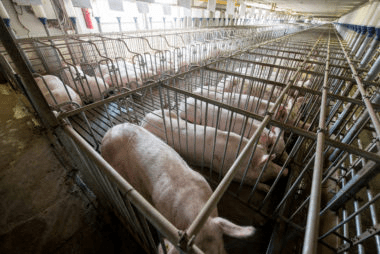
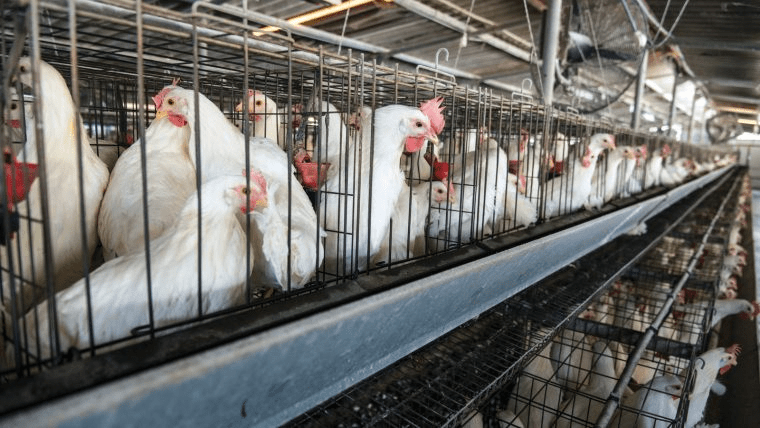
Earlier this year, the Supreme Court agreed to hear a challenge to California’s Proposition 12 ballot initiative, which outlaws the sale of animal products from pigs held in gestation crates, calves held in veal crates, and eggs from hens kept in battery cages. The measure passed after undercover investigation footage exposed the cramped and cruel conditions in which pigs, calves, and chickens spend their lives at industrial animal agricultural facilities.

Source ALDF

“The Supreme Court’s refusal to review the Tenth Circuit’s decision leaves in place important constitutional protections for investigators working with animal rights groups to expose misconduct in the industrial animal agriculture industry,” says Alan Chen, a University of Denver law professor who helped lead the lawsuit against Kansas. “This is a big win for the national campaign against Ag-Gag laws.” Enacted in 1990, the Kansas Ag-Gag law was the oldest in the United States. Kansas is a major agricultural producer with the third-most cows of any state, and until being struck down, its Ag-Gag law had successfully prevented whistleblowers from investigating the conditions that millions of pigs, cows, chickens, and other animals endure.

There have been nine lawsuits challenging state Ag-Gag laws around the country. Earlier lawsuits have resulted in courts striking down similar laws or portions of laws in Iowa, North Carolina, Idaho, Utah, and Wyoming. The Eighth Circuit Court of Appeals will soon consider the constitutionality of Iowa’s second law, after striking down Iowa’s first law and recently clearing the way for an Animal Legal Defense Fund-led coalition’s lawsuit challenging Arkansas’ law to proceed. A decision concerning North Carolina’s law is pending in the Fourth Circuit Court of Appeals. The Animal Legal Defense Fund is also currently challenging a third Iowa law in the U.S. District Court for the Southern District of Iowa.

The Kansas coalition is comprised of the Animal Legal Defense Fund, the Center for Food Safety, and state farmed animal organizations Shy 38, Inc. and Hope Sanctuary. The coalition is represented by Public Justice, leading First Amendment scholars, the law firm Foley & Mansfield, and attorneys with the plaintiff organizations, with assistance from Joshua Rosenkranz and the Supreme Court & Appellate practice at Orrick Herrington & Sutcliffe.

Download Your FREE Vegan PDF HERE

Order a FREE vegan kit HERE

Dairy-Free Info HERE

Take the Dairy-Free Challenge HERE

Click HERE for more Dairy-Free

Fish alternatives can be found HERE

Learn about eggs HERE

Find bacon alternatives HERE and HERE

Take PETA’s Cruelty-Free Shopping Guide along with you next time you head to the store! The handy guide will help you find humane products at a glance. Order a FREE copy HERE

Searching for Cruelty-Free Cosmetics, Personal-Care Products, Vegan Products, or more?
Click HERE to search.

Free PDF of Vegan & Cruelty-Free Products/Companies HERE

Click HERE to find out How to Wear Vegan!

Want to do more than go vegan? Help others to do so! Click below for nominal, or no, fees to vegan literature that you can use to convince others that veganism is the only compassionate route to being an animal friend:

PETA HERE

Vegan Outreach HERE

Get your FREE Activist Kit from PETA, including stickers, leaflets, and guide HERE

Have questions? Click HERE

Regards Mark

Northern Ireland: Greens Pledge To Continue To Fight For Animal Rights.

The Green Party NI has pledged to continue to work on animal welfare and animal rights in the next Assembly mandate.

Making the party election pledge, North Down candidate Rachel Woods said: “It is incredibly disappointing that Northern Ireland is still the only part of the UK without a ban on hunting with dogs. The Green Party NI was the first party to introduce a law to ban hunting, but this was voted down by Stormont, in 2011, and again when another ban was proposed last year. It is long overdue that these horrific practices are outlawed.

Rachel Woods.


“I submitted a public petition to the Assembly in December 2020 calling for the creation and implementation of Lucy’s Law, regulations which puts limits the sale of puppies and kittens. We have a lot still to do on puppy farming and the illegal breeding and sales of animals.

“I am also working with the Justice for Reggie campaigners in England who campaign on closing the loopholes in the roll out and enforcement of Lucy’s Law – something we should consider looking at now, rather than waiting and repeating the same mistakes.

“I would like to see more powers and resources given to local councils across Northern Ireland to allow the monitoring and enforcement of breeding standards.

“A key priority for me is fighting against the DUP Minister’s badger cull included in the new Bovine TB Strategy. Badgers are a protected species, and the evidence is clear that culls do not work. I am deeply concerned with the proposal, and I am supporting the legal action which is now being taken against this. I would also like to see reform of Animal Welfare legislation, and the reform of planning legislation with regard to protected species and animals, which is currently not fit for purpose.

“We also need to empower police forces to develop and implement local wildlife-crime strategies and provide resources to enable the courts to develop expertise in animal cruelty cases and adopt sentencing guidelines for wildlife crime.”

Regards Mark

Source:

Greens Pledge To Continue To Fight For Animal Rights | Northern Ireland News, 26/04/2022 (4ni.co.uk)