Category: Environmental

Australia gave endangered birds to secretive German ‘zoo’, ignoring warnings.

File photo of a Carnaby’s black cockatoo

Australia’s environment department gave permission for 232 birds to be exported to Germany, including threatened species such as Carnaby’s black cockatoos. Photograph: blickwinkel/Alamy.

Australia’s environment minister orders investigation into export of hundreds of endangered parrots

Sussan Ley announces audit after Guardian Australia revealed her department allowed the birds to be exported to Germany

https://www.theguardian.com/environment/2020/sep/04/australias-environment-minister-orders-investigation-into-export-of-hundreds-of-endangered-parrots

The environment minister, Sussan Ley, has appointed an auditor to investigate her own department over the export of hundreds of native and endangered parrots to Germany over a three-year period.

Guardian Australia revealed in 2018 that the Australian government permitted the export of hundreds of birds to a German organisation despite concerns they were being offered for sale rather than exhibited.

The Berlin-based Association for the Conservation of Threatened Parrots (ACTP) received permission to receive 232 birds between 2015 and November 2018. It was more than 80% of all the live native birds legally exported from Australia in the same period.

Australia gave endangered birds to secretive German ‘zoo’, ignoring warnings

The exports included threatened species such as Carnaby’s and Baudin’s black cockatoos, worth tens of thousands of dollars each.

Ley said on Wednesday she had asked the secretary of the department of agriculture, water and environment, Andrew Metcalfe, to launch an independent investigation into all decisions by officials relating to the export of native and exotic birds, specifically those that went to the ACTP. Financial services firm KPMG is conducting the audit.

She said Australians needed to be able to have faith that the system was protecting wildlife. “I am disgusted by suggestions of native animals being sold overseas for exhibition, and then actually being used for profit,” Ley said.

The review will examine management of native bird exports, the circumstances in which permits were issued allowing exports to ACTP, and the department’s capacity to regulate the system.

Guardian Australia’s investigation revealed the environment department approved the transfer of more than 200 birds to Berlin over three years on the grounds they would be used for a zoo exhibition despite the organisation having no facilities that were freely open to the public.

Private messages on social media showed native Australian birds apparently from ACTP had been offered for sale for hundreds of thousands of dollars. The German federal agency for nature conservation said at the time it was aware of those offers. With respect to advertisements for a pair of glossy black cockatoos imported from Australia by ACTP it said it had looked into the offers and found the birds had been legally imported and bred, and there were no limits on trade.

Both Australia and Germany are signatories to the convention on international trade in endangered species (Cites), which governs the importing and exporting of rare and endangered birds.

Australian law says no native species can be exported for commercial purposes.

‘A legitimate zoo?’ How an obscure German group cornered global trade in endangered parrots

The parrots in this case were purchased legally from local breeders and birdkeepers, and exported after the environment department recognised ACTP as a zoo.

The species exported included glossy black cockatoos, yellow-tailed black cockatoos, and a variety of lorikeets.

Multiple emails from the Australian environment department to ACTP, obtained by Guardian Australia under freedom of information laws, revealed concerns that exported birds, or their offspring, would be sold.

They showed department officials repeatedly relied on statements written by Cites officials at the German federal agency for nature conservation, and by ACTP itself, to verify the nature of the organisation.

Departmental correspondence noted that the Australian aviculture industry had expressed concerns about the number of birds sent to ACTP. A briefing addressing these concerns was sent to the then environment minister, Josh Frydenberg, in October 2017.

Responding to the previous investigation the head of ACTP said the organisation was “extremely careful to follow all the rules and regulations set by both our German authorities and those of the other countries whom we deal with”. He accused Guardian Australia of harassing ACTP associates and fabricating stories about the organisation

The environment department told Guardian Australia in May that its inquiries had not uncovered any evidence of breaches of permit conditions or international environmental law.

Ley said on Wednesday that she did not know whether there had been breaches, but there had been “too much conjecture for too long”.

“We need to put a line under it once and for all,” she said. “If there are lessons to be learned, we need to learn them. Ultimately, I want people to have confidence in the process.”

The Queensland Coalition MP Warren Entsch, who raised concerns about the issue as early as 2017 and has repeatedly called for an independent investigation, welcomed Ley’s decision and said an audit was long overdue.

“What I want to come out of this review is that we return integrity to the process of zoo to zoo transfers,” Entsch said. “And I want the officers that facilitated this process to be held accountable.”

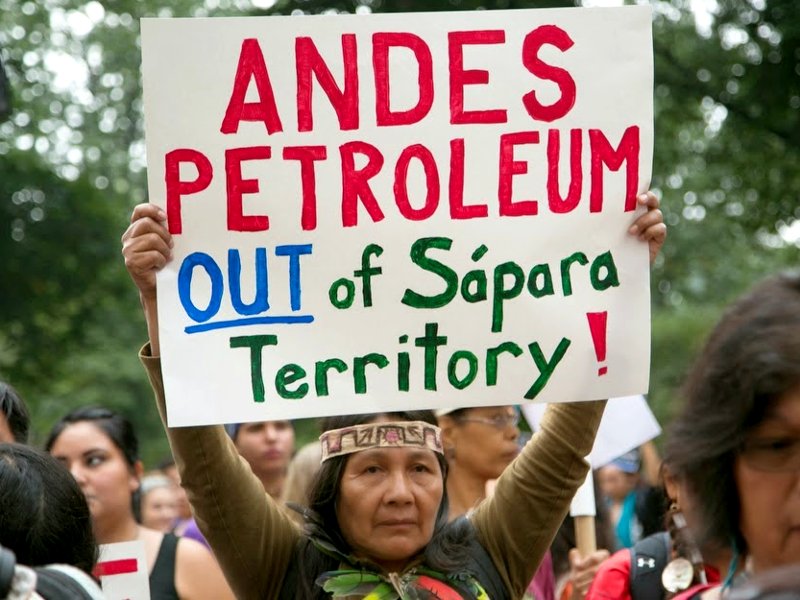
Amazon Frontlines – Judge Sides With Oil Companies – More Than Disgusting !

Dear Mark,

Unbelievable. Today, after months of unjustifiable delays in the lawsuit brought by Indigenous communities for the massive oil spill that occurred in the Amazon on April 7, the judge dismissed their case, citing that his court, which processes constitutional rights violations, was the incorrect legal venue. 

What does this mean? It means that the judge sided with the oil companies by claiming that the constitutional rights of Indigenous peoples and nature were not violated by the spill, despite overwhelming evidence to the contrary.

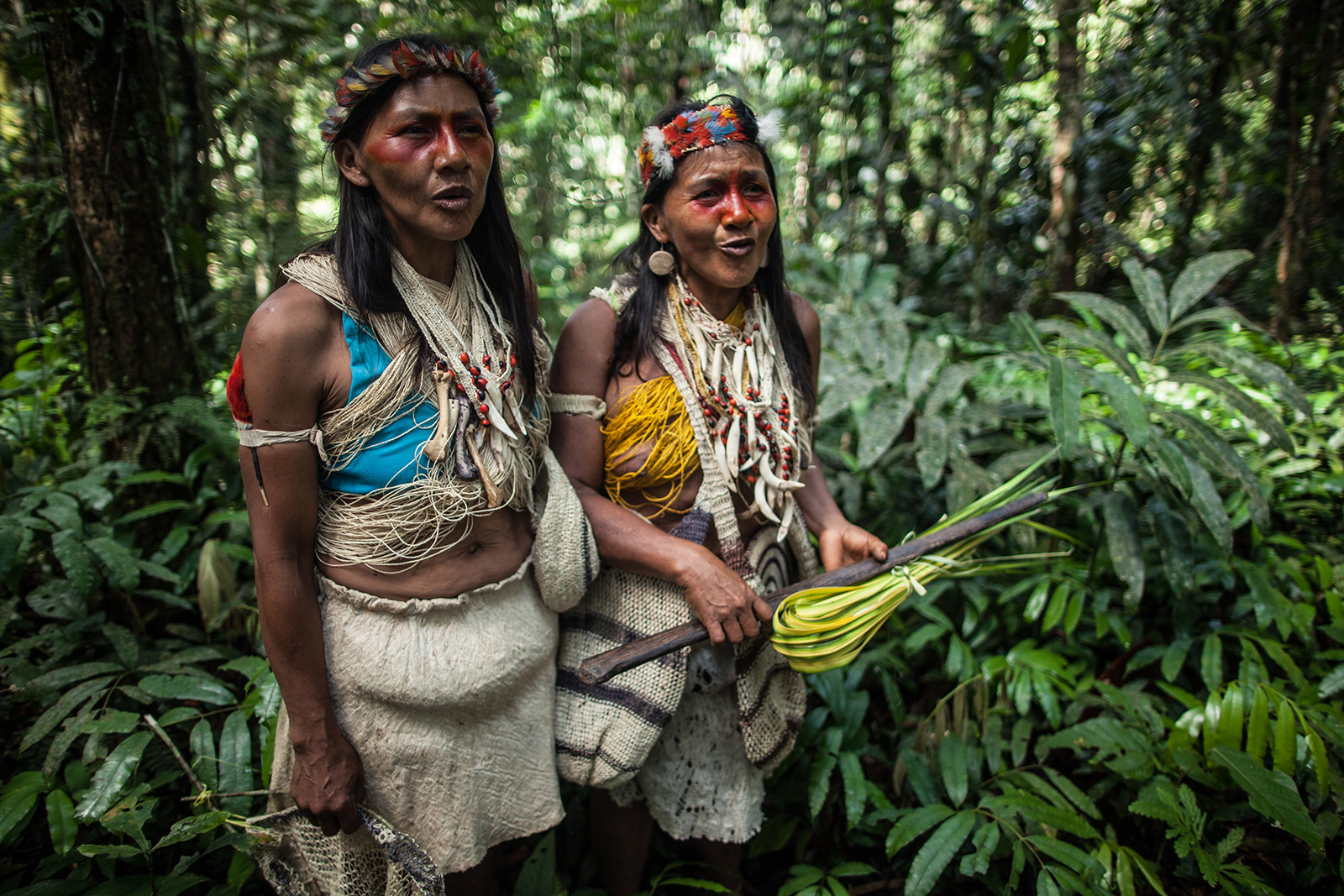
Dirty crude oil contaminated the biodiverse headwaters region of Ecuador’s Amazon and affected the health and livelihoods of thousands of Indigenous Kichwa community members, and yet, this decision gives oil companies OCP and Petroecuador a free pass for their pollution and raises serious concerns about the oil industry’s influence over the judicial branch.

It is what Indigenous communities’ have feared since the start of this trial—that the justice system is rigged in favor of the country’s economic interests and doesn’t guarantee Indigenous peoples’ rights. It also tarnishes Ecuador’s pioneering constitution, which was the first in the world to incorporate “rights of nature”.

Can you believe the oil companies actually claimed the oil spill was an unpreventable “act of nature” and that the river would clean itself over time? They also claimed to have supplied adequate food and water to communities whose lands and drinking water were contaminated, but the families who received limited supplies say the aid was nowhere near enough to survive on and came with strings attached. 

It’s not over yet. The Kichwa, backed by Amazon Frontlines and other allied organizations, will appeal and fight back.

More than 300 Indigenous community members from different nationalities came together on Monday to march with the Kichwa people in solidarity and demand justice. While the outcome of the lawsuit is not what we hoped for, the road to get here has strengthened the Indigenous movement in Ecuador and prepared us for the next phase.

We hope that you will continue to stand with us when that time comes. It has never been clearer that the power of the oil industry must be challenged. Join us and our Indigenous partners in calling for an end to extraction in the Amazon. 

The Amazon Frontlines Team

Help the fight back:

https://www.amazonfrontlines.org/amazon-extraction/public/action

https://www.amazonfrontlines.org/amazon-extraction/public/

https://www.amazonfrontlines.org/amazon-extraction/public/news

We stand throughout; united with the wonderful indigenous peoples of the Amazon – they must be protected from the abusers in the oil industry – WAV.

AMAZON WATCH » Indigenous Groups Fight Back Against Oil Industry after  Pipeline Spills Poison the Amazon

Isolated Peoples of Peru's Amazon | Pulitzer Center
AMAZON WATCH » Historic Victory in the Fight for Indigenous Rights and to  End Amazon Crude
Indigenous people blocked Ecuador oil auction in growing fight to save  Amazon | Salon.com

U.K Government Told: ‘Stop Ignoring Link Between Animal Farming And Climate Crisis’.

U.K Government Told: ‘Stop Ignoring Link Between Animal Farming And Climate Crisis’

‘They must acknowledge that we can only avoid climate catastrophe by way of a full transition to a plant-based food system’

MARIA CHIORANDO

SEP 1, 2020

The U.K government is facing calls to stop ignoring the link between animal farming and the climate crisis.

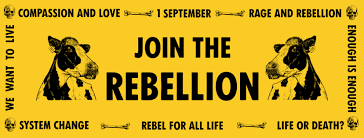
Animal Rebellion – an offshoot organization of environmental advocacy group Extinction Rebellion which is calling for a plant-based food system – has launched a 10-day rebellion against the U.K government as MPs return to Parliament.

The group has vowed to carry out ‘creative and inspiring actions across London and the U.K’ in a bid to persuade politicians to meet three key demands: to ‘tell the truth’ about animal farming and fishing being a leading cause of climate catastrophe; to ‘act now’ by leading a transition to a just and sustainable plant-based food system; to create and be led by the decisions of a Citizen’s Assembly on climate and ecological justice.

‘A plant-based food system’

“Those in power can no longer ignore the link between animal farming and the climate emergency,” Kieran Blyth, a spokesperson for Animal Rebellion, said.

“They must acknowledge that we can only avoid climate catastrophe by way of a full transition to a plant-based food system.”

‘Any sort of future’

Celina Madigan, a member of Animal Rebellion and former primary school teacher, added: “I loved my job and being able to transfer knowledge to the younger generation, but my students will not have a future unless we make changes now. 

“We need a transition to a just and sustainable plant-based food system if we, and the next generation, are to have any sort of future on this planet.”

‘The science is clear’

Kerri Waters, a researcher at Animal Rebellion, said: “Animal agriculture is responsible for up to 18 percent of global greenhouse gas emissions – more than the whole transportation sector combined – and up to 83 percent of global farmlands. 

“The most comprehensive research project on the environmental impact of farming and food distribution, published by Joseph Poore in 2018, concluded that a plant-based food system could reduce global farmlands by 75 percent.”

Harley McDonald-Eckersall, a spokesperson for Animal Rebellion, concluded: “The science is clear, yet those in power still refuse to act. That is why we will be going straight to the top and bringing the animal and climate emergency to the halls of power.”

https://www.plantbasednews.org/news/-u-k-government-stop-ignoring-link-animal-farming-climate-crisis

EU MUST USE TAXPAYERS’ MONEY WISELY AND PROMOTE PLANT-RICH DIETS


EU MUST USE TAXPAYERS’ MONEY WISELY AND PROMOTE PLANT-RICH DIETS

Today, we submitted feedback to the EU’s food marketing campaign, currently under review. We call on the EU to use taxpayers’ money wisely and promote plant-rich diets in order to reduce animal suffering, improve our health and save our planet.

Every year, the EU Commission gives away around €200 million of public funds to promote agricultural products in order to enhance the competitiveness of EU agriculture. Instead of tackling our over-consumption of animal products by promoting plant-based products only, the EU gives out subsidies to promote meat and dairy consumption.

This policy is outdated and not in line with the needs of the 21st century. EU funding used for the promotion of animal products should eventually cease. During the transition period and till it is actually stopped, any funding should be limited and made conditional on meeting higher animal welfare standards using certain eligibility criteria.

Compassion in World Farming and other NGOs call for a minimum 50% reduction in land animal and fish products by 2030, with a concomitant rise in plant-rich nutrition.

The EU’s commitment to meat, dairy and fish production may have overshadowed the opportunities for growth in its horticultural sector. Promotion budgets should be directed to production and consumption of organic, healthy, minimally processed wholegrains, fruit, vegetables, nuts, legumes and other plant nutrition.

Promotion policy should, therefore, be used to help create changes in demand to provide producers with market incentives that are consistent with a transition towards a healthy, nutrition minded agriculture, and environmentally, socially and animal welfare friendly food systems.

The EU should also shift focus away from promoting exports to the internal market instead and support a sustainable food systems transition. The use of public money should be fully aligned with a sustainable food policy within and outside the EU.

The EU Commission’s public consultation on the topic is open until 11 September 2020.

You can submit your response here.

Source:  CIWF London.

https://www.ciwf.eu/news/2020/08/eu-must-use-taxpayers-money-wisely-and-promote-plant-rich-diets#start

USA: Support the Wolf Conservation Center – Call on Gov. Inslee to End WDFW’s Assault on Wolves.

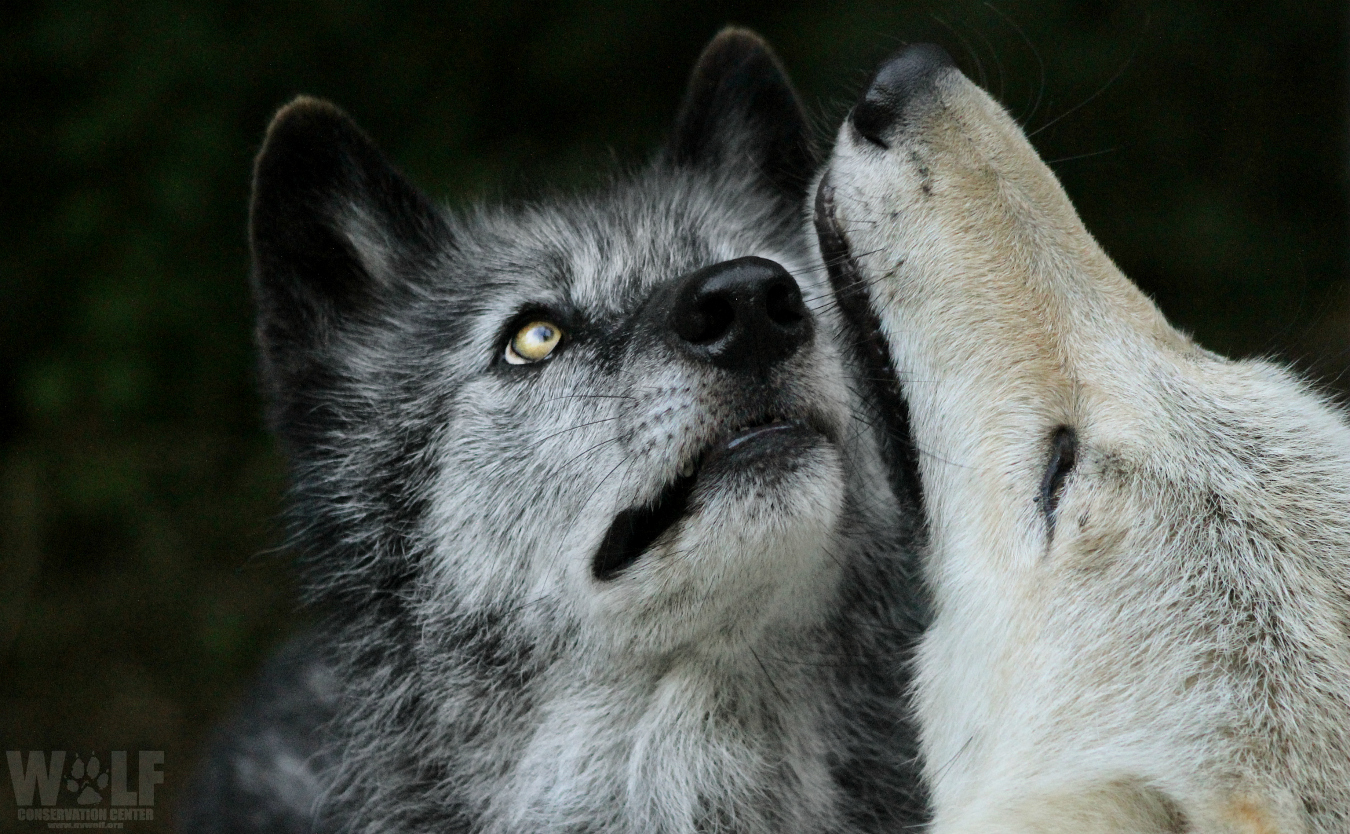
Scared wolf


Help the Wolf Conservation Center

Call on Gov. Inslee to End WDFW’s Assault on Wolves

Last fall, Washington Governor Jay Inslee instructed the Washington Department of Fish and Wildlife (WDFW) to better support co-existence between Washington’s livestock industry and the recovering population of endangered gray wolves. In his letter, Governor Inslee instructed WDFW to “make changes in the gray wolf recovery program to further increase the reliance on non-lethal methods, and to significantly reduce the need for lethal removal of this species… The status quo of annual lethal removal is simply unacceptable.”

Two weeks ago, WDFW gunned down the last two known survivors of the Wedge wolf family in response to predation on cattle grazing primarily on public lands. Today, the agency is out hunting for up to two wolves from the Leadpoint pack.

WDFW has killed four state-endangered wolves since receiving Gov. Inslee’s letter, and 34 wolves since 2012, when wolves had just begun to return to Washington after their extermination in the 1930s by livestock interests and government eradication programs.

This full-page advertisement paid for by Predator Defense appears in today’s Seattle Times. Consider amplifying its message by contacting Governor Inslee today!

It’s almost been a year since Governor Inslee instructed WDFW to change the way it manages wolves. The agency cannot continue to ignore this instruction. To change the status quo, Governor Inslee must act now. 

Please take action by respectfully calling on Governor Jay Inslee to end WDFW’s assault on wolves.

Take action now for Washington’s wolves:

Petition action Wording:

Emergency: Stop the Senseless Killing of Washington’s Wolves

On August 17, 2020, Washington Department of Fish and Wildlife (WDFW) Director Kelly Susewind confirmed killing the last two known remaining members of the Wedge wolf pack (an adult male and an adult female) in response to cattle depredations, primarily on public lands.

Although peer-reviewed research demonstrates that killing wolves is an ineffective solution to deter predation on cows and can even result in increased attacks, WDFW gunned down an adult female wolf on July 27, and as science predicted, livestock attacks continued after her death.

Killing is not the answer.

Yet WDFW has resorted to killing wolves living in this same spot rugged forest land for years. In fact, they killed the original Wedge pack in 2012 for the very same reason. The original Wedge pack was accused of preying on livestock in the Colville National Forest eight years ago and, under Washington’s wolf management plan, the state opted to issue kill orders in an attempt to protect the livestock. The state killed the entire family of state endangered wolves.

In the eight years since the original Wedge pack was destroyed, not much has changed. Livestock owners still graze their cows on rugged, forested public lands that are better suited for native ungulates, and WDFW is still killing wolves to benefit the profit margins of private businesses. In fact, at least 26 of the 34 state-endangered wolves that have been killed since 2012 were shot on behalf of the same livestock operator.

While it’s too late to protect the other 34 endangered wolves WDFW has gunned down since 2012, other Washington wolves still need our help.

Please take action to respectfully call on WDFW Director Kelly Susewind and Washington Governor Jay Inslee to immediately end their assault on Washington’s wolves.

Recipients

  • Governor Jay Inslee
  • Director Kelly Susewind

Take action now for Washington’s wolves:

the long journey through the ocean


Loggerhead turtles are certainly among the most wandering sea creatures.

Immediately after hatching, they begin their long journey through the ocean. Investigations from Florida showed that the turtles use the earth’s magnetic fields to orientate themselves on their journey of up to ten years.

These loggerhead sea turtles swim thousands of kilometers through the North Atlantic, float in the North Atlantic currents, only to one day return to the beach on which they were born.


And… we, the human animals with the so-called “highly developed” brain, do not even need ten years to destroy the oceans and its inhabitants.

Regards and a good night from Venus

International Vegan Film Festival – It’s going virtual – Thanks Stacey.

International Vegan Film Festival – It’s going virtual

Thanks to Stacey at Our Compass for sending all this info to us.

https://our-compass.org/author/ourcompasses/

Source IVFF

Ottawa, Canada — The International Vegan Film Festival will be doing something entirely new for its third annual event. It’s going virtual.

The 2020 Festival will take place online with digital screenings, panels, filmmaker Q&As and more from October 10th – 17th. The event will take place on the Eventive platform with the full schedule of event and ticket information being released in mid-September on the Festival website.

Founded in 2018, The International Vegan Film Festival is the world’s premier vegan film festival, dedicated to celebrating the vegan ideal: a healthier, compassionate, environmentally-friendly lifestyle that can be achieved through the consumption of plants and animal-free alternatives.

“Like many other live events around the world, we’ve had to adapt to prioritize the safety, comfort and well-being of our community,” said Festival Executive Director, Shawn Stratton.

The full list of films playing in the festival will be available in late September. Below are a few of the films that will be included:  

Regan Russell – A Short Documentary

On the morning of June 19, 2020, Regan Russell was outside Fearmans slaughterhouse in Burlington, Ontario for a special vigil to give water to thirsty, dehydrated pigs when a pig transport truck drove right into her and dragged her body for more than 15 meters. This documentary showcases Regan’s young life, her involvement in animal rights, her last day of activism, and the aftermath of her death.

Butenland

The story of a former dairy farmer, an animal rights activist and the first cow retirement home.

A farm that has become a farm for life – the former dairy farmer Jan Gerdes and the animal welfare activist Karin Mück have created a place with their project Hof Butenland where there are no more livestock: a peaceful coexistence that seems almost utopian.

INVISIBLE

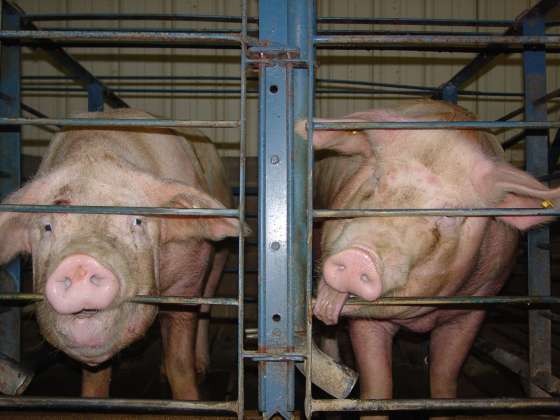
INVISIBLE is a short film exploring a dangerous and secret world that has never before been documented. Following undercover investigators ‘Sarah’ and ‘Emily’ (their names have been changed to protect their identities) on an investigation at a pig farm in Europe, INVISIBLE grants the viewer unprecedented access to a world that is deliberately and painstakingly covert.

Stratton said that “this year has given us an opportunity to think creatively about how we can make the festival more accessible and innovative than ever before, and we are excited to deliver a memorable experience that honors all the reasons we’ve become known as the premier event for vegan-themed content creators and film enthusiasts.”

This year’s fest still promises to highlight more short and feature-length films than ever. The full program and lineup will be released next month. It’s also planning “virtual social opportunities” to facilitate discussions between filmmakers and audience members.

“One of the reasons I started the International Vegan Film Festival was to help people discover outstanding vegan-themed films they have not heard of before or may never had an opportunity to see. I also wanted to give vegan themed filmmakers another platform to highlight their work to more audiences. You can discover and re-discover the enormous positive impact becoming vegan can have on health, farmed animals, and the environment through the film festival. With the festival now going online, we are making it even easier for people to discover these outstanding films.”

Judges

The Festival judging panel includes a who’s-who of the vegan world, including Miyoko Schinner, the founder of Miyoko’s Creamery, Dale Vince, CEO of Ecotricity—the UK’s first and largest green energy provider—and owner of the all-vegan Forest Green Rovers football club, as well as David Flynn, one of the twin brothers behind Irelands vegan ‘foodie empire’ Happy Pear.

As well, Seth Tibbott, the founder and Chairman of The Tofurky Company and author of In Search of the Wild Tofurky, has recently agreed to join this year’s IVFFF Photo Essay Contest judging panel.

Vegan Photo Essay Contestsubmissions close Aug 31, 2020

Aside from the film festival, they also put on other initiatives such as a virtual screening in partnership with We Animals, and a Photo Essay to showcase creativity amongst professional and amateur photographers. Until August 31, 2020, applicants can submit a series of 3-5 images depicting vegan lifestyle, health and nutrition, animal welfare, or environmental protection. Winners will be announced during the festival in October and will also receive a $250 CAD cash prize.The jury is seeking a sequence of images that conveys a compelling story or message – with each image strong enough to stand on its own while conveying a greater narrative when viewed in the photographer’s desired sequence.

Stratton says, “The Vegan Photo Essay Contest is a great way for anyone with a camera and a story, not just professionals, to be involved in the festival.” The contest even has a Youth category to encourage young people to become more involved in sharing vegan themed stories. 

Download Your FREE Vegan PDF HERE

Order a FREE vegan kit HERE

Download Your FREE Dairy-Free PDF HERE

Take the Dairy-Free Challenge HERE

Click HERE for more Dairy-Free

Fish alternatives can be found HERE

Learn about eggs HERE

Find bacon alternatives HERE

Take PETA’s Cruelty-Free Shopping Guide along with you next time you head to the store! The handy guide will help you find humane products at a glance. Order a FREE copy HERE

Searching for Cruelty-Free Cosmetics, Personal-Care Products, Vegan Products, or more? Click HERE to search.

Click HERE to find out How to Wear Vegan!

Want to do more than go vegan? Help others to do so! Click below for nominal, or no, fees to vegan literature that you can use to convince others that veganism is the only compassionate route to being an animal friend:

PETA HERE

Vegan Outreach HERE

Get your FREE Activist Kit from PETA, including stickers, leaflets, and guide HERE

Have questions? Click HERE

Go Vegetarian to Save Wildlife and the Planet, Sir David Attenborough Urges.

App-y Birthday: David Attenborough Turns 90

Go vegetarian to save wildlife and the planet, Sir David Attenborough urges

Sir David Attenborough is urging people to go vegetarian or cut back on meat-eating to save species from dying out and to produce more food.

In a new Netflix documentary, A Life On Our Planet, the veteran naturalist says: “We must change our diet. The planet can’t support billions of meat-eaters.

“If we had a mostly plant-based diet we could increase the yield of the land,” the Mirror reported him as saying.

“The wilder and more diverse, the more effective. We must grow palm and soya on deforested lands. Nature is our biggest ally.”

Experts say that using swathes of land to grow feed solely for livestock is wasteful because animals are inefficient converters of calories, and that growing human-edible crops on the land would provide more total food.

Sir David, whose Blue Planet II series prompted widespread efforts to reduce plastic use, also warned that we should make the world wild again to save it.

The growth of animal farming worldwide and rise in demand for meat and dairy are considered key factors in deforestation, which is threatening the extinction of many wild species in the food chain, from insects to elephants and big cats.

“The true tragedy of our time is still unfolding – the loss of biodiversity,” Sir David reportedly says in the film.

“Half of fertile land on Earth is now farmland, 70 per cent of birds are domestic, majority chickens. We are one third of animals on Earth. This is now our planet run by – and for – humans.

“There’s little left for the world. We have completely destroyed it.”

The 94-year-old warns: “Scientists predict by 2030 the rainforest turns into a dry savannah, altering the global water cycle. The Arctic becomes ice-free, global warming increases, frozen soils release methane and accelerate climate change dramatically.

“By 2080 global food production enters crisis, soils overused, weather more unpredictable. The planet becomes four degrees warmer, large parts of the world uninhabitable.

“A sixth mass extinction is well under way. Our garden of Eden will be lost. I wish I wasn’t involved in this struggle. I wish I wasn’t there.”

Sir David urges the world to restore biodiversity and rewild the world, which, he says, would be “easier than you think”.

He adds: “Our planet is headed for disaster. We need to learn how to work with nature rather than against it.

“Human beings have overrun the world.”

Referring to the loss of wildlife and growth of meat production, he warns: “We’re replacing the wild with the tame,” but says: “If we act now, we can put it right.”

In 2017, Sir David revealed that he had stopped eating meat, and last year reportedly said: “I haven’t been a doctrinaire vegetarian or vegan, but I no longer have the same appetite for meat. Why? I’m not sure. I think subconsciously maybe it’s because of the state of the planet.”

Peter Stevenson, chief policy adviser of Compassion in World Farming, has reported that: “For every 100 calories fed to animals in the form of human-edible crops, we receive just 17-30 calories in the form of meat and milk.”

WWF says the UK food supply alone is directly linked to the extinction of about 33 species at home and abroad.

A Life On Our Planet will be in cinemas from 28 September before being released globally on Netflix in the autumn.

Read more

Earth accelerating towards mass extinction, scientists warn

Sixty scientists sign open letter calling for less meat in schools

UK’s love of chicken ‘fuelling mass forest loss in South America’

Meat-eating humans pushing planet’s biggest animals towards extinction

David Attenborough’s new series Our Planet is not urgent enough

Industrial farming ‘is driving the sixth mass extinction of life’

Sri Lanka bans the criminal business with palm oil. Super!

Addressing the inaugural session of the ninth Parliament, the President announced that he would prohibit the cultivation of palm oil, among other measures to aid the plantations sector.

He presented his policy statement at the Parliament after ceremonially declaring the ninth Parliament opens on 20 August 2020.

President Gotabaya Rajapaksa


He said that the income from industries such as tea, coconut, and rubber is currently unsatisfactory.

“We will commence operations to develop tea plantations while assisting small and medium scale tea estate owners as well. Due to the shutting down of tea factories, tea estate owners have encountered a number of difficulties.

We will restart these factories and eliminate existing irregularities simultaneously encouraging the export of high-quality tea products.

We will reclaim the global brand name we held for Ceylon Tea.” he stated.

Accordingly, the planting of coconut saplings will be encouraged, and to enact a reasonable price for rubber, local rubber industrialists will be encouraged to utilize their own products.

He further stated that the cultivation of palm oil trees will be stopped completely.

Furthermore, the production of export crops, such as pepper and cinnamon, will be promoted, and opportunities to generate substantial foreign exchange will be provided to farmers through value addition to agricultural products and export measures.

https://ceylontoday.lk/news/president-s-policy-statement-palm-oil-cultivation-banned

——————————————————————————————————-

My comment: Even before the election, the president made it clear what he thought of palm oil, and like the environmental groups that have also voiced concerns about the cultivation of oil palms, he resolutely said: No to palm oil. No deforestation for palm oil.

His brother, ex-President Mahinda Rajapaksa, caused a worldwide sensation when he banned glyphosate.

Sri Lanka became the second country, after El Salvador, to completely ban the sale of glyphosate herbicides when glyphosate was shown to be responsible for the growing number of chronic kidney disease (CKDu) in Sri Lanka.

Studies in Sri Lanka have shown that not only is nature being destroyed, but also that the water table is falling due to the concentrated growth of palm oil.
Other studies done in Indonesia indicate that groundwater quality is also affected by the adverse effects of the fertilizer required to grow oil palms.

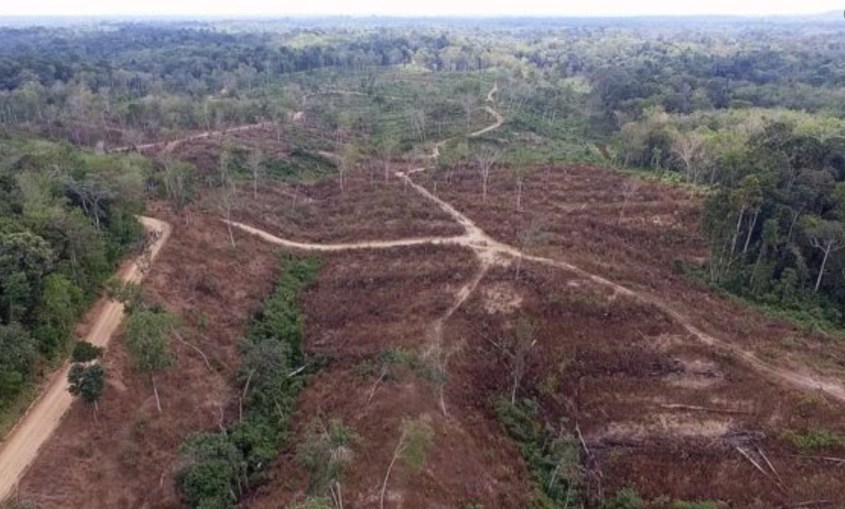
Deforestation for new palm oil plantations Indonesia
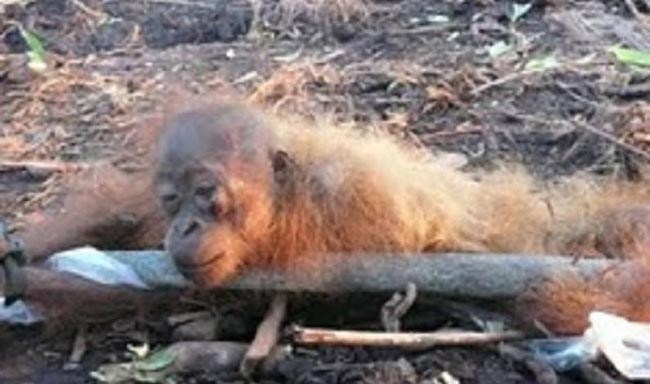
 

Surface temperatures in the region have risen- making them more susceptible to wildfires. They destroyed habitats that have led the Sumatran Orangutan to be listed as critically endangered.

Records also show signs of animal cruelty as Orangutans have been found buried alive or killed by guns and other weapons. It is estimated that should this large scale deforestation continue, we might very well have to say goodbye to the wild Sumatran Orangutan within the next 5-10 years and the Sumatran Tiger is less than 3 years.

This industry not only threatens environmental conservation purposes but animal welfare too.

It’s a very good decision!!
If some European prime ministers had the strong character of President Gotabaya Rajapaksa, we would have come much further in nature and animal protection.


My best regards to all, Venus