Category: Environmental

England: ‘Extinction’ ! – The Warning To Us All.

England 14/9/20.

The BBC aired a television programme last evening; called ‘Extinction’.

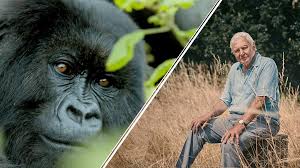
It involved animal campaigner and naturalist David Attenborough, and lasted for 1 hour.

Basically, the programme was based around the destruction of the environment, and the destruction of the biodiversity – the animals (big and small) which all interact to keep things as they should be.

It showed the ravages that humankind is having on the environment and the abuse and destruction of animal species.

More than anything, it was a warning to mankind and the governments who are turning the other way – the ‘ignorants’.  The message was simple, clear; get your act together very soon or face the consequences for all mankind. 

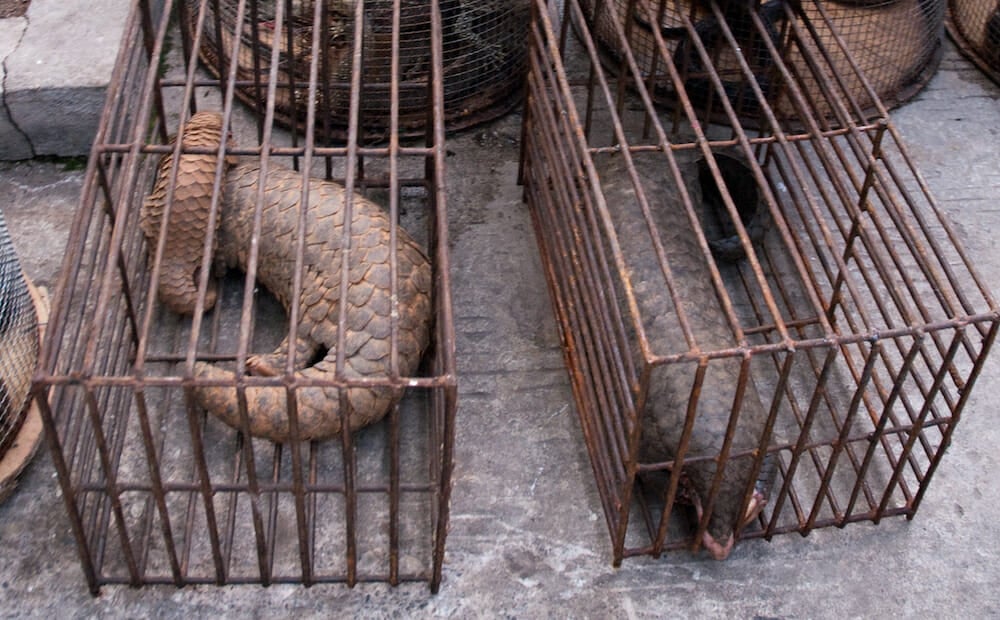
As a campaigner, I was personally pleased that the programme (sadly, the BBC usually keeps it clean and politically polite) decided to push the envelope a bit, by showing footage of caged animals at Wuhan wet markets, destruction of the Amazon rain forest, Bats, Pangolins, White Rhino; interviews with rangers in Africa, and importantly; Covid 19 overview; asking if this was the last virus we would see.  The campaigner experts who contributed to the programme gave the message that things are bad, very bad; but we still can sort many of the problems if only the mass dickhead governments woke up to what people are asking; and what they want – IMPROVEMENTS. Is the Amazon destruction not just one prime example ?

This morning; the next morning, there are a couple of reviews by the UK national press which I copy below.

I do not know if the programme can be seen on Youtube, or if it will happen.  UK citizens can re watch or first time watch the programme using the iplayer (catch up) system which is only available in the UK.

Wherever you are in the world; this programme must be seen at some time.  As I say it is simply called ‘Extinction’. See it as soon as you can.

Here are the newspaper reviews from this morning – no doubt there will be more soon and I may add as extra posts as necessary.

Regards Mark

The ‘Guardian’ – an excellent newspaper which covers masses of environmental issues:

https://www.theguardian.com/tv-and-radio/2020/sep/13/extinction-the-facts-review-a-heartbreaking-warning-from-david-attenborough


Extinction: The Facts review – a heartbreaking warning from David Attenborough

With an eighth of the planet’s species at risk of dying out, this documentary offered a stark look at the devastation that humans have wreaked, and are wreaking, on the natural world.

It is hard to absolutely, positively look forward to an hour-long programme about the many varied, catastrophic ways we have ruined the world around us. David Attenborough’s Extinction: The Facts (BBC One) was as upsetting as you might expect. If his earlier Planet Earth series delivered joyous portraits of nature at its most spectacular, here we had beautifully shot footage of monkeys desperately leaping into a river to escape a forest fire, a baby bear looking lost in a ransacked, smoking landscape, and the corpses of killer whales, tangled in fishing nets, rotting on the shore.

It was unbearably painful to watch.

People who make programmes about the environment are constantly searching for new ways to force us to pay attention, to make sure we resist the temptation to change channel in search of less distressing content. This time they tried making the theme of extinction feel urgent by filtering it through the prism of the coronavirus pandemic. But there is something depressing about this need to persuade people to focus on the imminent extinction of 1m different species by appealing to our self-interest, highlighting how humans will ultimately suffer as a result of the devastation we have brought upon ourselves.

“This year, we have been shown we have gone one step too far. Scientists have linked out destructive relationship with nature to the emergence of Covid-19,” a mournful Attenborough said. It’s sad that both the scientists and the film-makers sense the problem of extinction has to be shown to hurt us (in the form of triggering global pandemics that cut a swathe through humanity) before we really care enough to engage.

Because, actually, once you had steeled yourself to absorb the stream of images of the tragedy unfolding around us, this was an immensely powerful film on its own terms, and not simply in the context of the extra disruption that Covid-19 has caused over the past six months.

Attenborough’s regretful delivery of the facts only made them worse to hear. There were a few flashes of a youthful, more carefree version of him, laughing as he filmed endangered mountain gorillas in Rwanda in the 70s, but his tone has become stricken, acknowledging the failures of his and current generations to tackle the challenge.

He was joined by a chorus of aghast scientists, offering a bald summary of the accelerating state of decline. One million species out of 8m on earth are now threatened with extinction, they reminded us. Since 1970, vertebrate populations – birds, mammals, amphibians and reptiles – have declined by 60%. While extinction is a natural process, it is the current rapid rate that is the problem. Studies suggest that extinction is now happening hundreds of times faster than the natural evolutionary rate and it is accelerating.

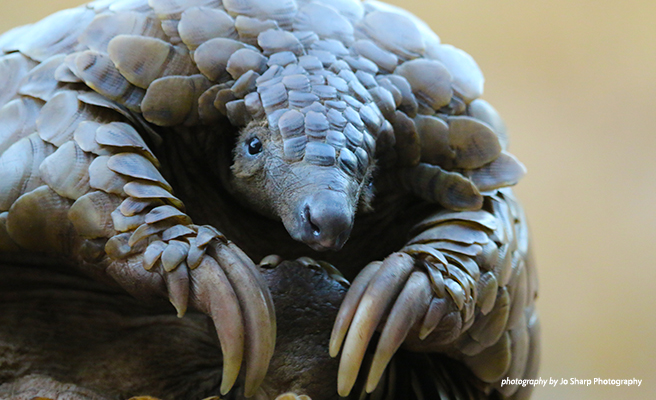
As you would expect from an Attenborough film, we learned much about some of the world’s most extraordinary animals, but touching footage of the giant anteater (who carries its pup lovingly draped over its back) was there only to illustrate the rapidly dwindling area of its remaining habitat in Brazil. Endearing shots of the nocturnal pangolin, which can consume 70m ants a year, was included only because it has become the most trafficked animal in the world, as a result of specious claims about the medicinal properties of its scales.

All this was set against the unforgiving soundtrack of a whirring electric chainsaw, cutting into the thick trunks of ancient trees, and the crunching of industrial machinery crashing through the forests.

The only polar bears and tigers that featured were the decapitated hunting trophies stored in customs warehouses, next to grinning crocodile heads and confiscated snakeskin boots.

There is a formula that makers of this documentary genre struggle to get right. They need the correct balance between displaying current levels of devastation and instilling a sense of urgency, while simultaneously offering an optimistic promise that it still isn’t quite too late for things to change. Contemplating his own mortality, Attenborough did his best. “I do truly believe that, together, we can make a better future. I might not be here to see it, but if we make the right decisions at this critical moment, we can safeguard our planet’s ecosystem.”

He showed how careful work by Rwandan conservationists has ensured that the mountain gorillas he filmed in the 70s have survived.

But this offered only a faint glimmer of hope. Images of the planet’s last two remaining white rhinos were the starkest illustration of how badly things have gone wrong. (see photo below)
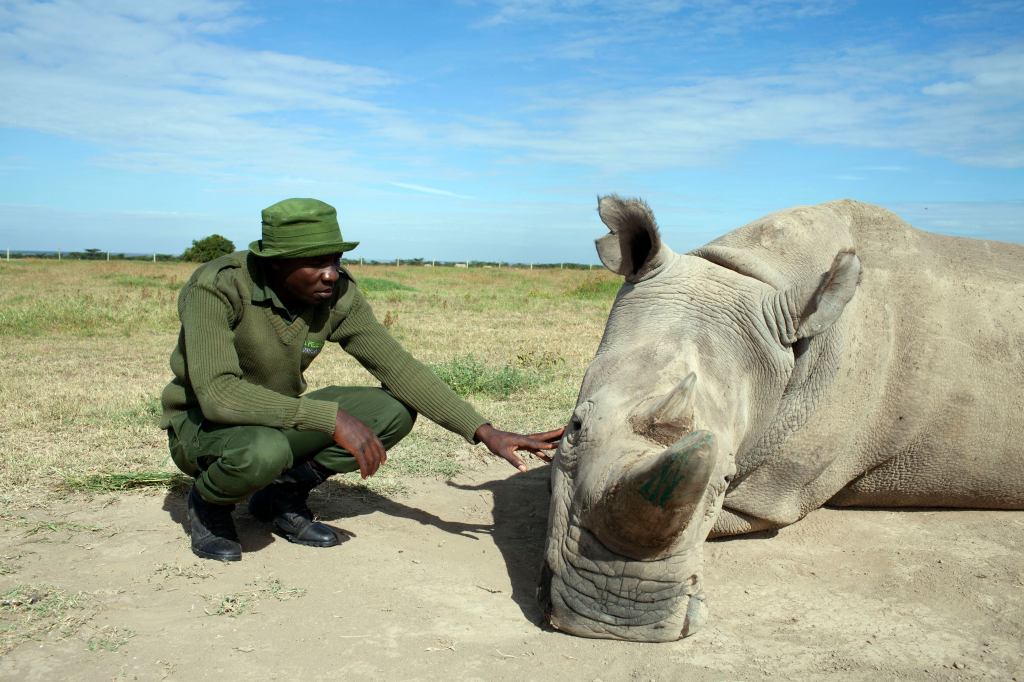
We betrayed them,” the Kenyan conservationist James Mwenda said.

A heartbreaking hour, but essential television.

The ‘Independent’ is non politically biased; and again reports on some outstanding environmental and natural issues:

https://www.independent.co.uk/arts-entertainment/tv/reviews/david-attenborough-extinction-facts-review-bbc-documentary-new-b420994.html

The BBC documentary points out that there is no earthly reason why a new virus won’t one day wipe out the very species that has been trying to kill the planet for the past few centuries – us lot 

You might have thought a pandemic that has taken half a million lives, inflicted pain and suffering on many millions more, and cost us trillions would make us think twice about the way we humans interact with nature. It seems not. The poor old pangolin and blameless bats are still being flogged and slaughtered in various so-called wet markets, even though it is widely believed that the coronavirus emerged through the close proximity of humans to these usually harmless wild animals.

As Extinction: The Facts makes clear, however, many deadly viruses – Sars, Ebola, Aids – have infected us via still-thriving wildlife markets and the intrusion of humans into natural habitats to rear cattle or grow soya (for animal feed) or produce palm oil (for processed food and fuel); places we don’t really belong. So, as the impressive collection of environmental talking heads assembled for this latest message from Sir David Attenborough depressingly points out, even when the climate crisis and mass extinctions are a clear and present danger, and coronavirus is taking our loved ones, humanity is still incapable of changing its voracious ways.

The documentary points out that there is no earthly reason why some new virus will not one day appear that is even more infectious and deadly than this coronavirus, and could wipe out the very species that has been trying to kill the planet for the past few centuries – us lot.

You could call it a revenge attack.

Still, it’s always nice to see nature’s survivors on film, and Attenborough is certainly one of them. If it’s possible to be a youthful 94-year-old, then that is what he is, his passion undimmed. He made his earliest TV appearance back in 1954, chasing giant anteaters around scrublands. These days, his knees probably aren’t up to that sort of lark, so his contributions are limited to impassioned pieces to camera, linking the archive footage of cute creatures, breathtaking panoramas and the controlled explosions of anger from thoughtful environmentalists. He also wouldn’t find it so easy to run around with anteaters now because there are fewer about; they too are losing out to land needed for cattle, to feed humans’ insatiable taste for a juicy burger.
Indeed, much of the show is basically a parade of animals that are on their way out – the last killer whale pod around Scotland (rendered infertile by pollution), the last two northern white rhinos (poaching), and of course the beleaguered pangolin (bogus “medicinal” usages for its scales, which are just keratin, the same as your fingernails).

Attenborough and his peers try to offer a little hope with the enviro-doom, because otherwise you’d just wipe away a tear, shrug and help yourself to another Big Mac, seeing as there is sod all anyone’s going to do about anything. Or you could join Extinction Rebellion and glue yourself to a train.

Thus it was genuinely moving to learn that the mountain gorillas Attenborough famously befriended four decades ago, then on the brink of extinction, have actually staged a recovery. That intimate encounter from his landmark series Life on Earth (1979) has lost none of its power, and seeing Sir David so young adds some poignancy. Now, an enlightened scheme taking money from tourists and, basically, using it to pay the local community to protect them, has seen the great apes population rise to more sustainable levels.

The wider message is that the planet too can be saved, if only we ease up on our consumption and waste.

Covid, said one expert, is a “moment” when we can reconsider how we live our lives. That’s true, but the inconvenient fact is that we all know we won’t, and we too are on our way to extinction.

The viruses may inherit the Earth. 
Possibly a copy should be viewed by this person who blames everyone else for the issues:
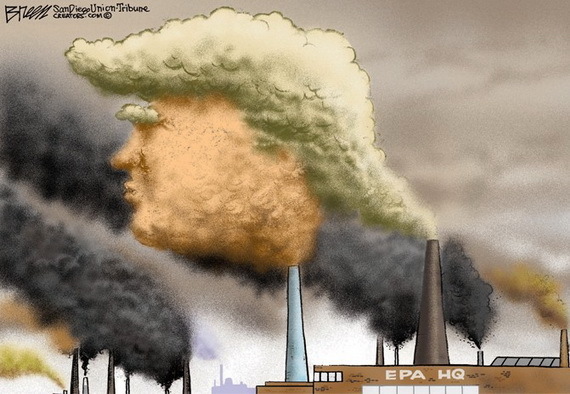
https://www.bbc.co.uk/news/world-us-canada-54144651

https://news.sky.com/video/us-wildfires-trump-blames-unprecedented-fires-on-forest-management-12070774

https://eu.usatoday.com/story/news/nation/2020/09/14/western-fires-35-dead-air-quality-may-not-improve-until-october/5790205002/

https://www.theguardian.com/world/2020/sep/13/us-west-coast-choked-by-smoke-as-firefighters-tackle-deadly-wildfires

Hey its ‘Bad (Forestry) Management; – am I not the chief ‘Manager’ ? – yes, but blame someone else !

What about pulling the Paris climate issue Mr ‘President’ ? – Karma ?
Polar bears, the fascinating giants

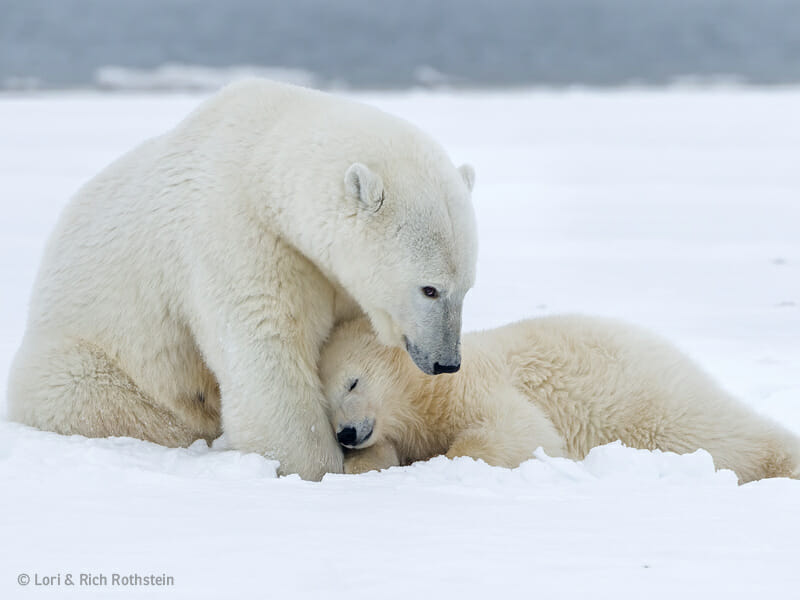
Did you know that polar bears aren’t actually white at all? Or that the loners meet up with conspecifics to cuddle? These exciting facts about polar bears give a glimpse into the life of the white giants.

1. Polar bears are actually black
Black skin is hidden under the snow-white fur of the polar bears. It offers the animals the advantage of being able to keep themselves warm because dark skin heats up faster due to the warmth of the sun. The light fur reflects the sun’s rays onto the skin and also serves as an insulating layer.

2. Polar bear men are giants
They are the second-largest land carnivores in the world after the Kodiak bear. Adult polar bear males can grow to be over two meters tall and weigh an average of between 400 and 600 kilograms. Female polar bears are only half as heavy.

3. Polar bears are smart hunters
Polar bears feed primarily on seals. But since they cannot swim as fast as their prey, they do not chase after them but lie in wait for them.
Seals keep coming to the surface of the water at holes in the ice to catch their breath. There the polar bears often wait for hours until a seal emerges from the ice hole.

4. Polar bears migrate many kilometers
When the pack ice in the south of the Arctic melts in spring and summer, seals migrate further north. The polar bears follow their food source for many kilometers in order not to starve. However, some polar bears do not manage to follow the rapidly thawing ice in time and remain on the mainland, where they have to feed on their fat reserves.

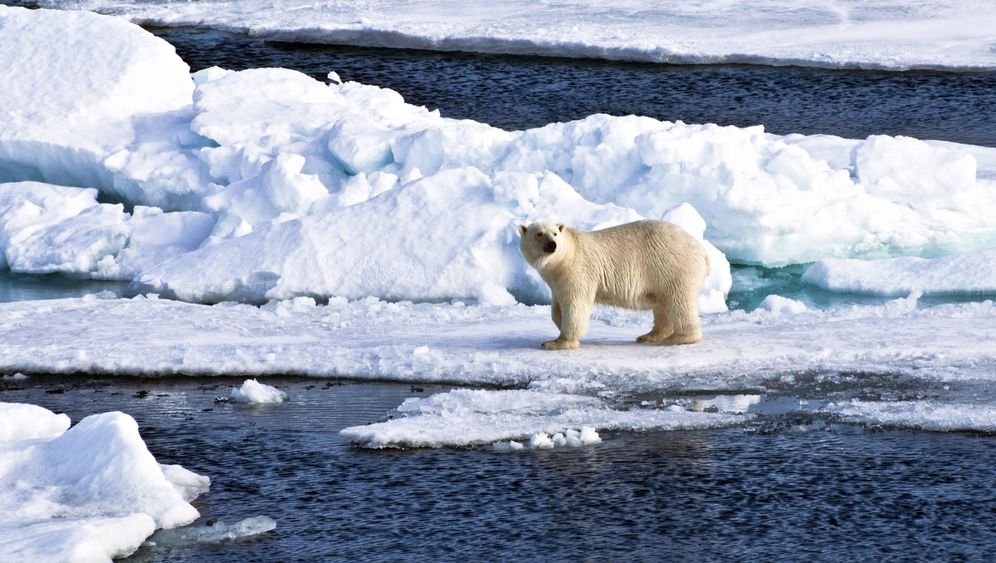
Norway, Svalbard Islands, Scandinavia, Spitsbergen, A polar bear wandering on the ice pack north of the Svalbard archipelago Image by © Bruno Cossa/SOPA RF/SOPA/Corbis

5. Polar bears are friendly loners
By nature, polar bears prefer to be alone. But when they meet conspecifics, the gathering is usually peaceful. They share their prey with their own kind, play with each other, and even cuddle at night.

Continue reading “Polar bears, the fascinating giants”

China Is Becoming A ‘Battleground’ For Plant-Based Meat Creators, Says Fox.

(Photos: Adobe. Do not use without permission. Edited by PBN)

China Is Becoming A ‘Battleground’ For Plant-Based Meat Creators, Says Fox

‘Although people are returning back to the normalcy after Covid-19, consumers are concerned about the link between meat products and the virus’

China is becoming a ‘battleground’ for plant-based meat creators, according to media giant Fox Business.

The news outlet penned a feature on how a slew of companies are aiming to ‘tap into’ the Chinese market – but warned it could be ‘challenging’ due to the cost of plant-based meat.

The article follows an announcement from Beyond Meat who says it has ‘pushed forward’ plans to set up production in China – whilst Impossible Foods says it’s awaiting regulatory approval to enter the Chinese market.

Recently, Swiss conglomerate Nestlé also announced plans to build a plant-based food facility in Tianjin as part of a $103.58 million investment

COVID-19

Whilst China still consumes more meat than any other country, it has seen a spiked interest in plant-based alternatives triggered by the coronavirus pandemic.

This follows wet markets – where live animals are freshly slaughtered and kept in close proximity to humans and dead animals – being identified as a possible source of the virus spread.

Founder of Bits x Bites, China’s first food tech venture capital group, Matilda Ho told Fox Business: “Although people are now returning back to the normal routine after Covid-19, consumers are concerned about the potential link between meat products and the virus. Some are reducing their meat intake as a result.”

More plant-based meat

As China’s lockdown started to ease and restaurants began opening, more plant-based meat popped up on menus, the BBC reported.

Eateries offering vegan options are KFC, Starbucks, and Pizza Hut – all of which partnered with Beyond Meat to offer meat-free options.

You can read Fox Business’ full article here

https://www.plantbasednews.org/lifestyle/china-a-battleground-for-plant-based-meat-makers

Regards Mark

France: Please Read It.

Read it; please read it.  Regards Mark

Since 2005, I’ve created a performance and film project – Fire Sculpture – to bring urgent attention to Rainforest issues. To protest against the continuing destruction, I’ve been publicly burning my totemic sculptures. These burning sculptures symbolize the degradation of nature and the annihilation of indigenous cultures that depend on the forest for their survival.  Read more at:

USA: Petition – NO MORE PANGOLINS BOILED ALIVE FOR US WILDLIFE TRADE.

SIGN: No More Pangolins Boiled Alive for US Wildlife Trade

Petition Link

PETITION TARGET: U.S. Fish and Wildlife Service Director Aurelia Skipwith

As the world’s most trafficked mammal, pangolins suffer immensely as poachers chop down and burn their treetop homes, throw the defenseless animals into bags, and transport them on nightmarish journeys before beating them to near-death and boiling the pangolins alive for “medicine.” 

This repulsive trade impacts people, too; the new coronavirus may have been first transmitted to humans by a pangolin.

Sadly, the United States market is helping feed this ruthless trade — but there is new hope. Following a lawsuit from multiple activist groups, the U.S. Fish and Wildlife Service must decide by June, 2021 whether all pangolins will be protected under the Endangered Species Act, which would fully ban the horrific trade in the United States.

From 2004 to 2013 in the U.S, authorities confiscated 26,000 imports of pangolin products, the Center for Biological Diversity reported. And pangolin parts have been found in “medicinal” products in the U.S., according to a 2015 Humane Society International report.

Despite an international ban on pangolin trafficking in 2017, this brutal practice hasn’t stopped.

We must defend these innocent creatures from the brutal violence they endure in the wildlife trade and help prevent future zoonotic disease outbreaks by banning pangolin trafficking completely.

Sign this petition urging U.S. Fish and Wildlife Service Director Aurelia Skipwith to protect pangolins under the Endangered Species Act, ending a bloody, illegal trade that harms both animals and people.

Image result for pangolin

WAV associated:

https://worldanimalsvoice.com/2020/06/12/china-pangolins-now-removed-from-official-chinese-list-of-traditional-medicines-will-it-be-enforced-we-hope-so/

https://worldanimalsvoice.com/2020/05/16/wildlife-traffickers-are-openly-selling-pangolins-on-facebook/

https://worldanimalsvoice.com/2020/03/10/cites-lawless-china-pangolins-and-coronavirus-spot-the-link/

https://worldanimalsvoice.com/2020/02/16/15-2-is-world-pangolin-day-learn-more-about-these-wonderful-animals-now-critically-endangered-due-to-man/

https://worldanimalsvoice.com/2019/04/15/largest-pangolin-scale-shipment-ever-seized-contains-parts-from-36000-dead-animals/

https://worldanimalsvoice.com/2019/03/13/china-proposes-ban-on-pangolins-in-traditional-medicine/

Austria: researchers develop vegan leather from mushrooms

Synthetic leather is based on fossil raw materials and is therefore problematic for the environment like real leather. A sustainable alternative could be leather made from mushrooms, as researchers of Vienna report.

Vienna – leather is made from animal hides and is therefore considered ethically questionable and problematic for the environment.
The latter also applies to synthetic leather, it is based on fossil raw materials.
A leather substitute made from mushrooms with similar properties to the original could be a sustainable alternative and has “enormous market potential,” report Viennese researchers in the journal Nature Sustainability.

Concerns about classic leather production range from ethical issues related to the use of animal products to the significant environmental impact of livestock and the leather processing industry.

It is estimated that the livestock sector is responsible for twelve to 14 percent of global greenhouse gas emissions.

In addition, there is deforestation for pastures and animal feed and the use of problematic chemicals in tanning.
Artificial leather made from polyvinyl chloride (PVC) or polyurethane is made from fossil raw materials.

Leather-like materials obtained from mushrooms are CO2-neutral and generally also completely biodegradable at the end of their useful life. © University of Vienna

On the other hand, leather-like materials obtained from mushrooms are CO2-neutral and generally also completely biodegradable at the end of their useful life, explained Alexander Bismarck from the Institute for Material Chemistry at the University of Vienna, who, together with colleagues, assessed the sustainability of cattle and artificial leather production in an overview article and was the first Presented developments and commercialization of leather substitutes derived from mushrooms.
The mycelium of the fungi is used – the thread-like cells that make up the majority of the fungal biomass.

Mushroom biomass grows on an inexpensive waste product

Continue reading “Austria: researchers develop vegan leather from mushrooms”

England: Should Meat Be Tested For Coronavirus? – By Philip Lymbery; CEO of Compassion In World Farming (CIWF) – London.

10 Sep –  Should Meat Be Tested For Coronavirus?

Hundreds of workers have tested positive for Covid-19 at meat plants across the world

New Study Shows Virus Survives on Contaminated Meat

Over the past few months there has been much in the news about serious outbreaks of Covid-19 affecting workers in meat plants and slaughterhouses in several countries, including the UK. Hundreds of workers have tested positive for Covid-19 at UK meat plants in Anglesey, Wrexham and West Yorkshire. Major outbreaks have also occurred in Germany, France, Spain and the US.

These outbreaks represent serious issues of worker safety and public health, with much of the focus being on the conditions for workers and their potential to spread Covid-19 amongst themselves and their communities.

However, much less attention has been focused on the possibility of meat becoming contaminated in these highly infected slaughterhouses.

Recent research published by Dale Fisher and colleagues from the National University of Singapore has found that the Covid-19 virus can survive on frozen meat and fish for up to three weeks, prompting warnings that contaminated food imports could have the potential to cause new outbreaks of Covid-19, demonstrating a clear potential public health risk. 

(Dale Fisher, Alan Reilly, Adrian Kang Eng Zheng, Alex R Cook, Danielle E. Anderson, 2020. Seeding of outbreaks of COVID-19 by contaminated fresh and frozen food – BioRxiv)

Covid-19 Outbreaks

The paper comes against the backdrop of otherwise unexplained outbreaks in several countries, including Vietnam, New Zealand and China, where the virus had previously been eradicated.

The possibility is not new: food safety agencies have admitted the possibility of meat contamination. Meat processing facilities are cold, damp indoor environments and provide ideal conditions for the Covid-19 virus to linger and spread. There is evidence that coronaviruses can survive at low temperatures on stainless steel, for example, a common environment in abattoirs, for up to 28 days.  

Not surprisingly, the International Food Safety Authorities Network (INFOSAN) has sought more information on the potential for persistence of SARS-CoV-2, which causes COVID-19, on foods traded internationally as well as the potential role of food in the transmission of the virus.

Calls for Testing

I wrote independently to the Executive Directors of both the Foods Standards Agency (FSA) and the European Food Safety Authority (EFSA) to raise the question.  I asked, in view of the potential risk, what measures they will be taking to test meat products for the home market and for export.

While responding politely, the agencies have so far dismissed my concern.

According to their view, the essential point is that Covid-19 is a respiratory disease, not a food-borne disease, and so meat is very unlikely to be a vector for the spread of the coronavirus – even if it comes from a slaughterhouse where large numbers of workers have been infected.   

The fact is we simply do not know how much of a role contaminated meat is playing in radiating the virus into the wider retail meat sector. The latest research from the University of Singapore suggests that more attention is needed and, at the very least, testing of meat for contamination before shipping would be a wise precaution.

That is why I have repeated my call to both the FSA and EFSA to take the precautions necessary including testing of meat products for viral contamination.

With Covid-19 proving so persistent and having such profound effects on society, every sensible precaution should be taken to close down possible routes of transmission, which surely includes testing meat to make sure that we’re not putting contaminated food in our shopping basket.

Written by Philip Lymbery – CEO of Compassion In World Farming (London UK); and a personal friend with whom I have campaigned long and hard on the issue of live animal exports / intensive farming, for many years. 

A man (in my opinion) who very much knows what he is talking about !

CIWF web link – https://www.ciwf.org.uk/

Regards Mark

UK: Why the UK government’s badger cull infringes the Bern Convention.

Why the UK government’s badger cull infringes the Bern Convention

Bovine TB is a major problem for the UK dairy and beef livestock industries. Since 2010, approximately 300,000 test-positive cattle and their direct contacts have been removed in England under the statutory test-and-slaughter scheme introduced in 1950. The cost to the taxpayer was estimated at £44 million for 2017-18, and the financial and emotional impacts on affected farmers are very significant, write the Badger Trust, Bornfree Foundation and Eurogroup for Animals.

In December 2011, the UK government published its controversial policy on Bovine TB and Badger Control in England.  The policy laid out conditions under which farmer-led culling of badgers would take place under licence, as part of the UK government’s strategy for controlling bovine TB in cattle. Culling began in the first two zones to be licenced in September 2013. ​By the end of 2019, more than 100,000 badgers were reported to have been killed across 43 licenced zones in England​. According to ​leaked information​ believed to have emerged from the licencing authority Natural England, the government intends to grant four-year licences for an additional 11 new culling zones in 2020, bringing the total to 54 zones across 15 counties, covering an area in the order of 8,000 square kilometres​. This could see in excess of 60,000 additional badgers being targeted by the end of 2020.

Badgers are a protected species under UK law, and are listed on Appendix III of the Bern Convention ​(a binding international legal instrument in the field of nature conservation). ​Under Article 7, Parties to the Convention are therefore committed to taking appropriate and necessary legislative and administrative measures to ensure their protection, and to regulate any exploitation in order to keep badger populations out of danger. Article 9 permits contracting parties to make exceptions to the requirements in Article 7 to, ​inter alia ​ , “prevent serious damage to livestock”, albeit only when there is no other satisfactory solution and where the action will not be detrimental to the survival of the population.

The UK government has thus far relied on this exception in Article 9 to justify its policy of badger culling.

Read more at source

EU Reporter

Extinction Rebellion blocks newspapers – London reacts

An action by the radical environmental movement Extinction Rebellion (XR) causes trouble in Great Britain. Now the government wants to take action against the group.

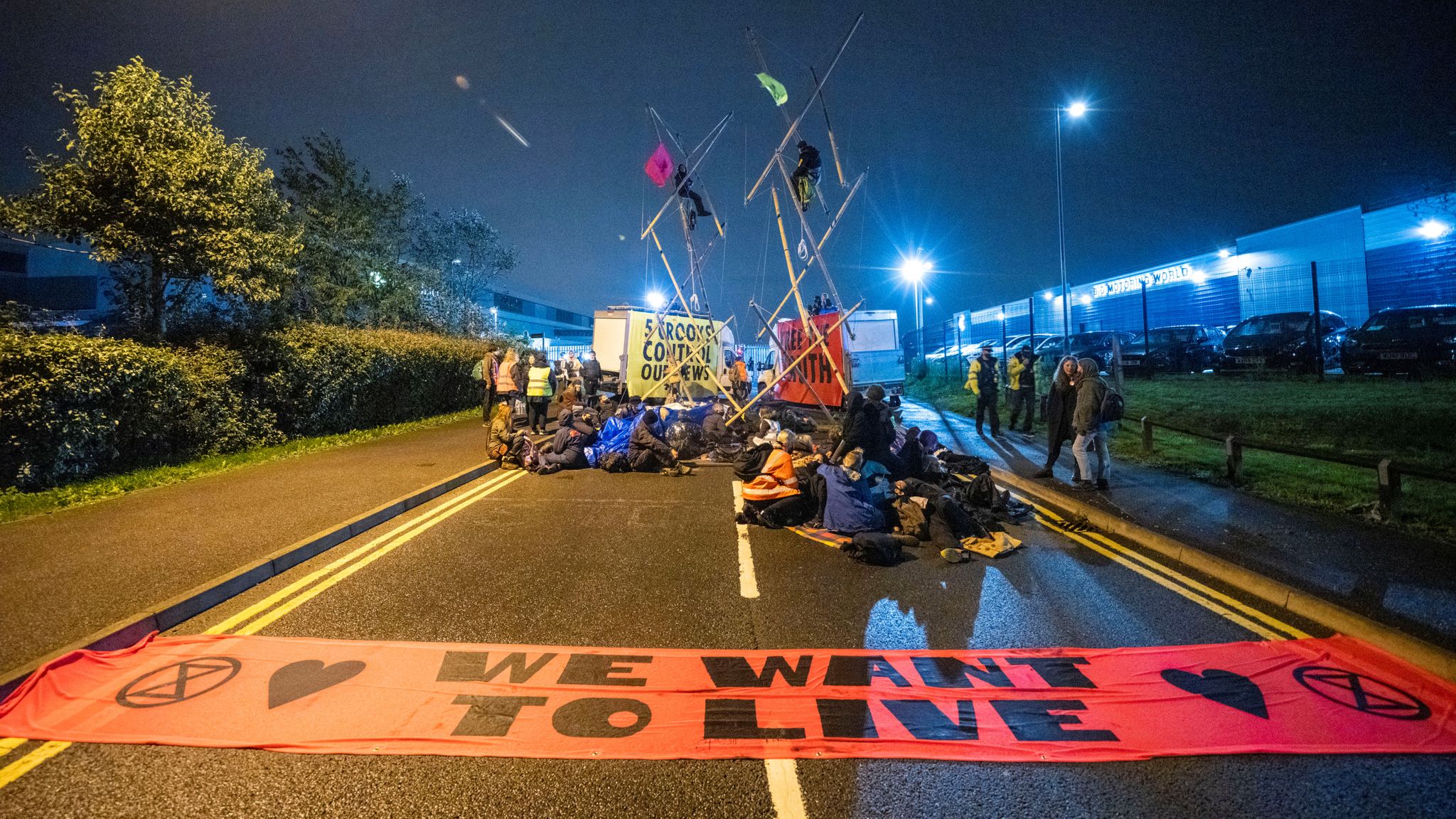
Activists ( more than 100 XR demonstrators) blocked two printing plants belonging to the Rupert Murdoch group (“The Sun”, “The Times”) on Saturday, which is why many British people did not get a daily newspaper.

“It is totally unacceptable to restrict public access to news in this way,” Johnson tweeted on Saturday.

The newspaper “The Telegraph”, which was itself affected by the blockade, now reports, citing government circles, that one of the considerations is to classify Extinction Rebellion as a criminal organization(!!).

Prime Minister Boris Johnson and Home Secretary Priti Patel have asked their officials to take a “fresh look” at how this group should be classified by law.

Responding to criticism from Ms. Patel that their actions were an “attack on our free press” (!!!), XR said: “Our free press, society, and democracy is under attack – from a failing government that lies to us consistently, is becoming increasingly authoritarian, and is leading us towards four degrees of warming.”

Extinction Rebellion activist Gully Bujak, 27, said: “You cannot have a functioning democracy with a mainstream media that is ruled by a small, unrepresentative sect of society, who are in bed with politicians and the fossil fuel industry.

“The climate emergency is an existential threat to humanity. Instead of publishing this on the front page every day as it deserves, much of our media ignores the issue and some actively sow seeds of climate denial.

“They thrive off of polarization and division. They sow hatred in order to distract us, actively profiting from this division.

“To these papers, we say this: you will not come between us anymore. For a night we’re going to filter out the lies and take the power back. For a night we’re going to show the world that you are vulnerable, just like us.”

The demonstrations prevented the distribution of millions of papers. Pic: XR


https://www.n-tv.de/der_tag/Extinction-Rebellion-blockiert-Zeitungen-London-reagiert-article22018651.html


Statement from the organization XR UK about its action

5 Billionaires control over 70% of the British Media. Last night Extinction Rebellion groups blockaded the printing presses of The Sun, The Times, The Sun on Sunday, The Sunday Times, The Telegraph, The Sunday Telegraph, as well as The Daily Mail, Mail on Sunday, and The London Evening Standard.

These people and their corporations have purposefully failed to accurately report on the climate & ecological emergency.
Their consistent manipulatIon of the truth to suit their own personal and political agendas must be stopped.

We’re not moving forward at the speed we need to turn the climate and ecological emergency around. We’re trapped somewhere between acceptance and the reality of just how bad the situation is.

The right-wing media is a barrier to the truth, failing to reflect the scale and urgency of the crisis and hold governments to account. Coverage in many of the newspapers printed here is polluting national debate on climate change, immigration policy, the rights and treatment of minority groups, and on dozens of other issues.

They distract us with hate to maintain their own power and wealth, profiting from our division. We can’t move forward until this barrier falls.

The truth is being held hostage and so are we. We need to Free the Truth.
We Want To Live | UK Rebellion | https://rebellion.earth/uk-rebellion-…


On my part … bravo #Extinction Rebellion! excellent work!

And Prime Minister Boris Johnson, actually a faithful copy of Trump, must release Julian Assange if he wants to prove to us that he is a supporter of the free press.
Because Assange, as a fair journalist, did nothing else than bring the truth to light.

My best regards to all, Venus

Oil giant “Total” has dirty plans

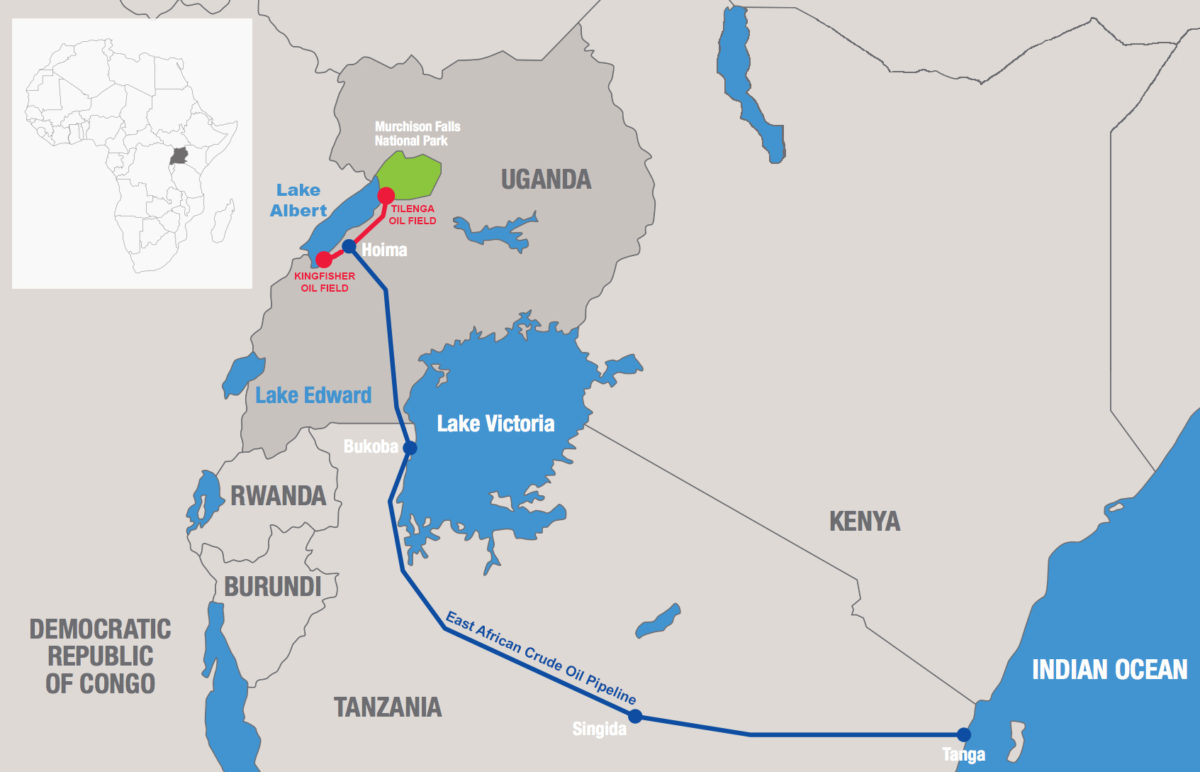
Despite the global plunge in oil prices, a major pipeline that would carry oil 900 miles across East Africa is moving ahead. International experts warn that the $20 billion projects will displace thousands of small farmers and put key wildlife habitat and coastal waters at risk.

The East African Crude Oil Pipeline will stretch 900 miles from Lake Albert in western Uganda to the Tanzanian port of Tanga on the Indian Ocean. Map: Yale Environment 360 / Source: Total
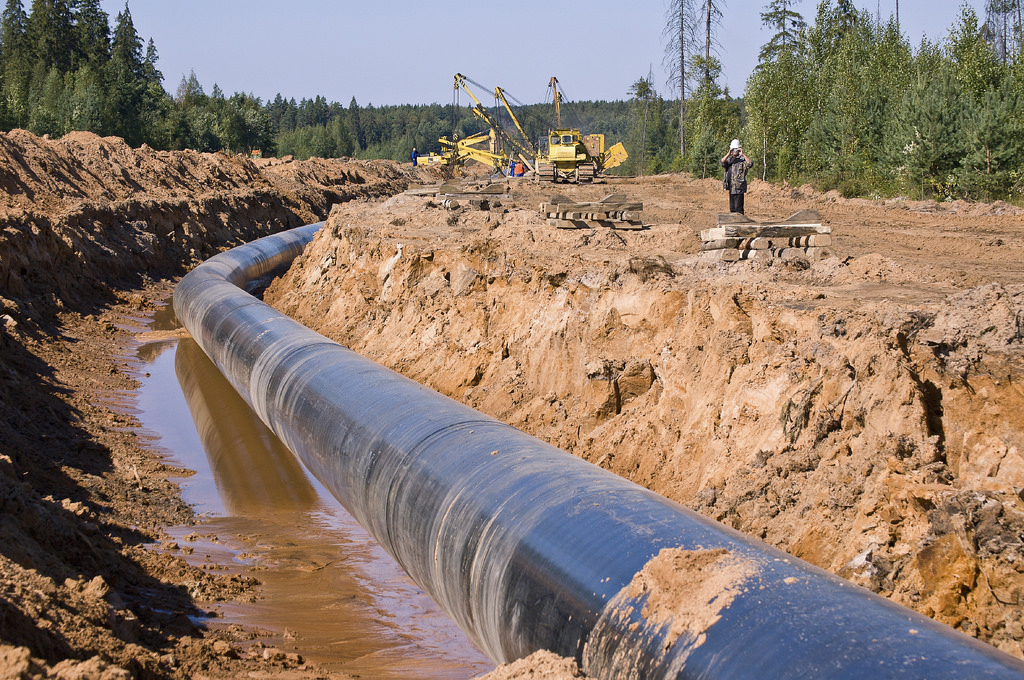
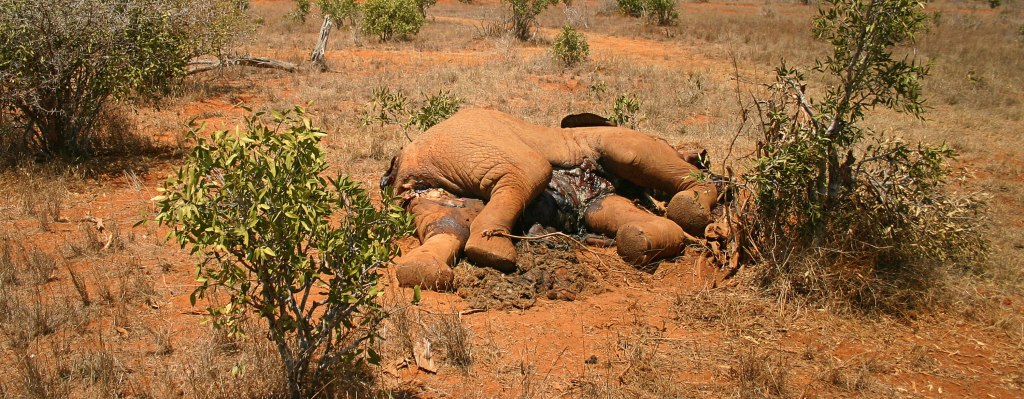
Imagine a tropical version of the Alaskan oil pipeline. Only longer. And passing through critical elephant, lion, and chimpanzee habitats and 12 forest reserves, skirting Africa’s largest lake, and crossing more than 200 rivers and thousands of farms before reaching the Indian Ocean — where its version of the Exxon Valdez disaster would pour crude oil into some of Africa’s most biodiverse mangroves and coral reefs.

Such a project is ready for construction, to bring to the world oil from new oil fields in the heart of Africa.

It is the East African Crude Oil Pipeline.

The middle of a global pandemic, during which oil demand is in freefall and prices at rock bottom, might seem an odd moment to boost the world’s oil production.
But the petrochemicals industry is always looking for new reserves to replace those being exhausted. And two oil fields discovered on the shores of Lake Albert, which straddles the border between Uganda and the Democratic Republic of the Congo, are currently among the biggest and cheapest new reserves available. They contain an estimated 6 billion barrels, roughly half the size of Alaska’s Prudhoe Bay field.

Construction work has begun at the Kingfisher and Tilenga oil fields, where the China National Offshore Oil Corporation and French giant Total intend to sink 500 wells.

They have already spent an estimated $4 billion on infrastructure and made enemies among local communities by grabbing land and providing paltry compensation.

NGOs estimate the carbon footprint of the oil from the pipeline, once burned, will be rough that of Denmark, and thousands of farmers will lose their land.

WWF Uganda, in a 2017 report, warned that the pipeline “is likely to lead to significant disturbance, fragmentation and increased poaching within important biodiversity and natural habitats” populated by elephants, lions, and chimpanzees that are on the international Red List of threatened species.
It “has a greater environmental and social risk” than other pipelines planned in the region, said Paolo Tibaldeschi of WWF Norway, and author of the 2017 report. It is “longer, and crosses a hilly and seismic region near Lake Victoria, and several biodiversity habitats down to the coast,” he noted.

Continue reading “Oil giant “Total” has dirty plans”