Category: Environmental

France: the gardeners go to the roof


The world’s largest roof farm will open soon in Paris. 14,000 square meters vegetable garden on a roof! Agriculture is different too!

 

France colorful brush strokes painted flag.


Large roof farms are not new.
The advantage: no long transport routes and old, forgotten vegetables, which can be stored only for a limited time, find their way back to the table.
Urban gardens and community gardens are a worldwide phenomenon. More and more people are coming together to shape their environment together and grow organic food.

After French Minister of Agriculture Didier Guillaume announced that France will stop using glyphosate and also encourage organic fruit and vegetables, Paris will open the world’s largest rooftop farm with around 14,000 square meters.

Paris2 gemüsegärtenjpg

So far, the largest 7,000-square-meter rooftop farm and giant greenhouse is on a factory building in Chicago’s South Side. Here grow up to 10 million pieces of leafy vegetables per year. “Urban farming” is the name of the trend that began in New York.
Although smaller farms have been built on rooftops in other locations in Paris, this project is the largest in the world.

Agriculture Minister Didier Guillaume recommends organic and biodynamic agriculture and urges producers to return to the farming practices used by their grandparents, which have been forgotten. With success, because in France, 3,000 producers of fruit and vegetables have joined in one year, avoiding pesticides using nets, different agronomic techniques and crop rotation.

The plants are grown in the air like on a traditional farm, but in vertical watchtowers similar to those used in indoor farms like Plenty, a robotic farm in Silicon Valley. On the sides of the towers sprout plants that allow to grow more food in a small space. The system is aeroponic, ie no soil is used, and the plants are fed with a nutrient-filled mist that meets biologic standards and uses little water.

Paris

When asked how one wants to feed people in a large metropolis, without the food having a long journey behind it, New York had an answer: “Urban Farming”, while city dwellers simply plant their own vegetables. In the metropolis, however, there is hardly any room for it – that is why the gardeners usually go to the roof.

New York’s Brooklyn Grange is a seasonal, commercial rooftop farm that sells its crop through neighborhood supermarkets and weekly markets.
Founded in 2010, Brooklyn Grange was the world’s largest single-roof urban farm project, covering more than 6,000 square meters. Replaced in 2016 with a new 7,000-square-meter rooftop farm and a giant greenhouse on a factory building in Chicago’s South Side.
Here grow up to 10 million pieces of leafy vegetables per year.

brooklyn roof gartenjpg

Vertical agriculture – fields and pastures should no longer extend to the horizon, but into the air: floor above floor, in the middle of the city. The hope is a revolution in agriculture and an answer to the question of how we feed humanity. More than seven billion people inhabit the earth today, and in the year 2050 it will be over nine billion, according to United Nations estimates. 70 percent of them will live in cities.

Can we produce enough food for everyone on the planet? A question many scientists around the world ask themselves. In Singapore, “Skygreen” provides an example of how this is possible, not just technically, but also economically.
Increasing food safety through this food production, also due to the impact of global climate change, is 10 times more productive per square meter than conventional agriculture, according to the Skygreen video.

The Singapore Vertical-Farms that herald an Agricultural Revolution –
Take a look, it’s worth it.

https://netzfrauen.org/

My comment: I would like to try the salad from the Roof Gardens, but if we want to talk seriously about global hunger and solving this problem, it certainly is not a suitable solution for world food.

The cause of misery on this planet, hunger, massacre, climatic catastrophe, destruction of the forest and the oceans is primarily due to the uncontrolled, inexorable proliferation of human species.
And more and more children are being made, who in future will have a large share of blame for the climate catastrophe and the rise of animal misery.
Because also the man of the future needs his food, his wood, his plastic, his house, his car … the more people the more climate and animal misery, that’s how easy it is.

To put a child into the world today has less to do with love than with cruelty.
Therefore, such projects do not really help. What really can help us is rethinking about overpopulation around the world.


My best regards to all, Venus

USA: Latest News from the Center for Biological Diversity.

-us-flagge-jpg


Latest News from the Center for Biological Diversity

https://www.biologicaldiversity.org/

CBD Logo


Unprecedented: Trump Guts the Endangered Species Act

We’ve never seen an attack like this on the Endangered Species Act.

On Monday the Trump administration finalized sweeping changes to the Act that weaken habitat protections, block climate change from being addressed as a threat to vanishing wildlife, and create new barriers to preventing extinctions. Trump’s rules have one goal: to make it easy for industry to plunder our lands and waters for private profit — endangered species be damned.

The Endangered Species Act is the world’s strongest law for saving species from extinction. It’s the reason we still share this planet with bald eagles and whooping cranes and gray wolves.

You can be sure the Center for Biological Diversity will stop this cowardly, vicious move with all the strength we’ve got. We’re counting on you to stand with us in the historic fight ahead.

Please consider supporting our court battle with a donation to our Endangered Species Act Protection Fund.


Suit Launched to Save Green Sea Turtle Habitat

Green sea turtles cross oceans to nest on beaches that soon could be inundated as the seas rise. The gentle animals are also being hurt and killed by plastic pollution. So on Tuesday the Center and allies launched a lawsuit to force the Trump administration to protect their habitat.

“The recovery of most green sea turtle populations is a beacon of hope in our changing oceans, but we’ve got to protect the places they live,” said Jaclyn Lopez, our Florida director.

Get more from Maui Now.


Court Approves Ban on Cyanide Bombs in Wyoming Forests


Days after Trump’s EPA gave a thumbs-up to the ongoing use of sodium cyanide in M-44s (or “cyanide bombs”), forest creatures across 10 million acres in Wyoming caught a break from the lethal devices.

A judge has approved an agreement, secured by the Center and allies, to ban M-44s across the state’s national forests. It also requires the federal program “Wildlife Services” — which uses cyanide bombs — to analyze the impacts of its killing of coyotes, bobcats and other Wyoming wildlife. And new trapping restrictions will help protect grizzlies and other animals. Read more.


Take Action: Save Joshua Tree From Sprawl


One of our best-loved national parks, Southern California’s Joshua Tree, is threatened by plans to build a city next door.

The sprawl development would bring more than 25,000 people to an isolated spot that’s now home to vulnerable animals like desert tortoises, bighorn sheep and kit foxes. It would drain aquifers, punch a hole in a wildlife corridor, and destroy a key stopover place for migratory birds.

The Riverside County Planning Commission is poised to make its final decision on approving the development. Take one minute now to urge it to say no and protect the area’s wild character.


We Just Sued Trump Over His Dirty Power Plan


On Wednesday we and our partners sued Trump’s EPA to overturn its Dirty Power Plan and reinstate the Obama-era Clean Power Plan. The agency failed to meet its legal obligations under the Clean Air Act when it repealed and replaced this set of policies.

“The Dirty Power Plan’s only purpose is to make fossil fuel CEOs richer, no matter how deadly and dangerous that is for the rest of us,” said Center senior attorney Clare Lakewood.

Read more in our press release.


England: London University bans hamburgers ‘to tackle climate change’.

England


London University bans hamburgers ‘to tackle climate change’

No burger

A London university is banning the sale of burgers to try to fight global warming.

Goldsmiths, University of London, is removing all beef products from sale – and charging a 10p levy on bottled water and single-use plastic cups.

It plans to install more solar panels across its New Cross campus, in south-east London, and switch to a 100% clean energy supplier as soon as possible.

It will spend money on its allotment and identify other areas where planting could help to absorb carbon dioxide.

Give a shit 1

Carbon footprint

The university emits about 3.7 million kg of carbon each year but is hoping to become carbon neutral by 2025.

And it will try to increase the number of students studying climate change.

Scientists say beef is more damaging to the environment as cows produce more methane and require more land and water than other livestock.

The college’s new head, Prof Frances Corner, said: “The growing global call for organisations to take seriously their responsibilities for halting climate change is impossible to ignore.

“Though I have only just arrived at Goldsmiths, it is immediately obvious that our staff and students care passionately about the future of our environment and that they are determined to help deliver the step change we need to cut our carbon footprint drastically and as quickly as possible.

“Declaring a climate emergency cannot be empty words.

“I truly believe we face a defining moment in global history and Goldsmiths now stands shoulder to shoulder with other organisations willing to call the alarm and take urgent action to cut carbon use.”

Follow suit

Goldsmiths Students’ Union president Joe Leam said: “Our house is on fire,” invoking the words of teenage climate activist Greta Thunberg.

“I believe Frances Corner and the university management are realising this and making these changes to put their part of the house fire out.

“The SU will be a part of this process every step of the way to make sure this stays true, seeking to speed the process up wherever possible, and will keep the college community updated throughout.”

Rosie Rogers, of Greenpeace UK, said: “It’s encouraging to see an institution like Goldsmiths not simply declaring a climate emergency but acting on it.

“From energy use, to food sales and plastic pollution – all universities and organisations with campus sites can make changes across their facilities that are better for our planet.

“We call on others to urgently follow suit and to include cutting all ties from fossil fuel funding in their climate-emergency response.”


https://www.bbc.co.uk/news/education-49321560


What is behind the sweet honey?


Honeybees, of which there are currently seven recognized species, are used worldwide for the commercial production of honey.

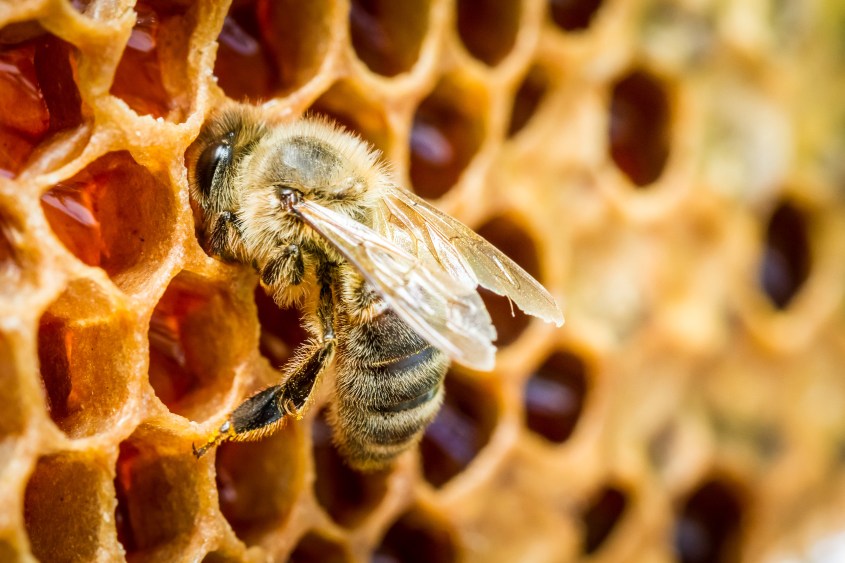
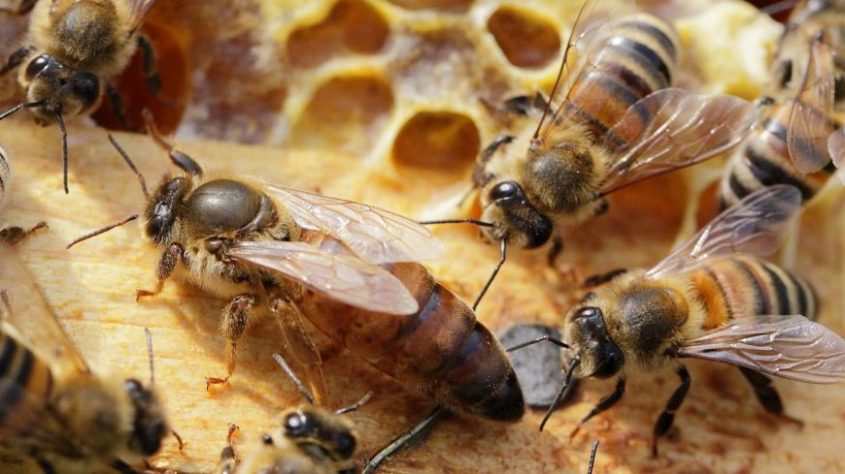
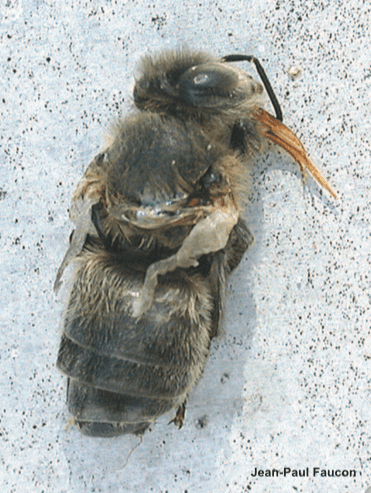
A honeybee colony typically consists of one queen bee, who is a fertile female, up to a thousand drone bees—fertile males and worker bees—and sterile female bees. It is the worker bees who collect both pollen and floral nectar, the latter being used to produce honey.

bienenn

The nectar is sucked up through the proboscis (the tubular feeding and sucking organ found on the head of the bee), stored in their honey stomach (or “crop”) and transported back to the nest. This stomach holds around 40 milligrams of nectar, which can require over a thousand flowers, and its digestive enzymes break down the sucrose in the nectar into fructose and glucose.

bienenschwarm-1080x700

Once back at the nest, the honey is regurgitated from bee to bee until it reaches a honeycomb, where it is stored. The worker bees then fan the liquid to speed up evaporation and remove excess water from the liquid. The bees then cap the cells with wax to seal them. Honey is used as a source of carbohydrates for the colony, with adult worker honey bees requiring 4.0 milligrams of utilizable sugars per day and larvae requiring about 59.4 milligrams of carbohydrates for proper development.

Close up of bees in a beehive on honeycomb

It is their main source of energy and is stored for the winter months (when the colony cannot forage for flower nectar) and used to increase the body temperature of the bees.

In commercial honey production and artificial bee hives, queen bees are not fertilized by drone bees but are artificially inseminated. A drone bee is selected, his head is crushed, and then he is squeezed to release the semen. Following this, the selected queen bee is rendered unconscious and the semen is inserted into her.

bienenkönigin-870x489

However, many of the drone bees killed for this purpose are deemed unsuitable, and up to 15 are crushed to inseminate one queen bee. Once the queen bee has been successfully inseminated, she will be placed back in the hive. In the wild, queen bees often move nests and will be followed by her worker bees.

königin ohne Flügel bienenpng

As this is not optimal or profitable for commercial honey production, the queen bee will often have her wings clipped so she cannot leave the artificial hive.

bienen-fluegel-schneiden

To collect the honey produced by the colony, a bee smoker is used. This is a device that pumps smoke into the hive, causing the bees to initiate a feeding response in anticipation of needing to abandon the hive due to fire. This, combined with masking pheromones omitted by guard bees to alert the colony, means that the bees are distracted from protecting the honeycomb, which makes it is easier for the beekeeper to retrieve it.

Bienen

Furthermore, to replace the taken honey, beekeepers often give bees a sugar solution that is not comparable to honey and lacks essential nutritional components.

Commercial beekeeping exploits and sexually manipulates both the queen and drone bees. It uses painful body mutilation for the purpose of taking a product intended for someone else.

Humans have no need to take honey, and there is a wide range of similar substances, such as agave syrup, maple syrup, and molasses.

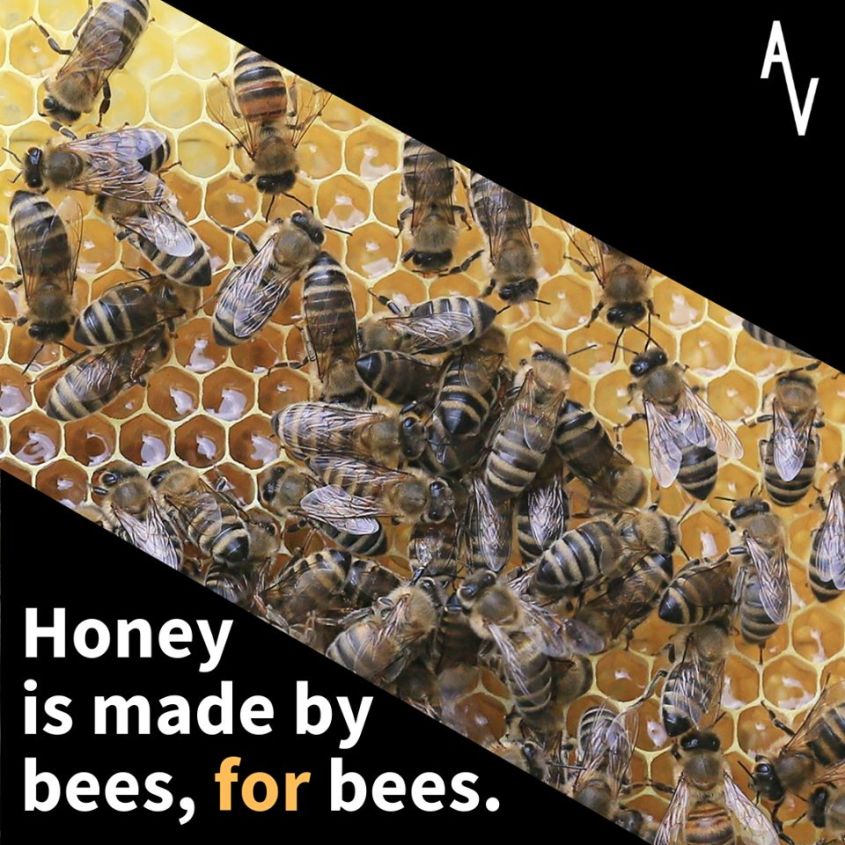
Honey is made by bees, for bees.

Anonymous for the Voiceless

My comment: Maybe no other animal natural product is as overrated as honey

As a sweetener honey suggests a special naturalness and is often touted as a healthy alternative to sugar.
Honey has no health benefits over sugar.
Honey is mainly composed of glucose and fructose and is therefore classified as “sugar”.

Vitamins, minerals and amino acids occur in such small amounts that they can not be attributed nutritional importance.

Even worse is the widespread conviction in folk medicine about the therapeutic effect of honey, which is highly controversial according to the current medical state.
In addition, honey causes even more decay due to its stickiness than table sugar.

Conclusion: honey is also sugar and nutritious only for its producers, the bees.
For this, bees are enslaved, exploited and abused.

Who wants to have a clear conscience, abstains from honey and any animal product.

My best regrads, Venus


Switching to a plant-based diet can help fight climate change, UN experts have said.

UN


https://www.bbc.co.uk/news/science-environment-49238749


Switching to a plant-based diet can help fight climate change, UN experts have said.

A major report on land use and climate change says the West’s high consumption of meat and dairy produce is fuelling global warming.

cow fart 1

But scientists and officials stopped short of explicitly calling on everyone to become vegan or vegetarian.  Of course, must not do the right thing and upset the meat mafia ! – WAV.

They said that more people could be fed using less land if individuals cut down on eating meat.

Image result for climate change

The document, prepared by 107 scientists for the UN’s Intergovernmental Panel on Climate Change (IPCC), says that if land is used more effectively, it can store more of the carbon emitted by humans.


trump global sea level 1


USA: Washington State Is Moving Forward To Try and Slaughter More Wolves – Take Action to Help Stop It.

UNST0001

Gray wolf


Washington state is moving forward with yet another kill order to slaughter more wolves. Now the state wants to kill up to eight members of the Old Profanity Territory pack, including pups born this spring.

All this is happening at the behest of a powerful rancher grazing his cattle on prime wolf habitat — and we need your help to stop it.

Please take action today and let Washington Department of Fish and Wildlife Director Kelly Susewind know you oppose his continued assault on these endangered wolves.

It’s likely the state will once again use aerial snipers in helicopters to gun down these wolves — at least one of which is collared — following up with on-the-ground kills of wounded animals. This asymmetrical warfare against wild creatures is sick.

Last fall they killed the pack’s breeding female and a 4-month-old pup, leaving behind only the father wolf and a pup. New wolves have joined this family unit, and more pups were born.

But in early July Washington gunned down the father wolf, and now they aim to kill as many as they can, up to eight more wolves, including the new pups.

Washington state has a long history of gunning down wolves within its borders. Since 2012 Washington has killed 23 state-endangered wolves, 19 of which were killed for the same livestock owner who is trying to eliminate the Old Profanity Territory pack.

The Center’s litigation to shut down Washington’s disgraceful kill protocol is still playing out in court. The state has no business gunning down wolves and destroying packs on public lands.

Tell Director Susewind the public demands an end to the wolf slaughter now.

CBD Logo


We only have one home


The Devastating Consequences of Animal Agriculture on Earth


We all need to see this video. We only have one home, let’s protect it!

This video gives a bleak picture of how animal husbandry destroys the environment and negatively affects life on Earth.
Almost a third of the earth is used for animal husbandry.
The Amazon Rainforest is destroyed for meat production.
Wild animals lose their home, many die out.
In animal husbandry 20-30% of the total fresh water is consumed.
Fertile land turns into desert.
Animal waste pollutes the precious water and the environment.
18% of greenhouse gas emissions come from animal husbandry.
Industrial fisheries are overfishing the oceans!
We only have one planet and we all have a responsibility to protect it!


vegan-humor eat veggies, not friends-29


My best regards to all, Venus
Palm Oil To Be Produced in the Lab? – Biosciences Company Efforts to Save the Planet.

Image result for smiling orangutan

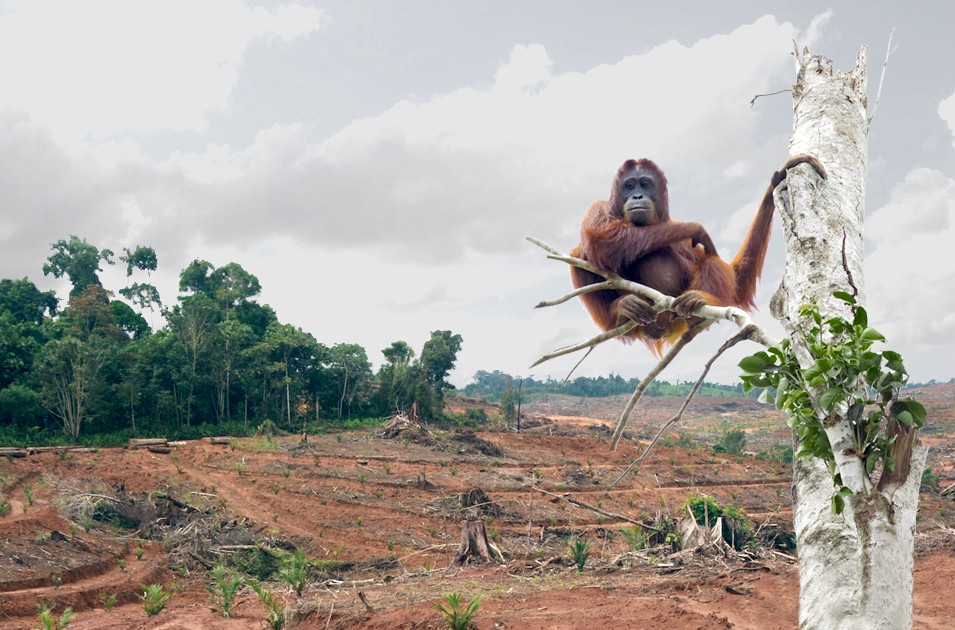
WAV Comment: What an amazing product this could be if adopted by many producers. Just imagine what it could result in – less environmental destruction, and trees being left for the Orangutans to live in !

This could be the start of a massive change for the positive; we hope so and wish C16 Biosciences all the best in their work to develop a lab grown alternative to palm oil. This really could be a world changer !


Image result for palm oil

Palm Oil produced in the lab?


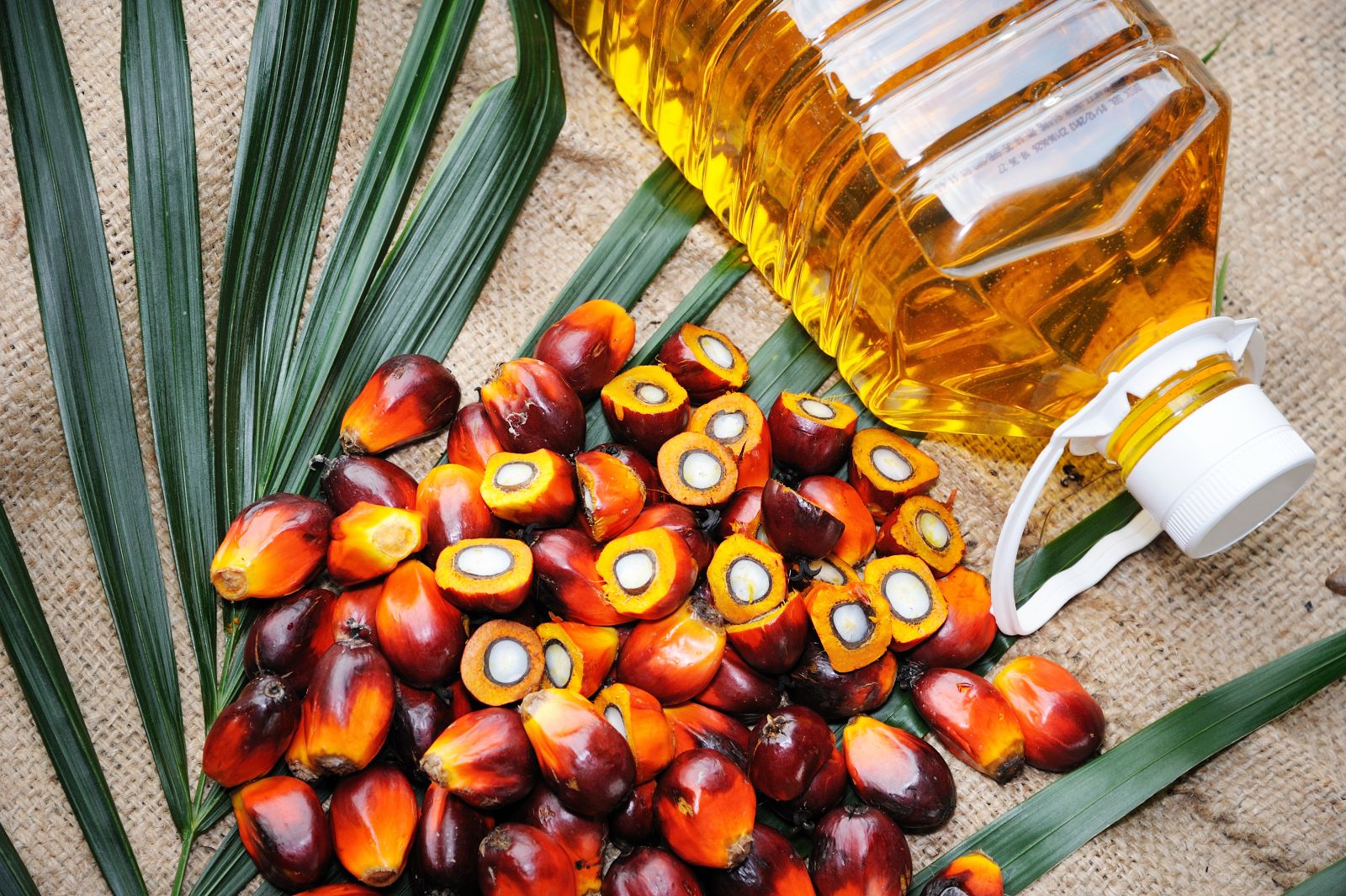
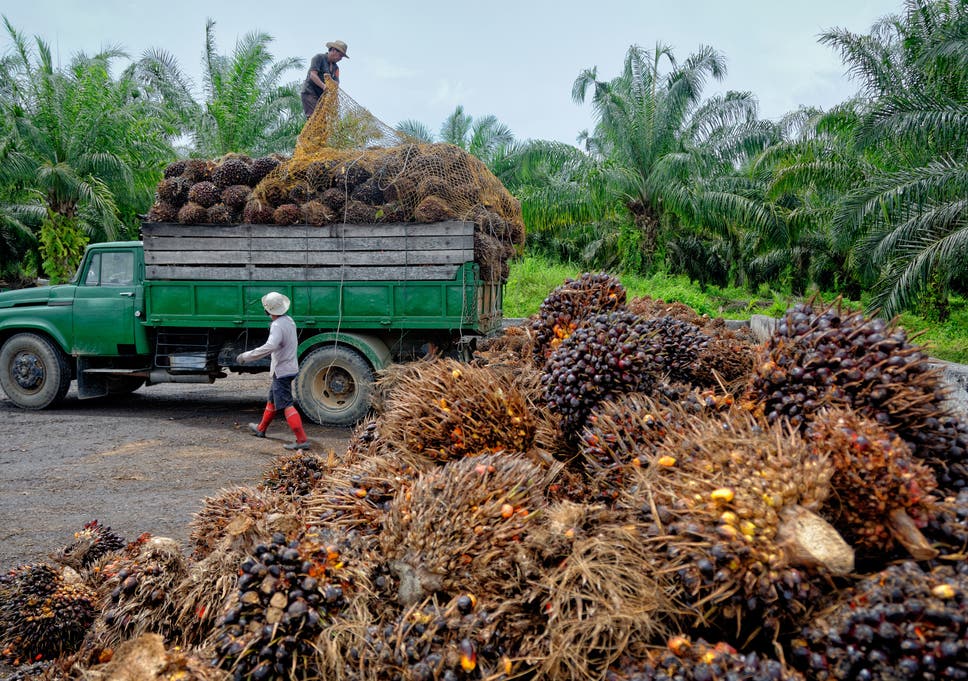
Green startup C16 Biosciences has developed a lab-grown alternative to palm oil. Palm oil—an industry that is estimated to be worth $88 billion—is used in a number of everyday products such as food, clothes, shampoo, cosmetics, and fuel and is associated with deforestation of rainforests in Costa Rica and Indonesia to make way for palm tree plantations, releasing carbon dioxide into the atmosphere and destroying habitats for people and endangered wild animals along the way.

Using synthetic biology, C16 was able to create a sustainable, environmentally-friendly alternative to palm oil using yeast, that grows in tap water, and feeding it a feedstock or carbon source to multiply.

Given the wide use of palm oil in products, the company is concentrating its efforts to replace the use of palm oil in a portion of the market, starting with the skincare and cosmetics industries. “Fermentation is a well-proven commercial process that has been used for centuries to convert raw materials into consumable commercial products consumed by billions of people every day,”

C16’s website says. “We believe that brewing palm oil like beer is the best and most likely path to developing a truly sustainable palm oil alternative.”


Source:

https://vegnews.com/2019/7/technology-startup-creates-lab-grown-palm-oil


rainforest 2


C16 Web Link:

https://www.c16bio.com/


Image result for palm oil devastation

The Palm Oil Problem

Palm oil is everywhere: it’s in our food, clothes, shampoo, and even the fuel that powers our cars. But this $61 billion industry has drastic environmental and societal costs: rainforests from Costa Rica to Indonesia are destroyed to make way for oil palm tree plantations, releasing carbon dioxide into the atmosphere and destroying habitats for people and endangered wildlife along the way.

But palm oil doesn’t have to be a problem. There remains an urgent need for consumers and companies alike to switch to environmentally conscious, sustainable palm oil products.

Image result for palm oil devastation

Image result for palm oil devastation

Image result for palm oil devastation

Mission

C16 was founded with the objective of creating a sustainable, environmentally friendly alternative to conflict palm oil. By offering producers, refiners, traders and consumers of palm oil an opportunity to invest part of their production into bio-based oils and sustainability efforts, our aim is to reduce the environmental footprint of palm oil production and protect precious natural land, wildlife and resources in the process.

orangutan baby

Our Technology

We’ve developed technology to brew a sustainable alternative to palm oil from microbes.

Fermentation is a well-proven commercial process that has been used for centuries to convert raw materials into consumable commercial products consumed by billions of people every day. We believe that brewing palm oil like beer is the best and most likely path to developing a truly sustainable palm oil alternative.

Our palm oil is sustainable — it doesn’t involve deforestation, endangering precious animal species, or forcing inhumane labour practices. The result is a world where consumers can enjoy the products they love without worrying about the dangerous practices involved in making them.


Image result for rainforest

rainforest 1

To the tiger’s day…


tiger660_121412051112

Today is International TigerDay!

But there is no reason to celebrate: Tigers are hunted mercilessly by poachers,  these beautiful big cats are among the endangered species. In addition, the palm oil industry, which is responsible for clearing forests, has catastrophic consequences for the habitat of the tiger and for the worldwide biodiversity.

We have to do something about it before it’s too late!
Do you know these four startling facts about Tiger?
✴️ 4,000 € – 22,000 € – that’s how much a tiger in the EU costs
✴️ 1,412 – so many live captive-bred tigers were exported from the EU between 1999 and 2016
✴️ 8,278 – that’s the number of illegal tiger products (such as tiger soup cubes, teeth and claws) seized during the same period
✴️ 3,900 – so few tigers still live in the wild (the exact number of captive tigers is unknown)

Tiger7

Tigers are threatened with extinction. The world has already lost over 90 percent of its tiger population, because there are only about 3,900 of the animals in the wild.
In 2010, there were still an estimated 3,200 tigers in the wild in 13 states of Asia.

One hundred years ago there were more than 100,000 animals. Currently only five subspecies live, three are already extinct and one has not been spotted for decades.

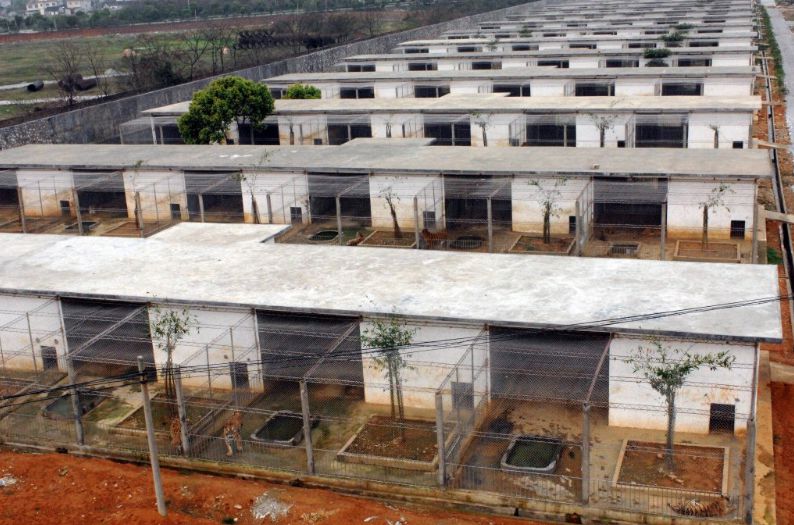
About 20,000 tigers now live in captivity, most of them in zoos, tiger farms or privately owned.

private-Tigerfarm-Bangkok-Thailand-c-Adam-Oswell-WWF

This dramatic decline is the result of a perpetual demand for tigers. Their body parts are marketed and showcased live animals for commercial purposes. The commercial trade in live tigers and tiger products – whether born of the wild or in captivity – must be stopped! Legal trade fuels illegal trafficking and poses a great threat to the last tigers in the wild.

muss-nicht-immer-tiger-sein

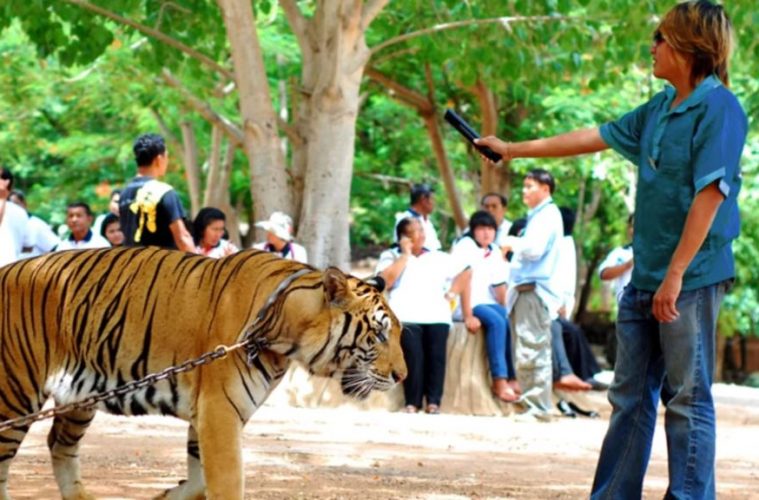
It is shocking that captive-born tigers in Europe are still being traded for commercial purposes such as circuses or private ownership and “tiger selfies”. In some European countries, tigers can even be hired for private parties!

Tigers-Thailand_620x349private tiger farm in Thailand


There are no exact figures on tiger population and tiger trade within Europe; Nobody knows how many animals are currently kept in Europe, how often they change owners and for what purpose they are used. Also their end of life remains uncertain, in the worst case they are killed and processed to “Tiger wine” or other traditional medicines.

The demand for questionable status symbols such as tiger skins and stuffed animals is growing especially in Indonesia. And the demand for pointless medical devices, such as tiger wine, pills or a paste made of soft-boiled tiger bone also. And, of course, the demand for jewelery products made from tiger bones and skin parts.

Tiger-Selfies-1024-x-576-759x500

Our investigators have discovered that tiger dealers operating in Europe are ready and able to sell and transport tigers to Asia. In countries where the demand for body parts of tigers for medicine is still associated with massive suffering for the animals and the decline of the wild population. In addition, China wants to allow the use of tiger bones and rhino horn of captive-bred animals in hospitals (!!)

Almost everything that comes from the tiger is considered a valuable ingredient in traditional Chinese medicine. For example, powder from tiger bone should accelerate healing processes, relieve rheumatism and help against malaria (!!!)
On the black market alone, the backbone of a tiger costs up to 700 euros.
China’s economic boom has spawned many new rich people who are now promoting the tiger wine boom due to prosperity. The demand for exotic preparations is increasing rapidly.

junger-tiger-tigerfarm-p

We must stop tiger trade. We can not allow that anymore! Call on the EU Commission to ban the trade in tigers!

Let us finally stop the #RuthlessTrade and together we call on the European Commission to prohibit the unscrupulous trade in tiger ➡️ https://tigerhandel.vier-pfoten.at/

Please sign the petition: https://help.four-paws.org/de-DE/eu-tigerhandel-stoppen

https://tigerhandel.vier-pfoten.at/jetzt-aktiv-werden


My comment for this day is only a video, from PETA.

Which again proves the sad fact that we, the human animals,  in terms of animal morality still live on the trees!


My best regards to all, Venus