Category: Environmental

“A child who dies of hunger today is being murdered. “


we feed the world 2pg


No! multi corporations do not feed the world. They feed the rich countries.

Why do not food exports go to the poor of the world? When it comes to world hunger, corporations like the GMO Seed and Pesticide Giants are called Monsanto and DuPont. These corporations advertise with the slogan “We feed the world” .

But the opposite is the case, economic interests dominate world politics, and in poor countries the greed for profit only comes down to capturing their raw materials or growing soybean, corn, palm oil, cotton or even bananas on their precious arable land.

Landgrabbing.j Afrika we feed the worldpg

That`s modern colonialism in Africa – the new way of enslavement in the 21st Century with the EU, US, UK, World Bank and Bill & Melinda Gates FoundationIndustrial farms claim to end hunger in the poor countries of the world – but most of the food is exported to rich countries!
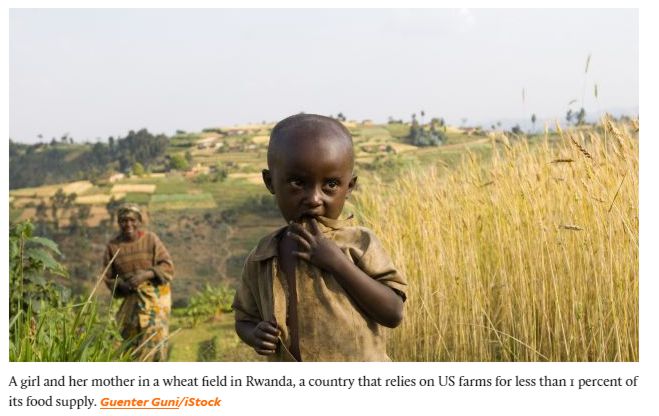
Hunger33 Afrika

Equally absurd is the idea that about 35% of the world’s grain harvest is fed to livestock or landed in biogas plants, while hunger is still the leading cause of death worldwide.

The subsidized injustice and the increasing industrialization of agriculture are due to the ever-increasing globalization in food production.

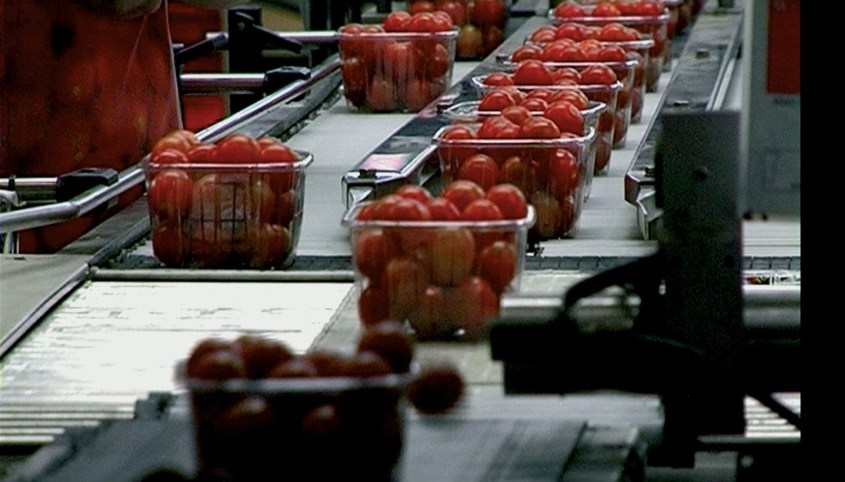
The result was the world’s largest greenhouse landscape in Almería, southern Spain, which will supply Europe with fresh tomatoes.

There is now a large landing plain, which is only a single plastic sea. 2.8 million tonnes of fruit and vegetables are produced each year in 32,000 greenhouses. Large quantities of pesticides and fertilizers are used. The region is slowly running out of water.

Tons of toxic pesticides, plant fertilizers, plant substrates, rock wool, plastic wrap and the exploitation of African migrants allow us to enjoy fresh tomatoes from Spain in our salad.
WE-FEED-THE-WORLD_01

The European Union is making a lot of money to produce very large quantities of fruit and vegetables in Almeria and elsewhere. So much so that some of it even comes to market in Africa, because it should not be thrown away. The EU vegetables are sold in Africa at bargain prices.

Local farmers have to charge three times as much for their home-grown vegetables to avoid starvation. But because the higher prices in poor countries do not want to pay anyone, the EU is driving African farmers to ruin their cheap vegetables.

So should the hunger in Africa be overcome?

For decades, corporate multinationals have been dominating and stealing their smallholders’ land and thus their livelihoods. And despite abundance of natural resources, these countries remain poor – who profits from hunger?

Afri.ka Monsantojpg

After all, even a corporation like Monsanto will become a world savior instead of an annihilator!!

Example Ethiopia:

In Ethiopia, millions of people have relied on food aid for decades. While the population is starving, the government offers foreign investors the conditions that could hardly be cheaper. This benefits not only Turkey, but also Saudi Arabia.

While people are starving in Ethiopia, Saudi Arabia gets its food from Ethiopia, so the people do not starve, though Ethiopia is still one of the poorest countries in the world!!

Example Tanzania:

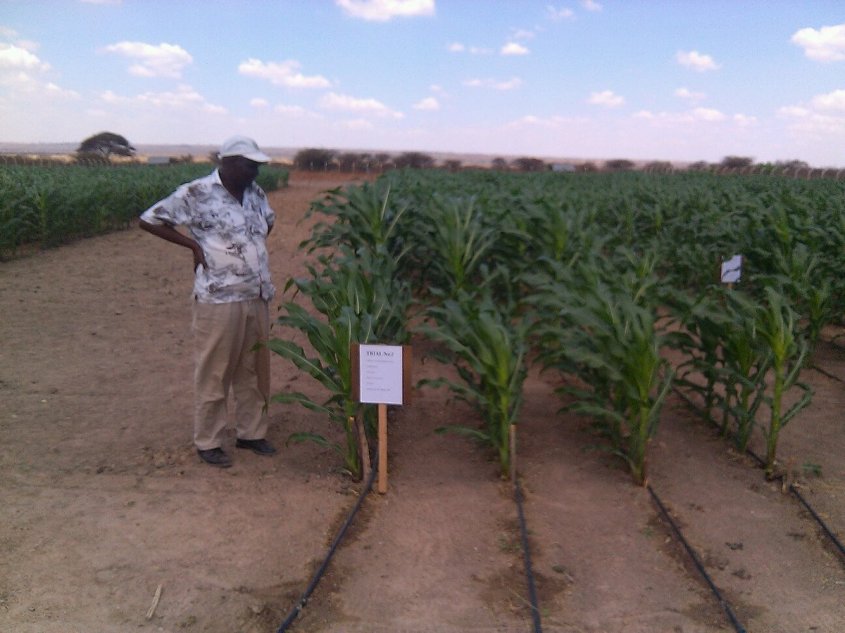
Tanzania has changed the laws to get development aid. which allows commercial investors to get faster and better access to agricultural land. It also strengthened the protection of intellectual property in the seed sector.

The Tanzanian peasants are now awaiting a prison sentence of at least 12 years or a fine of more than € 205,300 or both if they sell seed that has not been certified. The beneficiaries of these laws are Bayer / Monsanto, Syngenta and BASF.
tansania monsantojpg

Example Brazil:

Brazil is one of the largest producers of genetically modified soybeans.

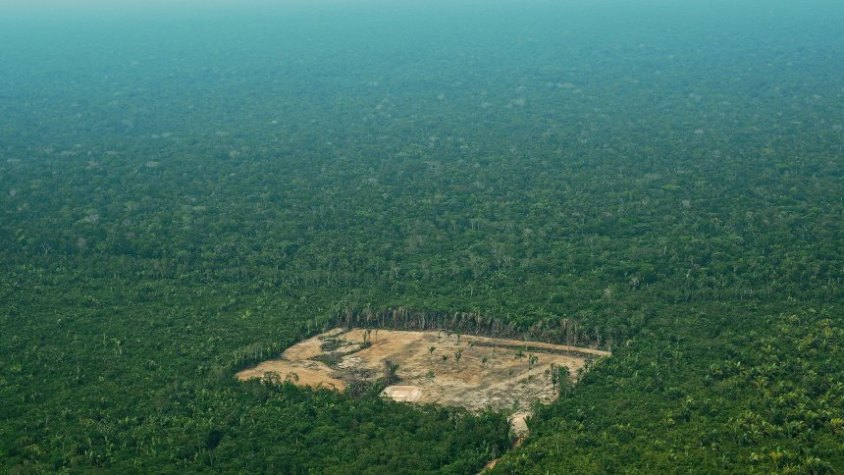
Brazil is the fifth largest country in the world, where a lot of soy is grown. Soy is one of the most important forage plants in our factory farms. Rainforest is cleared for the soya plantations. The soils of the rainforest are actually not suitable for soy cultivation, because they lack the appropriate nutrients. They are therefore supplied chemically.

burnt-tree-and-tractor. brasilienjpg

After a few years nothing will grow on the former primeval forest floor. The big farmers then cut down the next trees and thus continue to destroy the green lung of our earth.

Is the price we pay for our cheap meat in the discounter at the end more expensive?
DOUNIAMAG-FILES-BRAZIL-ENVIRONMENT-ENERGY-CLIMATE-CONSUMERS-POLL

In November 2016, the Federal Ministry of Economics in Germany wrote:
“Tanzania has one of the biggest economic potentials in East Africa. It is an important transit country and has huge fertile lands that can be used for agriculture. Enormous natural gas reserves can help build a chemical industry.

Mega-infrastructure projects and a construction boom offer further extensive business opportunities. The big question, however, is about the timing: politics and bureaucracy easily reach their limits. ”

In 2015, Germany delivered agricultural machinery, including farm tractors, to Tanzania for € 290,000 (EGW846).

In February 2015, during a visit to the EU in Brussels, Bill Gates and Melinda Gates pointed to innovations in agriculture in Africa to get rid of food dependence and malnutrition.

“With a drought resistant corn variety genetically modified, an African farmer, male or female, could get 20 to 30 percent more from the farm. We think it’s up to Kenya and Tanzania and South Africa to decide if that’s right for the economy, ” said Melinda Gates, co-chair of the Bill and Melinda Gates Foundation.

In Germany, too, corn is referred to by the genetic engineering industry as “a corn for Africa: good yields even in drought”.

In the meantime, DTMA seed has been distributed to about three million small farmers in 13 African countries – Ethiopia, Angola, Benin, Ghana, Kenya, Malawi, Mali, Mozambique, Nigeria, Tanzania, Uganda, Zambia and Zimbabwe – covering an area of ​​two million hectares – six percent of the corn in the region – cultivate.

In Europe, wheat farming pays off for farmers only because they receive subsidies from the EU. Rich Switzerland has already bought 80 percent of its wheat in India. Above all, the bread rolls of the major bakeries we eat every day are made almost exclusively from Indian wheat. The bad thing is that in India, eight out of ten people do not have enough to eat.

So… why are not our food exports going to the poor countries of the world? The answer is that about half of the exports to the top 20 countries are meat and dairy or animal feed. 

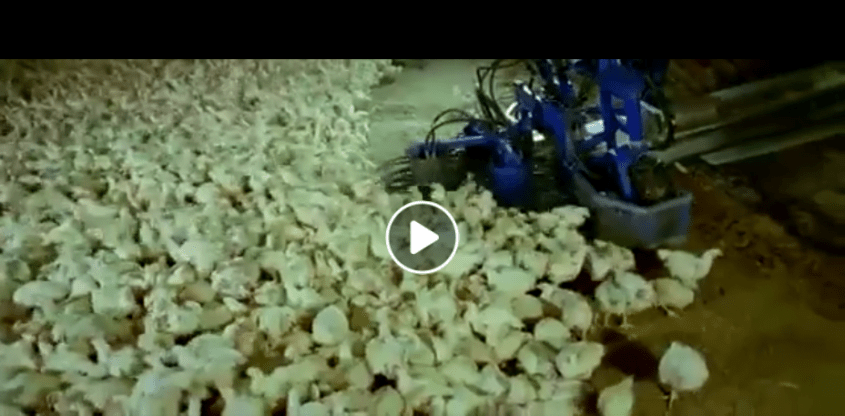
hühner we feed the worldjpgAnd meat is a luxury product. And the reason, why millions of people die of hunger in Africa and other poor countries.

Much remains to be done to actually alleviate hunger in the world as the world’s population grows, and with the effects of agriculture on agriculture, which are increasingly devastating, and that are being devastated by climate change.

However, this can not be achieved by the large-scale cultivation of soybeans in Brazil or the eradication of the Indonesian forests for palm oil.


https://netzfrauen.org/2018/01/28/africa/


My comment: In an interview with UN Special Rapporteur on the Human Right to Food, Jean Ziegler, he put it very aptly: “World agriculture could easily feed 12 billion people, but only half as many people live on Earth. That is, a child who dies of hunger today is being murdered. “

Yes! that’s right!
By whom murdered? Of all those who are involved in this system, that is to say exactly of the consumers who support this criminal system through the consumption of meat.

In 122 Third World countries 43,000 children die from hunger every day. The statistics are a bit old, today the number is even higher. All who participate in this daily mass murder are the second-hand killers of these children.

Kinder_armut_Hungerjpg

My best regards to all, Venus


Footage of Huge Manta Ray Asking Diver To Remove Fish Hooks From It.

Click on the following to see the video footage:

https://www.telegraph.co.uk/news/2019/07/12/extraordinary-footage-shows-manta-ray-appealing-diver-help/


Extraordinary footage shows manta ray appealing to diver for help

Image result for manta ray


A giant manta ray has been filmed in Western Australia appearing to appeal a diver to help unlodge dangerous fish hooks that have become embedded in her right eye.

The extraordinary footage of the moving encounter between the injured sea creature and human divers was taken by Monty Halls, a British marine biologist who was part of a freediving group exploring Ningaloo Reef off Australia’s north west coast. Mr Halls called it “one of the best things I’ve ever seen underwater.”

The three-metre-wide manta, which is known affectionately to locals as Freckles, is seen swimming up to Jake Wilton, a snorkeling guide, and flipping over in the water, in what seems to be an attempt to show him her plight.

“You could see she trusted us because she was unrolling and showing us the hooks,” said Mr Wilton in the video. “I went down for a few dives to see how she’d react to us being close to her.”

The footage was released on Thursday by Ningaloo Marine Interactions, the tour company Mr Wilton works for.

He told the Independent: “I’m often guiding snorkellers in the area and it’s as if she recognised me and was trusting me to help her,” he said.

“She got closer and closer and then started unfurling to present the eye to me. I knew we had to get the hooks out or she would have been in big trouble.”

The footage seems to show the manta ray resting perfectly still to allow Mr Wilton to gently remove the painful spikes.

Mr Wilton described the interaction as “incredible behaviour” and believes the manta understood that he was trying to help her. “I went [back] down to say goodbye and she stopped and waited there,” he said.


Picture: 4Media Group/ Tourism Western Australia Moment wounded manta ray approaches humans for help

USA: Demand Real Leadership at the EPA. Action Link.

us-flagge_ml

Demand Real Leadership at the EPA

Bill Wehrum—assistant administrator of the U.S. Environmental Protection Agency and the architect of President Trump’s unconscionable attacks on clean air and climate regulations—has resigned. Wehrum oversaw efforts to roll back safeguards that limit air pollution and attempted to dismantle the landmark Clean Power Plan. Now is the time for the public to mobilize and tell the EPA’s leaders to start upholding the agency’s mission of protecting the American people and our environment.

President Trump’s Assistant EPA Administrator Bill Wehrum — the chief architect of Trump’s unconscionable attacks on landmark climate regulations — has resigned amid scrutiny over possible ethics violations.

Wehrum, along with EPA Administrator Andrew Wheeler, is responsible for attempting to dismantle many lifesaving protections for our environment and health, including EPA’s clean car standards and the Clean Power Plan, our two most important federal efforts to reduce carbon emissions in the US.

This is a critical moment for the EPA — and our best chance to mobilize a massive public outcry demanding real leadership at the agency.

Take action now: Tell Trump and the EPA to reverse course and fulfill its mission to defend the fundamental regulations that protect our environment, our health, and our climate.


Take action now – click here:

https://act.nrdc.org/letter/epa-leadership-190701?source=act_nrdcnewsletter&tkd=1402806&utm_source=newsletter&utm_medium=mainlink&utm_campaign=email&t=5&akid=5426%2E1402806%2EaCurSz


Austria: decides total glyphosate ban!


-Austrian_Flag

The request of the Social Democratic Party of Austria (SPÖ) finds a majority, the consequence: In Austria comes a glyphosate ban.

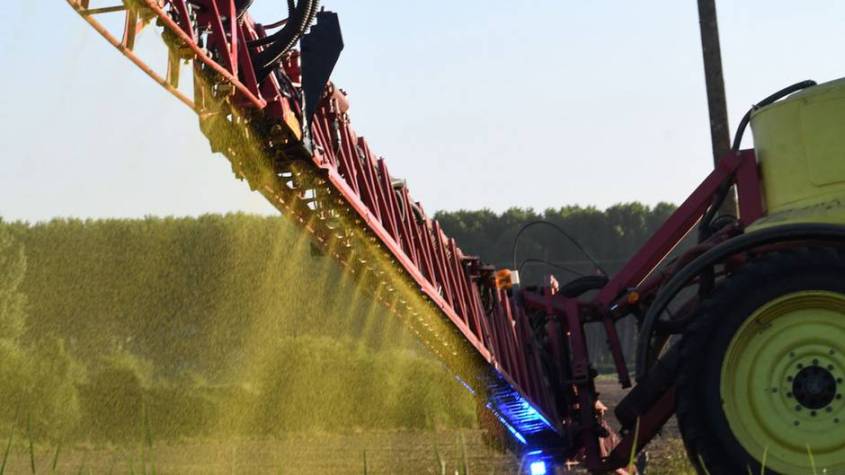
The dangerous weed killer must not be sold in the future.

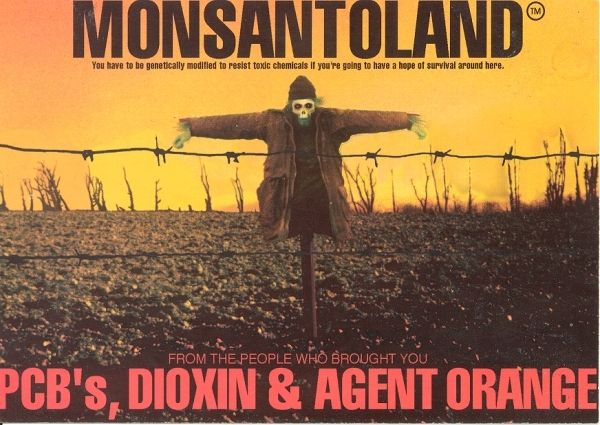
monsantoland1-1

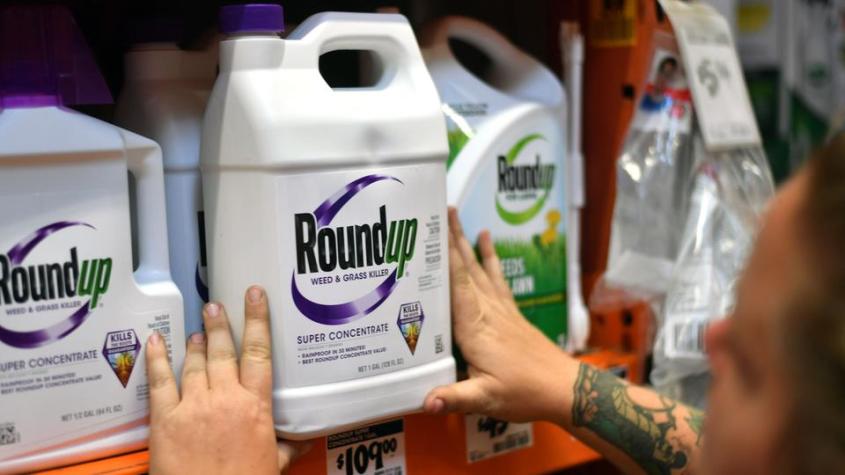
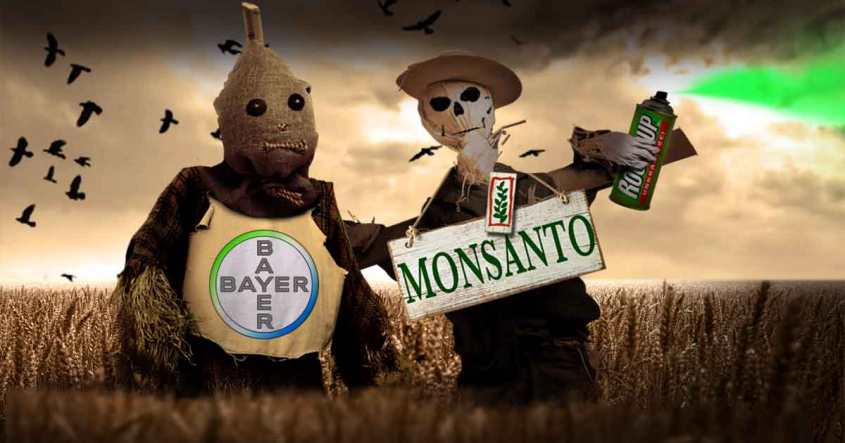
Glyphosate is the world’s most used weedkiller. It has been used in agriculture, industry, horticulture and private households since the mid-1970s. Monsanto sells the herbicide under the name “Roundup” and has been making billions in sales since the 1970s. No wonder then that Monsanto lobbyists claim that glyphosate is so harmless that it can even be safely drunk!!!

glyphosat-253pg

US courts think otherwise

In three separate cases, they have ruled that the glyphosate drug Roundup from Bayer subsidiary Monsanto is a “significant factor” in the onset of the cancer.

A Californian court last ordered Monsanto to pay $ 250 million in damages to a cancer patient in August 2018. He blamed the plant poison glyphosate for his cancer – and the jury proved him right.

monsanto -Bayer karikatur

Among other things, because during the negotiation of emails came to the language, which weigh heavily on the company.
ÖVP (Austrian People’s Party) and FPÖ (Freedom Party of Austria) were already in the European Parliament against glyphosate ban.

For some time, there has been a suspicion that glyphosate is potentially carcinogenic. Nevertheless, in November 2017, the EU approved the potentially carcinogenic plant toxin for another 5 years.
Also FPÖ and ÖVP did not support the resolution for a glyphosate ban.

Now comes total glyphosate ban!!

On 12 June 2019, the parliament adopted a so-called deadline application by the SPÖ for the majority of the ban. The Freedom Party had signaled to agree to the total ban on the plant poison. Until the end, however, it was unclear whether the libertarians actually agree. On 2 July 2019, the Socialist Party finally pushed for a ban.

The People’s Party is still against it. It wants agriculture and forestry to be exempted from the ban – although this sector is responsible for 80 percent of pesticide use.

The Bayer chemicals group, whose subsidiary Monsanto produces glyphosate, said it was expected that the decision of the Austrians would be “critically questioned and legally challenged by the EU Commission” (!!!). According to Bayer, the decision of the Austrian National Council is “in contradiction to extensive scientific results on glyphosate”.

monsanto-glyphosat2

https://kontrast.at/glyphosat-verbot-oesterreich/


My comment: Congratulations Austria!
Good decision. Finally, a country has the courage to go against the lobby of the Bayer Group.
Here in Germany, we are still sleeping and, as always, we remain groundlessly optimistic about the future of our planet and in solidarity with the decisions of the Monsanto / Bayer lobbyists, also known as the EU – Commission!
Let’s hope that we will soon come to such a progressive decision as the Austrians.

Best regards, Venus

‘Precipitous’ fall in Antarctic sea ice since 2014 revealed.

‘Precipitous’ fall in Antarctic sea ice since 2014 revealed

Plunge is far faster than in Arctic and may lead to more global heating, say scientists

The vast expanse of sea ice around Antarctica has suffered a “precipitous” fall since 2014, satellite data shows, and fell at a faster rate than seen in the Arctic.

The plunge in the average annual extent means Antarctica lost as much sea ice in four years as the Arctic lost in 34 years. The cause of the sharp Antarctic losses is as yet unknown and only time will tell whether the ice recovers or continues to decline.

But researchers said it showed ice could disappear much more rapidly than previously thought. Unlike the melting of ice sheets on land, sea ice melting does not raise sea level. But losing bright white sea ice means the sun’s heat is instead absorbed by dark ocean waters, leading to a vicious circle of heating.

Sea ice spreads over enormous areas and has major impacts on the global climate system, with losses in the Arctic strongly linked to extreme weather at lower latitudes, such as heatwaves in Europe.

The loss of sea ice in the Arctic clearly tracks the rise in global air temperatures resulting from human-caused global heating, but the two poles are very different. The Arctic is an ocean surrounded by continents and is exposed to warming air, while Antarctica is a freezing continent surrounded by oceans and is protected from warming air by a circle of strong winds.

Antarctic sea ice had been slowly increasing during the 40 years of measurements and reached a record maximum in 2014. But since then sea ice extent has nosedived, reaching a record low in 2017.

“There has been a huge decrease,” said Claire Parkinson, at Nasa’s Goddard Space Flight Center in the US. In her study, published in the journal Proceedings of the National Academy of Sciences, she called the decline precipitous and a dramatic reversal.

“We don’t know if that decrease is going to continue,” she said. “But it raises the question of why [has it happened], and are we going to see some huge acceleration in the rate of decrease in the Arctic? Only the continued record will let us know.”

“The Arctic has become a poster child for global warming,” Parkinson said, but the recent sea ice falls in Antarctica have been far worse. She has tracked Antarctic sea ice for more than 40 years. “All of us scientists were thinking eventually global warming is going to catch up in the Antarctic,” she said.

Kaitlin Naughten, a sea ice expert at the British Antarctic Survey, said: “Westerly winds which surround the continent mean that Antarctic sea ice doesn’t respond directly to global warming averaged over the whole planet.”

“Climate change is affecting the winds, but so is the ozone hole and short-term cycles like El Niño. The sea ice is also affected by meltwater running off from the Antarctic ice sheet,” she said. “Until 2014, the total effect of all these factors was for Antarctic sea ice to expand. But in 2014, something flipped, and the sea ice has since declined dramatically. Now scientists are trying to figure out exactly why this happened.”

Prof Andrew Shepherd at Leeds University in the UK said: “The rapid decline has caught us by surprise and changes the picture completely. Now sea ice is retreating in both hemispheres and that presents a challenge because it could mean further warming.” He said it would also be important to find if the ice’s thickness has changed, as well as its extent.

The new research collated microwave satellite data from 1979 to 2018, providing excellent measurements of sea ice as the different signals from ice and ocean are very distinct and microwaves can be detected day or night and usually through clouds.

Sea ice expands in winter and retreats in summer every year, so Parkinson used annual averages to assess the long term trends. The biggest single year fall was in 2016, when an El Niño boosted human-caused warming to result in record global temperatures.

She said rates of decline after 2014 were three times faster than the most rapid melting ever recorded in the Arctic. Sea ice extent had a small uptick in 2018, but in 2019 so far there had been a further reduction, she said.

Parkinson said the dramatic plunge was a strong piece of evidence that scientists could use to narrow down the causes of the change. “As a Nasa scientist, my key responsibility is to get the satellite data out and I hope others will take this 40-year record and try to figure out how these dramatically rapid decreases since 2014 can be explained,” she said.

From: https://www.theguardian.com/world/2019/jul/01/precipitous-fall-in-antarctic-sea-ice-revealed


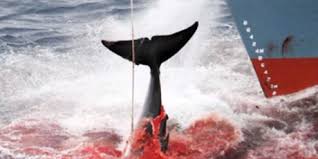
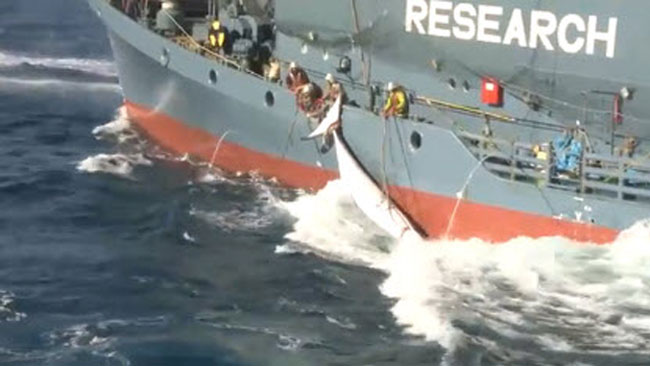
Japan: 5 Whaling Vessels Have Now Set Off For A Hunt.

Japan

We first covered the issue of the Japanese return to whaling a few days ago – see our post:

https://worldanimalsvoice.com/2019/06/30/japan-is-about-to-resume-catching-whales-for-profit-in-defiance-of-international-criticism/


Well now the whaling fleet has set sail:

https://www.bbc.co.uk/news/world-asia-48821797


Japanese whalers set sail for commercial hunting


whale 1

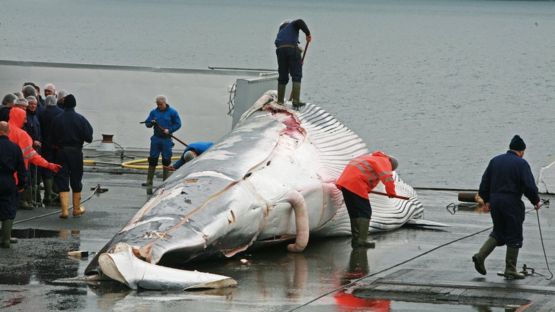
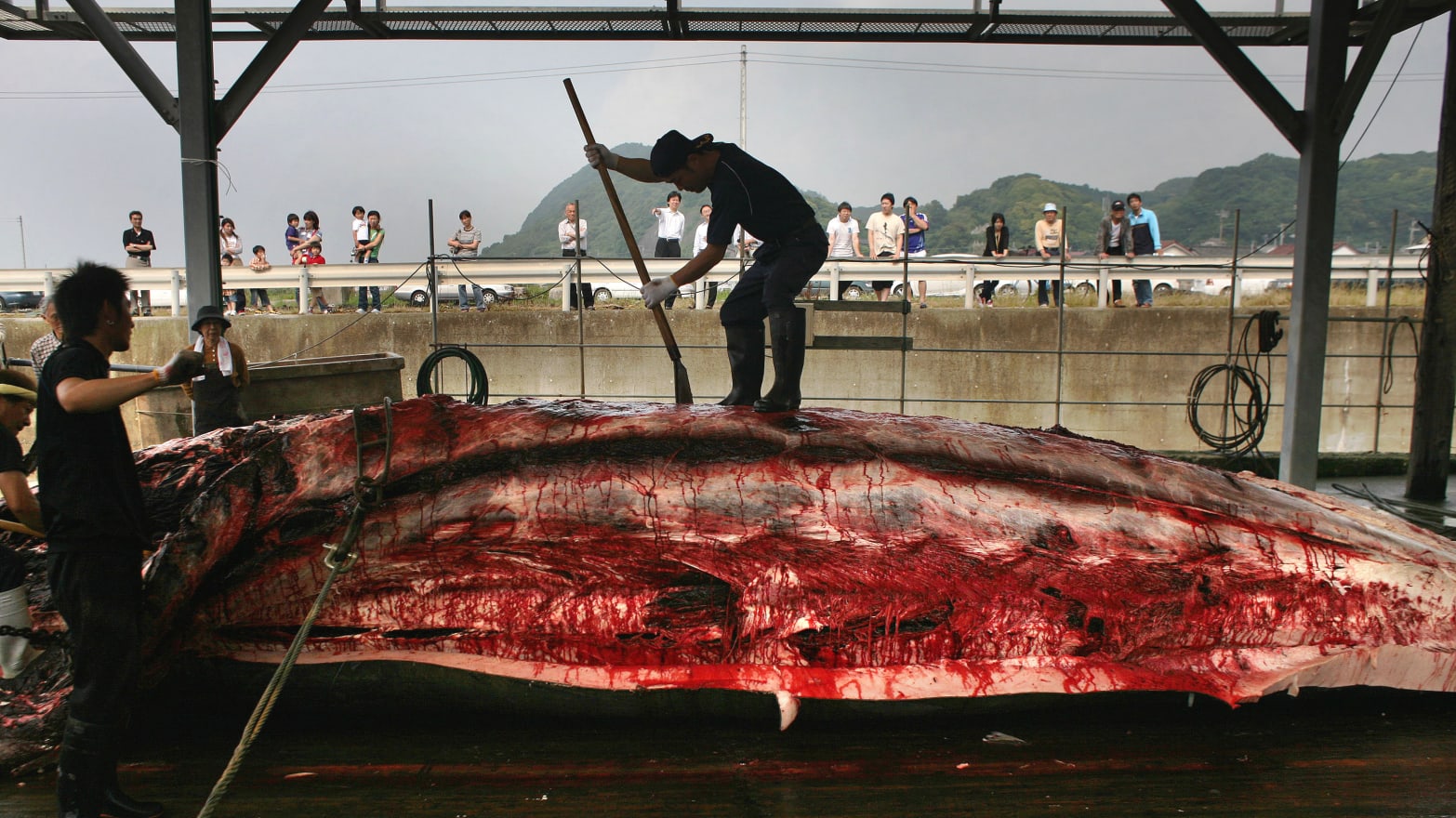
Five Japanese whaling vessels have set sail for the country’s first commercial hunt in decades, in defiance of international criticism.

The whaling ships have a permit to catch 227 minke, Bryde’s and sei whales this year in Japanese waters.

Japan’s last commercial hunt was in 1986 but it has continued whaling for what it says was research purposes.

It has now withdrawn from the International Whaling Commission (IWC) so is no longer subject to its rules.

IWC members had agreed to an effective ban on whale hunting, but Japan has long argued it is possible to hunt whales in a sustainable way.


Enthusiasm among whalers

The fisheries ministry has set a kill cap for the season of 52 minke, 150 Bryde’s and 25 sei whales.

“The resumption of commercial whaling has been an ardent wish for whalers across the country,” the head of the agency, Shigeto Hase, said at a departure ceremony in northern Kushiro for the small fleet.

He said the resumption of whaling would ensure “the culture and way of life will be passed on to the next generation.”

“My heart is overflowing with happiness, and I’m deeply moved,” Yoshifumi Kai, head of the Japan Small-Type Whaling Association, said. “People have hunted whales for more than 400 years in my home town.”

“I’m a bit nervous but happy that we can start whaling,” one whaler told news agency AFP before setting sail.

“I don’t think young people know how to cook and eat whale meat any more. I want more people try to taste it at least once.”

Criticism by conservationists

According to the IUCN Red List of Threatened Species, minke and Bryde’s whale are not endangered. Sei whale are classified as endangered but their numbers are increasing.

Conservationist groups like Greenpeace and Sea Shepherd remain critical of Japan’s resumption of whaling but say there are no concrete plans for action against the country.

Japan “is out of step with the international community”, Sam Annesley, executive director at Greenpeace Japan, said in a statement when Tokyo announced its whaling plans last year.

Like other whaling nations, Japan argues hunting and eating whales are part of its culture.

A number of coastal communities in Japan have hunted whales for centuries but consumption only became widespread after World War Two when other food was scarce.

Didn’t Japan kill whales all along?

Whales were brought to the brink of extinction by hunting in the 19th and early 20th Century. In 1986, all IWC members agreed to a hunting moratorium to allow whale numbers to recover.

Whaling countries – like Japan, Norway and Iceland – assumed the moratorium would be temporary until everyone could agree on sustainable quotas. Instead it became a quasi-permanent ban.

Since 1987, Japan has killed between 200 and 1,200 whales each year under an exemption to the ban allowing scientific research.

Critics say this was just a cover so Japan could hunt whales for food, as the meat from the whales killed for research usually did end up for sale.

In 2018 Japan tried one last time to convince the IWC to allow whaling under sustainable quotas, but failed. So it left the body, effective July 2019.

whale 4


Japan is about to resume catching whales for profit in defiance of international criticism.

Japan

whale 4

https://www.bbc.co.uk/news/world-asia-48592682


Japan is about to resume catching whales for profit, in defiance of international criticism.

Its last commercial hunt was in 1986, but Japan has never really stopped whaling – it has been conducting instead what it says are research missions which catch hundreds of whales annually.

But Japan has now withdrawn from the International Whaling Commission (IWC), which banned hunting, and will send out its first whaling fleet this July.

whale 1


Isn’t whaling banned?

Whales were brought to the brink of extinction by hunting in the 19th and early 20th Century. By the 1960s, more efficient catch methods and giant factory ships made it obvious that whale hunting could not go unchecked.

So in 1986, all IWC members agreed to a hunting moratorium to allow whale numbers to recover.

Conservationists were happy but whaling countries – like Japan, Norway and Iceland – assumed the moratorium would be temporary until everyone could agree on sustainable quotas. Instead it became a quasi-permanent ban.

But there were exceptions in the moratorium, allowing indigenous groups to carry out subsistence whaling, and allowing whaling for scientific purposes.

whale 2

Tokyo put that latter clause to full use. Since 1987, Japan has killed between 200 and 1,200 whales each year, saying this was to monitor stocks to establish sustainable quotas.

Critics say this was just a cover so Japan could hunt whales for food, as the meat from the whales killed for research usually did end up for sale.

Why is Japan restarting whaling now?

In 2018 Japan tried one last time to convince the IWC to allow whaling under sustainable quotas, but failed. So it left the body, effective July 2019.

The fisheries ministry told the BBC it would start issuing permits for hunts on 1 July. “But the starting date is subject to decisions of the whalers, weather and other conditions.”

Whaling is a small industry in Japan, employing around 300 people. About five vessels are expected to set sail in July.

The whaling “will be conducted within Japan’s territorial waters and Exclusive Economic Zone”, Hideki Moronuki of the Japanese fishing ministry told the BBC.

whale 3

This means Japan will no longer hunt whales in the Antarctic, as it did under its earlier research programme.

Like other whaling nations, Japan argues hunting and eating whales are part of its culture. A number of coastal communities in Japan have indeed hunted whales for centuries but consumption only became widespread after World War Two when other food was scarce.

From the late 1940s to the mid-1960s whale was the single biggest source of meat in Japan but since become a niche product again.

Is Japan’s plan legal?

“Within its 12 mile coastal waters, Japan can do whatever it wants,” Donald Rothwell, professor of international law at the Australian National University, told the BBC.

Beyond that, in its 200 miles (322km) exclusive economic zone and of course the high seas, the country is bound by the UN Convention on the Law of the Sea.

Article 65 of said convention mandates that “states shall co-operate with a view to the conservation” of whales and “shall in particular work through the appropriate international organizations for their conservation, management and study”.

Having left the IWC, Japan is no longer part of any such international organisation and that “directly raises questions issues whether or not Japan would be consistent with the convention,” Mr Rothwell explains.

It’s not clear if any country would try to bring Japan to court over this – in its defence, Japan might argue that for years it did try to co-operate within the IWC without any results.

Even if there were to be a ruling or injunction against Tokyo, there’d be no mechanism to enforce it.

What environmental impact will Japan’s whaling have?

The ministry will allow for the hunting of three species: minke, Bryde’s and sei whales.

According to the IUCN Red List of Threatened Species, minke and Bryde’s whale are not endangered. Sei whale are classified as endangered but their numbers are increasing.

So in terms of numbers, Japan’s commercial whaling will have only a minimal impact.

In fact, some defenders of whaling argue that whale meat has a smaller carbon footprint than pork or beef.

Conservationist groups like Greenpeace or Sea Shepherd remain critical of Japan’s resumption of whaling but say there are no concrete plans yet to tackle the country over this.

Japan “is out of step with the international community”, Sam Annesley, executive director at Greenpeace Japan, said in a statement, urging Tokyo to abandon its hunting plans.

Besides the question of stock sustainability, a key argument against the hunt is that harpooning whales leads to a slow and painful death.

Modern hunting methods, though, aim to kill whales instantly and it backers say the near-global anti-whaling sentiment is deeply hypocritical., compared to, say, industrial meat production.

But even if Japan does defy the criticism and stick with whaling, there’s a good chance the contentious issue will gradually die down by itself.

Japanese demand for whale meat has long been on the decline and the industry is already being subsidised. Eventually, commercial whaling might be undone by simple arithmetic.

Image result for japan whalingImage result for japan whaling

Image result for japan whaling


We live in a world of abundance!

Overproduction is neither responsible use of food nor is it environmentally conscious!

About a third of all food produced worldwide is not consumed, but thrown away! And it does not just affect fruits and vegetables, but also meat!

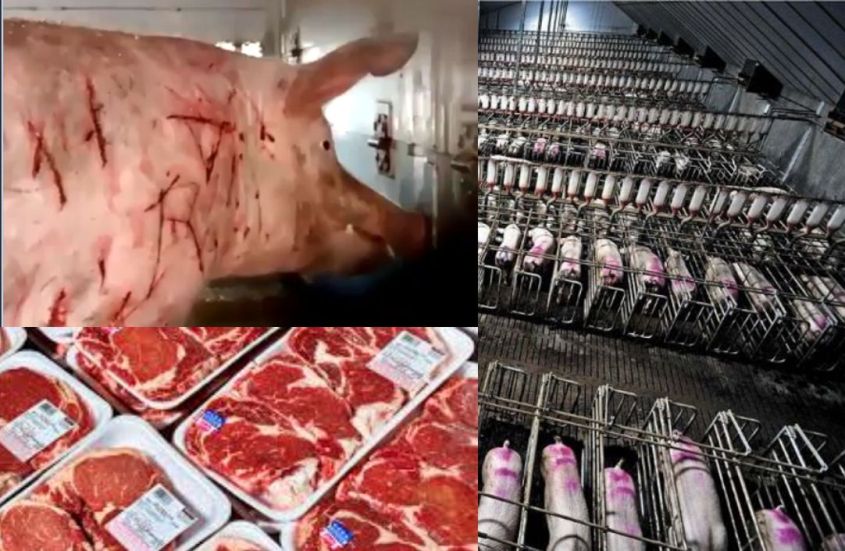
AbundanceIt is well known that meat production has a huge impact on the environment and that high meat consumption can have harmful effects on human health.
State economic aid not only rewards the increase in meat production, but produces more than consumers buy.

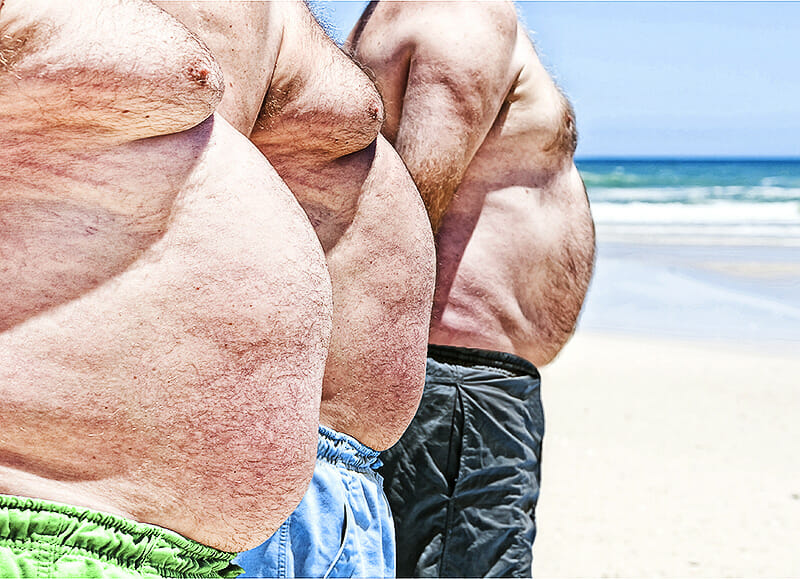
uebergewicht
Meat is thrown away before it even reaches the supermarket shelves! Food waste occurs throughout the entire production chain – and although it is known, production continues to be subsidized and food waste increases!

fleischatlas-fleichkonsum-deutschland-bild

It is shameful that supermarket chains only want to reduce their food waste by 2030!
Why not stop this overproduction immediately? You should just delete the subsidies!

For example, Europe imports cheap fruits and vegetables, but also meat from other countries where it is produced cheaply, processes it and then exports it to distant countries at low prices and destroys the market there! Is not it sick?

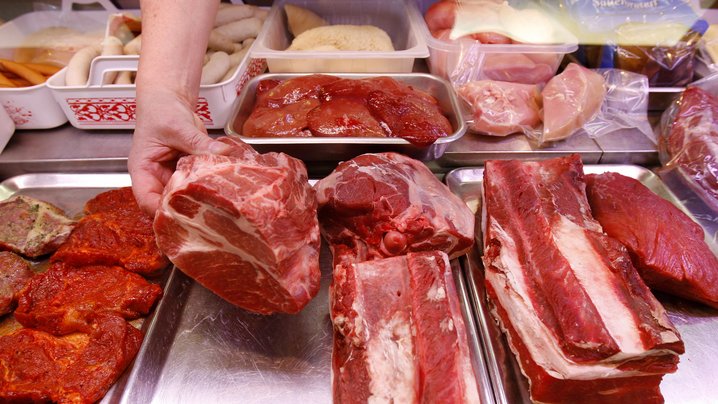
Fleisch99

For years containers with tangerines or tomatoes from China have been coming to Europe, landing in Dossen and being exported to Australia, for example!

We live in a world of abundance – with terrible consequences!

palmoel.j und Opfer Affepg

https://www.facebook.com/Netzfrauen/

And I mean:  Nature dies of the criminal behavior of a species, the human species.
And every day, the population clock is ticking faster than the global collapse … today 200,000 more people, tomorrow 200,000 more people, the day after tomorrow 200,000 more people, the day after tomorrow … Until the last final chord!
The unrestrained growth of humanity is the root cause that permanently destroys the future of human being, animal being and nature.

My best regards to all, Venus


Who takes our garbage?


The world garbage dump closes!


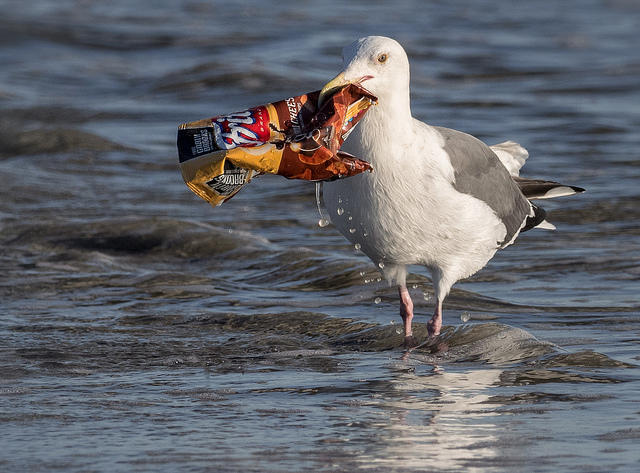
möwe mit Müllpg

Indonesia also sends plastic garbage back to its countries of origin after Malaysia and the Philippines.

More and more Asian countries do not want to be a garbage dump for the world.

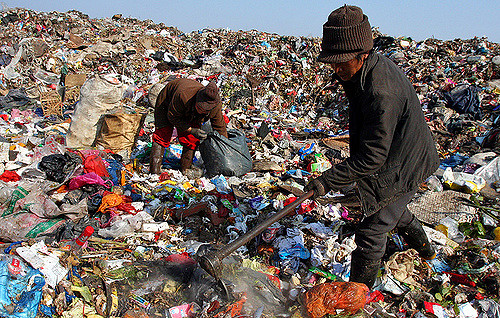
müll in China pg

Europe has been dumping its waste in China for decades – without many citizens in Germany knowing about it. Now China has shut down. On January 1, 2018, China presented the world with a 111 million-ton trash problem!!!

To date, 56 percent of all plastic waste worldwide and 87 percent of all plastic waste from EU Member States have been exported to China. Germany has sent around 760,000 tonnes of plastic waste annually to China, as magazine “Die Zeit” reports.
After on January 1, 2018, China presented the world with a 111 million-ton trash problem and India followed the example of China, Europe and the US must seek new countries for their plastic waste. But already Malaysia and the Philippines have returned the containers containing the controversial plastic waste to their countries of origin. Because, as was increasingly stated, the containers were marked incorrectly.
Allegedly, the containers should contain waste paper, and when the authorities checked the contents, it was dirty plastic waste including diapers.

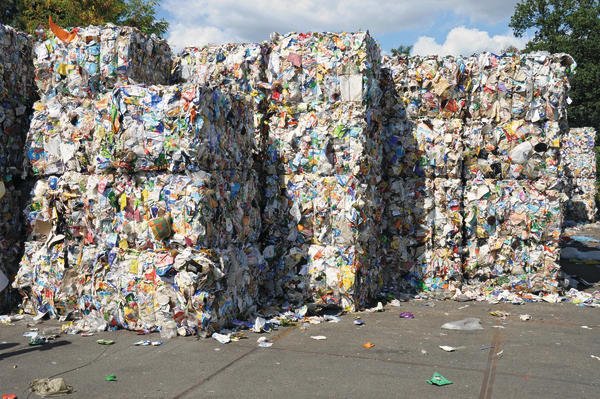
müll Paketejpg

When Indonesia inspected the containers and found that the containers were filled with dirty plastic garbage like diapers and other plastic garbage instead of waste paper, of course Indonesia did not want the plastic garbage and issued a decree. Now Indonesia sends the plastic waste back.

“We do not want to become a garbage dump for the world,” is the answer to the Western world.

The western countries remain sitting on their (shit) trash.

Plastikmuell--c

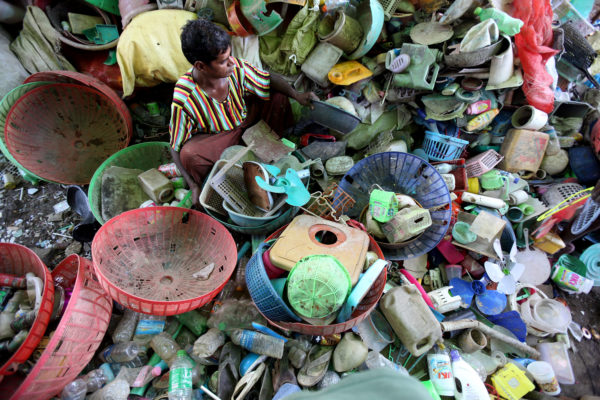
Well… now there is not much choice left. It is also worth noting that more than 320 million tonnes of plastic waste are produced annually worldwide, but only an estimated 9% are recycled. The ban on Beijing forced Western companies, which do not have their own waste recycling capacity, to look for new “markets” in Asia.

Internationaler Tag der Umwelt  - Myanmar

The Germans produce so much rubbish than any other European country. But only about 42% of plastic garbage in Germany is recycled. Under the motto: “out of sight, out of mind” plastic waste has been exported to Asia until now.
But there is another problem here: China, Indonesia, the Philippines, Thailand and Vietnam are throwing more plastic into the oceans than the rest of the world, and this is exactly where EU plastic waste is exported.

But that’s it now over! these countries no longer want the plastic waste and send the plastic waste back to their countries of origin!
But where to go, if more and more countries do not want our plastic waste?

https://netzfrauen.org/2019/06/21/plasticwaste/


plastic-strand-620x372

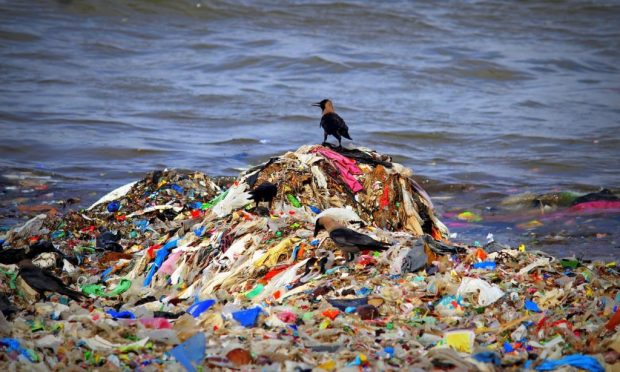
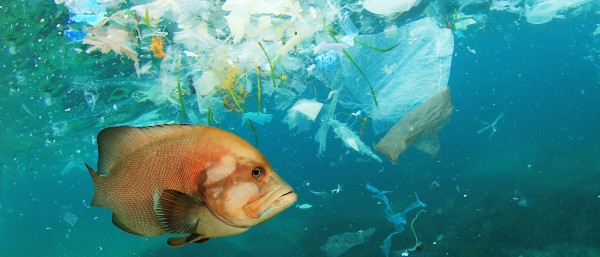
As before, we deal with the nature criminal. Not only with our soil but also with our seas.

fisch in Müllpg

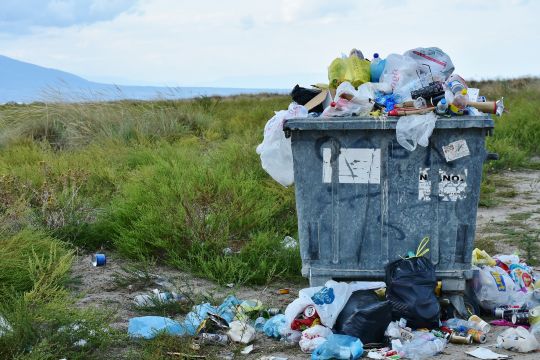
The summer is here and many people are fleeing to the beach! But why do not people take their waste back? Please share so that everyone knows that the BEACH is not a garbage dump!
“Heat … hurray … let’s have a beach party!” But please leave the location without leaving any trash.

müll in Parkplatzpg
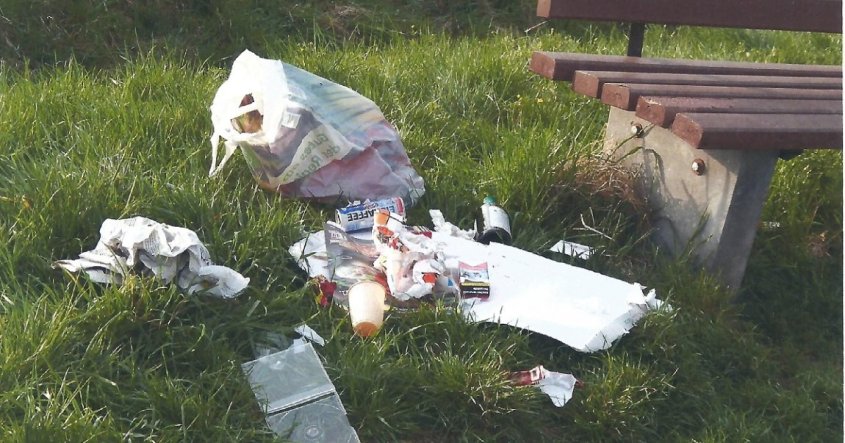
Not only tourism on the coasts is booming, but also rubbish on the beach! All over the world, people just leave the trash. And not only on the beach. Especially on the highways: windows open, garbage out!
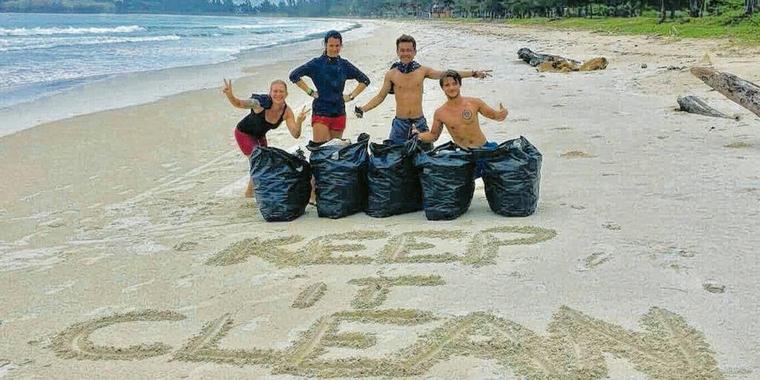
Everyone has to shoulder a bit of responsibility and not leave the fate of our planet to corrupt governments and criminal multi-corporations.

mümm keap it ckean_big_teaser_article

My best regards to all, Venus