Category: Environmental

USA: Howl for the Wolves – They Need Your Voice.

wolf

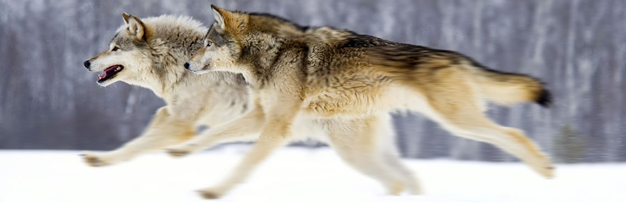
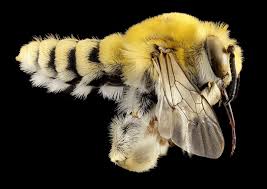
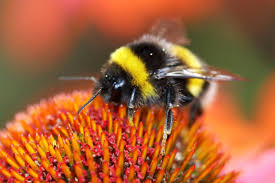
All photos are from our archive and are not directly associated with this article – WAV.


-usa-us-flagge-

Dear Mark,

Today, my father Dr. Michael W. Fox is traveling to Brainerd, Minnesota, to join hundreds of other wolf advocates to testify on behalf of Project Coyote before the U.S. Fish and Wildlife Service (USFWS) in opposition to the Trump Administration’s proposal to strip all remaining federal protections for wolves across the lower 48 states (except for Mexican wolves in the Southwest).

As a veterinarian, canid ethologist, bioethicist and author of more than 40 books – including The Soul of the Wolf my father will speak to the many values of wolves. Read his testimony here.


howlingwolvesmoon


Project Coyote Science Advisory Board Member Dr. Adrian Treves is part of a five-member peer review panel appointed by the USFWS that analyzed the proposal to delist the gray wolf. He and several other peer reviewers found the proposal “chock full of scientific errors,” stating “it looks like they decided to delist and then they compiled all the evidence that they thought supported that decision.” Read more here and here.

wolf quote


Across the nation, today is Stop Extinction Day of Action against wolf delisting – and we need your voice!  If you haven’t already, please weigh in on this critical issue for our nation’s imperiled gray wolves. THE PUBLIC COMMENT PERIOD ENDS JULY 15th! 

Please submit comments TODAY in opposition to the proposed rule to delist wolves.

Click here to submit your comments using an online form. If your comments fit into the comment box, this method is preferred. For longer comments, please attach them in a Microsoft Word document.


wolves7

Talking Points:

Your comments can simply state: “I am in opposition to the U.S. Fish & Wildlife Service’s proposed rule to remove Endangered Species Act protections for gray wolves in the lower 48 states. I urge you to reconsider this proposed rule and to instead develop a national wolf recovery plan for wolves that reflects their intrinsic value and the myriad ecological, aesthetic, and economic benefits the species provides to our communities and ecosystems.”

For maximum impact, however, we encourage you to personalize your comments. Here are some talking points you may consider incorporating:

  •  Continuing Endangered Species Act protections for wolves is necessary for the species to fully recover. Federal protections saved gray wolves from extinction following decades of persecution – and the species is still recovering, currently occupying only a fraction of their historic range.
  • The proposed rule would transfer authority over wolves to state wildlife management agencies, which historically have shown little interest in preserving wolves. These state agencies have catered to special interest groups who seek to kill wolves for trophies or entertainment, or on the misguided belief that killing wolves protects livestock or increases deer and elk populations.
  •  Wolves are vital to healthy ecosystems. Benefits wolves provide include increasing biodiversity by keeping large herbivores such as deer from overgrazing habitats and maintaining the health of prey animals such as deer by culling the sick members from the heard, including animals suffering from Chronic Wasting Disease.
  •  The best available, peer-reviewed science demonstrates that killing wolves will not protect livestock or increase populations of game species like deer or elk. Wildlife management decisions should be based on ethics and sound science, not fear and misunderstandings.
  •  The vast majority of Americans are wildlife watchers who prefer to view wolves in their natural habitat – preserved and treated with respect. Allowing wolves to return to their historic range and thrive will provide far more benefits to our economy than allowing a tiny minority of the population to extirpate these iconic animals from our landscape.

Learn more about wolves here.

Wolves CBD

Thank you for acting TODAY to protect wolves from extinction!

For Wild Nature,

Camilla Fox
Founder & Executive Director


EU: Urgent Petition to Stop Bee Killing Pesticides -URGENT – Please Sign Now.

zerissene EU-Flagge am Stock

gegen Monsanto pg


Be4

SPEAK UP FOR THE BEES NOW !


We’re so close to securing a ban on thiacloprid, Bayer’s pesticide that devastates bee populations, poisons birds, and endangers the health of farm workers.

Hundreds of SumOfUs members like you have just chipped in for hard-hitting adverts in Politico, the magazine that’s read and trusted by EU politicians. Before we go to print, please add your name to the petition so readers know exactly how many of us want a Europe free of dangerous, bee-harming chemicals:


Petition Link:

https://actions.sumofus.org/a/the-pesticide-thiacloprid-is-toxic-to-bees-and-humans-ban-it-now-3/?akid=57768.7697051.o7Jnjp&rd=1&source=fwd&t=14


Be1

Petition Wording:

This is unbelievable. The EU is under pressure from Bayer-Monsanto to re-approve the toxic pesticide thiacloprid.

Thiacloprid is a neonicotinoid pesticide — just like the ones that the EU banned from outdoor use last year, after hundreds of thousands of SumOfUs members like you voiced your concern over the dangers those chemicals posed to bees.

But thiacloprid isn’t only bad for bees. It’s harmful to humans too, and puts workers on farms where it’s used in danger of suffering from organ damage and even cancer.

We won’t let Bayer win this one. Thiacloprid’s licence needs to be reapproved this year so there’s still time to keep the EU from making a horrible mistake — but only if we speak up right now.

Tell the EU to ban thiacloprid before it’s too late!

Thiacloprid is already banned in France because of its danger to bees, and it’s also been shown to damage human and mammal reproductive systems.

There’s no conceivable reason why this toxic pesticide should be legal in the EU — but Bayer, with its billion-euro lobbying machine, has managed to convince the European Commission so far.

But there’s one thing Bayer forgot about: Us. You and I have already fought the pesticide giant on the bees’ behalf and won. 

It was our pressure that forced last year’s ban on three other bee-killing neonicotinoids. We can make the Commission acknowledge the real threat that thiacloprid poses to both bees and people, but we’ve only got a few short weeks to do it — so we need you on board now.

Tell the EU to get toxic thiacloprid out of our fields and our food!

Be2

More information

Peer review of the pesticide risk assessment of the active substance thiacloprid
European Food Safety Authority. 14 March 2019.

France becomes first country in Europe to ban all five pesticides killing bees
The Telegraph. 31 August 2018.


USA: Arizona Game & Fish Commission Adopts Rule to Ban Wildlife Killing Contests.

-usa-us-flagge-

FOR IMMEDIATE RELEASE – June 21, 2019

proj coyote media release

Contacts:
Betsy Klein, I AM WOLF NATION, (714) 478-0353, b@planb.foundation
Matt Francis, Project Coyote, (435) 659-9635, mfrancis@projectcoyote.org
Katie Stennes, Project Coyote, (240) 328-5369, kstennes@projectcoyote.org
Lain Kahlstrom, Animal Wellness Action, (480) 565-0655, lkahlstrom@outlook.com

Arizona Game & Fish Commission Adopts Rule to Ban
Wildlife Killing Contests

Commissioner Vows to Revisit Rule if Contests are Held Despite the Ban

Phoenix, AZ – Today the Arizona Game and Fish Commission (AZGF) voted unanimously (4 to 0) to ban wildlife killing contests (WKCs) for predatory and furbearing species in Arizona. For months a coalition comprised of concerned citizens and wildlife conservation organizations has worked tirelessly to ban WKCs statewide. Wildlife killing contests are barbaric events wherein participants compete to kill the greatest number, the largest, or even the youngest of the target wildlife species for “entertainment” and prizes. Hundreds of coyotes, bobcats, cougars, foxes and other species are killed in these events every year in Arizona.

In 2018 and 2019, Dewey-Humboldt, Flagstaff, Coconino County and Yavapai County passed resolutions condemning the events (Tucson and Pima passed similar resolutions in recent years). New Mexico and Vermont banned coyote killing contests in 2019 and 2018, respectively. California passed a wildlife killing contest regulation in 2014. Recently the Washington Post highlighted the Santa Slay Coyote Tournament, which takes place annually in Yavapai County, noting the national public outcry against these contests.

“We commend the Commission for adopting a rule to crack down on wildlife killing contests for predatory and furbearing species including coyotes and foxes,” said Matt Francis, Arizona State Representative for Project Coyote. “While we have concerns that potential loopholes may allow these contests to continue, we were pleased to hear that Commissioner Davis is committed to amending the rule if necessary to prevent participants from evading the ban. We all want the same thing: to end the cruel and ecologically destructive killing of the public’s wildlife for no good reason.”

“I believe Commissioner Davis said it best when he said it is the responsibility of the Commission to ensure their rules uphold the highest ethical principles, and they prohibit the take and use of wildlife for economic and illegitimate purposes,” stated I AM Wolf Nation Executive Director Betsy Klein. “As stewards of all wildlife, we owe this to present and future generations. While the rule leaves room for these atrocities to continue, it is a step in the right direction and we are thankful to the Commission for proposing such a rule in the first place.”

The coalition has been working to close loopholes in the rule that may allow WKC participants and organizers to continue their contests so long as participants don’t officially “register or record entry” or “pay a fee.” The rule as passed today also leaves animals such as prairie dogs and rabbits unprotected.

Today Commissioner Davis noted that he believed 99 percent of hunters would abide by the new rule.  
 
Over 70 conservation scientists have signed a statement condemning WKCs on ecological and ethical grounds (see a factsheet here explaining why indiscriminately killing coyotes is counterproductive).

The Arizona Game and Fish Department (AZGFD) itself recognizes that killing coyotes does not reduce their numbers, stating on their website: “Removing coyotes from one area generally results in other coyotes moving in from surrounding areas and breeding faster.” There is no way to know the effect that wildlife killing contests have on coyote populations in Arizona because AZGFD does not monitor the contests or track the number of coyotes killed in these events.

The coalition is hopeful that today’s action by the Game and Fish Commission put an end to the scientifically and ethically indefensible practice of wildlife killing contests in Arizona.

***

Footage of today’s Commission meeting is available here.

Read an Op Ed in today’s Arizona Daily Star by Dan Flores, author and Project Coyote Ambassador, and David Parsons, retired wildlife biologist for the U.S. Fish and Wildlife Service and Project Coyote Science Advisory Board Member condemning wildlife killing contests.

Project Coyote, a national nonprofit organization headquartered in Northern California, is a North American coalition of wildlife educators, scientists, ranchers, and community leaders promoting coexistence between people and wildlife, and compassionate conservation through education, science, and advocacy. For more information, visit ProjectCoyote.org

Project Coyote is a fiscally sponsored project of Earth Island Institute, which has received a Four Star rating from Charity Navigator.


Update – Two very special Belugas have arrived at their new sanctuary home…


Following on from our recent post that Little Grey and Little White had set off on their journey to a new sea sanctuary; we can now give you an update that they have arrived safely at their destination – so that is brilliant news !

Our recent post:

https://worldanimalsvoice.com/2019/06/19/little-grey-and-little-white-have-now-begun-their-journey-to-their-new-sea-sanctuary/

News From the Whale and Dolphin Conservation Society:

Two very special belugas have arrived at their new sanctuary home…

Yesterday, Little White and Little Grey arrived safely in Iceland! 

If you’ve been following this story, you’ll know that we have been working with the SEA LIFE Trust to create the world’s first ocean sanctuary for whales.

We realised a long time ago that it is no use calling for an end to captivity unless there is somewhere for captive whales and dolphins to go. After years of planning and mind-boggling logistical challenges, the first two whales have arrived at their new sanctuary home. They will be monitored by our experts in a quarantine area to make sure they are fully fit after their long journey before being released into the sea.

beluga jet full livery

How do you fly two Belugas to their new sanctuary home?

beluga transport graphic WDC

Your support made all this possible. Now we need your help to continue looking after Little Grey, Little White, and many others still held in captivity. Please donate today so we can continue our vital work. 

Donate to help the new sanctuary by clicking on the following link:

https://uk.whales.org/support/support-the-worlds-first-beluga-sanctuary/?don=referrer_fixed&ref=EM-BELU-19-06-00-DON&utm_medium=email&utm_campaign=June%20ENL&utm_content=June%20ENL+CID_823b6fba353adcf63345d797ccbb4adb&utm_source=Campaign%20Monitor%20WDC&utm_term=DONATE%20NOW

Thanks EU – When It Comes To Pesticides, We Will Mark Our Own Homework.

GREECE/

We expressed our concerns about the way things were going with the EU and big pharma lobbyists back in March; here is the ink:

https://worldanimalsvoice.com/2019/03/08/eu-have-the-lobbyists-for-bayer-monsanto-convinced-the-eu-to-ignore-the-concerns-of-the-eu-citizen/

Well as the following article suggests, big pharma has now got its foot in the door and its lobbyists are now working to play down the effect that pesticides can have in relation to human health. It has been shown that such pesticides are killing off the bees kept within the EU, but it does not really appear to matter much in the corridors of Brussels. The lobbyists appear to be getting their way, in direct opposition from the European citizen. The shape of things to come ? – regardless of what damage your products may incur on people, the people who make decisions have been sorted out by the lobbyists to work in their favour – and regulations may be watered down as a result to ensure that big industry continues to make profits for shareholders; products continue to be sold in the shops; and if you fall ill as a result of using them; then tough; we have doctored the legislation so that we will not be taken to court. In other words; just as we want it !

Be1


Source:

https://www.independentsciencenews.org/health/eu-threatens-to-legalise-human-harm-from-pesticides/


By Hans Muilerman and Jonathan Latham, PhD

Current EU regulations forbid human exposure to pesticides that are classified as mutagenic, carcinogenic, reprotoxic (toxic for reproduction), persistent or capable of disrupting endocrine systems. By virtue of these and other protective measures EU regulations are considered the gold standard in public protection.

However, experts who are closely linked to industry (or are part of anti-regulation pressure groups) have taken control of the EU’s new Science Advice Mechanism (SAM). These experts have contributed to a report commissioned to reevaluate the EU’s authorisation of pesticides. The report, called “EU authorisation processes of Plant Protection Products”, and published in late 2018, recommends dramatically weakening the EU regulatory system. Especially notable is the adoption of many ideas previously proposed by the chemical industry. For example, the EU currently deems the acceptable level of public exposure to mutagenic pesticides (those that damage DNA) to be zero. The new report recommends scrapping this standard of protection.

The history of the new SAM report is that it was requested by EU Health Commissioner Vytenis Andriukaitis. Its purpose was to determine how to act in cases of so-called ‘diverging views’; that is, when media and public interest groups get involved. The request follows a series of major controversies over EU regulatory decision-making. One such controversy was over the herbicide Glyphosate. A “European Citizens Initiative” delivered more than a million signatures to the EU Commission asking for a ban on Glyphosate. Several cities banned Glyphosate. Even a dairy company banned the use of Glyphosate by their farmers.

With this pressure from all over Europe, the EU Commission had difficulty reaching a decision since many EU member states (Bulgaria, Denmark, Czech Republic, Estonia, Ireland, Spain, Cyprus, Latvia, Lithuania, Hungary, the Netherlands, Poland, Romania, Slovakia, Finland and the U.K) opposed a ban. Ultimately, a very unusual 5-years extension for glyphosate was agreed but soon the discussion will start again.

Issues with neonicotinoids have also pushed the EU Commission into a corner. Neonicotinoid insecticides are linked by much research to ‘bee colony collapse’ and, according to the International Union for the Conservation of Nature “represent a worldwide threat to biodiversity, ecosystems and ecosystem services” (Goulson, 2013; IUCN 2017). This again placed the EU Commission in the crossfire since many EU member states and their ministries of agriculture wished to keep neonicotionids on the market. Waves of scientific publications and media attention about dying bees and empty beehives forced the EU Commission to finally ban them. Nevertheless, Poland, Romania, Hungary, and Lithuania still resist the ban by using derogations.
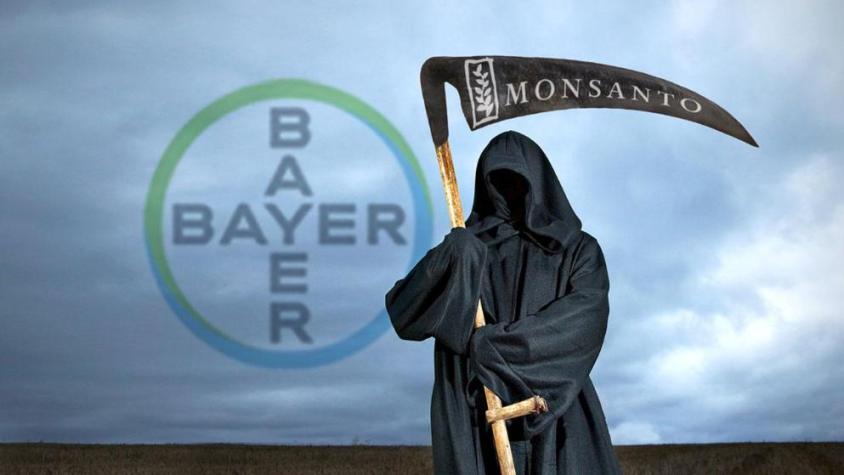
gegen Monsanto pg

A third big controversy has been endocrine disruption. Public concern about hormone-mimicking chemicals forced politicians in 2009 to address endocrine disruption concerns in the regulations and ban endocrine disrupting pesticides. An enormous lobbying effort from industry, the US chamber of commerce, EU Directorate General (DG) Enterprise, and EU DG Growth, tried to stop the implementation of the new rules, especially during the TTIP trade negotiations with the US. EU DG Environment was isolated and in the end DG SANTE (health) was found willing to do the dirty work of undermining the rules. Again, waves of bad publicity from the public and scientists harmed the credibility of the EU Commission. This debate too is far from over.

Conflicted science advice

The SAM report is important since it will soon be used by the EU Commission as an input for its ‘REFIT’ programme to evaluate pesticide regulation. This is a programme that the chemical industry sees as a major opportunity for a regulatory roll-back.

Some of the experts invited to help SAM and listed on the SAM website, however, are not independent. Instead, they have strong links to the International Life Sciences Institute (ILSI). ILSI is a worldwide network, a federation of non-profits funded by many industries, including the pesticide industry, and which provides expertise in regulatory issues.

ILSI global includes over 400 company members and ILSI Europe includes 88.

Among them are every pesticide multinational.

Sourcewatch writes of ILSI that: “The interests of food, pharmaceutical, tobacco, energy, and other industries have become even more entwined. They have learned to cooperate (rather than blaming each other for the cancer epidemic) and they now form coalitions to fight health and environmental regulations.

“It is notable that [ILSI members] generally employ the same lawyers, lobbyists and PR companies, and use essentially the same tactics”.
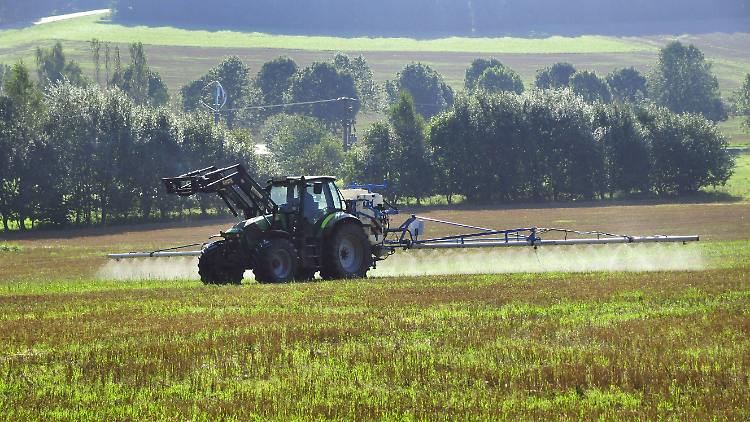
wiese sprüher jpg

ILSI has a negligible public profile, and claims not to be a lobby group, but is very active behind the scenes in obtaining seats for ILSI-associated scientists on regulatory panels such as that of the EU Food Safety Authority (EFSA) and international organisations like WHO, the World Health Organisation, the Food and Agriculture Organisation (FAO) of the UN, and the International Programme on Chemical Safety (IPCS) of the WHO. Experts generally do not disclose their links to ILSI and pretend to be independent academic scientists.

A recent example of ILSI members successfully getting seats on an EFSA-panel concerned the risk assessment idea of a Threshold of Toxicological Concern (TTC). This idea assumes chemicals are safe at low doses without (expensive) testing. It has been an important goal of the chemical industry to establish TTCs in European and other jurisdictions.

PAN Europe has analysed the process of developing guideline for the TTC at the European Food safety Authority EFSA. We discovered that the chair of the EFSA working group was Sue Barlow, who worked for ILSI and the cigarette industry. She had volunteered to be chair of the EFSA working group. From this position she installed an ILSI network. This EFSA working group then more-or-less copy-pasted the ILSI proposal, making it into an EFSA opinion.

ILSI has been imposing its ideas on many other current EU risk assessment methods too, intending to weaken protections and ease access of pesticides to the market. Thus a PAN Europe survey showed that out of 12 EU pesticide risk assessment methods analysed, 8 were designed and promoted by ILSI. Industry is being allowed, under the radar, to “write its own rules”.

eu-flagge-zerrissen-pg


The conflicted scientists

In the case of the SAM, a prime example of these conflicts is UK professor Alan Boobis who is listed on the SAM website as a contributor to the SAM report. Alan Boobis has been active in ILSI  for decades. Until January 2018 he was the chair of its Board of Trustees. Due to his conflicts of interest Boobis was disbarred from a new expert panel convened by EFSA in 2012.

French professor Dominique Parent-Massin is mentioned alongside Boobis as working on the SAM report. Prof. Parent-Massin has previously worked with ILSI member, Ajinomoto – the world’s biggest Aspartame producer.

Also listed on the SAM website is Joergen Schlundt, former Director of the Danish National Food Institute. Schlundt is also a former ILSI board member .

All three are listed on the SAM-website as contributors to the report, or as providers of evidence through another report written by a new network called Science Advice for Policy by European Academies (SAPEA), or as being part of a ‘sounding board’ and fact-checking process. Despite these counter-indications the SAM website states that “The Commission found that none of the interests declared constituted a conflict of interest.”

Another expert used by the SAM is German professor Daniel Dietrich, editor-in-chief of the journal Chemico-Biological Interactions. With a group of editors of journals of pharmacology and toxicology he has been very vocal in trying to stop the regulation and banning of endocrine disrupting pesticides (in EU Regulation 1107/2009). Dietrich published editorials in several scientific journals that triggered highly critical responses from other scientists, such as members of the ‘Endocrine Society’. Ties between the Dietrich group of authors and industry were exposed by Le Monde journalist Stéphane Horel who found 17 out of the 18 experts of Mr. Dietrich’s group have past or current ties to industry. The Dietrich group has been prolific, publishing articles like ‘Endocrine disruption: Fact or urban legend?’ that disputes the health risks of endocrine disruption (Nohynek et al., 2013). Even after former EU science advisor Anne Glover achieved a consensus between opposing groups that toxicological thresholds below which chemicals are safe (see TTC above) were unproven, Dietrich and his group (along with Alan Boobis) still claimed their opponents used “pseudoscience” (Dietrich et al., 2016). Dietrich also opposed the EU ban of bee-harming neonicotinoids, and both Dietrich and Boobis criticized the IARC-report asserting the genotoxicity of Glyphosate.

Conflicts in EU science advice

The EU has mechanisms to prevent conflicts of interest from derailing its scientific decisions. The SAM website currently presents ‘Declarations of Interest’ (DoI) for its members including for Boobis, Parent-Massin, Dietrich, and Schlundt. But one might wonder if procedures to report conflicts of interest are functioning. DoI’s were not available online when the SAM-report was published (in June 2018). One was even not signed until considerably after publication, in August 2018.

The efforts of ILSI have so far been effective. Several of its campaigning targets are included in an important “SAPEA evidence review report“. SAPEA (Science Advice for Policy by European Academies) is a new body set up by European science academies. This evidence review is intended to feed into the SAM report and featured many of the conflicted scientists above. SAPEA’s report promotes many industry objectives, such as the use of ‘historical control data’. The great importance of this is that, since many potential historical controls exist, their use makes it much easier to ascribe toxic effects observed in animal testing as being simply noise and therefore irrelevant.

Another industry goal is to promote inexpensive (in vitro) ‘mode-of-action assessment’ in preference to expensive adverse outcome testing. A third is to drop the obligation for chronic mouse testing.

The aims of PAN Europe and the Endocrine Society, on the other hand, are: 1) to recognise the reality of ‘low dose effects’ which are currently not tested at all for pesticides; 2) the recognition that chemicals may cause non-linear toxicity responses over a wide range of doses. These are called ‘non-monotonic dose-effect responses’ (whereas regulators presently acknowledge only linear dose-response curves of toxicity and even dismiss effects entirely if they are not linear); 3) mandatory testing for endocrine disruption; 4) to dispute the current regulatory assumption that chemicals have safe thresholds. All are missing from the SAPEA report.

In a further blow to precaution, the SAM report proposes to change EU rules by exchanging the acceptable level of citizen protection from “do not have any harmful effects on humans” for an undefined level, that of “acceptable risk”. This is the change of regulation that would make human harm legal, since it would stop the EU’s much-detested-by-industry ‘hazard approach’ that aims to avoid any exposure of humans to classified (mutagenic, carcinogenic, reprotoxic (toxic for reproduction), persistent and endocrine disrupting) pesticides.

SAM proposes that the EU should re-examine this ‘hazard approach’, which has been under attack by industry for many years; and so it seems that SAM might prove to be the instrument by which industry finally achieves successes for which they have campaigned so long.

The EU has shown itself sensitive to public pressure. What is now needed is for that pressure to be redoubled.

References

Goulson, D. (2013) An overview of the environmental risks posed by neonicotinoid insecticides. Journal of Applied Ecology 50: 977–987.
Nohynek, G.J., C. J. Borgert, D. Dietrich, and K. K. Rozmand (2013) Endocrine disruption: Fact or urban legend?, Toxicology Letters 223 295– 305.
Dietrich et al., (2016) Allowing pseudoscience into EU risk assessment processes is eroding public trust in science experts and in science as a whole: The bigger picture. Chemico-Biological Interactions 257 (2016) 1-3.
Dietrich et al., (2013) Open letter to the European commission: scientifically unfounded precaution drives European commission’s recommendations on EDC regulation, while defying common sense, well‑established science, and risk assessment principles. Arch Toxicol (2013) 87:1739–1741.

Hans Muilerman works at PAN Europe and is based in Brussels.

If this article was useful to you please consider sharing it with your networks.


Victory for Elephants! Cambodia’s Largest Tourist Attraction Is Banning Cruel Elephant Rides.

cambodia


Victory for Elephants! Cambodia’s Largest Tourist Attraction Is Banning Cruel Elephant Rides

Posted by Carly Day | June 12, 2019

Victory for Elephants! Cambodia’s Largest Tourist Attraction Is Banning Cruel Elephant Rides

Image Credit: Moving Animals

After years of suffering, the elephants at Angkor Wat temple in Cambodia will no longer spend their lives in forced labor, traipsing along the unforgiving concrete carrying hordes of tourists in the scorching heat.

In what is a far cry from their arduous lives to date, the 14 elephants will be moved to a more natural setting to live in semi-retirement in a new center set up in a forested area with a stream, located in the Sotr Nikum district.

“In early 2020, our association plans to end the use of elephants to transport tourists,” said Oan Kiry, Director of the Angkor Elephant Group Committee. “They can still watch the elephants and take photos of them in our conservation and breeding center. We want the elephants to live in as natural a manner as possible.”

In 2016, one of the Angkor Wat elephants dropped dead while carrying tourists around the ancient temple complex. Sambo, a male in his forties, had been working for 40 minutes when he had a heart attack due to toiling in the extreme heat.

Cambodia’s wild and domesticated elephant populations have been decreasing over the last decade. Just 10 years ago, there were an estimated 200 domesticated elephants in the country; now, there are only 70. Wild numbers sit at around 500.

Elephant advocates applaud the decision to end riding and establish a conservation and breeding facility, but emphasize the importance of also protecting the country’s wild population.

“Cambodia could restore its domestic and wild elephant numbers by establishing centers and national parks for domestic elephants to live and breed naturally in, as well as provide sanctuaries for the protection of wild elephants,”  said WWF Cambodia Country Director, Seng Teak.

We are happy to see an end to elephant abuse at one of the biggest tourist attractions in Southeast Asia, and sincerely hope that the remaining domestic elephants in Cambodia are granted the same opportunity to live out their lives with dignity.


you did it 2


Little Grey and Little White Have Now Begun Their Journey to Their New Sea Sanctuary.

beluga jet full livery


We covered the preparation work for the major shift a few months ago:

https://worldanimalsvoice.com/2019/04/05/beluga-whales-little-grey-and-little-white-moved-to-the-worlds-first-beluga-sanctuary-in-april-2019-confirmed/

https://worldanimalsvoice.com/2018/11/08/new-retirement-home-off-iceland-for-beluga-whales-used-in-entertainment-park-in-china/


Update 19/6/19:


Their journey back to the sea begins..

Hello Mark,

This is just a short email, but I wanted to keep you updated: Little White and Little Grey have started their 6000 mile journey back to the sea. These two whales, who have been exploited for years by SEA LIFE at their centre in Shanghai, will now finally have a chance at peace at a new sea sanctuary.

With your help we have been campaigning for these whales to be retired to a sanctuary for years and finally, SEA LIFE gave into pressure and have built this long-awaited haven for the whales in a bay in Iceland.

Read more about the whales and their sanctuary here:
www.freedomforanimals.org.uk/news/beluga-whales-start-6000-mile-journey-to-sanctuary

The 6000 mile journey will take place by air, sea and road, and will not be an easy one for the whales. But hopefully, it will all be worth it in the end when they make it back to the sea.

We will be anxiously monitoring the situation and will update you with any news we have as soon as possible. The best way to keep updated is to follow us on social media, where we can post more regular updates.

facebook.com/freedomforanimals
twitter.com/freeanimalsuk

The whales are so close to a life far, far away from the horrible concrete tank that held them for so long. We wish them all the luck and cannot wait to celebrate their arrival.

Thank you!

For Little White and Little Grey,


If This Photo Does Not Send A Message About Global Warming; Then What Does ? – Husky photograph reveals troubling reality of melting ice in Greenland.

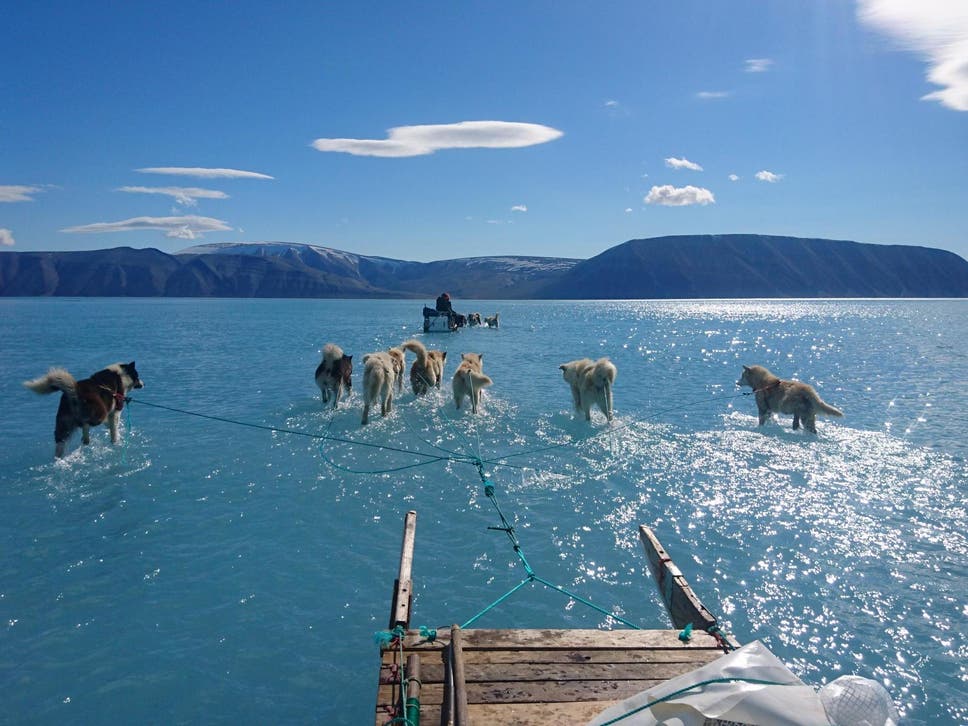
Huskies pull scientists through waters standing on a 1.2m-thick ice sheet in Inglefield Bredning in north west Greenland


Husky photograph reveals troubling reality of melting ice in Greenland


Photo by climatologist Steffen Olsen taken on same day island lost 2 billion tonnes of ice amid high temperatures

An extraordinary photograph of huskies pulling sleds through ankle-deep meltwaters on top of an ice sheet in Greenland has brought attention to the uncharacteristically warm temperatures affecting the Arctic.

Danish climatologist Steffen M Olsen took the picture on 13 June while on a routine mission through the Inglefield Gulf in northwest Greenland.

The rapidly melting ice caused difficult and dangerous conditions for the team of climatologists who were retrieving weather station equipment from the area.

The thin layer of water was standing on top of an ice sheet around 1.2 metres deep, Dr Olsen said on Twitter.

“We know the ice is around 1.2m thick and that we have about 870m [of] water below us. Together with the local hunters we have been measuring also ice thickness from December to now. An ongoing activity for almost a decade now.”

Dr Olsen’s colleague Ruth Mottram, an expert on Greenland’s ice sheet, told The Independent the onset of unusually warm temperatures combined with very few cracks in the ice meant the rapid accumulation of meltwater was unable to drain through the solid sheet of ice.

She said along with local hunters who still live a traditional subsistence lifestyle in this region, climatologists from the Danmarks Meteorologiske Institut (DMI) had worked for several years to monitor ice and ocean conditions in Inglefield Bredning – a fjord in north western Greenland near the settlement of Qaanaaq.

She said: “In the project they place instruments on the sea ice that forms in the bay in winter each year and then retrieve them around about now in late spring/early summer before the sea ice breaks up, in order not to lose what are pretty expensive instruments into the ocean!

“This year the expedition to retrieve the instruments (by dog-sled, still the most practical way to get around in this region at this time of year) ran into a lot of standing water on the sea ice. The ice here forms pretty reliably every winter and is very thick which means that there are relatively few fractures for meltwater to drain through.

“Last week saw the onset of very warm conditions in Greenland and in fact much of the rest of the Arctic, driven by warmer air moving up from the south.”

She added: “The DMI weather station nearby at Qaanaaq airport registered a high of 17.3C on Wednesday and 15C on Thursday, which is pretty warm for Northern Greenland, even in summer!”

On Monday evening Dr Olsen wrote on Twitter the expedition to retrieve the instruments had been successful. “We managed to recover the remaining instruments so now to the data recovery and hopefully heading home in a couple of days,” he said.

Greenland is currently in the grip of near-record levels of ice melt, with the day Mr Olsen took the photograph – 13 June – seeing the country lose more than 2 gigatons (equal to 2 billion tons) of ice on that day alone.

The sudden spike in melting “is unusual, but not unprecedented”, Thomas Mote, a research scientist at the University of Georgia who studies Greenland’s climate, told CNN.

“It is comparable to some spikes we saw in June of 2012,” he said.

That year saw record-setting ice melt with almost the entire ice sheet experiencing melting for the first time in recorded history.

https://www.independent.co.uk/environment/husky-photograph-greenland-climate-change-melting-ice-photo-a8963466.html?amp=1


USA: The US Government Is Trying to Overturn Protections that Save Grizzly Bears from Trophy Hunters.

us-flagge_ml

The US Government Is Trying to Overturn Protections that Save Grizzly Bears from Trophy Hunters

Posted by Carly Day | June 10, 2019

The US Government Is Trying to Overturn Protections that Save Grizzly Bears from Trophy Hunters

Image Credit: Pixabay – Arthur Topham


Once again, the future of Yellowstone’s grizzly bears is under threat after Federal attorneys filed an appeal to overturn part of last year’s ruling, which reinstated the species’ protection under the Endangered Species Act.

The appeal, filed with the 9th U.S. Circuit of Appeals, questions some aspects of the judge’s decision last September and argues that the US Fish and Wildlife Service (USFWS) “should not have to conduct a comprehensive review of the entire listed species,” and that “the district court’s order goes beyond the appropriate remedy.”

The Act has protected grizzlies since 1975 after numbers dropped to 136 individuals. There are now an estimated 1,700-1,800 bears left in the lower 48 states, and around 700 of these live in and around the Yellowstone National Park.

In August 2017, the USFWS removed protections for this population, meaning the management of these animals would be handed over to Idaho, Montana and Wyoming, and trophy hunters would be allowed to murder 23 bears around Yellowstone.

A number of organizations went to court to ask for this decision to be reversed. Thankfully, they were successful, and before hunters had a chance to slaughter any more of these majestic animals, the protections were restored.

According to the Western Environmental Law Center, grizzlies in Yellowstone are still at risk, despite claims by the USFWS that populations are fully recovered. The Center cites “dwindling food sources, climate change, small population size, isolation, habitat loss and fragmentation, and high levels of human-caused mortality” as critical issues facing these beautiful bears.

The USFWS says that grizzlies no longer require this kind of intensive protection and claims that increasing human-animal conflict needs to be managed by controlling bear populations through hunting.

But bear supporters will not give up easily.

“[This latest appeal is a] waste of more time and money trying to defend the illegal decision to pull Yellowstone’s grizzly bears off the endangered species list,” said Andrea Santasiere, attorney for the Center for Biological Diversity. “These bears still need federal protection and we’ll fight to defend the lower court’s decision.”