Category: Environmental

Japan: Petition – Embarrass Them – Make Coal Fired Power An Issue In Japan When It Hosts the G20 Very Soon.

Japan


Image result for bonsai tree cartoon

In less than three weeks, Japan will for the first time host the G20.

It’s a make or break moment for Prime Minister Shinzo Abe. And there’s one topic he’s hoping doesn’t come up: coal.

Because Japan is one of the world’s largest public financiers of coal fired power plants. It is the only G7 country building coal power plants domestically and financing them overseas. 

There are forces within Prime Minister Abe’s own Government pushing for Japan to move away from coal. But without international pressure Abe won’t act.

Japanese activists have a plan to deliver tens of thousands of signatures from people across the world to Shinzo Abe right in the middle of the G20 when he’s trying to show his Government’s best face to the world.

Image result for coal pollution japan

But our friends in Japan need your help.

Will you sign the petition to the Japanese Government to stop financing coal?

The world’s leading scientists have warned we have less than twelve years left to avoid climate catastrophe. 

Floods. Droughts. Bushfires and extreme weather events will all become more frequent unless we keep fossil fuels in the ground.

And it’s not just Japan’s public funding of coal that is fuelling the climate crisis. Japan’s three largest banks are the 1st, 2nd and 4th biggest lenders to coal projects in the world. 

12 years is a short window to head off climate catastrophe, but it is possible to do it if major economies like Japan switch from coal to clean renewable energy.

Related image

Related image

If we can get Japan to stop financing coal it will be a seismic shift.  

Japan, Korea and China are the largest public financiers of overseas coal power. Once Japan ends its coal finance, Korea is expected to follow suit.

Add your voice and call on Shinzo Abe to reject coal and embrace clean energy!


Petition Link – please sign and crosspost:

https://actions.sumofus.org/a/no-new-coal-japan/?akid=57132.7697051.VCXyS1&rd=1&source=fwd&t=11

Currently over 23,000 signatures – lets make it more ! WAV.


Image result for coal pollution japan

More information:

Japan Needs to End Coal No Coal Japan, 5 June 2019
Why Japan finds coal hard to quit Nikkei Asian Review, 21 November 2018
Japan must exit coal Japan Times, 2 June 2019


Global: Most ‘meat’ in 2040 will not come from dead animals.

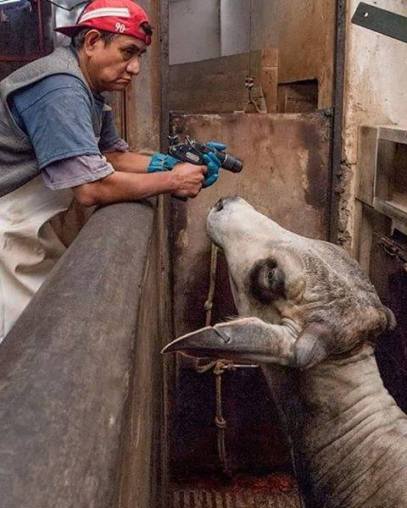
Schlachthofarbeiter mit Bold_n


WAV Comment – We have seen from this (our) site alone; as well as many others, that the current ‘system’ of around 10 billion animals being needed in farming to sustain around 1 billion people just cannot work. We have shown the issue of what cow farts do, and the demand of sustainable land (often rainforest) being destroyed just in order to keep Beef animals on; let alone their massive water consumption; it is simply destroying a lot of trees and plants that would otherwise be pumping oxygen into the system, thus cutting down our CO2 and greenhouse gas emissions; keeping temperatures under control more. Things have got to / are slowly changing; and this (meat free) is one of them. What a dream; no factory farms abusing meat producing animals for the want of human tastebuds. Bring Vegan on !!

cow fart 1

Source – https://www.theguardian.com/environment/2019/jun/12/most-meat-in-2040-will-not-come-from-slaughtered-animals-report?CMP=share_btn_tw

Most ‘meat’ in 2040 will not come from dead animals, says report

Consultants say 60% will be grown in vats or plant-based products that taste like meat

Most of the meat people eat in 2040 will not come from slaughtered animals, according to a report that predicts 60% will be either grown in vats or replaced by plant-based products that look and taste like meat.

The report by the global consultancy AT Kearney, based on expert interviews, highlights the heavy environmental impacts of conventional meat production and the concerns people have about the welfare of animals under industrial farming.

The large-scale livestock industry is viewed by many as an unnecessary evil,” the report says. “With the advantages of novel vegan meat replacements and cultured meat over conventionally produced meat, it is only a matter of time before they capture a substantial market share.”
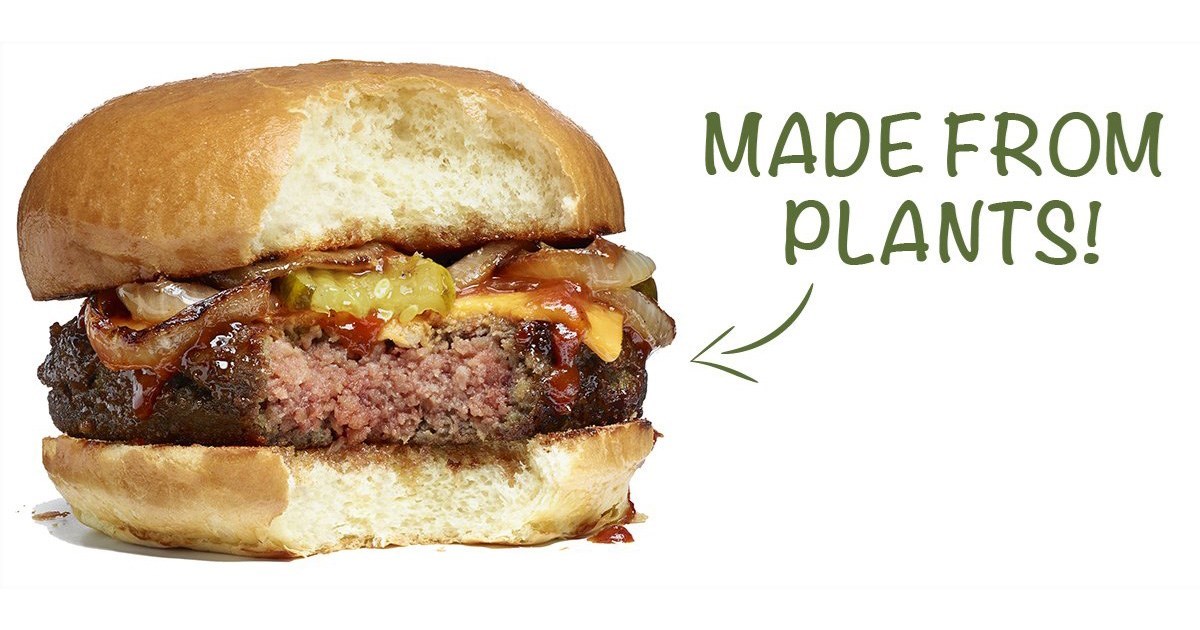
Image result for non meat meat

The conventional meat industry raises billions of animals and turns over $1tn (£785bn) a year. However, the huge environmental impacts have been made plain in recent scientific studies, from the emissions driving the climate crisis to wild habitats destroyed for farmland and the pollution of rivers and oceans.

Companies such as Beyond Meat, Impossible Foods and Just Foods that use plant ingredients to create replacement burgers, scrambled eggs and other products are growing rapidly. AT Kearney estimates $1bn has been invested in such vegan products, including by the companies that dominate the conventional meat market. Beyond Meat raised $240m when the company went public in May and its shares have more than doubled since.

Other companies are working on growing meat cells in culture, to produce real meat without needing to raise and kill animals. No such products have yet reached consumers, but AT Kearney predicts cultured meat will dominate in the long term because it reproduces the taste and feel of conventional meat more closely than plant-based alternatives.

Image result for non meat meat

“The shift towards flexitarian, vegetarian and vegan lifestyles is undeniable, with many consumers cutting down on their meat consumption as a result of becoming more conscious towards the environment and animal welfare,” said Carsten Gerhardt, a partner at AT Kearney. “For passionate meat-eaters, the predicted rise of cultured meat products means that they still get to enjoy the same diet they always have, but without the same environmental and animal cost attached.”

The report estimates 35% of all meat will be cultured in 2040 and 25% will be vegan replacements. It highlights the far greater efficiency of the alternatives to conventional meat.

Almost half the world’s crops are fed to livestock, but only 15% of the plant calories end up being eaten by humans as meat. In contrast, the report says, cultured meat and vegan meat replacements retain about three-quarters of their input calories.

Potential customer uneasiness about cultured meat will not be a barrier, the report says, citing surveys in the US, China and India: “Cultured meat will win in the long run. However, novel vegan meat replacements will be essential in the transition phase.”

Image result for non meat meat

Rosie Wardle of the Jeremy Coller Foundation, a philanthropic organisation focused on sustainable food systems, said: “From steaks to seafood, a full spectrum of options is emerging to replace traditional animal protein products with plant-based and cell-based meat technologies.

“The shift to more sustainable patterns of protein consumption is already under way, driven by consumers, investors and entrepreneurs, and even pulling in the world’s biggest meat companies. If anything, predictions that 60% of the world’s ‘meat’ will not come from slaughtered animals in 20 years’ time may be an underestimation.”

However, a National Farmers’ Union spokesman said: “Innovation and new technology has always been central to the progress of British livestock farming. Although the science of lab-grown meat is interesting, the NFU believes there is great potential for livestock farming to continue its journey of producing safe, traceable and affordable food for the nation and it will continue to do so as long as the public demands it.”

In other words; farmers continue to want ….
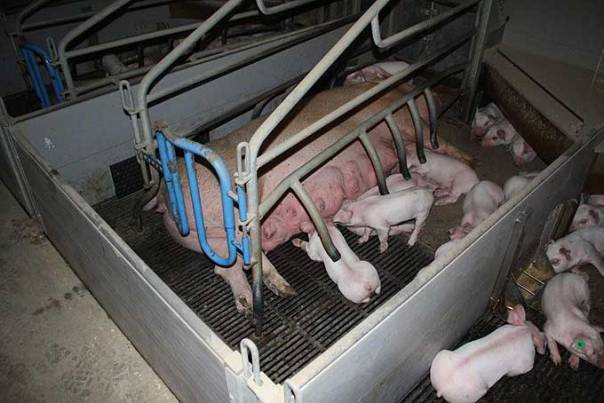
Schweine mutter und ferkelt4

Image result for animal slaughter

Regards Mark



Russia: Good News – Russia fines ‘whale jail’ company White Whale.

Russian federation


https://www.bbc.co.uk/news/world-europe-48557320

Russia fines ‘whale jail’ company White Whale


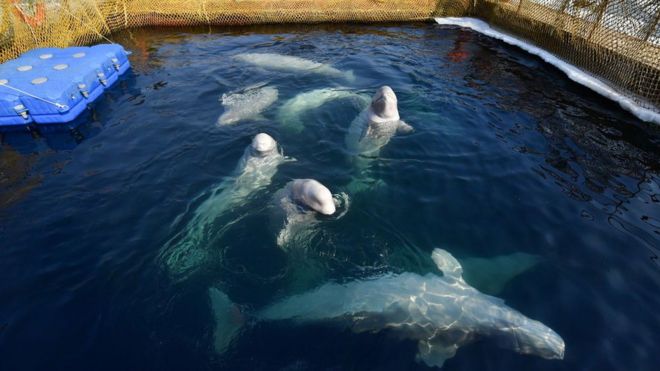
Whales kept in enclosures in the far east of Russia

Photo – Getty Images

A Russian company that runs a so-called “whale jail” in the east of the country has been fined 28.1 million rubles ($433,000; £430,000).

White Whale is one of four firms holding killer and beluga whales in small enclosures on the Sea of Japan, which they say is legal.

But a Vladivostok court on Friday ruled the company broke fishing rules.

Cases against the other three companies are expected before the courts in the next week.

Although Russia allows the capture of whales for scientific purposes, the fear is these animals are bound for theme parks or aquariums in China.

International outcry over Russian ‘whale jail’

The confined whales have scandalised scientists, politicians and activists at home and abroad.

Environmental groups have demanded the release of the mammals ever since news of the “whale jails” first broke.

About 10 orcas and 90 beluga whales are currently being held at the facility.

The Russian government however seems to be bowing to pressure to end the practice. In February, President Vladimir Putin asked his government to look into the whale enclosures.

Authorities have since said the whales will be released, but it is not clear when.

Environment minister Dmitry Kobylkin this week said they would be freed in July or August, but officials had previously said this would happen in May or June.


https://www.straitstimes.com/world/europe/russia-fines-fishing-firm-running-whale-jail

Russia fines fishing firm running ‘whale jail’

MOSCOW (AFP) – A Russian court on Friday (June 7) fined a fishing firm for illegally capturing killer whales and keeping them in an overcrowded “jail” in the country’s far east.

The company that supplies sea mammals to aquariums is one of four firms keeping 10 killer whales and 87 Beluga whales in a controversial facility near the port town of Nakhodka.

Media have nicknamed it a “whale jail” due to its crammed pens and the company’s controversial plans to sell the animals to aquariums from nearby China.

A district court in the far eastern city of Vladivostok ruled that the White Whale company violated fishing regulations when it captured three killer whales, also called orcas, and ordered it to pay a fine of 28.1 million roubles (S$590,00), news agencies and activists said.

Local environmental activist Dmitry Lisitsyn, coordinator of Sakhalin Watch group, said he expected similar decisions about the rest of the killer whales and eventually Belugas.

The fate of the Russian orcas and Belugas – highly intelligent and social marine mammals – has scandalised the international community, with scientists and celebrities calling for their release.Laws regarding the capture and keeping of marine mammals in Russia contain multiple loopholes.

The fishing firms have argued they had the proper paperwork and planned to deliver them to aquariums abroad.


Related Story

Russian officials agree to free ‘whale jail’ animals


The Russian government has promised to release the animals, but is not clear how and when this will be done.

This week, Environment Minister Dmitry Kobylkin said that the animals will be released in “July or August”, though previously officials named May or June.

Russia has for years been the only country where it is legal to capture live killer whales, most of which are the seal-eating variety of the species that scientists say is rare and must be protected.

People increasingly oppose using such sea mammals for entertainment in the West, but in China the industry is booming and many new facilities are under construction.

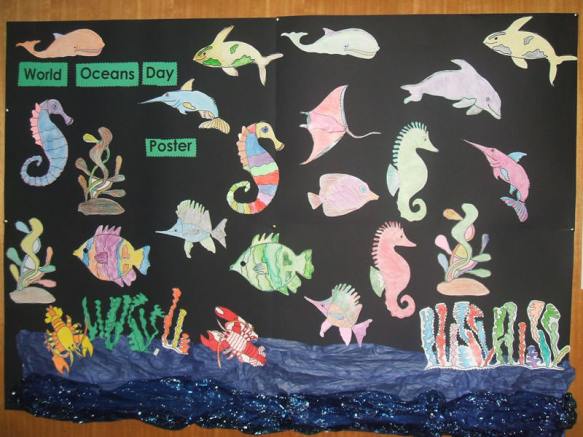
Global: 8/6/19. Today Is ‘World Ocean Day’ – Learn More and Take Part.

WOD 1


https://www.worldoceansday.org/

https://www.worldoceansday.org/below-the-surface/index.html


On World Oceans Day, people around our blue planet celebrate and honor the ocean, which connects us all. Get together with your family, friends, community, and the planet to start creating a better future. Working together, we can and will protect our shared ocean. Join this growing global celebration on 8 June!

How can I get involved?

It’s fun and easy! This site was developed as a free resource for everyone around the world to use:

WOD 2

Why celebrate World Oceans Day?

A healthy world ocean is critical to our survival. Every year, World Oceans Day provides a unique opportunity to honor, help protect, and conserve our world’s shared ocean. The ocean is important because it:

  • Generates most of the oxygen we breathe
  • Helps feed us
  • Regulates our climate
  • Cleans the water we drink
  • Offers a pharmacopoeia of medicines
  • Provides limitless inspiration!

WOD 3

Now each of us can give back

Participate in a World Oceans Day event or activity this year and help protect the ocean for the future. It’s up to each one of us to help ensure that our ocean is healthy for future generations. World Oceans Day allows us to:

  • Change perspective – encourage individuals to think about what the ocean means to them and what it has to offer all of us with hopes of conserving it for present and the future generations.
  • Learn – discover the wealth of diverse and beautiful ocean creatures and habitats, how our daily actions affect them, and how we are all interconnected.
  • Change our ways – we are all linked to, and through, the ocean! By taking care of your backyard and helping in your community, you are acting as a caretaker of our ocean. Making small modifications to your everyday habits will make a difference, and involving your family, friends, and community will benefit our blue planet even more!
  • Celebrate – whether you live inland or on the coast, we are all connected to the ocean. Take the time to think about how the ocean affects you, and how you affect the ocean, and then organize or participate in activities that celebrate our ocean.


The Ocean Project helps lead global promotion and coordination of World Oceans Day. Since 2002, we have collaboratively worked in partnership with hundreds of organizations and networks from all sectors to help rally the world around 8 June, and continue to grow engagement and action for our shared ocean throughout the year. All information, materials and resources on this site and associated with World Oceans Day are free to use to those who are celebrating World Oceans Day as a way to bring about a healthier ocean and a better future. World Oceans Day® is trademarked to protect it from those who might have commercial or counterproductive interests.

How are plastics linked to climate change?

The vast majority of plastic is made using oil, which is a fossil fuel. Throughout its life cycle, from production to disposal, plastic contributes to greenhouse gas emissions, including carbon dioxide. With increased amounts of carbon dioxide in the atmosphere our oceans will become more acidic, which affects marine life like coral and shellfish.

In a warming world, as the oceans heat up, currents will be increasingly disrupted and the distribution and range of species will change – meaning food supplies dwindling for other species, causing their numbers to fall. 

WOD 4.jpg

This World Oceans Day we want to raise awareness that the biggest threats that are facing our incredible seas are not working in silo, they are interlinked, just as all life on earth is.

We’re working with Sky Ocean Rescue to better protect our oceans and marine wildlife, but we need government action to help us in this fight. We need your help to tell the Government that climate action needs to be a priority.


Sign the climate petition:

https://www.wwf.org.uk/fight-climate-change?pc=SGM019003&utm_source=Supporters&utm_medium=Email&utm_content=ClimatePetition&utm_campaign=SGM019003_FRIENDSLapsed_FY19_WorldOceansDay&_ccCt=d4elT%7elDU3NSCqRIvGnoEuBQIyCT5EB9Z4XFh%7eKkJQFp3vaJbWnOfmrvZlcNWqqu


Links associated with the ocean plastics clean up campaign:

https://www.plasticsoupfoundation.org/en/divers/?gclid=EAIaIQobChMImLGuuuDZ4gIVpbXtCh0algq_EAAYBCAAEgKEpvD_BwE#top

https://www.worldoceansday.org/about


WOD 5

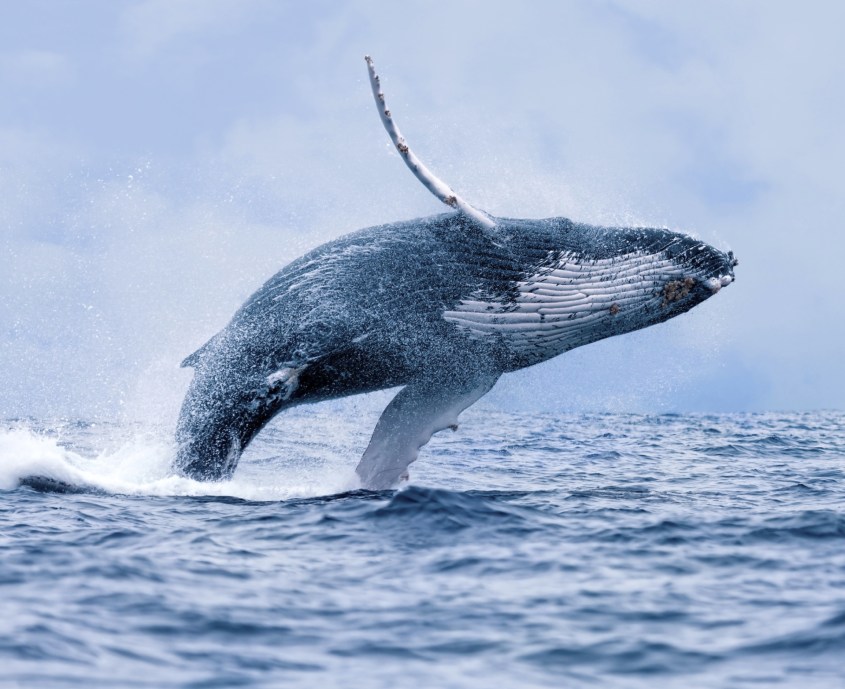
whale leap.jpg


Brazil: Is the President Now Giving a Free Pass to Illegal Logging, Farming and Mining ? – Highest Monitoring Levels Ever Say ‘Yes’.

Brazil


Click on the link below – it makes very interesting reading – fraud as you would expect – and a bad omen for future.

Regards Mark.

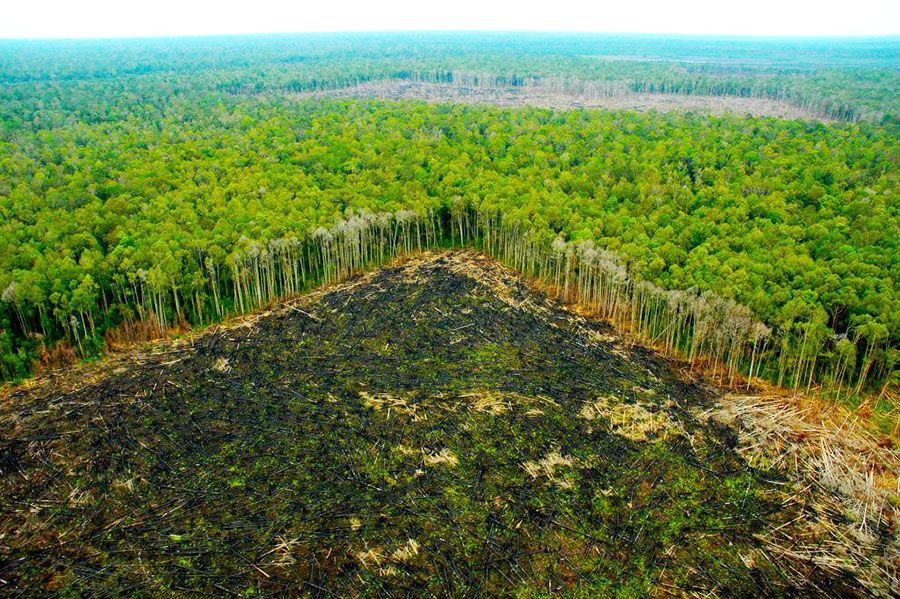
Image result for amazon forest deforestationImage result for amazon forest animals

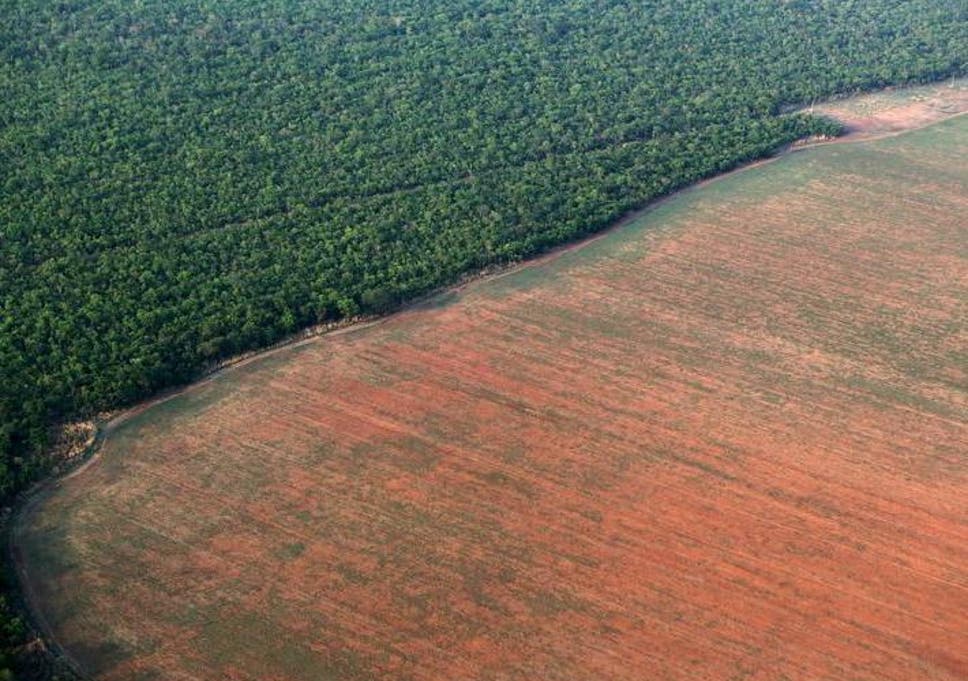
Deforestation of the Brazilian Amazon surged last month to the highest May level since the current monitoring method began, prompting concerns that president Jair Bolsonaro is giving a free pass to illegal logging, farming and mining.

The world’s greatest rainforest – which is a vital provider of oxygen and carbon sequestration – lost 739sq km during the 31 days, equivalent to two football pitches every minute, according to data from the government’s satellite monitoring agency.

Image result for amazon forest deforestationImage result for amazon forest animals

Unless the government sends a clear signal it will not tolerate a further acceleration, environmentalists fear there will be an increase in the coming months that could make 2019 one of the worst years for deforestation in recent memory.

Read the full article from The Guardian (UK newspaper) by clicking on this link:

https://www.theguardian.com/world/2019/jun/04/deforestation-of-brazilian-amazon-surges-to-record-high-bolsonaro

Image result for amazon forest deforestationImage result for amazon forest animals


Further reading:

https://www.theguardian.com/environment/2018/nov/12/eu-states-call-for-tough-action-on-deforestation-to-meet-2020-un-goal-amsterdam-declaration


https://www.theguardian.com/environment/2018/nov/03/stop-biodiversity-loss-or-we-could-face-our-own-extinction-warns-un


https://www.theguardian.com/world/2018/nov/01/bolsonaro-environment-agriculture-ministries-amazon


Brazil President, Jair Bolsonaro, a seven-term lawmaker and former army captain, represents a clear and present danger not only to his country but to the planet.

https://www.theguardian.com/commentisfree/2018/oct/31/the-guardian-view-on-brazils-new-president-a-global-danger

Global: Today, 5th June, is ‘World Environment Day’.

wed 4


Today, 5th June, is World Environment Day.


https://www.standard.co.uk/futurelondon/cleanair/world-environment-day-2019-uk-theme-air-pollution-un-a4159936.html

https://www.worldenvironmentday.global/what-causes-air-pollution#agriculture


Created in 1974 by the UN, World Environment Day happens every June 5. Hosted by a different country each year—this year it’s China—the day seeks to raise public awareness of environmental issues.

“The celebration of this day provides us with an opportunity to broaden the basis for an enlightened opinion and responsible conduct by individuals, enterprises and communities in preserving and enhancing the environment,” says the UN’s website.


wed 2


How much pollution we breathe in is dependent on many factors, such as access to clean energy for cooking and heating, the time of day and the weather. Rush hour is an obvious source of local pollution, but air pollution can travel long distances, sometimes across continents on international weather patterns.

Nobody is safe from this pollution, which comes from five main human sources. These sources spew out a range of substances including carbon monoxide, nitrogen dioxide, nitrogen oxide, ground-level ozone, particulate matter, sulphur dioxide, hydrocarbons, and lead–all of which are harmful to human health.

WED 3

Agriculture

The major sources of air pollution from agriculture include livestock, which produces methane and ammonia, rice paddies, which produce methane, and the burning of agricultural waste. Methane emissions contribute to the formation of ground-level ozone, which causes asthma and other respiratory illnesses. Methane is also a more potent global warming gas than carbon dioxide – its impact is 34 times greater over a 100-year period. Around 24 percent of all greenhouse gases emitted worldwide come agriculture, forestry and other land-use.

There are many ways to reduce air pollution from agriculture. People can move to a plant-based diet and/or reduce food waste, while farmers can reduce methane from livestock by optimizing feed digestibility and improving grazing and grassland management.

WED 6

Industry

In many countries, power generation is a leading source of air pollution. Coal-burning power plants are a major contributor, while diesel generators are a growing concern in off-grid areas. Industrial processes and solvent use, in the chemical and mining industries, also pollute the air.

Policies and programmes aimed at increasing energy efficiency and production from renewable sources have a direct impact on a country’s air quality. At the moment, 82 countries out of 193 have incentives that promote investment in renewable energy production, cleaner production, energy efficiency and pollution control.

Transport

The global transport sector accounts for almost one-quarter of energy-related carbon dioxide emissions and this proportion is rising. Air pollution emissions from transport have been linked to nearly 400,000 premature deaths. Almost half of all deaths by air pollution from transport are caused by diesel emissions, while those living closest to major traffic arteries are up to 12 percent more likely to be diagnosed with dementia.

Reducing vehicle emissions is an important intervention to improve air quality, especially in urban areas. Policies and standards that require the use of cleaner fuels and advanced vehicle emissions standards can reduce vehicle emissions by 90 percent or more.

Household

The main source of household air pollution is the indoor burning of fossil fuels, wood and other biomass-based fuels to cook, heat and light homes. Around 3.8 million premature deaths are caused by indoor air pollution each year, the vast majority of them in the developing world.

Out of 193 countries, 97 countries have increased the percentage of households that have access to cleaner burning fuels to over 85 percent. However, 3 billion people continue to use solid fuels and open fires for cooking, heating, and lighting. The adoption of cleaner, more modern stoves and fuels can reduce the risks of illness and save lives.


Day Mask Challenge:

https://www.worldenvironmentday.global/get-involved/world-environment-day-mask-challenge


On World Environment Day, soak in these amazing Earth photos


It’s a day to see the environment through what may be a slightly different lens: 50 incredible images of our planet:

https://www.nationalgeographic.com/environment/2019/06/amazing-earth-photos-world-environment-day/


Zimbabwe: Trophy Hunter Who’s Killed 5000 Elephants Says It Gives Him ‘A Thrill’

zimbabwe

Trophy Hunter Who’s Killed 5000 Elephants Says It Gives Him ‘A Thrill’

By : Charlie Cocksedge On : 09 Apr 2019 12:45

Ron Thomson/Elephants

https://www.unilad.co.uk/animals/trophy-hunter-whos-killed-5000-elephants-says-it-gives-him-a-thrill/


A trophy hunter who claims to have killed more than 5,000 elephants and 50 hippos says he has no regrets, and is ‘10,000 times’ unrepentant.

A new report from the Campaign to Ban Trophy Hunting revealed the man – Ron Thomson – had shot numerous animals, contributing to the rapidly declining population of elephants in the wild.

As well as elephants, the trophy hunter claims to have killed 800 buffalo, 50-60 lions, 30-40 leopards, and ‘about 50 hippos’, and racked up 25,000 hours of hunting.

Thomson, a father of two, insists his hunting is not motivated by bloodlust, but that he does it to help animal populations survive, believing that if some species are not reduced, their growing numbers would destroy their own habitats.

The hunter also accused conservationists of spreading ‘fraudulent lies’ about wildlife in order to extract money from the public, according to the Independent.


Thomson said:

I’ve done enough in my lifetime to satisfy any ‘bloodlust’ people may think I have. It wasn’t bloodlust – it was my job.

I didn’t have any sentiment. I’m totally unrepentant, a hundred – ten thousand – times over for any of the hunting I’ve done because that’s not the problem. The problem is we’ve got a bunch of so-called experts from the West telling us what to do. I’m a trained university ecologist – I must surely know something about this.

I wish I could take you by the shoulders and shake you hard and say ‘don’t assume everything you’ve heard is correct’. The African elephant is nowhere near extinct. People who say this are animal-right-ist NGOs who ask for money and tell lies to get it. When you have a healthy population you must ensure they don’t increase beyond the capacity of their habitat.

In an interview with The Guardian last year, Thomson said it was ‘a great thrill’ to him to kill an animal, and that he enjoyed it.

trophy hunter ron thomson

According to the Campaign to Ban Trophy Hunting, elephant populations have plummeted since the 1980s, from around 1.3 million to 400,000 today.

Eduardo Gonçalves, founder of the Campaign to Ban Trophy Hunting, said:

The trophy hunting industry is slaughtering elephants left, right and centre.

Killing elephants for ‘fun’ is unacceptable, even more so because of the serious threat to its survival.

Trophy hunting is a cruel and abhorrent hangover from colonial times. The recent surge in
elephant hunting shows the industry is out of control. It threatens to push endangered
species to the point of no return.

As part of the campaign, Michael Palin has written a letter to UK prime minister Theresa May calling for a ban of trophy hunting, saying: ‘Of all the threats to our wildlife, trophy hunting seems to be the least justifiable and the most despicable’.


More Links to this:

https://news.sky.com/story/hunter-ron-thomson-totally-unrepentant-about-killing-5-000-elephants-11688494


https://www.thesun.co.uk/news/8820919/hunter-ron-thomson-killed-5000-elephants-and-60-lions-no-regrets/


https://www.thesouthafrican.com/news/trophy-hunter-ron-thomson-5000-elephants/


https://www.ronthomsonshuntingbooks.co.za/


https://www.news.com.au/technology/science/animals/african-hunter-who-killed-thousands-of-elephants-and-dozens-of-hippos-is-unrepentant/news-story/0fdabfbec900c95d142a3d1169c7d54b

Regards Mark.

Rescue mission: young Rocco is kept in a cold, metal cage all his life

Rescue mission: young Rocco is kept in a cold, metal cage all his life

Donate Now

Rocco the bear has never known a life outside of the cold metal cage he calls ‘home’. Today you could stop this cruelty.

Like most captive bears in Albania, we believe poor Rocco was stolen from his mother as a cub. Ever since, he’s been confined to this small metal cage. Rocco’s now 9 years old and deserves a better life! 

If we don’t act now Rocco could be sold any day to another unfit animal trader or – worse still – even starve to death because the owner is not willing to take care for him anymore. Today you could help rescue Rocco before it’s too late!

The cage Rocco lives in is small and offers no shelter from the cold or wet weather. Rocco gnaws at the metal bars in desperation of escape which risks causing permanent and painful damage to his teeth. He’s severely stressed and chews constantly at his nails to manage his trauma. 

Give him a new life

Rocco is one of Albania’s Saddest Bears. We want to put an end to the cruel keeping of bears in Albania as part of our “Saddest Bears” campaign. Together with the Albanian Ministry of Environment, we want to jointly find a solution for the last bears living in catastrophic conditions in Albania. Rocco is one of them! 

Thank you for your support and contribution to making these rescues a reality. 

Yours sincerely,

Martin


France: says “no” to glyphosate!


flagge francepng

Excellent!  – France announces end of glyphosate!

French Minister of Agriculture Didier Guillaume announced that France will stop using glyphosate.
France also plans to halve the use of pesticides, insecticides and fungicides by 2025.


monsanto-glyphosat2

As early as January 2019, a court in France withdrew approval from Bayer’s Roundup Pro 360 weed killer.
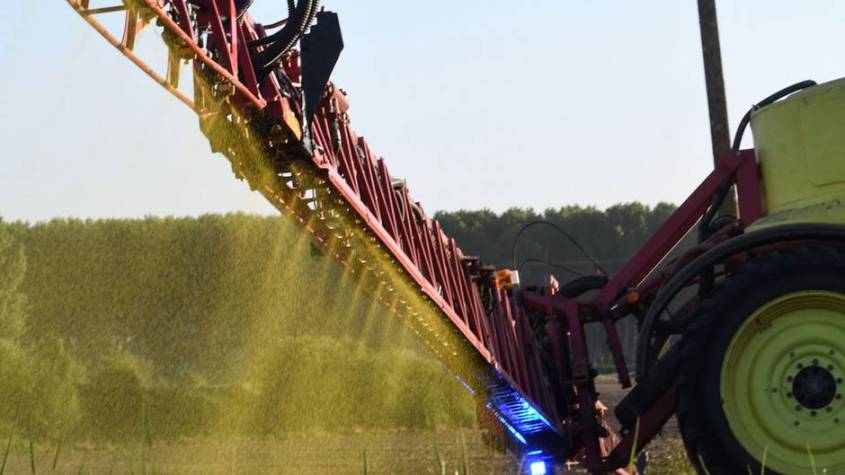
This is a herbicide that contains glyphosate of the “Monsanto / Bayer” group and is mainly used in the wine industry. In 2018, a ban on five neonicotinoid pesticides entered into force in France.
This move brings the country to the head of a campaign against chemicals blamed for decimating bee colonies.

bienensterbenpg
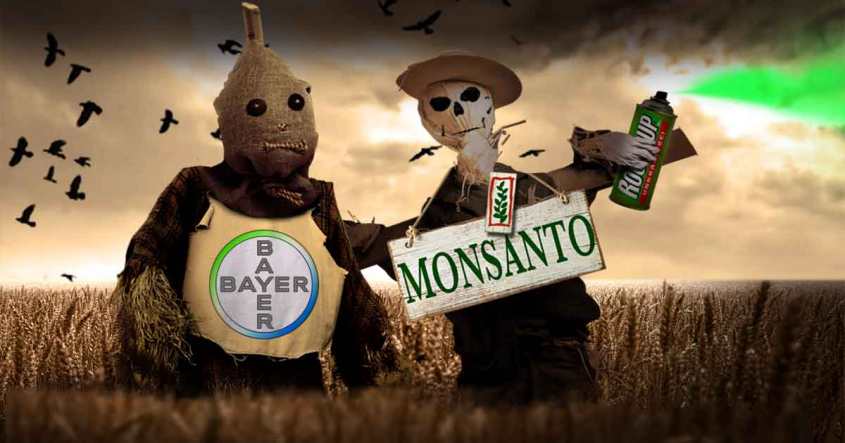
In May 2019, the Bayer / Monsanto group also lost the third trial. Bayer / Monsanto has to pay more than two billion dollars in compensation to a couple suffering from cancer. The jury was able to see company documents showing that Monsanto “never had any interest in finding out if Roundup was safe.”

monsanto -Bayer karikatur
There are already 13,400 complaints in the US against Monsanto. The EU extended glyphosate approval at the end of 2017 against French resistance.

But now it’s official: France stops using glyphosate! despite criticism from the main French agricultural association FNSEA.

According to a report by the Department of Agriculture (FAS) of the US Department of Agriculture (USDA), French Minister of Agriculture Didier Guillaume confirmed that France is banning the use of glyphosate from 2021 with limited exceptions.
He also announced that France plans to halve the use of pesticides, insecticides and fungicides by 2025.  Agriculture Minister Didier Guillaume recommends organic and biodynamic agriculture and urges producers to return to the methods of cultivation used by their grandparents, which have been forgotten, as read on Fruchtportal.de on 21 May.

The widespread use of pesticides is coming under increasing pressure as their negative impact on bees and other wildlife becomes more apparent, but that does not suit the chemical corporations.

abwurf-von-agent-orange-ueber“Agent Orange”- Poison Chemicals from Monsanto in Vietnam


Bayer, BASF and Syngenta are even threatening billions of euros in damages if the EU bans neonicotinoid insecticides on fields.
The EU did it anyway, but still with loopholes and not to the extent that France did.
Since 1 September 2018, the ban on five neonicotinoid pesticides in France is in force.

While France’s most important agricultural federation, FNSEA, and many other French agricultural organizations have already made negative statements, there are already producers of fruit and vegetables growing pesticide-free products.

https://netzfrauen.org/2019/05/27/glyphosat-4

https://www.fas.usda.gov/data/france-france-announces-end-glyphosate-use-2021


My comment: During the Vietnam war, Monsanto was one of the main producers of the notorious defoliant “Agent Orange” – incidentally in a joint venture with Bayer – with which the US forces contaminated entire areas of the war zone. The sprayed from the air plant poison led for decades to serious diseases and malformations in the Vietnamese population.
Then the Vietnamese victims of US weed killers should also be compensated. Because a complaint of Vietnamese victims was rejected in 2005 by a US federal court. Until today!

Thanks to the Minister Didier Guillaume!

Unlike to Germany, there is at least a trace of responsibility and character in France. Our Minister of Agriculture Klöckner, you and your stupid companions in government, I would like to give you this shit to eat, so you realize how healthy and wholesome it is.

My best regards to all, Venus