Category: Environmental

England: 02/01/23 – New Year of Campaigning.

Best wishes for the new year to everyone.

I hope that you stick with me and together we can try and do better for the animals.

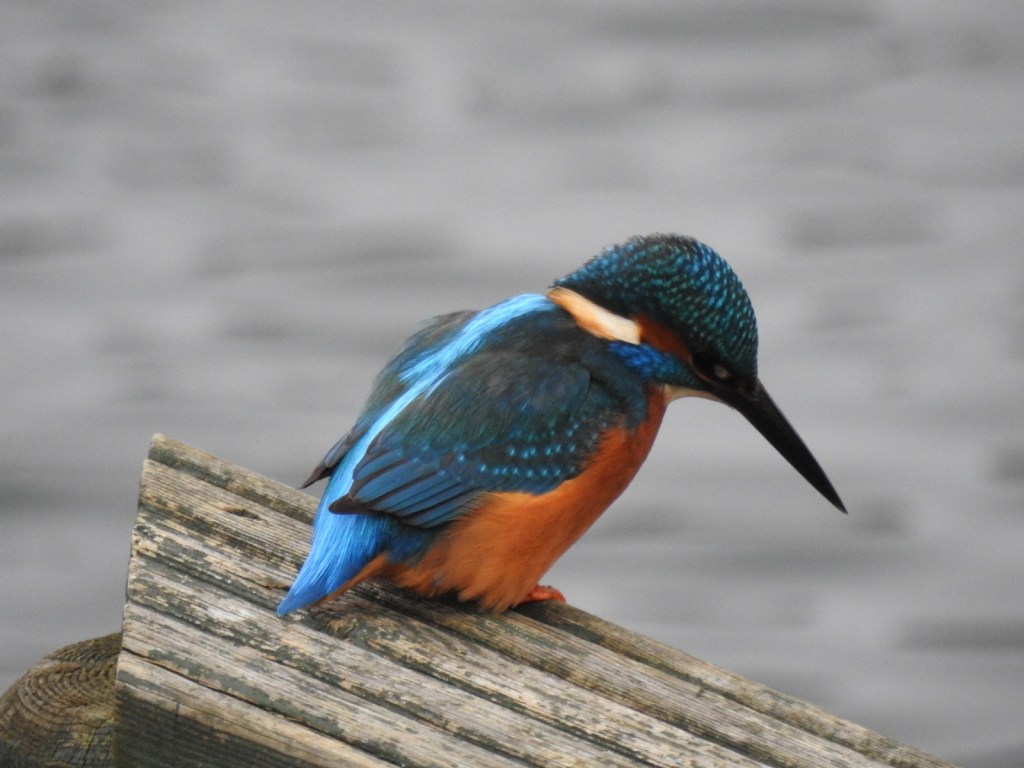
I am starting the new year with some beautiful pictures of a Kingfisher which have been sent to me by Pauline.  I am sure you agree that they are wonderful.

If you want to view all of Pauline’s other photos then click on this link – Search Results for “pauline” – World Animals Voice

New year; fresh start to campaigning; lets go !

Regards Mark

UK: Leave the Fur On The Bears; Not On Guards Hats !! – Ministry of Defence (MoD) Still Refuses To Stop Killing Despite Faux Fur Now Available That Meets MoD Standards.

The King’s Guards are still donning Canadian bearskin caps as ‘greenwashing’ defence officials have used a ‘meaningless’ ethics scheme to ignore suitable faux fur options, animal rights campaigners have claimed.

The Ministry of Defence, who pledged to drop fur once an alternative was found, have now revealed their use of a controversial fur industry marketing scheme to justify the continuing use of fur in the uniform.

People for the Ethical Treatment of Animals (PETA) have accused officials of using ‘Furmark’ a scheme branded ‘meaningless’ by former British Fur Trade Association CEO Mike Moser – ‘Luxury faux fur manufacturer ECOPEL has created the world’s first faux fur that looks identical to the animal-fur cap and is easily rendered 100% waterproof. It has met all of the MoD’s requirements. We urge for the MoD to adopt the new caps.

‘We believe there is no justification to continue using the fur of Canadian black bears for the ornamental caps, when an excellent alternative exists.

‘They cost the taxpayer hundreds of thousands every year and using real fur conflicts with public opinion on this issue.’

Luxury faux fur manufacturer ECOPEL has created the world’s first faux fur that looks identical to the animal-fur cap and is easily rendered 100% waterproof. It has met all of the MoD’s requirements. We urge for the MoD to adopt the new caps.

Read more:

Fur flies as animal rights activists accuse King’s Guards of ‘greenwashing’ | Daily Mail Online

Pathetic – Yes they still use the skins of real bears for the hats !

Regards Mark

EU: What does the EU’s new transport proposal mean for fish?

15 December 2023

Last week, the European Commission published its long-awaited proposal on animal welfare rules during transport. While the transport of terrestrial farm animals is a well-recognised issue, what are the key issues fish face during transport, and to what extent does the new proposal cover them?

Our Post – https://worldanimalsvoice.com/2023/12/11/eu-animal-transport-proposal-fails-to-make-significant-improvements-for-animal-welfare/

Fish are particularly sensitive to disturbance and experience stress while being handled during farming, being moved with nets or pumps, or being transported between sites or to slaughter. Inappropriate transport of fish can result in injury, pain, distress and suffering. A brief period of stress for fish can result in long-lasting effects such as increased disease incidence, reduced appetite, impaired development, deformities and increased mortality. 

The most critical aspects of welfare in the transport of fish are:

Handling and loading procedures;

Equipment for monitoring and maintaining water quality;

Feed withdrawal prior to loading;

Monitoring of fish after unloading. 

Until now, EU transport legislation was very weak on fish transport, and implementation was difficult. Fish were included within provisions on planning and documenting journeys, but no standards or practices were set. Certain provisions were also detrimental to fish welfare, such as the requirement to inspect fish at border control points, which means increased light exposure, changes in ambient noise causing stress and stationary periods affecting water quality.

The new proposed legislation includes aquatic animals (fish, cephalopods such as octopuses, and decapods such as crabs and lobsters) in its scope. Unfortunately, it excludes fish used in aquariums or ornamental fish as “the transport of ornamental fish rarely represents a major risk for animal welfare“.  

Annex two of the proposal outlines basic principles for the transport of aquatic animals, recognising that aquatic animals have specific welfare needs that have to be protected by law. For example, conditions for crowding and loading fish, ensuring that water quality is appropriate for the species, and reasons for considering aquatic animals as not fit for transport are included.

The aquatic annex provides positive recognition of the importance of aquatic animal welfare during transport. The proposal calls for specific provisions for aquatic animals to be set and updated based on new science when the relevant EFSA opinions are available. This follow-up work is essential to ensure specific and implementable requirements for fish and other aquatic animals.

Now that the European Commission has published the proposal, the European Parliament and the Council of the EU will have a chance to review and propose amendments to the text. 

Eurogroup for Animals calls for the text to include deadlines for adopting the delegated acts with more species-specific requirements following the scientific opinions. 

Regards Mark

Fur Free Europe ECI: Pending EFSA Opinion Too Far Away Fur Farms in Europe Could Finally Be Banned (sometime, if ever ? !!) – Read On – Disgusting.

WAV Comment – Here we go again; the gutless, spineless and many other ‘less’ European Commission fails to make a decision; and instead passes the buck over to the EFSA to undertake a ‘scientific opinion’ on the subject. The evidence is there – https://worldanimalsvoice.com/?s=fur – how much longer do we have to wait for opinions to tell us the bleeding obvious ???

So now what ? – ‘after evaluation of the EFSA opinion to be put forward by March 2025’. 2025, that equals another 18 months of animals being subjected to on going abuses on fur farms – https://worldanimalsvoice.com/?s=fur – before any wind down period is even started to be enforced. So how long in reality ? – 2030, 2035 ?? !!!

This gives full justification to the fact that the European Commission is nothing but an un elected body of complete and utter nothing who individually can do nothing, and then together decide that nothing can be done.

Mark

7 December 2023

Press Release

Fur farming and the placement of farmed fur products on the European market could finally be banned by EU law, but the European Commission (EC) failed to take a decision, instead opting to first await a scientific opinion by the European Food Safety Authority (EFSA).

The communication published by the European Commission comes in response to Fur Free Europe, in which more than 1.5 million citizens called on the EU to ban fur farming and the placement of farmed fur products on the European market once and for all.

The reply mentions a possible prohibition of fur farming and placement of farmed fur products on the European market, or alternatively other measures, after evaluation of the EFSA opinion to be put forward by March 2025.

The request for an EFSA opinion comes despite the fact that there is already a vast body of scientific evidence that concludes that the housing system in fur farms, cannot under any circumstances, meet the needs of species kept and killed for fur.  

However, we (not WAV) welcome the news of a consideration of a ban, and trust that the scientific opinion will reinforce the well-established scientific basis. 

While the Commission asked EFSA to “assess whether these welfare consequences can be prevented or substantially mitigated under current farming conditions”, the opinion should start from the animals’ specific needs, the main premise of this citizens’ call, as opposed to the infrastructure of the system, as several studies have concluded, consistently, that no level of cage enrichment can maintain animal welfare

Moreover, the mentioned EFSA mandate appears focused on the four main species kept and killed on EU fur farms: mink, foxes, raccoon dogs and chinchillas, while the ECI Fur Free Europe calls for a ban on keeping and killing all animals only or mainly for the purpose of their fur, regardless of the species. 

In conjunction with an EFSA opinion, the EC will evaluate several other areas which are impacted by the practice of fur farming, namely public health, environment, social, legal and economics. This comprehensive assessment will be conducted by March 2026, when a final decision is expected to be communicated.

The EC also plans an evaluation and assessment on the revision of the Textile Labelling Regulation, including a public consultation. Adopting labelling rules for fur products does not, in any way, catalyse any difference for the way animals are raised on fur farms and should not be considered as a solution to the welfare problems on fur farms. 

Since its peak in 2014, the fur industry in Europe has been in constant decline.

In 2022, around 8.5 million animals were kept and killed for fur production in the European Union. 20 Member States have already totally or partially banned fur farming or implemented stricter measures on grounds of animal welfare, environment and public health. The call to ban fur farms in the EU has been supported by MEPs from all political groups and Member States joined the call at the Agriculture and Fisheries Council (AGRIFISH) in 2021 and 2023.

Above – Fur Killing Boxes; Denmark.

It is disappointing that the European Commission failed to take a decisive decision today, while millions of animals keep suffering while this horrendous practice continues to be legitimate in a ‘progressive’ Europe. The welfare of animals on fur farms cannot be improved, and the only option is a full ban, as asked by more than 1.5 million citizens, and reflected in the decision of many Member States.

We trust that the EFSA opinion and the whole evaluation will reflect this, and that we will see a full prohibition, sooner, rather than later.

Reineke Hameleers, CEO, Eurogroup for Animals

Regards Mark

Still Paradise Lost.

A lucrative underground trade risks undermining research, creating new pandemics and pushing a recently abundant species to the brinkIn 2019, Jonah Sacha, a researcher at Oregon Health and Science University, received a delivery of 20 monkeys from Mauritius. As part of his research into stem-cell transplants as an HIV treatment, he performs tests on long-tailed macaques.

Read full story at  $20,000 monkeys: inside the booming illicit trade for lab animals | Global development | The Guardian

Regards Mark

Angry  – just a bit; see:

UK / Mauritius: ‘Paradise Lost’ – 35 Years On (for us) and Mauritius Still Supplies Primates to the UK for Research. – World Animals Voice 

England: Ricky Gervais donates nearly £2 million to 11 animal charities worldwide from his latest tour !

Ricky Gervais donates nearly £2 million to animal charities

The comedian, who is vegan, has been a long-standing advocate for animal rights

Ricky Gervais donates nearly £2 million to animal charities | Evening Standard

Comedian Ricky Gervais has donated £1.9 million to animal charities across the globe. 

The stand-up and creator of television shows such as After Life and The Office, has donated a substantial sum raised from ticket sales from his latest Armageddon world tour

The money will be split equally between 11 worldwide animal charities that have been chosen by Gervais.

These include All Dogs Matter, Animal SOS Sri Lanka, Catastrophes Cat Rescue, Chaldon Animal Sanctuary, Dogs On The Streets, Helping Rhinos, Millions of Friends, Mira Dogs, Paws2Rescue, PDSA and Wild Futures. 

About the move, BAFTA, Emmy and Golden-Globe winning comic Gervais, 62, said: “I hope the dogs, cats, rhinos and monkeys invest this money wisely, because when my career goes tits up I’ll need it back.” 

In an effort to take action against ticket touts, Platinum Tickets for the Armageddon tour went on sale to guarantee premium seats at market rates, with the extra profits from these ticket sales going to Gervais’s animal charities.

Gervais, a vegan, is a long-standing supporter of animal rights and has put his name to various initiatives in the past. 

Earlier this year, he supported a campaign to end bear bile farming in Vietnam, where bears, trapped in small cages, are subjected to a painful method of extracting bile for use in traditional medicine.

Top man !

Regards Mark

EU: Survey: wolves should be strictly protected, majority of rural inhabitants say.

30 November 2023

Press Release

Large carnivores, including wolves, should remain strictly protected within the EU, and have a right to co-exist with humans, say an overwhelming majority of rural inhabitants across 10 EU Member States.

Wolves are currently at the risk of having their protection downgraded, as the European Commission is currently assessing ‘evidence’ generated by an irregular public consultation process initiated in September 2023, which could lead to a proposal to do so. This move would jeopardise efforts made in the last years for the recovery of wolves in Europe.

The survey, released today, highlights that many rural inhabitants are supportive of protecting wolves and other large carnivores, with 68% stating that they should be strictly protected and over two-thirds (72%) agreeing that they have a right to co-exist.

The farming and hunting lobby have consistently been pushing for the protection status of wolves to be downgraded. Yet a very low proportion of respondents indicated that they feel well-represented by hunting (12%) and farming (18%) interest groups. 

66% of respondents said that decision-makers, including EU institutions, should prioritise the conservation of large carnivores, with 65% saying that the killing of individual problematic large carnivores should only take place if it can be proved that adequate protection measures have been implemented and failed. Almost 7 in 10 respondents (69%) expressed that the benefits and functions of large carnivores should be considered in decisions related to their management. Wolves, as an example, play a crucial role in regulating prey populations, preventing overgrazing, and ultimately contributing to healthier ecosystems. The survey identified environmental protection for future generations (80%) and conservation of biodiversity (78%) as important priorities for the European Union.

While the risk of attacks by wolves and other large carnivores remains extremely low and can be further reduced by behaving appropriately in the event of such an encounter, the survey clearly highlights a need for greater awareness, with 62% of respondents saying that they would feel safer if they better understood how wolves and bears behave and how to scare them off if they had an encounter.

Tools to prevent and compensate for the economic damage caused by wolves to farmed animals are available, and in light of these results, we call on the European Commission and other EU institutions to listen to the voice of rural communities, as provided in the long-term Vision for the EU’s Rural Areas, maintain the strict protection status of wolf populations and continue to implement an ambitious Habitats Directive.

The return of the wolves in Europe is a cause of celebration, not of fear. Despite the narrative being presented by some, the results of this survey clearly highlight that the majority of those living in the proximity of wolves support their protection status and are willing to co-exist. Sound data, and the recognition of  the importance of conservation and biodiversity should drive the European Commission’s decisions and not the interest of a few.

Reineke Hameleers, CEO, Eurogroup for Animals

The loudest voices in the chorus calling for the removal of the protection status for wolves have thus far been the farming and hunting lobbies. They have positioned themselves as representing the interests of rural communities. Yet, the results of this survey strongly suggest that many EU citizens living in rural areas are keen to uphold legal protections for such large carnivores, and support peaceful coexistence with these animals. It is vital that these rural voices are also heard by the European Commission and that ecologically important species like wolves are not declared fair game due to a failure of some to accept that it is necessary to coexist with them.

Joanna Swabe, Senior Director of Public Affairs, Humane Society International/Europe.

Regards Mark

EU: NGOs demand action for sustainable food systems.

6 December 2023

On Sunday night, the European Commission headquarters in Brussels were lit up with bright lights beaming a clear message to EU policymakers: fulfil your promises on the Farm to Fork Strategy and the urgent transition toward sustainable food systems.

Against the backdrop of the EU Agricultural Outlook conference, a major European Commission event on food and farming, some of Europe’s largest green NGOs and consumer associations joined forces to call out the European Commission on its failure to deliver both its promised proposal on the framework law for sustainable food systems (SFS) and its revision of the outdated animal welfare legislation. 

As a cornerstone of the EU Green Deal, the Farm to Fork Strategy included a series of vital policies and initiatives to address the growing overlapping crises surrounding the state of our environment, people’s health, and the welfare of animals.

The action’s name “Broken Promises” hints at the State of the Union speech Commission President Ursula von der Leyen delivered last September. The speech’s motto was “Promises kept”, which is only partly true. While the Commission has shown partial commitment to delivering on some policies, two major promises remain glaringly absent: the framework law for sustainable food systems (SFS Law) and the revision of the animal welfare legislation.
 

Intensive unsustainable farming systems are the cause of immense animal suffering. Chickens, fish, pigs, and many more species are being treated as commodities and products in order to produce cheap and unhealthy meat and dairy as quickly as possible. Evidence shows that this industrial system harms everyone: animals, the planet and humans. As showcased by many ECIs and polls, citizens want change. And the good news is that change is perfectly possible if policymakers dare to take the right decisions and challenge the harmful status quo. Frontrunners in animal farming are leading the way. The time is now for the European Commission to make a firm commitment and make progress on the legislation.

Reineke Hameleers, CEO, Eurogroup for Animals

A food system which is making unhealthy diets the norm is not only causing ill health for consumers across Europe, it is also harming our planet. This same system has allowed food waste in Europe to pile up to record levels, at a time when more and more Europeans are going to bed hungry. The EU must do everything it can to make the sustainable food choice the easy, attractive, and affordable one. And the SFS law is the first step to do so.

Monique Goyens, Director General, European Consumer Organisation (BEUC)

Instead of promoting the health of people and planet, our food systems contribute to a huge burden of ill health and early death, it massively increases the risk of anti-microbial resistance, and contributes to climate change and environmental degradation. The EU must urgently recraft its food systems so that human and planetary health are protected. Making healthy sustainable food choices the easy, default option IS an option.

Dr Milka Sokolovic, Director General, European Public Health Alliance

A key pillar of the European Commission’s Farm to Fork Strategy, the SFS Law is a unique opportunity for this European Commission to pave the way for a future where everyone has access to healthy and sustainable food, farmers are supported, ecosystems are protected, and animal rearing is not defined by suffering. The Commission must fulfil its duty to people and planet and deliver this vital proposal – as well as its promised revision of EU animal welfare legislation – before the end of its mandate.

Faustine Bas-Defossez, Director for Nature, Health and Environment at the European Environmental Bureau

Regards Mark

UK: Cop28 – ‘The Earth does not belong to us, we belong to the Earth.’ Kings Message To All.

The King issued a call to arms, warning dangers facing us are ‘no longer distant’ 

King Charles warned yesterday that man is carrying out a ‘vast, frightening experiment’ on the planet and our grandchildren ‘will be living with the consequences of what we did or didn’t do’.

In his opening speech to the Cop28 climate summit in Dubai, the monarch issued a call to arms, warning that the dangers facing us ‘are no longer distant risks’ and urging global leaders to commit to ‘transformational action’

Photo – Getty Images.

The King was the only head of state to be independently invited to address the gathering of world leaders in recognition of his lifelong environmental campaigning.

Once derided as a green eccentric, many of his beliefs such as organic farming and campaigning against plastics in the ocean have become mainstream policy.

Speaking to more than 60 prime ministers, politicians and presidents, Charles said: ‘I have spent a large proportion of my life trying to warn of the existential threats facing us over global warming, climate change and biodiversity loss.

Read on:

The King warns that man is carrying out a ‘vast, frightening experiment’ on the planet and our grandchildren ‘will be living with the consequences of what we did or didn’t do’ (msn.com)

Regards Mark