Category: Environmental

NO less than 57 animal rights organisations have for the first time made an official complaint to the European Ombudsman.

Animal rights organisations register European complaint (euroweeklynews.com) 

NO less than 57 animal rights organisations have for the first time made an official complaint to the European Ombudsman.

Basis of complaint

This complaint concerns the European Commission’s failure to fulfil its commitment to a European Citizens’ Initiative in which 1.4 million people demanded a ban on the cages used to house a number of different domestic animals.

In its response to the European Citizens’ Initiative published in June 2021, the European Commission confirmed that, by the end of 2023, it would present a legislative proposal to phase out and eventually ban the use of cages for chickens, calves, rabbits, ducks, breeding sows and other species.

The reason for this complaint is that the most recent agenda for the rest of the political legislature was missing the Regulation on Captive Animals, which the plan should have included.

According to one of the complainants, Spain’s AnimaNaturalis, before backtracking on its promise, the EC repeatedly confirmed that it was working towards the 2023 timeline, and Health and Food Safety Commissioner Stella Kyriakides made multiple public mentions of this date in EC responses to questions.

“ The EC has not acted in accordance with the rules governing European Citizens’ Initiatives after raising legitimate expectations among European citizens. These deficiencies present a case of maladministration, both in light of the EU Regulation and the very reason for being of the European Citizens’ Initiatives as an instrument of transnational democracy,” observed Cristina Ibáñez, lawyer and spokesperson for AnimaNaturalis .

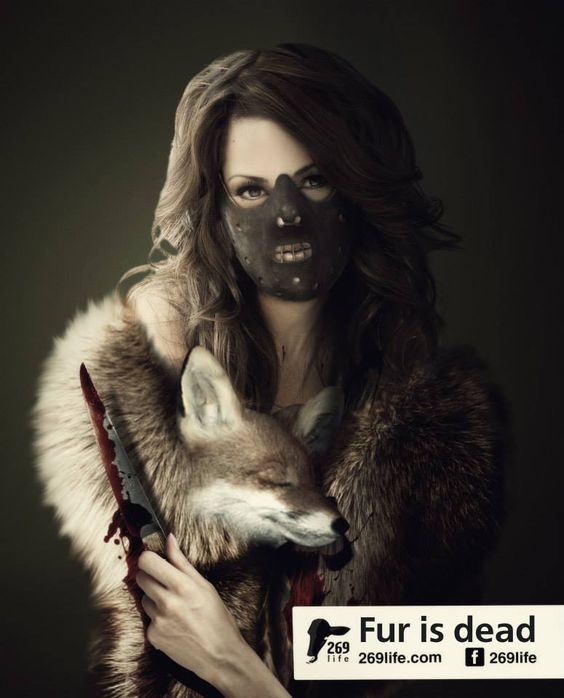
Should fur be banned?

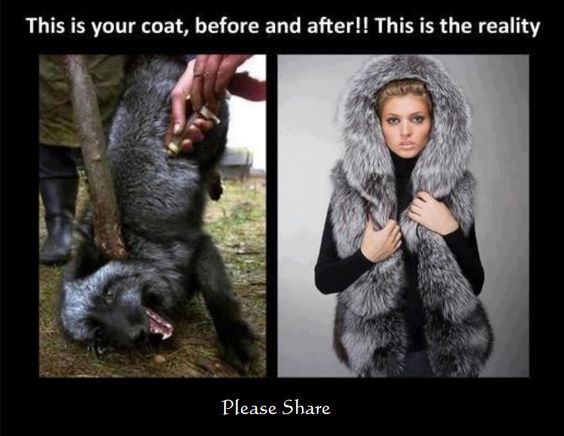
In addition to the cages, 1.5 million people also requested a ban on the fur industry and the marketing of fur products on the European market which legislation was expected to have been included in the Regulation on captive animals.

While regulation to phase out cages remains pending, an estimated 700 million farm animals continue to suffer in cages in Europe according to the complainants.

Regards Mark

“I’m a dickhead, put me into the trough with all the other ‘has beens”

WAV Comment – Get me out of here is just the most pathetic, animal abusive shows you could ever imagine.  Ant and Dec, the presenters; plus the dim wit producers think that it is a real laugh each week for past it has been celebs to eat bugs, sheep eyes and testicles; camel penis, etc etc.

There is nothing funny, or even tv worthy about this show; it just brings together all the dregs of tv under the control of dreg producers.  It should be taken off air.

I propose the programme should be re named “I’m a dickhead, put me into the trough with all the other ‘has beens’”

Take a look:

Real pathetic !!

Mark

The founder of a leading animal charity has shared that she has changed her will to leave her BUM to I’m a Celebrity… Get Me Out Here! producers.

The change comes from PETA founder Ingrid Newkirk who is in protest over the show’s treatment of animals.

Newkirk shared that she hopes to challenge the “cruel and tasteless stunts” on the ITV show that involve live and dead animals.

Discussing the act, the PETA founder said: “The camels, kangaroos, sheep, and other animals whose body parts are served up have more dignity than the moronic producers of this vile show, who think nothing of disrespecting, exploiting, or killing animals for a lark.”

It’s not the first time I’m a Celebrity has faced criticism for their use of animals, with reports that Ofcom has previously received 10,000 complaints over the ITV’s show use of animals. 

Read more:

Animal rights activist to give her bum to I’m a Celebrity producers (msn.com)

Regards Mark

Spain: Lots of (What Should Be Public) Info Being Held Back By Authorities? – NGOs Gather in Gran Canaria to Celebrate Octopuses and Protest Planned Farm.

20 November 2023

Animal welfare and environmental organisations came together on 4 November to spread awareness about the sentience of octopuses, and inhumane plans for the world’s first octopus farm.

Organised by PACMA and We The Free, the first annual International Save the Octopuses Fest was held in Las Palmas de Gran Canaria. The event took place close to the planned site of Nueva Pescanova’s octopus factory farm. 

Scientific experts and activists took to the stage to speak about magnificent, intelligent, and complex octopuses. Among these experts were Dr. Elena Lara from Compassion in World Farming and Keri Tietge from Eurogroup for Animals. This was in stark contrast to the repeated mentions of unethical farming practices, industrial-level suffering, and environmental destruction.

As summarised in our case study released earlier this year, there are numerous concerns around Nueva Pescanova’s farm. Notably, there is currently no effective method for reducing the amount of pain these animals will feel when they are killed for human consumption.

During a panel discussion with the experts, there was a lot of frustration related to one issue; why is there a lack of transparency with the local community?

The Canary Islands government has not updated the public regarding the status of Nueva Pescanova’s octopus farm

Before construction of an industrial aquaculture facility begins, there are several permit processes that must be adhered to. These processes relate to both EU and national legislation and, in theory, allow for public participation at several different stages.

In the case of Nueva Pescanova’s farm, everything has been kept quiet.

In September 2023, it was revealed that Nueva Pescanova’s simplified environmental impact assessment was denied. This means the autonomous body in charge of conducting the environmental evaluations concluded that there could be significant threats to the environment. Nueva Pescanova now must undergo the more exhaustive environmental impact assessment process.

Scientists and campaigners around the globe have already warned about the significant environmental damages that could come from this farm, but what is alarming is the lack of publicly available information about this process. The Canary Islands government is legally obligated to share notifications about such developments, which has still not happened. 

This lack of transparency may be related to the suspected usage of EU public funding for the farm,  which has not been disclosed by national authorities in Spain.

The EU parliamentary elections are just around the corner. It is critical for citizens to participate in order to bring voice to aquatic animals, including octopuses.

We know that farming octopuses simply cannot be done in a humane manner.

It is also clear that this new industry goes against the EU’s Strategic Aquaculture Guidelines and would exacerbate a wide range of sustainability issues. Now is the opportune time to ensure that the EU acknowledges the overwhelming scientific evidence and protects these fascinating and unique animals. 

—————————————————————————

Sounds as if they are doing all they can to stop NGO and the public from obtaining the truth – now the info is known we will have to see what happens next.

Regards Mark

South Africa: New Study Shows That Tourists Are Willing To Pay For A Total Ban On Trophy Hunting To Protect Wildlife In South Africa.

A joint team of UK and South African researchers carried out a survey on public opinion toward trophy hunting. The survey involved 1,000 people from countries that most frequently visit South Africa, both from within the African continent and overseas. It indicated universally strong opposition to the killing of South Africa’s lions for sport and revealed a desire to finance the protection of the nation’s iconic wildlife through paying a ‘lion protection fee.’

The key findings of the research revealed that 84.2% of those surveyed stated that being asked to pay an inbound tourist ‘lion protection fee’ was a ‘good’ or ‘great’ idea. The highest support was from overseas with the UK, U.S., and many European Countries in favor at 92.3%. Those who live in Mozambique were in favour at 88.9%.

Continue reading at:

New Study Shows That Tourists Are Willing To Pay For A Total Ban On Trophy Hunting To Protect Wildlife In South Africa – World Animal News

Regards Mark

Cool Cat !

UK: Hopefully More Good News – An Official UK Ban On Live Animal Exports / Transport.

https://www.ciwf.org.uk/news/2023/11/bill-to-ban-live-exports-welcomed

Above Photos – Mark.

WAV Live exports links:

https://worldanimalsvoice.com/?s=live+animal+exports

https://worldanimalsvoice.com/2023/01/30/england-1-2-23-remembering-jill-a-brief-insight-the-live-exports-battles-of-se-england-to-be-a-voice-for-the-voiceless/

and dear friend John:

After years of campaigning by many animal welfare organizations, the announcement of a ban on live exports is a significant moment in the history of the animal welfare movement in the United Kingdom.

Above – more fighting at the EU, Brussels, Belgium.

The Animal Welfare (Livestock Exports) Bill will prevent the horrendous shipment of calves and other farmed animals for days or even weeks on unsuitable transport vessels that have seen dreadful accidents in the past with thousands of animals dying.

Unweaned calves that were sent from the UK to Spain for fattening suffered from injury, stress, and exhaustion. Global animal welfare organization FOUR PAWS said that it would fortify its efforts to advocate in next year’s EU elections, where a revision of Animal Welfare legislation is more than overdue.

“The last few years have seen too many fatal accidents with farmed animals being transported alive with countless documented infringements against existing legislation that are not prosecuted. The suffering the animals have to endure due to excessive temperatures in cargo, nonexistent veterinary care, and a constant shortage of water and feed is unimaginable,” said Corinna Reinisch, Program Lead Farm Animal Welfare at FOUR PAWS.

“Therefore, this milestone announcement in the UK shines a light on the upcoming proposals for transport that the European Commission has announced for December of this year. Eventually, the EU Parliament and the Council of the EU have to take those proposals, which raise the significance of live animal transport forward in the upcoming EU elections in 2024,” continued Reinisch. “This strong signal shall be the door opener for an urgently needed improvement for billions of farmed animals that are transported outside the EU to third countries every year. FOUR PAWS keeps advocating for animal welfare worldwide.”

Every year, millions of cows, pigs, birds, and sheep are exported from the EU to non-EU countries. This year alone, there have been several fatal accidents with animals being transported. After a three-month ordeal through the Mediterranean Sea, around 1,600 young bulls were killed in Spain after the transport ship Elbeik was not allowed to enter the Middle East due to feared bluetongue cases among the bulls on board. Almost 900 young bulls from the transport vessel Karim Allah experienced the same fate some weeks earlier, and only recently, 14 sheep died after the Phoenix III was stuck off the Italian coast due to bad weather conditions.

Link:

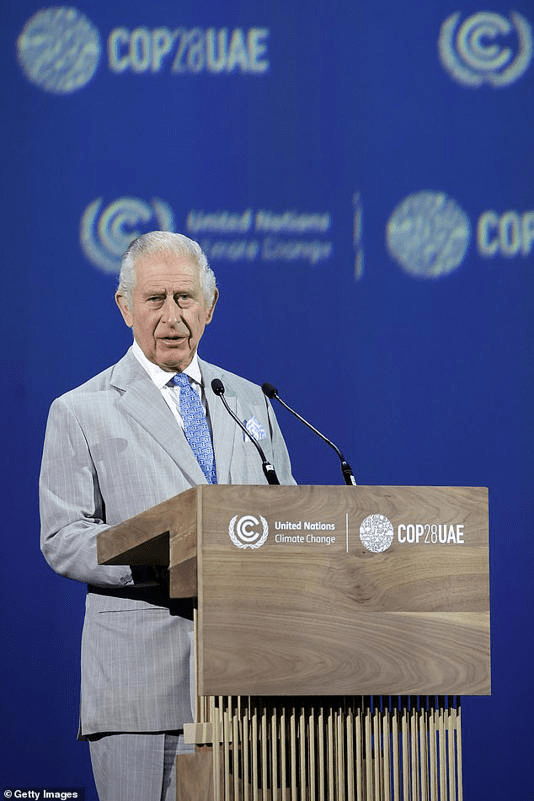
King Charles Announces Ban On The Live Export Of Animals For Slaughter In The UK In New Legislation – World Animal News

Regards Mark

Words from the recent past:

I (Mark) have fought the export of live animal exports from the UK (via English ports) for around 35+ years.  A ‘been there; done it; got the T shirt’ type of scenario.  Over those 30 or so years the ‘fight’ has taken me into Europe investigating the trade; to the EU no good hierarchy in Brussels; and to many ports around England which, to their regret, got involved with the live export trade.

We have experienced the countless, wet; windy; cold and tearful nights at the docks; bearing witness to all the suffering – the noise of the calves having travelled from all over the UK; the smells of days old urine on the transporter floors; and the sights of helpless animals (pigs, sheep, calves and horses) through the slats on their way to meet barbaric deaths in the far corners of Europe and beyond.  Yes, despite Ministry promises; horses were exported to Europe under the guise of going for riding; when in fact they were going for slaughter.  How can I say this ? – one way or another I got the paperwork (export certificates) and we trailed the transporters into Europe.  The Ministry said one thing; and we had the evidence for another.  See more on it all at:

About Us. | Serbian Animals Voice (SAV)

The corruption of the system bummed me off enough; that one night; after witnessing the horses going out through an English port; I had to get something down to show what an utter sham it was – hence:

Microsoft Word – EXH6.doc (wordpress.com)

Sometimes you worked alone; for me also, sometimes with a female campaigner; sometimes more; and I cannot even start to count all the wonderful folk that have shared this journey of compassion with me – folks who; if you need it; would give you the shirt off their back to help you out. 

I lost a wonderful campaigner friend; Mike Tucker; see his photo – from London, a few years ago.  He was a stalwart in the fight for the ban on live animal exports.  Sadly he passed before this great news has broken today.  It would have been his dream to know that this issue has now reached UK government for action; with the very real prospect of a positive result soon.  Like me; the fight got deep into his veins; and the tenacity to be a voice for the suffering animals stayed with him until his final minute.  You don’t forget people like him.

I can remember meeting up with him many times in Ol’ London town over the years to fight this bloody, barbaric trade in sentient beings.  Despite his disability from an accident many years earlier, Mike would always dress ‘dapper’ in suit and bowler hat; and would take his bucket of water and a mop to wash the steps of the Agriculture Ministry (responsible for authorising the exports); telling them to ‘clean up’ their act and stop the trade regarding live animal transport.

The EU, for what little it is worth; has a policy of ‘member states’ never being allowed to stop the trade.  With the UK sensibly voting to leave a few years ago; and our relationship with the EU hopefully coming to an end this month in 2020; the UK, as an independent nation, can now take the action to stop the live export trade; re the action starting in Parliament tomorrow (3/12/20).  Things will not change overnight; we know that; but the UK government; unlike the EU; is listening to its citizens; and hopefully in the near future, will introduce legislation to stop the trade.  If other member states of the EU cannot go independent and enforce their own nation legislation; then it is a sad state of affairs; especially as so many citizens of the EU (who’s wishes are ignored) wish to see the business / trade stopped for good.

Mark

Above – Livestock transporters wait at Dover harbour.

Fighting in Dover and Brussels, Belgium

Above – in all the cruelty, we had some fun nights as well- you have to !!

EU: Conference celebrates first year of revised Action Plan against Wildlife Trafficking.

Conference celebrates first year of revised Action Plan against Wildlife Trafficking

17 November 2023

AAP

Animal Advocacy & Protection, or AAP, is working to put an end to the suffering of exotic animals in Europe. They tackle the problem preventively by advocating across Europe for better laws and regulations to prevent animal suffering, as well as practically by rescuing, rehabilitating and finding safe permanent homes for exotic animals in distress. Their areas of focus are exotic pets, animals in entertainment and wildlife trafficking.

On 16 November, a year after the publication of the Revised EU Action Plan against Wildlife Trafficking, representatives from Member States, the European Commission, the European Parliament, the private sector, and civil society gathered in Brussels to discuss the implementation of the Action Plan and solutions to end the illegal wildlife trade. The event was co-organised by Eurogroup for Animals, AAP, IFAW, Humane Society International and Pro Wildlife.

Wildlife trafficking is one of the largest international criminal activities. It contributes significantly to biodiversity loss, increases the risk of zoonotic diseases and has negative socio-economic impacts, particularly in countries where animals and wildlife products are sourced.

The EU is a hub for wildlife trafficking and therefore has a crucial role to play. The revised EU Action Plan against Wildlife Trafficking, published in 2022, provides improvements compared to the previous Action Plan and foresees ambitious actions to tackle the issue. Our conference, marking the first year of the release of the revised Action Plan, was opened by a video message from Virginijus Sinkevičius, European Commissioner for Environment, Oceans and Fisheries, who highlighted the role of illegal trafficking in loss of biodiversity and undermining peace and security,  followed by a message from César Luena MEP (Socialists and Democrats), who stressed that the success of the Action Plan depends on dedicated implementation by all actors.

The first panel discussed care for confiscated live animals. Representatives from rescue facilities across Europe emphasised the difficulties they are facing to accommodate seized animals and called for increased capacities and resources to offer proper care. Maria Pita Fernandez from the Spanish Ministry for Ecological Transition and Demographic Challenges detailed the actions taken by the country in this regard, especially to facilitate information-sharing and coordination. IFAW presented a new Online Learning Program for enforcement authorities on handling confiscated live animals. The panel stressed the challenges in setting adequate conditions for a wide range of species and called for dedicated funding for rescue centres in national Action Plans without impeding activities to address the root causes of wildlife trafficking.

Participants then heard the experiences of Member States regarding the implementation of the EU Action Plan and innovative solutions at the national level. Representatives from Spain and Czechia presented their plans to fight illegal wildlife trafficking, while Lithuania, the Netherlands, Cyprus and Belgium detailed their experience in implementing innovative measures such as the positive list of allowed pets, emphasising the importance for such lists to protect animal welfare, public health and biodiversity. This is relevant in the context of the upcoming study from the European Commission on the added value and feasibility of an EU Positive List for Pets. Panellists highlighted the added value of an EU positive list to better regulate intra-EU trade and the need to retain national lists that would be stricter than the EU list.

The third panel focused on enforcement challenges and consisted of French and Spanish law enforcement authorities, the representative of the German online platform DeineTierwelt, IFAW and the European Commission. The panellists discussed the state of play and opportunities to properly enforce the legislation in place to combat wildlife trafficking. They emphasised the need for ambitious and harmonised rules to regulate wildlife trade online. Training and awareness raising of enforcement officers on environmental crime, including cyber crime, is crucial to enforce these rules. Financial crimes closely linked to wildlife criminal activities can also facilitate prosecution and must be carefully considered by enforcement authorities.

The final panel exchanged on the loopholes in the current EU legislation which enable species that are illegally caught and smuggled in their origin countries to legally enter the EU market. The example of the Macedonian Grayling, an endangered nationally protected butterfly sold online across the EU was presented. Experts and enforcement authorities described the problem while lawyers and civil society proposed solutions, including a model legislation for the EU, in view of the upcoming Commission’s feasibility study on this issue. Panellists underlined that such legislation could complement an EU Positive List and is an important opportunity for the EU to protect biodiversity worldwide.

The event was closed by MEP Martin Hojsík (Renew) on a hopeful note, calling for the timely and proper implementation of this ambitious Action Plan, increased capacity to seriously tackle illegal wildlife trade and the need for new legislative tools at EU level including the positive list and the criminalisation of illegally sourced wildlife trade in the EU.

Illegal wildlife trafficking is not only a major threat to conservation, it also condemns millions of animals to a life of suffering. This event demonstrates that solutions exist! We hope that these fruitful discussions will lead to positive change in the legal framework, in particular the implementation of an EU positive list that is deeply needed to better regulate this trade.

Reineke Hameleers, CEO, Eurogroup for Animals

Wildlife traffickers are increasingly going online to reach a vast virtual marketplace. Dismantling wildlife cybercrime requires the acquisition of specific equipment and competencies by law enforcement and judicial authorities, but currently, there are huge disparities in the level of efficiency of detection and prosecution of wildlife cybercrime in different countries. New tools, training and collaboration are needed to fight criminal networks in and outside the EU.

Ilaria Di Silvestre, Head of EU Policy & Campaigns, IFAW

Today’s event has illustrated just how vital it is that the EU closes the loopholes in the current EU wildlife trade regulations. By failing to criminalise the import of nationally protected wildlife species that have been taken in violation of the laws of other countries and allowing this stolen wildlife to be traded legally in Member States, the EU continues to be complicit in the loss of biodiversity elsewhere in the world. This cannot and must not continue.

Dr Joanna Swabe, Senior Director of Public Affairs, Humane Society International/Europe

Many range states do not even know that their threatened and nationally protected species are stolen and smuggled to Europe to be marketed as exotic pets. Our event today confirmed that the European Union, with its responsibility as a main hub and destination, urgently needs to take action against this particular form of wildlife crime.

Dr Sandra Altherr, Pro Wildlife

Today multiple Member States who have implemented a Positive List shared their experiences and lessons learned. These are not only crucial for the EU to consider when conducting their feasibility study, but also other Member States who have yet to implement such an instrument. The message today is clear: a Positive List is a highly effective way to combat illegal wildlife trade, being one of the major risks the exotic pet industry confronts us with.

Laurens van de Noort, AAP

Regards Mark

England: German Analysis of 37 Studies Shows Meat and Dairy Out, But Changing to Whole Grains, Beans, Nuts and Olive Oil Significantly Reduces Cardiovascular Disease and Type 2 Diabetes. (Guardian London).

Plant-based swaps may cut diabetes and heart disease risk, major review finds

Analysis of 37 studies finds largest health benefits come from replacing processed meat, with 20% reduction in type 2 diabetes

Replacing meat and dairy with whole grains, beans, nuts and olive oil may significantly reduce cardiovascular disease and type 2 diabetes, according to a major review into the impact of diet on health.

Researchers in Germany analysed 37 published studies to assess the benefits of switching from red and processed meat, poultry, fish, eggs and dairy products to plant-based foods such as beans, nuts, whole grains, oils, fruit and vegetables.

Read in full at:

Plant-based swaps may cut diabetes and heart disease risk, major review finds | Health | The Guardian

Regards Mark

England: Note Date – London, Viva ! COP Demo On 25/11/23.

Dear Mark,

Viva! is demanding that the Government includes a shift to plant-based diets in their climate commitments. Take action with us ahead of COP28 by joining our London demonstration on the 25 November 2023.  

COP is a key point in the environment calendar, marking the annual United Nations Climate Change Conference where world leaders come together to discuss the supposed ‘solutions’ to tackling the climate crisis and its impacts. Demand for meat, dairy, fish and eggs is the number one driver of wildlife loss, is fuelling the climate crisis, and threatening humanity’s own existence. Yet given the devastating impact it has on the planet, there is no mention of dietary change in the UK Government’s environment and climate strategy. 

Our leaders are governing the death of humanity. Without a healthy planet, we have no future.  We need to take a stand against climate inaction, and we need you to join us this 25 November.  
Join Viva!’s demonstration at Parliament Square 
Where: Parliament Square, London When: 25 November 2023, 11am to 2pm

We’ll be bringing lots of placards to explain why we need to include the impacts of meat and dairy in environmental commitments. There will be plenty to hand around if you need one or bring your own!  This is a collaborative event where we will be joined by other groups to amplify this unified message. We will have speeches throughout the day. 

Our action on Parliament Square is just the beginning – we want to support you in taking action in your local area.  

COP28 will be a key event in the environment calendar, with rallies and demos across the country; allowing people to have their voices heard about the need for climate action now.  

COP28 is being held 30 November to 12 December 2023. Take action in your local area as part of a local COP28 rally or hold your own event or stall. 

At Viva! we will be updating our website regularly with details of national events. However, if there isn’t one already set up near you, why not hold your own outreach event or demo instead? Keep us updated on your climate action plans.

Click here to order your free climate demo pack –  https://viva.org.uk/planet/campaigns/cop28/?mc_cid=b61cb0cfc9&mc_eid=f1cc978ae5#pack

Regards Viva and Mark