
Regards Mark
Regards Mark

New report reveals the minimal cost of fish welfare
14 February 2023
Essere Animali
A new report by Essere Animali finds that stunning fish before slaughter in aquaculture could have very little impact on production costs.
The Italian Ministry of Agriculture, Food Sovereignty and Forestry has developed a new “Sustainable Aquaculture” certification scheme in collaboration with sector associations. Unfortunately, key elements affecting the welfare of farmed fish are not addressed by the certification, despite the fact that the EU Strategic Guidelines for Aquaculture 2021-2030 treat animal welfare as an independent and priority topic.
According to Essere Animali, the most glaring shortcoming of the certification scheme is that, in total contradiction to the developmental directions taken by international regulations and certification standards, the Ministry’s specifications do not include the requirement for effective stunning before slaughter, effectively failing to guarantee animal welfare even during the end-of-life phases.
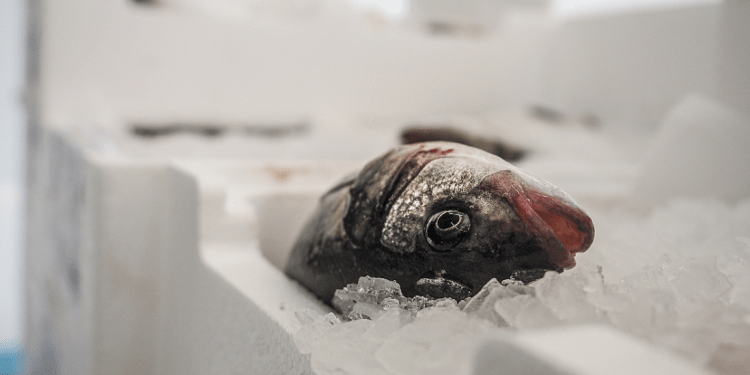
Currently, the vast majority of fish bred in Italy are subject to slaughtering practices that seriously affect the welfare of these animals. For example, sea bass and sea bream are commonly stunned by immersion in mixtures of ice and water, where, due to the thermal shock, they are immobilised even though it can take up to 40 minutes before they lose consciousness.
Stunning methods more respectful of fish welfare already exist and, as the report produced by Essere Animali in collaboration with Animal Ask shows, applying them would have little impact on the production price.
For trout, the use of effective stunning methods would only account for 3% of the total production costs and would lead to an increase in the production price of 6 € cents/kg.
The same applies to sea bass and sea bream, where the use of effective stunning methods would only account for 1.2% of production costs with an increase in the production price of around 6 € cents/kg.
Selene Magnolia / We Animals Media
Even taking into account the initial investments needed to purchase the machinery, the increases in the production price would still be manageable (16 cents/kg for trout and 11 cents/kg for sea bream and sea bass), without considering that these investments could be financed within the 340 million euro coming to Italian aquaculture in the 2021-2027 plan of the Common Fisheries Policy, whose objective is precisely to support the development of systems with better animal welfare standards and more value for production.
The figures are similar to those in the European Commission’s own study from 2017 which found that stunning would increase the cost of seabass and seabream in Greece by around 5 cents/kg, and reduce the cost of trout in Italy by around 6 cents/kg.
By the end of 2023, the European Commission will present a package of four new proposals including a regulation on animals at the time of killing. This regulation is an opportunity to finally deliver European-wide rules for more humane stunning and slaughter provisions for fish.
Apart from the obvious shortcomings during the breeding stages, it is particularly serious that the certification does not even guarantee fish the reduction of suffering at the time of slaughter, an element that has been guaranteed for years to terrestrial species and on which there is already a European Regulation not fully implemented in our country. The European Commission has officially recognised that farmed fish need greater protection and it is extremely worrying to see not only that these indications seem not to be implemented in the ‘Sustainable Aquaculture’ specification, but that this has major negative repercussions for both fish and consumers, who are not fully guaranteed clear and transparent information.
Elisa Bianco, head of Essere Animali’s Corporate Engagement office
Download the reports for Italy and Greece below.
Economic evaluation of humane slaughter methods for farmed fish in Italy
File
Italy_Humane Slaughter for Farmed Fish_0.pdf6.33
Regards Mark

I think we have shown in the past that the dairy industry is a grossly sick industry. Cows, which should produce milk for their baby calves have it stolen from them in order to feed humans.
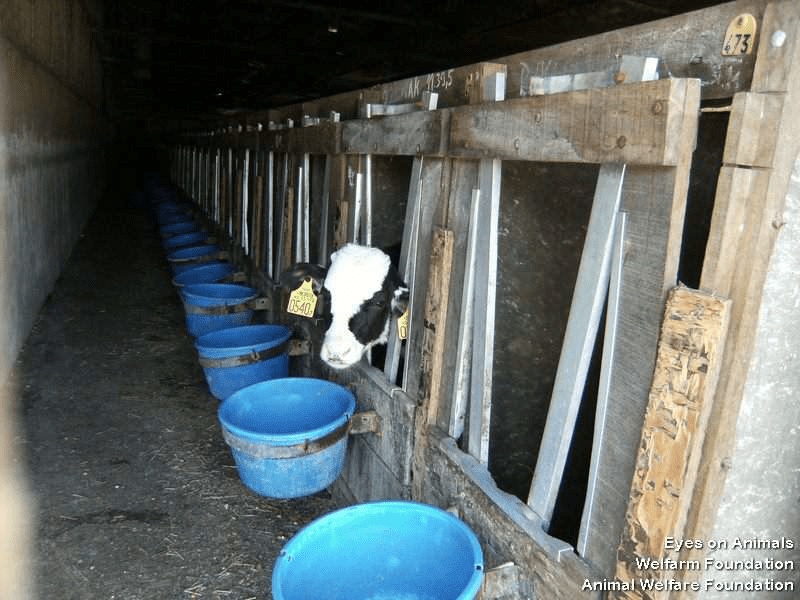
Above – Male Calf in Veal Crate.
In order to produce milk, cows must give birth to a calf. Male calves are generally considered a low-value waste product by the industry and as they do not replace female animals in the dairy herd are usually slaughtered at around five days of age. The RSPCA is concerned about the potential for poor treatment of these ‘bobby calves’ on farm, during transport and at slaughter.
For years in the past, British male calves were exported to Europe to be incarcerated in the dreaded veal crate system. Despite the British government not allowing veal crates to be used in the UK; they were banned due to their cruelty, they did allow British calves to be exported and put into such systems in mainland Europe – was that not hypocritical ? !
Calves are normally separated from their mothers within 24 hours of birth, mainly to reduce the risk of disease in the calf and to ensure the calf is fed adequate colostrum. Cow-calf separation is a practice which is very stressful for both cow and calf.
The option: dont support the murder of baby calves.

New Zealand:
One of the world’s biggest dairy companies, a New Zealand-based co-operative orders an end to killing bobby calves on dairy farms
Fonterra has ordered its farmers to stop killing bobby calves on their farms unless there is a humane reason for doing so. The company said they should be raised for beef or slaughtered for calf-veal or the pet food market.
The mistreatment of bobby calves has previously come under scrutiny after being killed on farms because they had no financial value, and mistreated by contractors who picked them up to transport them to meat works.
Continue reading at:
Fonterra orders an end to killing bobby calves on dairy farms | Stuff.co.nz
Regards Mark
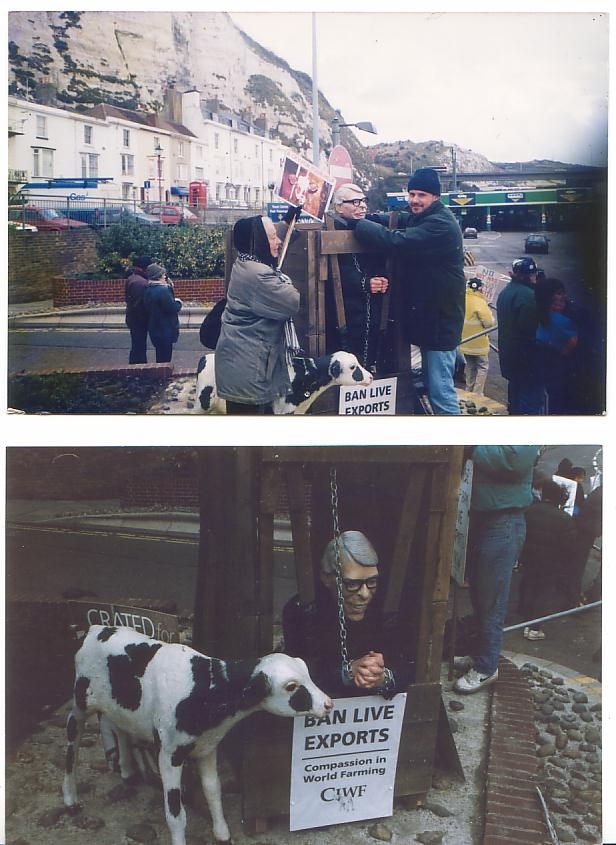
Remembering dear John:
England: Another Terrible Loss – John Callaghan. – World Animals Voice
Time out:

The federal government is investigating the possible human trafficking of children who cleaned slaughterhouses
There is no indication that the sanitation company is under investigation for trafficking the children who worked there.
Federal investigators are looking into whether 50 children — some as young as 13 — who were allegedly illegally employed cleaning Midwestern slaughterhouses were victims of labor trafficking, three officials from the Department of Homeland Security told NBC News.
Homeland Security Investigations agents have interviewed children who worked cleaning a JBS Foods slaughterhouse in Grand Island, Nebraska, the officials say.
There is no indication DHS is investigating the company that hired the children, Packers Sanitation Services Inc., or PSSI, for human trafficking. Instead, said two DHS officials, DHS is investigating to rule out the possibility that outside traffickers may have forced children to work for PSSI and profited off their labor.
Continue reading at:
Regards Mark

Malta – A quail hunting competition scheduled to take place at L-Aħrax, Mellieħa tomorrow (this was Friday 3/2 – Mark) must not go ahead, three animal rights organisations have insisted.
FKNK, GħKNK Mellieħa and KRPE are organising a ‘field trial’, a competition which will see hunters search for some 180 quails that had been bred in captivity, using their dogs to flush them out before shooting them.
An international jury will judge the kills and issue prizes for a number of categories, with a focus on the dogs’ performance and obedience, in line with international rules for field trials.
Regards Mark
Continue reading at:


Brazil sinks warship in Atlantic despite maritime pollution concerns
Brazil on Friday sank a decommissioned aircraft carrier, the Navy announced, despite environmental groups claiming the formerly French ship was packed with toxic materials.
Though defense officials said they would sink the vessel in the “safest area,” environmentalists criticized the decision, saying the aircraft carrier contains tons of asbestos, heavy metals and other toxic materials that could leach into the water and pollute the marine food chain.
Read the full article at:
Brazil sinks warship in Atlantic despite maritime pollution concerns (msn.com)
Regards Mark

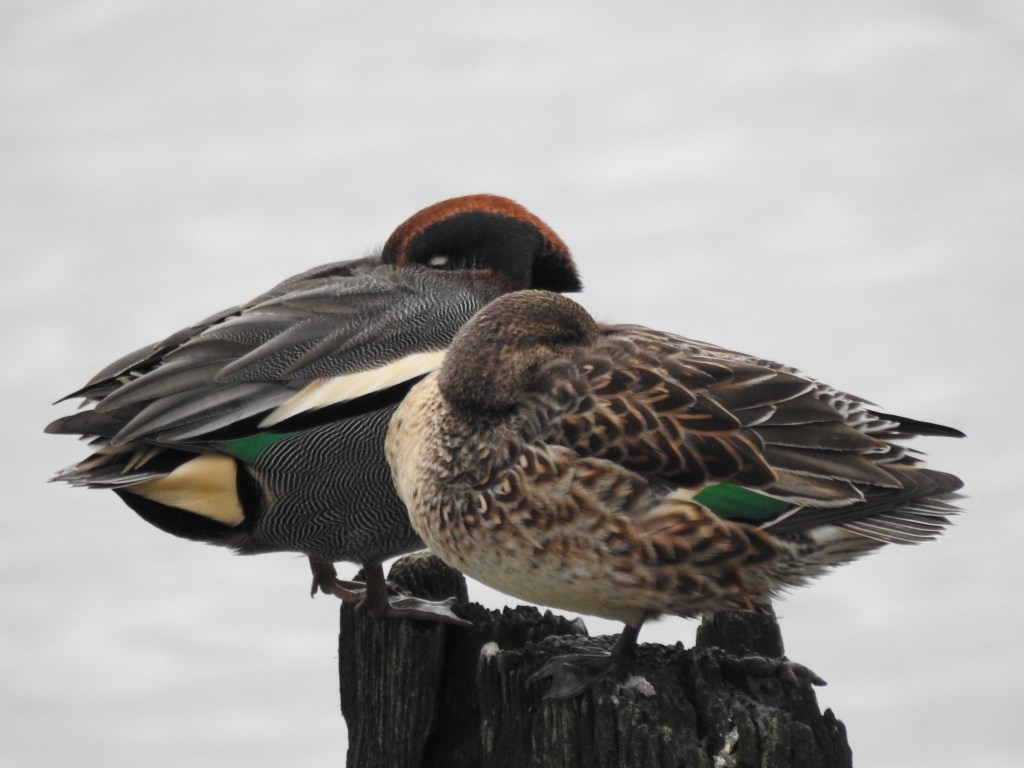
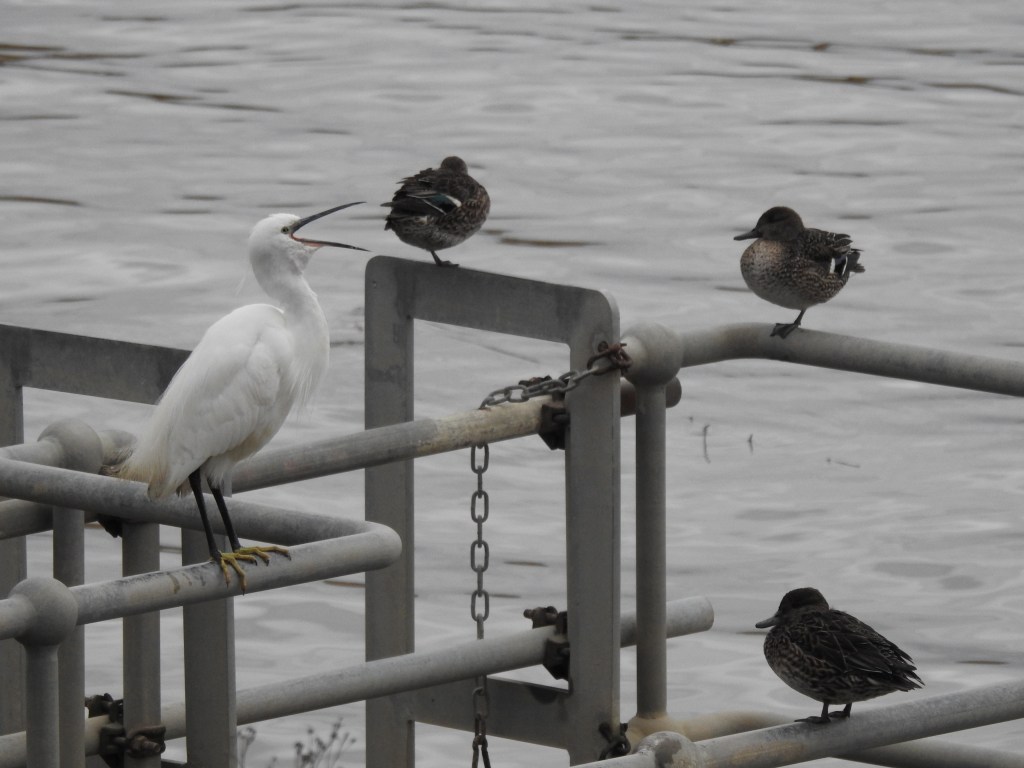
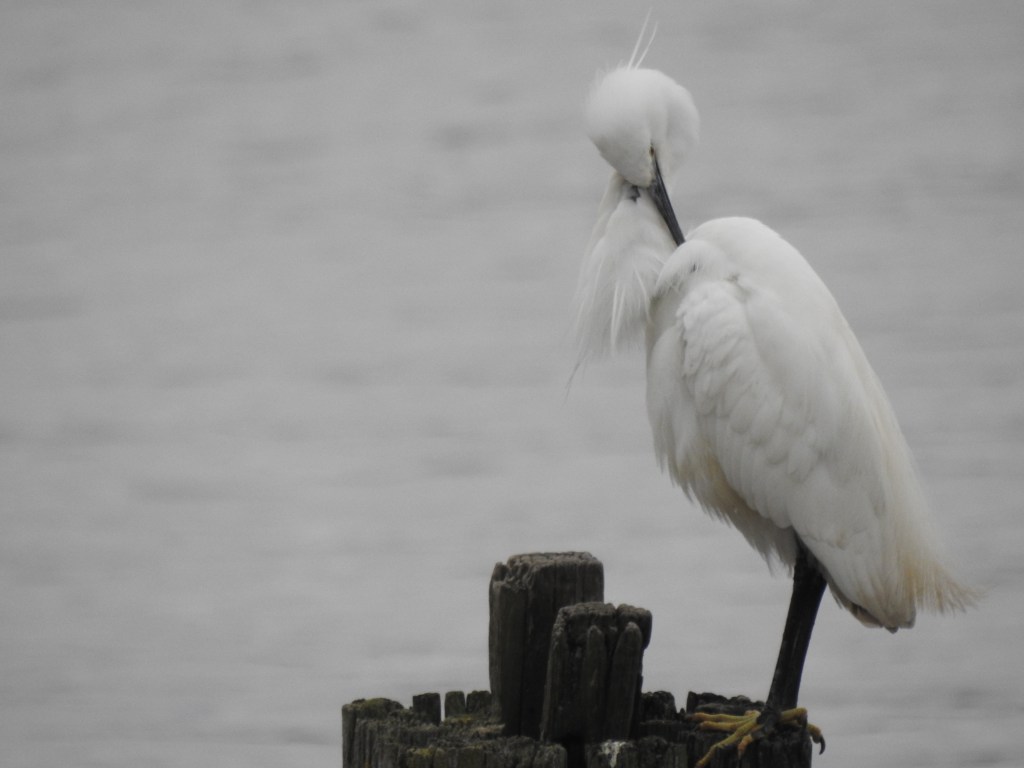
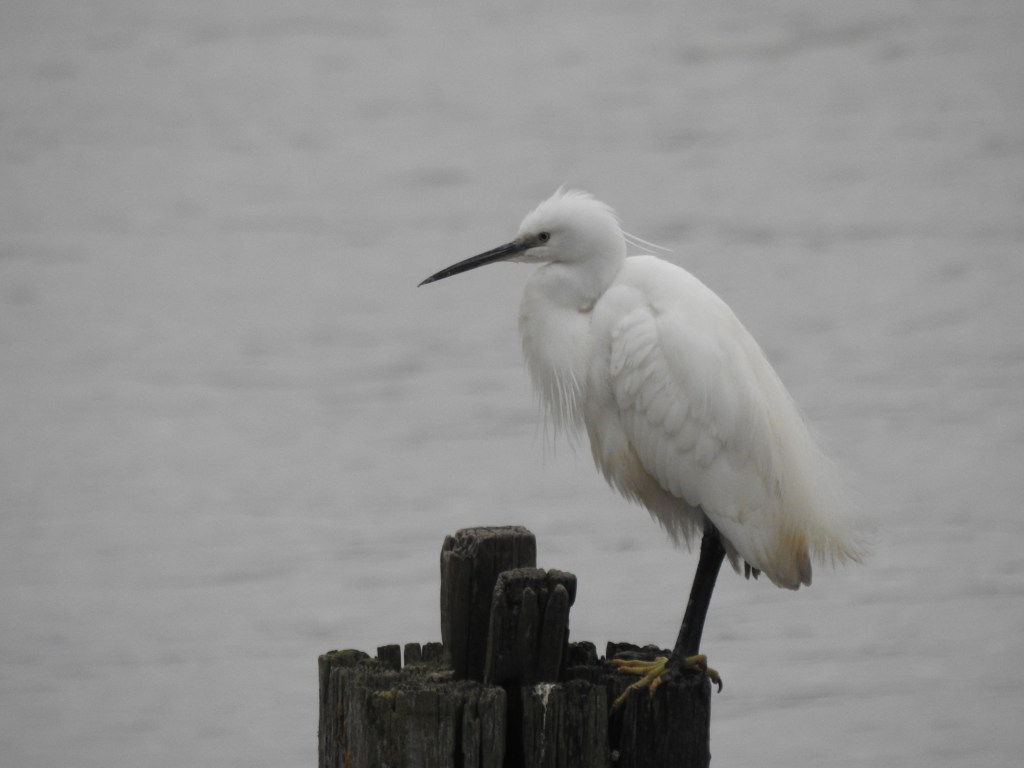
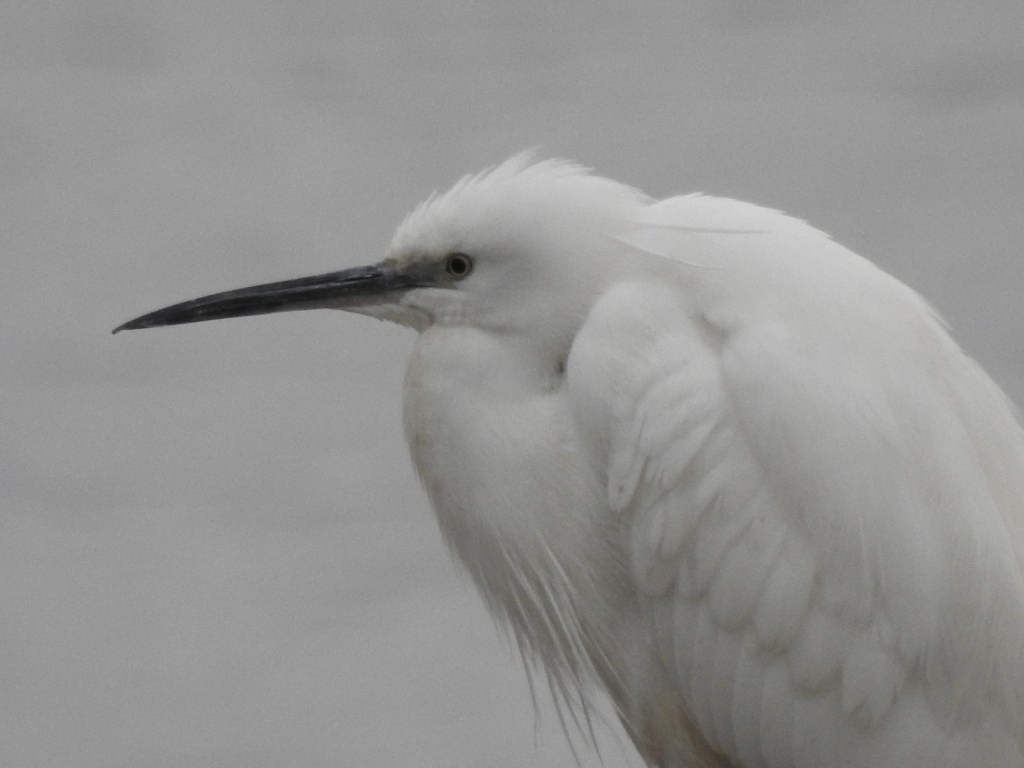
Here are the latest photos which have been supplied by Pauline; birds on the River Thames, London.
First image – Teal on Thames; others; Egret.
Regards Mark and Pauline.

As the 2023 Iditarod dog-sled race approaches, we have some good news to share:
After hearing from PETA and over 40,000 of our supporters, Cue Health dropped its sponsorship of the deadly race! But that’s not all: Healthcare companies Capstone Clinic and Greenbrook TMS were also removed from the race’s sponsorship page after they heard from PETA supporters.
This is a huge victory for dogs used in the Iditarod, who are forced to pull heavy sleds for about 100 miles a day for nearly two weeks in subzero temperatures. More than 150 dogs have died in the race’s history, not counting all those who died during the off-season while chained outside in all weather conditions or those who were killed because they lacked the rare speed and stamina to make the grade.
Cue Health, Capstone Clinic, and Greenbrook TMS now join other companies—including Alaska Airlines, Chrysler, Coca-Cola, ExxonMobil, and Millennium Hotels and Resorts—that have already cut ties with the race, and the list will only grow.
Let’s end the Iditarod’s cruelty by urging the remaining sponsors to stop funding dog abuse.

Take action;
The Deadly Iditarod Race Should Be Terminated: Here’s Why (peta.org)
Thank you for speaking up for dogs suffering because of the Iditarod. Please help spread the word by forwarding this e-mail to everyone you know.
Sincerely;
Melanie Johnson
Manager
Animals in Entertainment Campaign
PETA
Regards Mark

I am pushing this issue of future actions for Viva as in the video you can see the disgusting reality of the dairy industry in the UK.
Viva! Campaigns have uncovered rampant cruelty at Kent’s Home Farm dairy and we need your help to expose the abhorrent reality of dairy farming to the British public.
You may not have heard of Home Farm, but you have heard of Costa Coffee. Home Farm supplies Freshways, who provide milk to Costa Coffee, one of the nation’s largest coffee shop chains.
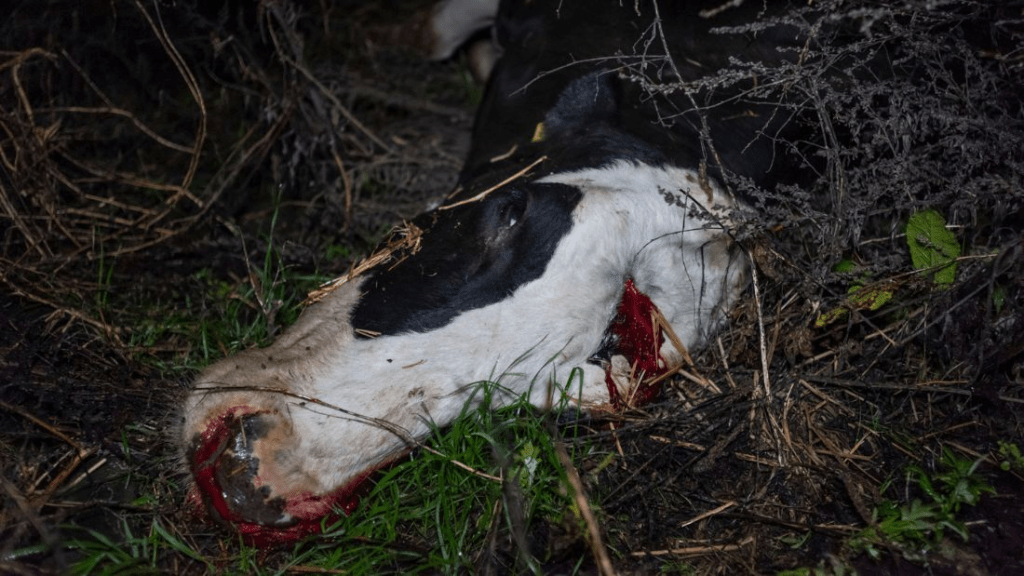
Viva! Campaigns investigated Home Farm in Kent after a tip-off. We are horrified by what we found there – but what happens here happens on thousands of farms across the UK, every single day. We found cows that were emaciated, lame and struggling to walk, others manhandled, slapped and shoved, and others visibly injured or in shackles.
Below – calf shot in head.
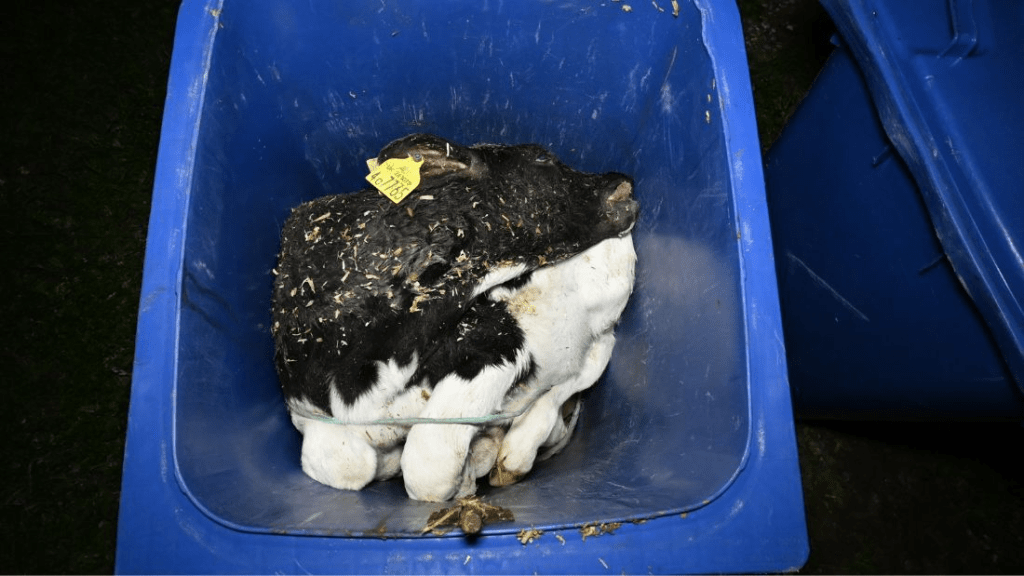
Above – dead calf in wheelie bin.
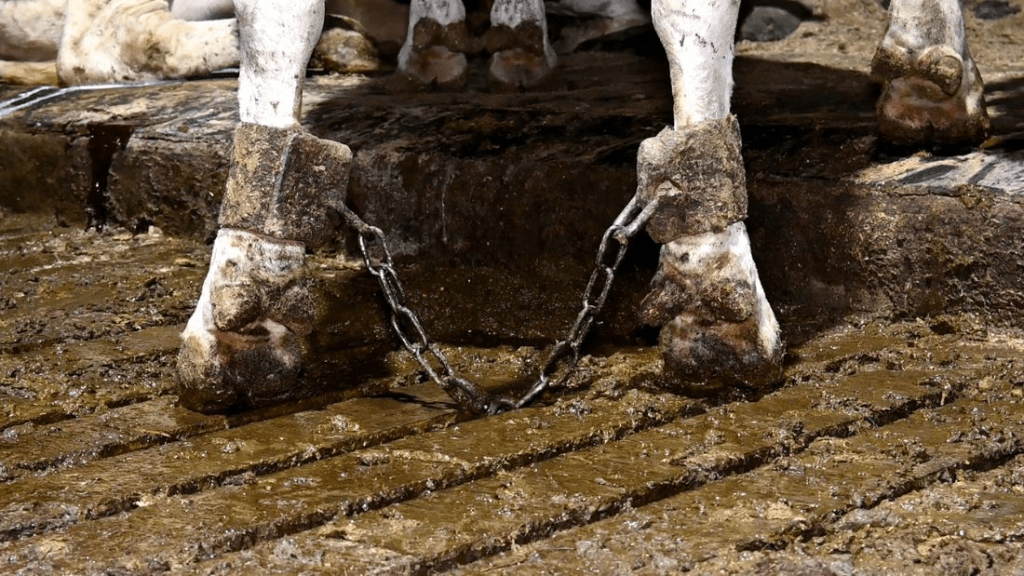
Above – shackled.
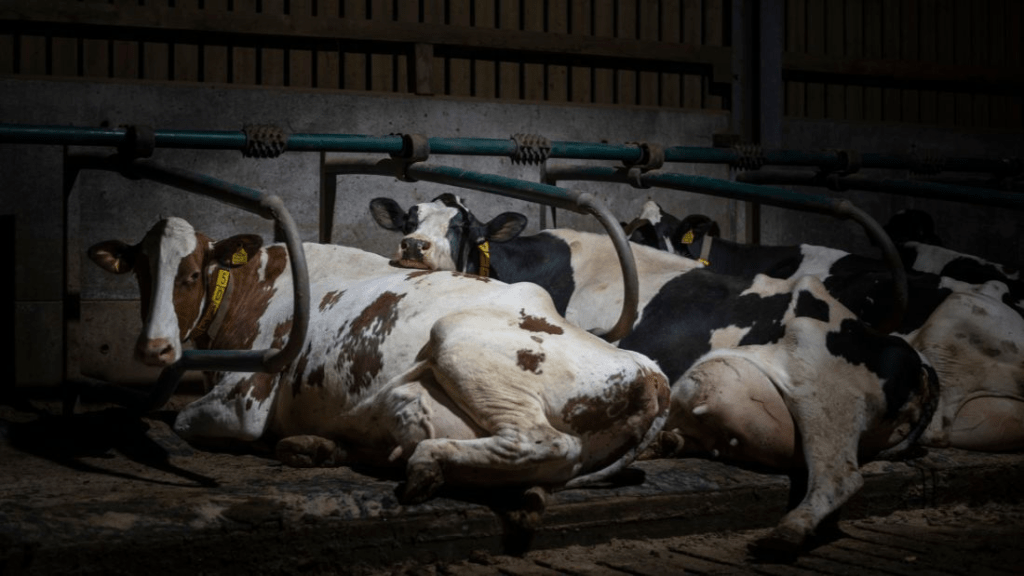
This is modern dairy farming! It’s unacceptable that animals are treated like this in 21st century Britain. Read on to find out how you can help!
Continue reading, with actions you can take at:
The True Costa Dairy | Viva! The Vegan Charity
Join Viva!’s nationwide Days of Action outside Costa Coffee
On 28 January, Viva! supporters joined in across the nation. Viva! received an incredible response from the general public. I’m hoping you’ll join us on our next Day of Action on Saturday 11 March to reach even more people and help them to swap to plant-based alternatives.
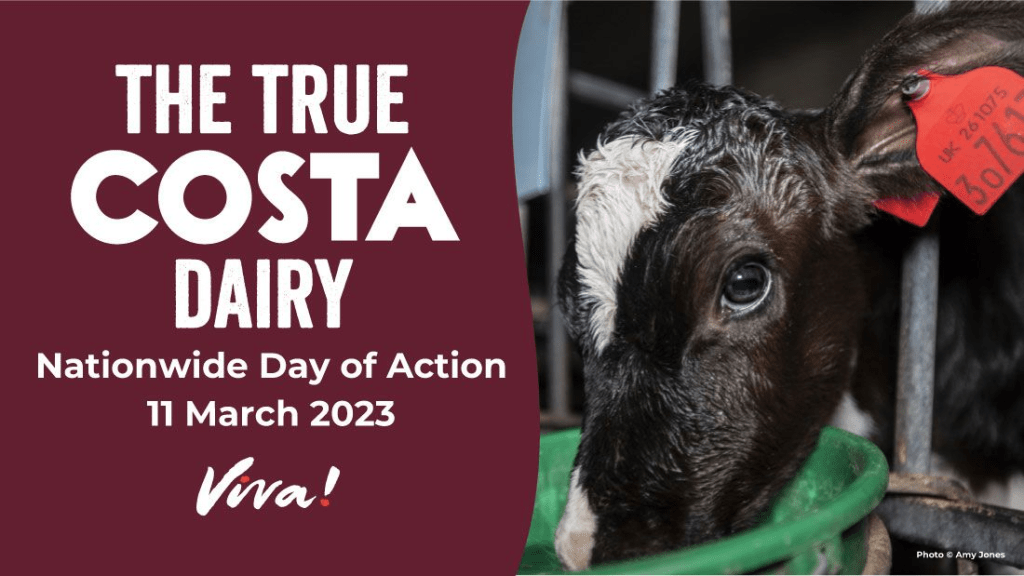
When: Saturday, 11 March 2023
Where: Nationwide outside Costa Coffee
Previous Viva! Days of Action have reached thousands upon thousands of people, encouraging many to make more ethical choices and go vegan. This time, situated outside Costa Coffee branches, from the largest cities to the smallest towns, we hope to change the way every single Costa Coffee customer thinks about dairy.
After all, it is no longer just an innocent little dash of milk when it dashes the innocence of a little calf against the hopeless iron bars of Home Farm.
Taking part in Viva!’s Day of Action against Costa Coffee is simple. Hold your own event outside your local Costa Coffee shop. Just fill out the form below! Read our FAQs further down if you have any questions.
The True Costa Dairy | Viva! The Vegan Charity
Regards Mark
and stop this suffering.
New report explains urgent need to protect animals in disasters
31 January 2023
Russia’s war in Ukraine in 2022 caused a myriad of challenges worldwide, but it also provided valuable lessons by highlighting what is missing for animals in the event of a disaster. Today, animals are not legally protected in disasters at EU level, although they play a vital role in people’s lives for economic and health reason
Animals in disasters: the need for protection and coordination across Europe
Browse the publication here:
Animals in disasters: the need for protection and coordination across Europe | Eurogroup for Animals
The imperative of protecting animals in disasters is underpinned by the human-animal bond, which influences human evacuation behaviour, the emotional support animals provide to people, the potential public health risks that disruption of health protocols can bring, and often the economic value of animals to humans. And as a result of the Ukrainian refugees crisis in 2022 by people’s willingness to save their animals in disasters. However, there is still little recognition among policymakers and humanitarian actors of the role that animals play in human life and in rebuilding communities after disaster.
Our new report suggests that the basis for the protection of animals in disasters is their legal inclusion in EU disaster law. It also outlines various actions that could be implemented by the EU and its Member States to better address the plight of animals in such circumstances. These include aligning efforts for people in disasters with those for animals, including animal welfare actors in a coordinated joint coordinated capacity during the disaster response phase, developing national disaster management plans involving animal experts, and establishing animal-friendly refugee camps in the EU, among many other initiatives.
The experience of Ukrainian refugees bringing their companion animals with them has shown how much these animals are part of their families. Today, the Directorate-General for European Civil Protection and Humanitarian Aid Operations (DG ECHO) is responsible for humanitarian assistance and civil protection in the European Union. Its main instrument – Union Civil Protection Mechanism – recognises in its recitals the need to “reduce the vulnerability of animal welfare and wildlife” as part of disaster risk prevention and management, but there is no obligation to cover animals in terms of protection. Recognising the vital role these animals play in people’s lives could provide a legal basis for DG ECHO to extend its protection efforts to companion animals as family members. Other categories of animals should also benefit from legal protection in the event of a disaster, the legal grounds for which should be examined.
While achieving protection for all species in disasters remains a long term goal, the immediate solution lies in the legal inclusion of animals into disaster law in the EU with the aim of involving animal welfare actors in the development of disaster management plans, and in a coordinated disaster response mechanism in the EU. There is great potential for the EU, Member States and NGOs to work together to be better prepared for disasters in the long term.
Regards Mark
1/2/23 – Remembering Jill:
 World Animals Voice