Category: Environmental

USA: Big Wins for Animals At Iditarod As More Sponsors Pull Out.

As the 2023 Iditarod dog-sled race approaches, we have some good news to share:

After hearing from PETA and over 40,000 of our supporters, Cue Health dropped its sponsorship of the deadly race! But that’s not all: Healthcare companies Capstone Clinic and Greenbrook TMS were also removed from the race’s sponsorship page after they heard from PETA supporters.

This is a huge victory for dogs used in the Iditarod, who are forced to pull heavy sleds for about 100 miles a day for nearly two weeks in subzero temperatures. More than 150 dogs have died in the race’s history, not counting all those who died during the off-season while chained outside in all weather conditions or those who were killed because they lacked the rare speed and stamina to make the grade.

Cue Health, Capstone Clinic, and Greenbrook TMS now join other companies—including Alaska Airlines, Chrysler, Coca-Cola, ExxonMobil, and Millennium Hotels and Resorts—that have already cut ties with the race, and the list will only grow.

Let’s end the Iditarod’s cruelty by urging the remaining sponsors to stop funding dog abuse.

Take action;

The Deadly Iditarod Race Should Be Terminated: Here’s Why (peta.org)

Thank you for speaking up for dogs suffering because of the Iditarod. Please help spread the word by forwarding this e-mail to everyone you know.

Sincerely;

Melanie Johnson
Manager
Animals in Entertainment Campaign
PETA

Regards Mark

England: The True COSTA Dairy – Undercover Investigation By Viva !

I am pushing this issue of future actions for Viva as in the video you can see the disgusting reality of the dairy industry in the UK. 

Viva! Campaigns have uncovered rampant cruelty at Kent’s Home Farm dairy and we need your help to expose the abhorrent reality of dairy farming to the British public.

You may not have heard of Home Farm, but you have heard of Costa Coffee. Home Farm supplies Freshways, who provide milk to Costa Coffee, one of the nation’s largest coffee shop chains.

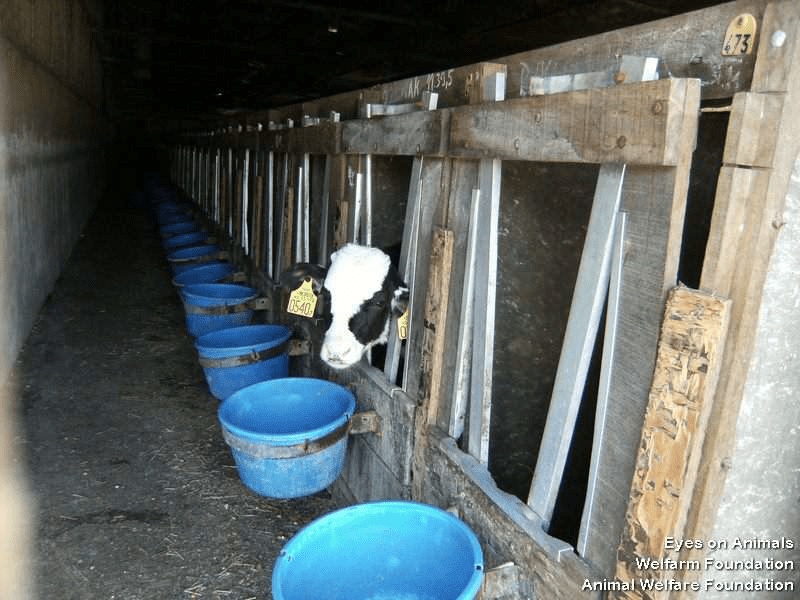
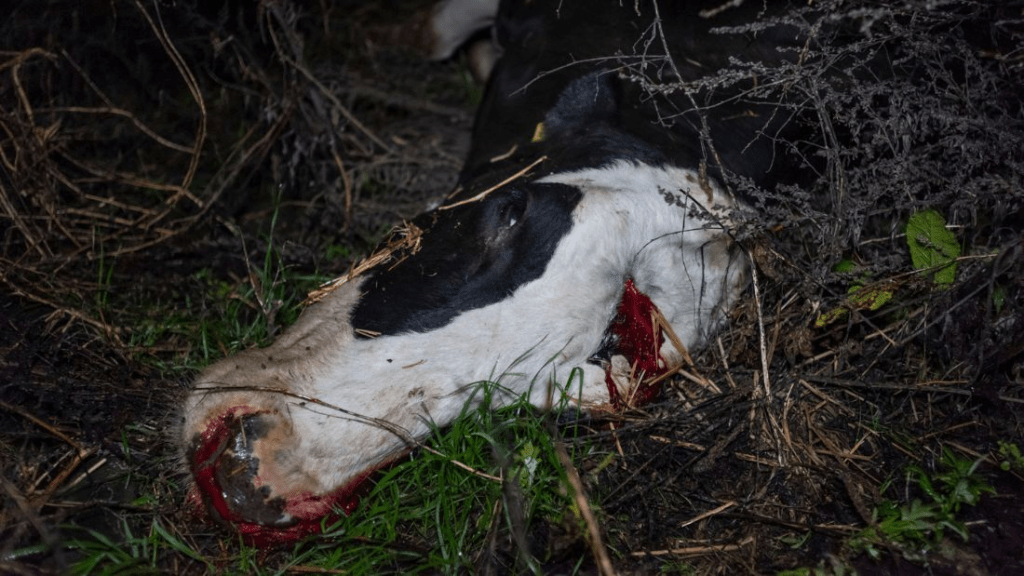
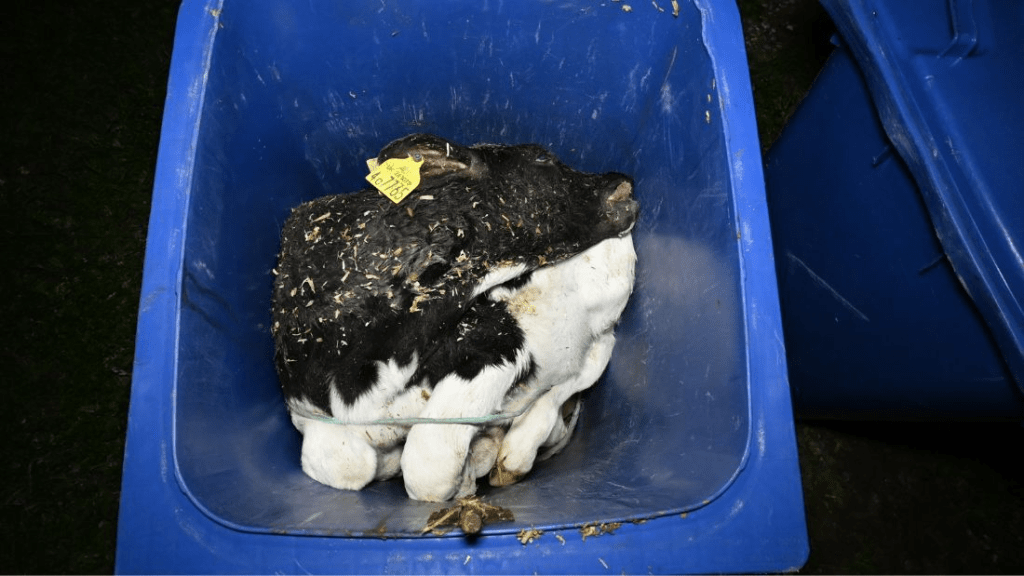
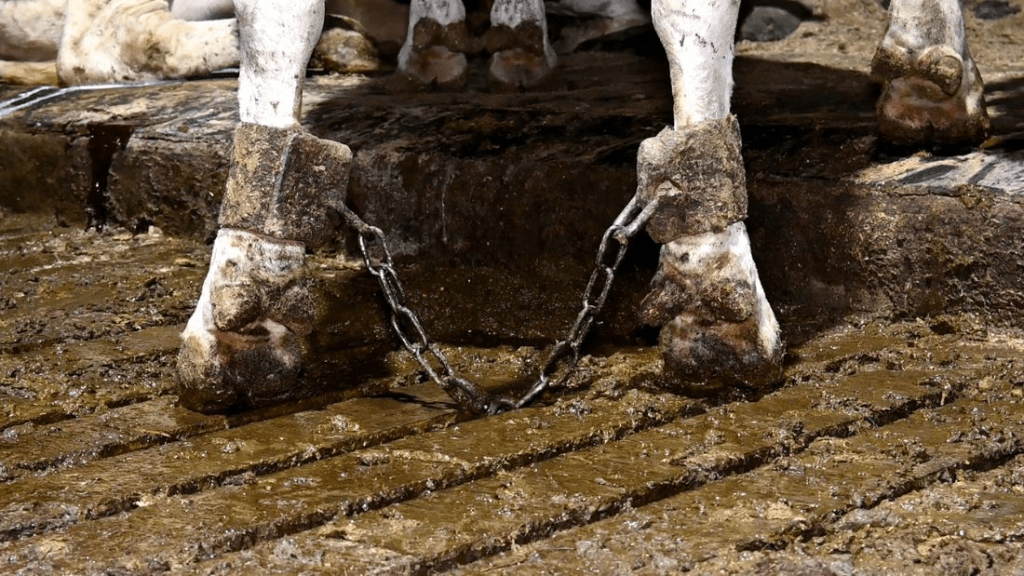
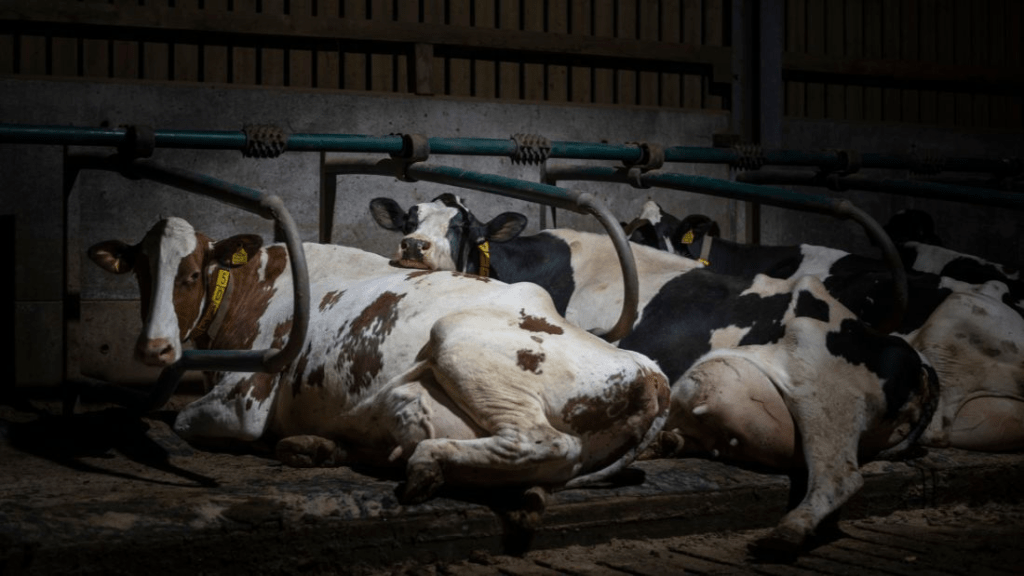
Viva! Campaigns investigated Home Farm in Kent after a tip-off. We are horrified by what we found there – but what happens here happens on thousands of farms across the UK, every single day. We found cows that were emaciated, lame and struggling to walk, others manhandled, slapped and shoved, and others visibly injured or in shackles.

Below – calf shot in head.

Above – dead calf in wheelie bin.

Above – shackled.

This is modern dairy farming! It’s unacceptable that animals are treated like this in 21st century Britain. Read on to find out how you can help!

Continue reading, with actions you can take at:

The True Costa Dairy | Viva! The Vegan Charity

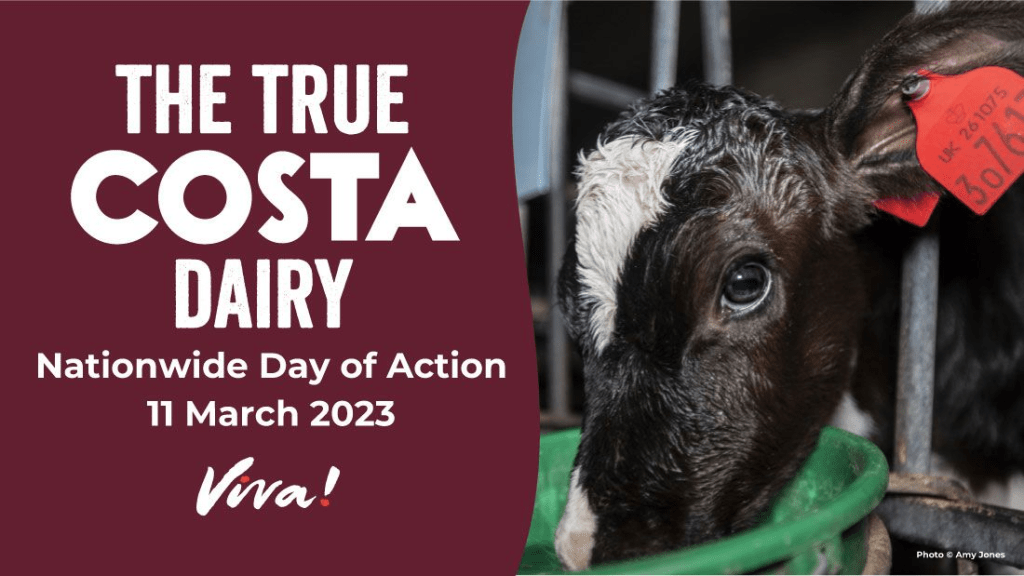
Join Viva!’s nationwide Days of Action outside Costa Coffee

On 28 January, Viva! supporters joined in across the nation. Viva! received an incredible response from the general public. I’m hoping you’ll join us on our next Day of Action on Saturday 11 March to reach even more people and help them to swap to plant-based alternatives.

When: Saturday, 11 March 2023

Where: Nationwide outside Costa Coffee

Previous Viva! Days of Action have reached thousands upon thousands of people, encouraging many to make more ethical choices and go vegan. This time, situated outside Costa Coffee branches, from the largest cities to the smallest towns, we hope to change the way every single Costa Coffee customer thinks about dairy.

After all, it is no longer just an innocent little dash of milk when it dashes the innocence of a little calf against the hopeless iron bars of Home Farm.

Taking part in Viva!’s Day of Action against Costa Coffee is simple. Hold your own event outside your local Costa Coffee shop. Just fill out the form below! Read our FAQs further down if you have any questions.

The True Costa Dairy | Viva! The Vegan Charity

Regards Mark

and stop this suffering.

New report explains urgent need to protect animals in disasters.

New report explains urgent need to protect animals in disasters

31 January 2023

Russia’s war in Ukraine in 2022 caused a myriad of challenges worldwide, but it also provided valuable lessons by highlighting what is missing for animals in the event of a disaster. Today, animals are not legally protected in disasters at EU level, although they play a vital role in people’s lives for economic and health reason

Animals in disasters: the need for protection and coordination across Europe

Browse the publication here:

Animals in disasters: the need for protection and coordination across Europe | Eurogroup for Animals

The imperative of protecting animals in disasters is underpinned by the human-animal bond, which influences human evacuation behaviour, the emotional support animals provide to people, the potential public health risks that disruption of health protocols can bring, and often the economic value of animals to humans. And as a result of the Ukrainian refugees crisis in 2022 by people’s willingness to save their animals in disasters. However, there is still little recognition among policymakers and humanitarian actors of the role that animals play in human life and in rebuilding communities after disaster.

Our new report suggests that the basis for the protection of animals in disasters is their legal inclusion in EU disaster law. It also outlines various actions that could be implemented by the EU and its Member States to better address the plight of animals in such circumstances. These include aligning efforts for people in disasters with those for animals, including animal welfare actors in a coordinated joint coordinated capacity during the disaster response phase, developing national disaster management plans involving animal experts, and establishing animal-friendly refugee camps in the EU, among many other initiatives. 

The experience of Ukrainian refugees bringing their companion animals with them has shown how much these animals are part of their families. Today, the Directorate-General for European Civil Protection and Humanitarian Aid Operations (DG ECHO) is responsible for humanitarian assistance and civil protection in the European Union. Its main instrument – Union Civil Protection Mechanism – recognises in its recitals the need to “reduce the vulnerability of animal welfare and wildlife” as part of disaster risk prevention and management, but there is no obligation to cover animals in terms of protection. Recognising the vital role these animals play in people’s lives could provide a legal basis for DG ECHO to extend its protection efforts to companion animals as family members. Other categories of animals should also benefit from legal protection in the event of a disaster, the legal grounds for which should be examined. 

While achieving protection for all species in disasters remains a long term goal, the immediate solution lies in the legal inclusion of animals into disaster law in the EU with the aim of involving animal welfare actors in the development of disaster management plans, and in a coordinated disaster response mechanism in the EU. There is great potential for the EU, Member States and NGOs to work together to be better prepared for disasters in the long term.

Regards Mark
1/2/23 – Remembering Jill:

UK: Crab and Lobster Welfare Takes a Step Forward With First UK Supermarket Benchmark.

Crab and lobster welfare takes a step forward with first UK supermarket benchmark

27 January 2023

Crustacean Compassion

Following the inclusion of decapod crustaceans (such as crabs, lobsters and prawns) – in the UK Animal Welfare (Sentience) Act 2022, Crustacean Compassion have launched the first UK industry benchmark ‘The Snapshot’ to assess welfare standards for decapod crustaceans within the UK food supply chain.

30 UK companies – including all major supermarkets – were evaluated in the benchmark, revealing that only 50% of companies have developed formal policies on some aspect of decapod crustacean welfare, and only one is promoting decapod welfare to consumers.

On average, retailers are leading the way in areas of welfare policy, management and reporting.

The Snapshot report is the first assessment of leading seafood producers, processors, retailers and wholesalers in the UK on welfare standards for decapod crustaceans such as crabs, lobsters and prawns.

Commissioned by our member organisation, Crustacean Compassion, and facilitated by Chronos Sustainability, The Snapshot was released this week. 

Each year, more than 420 million crabs, lobsters, langoustines and prawn/shrimp are caught in the UK with a further 5 billion prawns and other crustaceans being imported from overseas. The Snapshot looks at their welfare at all stages of the supply chain: capture and handling, holding and storage, transport, mutilations, stunning and slaughter.

The Snapshot assessed 30 UK seafood companies, including household name brands, all major supermarkets and more localised seafood specialists. The report reveals that 70% of companies consider the welfare of crustaceans to be a business issue, in part due to growing consumer concerns. Contrary to this, only 50% have developed formal welfare policies.

While retailers are leading the way across several key areas, including policy commitment, enforcing their policies and reporting of welfare standards, only one company assessed is promoting decapod crustacean welfare to their customers – and this is a producer, not a retailer.

The benchmark will be repeated later in 2023 and will show which companies are taking decapod welfare seriously and making improvements in this vital area. Whilst this initial report does not share company scores, subsequent reports will publish all company scores and a ranking table, allowing consumers to make informed choices for higher-welfare products that avoid inhumane practices such as eyestalk ablation and slaughter through drowning, asphyxiation and boiling alive.

The development of The Snapshot involved consultation with industry, and this continued engagement will ensure that decapods, companies and consumers will all benefit.

You can watch the webinar launch recording here.

Since animals like crabs and lobsters were legally recognised as sentient and able to feel pain, companies have rightly been under increased scrutiny about how their practices impact the welfare of the animals involved. The Snapshot will show how decapod welfare is currently being addressed across the industry right now and will drive welfare improvements across the sector. Customers expect to be able to buy seafood that has been produced to high standards of animal welfare and we have been asked which brands and companies have the most humane practices. The food industry has a responsibility to both meet those expectations and provide the necessary information to enable consumers to make informed choices.

Claire Howard, Director at Crustacean Compassion

Read more at source

Crustacean Compassion

Regards Mark
Scotland (UK): Scottish Farmed Salmon Dying in Droves Before Slaughter.

Scottish farmed salmon dying in droves before slaughter

23 January 2023

Animal Equality

Animal Equality UK are raising the alarm as salmon mortality rates on Scottish salmon farms are rocketing.

Every year in the UK, up to 77 million fish are farmed and slaughtered, but many more don’t even make it to slaughter.

According to a report from industry membership body Salmon Scotland, 2.8 million farmed salmon died on-farm in Scotland in September 2022 alone. 

Fish Health Inspectorate (FHI) data shows that nearly 15 million salmon mortalities were reported by farms in Scotland from January to November 2022, compared with 8.58 million in 2021 and 5.81 million in 2020.

Farmed salmon suffer from overcrowding inside cages. Others are bitten by sea lice which eat their skin while they’re alive. Animal Equality reports that instead of fixing the root cause of the issue, fish farmers use chemical treatments and other rough treatments which cause the salmon even more suffering.

Drone footage collected by Animal Equality UK shows workers using a “mort sock” to dredge dead fish from the bottom of pens.

The data doesn’t lie. It’s undeniable that early fish mortality is a rapidly worsening issue. Over recent years deaths in fish pens have reached record levels for a number of reasons, including a sharp rise in infectious diseases among the fish who are packed into unnaturally overcrowded cages, as well as poor gill health and rough treatments to remove lice from the infested waters.

As the industry grows, so do these issues. We must take back the power and boycott farmed fish, it’s the only way that we can begin to curb this ever-worsening problem.

Abigail Penny, Executive Director of Animal Equality UK

Don Staniford, of the Scamon Scotland campaign said the FHI figures on salmon deaths were likely to be an underestimate because not all mortalities need to be recorded.

About 25% of the salmon in sea cages are dying, so that’s about one in four. If ramblers saw one in four cows or sheep dead in a field they’d be horrified, but because it’s underwater it’s out of sight, out of mind.

Don Staniford, Scamon Scotland campaign

Regards Mark
UK: UK RESIDENTS ONLY – This weekend (27 to 29 /1/23) is the RSPB Big Garden Birdwatch for 2023.

This weekend (27 to 29 /1/23) is the RSPB big garden birdwatch for 2023.

This is only open FOR UK RESIDENTS.

Give just 1 hour of your time this weekend to take part.

The Big Garden Birdwatch is free to anyone and everyone but the information sent in by people all over the UK helps the Royal Society for the Protection of Birds (RSPB) build up a very accurate register of how the national bird population is doing; what species are flourishing, what are in decline, stable etc.

This birdwatch makes it an ideal family activity at the end of January.  Best of all taking part is easy. All you need to do is sign up online to take part and get a free guide.

You don’t even need a garden. You can count birds from a balcony or even your local park.

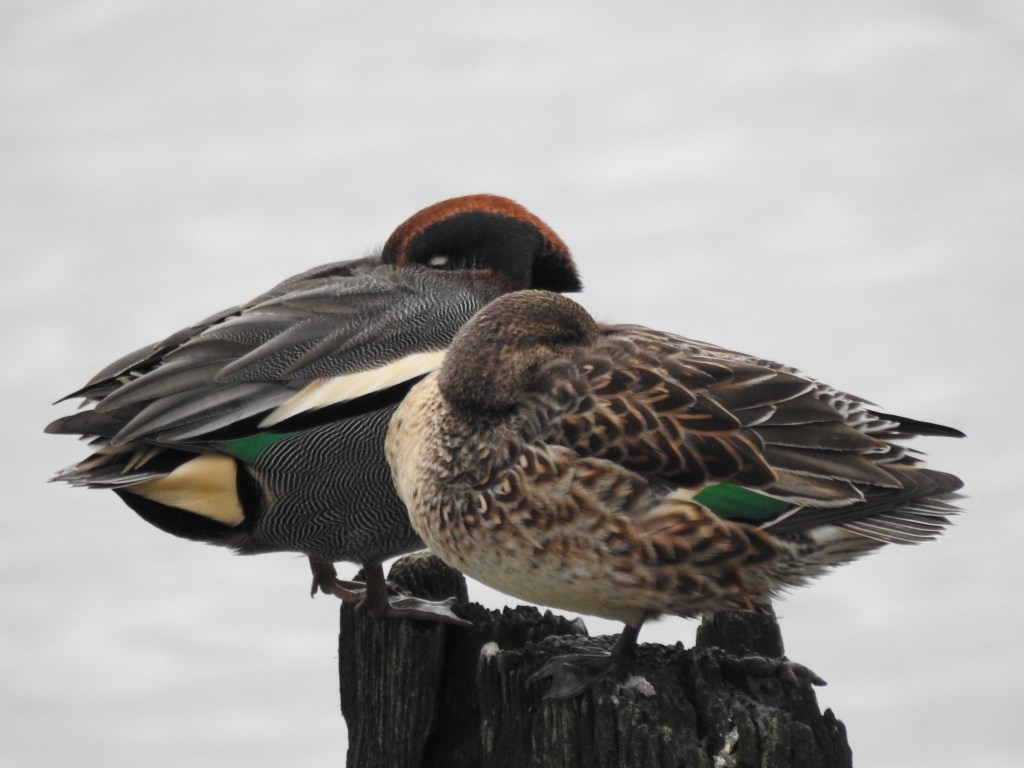
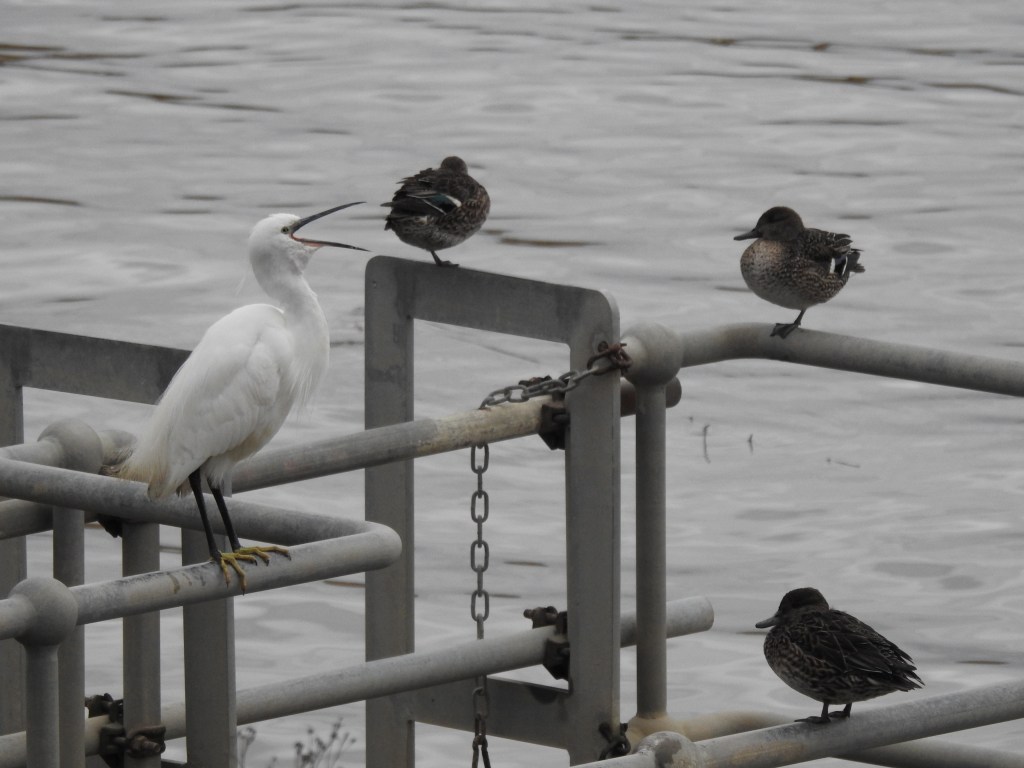
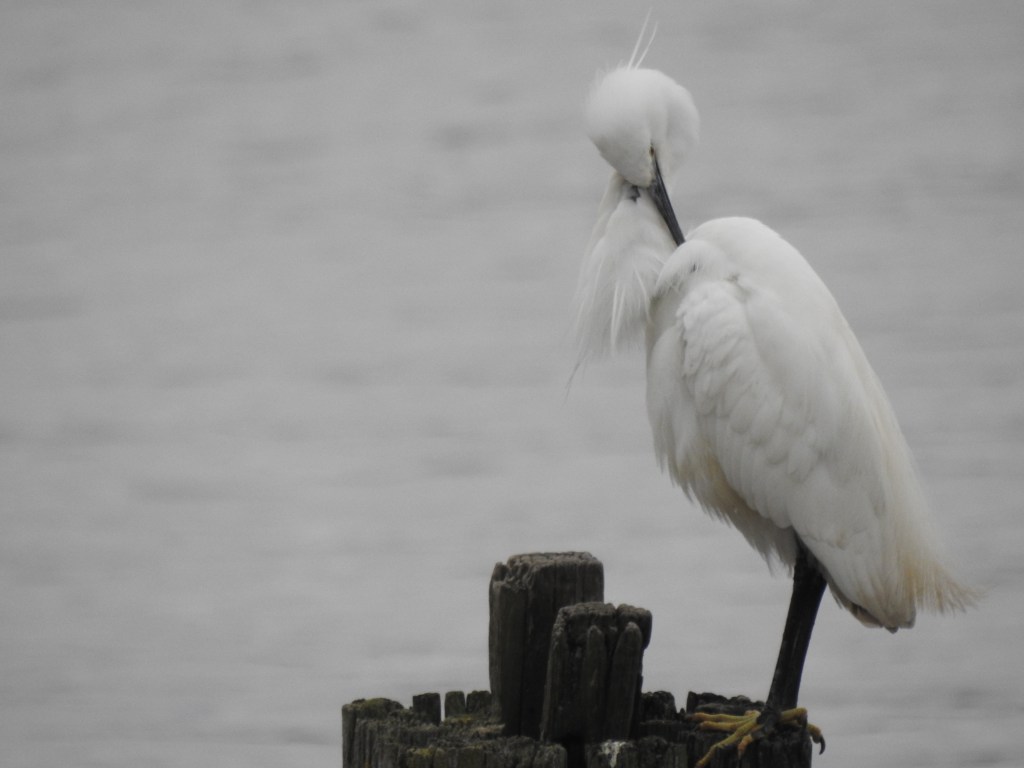
Which common garden birds will you see?

Participants are asked to spend an hour counting the birds they see and then submit their results online. Also, it’s good idea is to add a bird feeder to your garden. Watch how a wide variety of different types of birds will pop in your garden for a snack!

As you know, we have many wild bird visitors to our garden; and thus have just signed up for this years watch.  Looking forward to counting the visitors to the garden, submitting the data to the RSPB and helping to get a good overall view of the status of birds in the UK.

I hope you can sign up and take part also.

Regards Mark

Go here for more and to sign up:

Big Garden Birdwatch | The RSPB

https://worldanimalsvoice.com/?s=breakfast+buddy

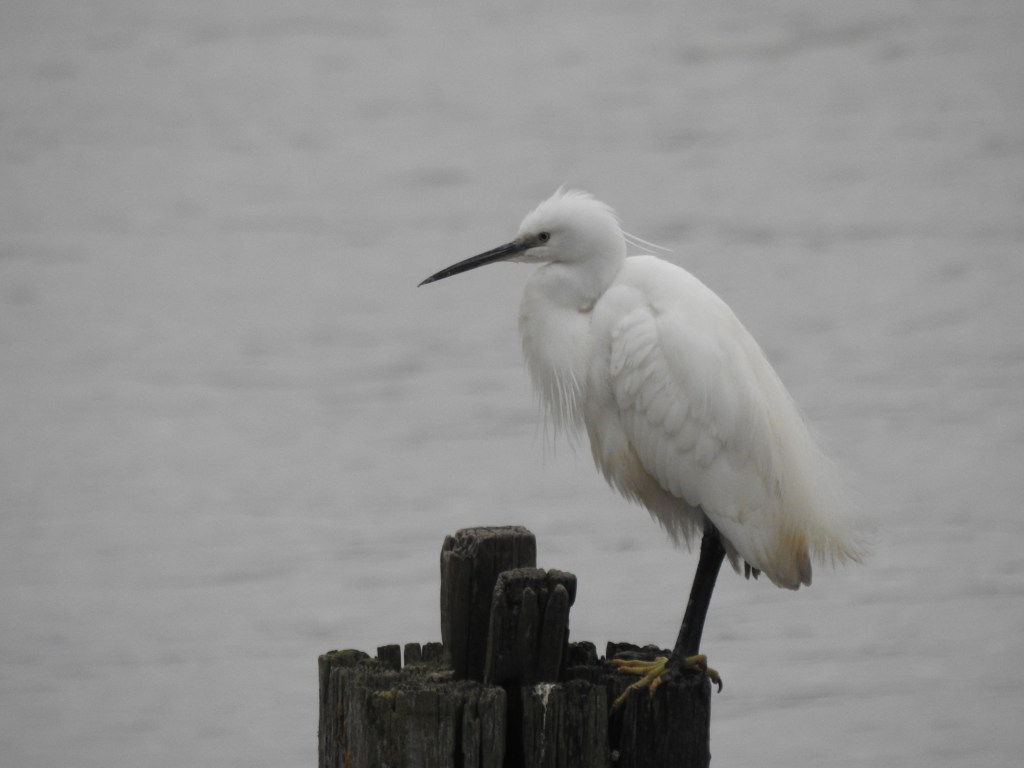
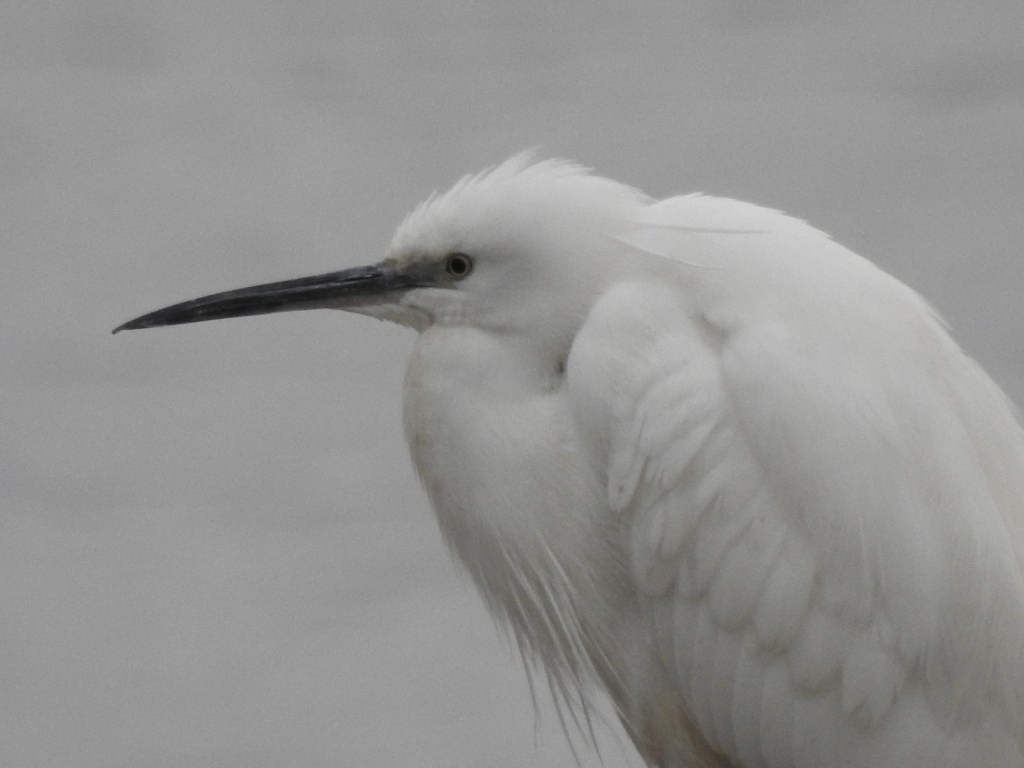
Below – Breakfast Buddy.

Below – Reed Bunting photo from Pauline.

BelowStarlings enjoy their morning bath in my garden.