Category: Environmental

Belgium: GAIA Investigation – Turkey Farms In Flanders: Dire Poverty.

GAIA

See video footage here:

https://www.gaia.be/fr/actualite/les-elevages-dindes-en-flandre-misere-noire

All photos from our animal friends at GAIA, Belgium.

22 December 2021

GAIA

GAIA reveals once again the sordid state of Flemish turkey farms with a brand-new video footage, shot in November 2021. The footage shows thousands of turkeys crowded together, severely weakened, crippled, injured and dying; and even corpses in an advanced state of decomposition.

The situation is exactly the same as when GAIA went to three turkey farms in 2019. The intensive farming of turkeys for meat is still completely out of order and respect for animal welfare is totally absent. How is this possible? The reason is simple: there are no specific legal standards for turkey farms. This must change immediately. “In the turkey farms we visited, the situation is so bad that they must be closed down,” insists Ann De Greef, General Manager of GAIA.

Belgium still does not have specific legislation to protect the welfare of turkeys. For example, there is no clear legal limit concerning stocking density: breeders therefore determine for themselves the number of turkeys they wish to cram into a henhouse. “It is practically impossible to squeeze even more turkeys together, because hardly any animals would survive and the death rate is already so high,” says Ann De Greef.

The appalling conditions our investigation team found in the turkey farms we visited shows what the absence of concrete standards leads to. We can’t just settle for minimum standards that make little difference to the well-being of turkeys

Ann De Greef, General Manager, GAIA

GAIA therefore demands strict regulations that will set the bar very high to make a real difference and put an end to the recently exposed abuses.

State of play

There are currently around 25 intensive turkey farms in Flanders. GAIA filmed the living conditions of turkeys on four farms (Casteele turkey farm in Heuvelland, Lavens turkey farm in Wervik, a third in Lichtervelde and a fourth in Lendelede). It is important to note that the Casteele turkey farm in Heuvelland belongs to the president of the Flemish Association of Turkey Breeders: the images of its operations give an idea of ​​the state of play of the sector.

The situation as we discovered it in the four farms visited is terrible

Many turkeys crowded to the point where no additional animals can be added, stocking density taken to the extreme; numerous turkeys with necrotic tissue on their foreheads and hindquarters as a result of pecking, necrotic tissue on the ischium, elbow and other parts of the body, turkeys with bedsores, heavily soiled plumage (by faeces) and tangled, heavily soiled abdominal area, various decomposed and undecomposed carcasses, black scabs on bare skin caused by contact excoriation on a bony protrusion, severely lame turkeys, sick, weak and dying birds unable to stand on their feet in soaked litter, soiled with urine and faeces, rotten, turkeys with bony protrusions, birds with skin sores and heavily infected subcutaneous tissue, with gangrenous scabs on the scapula, severely weakened turkeys unable to reach the watering hole (starving and thirsty), several carcasses gnawed by one or more cats near the boot storage area (we saw a cat who was able to access the carcasses and feed on them); a basin filled with filthy and disgusting water, stagnant water near where a carcass was found; a large number of turkeys with cut beaks, etc. 

Turkeys live in their own faeces and those of their fellows, in overcrowded barns, injured due to pecking behaviour which is due, among other things, to a hierarchy disturbed by the excessive number of crowded animals. As in 2019, GAIA observed appalling necrosis (necrotic skin where pecking wounds were inflicted) on the heads and flanks of many turkeys.

GAIA demands strict standards that meet the behavioural needs of turkeys

GAIA therefore calls for very strict legal standards for the breeding of turkeys, which meet the natural behavioural needs of the animals. Stocking densities should be much lower, animals should be able to roam outdoors, perches should be adequate and sufficient, the use of slower growing breeds should be made compulsory, bedding should be dry and sufficient enrichment should be provided (such as straw bales to peck).

Disgusting scandal

As the breed used in intensive turkey breeding is selected for rapid growth, turkeys grow so fast that many suffer from lameness. These animals can die of hunger and thirst because they can no longer reach the watering hole and the feeder. Birds are also unable to clean their plumage, a vital need. “The current intensive farming of turkeys in Flanders is a crying shame,” says Ann De Greef. “The whole system is still a disgusting mockery of the concept of animal welfare, rotten through and through. The situation in Flemish turkey farms is totally unacceptable. There is an urgent need to adopt standards. Concrete, genuinely strict and animal-oriented legal regulations that will effectively protect turkey welfare must be a top priority, otherwise it would be better to stop and no longer breed meat turkeys in Flanders.”

Basic principles of animal welfare and welfare

The veterinarian François Sivine, who analysed the images, speaks of general lack of hygiene and a deplorable quality of litter. He calls the “infirmary” (the place where some animals are kept in isolation) “unbelievable”: the litter on the ground is filthy and soiled with faeces and soaked in ammonia. The average morbidity (disease rate) is “excessive”. Sivine draws a damning observation:

The management of these facilities and their hygiene, as well as in the individual monitoring of animals, is totally unprofessional. This is pure negation of any notion of animal welfare. The behaviour of those responsible for the farms in question is in every way contrary to the most elementary principles of animal protection and welfare

François Sivine, Veterinarian

And Wallonia?

The Walloon Government recently adopted at first reading a draft decree relating to the welfare of turkeys on farms (the intensive / industrial type does not yet exist in the Walloon region). However, the Walloon Minister for Animal Welfare, Céline Tellier, and her colleagues preferred not to follow the recommendations of the experts of the Walloon Council for Animal Welfare who proposed to ensure a density in each henhouse of maximum 30 kg/m2 for females and 36 kg/m2 for males, which corresponds to 3 females per m2 and 2 males per m2. The draft decree provides for 42 kg/m2 for females (4 per m2) and 48 kg/m2 for males (3 per m2). “Obviously, the interests of certain lobbies weigh more in the balance than ensuring a level of decent animal welfare,” remarks Ann De Greef. GAIA, just like the Walloon Union for Animal Welfare and the Francophone Federation of Shelters for Horses and Farm animals for that matter, ask Céline Tellier and the other ministers of the Walloon Government to amend the text for the passage in second reading.

Read more at source

GAIA

We cant change all the world, but when it comes to animal abuse, we will have a bloody good try !

Regards Mark
Italy: Fantastic News – Italy Bans Fur Farming as of January 2022!

Italy bans fur farming as of January 2022!

21 December 2021

ALI

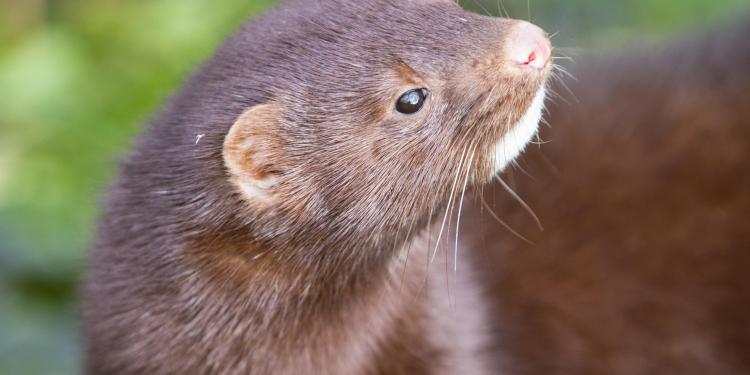
Today marks history: after having adopted a temporary ban linked to the COVID-19 outbreaks in mink farms and the potential impact on pubic health, Italy decided today to ban fur farming for good as of 1 January 2022.

Over 60,000 minks were killed every year in Italy for the “value” of their fur. Thanks to the endless efforts of Italian animal protection organisations and the mobilisation of citizens, from 1st January 2022 this cruelty will never be repeated.

The approved amendment:

  • Fur farming ban (for all species, not only mink), as already established by almost twenty other European countries, from 1st January 2022.
  • Dismantling by 30th June 2022 of the 5 latest farms which in 2020 produced 60,000 mink per year; and, at the same time, confirmation of the breeding ban already in place since last January for the 7,039 breeders still held in these farms.
  • A Decree of the Ministry of Ecological Transition, the Ministry of Agriculture and the Ministry of Health will be issued by 31st January 2022 to regulate eventual change of ownership, sterilization and detention of mink from former fur farms to sanctuaries/shelters preferably managed directly or in collaboration with recognized animal rights associations.
  • State indemnities up to a maximum of 3 million euros for the closure and disposal of each farm, as well as 3 million euros in total for their conversion into agrivoltaic the production of clean energy, to be assigned by 31 January 2022.

A special congratulations to our Italian member organisations who have been very busy achieving this historical step during the last months: LAV, Essere Animali Animal Law Italy and Animal Equality

Italy is a more civilized country, we have put an end to a cruel, anachronistic, unjustifiable industry that has no more reason to exist in a civil society where the value of respect for animals, as sentient beings, is always more widespread and rooted

Simonhe Pavesi, Animal Free Fashion Area Manager at LAV

Read more at source

LAV

Regards Mark

Nicaragua: Thousands of sea turtles lay their eggs under military protection

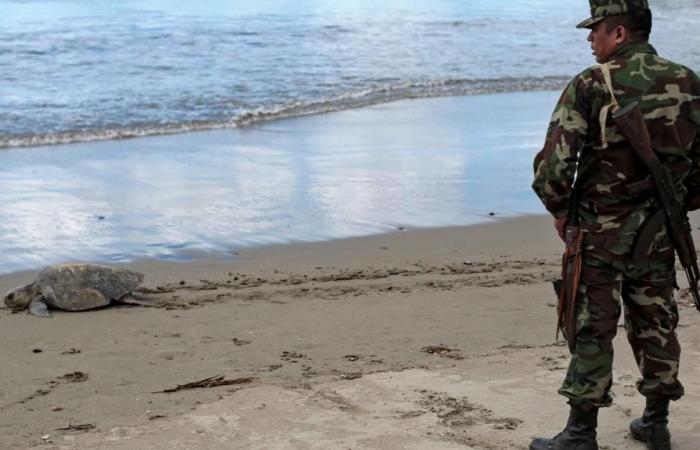
Soldiers have guarded thousands of sea turtles on the coast of Nicaragua in the past few days.

The animals laid their eggs under military protection (!!)

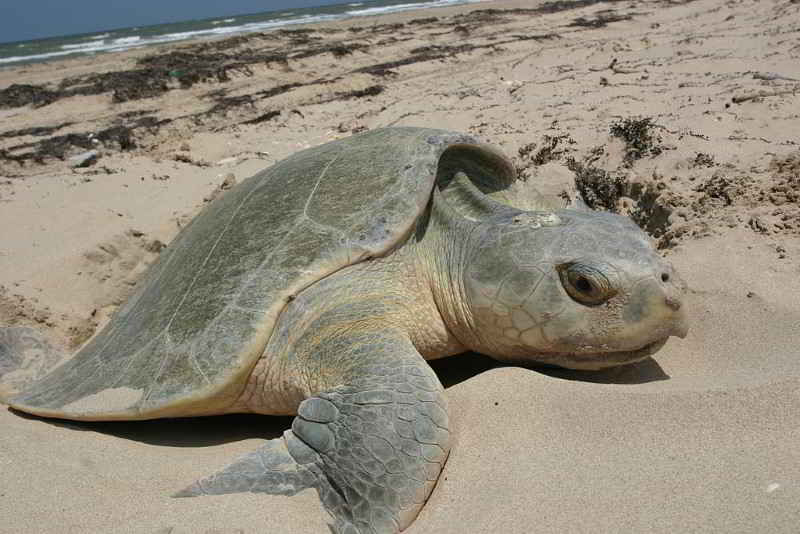
A member of Nicaragua’s army carries a paslama (or Lora) turtle (Lepidochelys olivacea) after it laid her eggs at the beach in La Flor Wildlife Refugee in San Juan del Sur, Nicaragua, during nesting season, on December 5, 2021. –  (Photo by Oswaldo RIVAS / AFP)

Together with the environmental authorities of the country, the emergency services on the beach of La Flor in San Juan del Sur in the south of the country are to prevent residents from neighboring communities from plundering the nests of the olive ridged turtles.

The turtle species is considered critically endangered.

The sea turtles cover long distances to lay their eggs in the La Flor and Chacocente nature reserves on Nicaragua’s Pacific coast.
Authorities estimate that out of 100 hatched turtles, 90 make it into the ocean, but only 3 reach adulthood.

However, the young animals in particular are exposed to many other dangers: They are eaten by larger fish and seabirds.
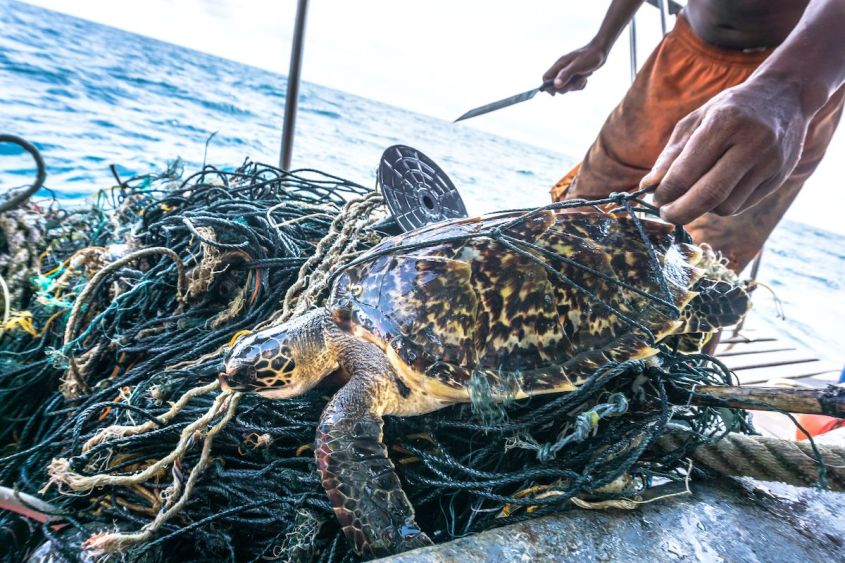
In addition, pollution, boats and fishing pose a threat to the turtles.

For example, many animals are killed as “bycatch”.

Each of the turtles lays around 90 eggs.
The offspring hatch from the eggs after about 40 to 70 days.

When fully grown, the animals are a little over half a meter tall and weigh around 38 kilograms.
Source: spiegel

And I mean…Nice! the good news of the day!

You can see, if wanted, that the military can also be used for extremely sensible measures: to protect endangered animals from human violence.
It would be nice if the example caught on worldwide.
For many other endangered animal species too!
This is really a military phrase that can be welcomed without reservation.

In the country’s most recent elections (November 2021), Nicaraguan President Ortega received 75 percent of the vote.
The Biden government condemns the Sandinista government of Ortega as undemocratic and threatens with consequences for his election victory.

The US should be the last to criticize other nations’ elections.
Any election result that the US does not like is a bad one; any brutal dictator, as long as he is on the side of the United States, is good.

We congratulate on the election result and hope that further such meaningful actions for animals on the part of the government will follow!

My best regards to all, Venus

EU: Ivory Trade: Steps Forward Against Elephant Poaching and Ivory Trafficking.

17 December 2021

News

The European Commission adopts a set of new measures to end ivory trade. While they will help in the fight against wildlife crime and to protect elephants, significant gaps remain.

Yesterday,(16/12/21) the European Commission adopted the revised Guidance on the EU regime governing ivory trade, following measures already taken under the EU Action Plan against Wildlife Trafficking to “eradicate illicit ivory from the EU market”. 

The new measures suspend trade in raw ivory on the EU market except for the exclusive purpose of repairing objects containing ancient ivory. Together with amendments made to Commission Regulation 865/2006, the Guidance also suspends intra-EU trade in worked ivory items, unless strict conditions are fulfilled. 

While Eurogroup for Animals welcome the Commission’s amendments to Regulation 865/2006 and the revised guidance document on the EU regime governing trade in ivory, some significant gaps still remain. 

The trade restrictions on worked ivory are only partially addressed in the Regulation (with the rest being in the guidance document), and those on raw ivory are currently only included in the guidance document and therefore are not legally binding for Member States.

Eurogroup for Animals has been directly involved in the process of developing the new rules, through participation in meetings, consultations, drafting documents and public mobilisation. 

The recently adopted measures represent a great achievement in the fight against wildlife crime and the slaughter of elephants. However, we will continue working, together with our members, to ensure that the new rules are duly implemented by Member States and strictly monitored by the European Commission.

Reineke Hameleers, CEO, Eurogroup for Animals

Regards Mark

EU / China: EU investments driving unsustainable farming in China.

17 December 2021

Study found a significant increase in EU investments flowing to the Chinese livestock sector following the introduction of new investment rules in China. In the absence of sufficient animal welfare related standards in the country, this practice harms the global transition towards sustainable food systems, and fuels the public health and environmental crises the planet faces.

In 2020, EU and EFTA-based investors owned shares worth around €4.5 billion across four of the largest Chinese meat and dairy companies: WH Group, Muyuan, Mengniu and Yili. With the introduction of new investment rules in China, investors like JP Morgan Asset Management Europe, Allianz SE and BNP Paribas significantly increased their shareholding. 

In recent years, European livestock giants like Tonnies and Danone have also entered the Chinese market. Tonnies, whose core business is pork and beef processing, spent €500 million in 2019 on a slaughter and butchering centre in the Sichuan region, initially for two million pigs a year (rising to six million), while Danone earned almost €1 billion in profits from the 2021 sale of its stake in Chinese dairy company Mengniu. The Norwegian sovereign wealth fund, which holds the world’s biggest stock portfolio, also entered the market after the new rules were introduced, now owning shares worth approximately €437 million in these four companies. 

The business opportunities may seem eye-watering, but a perfect storm of economic, cultural and regulatory issues that accompany EU investments into the Chinese livestock sector could lead to misery for millions of animals. China’s livestock sector is growing in the direction of greater intensification and automation, and the welfare problems associated with intensive livestock are well known and increase with scale.

In addition to being detrimental to animal welfare, intensive industrial farming has a very negative impact on the environment (air, water and ground pollution), biodiversity (as related land-use changes often lead to habitat loss), public health (as intensive conditions tend to favour the spread of zoonoses and antimicrobial resistance) and climate change (as animals emit greenhouse gases, and also because of the related deforestation). Intensive farming also leads to huge volumes of waste (i.e. high level of water use, animal remains, excrement, water and soil pollution). 

Without careful management and awareness of the welfare concerns associated with intensification and automation – and in the absence of further regulation in China – EU investments risk transforming China into a living laboratory for futuristic experiments in animal husbandry, with consequences that could affect the entire planet. 

In that context, the EU-China Comprehensive Agreement on Investment (CAI) – which has not been ratified yet – is also a missed opportunity as it does not allow to address a situation where investments fostered under the deal would fuel unsustainable sectors.

To prevent such situation, Eurogroup for Animals thus calls on the European Commission, the European Parliament and EU Member States to:

  • adopt effective rules on due diligence, including animal welfare within their scope; 
  • bring up the animal welfare dimension in the work started with China on agreed terms for responsible investment;
  • establish a cooperation mechanism with China around animal welfare standards;
  • promote a reform of the Environmental, Social and Governance (ESG) principles in multilateral development banks where the EU and/or its Member States are share owners to include EU-equivalent animal welfare  requirements.

The sustainability of EU investments in the Chinese livestock sector – The role of Animal Welfare

File

Report: The sustainability of EU investments in the Chinese livestock sector – The role of Animal Welfare2.38 MB

Regards Mark

England: ‘Gentle giants’: rangers prepare for return of wild bison to UK.

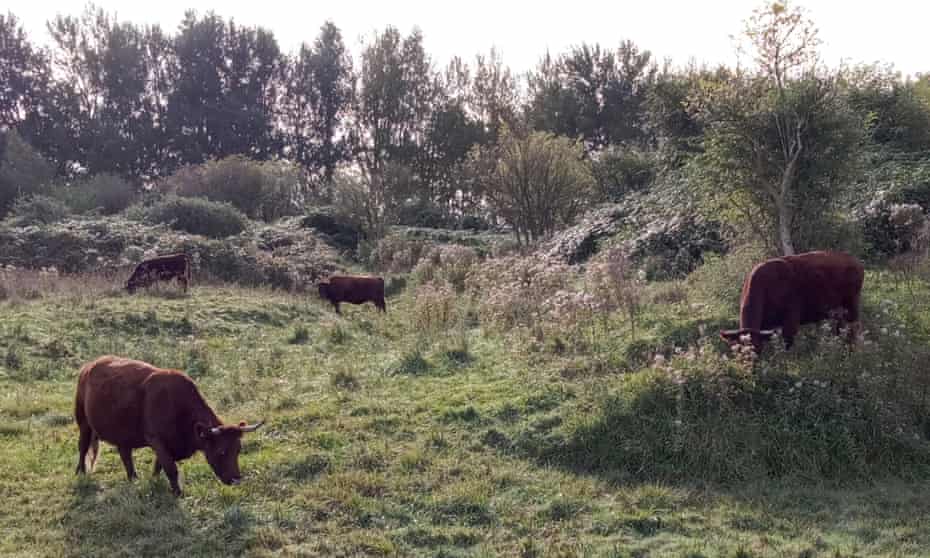
European wild bison

The rangers will manage the first wild bison to roam in the UK for thousands of years. Photograph: Tom Gibbs and Donovan Wright

Animals arrive in Kent in spring 2022 and will create forest clearings – described as ‘jet fuel for biodiversity’

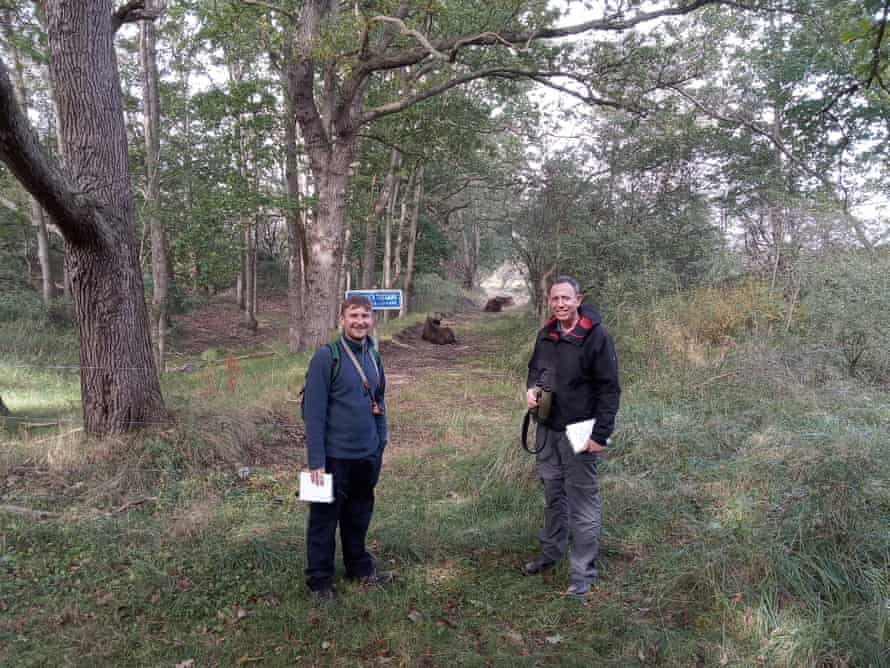
“When you see them in the wild, there’s this tangible feeling of humility and respect,” says Tom Gibbs, one of the UK’s first two bison rangers. “The size of them instantly demands your respect, although they are quite docile. I wouldn’t say they are scary, but you’re aware of what they can do.”

The rangers will manage the first wild bison to roam in the UK for thousands of years when four animals arrive in north Kent in the spring of 2022. The bison are Europe’s largest land animal – bulls can weigh a tonne – and were extinct in the wild a century ago, but are recovering through reintroduction projects across Europe.

“They are magnificent animals, truly gentle giants,” says colleague Donovan Wright, who spent 20 years working with rhino, cape buffalo and other large animals in southern Africa. “The Kent project is very different, but it’s no less important.”

Wright says: “How amazing will it be to track the largest land mammal in the UK on foot right here in [Kent]? To experience something like this only five miles from Canterbury would be just incredible, and help people reconnect with nature.”

Gibbs and Wright have just returned from training with wild bison herds in the Netherlands, where they were reintroduced in 2007. The £1m Kent project is called Wilder Blean and is run by the Kent Wildlife Trust and the Wildwood Trust, and funded by the People’s Postcode Lottery. A principal aim is for the bison to rewild a dense, former commercial pine forest.

Continued on page 2

Tom Gibbs (L) and Donovan Wright.
Tom Gibbs (L) and Donovan Wright. Photograph: Tom Gibbs and Donovan Wright

Bugs across globe are evolving to eat plastic, study finds.

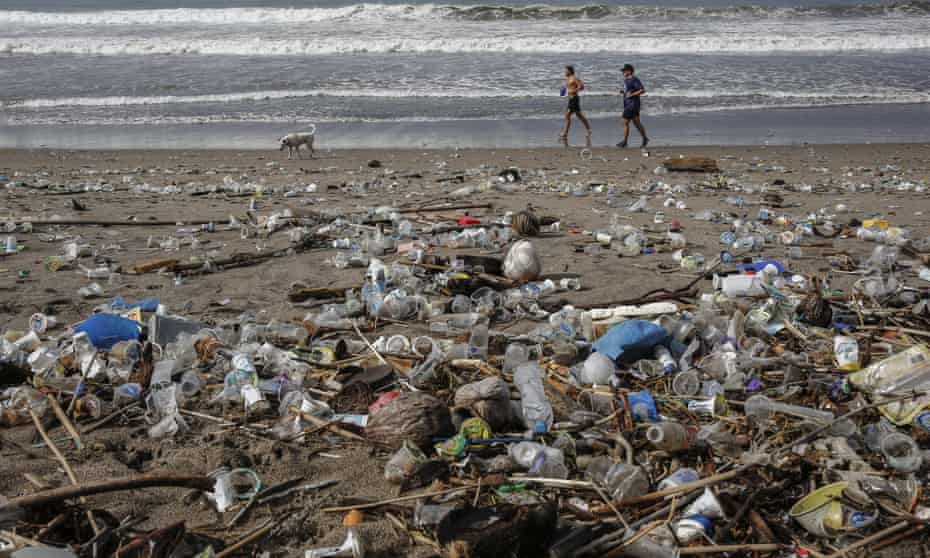
Plastic washed ashore on Berawa Beach, Bali, Indonesia.
Plastic washed ashore on Berawa Beach, Bali, Indonesia. Photograph: Anadolu Agency/Getty Images

Bugs across globe are evolving to eat plastic, study finds

Surprising discovery shows scale of plastic pollution and reveals enzymes that could boost recycling

Bugs across globe are evolving to eat plastic, study finds | Plastics | The Guardian

Microbes in oceans and soils across the globe are evolving to eat plastic, according to a study.

The research scanned more than 200m genes found in DNA samples taken from the environment and found 30,000 different enzymes that could degrade 10 different types of plastic.

The study is the first large-scale global assessment of the plastic-degrading potential of bacteria and found that one in four of the organisms analysed carried a suitable enzyme. The researchers found that the number and type of enzymes they discovered matched the amount and type of plastic pollution in different locations.

The results “provide evidence of a measurable effect of plastic pollution on the global microbial ecology”, the scientists said.

Millions of tonnes of plastic are dumped in the environment every year, and the pollution now pervades the planet, from the summit of Mount Everest to the deepest oceans. Reducing the amount of plastic used is vital, as is the proper collection and treatment of waste.

But many plastics are currently hard to degrade and recycle. Using enzymes to rapidly break down plastics into their building blocks would enable new products to be made from old ones, cutting the need for virgin plastic production. The new research provides many new enzymes to be investigated and adapted for industrial use.

“We found multiple lines of evidence supporting the fact that the global microbiome’s plastic-degrading potential correlates strongly with measurements of environmental plastic pollution – a significant demonstration of how the environment is responding to the pressures we are placing on it,” said Prof Aleksej Zelezniak, at Chalmers University of Technology in Sweden.

Continued on next page

Pesticides have polluted our rivers and lakes – and there’s no quick fix.

From ‘The Guardian’, London.

Pesticides have polluted our rivers and lakes – and there’s no quick fix
Damian Carrington   I have been reporting on pesticides for more than a decade, but some revelations really stick in my mind. One was the discovery in 2013 of insecticide pollution in the ditches by Dutch fields that was so bad the water itself could have been used as an effective pest killer. Not surprisingly the impact on dragonflies, snails and other wild water creatures was devastating.

The situation does not appear to have improved. New research by the European Environment Agency showed excessive levels of pesticides in about a quarter of rivers and lakes across the EU, with the Netherlands the worst affected. More than half of all Dutch water bodies – 56% – had high levels of pesticides, including 62% of lakes.
Agriculture is particularly intensive in the Netherlands, but it is far from alone in dousing its landscapes in pesticides. In Italy, Belgium, the Czech Republic and Finland, about half of water bodies were heavily polluted, as well as 38% in Germany, 33% in Ireland, and 26% in France.

The EEA also reported excess pesticides in groundwater in about 5% of sites. The striking aspect of this was that the most common pollutant was atrazine, which was banned in the EU in 2007. “It is very persistent,” said the EEA, which also noted that, unlike most pollutants, pesticides are specifically designed to kill living things.

The data analysed by the EEA was taken from more than 20,000 monitoring sites across the EU between 2013 and 2019, but it is far from the full picture. Only half the pesticides detected have exceeded limits set by Europe – the other half could not be included in the study.
The data is also reported voluntarily by countries, meaning considerable gaps remain, but there is no indication of an improving situation. The UK is no longer an EU member, so was not included in the EEA analysis, but insecticides were revealed to be polluting rivers in England in 2017.

The number of different pesticides reported in EU rivers and lakes was more than 100 in Germany and Italy. France detected 215 different pesticides in groundwater. That reminded me of another striking finding from France, from a study I reported in 2017: virtually all farms could significantly cut their pesticide use while still producing as much food. Most pesticides are applied “just in case”, the work showed, doing little other than harming nature.

Only a few months after that, another memorable study laid out the big picture: the assumption by regulators around the world that it is safe to use pesticides at industrial scales across landscapes is false, said senior scientists. With no limit on the total amount of pesticides used, and virtually no monitoring of their effects in the environment, the damage is done before it is detected.

The new EEA analysis comes at an important time. The European Green Deal plan is aiming to reduce the use of, and risks from, chemical pesticides by 50% by 2030. Addressing the risks, as well as the volume, of pesticides is vital – the amount being used is falling, but the increasing toxicity of the chemicals is outpacing that fall.

But cutting pesticide use it is not going to be easy. Last week, the website DeSmog published an investigation into the powerful companies and lobby groups working to water down the EU’s targets for more sustainable farming. These companies and groups spent €45m lobbying EU decision-makers between 2019 and 2020, DeSmog reported, and held hundreds of meetings with relevant bodies.

Natacha Cingotti, at the Brussels-based Health and Environmental Alliance, said: “When working on pesticide-related policies, the imbalance of stakeholders in favour of industry interests is striking. The dominating actors are those very companies set to profit from the sale of harmful chemicals, not those who stand for health and environment protection.”

It looks like I’ll be writing about pesticides for the next decade as well.  

Regards Mark    


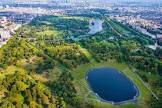
England: London Mayor (Sadiq Khan) Leads Ambitious Plans To Rewild Hyde Park.

The Serpentine in Hyde Park, west London, in autumn.
The Serpentine in Hyde Park, west London, in autumn. Photograph: Tim M/Alamy

WAV Comment:  London town – home of the brash, outrageous and free !

We very much welcome this releasing of funds to bring nature directly into central London.  Hyde park and Richmond park are such wonderful places for city folk to escape into a more natural environment before they head off back to metropolis land.

Anything that brings back nature deserves support; and we very much welcome this proposal.

Regards Mark

London mayor releases £600,000 funding to help create green rooftops and reintroduce lost species

Hyde Park could be redesigned and lost species including beavers reintroduced to London under ambitious rewilding plans.

The city’s mayor, Sadiq Khan, is working with Ben Goldsmith – a member of the Department for Environment, Food and Rural Affairs and the brother of Khan’s former rival for the mayoral election Zac Goldsmith – to boost nature in the capital, including making the royal parks wilder and encouraging people to plant green rooftops.

Ben Goldsmith said the plans would involve “more wild spaces, more scrub, river rewiggling and species reintroductions”.

Khan has released £600,000 in funding to assist the project, which will help London reach its net zero goal. Further fundraising will take place, with members of the new London rewilding roundtable group tasked with sourcing private donations.

Goldsmith said: “I’m so excited to be working with Sadiq on this new rewilding taskforce for London. All people need to experience close connection with nature in their lives, and yet for many Londoners this is a remote possibility today.

“From green rooftops to pocket parks, nest boxes for peregrines and swifts, rewiggling streams and reintroducing long lost native species, our plan is to weave wild nature back through the very fabric of our city.”

There are 1,600 places designated by local authorities as sites of importance for nature conservation, covering 20% of the capital. These include Richmond Park, Sydenham Hill Wood and the downlands in Bromley and Croydon that inspired Charles Darwin’s discoveries. At the moment, just half of these are deemed appropriately managed to conserve or enhance the wildlife.

The project will focus on 20-30 of these sites to protect species including stag beetles, sparrows, peregrine falcons and water voles. Khan has stated an aim for all Londoners to live within a 10-minute walk of green space, with this scheme aiming to connect existing spaces so everyone in the capital can enjoy nature.

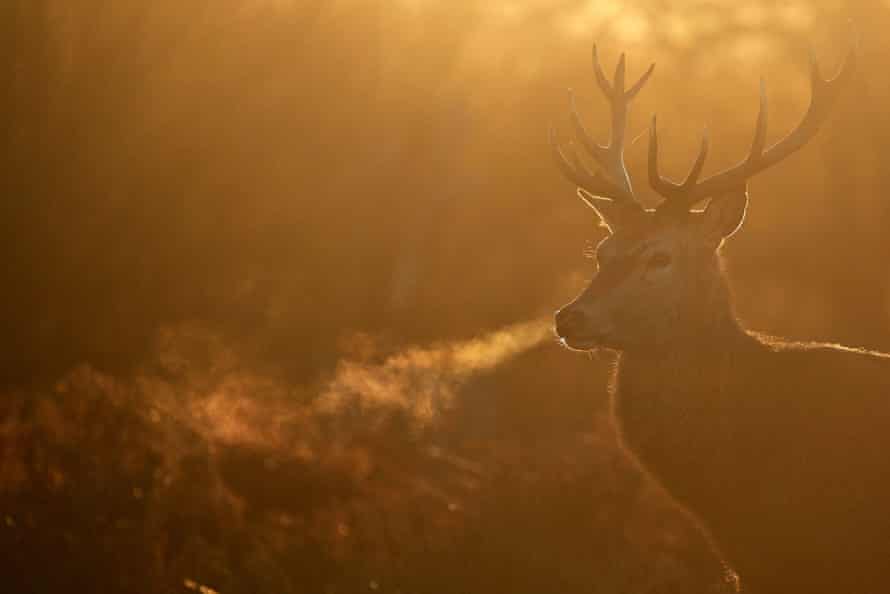
A red deer stag at sunrise on a winter’s morning in Richmond Park, south-west London.
A red deer stag at sunrise on a winter’s morning in Richmond Park, south-west London. Photograph: Justin Tallis/AFP/Getty Images

It is also hoped the work will help tackle problems that plague Londoners including flooding and air pollution. Improving floodplains, rewiggling streams and boosting the health of rivers can alleviate floods, and planting more greenery can ease air pollution.

Khan said: “The UK is one of the most nature-depleted countries in the world. In London, we need to take bold action to ensure we not only halt the decline of biodiversity in our natural environment but pave the way for growth and change.

“That’s why I’ve announced my new rewilding fund, which will help restore the capital’s precious wildlife sites, improve biodiversity and ensure all Londoners have a thriving web of nature on their doorstep. And as part of our green new deal, we’re supporting young Londoners to gain the skills required for jobs that help secure a future for London’s natural environment.”

Nature campaigners have been trying to add wildlife back to London, with a beaver group comprising Wildlife Trusts, the Beaver Trust and Citizen Zoo working on how to return the species to the capital.

The community wilding group Citizen Zoo is also involved with projects to return grasshoppers and water voles to areas in the city in which they have been depleted or lost.

Sadiq Khan leads ambitious plans to rewild Hyde Park | Rewilding | The Guardian

Regards Mark

Above – Hyde Park London.

History

King Henry VIII expropriated the park from the church in 1536. It then became a hunting ground (Boo !) for kings and aristocrats, and later a place for duels, executions and horse racing. The park was the site of the Great Exhibition in 1851, and during WWII became a vast potato bed. 

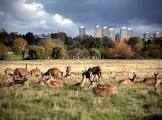
Above – The deer at Richmond Park, London

The invisible slaughter on our seas

A covert investigation of the SOKO animal welfare (Germany)
(Short note: Please read the text first, it is the literal translation of the video from me)

A small fishing boat and the terrible massacre that causes every day.
Crime scene: our North Sea

https://fb.watch/9X1iHl-X-D/

Countless animals slowly suffocate, there is no anesthetic, only a slow, gruesome death.
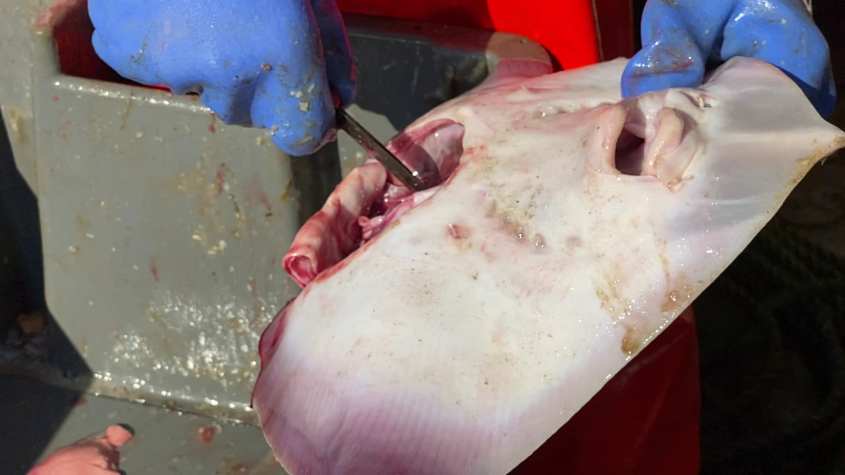
Often the animals are torn open when fully conscious and eviscerated alive.

Millions of sharks die this way.

Not anywhere in Asia, but on the European coasts like here on video in France and Great Britain.
The little ones, the young ones, the unwanted, they are all suffocated, crushed, trampled underfoot.

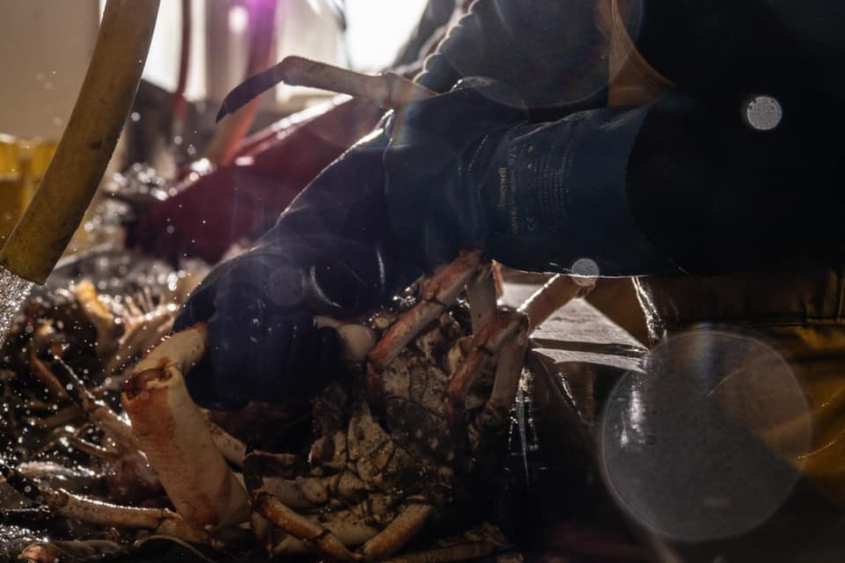
When the fishermen only need the crab claws, they tear them out of the living animal and throw the mutilated creature back into the sea to die in agony.
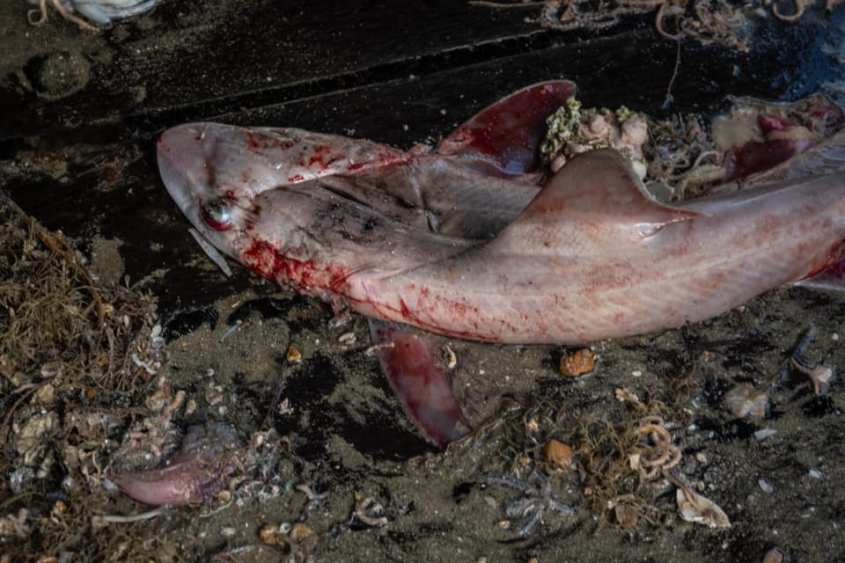
The eyes of many of the fish, which are sensitive to pain, are pushed out of their heads by the rapid pressure difference when the net is rolled up.

If the catch is not welcome, the animal will be trodden on.

The trawler fishery is the total destruction of our sea.
Politics is silent.
They feel pain
and fear
they suffer
they are individuals
our fellow creatures
Save them
save yourself
it is the blue planet
their planet
if it dies we all will not survive

SOKO Tierschutz

And I mean…Just a small fishing trawler, one of thousands in the EU.
Every animal that is not suffocated is slaughtered. The agony of animals is terrible.
Such a cutter kills more sentient beings per day than Tönnies and Tyson combined.

Control and laws? – Nothing
Politics is failing all along the line, as is the case with any area of ​​animal welfare.
“Bottom trawling, with its total destruction of our seas, is to be equated with slashing and burning the rainforests,” says SOKO Tierschutz.

The fishing industry is by far the most destructive industry in our oceans.
There is no sustainable commercial fishing industry.
More than 2 trillion fish are caught from the sea each year, excluding the 120 billion that are killed on fish farms.

That killing is far greater than the estimated 65 billion animals killed for meat and fur each year.
Corruption, slavery and human trafficking are common in the fishing industry.

Around 300,000 dolphins, whales and porpoises are killed every year by fishing and up to 30,000 sharks every hour.
Fish is supposed to be healthy – we read that every day in the press – but have you ever asked yourself who pays for these studies?
It’s like the meat industry is telling you to eat meat every day.
A lot of money is involved, with $ 5 billion in subsidies going to the fishing industry worldwide.
There are even NGOs that make a profit by awarding eco-labels, even though sustainable fishing is next to impossible.

“When consumers order fish in a restaurant or buy it from the market, they are supporting the global destruction of marine ecosystems.
They support the impoverishment of craft and indigenous communities.
They support slavery and slave labor at sea, ”said Captain Paul Watson.

Most of us will likely no longer live to see the death of the oceans, but our children and grandchildren will endure the horrors of that destruction.

And the survivors will hate us all for it.

My best regards to all, Venus