Category: Environmental

Sweet Earth – An Article Provided By Stacey at ‘Our Compass’.

Stacey at ‘Our Compass’ is an animal rights campaigner and friend who regularly supplies us with articles, for which we thank her.

Stacey | Our Compass (our-compass.org)

Here below is the latest article which makes very interesting reading;

Thanks Stacey

Regards Mark

PS: McDonalds has always been a huge campaign issue here in the UK. Many years ago we had the ‘McLibel’ issue where some protestors were attempted to be silenced. I have covered this issue once before I think, but consider the video of the fight is worth showing again on another post which I will publish very soon.

Source Sweet Earth

Source Vox

By Matthew Hayek and Jan Dutkiewicz

Plant-based meat has gone mainstream. The Impossible Burger, which debuted at a single restaurant five years ago, is now on Burger King’s permanent menu. And McDonald’s is testing its McPlant burger, featuring a Beyond Meat patty, in select US locations. Both plant-based startups are now veterans in a product category that did $1.4 billion in sales and grew 27 percent in 2020.

Under the tagline “Eat Meat. Save the Planet,” Impossible Foods claims its soy-based burger uses 87 percent less water, takes 96 percent less land, and has 89 percent lower greenhouse gas emissions than a beef burger. Beyond Meat makes similar claims about its pea-based burgers.

This matters because animal agriculture contributes around 15 percent of global greenhouse emissions, and experts agree that without a major shift away from meat in our diets, we won’t be able to meet the global community’s climate targets. The promise of plant-based faux meats is that consumers will be able to keep enjoying the foods they love, but with a far lower climate footprint.

But an increasing number of researchersfood critics, and environmental groups are casting doubt on these types of claims, warning that faux meat production still relies on industrial farming practices. They claim that we don’t know enough about these relatively new products to say for certain if they’re better for the environment than the meat they are trying to replace.

One recent whitepaper from an environmental NGO states that the above claims from faux meat companies “are unproven, and some clearly untrue.” A sustainability analyst quoted in the New York Times goes further, claiming that the companies’ secrecy about their production methods means that “We don’t feel we have sufficient information to say Beyond Meat is fundamentally different from JBS.” (JBS is the world’s largest meat producer).

But years of research on the environmental impact of food make one thing clear: Plant proteins, even if processed into imitation burgers, have smaller climate, water, and land impacts than conventional meats. Apart from environmental impact, reducing meat production would also reduce animal suffering and the risk of both animal-borne disease and antibiotic resistance. The criticisms against the new wave of meatless meat appear to be more rooted in broad opposition to food technology rather than a true environmental accounting — and they muddy the waters in the search for climate solutions at a time when clarity is sorely needed.

Continued on the next page.

Scotland: Shell Pull Out of Cambo Oilfield Project – Breaking News 3/12/21.

This is a very quick post, with links, to inform you of the current situation with Shell.

WAV Comment:  We have covered articles recently on the site regarding Shell.  Here are some inks:

NL / UK: Shell; Eco Destroyers, Pull the Plug on the NL and Ready Instead for the UK. Watch the Environmentalist Girl Do Her Bit With the CEO On Video – Welcome Mr CEO to the UK ! – World Animals Voice

UK: Trick, Or Treat ? – On The Halloween Eve of COP26; Some New Revelations. Shell and BP Paid ZERO TAX On North Sea Gas and Oil for Three Years. – World Animals Voice

UK; Twas The Night Before COP26 – British Comedian Joe Lycett Holds ‘Shell’ (Oil Giant) To Account For Their Green Sales Techniques. He Literally Talks Shit ! – World Animals Voice

Today, 3/12/1; news has come through that Shell ae pulling out of their involvement with the Cambo filed off of Scotland.  Here are some news links just through to verify thia:


Shell pulls out of Cambo oilfield project | Oil | The Guardian

Shell pulls out of Cambo oil field development – BBC News

Shell shuns Cambo (theecologist.org)

But, regarding Shell operations in South Africa, we have had the following news:


Shell plans underwater explosions during peak whale mating season

Shell is planning to search for oil and gas on the South African coastline, a move that will threaten whales during mating season.

The oil giant is going to conduct underwater explosions to locate deep-sea oil and gas reserves, with vessels at sea for five months starting 1 December. They will travel between Morgan Bay in the south and Port St Johns – an area known as the Wild Coast.

These explosions generate loud shock wave emissions which penetrate through three km of water and 40 km into the Earth’s crust below the seabed, harming marine life in the process.

Although the survey will not involve drilling at this stage, it raises broader concerns around sea pollution, climate change and South Africa’s national energy policy. As well as fears about the future development of the region if Shell were to discover commercial quantities of oil or gas off this coast.

Kickback from activists on the ground

But the exploration plans are being met by fierce opposition by environmental activists in South Africa, some hailing from Cape Town’s branch of Extinction Rebellion.

A petition by Oceans Not Oil Coalition was started to try and get Barbara Creecy (South Africa’s Minister for the Environment) to revoke Shell’s permit and currently has nearly 363,000 signatures.

It says the explosions will leave whales, dolphins, seals, penguins, sharks and even crabs “panicked and damaged”, adding that the ship will work around the clock, firing air guns every 10 seconds.

“At a time when world leaders are making promises and decisions to step away from fossil fuels because climate science has shown we cannot burn our existing reserves (let alone drill for more),” it adds, “offshore oil and gas Operation Phakisa is pushing ever harder to get its hands on a local supply of gas.”

Happy Khambule is Senior Climate and Energy Campaign Manager for Greenpeace Africa. He calls Shell a “climate criminal”.

“Shell’s activities threaten to destroy the Wild Coast and the lives of the people living there. South Africa’s problems do not require violent extraction nor destruction of the environment and community livelihoods.

“The best and most immediate solution is a just transition to renewable energy, ensuring safe and decent/work jobs, and energy access for all,” he explains.

Tracy Carter describes herself as a concerned South African citizen, whose family come from the Wild Coast in the Transkei. She also spoke to Euronews Green about how devastated she would be if the Shell exploration goes ahead.

“To give you an idea about the Wild Coast, where my family come from, it is the most incredibly breathtaking place one could ever dream of. The ocean is lush and abundant with sea life in all shapes and sizes,” she says.

“I was honestly shocked that after the COP26 summit Shell had the gall to go ahead with the seismic surveys when the world is meant to be moving away from fossil fuels. There was absolutely no public notice given to South Africans about this matter.”

Tracy stresses that it’s important to make as many people as possible aware that this “heinous act” is going on.

Whales in South Africa

South Africa is one of the best destinations worldwide for watching whales and dolphins. Annual visits from humpback and southern right whales and the presence of enormous pods of dolphins all year-round provide amazing viewing opportunities both from land and boats.

Southern right and humpback whales migrate to southern Africa’s warmer waters between June and December, to mate and rear calves.

The whales’ annual visits from Cape Town to Mossel Bay are in fact so predictable that the south coast is also known as the ‘whale route’ and a whale festival is held every year at Hermanus.

Shell’s disruptive surveys will begin just as these whale families start making their way back to icy feeding grounds in Antarctica this year, meaning many could be harmed or killed along the way.

“Having grown up in one of the most unspoiled areas left on this planet and watching the migration of whales over the years, it means a lot to me to fight for the protection and conservation of this area and the sea life that will be affected if this seismic survey goes ahead,” adds Tracy.

In response to concerns about how underwater blasting would affect the marine environment, a Shell spokesperson told New Frame, “the impacts are well understood and mitigated against when performing seismic surveys. This is supported by decades of scientific research and the establishment of international best practice guidelines.

“There is no indication that seismic surveys are linked to (whale and dolphin) strandings,” they conclude.

Regards Mark

England: Action needed from the Bern Convention to end the UK’s unethical badger cull.


Action needed from the Bern Convention to end the UK’s unethical badger cull

29 November 2021

Badger Trust

News

Today marks the 41st meeting of the Standing Committee of Bern Convention institutions, but unfortunately the UK’s continued culling of badgers, as part of its strategy for tackling bovine TB in cattle, will not be on the agenda.

The badger is a protected species, and is listed on Appendix III of the Bern Convention.Britain is home to over 25% of the European badger population. However, with more than 140,000 badgers killed under licence since the cull policy started in 2013, and with culling set to continue at least until 2025 under confirmed UK Government plans, that population is coming under severe pressure..  

Born Free Foundation, the Badger Trust and Eurogroup for Animals submitted a complaint to the Bern Convention in 2019 against the UK’s ongoing badger culling policy.

The Bern Convention (Council of Europe Convention on the Conservation of European Wildlife and Natural Habitats), to which the UK has been a signatory since 1982, aims to ensure the conservation and protection of Europe’s wildlife, and regulates the exploitation of species listed in Appendix III, which includes badgers.

The NGOs’ complaint was put on ‘standby’ by the Bern Standing Committee in 2020, with a request for further information, the first time a complaint made against the UK Government had not been dismissed at the initial stage. Additional evidence was submitted at the end of July 2021 and this was considered at Bureau level in September.

Whilst the complaint has not yet been dismissed, it continues to be maintained in ‘standby’ mode, with further information to be provided by the complainants and the UK Government in July 2023. Unfortunately, many thousands more badgers will be culled before the Bern Convention next considers this matter.

Whilst the UK government asserts that the cull supports their efforts to control bovine Tuberculosis, the Badger Trust and other NGOs have presented overwhelming evidence that it is ineffective and unethical. 

Despite disappointment at the lack of action to protect badgers, campaigning against the cull will continue at national and international levels.

Learn more about our complaint to the Bern Convention:

File

Briefing – The UK Government’s badger cull infringes the Bern Convention292.22 KB

WAV related articles:

England: Setts, Drugs and Rock n Roll. Dr Brian May Speaks In Defence of Badgers at Oxford University. – World Animals Voice

England: 28/4 – Wildlife In The Garden Tonight – Foxes and Badgers. – World Animals Voice

England: Bovine TB Up By 130% – Higher Than When Badger Culls Began. Badgers Being Killed To Pacify Farmers; While They Take No Responsibility for Biosecurity. – World Animals Voice

England: What Good People Do For Wildlife – New Artificial Badger Sett Made For Schoolchildren; So They Can Learn About Badgers. – World Animals Voice

China: Terrified Badgers Bludgeoned For Paint, Shaving and Make Up Brushes. – World Animals Voice

England: Nothing like a good old belly scratch! – World Animals Voice

England: The Badger. – World Animals Voice

Regards Mark

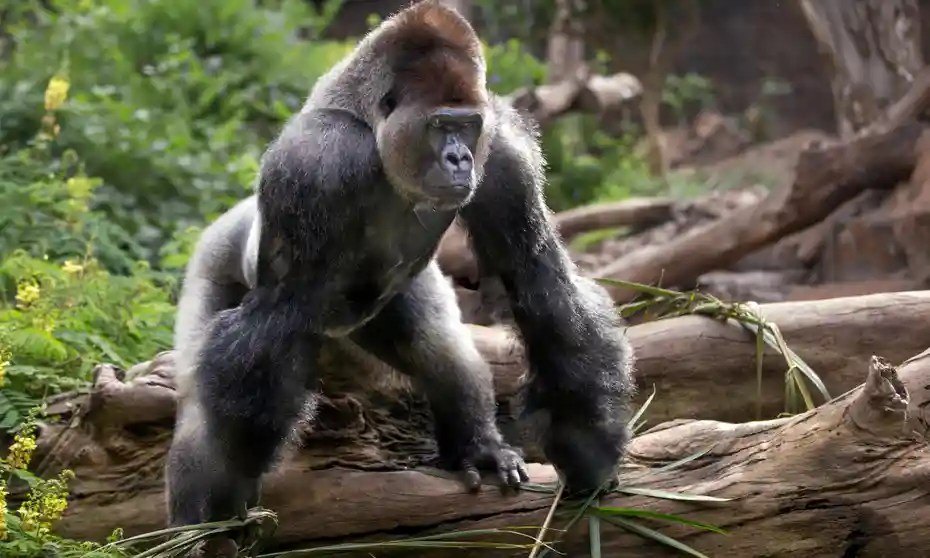
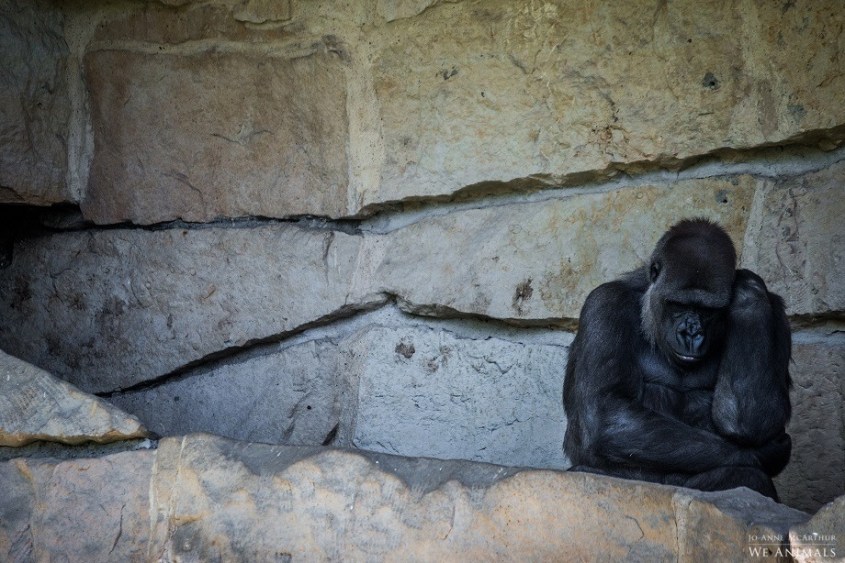
European zoos want to cull gorillas!

Gorillas in the wild are critically endangered. Too many of them live in European zoos. Now some are supposed to die. The outcry is great.

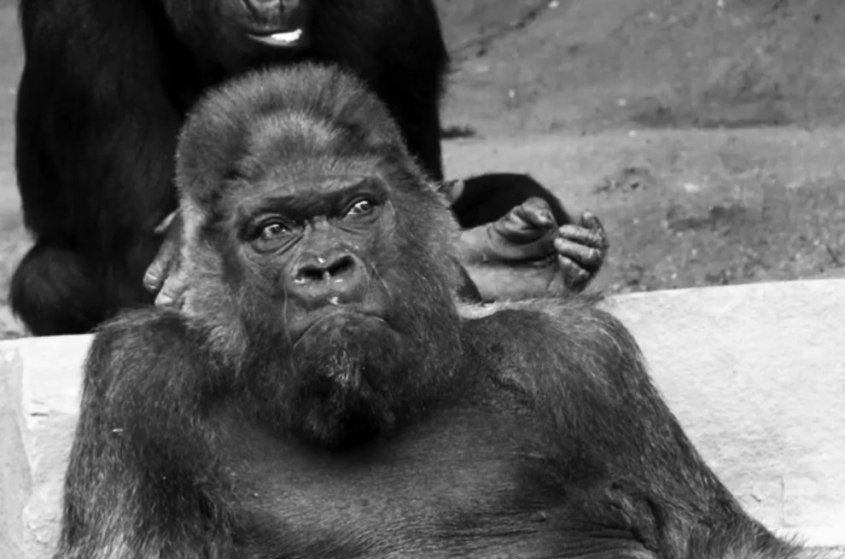
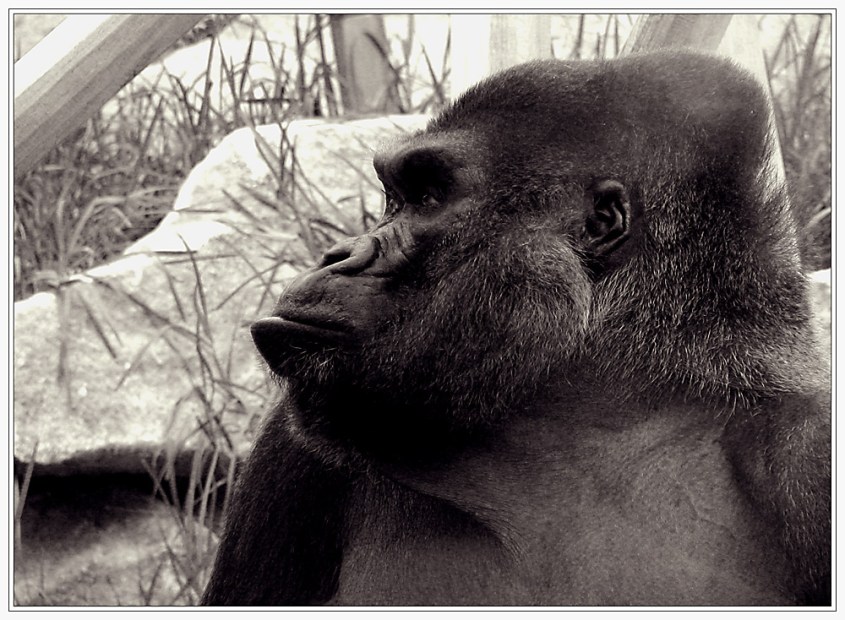
They actually live in the African rainforest, are intelligent, sensitive and threatened with extinction in the wild: Western lowland gorillas, the smallest of the four gorilla species, are between 1.20 and 1.80 meters tall and in tests achieve an intelligence quotient between 70 and 90
People don’t do much better on average, most people score somewhere between 85 and 115…

In the wild they are critically endangered. The exact number of western lowland gorillas is not known because they inhabit some of the most dense and remote rainforests in Africa.
Because of poaching and disease, the gorilla’s numbers have declined by more than 60% over the last 20 to 25 years.

In contrast, so many of these gorillas live in European zoos and animal parks that it is getting crowded. From a certain age, male animals are often kept separate from younger and female conspecifics.

Zoo operators are therefore considering killing male lowland gorillas, reports the Guardian.
This emerges from previously secret documents from the European Association of Zoos and Aquaria (EAZA).

Castration and culling – that is, targeted killing – are options for reducing overpopulation in zoos, according to the association’s papers. Currently, 463 such gorillas live in the almost 70 EAZA zoos, 212 of them are male.

The gorilla action plan, released to stakeholders in zoos, admits that culling would be “the most appropriate tool if strictly talking from the biological point of view,” but that the decision could be unpopular with the public.

“From a biological point of view, killing is the best means.
“It is wrong in many ways to castrate or kill a healthy gorilla for human convenience.”
Ian Redmond, BBC presenter

Animal rights activists are appalled by the plans.
The lowland gorillas are threatened with extinction and are protected by international law.

The conservationist Damian Aspinall, whose foundation has already released gorillas, wants to save the animals.
“It’s so sad that zoos are considering killing gorillas when they can be released into the wild,” Aspinall said.

The world community has only just committed to protecting biodiversity.

However, the release into the wild is difficult, especially with great apes, says primate expert Garrod.
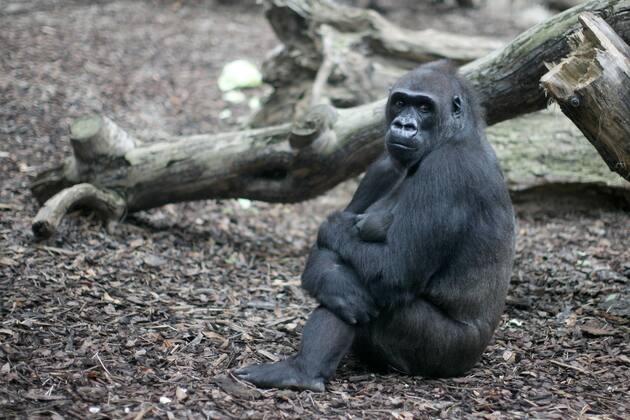


Gorillas from Europe, for example, could introduce diseases into the African wilderness, which would have devastating effects.
In addition, an area would have to be found that is far away from other gorillas – and from villages, in order to avoid conflicts between animals and humans.

Poachers and disease have decimated the population by more than half in the past few decades.

An EAZA spokeswoman confirmed the killing plans to the Guardian as “part of the management plan” (!!!)
The zoos would, however, support reintroduction if the conditions are suitable.

But she also emphasized that there had been no culls so far and that the association would not currently recommend this explicitly. Castration, on the other hand, is common practice to control the number of animals.

Continue reading “European zoos want to cull gorillas!”

New report presents key recommendations to improve animal welfare under the modernised EU-Chile trade agreement.

25 November 2021

Press Release

In the midst of national elections in Chile, Eurogroup for Animals and Vegetarianos Hoy launched a report calling on the EU and Chile to better address animal welfare in their modernised trade agreement. The conclusion of the first EU-Chile agreement, back in 2002, was followed by increased intensification in the Chilean livestock and aquaculture sectors. The new text must do better and contribute to a transition towards sustainable food systems, in which the animals’ wellbeing is promoted and respected.

The first round of the Chilean presidential and parliamentary elections just occured last weekend. In the run up to these elections, the debate around the finalisation and ratification of the modernised EU-Chile association agreement increased in the EU. The two leading candidates that will run against each other in the second electoral round (19/12) have not expressed clear opposition to concluding such an agreement with the EU. 

In 2002, when the EU and Chile concluded their first trade agreement, they added, for the first time ever, provisions on animal welfare cooperation. Even if this cooperation was only based on animal welfare standards established by the World Organisation for Animal health (OIE), the inclusion of these provisions contributed to fast-forwarding the adoption by the Chilean government of a national law on the protection of animals in 2009. 

As negotiations are ending, Eurogroup for Animals and the Chilean based organisation Vegetarianos Hoy reiterate their call on both partners to seize the opportunity offered by the modernisation of the EU-Chile agreement to guarantee that EU-Chile trade does not have a detrimental impact on animals, and that the new trade deal contributes to a transition towards sustainable food systems that would benefit animals, people and the environment.  

The timing has never been better for the EU to engage with Chile on this topic: the Chilean Parliament is currently debating two pieces of legislation about the legal status of animals and cage-free egg production. 

There is also urgency to act. Since the entry into force of the 2002 trade agreement, the livestock industry in Chile has grown and intensified significantly. Exports of Chilean salmon, chicken and pig meat to the EU have increased as well, and, as the 2002 agreement did not condition trade preferences with the respect of any animal welfare-related conditions, this trade between the EU and Chile has indirectly contributed to the spread of this more intensive model of livestock farming – which is not only detrimental to animal welfare, but also fuel global challenges such as the spread of zoonoses, the surge of antimicrobial resistance, biodiversity loss, deforestation and climate change.  

This phenomenon could even worsen as Chilean producers indicated more market access would provide them with more incentives to develop their exports to the EU. If the modernised EU-Chile trade agreement were to provide such significant market access to Chilean animal products, it should also condition this preferential access to the respect of EU-equivalent or higher animal welfare standards. Moreover, the modernised deal must include ambitious provisions on animal welfare cooperation, with a recognition of animal sentience and cooperations aiming at regulatory alignment with EU rules.

The first EU-Chile agreement was a turning point for animal welfare in trade policy. Yet, the intensification of livestock farming and aquaculture that followed shows that stronger tools are needed to ensure trade policy does not negatively impact animals. The EU must use the modernisation process around the EU-Chile agreement  to condition the granting of further market access on the respect of EU-equivalent animal welfare standards. By doing so the EU would not only contribute to improving the welfare of animals, but also incentivise farmers and producers to switch to more sustainable and humane methods of production.

Reineke Hameleers, CEO, Eurogroup for Animals

All eyes are on the EU to reconcile the objectives of the Green Deal, and, as foreseen in the Farm-to-Fork strategy, use its trade policy to “obtain ambitious commitments from third countries in key areas such as animal welfare”.

Chile – Animal Protection in EU Trade Negotiations

File

Briefing: Chile | Animal Protection in EU Trade Negotiations – November


Regards Mark

India and its live animal markets

PETA India exposes Illegal Indian wildlife Markets, dogs sold for meat.

For Immediate Release: 19 November 2021

Contact: Hiraj Laljani; HirajL@petaindia.org
Pradeep Ranjan Doley Barman; PradeepB@petaindia.org

Guwahati – As the COVID-19 pandemic rages on and during World Vegan Month (November) People for the Ethical Treatment of Animals (PETA) India is releasing its latest findings regarding dogs used for meat and wildlife meat markets in northeast India.

The video documentation reveals filthy conditions risking disease transmission and rampant violations of the Wildlife Protection Act, 1972;
The Prevention of Cruelty to Animals Act, 1960; and the Food Safety and Standards Act, 2006.

The video footage is available for download upon request.

“Filthy, illegal meat markets torture animals and act as petri dishes,” says PETA India Advocacy Associate Pradeep Ranjan Doley Barman.
“PETA India is calling on officials to do a sweep and shut them down, for everyone’s sake.”

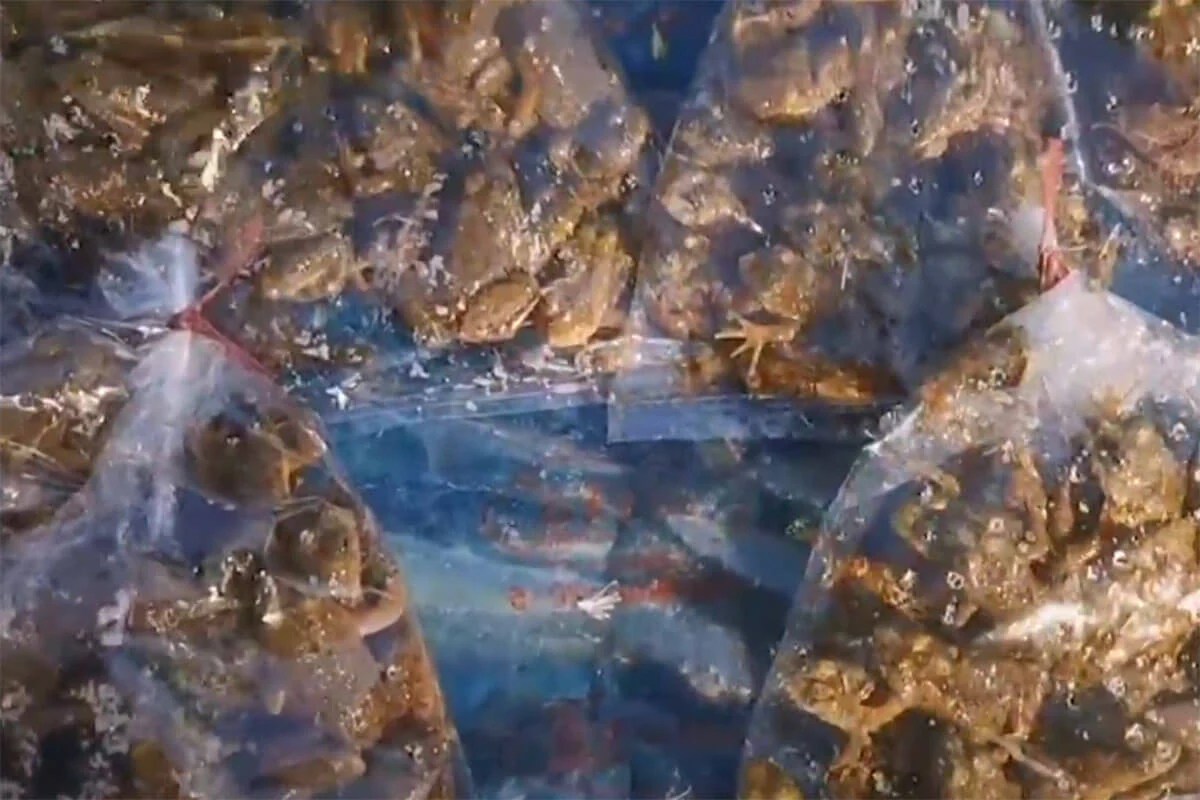
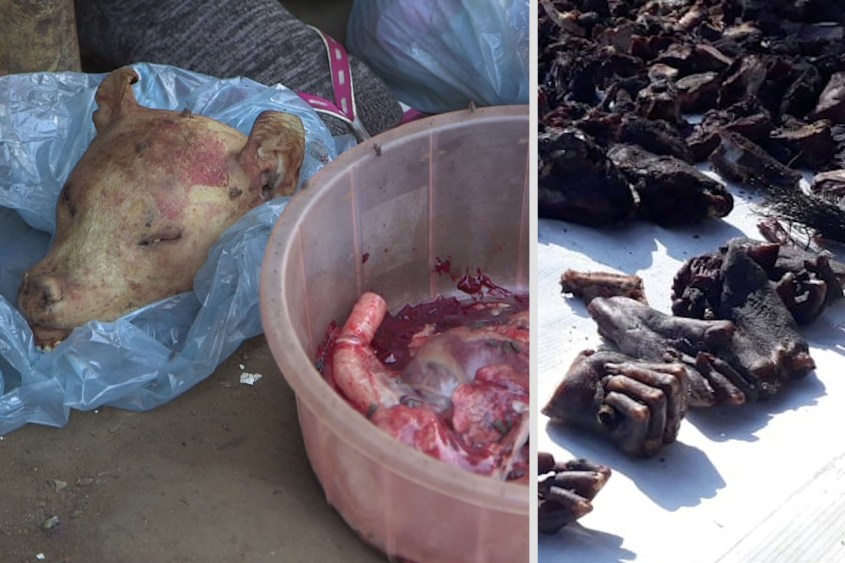
At Nute Bazaar in Manipur, the flesh of barking deer, wild boars, and frogs was illegally sold and buyers and sellers touched the charred animal parts with their bare hands.

At Senapati Bazaar, an illegally hunted deer’s severed head was passed around.
At markets in Nagaland, live eels, mice, frogs, and birds were openly sold and workers handled dead animals without wearing gloves.

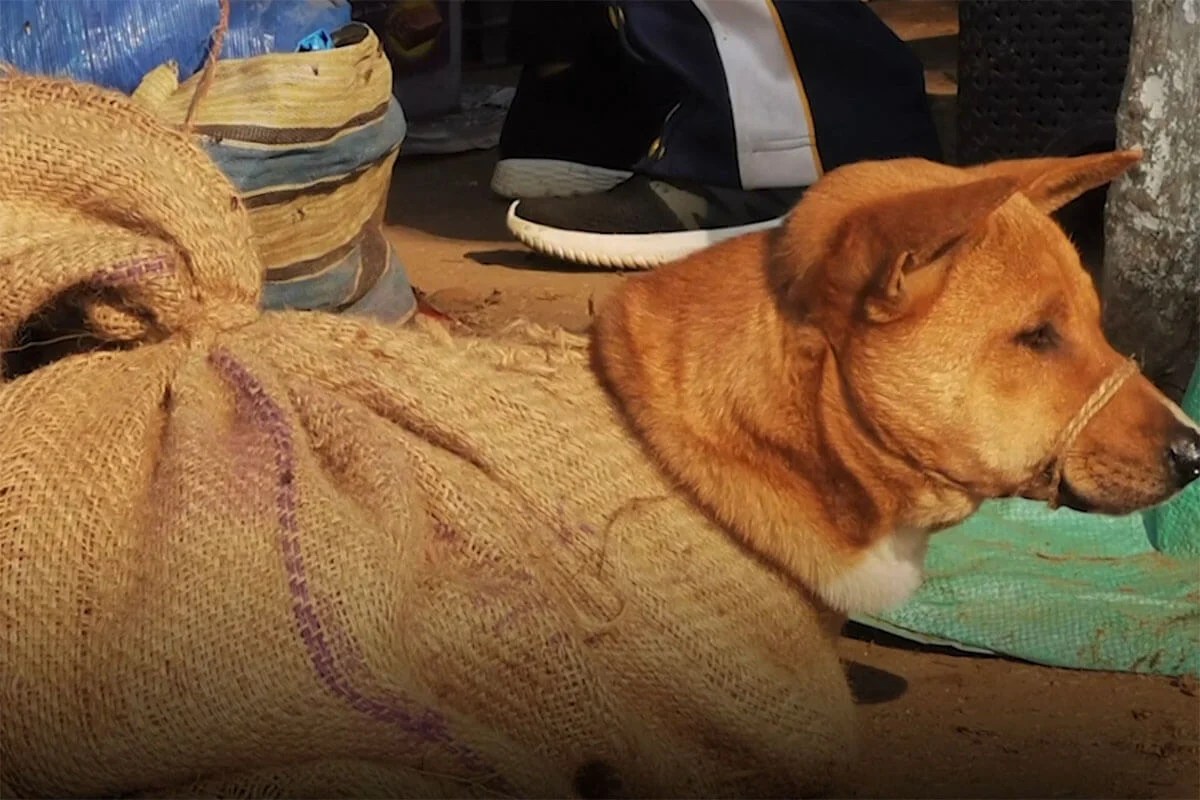
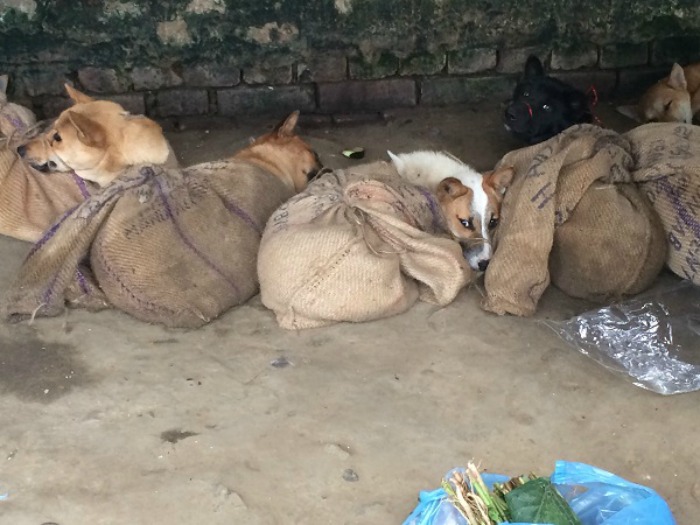
Live dogs were also illegally sold for their meat – puppies were caged, and older dogs’ mouths were tied shut as they were offered for purchase and slaughter.
At Itanagar Market in Arunachal Pradesh, meat of mithun – the state animal – was openly sold.
At every market, blood, sinew, and innards were everywhere.

PETA India has sent letters to the Wildlife Crime Control Bureau and the Ministry of Environment, Forest and Climate Change regarding these markets, urging them to take action against them.

Copies of the letters are available upon request.

COVID-19 is largely believed by experts to have stemmed or spread from a live-animal meat market, and SARS, swine flu, and bird flu have also been linked to the practice of confining and killing animals for food.

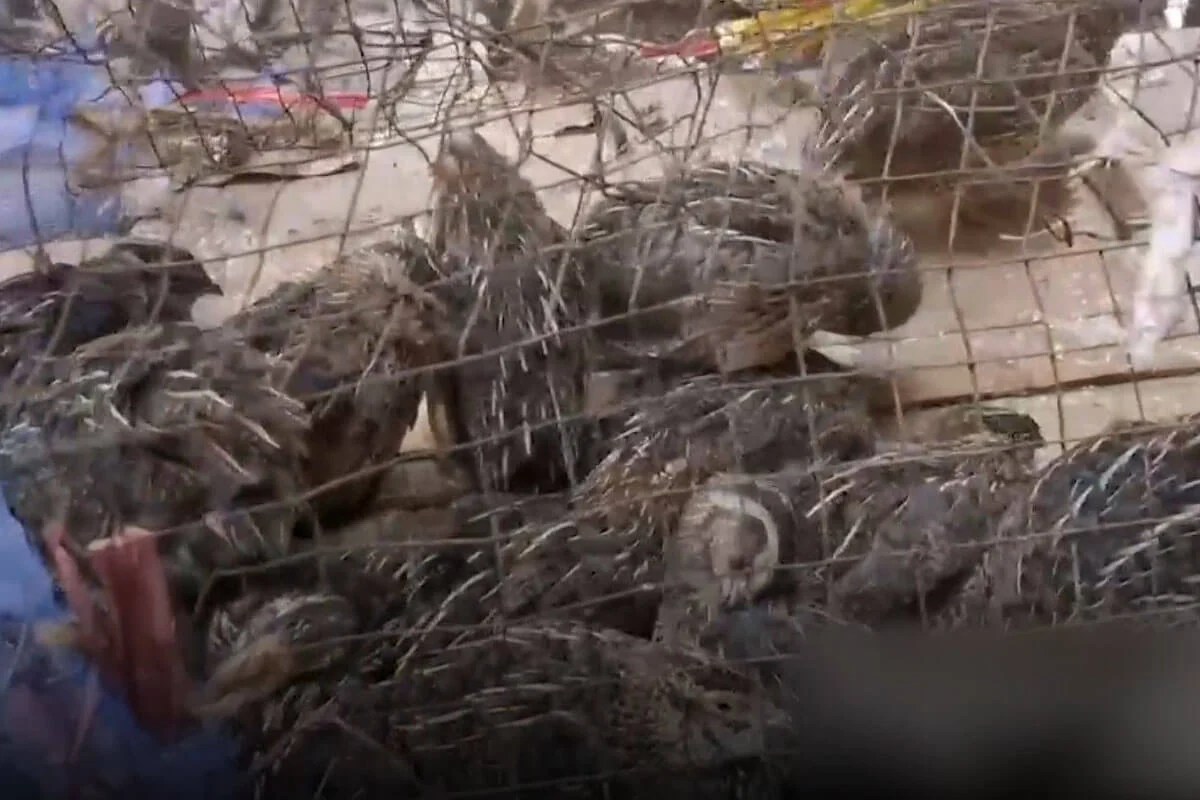
Last year, PETA India also released video footage of captured dogs killed and sold for meat in Nagaland, sellers in Manipur handling the charred remains of wild animals – including monkeys, wild boars, porcupines, and deer – and other incidents at other animal markets in the country.

A team from Assam University recently found that numerous primate species are being killed in northeast India over medicinal property myths.

The next pandemic could start in India (???)

All such markets are potential breeding grounds for and opportunities to spread zoonotic diseases (diseases that jump from animals to humans).
COVID-19, H5N1 bird flu, SARS, and H1N1 swine flu are among those zoonotic diseases linked back to the treatment of animals used for food.

The only way to make these markets safe is to close them.

Blood, excrement, and other bodily fluids can easily get on sellers’ and customers’ shoes and be tracked into homes. As the video footage shows, workers who handle the animals often don’t wear protective gear.
Flies swarm around decomposing bodies, and the countertops and floors are bloodstained from slaughtering animals.

PETA India has already written to the Ministries of Health and Family Welfare; Environment, Forest and Climate Change; and Fisheries, Animal Husbandry and Dairying requesting that they close these cruel and dangerous operations immediately.

https://www.petaindia.com/media/new-video-peta-india-exposes-illegal-indian-wildlife-markets-dogs-sold-for-meat/

https://www.petaindia.com/features/help-us-shut-down-disease-prone-indian-wet-markets/

And I mean…There is an opinion (including among animal rights activists) that the coronavirus originated in the wildlife markets of Wuhan, China.

It’s an opinion – it’s not yet proven. Not because it is not possible, but because these live animal markets in China and Asia have generally not existed since yesterday, and certainly not since December 2019, when the pandemic broke out.

So we do not know whether “the next pandemic could start in India” and whether closing the animal markets alone will remove this risk.

Finally, the biggest problem in fighting the pandemic is the cramped habitat of many Indians. In some large cities, a third of the population lives in slums, and up to 30 people share a toilet or bathroom.
Access to running water is very limited.

What is certain, however, is that dealing with animals in such markets is particularly cruel.
And that such markets, no matter where in the world, are places of horror for animals.
THAT is the main reason why we need to end animal markets for wild or farm animals around the world.

If we don’t stop destroying nature through factory farming, deforestation, species loss, urbanization, climate change, agribusiness and wildlife trafficking (legal and illegal), then we will not win the battle against viruses.

My best regards to all, Venus

UK: UK Ministers Accused of ‘Dithering’ as Trophy Hunting Law Delayed Again.

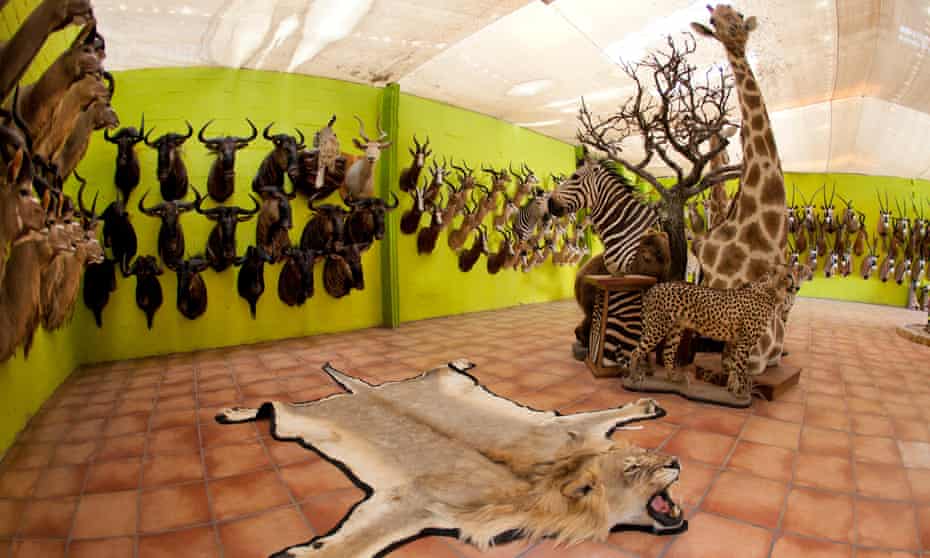
A taxidermy workshop in Namibia, where animal trophies are stuffed.
A taxidermy workshop in Namibia, where animal trophies are stuffed. Photograph: Ton Koene/Alamy

UK ministers accused of ‘dithering’ as trophy hunting law delayed again

‘Animals abroad bill’ aimed at clamping down on trophy hunting and harmful animal experiences pushed back

A law that will clamp down on trophy hunting and prevent people buying harmful animal experiences such as elephant tours meant to be introduced in parliament this autumn been delayed, the Guardian has learned.

The measures should be contained in the animals abroad bill – one of several new pieces of legislation the government has planned to improve animal welfare standards.

However the start of its passage through parliament has been postponed, with ministers accused of “dithering”. The bill was first hoped to be published before the summer recess in July, but has since been pushed back repeatedly.

Frustration at the delay has further been compounded given a public consultation on restricting the import of hunting trophies closed in February 2020, and sources said it was unlikely the government’s response and the bill being published would happen before February 2022.

he hold up was blamed on the pandemic by the Department for Environment, Food and Rural Affairs, which said the final bill would be informed by “continued discussions” with experts.

There are understood to be technical rather than fundamental policy disagreements remaining.

Eduardo Goncalves, founder of the Campaign to Ban Trophy Hunting group, said he had been assured the bill is “still alive” but expressed concern there appeared to be “no timetable or target date for bringing it to parliament”.

He said: “The pledge has been in every Queen’s speech since 2019, the prime minister confirmed it at the dispatch box, there’s been an extended public consultation, so the question is how much longer is this going to take?

“Every week that goes by means more animals being senselessly slaughtered for a sick souvenir. There’s a feeling of deja vu among the more sceptical observers. They point to the fact that the government said it would ban lion trophies after the Cecil furore, and then quietly dropped it …

“The government has put in a lot of work to develop appealing policies on conservation and animal welfare, and deserves to get the credit for it. There’s a risk, though, that its reputation could take a hit if it’s seen to be dithering without clear cause.”

Luke Pollard, Labour’s shadow environment secretary, called the delay “another broken promise from this government” and warned it would mean more endangered lions, tigers and other precious wild animals would die.

He said ministers were “failing to deliver” having “abandoned” their initial timetable for passing the bill, and added: “Labour would consign trophy hunting to the history books.”

A Defra spokesperson said: “Our recently published action plan for animal welfare sets out the government’s vision to introduce a range of world-leading reforms to improve the welfare and conservation of animals at home and abroad.

“This year we have already introduced our animal sentience and kept animals bills to parliament and we intend to legislate further to protect animals abroad as soon as parliamentary time allows.”

UK ministers accused of ‘dithering’ as trophy hunting law delayed again | Wildlife | The Guardian

Regards Mark

Chile – the Humboldt Archipelago must not be destroyed

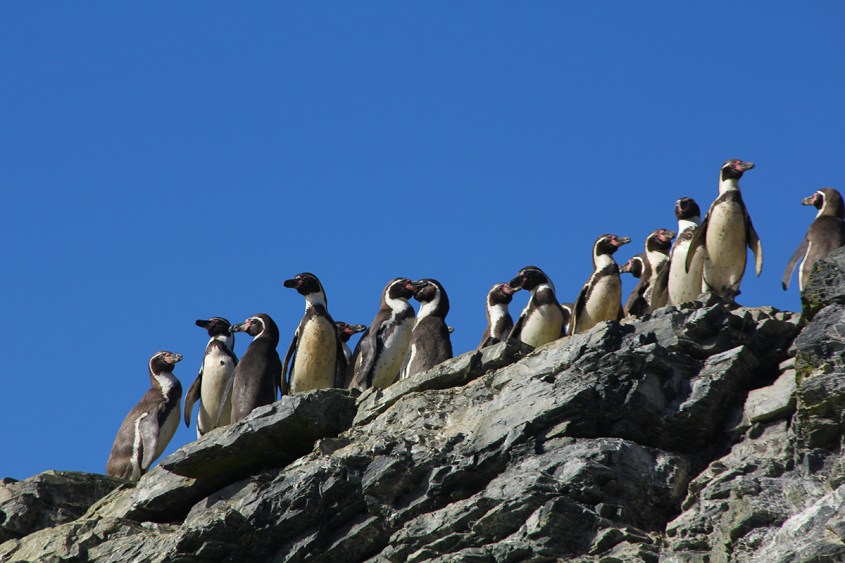
The breeding area of the Humboldt penguins off the northern Chilean coast is a “hope spot” for life on earth. But as in the past, port and mining projects are once again threatening the vulnerable penguins.

Chilean environmentalists are calling for the birds’ habitat to be placed under strict protection.

80% of the world’s endangered Humboldt penguin population lives here.

Humboldt Archipelago in northern Chileprotection decided, but NOT implemented

The marine area off the Chilean coast is incredibly biodiverse because of the cold upwelling waters of the Humboldt current. In the north of the country lies the Humboldt Archipelago, which the Mission Blue Foundation has declared a “Hope Spot” a place of hope for life on the planet.

Hope Spot

The unique and irreplaceable ecosystem is considered a priority for global conservation by international science. The special importance results from the unusual oceanic conditions of a continuous upwelling in the sea, which distinguishes this region from other areas of the country.

Cold water rises to the surface there, carrying nutrients that promote the growth and development of large quantities of plankton and phytoplankton.
The topography, consisting of numerous islands and islets, favors the life of larvae and the stages of their development.
The prevailing south-north currents and winds cause the larvae to disperse.

Continue reading “Chile – the Humboldt Archipelago must not be destroyed”

EU: Summary of the 10th meeting of the Platform on Animal Welfare.

PMAF

Summary of the 10th meeting of the Platform on Animal Welfare

15 November 2021

Green REV

The Platform on Animal Welfare met on the 10th of November to discuss a number of important issues from the sustainable food system framework to the recent citizens initiative to end the cage age, to the ongoing fitness check of the revision of the EU animal welfare legislation.

The aim of the platform is to promote dialogue among competent authorities, business, civil society organisations and scientists on animal welfare issues that are relevant for the Union. The dialogue intends to build mutual understanding, foster trust and encourage voluntary commitments between platform members to achieve concrete results in improving the welfare of animals. Eurogroup for Animals is a member of the platform along with our member organisations World Animal Protection, Green REV Institute, Welfarm, Compassion in World Farming, Four Paws and our Equine Working Group Chair Joe Collins. It was a lively meeting, however it left many people with more questions than answers, particularly concerning the balance between business and NGO stakeholders in the platform.   

The meeting kicked off with a video message from Commissioner Kyriakides, who couldn’t be in attendance, but gave her strong commitment to continue to improve the welfare of animals at European Union level. The platform received a presentation on the Sustainability Food Systems Framework, the public consultation on the sustainability food systems initiative will open in early 2022. The recent roadmap received a lot of feedback, with NGOs particularly stressing the need for policy option 4 as the only option with the capacity to deliver the change needed. 

Mark – WAV

The Commission then presented the Inception Impact Assessment on the revision of Animal Welfare Legislation with follow up presentations from the Vught Alliance Member States (NL, SE, DK, DE and BE), Eurogroup for Animals, and Copa Cogeca, representing the position of the farming industry, each outlining their vision for the new legislation. Eurogroup for Animals presented the No Animal Left Behind white paper which is calling for a new Kept Animals Regulation, that would provide protection for all animals kept for commercial purposes. This regulation would ensure all animals are afforded proper protection relevant to their species specific needs.

In the afternoon the platform discussed the creation of new subgroups and ongoing and new voluntary initiatives. The Commission proposed the creation of six new subgroups, which will contribute to the analysis of the different options developed in the context of the preparation of the revision of the animal welfare legislation. These subgroups are pigs, poultry, calves/dairy cows, transport, animal welfare labelling, slaughter/killing. There was a strong call to link these subgroups with voluntary initiatives to maximise the usage of expertise in these specific areas. The voluntary initiatives are currently on the responsible ownership and care of equidea, on the health and welfare of pets (dogs) in trade, on the welfare of fish and on the welfare of pullets. Members of the platform are invited to apply for different subgroups – Eurogroup for Animals will collaborate with our member organisations on the platform to ensure we are represented across all subgroups. 

Mark – WAV

The final presentation of the day was by PPILOW, who presented a Multiactor approach for improving animal welfare in poultry and pig low-input outdoor and organic production systems. Andrea Gavinelli, DG SANTE closed the meeting. The next Platform on Animal Welfare meeting will be held in June next year.

Powerpoint presentations from the meeting are available here.


Summary of the 10th meeting of the Platform on Animal Welfare | Eurogroup for Animals

Regards Mark

PMAF
Mark – WAV

Vegan Chef Derek Sarno Delivers TED Talk: Animals Have Families Like Us.

Derek Sarno presenting a TED Talk

Derek Sarno’s recent TED presentation dove into the benefits of plant-based eating.

Vegan Chef Derek Sarno Delivers TED Talk: Animals Have Families Like Us

The entrepreneur and chef spoke about animal suffering, personal grief, and his journey to veganism

Vegan chef Derek Sarno, best known for co-founding Wicked Kitchen, has presented at an official TED conference. The entrepreneur’s talk – which was featured on the TED homepage – touted the benefits of plant-based food, and revealed the paths that led him to it.

In the presentation, Sarno explained he is on a “mission to unleash the mighty powers of plants.” The chef uses plant-based ingredients, especially mushrooms, to create realistic vegan meat and other foods. 

He aims to mirror the flavor and textures of meat and dairy, but without the implications of animal-based food production.

During the TED Countdown Summit, Sarno highlighted the undeniable link between meat consumption and climate breakdown. For instance, animal farming is to blame for a significant amount of greenhouse gas emissions, deforestation, and pollution. 

Further, research suggests omitting meat from one’s diet helps to sidestep the risk of diseases like cancer and diabetes

Grief and the journey to plant-based

But health and sustainability are just some of the reasons Sarno became a vegan chef. 

“My other reason has to do with grief, and dealing with the unexpected death of my partner,” he said in the talk. “The suffering and grief I felt was suffocating. I had two choices: to go down a road of self-destruction, or accept what had happened and find a way through it.”

Before his partner Amada passed, Sarno’s life was “based on ego and attachment,” he said.

“Being the best. Cooking anything and everything without a second thought as to the consequences of my actions. As long as the food tasted great, and I was paid well for it, I didn’t care where it came from.”And so, Sarno laid his “old self to rest,” sold off his food business, and moved to a Buddhist monastery where he lived for three years and “studied compassion.”

“What I discovered was a connection to food and heart that I had ignored. Animals suffer just as we do,” he continued, later reiterating that animals have emotions and families.

“From then on, it became my mission to find alternative ways of preparing food that not only benefited people, but avoided animal suffering as well,” Sarno explained.

“That time reflecting and learning helped me reorientate my own moral compass and opened up a whole new world of creative cooking. It also helped me become much less of a jerk.”

There are many reasons to eat plant-based, Sarno said, and encouraged viewers to find one they identify with. He added that opting for a vegan meal even once a day “makes a huge difference.”

The presentation is Sarno’s latest but not first collaboration with TED. Last month, the media giant held its first in-person climate conference. Sarno was in charge of the event’s menu, which was fully vegan.

Click here to watch the video:

Vegan Chef Derek Sarno Delivers TED Talk: Animals Have Families Like Us – Plant Based News

Regards Mark