Category: Environmental

Mexico: Mexico’s Supreme Court Confirms Definitive Suspension of Mega Pig Farm In Homún


Mexico’s Supreme Court confirms definitive suspension of mega pig farm in Homún

Mexico’s Supreme Court confirms definitive suspension of mega pig farm in Homún – The Yucatan Times

Homùn, Yucatàn, (May 20, 2021).- The people of the Maya town of Homún municipality of Yucatàn win another legal battle against the mega pig farm. This May 19, the First Chamber of the Supreme Court of Justice of the Nation (SCJN) confirmed the definitive suspension of a pig farm in favor of the children of this community of Yucatán. 

According to a statement from “Kanan ts’ono’ot”, representatives of the groups known as “Childhood of Homún and Indignation”, the vote was unanimous, with which the ministers confirmed the definitive suspension of this farm, which must remain closed until the final verdict is issued by the Supreme Court.  

The operations of this pork farm have been paralyzed since October 9, 2018, due to the suspension granted by Judge Miriam de Jesús Cámara Patrón from an injunction promoted by six girls and boys from Homún, a Maya town in Yucatán located in the Geohydrological Reserve of the Cenotes.

“The decision of the SCJN once again agrees with the Maya people of Homún, particularly the Maya boys and girls who, through the aforementioned injunction, managed to paralyze the farm of 49 thousand pigs since October 9, 2018, when the suspension was granted ”, indicated the groups.  

The decision of the highest court, according to the organizations, allows the protection of the right to health, the environment, and dignified life for the children of the Maya town of Homún. At the same time, it lays the foundations for the final resolution, which is yet to be resolved in the Second District Court of the State of Yucatán.

Source: La Jornada Maya

Regards Mark

USA: Infamous Trophy Hunt Shows What Happens When Gray Wolves Are Stripped Of Protections.

Infamous trophy hunt shows what happens when gray wolves are stripped of protections

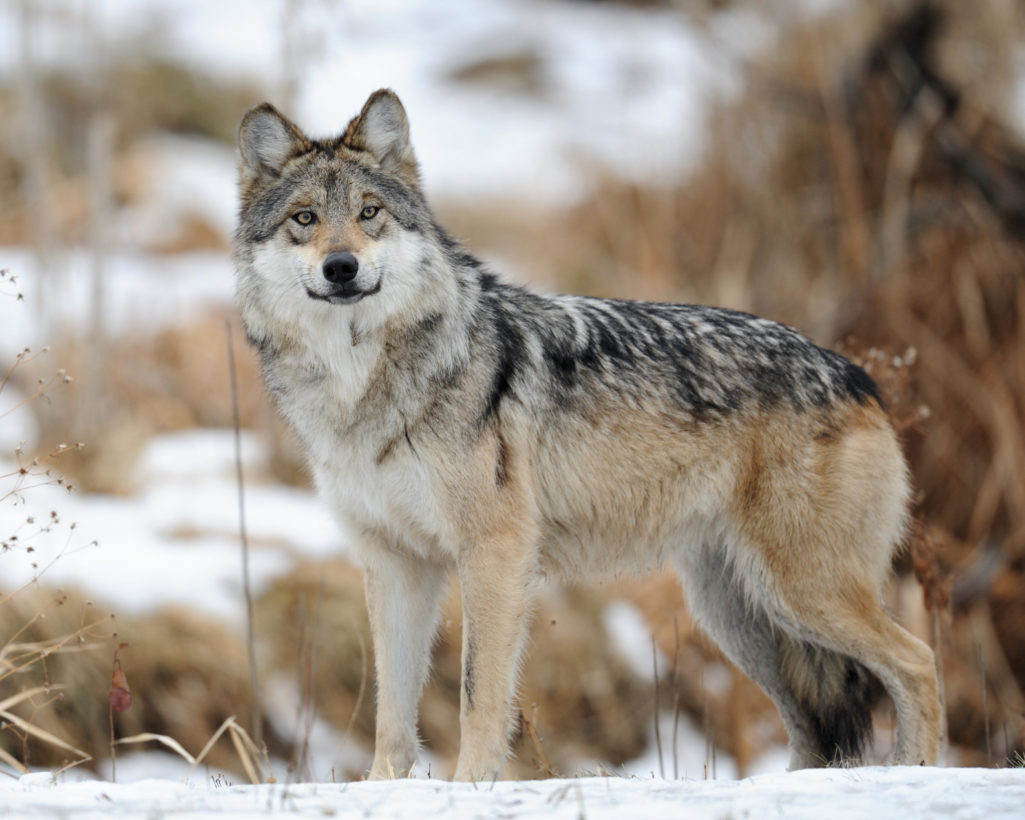
A new report indicates that poachers may have killed at least 100 more wolves since they lost endangered species protections than previously believed. Alamy Stock Photo

Infamous trophy hunt shows what happens when gray wolves are stripped of protections

By Kitty Block and Sara Amundson

June 16, 2021 

In February, 1,500 trophy hunters took to the frigid woods of Wisconsin, armed with guns, traps, neck snares and packs of hounds, in what would be Wisconsin’s first wolf hunt in seven years. The destruction and killing they perpetrated over the next 60 hours revealed the crass hypocrisy of wildlife management agencies and the dangers facing wolves in America.

A whopping 2,380 wolf hunting permits—twice as many as are typically issued for hunts in the state—were made available for a quota of 119 wolves in what was supposed to be a week-long season. Less than three days later, more than 200 wolves had been killed, entire wolf families were decimated, and the hunting season had to be shut down early, having gone nearly 100 wolves over the quota.

Each wolf lost in this killing spree had represented hope for wolf conservation in America—and that hope was shattered. Little if any input was sought from Wisconsinites, tribal nations or the scientific community. We led a strong campaign to try to stop the February wolf hunt, sending a letter to the Wisconsin governor, state lawmakers and Department of Natural Resources officials, emphasizing that the hunt would have disastrous consequences for the wolves; unfortunately a court decision forced the hunt to continue. We still believe that the wrongs of this hunt deserve closer inspection, which is why we’ve just published “A call to end wolf trophy hunting in Wisconsin,” in an effort to prevent a repetition of this reckless hunt in November 2021.

One of the deadliest hunts in local memory

We now know that Wisconsin’s February hunt was the second deadliest wolf hunt in Wisconsin’s recorded history, with 218 wolves recorded dead. The best available science indicates that poachers may have killed at least an additional 100 more since wolves were delisted. We also know that nearly half the wolves killed were females. Because it was breeding season, many of them may have been pregnant. More than 85% of the wolves killed were hunted down by packs of dogs—an extremely cruel practice that no other Midwestern state allows for wolf hunting. Hunt participants also used unfair killing equipment such as night vision devices, snowmobiles, traps and snares.

Our report emphasizes that even more wolves died than the state calculated—largely because it failed to account for the tremendous numbers likely killed by poachers. Because of time constraints, hunters could self-report, or report to a local game warden (and not a biologist), the wolves they killed. The state did not require hunters to turn in the dead wolves for analysis, which would have allowed the state to verify the age of the wolf and whether a female was pregnant at the time of her death, among other information. Only 22 of the 218 were voluntarily turned in, and only because the tribal nations had requested to conduct their own research. As a result, the state failed to account for what was likely a substantial loss to the breeding population and for the for the offspring of pregnant wolves who were killed.

We believe that Wisconsin has lost about one-third of its wolf population since they were delisted from federal Endangered Species Act protections in November 2020. These wolves are largely counted using their tracks in snow, which will make it impossible to count the wolf population before the next proposed wolf trophy hunt in November. If that hunt occurs, the future survival of this population of wolves will be in jeopardy.

We conducted a poll of Wisconsin residents, cutting across demographics and including farmers, hunters, all party affiliations, genders and jurisdictions, and found that 68% of respondents think that the November wolf hunt is a bad idea. Some 62% opposed the trophy hunting and trapping of wolves. The majority of respondents believed the February 2021 hunt was “mismanaged” and “reckless” and that the methods to hunt wolves in Wisconsin are cruel and unfair, and 68% stated they are convinced that wolves are sentient, evolved, familial beings who drive ecological processes while keeping their prey herds healthier. And most respondents—even most Wisconsin farmers—did not feel that wolves pose a serious threat to livestock.

This is why we are calling upon Wisconsin officials to stop the proposed November wolf hunt and adopt a hunting quota of zero wolves. And we’re urging the federal government to relist Wisconsin’s wolves under the federal Endangered Species Act.

The fight to reinstate wolf protections

The struggle to save gray wolves spans decades. Nearly eradicated from their native U.S. habitats at the beginning of the 20th century, gray wolves are still absent from about 70% of currently suitable habitat in the lower 48 states. Yet in recent years legislators and wildlife agencies have systematically continued to roll back wolf protections. The carnage of the Wisconsin hunt showed what can happen when wolves are stripped of those protections.

But there are stories that bring hope to the fight for wolves. For the first time in 80 years, wolf pups were born in Colorado. The pups’ parents had immigrated into Colorado themselves, and unlike other immigrants before them, were not shot or poisoned before having the opportunity to breed. In 2020, Colorado residents showed support for wolves in their state by passing a ballot measure mandating the restoration of wolves on public lands in the western region of the state by 2023. The best way to protect the future of this wolf family would be to relist gray wolves under the Endangered Species Act.

Earlier this month, the Humane Society of the United States and the Humane Society Legislative Fund joined other organizations in petitioning the U.S. Fish and Wildlife Service to relist wolves living in Idaho and Montana after legislators in those states passed a slew of draconian bills designed to drive wolf populations to their breaking points. Today, more than 50 regional and national conservation groups have signed onto a letter of support for that petition.

You can join us in our mission to save wolves: Tell the U.S. Fish and Wildlife Service to reinstate federal protections for gray wolves under the Endangered Species Act.

Sara Amundson is president of the Humane Society Legislative Fund

.Infamous trophy hunt shows what happens when gray wolves are stripped of protections · A Humane World (humanesociety.org)

Regards Mark

EU: Positive Progress for Animals! The European Parliament Adopted Ambitious Report on the EU Biodiversity Strategy.

WAV Comment – What with proposed action on the banning of intensive cage systems; maybe the EU is beginning to listen to the wants of its citizens – most who have demands and positive aspirations regarding positives in animal welfare; but who also need authorities to listen and act !Maybe now they start to act after so many years of ignoring the cries; human and animal.

BUT, we still need much better legislation and enforcement of regulations regarding the transportation of live, sentient beings. Here the EU always has failed big time.

14/6/21 – Mr Philip Wollen Becomes The First WAV Patron; We Are (More Than) Delighted, and Welcome Him To The Group. – World Animals Voice

Positive Progress for animals! The European Parliament adopted ambitious Report on the EU Biodiversity Strategy

9 June 2021

Press Release

The European Parliament’s report on the EU Biodiversity Strategy, adopted 8/6/21, demonstrates the clear commitment of the Parliament to ensure the effective implementation of the EU Biodiversity Strategy to 2030 by securing adequate financial resources, binding objectives and adopting new legislation. The Parliament is urging European Commission and Member States to turn the present crisis into an opportunity and move away from “economic growth at any cost”, ensuring a real green recovery.

Back in May 2020 Eurogroup for Animals welcomed the EU Biodiversity Strategy to 2030 as a key delivery of the EU Green Deal, and then wholeheartedly welcomed MEP César Luena’s (S&D) INI Own Initiative Report , which was adopted by the ENVI Committee at the end of May 2021.

Thanks also to our Stop Pandemics? Start here campaign, the joined efforts of our members, and the support of many MEPs, most of our recommendations to block amendments on the ENVI report were taken into account, and yesterday the vote in Plenary clearly demonstrated the European Parliament’s support to ensure the effective implementation of the EU Biodiversity Strategy to 2030. 

The strategy has the potential to bring the necessary change to protect our planet’s biodiversity, ecosystems and environment, and to prevent future pandemics and spread of zoonotic diseases, ensuring that the tools and resources are made available to make that ambition a reality, with important effects on animal protection:

  • Acknowledging that both the illegal and legal trade in, and use of, wildlife significantly contribute to biodiversity decline, calling on the European Commission (EC) to jointly address legal and illegal trade in the review of the EU Wildlife Action Plan against Wildlife Trafficking.
  • Highlighting that the EU Action Plan against Wildlife Trafficking should receive adequate funding, including assistance to wildlife rescue centres and sanctuaries.
  • Calling on the EC to propose EU-wide wide positive lists of species permitted for import, keeping, breeding and trade as pets as soon as possible, also to prevent the introduction of new invasive alien species.
  • Calling on the EC and the Member States (MS) to lead efforts to end the commercial trade in endangered speciesand their parts.
  • Recognising ecocide as an international crime. 
  • Highlighting that EU agriculture should be transformed to make it sustainable and ensure high animal welfare standards, setting the benchmark in terms of standards for sustainable food systems. 
  • Acknowledging that fur production can significantly compromise animal welfare and increases their susceptibility to infectious diseases including zoonoses, as has occurred with COVID-19 in mink.
  • Calling on the EC and the MS to take adequate measures to facilitate the coexistence with large predators, such as preventive and compensation measures, ensuring their protection.
  • Recognising the importance of cetacean protection, and the need for the EU to take action with regard to whaling.
  • Recognising that catching fish to feed carnivorous farmed fish is a driver of marine biodiversity loss.

We applaud the Parliament for their commitment to animals which comes after a year-long campaign to prevent future pandemics and improve animal protection at the same time. We trust the Commission will listen to the Parliament’s calls and use the Biodiversity Strategy to introduce EU wide Positive Lists for exotic pets which would be a total gamechanger for the animals but also for human health”.

Reineke Hameleers, CEO, Eurogroup for Animals

ENDS

Notes:


Roadmap for EU biodiversity strategy


The unregulated exotic pet trade in the EU: a threat to health and biodiversity


Analysis of national legislation related to the keeping and sale of exotic pets in Europe 


COVID-19 and the wildlife trade


Think positive – why Europe needs ‘positive lists’ to regulate the sale and keeping of exotic animals as pets


Exotic pet trade: analysis of the problems and identification of solutions


Stop pandemics? Start here.


Scientific statement on public health risks from SARS-CoV-2 and the intensive rearing of mink 
 

Regards Mark

14/6/21 – Mr Philip Wollen Becomes The First WAV Patron; We Are (More Than) Delighted, and Welcome Him To The Group.

Today, 14/6/21 is a special day for us.

Purely coincidental that we had news through, today, on ‘Ban Live Exports Day’ – where global awareness and demonstrations are focussed towards ending this abhorrent trade in the transportation of live, sentient beings.

https://worldanimalsvoice.com/wp-content/uploads/2022/05/introducing-philip-wollen_-transcript-abrdgd.docx

https://www.kindnesstrust.com/philip-wollen-speaks

And the news is:

We welcome the great campaigner, speaker, writer and all round activist for so many causes, especially animal rights – Mr Philip Wollen, as our first WAV Patron.

Philip kindly responded to our request to be our Patron within a matter of hours, after

Like many of you, our friends and supporters; we have respected and admired so much about Philip over the years; the Ex Vice president of Citibank, who decided to get out of the race and put his money, knowledge and efforts into supporting good causes around the world.

We are delighted to have ‘Phil’ on board with us and welcome him into the World Animals Voice team.  We know this friendship will be effective and long lasting; especially as we as anti export campaigners and animal rights activists; like Phil; still have a lot to say and do with efforts to end this trade and so many other global animal abuses.

So, Philip; Mark warmly welcome you into our WAV fold, and us being welcomed into yours. 

Here is a link directly into the site run by Philip and his wife Trix, Winsome Constance Kindness :

https://www.kindnesstrust.com/

You can read more about the work of the organisation by clicking on the above link; but here below is a summary of Philip Wollen as written for an introduction transcript for an MC (Master of Ceremonies) at a recent charity event:

Introducing Philip Wollen –

Philip Wollen, at 34 was Vice-President of Citibank. The Financial Press named him in the “Top 40 Brightest and Best” executives in Australia.

During his travels, by age 40 he’d witnessed cruelty so egregious he decided to do all he could to alleviate suffering, and give away everything he owned, with warm hands, and die broke. He jokes “So far, we are right on budget!”

Today, he is a “Venture Capitalist for Good Causes”, supporting some 500 mission-critical projects for children, animals and the environment in 40+ countries. Promoting “Ahimsa” (non -violence) and Veganism is his main interest.

He provides money for  Children, Animals, & the Environment with schools, orphanages, animal protection, shelters, clinics, medicines, biogas plants, ambulances, bore-wells and films; sponsored a married couple (cancer survivors) to run one marathon a day for 366 consecutive days around Australia’s coast, funded marine vessels, whale & seal rescue centres, primate sanctuaries, food, disaster relief, homeless people, victims of domestic violence, scholarships, the arts, health, forests and oceans, undercover anti-poaching operations through his operational “silos”, Kindness Farms, Kindness House, Kindness Oceans, Kindness Kids, Kindness Streets, & Kindness Mobile Restaurants for the Homeless.

Philip awards the annual Kindness Gold Medal & $20,000 Cash Prize to people who have devoted their lives in the service of others. Past recipients include Sir David Attenborough (UK), Dr Professor T. Colin Campbell (USA), Dr Ian Gawler OAM (Australia), Dr Jane Goodall DBE, Smt Maneka Gandhi MP (India), Captain Paul Watson (Canada), Dr Jill Robinson MBE (China), Dr Christine Townend (Australia), Captain Peter Hammarstedt (Sweden), Mr Christopher DeRose (USA), Rev. Dr Andrew Linzey (Oxford), Mr Damien Mander (Zimbabwe), Sri Pradeep Kumar Nath (India), Dr Chinny Krishna (India).

He has delivered speeches in the Parliament in The Hague, the Knesset Parliament in Israel, the European Parliament, the Parliament of World Religions, Universities, & international congresses and has discussed ethics with Presidents, Prime Ministers, Members of Parliament, Nobel Laureates & religious leaders from all the major faiths.

He is the Patron and Ambassador for many international groups; he has written Forewords for books by eminent authors on animal rights, health and ethics. His words have been read by millions around the world and his speeches have gone viral on the internet with over 60 million viewers and independently translated into over 20 languages.

Philip likes to be invisible.

  • The National Australia Day Council wrote: “Essentially a private man, Philip seeks no personal publicity. But he is not afraid to step into the limelight for a just cause”.
  • Rupert Murdoch’s newspapers accurately described him as “Reclusive”.

He has received the following awards:

  • The Order of Australia Medal in The Queen’s Birthday Honours.
  • Australian of the Year (Victoria).
  • Honorary Fellow of the Oxford Centre of Animal Ethics, UK.
  • Distinguished Alumni Award from The University of Adelaide.
  • Australian Humanitarian Award, Australia
  • Supreme Master Shining World Hero Award, Asia
  • Cottonian of Eminence Award, India
  • Humanitarian Award McKee Project, Costa Rica
  • Sea Shepherd Volunteer of the Decade, Australia
  • The Albert Schweitzer Award, USA
  • The Peter Singer Prize and Medal, Berlin, Germany

So here we are;  ladies and gentlemen; Mr Philip Wollen – Patron of ‘World Animals Voice’. We look forward very much to working with you in the future to end animal suffering.

EU: Animal Ice Sculptures Left Melting Outside European Parliament To Link Animal Ag And Climate Crisis.

‘Change your plate, not the climate. Animal agriculture is melting the ice caps. Go vegan’

Animal Ice Sculptures Left Melting Outside European Parliament To Link Animal Ag And Climate Crisis

Go Vegan: Animals Melt Outside European Parliament | Plant Based News ‘The climate crisis requires urgent action’ Credit: PETA France

Animal-shaped ice sculptures have been left outside the European Parliament, highlighting the link between animal agriculture and the climate crisis

A pig, cow, and chicken sculpture were constructed in front of the parliamentary headquarters – located in Strasbourg, France. 

‘Go vegan’

They slowly melted over a banner that read: “Change your plate, not the climate. Animal agriculture is melting the ice caps. Go vegan.”

Moreover, the demonstration was spearheaded by vegan charity PETA, ahead of World Environment Day (June 5).

European Parliament

It follows a letter sent by the organization’s French affiliate to European Parliament President David Sassoli. It calls on him to ensure the Parliament serves exclusively vegan meals as well as ‘send a responsible and compassionate message to the whole world’.

“As you know, the climate crisis requires urgent action,” the letter reads.

“The science is clear on this topic: animal-derived products – including chicken, fish, cheese, and eggs – have a much bigger environmental footprint than plant-based foods. 

“The United Nations has considered animal agriculture to be one of the main causes of issues such as deforestation, pollution, dead zones in the oceans, habitat loss, species extinction, and melting ice caps.

“[This] is why it has warned that a change in diet is needed to prevent the worst effects of the climate crisis.”

The letter then says representatives must ‘lead by example’. It argues switching to a vegan menu is ‘not only easy but also cuts food-related carbon emissions by 73 percent’.

Regards Mark

China: herd of wild Asian elephants in Yunnan takes a break

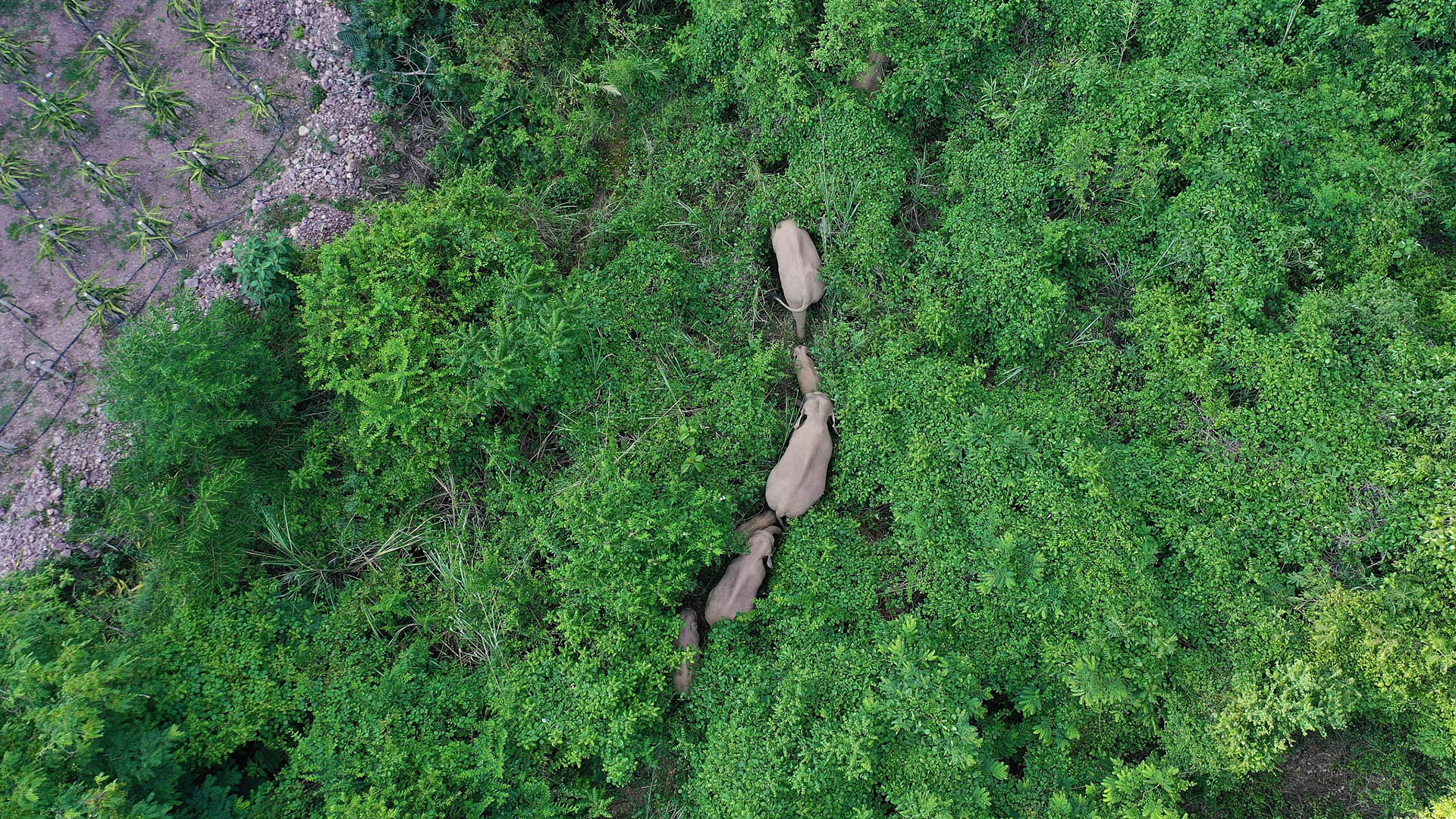
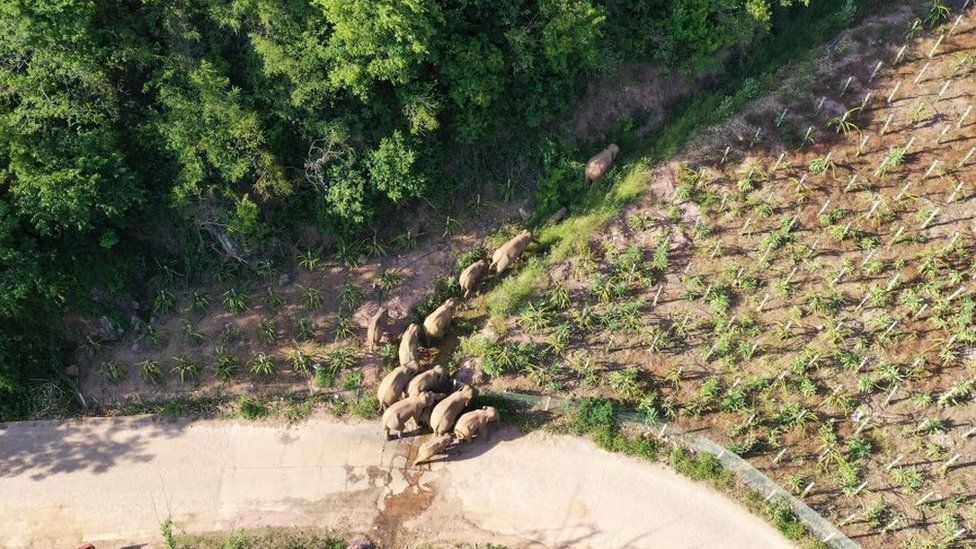
A wild Asian elephant herd left the Xishuangbanna National Nature Reserve in southwest China’s Yunnan Province and started marching north in mid-March.

After passing through several counties and occasionally wandering into villages and towns, they have stopped and taken a rest in a suburban area of Kunming City.

The number of elephants in the herd has changed as the their journey progressed. The latest tally is 14, after one male left the group.

What has made these endangered animals leave their habitat and march north remains uncertain. According to some experts, the reason is probably that the environmental protection process in the area has provided a good habitat for the Asian elephants, which enables them to breed more.

The march might be a dispersion of the population, with conditions allowing the group of elephants to leave and look for new habitats.

Image shows wild elephants wandering in YunanThe journey has comprised a mixture of farms, tracks and asphalt and has continued night and day

Local authorities in the places that the elephants visited have all carried out comprehensive response plans to ensure the safety of both humans and the elephants.

In both Yuxi City and Kunming City, contingency plans have been launched with equipment including unmanned aircraft that were used to continuously monitor the elephants’ activities and emergency mucking trucks that were sent to block surrounding roads into the village.
People were quickly organized to evacuate where necessary and food was also used to guide elephants away from urban areas.

Asian elephants are under first-class state protection in China and are listed as endangered by the International Union for Conservation of Nature Red List of Threatened Species.
The population of wild Asian elephants has been increasing in China, from 180 in 1980s to about 300 now.

The migration of the wild elephants in China has already stepped into international spotlight.

Media outlets including TV Asahi, the BBC and the New York Times reported the animals’ ongoing journey, analyzing the possible reasons behind the migration.

Efforts to turn them around have failed, and scientists may have to try and find them a suitable place to live nearby.

https://news.cgtn.com/news/2021-06-08/Herd-of-wild-Asian-elephants-in-SW-China-s-Yunnan-takes-a-break-10VugLV1sli/index.html

We wish the travelers a lot of strength and good luck in their new home

My best regards to all, Venus

England: EU Must Stop Paying For Adverts For Animal Products. CIWF London.

From Compassion In World Farming (CIWF), London:


EU must stop paying for ads for animal products | Compassion in World Farming (ciwf.eu)


The EU gives millions of euros each year for marketing campaigns with the purpose of increasing our consumption of animal products made in the EU.

This poor use of public funds unfortunately hampers efforts to reform our food systems and tackle issues related to environmental degradation, animal welfare and human health. We are calling on the European Commission to revise this absurd policy, in line with its recent plans to reform food production and beat cancer.

The EU is now in the process of revising its advertising scheme for European agricultural products. The current scheme funds marketing campaigns that present a false image of how animals are raised and may mislead consumers about the health and the environmental impacts of animal products.

In one notorious example, the ‘Beefetarian’ marketing campaign, the EU awarded €3.6m to ‘incite the consumers not to have a stereotyped idea about red meat and to enable them to be again confident about their consumption decision.’

The funding that the EU allocates for advertising animal products is simply not aligned with the latest ambitions of EU strategies to tackle issues such as unhealthy diets, poor animal welfare, climate change, pollution of air, land and water and the associated decimation of biodiversity.

In February this year, the Commission published a new plan to fight cancer, which includes a commitment to encourage a ‘shift to a more plant-based diet, with less red and processed meat and other foods linked to cancer risk and more fruit and vegetables.’

Earlier, in May 2020, the Commission released its new food policy vision – the ‘Farm to Fork’ strategy, which recognised that our ‘food consumption patterns are unsustainable’, and that the EU average consumption of whole-grain cereals, fruit and vegetables, legumes and nuts ‘is insufficient.’

The EU rears and slaughters 9 billion terrestrial animals each year.[1] Insufficient legal protection of their welfare condemns billions of these sentient beings to short and brutal lives on factory farms and to suffering at slaughter. In addition, over half a billion fish spend a life of misery in underwater factory farms in the EU. Cruel methods of capture and slaughter are commonly used for farmed and wild fish.

To protect our health and our one and only planet, scientists are recommending that Europeans reduce their consumption of red meat and poultry by two thirds.

EU-funded ads should no longer incite an increased consumption of animal products. Instead, they should support plant-rich foods and thus facilitate a transition to healthier and more environmentally friendly diets. Fewer animals raised for food also means that we can more easily transition away from intensive methods of production, which cause animals tremendous suffering.

[1] Estimates based on FAO data.

Regards Mark

USA: Howl Like Hell ! – Be A Voice For Idaho’s Wolves – Take Action Here – Project Coyote Action Alert.

Dear Mark,

Now that the heinous legislation SB 1211 allowing the slaughter of 90 percent of Idaho’s 1,500 wolves has become law effective July 1, the Idaho Department of Fish and Game is seeking public comment on regulations to align with SB 1211 and allow wolves to be killed with traps, snares, dogs, and in dens along with pups.

What we are witnessing is a return to an old form of brutal wolf hatred and it is clear that Idaho is on a warpath to eradicate wolves by any means. We must speak out against this hatred. Even if you don’t live in Idaho, you can still speak up. This action will take less than a minute and the deadline is June 13, so please take action NOW!

Tell Idaho Fish and Game You Stand with Wolves!

1. Go to this ID Fish and Game page and scroll to the bottom.

a. Indicate whether you are a resident

b. Select NO for the second question.

c. Complete the contact information (all fields are required).

TAKE ACTION NOW red Rubber Stamp over a white background.

2. Email the Director of Idaho Fish and Game, Ed Schriever, and the Commission, using the talking points below and copying the following emails:

rules@idfg.idaho.gov, ed.schriever@idfg.idaho.gov, MagicValley.Commissioner@idfg.idaho.gov, tim.murphy@idfg.idaho.gov, brad.corkill@idfg.idaho.gov, clearwater.commissioner@idfg.idaho.gov, lane.clezie@idfg.idaho.gov, derick.attebury@idfg.idaho.gov, salmon.commissioner@idfg.idaho.gov

3. Sign our Petition and share this action alert and infographic with friends and family and on social media!

Talking points to craft your message (and please personalize):

The majority of Idahoans and Americans support wolf recovery at levels where wolves can fulfill their ecological functions. Almost no one supports wasting tax dollars to recover wolves, just to exterminate them again.

Thank you for acting TODAY to protect Idaho’s wolves and their ecosystems!

For Wild Nature,

Camilla Fox
Founder & Executive Director
Michelle Lute, PhD
National Carnivore Conservation Manager

Howl like hell – make the difference;

Regards Mark

Light In A Dark Forest – Animal Photojournalism – Exposing The Reality The Business Does Not Want You To nSee.

Hidden book Jo-Anne McArthur listing image

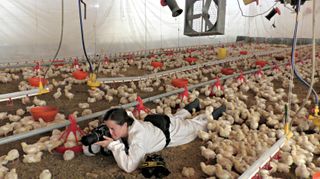
Above – Award-winning photographer, journalist and campaigner Jo-Anne McArthur – author of Hidden: Animals In The Anthropocene (Image credit: © Animal Equality)

WAV Comment: 

Every photographer, professional, amateur, or simply casual, hopes that maybe one day, one of their images will have that ‘something extra’ that makes it so special in different ways for so many people to view with awe or amazement.  As a youngster, I can remember one such image from the Viet Nam war showing a little girl who’s village had just been bombed with napalm.  Decades on, this image is one of those which captured my sesnse into the reality of war and what it does to people – do you remember it ?

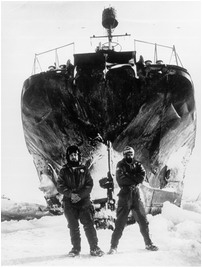
Or, as an activist, one of my all time favourite photos (below); Watson and Hunter on the ice; stoopping the seal hunter ship from continuing with its disgusting business. 

Or the very recent article by Venus, showing the suffering calves in Austria – Calf fattening in Austria: Animal suffering and fraud – World Animals Voice  – different images which all show the viewer the reality of the issue; often in the case of animal abuses, which are so different to the yukspeak the industry pumps us with; now we see the ‘reality’, as opposed to the spin and ‘happy cow’ images churned out by the trade and industry.

Thanks to those involved with Animal Photojournalism, the tightened lid of the abuse and suffering of so many animals is now being unscrewed and the contents of reality are being exposed to the world.  We thank all animal Animal Photojournalists in so many locations for making our work easier, by supporting what we say and have always said with the images.  Now, the abusers can run but they cannot hide – their cruelty is being exposed every minute of every day, and long may ‘normal’ people continue to be shown the real side of their dinner; or their clothes, or how their handbags are produced.

The lid has been taken off and the world is being educated for the better.

Regards Mark

One of my photos which hopefully puts the hunters claim of a ‘quick kill bite on the back of the neck’ into the disgusting reality it really is – fox hunting does not know the term ‘quick kill’:

New book Hidden shows why animal photojournalism really matters right now | Digital Camera World

New book Hidden shows why animal photojournalism really matters right now

By Graeme Green April 15, 2021

This emerging genre focuses on humankind’s relationship with nature – and these images are not for the faint-hearted

“Animal Photojournalism is extremely urgent and relevant to the issues of today,” says Jo-Anne McArthur, an award-winning Canadian photographer, journalist and campaigner. 

She has coined the term Animal Photojournalism (APJ) for an emerging genre of photography that focuses on people’s relationship with nature and highlights the suffering of billions of animals on the planet from human activities, including factory farms, breeding facilities and animal experimentation. 

The abuse of nature isn’t just bad for animals; it’s impacting all of our lives, from climate change to the global pandemic (said to have come from bats or pangolins in China’s wildlife markets). McArthur is also the author of Hidden: Animals In The Anthropocene and the founder of We Animals Media. 

We sat down with her to discuss animal photojournalism, and why it is so important. 

How do you define Animal Photojournalism? 

I call it an emerging genre, coming out of a number of different kinds of photography. Wildlife photography became a lot more about conservation photography, but conservation photography still excludes a number of animals, namely domestic animal and the billions of animals in labs and factory farms. 

Because these animals are sentient and relevant, Animal Photojournalism likes to include all of them. That’s why we call them the ‘hidden’ animals, – they’re hidden from the public conscience, hidden from the media. We’re trying to bring those animals and stories forward.

It’s also a mix of a bit of conflict photography and street photography.

Animal issues are affecting everyone on the planet. Do you see APJ as a growing area?  

Yes, that’s why I wanted Animal Photojournalism to mean something in its own right. Journalism is usually newsy and timely. I wanted to define it as its own thing and as something that overlaps with other current important issues. 

For example, factory farming contributes to climate change, it overlaps with labour rights, it overlaps with human health issues and with the pandemic right now, which is caused by our animal use. That’s all part of the definition. 

Who would you flag as great examples of animal photojournalists? 

There’s a Spanish photographer who goes by the pseudonym Aitor Garmendia. He’s won a number of awards and won in the World Press Photo awards this year in the Environment category for his investigations of pig farms. 

And there’s a Polish photographer, who also uses a pseudonym, Andrew Skowron. These guys are absolutely relentless and tireless in their work. They produce a lot of investigative work that’s been used by NGOs globally.

Many photos by you and other animal photojournalists are disturbing to look at and many people will want to turn away. How challenging is it as an area to work in?

Yes, we’re not producing images for people’s walls. They sometimes end up on walls at exhibits on the topic. 

But these images are largely for campaigners. They’re for the education of the general masses. We want them to end up in major media outlets. 

That’s our piece of the puzzle, when it comes to changing things for animals. Journalists are out there to show the public what’s happening behind closed doors. We often provide material evidence for NGOs to show the public.

These photos need to communicate a story or a message and need to be visually striking. What is your creative approach and how do you balance those elements? 

We can talk about an individual image or a narrative. Photojournalists are working on both. We want a storyline. We want to show the big picture. 

What’s really interesting about animal industries is that these animals are being farmed in the billions every day. We can go into a hen farm or a boiler chicken farm, and we might meet 900,000 birds in all the barns. It’s absolutely insane. So we want to show scale, whether that’s with a drone or with the wild angle. 

But then we also want to show the individuals who make up those millions. As with war photography, we can relate much better when we make eye contact with an individual, seeing their suffering up-close through the lens. 

A lot of my most relatable images have been ones where I’m actually up-close with an animal, with a wide angle, so I’m showing the individual looking at me, but also showing the context and situation this animal is in. 

Is this photography that’s all about having an impact?

I wish I could hold up an image of animal torture to people and have them say, “Oh my God, I’m never doing that again.” 

But people don’t do that. People are defensive and very attached to the way we do things. I understand that. 

That’s why it’s important to have context and narrative, working with NGOs, giving solutions… It’s not just about the field work.

‘Hope In A Dark Forest’, your photo of an Eastern grey kangaroo and infant in Australia’s forest fires, won the Man & Nature category in Wildlife Photographer of the Year 2020. Was that a difficult photo to get? 

I knew that photo was going to be a killer picture before I shot it. It’s in an eucalyptus plantation, so everything was in rows. 

Through the diagonal rows I could see that the kangaroo was there, and I started walking towards the angle I wanted. 

I wanted to shoot straight down through the plantation. I could see the colours and the quality of the light, her fur, and I was thinking “Oh no, oh no”, in case she moved. I got to where I needed to be and she stayed there and just watched me. I took a picture but I knew the picture I wanted was if I was more eye-to-eye, so I crouched down. I had time to get a few photos, then she bounced off. 

It was one of those moments when you want to put that image on your hard drive and in the cloud and back it up a few times because you know you captured a poignant moment. 

Sure enough, other people agreed. That photo is quite well-known now. It has been used and printed the world over. 

Hidden: Animals In The Anthropocene is on sale now

Featuring images by 40 animal photojournalists and a foreword by Joaquin Phoenix, Hidden: Animals In The Anthropocene by Jo-Anne McArthur, is on sale now and is published by We Animals Media.

For more about Jo-Anne’s work, click here

Jo-Anne also co-founded Unbound, a multimedia documentary project highlighting women in conservation.