Category: Environmental

EU fails to strengthen enforcement of sustainable development provisions in EU FTAs.

https://www.eurogroupforanimals.org/news/eu-fails-strengthen-enforcement-sustainable-development-provisions-eu-ftas

EU fails to strengthen enforcement of sustainable development provisions in EU FTAs

28 January 2021

While the announcements made by the EU institutions on the revision of the so-called “Enforcement Regulation” on trade disputes foresaw stronger enforcement mechanisms for Trade and Sustainable Development (TSD) provisions contained in trade agreements, the draft text adopted at the European Parliament’s plenary session on 21st January does not reflect the awaited progress.

The long-awaited materialisation of the principle that violations of TSD chapters – in which wildlife conservation and trafficking issues are embedded, alongside deforestation or climate issues – are as important as those perpetrated against market access provisions, remains uncertain from the EP’s first reading of the text released earlier this week. While the text interestingly lays down that the Regulation allows for a suspension of the obligations stemming from EU trade deals – which means the EU could suspend preferential tariffs – in response to breaches of TSD chapters, the concept remains largely aspirational – as it is listed in the recitals which are non-binding, legally speaking.

This outcome is disappointing considering the statements made by the EU institutions back in October 2020 that the EU would “examine breaches in the field of sustainable trade with the same attention as breaches of market access”. As a reminder, the purpose of the Enforcement Regulation’s update was to extend its scope in order to enable the EU to impose counter-measures in situations where EU trade partners violate WTO rules or block the dispute settlement procedures available under WTO rules. This is seen as an interim arrangement in reaction to the legal void left by the “WTO Appellate Body crisis” since December 2019. Considering the weakness of enforcement mechanisms attached to TSD chapters, there was hope that the updated Regulation could also provide new tools to address concerns in this field.

Eurogroup for Animals  thus regrets that  the enacting terms of the Regulation do not include any wording on strengthening the enforcement of TSD chapters contained in EU FTAs.It is also hard to see what the recital listed in the reviewed Enforcement Regulation will add to existing legislation, as the principle that TSD violations could lead to the suspension of the FTA has already been recognised by the CJEU Opinion on the EU-Singapore FTA. ) Back then, we already analysed that this ruling was not a panacea. Suspending the entire agreement in response to the breach of TSD provisions is the equivalent of a “nuclear weapon”. It is thus very unlikely the EU will want to trigger this process. In addition, the aspirational nature of the provisions contained in TSD chapters (which usually list commitments to ‘aim’ or ‘strive’ at ‘promoting’ sustainable development issues) would also make it difficult for the EU to prove failure of commitment from its partner. The recent ruling in the dispute linked to labour rights provisions included in the EU-Korea FTA has clarified that, in their current form, these provisions only impose an obligation of “efforts”, not of “results”. 

In conclusion, this regulation does not add any additional mechanism to strengthen the enforcement of TSD commitments in EU FTAs. All eyes will now be on the new EU Trade Strategy, which should be published on 17 February, to assess whether the EU has succeeded to make its trade policy compatible with the EU Green Deal. 

UK: Making Meat-Based British Meals Plant-Based Reduces Carbon Footprint By 78%, Poll Claims.

Making Meals Plant-Based Shrinks Carbon Footprint By 78% Says Poll (plantbasednews.org)

Making Meat-Based British Meals Plant-Based Reduces Carbon Footprint By 78%, Poll Claims

The poll found that of those interested in eating more plant-based foods, people wanted to switch to improve their health as well as to help the planet.

Trading traditional meat-based British meals for vegan versions can decrease your carbon footprint by 78 percent, a new poll claims.

The data was commissioned by plant-based food company, Merchant Gourmet, and conducted by One Poll.

Are more Brits going vegan?

This year saw a record-breaking 500,000 people sign up for the Veganuary pledge.

The survey found that 36 percent of Brits questioned would consider participating.

https://f6d48cdfffddde7f138d524a87086198.safeframe.googlesyndication.com/safeframe/1-0-37/html/container.html?n=0 Almost 70 percent listed health benefits as a motivating factor, whilst 54 percent said they’d go vegan to help the environment.

Carbon footprint data

The data assessed the average carbon emissions produced by popular dishes amongst Brits. Dishes included Roast Dinner, Lasagne, Shepherd’s Pie, and Spaghetti Bolognese.

Swapping the meat ingredients for Merchant Gourmet’s vegan version would decrease the carbon footprint for each dish by between 60 and 88 percent, the data found.

Despite this, a quarter claimed they had ‘no clue’ how to make vegetables a focal part of a dish.

Plant-based food for the planet

Richard Peake, Managing Director at Merchant Gourmet, said: “At the heart of everything we do is the fundamental belief that a world where people eat more plant-based foods will benefit our planet and our health.

“However, we know that the concepts of eating less meat and saving the planet can feel completely overwhelming. We want to help people on this journey by making it simple and easy.

“Simple products, simple ingredients you can pronounce, and delivered in a format this is simple to prepare.”

The company creates pulse and grain products that can replace meat in meals. To help, it is releasing new recipes to help more people switch their meals to plant-based.

Climate targets

The UK has vowed to cut greenhouse gas emissions to meet 2050 targets. Some argue the government isn’t doing enough.

A charity urged the British government to replace meat and dairy with plant-based alternatives

This came after a report found 72 percent of food-related carbon emissions came from meat and dairy served at the House Of Commons.

For more information, visit Merchant Gourmet’s website.

Regards Mark

70% Of Europeans Support Meat Tax And Price Reduction Of Fruit And Veg, Study Says.

70% Of Europeans Support Meat Tax And Price Reduction Of Fruit And Veg, Study Says

The majority of Europeans ‘expect their political leaders to tax meat products to use revenues to reduce VAT taxes on vegetables, fruits and meat alternatives’

A staggering 70 percent of Europeans support a meat tax, according to a new study.

German, French, and Dutch consumers also favour a 0 percent VAT rate on fruits and vegetables.

Animal welfare improvements

The data comes from a survey commissioned by TAPP Coalition and Four Paws. It found the majority of consumers agreed with a meat tax. But, only if the revenues will reduce taxes on vegetables and fruit, support farmers on sustainability and animal welfare improvements, and compensate low income groups

80 percent of the German, 63 percent of the Dutch and 67 percent of the French participants said they were willing to pay a tax of at least 10 Eurocents per 100g of meat.

‘A political reality’

Jeroom Remmers is the director of the TAPP Coalition. In an online statement he said: “The consumer survey shows a political reality.

“A majority of West European consumers expect their political leaders to tax meat products to use revenues to reduce VAT taxes on vegetables, fruits and meat alternatives and pay farmers to increase animal welfare and green standards.

“We expect EU Ministers to start the legislation at national and the EU levels. They can reduce GHG-emissions and biodiversity loss from food, while protecting EU farmers, improving public health and reucing health care costs for consumers.”

Meat tax

Last year, the UK government was urged to tax meat and dairy to ‘lessen the economic fallout after COVID-19’.

Vegan charity PETA has written to (UK) Chancellor of the Exchequer Rishi Sunak suggesting the revenue could be used to ease the burden on the NHS. The organzation also says it could help farmers transition away from meat and dairy to more climate-friendly arable ventures.

Moreover, the letter says meat and dairy should ‘take their place alongside tobacco, alcohol, sugar, and fuel. All of which are taxed because of their negative impact on human health or the environment’.

It adds: “This would lighten the burden on the already overstretched NHS. Modeling predicts that a UK tax on red and processed meats could result in 22 percent fewer deaths and save the health service £700 million a year.”

Also …..

Why The New UN Poll On Attitudes To Climate Change Is A Huge Win For The Plant-Based Movement

Close to half (43 percent) of the UK support the promotion of plant-based diets to combat the climate emergency

The UN climate change poll is out. Here’s why it’s a ‘huge win’ for the plant-based movement.

Did you know fishes fall for optical illusions? It’s one of the many things we’ve learned about fishes that shows their sentience—and why we shouldn’t eat them.

Falling for illusions is a sign of intelligence. Both fishes and humans are easily tricked by how we look at things because our brains are smart. Our brains actively process information without us having to consciously stop and compute every bite of data—which takes forever.

So, what we see and understand is determined by our smart brains and the context of what we’re looking at. How big, small, important or irrelevant something looks often depends on what we see it next to. Take a look the famous Muller-Lyer illusion.

UN climate change poll

An illusion of this kind happened in this week’s UN poll on attitudes towards climate change. There is an incredible finding in their report. Getting close to half (43 percent) of the UK support the promotion of plant-based diets to combat the climate emergency. And this was a big survey—1.2 million people from 50 countries.

The reason this huge support for the plant-based movement maybe hasn’t gained the coverage it deserves is down to our brains computing ahead of our conscious attention. The report frames its results to show us that, globally, there were 17 other solutions to the climate emergency that people supported more. 

These levels of support are down to context—what people see around them. Where fossil fuels are a major source of emissions, more people supported renewable energy (76 percent in Australia, 65 percennt in the US). Where deforestation is a major visible distress, people supported the conservation of trees, with 60 percent support in Brazil and 57 percent in Indonesia.

‘Transformative shifts’

So let’s look properly at that figure. What does 43 percent of the UK population supporting plant-based diets tell us about the transformative shifts in our attitudes to food and the environment? Only Germany (44 percent) scored higher in the poll for support for vegan diets.It tells us at least three things.

First, a massive number of people in the UK now see plant-based diets as quick, effective action that individuals can take to fight the climate emergency. That 43 percent of the adult population is nearly 24 million people. 

That number is even larger than the 37 percent of ‘flexitarians’ who said this time last year that they were looking to reduce their meat consumption. From 37-43 percent shows the trend continues towards less meat and plant-based diets. 

If you look at research from market analyst Mintel, the trend is even greater from 28% of meat-reducers in 2017 to 39% in 2020. That same data from Mintel shows 25% of people cited environmental benefits for eating less meat. The new UN poll puts the figure for supporting plant-based diets for environmental benefit at 43 percent. That’s a massive leap.

Advocating for systemic change’

So why has this come about? The second thing the data from the UN poll tells us is that it looks like advocating for systemic change on food for environmental reasons is working. This is having an impact on potential dietary choice. 

It was in 2019 that Animal Rebellion launched to join Extinction Rebellion in demanding urgent and proportionate action on climate change. Animal Rebellion argued: “We cannot fix the climate emergency without ending the animal emergency”. This shift made a difference.

We’ve been on that trend now for a while. Cowspiracy came out in 2014. (I wrote about the link between climate change and the animals we eat in 2016.) Nearly every major animal protection group now talks about climate. Look at The Vegan Society’s Plate up for the Planet campaign, Viva!’s focus on the climate crisis, or PETA’s environmental work.

From street activists to social influencers to plant-based platforms, we’ve done an incredible job changing people’s minds about the possibility and potential of a plant-based food system. 

In the UK we have placed animal agriculture’s links to climate catastrophe front and centre. People cannot avoid seeing the link. We have pushed the Overton Window for what’s possible to talk about. The focus on systemic transformation, leveraging people’s demand for action on climate change, is getting us closer to our goal of ending animal exploitation.

The plant-based movement

The third thing this data tells us is how vibrant and mainstream the plant-based movement has become in the UK. Brazil and Indonesia have the highest support for the conservation of trees, because deforestation is so visible. In the UK, we find the most visible vegan food options, culture, and activism. London is regularly HappyCow’s best vegan city in the world.

So let’s not be fooled by plant-based diets being less popular in the poll than conserving trees or tackling emissions when it comes to combating the climate emergency. 

Changing a global food system—the ‘Great Food Transformation’ called for by the world’s leading experts of the EAT-Lancet Commission—is unprecedented. We’ve not done it before. That 43 percent of people in the UK support this great food transformation, from an animal-based food system to a plant-based food system, is something to celebrate. We made that happen.

Vegan population

The official vegan population of the UK is 1.16 percent. In more recent surveys such as this one, it is at three percent. What’s brilliant to see are people’s intentions: in that survey, more than seven percent intend to follow a vegan diet by the end of 2021.

We know that not everyone manages to stick to their intentions. We’ve written about that before. But when people try it once, they’re more likely to try again. 

So let’s watch the future grow from that seven-43 percent—and then further.

What we can see from people’s urgent desire to tackle the climate emergency is that a plant-based future is visibly on the table. And that is no illusion.

Regards Mark

UK: 29/1/21 – UK – This Weekend is the Annual RSPB Garden Birdwatch – Unfortunately Only Open to UK Residents.

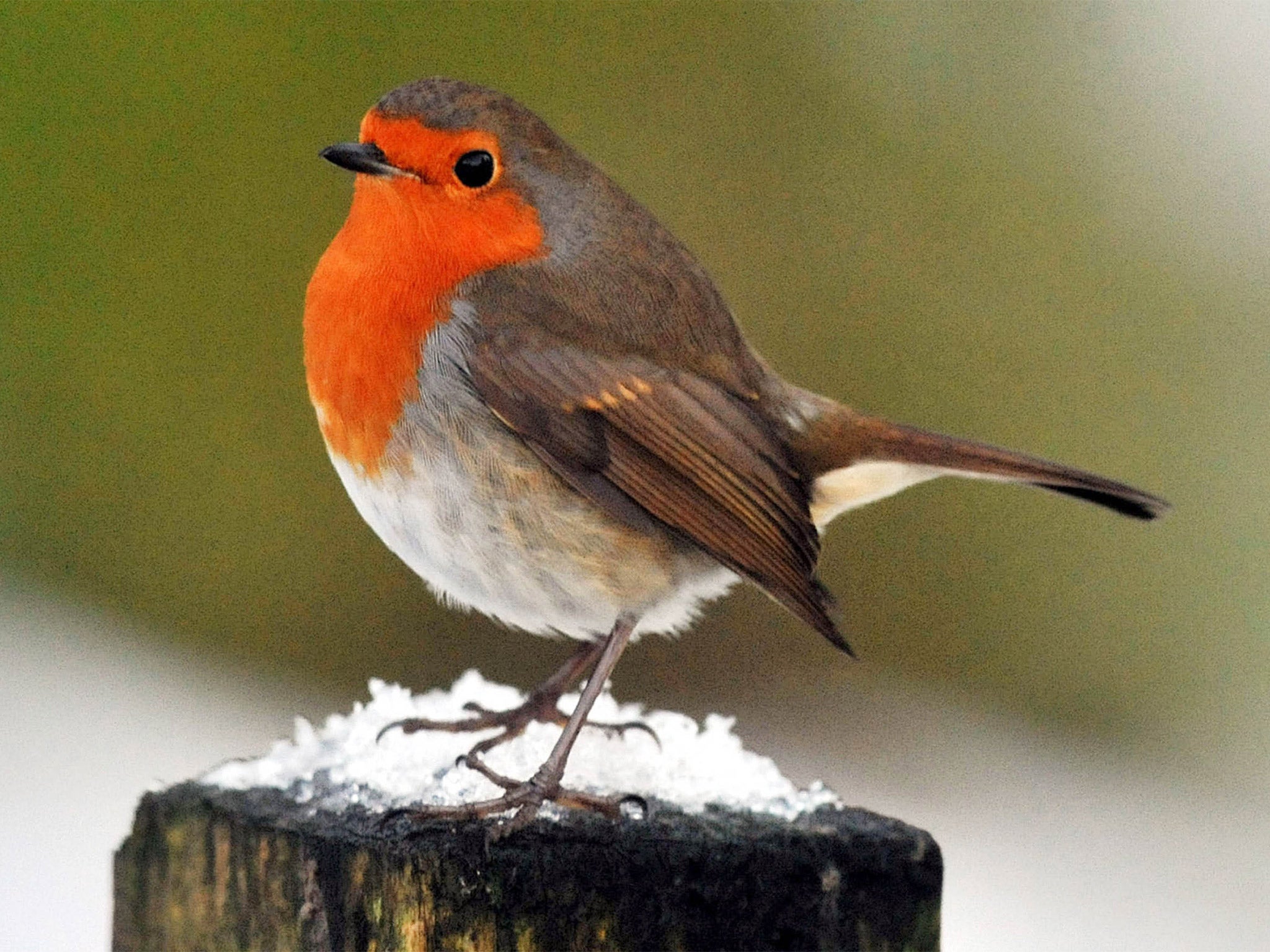
Robin crowned as UK's national bird: It's aggressive, vicious, but  peculiarly British | The Independent | The Independent

UK – This weekend is the annual RSPB Garden Birdwatch – unfortunately only open to UK residents.

This post has been done in order to support the work of the RSPB – the Royal Society for the Protection of Birds.

Regards Mark

Our Mission: Big Plans for Nature – The RSPB

The brilliant thing about the Birdwatch is that you never know what you might see. Head here for everything you need to enjoy your Birdwatch.

Devote just 1 hour of your weekend time to record all the birds that visit your garden.

Log them all down and at the end, do a final count up of numbers and types.

Then submit your information to the RSPB in order that they can add your data to obtain a nationwide review of how bird species are increasing or declining; and where in the UK this is happening.

Taking Part in Big Garden Birdwatch – RSPB

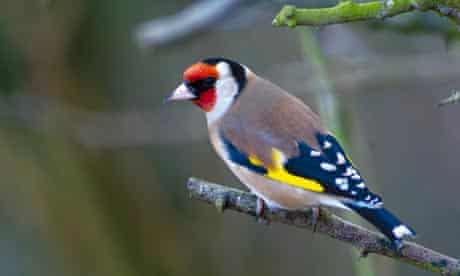
Garden finches at five-year high | Wildlife | The Guardian

How does Big Garden Birdwatch help?


Thanks to people like you taking part in the Big Garden Birdwatch, we now have over 40 years of data and this has helped increase our understanding of the challenges faced by wildlife.

It was one of the first surveys to identify the decline of song thrushes in gardens. This species was a firm fixture in the top 10 in 1979. But by 2019, those numbers had declined by 76% – coming in at number 20. And did you know that house sparrow sightings have dropped by 53% since the first Birdwatch in 1979? However, in the past 10 years their numbers have grown by 10% showing that we are beginning to see some signs of recovery.

Results like these help us spot problems. But, more importantly, they are the first step towards putting things right.

Taking Part in Big Garden Birdwatch – RSPB

Pied Wagtail, Nest, Diet & Facts | Ark Wildlife UK

How to take part:

  1. Pick a time
    You can choose any hour between 29 and 31 January. So whether you’re an early bird or a night owl, you can still take part.


  2. Tell us what you see 
    Count the birds you see in your garden or from your balcony*. Ignore any birds that are still in flight. To avoid double-counting, just record the highest number of each bird species you see at any one time – not a running total.

    *This year our advice is to take part in the safety of your own home. This could include a birdwatch from your window if you overlook a green space or courtyard.
  3. Submit your results
    Online: You can submit your results online at rspb.org.uk/birdwatch from 29 January until 19 February.
    By post: If you’d rather send your results by post, you can download a submission form below. Please post your results to us before 15 February.

Every count is important so, if you don’t see anything, please still submit your result. Finding out which birds don’t visit your area is as important as understanding those which do!

See our resources below for printable bird ID sheets to help you, or posters you can display to show you’re taking part.

Tell us what you saw

By counting the birds in your patch, you’re helping to take a snapshot of how they are doing. And the more people that submit their results, the better picture we will have of how garden birds are faring across the UK.

You’re vital in helping us understand the challenges faced by wildlife. Whatever you saw – even if it was nothing – it still count

Identify a bird:

Bird Identifier | British Garden Birds and Many More – The RSPB

WAV Comment – make sure you take part; it is fun and great education on birds for the youngsters.   Plus, you are giving a little bit of time but helping to contribute towards a massive annual survey of all the birds in the UK.  Good luck !

England: Keep Our Birds Fed (and Watered) This Winter.

Every single day before I have my breakfast; I go through what is a routine now – and that is getting the birds breakfast, and daily feed ready.

It normally takes well over half an hour – crushing Digestive biscuits, adding Museli, loads of wild bird seed, crushing up a fat block; grinding down loads of slices of bread; some cold rice boiled up the day before; cheese savoury biscuits crushed up; tiny chopped apple; Niger seed in the feeder for the Finches; I think that’s it !

All mixed together in a large plastic bowl, ready for the feathered visitors throughout the day.

Here are a few photos of what I prepared today – the fox mug is only to give an idea of size and quantity.  Our friends happily work their way through this all over the day.

And the reason for this is:

Please remember that the birds are cold and hungry first thing in the morning; so by giving them something to eat it gets them off to a better day.  Also, even though it may be freezing; try and make some fresh water available for them so that they can drink and bathe if required.

It may be only a small contribution and effort; but it keeps our garden visitors turning up each morning as they know they are going to get something nice to start their day.  This Winter; please look after the wild birds; help them survive !

You know what – once this is done, then I can have MY breakfast !!

Regards Mark

Robin crowned as UK's national bird: It's aggressive, vicious, but  peculiarly British | The Independent | The Independent

Above – Robin

Below – Finch

Garden finches at five-year high | Wildlife | The Guardian

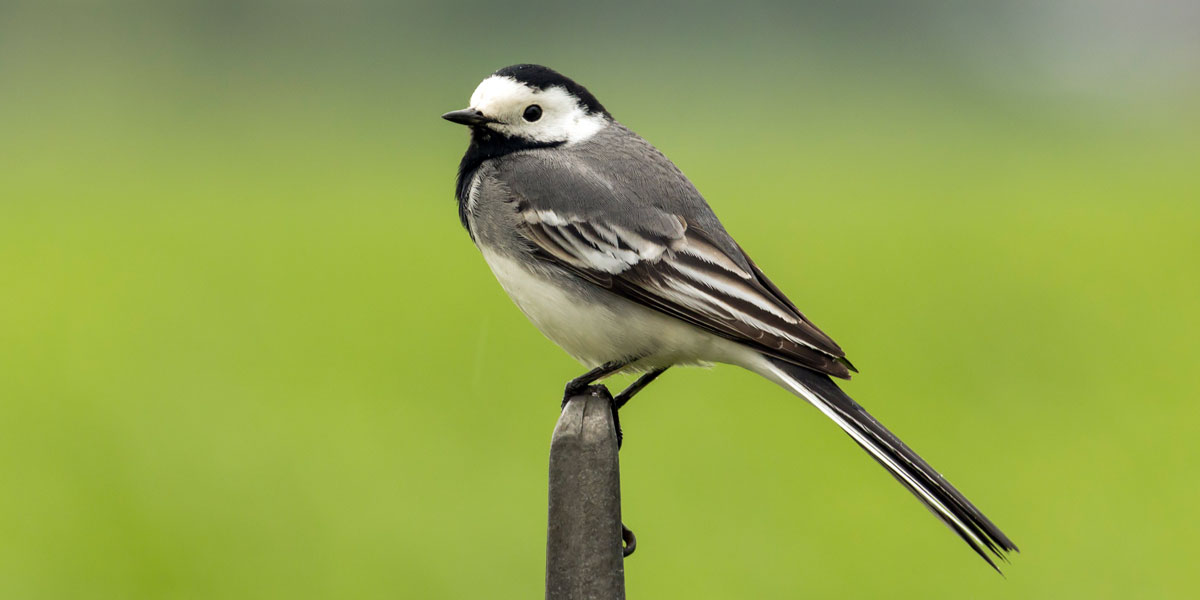
Below – Wagtail (Ark Wildlife photo)

Pied Wagtail, Nest, Diet & Facts | Ark Wildlife UK

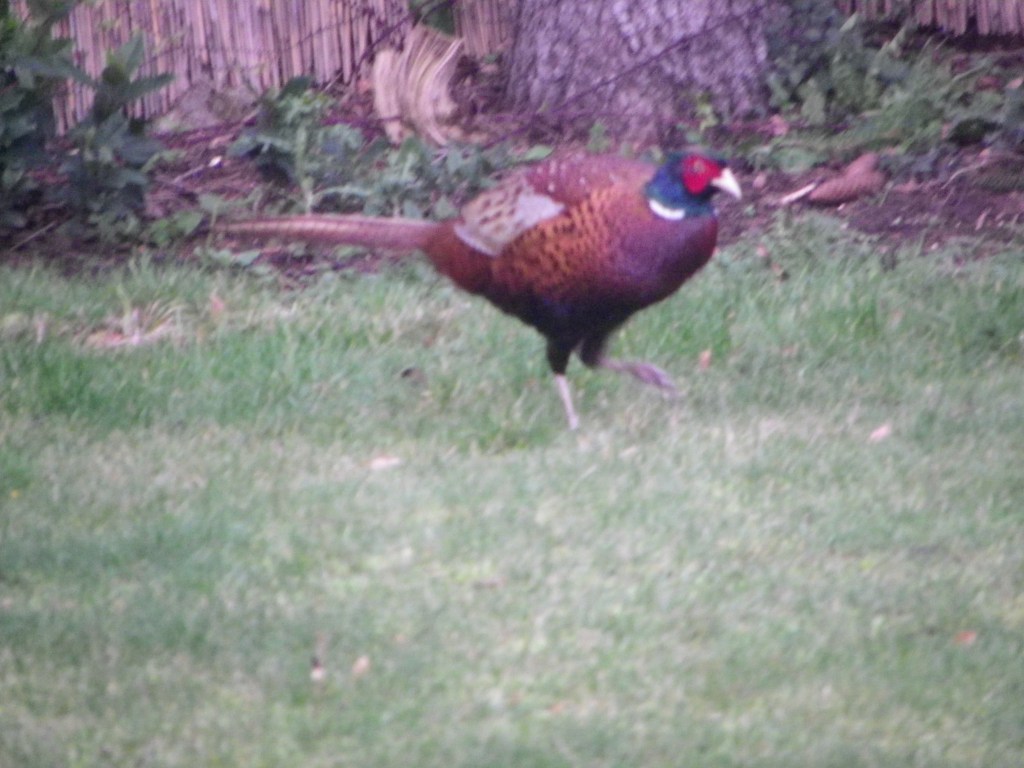
Below – Pheasant in the garden

Below – Doves (of Peace) in the garden

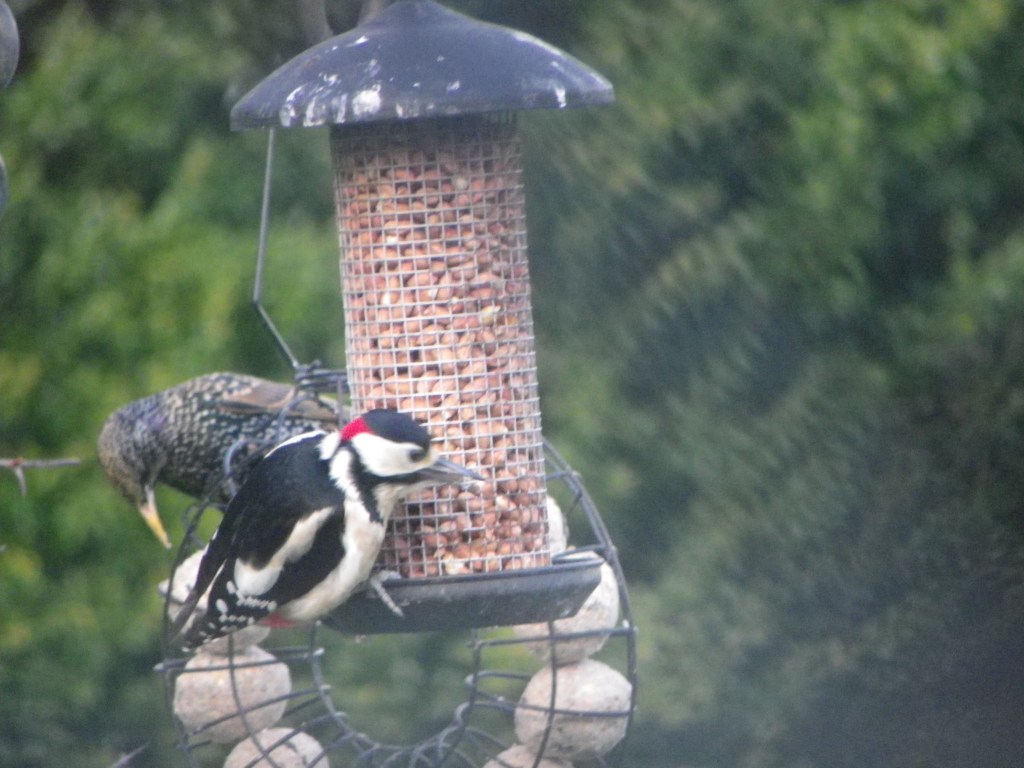
Below – Great spotted Woodpecker enjoys some peanuts

Below – Red Legged Partridges Enjoy some scoff !

Indonesia: Extreme Weather Tears Through Orangutan Rescue Facility – Can You Help With A Donation ?

WAV Comment:

Please do what you can to support this wonderful organisation who are experiencing problems at the moment due to extreme weather.

We have donated today to help them rebuild and continue with their wonderful work to save Orangutan.

See their great work here:

Regards Mark

The following is a message from BOS Foundation:


It’s been a difficult week watching extreme weather tear through our Indonesian communities at an alarming rate.

Exceptionally high levels of rainfall also affected our Orangutan Rehabilitation Centre at Samboja Lestari.

Small landslides even left some orangutan islands uninhabitable.

This incident has had a significant impact on orangutans who had grown accustomed to living in open areas such as in the forest school and the pre-release islands, but were suddenly forced to live in cages.

Normally, your regular BOSF January newsletter would talk about the year ahead, but these aren’t normal times.

The team and I have had no choice but to start the new year focused on repairing the islands.

Will you be a part of that effort, ?

With your gift of $25 or more we can come together to repair these orangutans’ homes!

Donation Link:

Flooding Aftermath Leaves Orangutan Islands Uninhabitable


Thank you for caring as much as we do about the orangutans, their island homes, and their rehabilitation journey.


Dr. Jamartin Sihite
BOS Foundation CEO


The wolf in our forests – it has to be protected.

A very common mistake is the opinion that the wolf was settled.
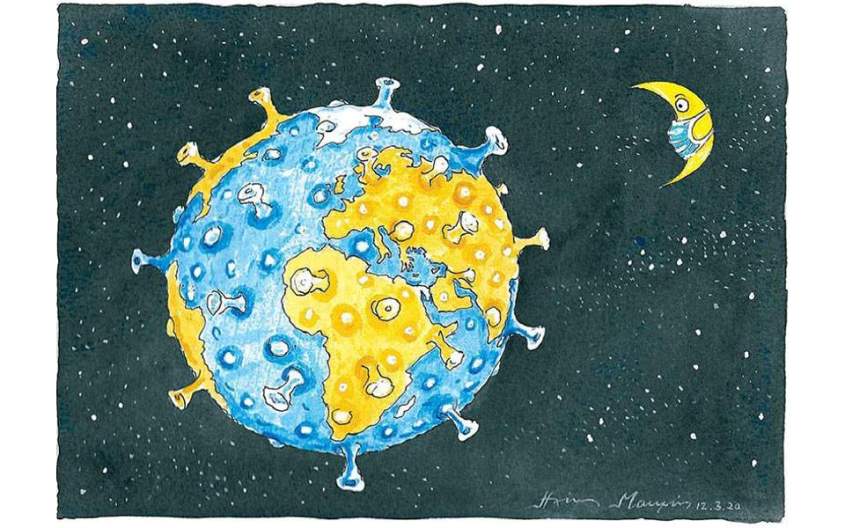
The wolf is not settled, but returns by itself.

For centuries, wolves have been in our forests and they have never been a threat to humans.
In the last hundred years, three people around the world are believed to have died from wolves, but this has not been proven.
In all three cases, they were adults.

With the intensification of factory farming (including grazing), its habitats and its prey are terribly minimized!
Wild animals make up just 3% of the total biomass of terrestrial vertebrates on earth!
The rest is “use” animals + people!

Today the wolf is a wanted criminal as soon as he tears a sheep or a lamb from an unprotected flock because he has to survive.
Hunters and farmers are the only “natural” enemies of the wolf.
They have a personal interest in the executions (if not extermination) of the wolves.

And they are exactly the criminals.
The first in nature and the animal world.
The second in animal husbandry!

My best regards to all, Venus

Plant Based News Remakes £1.5 Million TV Ad Calling Meat And Dairy Essential.

Plant Based News Remakes £1.5 Million TV Ad Calling Meat And Dairy Essential

‘We’ve all got a lot on our plates right now but here’s something you’ll want to make room for…’

Plant Based News Remakes TV Ad Calling Meat And Dairy Essential

Eat Balanced TV Ad – REMADE – YouTube

lant Based News has remade a TV advert that claims meat and dairy are ‘essential’. 

The Agriculture and Horticulture Development Board (AHDB) launched its We Eat Balanced campaign earlier this month to highlight the alleged ‘nutritional benefits of enjoying red meat and dairy’.

The campaign, which costs £1.5 million, consists of an advert currently running on UK TV. It aims to showcase the UK’s world-class standards in food production and sustainability. There are three different endings featuring dishes using beef, lamb, and pork. All of which include a dairy accompaniment.

‘Meat and dairy naturally provide nutrients’

“An ideal diet is one that offers variety, nourishment, and enjoyment whilst remaining in harmony with the environment,” We Eat Balanced said. “To keep you and your family healthy it’s best to follow a balanced diet. Meat and dairy naturally provide nutrients, including the essential vitamin B12 not naturally present in a vegan diet.”

Speaking about the campaign, AHDB’s Head of Marketing Liam Byrne said: “The nation needs a bit of a lift as it’s been a tough time for everyone. So, now more than ever we wanted to create a campaign that feels uplifting and reassuring for consumers who are increasingly being told by the media to reduce their meat and dairy consumption.

“As such this is also a very important campaign for our levy payers as it tells the real story of food and farming from Britain.”However, PBN has decided to remake the advert – showing the harrowing reality of animal agriculture.  “We’ve all got a lot on our plates right now but here’s something you’ll want to make room for,” the new ad states.

“The story of a food so brutal it steals calves from their mothers and the flesh of creatures we humans incarcerate. Then, markets it as something edible. 

“The nutrients our bodies need to stay healthy exists in plants. Quit meat and dairy. Enjoy food without victims. Eat plant-based.”

Plant Based News’ ad

PBN’s co-founder Robbie Lockie, who produced the new ad, says he was ‘absolutely outraged’ by the claims AHDB made.“We’re in the midst of a climate crisis,” Lockie said. “It is absolutely essential we cut our consumption of meat and dairy.

“However, the makers of the original ad claim they wanted to help people feel good. Because the media is ‘always trying to get people to eat less meat and dairy’. This is not only incredibly irresponsible, it denies the fact that animal agriculture is a leading driver for climate change.”

Are vegan diets healthy?

Despite AHDB’s claims, the American Dietetic Association says ‘appropriately planned vegetarian diets, including total vegetarian or vegan diets, are healthful, nutritionally adequate, and may provide health benefits in the prevention and treatment of certain diseases’. 

It adds: “Well-planned vegetarian diets are appropriate for individuals during all stages of the life cycle, including pregnancy, lactation, infancy, childhood, and adolescence, and for athletes.”

Regards Mark

UN global climate poll: ‘The people’s voice is clear – they want action’.


UN global climate poll: ‘The people’s voice is clear – they want action’

Biggest ever survey finds two-thirds of people think climate change is a global emergency

Check this link to view charts:

UN global climate poll: ‘The people’s voice is clear – they want action’ | Environment | The Guardian

The biggest ever opinion poll on climate change has found two-thirds of people think it is a “global emergency”.

The survey shows people across the world support climate action and gives politicians a clear mandate to take the major action needed, according to the UN organisation that carried out the poll.

The UN Development Programme (UNDP) questioned 1.2 million people in 50 countries, many of them young.

While younger people showed the greatest concern, with 69% of those aged 14-18 saying there is a climate emergency, 58% of those over 60 agreed, suggesting there is not a huge generational divide.

Even when climate action required significant changes in their own country, majorities still backed the measures.

In nations where fossil fuels are a major source of emissions, people strongly supported renewable energy, including the US (65% in favour), Australia (76%) and Russia (51%).

Where the destruction of forests is a big cause of emissions, people supported conservation of trees, with 60% support in Brazil and 57% in Indonesia.

Overall, the most popular actions to tackle the climate crisis were protecting and restoring forests, followed by renewable energy and climate-friendly farming. The promotion of plant-based diets was the least popular of the 18 policies in the survey, with only 30% support.

Gender was a factor in some countries, with at least 5% more men and boys saying there is a climate emergency than women and girls in 16 countries. However, in four nations – the US, Australia, Canada and the UK – significantly more women and girls were concerned about global heating.

The UNDP ran the “Peoples’ Climate Vote” in 50 high-, middle- and low-income countries, representing more than half the world’s people. Experts at Oxford University weighted the replies to reflect the population of each nation.

“The voice of the people is clear – they want action on climate change,” said Cassie Flynn, the UNDP’s strategic adviser on climate change.

“If 64% of the world’s people are believing in a climate emergency then it helps governments to respond to the climate crisis as an emergency.

“The key message is that, as governments are making these high-stakes decisions, the people are with them.”

Flynn said the survey connects the climate concerns of people, particularly the young, with governments at a time when accelerated action must be agreed, in particular at a UN climate summit in November. The climate crisis continued unabated in 2020, with the joint highest global temperatures on record.

“We are at a fork in the road and the poll says ‘this is how your future generations are thinking, in specific policy choices’ – it brings a way to envision the future,” she said.

Flynn heads the UNDP’s Climate Promise programme that helps countries take more ambitious climate action.

The poll found the highest proportion of people saying there is a climate emergency was in the UK and Italy, both at 81%. Australia was at 72% and the US at 65%, the same as Russia, and India was at 59%. Even the lowest proportion, in Moldova, was 50%.

The relatively low support for the promotion of plant-based diets may be because there are few plant-based options in some countries or people may have felt that diet is more of a personal choice, said the UNDP. Support was highest in Germany (44%) and the UK (43%).

The reason why more men and boys said there was a climate emergency than women and girls in countries such as Nigeria and Vietnam may be because girls have less access to education in those places.

The poll found that the more education a person had completed, the more likely they were to think there is a climate emergency. Why more women and girls are more concerned in the four English-speaking nations is unclear.

The poll was distributed via advertisements in video games and puzzles, including Angry Birds, Subway Surfers, Sudoku and Words With Friends, and this particularly helped reach younger people.

The idea came to Flynn when she was on the subway in New York City: “I looked around and everyone was on their phones and most were playing games.”

The data was collected between October and December 2020 and, despite the coronavirus pandemic, 59% of the people saying there is a climate emergency also said the world should “do everything necessary and urgently” in response.

Prof Stephen Fisher at Oxford University said: “The Peoples’ Climate Vote has delivered a treasure trove of data on public opinion that we’ve never seen before. Recognition of the climate emergency is much more widespread than previously thought.”

Regards Mark

Excellent by ‘The Guardian’ (UK Press) as always – click on the top Guardian link to see the data charts.

Media and Corona: narratives over facts and never tell the whole story

Wuhan, where Covid-19 was first identified, has now returned to a life resembling that before the virus swept in after China was able to control the outbreak of the disease with strict but necessary lockdown measures.

Seeing Wuhan’s success ought to bring a ray of hope to those around the world facing the worst of their country’s outbreaks; yet, in their annual retrospectives, American media is downplaying China’s successful containment measures and casting them as somehow an attack on core Western values.

The New York Times, MSNBC, CNN, and other outlets have indeed pointed out the fact that life in Wuhan has returned to normal, showing pictures of maskless night clubs, large celebrations, and other functions totally unfamiliar at this point to many across the world. But, according to these outlets, the measures were harsh and came at a “huge personal cost” to Wuhan residents.

These outlets also went on to lambast a new museum in Wuhan that details the city’s harrowing battle with the virus. According to them, the museum and other patriotic media reports about the events that took place in Wuhan are part of a “narrative” that the Communist Party of China (CPC) is trying to spin.

New Year’s Eve celebrations in Wuhan ©  REUTERS/Tingshu Wang

“China has spent much of the past year trying to spin the narrative of the pandemic as an undisputed victory led by the ruling Communist Party,” the New York Times wrote.

The paper also noted, although, with a different choice of words, that people in Wuhan believe the “narrative” and view early missteps in handling the outbreak with some level of forgiveness after seeing the abject failures of countries like the United States.

When one simply looks at the numbers, there is really no need to “spin” any “narrative” in the first place.

Continue reading “Media and Corona: narratives over facts and never tell the whole story”