Category: Environmental

European Parliament takes a strong stance to protect the welfare of wild-caught fish.

European Parliament takes a strong stance to protect the welfare of wild-caught fish

25 January 2021

On Thursday 21 January, the European Parliament adopted the own-initiative report “More fish in the seas?” by French MEP Caroline Roose (Greens/EFA). In this report, the European Parliament calls for strong measures to protect not only the oceans but also the welfare of wild-caught fish.

Every year, over one trillion wild fish are captured, with a significant majority being killed for food. This far outnumbers any animal farmed for food. Despite scientific evidence that fish are sentient (= having the capacity to suffer fear, pain or distress as well as a sense of well-being), public concern and consumer awareness about fish and their welfare is far behind that of other animals. 

Eurogroup for Animals, therefore, welcomes that the European Parliament has highlighted the need to protect the welfare of fish and marine biodiversity by adopting the report by MEP Roose. The report focuses attention on the urgency of setting fishing quotas at sustainable levels, expanding and improving Marine Protected Areas (MPAs), and restricting bottom trawling, together with fishers. 

The report further emphasises that fish and other living organisms have intrinsic value themselves. It also makes recommendations to restrict the harmful fishing technique of bottom trawling, which often causes exhaustion, injury and asphyxiation to fish and can have a significant impact on seabed fauna.

Moreover, the report by MEP Roose acknowledges and calls for the reduction of injuries and stress during capture: For wild-caught fish, the end of each life is commonly exceptionally stressful due to practices that would not be allowed in any kind of terrestrial animal production. During the capture process, fish face various hazards and are often chased to exhaustion, crushed, asphyxiated, injured due to interaction with fishing gear, eaten by predators while trapped, or subject to decompression injuries as they are brought to the surface.

MEP Roose states: “I very much welcome the adoption of this report and the fact that the text adopted by the Fisheries Committee has been improved in plenary. This is true in particular concerning the establishment of truly protected marine protected areas and concerning the most harmful fishing techniques for marine ecosystems and animals.”

With this report, the European Parliament calls on the European Commission to consider these requests and to respond to them in a new action plan to preserve fisheries resources and protect marine ecosystems. It is now up to the Commission to show how seriously they take their promise to follow-up on this report to tackle the damaging standard practices in wild fisheries. 

Earlier this month, Eurogroup for Animals also published a groundbreaking report which sheds light on the various hazards faced by wild fish throughout the process of capture, through to handling and death, and proposes measures and strategies to reduce unnecessary suffering.

Kenya: Stop the Illegal Wildlife Trade: The former naval officer now leading Kenya’s fight against poaching.

Stop the Illegal Wildlife Trade: The former naval officer now leading Kenya’s fight against poaching

With tourism on pause due to coronavirus, Kenya Wildlife Service has stepped up its battle against illegal wildlife trade, says Director General Brigadier John Waweru

Last year, for the first time since 1999, Kenya recorded zero rhino deaths to poaching.

“We are incredibly proud of that,” says Brigadier John Waweru, who left the navy to take up the role of Director General of Kenya Wildlife Service (KWS) two years ago. “It’s not just luck, it’s down to lots of hard work and dedication, especially in a pandemic year.“

Elephant poaching has also reduced from 350 a year five years ago to just 11 in 2020, which is the lowest recorded yearly total ever. “I believe it is not a pipe dream to get Kenya’s poaching level to zero.”

In the past the east African nation’s high levels of rhino and elephant poaching have threatened the survival of both species and fuelled the corruptive, corrosive illegal wildlife trade.

In 2016, 14 Kenya rhinos were slaughtered, and nine the following year. The deaths don’t just decimate critical wildlife populations, they also put the livelihoods of millions who depend on tourism for a living at risk.

Last year was a year like no other. Mr Waweru says the pandemic caused a 92 per cent drop in tourism revenue in Kenya, and there were widespread fears of a poaching uptick due to fewer eyes on the ground. Yet those fears proved to be unfounded.


“While Covid continues to be a huge crisis, there was no poaching increase,” said Mr Waweru. “Wildlife has flourished.

“Without tourists I think poachers might think KWS had gone to sleep, but instead we did the reverse and enhanced our efforts.

“At the start of the pandemic we found there was more interest in bushmeat poaching, but thanks to a sustained, aggressive campaign to help people understand it is not an alternative to beef, we were able to curtail it quickly.”

Mr Waweru says that it is only by educating and empowering Kenyans in the protection of wild animals that the war against poachers will eventually be won.

“To succeed there must be a very close interaction with the people that live alongside wildlife,” he says.

“The KWS provides training and support to help people to co exist with wildlife and to understand their value to all of us.

“Poachers do not operate in isolation. Thanks to the interaction we have with communities, anyone who sees or suspects wildlife crime alerts us. In this way we can alienate or apprehend potential poachers.

“Wildlife does not belong to KWS, it belongs to every Kenyan; it is our shared heritage.”

You could be forgiven for thinking the camo-uniformed, highly regimented KWS is an arm of the military rather than sitting under the department of tourism.

Set up in 1989 amid widespread corruption and insecurity in African parks, the KWS has worked alongside charity partners to transform wildlife security and stabilise the tourism sector.

In the three decades since, Kenya’s elephant population has more than doubled to an estimated 34,000, along with 1,258 rhinos.

Protecting these endangered animals, in addition to the mosaic of other wildlife, is a hugely complex and unending task.

Mr Waweru believes his military background enables him to face the challenges of being KWS’s Director General.

“When I was a naval officer I patrolled and apprehended those involved in illegal fishing or dumping.

“As an enforcement arm, when you go out and you expect to see resistance; to meet someone who is armed, just like you.

“So I understand what kind of dangers KWS troops face daily. I have been shot at when I was a UN military observer in Bosnia.”

When Mr Waweru began his new role after 36 years of public service, he announced that there would be changes in KWS, with all staff encouraged to focus their efforts on implementation, in line with his mission to restore the organisation to its former glory.

There was also warning that anyone who attempted to “pull in the opposite direction” would have to be let go. Collaboration, conservation and enterprise are Waweru’s ethos, with a strong emphasis on mutually beneficial partnerships.

“Kenya has suffered heavy poaching in the past, and inefficiency and low morale within the teams conserving and managing wildlife,” says Mr Waweru.

“I think there was a time of a bit of lethargy, but now there is a feeling of renewed energy in KWS. And we can see the results of that energy in how we are successfully protecting wildlife.

“KWS does not work in isolation, but through strong relationships with the police, intelligence services and other organisations such as Kenya Forest Service or charity Space for Giants.”

KWS established the Case Progression Unit, unique in Kenya, with the close support of Space for Giants, the international conservation organisation that The Independent‘s Stop The Illegal Wildlife Trade campaign supports. 

“What used to happen was rangers would put in all the effort, and face all the risk, to arrest suspected wildlife criminals, but they’d walk free from court days later because cases against them were flawed,” said Katto Wambua, Space for Giant’s Wildlife Justice Senior Advisor.

“The illegal wildlife trade will be defeated just as much in the courtroom as in the bush. It’s a testament to KWS’s coordinated approach to beating wildlife crime, and the DG’s leadership, that they set up and continue to support the Case Progression Unit. It allows the law to be the strong deterrent against wildlife crime that it should be.”

Mr Waweru says KWS feels “privileged” to work with Space for Giants on this pioneering initiative, and he welcomes the work being done by The Independent‘s Stop The Illegal Wildlife Trade campaign.

Mr Waweru adds “by strengthening partnerships wth stakeholders and communities, working with huge dedication to secure wildlife in all spaces we operate in – which is about 18 per cent of Kenya’s landmass – we will continue to see the results.

“No one has a better job than me. I’m one of the luckiest people on earth”.

Stop the Illegal Wildlife Trade: The former naval officer now leading Kenya’s fight against poaching | The Independent

England: Viva! Have A New Website – Well Worth A Look.

WAV Comment – Viva is based in Bristol, England; but has now also set up a major facility in Poland – see the Viva! Poland link below to enter the site; there should also be a ‘translate’ link for you to use if you wish.

Viva! Have now set up a brand new website, and we have provided some links to areas below. 

Take a trip and investigate further one of the UK’s leading Vegan animal organisations:

From Viva !:

2021 – the perfect opportunity to clear away the cobwebs and make way for new beginnings. And that’s exactly what we’ve done with our new website.

We have been busy working away behind the scenes on a brand new website, and we really do mean brand new!

We have developed four stylish and vibrant sections of the new site, which represent the four key tenets of our work; Viva! Animals, Viva! Health, Viva! Planet and Viva! Lifestyle. Each section is beautifully designed and colour coded, with current, fully-referenced content.

When it comes to web, first impressions are everything. It takes web users just 50 milliseconds to form an opinion about a website. So your opinion matters to us!

From WAV – we have supplied the following short cut links for you:

Explore:

Viva! – The Vegan Charity

Animals – Animals | Viva! – The Vegan Charity

Health – Vegan Health & Nutrition Based on Science | Viva! Health

Planet – Planet | Viva! – The Vegan Charity

Lifestyle – Lifestyle | Viva! – The Vegan Charity

Who we are – Who we are | Viva! – The Vegan Charity

Meet the Team – Staff | Viva! – The Vegan Charity

Media Centre – Media centre | Viva! – The Vegan Charity

Viva! Poland – Viva! Walczymy o konie i inne zwierzęta. Dbamy o bezdomne psy i koty.

Regards Mark

EU: Online Public Consultation on Sustainable Use of Pesticides Now Launched – Closes 12th April (12/4/21).

Online Public Consultation on Sustainable Use of Pesticides launched

Public Consultation link – Pesticides – sustainable use (updated EU rules) (europa.eu)

Consultation Period: 

Feedback period  18 January 2021 – 12 April 2021  (midnight Brussels time)

Topic –  Food safety

You can contribute to this consultation by filling in the online questionnaire as per the above link..

If you are unable to use the online questionnaire, please contact using the email address below.

SANTE-F3-SUDREVIEW@ec.europa.eu   

Questionnaires are available in some or all official EU languages. You can submit your responses in any official EU language.

For reasons of transparency, organisations and businesses taking part in public consultations are asked to register in the EU’s Transparency Register.

Overview:

As part of the Better Regulation Evaluation of the Sustainable Use of Pesticides Directive (SUD) and the impact assessment of its planned revision, DG SANTE launched, on 18 January 2021, an online public consultation asking stakeholders and members of the public to have their say on the sustainable use of pesticides.

This online consultation will remain open for responses until 12 April 2021

Stakeholders are being consulted on the achievements of the SUD, implementation, enforcement and application problems and their underlying causes and on possible ways forward and their impacts. The consultation aims to provide the stakeholders involved in the application of the SUD and the wider public with the opportunity to share their experiences. It allows respondents to express their views on possible ways to make the Directive work more efficiently or better achieve its objectives.

The SUD aims to achieve a sustainable use of pesticides in the EU by reducing the risks and impacts of pesticide use on human health and the environment and promoting the use of Integrated Pest Management (IPM) and of alternative approaches or techniques, such as non-chemical alternatives to pesticides.

Australian seafood consumers urged to stop buying flake to protect sharks.

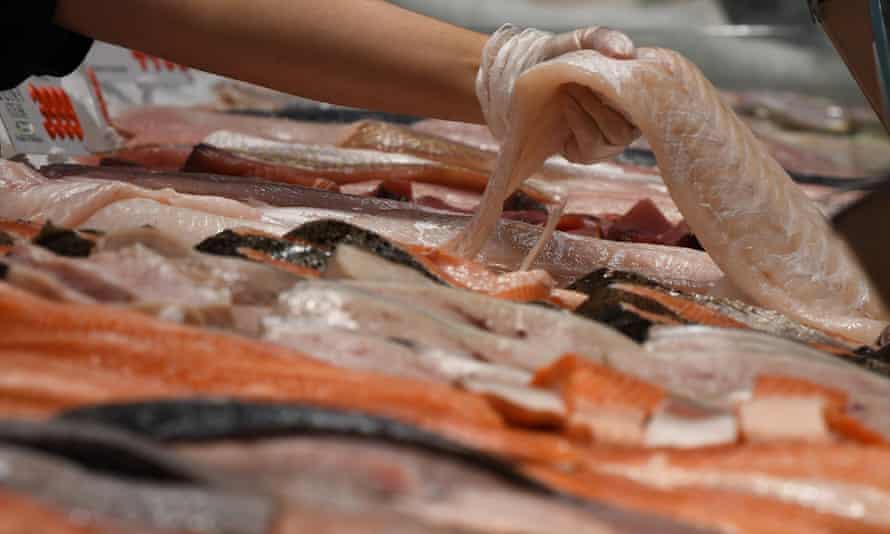
Seafood being sold at the Sydney Fish Market
photo of the Sydney Fish Market. The Australian Marine Conservation Society aims to make people more aware of the need for shark conservation. Photograph: Dean Lewins/AAP

Australian seafood consumers urged to stop buying flake to protect sharks | Australia news | The Guardian

Australian seafood consumers urged to stop buying flake to protect sharks

A new campaign highlights there is no legal obligation to label flake – a common term for shark meat – by species or where it’s from

Australian consumers will be encouraged not to purchase flake when they shop for seafood and to instead try sustainable alternatives in a new campaign that aims to put a spotlight on laws that permit the harvest of endangered sharks.

The Australian Marine Conservation Society (AMCS) is asking consumers to “give flake a break” because there is no legal obligation in Australia for retailers to label flake – a common term used for shark meat – by its species or where it’s from.

Guardian Australia reported last year that a loophole in Australia’s national environmental laws allows for the continued commercial harvest of endangered sharks such as the school shark or hammerhead, meaning their meat can be routinely sold in shops, restaurants or exported overseas.

Leonardo Guida, a shark scientist with the AMCS, said the organisation was launching its campaign to try to make consumers more aware of the need for shark conservation.

He said sustainable alternatives to flake included King George whiting, farmed barramundi, mullet, wild caught Australian salmon and luderick.

Research by the AMCS found there was an average $2 difference between these options and the cost of flake. In some cases the sustainable alternatives were cheaper.

“Australia legally permits the harvest of endangered sharks, which can end up on people’s plates and they wouldn’t even know it because it’s often called flake,” Guida said.

“There’s no legal requirement to call a shark for what it is.”

Guida said the system was broken “somewhere between the boat and the plate” because fishers routinely recorded what species they caught but by the time the meat ended up with a consumer that information could be lost or difficult to obtain.

Guida surveyed 10 fish and chips shops in each state and territory and found less than a third of the shark meat on sale referred to a specific species.

He said promisingly, however, at least 40% of retailers offered a sustainable alternative.

Consumers can use GoodFish, a website and app developed by AMCS, to research sustainable seafood options, or ask their fishmonger or retailer.

The loophole in Australia’s environment laws applies to certain marine species that are given a special status known as “conservation dependent” that allows for their continued commercial harvest.

Under the Environment Protection and Biodiversity Conservation Act, marine species that are listed as vulnerable, endangered or critically endangered are classified as “no take” species, meaning they cannot be sold or exported.

But the eight marine species listed as conservation dependent – including the blue warehou, eastern gemfish, the scalloped hammerhead and the school shark – do not receive this protection.

Marine conservationists have long argued for the removal of this category from Australia’s national environment laws where it applies to threatened species but its existence continues to fly beneath the radar of most seafood consumers.

During last year’s review of the EPBC Act, led by the former competition watchdog head Graeme Samuel, the AMCS called for the species listed as conservation dependent to be given the threatened status they were eligible for.

The Humane Society International is the main organisation in Australia that nominates species for a listing under national environmental laws. It put forward several of the marine animals that were ultimately listed as conservation dependent.

One of those was the scalloped hammerhead, which qualified for an endangered listing but was given a conservation dependent status in 2018 after a six-year effort by the HSI to have it listed for protection.

“What we ask is that species be put in their rightful category because species that are endangered or critically endangered should be listed as that and protected from commercial utilisation,” said Nicola Beynon, the HSI’s Australian head of campaigns.

Samuel’s interim report, handed down last July, found Australia’s environment was in unsustainable decline. The report made several recommendations, but none in relation to the conservation dependent category.

He delivered his final report to the Morrison government at the end of October last year but it has not yet been released. The government is required to release the report sometime in February.

A spokesperson for the environment minister, Sussan Ley, would not say when the government planned to release the report but it would be within the statutory timeframe.

The spokesman said sharks were listed as conservation dependent based on advice from the threatened species scientific committee.

“Species listed as conservation dependent are subject to a scientifically determined and annually reviewed rebuilding strategy,” the spokesperson said.

In a submission to the Samuel review last year, the scientific committee said the conservation dependent category needed urgent reform and this was partly because it masked the actual conservation status of species.

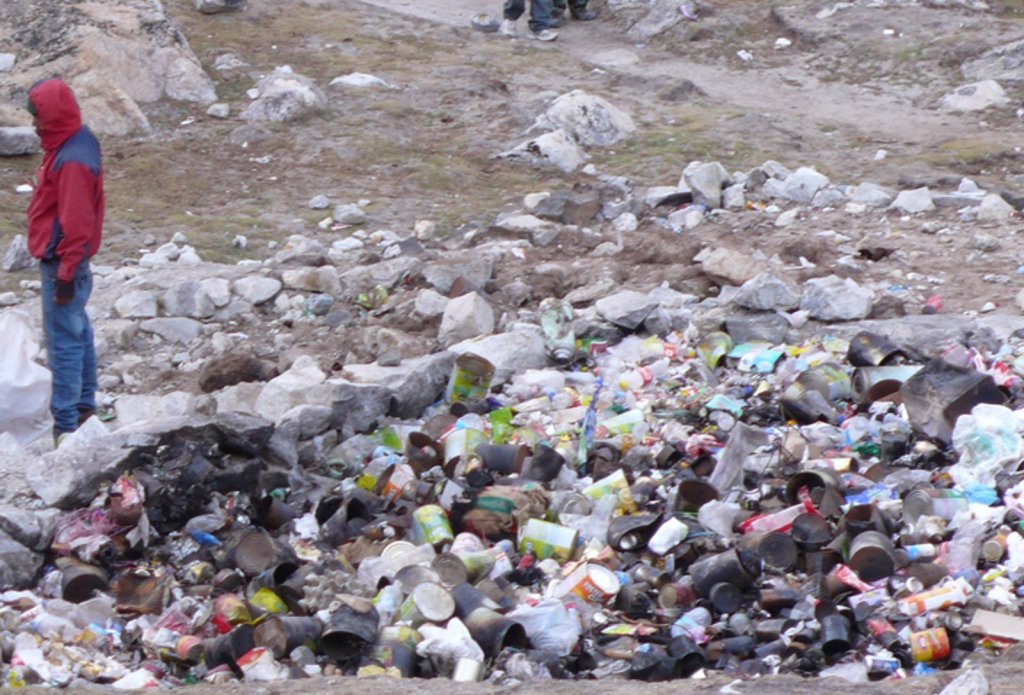
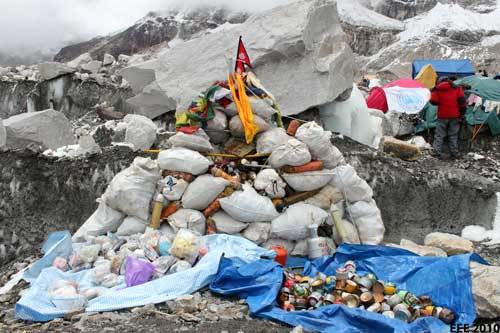
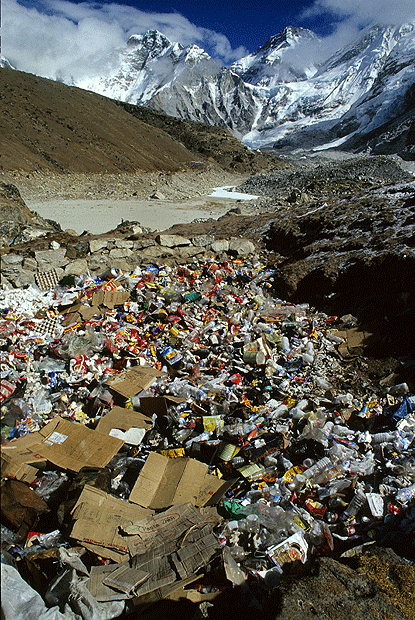
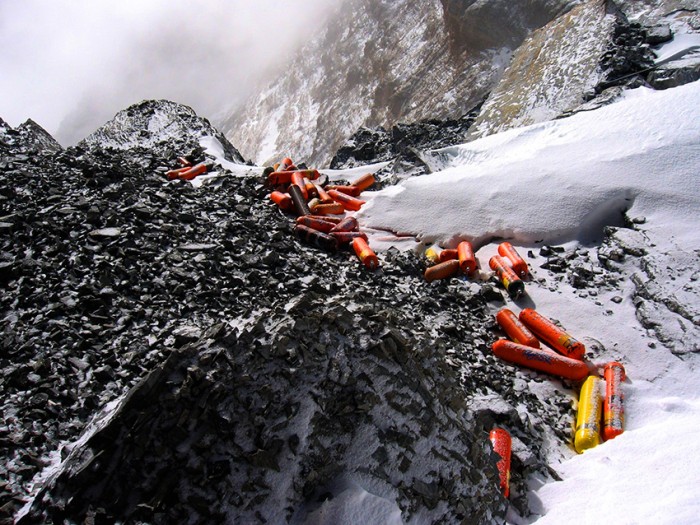
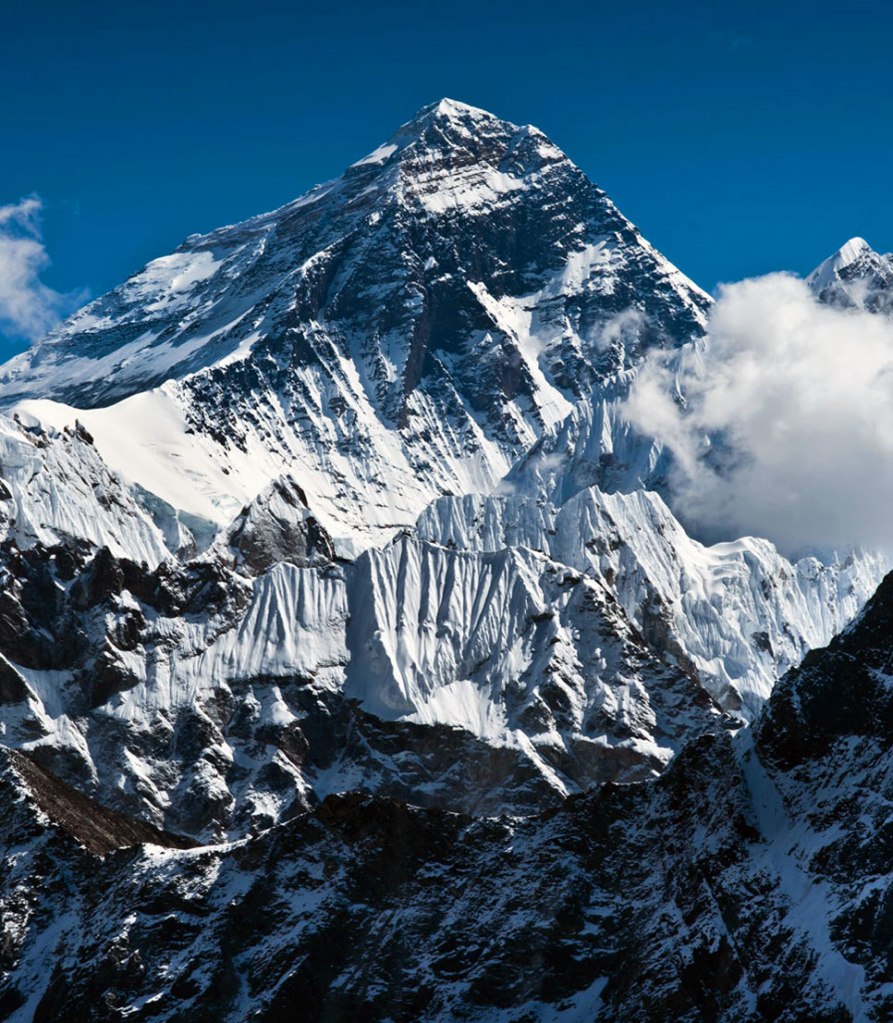
England: Mount Everest; The Sacred Mountain Of Dreams and Mystery; Now A Dumping Ground of Excrement, Plastic and Garbage, Made By; Guess; Mankind !

By Mark – When I was a young lad (16 /17’ ish), I was ‘into’ mountaineering in a big way.  Then, I can remember reading and enjoying ‘Everest the Hard Way’ by British mountaineer Sir Chris Bonington  https://en.wikipedia.org/wiki/1975_British_Mount_Everest_Southwest_Face_expedition

– a beautiful book detailing the 1975 British Mount Everest Southwest Face expedition, which  was the first to successfully climb Mount Everest by ascending the South West face.  For me, being young and influential I guess you could say; this was a trip into the unknown – the High Himalaya; mystery, danger, Rhododendron forests; the big unknown – all the things that gripped me and let my imagination do overtime.

If you ever get the chance, then read it – superb !

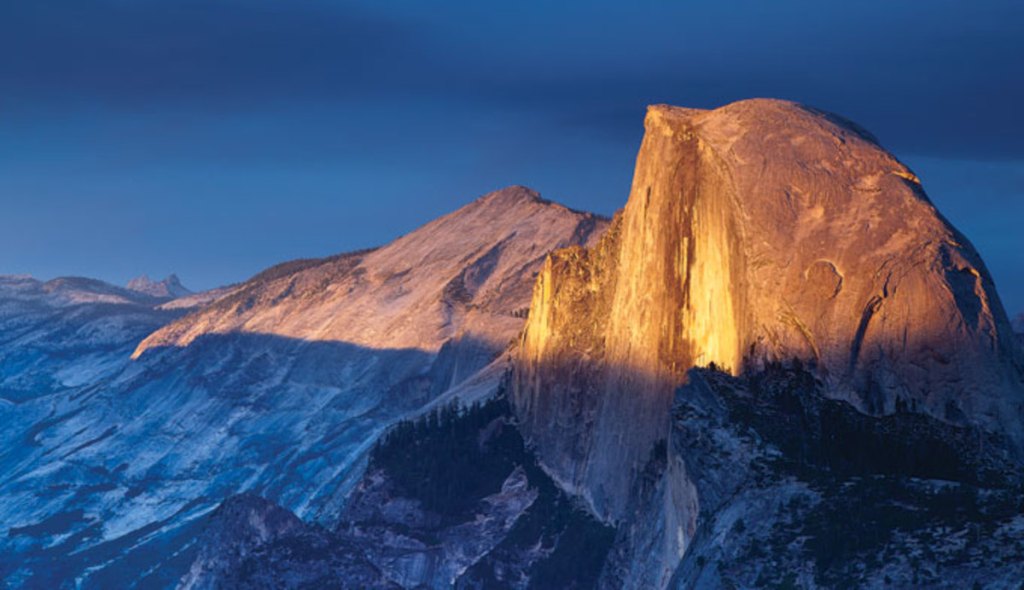
Decades later it was still ‘a thing’ with me; and finally, I made it to the big walls of El Cap and Half Dome in the incredible ‘Yosemite Valley’ in California.

Below – El Cap

and Half Dome

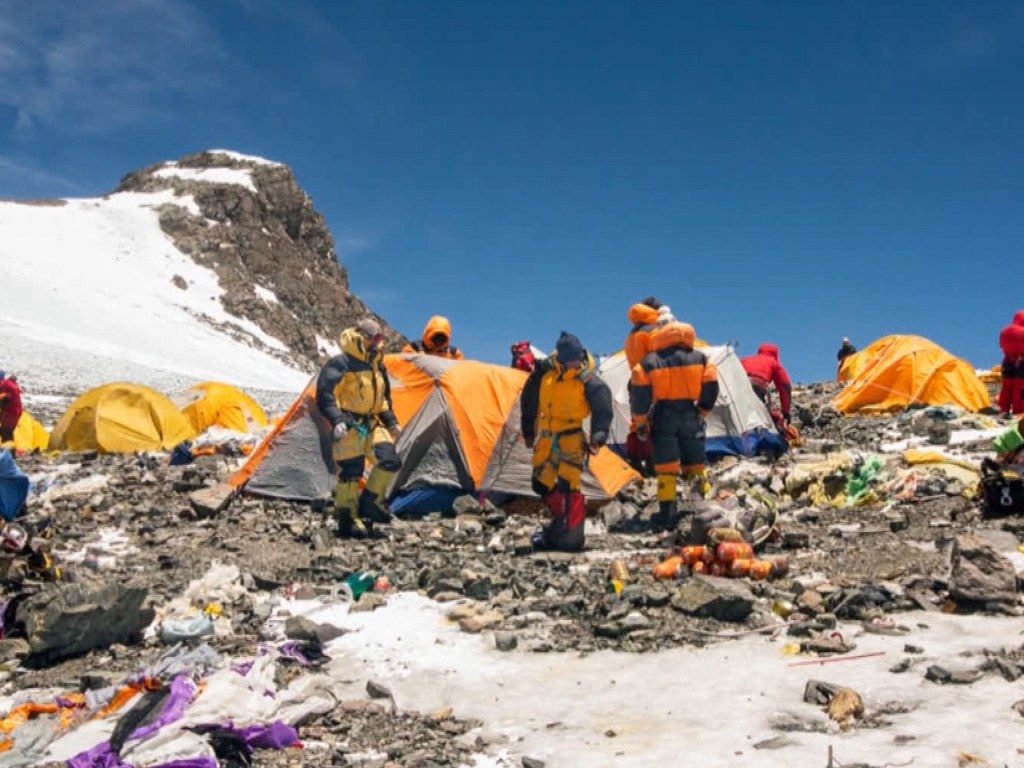
This morning (16/1/21) on the BBC; I watched a news story about how Everest was being turned into the highest rubbish tip on the planet.  My dreams of the magic of the few reaching the summit of the worlds highest mountain was well and truly shattered in learning that each year nowdays, around 900 – 1,000 people make it to the summit during the March – May period when they are only allowed to climb because of weather extremes at other times.

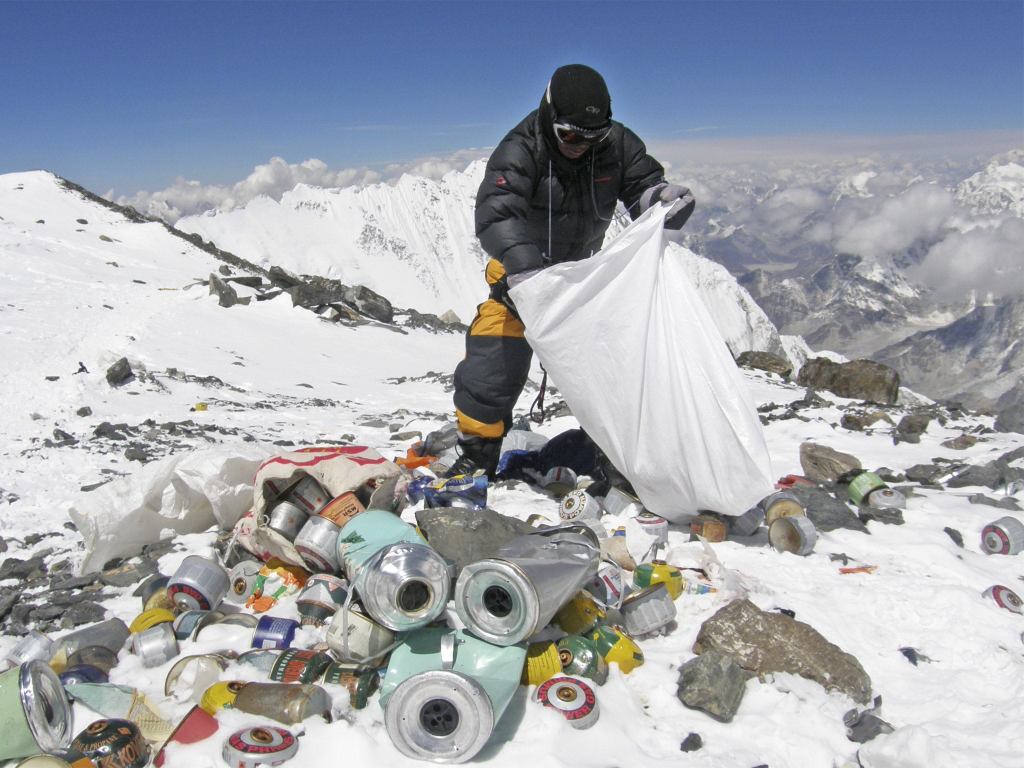
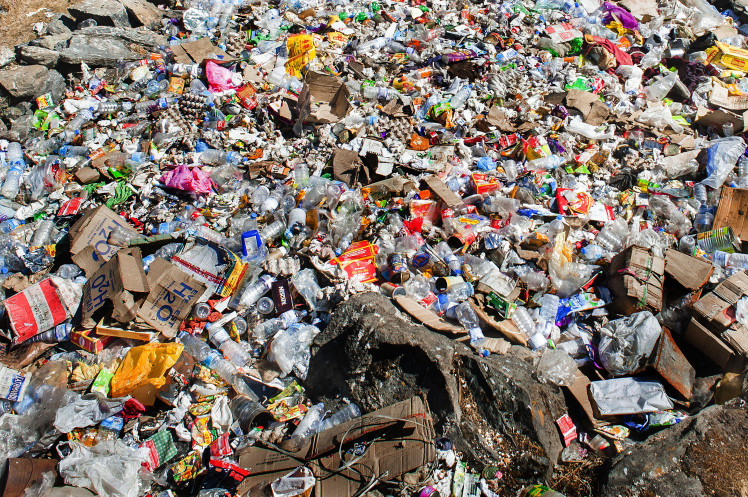
But even worse than ‘making the summit’ just being another ‘bragging’ item to be boasted about at the local; or at least I now view it in the modern non magical days, it was most sad for me to see that microplastics and human waste (literally), in the form of both rubbish, plastic bottles and shit; were now contaminating an enchanted, most sacred place that should still be the place of dreams for the very few that it was in the past.

Again, as always in my opinion, the wrecker called ‘man’ has managed to destroy the natural and majestic beauty of the Himalaya by leaving his personal calling card in a place that should be left in isolation, as what it was to me as a lad; that place of desolation and wonder; (then) untouched by the human being (fortunately) and a place of superfluous natural wonder and amazement.

So today, 16/1/21, I decided to look into the destruction a little more; and here below is what I found.  You can check it out a lot more if you want to.  Summary – Destruction by mankind as always with everything; it now seems that Everest is not the ‘Hard Way’ that it was in the 70’s; but yet another dumping ground made by the ‘many hundreds’.  Take a look;

Regards Mark

Below – bags and bags of human excrement (literally) on the mountain.

———————————————————————————

It’s being described as the ‘world’s highest rubbish dump’. That’s because Mount Everest, the tallest mountain in the world, has a problem with climbers leaving their waste on the slopes – both rubbish and poo. The mountain is home to three tonnes of climbers’ rubbish, left by adventurers visiting the mountain.

The mountain is home to three tonnes of climbers’ rubbish, left by adventurers visiting the mountain. The waste includes tents and equipment left behind, as well as human waste from mountaineers who need to go to the loo while they’re up there.

As the climbing season comes to a close for another year, Nepal Army helicopters are being used to lift some of the waste off the mountain.

The problem is that the rubbish is not only bad for the environment, but it could also spread disease for other climbers on the mountain.

People living at Base Camp use melted snow for drinking water, which could be contaminated with germs if other climbers aren’t getting rid of their waste properly.

Some climbers carry disposable travel toilet bags to use in the higher camps, while at Base Camp, there are toilet tents which have special drums where human waste goes. These can be taken away from the mountain and emptied safely.

But the camps further up, between the base and the top of the mountain, don’t have loos, which is why waste is often left behind.

Climbers can only go up Mount Everest during a specific period of the year, which begins in March and ends in May. Throughout the rest of the year, the weather is too bad.

This means that it is more difficult to clear away any rubbish left on the mountain at the end of the climbing period.

It is impossible to know exactly how much litter is spread across Everest because it only becomes visible when the snow melts.

Speaking in the Himalayan Times, Dandu Raj Ghimire – director general for the Nepal Department of Tourism – said: “The clean-up campaign will be continued in the coming seasons to make the world’s tallest mountain clean. It is our responsibility to keep our mountains clean.”

What are the rules about rubbish on Everest?

Nepal’s government hasn’t made rules about dealing with poo up the mountain yet. However, it is trying to stop the amount of rubbish that is left on the slopes.

The government is working on a plan to scan and tag climbers’ equipment and gear.

All climbers would have to pay a deposit of $4,000 (£3,100) before they go up the mountain and might not get their money back if they return without their items.

https://www.bbc.co.uk/newsround/31711591

Microplastic pollution found near summit of Mount Everest

This article is more than 1 month old

Humans now known to have polluted Earth from deepest ocean to highest peak

https://www.theguardian.com/environment/2020/nov/20/microplastic-pollution-found-near-summit-of-mount-everest

Microplastic pollution has been discovered in snow close to the peak of Mount Everest, the world’s highest mountain. With plastic debris revealed in 2018 at the deepest point on Earth, the Mariana Trench, it is now clear that humanity’s litter has polluted the entire planet.

The tiny plastic fibres were found within a few hundred metres of the top of the 8,850-metre mountain, at a spot known as the balcony. Microplastics were found in all the snow samples collected from 11 locations on Everest, ranging from 5,300 metres to 8,440 metres high.

The highest concentrations of microplastics were found around Base Camp, where climbers and trekkers spend the most time. The fibres were most likely to have come from the clothing, tents and ropes used by mountaineers, the scientists said. Other recent discoveries of microplastic pollution in remote parts of the Swiss Alps and French Pyrenees indicate the particles can also be carried by the wind from further afield.

“It really surprised me to find microplastics in every single snow sample I analysed,” said Imogen Napper, at the University of Plymouth, who led the new research. “Mount Everest is somewhere I have always considered remote and pristine. To know we are polluting near the top of the tallest mountain is a real eye-opener.”

Below – Majestic Everest

“With microplastics so ubiquitous in our environment, it’s time to focus on appropriate environmental solutions,” she said. “We need to protect and care for our planet.”

Reducing, reusing and recycling larger items of plastic waste is important, Napper said, as they can be broken down into microplastics when discarded into the environment. But many microplastics are shed from clothing made from synthetic fabrics, and she said a focus on better fabrics was needed, as well as using natural fibres such as cotton when possible.

Millions of tonnes of plastic are lost into the environment every year. It can contain toxic additives and carry harmful microbes and is known to injure wildlife that mistake it for food.

People also consume microplastics via food and water, and breathe them in, although the health impact is not yet known.

There have been longstanding concerns about litter on Everest, which was climbed by at least 880 people in 2019. But the new study is the first to assess microplastic pollution, which is less than 5mm in size and therefore too small to be picked up.

The study, published in the journal One Earth, analysed samples collected by a National Geographic expedition in 2019. The scientists found an average of 30 microplastic particles per litre of water in the snow samples and 119 particles per litre in the most contaminated sample. They also assessed stream water samples from eight locations, but only three had microplastics, perhaps as the streams were able to wash away contamination.

In her previous work, Napper has found that each cycle of a washing machine can release 700,000 microscopic plastic fibres, and that plastic bags that claim to be biodegradable were still intact after three years in the natural environment.

 

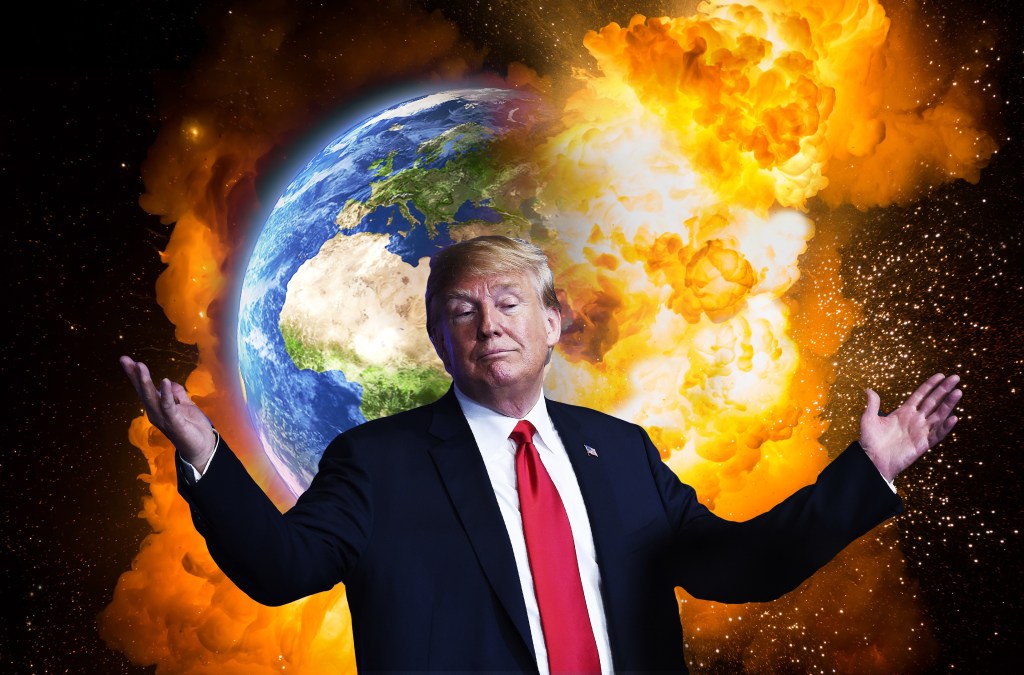
USA: Trump’s outgoing U.S. Fish and Wildlife Service (the Environments ‘Protectors’ ?) just signed an agreement to work with the National Rifle Association to recruit and train more Americans to shoot wild animals. The Final Acts of a Desperate Individual.

WAV Comment – the act of a desperado in the last few days of wanting the worlds attention.

Trump’s outgoing U.S. Fish and Wildlife Service Director Aurelia Skipwith just signed an agreement to work with the NRA to recruit and train more Americans to shoot wild animals.

The world has turned on Trump to show what this being is really about.  So he tries to get revenge by allowing the Fish and Wildlife Service; the ‘protectors’ of the USA; to do a deal with the National Rifle Association to go out and kill wildlife – the very animals that they are supposed to be protecting.

This says it all really and you have to question the mental state of this existing President.  Fortunately; by the middle of next week Trump will be out; searching the world for people who like him; and Mr Biden will take over; quickly and hopefully overturning these madman actions that we now witness as ‘the revenge at any cost’ by this very sad individual.

Please take action against Trump by using the link below; thanks.


Trump’s outgoing U.S. Fish and Wildlife Service Director Aurelia Skipwith just signed an agreement to work with the NRA to recruit and train more Americans to shoot wild animals.

Tell the Service this agreement is unacceptable and must be broken immediately.

This partnership will allow more animals to be shot — paid for by the agency tasked with protecting wildlife while funneling taxpayer dollars to a far-right gun-industry mouthpiece.

Throughout its anti-wildlife term, the Trump administration has moved to expand trophy hunting. It created an illegal wildlife council rigged with trophy hunters and issued permits to import body parts of threatened leopards and lions.

The administration moved to increase hunting of bobcats, mountain lions and foxes in more national wildlife refuges across the country and now wants to arm and train more people to gun down animals.

With wolves across the lower 48 no longer federally protected, more states could hold wolf trophy hunts this year.

This last attack runs directly counter to the purpose of the Service. In no way should it use its position as wildlife’s protector to enlist more Americans to hunt and kill wildlife.

The agreement between the Department of Interior and the NRA should be torn up and cancelled immediately.

Tell the Service to end this partnership with the NRA right away.

ACTION

Tell The Fish and Wildlife Service Not To Partner With The NRA (biologicaldiversity.org)

We have taken action on this – will you ? – please click on the above link to be involved.

The link between biodiversity loss and the increasing spread of zoonotic diseases presented in new Euro Parliament report.

Photo – Mike Jeffries

The link between biodiversity loss and the increasing spread of zoonotic diseases presented in new Euro Parliament report

15 January 2021

In December 2020, the European Parliament published a new report on the link between biodiversity loss and the increasing spread of zoonotic diseases. The report, requested by the European Parliament’s Committee on the Environment, Public Health and Food Safety, aims at informing EU policy makers and introducing policy options to reduce risks originating from wildlife trade.

Although the document does not represent the official position of the EU Parliament, it introduces encouraging policy options including the following: a trade ban on live animals at wet markets as proposed by the United Nations ; adequate regulatory and enforcement mechanisms at national and international levels to prevent hunting and commercial trade of some species ; a revision of the illegal wildlife trade action in the EU and at EU borders. 

The wildlife trade – illegal and legal – drastically increases the risk of zoonotic diseases spreading by pushing humans and wildlife o closer than ever before.  In his speech at the One Planet Summit on 11 January 2021, European Council President Charles Michel reminded that illegal and commercial wildlife trade are important factors of zoonosis development in nature and among humans, stating that there currently are 1,6 million non-detected viruses in nature.

The European Union must act fast against the threats of future pandemics in the coming years. In June 2020, Eurogroup for Animals, and our 70 Member Organisations in 25 EU Member States, launched the ‘Stop Pandemics Start Here’ campaign, calling MEPs to undertake concrete actions to regulate wildlife trade in the EU to prevent the spread of further zoonotic diseases, as part of the EU Biodiversity Strategy. Eurogroup for Animals is also calling for a clear commitment by the European Commission to step up efforts to combat the illegal wildlife trade and to adopt  a full  EU-wide ban on the trade in ivory, as well as for the EU and Member States’ financial support to wildlife rescue centres and sanctuaries.

The wrong side of the entertainment

They belong to the ocean-not here!


An orca swims up to 100 miles per day in the wild.

However, slave keepers, businessmen, have decided that they have the right to abduct them from their natural habitat, imprison them and force them to perform profitable tricks.

This happens because infantile and callous people are willing to pay for it and fail to realize that these animals are extremely depressed because they are suffering in captivity.

Thus, and with their visit to these places, these people are practicing a false sense of entertainment at the expense of others who cannot defend themselves.

regards and good night, Venus

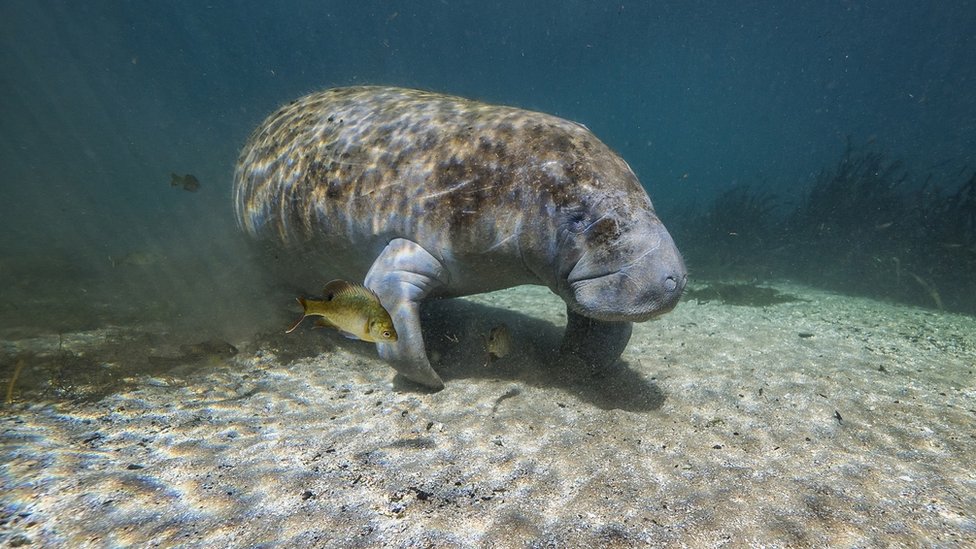
USA: Florida manatee with ‘Trump’ etched on back prompts investigation.

WAV Comment: How low do people go ? – and these cretins think that a dipstick like Trump should be the President ? Roll on 20/1 and someone who respects wildlife and the environment.
US wildlife authorities have launched an investigation after a manatee was discovered with the word ‘Trump’ scraped on its back.

The marine mammal was spotted on Sunday in Florida’s Homosassa River, with the US president’s surname on its body.

Officials told AP news agency that the animal does not appear to be seriously injured, and the word was scraped onto algae growing on its skin.

But a video of the West Indian manatee has led to public outcry.

Manatees, nicknamed “sea cows,” are protected under US law, and anyone found guilty of harassing them faces up to a year in prison and a $50,000 (£37,000) fine.

Manatee pictured in the warm water of Florida, USA
Photo Jeff Hester

https://www.independent.co.uk/news/world/americas/us-election-2020/manatee-trump-florida-investigation-b1785720.html

https://www.bbc.co.uk/news/world-us-canada-55631498

https://www.scotsman.com/news/world/investigation-launched-after-manatee-florida-has-trump-scraped-its-back-3093126