Category: Environmental

England: A Wing and a Prayer: How Birds are Coping with the Climate Crisis.

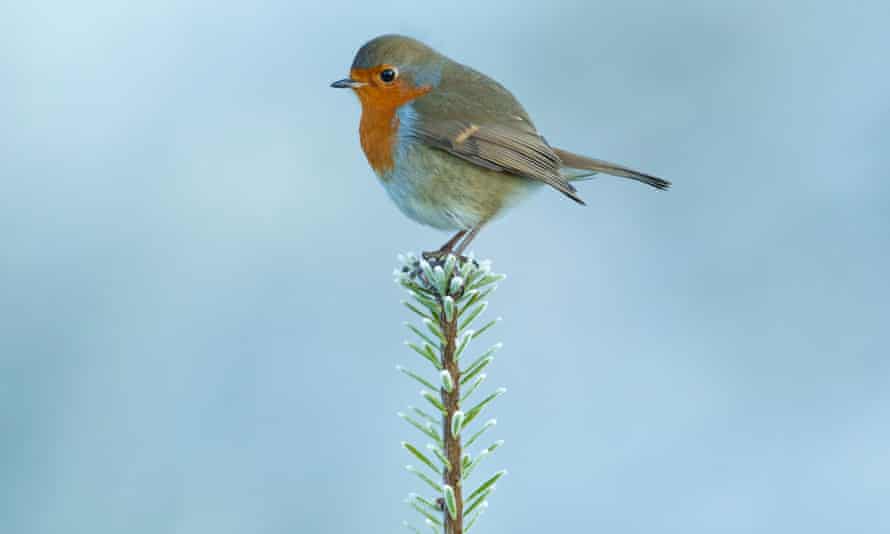
The robin
A longer breeding season benefits birds such as the robin, which produce two or more broods. Photograph: incamerastock/Alamy

A wing and a prayer: how birds are coping with the climate crisis

Some of our best-loved species are changing their breeding cycles and heading north in their fight for survival in a warmer world

https://www.theguardian.com/environment/2021/jan/03/a-wing-and-a-prayer-how-birds-are-coping-with-the-climate-crisis

Lockdown has sparked a renewed interest in our garden birds, with millions of us enjoying watching them from our windows. But could some species – including the common and familiar great tit – vanish from Britain’s gardens by the end of the century?

Researchers from the Norwegian University of Science and Technology, working with the University of Oxford, have modelled how great tits are reacting to the climate crisis. Specifically, are the birds able to respond to the earlier emergence of the caterpillars on which they feed their chicks?

Birds such as great tits have evolved to time their breeding cycle so it coincides with the peak of moth caterpillars that feed on oak leaves, which traditionally happens in late May and June. But as temperatures rise, so oaks are coming into leaf earlier, and the caterpillars have responded by hatching out earlier too.

This means that when the great tit chicks are ready to be fed, the peak of caterpillars is already coming to an end. Because the parent birds need to find 1,000 caterpillars every day for their hungry offspring, any mismatch is likely to dramatically reduce breeding success.

The researchers found that although the birds can respond to climatic shifts, they are not doing so quickly enough. Lead author Emily Simmonds estimates that the tipping point comes when oak leaves, and their associated caterpillars, appear 24 days earlier than usual.

The discovery that birds can and do respond to climate change by breeding earlier than normal was first made in the 1990s by Dr Humphrey Crick, a scientist working at the British Trust for Ornithology. He was analysing thousands of cards from the BTO’s long-running Nest Record Scheme, which had been filled in by amateur birdwatchers over the previous half-century, detailing the dates when eggs are laid and chicks hatch.
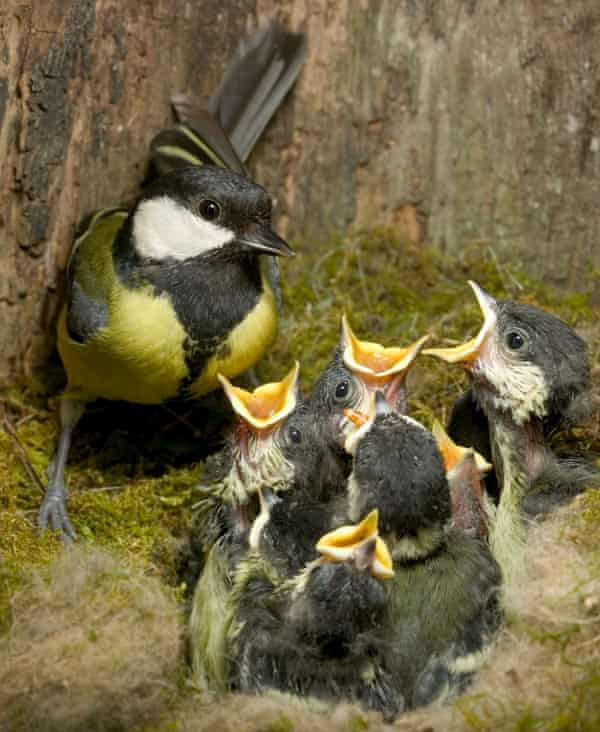
A great tit with lots of hungry mouths to feed
A great tit with lots of hungry mouths to feed. Photograph: Andrew Darrington/Alamy

Crick noticed a surprising trend: for many species, the date on which they laid their eggs had moved forward by an average of nine days. The resulting landmark paper, “UK birds are laying eggs earlier”, published in the journal Nature in 1997, provided some of the earliest empirical evidence that wild creatures were already responding to a warming climate.

A decade later, in 2006, I remember Bill Oddie introducing  Springwatch with the astonishing news that every blue tit nest they were monitoring had already fledged young – several weeks earlier than usual. Because blue tits only have one brood, they must respond very rapidly to changes such as earlier springs. If they fail to do so quickly enough, their numbers will plummet.

At the end of his 1997 paper, Humphrey Crick made this prophetic comment: “For birds, earlier nesting could be beneficial if juvenile survival is enhanced by a prolonged period before winter. Conversely, birds may be adversely affected if they become unsynchronised with the phenology of their food supplies.”

Less than a quarter of a century later, both parts of that prediction appear to be coming true. In the short term, a longer breeding season has benefits, especially fr birds such as the robin, blackbird and song thrush, which produce two or more broods of young. Starting to nest earlier in the year might allow them to squeeze in an extra brood, and so produce more offspring in total.

Professor James Pearce-Higgins, the BTO’s director of science, points out that our smallest birds, such as goldcrests, wrens and long-tailed tits, are benefiting from another aspect of climate change: the much milder winters of recent years.

He also points to the positive impact of our habit of feeding garden birds, which helps species such as blue tits, great tits and goldfinches. At present, he suggests that the advantages of higher winter survival rates outweigh the failure to synchronise with the spring food supply, though that may not always be so.

Another climate-driven success is the way many species are now expanding northwards. The latest European Breeding Bird Atlas reveals that, on average, the ranges of Europe’s breeding birds have shifted north by 28km (17.5 miles) since the original survey was done in the late 1980s – almost 1km every year.

This may not sound like much, but over time it will allow species once confined to continental Europe to cross the Channel and colonise the UK. Indeed, given that some species respond much faster than others, several (including cattle egrets and great white egrets) have already done so.

But as our climate becomes less predictable, with more extreme weather events such as storms, droughts and floods, what scientists have called the “honeymoon period” will come to an abrupt end.

As Professor Pearce-Higgins notes, ground-feeding birds may not be able to cope with prolonged summer droughts, which make it harder for them to find food: “One potential exception to this positive picture of warmer temperatures is thrushes and blackbirds, which rely on soil invertebrates. We know, from a study we have run recently asking schoolchildren to count earthworms in school playing fields, that the availability of worms – a major food source for many species – declines significantly in summer, particularly when it is dry.”

So, as we stand on the precipice of a runaway warming world, the future for many of our best-known and best-loved birds remains in the balance.

  • Stephen Moss is a naturalist and author who runs an MA in nature and travel writing at Bath Spa University. His latest book, The Swallow: A Biography, is published by Square Peg.

Corona is nature’s revenge on people

The following article appeared on December 5, 2020, in the rather conservative newspaper “Süddeutsche Zeitung”.
It’s still well-written, and it gets to the heart of the relationship between factory farming and pandemics.

“Animal welfare is a topic that hardly anyone thinks about in the midst of the corona pandemic. The challenge of tackling the crisis is so great that all other problems fade away.
However, the corona crisis might not have mattered at all, humanity would have treated nature and other living things more respectfully.

“Humanity is waging war against nature. This is suicidal. Nature is always striking back with full force and rage,” said UN Secretary-General Antonio Guterres in the first week of December at a United Nations meeting.

To underscore this, 150 animal protection organizations, together with primate researcher Jane Goodall, have now released a statement calling for a different approach to animals to prevent future pandemics.


“It is a shock to realize that we are to blame,” Goodall wrote in a foreword, “because of our disrespect for nature and for animals.”

The pathogen of swine flu has also arisen in mass animal husbandry

Warnings that pathogens are more likely to infect humans and can cause epidemics or even pandemics have already been enough: HI viruses, for example, originate from chimpanzees and gorillas, and also the pathogens of Ebola and Sars are examples of such zoonoses.
“We have created situations in which it is relatively easy for a virus or other pathogen to jump from one species to another,” Goodall writes.

The statement of the animal protectors mentions various areas in which the handling of animals had to change in order to reduce the risk of such transfers in the future.
One of these is the trade with wild animals.

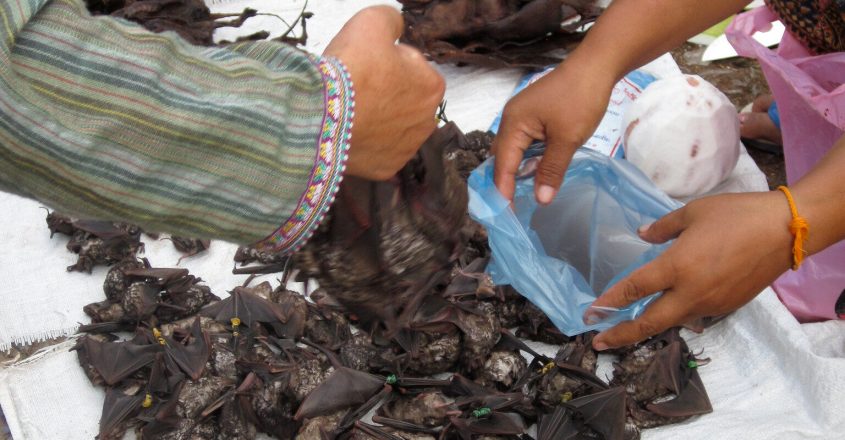
Bats – offered here on a Laotian market – were the origin of the SARS epidemic in 2002. (© Neil Banas
At animal markets, such as the one where the possible Sars-CoV-2 has been passed on to humans, the conditions are “terribly cruel and mostly very unhygienic”, Goodall writes. After an often long journey without food and water, various animal species would be crammed into a cage – along with their pathogens.

“They are stressed and often ill. Those who are sold as pets then bring their pathogens directly into people’s homes.”

According to the statement, mass animal husbandry in the intensive landscape is not the only torment for the animals, but also a danger to human health.
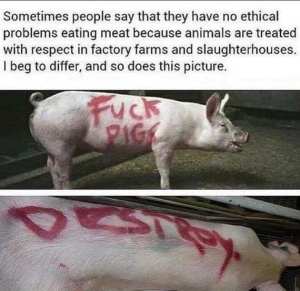
Pigs, cattle, and chickens for mass rearing are bred in such a way that they bring in as much income as possible; On the other hand, health and resistance to pathogens are hardly considered.

These susceptible and stressed animals are then also kept in a room. Ideal conditions for viruses, “to become contagious and lethal, or even to infect humans”, write the animal protectors.
As real as this danger is, the swine flu has emerged, which originated in mass animal husbandry and triggered a pandemic in 2009.

Between 151,000 and 575,000 people are estimated to have died worldwide as a result.

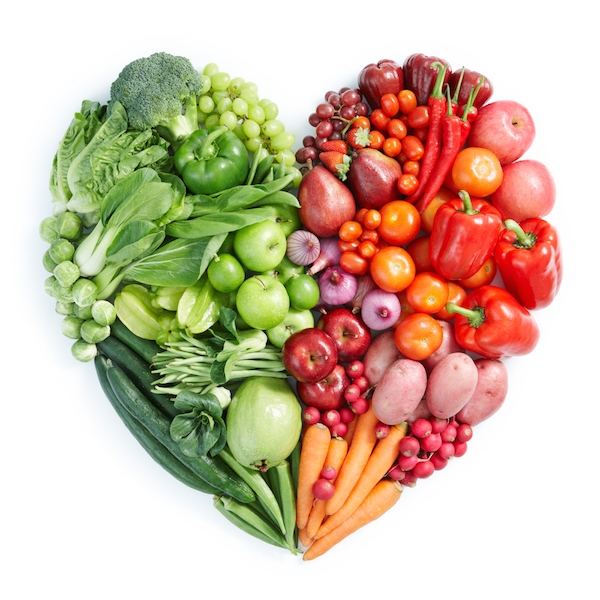
As a consequence, animal rights activists are demanding, among other things, to change human nutrition and to meet the need for proteins in the future more strongly through plant than through animal foods.

According to a recent report by the United Nations Environment Program, meat production has increased by 260 percent in the past 50 years, that of milk by 90 percent, and that of eggs even by more than 340 percent”.

https://www.sueddeutsche.de/wissen/corona-tierschutz-massentierhaltung-goodall-1.5136714


And I mean…The factory farming in Germany with up to 80,000 pigs in a single farm and the constant demand of the consumer for his cheap schnitzel have created an agricultural mafia that feeds on completely nonsensical subsidies and cheap labor.

Apart from that, the meat we eat today comes mainly from genetically homogeneous, immunocompromised, and permanently treated animals that are housed in tens of thousands in buildings or in cages stacked on top of one another – regardless of how the meat is labeled.
We know that.
Yet the future of animal husbandry is likely to be quite low on our priority list for most of us, and the animal suffering that goes with it is insignificant, especially in the current situation where most are preoccupied with themselves.

The problem is, we’re especially good idiots.

The consequences of a mortality rate of one to two percent are omnipresent: half the world lives under house arrest, children do not go to school, hospitals no longer have life-saving devices, we are facing the financial depression of a generation. We are practically at the limit.

And yet nobody is talking about the abolition of factory farming

We know how to address the biggest risk factor for pandemics. We know how to protect ourselves and the next generations.
Pandemics like this one are, among other things, the result of our criminal treatment of animals and the environment.

Humanity will not perish from a virus, but from a lack of personal responsibility and compassion!

My best regards to all, Venus

England: Good Campaigning Wishes for 2021.

Well here we are on the last day of 2020.  It is a cold and frosty day here in Southern England; but loads of good, healthy food has been put out this morning for all our feathered friends; and it is a pleasure to see them, all popping down for something to eat before they fly off to who knows where.

News years eve is also a time for reflection on the past year.  Both Venus and I are very strong supporters of direct action; you have to take to the streets and elsewhere to get your message across.   Never rely on government actions as the only route to change, it wont happen; they have to be shamed into taking action for the better, which takes years !.  This year (2020) especially has been a very testing time for millions of good people all over the world.  You have been limited in the actions you can take in being a voice; for example; anti export friends I have here in England have been threatened (for breaking Covid regulations) with £10,000 fines if they take to the docks and try to do what they have always done; that is trying stop live animals from being exported to their deaths in Europe.  In a lot of ways, Covid has worked very well for the authorities; we are all being confined and controlled in what we are allowed to do; the big brother is watching you (via your mobile phones ?) and we (WAV) are probably being monitored by ‘the better people’ from somewhere; so that in the future we can have god knows what thrown back at us should things ever get ‘legal’.

Change for the better has only ever happened because good people have got up off their butts and made it happen.  Please remember that for 2021; when you take actions in defence of the animals.

I started to write here about our live export campaign in England; as a bit of an example; but have decided not to include here as it is too long and possibly irrelevant. 

People take action for animals in many, many different ways.  You do what you feel is right with you and what suits your personal situation best.  This year especially, we have to remember Regan Russell  Search Results for “regan russell” – World Animals Voice  who paid the ultimate price for her dedication towards making a better life and less suffering for animals. 

Just like our own dear Jill here in England who lost her life on 1st February 1995  Search Results for “jill phipps” – World Animals Voice  whilst trying to be a voice for young, exported calves out of Coventry airport; by an arms dealer and convicted drug smuggler.  26 years on in 2021, Jill is quite rightly still remembered in ceremonies at the ports and elsewhere; a young, beautiful and compassionate girl taken out by those involved in a trade which involves so much suffering and abuse by those who do not deserve it.

Tribut für Jill Phipps – YouTube

Remembering Jill, an animal hero – YouTube

I still find it hard to watch these – but now finally at the end of 2020 / Jan 2021 we in the UK are contributing to a government consultation which will hopefully see and end to all live animal exports from the UK.  Jill would have been so receptive of the fact that finally, after  so many years of campaigning; we can now hold the UK government to account and make the demands of stopping this disgusting business.

There is a common theme which runs though all of this;  Jill was taken from her mum Nancy all those years ago; the baby calves she was trying to protect had already been taken from their mums; the tiny hens in intensive systems are taken from their mums and immediately murdered; or put into the abusive cages for yet more egg production.  Baby pigs are taken from their mothers at such an early age; baby dogs in puppy mills; baby lambs hauled off to the slaughterhouse ready for Easter; all issues that go back to youngsters being taken away from the only security they have, and need most at the time when they are separated.

I wish you all a great 2021 and hope that all your dreams and wishes come to fruition.  The fight for giving animals a voice and stopping cruelty the world over is down to the majority now – and we are a majority; getting bigger and stronger every day in direct opposition to the abusers.  They are going to be named and shamed; exposed for all the abuses they undertake.  We at WAV are committed to that for sure.

The animal rights / welfare issue is growing massively; even in places which you never really expect it to.  It is now so easy to become Vegan and throw all cruelty associated with old diets and the cruel methods associated with their production out of the window.

More than many things; I now think the good folk of the USA will see so many positives for animals and the environment after January 2021.  The same with the Amazon; the lungs of our planet.  Many excellent groups who fight tooth and nail for better things; the right things; have been shot down at every step by the problems that live in the White House and other government buildings the world over.  Personally; I think 2021 will be a new year and much better year for you all.  ‘Keep on keeping on’ as we say here ! – for animals and their environment. 

Knowledge, publicity and the use of the internet is something that is with so many of us now each and every day – we can inform the world of abuses and negative issues the same day; and bring about necessary change – that is what 2021 brings for you.  So use it; there is no need for abuse or bad name calling of the abusers; we all hold feelings that may resemble that in our own consciousness; but try to keep polite and respectful regardless; lets continue to get friends by exposing what the others do – and turn any acquaintances they may have away from them.

I just feel that 2021 is going to be a good year for us; 2020 was different but so many positives have happened that the only way now is up; a continuation from 2020.

With the new legal action by UK activists to bring intensive farming to the fore – England: RSPCA calls for cut in meat and dairy as Activists Launch Legal Fight to End Factory Farming. A Real Tester for the Government. – World Animals Voice  lets hope that 2021 sees the start of all cages being broken open and getting what they deserve – ie being trashed !

This track has nothing to do with this post; but we need to go out of the year with a bang; I loved the original Quo (there is only the original); and I and many friends enjoyed following and watching them all over the UK.  It starts off a bit slow, but as a guitar head, I can tell you it just gets better; so take time out and enjoy.

Stick with us please; for the animals;

Regards Mark

England: RSPCA calls for cut in meat and dairy as Activists Launch Legal Fight to End Factory Farming. A Real Tester for the Government.

WAV Comment – This is fantastic news.  And take it from me (Mark – Englishman); to have Mike Mansfield involved could not be better.  He has been a plant based foodie for a very long time; and is one of, if not the, most respected legal people in the country – a legal genius.  He has always been dedicated to improving animal welfare, which is probably why he has decided to become involved with this case; especially if it against the government for the better of animals. 

I would guess that now, government legal people must be quaking in their boots a bit; regardless of the outcome; which we all wish will be positive; Mike will ensure the issue gets maximum publicity. Win win !!

Regards Mark


Below – Mike Mansfield QC. Legal Genius and Non Meat Eater; Animal Rights Defender.

Michael Mansfield QC: "I Have One, Singular Message - to Make Ecoside an  International Crime" - vegconomist - the vegan business magazine

RSPCA calls for cut in meat and dairy as activists launch legal fight to end factory farming

Exclusive: Case believed to be the first of its kind worldwide will challenge ministers over intensive animal agriculture 

RSPCA calls for cut in meat and dairy as activists launch legal fight to end factory farming | The Independent

Animal-welfare activists are planning a legal challenge to the government to force ministers to end factory farming in the UK to halt damage to the environment and human health.

And RSPCA members have also called for a major cut in meat and dairy consumption in what has been hailed a landmark decision after years of debate over how much the charity should speak out on climate issues.

In the legal case, believed to be the first of its kind in the world, members of a group called Humane Being are crowdfunding with the aim of raising £60,000 to force ministers to curb intensive animal agriculture.

They say it is a major cause of greenhouse gas emissions and risks starting new pandemics by spreading viruses, as well as causing deforestation, animal cruelty and antibiotic resistance.

Phasing out intensive animal farming would end the harm and help create systems of producing food that are more sustainable to feed the world’s population in the long term, they say.

The legal team includes Michael Mansfield, the human-rights lawyer who has acted in cases from the Stephen Lawrence murder to Hillsborough and the Grenfell disaster.

The group has already written to  George Eustice, the environment secretary, asking whether the issues have been considered and whether there are any plans to ban industrial farming or remove subsidies.

Earlier this month, RSPCA members voted at their AGM by 88 per cent to call for an end to intensive animal agriculture in the UK and for a significant cut in meat and dairy consumption to achieve the country’s climate targets.

Jane Tredgett, a former board member of the charity and the founder of Humane Being, said: “It is great to see the RSPCA getting on board with this messaging.  

“I spent 10 years urging the RSPCA to be more progressive. Under the new chief executive, Chris Sherwood, the society is now moving forward (and closer to the vision of the original bold founders) and this vote symbolises that.”

Peta Smith, another campaigner, said: “We hope this proves to be a landmark decision for the RSPCA. Slavery abolitionist William Wilberforce co-founded the society in 1824.

“We are trashing our planet for a dangerous and short-term fix of cheap meat and dairy.”

The RSPCA resolution acknowledged “the serious immediate and long-term issues linked to factory/ intensive farming of animals” and calls for an end to UK-based intensive animal agriculture.  

It cited climate crisis targets, environmental pollution, pandemic risks, antibiotic resistance, global food security and farming systems that “deny sentient, intelligent animals any sense a normal life, whilst subjecting them to painful mutilations with no anaesthetic or pain relief”.

The vote is not binding but Ms Tredgett said they were looking to the board to take concrete steps to promote a ban on factory farming.

The World Health Organisation and other UN experts have pinpointed animals or food of animal origin as a starting point for emerging diseases, such as Covid-19, and some of the world’s leading scientists have warned future pandemics are likely to be more frequent, spread more rapidly and kill more people if humanity continues to exploit animals. 

Livestock account for 14.5 per cent of global greenhouse gas emissions, according to the United Nations’ Food and Agriculture Organisation.

report last month warned a new bird flu virus with “high transmissibility” would make Covid-19 appear mild, with factory-farmed chickens exposed to a “cocktail” of infections, creating a “near-perfect breeding ground” for a disease outbreak of pandemic potential.

David Finney, of Humane Being’s Scrap Factory Farming campaign, said: “We are sitting on a pandemics timebomb. Factory farming – with huge numbers of animals in cramped and unhygienic conditions – is the perfect breeding ground for these diseases.  

“We may eventually get control of Covid-19 but we are doing nothing about the conditions that created it in the first place.”

Asked by The Independent whether realistically the government would shake up an entire industry, Mr Finney said: “While of course there is a possibility they may not, the risk of deadly zoonotic diseases hitting factory farms makes the challenge more serious; if they don’t seek to bring about the end of factory farming, the government is not adequately protecting its citizens; 14 outbreaks of avian flu hit British farms just before Christmas.”

He said he was confident the £60,000 needed for the full legal challenge would be raised. So far, nearly £5,000 has been raised.

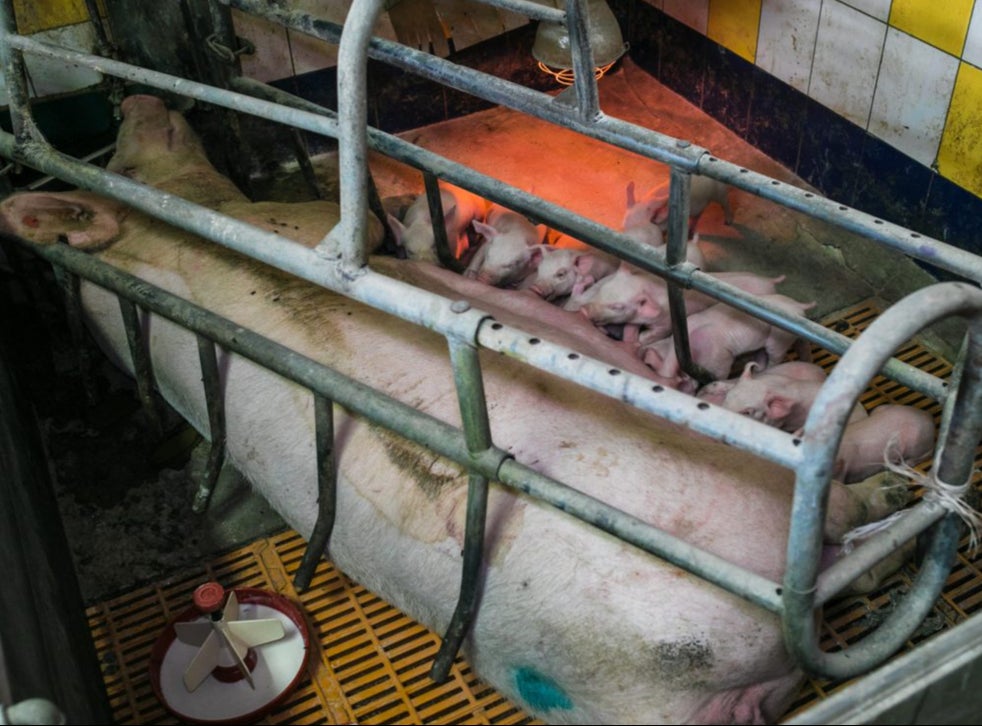
“The scale of factory farming is also incredibly cruel,” he added. “Pregnant pigs are confined in metal crates before giving birth; they have no room to turn around for up to 12 weeks a year. Calves are removed from their mothers within days or even hours of birth.”  

Lorna Hackett, of the legal team, said: “Dietary over-reliance on animal products produced by intensive means has created an environmental and human health imperative. 

This case, which we believe to be a global first, starts with a key mitigator – the banning of cruel factory farming. That is breeding and risking incidences of disease that pose a health risk that the authorities cannot continue to ignore.”

Mr Sherwood said the RSPCA had a goal of seeing at least half of all farm animals in the UK reared to RSPCA welfare standards, and encouraging the public to reduce the amount of meat they eat, choosing higher welfare options and laboratory-grown meat when it is commercially available.    

A spokesperson for the Department for Environment, Food and Rural Affairs said: “We’re proud to have some of the highest animal welfare standards in the world, and we are fully committed to strengthening them further to ensure all animals avoid any unnecessary pain, distress or suffering.

“That is why we will be bringing in new laws on animal sentience and are currently reviewing slaughter welfare regulations.”


Farrowing crates used on factory farms, as well as widespread antibiotic use, are cruel and unnecessary, activists say

A Bunch of Crazy Vegans Got Together and …..

Thank you to Stacey at ‘Our Compass’ for sending this info and the links over – appreciated.

Our Compass | Because compassion directs us … (our-compass.org)

Regards Mark

https://youtu.be/RzmEALGalIQ

Source Surge , Global Vegan Crowd Funder (GVCF)

A bunch of crazy vegans got together and decided to do something amazing: convince the public to chip in and buy a plot of land once used for grazing dairy cows to turn it towards something plant-based. Is their crowdfunding victory a fluke, or is it a sign that the world is finally changing? Jackie Norman looks at other projects at the vanguard of alternative land use.

A landmark purchase is ‘just the beginning’ for an organisation whose mission is to acquire land currently used for animal agriculture, and give it back to nature and the sentient life that depends on it. The Vegan Land Movement made history in September when they successfully won an auction for 3.3 acres of dairy grazing land in the UK, purchased with donations to their funding platform, Global Vegan Crowd Funder.

From the outset, support for buying out the land was high, with donations flooding in on social media from those eager to be a part of something which collectively could make a big difference. The land, at Earlake Moor in Somerset went under the hammer for £16,000 and promises to become a fertile haven in an area surrounded by dairy farming. This huge milestone is a powerful indication of the public desire for change, resulting in another inspiring example of how many areas of farmland are being transformed around the world.

Growing oats with ease

With sales of plant-based alternatives increasing by 25% last year alone, more and more dairy farmers in Switzerland are recognising the extent of animal suffering and working on transforming their land into kinder, more sustainable enterprises where a variety of crops can be grown to benefit both animals and people. One such example is Urs Marti, whose family milked cows for generations. Today, Urs and wife Leandra Brusa are responsible for producing some of the country’s first organic oat milk and also grow polenta corn and lentils:

“We no longer wanted to be part of this eternal cycle in which the cow is inseminated, the calf is taken away, the cow is milked, the calf is fattened and slaughtered – and then everything starts all over again. The animals no longer have to do anything here, except grow old, fat and happy.”

In return, the cows aid the growing process by simply being themselves, helping to cultivate and fertilise the land.

A cow’s milk can only flow when calves are born. Therefore, dairy cows have to be inseminated and give birth all the time. The new-born calves are shredded into dog food or sold abroad. The screams of mothers for their children are bloodcurdling.

Hazelnuts and hiking

Fellow countrywoman Danique Kottelenberg has been instrumental in encouraging her parents, Gerard and Joke, to convert their dairy farm from animals to plants. A sixth-generation farmer, Danique has her eyes firmly set not on milking cows like the generations before her, but using the land to grow hazelnuts and almonds:

“Why are we buying hazelnuts from other countries when they can be grown well here?”

The family’s new sustainable farming plan also includes an edible native forest of almost four hectares, which will produce berries, fruit and nuts. They even plan to create hiking trails in the forest for overnight hikers and would-be foragers, demonstrating there is no shortage of options for those who want to truly make the most of their fertile and beautiful land.

From slaughterhouse to sanctuary

In Beat and Claudia Troxler’s eyes, there is no difference between farm animals and pets. ‘They are all equally valuable and individual’. Until recently, the Troxler farm was like any other ‘normal’ farm. Pigs were fattened and taken to the slaughterhouse every few months. Cows gave birth and their babies were taken and sold. No more, however. Today the farm is a ‘farm of life’, where the only milk in its future is oat milk and if space allows, the couple also hope to take in other animals rescued from the slaughterhouse. ‘Our cows are no longer inseminated and the calves are allowed to stay with their mothers and drink their milk. We have pigs, horses, alpacas. Everyone is happy and will be allowed to live here forever’.

Choosing kindness over cruelty

Shutting the gates permanently on his dairy farm may have been a gamble but for Pierre Zocher and his 110 cows it was worth it:

“A cow’s milk can only flow when calves are born. Therefore, dairy cows have to be inseminated and give birth all the time. The new-born calves are shredded into dog food or sold abroad. The screams of mothers for their children are bloodcurdling.”

Pierre wanted his animals to be treated with the respect and love they deserved, rather than as ‘goods’. There was one major obstacle however – how would he manage to maintain the costs of feed, water, electricity and other essentials for them and the land? Just like the Vegan Land Movement, Pierre discovered there is no shortage of people wanting to help make a difference and he was able to find sponsors for his entire herd, who support his project with EUR 50 per month. The ex-dairy farmer now operates organic agriculture and his cows have a safe home all together for life.

Keeping one step ahead of the plant protein demand

Sixth-generation cattle rancher Richard Traylor is living proof it’s never too late to change. He and his wife Cindy became vegan in 2018 after one of their cows, Honey, became injured and Cindy tried to find a sanctuary where she could live out her days, rather than being sent to slaughter. After reaching out to several sanctuaries with no luck, Cindy connected with fellow Texan Renee King-Sonnen, founder of Rowdy Girl Sanctuary. Not only did Renee find a home for Honey, she was also able to establish positive conversations with the couple about veganism. Today, instead of farming animals, Richard and Cindy are looking into growing all manner of different crops, including fava beans and peas, to keep one step ahead of the increasing demand for plant-based protein.

A lifeline for animals, and farmers

Fellow American Mike Weaver left behind 15 years of poultry farming after becoming disillusioned with welfare and practices and instead repurposed his chicken houses for growing hemp and extracting CBD oil. Both he and the Traylors have embraced the support and inspiration offered by animal welfare groups such as Mercy for Animals, Miyoko’s Creamery and the Rancher Advocacy Program, who are all committed to helping farmers transition away from livestock farming.

Swiss-based agricultural consultant Sarah Heiligtag has noticed a huge increase in farmers wanting to make the change, almost all of them dairy farmers:

“As many as five get in touch every week.  The decisive factor is usually animal suffering.”

There is also the climate aspect: cattle farming is responsible for a large part of the emissions in agriculture. To help combat some of these effects in the Netherlands, the government launched an initiative last month in which livestock farms with high nitrogen emissions can apply for financial support to give up animal husbandry.  Participation is voluntary and is part of the government’s goal to achieve a ‘healthy nitrogen level’ in at least half of its protected Natura 2000 areas by 2030. It plans to provide a total of 1.9 billion euros over the next 10 years to buy out companies who are willing to stop keeping livestock and instead use the land for nature conservation or other sustainable farming methods.

Dutch farmers already successfully implementing their own initiatives include brothers Bart and Tom Grobben, who began converting their dairy farm to soy and soy milk production in 2017:

“Our ancestors back then went with the times by producing cow’s milk.  We as the youngest generation are also now responding to the developments of this time. With our own Dutch soy, we can continue to build on the foundation that the generations have laid before us. Together with consumers and other Dutch farmers, we are building an entirely new galaxy.”

So, what’s next for Earlake Moor?

With the land now safely tucked under their belt, the Vegan Land Movement say they are in no immediate hurry to redevelop:

“We are currently exploring a range of options; most likely the land will be rewilded and perhaps, in conjunction with local groups/volunteers we could consider establishing a community orchard or allotment. We want to see what already grows and flourishes naturally, which will steer us to enable the land to achieve its full potential with our assistance. This first land buyout is the start of what will hopefully be a powerful and transformative change to the way we live, eat and view the world. We are also working on creating a trust structure to protect Earlake Moor and any further buyouts in perpetuity. Other countries have developed structures to do just this and we are taking guidance from these pioneering examples.”

“Our vision is to unite people around this simple idea, which has begun with this small 3.3 acre plot of land. Then we may begin to see more and bigger land buyouts, more rewilding of our Earth, more veganic produce for us all to benefit from and less species’ declines. Imagine for example, the possibility of converting an intensive animal factory farm into veganic mushroom production? This is where the power of the Vegan Land Movement lies, in building a community to effect real change.”

For more information on the Vegan Land Movement and to donate, please visit Globalvegancrowdfunder.org/vegan-land-movement

Download Your FREE Vegan PDF HERE

Order a FREE vegan kit HERE

Download Your FREE Dairy-Free PDF HERE

Take the Dairy-Free Challenge HERE

Click HERE for more Dairy-Free

Fish alternatives can be found HERE

Learn about eggs HERE

Find bacon alternatives HERE

Take PETA’s Cruelty-Free Shopping Guide along with you next time you head to the store! The handy guide will help you find humane products at a glance. Order a FREE copy HERE

Searching for Cruelty-Free Cosmetics, Personal-Care Products, Vegan Products, or more?
Click HERE to search.

Free PDF of Vegan & Cruelty-Free Products/Companies HERE

Click HERE to find out How to Wear Vegan!

Want to do more than go vegan? Help others to do so! Click below for nominal, or no, fees to vegan literature that you can use to convince others that veganism is the only compassionate route to being an animal friend:

PETA HERE

Vegan Outreach HERE

Get your FREE Activist Kit from PETA, including stickers, leaflets, and guide HERE

Have questions? Click HERE

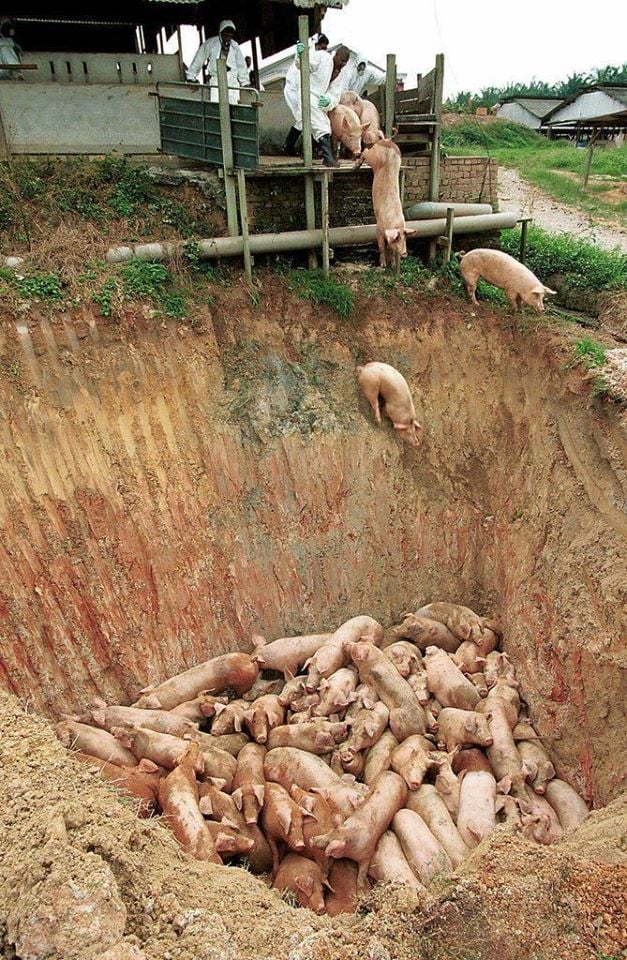
The graves of the others

This is how we deal with animals that exist only because of us, that we have made our own, but that are therefore also entrusted to us.

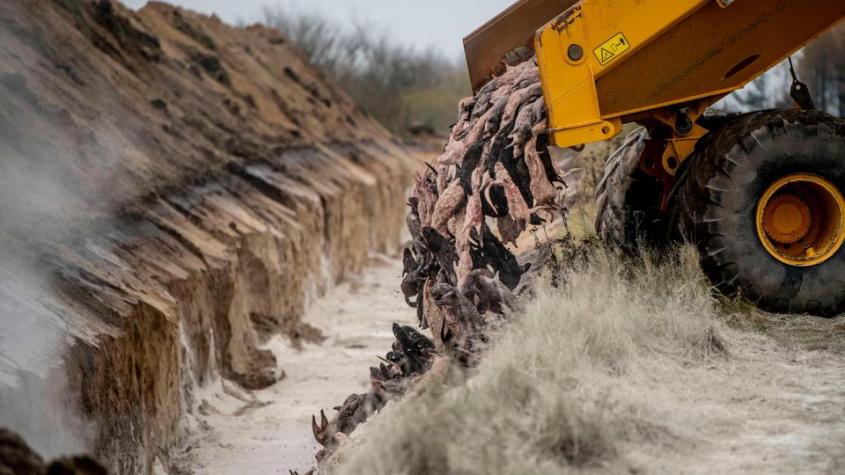
When the self-created situation gets out of hand, we dig trenches and kill entire populations.

We even have our own term for it: “Culling”, says Wikipedia, “describes the precautionary killing of animals, usually to prevent the spread of animal diseases.”

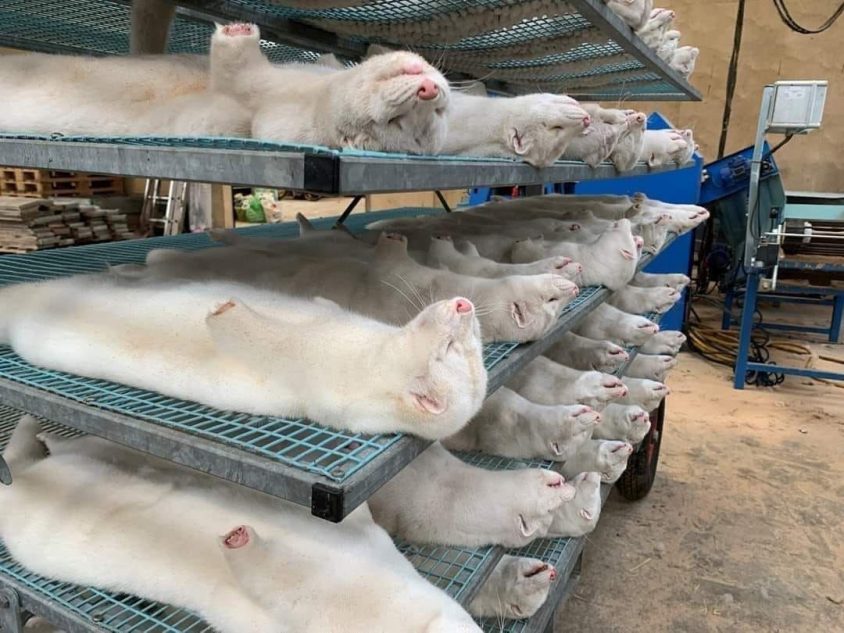
China, Denmark, the Netherlands, Germany … we fed the whole world with graves.
We give kill commands everywhere.

17,000,000 animals here, 3,000,000 there, 5,000 there, and so on.

It is us, the people, who made the animals sick. And again the animals have to die for it.

Yes, you can learn to kill. Every war, every terror, proves this.

Nevertheless, we despise the massacres of people, but we consider the massacres of animals to be normal.
Because for us, animals are lower beings.

Such system structures are not normal they can be described as psychopathic. Mentally, morally, socially healthy people with decency do not need such disgusting, exploitative system structures.

But maybe this time the whole animal cruelty industry will go up in smoke.
Thanks to Corona, swine-chicken-cattle flu..and others, which come

And maybe here the circle closes in a particularly macabre way and now we ourselves are drawn into the pit of the others.
This brings us at last to the truth of what Pythagoras said: “Everything that humans do to animals comes back to humans”

The question must be, why should we in the developed western countries NOT immediately start to behave ethically correct towards animals and start a plant-based way of life?
Instead of a radical rethinking, we find ourselves again in medieval thought structures that continue to turn us into criminals.

Veganism is a promising way to save us from a coming disaster and not to be criminals against animals anymore.

As long as we slow down rapid and radical changes out of fear of the future or system conformity, we have exactly the same chances of survival that the dinosaurs had after the great meteorite impact: none at all.

We will definitely fail if we continue as before.

My best regards to all, Venus

England: A Christmas Message From Viva! – Check Out the Videos and Links.

WAV Comment: Don’t rely on government for making changes; or you sometimes wait forever; it is people power that brings about change. Be a power person and defend the animals.

Dear Mark,

 I would like to take a moment to thank you for all of your generosity this year and to wish you a safe and relaxing Christmas.

In a year which has brought us much uncertainty and loss, we have continued our fight for animals thanks to your support. Despite the challenges this year has brought, we are proud of our achievements and accomplishments. 

  • We launched our documentary, HOGWOODon Amazon Prime and racked up an impressive accolade of awards and reviews.
  • We launched 60 powerful billboards in the East Midlands and went on to launch 80 more.
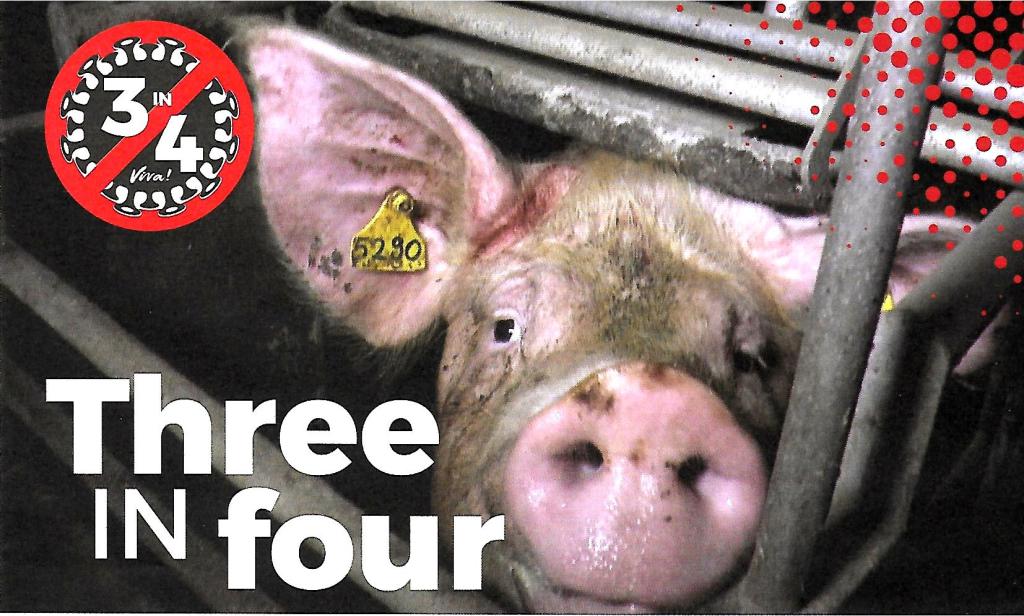
  • We made waves with our 3 in 4 campaign – connecting pandemics to the exploitation of animals with our videos going viral and fantastic national coverage – and continued sharing the vegan message with Slash the Risk.
  • We went undercover on 13 factory farms – broadcasting the footage on national media with major exclusives.
  • We launched our one week vegan challenge, V7, with incredibly positive success and feedback.

You’ve been with us through it all.

A special Christmas message to wish you our sincerest thanks, from myself and everyone at Viva!.

Yours for the animals

Juliet Gellatley
Founder & Director

Links:

Viva! Main site – https://viva.org.uk/

Viva! animals – https://viva.org.uk/animals/

Viva! Health – https://viva.org.uk/health/

Viva! Planet – https://viva.org.uk/planet/ Viva! Lifestyle – https://viva.org.uk/lifestyle/

“Baby”: the longest river dolphin in captivity in the world is dead

The sad life of the last wild-caught dolphin in Duisburg Zoo, Germany has come to an end after 45 years of imprisonment: Dolphin “Orinoko”, who was mainly called “Baby”, is dead.

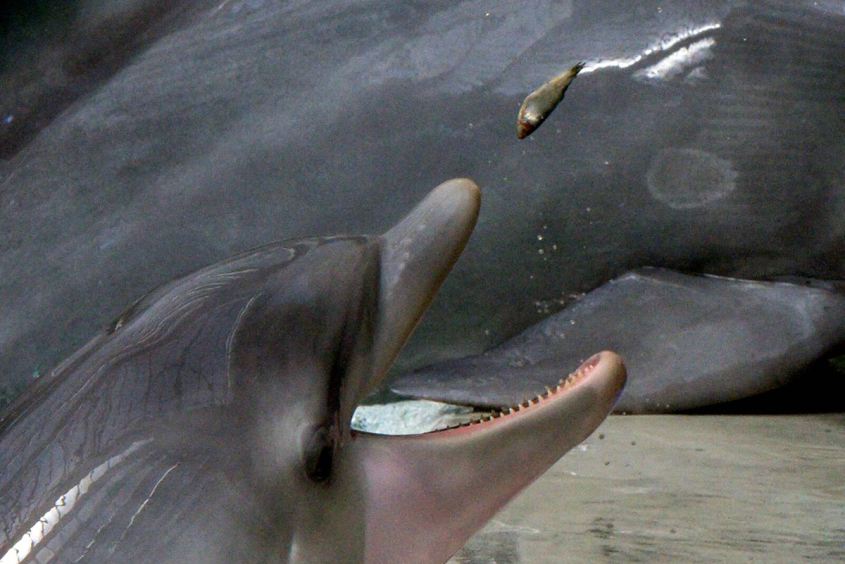
For a handful of fish, dolphins are forced to entertain the paying audience.

“Baby” was the last captive river dolphin outside of South America. His death marks the end of an era full of suffering and loneliness.
A look at “babies” tragic life proves: Dolphins do not belong in zoos and dolphinariums!

River dolphin “Baby”: Torn from nature and put to sleep after almost 46 years in captivity

“Baby” was originally born in freedom: He comes from the South American Amazon region.

In 1975 he and other conspecifics were torn from their natural environment as wild-caught and brought to Germany.

That was 45 years and nine months ago – that is how long “Baby” has lived in Duisburg.
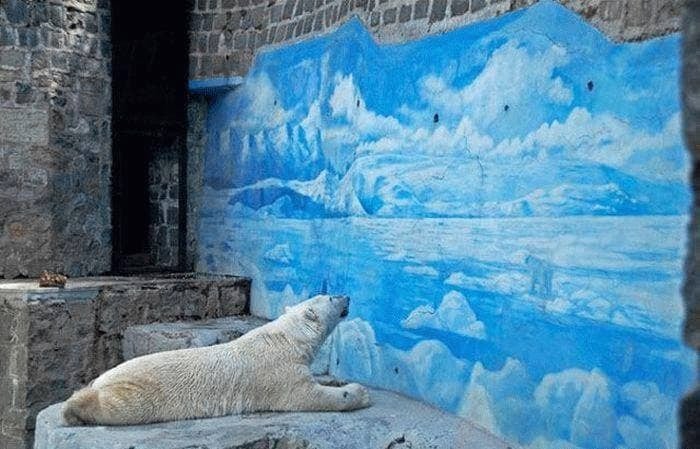
He has also been all alone for 14 years: as the last of his kind in the local dolphinarium, he ekes out a lonely and monotonous existence in a small pool.


Now the Duisburg Zoo announced that “Baby” had to be put down after an illness.
He no longer wanted to eat and reacted increasingly cautious.

In addition, wound infection was diagnosed. As his condition worsened, “Baby” was put to sleep.

At the time of his death, he was the longest river dolphin in captivity in the world – a sad record that was accompanied by much agony and privation for the animal.

Dolphins suffer massively in captivity

It doesn’t matter how big and modern the tanks are – for dolphins captivity always means animal suffering. In captivity, marine animals have little opportunity to express their natural behavior – but this is often used as an argument in favor of keeping dolphins, orcas, etc. in zoos.
However, no general knowledge can be derived from animals in captivity. In addition, zoos do not make any contribution to species protection: not a single dolphin living in Duisburg Zoo has ever been returned to nature.

“The captivity of dolphins always means animal suffering, no matter how large and modern the tanks may be. With robot dolphins, on the other hand, things are different. In July, PETA asked the zoo to transfer the bottlenose dolphins to managed marine reserves and invest in a ‘Robotic Dolphin’. “
(Marine biologist Dr. Tanja Breining, specialist librarian for fish and marine animals at PETA Germany).

Nach 45 Jahren eingesperrt im Zoo Duisburg: Flussdelfin „Baby“ ist tot

And I mean… To make one thing clear: the reality of the life of the dolphins who are always “smiling” (because that is their natural mouth shape and not because they are in such a good mood) and squeaking (because that is their language and not an expression of their mood) is different than in ” Flipper “was shown, it is a tragic one which is used to amuse and entertain stupid visitors.

Amazonian dolphins have been kept in aquariums since 1975 – outside of Venezuela – only in Duisburg Zoo.

Under “kept” is to be understood completely unnatural conditions where they have to wait. This can go as far as the suicide of the animals due to depression – because no dolphin willingly jumps through rings and live happily in a “bathtub”!

Buying and trading with the dolphins drive a completely different, extremely dirty business, as we have already reported: the dolphin massacre in Taiji.

In a Japanese coastal town, whole schools of dolphins are regularly driven into a bay by fishermen.
In front of the dolphin family members, some animals are stabbed alive and cut up. The bay turns red with the blood of agony.
In between, young, small dolphins swim, chosen by the men and later sold to dolphinariums.
Completely traumatized, these animals end up in shows and are supposed to entertain children – what a morbid act!

Now the Duisburg Zoo is moaning in the media and is playing a comedy of emotions that only idiots or the unsuspecting can convince.

“Baby” was a character animal in our zoo.

The loss affects employees and visitors alike and makes us very sad.
With “Baby” we have lost a symbolic animal that represented its endangered conspecifics in South America and the shrinking of the tropical rainforest.”

That is why the rainforest and its rare animals will disappear! because of such predators, animal abusers, unscrupulous criminals who see both animals and nature as only means to their economic ends.

My best regards to all, Venus