Category: Farm Animals

England: Live Animal Cruelty Investigations – Part 1 – The Start, By Knowing ‘It Was Wrong’.

Well, where did it all start with me and that wonderful world of animals; defending and speaking for their rights; Veggie and veganism, and yes, the darker world of cruelty investigation work.

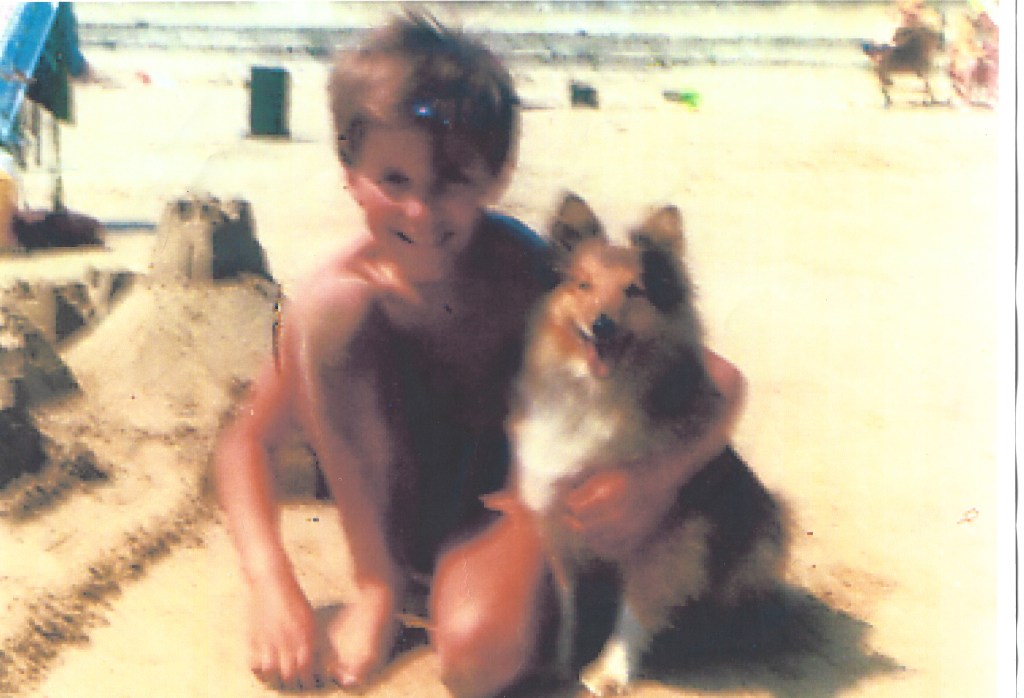
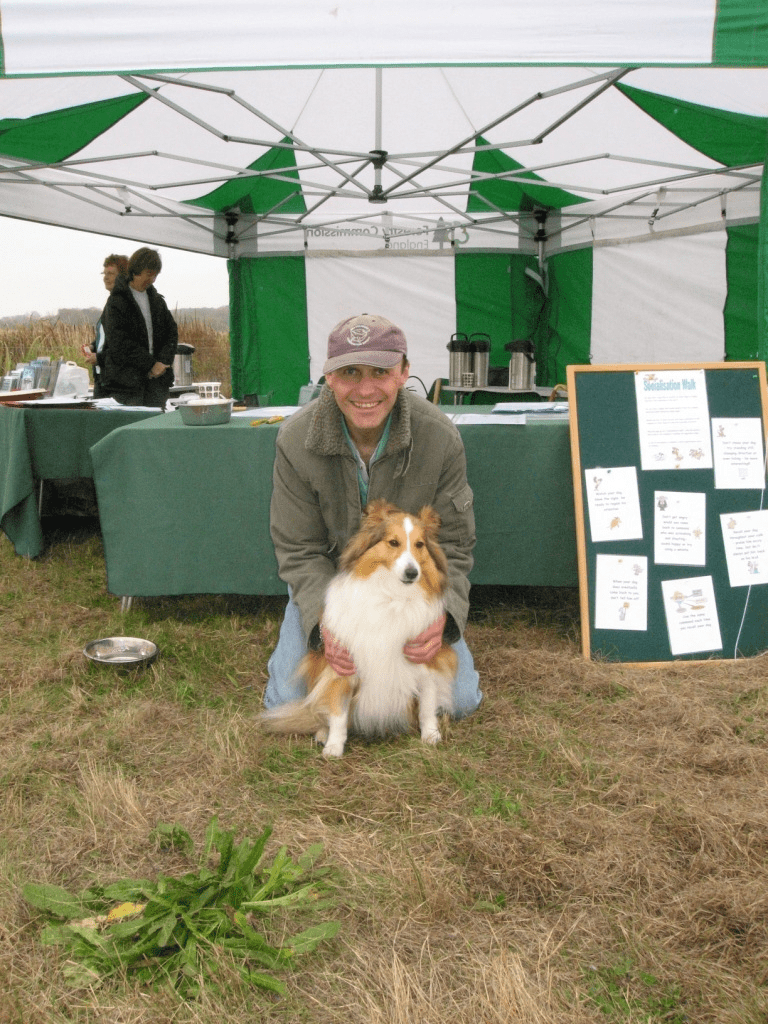
When I was a young lad; aged 8 years, I had owned my own dog for about 3 years – a beautiful Shetland Sheepdog (see picture) named ‘Sheba’.  She was a gift from my parents; and having her taught me primarily respect for other living things, as well as taking responsibility for ensuring she was at her best at all times, fed, kept safe and illness free, and loved incredibly.

I was also a bit of a Deisel head even at that age – trucks were my thing, and every weekend I was out on my bike witnessing all the heavy freight heading down to Dover (a major port in SE England) ready for their mass departure from Calais (France) at Sunday midnight which allowed the start of another working week for British hauliers in mainland Europe.  In France in those days (70’s), they were banned from roads at weekends; unlike the UK.

I lived near to a major road route down to the Kent Channel ports; and for a young boy, it was heaven; trucks from all over the UK heading down to Dover all day every Sunday.  Then, one Sunday ‘it’ happened.  My world changed and has never been the same since.

In those days, Transport Ministry inspectors often secured a lay by near to my home, where they (with the police) would pull over heavy freight to ensure they were compliant with paperwork, road taxes and all the necessary for their trip across the Channel and a new working week in Europe.

As I say, I was 8 years old, but I spent many hours up close and dirty as the heavy freight was pulled over by the police so that the Ministry men could undertake their checks.  Scania’s were, and still are, my favourite; https://youtu.be/1lBoP0Qwaeg  – that sound !!

Anyway, one Sunday it was raining a bit, but I was still out; (school all week so you needed something interesting !) watching the big rigs get pulled over.  I watched a lot, and enjoyed massively; friendly truckers always willing to give me a wave, or better still, a blast from their air horns. And then; out of the blue, the police decided to pull over something which I had never experienced before – a livestock transporter.

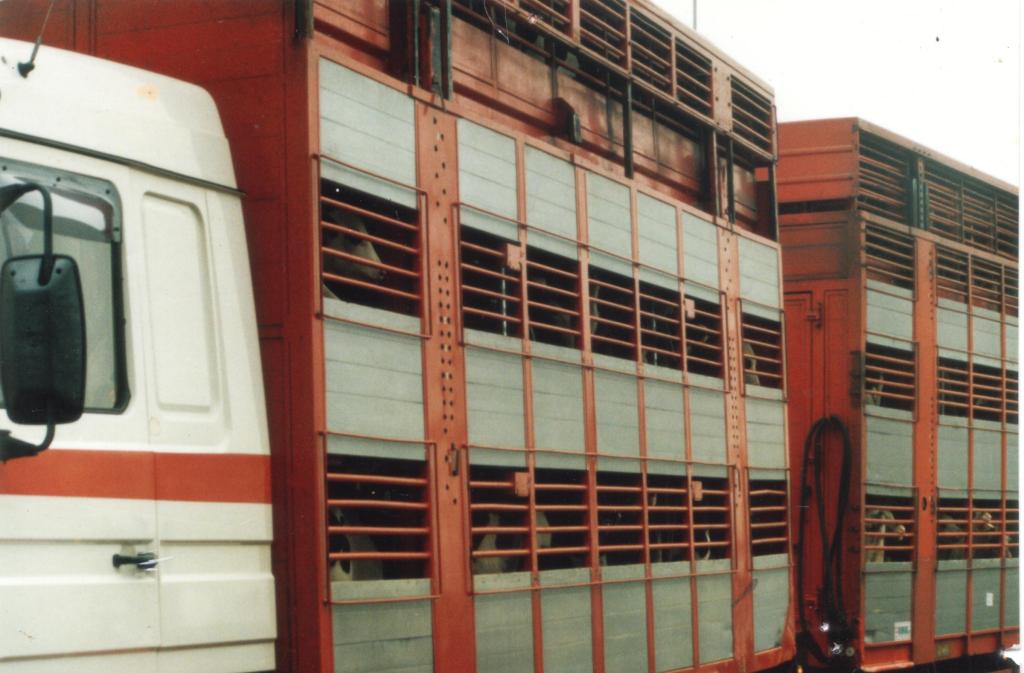
I went over towards it as it stayed at the checkpoint; but immediately there was something different.  It was stacked high with live sheep.  In those days, it was legal for livestock trailers to not have to be fitted with an upper deck roof; hence the poor unfortunates on the top deck continually suffered throughout the journey in the wind and full exposure to any driving rain.  I could also see through lower deck slats at those cramped together and suffering at lower levels; packed in like sardines in a tin. I knew immediately that what I was witnessing was wrong; simple; animals should not suffer or be suffering as they did.  After a while the transporter must have been given the all clear, and it lumbered back onto the highway destined for the port (Dover) and a final destination somewhere in Europe where ‘something would be done’ to the sheep.  I knew nothing about it or them, but I knew that it (what I had witnessed) was wrong. No ‘if’s’ or ‘buts’.

So that Sunday afternoon, saddened and shocked that this was being allowed; I headed back home on my bike; but, that same afternoon I made myself a simple promise; that if and when I got older to a point that someday I would be a voice for those suffering animals and all others being transported; then I would be !

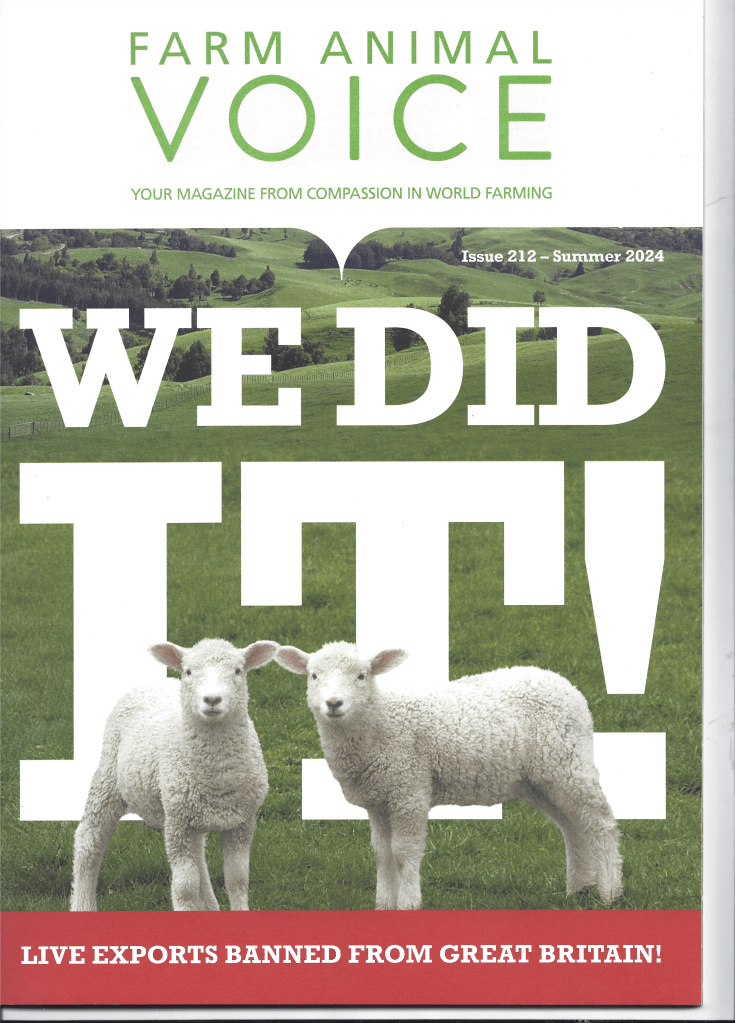
Cut to Summer 2024; finally my dream of ‘that kid’ aged 8 years, of doing something; and the resultant live export ban on all British farm animals from the UK to overseas destinations became a reality.  But, there had been a great deal of work in between.

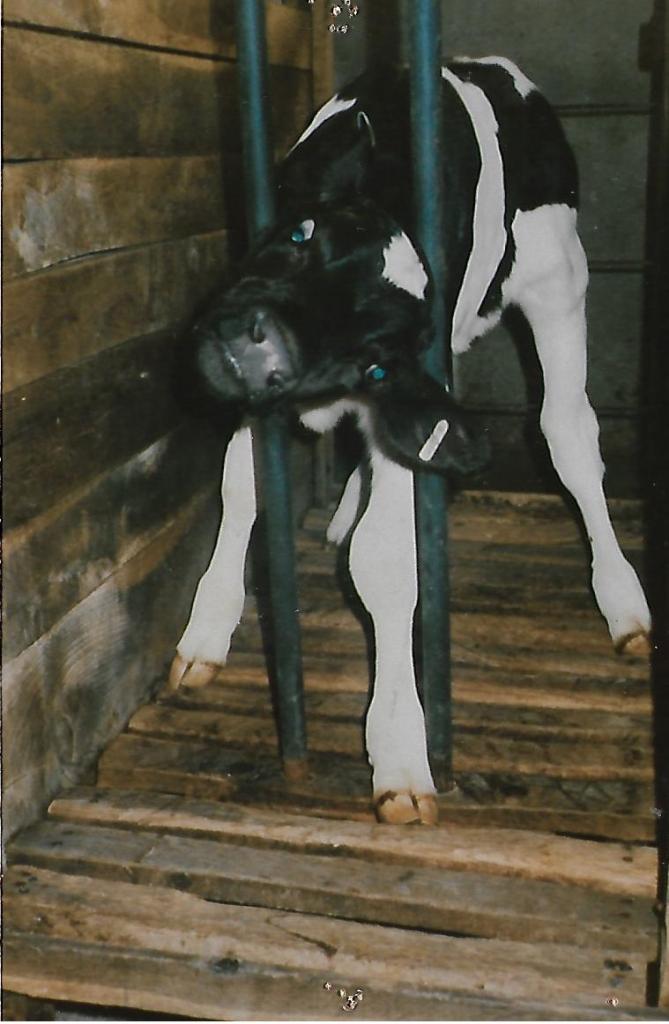
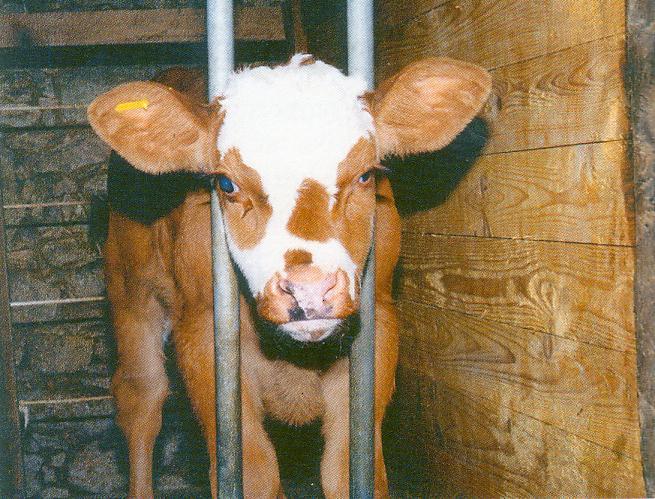
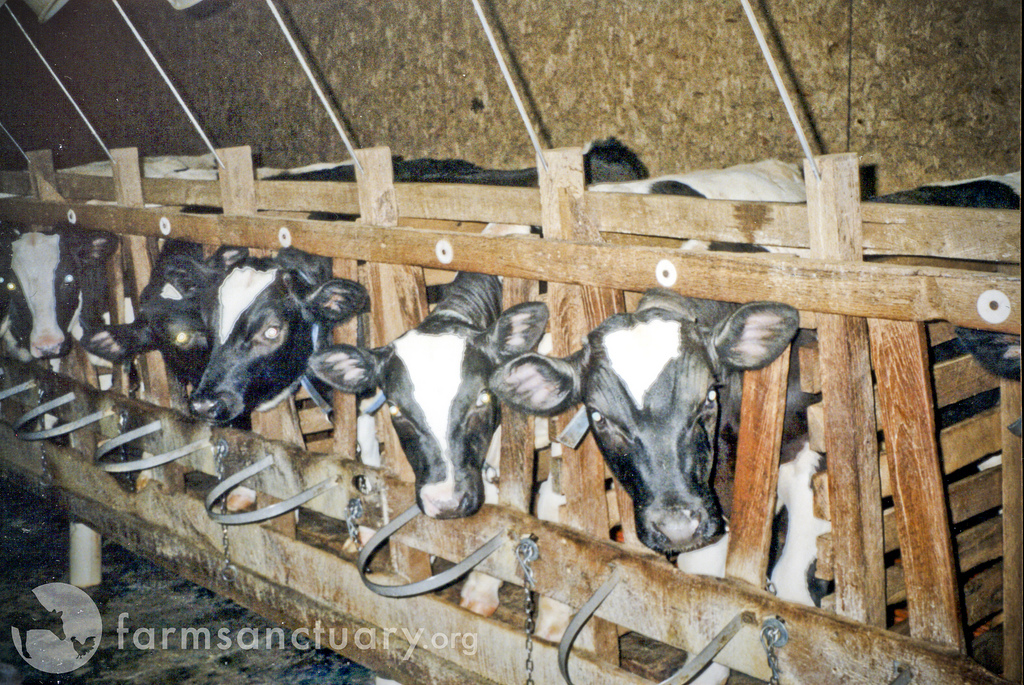
I really got deeply involved again when I was around 18 years old; I could drive, had my own car and had started a pretty stable job working as a trainee Technical Author in Military Aerospace Flight Controls; Autopilots and all that jazz.  Every day whilst on my drive to work; using ‘that’ same highway, I continued to witness, pass, shout, and give the finger to livestock drivers headed down to the ports.  Their cargoes were always the same; the silence of the lambs and sheep, the quietness from the intelligent pigs, and what got to me most of all, the bellowing of the baby calves.  Mere babies themselves in need, but deprived of, the milk from the mothers they would never see again.  In my days at the ports protesting against the trade; you could always hear the calf transporters before you saw them; it was heartbreaking because you knew what they were going to – even worse at that time, you could really do little about it.

Above – Baby Calves Arrive at Dover. Photo – Mark

Crated Calves Neck Tethered.

Above – Crated Calves

But, things would slowly change.

To be continued.

Myself with ‘Golda’, another Sheltie.

USA: 40 monkeys escape from ‘Yemassee monkey farm’ in Beaufort, Hampton Co.: Here’s what we know.

https://eu.usatoday.com/story/news/local/2024/11/07/40-primates-escape-from-yemassee-monkey-farm-in-beaufort-hampton-counties/76107844007/

Regards Mark

Additional:

Anyone who sees or finds a monkey is asked to call 911, the Yemassee Police Department said.

“Just don’t try to take these things home or pet them,” Yemassee Police Chief Gregory Alexander said, per the Post and Courier. “We’re getting a lot of that on our social media. That’s a felony because they don’t belong to you.”

Alpha Genesis conducts research trials using the monkeys, and prides itself on being “one of the largest and most comprehensive nonhuman primate facilities, designed specifically for monkeys, in the United States.” According to federal data, the facility houses more than 6,000 monkeys.

Related video: Monkeys Spotted in Wooded Area in South Carolina After Escaping Research Facility (Storyful)

Play Video

Storyful

Monkeys Spotted in Wooded Area in South Carolina After Escaping Research FacilityUnmute

0

View on Watch

The sheriff’s department did not confirm which species of monkey escaped the lab, but Alpha Genesis’s website says it primarily works with capuchin and macaques.

It’s unclear if the monkeys were part of an ongoing clinical trial, and if so, what kind of testing they had undergone before escaping.

Alpha Genesis maintains a colony of 3,500 monkeys on Morgan Island, in South Carolina — which has since been called Monkey Island — where it breeds monkeys for research purposes.

This isn’t the first time monkeys have escaped into Beaufort County, South Carolina; the region’s newspaper, the Post and Courier, reported that there have been several other escapes, including an incident in 2016 when 19 monkeys spent six hours on the run.

In addition to Alpha Genesis’s Monkey Island in South Carolina, there are at least three species of monkeys with breeding populations living in Florida — none native — including rhesus macaques that were intended to be a part of a tourist attraction in the 1930s. The descendants of those monkeys will roam parts of Florida to this day.

From news to politics, travel to sport, culture to climate – The Independent has a host of free newsletters to suit your interests. To find the stories you want to read, and more, in your inbox, click here.

Investigation – Israel : Live Animal Exports to Israel Continue Despite Ongoing War.

28 October 2024

EFI

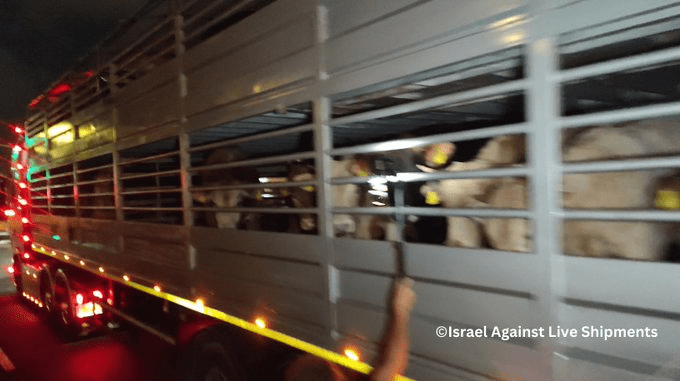
A large number of animals are still being exported to ports in Israel where they are at high risk. Vulnerable cows and sheep are being sent into the war zone from Member States including Ireland, Romania, Croatia, Slovenia, Hungary and Lithuania, where they face rocket fire, air strikes, and mistreatment by distressed port workers and handlers.

The long journeys to Israel’s largest port, Haifa, have severe effects on the health of these sentient beings, causing respiratory illnesses, ulcers, leg injuries, motion sickness and heat stress. Their suffering is only magnified on arrival in Israel, as from Haifa port to the surrounding quarantine and fattening farms, they face daily barrages of rockets and continuous air raid sirens.

Reports have claimed that a number of dairy farms around Haifa have been hit by missiles in the last weeks, killing a large number of cows. In addition, the unsafe conditions around the port are causing workers to use electric prods to get the cattle off the ships as quickly as possible.

Since the war started, there have been over 100 shipments of cattle and sheep from Europe to Israel. Livestock has continued to be exported to Lebanon since the war expanded in that region.

10 NGOs, including Eurogroup for Animals and Ethical Farming Ireland, have now sent a letter to European Commissioner for Health and Food Safety, Stella Kyriakides, urging her to suspend all live export to Israel and Lebanon with immediate effect.

Ethical Farming Ireland has also urged Ireland’s Minister for Agriculture Charlie McCanalogue to not authorise any more shipments to Israel until the conflict is over.

Regards Mark

European Animal Welfare Organisations Demand An Import Halt For Horsemeat.

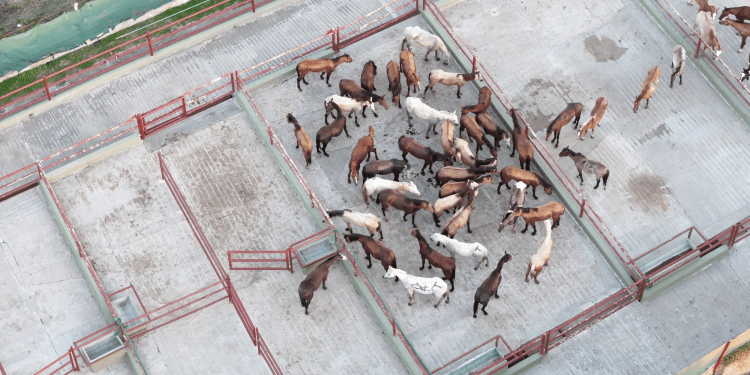
Photo – AWF/ TSB/ GAIA

15 October 2024

GAIA

Press Release

The German Animal Welfare Foundation (AWF) and the Swiss Tierschutzbund Zürich (TSB) present a new film documentation on horsemeat from Argentina. The footage, taken between 2022 and 2024, shows cruelty and poor animal welfare in the handling of horses at Argentinian horse slaughterhouses and assembly centres and during transport on unsuitable cattle trucks.

Together with Eurogroup for Animals (Brussels), Welfarm (France) and GAIA (Belgium), AWF and TSB are calling on the European Commission to stop the import of horsemeat from Argentina. In a resolution in 2021, the European Parliament also spoke out in favour of an import suspension. The Belgian Meat Federation FEBEV and the Swiss importer Skin Packing, on the contrary, want to prevent reporting on the cruel conditions in Argentinian slaughterhouses by taking AWF and TSB to court. 

Since 2010, investigations carried out by AWF, TSB and GAIA have shown that horsemeat producers in Argentina do not comply with the EU’s import requirements. The animal welfare organisations criticise the EU Commission for not imposing the same measure against Argentina as that already imposed against Mexico and Brazil, from which horsemeat imports have been suspended. EU audits conducted in Argentina identified very similar issues regarding food safety and animal welfare, confirmed by EU Commissioner Olivér Várhelyi, who said that “the specific issues raised, such as residues of veterinary medicines, animal welfare, illegal cross-border movement and traceability, were all identified during the audits the Commission services have conducted (…)”. Nevertheless, horsemeat from questionable sources continues to enter Europe

Our investigations are disturbing the European importers. They want to prevent the publication of our findings by taking legal action against AWF and TSB. The EU audit reports, however, have repeatedly confirmed what is shown in our film documentaries”, explains Sabrina Gurtner, AWF|TSB project manager. 

Argentinian media regularly report on criminal organisations that abuse the horsemeat business, yet even horse traders who have been under police investigation for years and have been banned from the animal trade remain in the business illegally. They are known to use the uncontrollable network of slaughterhouses, assembly centres and horse suppliers for their criminal business. “From official sources, we have received a list of 2,600 addresses of horse assembly centres and suppliers. This network is an ideal hiding place for criminal gangs”, reports Sabrina Gurtner. 

For example, the Lamar slaughterhouse near Buenos Aires has repeatedly been the target of police investigations. The media reported a raid in 2022 at the Lamar slaughterhouse and its supplier in Ibicuy. The latter is being investigated by the police for forming a criminal organisation, money laundering, tax evasion, possession of weapons and animal cruelty.

The new film by AWF and TSB shows the state of horsemeat production in Argentina – with seriously injured and highly emaciated horses left unattended, driven limping from the transporters into pens. Foals born in the slaughterhouse wander unprotected between nervous, thirsty and hungry horses. The presence of foals also indicates that heavily pregnant horses continue to be transported, despite being unfit to do so. The film also shows workers beating the horses incessantly with sticks and brooms. The horses are not adequately supplied with food or water, nor do they have sufficient protection from the weather. These horrific animal welfare conditions are present despite the fact that the visited slaughterhouses participate in the European importers’ “Respectful Life” project. 

Several audits carried out by the EU as well as investigations of the animal welfare organisations show that the traceability of horses is not guaranteed. This leads to an increased risk to food safety and there is no information about where the horses actually come from. Stolen horses have frequently entered the slaughter pipeline.

A public petition calling on the EU Commission to stop horsemeat imports from overseas, has so far collected more than 213,000 signatures. “On behalf of several European animal welfare organisations, we are calling on the Commission to require equivalent animal welfare standards in exporting countries and to suspend any horsemeat imports from countries where no effective traceability system is in place”, explains Iza Arrieta, Programme Manager, Cats & Dogs and Equines, Eurogroup for Animals.

Sébastien de Jonge, COO GAIA, says: “The investigations carried out by the animal welfare organisations have led many supermarket chains to stop selling horsemeat from countries that violate animal rights. In Belgium, all supermarkets have ceased selling horsemeat from South America. It is now crucial for Europe to follow the example set by these private actors and close its borders to products resulting from the worst practices towards animals.” 

Ghislain Zuccolo, CEO WELFARM, says: “It is unacceptable that some supermarkets in France still sell horsemeat from South America. This situation is in total contradiction with the ambitions of these same distributors with regard to animal welfare. They can no longer ignore the sufferings involved with this trade.

Mark.

EU: Animal Welfare Commissioner Must Show More Concrete Commitments.

23 October 2024

In the run-up to the candidate hearing of EU Commissioner for Health and Animal Welfare Olivér Várhelyi, the European Commission (EC) published the answers to the written questions.

While Eurogroup for Animals welcomes aspects of the candidate’s answers to questions on animal welfare, it stresses the need for much more ambitious actions and concrete commitments to improving the lives of all animals in Europe, and to respect the wishes of citizens who have been calling for the EU to do much more in this respect.

In his answers, candidate Várhelyi promised to work on “policies [that] leave no one behind, creating conditions for truly inclusive health and animal welfare systems catered fairly to the needs of people and animals”.  

Eurogroup for Animals welcomes the commitment to modernise animal welfare legislation in line with the latest science, and acting on the End the Cage Age ECI through the phasing out of animal cages.

The answers however, are far from ambitious enough, and the candidate makes no reference to:

  • A clear timeline of the revision of the legislation
  • Comprehensive species-specific regulations that take into account the unique needs of certain species, like fish and meat chickens
  • A ban on fur farms, as per the demands of the Fur Free Europe ECI. 
  • Plans for a transition to animal-free science
  • Actions to tackle the illegal pet trade
  • Ensuring that animal welfare standards apply to imported products
  • The introduction of and EU-wide Positive List for animals that should be kept as pets
  • Enabling food environments that make healthy and sustainable diets widely available and affordable – this is crucial for a OneHealth approach.

Despite the introduction of Animal Welfare in the Commissioner’s name, a news that was widely welcomed, the mission letter barely mentioned animal welfare (only 1 of 14 items).

In reaction, in September, Eurogroup for Animals sent an ideal mission letter to EC President Ursula von der Leyen, detailing the priorities that were missing. MEPs are invited to sign the mission letter during an event that Eurogroup for Animals will host with GAIA at the European Parliament during the week starting 4 November.

With animal welfare being right there in the title of his role, we expect much more ambition on the part of candidate Várhelyi. After decades of new scientific evidence, and resounding calls from citizens, we urgently need more concrete commitments and timelines that ensure better standards for all animals in the EU, with none left behind. We call on MEPs to represent the demands of citizens and request specific answers during the hearing.

Reineke Hameleers, CEO, Eurogroup for Animals

Deel op FacebookDeel op TwitterDeel op PinterestDeel op Linked InDeel op Whatsapp

Related news

Animal welfare commissioner must show more concrete commitments

Silent Suffering: photo exhibition highlights cruel realities of animals in Europe

Strategic dialogue urges EC to deliver the revision of animal welfare legislation by 2026

Mark

EU: Animals are dying at Europe’s borders. Who is responsible? – We Say EU Commissioner Politicians.

25 October 2024

Last week, 69 pregnant heifers suffered a terrible death after being stranded at the border between Bulgaria and Turkey for over four weeks.

Because the cows were coming from Brandebourg, which is considered an epidemic area for the bluetongue virus, Turkish authorities stopped the animals, and legal bureaucracy did not allow a return to the EU.

Despite many reports from animal advocacy groups, the cows were left stranded in their own faeces, with many dying in the truck. No authority chose to take responsibility for these animals. 

The cows that survived were eventually slaughtered without stunning, a practice that causes severe suffering. 

Another tragedy looms

Just days after this terrible event, another situation surfaced at the same border. This time, 47 cows are stranded without food and water. Animals have started to fall ill, and two have already died.

Animals suffer greatly while being transported for days on end, with journeys lasting for up to three weeks. Cramped tightly in vessels that are often filthy and hazardous, they endure injuries, sickness and heat stress.

The effects on vulnerable animals, like young and pregnant animals, can have long-term effects. Evidence shows that in the case of calves, issues sustained during transport can lead to lifelong problems with their digestive and respiratory systems.

What needs to be done?

The EU is not doing enough.

The transport file, where the new legislation is being discussed, is still at a standstill, and it is still legal to transport animals to non-EU countries.

Animal protection NGOs call for legislation that meaningfully protects animals during transport, and an end to all live transport from the EU to third countries.

Regards Mark

Ireland: Popular TV programme reveals calves in Ireland endure abuse and long journeys. Plus Links To .Our Past Work On Irish Calf Investigations.

9 October 202

Undercover footage showing unweaned calves facing abuse and neglect was recently aired by the Irish television broadcaster, RTÉ Television. This new evidence echoes the findings of animal protection organisations on the ongoing mistreatment of unweaned calves and the horrors they face in the live animal transport industry.

RTÉ Investigates aired “Live Exports: On The Hoof”, a gruelling documentary which covered abuse at an assembly centre in Ireland, as well as suffering during export outside the EU. Footage revealed calves being repeatedly hit with paddles and pitchforks, as well as being dragged by their ears and tails while being unloaded from trucks. It also showed dead calves being left in varying states of decay around living animals, posing a significant disease risk. 

The programme also explored the fates of those exported to third countries. While thousands are exported directly from Ireland to places including Morocco and Israel, some are sent to Spain, Hungary and Romania, after which they must endure further travel to North Africa and the Middle East. These journeys can become incredibly long, putting significant strain on the young animals. When they are finally offloaded from the vessels, they face slaughter in a country where they are not protected by EU animal welfare laws. 

Putting Ireland’s calf export industry in the spotlight

While the programme caused quite a stir, it’s not the first time that animal protection organisations have heard of these kinds of abuses against calves. In March 2024, Ethical Farming Ireland, Dier&Recht, L214 and Eyes on Animals followed trucks travelling from Ireland to veal farms in the Netherlands and beyond, where they witnessed multiple counts of abuse. 

Select ‘watch on Youtube’:to view:

Not only was it clear that the young animals were being harmed as they were prepared for long distance transport, but also during the journey, reports have repeatedly shown the calves face significant dehydration, hunger, stress, and neglect. The conditions inside these livestock trucks are poor, as up to 300 calves are crammed into one truck over three tiers with no headroom and barely enough space for them to lie down. These journeys can continue as far as Romania and Poland, which takes several days. What’s more, calves that don’t end up in veal farms can be fattened and sent on even longer journeys on livestock vessels, to countries far outside the EU.

So far, over 160,000 unweaned calves under six weeks old have been exported from Ireland this year. The majority end up in veal farms in the Netherlands, where they face “a hideous existence, packed together in crowded pens on hard slatted flooring, [where they are] never outside and they are sent to slaughter within a year”, comments Frederieke Schouten, director of the Dier&Recht Foundation.

These young, vulnerable calves are subjected to rough treatment and abuse… prolonged starvation, and horrendously long journeys in crowded trucks. RTÉ Investigates has exposed a major exporter and we need action. It’s time the sector took responsibility for these animals.

Caroline Rowley, Director, Ethical Farming Ireland

As one investigation after another continues to highlight the immense suffering that millions of animals endure each year in the live animal transport industry, it’s clear something urgently needs to change. Eurogroup for Animals calls for a much stronger revision to the Transport Regulation, as well as for a shift to a meat and carcasses trade, which could precipitate the end to the transport of live animals to countries outside the EU entirely. 

Regards Mark – Here is a little more for you relating to some of our past work:

Related Link:

https://youtu.be/OTnwR0I6c1Y

Click on the following link to read a very small part (1 of 5 investigation reports) of the overall trail / investigation report:

JH.04.03.2010_REPORT on NON-COMPLIANCE with RESTING TIMES in relation to CONTROLPOST at F-HEAUVILLE

COVER

EU Brussels: Missing posters spotlight EU’s stalled animal welfare progress.

7 October 2024

A billboard campaign has been launched in the heart of Brussels’ EU quarter, urging the European Commission to fulfil its promises on the animal welfare legislation, now overdue by a year.

The European Commission had committed to a comprehensive overhaul of animal welfare legislation by October 2023. However, a full year has passed without the promised proposals for kept animals and slaughter being unveiled.

Countless animals continue to suffer in factory farms across the EU under outdated and inadequate laws that fail to protect them or meet their most basic needs. 

As part of our No Animal Left Behind campaign, Eurogroup for Animals placed 40 billboards across 17 metro stations in the EU capital to send a strong message to the European Commission: citizens are still waiting for meaningful legislative change for the animals. 

Despite the delayed proposals, it was promising to see consensus by all stakeholders of the Strategic Dialogue on the Future of EU Agriculture on the urgent need for a revision of EU animal welfare legislation by 2026 and a phase-out of cage systems. In a historic move, European Commission President Ursula von der Leyen also announced the creation of the role of Commissioner for Health and Animal Welfare. This new role will ensure animals have more representation on the political stage.

Next steps will see candidates for the Commissioner roles face hearings in the European Parliament in November 2024, where their priorities and plans will be scrutinised. Finding the right candidate is crucial to keep animal welfare legislation a top priority in the next legislative term.

Regards Mark – PS They always were bloody useless !

Related news

Common Agricultural Policy found to lack ambition by European Court of Auditors

Popular TV programme reveals calves in Ireland endure abuse and long journeys

Missing posters spotlight EU’s stalled animal welfare progress

England: Speciesism WTF and Animal Justice Project stage a protest against pork and farrowing crates. Effective !!!

Art installation protest against the pork industry outside Frieze Art Fair, London, UK

Animal rights activists from the groups Speciesism WTF and Animal Justice Project stage a protest against pork and farrowing crates outside this year’s Frieze Art Fair.

The protest features an art installation by Stephanie Lane and highlights the widespread meat industry practice of keeping mother pigs confined in restrictive cages.

Click on this link to watch the video:

https://www.msn.com/en-gb/video/viral/art-installation-protest-against-the-pork-industry-outside-frieze-art-fair-london-uk/vi-AA1s9LuY

Very effective and sending out a strong message for poor suffering pigs.

Regards Mark

We all wish……………………….