Category: Fur and Fur Farming

England: Fur News Latest From ‘Respect For Animals’.

Fur News – From Mark and the crew at ‘Respect for Animals’, Nottingham England.

Respect for Animals | Campaign against animal fur – Fur for Animals

Anger as UK government set to break promise to ban fur

Read more:

Anger as UK government set to break promise to ban fur | Respect for Animals

Bill to end fur farming passes Ireland’s Dáil

Read more:

Bill to end fur farming passes Ireland’s Dáil | Respect for Animals

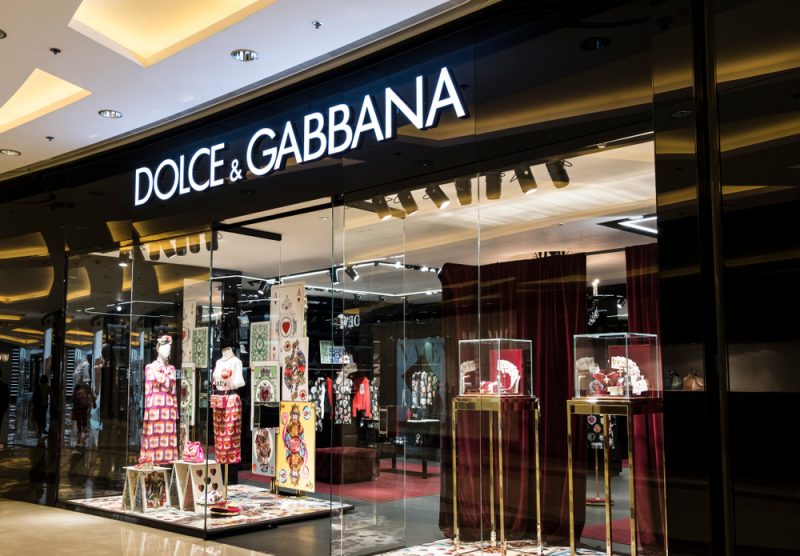
Dolce&Gabbana goes fur-free

Read more:

Dolce&Gabbana goes fur-free | Respect for Animals

Italy to ban fur farming in 2022!

Read more:

Italy to ban fur farming in 2022! | Respect for Animals

Regards Mark

Risks from animal reservoirs of SARS-CoV-2 confirmed in statement from WHO, FAO and OIE.

14 March 2022

The joint statement, released on 7 March, by the Food and Agriculture Organisation (FAO), World Organisation for Animal Health (OIE) and World Health Organisation (WHO) reinforces that farmed mink have been shown to be capable of infecting humans with the SARS-CoV-2 virus. It recommends prioritisation of monitoring SARS-CoV-2 infection in wildlife and preventing the formation of animal reservoirs.

Three years into the pandemic, the emergence of SARS-CoV-2 variants continues as the virus evolves. 

In a new statement from the major global health bodies WHO, FAO and OIE, the risks associated with potential animal reservoirs are laid out, including the risks from both domestic and wild animal populations. The infection and spread of the virus in animal populations could lead to the emergence of new SARS-CoV-2 variants that are then passed back to humans.

In addition to domestic animals, free-ranging, captive or farmed wild animals such as big cats, minks, ferrets, North American white-tailed deer and great apes have thus far been observed to be infected with SARS-CoV-2.

In 2021, Eurogroup for Animals and the Fur Free Alliance released a scientific statement on public health risks associated with SARS-CoV-2 and intensive mink production, signed by numerous scientists from the fields of virology, infectious diseases, clinical microbiology, veterinary medicine and environmental health. 

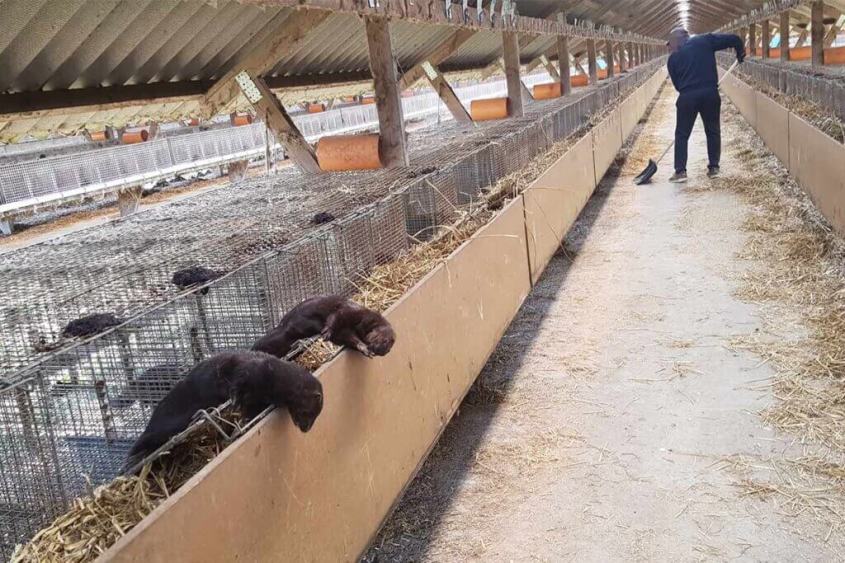
Mink farms, where thousands of mink are housed together in high density, constitute high risk potential reservoirs for SARS-CoV-2 as well as for associated mutations. 

FAO, OIE and WHO are calling on all countries to take steps to reduce the risk of SARS-CoV-2 transmission between humans and wildlife with the aim of reducing the risk of variant emergence and for protecting both humans and wildlife.

Although EfA welcomes the above mentioned recommendations, it has been shown that monitoring measures haven’t been enough to contain the spread of the virus in fur farms in the EU. In a  letter sent to the Commission in June 2021, EfA and FFA expressed their concern about how fur farmers have been systematically breaching the biosecurity rules recommended by the OIE4 in some Member States. After the implementation of new EU rules to ensure harmonised monitoring activities, new outbreaks of the SARS-CoV-2 virus were detected in European fur farms. 

Future spillover between animals and humans can thwart the efforts to eliminate or control the disease. EU mink farms must not become a reservoir for future spillback of SARS-CoV-2 from animals to humans.

Another recent study has found SARS-CoV-2 related viruses in trade-confiscated pangolins in Vietnam. It shows just how much a reform of wildlife policy is required to control the risks of future pandemics, and how wildlife trade risks spillover from viruses that are not detected with current screening methods.

Regards Mark


The end of the cruel fur industry is near! ??

Success for the Latvian animal welfare movement!
After years of illegally polluting the sewage,the second largest fur farm in Latvia is empty and at a standstill.

This company dumped manure into Latvian waters for 8 years and avoided liability. Animal Freedom has repeatedly urged the country to end it.

Latvia-2021

In March they documented the pollution around the farm and again brought this to the attention of the control authorities. Well, the fur farm is finally closed.

As on every fur farm, the conditions for the mink were catastrophic, as research from 2018 shows!
In addition, the Latvian parliament is discussing a complete ban on all fur farms that still exist.

Text: VgT (Association against animal factories ) Austria

For info: Fur farming is prohibited by law in Austria, Great Britain, Croatia, Slovenia, Bosnia and Herzegovina, Serbia and Macedonia.

The Swiss Animal Welfare Act stipulates that wild animals such as mink and foxes must be kept under zoo standards. These requirements are so high that there are no more fur farms in Switzerland.

A ban on fur farming came into force in the Czech Republic in 2019
In the Netherlands, the second largest mink producer in Europe, keeping chinchillas and foxes is already banned. The last mink farms should close in 2024, because of the corona virus the farms are already closing this year.

Fur farming in Belgium will end in 2023.
Farming of fur animals has been banned in Luxembourg since 2018.

Slovakia passed a law in 2019 banning fur farming from 2025.
Norway passed a law in 2018 banning fur farming from 2025.

In Germany, in March 2019, no more animals were kept on the last German fur farm in Rahden (NRW). Due to the high legal requirements that will apply from 2022, no more new animals will be used. The penultimate farm in Döhlen (Saxony) was closed in 2018.

In the EU, import and trade in seal skins, as well as dog and cat fur have been banned since 2019.
According to the European fur association Fur Europe, there were 4,350 fur farms in Europe in 2018, with a production of almost 38 million furs.

At the end of October 2021, the Irish government confirmed it again – the three remaining mink farms are to close by the end of the year, and the construction of new fur farms will also be prohibited.
This makes Latvia the 18th country in Europe where all fur farms will be closed.

The next step must therefore be that all countries in the European Union ban the keeping and killing of animals for the purpose of fur production, then the way is clear for an EU-wide ban on the trade and production of fur.

Nobody needs fur, only the animals who dress it.

My best regards to all, Venus

Fashion giants Dolce & Gabbana and Moncler have ditched fur.

The fashion houses’ fur-free policies make ‘it abundantly clear: “fur is cruel, outdated, and ugly.”
Fashion giants Dolce & Gabbana and Moncler have ditched fur.

The two Italian luxury fashion houses are the latest amongst a slew of mega-retailers including Bloomingdale’s, Macy’s, Nordstrom, Neiman Marcus, Saks Fifth Avenue, and H&M, that have committed to eliminating fur from their designs.
Canada Goose, Gucci, Yves Saint Laurent, Alexander McQueen, and Balenciaga, have also announced fur-free policies.

Dolce & Gabbana
The fashion brand has even confirmed to In Defense of Animals (IDA) that it will ban angora from all future collections.

“Fur and angora cause extreme cruelty to animals, and we appreciate Dolce & Gabbana’s efforts to set the trend for compassion,” Fleur Dawes, Communications Director for In Defense of Animals said in a statement.

“Clothing and accessories needn’t harm animals. We urge all designers to follow suit by ditching all fabrics made from animal fur and skin.”

The IDA has been campaigning to end the fur trade since the 80’s. It has also helped create the longest-running animal protection demonstration in the world, known as Fur Free Friday.

According to the international animal protection organization, the fashion industry kills around 100 million animals for fur each year, including approximately 2 million dogs and cats.
More than 9,000 supporters signed IDA’s latest petition urging Dolce & Gabbana to ban fur.

“We wholeheartedly celebrate Dolce & Gabbana’s decision to eliminate animal fur and angora from its designs. Consumers have made it abundantly clear: fur is cruel, outdated, and ugly,” Julie Massa, Fur Campaigner for In Defense of Animals said.

Moncler
Earlier this week, Italian fashion house Moncler – also a renowned skiwear brand – committed to going fur-free as a reflection of the brand’s ‘dedication to protecting the planet and creating a better future for all’.

The luxury brand further announced that it “will stop sourcing fur this year and the last collection to feature fur will be Fall/Winter 2023.”

In a statement, the firm noted: “This decision is consistent with Moncler’s ongoing commitment to responsible business practises and builds on the brand’s constructive and long-term engagement with the Italian animal rights organisation LAV as a representative of the Fur Free Alliance.”

Moreover, it added that Moncler’s Sustainability Plan 2020-25 will focus on five strategic drivers: climate action, circular economy, fair sourcing, enhancing diversity, and giving back to local communities.

PJ Smith, Fashion Policy Director for the Humane Society of the United States and Humane Society International, said: “We’re thrilled Moncler is committed to making the fashion industry more humane.”

Simone Pavesi, LAV Manager for the Animal Free Fashion Area, added: “LAV applauds Moncler for the responsible decision to permanently discontinue animal furs from its collections.

“Our commitment to Moncler and all fashion companies continues towards new goals for an increasingly sustainable fashion and for the protection of animals.”

Fur is dead, and the world knows it

Apart from fashion brands, fur bans have been enacted in San Francisco, West Hollywood, and Los Angeles within the last several years. In 2019 California became the first state in the country to ban fur sales and fur trapping.

Last year, Italy also added its name to the list of countries that have announced bans on fur farms.

The Italian Senate’s Budget Committee voted on the amendment following the Humane Society International/Europe (HSI Europe) strategy to close its remaining 10 mink fur farms by June and permanently ban fur farming nationwide.

“Italy has quickly become a hub for fur-free fashion now that the country banned fur farming last year and many of its renowned brands—including Armani, Prada, Versace, Valentino and Gucci–are fur-free,” Smith added.

https://www.totallyveganbuzz.com/news/two-top-italian-luxury-fashion-houses-ditch-fur/

And I mean…Fur is not a natural product, but is “produced” in cruel factory farming of wild animals.
After a life of deprivation and suffering, a horrible death by gassing follows.
Europe is still the second largest fur producer in the world after China.

We are thrilled about the decision of the two luxury fashions.
We’re sure fur’s time is up.
And those few fashion houses that are still lagging behind will sooner or later also stop offering animal suffering and death.

My best regards to all, Venus

Italy: Fantastic News – Italy Bans Fur Farming as of January 2022!

Italy bans fur farming as of January 2022!

21 December 2021

ALI

Today marks history: after having adopted a temporary ban linked to the COVID-19 outbreaks in mink farms and the potential impact on pubic health, Italy decided today to ban fur farming for good as of 1 January 2022.

Over 60,000 minks were killed every year in Italy for the “value” of their fur. Thanks to the endless efforts of Italian animal protection organisations and the mobilisation of citizens, from 1st January 2022 this cruelty will never be repeated.

The approved amendment:

  • Fur farming ban (for all species, not only mink), as already established by almost twenty other European countries, from 1st January 2022.
  • Dismantling by 30th June 2022 of the 5 latest farms which in 2020 produced 60,000 mink per year; and, at the same time, confirmation of the breeding ban already in place since last January for the 7,039 breeders still held in these farms.
  • A Decree of the Ministry of Ecological Transition, the Ministry of Agriculture and the Ministry of Health will be issued by 31st January 2022 to regulate eventual change of ownership, sterilization and detention of mink from former fur farms to sanctuaries/shelters preferably managed directly or in collaboration with recognized animal rights associations.
  • State indemnities up to a maximum of 3 million euros for the closure and disposal of each farm, as well as 3 million euros in total for their conversion into agrivoltaic the production of clean energy, to be assigned by 31 January 2022.

A special congratulations to our Italian member organisations who have been very busy achieving this historical step during the last months: LAV, Essere Animali Animal Law Italy and Animal Equality

Italy is a more civilized country, we have put an end to a cruel, anachronistic, unjustifiable industry that has no more reason to exist in a civil society where the value of respect for animals, as sentient beings, is always more widespread and rooted

Simonhe Pavesi, Animal Free Fashion Area Manager at LAV

Read more at source

LAV

Regards Mark

Fashion magazine “ELLE” has removed fur from all of its editorial and promotional content

LONDON, 2 DECEMBER 2021 – Today ELLE Magazine announced that it has committed to ending the promotion of animal fur in its pages and online.
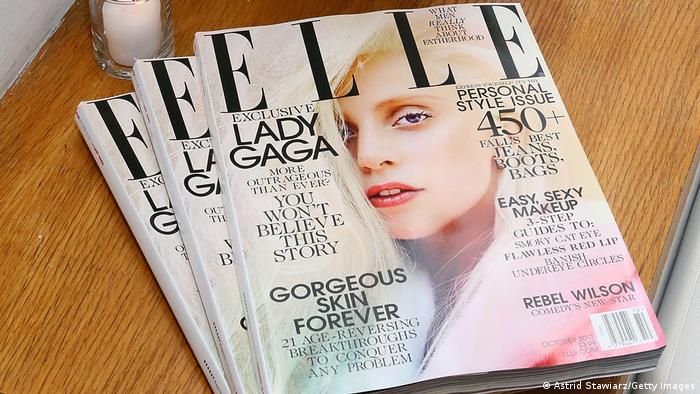
The announcement was made today at Business of Fashion’s 2021 VOICES event in London and follows dialogue between ELLE brand owner, Lagardère Group, the Humane Society of the United States, Humane Society International and Creatives4Change.

ELLE created a charter to disallow editorial content that promotes animal fur on its pages, websites and social media. This includes no animal fur in editorials, press images, runway and street style images.

The charter, which is in alignment with the Fur Free Alliance’s definition of fur, also no longer allows the depiction of animal fur in any advertisements on its pages and online.

All ELLE editions around the world signed it, which includes publications in Arabia (English and French editions), Argentina, Australia, Belgium (Flemish and French editions), Brazil, Bulgaria, Canada (English and French editions), China, Croatia, Czech Republic, Denmark, France, Germany, Greece, Hong Kong, Hungary, India, Indonesia, Italy, Ivory Coast, Japan, Kazakhstan, Mexico, Netherlands, Norway, Poland, Romania, Russia, Serbia, Singapore, Slovenia, South Korea, Spain, Sweden, Taiwan, Thailand, Turkey, UK, Ukraine, USA and Vietnam.

For 13 of those editions, the charter is already effective, for 20, it will be effective as of Jan. 1, 2022, and for the remaining editions, it will be effective as of Jan. 1, 2023.

The ELLE network that will be impacted by this announcement includes:
45 editions worldwide
21 million readers per month
6.6 million copies sold per month
175 million total reach
46 websites, 100 million unique visitors, 400 million pages viewed and multiple mobile/tablet apps

According to Constance Benqué, CEO Lagardère News and CEO ELLE International:

“Societal engagement has always been one of the key pillars of the ELLE brand. The world has changed and the end of the use of fur is aligned with the course of history. We hope that, with this commitment, ELLE will open the path for other media to disallow fur promotion, all around the globe, and promote a fur-free future.”

According to Valéria Bessolo LLopiz, SVP and international director of ELLE:

“For many years, ELLE has been engaged towards environment, sustainability and ecology through regular features or special green issues. The presence of animal fur in our pages and on our digital media is no longer in line with our values, nor our readers.

It is time for ELLE to make a statement on this matter, a statement that reflects our attention to the critical issues of protecting and caring for the environment and animals, rejecting animal cruelty. It is also an opportunity for ELLE to increase awareness for animal welfare, bolster the demand for sustainable and innovative alternatives, and foster a more humane fashion industry.”

Alexi Lubomirski, fashion photographer and founder of Creatives for Change, says:

“Since its inception, ELLE magazine has always been a leading light in fashion, synonymous with a freshness, unencumbered by the weight of tradition and formality. Because of this strength, ELLE was said to ‘not so much reflect fashion as decree it.’

It is this creative power to inspire, that allows ELLE to make broad steps in shaping the hearts and minds of its readers for a more evolved and aware future for all.”
PJ Smith, director of fashion policy for the HSUS and HSI, adds:

“We celebrate ELLE for taking a stand against the cruel fur trade and look forward to other fashion magazines following their lead. This announcement will ignite positive change throughout the entire fashion industry and has the potential to save countless animals from a life of suffering and a cruel death.

ELLE’s leadership will also drive innovation for more sustainable and humane alternatives.”

https://www.furfreealliance.com/elle-international-pledges-fur-free/

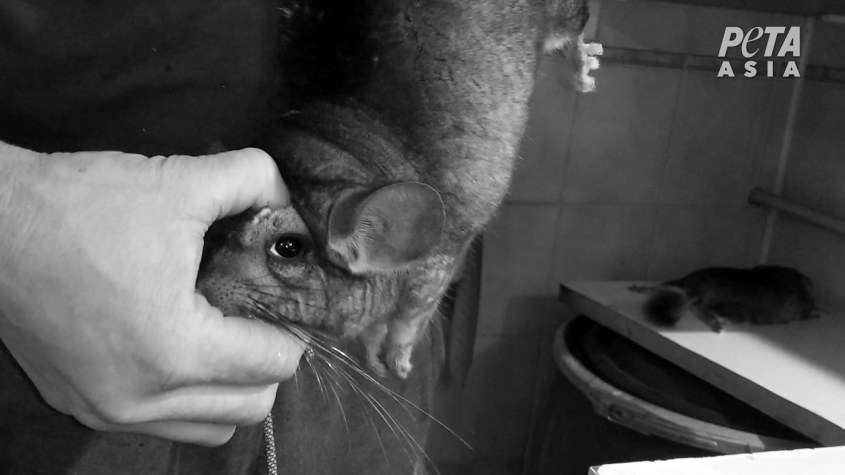
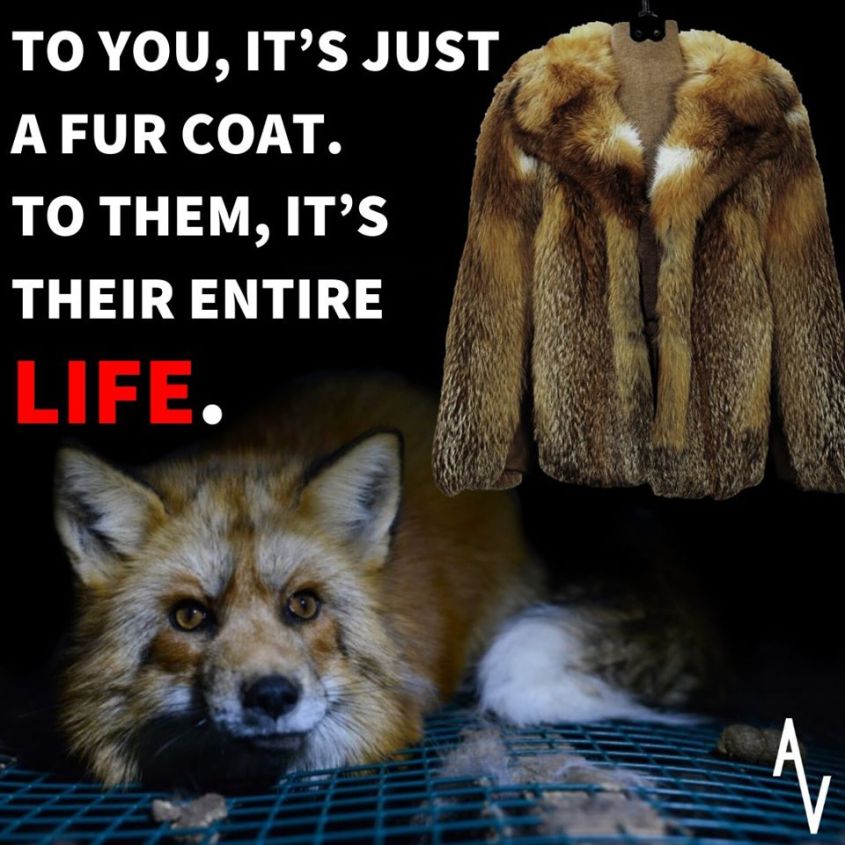
And I mean… More than 100 million animals worldwide are killed for their fur every year, including mink, fox, raccoon dog, chinchilla, rabbit and coyote – that’s the equivalent of three animals dying every second just for their fur.

Every designer who puts fur on the catwalk, every retailer who puts fur on the shelves, and every consumer who hangs fur in their closet helps keep the shameful misery on the fur farms going.
This spiral must stop and fur sales and fur farming must be banned in the EU and worldwide.

In this respect, we welcome the decision of ELLE magazine to no longer support this bloody business with advertising. Fashion designers have always used these luxury magazines as advertising media for their fur articles.

Now one puts an end to that, and we think that’s great.

My best regards to all, Venus

Armani says NO to Angora-we think it’s great!

We have some exciting news for rabbits!

Following talks with PETA, the Armani Group – whose iconic brands include Giorgio Armani, Emporio Armani, EA7, and Armani Exchange – has confirmed that it has banned the use of angora in future collections.
The company implemented a ban on fur in 2016.

Today’s socially conscious fashion consumers want nothing to do with an industry that rips the hair out of fully conscious rabbits.

As more and more Italian designers and fashion houses are saying no to fur, angora, and other materials stolen from animals, it’s time for Italian legislators to catch up with the changing times and ban fur farms.

take action to make it happen: https://secure.peta.org.uk/page/64561/action/1

A few things about it: Around 7,000 minks a year are still imprisoned on Italy’s six remaining fur farms. It’s time to shut these facilities down.

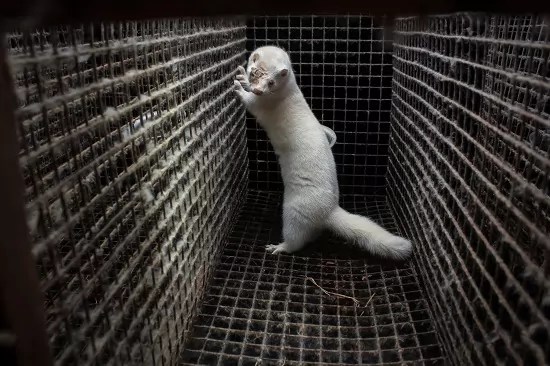
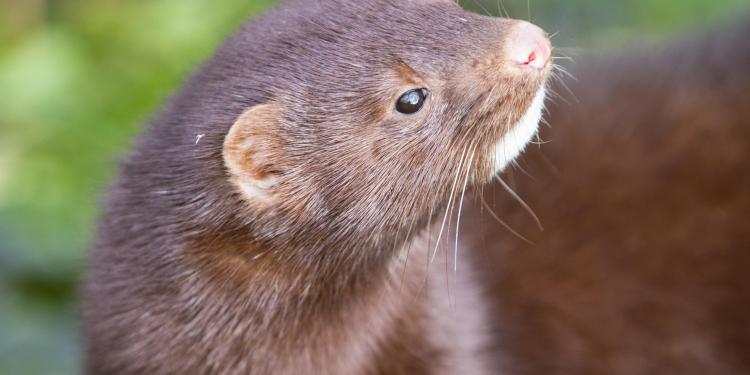
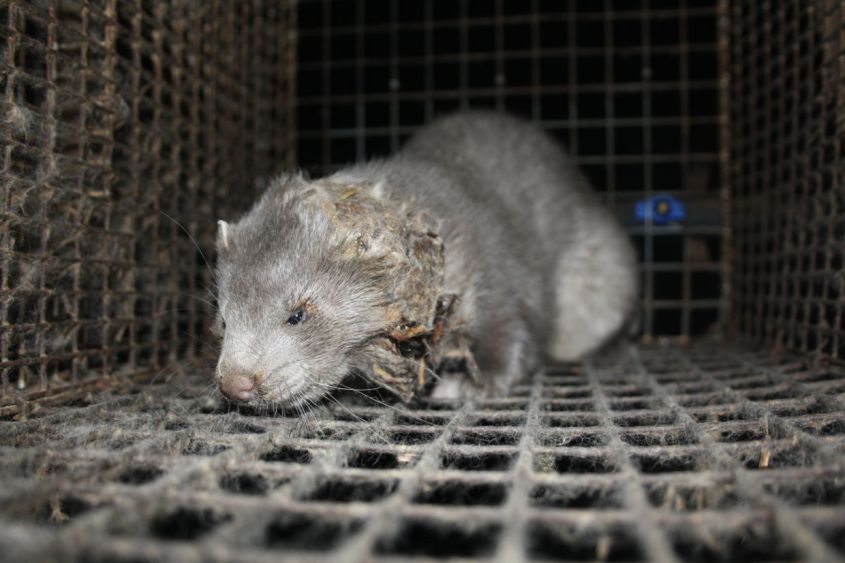
Investigations into Italian mink farms have found that animals spend their short, miserable lives inside wire cages, with no access to grass or water to swim in.
Many are left with severe injuries, and some are driven to self-mutilation or cannibalisation of their cagemates by the stress of captivity.

The minks are killed when they’re only about 6 months old – crammed into a box and gassed to death.

These fur farms are putting public health in jeopardy, too. When it comes to the risk of spreading disease, they’re no different from the live-animal market in which the novel coronavirus is believed to have originated.
It’s very easy for infectious diseases to spread on fur farms through the exchange of urine, excrement, pus, and blood.
Minks with infections, sores, and festering, open wounds are a common sight.
Fur farmers and handlers are among those who most commonly suffer from the zoonotic bacterial disease tularaemia.

Following reports that minks tested positive for COVID-19 on fur farms in the Netherlands and that workers are believed to have contracted a strain of the virus from the animals, the Dutch parliament voted by an overwhelming majority to bring forward the implementation of a fur-farming ban in the Netherlands.

Such bans are already in place in Austria, the Czech Republic, Israel, the UK, and several other countries.

A meeting of the Agriculture and Fisheries Council was held in June 2021, and the European Commission was called on to end the breeding of animals for the production of fur in the European Union.

Italy’s Minister of Agricultural, Food and Forestry Policies Stefano Patuanelli showed support for the ban, declaring that “the breeding of animals for fur is no longer justifiable and Italy will give its maximum support to reach the European ban on this form of breeding”.

PETA is celebrating this progress and has written to Italian government officials, thanking them for taking the right steps forward.

Italians know that fur belongs in the history books, not in our wardrobes.

Over 90% of the country’s population is against fur farming; iconic Italian designer brands such as Armani, Gucci, Elisabetta Franchi, Prada, and Versace are all fur-free; and over the past 30 years, the number of fur farms in Italy decreased from 125 to six.

We must urge the Italian government to stay true to its word by ending all fur farming in Italy now – minks can’t wait any longer.

take action to make it happen: https://secure.peta.org.uk/page/64561/action/1

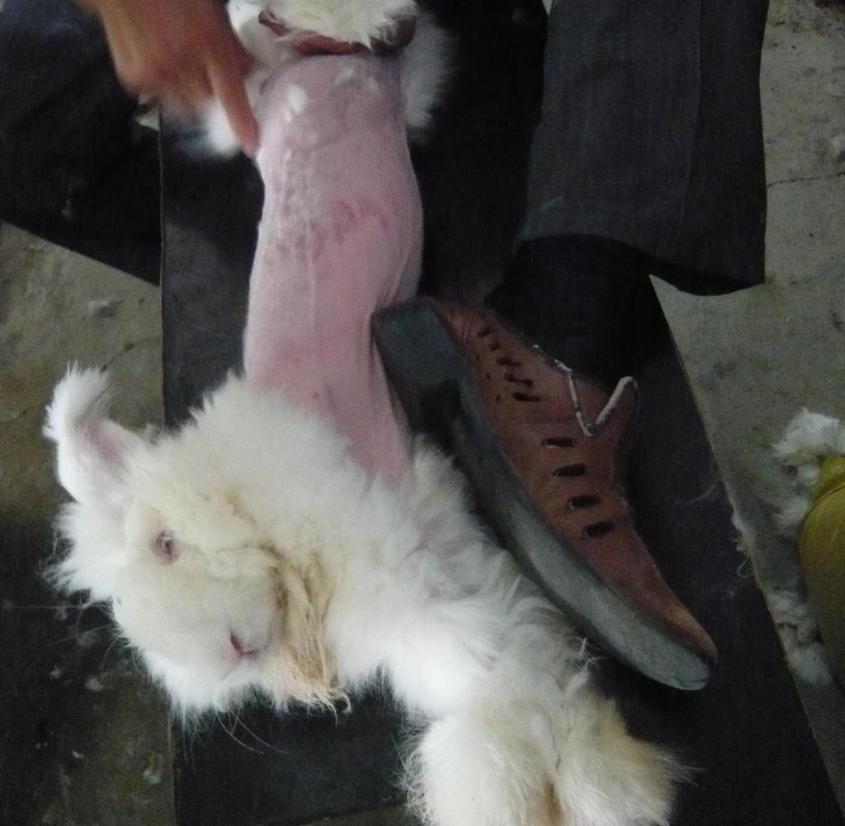
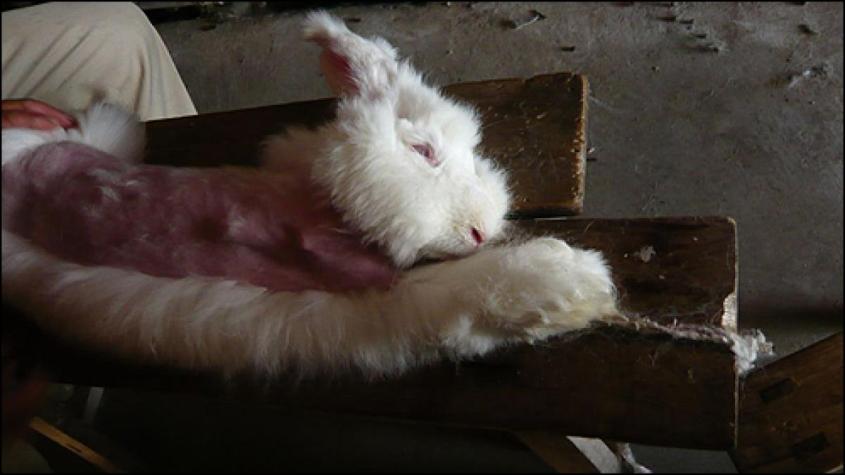
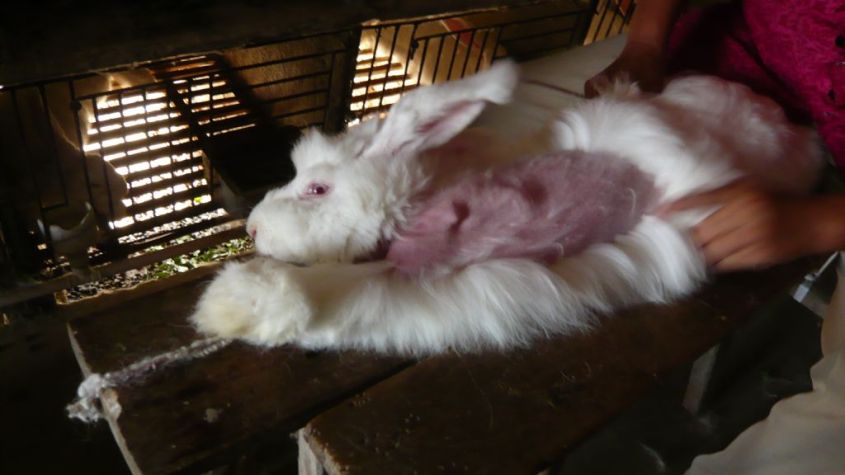
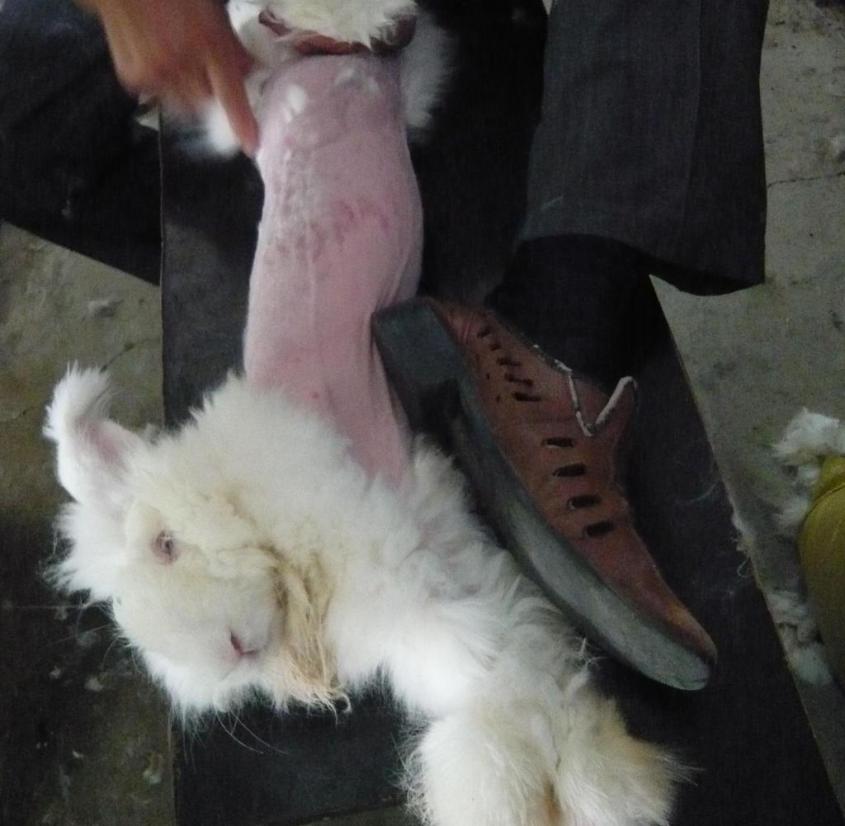
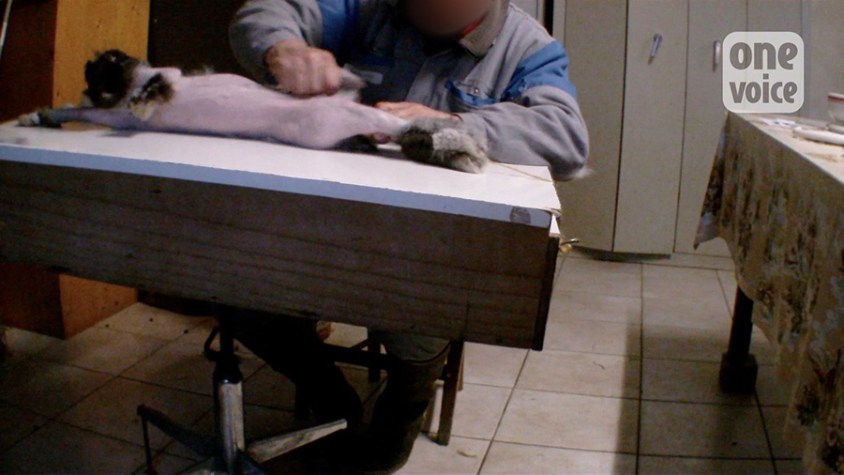
Amd I mean…The rabbit with the lush, delicate white fur is fixed on a rack.
The front legs are tied up and stretched far forward, the hind legs backwards.

A worker sits down over the rabbit and begins to tear out the fur from the small animal.
The rabbit screams, louder and louder, until his voice cracks in pain … Later the angora rabbit – with fleshy skin, the body covered with wounds – is put back in a narrow lattice cage.
(That immediately reminds me of the down “production”)

Up to 60 percent of the animals that are plucked die in the first two years. Also from hypothermia, because pneumonia can occur without fur
This is the reality behind angora wool.

90% of the angora fur comes from China, even if the finished product was made elsewhere.
Right now at Christmas time we appeal to all people not to buy an angora.

Leave Angora products in the closet and use herbal and synthetic alternatives.
Small things that you don’t pay much attention to can cause a lot of suffering.

My best regards to all, Venus

England: Fur News and Features.

Fur News

Check out all the latest global fur news from our good friend Mark Glover at ‘Respect for Animals’; Nottingham England.

Want to know more about nations and if they have banned fur production, are in the process or will be in future ?

Use the guide to fur bans around the world by clicking on the following link:

A Guide To Fur Bans Around The World | Respect for Animals

The fur industry has been condemned for pursuing a COVID-19 vaccination scheme for factory farmed mink in Finland, diverting key resources needed in the development of vaccines needed to save human lives. The fur trade intends to expand the program around Europe as soon as possible.

Read the full story by clicking on this link:

Fur trade uses key materials needed for human vaccinations | Respect for Animals

Fur industry guilty of ‘greenwashing’ in new report

A new report detailing the environmental impact of fur has criticised the fur industry for ‘greenwashing’, as Respect for Animals calls for governments to take action.

Download the new report here:

Fur industry guilty of ‘greenwashing’ in new report | Respect for Animals

Check out the excellent ‘Respect’ site by visiting at 

Respect for Animals | Campaign against animal fur – Fur for Animals

Regards Mark