Mountain Rescue dog honoured for 11 years of service
A retired search dog who was believed to have been the oldest working Mountain Rescue dog in the UK is being honoured for her service.
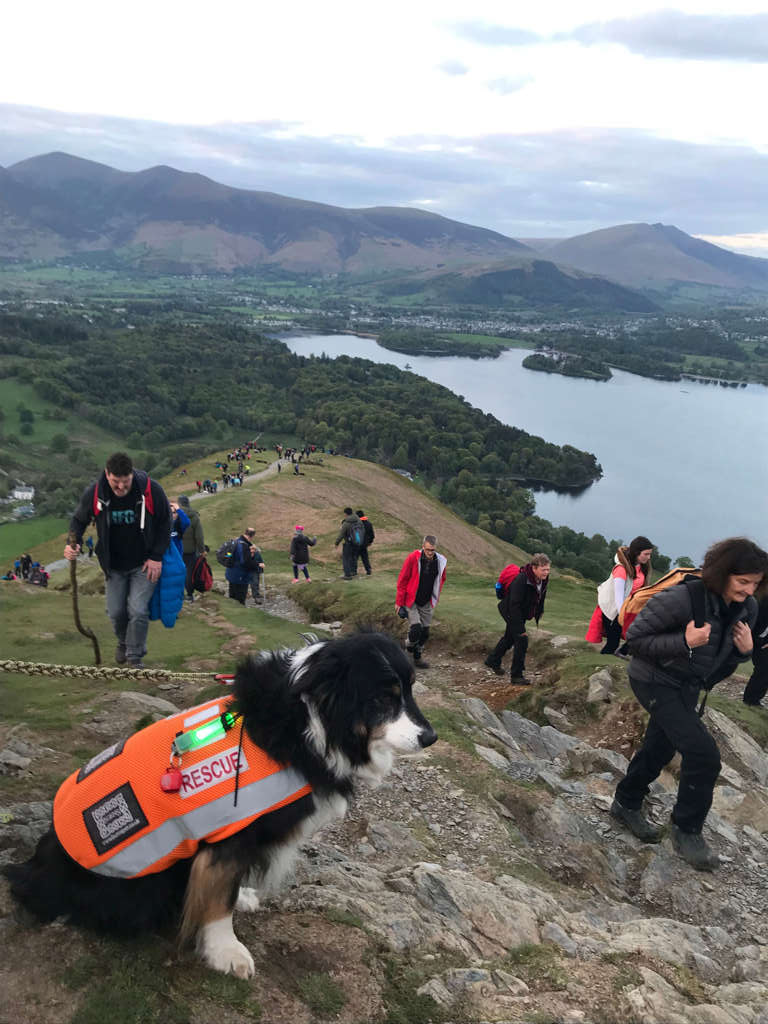
Border collie Skye’s dogged devotion saw her carry out 200 searches during 11 years working in the Lake District, before retiring in 2020 aged 14.
On Thursday, Skye will be given the PDSA Order of Merit, described as an “animal OBE”, for her work.
During her service, Skye and handler John Leadbetter, 49, carried out searches in all weathers to help locate missing people.
Mr Leadbetter said: “Skye means everything to me, she’s my best friend on the fells and we’re life-long partners.
Skye checks hikers to ensure their safety.
Her long and distinguished career has not only seen her protect and help people in danger, her ambassadorial work has helped to raise important funds and increase awareness
PDSA director general Jan McLoughlin
“To see her receive the PDSA Order of Merit is a truly humbling and touching experience, and it’s a wonderful recognition of the time and hard work that search dogs and their teams dedicate to mountain safety.“To say we’re chuffed is an understatement!”
Skye is the 36th animal to receive the PDSA Order of Merit, which was set up by the charity in 2014 to recognise animals for their exceptional contribution to society.
PDSA director general Jan McLoughlin said: “We’re incredibly proud to be honouring Skye with our PDSA Order of Merit.
“Her exceptional skills and outstanding devotion above and beyond that of normal companionship make her a very worthy recipient, and we feel this is a fitting tribute to her lifetime of dedication and hard work.
“Her long and distinguished career has not only seen her protect and help people in danger, her ambassadorial work has helped to raise important funds and increase awareness of the incredible work these Mountain Rescue teams perform.”
Skye began her training as a puppy with Bowland Pennine Mountain Rescue Team and went on to qualify with the Lake District Mountain Rescue Search Dog Association in 2009.
She attended searches all over the Lake District as well as going further afield to Lancashire, the Pennines and Scotland.
Now almost 16, she is enjoying her retirement with Mr Leadbetter and his family, who say she still loves to get out on the hills and fells but at a slightly slower pace these days.
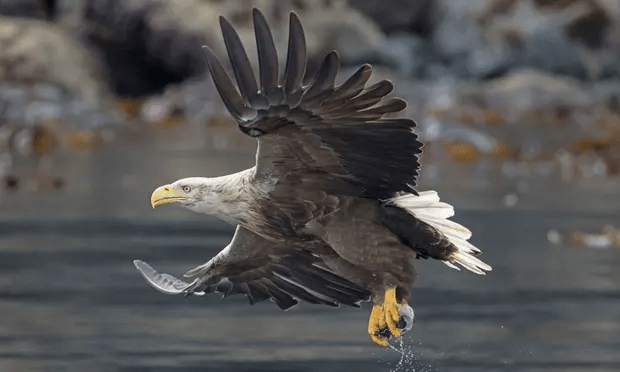
‘Living in a nature-depleted country, seeing such a large predator in the wild takes the breath away.’ A white-tailed eagle, the UK’s largest bird of prey. Photograph: Mike Crutch/Forestry England/PA
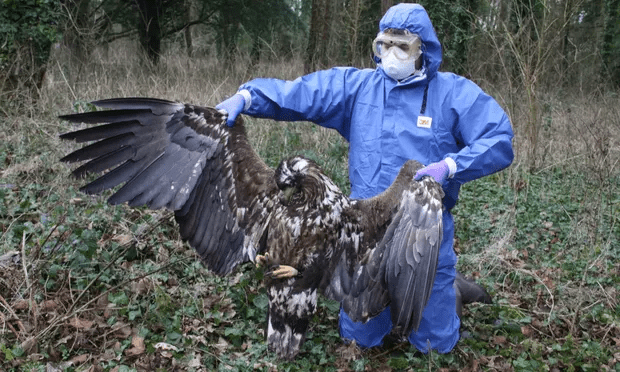
Dorset police launched an investigation into the eagle’s death after it was found on an unnamed estate in January. Photograph: Dorset Police/PA
Dead eagle found in Dorset was poisoned but case closed, police confirm
Rare white-tailed eagle had high level of rodenticide in its system but no further police action will be taken
A rare white-tailed eagle found dead in Dorset was poisoned, police have confirmed – but they have shut the case, in a decision the RSPB has called “baffling”.
The eagle was one reintroduced on the Isle of Wight, where a successful programme has been taking place since summer 2019. The white-tailed eagles had become extinct in the UK in the early 20th century after they were poisoned and shot by gamekeepers.
Those who run shoots are often opposed to birds of prey being in the area, as when they fly over a shoot, the birds scatter. They also occasionally prey on game birds.
The eagle was found dead on an unnamed estate in Dorset in January, and police launched an investigation into its death. Many conservationists in the area suspected it had been poisoned.
The toxicology results have confirmed the eagle had high levels of brodifacoum, a rodenticide, in its system. But police have closed the investigation and will not be naming the estate on which the dead eagle was found.
A spokesperson for Dorset police said: “An investigation under section 1 of the Wildlife Countryside Act 1981 was carried out in conjunction with the RSPB, Natural England, National Wildlife Crime Unit and the Roy Dennis Wildlife Foundation. A detailed examination and tests have been carried out on the bird, which were inconclusive, and it has therefore not been possible to confirm that any criminal offence has been committed.
“While high levels of brodifacoum were detected, it has not been possible to establish whether this was as a result of a deliberate act or due to secondary rodenticide poisoning. As a result, no further police action will be taken in relation to this report.”
An RSPB spokesperson said: “We are completely baffled by the decision of Dorset police to end the white-tailed eagle investigation so prematurely.
“Brodifacoum – the rodent poison that killed the eagle – is highly toxic and it is clear that it was either used incompetently or with intent to kill the eagle – either way an illegal act.”
Regards Mark
*** Additional information relating to the above: ***
Excellent article from ‘The Guardian’ (London as always:
‘Loder told the Guardian he did not feel he was influenced by the money from the estate, and his distaste for eagles in his constituency was because he had fears for their impact on farming. He said he had spent much time campaigning for animal welfare since being elected’.
MP who said eagles not welcome in constituency received funds from shooting estate
This article is more than 1 month old
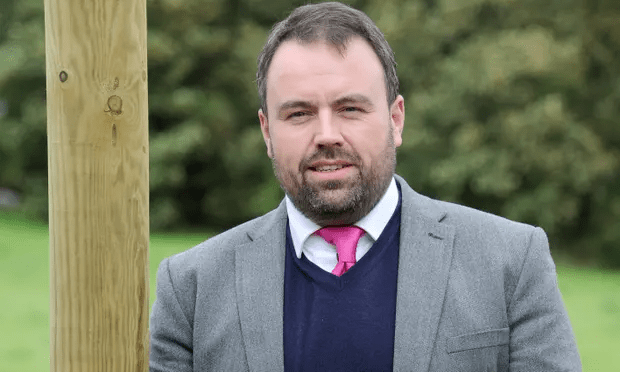
West Dorset MP Chris Loder caused outrage when he seemed to imply police should not prioritise eagle death
A Conservative MP who said eagles are not welcome in his constituency had his election campaign funded by a shooting estate, the Guardian can reveal.
The West Dorset MP, Chris Loder, caused outrage when he seemed to imply police should not be prioritising the investigation of the recent death of an endangered white-tailed eagle, found dead on an estate in his constituency.
After police confirmed there was a multi-agency investigation into the death of the eagle, including a toxicology report, Loder said: “Dorset is not the place for eagles to be reintroduced. I’m not challenging government for more money for Dorset so it goes on this.” He added that officers should be focusing on crimes such as those involving county lines gangs instead.
The eagle was one reintroduced on the Isle of Wight, where a successful programme has been taking place since summer 2019. The eagle went extinct in the UK in the early 20th century after they were continually poisoned and shot by gamekeepers.
Loder’s 2019 election campaign benefited from a £14,000 donation from the Ilchester Estates, which runs shoots in his constituency. Those who run shoots are often opposed to birds of prey being in the area, as when they fly over a shoot, the birds scatter, disappointing those who paid to kill them. They also occasionally predate on game birds.
The estates are run by Charlotte Townshend, an aristocrat worth almost £500m who has both farming and shooting interests. She also says she is the only person other than the Queen who is allowed to own swans.
Neither Townshend nor a spokesperson for the Ilchester Estates could be reached for comment, and there is no suggestion the eagle died on their land, nor because of anyone associated with the estate. The police have not as of yet revealed where the eagle was found.
Loder told the Guardian he did not feel he was influenced by the money from the estate, and his distaste for eagles in his constituency was because he had fears for their impact on farming. He said he had spent much time campaigning for animal welfare since being elected.
Loder added: “My views on sea eagles come from me being a farmers’ son and my continued best efforts to represent the needs of West Dorset’s farming community. I am not convinced that sea eagles being here are in their best interests. No briefing or consultation has taken place with me or others that I know of by Natural England, campaigners, nor the RSPB to explain how these risks are managed, nor to inform the farming community that indeed these birds are in Dorset.
“My policy views are formed in the best interests of the rural community I represent, which is also my home and where I was brought up. Any suggestion that I have been unduly influenced in this view is completely wrong.”
The Guardian understands that the government is considering action to stop raptor persecution on shooting estates by tightening licences in problem areas. There were 137 cases of confirmed raptor persecution in 2020, according to the RSPB.
Rebecca Pow, an environment minister, said: “There is always more we can do to tackle wildlife crime and we will carefully consider all of the UN’s recommendations – including those relating to raptor persecution – to help us build on the positive progress we have already made. Defra [the Department for Environment, Food and Rural Affairs] sits on the police-led Raptor Persecution Priority Delivery Group, which takes forward activities to raise awareness and facilitate intelligence and incident reporting, leading to increased prevention and enforcement activity.”
Luke Steele, the executive director of Wild Moors and a campaigner against raptor persecution, urged that this crackdown be implemented “without delay”, adding: “Birds of prey including eagles, hen harriers and red kites have a rightful place and an important ecological role in the British countryside. To persecute them to preserve game birds for sports shooting flies in the face of the 68% of the public who support reintroduction of birds of prey.”
The sight of a magnificent white-tailed eagle has once again become common for those lucky enough to live in the flight path of those recently introduced to the Isle of Wight. Thousands of Britons have seen and heard the giant two-metre wings beating overhead, and seen the cruel-beaked birds dramatically dive for fish. For us, living in a nature-depleted country, seeing such a large predator in the wild takes the breath away.
White-tailed eagles were driven to extinction in Britain in the early 20th century, and persecution by landowners was the leading cause. Shot at and poisoned by those hoping to protect their game birds, Britain’s largest bird of prey didn’t stand a chance.
Yet thanks to the work of conservationists, these raptors are now frequently spotted in the skies above the Isle of Wight and Scotland – and sometimes even further afield. It’s the result of years of breeding programmes and negotiations with the Scottish and English governments.
But the tragedy that originally robbed us of perhaps our most awesome airborne predator looks as though it could repeat itself. Two of these giants have now been found dead on estates in Dorset and Sussex. While the cause of death has not been established, the multi-agency police investigation suggests that foul play could have been involved.
Currently, officers are conducting toxicology reports, suggesting they believe the eagles could have been poisoned.
Sadly, this is all too common. In 2020 there were 137 confirmed incidents of raptor persecution, according to RSPB figures. However, these are only instances where a body is found quickly enough to determine the cause of death. Many more tagged birds of prey simply disappear, never to be seen again. A 2019 study found that of 58 hen harriers tagged over 10 years, 72% were either “confirmed to have been illegally killed or disappeared suddenly with no evidence of a tag malfunction.”
Gamekeepers have previously been found to be behind the poisoning of our raptors, as they prey on grouse and other birds stocked by estates for shooting parties. A bird of prey soaring above a shoot also makes the birds scatter, disappointing those who have paid to kill them. After a series of poisonings of rare white-tailed eagles on grouse estates in Scotland, the Scottish government took action, suspending general shooting licences in the hope it would reduce these crimes. But sources at the Home Office have told me it is very difficult to secure prosecutions for the crime of taking an endangered bird out of the sky.
And for many of the Conservative MPs who represent constituencies full of shooting estates and the homes of the landed gentry, wildlife crime is not a priority. Chris Loder, MP for West Dorset, has said that eagles are not welcome in his constituency and suggested that the police shouldn’t even be investigating their deaths.
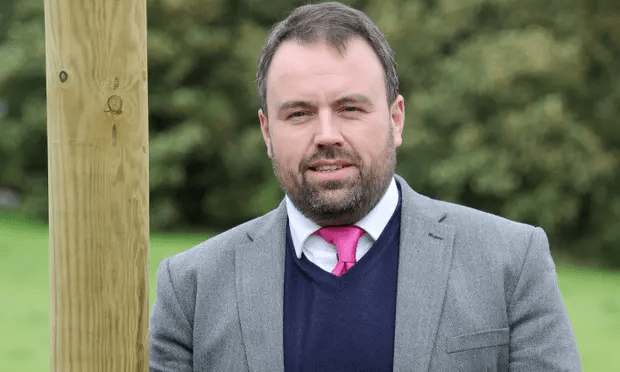
Member of Parliament (MP) Loder says he does not feel he was influenced by the money he received from the estate. Photograph: Finnbarr Webster/Getty Images
He said: “Dorset is not the place for eagles to be reintroduced. I’m not challenging government for more money for Dorset so it goes on this. I don’t condone this at all, but I want Dorset police to focus on county lines rather than spend time and resources on this.” The local wildlife crime team pointed out to their representative that county lines gangs are not in their jurisdiction, that they work overtime to help Britain’s wildlife, and that wildlife crime is often linked to other serious crimes, including gun offences.
What message is Loder sending to those who want to kill wildlife in west Dorset? The MP has essentially given them a free pass, and signalled that eagles are not welcome in the skies above his constituency. And, despite what Loder says, eagles were not reintroduced specifically to Dorset; rather they flew out of the constituencies of wildlife-friendly MPs into those represented by the likes of Loder.
His constituents could benefit from the eagles if they were to be reintroduced – a study found that those released on the Isle of Mull in Scotland brought millions to the economy, as people travelled to see the birds and spent money in local businesses.
But his attitude perhaps comes as no surprise. Of the 10 biggest landowners in Dorset, eight are country estate owners, and many of these host shoots. This is not to say they had anything directly to do with the raptor deaths, but it perhaps shows why the MP is likely to consider the traditional concerns of the landed gentry over the right of everyday British people to enjoy wildlife.
The problem is, there is no way to meaningfully help these birds recover and properly repopulate in the UK if there are no real consequences for those who kill them. Unless those who own estates are properly held to account for poisoned birds found on their land – perhaps having their shooting licences suspended until they can get a handle on crimes occurring under their noses – this will likely keep happening.
There are few things that make me shake with anger more than the idea of a rare and magnificent bird curling up to die, a burning stomach full of poison, never to fly again. But even those who do not feel so strongly about this matter should take issue with the fact that criminals are getting away with destroying our wildlife and the country’s natural legacy, and we are seemingly powerless to stop it.
Until those who own estates are held to account for what happens on their land, I am afraid history may repeat itself and we may once again see our largest bird of prey silently slip into extinction.
Helena Horton is an environment reporter for the Guardian
WAV Comment: well said Helana; with you and your comment all the way.
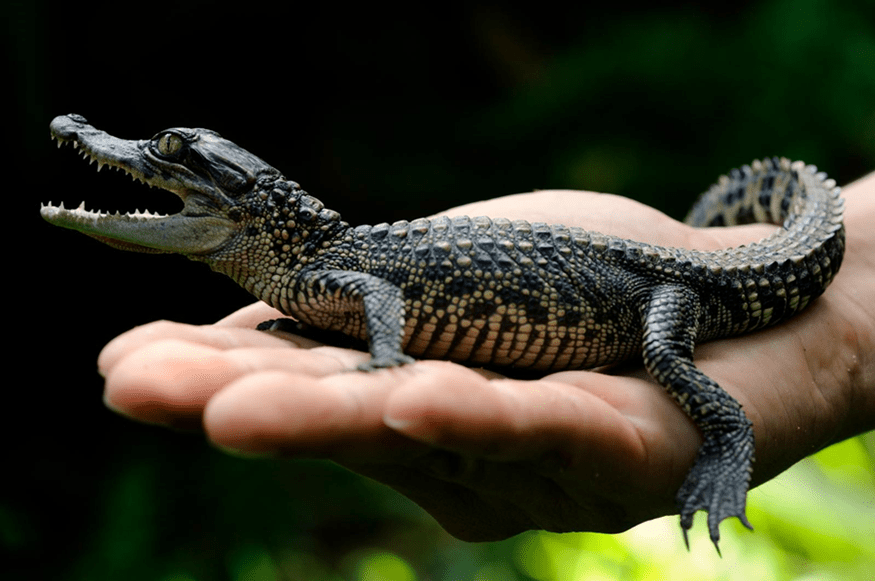
Siamese crocodiles are one of the rarest reptiles on Earth. Wiped out from 99% of their former range. Driven to the brink of extinction.
They have a truly tragic past – taken from the wild in their hundreds and cross-bred with other crocodile species to keep up with a rampant demand for the international skin trade. There are now just a few hundred left.
In fact, they were thought to be extinct until they were rediscovered in Cambodia in 2000 in a series of surveys led by FFI.
They are practically the definition of a neglected species.
Well, that is until a few years ago.
Thanks to your incredible support – we are starting to turn their fate around. FFI and our local partners are carrying out a crucial captive breeding programme in Cambodia, releasing hundreds of Siamese crocodiles into the wild.
Our aim is to double the wild population over the next few years – this could provide an incredible lifeline for the species.
This is ground-breaking news – providing evidence that released Siamese crocodiles are not only able to survive in the wild, but also nest, raising hope for Siamese crocodile conservation across Cambodia.
And the good news doesn’t stop there – last year, a team of community wardens working with FFI to protect Siamese crocodiles in Cambodia’s Chhay Reap received a prestigious international ranger award for their dedicated conservation work. We still have a long way to go to secure the future of these rare reptiles, but this is certainly a great step in the right direction. With your support, we can continue to fund our crucial captive breeding and monitoring programme, helping these incredible creatures to thrive in the wild once again.
WAV Comment – Are we ever going to see the scales fall from the eyes of the European Commission ?
As welfare people, activists and campaigners, we have been showing and asking for the ‘bloody obvious changes’ by the Commission for decades; and in the vast majority of instances, our requests have been ignored.
Now we have yet another Commission report; something which they are very good at producing, but not usually following up on (regarding actions), which has involved over 60,000 responses and has reached the conclusion that ‘ a clear majority agreed that a revision of the current acquis is needed, that species are not protected equally, that more information is needed as well as better and easier enforcement
Live animal transport has always really been my ‘main thing’ – you can read more about it at https://serbiananimalsvoice.com/about-us/ – there is a lot here about investigation work and the efforts made to stop the live animal transport business.
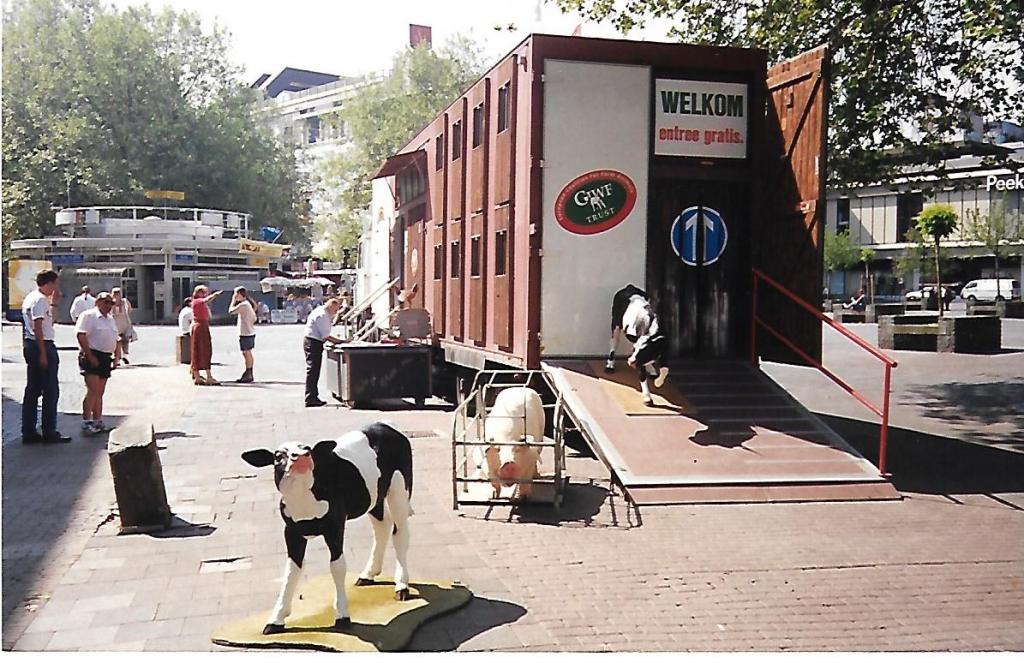
In the Netherlands campaigning about live animal transport.
I have witnessed the ‘dark side’ of live animal transport for decades: I did a lot of work re horses being exported for meat. From around 2004: To this day, Mark will never forget what was witnessed in the investigations into beautiful, live horses being exported from the UK to Europe as a scam for the meat trade under the guise of ‘riding horses’. This, combined with live farm animal export work over the last 27 years or so has meant that the export of live farm animals is a top ‘hate’ and will always be campaigned against – be it in the UK, Europe, Australia, South America, North Africa, Anywhere ! – nobody needs to tell me how bloody useless the EU Commission is.
Things have not changed all these years later; and (Mark says) “in my mind I can still be there; watching, hearing, smelling what is in my opinion, just one of the biggest issues of animal abuse on the planet – anything to with the LIVE EXPORT trade”. Despite the bad times, it only strengthens your resolve to work harder and put this business of utter cruelty into the history books where it belongs.
I (personally) do not hold out much hope for improvements by the non elected Commission; despite the wishes of the (EU) citizens, the endless evidence of abuses and non compliances provided by welfare groups – hopefully, and I wish for it more than just about anything, as I have for decades, the the scales of the abuses will fall from the eyes of the Commission masters who sit in their EU Ivory towers; promoting their own and nothing else much. Whatever, the fight goes on.
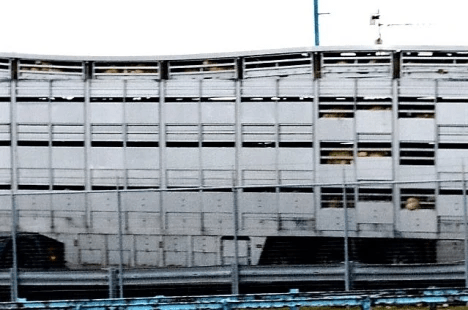
We say ‘the roof is bent and not fit for live animal transport’ – the EU says ‘problem, what problem ?’
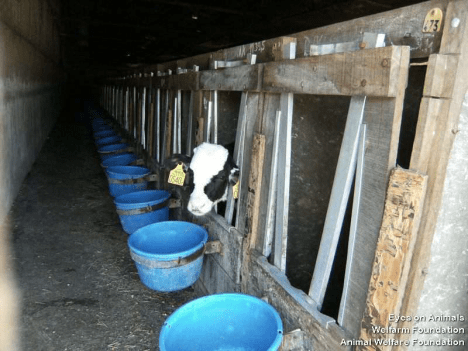
In 2012, Mark formally wrote to the EU Legal team regarding investigations by Dutch colleagues into the treatment of British calves exported from the UK to other EU nations such as Hungary. Calves that were still being crated many years after the EU formally banned crating.
He should not be there !, it is illegal under EU law; wake up Commission, please !!!
Regards Mark
31 March 2022
The European Commission has published their summary report of the contributions made by citizens, industry, public authorities and civil society organisations to the consultation on the future of animal welfare law in Europe, with the results showing a widespread desire for radical improvement, a desire for more information, and a furthering of protection to more species.
In October last year, the European Commission opened a landmark public consultation, asking citizens, farmers, businesses, Member State authorities and NGOs for their views and experiences on the fitness of the current rules relating to the welfare of animals in the EU, and to seek views on how they could be improved.
Nearly six months later, and with just under 60,000 responses in, we have the results, courtesy of the summary report (at bottom of page), which show:
A clear majority agreed that a revision of the current acquis is needed, that species are not protected equally, that more information is needed as well as better and easier enforcement
Majority support for the inclusion of more species within the scope of the legislation
Overwhelming support for a cage-free Europe
A clear desire to see the end of waterbath stunning, the killing of day-old chicks and for new specific rules for the killing of farmed fish
An overriding wish from citizens to see max journey times for animals who are transported, a ban on live exports to third countries, and ban on the transport of unweaned calves
Massive support for an animal welfare label which also includes information on if or how animals have been transported and slaughtered, respectively.
It is these results that will now form the basis of the impact assessments that the Commission will draft for the new legislative proposals that will be adopted, most likely as a package, in the winter of 2023.
These results are very welcome, of course, but are no great surprise. “The organisations we represent day in, day out, have felt the weight of citizens’ expectations for change – for improvement – for years. I am only pleased that we now have clear signals that cannot be ignored. Vox populi, vox dei.
That the response rate was one of the highest ever seen by the Commission speaks volumes. We now expect the European Commission to quench the thirst for systemic change that flows through these results. The time for ambition is now.
Whilst we expect proposals containing a swift phase out of caged systems, following the stunning success of the End the Cage Age European Citizens’ Initiative, we now expect a similar level of intent when it comes to ending live exports from the Union, to ending routine castration for pigs, waterbath stunning, the killing of day old chicks, and new powers to afford proper legal protection to the billions of other animals in Europe who deserve better, whether they be cattle, fish, poultry or pets. The citizens have spoken. Now it is time to honour their wishes.
Reineke Hameleers, Chief Executive of Eurogroup for Animals
Commission and Parliament uphold Farm to Fork strategy in light of Ukraine
30 March 2022
The war in Ukraine shines a light on the vulnerabilities of the EU’s food system. With fears of food shortages, price increases and disruption to crop and fertiliser supply chains, both the European Commission and the European Parliament came forward last week with proposals to counter the impacts of the war and trace a path forward.
The Farm to Fork strategy takes some blows put remains standing
As the impacts of the war began to be felt on the EU’s food system, voices within the Commission, not least agriculture Commissioner Janusz Wojchiekowski began asking for a pause in the roll out of the Farm to Fork Strategy. Particularly, rules on set-aside arable land and restrictions of certain chemicals in fertilisers were a particular bone of contention.
It was argued that more land was needed to produce more protein crop, as the meat sector was suffering from the disruption in imports from Ukraine. Arguments echoed by Members of the European Parliament, such as Herbert Dorfmann (European People’s Party), leading member of the Agriculture Committee, also in favour of stopping the Farm to Fork and Biodiversity strategies in their tracks.
However, to ensure broad support for a resolution, the EPP negotiated a text with other political groups. Calls to stop initiatives under the Farm to Fork strategy did not make the cut.
Plant-based diets, the missing resilience link
The Parliament did include a number of flexibilities in their final text, including on set aside land and aid to the meat sector. Importantly, nevertheless, the resolution confirmed that the Farm to Fork strategy is the right way forward to make the EU’s food system more resilient.
However, the most obvious link in the resilience debate, reinforcing the strategy’s commitment to move towards a more plant-based diet was overlooked. Yet it is a key aspect of the Farm to Fork strategy and a necessary step to ensure Europeans’ access to quality and affordable food.
As the Commission highlighted in a Communication published just hours before the European Parliament’s resolution was tabled, there is currently no risk of food shortages in the EU. The EU is self-sufficient in agricultural production and is one of the world’s major exporters.
The stress on the food system brought about by the war in Ukraine is, therefore, due to Europe’s over-consumption of meat products that divert two thirds of cereal crop to feed for animals.
The EU needs to ensure that the agricultural sector prioritises food for people over feed for intensively farmed animals.
Video Description: “Shine On You Crazy Diamond” is a nine-part Pink Floyd composition written by Roger Waters, Richard Wright and David Gilmour. It is a tribute to former band member Syd Barrett. The song was first performed on their 1974 French tour, and recorded for their 1975 concept album Wish You Were Here. The song was intended to be a side-long composition (like “Atom Heart Mother” and “Echoes”), but was ultimately split into two parts and used to bookend the album, with new material composed that was more relevant to this song, and to the situation in which the band found themselves.
Enjoy the video and superb music from one of the best.
.. it would appear that given the news today, 29/3/22; including a decision by Natural England to designate the location as a ‘Site of Special Scientific Interest’ (SSSI) – have led developers to withdraw their planning application.
The long-awaited entertainment destination was set to open in 2025 – occupying a 1,245 acre site.
Recent artist impressions showed flood lights illuminating a huge medieval-themed castle and lava waterfalls.
This comes after the brownfield site – the size of 136 Wembley Stadiums – was deemed a SSSI by Natural England due to its abundance of wildlife including otters, water voles, and rare birds and insects.
Following this decision, in a letter sent to the Infrastructure Planning Inspectorate late last year, Gerbeau said there would not be ‘material changes’ to the resort’s application – instead suggesting there would be ‘subtle changes in the green infrastructure strategy’.
But it appears that bosses have decided to reassess the situation altogether.
However Gerbeau is confident that bosses will resubmit their application towards the end of the year.
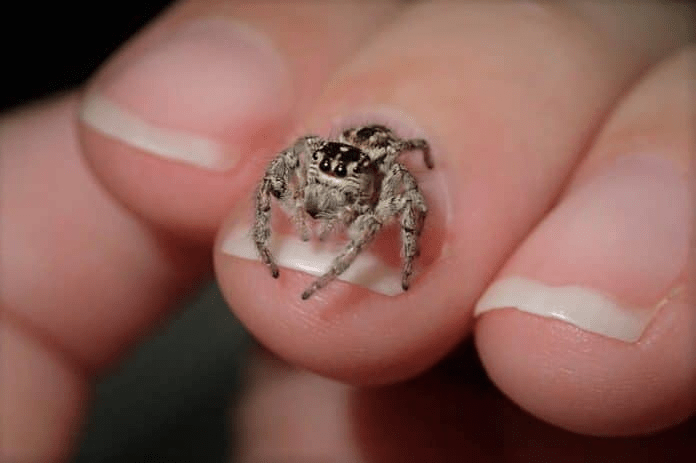
But at the moment, the tiny 1cm jumping spider, the water voles, the common Buzzard, plus a host of other wildlife at this SSSI have gained more time for environmentalists and campaigners to act in their support – which of course we very much welcome.
There is much more info, including graphics, in the following article links which I have provided.
Regards Mark (and all the wildlife)
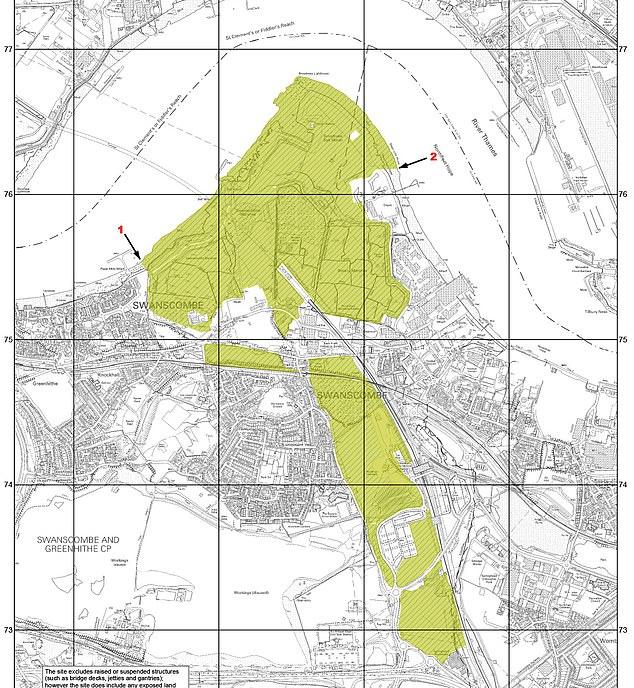
Environmentalists fear the proposed London Resort mega-attraction, dubbed the ‘British Disneyland’, on the Swanscombe Peninsula, Kent, would harm wildlife – including a critically endangered jumping spider
The Swanscombe Peninsula, Kent (pictured above) was designated a site of special scientific interest earlier this year
News 29/3/22:
Plans for £3.5billion British Disneyland theme park in Kent are DROPPED after delays caused by green activists and planning battle with furious locals
But numerous obstacles – including a decision by Natural England to designate the location as a Site of Special Scientific Interest (SSSI) – have led developers to withdraw their planning application.
Just weeks earlier, the BBC and ITV both pulled out of the plans amid concerns from wildlife experts over the impact of the park on a tiny spider just 1cm long.
The backlash from nature lovers around the distinguished jumping spider – a critically endangered species found in just one other part of the UK – killed off both broadcasters’ interest in the scheme.
Chief Executive of the London Resort, PY Gerbeau, said today: ‘In the best interests of the London Resort, we are withdrawing the current application; as a result of the classification of Tilbury as a Freeport which has meant revisions are required in moving the ferry terminal from Tilbury to Grays.
A colossal theme park on the outskirts of London has been derailed, in a temporary victory for environmental campaigners.
Plans for a park big enough to rival Disney – covering land equivalent to 136 Wembley Stadiums – have been in the works since 2014, and a planning application hearing was due to start today.
But the London Resort company announced it is withdrawing its current application for the park on the Swanscombe peninsula on the Thames in North Kent – an area that was designated a ‘site of special scientific interest’ (SSSI) last year because of its exceptional range of wildlife.
Plans to build a £3.5 billion theme park in the UK to rival Disneyland were today dropped after a series of delays caused by green activists and a planning battle with furious locals
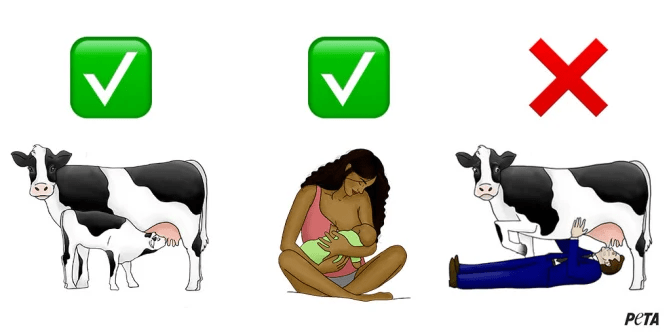
Why do you still breastfeed? Even beyond the suffering violence inflicted on animals and their infants, humans drinking the breastmilk of another species, beyond infancy and with teeth, is bizarre at best, disturbing in general. Does the violent irony of human infants being unable to drink cow’s milk ever hit you?
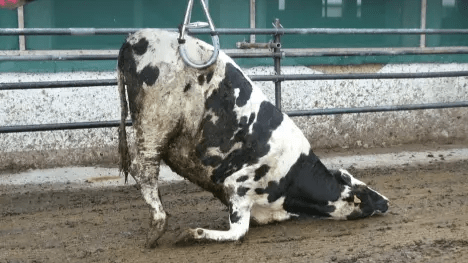
Feel free to milk humans who can produce breastmilk, that would at least be species specific and eliminate the disturbing nature of breastfeeding from other species and the required violence, reproductive exploitation, separation of mother and children, and violent death, including the downed cows who are so debilitated, diseased, and abused, they need to be moved by machinery, like bulldozers.
Profit and greed are not acceptable reasons; I don’t smoke to sustain tobacco farmers any more than I consume dairy to sustain animal farmers: they both result in suffering and death.
And don’t give me your regenerative nonsense, animal farmers make it sound as if animal exploitation is required to be environmentally responsible, and that animal suffering, violation, and death is just an unfortunate consequence of being “environmentally responsible”. Like, what would people do without the feces, bacteria, rot, gore, disease, pus, blood, decomp, and marrow, not to mention the suffering and violence, if they decided to NOT be “environmentally responsible”? — insert confused, bewildered emojis demonstrating utter clownish, ridiculous behaviour —
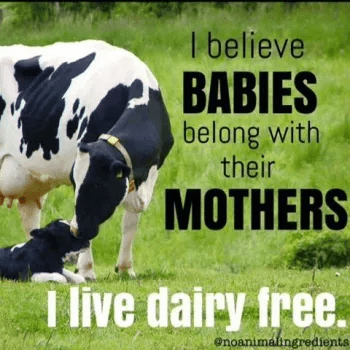
For too long, mother cows and their babies have suffered at the hands of an industry which views them as little more than production units or waste products. Many people don’t realise that cows must give birth in order to produce milk, and one of the dairy industry’s darkest secrets is what happens to those newborn calves.
The dairy industry
In 2021, nearly 5 million cows were farmed for their milk in New Zealand, over 4.5 million of whom gave birth to calves who were taken away within days of being born. The milk which would normally nourish and sustain their calves is instead taken to be consumed by humans. Female calves are raised by humans to one day replace their mothers in the milking shed, while male calves are often killed within a few days of being born, considered ‘waste products’ of the dairy industry.
Mother cows are not machines
Like humans, a mother cow will carry her pregnancy for nine months. She will love, nurture, nurse, and protect her calf until the day comes when her calf is no longer a baby, but a young adult who is old enough to care for themselves and begin a life of their own. Sadly, this otherwise unbreakable mother-child bond means nothing to the dairy industry.
Every year in Aotearoa, millions of mother cows helplessly watch as their newborns are taken away from them so that their breast milk can be harvested for human consumption.
This cycle of abuse only ends for mother cows when they are no longer able to pump enough breast milk to be profitable to the dairy industry. After 5-6 years of being impregnated, giving birth and being milked, mother cows will be sent to slaughter.
Male calves are not ‘waste products’
Around 2 million male calves, also known as ‘bobby calves’, are taken from their mothers and killed shortly after birth every year in Aotearoa. Because bobby calves are male and can’t be used for milking, the industry has no economic incentive to raise them. Male calves are deemed useless byproducts of the dairy industry, rather than the sentient individuals they are.
Some will be sent to slaughter four days after being born while others will be shot on the farm within just 24 hours of life, all so the dairy industry can take the milk that was meant for him to sell for human consumption.
Dairy is destroying our environment
Animals aren’t the only casualties of the dairy industry. The pollution caused by industrial dairy farming is severely impacting our environment. The dairy industry is New Zealand biggest climate polluter, generating more greenhouse gas emissions than the entire transport sector. In the last 30 years alone, the industry’s total emissions have risen 132%.
The dairy industry is also the largest source of water pollution and a major stressor on biodiversity and soil health. Run-off from dairy farms and synthetic fertiliser is poisoning our rivers, lakes and even our drinking water. As a result, 82% of waterways in farming areas are unfit for swimming and up to 800,000 kiwis may be at a greater risk of bowel cancer due to nitrates in water.
Dairy and your health
There is a growing body of evidence that links dairy consumption to many chronic diseases including diabetes, obesity, and cancer. According to Dr Neil Barnard of the Physicians Committee for Responsible Medicine, taking dairy off your plate can significantly reduce your risk of heart disease and diabetes and cut the chances of being diagnosed with certain cancers by more than 70%.
Mammals produce breastmilk to feed their infants until they are weaned onto solids. Humans are the only animals that consume milk from another lactating species throughout their lifetime. After infancy, most of us lose the ability to produce the enzymes that break down lactose, which explains why so many people experience bloating, discomfort and an upset stomach after consuming dairy.
Calcium, protein and iron are abundant in plants. It’s easy to nourish your body with plants once you know how!
It’s only a matter of time before Aotearoa can no longer sustain the continuous water pollution, soil damage and high greenhouse gas emissions the dairy industry creates. To protect the animals, our environment and our health; Aotearoa must embrace a future where its primary industries do not rely on the exploitation of our precious land and our animals for profit.
Our farmers are facing massive amounts of debt, increasing public scrutiny and a lack of industry leadership. Animal-free alternatives are shown to require up to 99% less water, produce 97% less greenhouse gas emissions, and requires no animal exploitation.
Governments around the world are recognising the harm dairy creates and are setting plans in place to assist farmers in transitioning away from animal agriculture. Now is the time for Kiwis to hold the New Zealand Government to account for failing to do the same. Our future depends on it.
Take PETA’s Cruelty-Free Shopping Guide along with you next time you head to the store! The handy guide will help you find humane products at a glance. Order a FREE copyHERE
Searching for Cruelty-Free Cosmetics, Personal-Care Products, Vegan Products, or more? Click HERE to search.
Free PDF of Vegan & Cruelty-Free Products/Companies HERE
Want to do more than go vegan? Help others to do so! Click below for nominal, or no, fees to vegan literature that you can use to convince others that veganism is the only compassionate route to being an animal friend:
On Monday 28 March, Eurogroup for Animals, jointly with 16 animal protection organisations, filed a complaint with the European Free Trade Association (EFTA) Surveillance Authority regarding blood farms in Iceland, as they are in breach of laws applying in the European Economic Area (EEA).
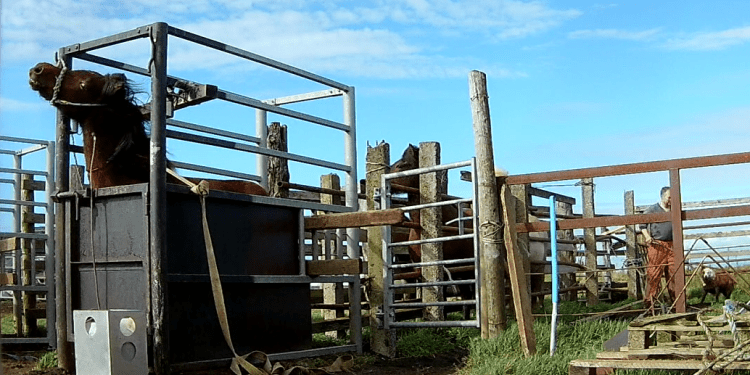
In November 2021, an investigation led by Animal Welfare Foundation and Tierschutzbund Zürich revealed the cruel conditions on Icelandic blood farms. There, blood is collected from pregnant mares in order to retrieve the pregnant mare serum gonadotropin (PMSG) hormone, also called equine chorionic gonadotropin (eCG), which is used in industrial animal breeding to increase the reproductive performance of farmed animals.
On Icelandic blood farms, the semi-wild horses are subjected to violence, risk numerous injuries, and suffer from repeated trauma. The amount of blood taken – five litres per week – exceeds any international guidelines existing on the topic.
Following these findings, Eurogroup for Animals has decided, jointly with 16 animal protection organisations, among which several are based in Iceland, to file an official complaint with the EFTA Surveillance Authority, arguing that Iceland does not properly apply its legislation on the protection of animals used for scientific purposes, which is derived from the EU Directive on the same topic. Indeed, Iceland, as a member of the European Free Trade Association (EFTA), must follow the rules of the European Economic Area (EEA), most of which are aligned with EU rules.
The argument laid down by the complaint is that blood collection for the production of PMSG should not be approved by the Icelandic authorities as it does not respect the principle of the 3 Rs (replacement, reduction and refinement) on which is based the relevant EU Directive, and thus the Icelandic law, on the protection of animals used for scientific purposes. Indeed, according to this principle, animal experiments must, whenever possible, be replaced by alternative methods not relying on live animals.
In the case of PMSG, these alternatives exist as a number of authorised synthetic medicinal products are available on the pharmaceutical market. Achieving good reproductive results is also possible with informed management techniques and hormone-free methods, as adopted in organic farming. The Swiss pig breeders association even stated that they will voluntarily stop using PMSG, proving that this transition is feasible.
Icelandic authorities argue that they do not see blood collection for PMSG production as an animal experiment – and therefore that this activity does not fall under this legislation and does not require any authorisation. Yet, EU authorities, as well as the World Organisation for Animal Health (OIE), have said the contrary at numerous occasions. Indeed, procedures using animals for the manufacture of drugs are classified as animal experiments.
The EU is the main destination for Icelandic PMSG and the hormone, in addition to being produced in cruel conditions, only further supports an intensive and unsustainable model of livestock farming, which goes against the goals listed in the European Green Deal, and more specifically the “Farm to Fork Strategy”. This complaint is thus crucial, alongside our call for the EU to ban production and imports of this hormone.
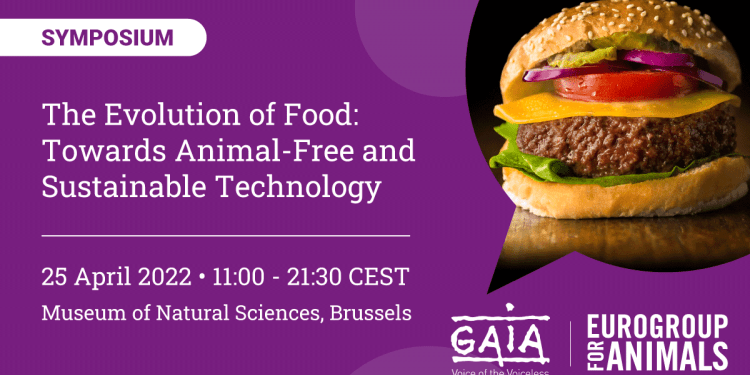
GAIA and Eurogroup for Animals are delighted to welcome you to Europe’s first-ever symposium on animal-free and sustainable meats, which will be held on 25 April at the Museum of Natural Sciences, Brussels.
Novel technologies, including cultivated meat and precision fermentation, are challenging conventional meat production. Which barriers still exist? What are the environmental and social benefits? And what is the perception of consumers?
Come join us together with international experts who will help clarify, debate and answer such questions and many more. We’d like to take this opportunity to announce the highly esteemed Jane Goodall will be our virtual guest of honour during the event.
Kindly note that you first need to fill in your email address on the registration page in order to proceed to the actual registration form. You can find the registration form here.