When you receive a call about your vehicle’s extended warranty, you likely hang up without paying a dime—you know it’s a trick.
However, shoppers often don’t apply the same kind of thought when at the grocery store.
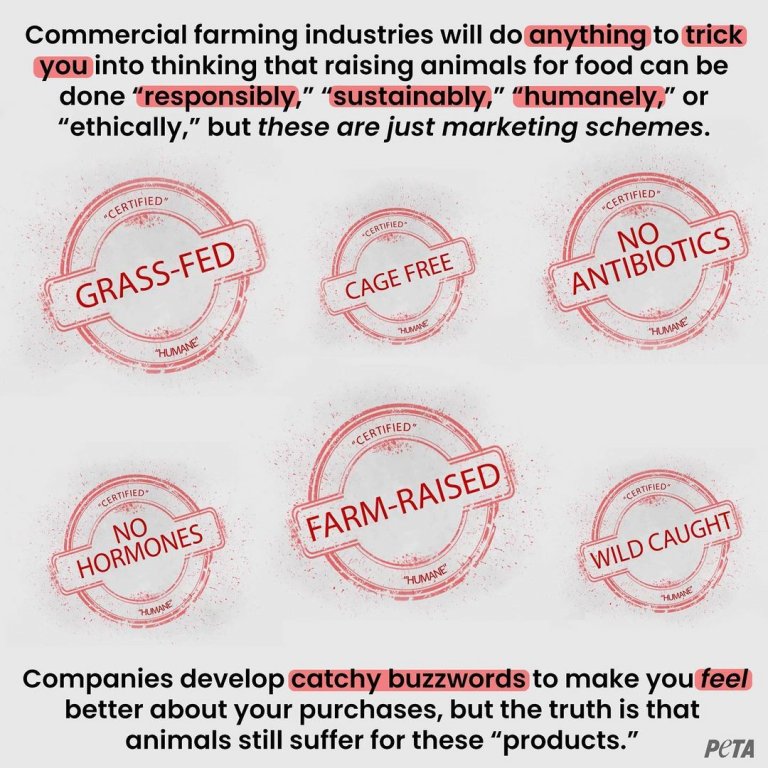
Unfortunately, much like a suspicious call offering a deal that’s too good to be true, “humane” and “sustainable” labels on animal-derived foods are deceptive.
Instead of selling delicious vegan foods that are truly humane, many companies simply slap misleading labels touting compassion on the same types of cruelly sourced products that they’ve sold for decades.
This is known as “humane-washing,” and it’s a marketing ploy that makes consumers believe that they’re making kind choices when they’re actually not.
Here, we’ll break down what these deceptive labels really mean.
‘Grass-Fed’ Cows
The U.S. Department of Agriculture doesn’t verify the accuracy of producers’ claims, so it’s nearly impossible to know what the cows really ate. “Grass-fed” cows are still subjected to mutilations without painkillers—hot irons are pressed into their skin, and their sensitive horns are burned off.
Farmers and ranchers may clear vast acres of land filled with natural plant life in order to graze cows, which kills wildlife and causes erosion.
’Cage-Free’ Chickens and Eggs
-Hens used in the egg industry live in dark, severely crowded warehouses.
-The tips of chicks’ beaks are commonly burned off.
-Up to 86% of hens used in cage-free egg production have broken bones.
-All male chicks are killed—often ground up or thrown into the trash to suffocate—because they’re considered useless by the egg industry.
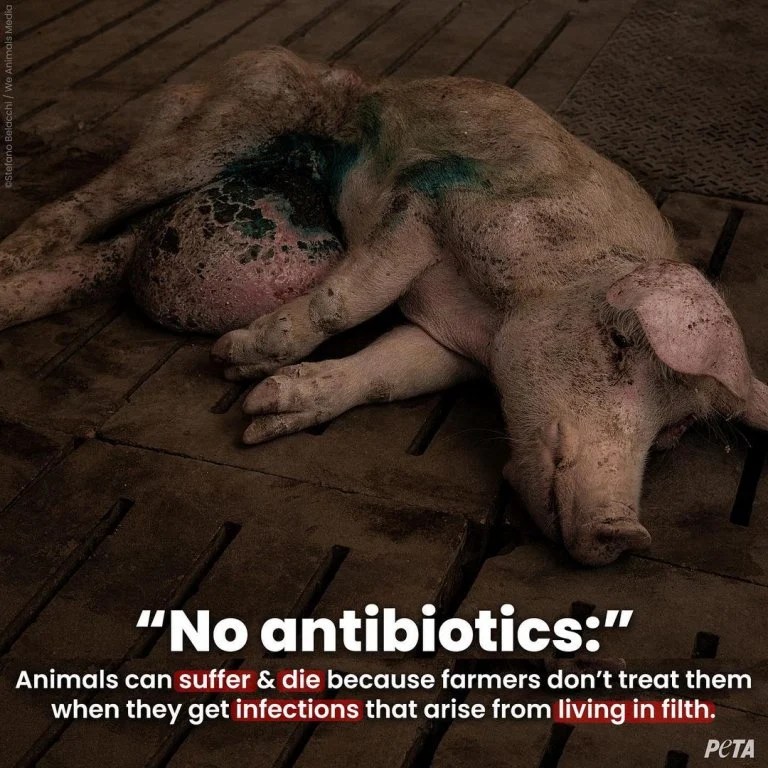
What if Animals Raised With ‘No Antibiotics’ Get Sick?
Producers can use this label as long as they provide “sufficient evidence” that the animals were raised without antibiotics.
More animals can suffer and die because farmers don’t treat them when they get infections, in order to keep the deceptive label.
Which Animals on Farms Are Raised With ‘No Hormones’?
This label applies only to the flesh and milk of cows. It’s illegal to give hormones to chickens, pigs, and turkeys, so any company advertising hormone-free products from these animals isn’t doing any extra work.
If you look closely, you should find a stamp reading, “Federal regulations prohibit the use of hormones.”
Essentially, this is the equivalent of marketing zero-calorie water but with cruelty to animals thrown into the mix.
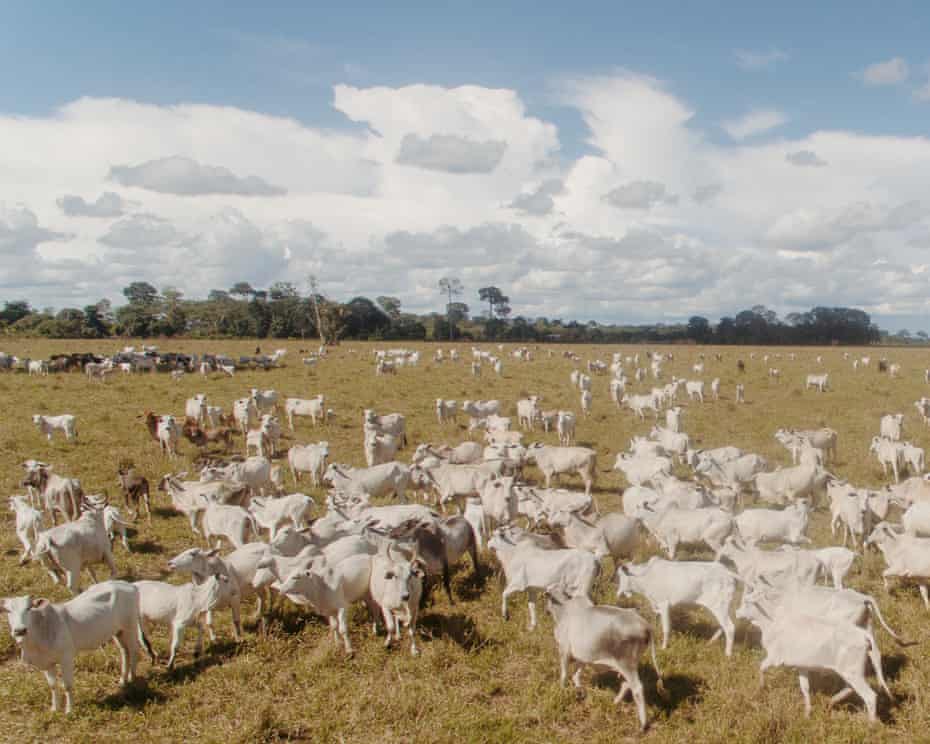
A family-run cattle ranch in Acre, within the proposed Amacro sustainable development area. Critics of the plan claim that intensifying agriculture will lead to increased deforestation. Photograph: Luisa Dörr/Fern
Brazil’s Amazon beef plan will ‘legalise deforestation’ say critics
The beef industry hopes a planned deforestation-free farming zone will tempt buyers back but many fear it will drive up illegal tree felling
For many, the overriding image of agriculture in the Amazon is one of environmental destruction. About 80% of deforestation in the region has been attributed to cattle ranching, tainting beef exports.
Brazil’s beef industry hopes to tempt buyers back to the Amazon region, which covers about 40% of the country’s total area, with a new deforestation-free pledge. But critics are concerned it could effectively legalise deforestation in the region.
In May, government officials began fleshing out the details of the so-called Amacro sustainable development zone, which it is hoped will lead to a massive intensification of agriculture in the Amazon. The Brazilian president, Jair Bolsonaro, is expected to greenlight the project later this year.
The Amacro zone – an acronym taken from the states it covers: Amazonas, Acre and Rondônia – is a vast 465,800 sq km (180,000 sq mile) region in north-west Brazil. It encompasses the Mapinguari national park, Brazil’s fifth largest protected area, and the Kaxarari indigenous territory, where the tribe has struggled to defend its land against loggers. Greenpeace has identified the northern portion of the zone as an emerging deforestation hotspot.
Previous agricultural development projects have led to the loss of vast tracts of native vegetation in other parts of Brazil, but Amacro’s proponents promise it is being designed to prevent illegal deforestation. Edivan Maciel, the former agriculture secretary in the state of Acre, says the aim is to produce more beef on land that has already been cleared. It is about “optimising what we already have without having to advance over the forest”, says Maciel, a Bolsonaro-allied appointee.
But Humberto de Aguiar, a federal prosecutor in Acre who handles environmental crimes, told the Guardian that the effect of the plan is such as “to legalise the deforestation already being done”.
It’s very difficult to stay legal. If I had another means of survival, I would leave
Gabriel Santos*, small-time rancher
Amacro is the brainchild of Assuero Doca Veronez, a powerful figure in Amazonian agribusiness, who told a Brazilian news site last year that “deforestation for us is synonymous with progress”. Veronez, a ranch owner and president of Acre’s Federation of Agriculture and Livestock, was fined for illegal deforestation in 2006. He denied any wrongdoing and said he sold the property in 2002.
Veronez says more intensive cattle ranching will enable more beef to be produced on less land and protect against deforestation. He claims to produce about 2.5 times the state average for beef. “Amacro can contribute to the preservation of these areas,” he says.
The idea that a shift to intensive ranching could cut deforestation in the Amazon is disputed by some researchers. It may be a flawed approach, concluded a University of California report in 2017, which noted, “the opposite could be true”.
Judson Valentim, a researcher at Brazil’s agriculture research agency, says intensification is unlikely to change the system responsible for the breakneck pace of deforestation. Veronez, like most large ranchers, relies on a network of smaller producers, most of whom, according to Valentim, lack the technical and financial resources to invest in more efficient grazing practices.
While ranchers like Veronez may avoid deforestation, their suppliers may not have the luxury to do so, says Valentim.
Growing demand for Amazonian beef has tempted more local people to raise cattle as a viable livelihood for feeding their families, leading to a sharp increase in illegal deforestation.
Gabriel Santos*, a small-time rancher from the Amacro zone, has been fined more than $130,000 (£96,000) for illegally clearing land in the reserve for grazing. But he says converting the forest to pasture is his only viable economic option.
Because Santos’ farm has been blacklisted by regulators, he cannot sell cattle directly to slaughterhouses. So he sells to a middleman, who sells on to the big ranchers.
If big ranchers become more productive, even if they do so without cutting the forest, it pressures the forest-razing cattle producers beneath them to grow their operations as well, says Valentim.
Veronez says he has nothing to do with other people’s environmental issues: “I’m absolutely against this kind of control.”
Although Brazilian law restricts most Amazonian landowners from clearing more than 20% of their property, lack of regulatory oversight helps to explain why 94% of deforestation may be undertaken illegally.
“It is very difficult to stay legal,” says Santos, who has racked up half a dozen eviction orders because of unpaid fines. He says with an annual income of $10,000, he cannot pay. He hides when government agents come to his property and fears he will eventually be hauled to jail. He attributes a recent heart attack to the stress.
“How am I going to support my family?” he pleads. “If I had another means of survival, I would leave. I only stay here because I have nowhere to go.”
“From an early age we are presented with an idealised view of what farms are like and how animals live on them.”
World Animal Protection hopes to change that with their Factory Farm Playset. Or ‘the worst toy in the world’, as they have labelled it.
Unlike ordinary farmyard toys, the playset has been designed to show the unnatural living conditions forced upon cows, pigs and chickens on intensive farms. It even has a warning on the packaging highlighting the methane and CO2 emissions from farming that contribute to climate change.
“While 5 or 6-year-olds may not have a grasp on politics, diplomacy and global issues, they have a clear sense of right and wrong and the need to make changes,” says Lindsay Duncan, UK Campaigns Manager for Farming at World Animal Protection.
The charity hopes the 1/32 scale model will allow children “to reimagine the traditional farmyard narrative we are taught while we are young.”
What is factory farming?
It is estimated that at least 50 billion animals are reared on factory farms every year. This means they are deprived of natural light, outdoor space and sustainable feed.
Designed to maximise production and minimise costs, agribusinesses keep livestock like cattle, poultry and fish at high stocking densities on large-scale production plants.
Weight-gain drugs administered through feed cause chickens to reach slaughter weight after only 35 days. This process would take over 90 days under natural conditions.
How does intensive farming impact the environment?
The Factory Farm Playset not only highlights the ethical dilemmas of intensive farming, it also underlines its correlation with climate change.
“Animal agriculture is responsible for producing the equivalent of 7.1 giga-tonnes of CO2 per year – that’s 14.5 per cent of greenhouse gas emissions,” continues Duncan.
If left unchecked, agriculture is projected to produce 52 per cent of global greenhouse gas emissions in the coming decades – 70 per cent of which will come from meat and dairy alone.
“We have to have a reduction in meat eating and an end to factory farming to help avoid further damage to the climate. Eating less meat and growing crops for human beings instead of animals uses significantly less land and resources, drastically reducing emissions and taking the pressure off wild animals and their habits.”
And while the Factory Farm Playset is designed for children, World Animal Protection hopes adults will come to the same conclusion.
“We can all learn something from it to help protect the planet for future generations. We, the ‘grown-ups’, have to change our ways, and quickly.”
In July 2021, in a special issue of the Global Trade and Customs Journal on sustainable trade, Eurogroup for Animals reacted to the publication of the EU Trade Policy Review, and to the omission of animal welfare in the text, arguing that countries need to better address the impact of trade policies on animal welfare in order to promote resilient and sustainable economies.
The new trade strategy published in February 2021 has been described by EU authorities as the greenest ever. The text underlines that EU trade policy will have to “unequivocally support the Green Deal in all its dimensions”. Yet, the document does not offer new proposals on making trade policy more sustainable. It also omits to address animal welfare, and how the impact of trade policy on animals has fuelled several of the challenges the planet is facing, such as the surge in antimicrobial resistance, the spread of zoonoses or the biodiversity and climate crises.
The Opinion Piece describes the state of play for animal welfare in EU trade policy and considers tools to improve the situation. To better address animal welfare in trade policy, the EU could pursue two strategies. Firstly, it could increasingly rely on market access tools, either applying more standards at the border or using conditional liberalisation in its trade agreements. Secondly, at the World Trade Organisation (WTO) it should promote the need to be allowed to differentiate, and thus discriminate, products based on methods of production that are invisible in final products, such as animal welfare standards. You can read more here.
If the EU wants to address the root causes of the costly crises the planet is facing, it will have to consider how to ensure that its trade policy does not stimulate unsustainable production systems. Achieving such a goal will require the adoption of measures bolder than the ones listed in the new EU trade strategy. The review of EU animal welfare standards will be a test case for all who wish to see more standards applied to imports, and, hopefully, these discussions could steer needed debates at the WTO on methods of production. It is high time to transform trade policy into a real enabler of sustainability.
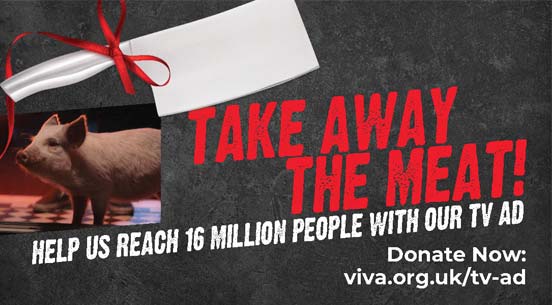
Takeaway the Meat is Viva!’s ground-breaking new vegan TV ad campaign and we are crowdfunding to reach 16 million people in the UK.
We want to show people the correlation between animal cruelty and what is on their plate.
Over 450 people have donated to the campaign so far helping us smash our first target of £10K – and the list is growing fast!
We need your help to reach our next target of £15K.
A very generous donor has offered to match all donations up to the total value of £40k, and we have also secured a grant from Channel 4 which will double the total again.
In the post I showed yesterday from Stacey called ‘Sweet Earth’, I mentioned that the McDonalds issue has been a very big one with animal activists in the UK for decades. Here is the sweet earth ink:
Whilst we still have issues with McD; it is at least positive to see that they have finally moved part of their food to plant based; for which the murder of animals is obviously not necessary.
So, as said, I am posting here now a film which shows how McD attempted to silence and get apologies from 2 activists in London; named Helen and Dave; over a range of issues associated with it. They both said ‘NO’; and so it went a long way for many years.
I will leave it until the end of the film for you to see the result.
In passing, the legal ‘helper’, one Keir Starmer, was a young man at the time who gave his support to the two of them. Now, Keir is the leader of the ‘Labour Party’; the main opposition organisation to the current UK government led by Boris Johnson (we share a surname, nothing else !).
I like this video; as it has positive outcomes and shows that as with Helen and Dave; if you believe in what you are campaigning for; there is never a need to be sorry for your views and statements.
Enjoy the video – simply click on the ‘Watch on YouTube’ link below to see the film
YOU MAY NOT GET IT FROM THE VERY START; JUST GO BACK AND SEE IT ALL..
McLibel
Regards Mark
————————————————————–
From Spanner films who made the video:
Hello. This is the official, full-length (81 min) version of our 2005 documentary, McLibel. This film was made completely independently (no studio/broadcaster backing) over four long years. We’re a tiny independent film company always struggling to make ends meet, so if you watch for free here, please make a donation – http://spannerfilms.net/donate – and also sign up to our email list: http://www.spannerfilms.net/mailing_list . Thanks v much and enjoy the film, Franny & Lizzie from Spanner Films – – – – – – – – – – – – – – – – – – – –
The first documentary from renowned director Franny Armstrong (The Age of Stupid, Drowned Out), McLibel tells the true story of two ordinary people who battle McDonald’s in what became known as “the biggest corporate PR disaster in history” (Channel 4 News). The Seattle Times called the film an “irresistible David and Goliath tale… you can’t help but cheer along” and the Sydney Morning Herald described it as “an often-hilarious exposé of big business arrogance… and an extraordinary example of independent filmmaking”.
McDonald’s often used the English libel laws to suppress criticism. Major media organisations like the BBC, Channel 4 and The Sun had backed down in the face of their legal threats. But then they sue single father Dave Morris (41) and gardener Helen Steel (34). In what became England’s longest-ever trial, the “McLibel Two” represent themselves for three and a half years in court against McDonald’s £10 million legal team.
Every aspect of the corporation’s business is cross-examined, from junk food and McJobs, to animal cruelty, environmental damage and advertising to children. McDonald’s try every trick in the book against the pair, including legal manoeuvres, secret settlement negotiations, a visit from Ronald McDonald and even spies.
Seven years later, in February 2005, the marathon legal battle finally concludes at the European Court of Human Rights – will the result take everyone by surprise?
Filmed over ten years, with courtroom reconstructions directed by Ken Loach, McLibel features the first interview with a McDonald’s spy, as well as in-depth contributions from Eric Schlosser (Fast Food Nation) and Keir Starmer (then Helen and Dave’s pro bono lawyer, now the Leader of the Labour Party).
The McLibel trial became a cause-celebre in the UK, resulting in changes both to UK law and to McDonald’s itself. It is often cited as influencing works which followed, including Fast Food Nation, Jamie’s School Dinners and Super Size Me.
The producers estimate that more than 26 million people have seen McLibel on TV, cinema, DVD and at local screenings worldwide.
Animals in Spain will no longer be considered as “objects” by the law thanks to new legislation passed on Thursday by Spain’s lower house, the Congress of Deputies.
From now on, animals will be treated as “sentient beings,” and as such will have a different legal standing than an inanimate object.
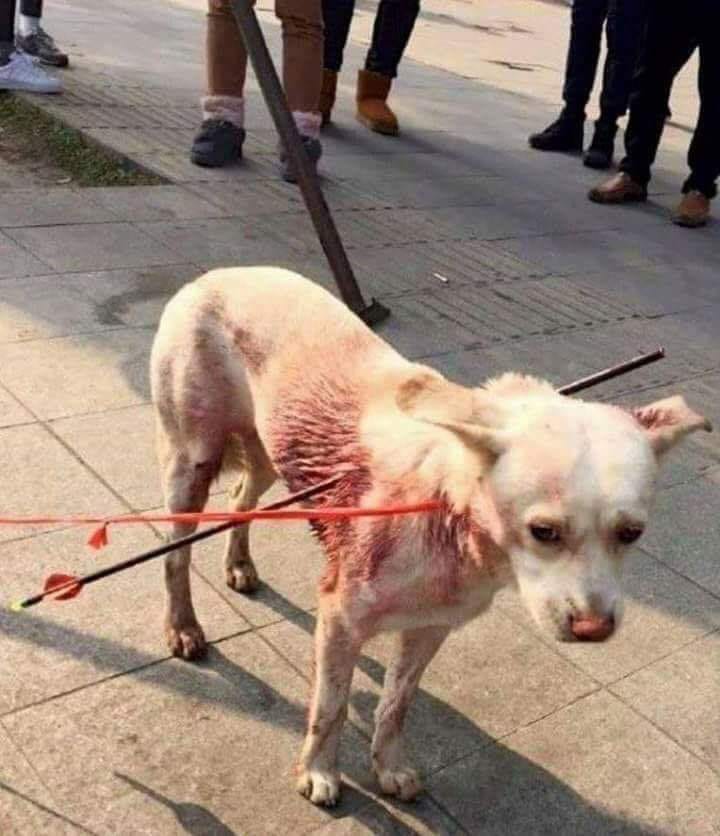
They will no longer be able to be seized, abandoned, mistreated or separated from one of their owners in the case of a divorce or separation, without having their wellbeing and protection taken into account.
The new law to modify the legal framework of animals was approved on Thursday with wide support from Spain’s Congress – only the far-right Vox party voted against the measure.
The legislation changes the Civil Code,Mortgage Law and Civil Procedure Law, and broadly applies to all animals, whether they are domesticated or wild.
Animals were already recognized as sentient beings, with rights and interests that must be taken into account, in European law, regional administrative laws and even Spain’s Criminal Code.
But this recognition was not present in the Spanish Civil Code, which covers issues relating to property, family and obligations.
This meant that lawyers did not have a legal basis to address certain problems, such as what to do with pets in divorce cases.
“It’s a step forward and it says that in separations and divorces, the arrangement that will be applied to the animals will take into account not only the interests of the humans, but also of the animal,” explained María González Lacabex, from INTERcids, a legal organization specializing in animal protection.
“We are the only species that recognizes the suffering of others and as such we have an obligation to prevent that suffering” Guillermo Díaz, Ciudadanos lawmaker.
The process to get the law approved has been long and winding.
It was first proposed in 2017, but did not move forward due to the upheaval caused by Spain’s two general elections in April and November of 2019.
It was not until April of this year that the initiative appeared before Congress, where it was supported by all parties except Vox.
In September, the law was then approved by Spain’s upper house, the Senate, which introduced some modifications.
And on Thursday, it was given the final green light by Congress.
The conservative Popular Party(PP) largely supported the text of the document, but warned the coalition government, which is led by the Socialist Party (PSOE) and junior partner Unidas Podemos, that it will not back greater protections for animals.
The warning was in reference to the Social Rights Ministry, headed by Ione Belarra from Unidas Podemos, which is preparing a draft for a new animal welfare law that includes stricter measures to prevent animal trafficking and abuse.
Teresa Aguada, a lawmaker from the PP, called on the Socialists not to “cede to the extremist pressure of your partners [Unidas Podemos] to attack our traditions, culture and rural world.” (!!)
Most of Spain’s congressional parties, however, welcomed the law’s approval. “It’s a moral victory in a country where 200,000 animals are abandoned each year,” said Juantxo López de Uralde, from Unidas Podemos.
Sonia Guaita, from the PSOE, pointed out that similar legislation exists in most European countries, adding: “Those who are violent against animals are potentially violent against humans as well.”
Guillermo Díaz, from the center-right Ciudadanos (Citizens), also defended the law. “We are the only species that recognizes the suffering of others and as such we have an obligation to prevent that suffering,” he said, explaining that up until now, “animals were not considered different from a television” in divorce cases.
The sole voice of dissent came from Vox lawmaker Ángel López Maraver, who is the former president of the Spanish Hunting Federation. He described the law as “insanity, nonsense, stupidity. It humanizes animals and dehumanizes man.”
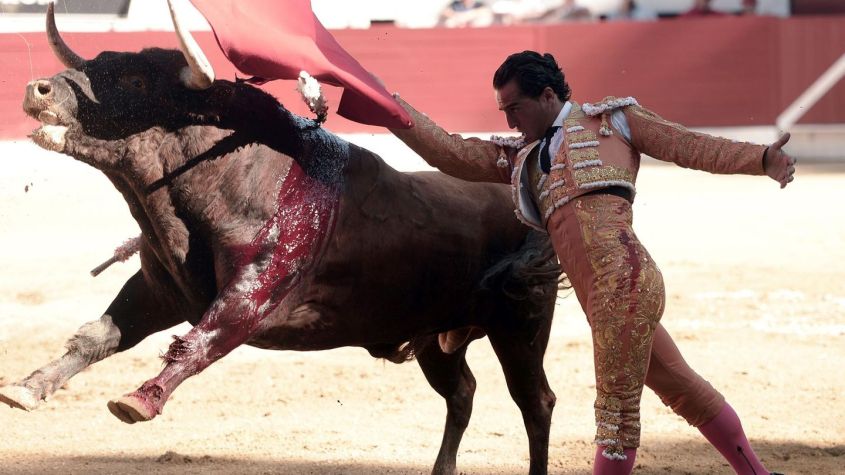
And I mean…A small milestone in the Spanish kingdom, where animal cruelty is widespread and where the judiciary still looks the other way when prosecuting ill-treatment.This is the result of years of pressure from animal welfare organizations
The reform could also give the state a new weapon in the fight against the abandoning of dogs and cats
The bill that Spain’s Conservative People’s Party introduced to the national parliament makes it clear that the abuse of animals is not allowed, and neither is the abandoning of pets.
The situation with the animals in Spain is (let’s write “was”) catastrophic.
The previous Animal Welfare Act does not deserve its name in every autonomous community in Spain; often enough it just legalizes the killing of unwanted animals.
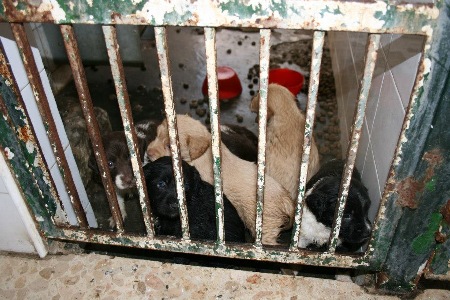
In most regions there is hardly a word for animal shelter, as a rule there are animal killing stations in which animals that are picked up are killed after a short period of time if no one claims them.
It is estimated that in Spain 300,000 abandoned animals end up in state animal shelters, known in Spain as “perreras”, every year.
These perreras are operated either privately or by the cities.
Animals are only kept here for a short time, usually 10 to 20 days.
Then the animals come to the killing station.
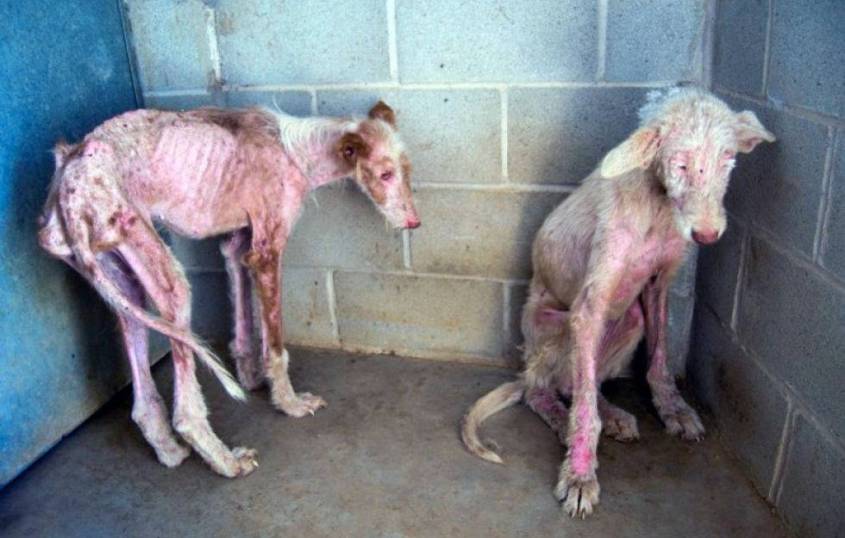
Many cases of animal abuse in Spain concern hunting dogs.
We have often reported on the miserable life of the Spanish greyhounds in our blog;
They are used en masse for hunting rabbits or for competition – at least as long as they are fast enough.
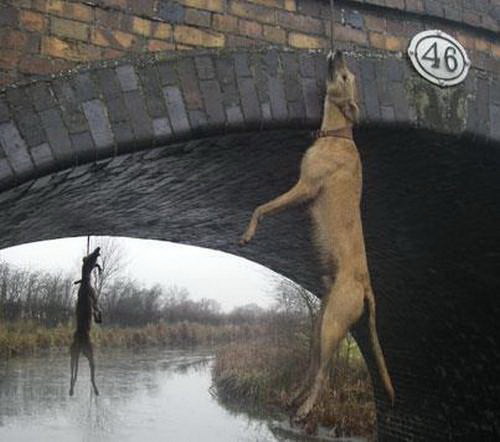
Three years on average, then they are sorted out, that is: they are hanged, drowned, starved to death or tortured to die in a mass grave.
Therefore, the new legislation is a light of hope in the backward handling of the Spaniards with animals.
Now animals (at least some animals) are to be regarded as living, sentient beings by right.
That is a very good basis, the Spaniards must get the best of this.
Animals are living beings, not possessions.
A fact that should have been a matter of course and legally protected for a long time. And not just in Spain
Here below is the latest article which makes very interesting reading;
Thanks Stacey
Regards Mark
PS: McDonalds has always been a huge campaign issue here in the UK. Many years ago we had the ‘McLibel’ issue where some protestors were attempted to be silenced. I have covered this issue once before I think, but consider the video of the fight is worth showing again on another post which I will publish very soon.
Plant-based meat has gone mainstream. The Impossible Burger, which debuted at a single restaurant five years ago, is now on Burger King’s permanent menu. And McDonald’s is testing its McPlant burger, featuring a Beyond Meat patty, in select US locations. Both plant-based startups are now veterans in a product category that did $1.4 billion in sales and grew 27 percent in 2020.
Under the tagline “Eat Meat. Save the Planet,” Impossible Foods claims its soy-based burger uses 87 percent less water, takes 96 percent less land, and has 89 percent lower greenhouse gas emissions than a beef burger. Beyond Meat makes similar claims about its pea-based burgers.
This matters because animal agriculture contributes around 15 percent of global greenhouse emissions, and experts agree that without a major shift away from meat in our diets, we won’t be able to meet the global community’s climate targets. The promise of plant-based faux meats is that consumers will be able to keep enjoying the foods they love, but with a far lower climate footprint.
One recent whitepaper from an environmental NGO states that the above claims from faux meat companies “are unproven, and some clearly untrue.” A sustainability analyst quoted in the New YorkTimes goes further, claiming that the companies’ secrecy about their production methods means that “We don’t feel we have sufficient information to say Beyond Meat is fundamentally different from JBS.” (JBS is the world’s largest meat producer).
But years of research on the environmental impact of food make one thing clear: Plant proteins, even if processed into imitation burgers, have smaller climate, water, and land impacts than conventional meats. Apart from environmental impact, reducing meat production would also reduce animal suffering and the risk of both animal-borne disease and antibiotic resistance. The criticisms against the new wave of meatless meat appear to be more rooted in broad opposition to food technology rather than a true environmental accounting — and they muddy the waters in the search forclimate solutions at a time when clarity is sorely needed.
E-commerce giant, Bol.com, has decided to stop selling kangaroo products, after less than four weeks since World Animal Protection launched its campaign calling on Dutch companies to end the cruel sales. Bol.com has committed to updating its animal welfare policy: items with kangaroo will no longer be sold on the platform.
World Animal Protection started its campaign on World Kangaroo Day (Sunday, October 24th), and within a month collected more than 18,500 signatures calling on companies to remove kangaroo products from their range.
The European Union and the Netherlands are among the largest kangaroo leather and meat importers. The meat ends up in restaurants, butchers or is processed into pet food. And the leather is used to make ice skates, shoes, hats and other fashion items.
Kangaroo hunting causes enormous animal suffering. About 1.6 million wild kangaroos in Australia are shot for their meat and skin every year. Most kangaroo kills are not immediately lethal, leaving the animals to die a slow, painful death or to be maimed for life. Young kangaroos are either left defenceless or beaten to death because they are not profitable in this industry.
But the tide is turning against kangaroo products. Bol.com joins other retailers including Delhaize, Carrefour, Makro and Spar who have already stopped offering kangaroo skin and meat products.
We are extremely happy with the step that Bol.com is taking. This shows leadership, proves that animal welfare really matters, and helps consumers make more conscious choices. We hope other companies will follow this fantastic example.”
Sanne Kuijpers, Wild Animals Campaign Manager at World Animal Protection Netherlands
Over the next four months World Animal Protection will be asking other Dutch companies to remove kangaroo products from their range to end the cruel hunting of these animals. World Animal Protection is also calling on consumers to stop buying kangaroo products.
Historic turning point: Italy closer than ever to the ban on the killing of male chicks
3 December 2021
Animal Equality
Recent advocacy efforts by Eurogroup for Animals’ member Animal Equality Italy haved reached a historic turning point with an amendment presented in the Italian Parliament which would introduce, by the end of 2026, the ban on the selective culling of male chicks which are currently considered a production waste within the egg industry.
In the egg industry, male chicks are considered useless for production as they are not able to lay eggs. They can also not be used for meat as they are different from the more common broiler chickens used by the food industry. For this reason, between 25 and 40 million male chicks are killed every year in Italy.
Shredded alive or suffocated, the chicks are killed immediately, within the first 24 hours of birth, and without the use of stunning techniques.
The amendment presented today by MP Francesca Galizia, group leader of the 5-star Movement in the EU Policies Committee, calls for a ban on the selective culling of male chicks of hens by the end of 2026 hens, except in cases where killing is necessary under the current legislation governing animal diseases.
The amendment provides times to adapt to the legislation for updating the work procedures and the technological state of companies in the sector of laying hens. It also supports the introduction and development of technologies and tools for the sexing of in-ovo embryos capable of identifying the sex of the chick even before hatching, also through incentive policies for these technologies.
In countries such as France and Germany, the introduction of this legislation in order to avoid the killing of male chicks is expected as early as 2022, while the EU Commission has launched a public initiative to carry out an adequacy check of the current rules on the welfare of chicks.
The Italian Parliament will vote on the proposed ammendment in the coming weeks, potentially sparing the lives of millions of male chicks.
It is necessary for Italy to make a choice of responsibility and respect towards animals, sentient beings, which can no longer be considered only industrial waste. The selective killing of male chicks that occurs every year cannot be considered normal. The parliament has a great opportunity by choosing to support this proposal, which also goes towards the lines dictated by the European Union on animal welfare. It is time to encourage the introduction of these in-ovo sexing technologies also in Italy, as producers are already doing, and institutions must commit themselves to this fundamental path for the progress of our country and animals.
Alice Trombetta, Executive Director, Animal Equality Italia

 ‘Grass-Fed’ Cows

 Which Animals on Farms Are Raised With ‘No Hormones’?



 They will no longer be able to be seized, abandoned, mistreated or separated from one of their owners in the case of a divorce or separation, without having their wellbeing and protection taken into account.
 Animals were already recognized as sentient beings, with rights and interests that must be taken into account, in European law, regional administrative laws and even Spain’s Criminal Code.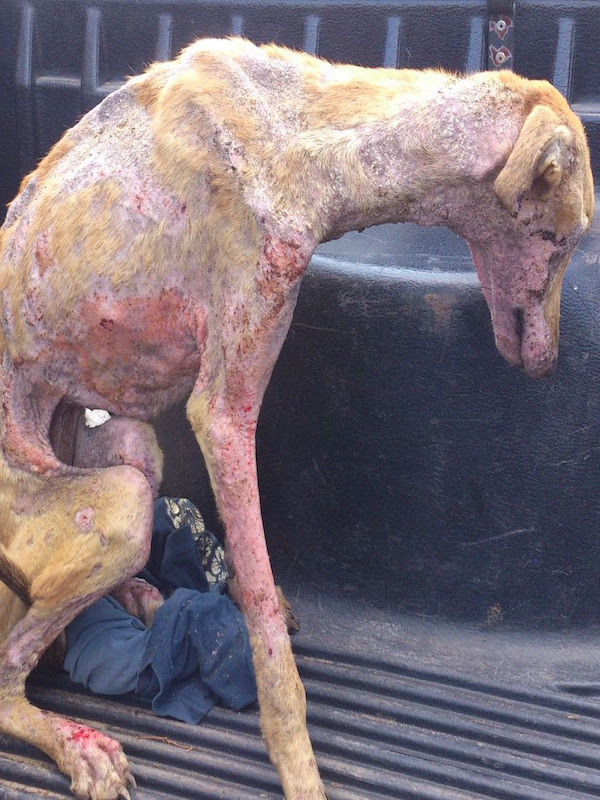
 Most of Spain’s congressional parties, however, welcomed the law’s approval. “It’s a moral victory in a country where 200,000 animals are abandoned each year,” said Juantxo López de Uralde, from Unidas Podemos.
 These perreras are operated either privately or by the cities.
 Therefore, the new legislation is a light of hope in the backward handling of the Spaniards with animals.