-German slaughterhouse tortures animals to death /
-North Rhine-Westphalia authorities fail to protect animals
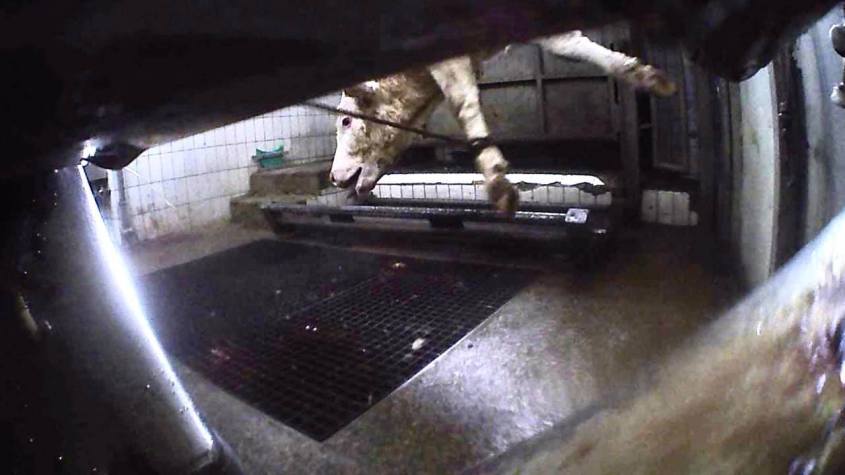
SOKO animal welfare investigators can use current images from the last few weeks to prove that animals were systematically slaughtered in full consciousness at the Prott meat center in Selm North Rhine-Westphalia (NRW) on every slaughter day.
“The sheep were brutally slashed and thrown into a heap, cattle fought for their lives bleeding and dangling from chains and roared in pain,” says SOKOanimal welfare investigator Friedrich Mülln, describing the situation.
The authorities had been warned for almost 20 years and failed to stop the shafts.
(The video is in German, but a detailed explanation of what you see is already in the report)
The shaft of animals is illegal in Germany and only possible under very strict conditions in exceptional cases.
However, there are no special permits in North Rhine-Westphalia.
The Prott slaughterhouse, which is run by Germans, on the other hand, has specializedin slaughtering without anesthesia (!!!)
The last blast – Biggest shake-up in 500 years for game shooting as ban looms on ‘toxic’ ammunition.
The pellets inside shotgun cartridges are toxic for animals, nature activists say
Lead ammunition has been used to shoot birds in the UK since the 1500s
Shooting organisations say the ban could take eight years to come into force
It’s the biggest shake up for the British hunters in over 500 years as the British government now considers a ban on the use of lead shot.
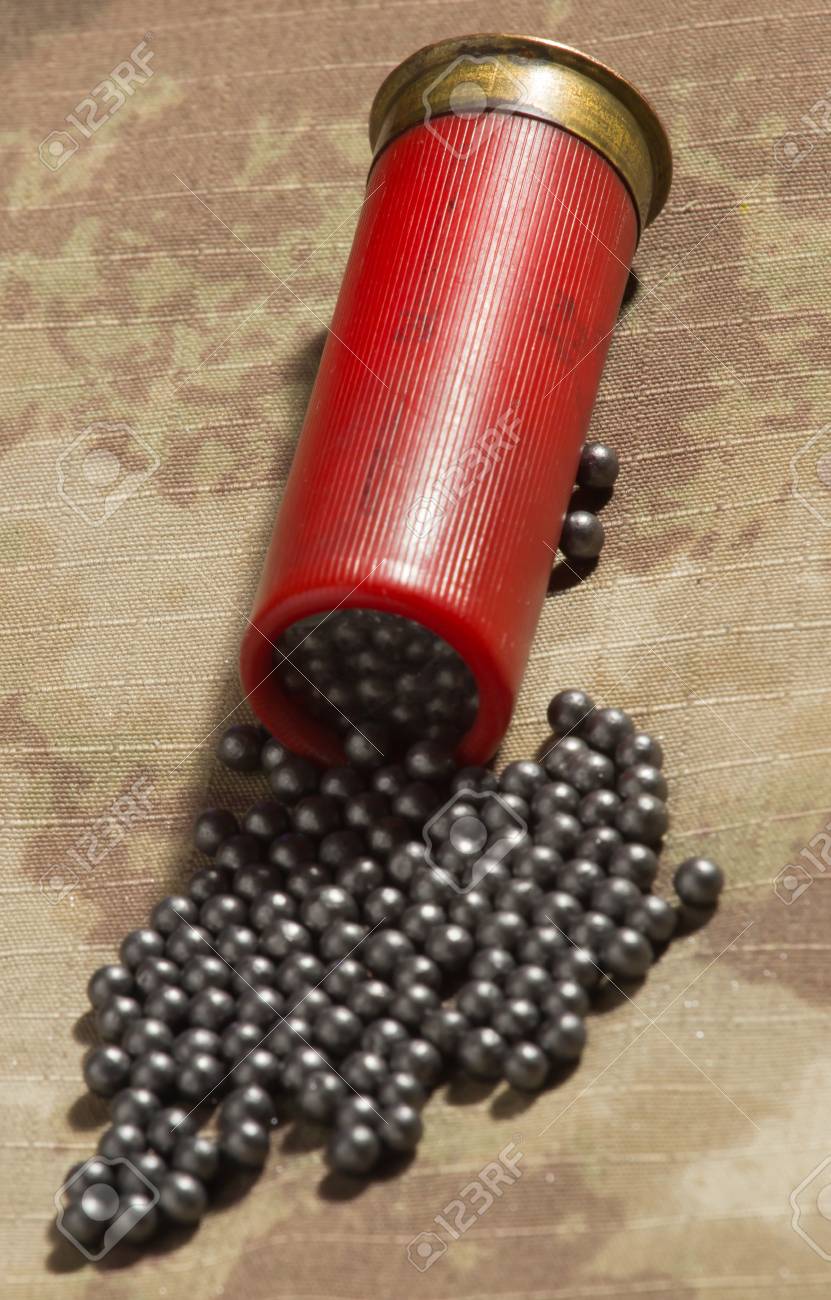
Lead pellets are inside of the cartridges used in shotguns. They are toxic and can be fatal if they are eaten by other birds, animals and all wildlife.
Under consultation is the phasing out of lead ammunition across all environments in England, Scotland and Wales. But shooting organisations are also saying that the ban could take up to 8 years before it comes into force. It is expected that some in the shooting fraternity are not happy and have become quite reactionary.
Tim Bonner of the Countryside Alliance; the main pro hunt organisation in the UK, has declared that the phase out can be done on their time scale, or it will be imposed on them. He also accepted that there are now alternatives to lead shot.
The UK government has requested an official review of the evidence; followed by a public consultation to aim at a proposed ban on the ammunition.
Environment Minister Rebecca Pow has stated that addressing the impacts of lead ammunition will mark a significant step forward in helping to protect wildlife, people and the environment.
Officials pointed to research by the Wildfowl and Wetlands Trust which shows that between 50,000 and 100,000 wildfowl die each year after ingesting lead from spent pellets which they mistake for food. Mr Bonner stated that such estimates were ‘a bit on the high side’; but then as a shooter and huntsman, he would.
The EU is expected to ban imports of game shot with lead – a major concern because around 60 per cent of British game is exported to Europe. Fears have been expressed by manufacturers as to whether they will be able to meet demand for new types of ammunition.
Last year several leading cartridge makers said that they thought that developing ‘high performance ammunition’ without lead in a short time frame, ‘without significant support’ from the Government, would be impossible.
Jonathan Young, editor of countryside sports magazine The Field, has voiced his doubts about the ability of steel pellets to kill game ‘efficiently and cleanly’.
But Dr Julia Newth of the Wildfowl and Wetlands Trust said: ‘Conservationists, shooting organisations and game meat retailers have recognised the toxic risks from lead ammunition.’
WAV Comment – Today, 22nd March 2021, is the United Nations ‘World Water Day’. Philip is a personal friend and fellow campaigner, CEO of Compassion In World Farming (England) who we have worked with for around 30 years. Here he describes entering the ‘Dead Zone’.
Today, 22nd March 2021, is the United Nations World Water Day. It’s about raising awareness of the value of water and the importance of protecting this vital resource on which we all depend.
For me World Water Day brings back memories of my investigations in the USA whilst writing Dead Zone: Where the Wild Things Were, where I witnessed for myself how intensive livestock production fuels water pollution around the globe.
I had travelled about 15 miles out in the Gulf of Mexico and was looking at something resembling a construction site. All around me were oil rigs. I’d heard a lot about this place in the middle of nowhere from the media. A place out at sea where nothing lives. Called the ‘dead zone’. An expanse of water so polluted that nearly all the oxygen has gone. A liquid symbol of what happens when efforts to prevent, mitigate or contain environmental damage fail and the water represents worst-case scenario; the marine ‘end of days’. The gathering body of oxygen-depleted – hypoxic – water forms a barrier to life, killing just about everything that can’t flee.
My plan had been to see the dead zone for myself – and not from the comfort of a boat. So snorkel fixed, I slipped into the water. At surface level the pea-green sea looked nothing out of the ordinary. As I peered into the gloom below, I could see fish and the water around me looked very much alive. Had there been some mistake? I ducked down again and held my breath this time, swimming down. Now things began to grow clearer – or rather not. A few metres beneath the surface, everything changed. The water was cooler, saltier and far more murky. I could see very little and without diving kit, I could go no further. I wouldn’t reach the dead zone myself, for it was far, far below, coating the bottom half of the water in a suffocating blanket.
Sadly, the dead zone in the Gulf of Mexico is not unique – they exist all over the world but among biologists, marine scientists and conservationists, it is among the most notorious. It now boasts the world’s second-largest area of oxygen-depleted water (the Baltic is the biggest). It’s a squalid claim to fame. The zone emerges every year, without fail, from February to October, stretching all the way from the shores of Louisiana to the upper Texan coast.
And the main culprit? Fertiliser.
According to the National Oceanic and Atmospheric Administration (NOAA) the source of the problem is the ‘flowing green oceans’ of corn in the Midwest of America. It is an area of intensive corn and soybean production, where large amounts of nitrogen from fertiliser and manure are applied to the soils every year. Excess nitrate is washed into rivers and streams and ends up in the Gulf. One would think the corn and soya would be feeding the world, but you’d be wrong, it’s feeding factory farmed animals. The problems in the Gulf are squarely linked to the food on our plates.
The reality of all this was brought home to me when I took to the air in a tiny Cessna plane. I was expecting various warehouses with impressive pallet-stacks of fertiliser bags, but we flew over a small town of sprawling industry, one of many perched on the banks of the Mississippi and to my horror, they were all fertiliser factories. But the term ‘fertiliser factory’ entirely failed to convey the sheer scale of this hidden part of the industrial farming jigsaw.
Dead zones are emerging around the world. Industrial agriculture systems, with their high dependence on artificial fertilisers and chemicals, are a major source of pollution of our precious water. Quite simply our hunger for ‘cheap’ meat from animals fed on cheap corn grown on chemical-laced fields is poisoning and driving out precious species and damaging ecosystems on land, rivers and sea. But it’s not too late to reverse the situation – a reduction in meat, dairy and egg consumption especially from factory farms, can reduce the water impact of our diets and greatly improve the welfare of farm animals.
This is why we need to seize the opportunity of this year’s United Nations Food Systems Summit to move toward a global agreement to end factory farming. To reset our food system towards regenerative, restorative, nature-friendly ways of producing food. The UN summit presents an incredible opportunity to focus this debate in one place and form the catalyst for change on a global basis.
Humans covered in blood on white trays sold as meat, photo: Reuters/Nacho Doce
Human meat for sale during animal rights protest in Barcelona
Animals rights campaigners organised a “humans sold as meat” protest in Barcelona on Saturday. Naked protesters were covered in fake blood, lying on white trays under plastic sheeting, replicating animal meat for sale.
On the plastic sheeting, there were “Human Meat” stickers with a barcode and price on them, just like you would find meat in the supermarket.
“We are fighting against the suffering of animals,” Cristina Ibañez from the Spanish animal welfare organization AnimaNaturalis told Reuters. “For their right to life, they want to live the way this person who is walking wants to live, or just like I want to live.”
“That’s why it’s not fair, and it’s nutritionally unnecessary that we continue to exploit and kill animals just to satisfy our appetite,” Ibañez said.
The protest was staged outside the famous ‘La Boqueria’ market, which has several meat vendors. “You can live without eating meat, and it’s very important to do this because animals suffer a lot throughout the meat production process,” one of the protestors, Andrea, said.
The demonstration was on the same day as MeatOut Day, an event on the first day of spring to promote a vegan lifestyle, originally started in the United States in 1985 to question the consumption of animal products worldwide.
“MeatOut was designed to remind us of animal agriculture’s devastating impact to the animals, our health, and the environment,” they say on their website.
“Theologians have long debated whether there is life after death. For animals on factory farms, there is no life before death.”
The environmental terrorism of the human species in all its splendor.
The Nuremberg trial around 1945 was against the main war criminals. Twelve criminals were sentenced to death
We need another Nuremberg Trial.
Unscrupulous criminals are waging a devastating war today.
Against people, nature, and animals.
It’s about environmental terrorism, one of the worst crimes in human history.
That deserves the highest penalty
WAV Comment: Here is the latest videos from friends Erika and Jim who founded ‘Animal Aid Unlimited’ in India. I enjoyed watching all the rescues and recoveries; but especially enjoyed the story of Nellie Bell, who was ridden with severe mange and infected wounds; but who after the wonderful work by the AAU team, was transformed into a beautiful little dog which you can see at the end of the video.
Enjoy – sad starts but as always, happy endings.
Regards Mark
Baby stuck in her birth canal but Apricot was rescued in time for emergency C-section
We don’t know how long the little expired body was stuck in this mother’s birth canal,but we were so glad someone saw this crisis and called us to rescue her in time to save the mother’s life and her babies inside. Once back in our hospital, our medical team assessed that she would not be able to deliver the remaining puppies normally and needed an emergency C-section.
We named her Apricot, and when her youngsters were a little older, we returned the family to their beautiful neighborhood.
Please donate.to save a life with emergency surgery.
A young abandoned boy calf was trappeddeep inside an underground sewer. Thedebris and filth floating in the water made this rescue particularly difficult. Using a headlamp, our rescuer had to wade through the dirty water and then lift the calf into a position where he could bring him back to the opening, where many waiting hands of passers-by were ready to help hoist him, weakened and waterlogged, up and out of the sewer. We brought him back to Animal Aid to give brave Little Maharana plenty of rest, good food and love.
Transforming the spirit of Nellie Bell, who almost scratched herself to death.
This dear girl was literally falling apart, suffering from advanced mange and a wound she had probably caused by scratching.The wound on her back had become infested with maggots.
All her strength had been spent just to stay alive as long as she had.She didn’t even react during her first treatment and this made saving her all the more incredible. It wasn’t just her body that was restored. It washer being and her self that seemed to heal at the same time.
You might find yourself saying, “This just cannot be the same dog!” But look deep into her eyes, and you’ll see who was hiding there all the time.
To give life and joy to animals who had lost all hope, please donate.
Pumba gets a new home!
Pumba’s new family is giving him a loving home, lots of space, peace and beauty.We found in his new family a beautiful commitment to nurture this most innocent boy.
We rescued Pumba a year ago after he was abandoned by his owner, morbidly overweight and unable to walk. It took months of care, physio, exercise, coaxing and love to get him back on his feet, but was it ever worth it.
With a poignant tear of joy, we’re so happy to share his gorgeous spirit with people who will love him as we do.
Woof, wonnnnh, moooo and WOW!
Sponsor an Angel today!
Living with sanctuary sweethearts whose permanent home is Animal Aid makes bonds strong between the animals and their caregivers, both staff and volunteers. Some of our animal family were rescued from abuse. Others had been in life-threatening accidents.
Each sanctuary animal is part of the soul of Animal Aidand your support makes it possible to give them life-long shelter and care.