Starting February 2020, the University of Helsinki—the oldest and largest university in Finland—will no longer serve beef for lunch.
The school’s food provider UniCafe—which serves approximately 1,000 lunches daily—made the decision to remove beef from the menu in a bid to fight the climate crisis and revealed that the move would reduce its carbon footprint by 11 percent annually.
“The idea came from the staff as we were thinking about our next responsibility action,” Leena Pihlajamäki, the chief operating officer at UniCafe, told local media outlet YLE. “We realised that this is a way to reduce our carbon dioxide emissions significantly.
Studies show that it’s one of the most effective ways. The goal is ambitious but far from impossible.” The University of Helsinki follows the University of Coimbra (Portugal’s oldest university), University of Cambridge, and Goldsmiths college which have all pledged to remove beef from on-campus dining facilities in recent months for environmental purposes.
Rachele Totaro is a unique kind of activist. The 37-year-old animal lover and vegan uses her camera lens to tell the stories of animals, helping them to find homes and above all, showing the public that each animal is “someone, not something.”
Totaro was led to a plant-based diet by her fondness for animals. “I’ve always loved and felt connected to them,” she told LIVEKINDLY in an email. The photographer pointed out that although many animals are viewed as food, each is an individual.
“Every animal is someone, not something. Feeling, loving, and fearing with a unique personality, relationships, and, mostly, with the right to live,” she said. “Once you see it, you can’t unsee.”
Totaro uses her photography skills to help others make the link, too. The activist is a volunteer photographer for an Italian charity called La Collina dei Conigli, which rescues and rehabilitates retired lab animals. For six years, Totaro has traveled to the sanctuary to take pictures of rabbits, guinea pigs, mice, and rats who were once used in experiments. The images are used in a fundraising calendar.
“After realizing some story-inspired pictures (‘Alice in Wonderland,’ ‘The Little Prince,’ etc), which were very helpful to raise awareness about some very despised critters like rats and mice, I decided to show the most magical story of all because, in some blissful cases, reality can be more enchanting than fiction,” the photographer explained.
“I decided to show the reactions of the little rescues seeing what was outside of their cages for the first time,” Totaro said.
Even once the animals are released from the labs, they typically spent their time inside cages waiting to be adopted. “Most of them never see what’s outside of a plexiglass cube,” added Totaro.
And so she took them outside and captured their first moments in the natural world. “The warmth of the sun, the smell of fresh grass, the first steps on the ground, and at the same time to show the close relationship between non-human animals and their human rescuers,” the photographer explained. This concept is a moving one given the animals’ experiences with people up until that point. “Human hands were no more a source of pain or fear. They became a safe nest,” she said.
Totaro describes the experience as emotional – for herself, the volunteers, and the animals. She believes the end result was effective since the shoot took place nearly two years ago and the images are still circling the internet.
The ‘Huge Power’ of Photography Activism
Totaro’s photography is also used to help shelter animals find homes. She is a volunteer photographer for HeARTs Speak, a non-profit organization that unites artists from around the world to help “increase the visibility of shelter animals” (Totaro notes, “seen = saved”). The activist explains that a quality photo can mean the difference between “spending a life in a cage and finding a family.”
In that way, photography holds “huge power.” She believes she can use the medium to pull beauty out from unexpected places and hold a magnifying glass to it. She explains, “Photography, for me, means connection – between the subject and the observers, like temporarily borrowing my eyes.”
Every animal Totaro encounters has their own story and she feels it’s important to honor each with the right set of photos. She mentioned an old dog she recently met and photographed. The dog was thin, had terminal liver cancer, and was abandoned when she fell ill. Totaro met her in a shelter’s vet room, lying down and struggling to breathe. With her photography, Totaro was able to showcase the dog as a “unique, precious being, not an old broken toy as her previous owner probably saw her.”
“Maybe it can seem useless or foolish, and of course it won’t change her past, but the fact that now she is recognized as someone, someone who is at center stage, pictured ‘as a model’ to show everyone her beauty – the one that goes beyond the surface,” Totaro said. “Well, it’s my way to say that she is important, that someone cares, and that the real losers are those who never understood this.”
“I took some amazing portraits of her in the last light of the day, my favorite, while she was held by a caring volunteer. She was loved and beautiful and everyone will see it,” the artist added.
Totaro’s passion for lending a lens to animals in need motivated her to start her own project, Progetto gOldies. Through it, she tells the stories of “old pets and their humans.” Totaro explains, “There are so many great love stories out there and so many are at risk of getting lost in time, just because no one can tell them.”
She hopes Progetto gOldies will also promote the adoption of senior pets. Totaro says one of the best feelings is to receive that phone call telling her that an animal she has photographed has found a home. “I cannot think to a bigger reward,” the creative said.
We don’t need to say anything except – we did not realise that there was so much concrete in the African Savannah – see the videos for conditions in the zoos !
As a Brit, I have (in the past) had some great times in New Mexico – wonderful people, beautiful towns, great history; not a cloud in the sky ! and a rather hot series of Balloon festivals !
Thanks to Mayor Webber for his outstanding initiative for animals and for the environment and bettering human health. Regards Mark (WAV).
Mayor Webber
Exciting news for Santa Fe, New Mexico residents and the vegan community as the city’s mayor Alan Webber recently named November Vegan Awareness Month. Mayor Webber hopes this action will encourage residents to explore the many delicious vegan options available in their city and by doing so, make a positive impact on the environment, their health, and animal welfare.
The proclamation highlights the many benefits of a plant-based diet, including that every day it “saves 1,100 gallons of water, 45 pounds of grain, 30 square feet of forested lands, the equivalent of 20 pounds of CO2, and one animal’s life.”
Through this initiative, Webber says he hopes to continue Santa Fe’s legacy as “a leader in water conservation and earth-friendly practices, [. . .] support[ing] people who choose a vegan diet for whatever reason” and encouraging others to “learn about plant-based eating during November and beyond.”
The Mayo Clinic and the American Dietetic Association tout the multiple health perks of adopting a plant-based diet. The ADA states that plant-based diets “are healthful, nutritionally adequate, and may provide health benefits in the prevention and treatment of certain diseases” and are appropriate for any age. Consuming solely fruits, vegetables, whole grains, nuts, and legumes helps lower and manage blood pressure and cholesterol and makes developing chronic heart disease less likely. Additionally, research shows that this diet “reduces the risk of cardiovascular disease.”
In addition to the powerful impact a plant-based diet can have your health and the environment, eliminating animal products means no longer contributing to the rampant cruelty farm animals endure in the meat, egg dairy industries. Animals are frequently beaten, thrown, kicked, and discarded like trash.
Male chicks in the egg industry are sometimes ground alive as they do not produce eggs and therefore are seen as unimportant. Pigs are confined to such small quarters that they are unable to move or stand. These are only a few examples of the awful conditions in which these animals must live.
We applaud Mayor Webber for this initiative and hope it will inspire more civic leaders to follow suit.
Great news out of Sacramento! On Saturday, October 12, Governor Newsom signed AB 44 (banning the sale and production of new fur products) and AB 1254 (bobcat trophy hunting) into law. This momentous legislation will spare countless wild animals from the cruel and unnecessary fur trade and bobcats from the horrors of trophy hunting.
Animals raised for the fur trade languish in tiny cages on factory farms and are cruelly killed by gassing or electrocution. Wildlife including foxes, coyotes, beaver, and otter are also trapped in their native habitat and their skins sold at auction. These two laws send a message to the fur industry that consumers no longer want animals skinned for fashion clothing and accessories.
The ban on bobcat hunting will spare countless bobcats and other nontarget species from being sport-hunted—following up on California’s precedent-setting ban on bobcat trapping in 2015. It will also help preserve the species, which faces a range of threats including human encroachment on their habitat and consequences from climate change.
Join us in thanking Governor Newsom and the bill sponsors—Asm. Laura Friedman (who introduced the fur ban bill) and Asm. Sydney Kamlager-Dove (who championed the bobcat bill)—for taking a stand against these inhumane practices. Please shoot them a quick email—contact information is at the links provided.
We are deeply grateful to all of you who supported these bills and spoke out for the voiceless animals.
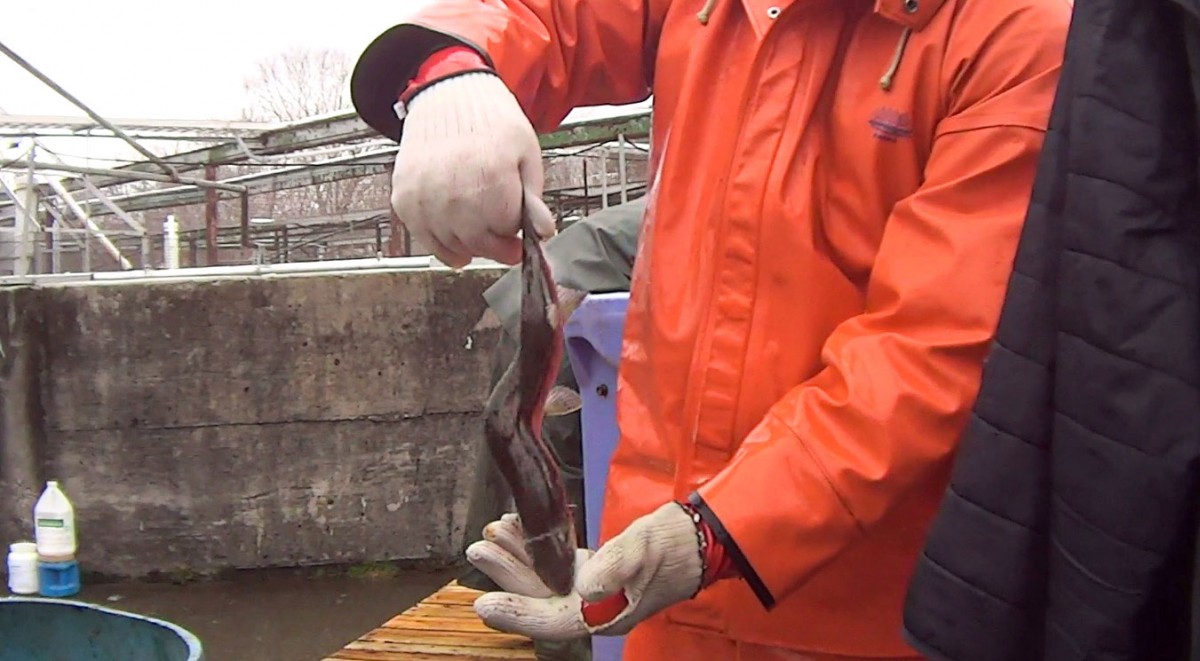
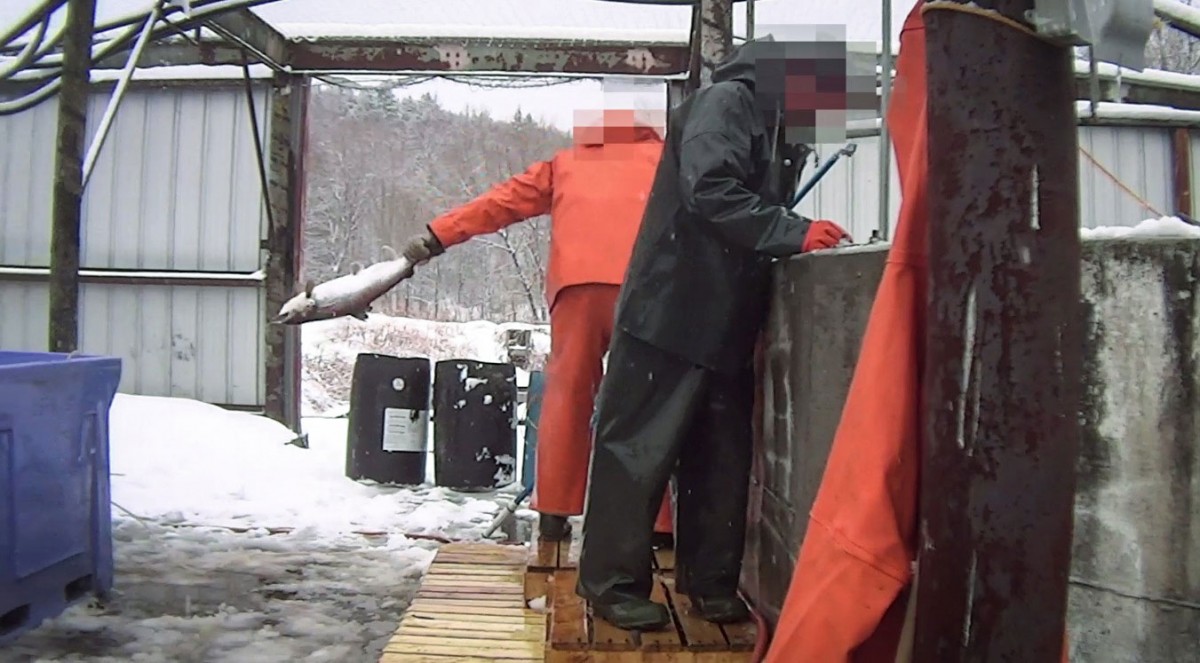
In the first-ever undercover investigation into a fish hatchery in the United States, an investigator from animal advocacy nonprofit Compassion Over Killing worked at Cooke Aquaculture in Bingham, Maine. This hatchery raises millions of salmon each year and supplies Martha Stewart’s True North Seafood line. The investigator documented horrific treatment of salmon, including fish being thrown, stomped on, suffocated in barrels, stuck with needles, and left to die.
For salmon at the hatchery, life begins in giant metal tanks stuffed with thousands of tiny pink eggs. The dirty conditions are perfect for fungi and parasites, which grow in clumps on many of the eggs. Some babies hatch with severe deformities, while others develop them after being handled, as one worker explains: “Spinal deformity. Happens when they’re babies in B building. If you’re too rough with them, you’ll break their back and they’ll grow back like that.”
During vaccination procedures, many salmon are not properly anesthetized and thrash as workers inject them with needles. One worker says, “Once the needle’s in them and they flop, that tears a f**king huge hole in them.” Another worker describes the psychological effects of the process:
The vaccinating stresses them out, takes its toll on them. Some of them die off. Once you vaccinate them, it takes them like a week before they start eating again.
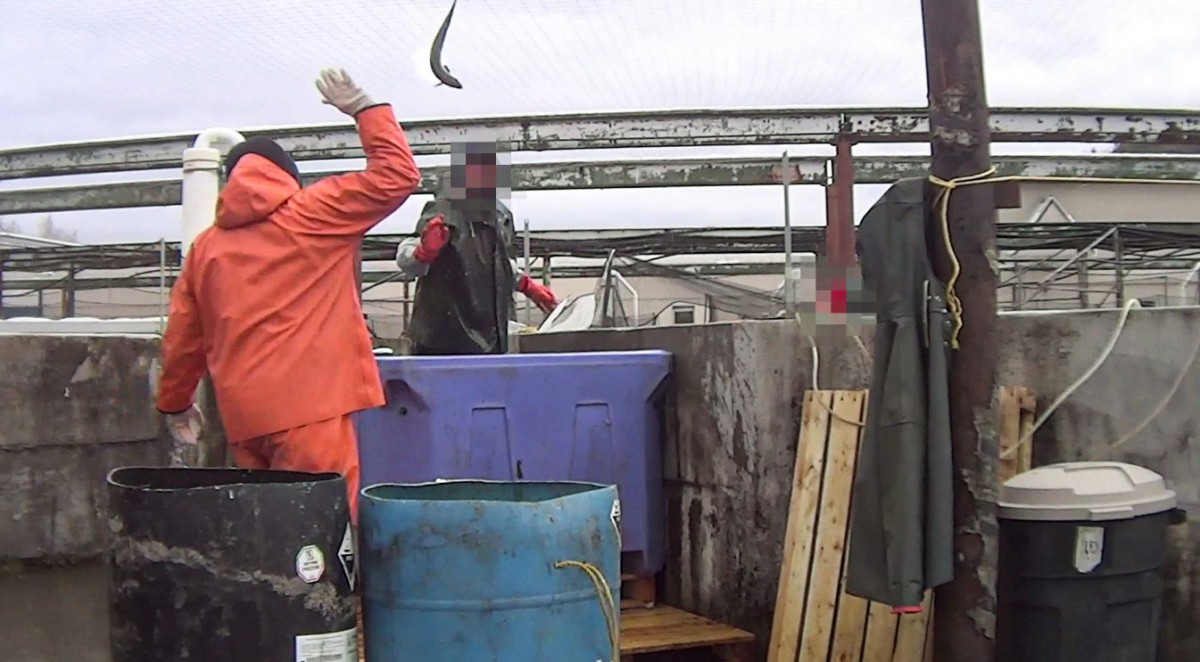
Salmon considered unprofitable are thrown away like trash. The video shows a worker tossing a fish into a giant barrel and raising his arms in triumph. Once in the barrels, salmon are left to slowly suffocate or are crushed by the weight of other fish. One worker seems to acknowledge the brutality of this treatment. “They just suffocate,” he says. “It’s so rough. Over the years you kinda get desensitized.”
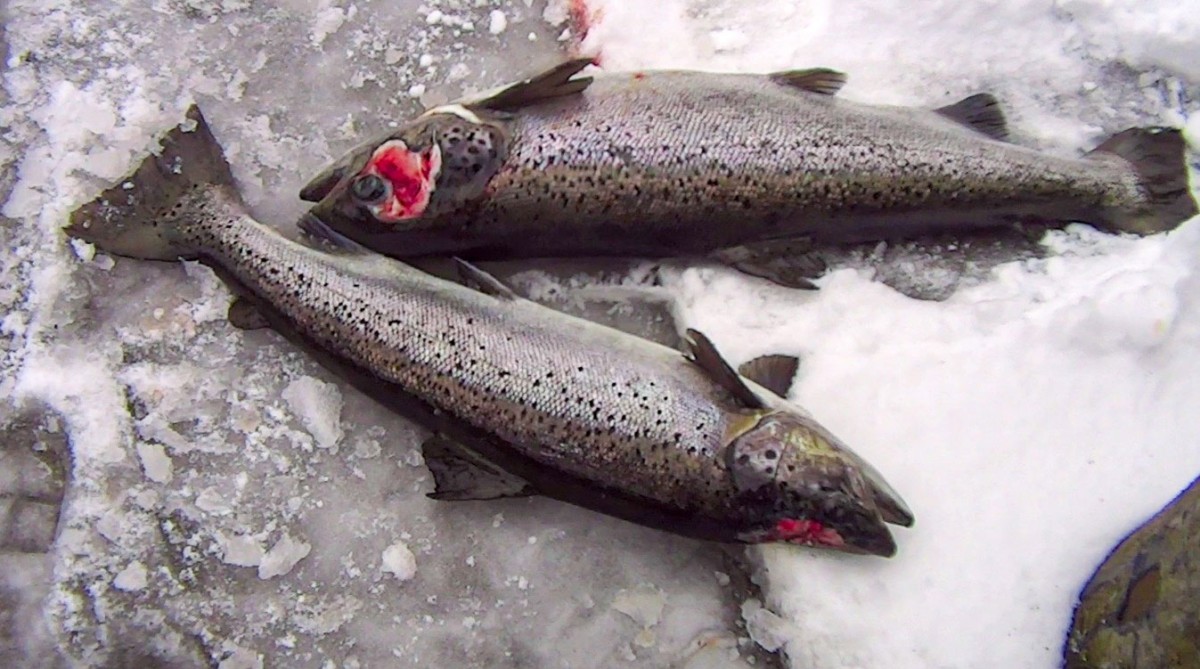
Some of the fish die from infections with parasites and fungi that thrive in the filthy environment. A worker says, “They get, like, lesions and stuff from the fungus, and it kinda eats away at them and they start bleeding from that.” The undercover investigator captured footage of salmon whose faces were partially eaten away.
The fish who manage to survive are kept in overcrowded, stressful conditions and often underfed, which can have tragic consequences. “If the fish aren’t fed enough, they’ll actually think the little pupil on the other fish is food, and they’ll come after it and they’ll peck the eye out,” one worker explains. “You happen to see some missing eyeballs, that’s the reason.”
After going through all this horror, adolescent salmon are usually transported to cages in the ocean to be fattened up for slaughter. In these cages, salmon often suffer sea lice infestations and are fed a diet that includes ingredients from wild-caught fish, who are taken from increasingly depleted oceans. And because these cages are stationary, the salmon cannot flee certain dangers. Harmful algal blooms can suffocate and kill millions of fish at a time.
Although the aquaculture industry treats these animals like unfeeling objects, fish are complex, sensitive beings, many of whom use tools and recognize themselves in mirrors and all of whom feel pain.
You can make a difference for fish and other animals by choosing more plant-based meals.
I don’t really want to have to put this on now above the Eurogroup article by Venus; but it is crisis time and days are getting short for donations. I have just donated to this wonderful organisation helping to be a strong voice for Orangutans.
Please give today if you can – thank you – Mark – WAV.
The deadline for our #GivingDayforApes match is approaching fast, so I’ll keep this short.
We’re 73% of the way to our ambitious $18,000 goal — and RIGHT NOW your gift can be matched for the gift of freedom.
Will you help us change the lives of mother Jubaedah & baby Jubaedi and male Titons forever?
Your gift today will help do this and more. Rush your gift of $25 or more now:
I want to pick up again on some of our (SAV) past work in Serbia; not for any specific reason; just that it fits well into the recent post by Venus which deals with stray animals within the EU -here is the link: https://worldanimalsvoice.com/2019/10/14/stray-animals-abandoned-friends/ – I have also added some links and video footage at the end of this post.
Firstly, welcome to everyone and anyone who visits the site from around the globe – it is good to see you and I hope you and I hope you find our articles of interest.
Secondly, and very importantly; never judge the way of a nation by the actions of just a few folk that live there. Serbia has some brilliant animal campaigners, and it has been my pleasure over the last 15+ years to work with many of them – people who have my full respect and people that I can call friends. There are some great little private, individual shelters where people are doing everything they can for animals – check out this SAV Facebook site of ours to see what I mean: https://www.facebook.com/groups/SerbianAnimalsVoice/
Today I want to track back to an issue we dealt with many years ago – that of the welfare of animals on some Serbian farms. Please remember, Serbia is currently a nation which is a ‘Candidate Country’ to join the EU. To become a member state, it will supposedly enforce all the legislation required of it under EU rules. But we know these don’t work anyway, and the EU never enforces its own legislation; as we have proven so many times with animal transport breaches over the years regarding Regulation 1/2005.
So, the (EU) rules say that all farm animals must be kept to certain standards – which is a joke really considering how many times we have helped to expose EU wrong doings in the past:
Going back; we looked into specific farm animal welfare in the past. As part of the CIWF investigation / campaign team in the past; https://www.ciwf.org.uk/ I was able to call on their extensive experience to help me with regard a few things about EU / Serbian farm animal welfare legislation. Phil helped me a lot and contributed to one of the articles I did on SAV.
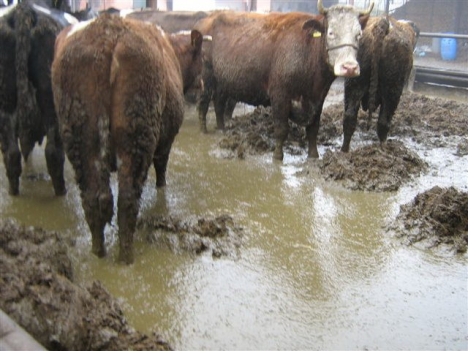
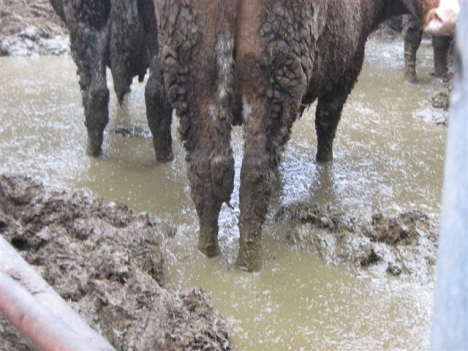
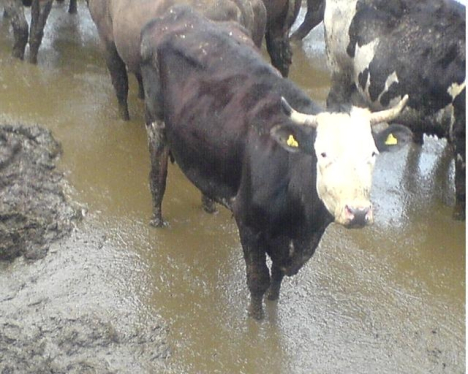
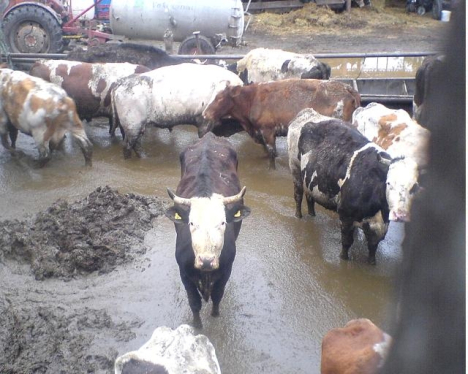
Have a look at these pictures that we published at the time – taken on a Serbian farm:
If you are / have been a meat eater in the past; would you want to eat meat that has been raised in this way ? – this is footage that was taken undercover on a Serbian farm a few years back. It is totally non compliant with EU standards; as detailed in the following links:
Remember, Serbia is now a Candidate Country to become an official EU member state.
We provided our evidence and photographs to the EU Commissioner for Enlargement – Commissioner Hahn; several years ago; as a result, we were ignored; as many animal welfare groups are when they show up the EU for the non enforcement of its own EU standards. We accept that our evidence will be ignored; whilst we hear great words regarding standards coming from EU ‘mouths’.
We also provided photographic evidence of dead pigs which had literally been dumped on the roadside. See the pictures here. Why had they died ?; of what ?; and why were their bodies not disposed of in accordance with proper legislation requirements ?
Stray animals (Dogs) are a big issue in Serbia as we have recently pointed out. Do farm animal carcasses such as these pigs strewn over the roadside not act as a source of attraction for hungry and desolate stray dogs ? – the whole system fails for animals, whilst at the same time the EU opens its arms to new member states; with the ‘EU Utopia’ prophecy in which there is nothing wrong !
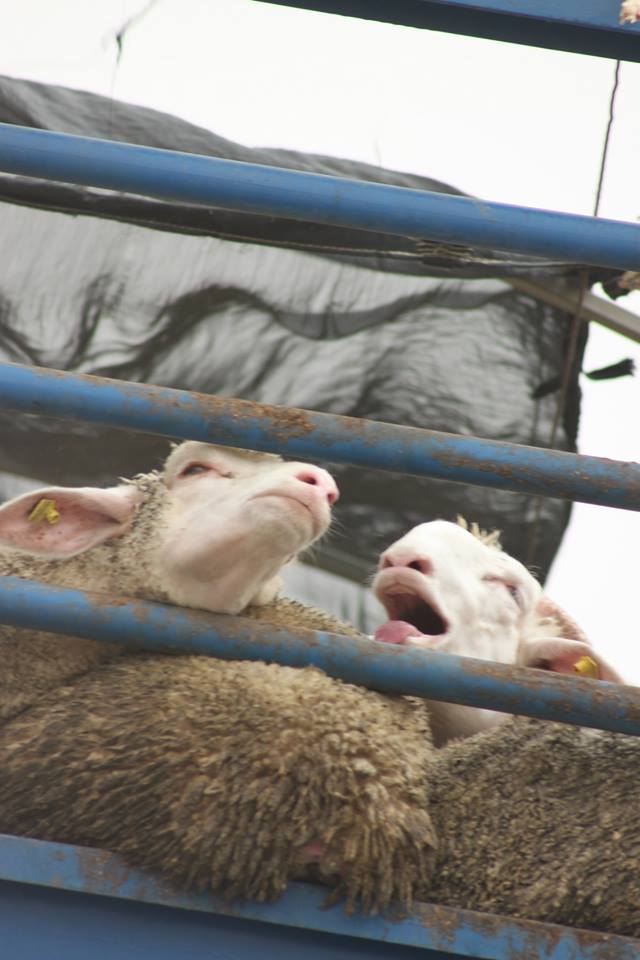
Finally, we also took the issue of Serbian live animal transport to the authorities; who were adamant that sheep exported to Israel for slaughter had not been sent live from Serbia. Some Serbian shelters were also targeted with closure if we carried on with our expose.
In the end, the Serbian authorities had to come clean and confirm that the sheep had been shipped live from Serbia. And just for the record, all the shelters threatened with closure by the authorities as part of this expose were left to carry on with their excellent work.
Remember – Serbia is a EUROPEAN NATION – we expect better animal welfare standards of it.
Still to come – out expose of Serbian Zoos and the terrible conditions which animals have to endure – fighting to survive daily whilst the authorities ignore meeting their legal requirements to undertake inspections.
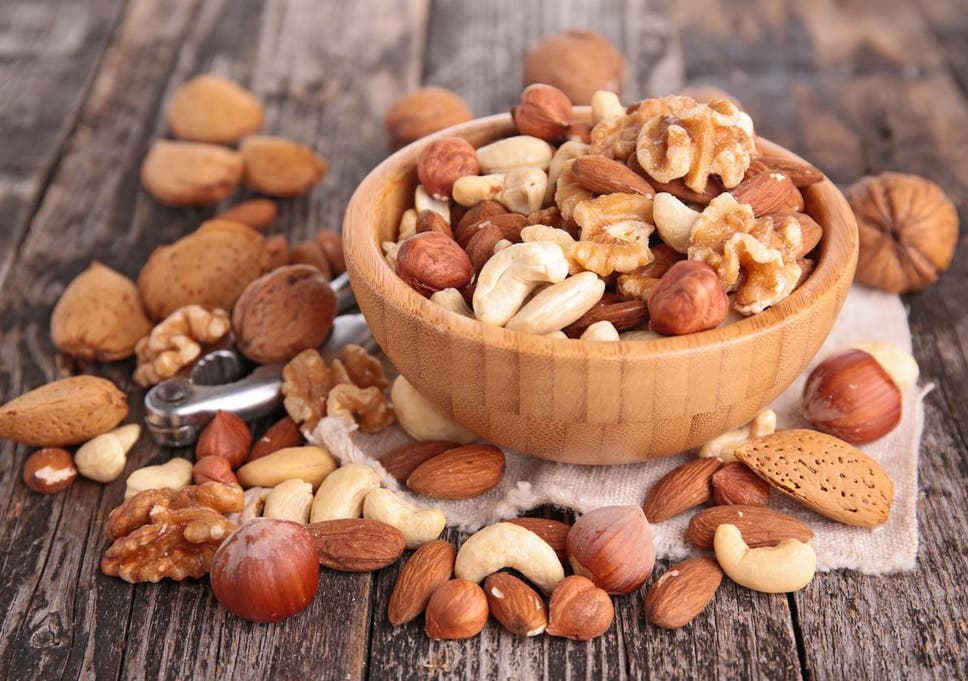
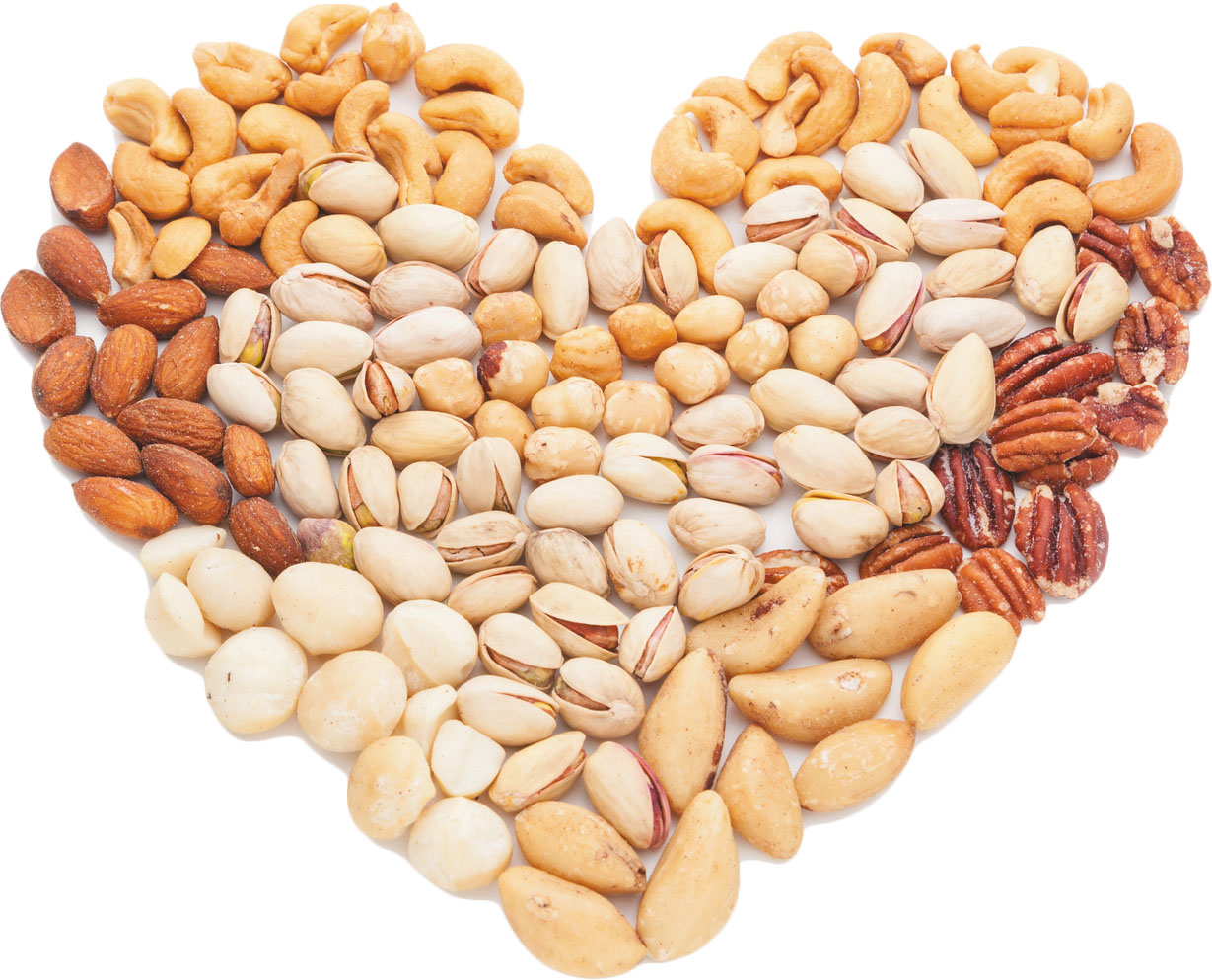
In general, nuts are good sources of fat, fibre and protein.
Most of the fat in nuts is monounsaturated fat, as well as omega-6 and omega-3 polyunsaturated fat. However, they do contain some saturated fat.
Nuts also pack a number of vitamins and minerals, including magnesium and vitamin E.
Many studies have investigated the health benefits of increased nut intake.
One meta-analysis of 33 studies found that diets high in nuts do not significantly affect weight gain or weight loss. Yet, despite having little effect on weight, many studies have shown that people who eat nuts live longer than those who don’t. This may be due to their ability to help prevent a number of chronic diseases.
For example, nuts may reduce risk factors for metabolic syndrome, such as high blood pressure and cholesterol levels. In fact, one study in over 1,200 people found that eating a Mediterranean diet plus 30 grams of nuts per day decreased the prevalence of metabolic syndrome more than a low-fat diet or a Mediterranean diet with olive oil.
Furthermore, nuts may reduce your risk of other chronic diseases. For example, eating nuts may improve blood sugar levels and lower your risk of certain cancers.
Summary Eating nuts may help reduce risk factors for many chronic diseases, including heart disease and diabetes.
But recent research shows that eating nuts daily offers a bounty of benefits. Here’s why you should aim for a handful a day. Really! People who ate at least 20 grams of nuts per day (about a handful) were 22 percent less likely to die prematurely, according to a 2016 review article published in BMC Medicine.