Day-old chicks in a KFC tub, spitting out meat through a grinder, painting by Jo Frederiks, vegan artist, animal activist, using art to raise awareness of animal suffering and inspiring change to a cruelty-free lifestyle.

Day-old chicks in a KFC tub, spitting out meat through a grinder, painting by Jo Frederiks, vegan artist, animal activist, using art to raise awareness of animal suffering and inspiring change to a cruelty-free lifestyle.


|
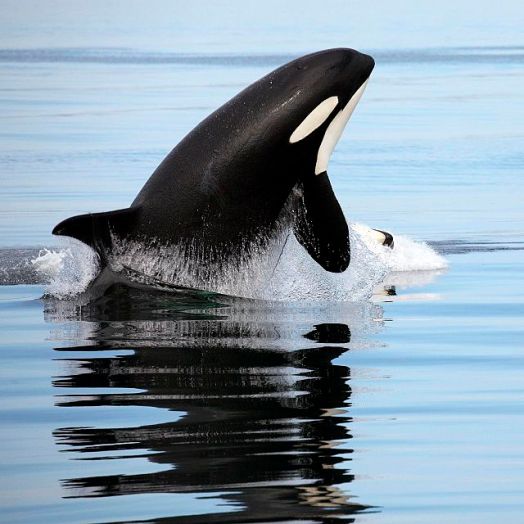
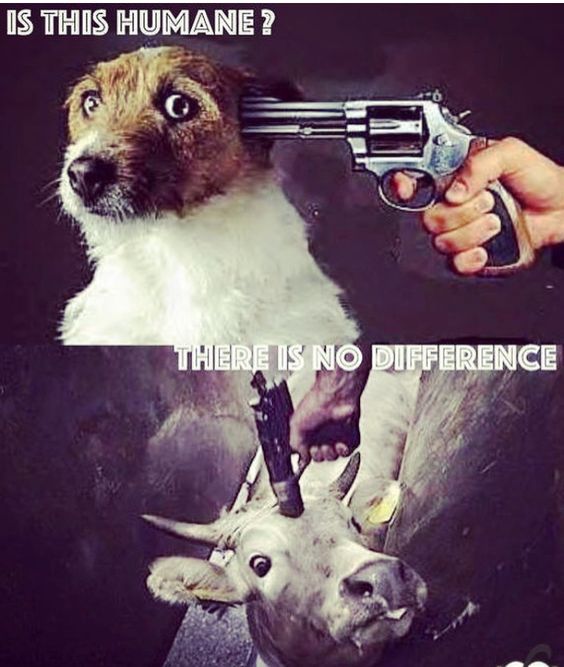
The labels on jumpers, hats, and other items made with mohair don’t mention the absolute terror of an angora goat kid violently shorn for the first time or reveal that workers plunge live goats into tanks of cleaning solution.
The mohair industry doesn’t think you’ll ever find out that shearers handle goats so roughly that the animals sustain cuts to their faces and necks – or that workers sometimes remove hair from the rotting corpses of dead goats. It assumes you’ll never discover that thousands of goats will succumb to exposure or predator attacks this year – or hear about the backyard slaughter operations where animals will be viciously butchered with dull knives.
All this suffering is woven into all those mohair jumpers and balls of yarn – and PETA is determined to end it.

PETA’s first-of-its-kind exposé of the South African mohair industry has pulled away the veil, informing millions of unsuspecting consumers about this cruelty. Nearly 300 brands have committed to banning mohair – and the list is still growing every day.
Now, some in the fashion industry are fearful that they’ll soon have to change their dirty habits – so they’re trying to downplay the evidence in PETA’s exposé. They want to keep profiting from the exploitation of gentle, vulnerable goats rather than using the animal-friendly materials that compassionate consumers demand.
We must fight back against these groups, and we need you with us. Will you make a donation right now to help PETA expose – and stop – the abuse of goats and other animals?
PETA and our international affiliates are a force to be reckoned with. We’ve persuaded major designers and retailers to go fur-free, called on large fashion shows to ditch leather and other animal-derived materials, and exposed the intense suffering of animals. And since clothing giants from H&M to Zara are banning mohair as a result of our exposé, the abusive mohair industry may be doomed.
But right now, our opponents are determined to continue their cruel business as usual, and we can’t let that happen! Please strengthen PETA’s vital work for goats and other animals by donating generously today.
Thank you for your compassion.
Kind regards,
Ingrid E Newkirk
Founder


Mark,
On Wednesday, Canada announced that it will ban two major bee-killing neonicotinoid pesticides.
This means that the most commonly used bee-killing neonics will be off Canada’s fields!
This victory was all because of members like you and the bee-loving organizations that have been working tirelessly to stamp out bee-killing pesticides on our fields.
Since the start of the campaign to save the bees in Canada four years ago, hundreds of thousands of you have signed petitions and chipped in to support in-person actions all around the world.
SumOfUs members living in Canada were responsible for a record-breaking number of public comments calling for a ban on neonic imidacloprid. And just a few months ago 20,000 of you signed the petition calling for a ban on the major bee-killing neonics in Canada.
Your hard work paid off! This week’s victory could not have happened if not for your continued support throughout the campaign.
Help spread the good news about your people-powered win by sharing this news!
But the fight to save the bees isn’t over.
Canada’s ban won’t come into effect for another three to five years. You can be sure big pesticide corporations Bayer and Syngenta will be working hard to overturn the ban by any means necessary — and they have a track record of using dirty tactics, like their lawsuits in Europe, to do this.
Bayer and Syngenta will also be busy in their labs testing new pesticides to replace their bee-killing products before the ban is in place.
Together, we need to put pressure on Health Canada to enforce this ban more quickly. Both France and the EU have neonic bans coming into effect this year — and we shouldn’t have to wait a whopping three to five years for Canada’s restrictions to be enforced.
That’s why we’re going to continue to fight to call for a complete ban on all bee-killing pesticides. And the sooner we can get the ban, the more bees can be saved. But we need your continued support.
Can you chip in £24 to make sure we beat the pesticides industry as soon as possible?
Donating just takes a moment – use Paypal or your card.
Yes, I will chip in £24 to help secure a complete victory to save the bees in Canada!
Thanks for all that you do,
Angus, Rebecca, Wiebke, Amelia and the team at SumOfUs
Canada to phase out most uses of pesticides linked to bee deaths, Globe and Mail, 15 August 2018

Mark,
One of California’s wildfires has just been declared the ‘largest in state’s history’, with thousands of firefighters struggling to bring an area bigger than New York state under control.
The drought-stricken state has had the worst start to the fire season in a decade. Yet Nestlé continues to draws millions of gallons of water illegally from the San Bernardino National Forest — and sells it for millions in profits
The California Water Board has directed Nestlé to limit its water-taking to what it is legally permitted to draw. Instead, Nestlé is taking almost 10 times that amount — often over 60 million gallons a year.
The Water Board has the power to enforce its directive and stop Nestlé’s illegal water grab. And it opposes Nestlé just as much as we do. A huge wave of support for the Water Board right now could be what it needs to finally stop Nestlé from stealing California’s precious water.
Tell the California Water Board to stop Nestlé’s illegal water grab in California.
For all the water Nestlé takes from the San Bernardino National Forest it pays a laughable $624 a year. Then it sells the water for millions in profit — while sucking the state dry.
This water is critical for Strawberry Creek — home to 71 species of threatened wildlife — which is running ever drier as Nestlé steals the water for its own greedy profiteering.
California’s wildfires are getting worse every year and are compounded by the dry conditions killing off large amounts of vegetation. California’s water is a precious resource that helps to mitigate the effects of drought and wildfire and must be protected not stolen by multi-billion dollar corporation.
Tell the Water Board to stop letting Nestlé suck California dry.
SumOfUs has been fighting Nestlé – and winning. Earlier this year, when Nestlé sued a small township in Michigan, thousands of SumOfUs members like you chipped in and raised $50,000 USD so the township could fight for its water. Together we have the power to take on greedy corporations like Nestlé and protect our water for future generations.
Thanks for all that you do,
Amelia, Angus and the team at SumOfUs
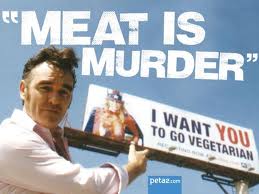





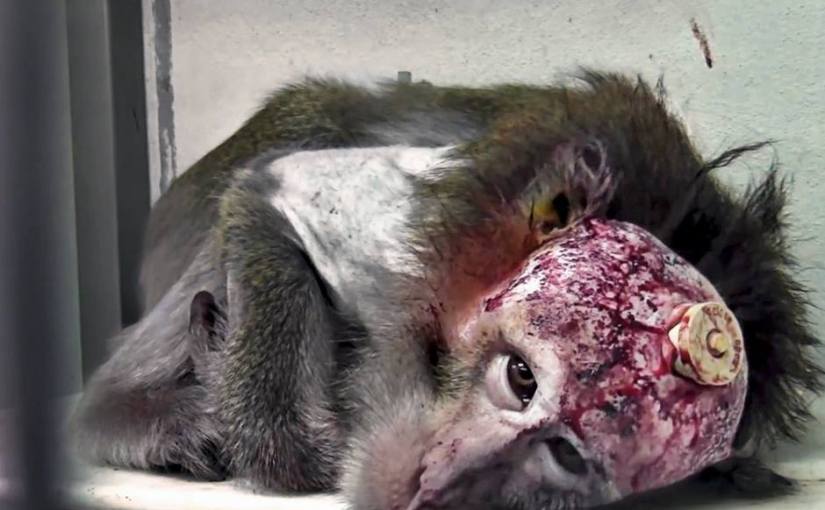
https://www.navs.org/the-issues/failure-of-the-animal-model/#.W3aU3uSWzIU
The use of animals as stand-ins for humans can give rise to misleading results because of the intrinsic differences between humans and other species. Human disease and human response to drugs and other chemicals should be studied in human-relevant systems.
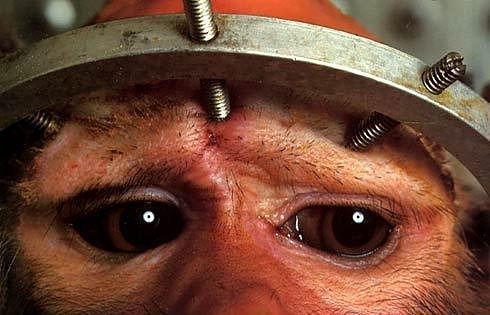
Each year, millions of animals are used to measure the safety of household and personal care products. These toxicity tests were developed in the early 1900s and have been criticized for their extreme cruelty and inability to provide reliable data that can be extrapolated to humans.
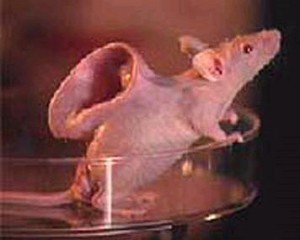
People trust that the cosmetics and personal care products that they purchase are safe for all their family members, including their companion animals, but object to the use of animals in toxicity testing to assess the safety of these products and their ingredients. Polls have shown that most consumers would prefer to use products from companies that do not test on animals. And innovative alternative testing methods are now available that are more humane, faster, less expensive and better able to predict how these products will affect people. Despite this, the use of animals to test the safety of cosmetics continues in the U.S. and throughout the world.
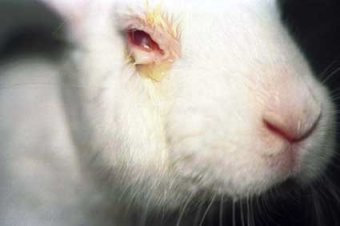
Despite the inherent limitations with the animal model and advances made in technology, it is estimated that over 100 million animals are used every year by the research industry, which includes universities, pharmaceutical and diagnostic laboratories, as well as military, agricultural and marine mammal facilities.



Nestlé’s palm oil business partner Indofood is the worst of the worst when it comes to producing palm oil. The Indonesian giant has gotten away with rainforest destruction and worker abuse for too long.
This impunity could end soon!

The palm oil industry’s main certification body, the Roundtable on Sustainable Palm Oil (RSPO) could finally kick the rogue company off its certification scheme. The RSPO complaints panel meets next week, so we need to act fast.
This decision will be a crucial step in getting Nestlé to finally cut deforestation and abuse out of its supply chain.
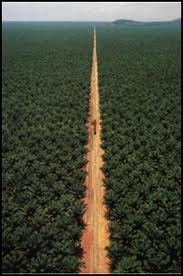
Together, we can expose the RSPO’s greenwashing and put its reputation at risk so it doesn’t stick to business as usual and overlook Indofood’s gross violations.
Sign the petition to demand the RSPO suspends Nestlé’s business partner Indofood.
Owned by Indonesia’s richest man, Indofood has been exposed in multiple investigations for exploiting workers, paying poverty wages (and female workers even less), dangerous working conditions, and intimidating communities off their land for illegal deforestation.
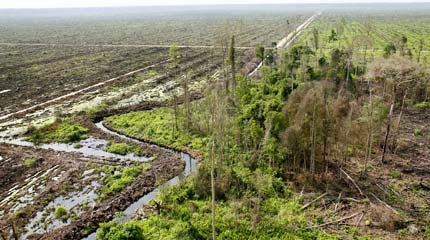
It also ignores the RSPO’s guidelines on protecting precious orangutan habitat and is guilty of logging on carbon-rich peat land, intensifying climate chaos.
Nestlé is in on this game. The snack food giant co-brands products in the South Asian market, and profits from a lucrative Joint Venture Partnership with Indofood — cheating on its palm oil commitments.
Getting the industry’s main certification scheme to suspend Indofood could force Nestlé to take strong action against Indofood, or risk public backlash. A suspension would give us even more evidence to call for Nestlé to permanently cut ties with Indofood.
There’s very little time before Nestlé’s business partner gets its verdict.
Sign the petition to pressure the RSPO into suspending Indofood — NOW.
Together, we’ve forced some of the palm oil industry’s biggest players to change their destructive ways before. Last year a huge SumOfUs petition shone light on another one of Nestlé’s dodgy palm oil partners — REPSA in Guatemala. The exposure and media fall-out forced Nestlé to cut ties with the Guatemalan palm oil offender!
The RSPO often fails to enforce its own standards, but if we pile on the pressure it could be forced to sanction Indofood. Recently, the RSPO froze Nestlé’s membership for several weeks when it failed to comply with its rules.
The suspension was a blow to Nestlé’s public image, and zoos and retailers around the world refused to stock its products for the period. That’s why we want to send a strong message to the industry by getting Indofood suspended for good.
Sign the petition to demand the RSPO suspends Nestlé’s business partner Indofood.

Thanks for all that you do,
Rebecca, Fatah and the team at SumOfUs

Main article: Palm oil production in Indonesia
Indonesia is the world’s largest producer of palm oil, surpassing Malaysia in 2006, producing more than 20.9 million tonnes.[36][38] Indonesia expects to double production by the end of 2030.[11] At the end of 2010, 60 percent of the output was exported in the form of crude palm oil.[39] FAO data show production increased by over 400 percent between 1994 and 2004, to over 8.66 million metric tonnes.
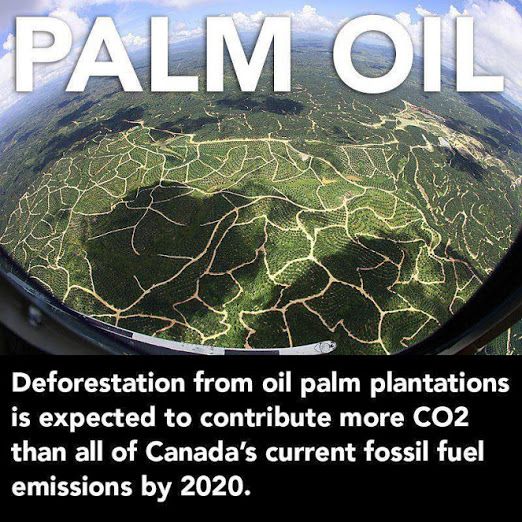
Main article: Palm oil production in Malaysia
In 2012, Malaysia, the world’s second largest producer of palm oil,[40] produced 18.79 million tonnes of crude palm oil on roughly 5,000,000 hectares (19,000 sq mi) of land.[41][42] Though Indonesia produces more palm oil, Malaysia is the world’s largest exporter of palm oil having exported 18 million tonnes of palm oil products in 2011. China, Pakistan, the European Union, India and the United States are the primary importers of Malaysian palm oil products.[43]
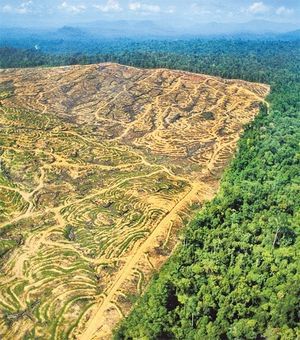
Thailand is the world’s third largest producer of crude palm oil, producing approximately two million tonnes per year, or 1.2 percent of global output. Ninety-five percent of Thai production is consumed locally. Almost 85 percent of palm plantations and extraction mills are in south Thailand. At year-end 2016, 4.7 to 5.8 million rai were planted in oil palms, employing 300,000 farmers, mostly on small landholdings of 20 rai. ASEAN as a region accounts for 52.5 million tonnes of palm oil production, about 85 percent of the world total and more than 90 percent of global exports. Indonesia accounts for 52.2 percent of world exports. Malaysian exports total 37.9 percent. The biggest consumers of palm oil are India, the European Union, and China, with the three consuming nearly 50 percent of world exports. Thailand’s Department of Internal Trade (DIT) usually sets the price of crude palm oil and refined palm oil. Thai farmers have a relatively low yield compared to those in Malaysia and Indonesia. Thai palm oil crops yield 4–17 percent oil compared to around 20 percent in competing countries. In addition, Indonesian and Malaysian oil palm plantations are 10 times the size of Thai plantations.[46]
In the 1960s, about 18,000 hectares (69 sq mi) were planted with palm. Colombia has now become the largest palm oil producer in the Americas, and 35 percent of its product is exported as biofuel. In 2006, the Colombian plantation owners’ association, Fedepalma, reported that oil palm cultivation was expanding to 1,000,000 hectares (3,900 sq mi). This expansion is being funded, in part, by the United States Agency for International Development to resettle disarmed paramilitary members on arable land, and by the Colombian government, which proposes to expand land use for exportable cash crops to 7,000,000 hectares (27,000 sq mi) by 2020, including oil palms. Fedepalma states that its members are following sustainable guidelines.[47]
Some Afro-Colombians claim that some of these new plantations have been expropriated from them after they had been driven away through poverty and civil war, while armed guards intimidate the remaining people to further depopulate the land, with coca production and trafficking following in their wake.


