Category: General News

India: Rhino Poacher Mortgages His Own Son to Weapons Dealers.

INDA0001


Rhino Poacher Mortgages His Own Son to Weapons Dealers

A man in India offered his son as collateral in exchange for a gun and ammunition. His intention was to kill an Indian one-horned rhinoceros and sell its ivory horn.

Nurjamal Rahman expected to kill a rhino and then sell the horn for ₹50 lakh (about $73,000 USD). But to carry out his plan, he needed a firearm and ammunition. He connected with an arms trader and they set up a deal. The dealer required Nurjamal to pay ₹3 lakh (~$4,500 USD) up front to rent the firearm and ammunition, but then added an additional requirement that he also provide collateral to guarantee the return of the leftover ammunition and firearm. And that collateral had to be in “human form.”

So Nurjamal offered his 12-year-old son for a three-month mortgage period, in which he hoped to kill a rhino in Orang National Park. The area was designated as a sanctuary in 1985 and declared a national park in 1999.  It is home to many animals including great Indian one-horned rhinoceros, elephants, and tigers.

Police caught Nurjamal and two associates before they were able to kill an animal.

India’s northeastern state of Assam, where the park is located, has an estimated 2,610 Indian one horned rhinoceros. Orang National Park has an estimated 68 rhinos left. Also known as the greater one horned rhino, these are the biggest rhinoceros on the planet.

At the turn of the 20th century, there were only 200 greater one horned rhinos left alive. Poaching had decimated their population. The animal was on the brink of extinction. But thanks to strong oversight and law enforcement fighting poachers, their population has recovered (though according to the World Wildlife Fund they are still classified as vulnerable). Today populations have increased to about 3,500 from northeastern India to Nepal.

Rhinoceros are beautiful, playful creatures. Unfortunately, humans have decided their horns are worth a substantial amount of money. This story is encouraging in that it illustrates the strong work by the Indian government, but it is also sad as it shows the extreme choices some individuals make in seeking to kill an animal for profit.

USA: Tump Has Sights On More Environmental Damage.

USA

trump en3

Take Action 2

trump en4

First it was the Paris agreement. Then the Clean Power Plan.

Now the Trump administration has its sights set on dismantling

yet another crucial climate policy: fuel-efficiency and tailpipe-

pollution standards for cars and light trucks.

Fossil-fuel vehicles are the nation’s largest source of greenhouse

gases, and clean car standards are our best tool to fight climate

change yet. We’ve been fighting for years to stay on the right

track — but now Trump’s trying to ditch the plan.

Tell the EPA it must strengthen, not weaken clean car standards.

This reckless proposal would lock us into decades of toxic,

planet-warming emissions. An additional 2.2 billion tons

of carbon dioxide would be pumped into the air by 2040,

hastening climate catastrophe and threatening humans,

polar bears and countless other species already struggling to survive.

And that’s not all. The Trump administration also wants

to strip California of its ability to set stricter standards,

which are currently followed by 12 other states and D.C.

And the president’s bizarre claim that people driving

dirty vehicles are safer and drive less is just wrong.

America’s cars are more fuel-efficient and safer every year.


Take Action 2

Take action now. Insist that the EPA withdraw this damaging

policy reversal.

https://act.biologicaldiversity.org/onlineactions/ZSejHoSqN0u5sUKUMCIWRA2?sourceid=1004296&utm_source=action&utm_medium=email&emci=39bbb043-089c-e811-bce7-000d3a12b800&emdi=ec3df5b9-df9e-e811-bce7-000d3a12b800&ceid=736440&smartlinkdata=JmZuPU1hcmsmbG49Sm9obnNvbiZlbT1ob3dsaW5nd29sZm1vb24lNDBibHVleW9uZGVyLmNvLnVrJnBjPURBMTIrNUpB


Monsanto Ordered to Pay Out $289 Million To Weedkiller User In Cancer Trial.

bees win monsanto


https://www.bbc.co.uk/news/world-us-canada-45152546

Monsanto ordered to pay $289m damages in Roundup cancer trial

Chemical giant Monsanto has been ordered to pay $289m (£226m) damages to a man who claimed herbicides containing glyphosate had caused his cancer.

In a landmark case, a Californian jury found that Monsanto knew its Roundup and RangerPro weedkillers were dangerous and failed to warn consumers.

It’s the first lawsuit to go to trial alleging a glyphosate link to cancer.

Monsanto denies that glyphosate causes cancer and says it intends to appeal against the ruling.

“The jury got it wrong,” vice-president Scott Partridge said outside the courthouse in San Francisco.

§  EU settles dispute over weedkiller glyphosate

§  UK ‘will support’ pesticide ban

§  The villagers who fear herbicides

The claimant in the case, groundskeeper Dewayne Johnson, is among more than 5,000 similar plaintiffs across the US.

Correspondents say the California ruling is likely to lead to hundreds of other claims against Monsanto, which was recently bought by the German conglomerate Bayer AG.

Mr Johnson was diagnosed with non-Hodgkin’s lymphoma in 2014. His lawyers said he regularly used a form of RangerPro while working at a school in Benicia, California.

The implications of this verdict will be felt far beyond Monsanto’s headquarters in Missouri.

Glyphosate is the world’s most common weedkiller and the science about its safety is still far from settled.

In 2015 the International Agency for Research on Cancer, the World Health Organisation’s cancer agency, concluded that it was “probably carcinogenic to humans”. but the US Environmental Protection Agency (EPA) continues to insist that glyphosate is safe when used carefully.

Campaigners question how the EPA assessment was reached, citing evidence of what they say was inappropriate industry involvement in the decision.

Some Democrats have even called for a Department of Justice investigation into alleged collusion between government officials and Monsanto.

In California, where a judge recently ruled that coffee must carry a cancer warning, the agriculture industry sued to prevent such a label for glyphosate even though the state lists it as a chemical known to cause cancer.

In Europe, too, the battle over glyphosate has been fierce. French President Emmanuel Macron is trying to ban it despite the resistance of some French lawmakers and the fact that the European Commission recently granted the weedkiller another five-year licence.

Jurors found on Friday that the company had acted with “malice” and that its weedkillers contributed “substantially” to Mr Johnson’s terminal illness.

Following an eight-week trial, the jury ordered the agricultural multi-national to pay $250m in punitive damages together with other costs that brought the total figure to almost $290m.

Mr Johnson’s lawyer, Brent Wisner, said the jury’s verdict showed that the evidence against the product was “overwhelming”.

“When you are right, it is really easy to win,” he said, adding that the ruling was just “the tip of the spear” of future legal cases.

 bee

https://www.bbc.co.uk/news/world-europe-45167906

Bayer shares tumble after Monsanto payout in weedkiller case

Shares in German pharmaceutical group Bayer have dropped sharply following a US verdict linking a product to cancer.

By mid-morning on Monday, Bayer’s shares had lost 10.4% of their value.

Bayer owns agriculture giant Monsanto – which was ordered by a California judge on Friday to pay $289m (£226m) damages to a man who said ingredients used in a weedkiller had caused his cancer.

Bayer says the product – glyphosate – is safe. It completed its $66bn takeover of Monsanto in June.

The landmark lawsuit was the first to go to trial alleging a glyphosate link to cancer.

The claimant, groundsman Dewayne Johnson, was diagnosed with non-Hodgkin’s lymphoma in 2014. His lawyers said he regularly used a form of RangerPro while working at a school in Benicia, California.

The Californian jury said Monsanto should have warned users about the dangers of its Roundup and RangerPro weedkillers.

Mr Johnson is among more than 5,000 similar plaintiffs across the US.

Glyphosate is the world’s most common weedkiller. The California ruling could lead to hundreds of other claims against Monsanto.

A Bayer spokesperson told the BBC on Saturday that the two companies operated independently. In a statement the company said: “Bayer is confident, based on the strength of the science, the conclusions of regulators around the world and decades of experience, that glyphosate is safe for use and does not cause cancer when used according to the label.”

Monsanto said it intends to appeal against the verdict.

What is glyphosate and is it dangerous?

Glyphosate was introduced by Monsanto in 1974, but its patent expired in 2000, and now the chemical is sold by various manufacturers. In the US, more than 750 products contain it.

In 2015, the International Agency for Research on Cancer, the World Health Organisation’s cancer agency, concluded that glyphosate was “probably carcinogenic to humans”.

However, the US Environmental Protection Agency (EPA) insists it is safe when used carefully.

The European Food Safety Authority (EFSA) also says glyphosate is unlikely to cause cancer in humans.

Last November 2017 EU countries voted to renew the licence of glyphosate despite campaigns against it.

BBC North American correspondent James Cook reported that in California – where a judge recently ruled that coffee must carry a cancer warning – the agriculture industry sued to prevent such a label for glyphosate, even though the state lists it as a chemical known to cause cancer.

§  What do we know about glyphosate?

What happened in the groundsman case?

Jurors found on Friday that Monsanto had acted with “malice” and that its weed killers contributed “substantially” to Mr Johnson’s terminal illness.




August 12th Is World Elephant Day.

world elephant day 1

It’s World Elephant Day!

But…did you know that around 55 African elephants

are killed a day? 

Illegal wildlife trade is destroying some of the world’s

most iconic species including elephants, who are poached

for their tusks, driven by the demand for ivory.

Last year, over 60,000 of you signed our Stop Ivory

Trade petition, successfully calling for a strong ivory

trade ban in the UK. It’s now time to take this to the next level.

Today we’ve launched a new petition to call on global

leaders to stamp out wildlife crime at an important

conference on illegal wildlife trade in London this October.

Will you join our fight to end illegal wildlife trade?

world elephant day 2

Elephant skinning 


Did you know that as well as being killed

for ivory, elephants are also being poached

for their skin?

In Myanmar, Asian elephants of all ages are targeted

by poachers for their skin and other body parts.

The skin is used to make creams, consumed as medicine

and polished into jewellery.

But we’re taking action.

In response to the poaching crisis, WWF-Myanmar has

been working to tackle the poaching, including the

introduction of 220 rangers in 18 different base camps

that has helped to protect elephants.

 petition keyboard
world elephant day 3

The illegal wildlife trade is devastating elephants

worldwide. We need global leaders to take urgent action

to end this terrible illegal trade.

Will you help us?

https://www.wwf.org.uk/updates/join-our-fight-end-illegal-wildlife-trade?pc=VDA002002&utm_source=News&utm_medium=email&utm_content=SignThePetition&utm_campaign=NEWS_IWTPETITION_VDA002002&_ccCt=zkpEp8mTXSlkIFlkm1Q2fiDRsdhXq1oXs6dE3HhrNF6hFm7ILto5RnrvZlcNWqqu


Sri Lanka: If You Like Elephants, Don’t Ride Em ! Extreme Suffering – Video To Watch.

Sri Lanka

peta elephant ride 1

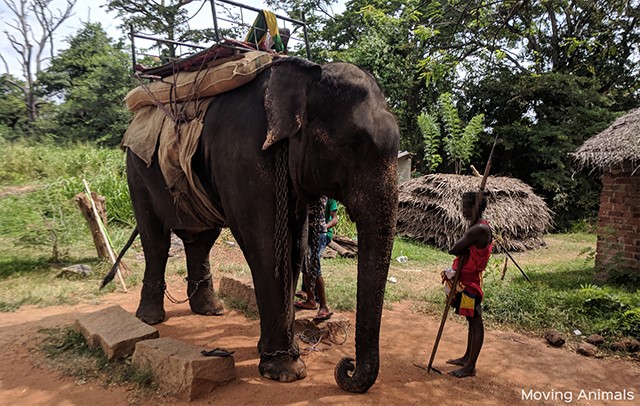
Sri Lanka is a fast-growing holiday hotspot, thanks to its stunning beaches, surf spots, and national parks. But for the country’s captive elephants, this rapid increase in tourism means only more suffering.

Elephants used for tourist rides are typically kept tightly chained and isolated from other elephants. Forced up and down the same busy roads day after day, they’re often worked to exhaustion in the sweltering heat.

watch the video

Watch the video here.

They live in constant fear of the mahout (handler), who controls them using a bullhook – a spe

ar-like instrument with a sharp hook that’s commonly used to strike and injure them.

Until tourists stop paying to ride them, elephants will continue to face exploitation and abuse.

Please share our new video about the cruelty of riding elephants in Sri Lanka with your friends and family – the more people who know about the heartbreaking abuse behind elephant rides, the sooner they’ll end.

Indonesia: Orangutan Jungle School.

Indonesia

jungle school 1

Borneo Orangutan conservation.

http://orangutan.or.id/bosf/

Meet some of Forest School’s coolest students: playful Cinta, sweet Meryl, brave little Topan, and many other colourful characters, in the new docuseries «Orangutan Jungle School»!

This special, ten-part documentary takes you behind the scenes to follow the lives of orangutan orphans at Nyaru Menteng. At the most unique school on the planet, see what our clever, vulnerable students get up to, and learn how vital conservation is to their very survival.

Orangutan Jungle School continues on Sunday, August 12, at 8 p.m. in Indonesia, Singapore and other Southeast Asian countries.

Find out where to watch the series. If you can’t find your country’s details, don’t worry – we’ll be updating the page regularly as dates are released.

Meet one of our babies, and help us provide them with care and a chance at rehabilitation.

Thanks for all that you do, Mark.

Dr. Jamartin Sihite
CEO of BOS Foundation

Support orangutan conservation by adopting an orangutan!

You will receive a personalized e-certificate, photo, and story of the adopted individuals!


Babies needing your support – http://orangutanjungleschool.com/adoption/

Fires have again ravaged Central Kalimantan’s peat forests, the largest such burning since the devastating forest-fire disaster of 2015. Staff from Central Kalimantan’s Mawas Conservation Program were once again on the front line, facing intense heat in an attempt to gain control over the raging fires.

The first flames were spotted in a palm-oil plantation owned by PT. Kalimantan Lestari Mandiri (KLM) in Mantangai Sub-District, Kapuas Regency, Central Kalimantan, on Wednesday, July 11. The plantation is adjacent to the Mawas Conservation Program working area. Staff members quickly dispatched a fire patrol team to the scene, however, fire continued to creep toward one of our camps used in the program (Camp Release), and on Saturday, July 14, it got dangerously close.

In addition to the efforts made by our Mawas staff and technicians to extinguish the flames, we also received water-bombing support by helicopter from the Central Kalimantan Disaster Management Agency (BPBD).

After three challenging days, our team was finally able to neutralize the raging fire, which stopped just 300 meters away from Camp Release. Our post-fire assessment team determined that as much as 12,926 hectares of peat forest was burned over just a few days. This area is equivalent to about 13,000 soccer fields!

The Mawas team currently has 15 staff members on regular, daily rotation patrols to keep a lookout for spot fires. In the PT. KLM working area, thick smoke is still visible as of today (July 17).

The patrol team has reported seeing logs traveling downstream; an indication that illegal logging is taking place, and that the forest burning was a deliberate act. According to our Mawas Program Manager, Jhanson Regalino, canals in the area are presently shallow, forcing illegal loggers to find other ways to transport cut logs downstream. The loggers are known to secretly burn down rasau, a panadanus-like water plant found along the river banks, to widen the waterways.

See photos at – http://orangutan.or.id/mawas-team-conquer-fire-after-3-day-battle/