So there we were; it was Friday (15/&7) afternoon and very hot (unusually for England – I think they call it ‘Global Warming’ Mr Trump). The lounge doors which go to the back garden were open to get a breeze through. We came in from another room when I was greeted with “Mark, there is a fox in your office !”.
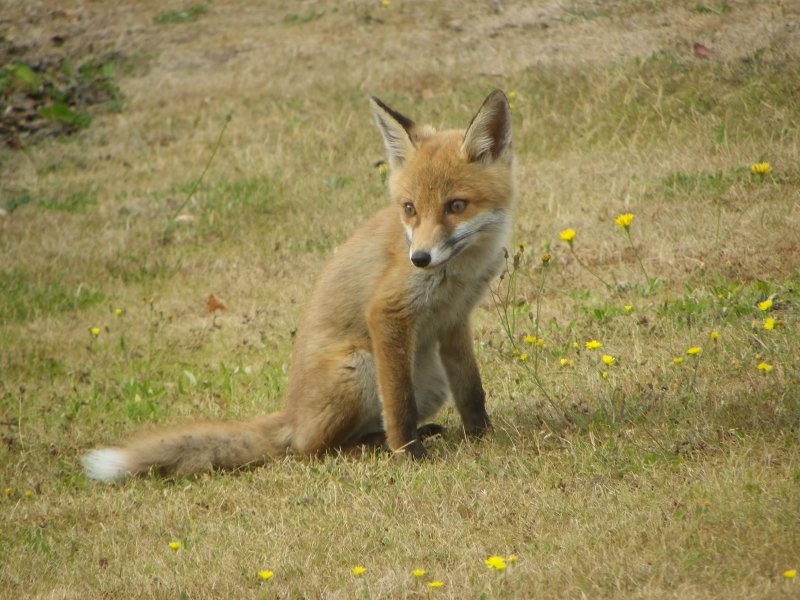
Sure enough, there was; a little cub who I think I had photographed with his mum in the garden a few weeks ago. If it was him, hen he is now out on his own searching round and getting to know places. He must have entered through the open doors at the rear, and then wandered into the office.
Luckily; he was in a fox friend zone which is totally anti hunt; so we laid a trail of fox biscuits indoors for him to eat, and which led back to the garden. He showed no signs of being scared of us in any way (a bit worrying if he meets the ‘wrong’ types); he was brazen and really chilled out; lying on the office floor for a while before making his way back outside.
I quickly grabbed a couple of shots of him both indoors and then outdoors when he was back in the garden. We threw him some extra food, which he took in his mouth and then headed off into the bushes. His mum would have been proud of him if he returned with all that food, but then again, maybe he scoffed it all himself !
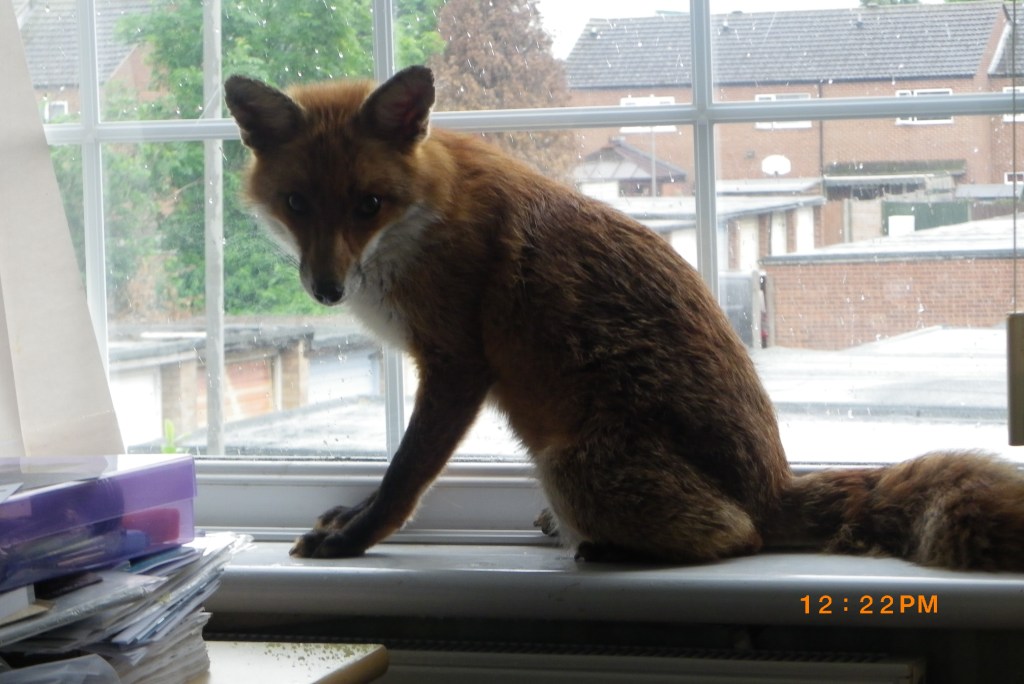
He was beautiful and a real delight to see so close up. I have this thing with foxes coming into the building; at our previous place, a wild local fox used to come in, climb the stairs and then chill on the window sill for a while, whilst I was on the computer – you can see him here.
Chill out fox sits on the office window sill.
But, they are wild animals, not pets; and so must be treated that way. No touching or stroking; just watching and enjoying. Then they go and return to the wild where they belong.
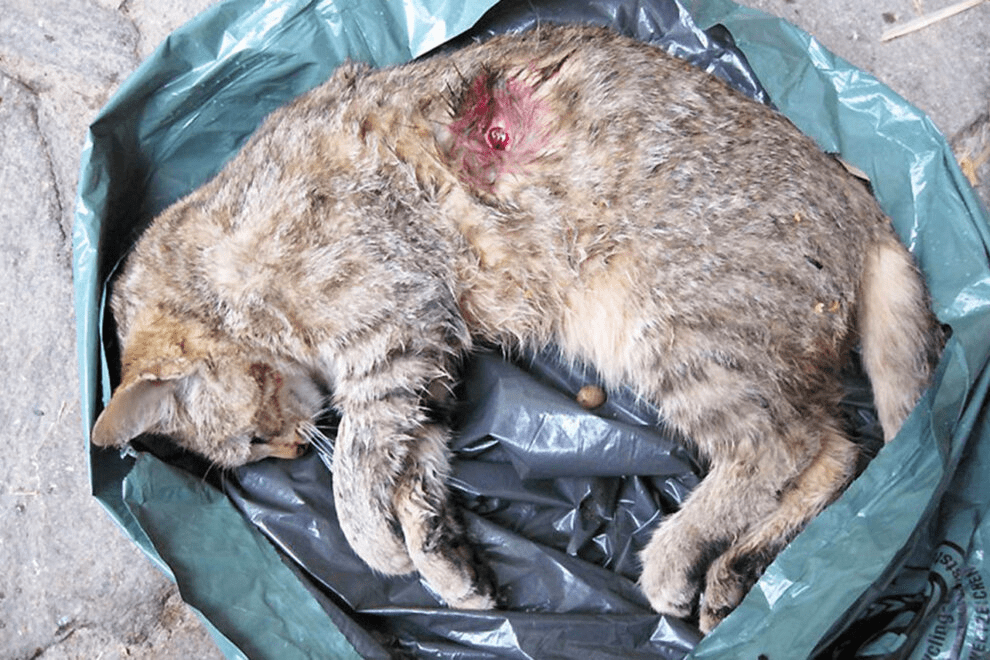
I asked the question (to our contact ‘D’) if the cat was caught in the trap which could have been used normally to trap foxes instead. The answer came back – ‘NO – It was intentional’.
Our informant continued:
In some German states it is legal to kill pets (more than others) – dogs and cats “on the prowl”. That is the hunters’ official excuse, but it is usually 300 meters from the last building, in rural areas, where that is allowed.
In this case the huntress in question argued that on this day there had been pheasants released for their hunting party, and the cat had gone after them. Rubbish.
Happens quite a lot, it seems. Then the hunters apply what is called the three S, “schiessen – schaufeln – Schnauze halten” / “shoot – dig – shut up”.
Pets being shot is not popular, of course, so they usually get rid of the bodies and say nothing.
Trio of 3 hunters in Bavaria, near Augsburg, catch and shoot pet cat (with collar, and so someone’s beloved pet). The person doing it is a woman hunter: twice in the face, once in the body (discussing if they should shoot the cat again).
PETA Germany has reported this after receiving the video from a whistleblower, and the district court of Augsburg has issued a penalty order. The case is not closed yet. This apparently happened around Xmas 2020, but PETA only got wind of it this year.
D.
Peta Germany via our contact.
This has been forwarded from a contact/activist friend in Germany.
Video: Hunter shoots cat in cold blood in live trap with pistol
Original article from January 3, 2021
A whistleblower of PETA played us videos of incomprehensible animal cruelty: In it, a hunter brutally kills a cat with several shots from a pistol. The cat is literally tortured to death. Previously, the animal, which according to the information wore a collar and probably had a loving home, had been caught in a so-called live trap. We file a criminal complaint with the Augsburg Public Prosecutor’s Office.
Huntress shoots several times at defenseless cat in live trap – she suffers agony
This was what happened: Probably shortly before Christmas 2020, a group of hunters in a forest area west of Augsburg filmed themselves brutally torturing and killing a trapped cat: The video shows a black and white cat that has fallen into a live trap. It is not known how long the animal had been trapped without food, heat and water at that time.
Instead of releasing the frightened and visibly stressed animal or taking it to a shelter, a hunter starts killing the cat with a pistol while still trapped. After three shots to the animal’s head at close range, the panicked cat is seriously injured in agony, but is still conscious. The agony this cat must have endured is unimaginable.
We at PETA Germany file a criminal complaint against the animal abusers
This cruel cruelty to animals must not go unpunished and must be punished severely by law.
We also demand that the hunting license of the persons present be withdrawn immediately. In addition, we call for a nationwide ban on the shooting of dogs and cats, so that such and many similarly brutal death scenes, which often take place in the context of hunting, do not continue.
Regards Mark
Visitor friends comments – you can view them all on the right hand side under ‘COMMENTS’.
Stacey:
Evil, absolute human trash, a waste of oxygen & space, when she goes to hell, she’ll be the one hunted for eternity, her endless suffering in return for her psychopathy and apathy of others. POS
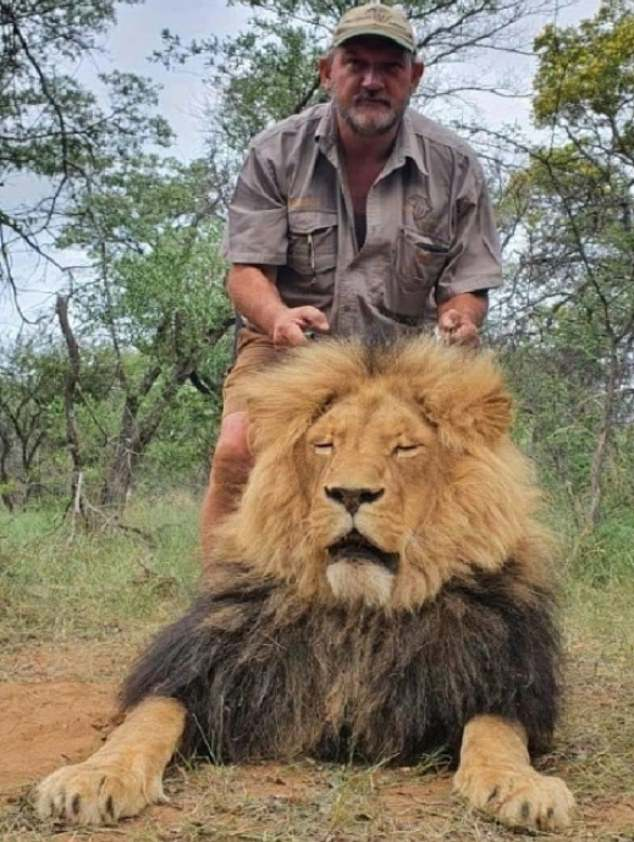
Cape Town – Anyone involved in trophy hunting has some level of moral disconnect, so the fact that President Cyril Ramaphosa was potentially involved in other crimes was not surprising.
This is the view of People for the Ethical Treatment of Animals (PETA), a non-profit animal rights organisation, in reaction to criminal investigations into Ramaphosa after millions of US dollars “concealed” in furniture on his Phala Phala farm in Limpopo were stolen – allegedly by a gang of Namibian nationals with the assistance of his domestic worker.
Ramaphosa is being investigated for alleged money laundering, defeating the ends of justice and kidnapping the suspects who were allegedly interrogated and breaching the Prevention of Organised Crime Act, no 121 of 1998 (“Poca”) and the Prevention of Corrupt Activities Act No12 of 2004 (“The Corruption Act”).
Ramaphosa has only confirmed that the matter was reported to the head of his security, and not the police.
It remains unclear whether Sars and the SA Reserve Bank have launched their investigations in relation to the breaching of the country’s laws around foreign currency.
In 2020, the same year of the theft of the money, PETA conducted an undercover investigation which revealed Ramaphosa’s alleged hidden connections and investments in the trophy hunting industry, after a hunting Safari owner was caught on video stating that the president had bought a 50% stake in their company.
In 2020, the same year of the theft of the money, PETA conducted an undercover investigation which revealed Ramaphosa’s alleged hidden connections and investments in the trophy hunting industry, after a hunting Safari owner was caught on video stating that the president had bought a 50% stake in their company.
“Footage reveals that Ramaphosa is quietly developing and expanding a trophy hunting property called Diepdrift — stocking it with animals from his own wildlife breeding operation, Phala Phala — and that he owns a 50% stake in Tsala Hunting Safaris. In other words, far from ‘conserving’ wildlife, wild animals are bred specifically to be killed for trophies.
PETA recorded conversations in which Ramaphosa’s managers admitted that he shares equally in the profits from all hunts conducted through Tsal and spoke of the importance of concealing his involvement,” the organisation said at the time.
“One person identified as the manager was quoted saying: ‘We try to keep the president’s name out of the hunting thing because … of all the greenies …. So he wanna spare himself this, how can I say, bad publicity and all of that.”
Following the PETA investigation, Ramaphosa distanced himself from the allegations last January, saying they were “unsubstantiated”.
In a statement he said: “Contrary to PETA’s assertions, neither Phala Phala nor I have a stake in the trophy hunting industry. It is furthermore also patently false that Phala Phala breeds game for the purpose of being sold to trophy hunters. Phala Phala is well known and recognised for its wildlife breeding and management practices that comply with the best ethical and lawful practice in the sector; as well as for its contribution to the racial transformation of the sector.”
PETA Asia Senior Vice-President Jason Baker yesterday told the Cape Times they were not surprised at recent developments concerning possible illegal activity involving Ramaphosa.
“We’re glad to see an investigation into the President’s animal breeding business, however we hope that authorities will also investigate the animal cruelty aspect of this. Anyone involved in trophy hunting has some level of moral disconnect, so the fact that the President is potentially involved in other crimes is not surprising,” said Baker.
“Animals shot by trophy hunters often endure a prolonged and painful death — simply so that hunters can chop off their heads and other body parts. The only solution to this is an end to trophy hunting, and we hope South African authorities will end this industry for good.”
“Animals shot by trophy hunters often endure a prolonged and painful death — simply so that hunters can chop off their heads and other body parts. The only solution to this is an end to trophy hunting, and we hope South African authorities will end this industry for good.”
Approached for comment on Wednesday, Ramaphosa’s spokesperson Vincent Magwenya said they had nothing to add.
Meanwhile Ramaphosa is reportedly set co-chair the third session of the Namibia-South Africa Bi-National Commission (BNC) in Windhoek from June 28 to July 1, alongside his Namibian counterpart Hage Geingob.
Cape Times
Regards Mark
Comments from supporter Jack – thanks Jack:
Hunting in South Africa is out of control. The corruption at all levels of government. The so called “Farmers” 99% white apartheid people are at the core of Trophy hunting and poaching. The Private Rhino Owners Association is part of the Illegal Rhino horn trade. I lived in South Africa and witnessed this going on without any consequences.
Callum Muir, 25, of Logan, Ayrshire, used his three dogs, terrier Pip, lurcher Bella and bull lurcher Mig to maul badgers and foxes.
After receiving intelligence that he was involved in this behaviour, Scottish SPCA Inspectors executed a warrant on his house, where they found evidence that Muir was self treating his dogs, who were badly injured.
They also found video evidence of the fights, which show Muir laughing while watching his dogs rip apart a fox.
An undercover cruelty investigator said: “The evidence we found at Muir’s home address was consistent with what you’d typically find when someone is heavily involved in animal fighting.
“All three of his dogs had significant injuries across their faces. Pip and Bella, the two older dogs, had injuries across their neck and legs.
“Both dogs had several missing teeth as a result of the fights they’d been in, and the lack of appropriate veterinary treatment would have made the suffering even worse.”
“Mig had some scarring to her muzzle and legs but as she was a much larger, stronger and younger dog it’s likely she’d been able to avoid serious injury up to this point.”
During the search of the property, several items associated with animal fighting were found, including locator collars which are used to track dogs when they are underground in badger setts.
Officers also discovered nets for catching wild animals when they bolt from their den.
This evidence was analysed at Science and Advice for Scottish Agriculture and fox and badger DNA was found.
Muir was sentenced to six months in prison at Ayr Sheriff Court on May 24, and has been banned from owning animals indefinitely.
The inspector added: “In my line of work you see a lot of stomach churning examples of animal cruelty, but the videos and images relating to this case are among the worst I’ve ever seen.”
“The complete disregard for the wellbeing of the dogs and wild animals in the videos is appalling. In many of them, Muir can be heard encouraging his dogs to attack wild animals as they scream in pain. In one clip, he laughs as a fox’s skin is torn away and they are ripped in half by dogs. In another, two of his dogs attack a fox whilst a man stamps on its head as Muir laughs.
“New legislation has now come into effect which means offenders can receive up to five year sentences for animal welfare crimes. We’ve been involved in thousands of criminal cases and this ranks up there as one of the worst.”
You can show your support for foxes across the UK, by supporting our campaigns to protect foxes in England, Scotland, Wales and Northern Ireland.
How will you show your support to our UK foxes?
Foxes are beautiful and intelligent creatures, deserving of a peaceful life without fear. And yet they still face persecution by hunters and their dogs.
Sadly, this issue remains controversial. That’s why foxes need your voice right now.
Photo – Mark (WAV)
This Fox Day, add your name to show your support for the abolition of fear for Britain’s foxes.
From buying fox themed gifts, supporting our amazing fundraisers taking on personal challenges, to supporting future foxes, your kind support will help us protect more foxes now and in the future to ensure we end fox hunting once and for all.
PS – I have a real admiration and respect for foxes; so much that I spend time photgraphing them often. Here are a few of my shots – Enjoy ! – Mark
Photo – Mark (WAV)
Before the move a few years back, a wild fox used to pop into the office; climb the stairs and chill out with me while I did computer work. I would never touch him as he was wild. After an hour or so gazing out the window, he would go down and vanish into the undergrowth to return to the wild. I told many friends about it, but they never believed; so I had to get photographic proof – so here is one of many shots of him sitting at my office window:
Photo – Mark (WAV)
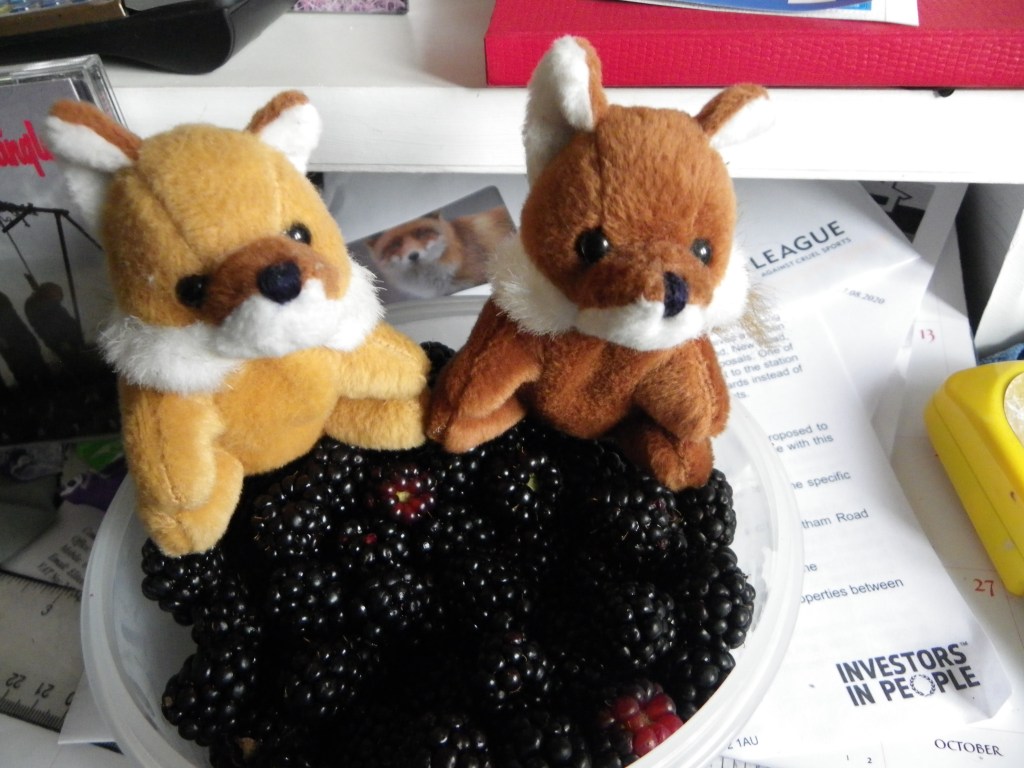
These little monkeys are stealing all my berries !:
Photo – Mark (WAV)
Photo – Mark (WAV)
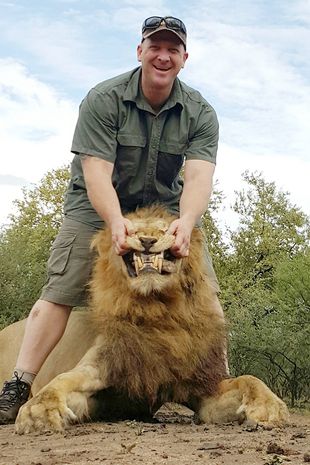
Shoot them with Cameras; NOT GUNS !
Mark
Dont you just love these girls – the ‘Anadin Brothers’ !
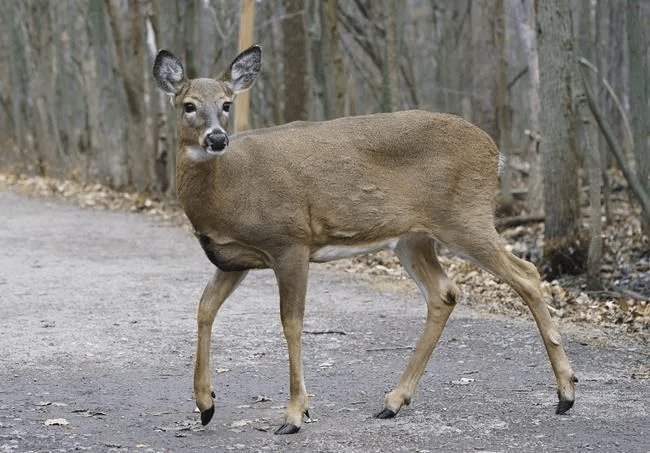
MONTREAL — A well-known Quebec lawyer is going before the Superior Court to prevent the cull of white-tailed deer living in a forest on Montreal’s South Shore.
Lawyer Anne-France Goldwater, who has previously voiced her opposition to the plan, has filed a court petition on behalf of herself, a wildlife rescue organization called Sauvetage Animal Rescue, and a local animal-rights activist.
Goldwater is asking the court to prevent Quebec’s Wildlife Department and the City of Longueuil from killing the deer until the case is heard.
Last November, Longueuil Mayor Catherine Fournier said the city would kill all but about 15 deer in order to protect the Michel Chartrand Park, which can’t support the roughly 70 deer living there.
Sauvetage Animal Rescue had proposed to relocate the animals, but the committee said last year the only short-term solution was to kill them.
Longueuil’s previous administration had planned to cull the deer in the fall of 2020, but the city relented after a strong backlash that included a petition, a protest and threats against the former mayor.
Goldwater says the case is expected before a judge next month.
This report by The Canadian Press was first published May 18, 2022.
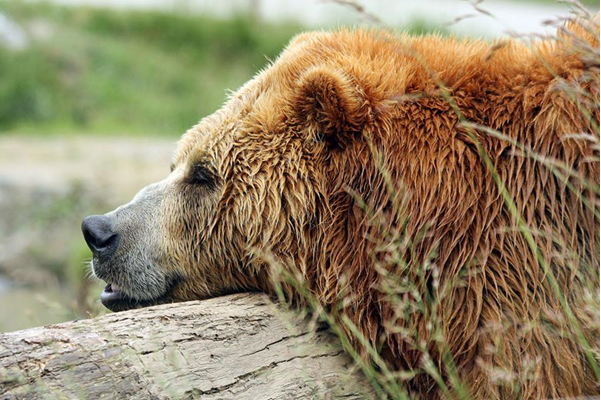
The way brown bears have been treated across the planet – over thousands of years – is one of the most damning examples of humanity’s disdain for the natural world.
Across the globe – and especially across Europe – their homes have been carved to pieces and their populations culled en masse. They’ve been baited, beaten and slammed into cages to spend their lives tortured and performing for grim human amusement.
A simple map of Europe paints the picture in gory detail. In the UK, Germany, Denmark, Portugal, Belgium, Ireland there is not a single surviving wild bear. Not one.
And every casualty behind each of those bloody extinctions was a creature who was truly, undeniably marvellous.
Brown bears are remarkably intelligent – cubs spend years with their mothers learning everything from fishing to finding the plant foods available in each season. They possess one of the most complex brains relative to their size and have more muscle than they know what to do with – allowing them to thrive in forests or steppes or tundra.
But that muscle was futile against human traps, guns and persecution. Almost every bear that wasn’t hidden in deep forests is now dead. The final few in Europe are clinging on in shrinking scraps of habitat and – without help – their chances of surviving this onslaught look slim.
If we want a natural world with brown bears – real bears free from metal cages – then we must help save them. We must not lose them from Europe.
Around a third are hidden away in Romania’s forests, and it’s here that turning their fate around is feasible. Despite centuries of devastation, we now have a realistic hope, with realistic plans. Local people are on board with our project, and we’ve got the expertise to protect the bears.
We just need to secure the forest.
And – through your donations today – we could help do that. We want to help purchase vital land and put up strategic fences to keep the forest and the people who live by it safe. That way we can protect these bears, and give them the safety they’ve needed for generations.
Humanity is irrefutably the villain of this centuries-old tragedy but – with the help of local communities and people like you – we have one last chance to change that, and be the heroes who come through at the end.
Please help save brown bears. If everyone reading this donates just £3, you could help end centuries of suffering and keep bears free and thriving in the wild. Thank you.
1924 – The League was founded by Henry B. Amos to oppose rabbit coursing[7] – he was successful in achieving a ban. This resulted in the organisation expanding its remit to include other blood sports – such as fox, hare and deer hunting.
In 1935, Amos was jailed briefly for throwing a copy of Henry Stephens Salt‘s Creed of Kinship through a stained glass window at Exeter Cathedral during evensong
He first became interested in vegetarianism in about 1886.
1975 – A bill seeking to ban hare coursing, supported by the League, was passed through the House of Commons, but did not receive approval in the House of Lords.
1978 – The League secured legal protection for otters, including a ban on hunting them. The aquatic mammal was up until that point hunted with packs of hounds, one of the reasons for their numbers declining.
1992 – The League helped secure the Protection of Badgers Act, which expanded the protection of the mammals themselves to their setts. The homes of badgers are illegally targeted for several reasons, including being blocked by fox hunts to stop animals being pursued by hounds fleeing underground.
2002 – Fox, hare and deer hunting and hare coursing was banned in Scotland under the Protection of Wild Mammals (Scotland) Act 2002, which was introduced by MSPs following campaigning by the League and other animal protection organisations.
2004 – Fox, hare and deer hunting and hare coursing was banned in England and Wales under the Hunting Act 2004. The legislation was introduced by MPs following campaigning by the League and other animal protection organisations.
2005 – The Hunting Act 2004 came into force – making fox, hare and deer hunting and coursing illegal across England and Wales.
2005 – The Waterloo Cup hare coursing competition held its final meeting at Great Altcar in Lancashire, closing after 169 years following passage of the Hunting Act.
2006 – A huntsman with the Exmoor Foxhounds was found guilty of illegally hunting foxes with dogs in a private prosecution brought by LACS, but the case was overturned on appeal.[8][9]
2007 – Two members of the Quantock Staghounds were successfully prosecuted by the League following chasing a deer across Exmoor.[10]
2008 – Two members of the Minehead Harriers pleaded guilty to chasing a fox with a pack of hounds in a private prosecution by LACS.[11]
2009 – The League announced a new campaign against dog fighting, amidst news reports that there is an increase in dog fighting in London.
2014 – The League celebrates 90 years of campaigning against cruelty to animals in the name of sport. Figures from the Ministry of Justice show that there have been 341 convictions under the Hunting Act 2004.
2015 – Prime Minister David Cameron offered a free-vote on repealing the Hunting Act, backing down shortly afterwards following pressure form the League, MPs and other animal protection organisations.
2015 – Cross-channel ferry companies stop shipping pheasants and partridges from French factory-farms to British shooting estates, following an investigation and lobbying by the League.
2018 – Conservative Party drops its manifesto commitment to offer a free-vote on repealing the Hunting Act following pressure from the League, meaning no Westminster party any longer supports repealing the hunting ban.
2018 – Scottish Government announces intention to strengthen the Protection of Wild Mammals (Scotland) Act 2002, which bans hunting with hounds in Scotland, following pressure from the League and other animal protection organisations.
2018 – Welsh Government bans pheasant and partridge shooting on public land following campaigning and pressure from the League and Animal Aid.
2018 – The Labour Party backs calls made by the League to strengthen the Hunting Act – including prison sentences for those who chase and kill wild mammals.
2019 – University of Wales suspends pheasant shooting on its countryside campus at Gregynog Hall following campaigning by the League.
2020 – In January 2020, an employment tribunal in Britain ruled that ethical veganism is a “philosophical belief” and therefore protected in law. This is the first time an employment tribunal in Britain ruled this. This case was in regards to vegan Jordi Casamitjana, who stated he was fired by the League due to his ethical veganism.[12
ROYAL SOCIETY for the PROECTION of CRUELTY to ANIMALS (RSPCA)
The society was the first animal welfare charity to be founded in the world.
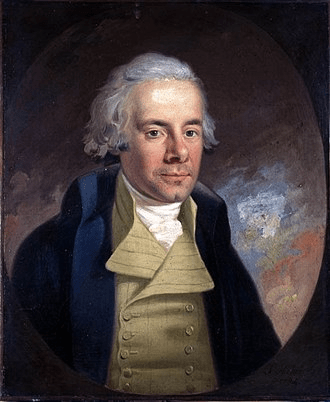
Founded on the 16th June 1824, by Richard Martin, William Wilberforce and the Reverend Arthur Broome, at the Old Slaughter’s Coffee House, near Trafalgar Square, London, who together agreed that the neglect, cruelty and abuse of animals was unacceptable.
William Wilberforce – One of the RSPCA founders and anti slavery staunch campaigner.
Now very close to its 200th anniversary; and going stronger than ever.
Wilberforce was an advocate and staunch campaigner for the abolition of the slave trade; which he achieved shortly before his death:
This proves that animal welfare campaigners are also strong supporters of human welfare issues, as we show with our support for ‘Free Tibet’ who are based in London:
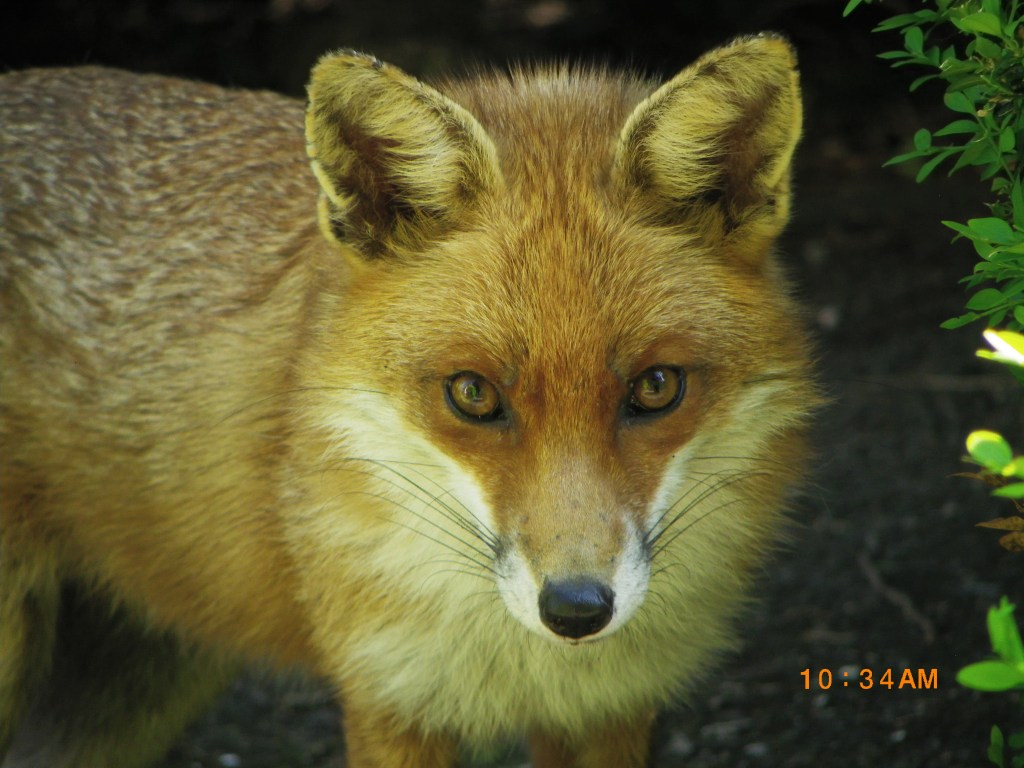
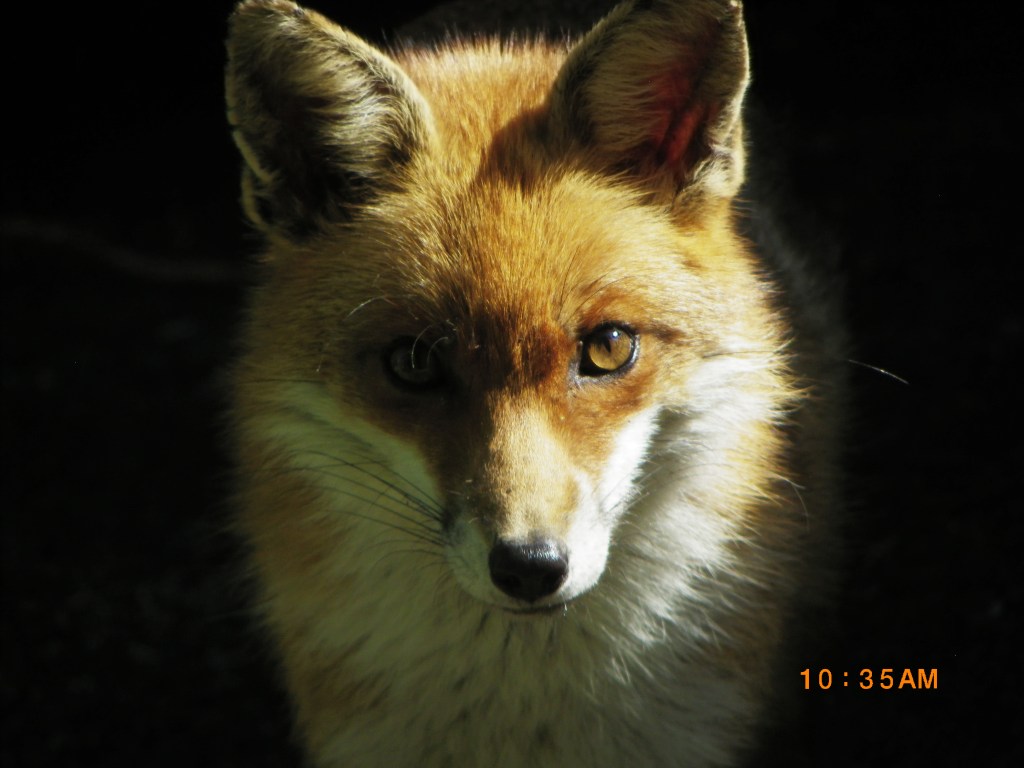
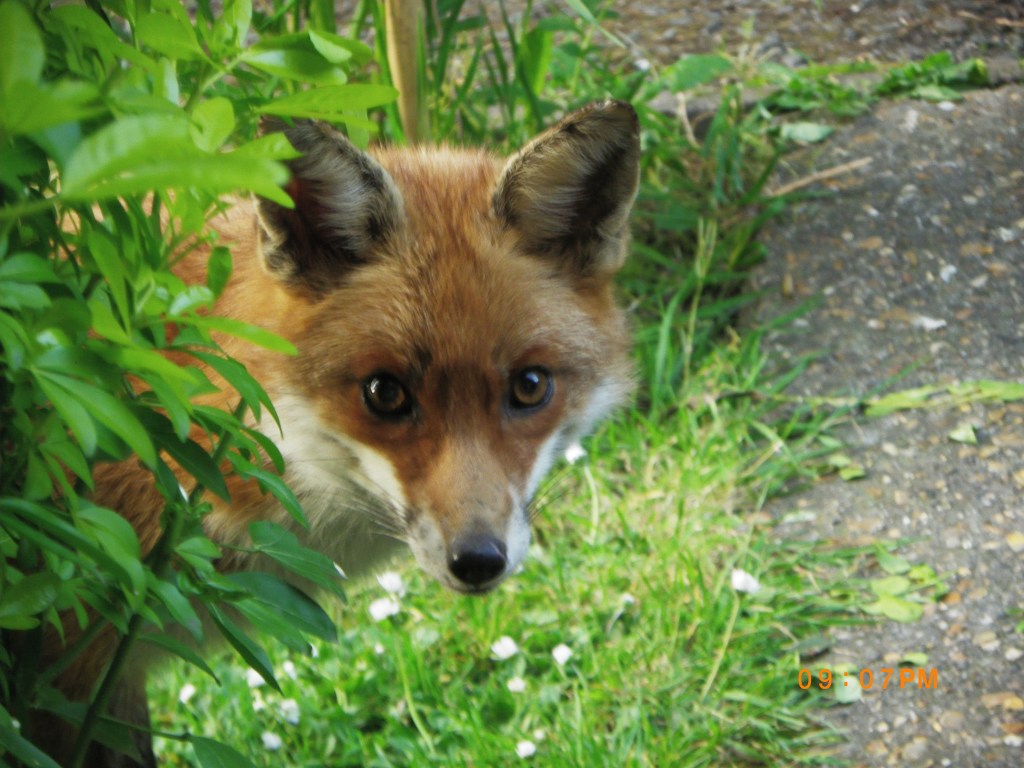
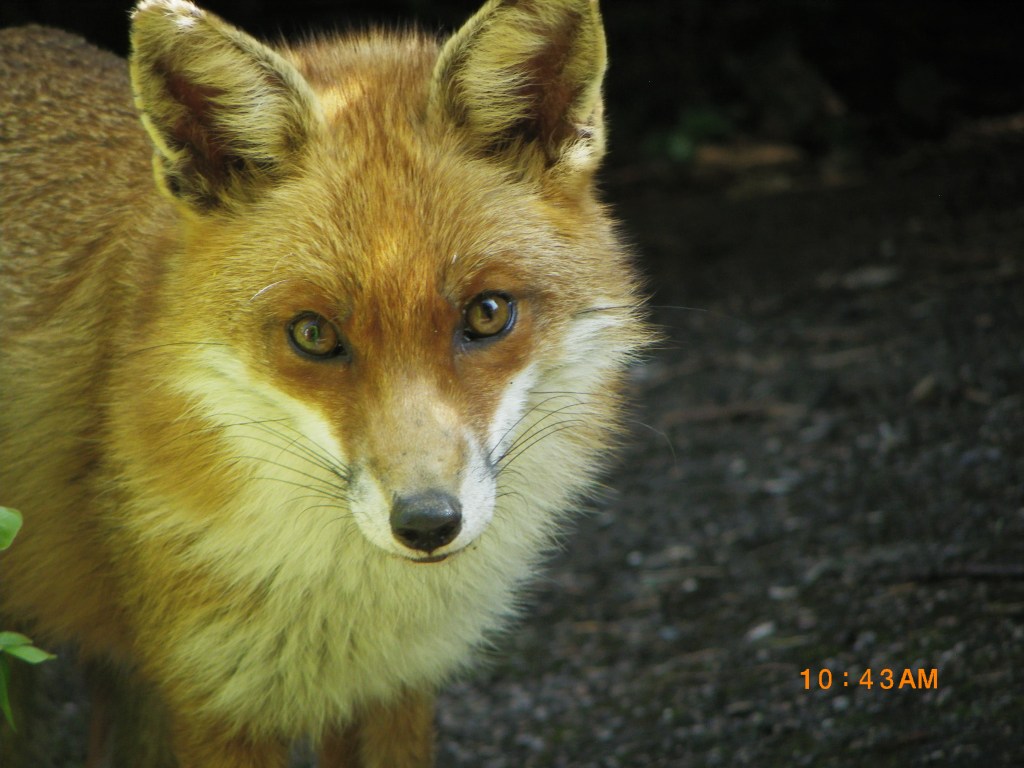
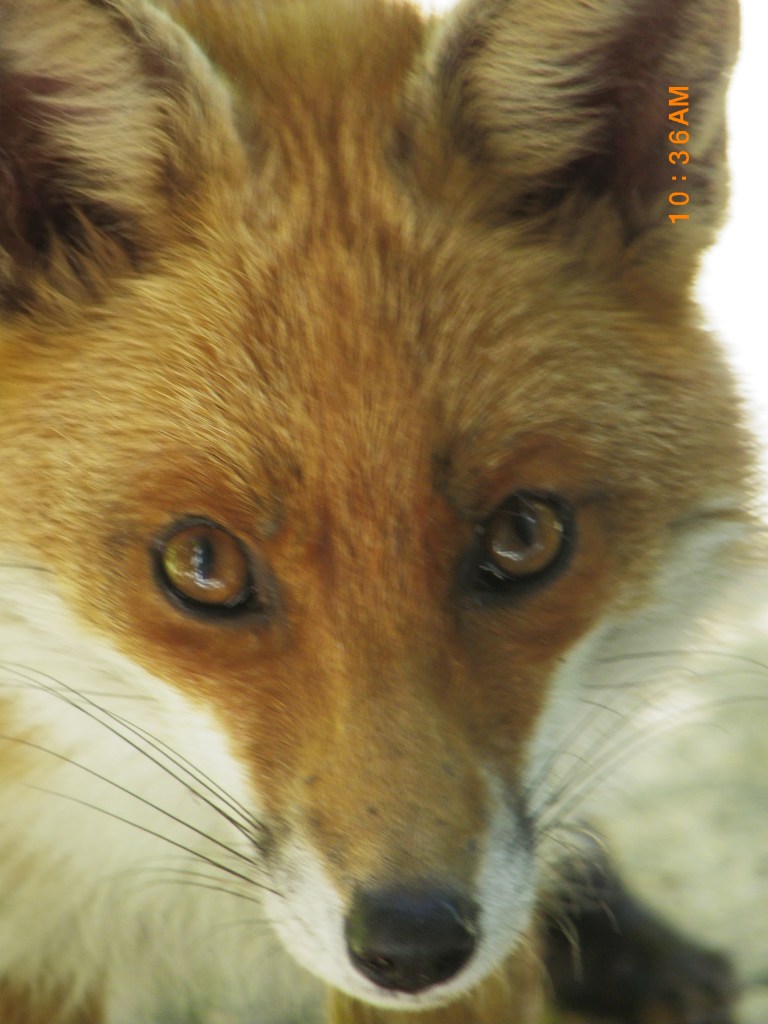
Shots from my garden yesterday (28/4) and today; one of many vulpines (foxes) who come round and chill; get some scoff, and then vanish.
I love foxes; some (Limited numbers) folk still hate them; considering them pests; but I welcome them with open arms and some snacks to enjoy. Why persecute them ? – is finding food and daily survival not difficult enough for them ? – if I can help with a few food snacks and ensuring they are mange free then I will.



























 World Animals Voice